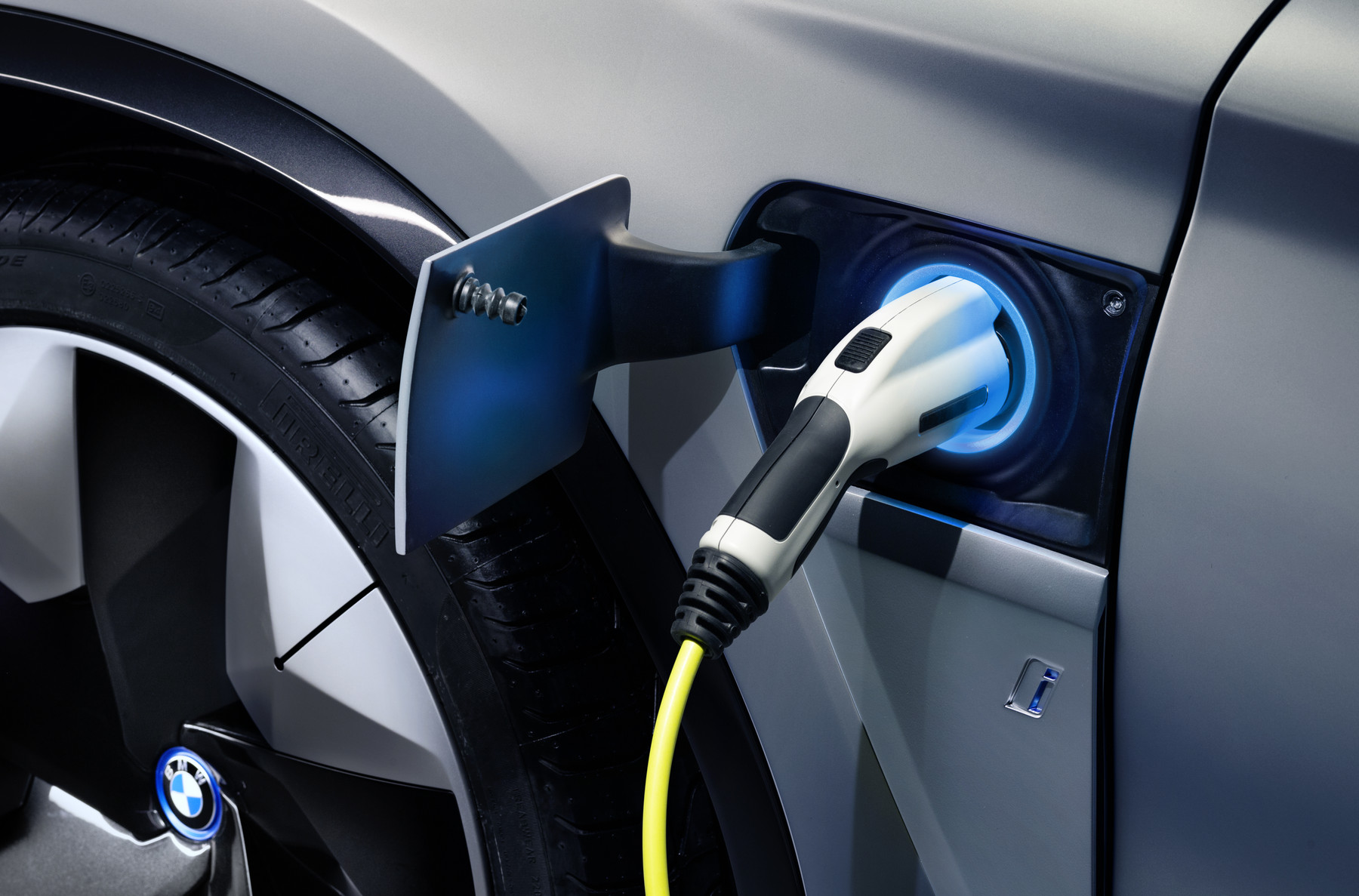
The Indian government has decided to cut VAT on electric vehicles from 12% to 5% and charging stations from 18% to 12%. In addition, the purchase of electric buses by the municipalities is exempt from VAT.
The changes will come into force on 1 August 2019. The VAT on petrol and diesel remains at 28 percent. With the tax cut, the Indian government wants to reduce the price difference between the two types of power in order to make electric cars more affordable.
However, an exemption from the registration fee for electric vehicles, which was discussed in June, was not decided. Reports are still in the room to increase the registration fee for gasoline and diesel.
However, the Federal Bureau of Indirect Taxes (abbreviated to GST) has made the condition that the vehicles have at least 12 seats eligible for the tax exemption for electric buses. The Indian government wants to promote not only renewable energy, but also clean traffic.

The Federal Ministry for the Environment in Germany is providing an additional 180 million euros for the purchase of electric buses in urban public transport. As a result of the extension, the ministry now intends to pay around € 300 million on the… Continue reading
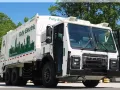
One of the noisiest, biggest and dirtiest vehicles that have been created is undergoing a hopeful transformation. And is that more and more companies are aiming to develop electric garbage trucks, and even autonomous as Volvo has done. Mack Trucks, part of… Continue reading

For the 20th anniversary of the VW subsidiary in California, the German carmaker has shown the legendary Type 2 T1 as an electric minibus. The VW Type 20 is just a concept. Type 20 is an electric minibus based on the iconic Volkswagen Type 2 T1 that in… Continue reading
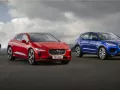
Jaguar I-Pace Sky Edition. A commercial edition of the British electric car that arrives on the market with the Performance Pack and an interesting offer price. Jaguar was the first brand in Europe to enter the 100% electric premium… Continue reading