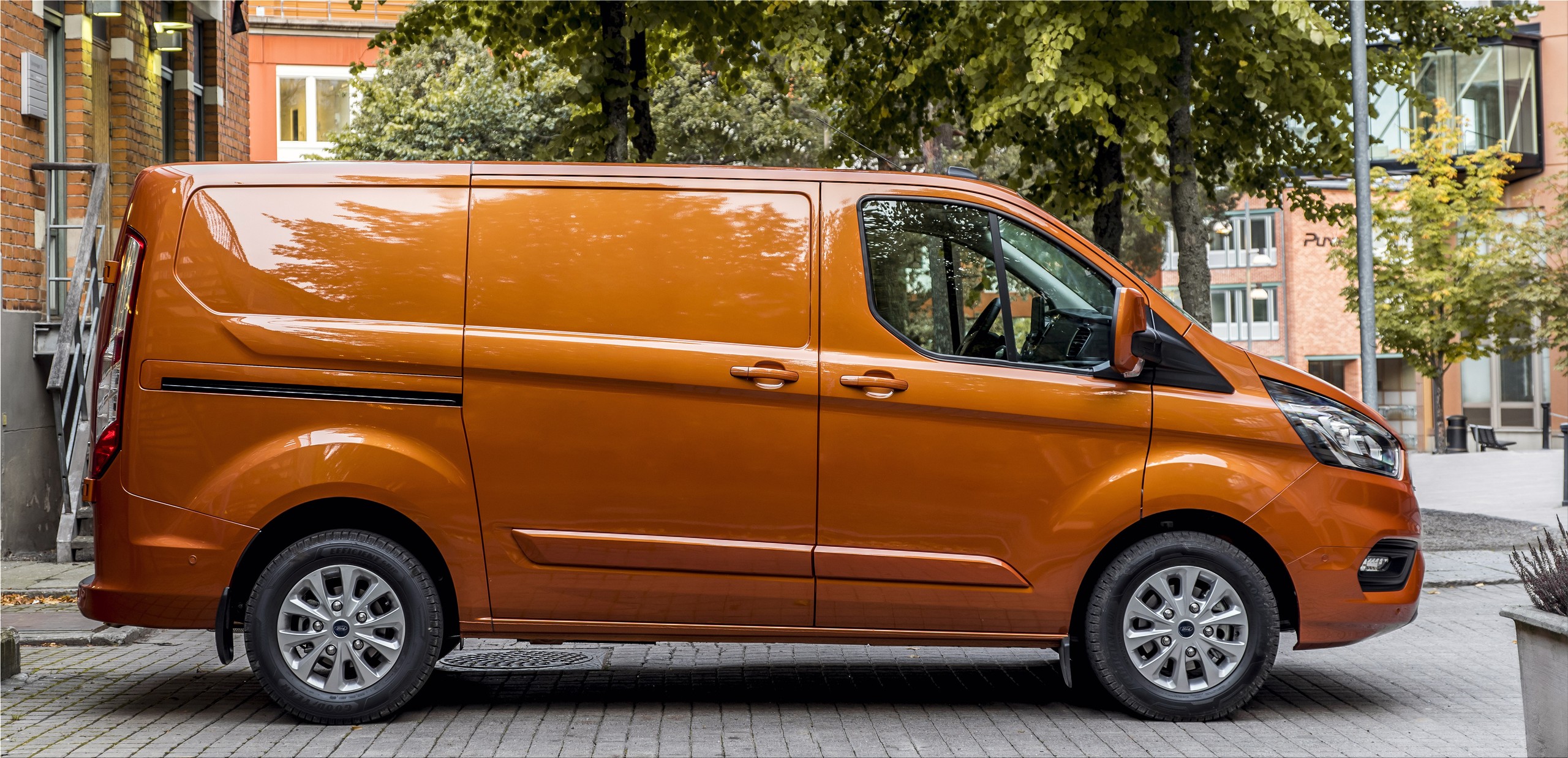
With the new geofencing technology, the new Ford Transit Custom Plug-In Hybrid, you use the gasoline engine as a range extender when you need it, and automatically run on clean electricity when local emissions requirements dictate. This is a very practical and environmentally friendly solution, both for those who depend on vans with a certain range and authorities who want to fight the growing problem of pollution in European cities.
Geofencing is a virtual boundary defined by GPS technology. When the new rechargeable hybrid van passes such a limit, it will automatically switch to the electric engine propulsion. The mileage and time spent in the low-emission zone are stored as encrypted data and can be shared with local authorities to show that the car was run on clean electricity.
A large number of European cities have already introduced low-emission zones. These help improve air quality by preventing the most polluting cars from driving there.

A large test project with 20 Transit Custom rechargeable hybrids - carried out in London, showed that as much as 75% of the mileage was on clean electricity.
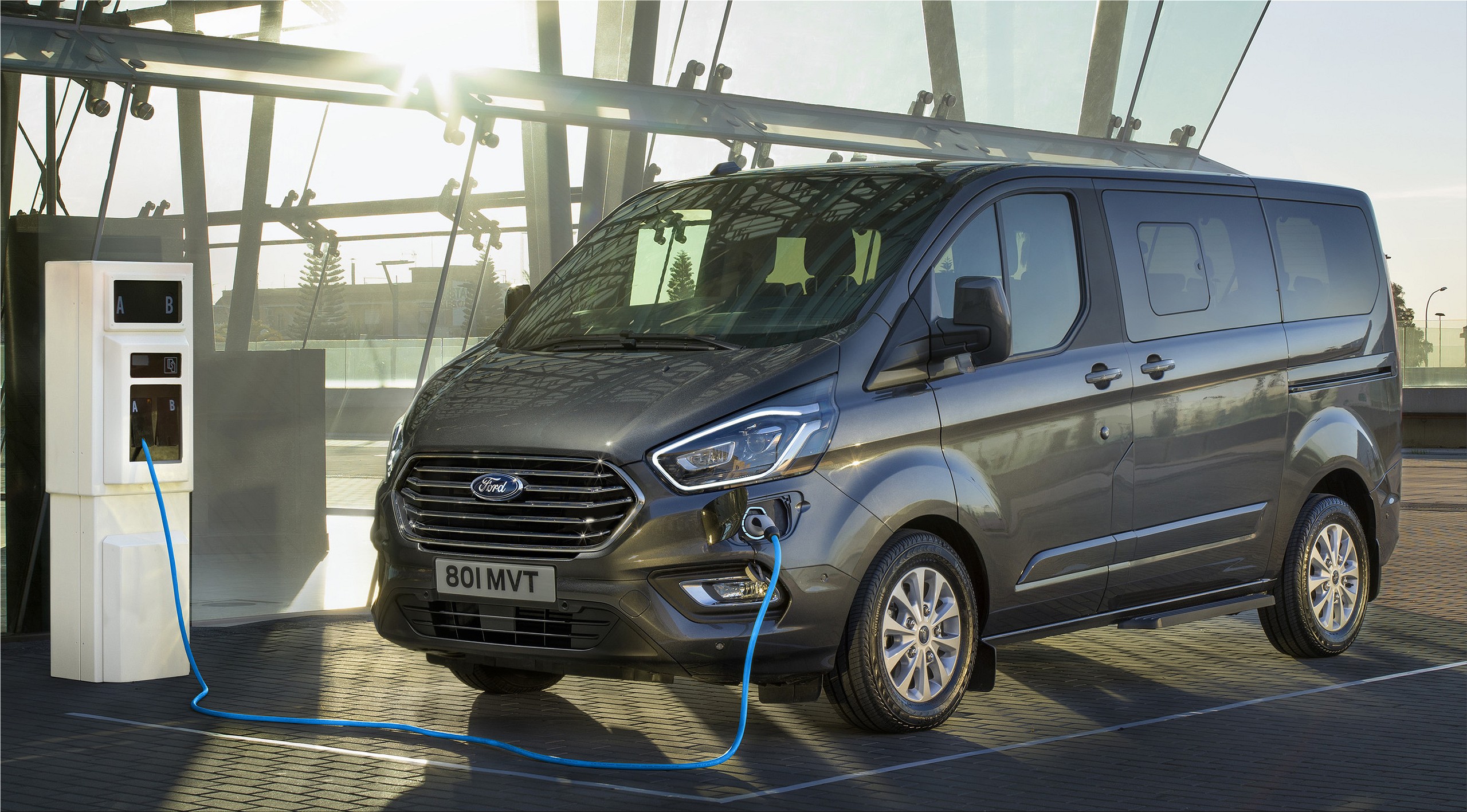
The new Ford Transit Custom Plug-In Hybrid is the first rechargeable hybrid in the 1-tonne van segment. The Ford Transit PHEV is powered by a 92.9 kW electric motor and a 13.6 kWh lithium-ion battery pack. The battery is charged in less than 4.5 hours with a regular home charger and in less than 3 hours using a public charging station.
Ford's award-winning 1.0-liter EcoBoost petrol engine works exclusively as a range extender. It charges the battery on those trips where charging from the mains and braking energy regeneration do not provide sufficient range.
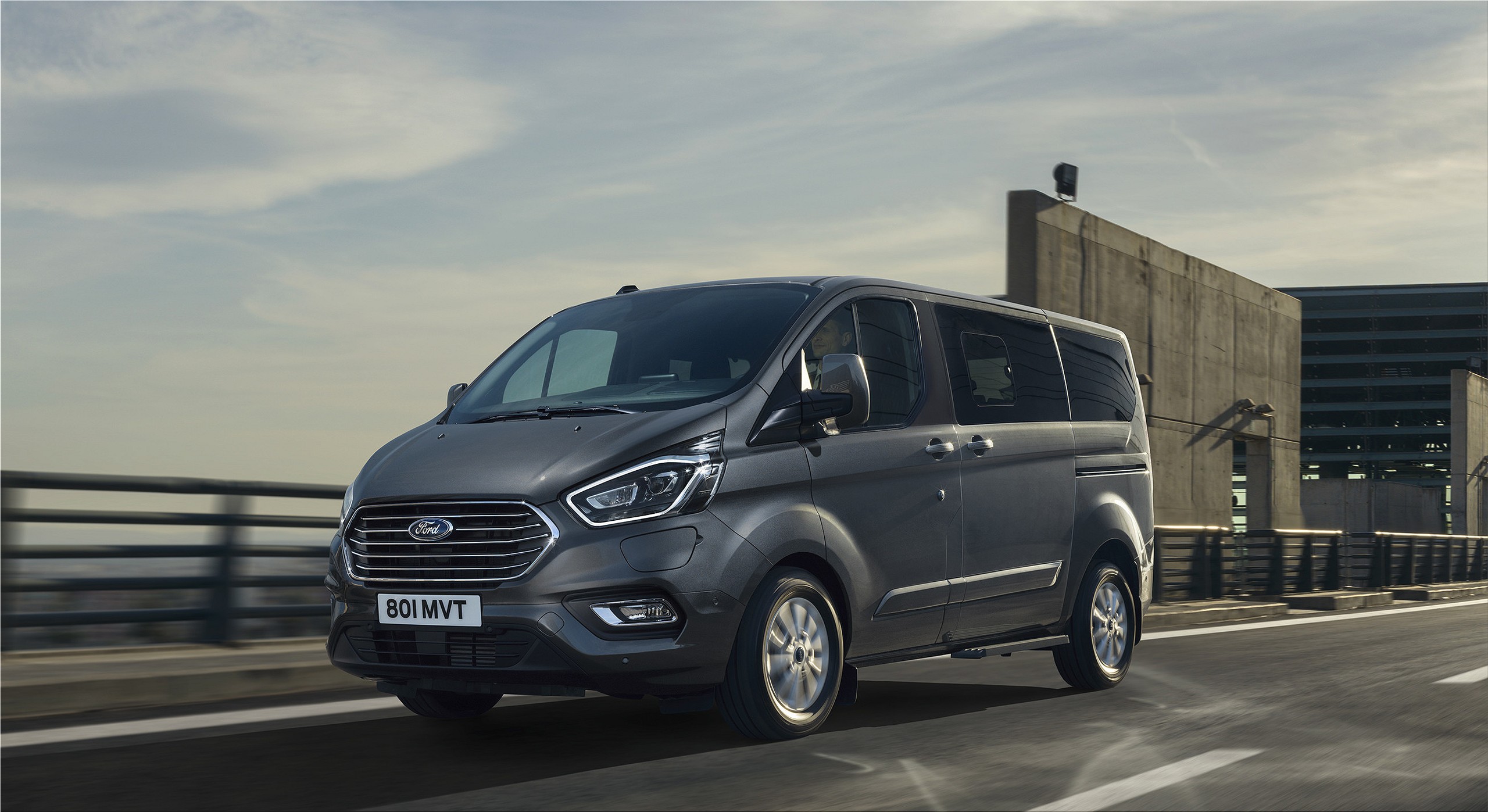
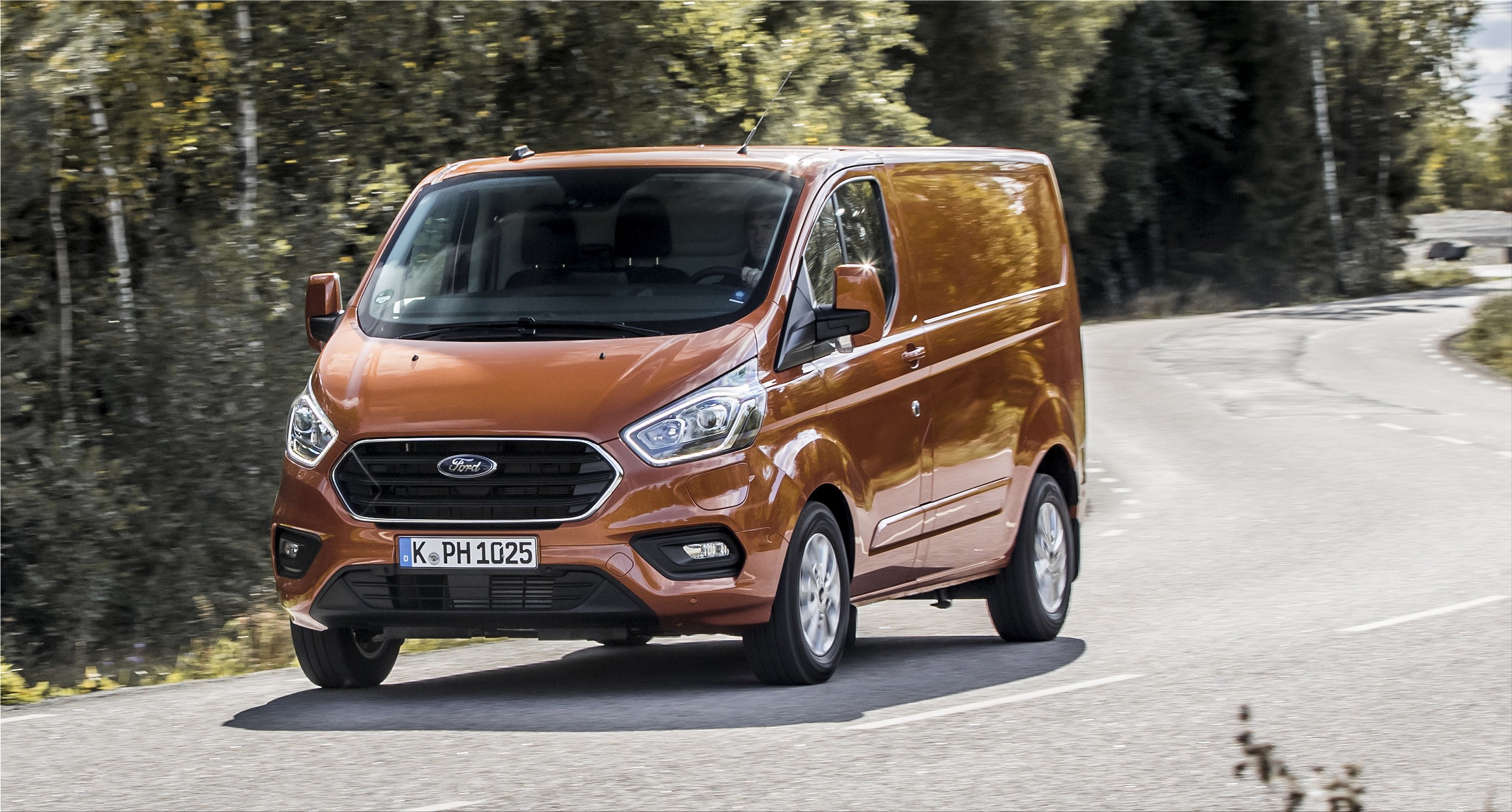
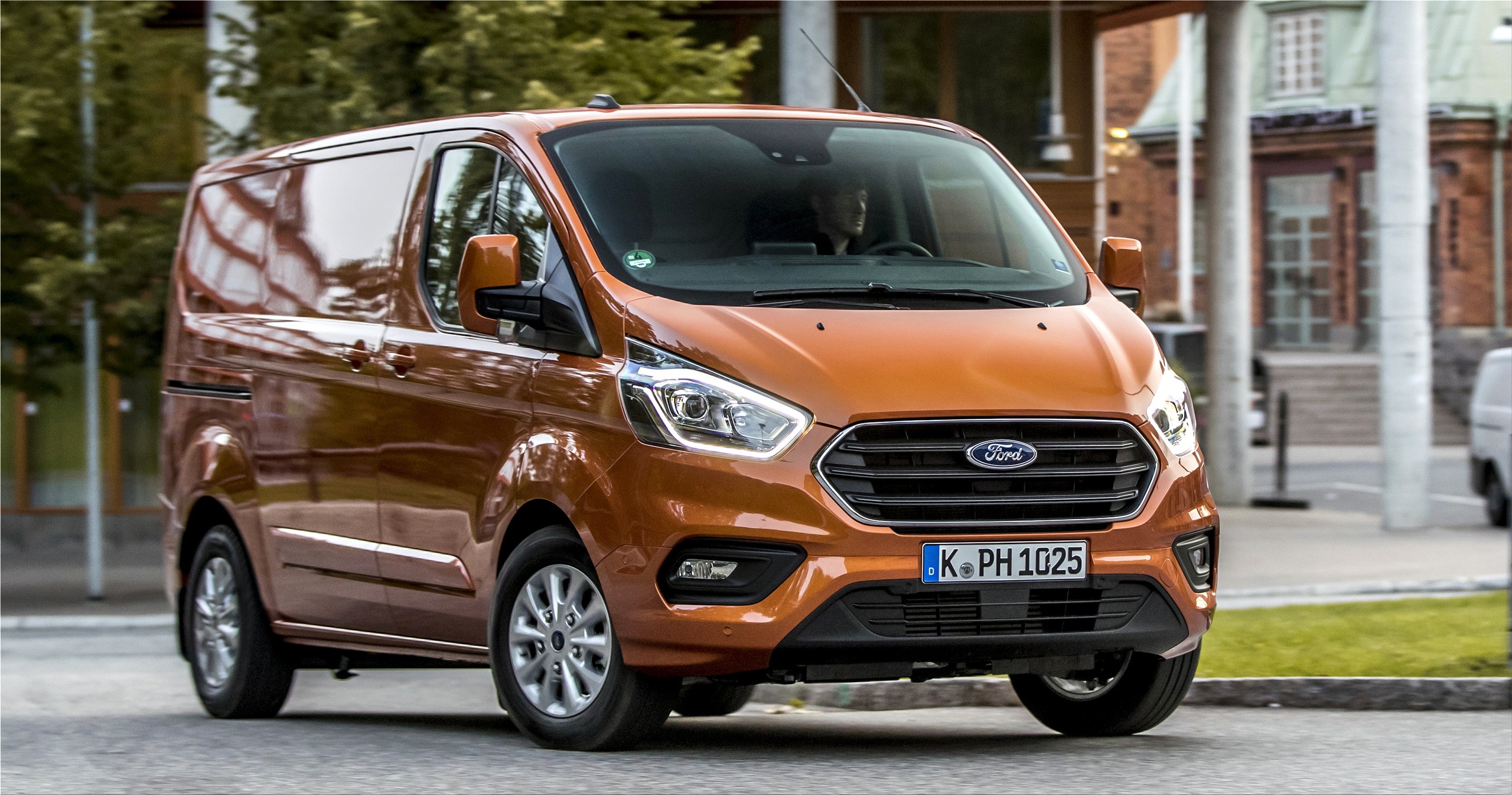
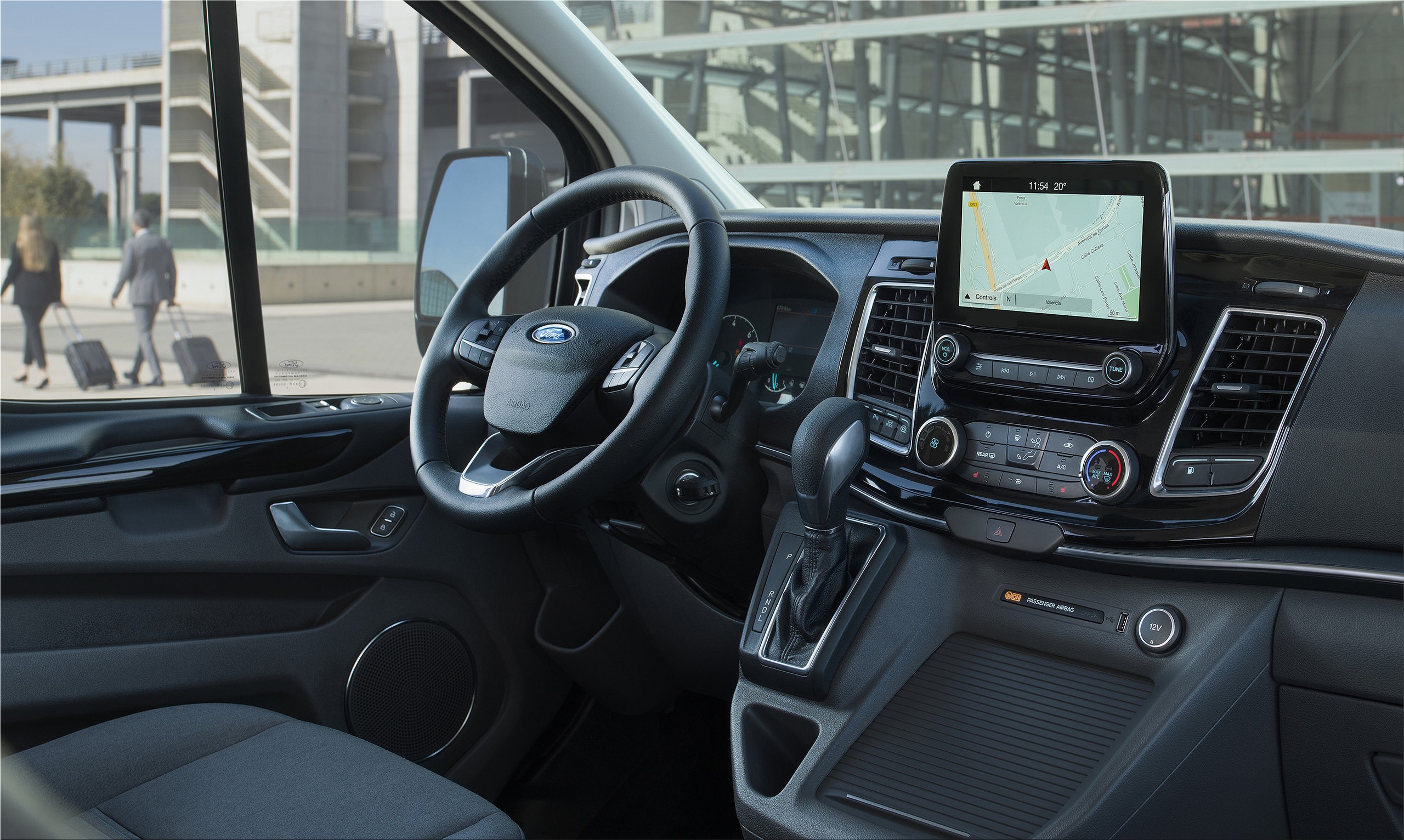
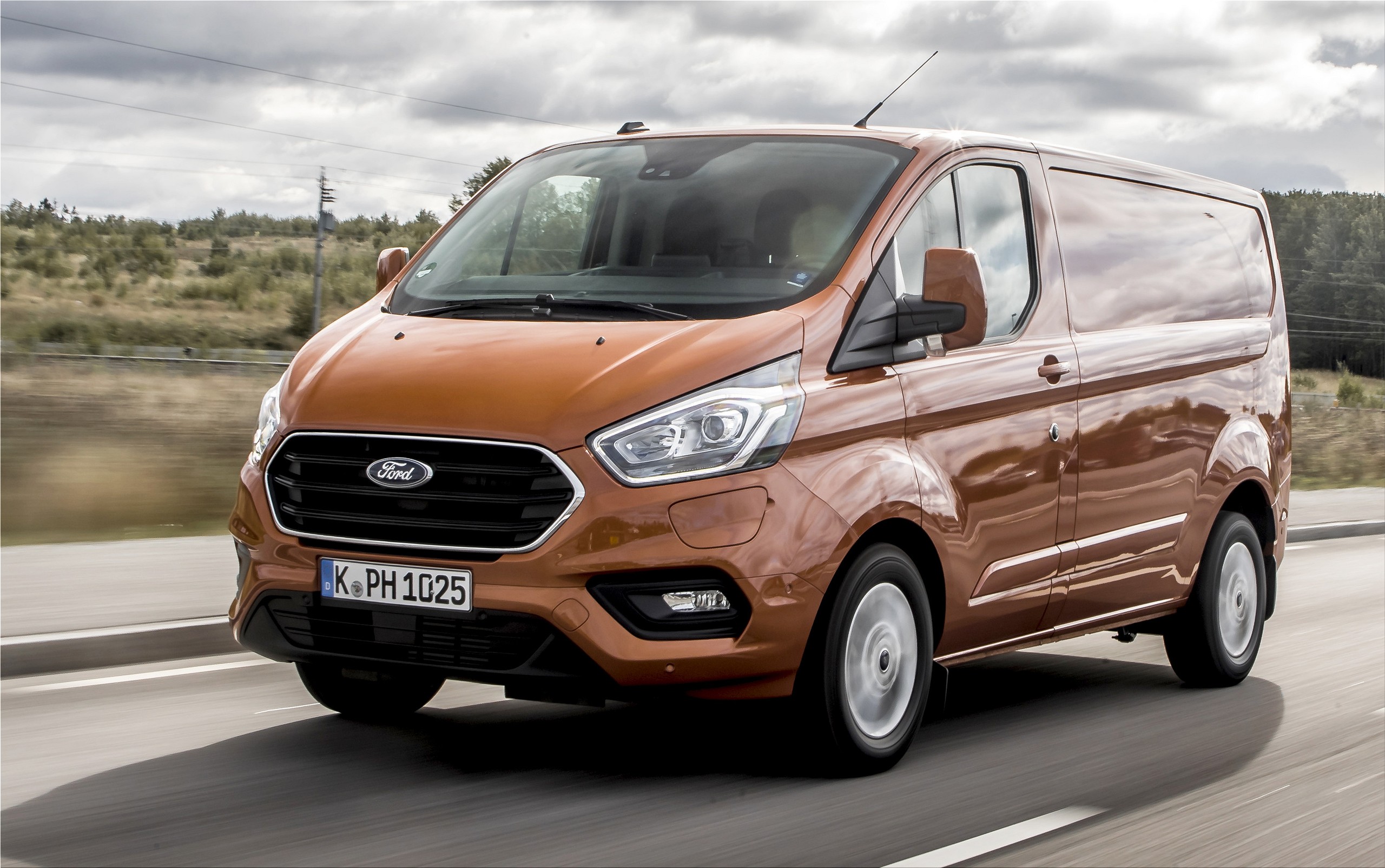
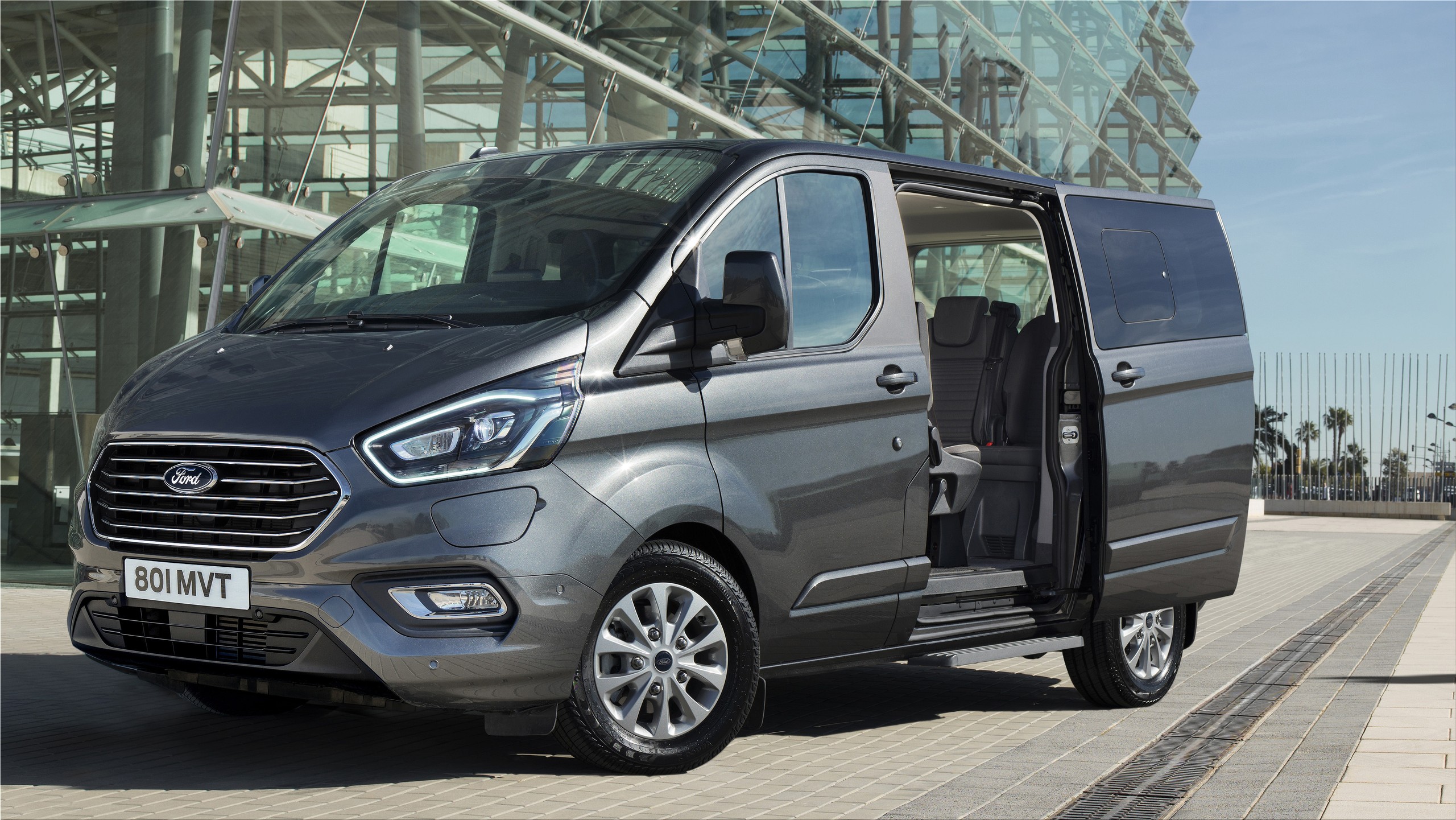
The new Ford Transit Custom has become an even nicer car that is more comfortable, convenient and packed with smart features and technologies than the previous generation.
Ford Otosan, the joint venture between Ford Motor Company and Turkey's Koc Holding, announced that it would create 1,300 new jobs at its factory in Craiova, Romania, as part of its plan to increase its production capacity and export potential… Continue reading

German bus manufacturer Daimler Buses wants to mass produce the electric version of the Citaro from the end of 2018, after having increased sales and maintained operating profit in 2017. The Daimler Buses bus division reported today that it… Continue reading
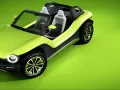
Volkswagen has unveiled an unprecedented electric concept in the form of a buggy. About 70 years after the launch of the first buggy on California beaches, Volkswagen introduced the Buggy ID concept to demonstrate that these vehicles can still be upgraded and… Continue reading
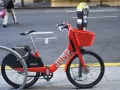
Uber launched its e-bike rental platform Jump with around 1,000 pedelecs in Berlin. It is the first location in Germany. The bright red electric bikes are now available in twelve districts of the capital. The rent costs one euro basic… Continue reading