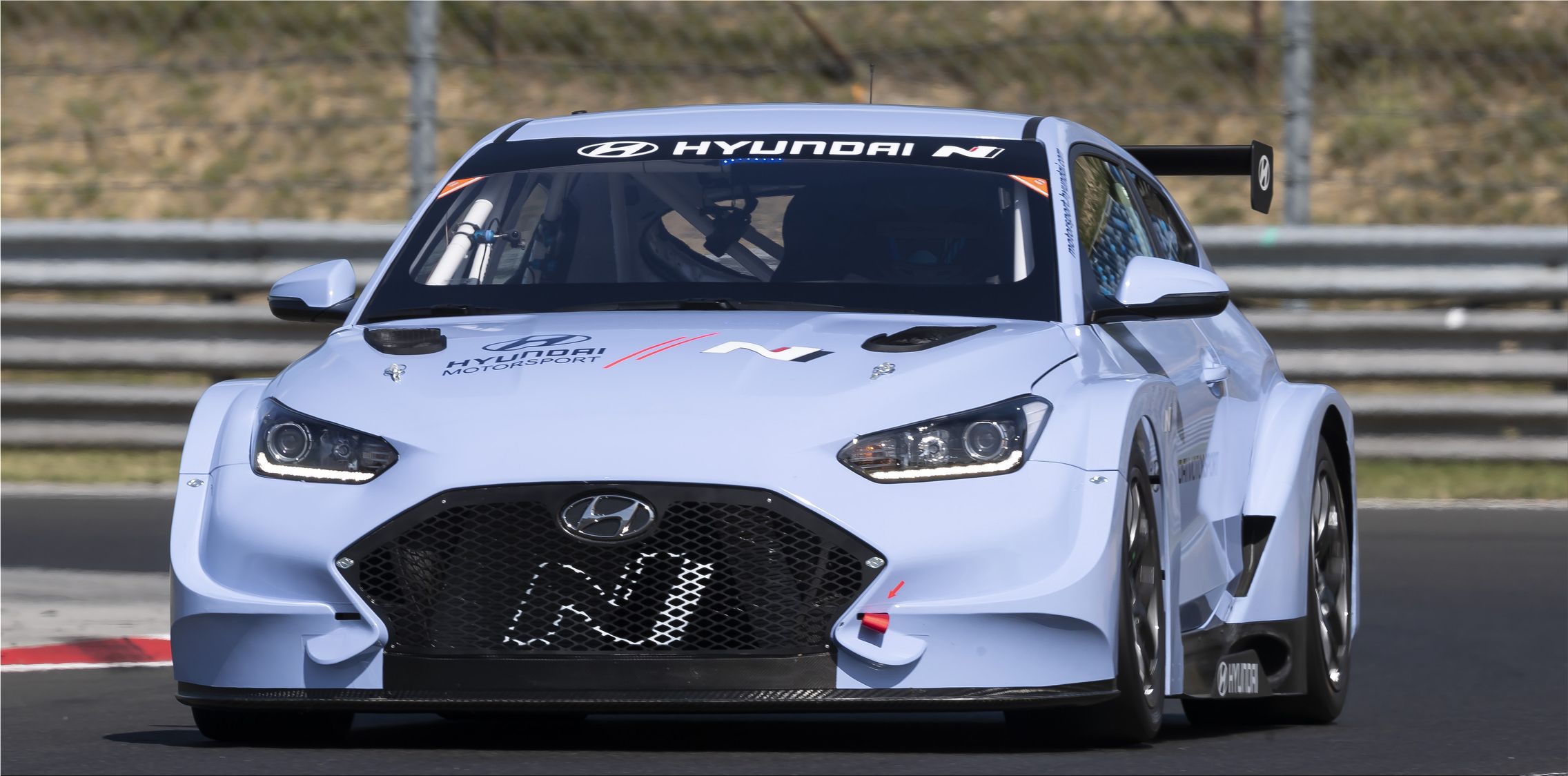
Hyundai's performance in WTCR and WRC competitions highlighted the brand's competitiveness in motorsport. The current tendency to electrification presents the need to transfer these performances in a green context. The electrified championships also give the opportunity to show new technologies and in particular ETCR (the world's first all-electric multi-brand race car championship).
ETCR was announced at the Geneva Motor Show in 2018 by the promoter of TCR WSC Ltd. In December 2019, Huyndai, Cupra, Seat, and Alfa Romeo, also revealed their interest in participating.


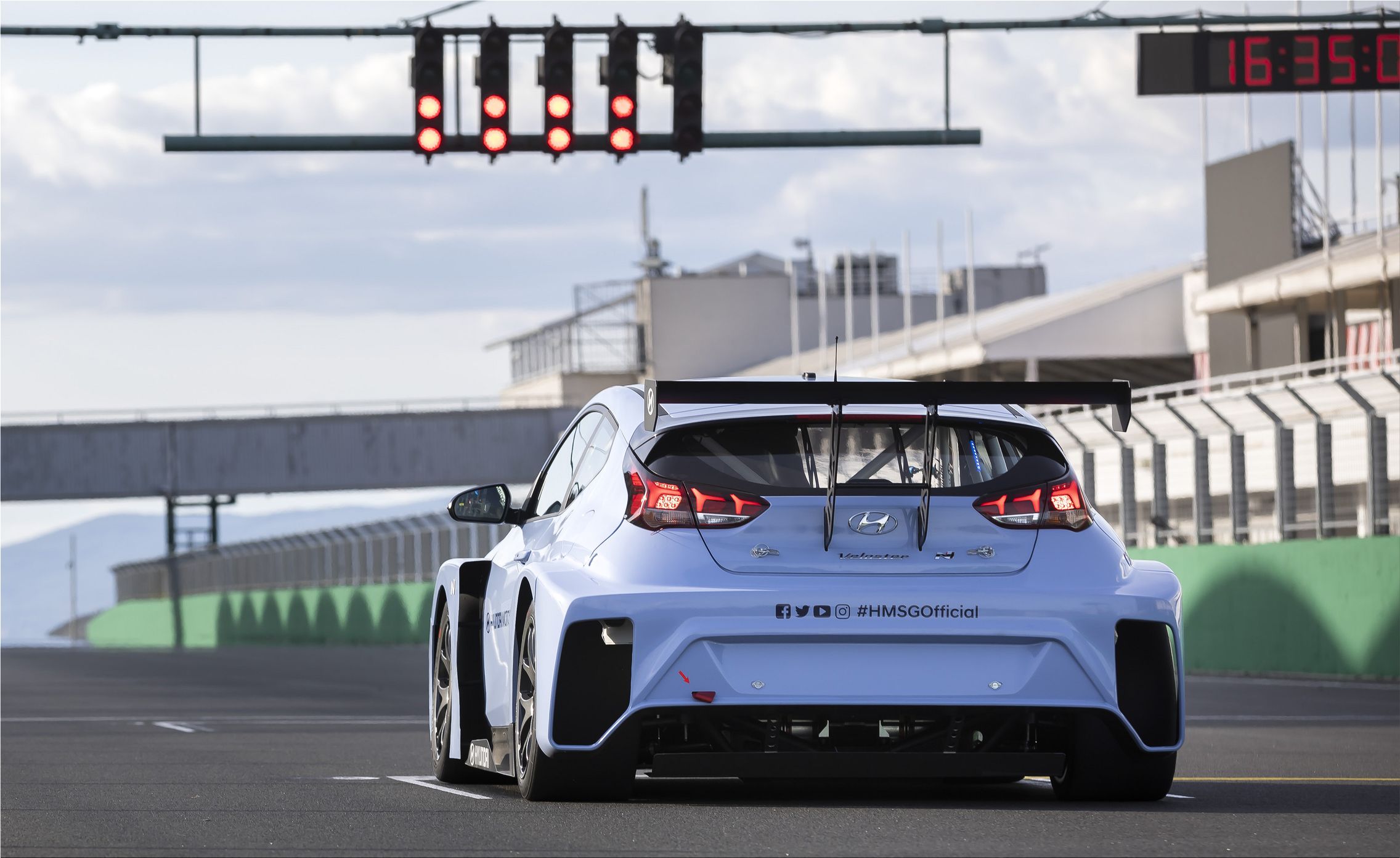
The Veloster N ETCR is Hyundai's weapon for this championship.
The Veloster N ETCR is Hyundai's first electric racing car with rear-wheel drive and a centrally mounted electric motor. The car was developed specifically for the new ETCR category, which will make its debut in 2020. Veloster will be assembled and put on wheels in Germany.
The Veloster N ETCR draws inspiration from Hyundai Motorsport's experience in designing racing cars.
It is the first 100% electric racing car of the Korean group delivering a maximum power of 500 kW.


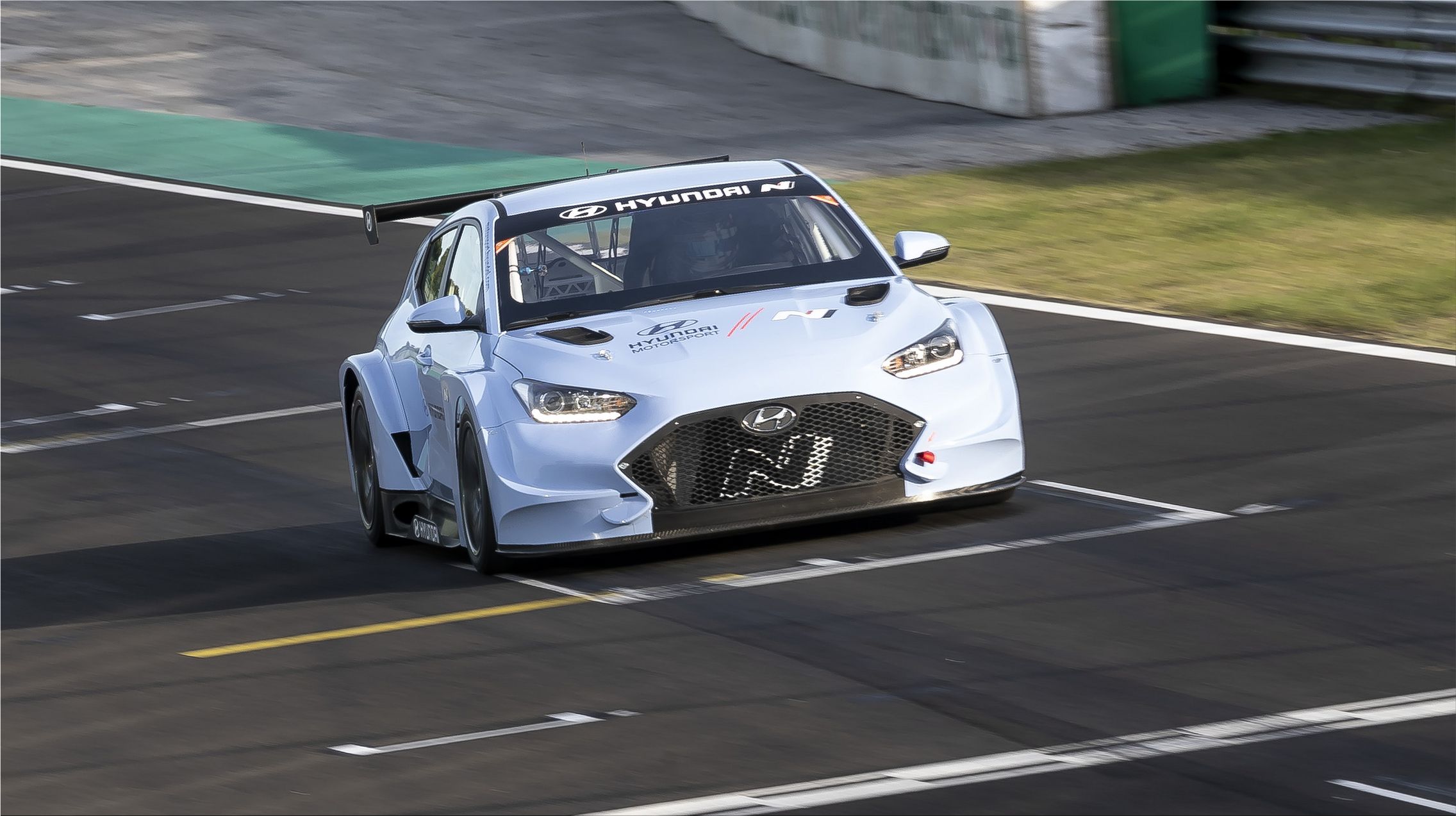
Hyundai will race against Cupra Leon ETCR and, maybe, an ETCR version of the Volkswagen ID.
As confirmed by the CEO of the company, the BMW iX3 will begin to be manufactured next summer. It will be made in China, where it will start selling first, and is scheduled to hit Europe in 2021. At a recent shareholders meeting, BMW… Continue reading
The purchase of an electric car is becoming more and more widespread. In July 2020 the transfer of ownership of used electric cars increased by + 122% compared to July 2019. To help you choose the most suitable model, here are the 10 best… Continue reading
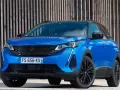
Peugeot plans to launch the all-electric e-3008 in autumn 2023. The electric SUV is to be based on the eVMP platform and it will be equipped with battery cells from the Automotive Cell Company (ACC). This… Continue reading
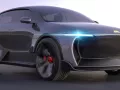
Humble Motors has presented a vehicle concept that comes close to a solar-powered electric SUV, its name: Humble One. The developers expect 16 to 97 kilometres of additional range per day from the 7.5 square meters of solar cells.… Continue reading