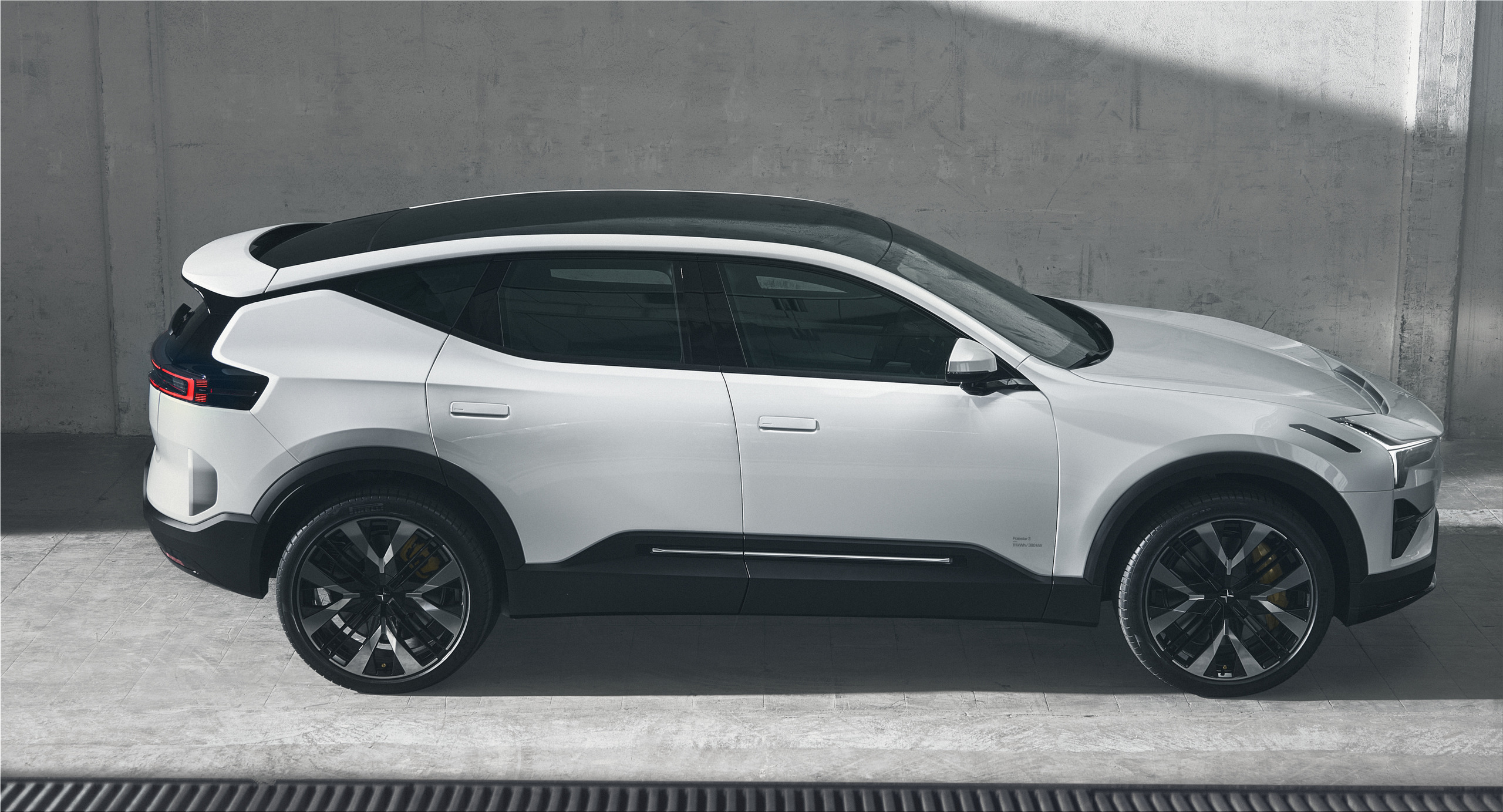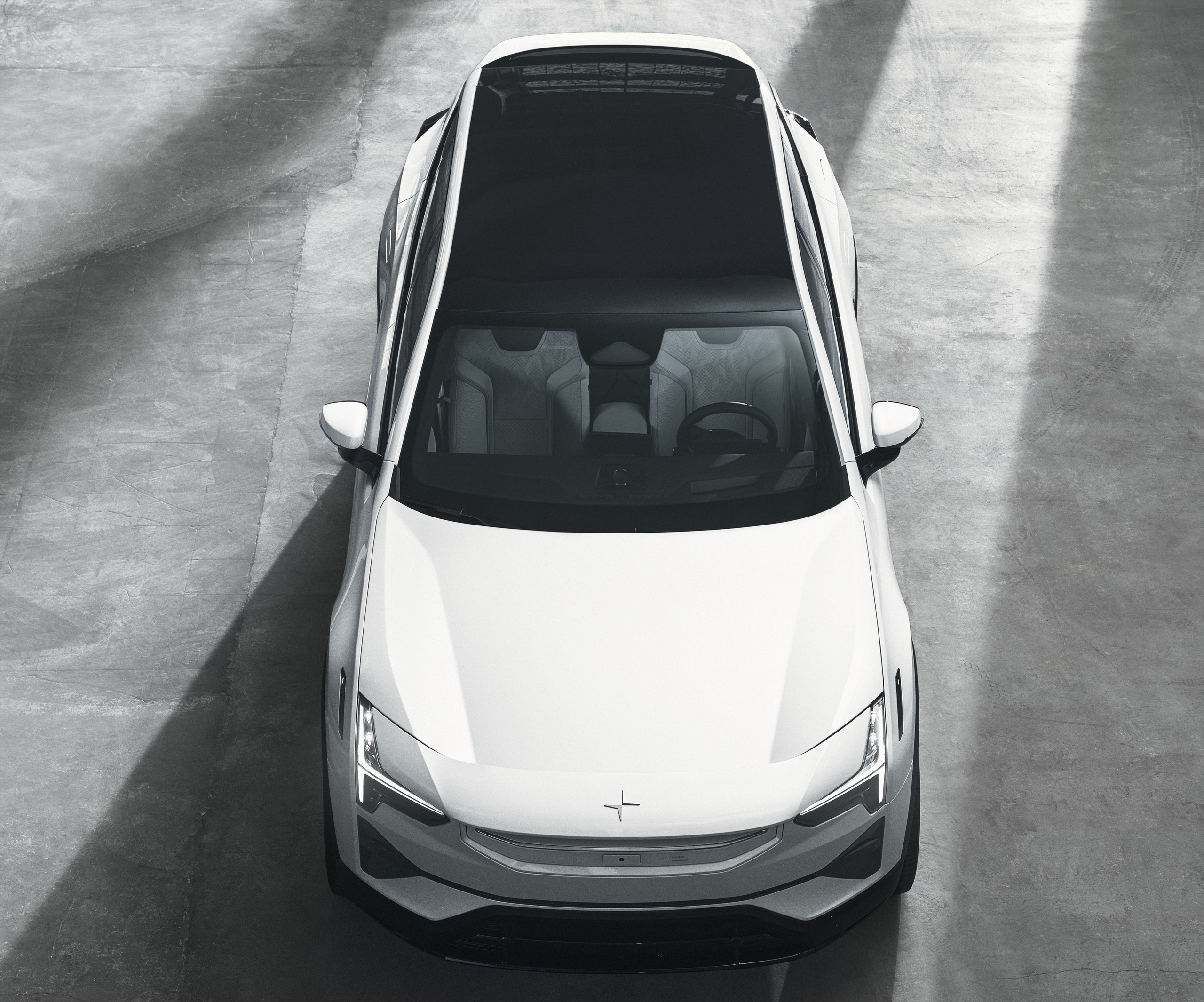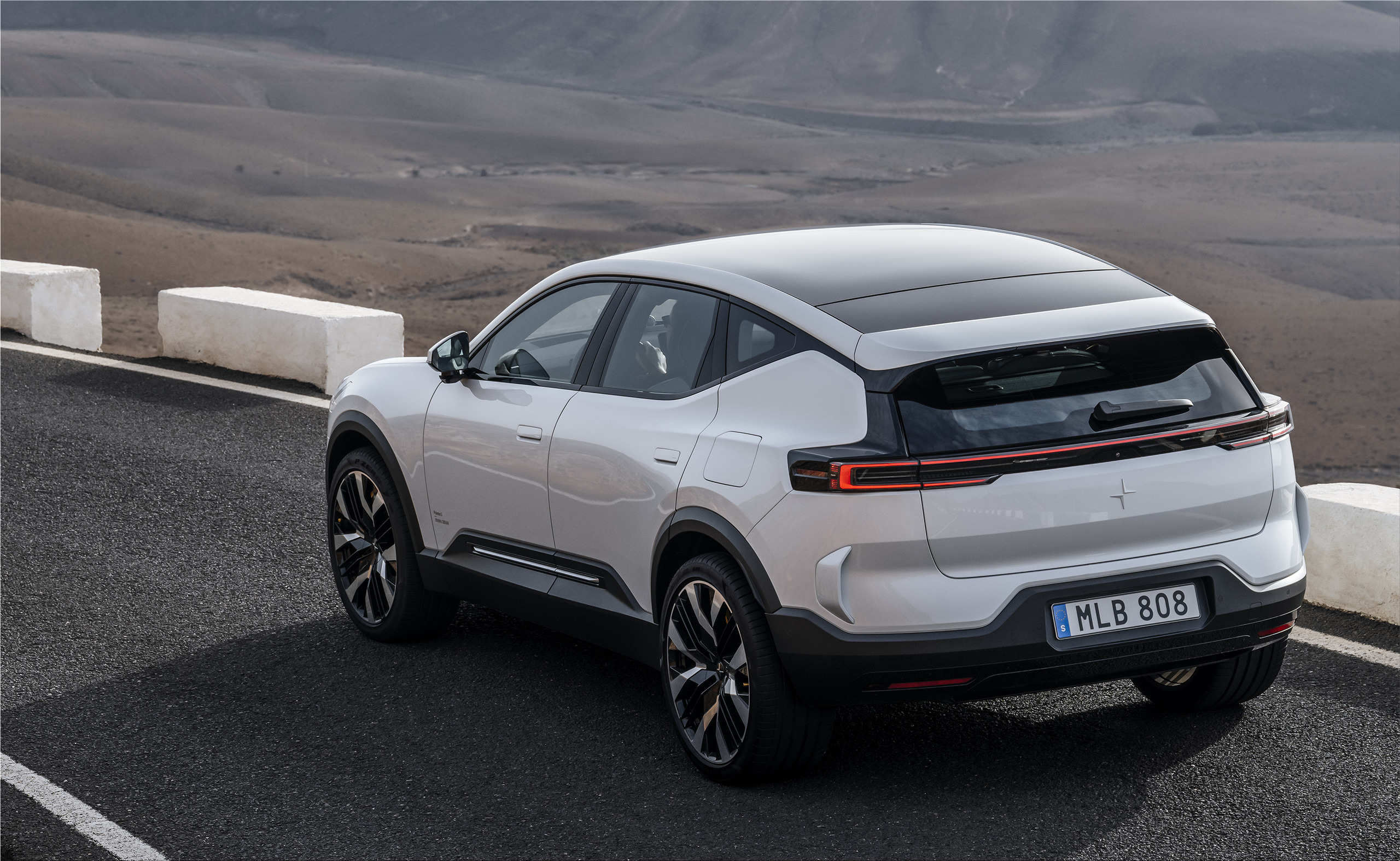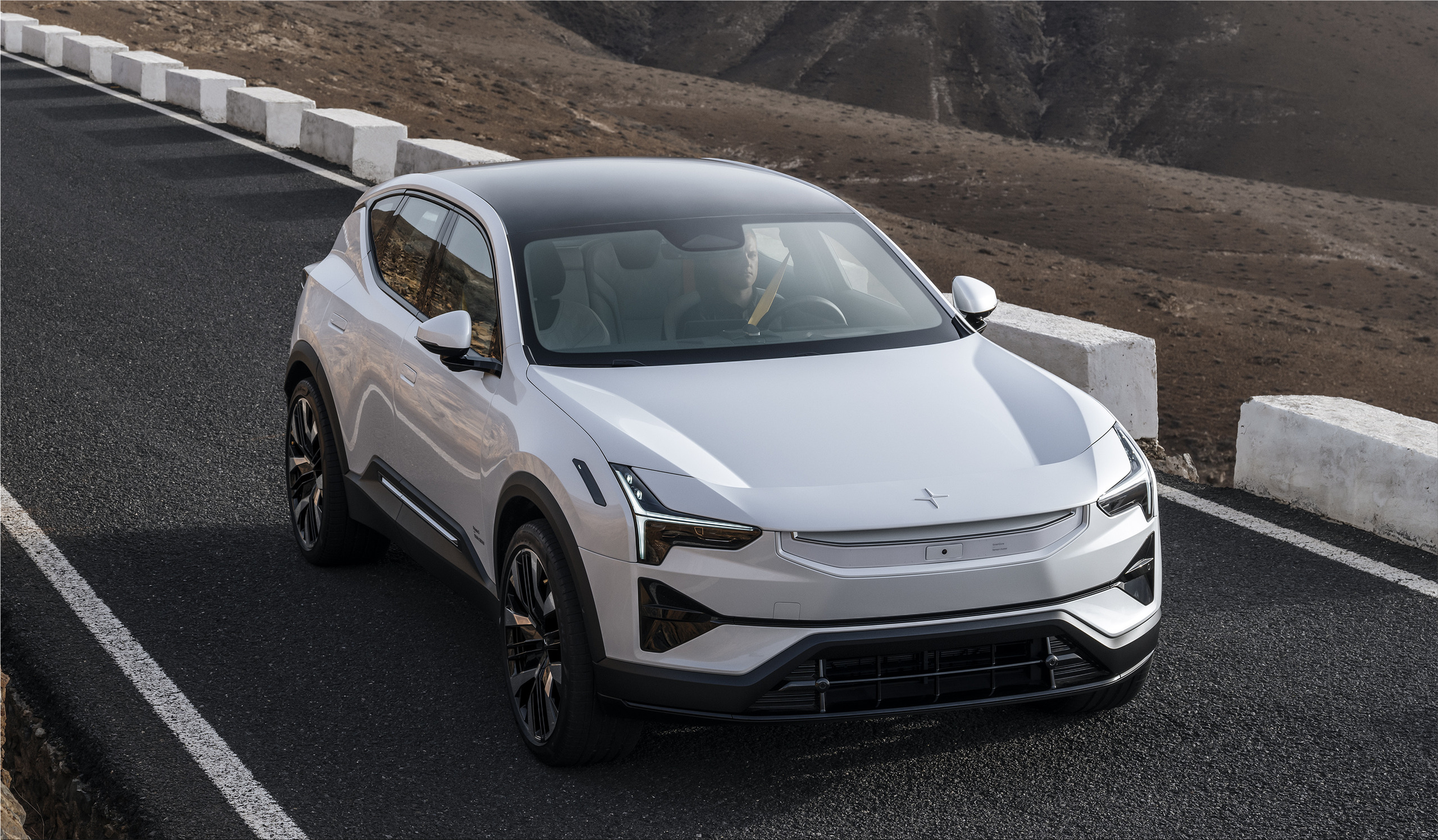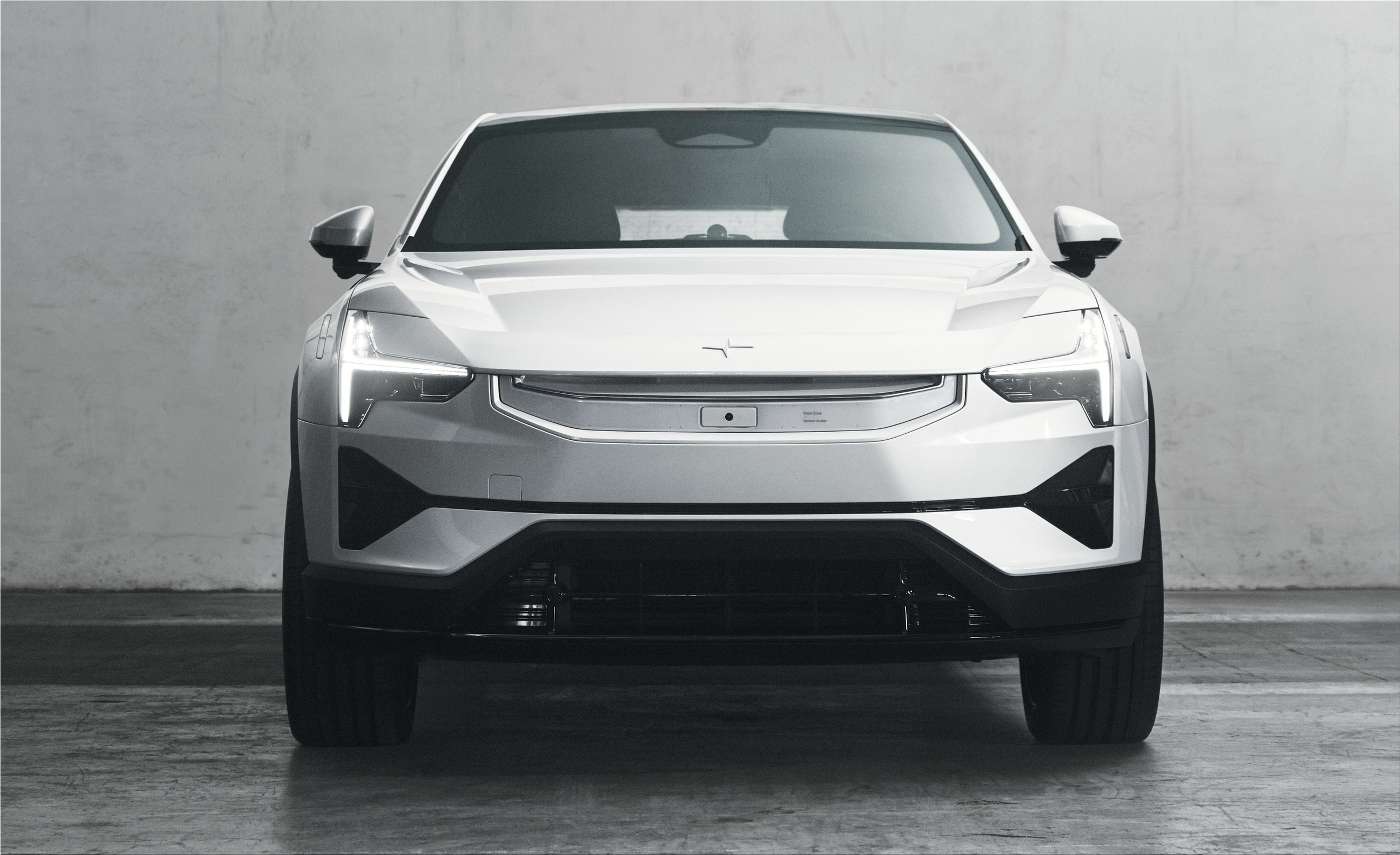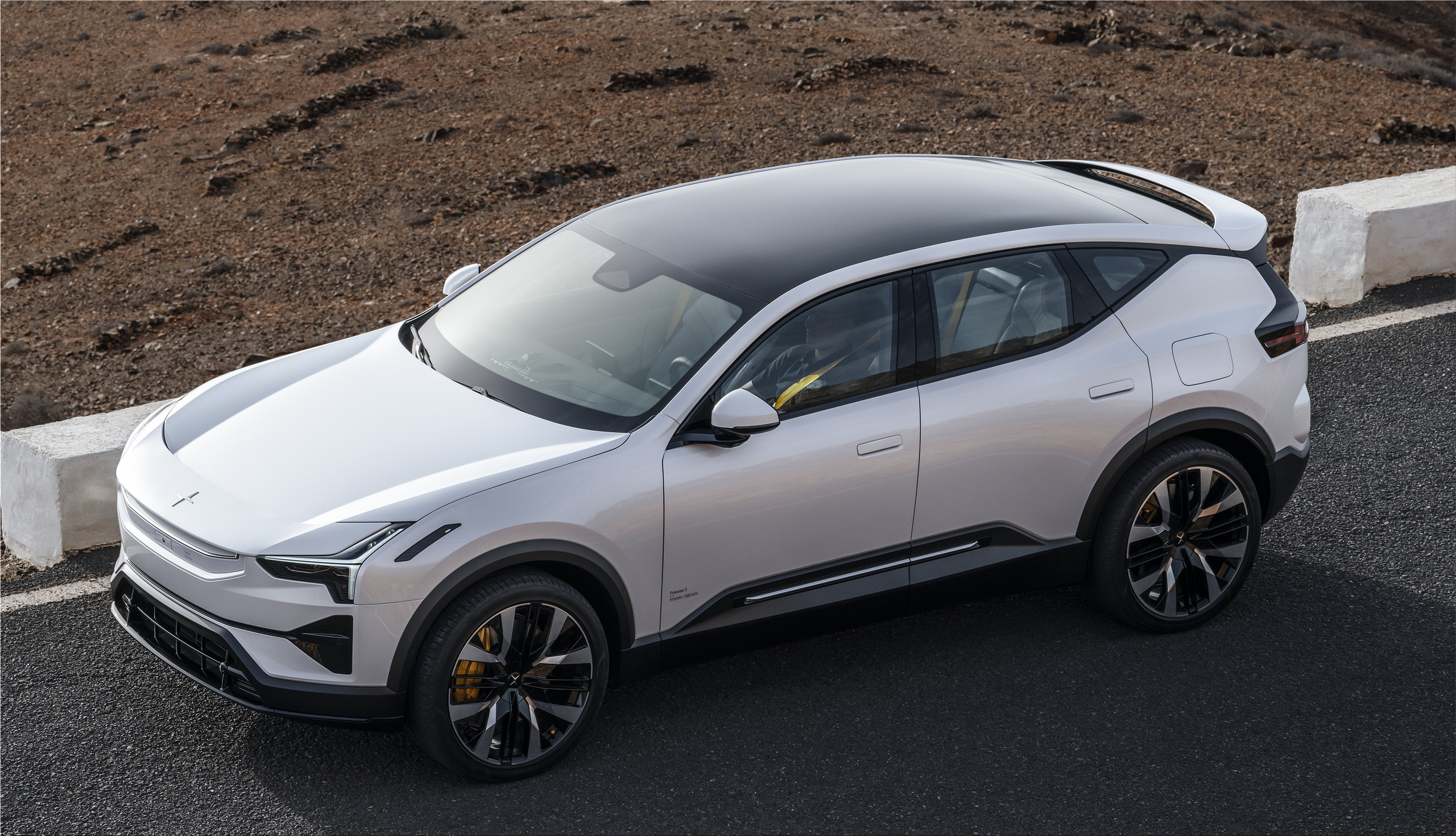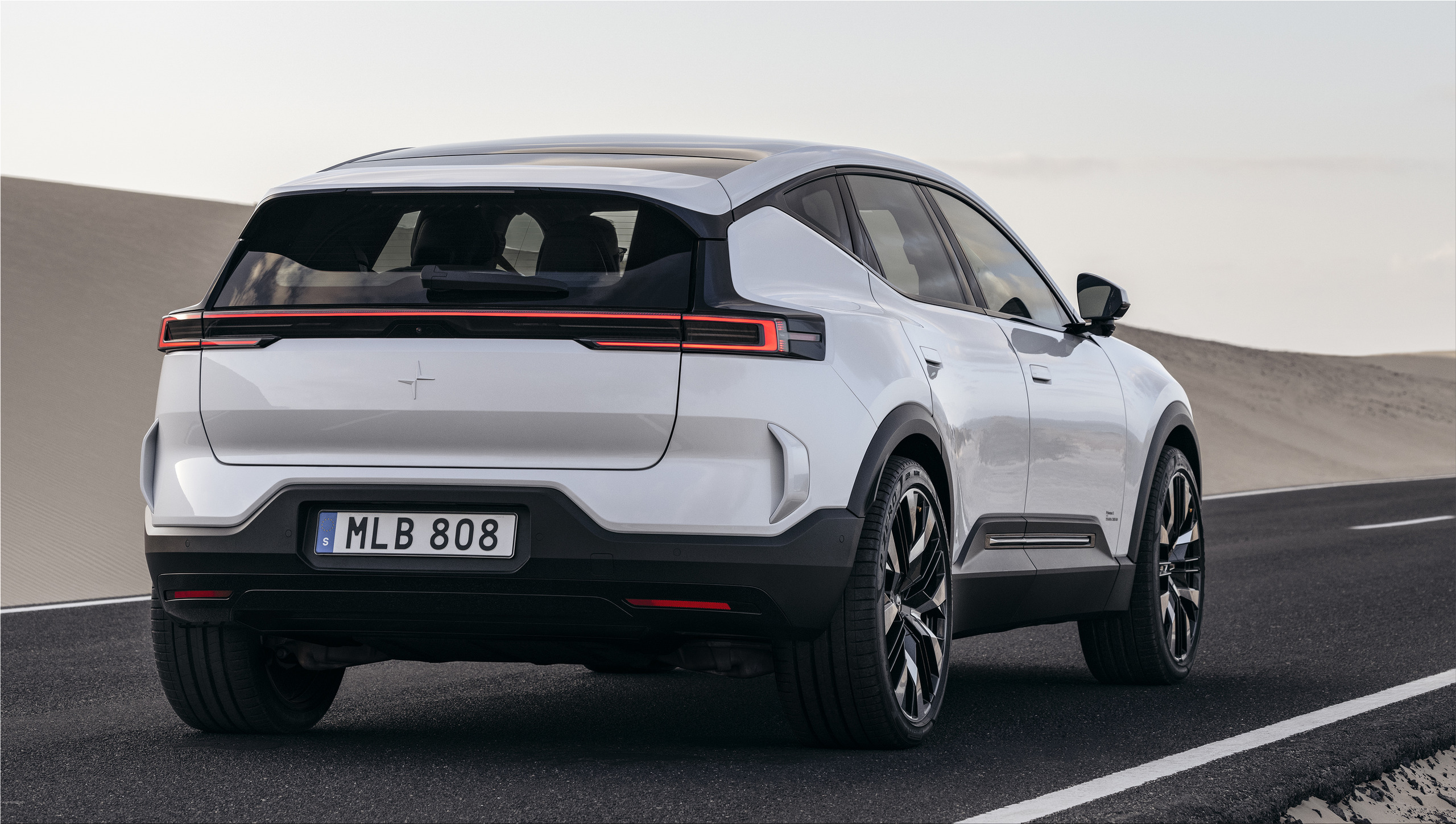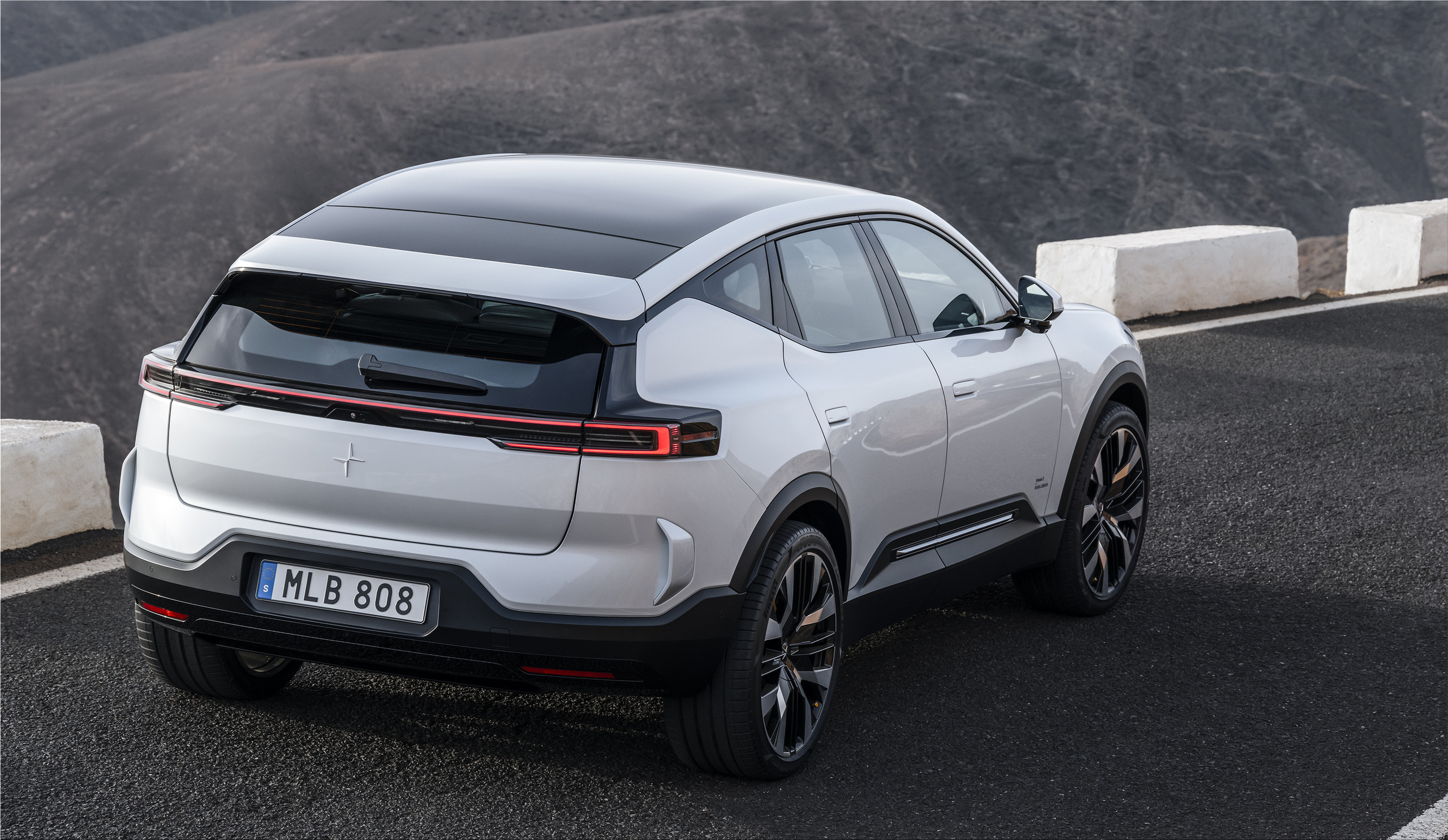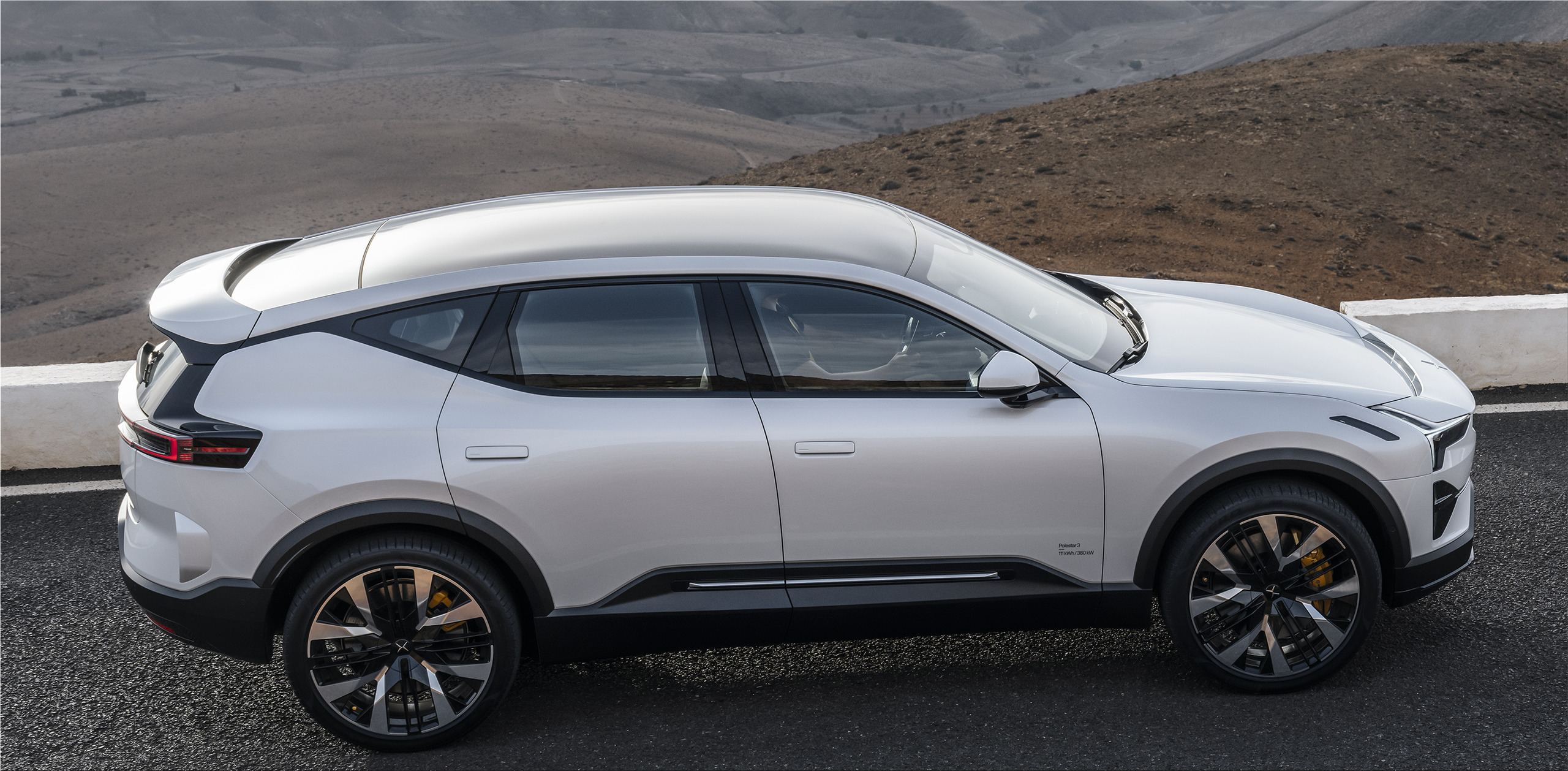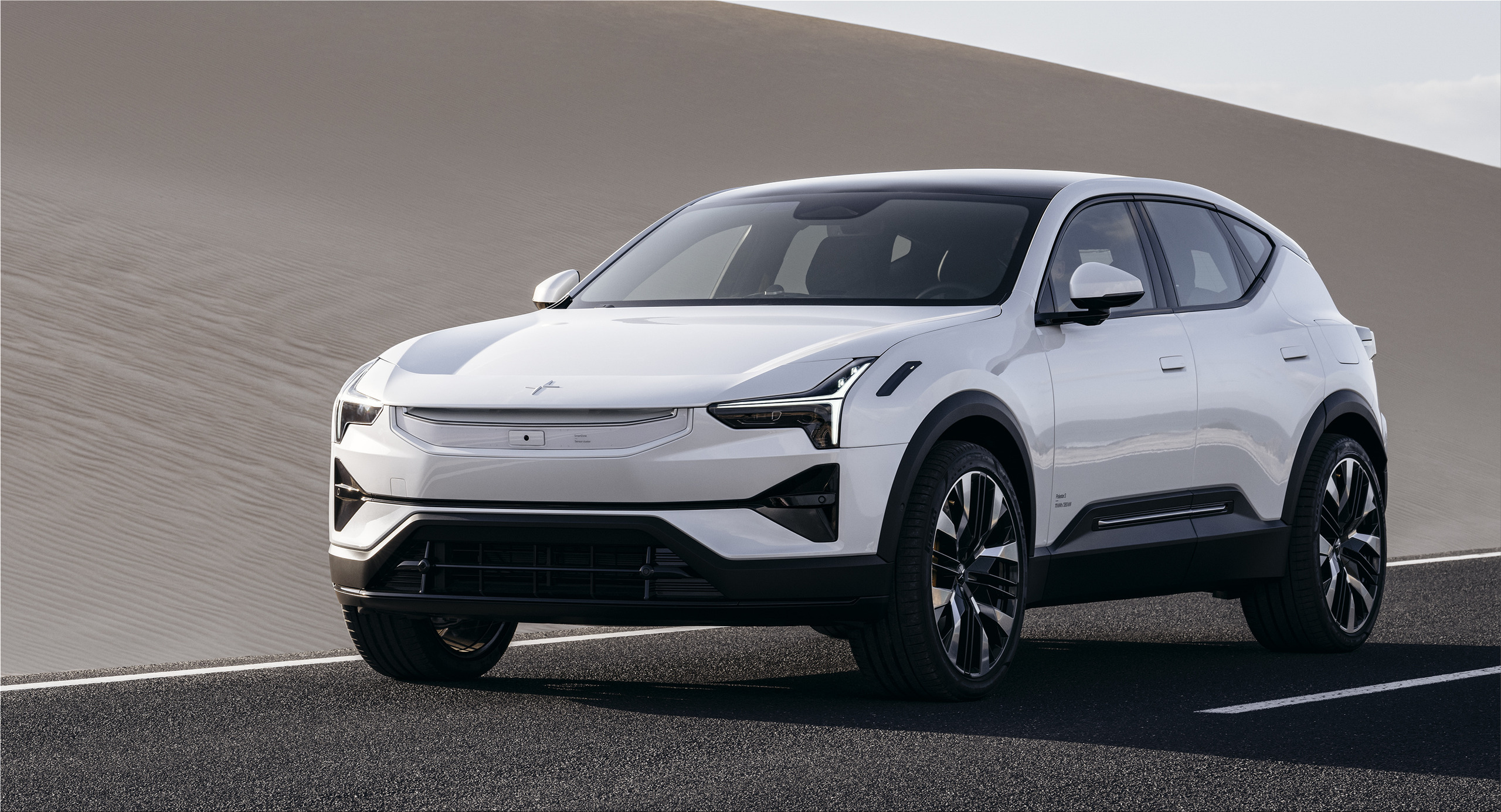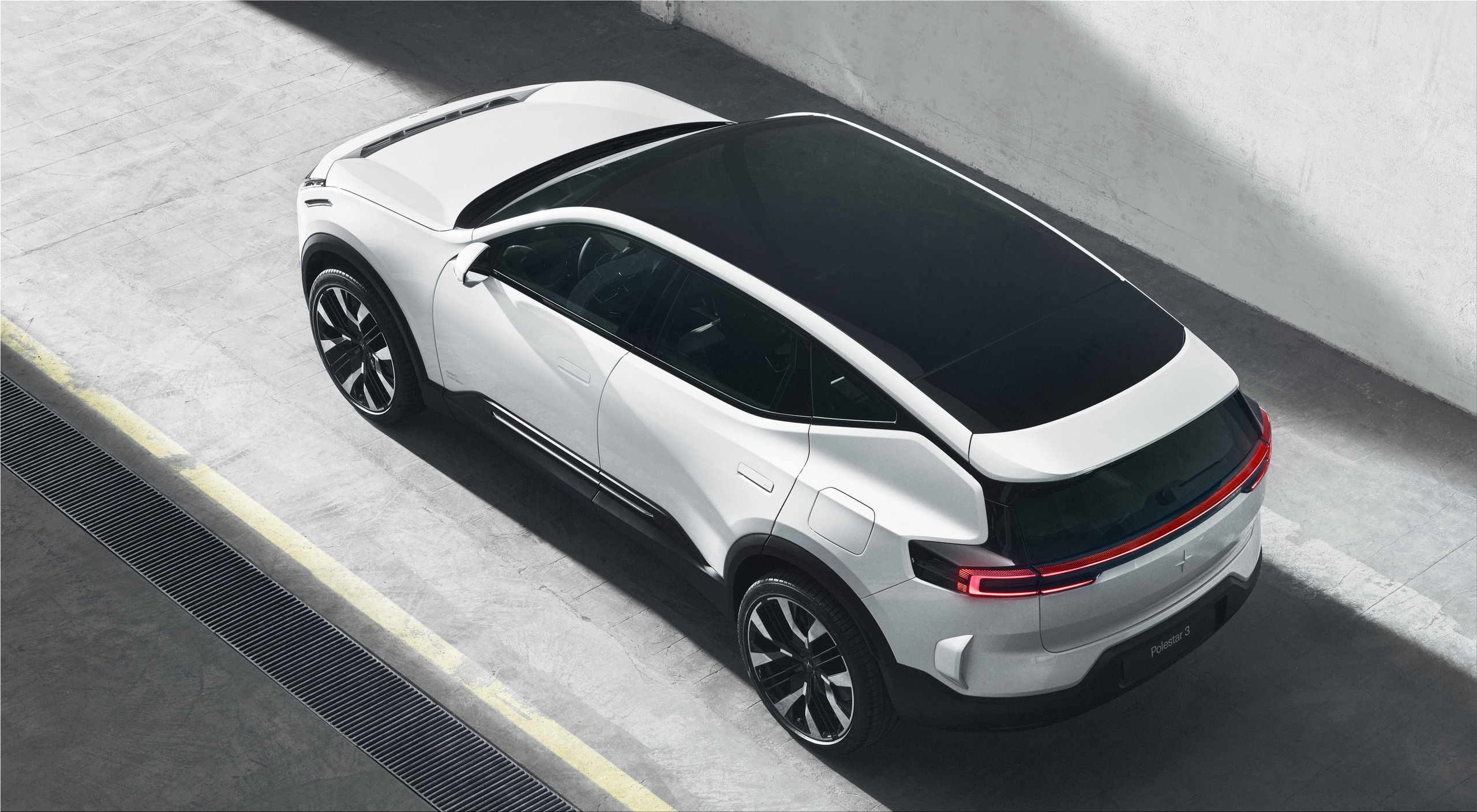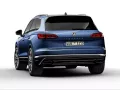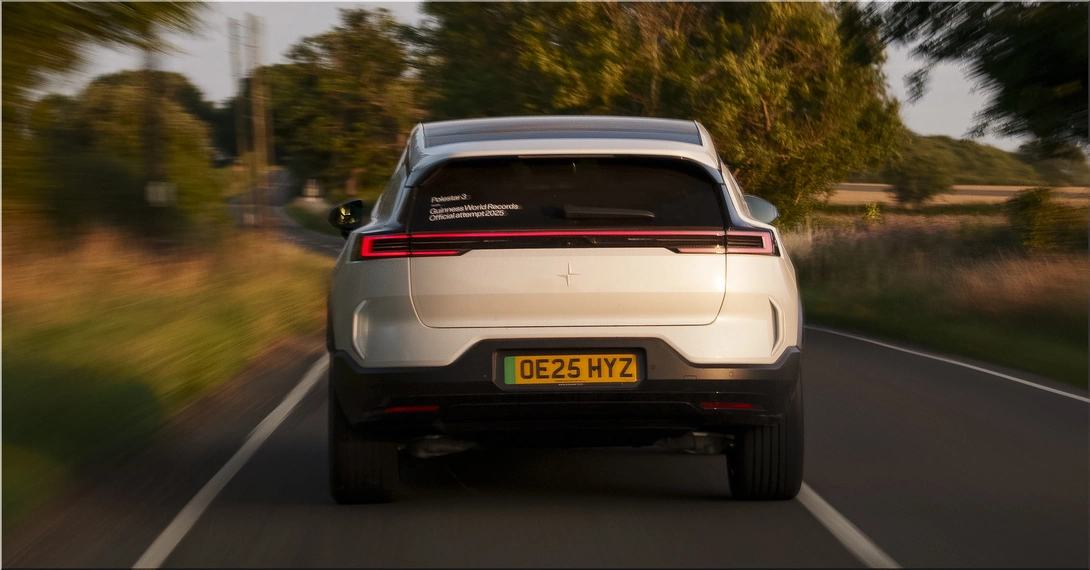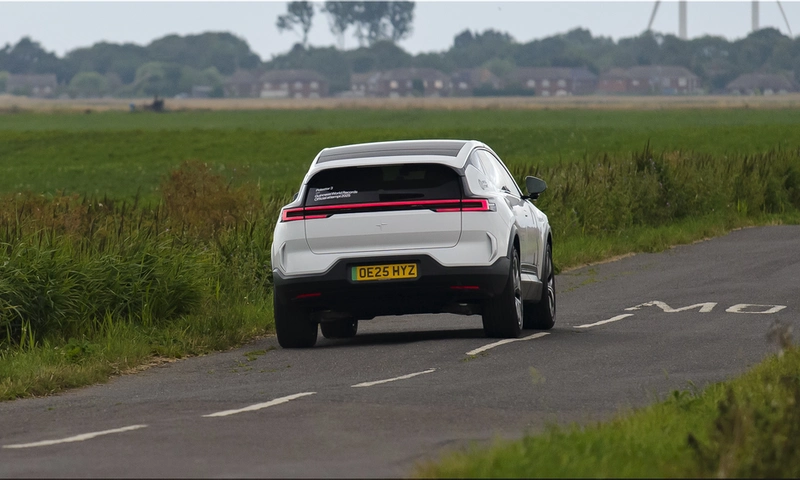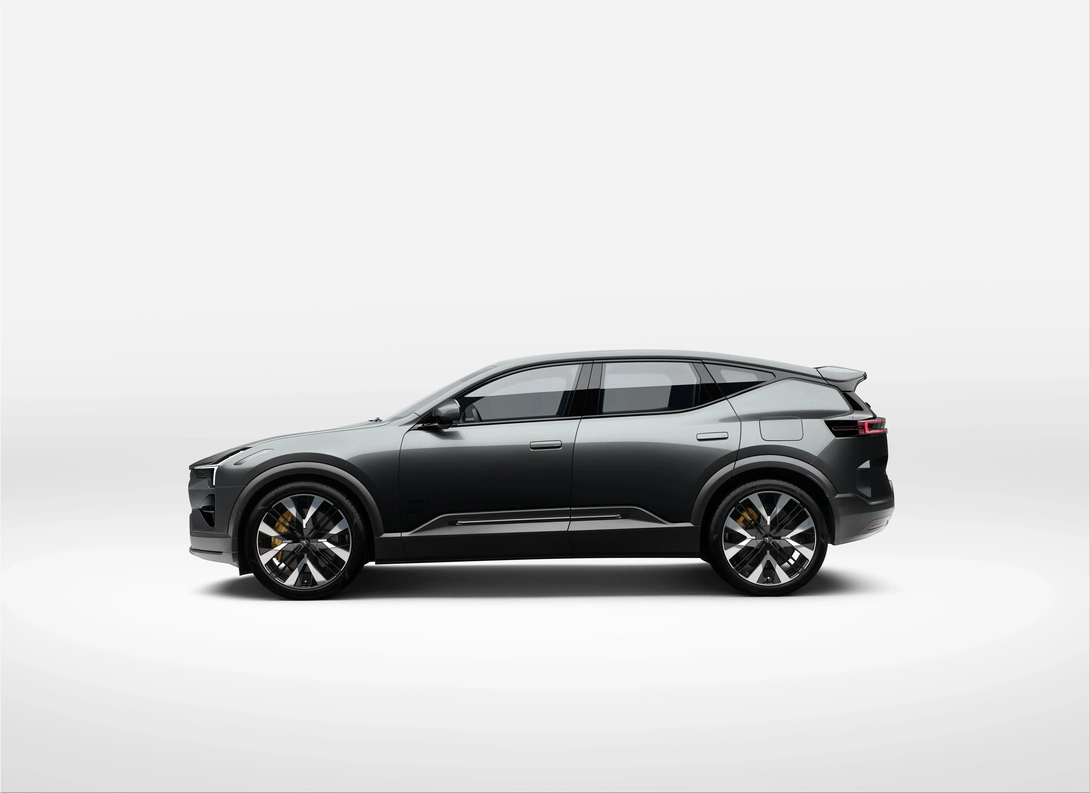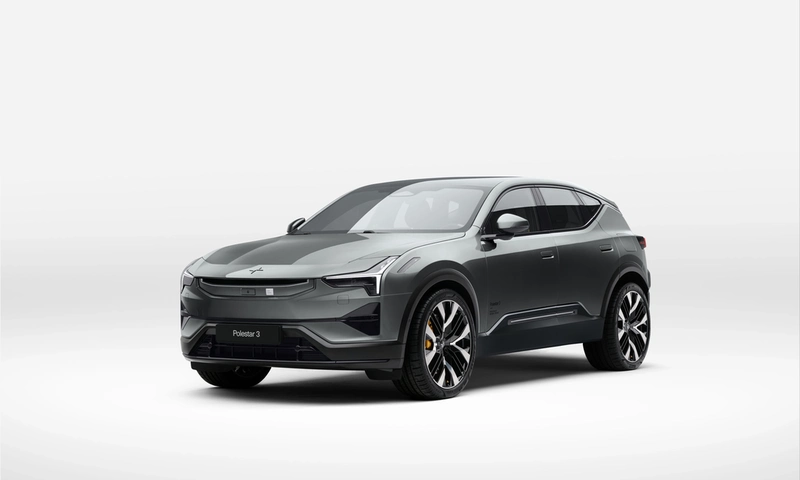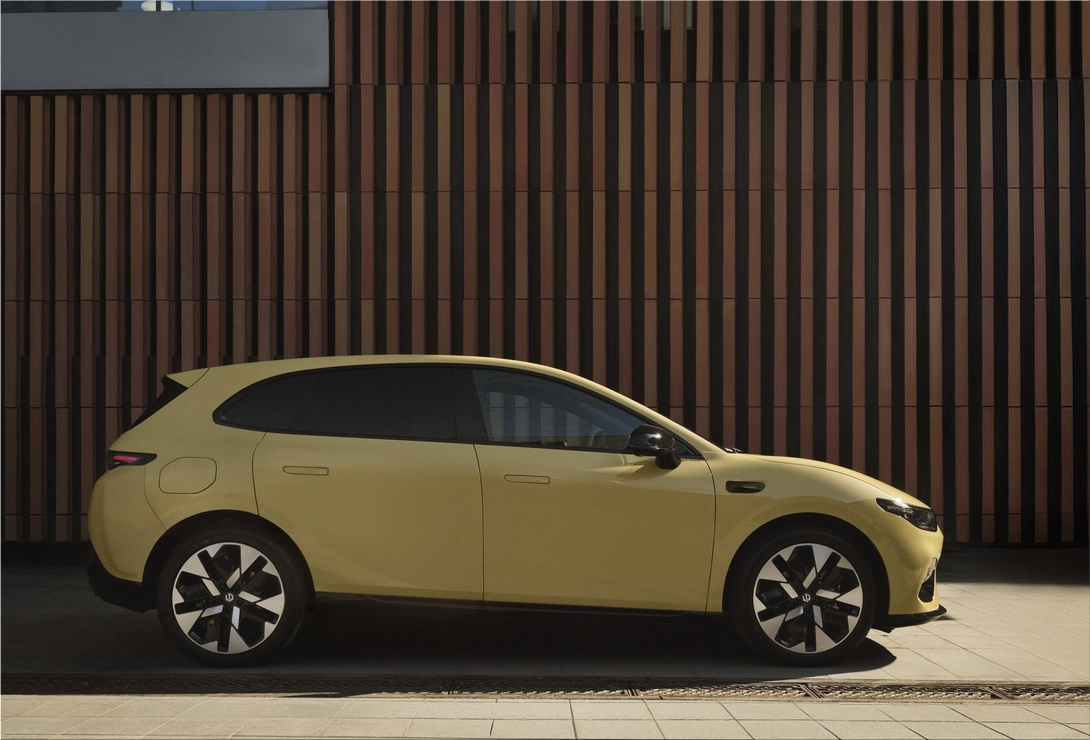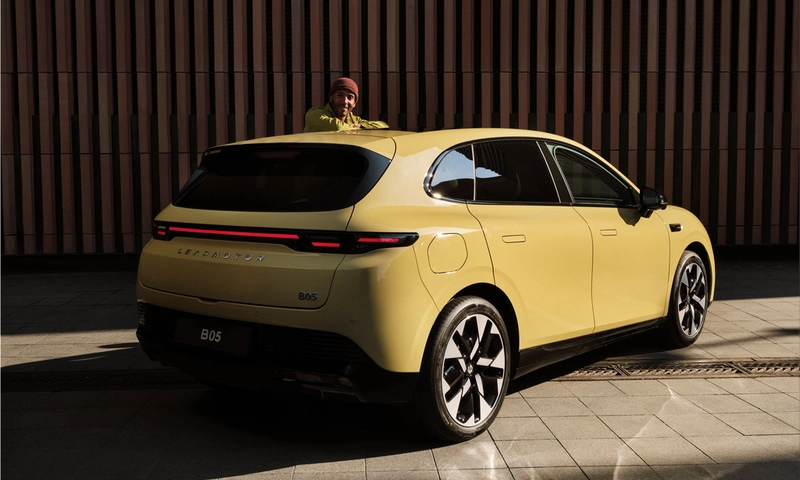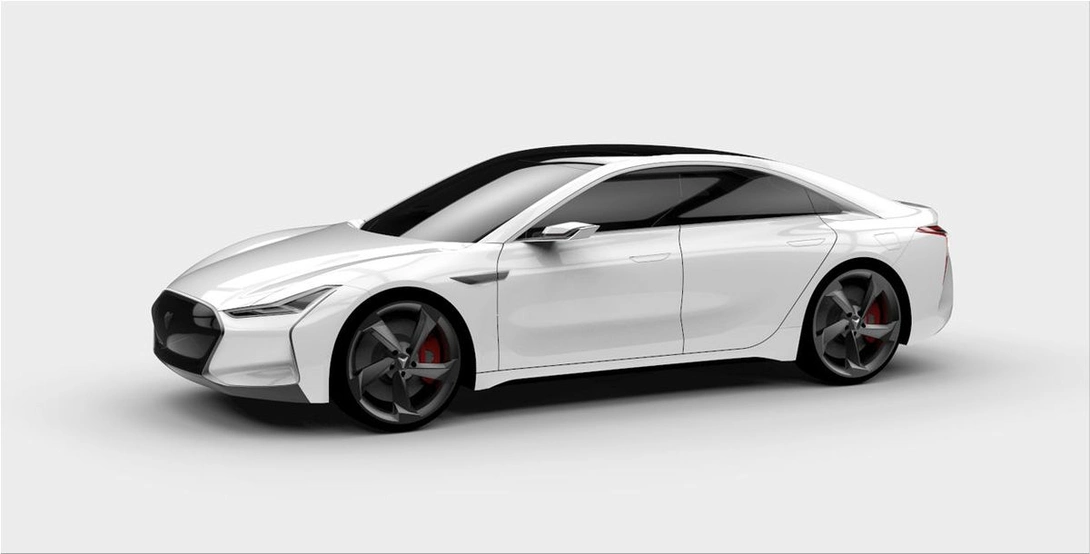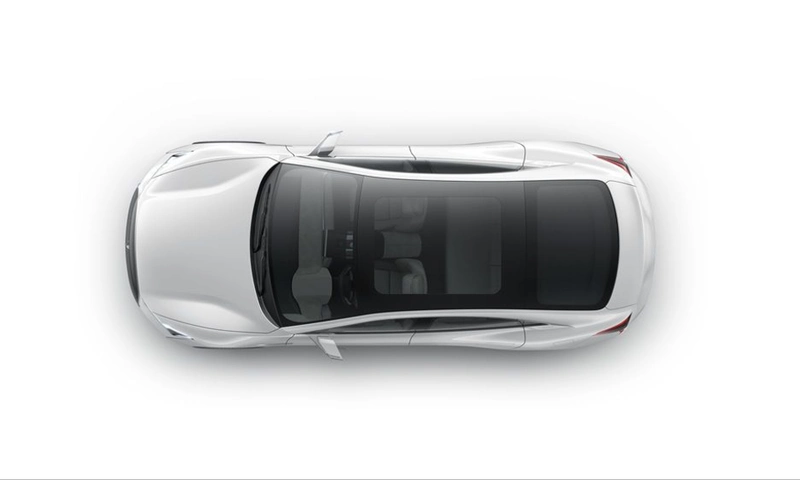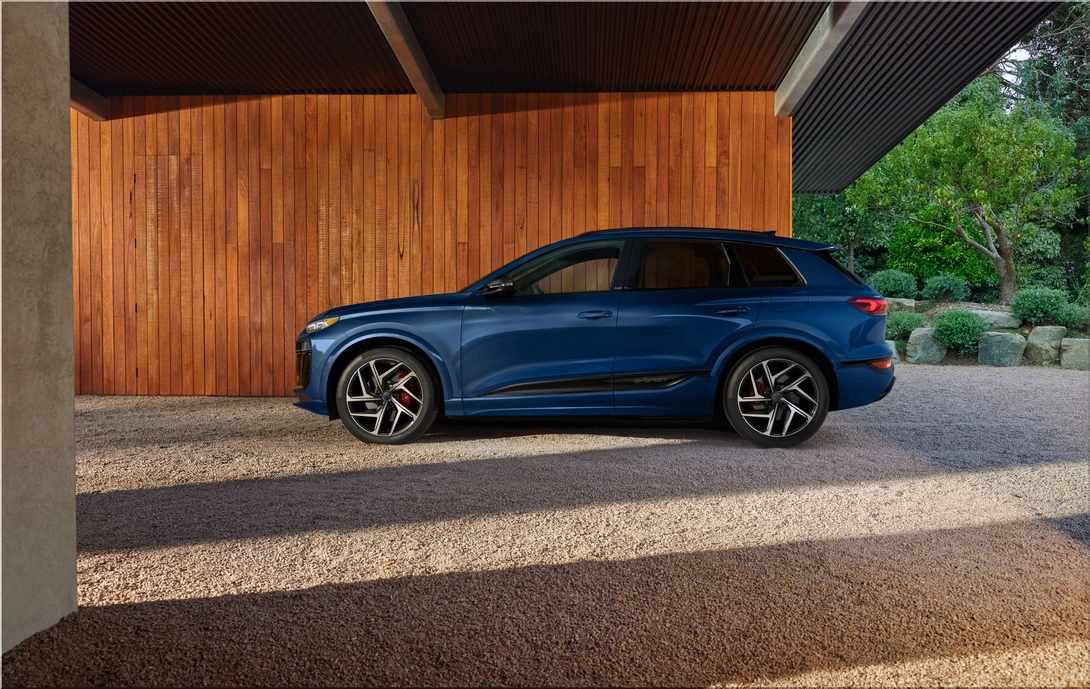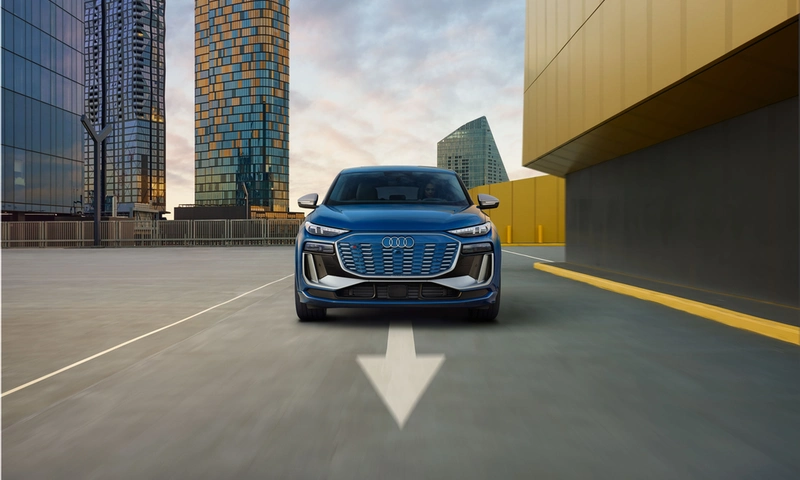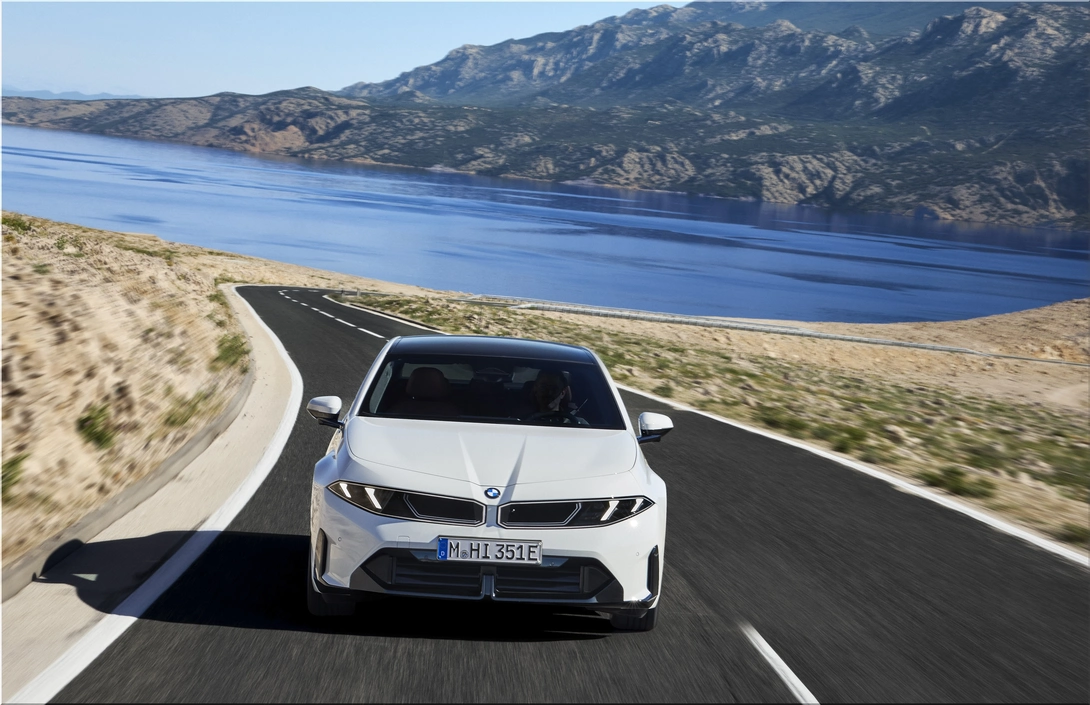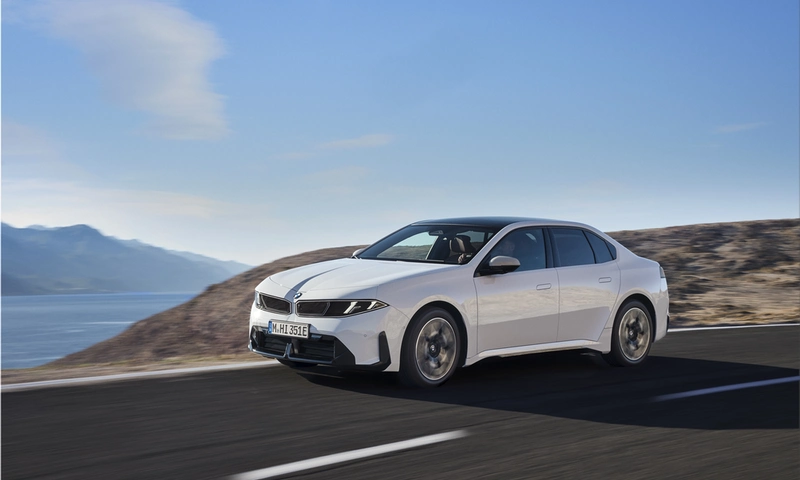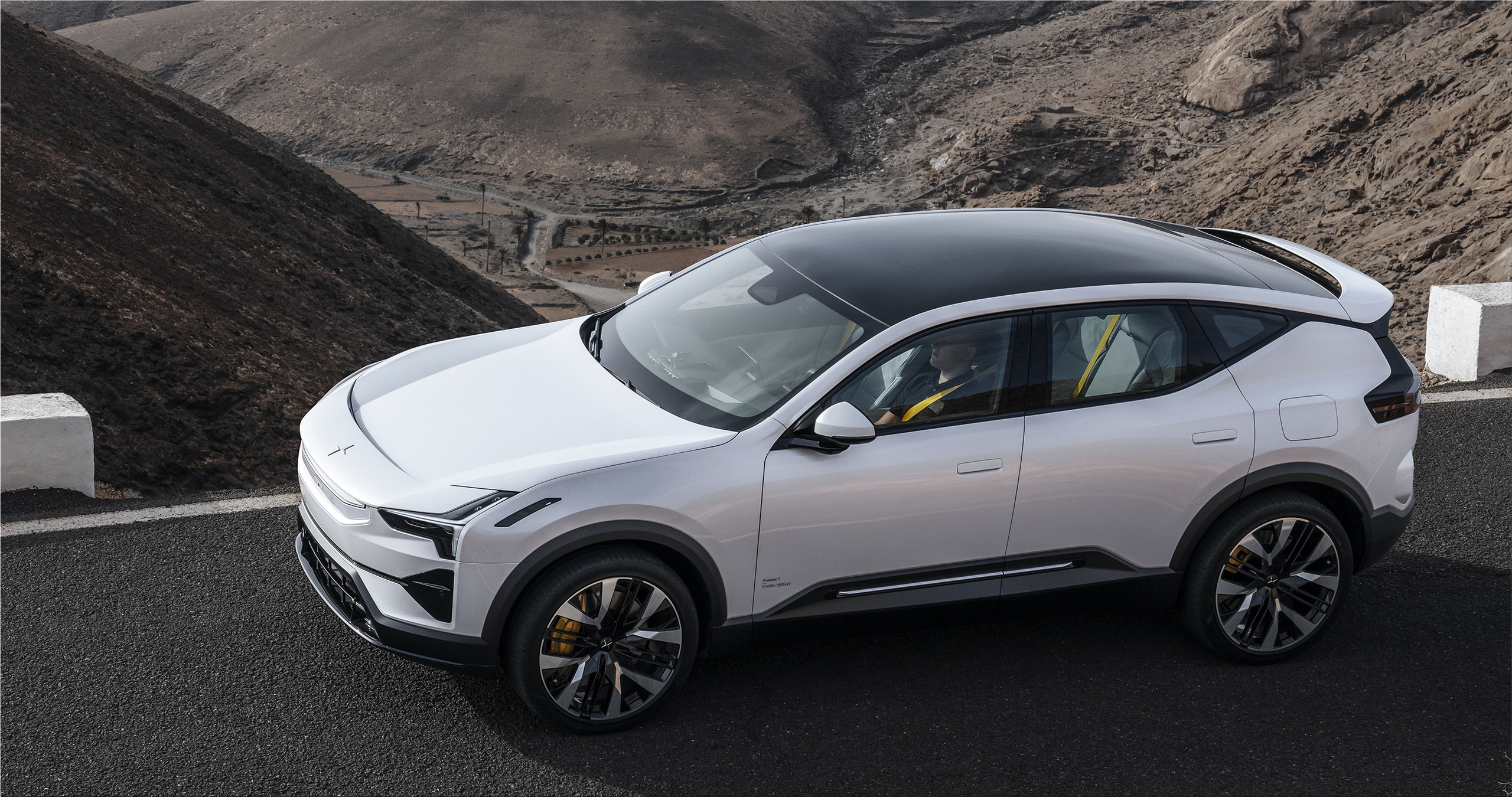
Polestar has introduced the Polestar 3, an all-electric high-performance SUV. The SUV of the electric age is characterized by a union of the essential components of a traditional sports car with the spare elegance of Scandinavian design. The Polestar 3 electric car improves upon the SUV in every conceivable way.
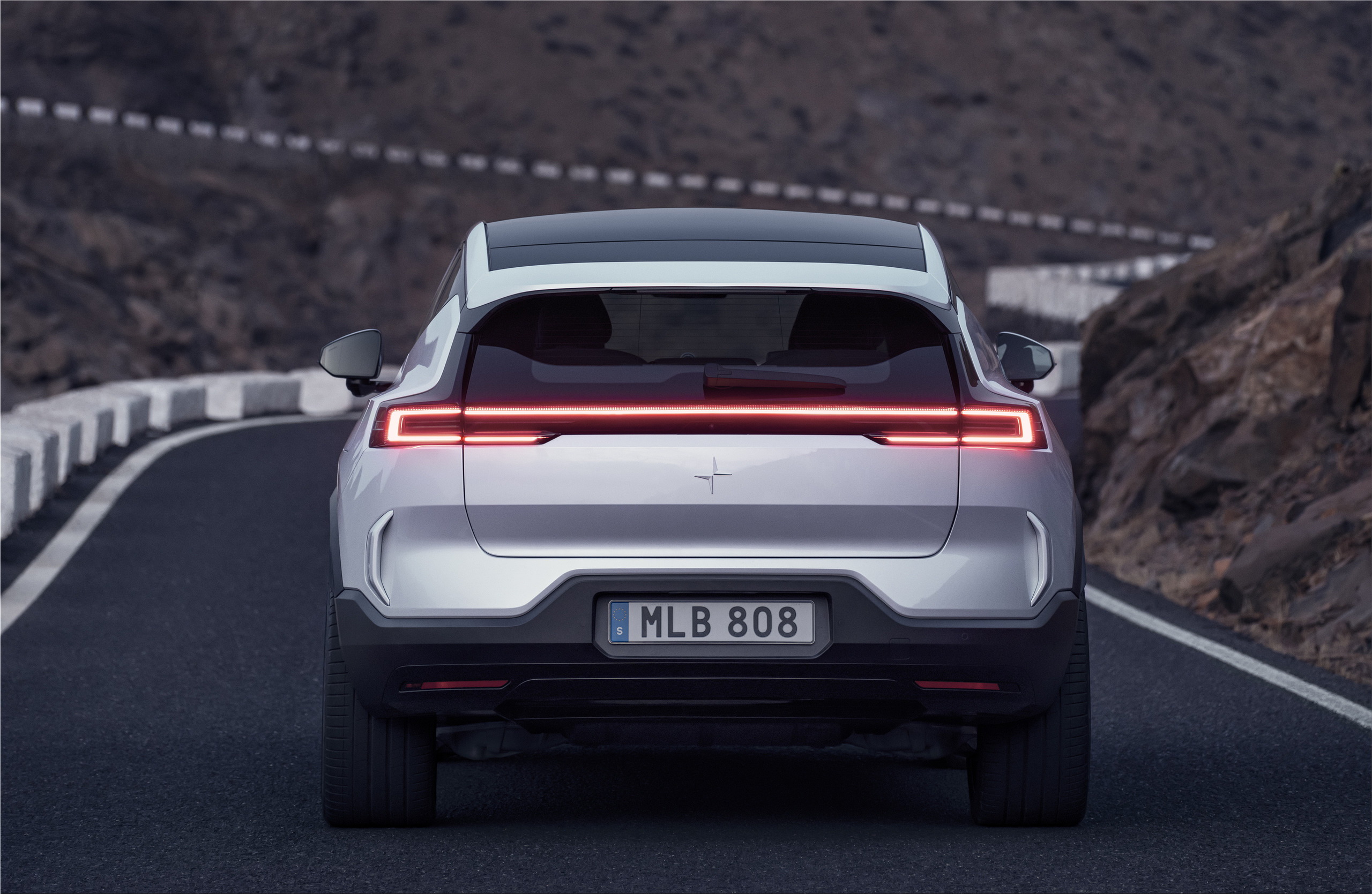
The new Polestar 3 has a more aerodynamic design, but it still has the muscle and width of an SUV. To back this up, aerodynamic touches like an aero front wing built into the hood, an aero rear wing built into the spoiler, and aerodynamic rear window wipers all contribute to the vehicle's low drag coefficient. With novel features like dual-blade headlights, a SmartZone, and an aero front wing, "the electric car has been conceived as a Polestar from the very beginning," explains Thomas Ingenlath.
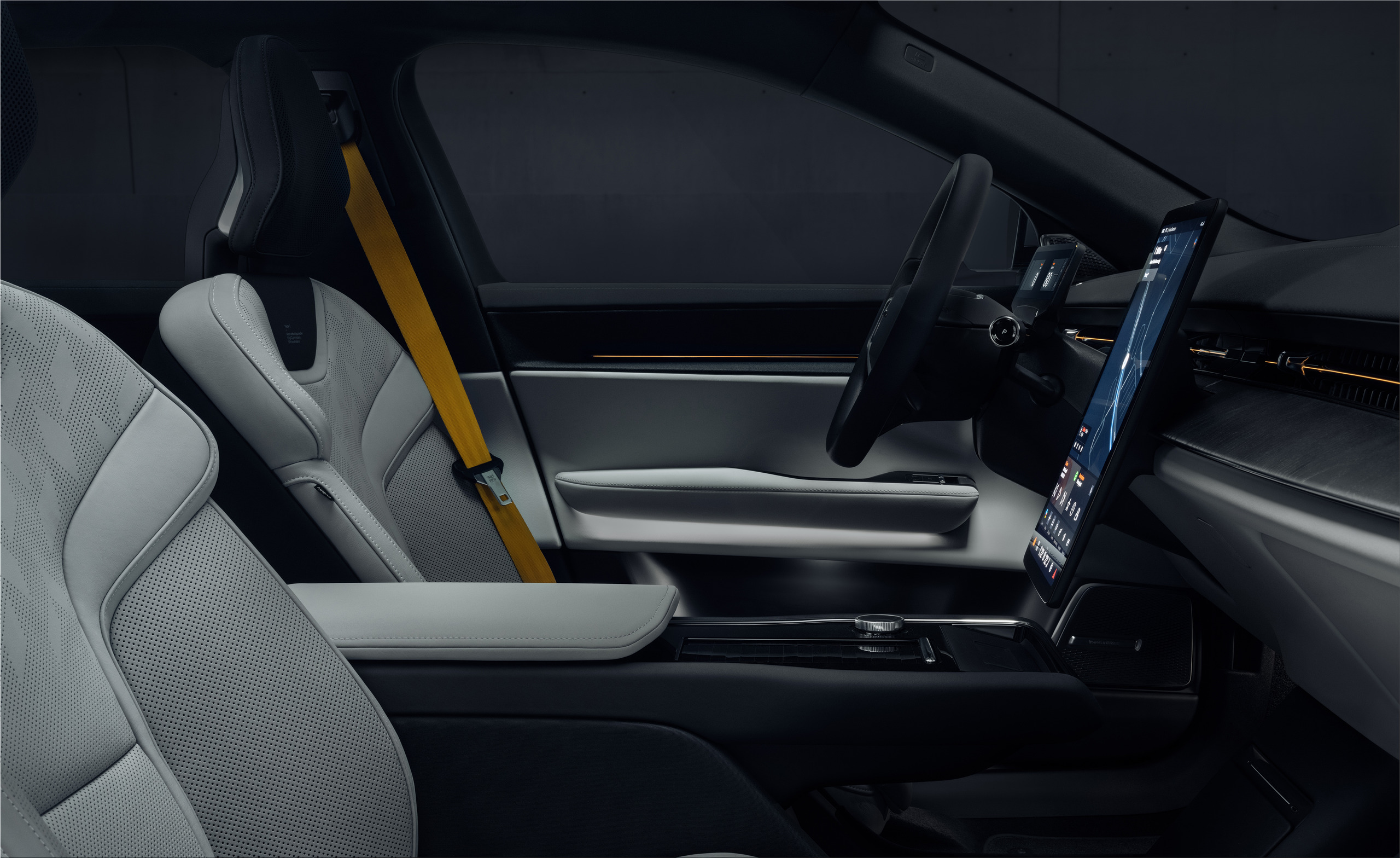
The inside materials were selected because of their superior look and feel and their environmentally friendly qualities. MicroTech upholstery made from renewable resources, leather with a verified history of being used ethically, and wool seating are all part of the collection. When production of the Polestar 3 begins, a full LCA (life-cycle assessment) report will be ready in keeping with Polestar's vision and commitment to full openness. The automobile's life cycle will be the subject of ongoing research, and efforts to lessen the automobile's impact on the environment will also proceed incessantly.
The Polestar 3 is the first Polestar vehicle to use Volvo Cars' NVIDIA DRIVE software and centralized computer capability. As the artificial intelligence "brain" of the car, NVIDIA's high-performance platform interprets information from the vehicle's numerous sensors and cameras to facilitate cutting-edge safety features in the driver assistance system and monitor the vehicle's performance while in motion.
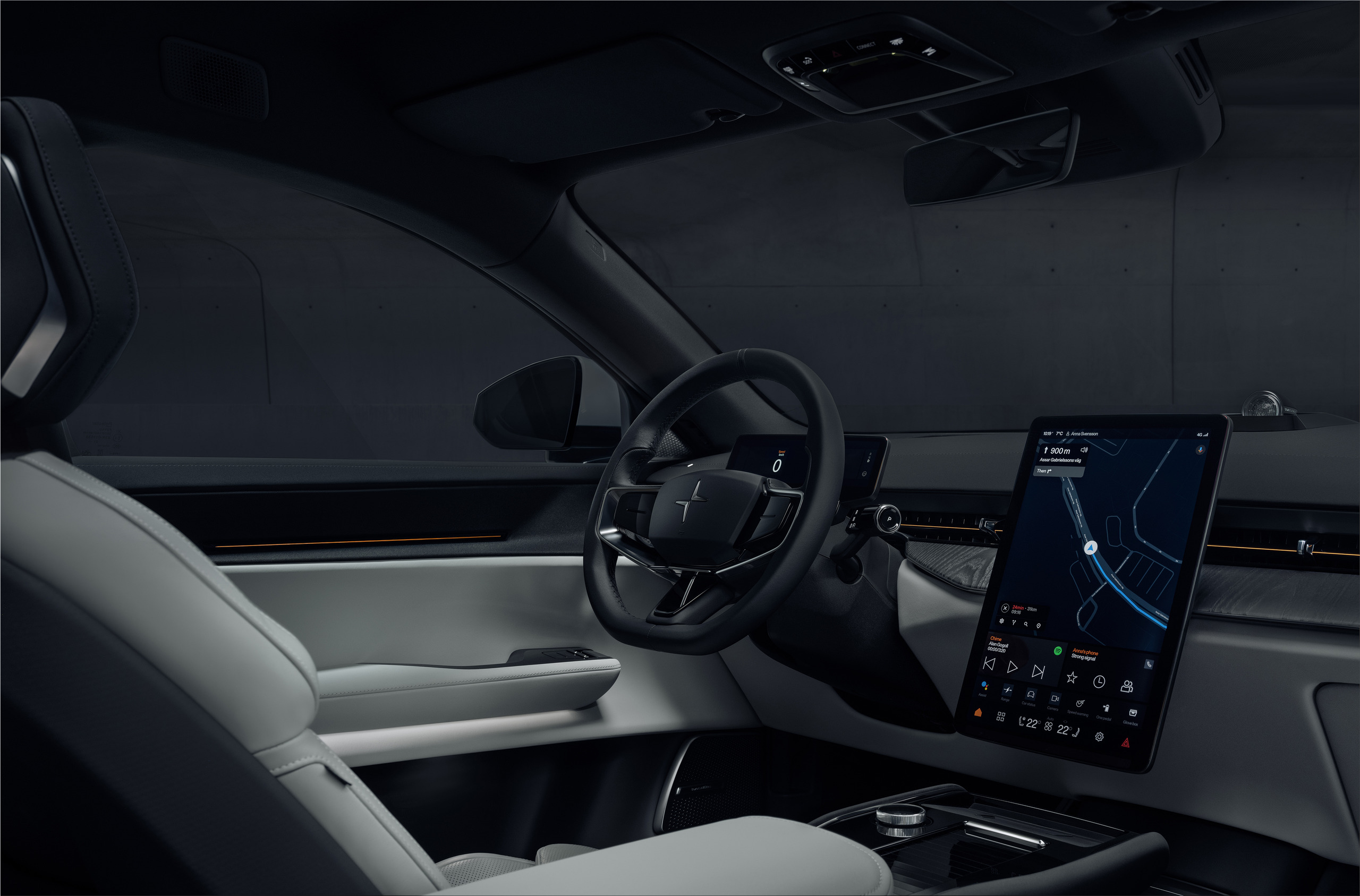
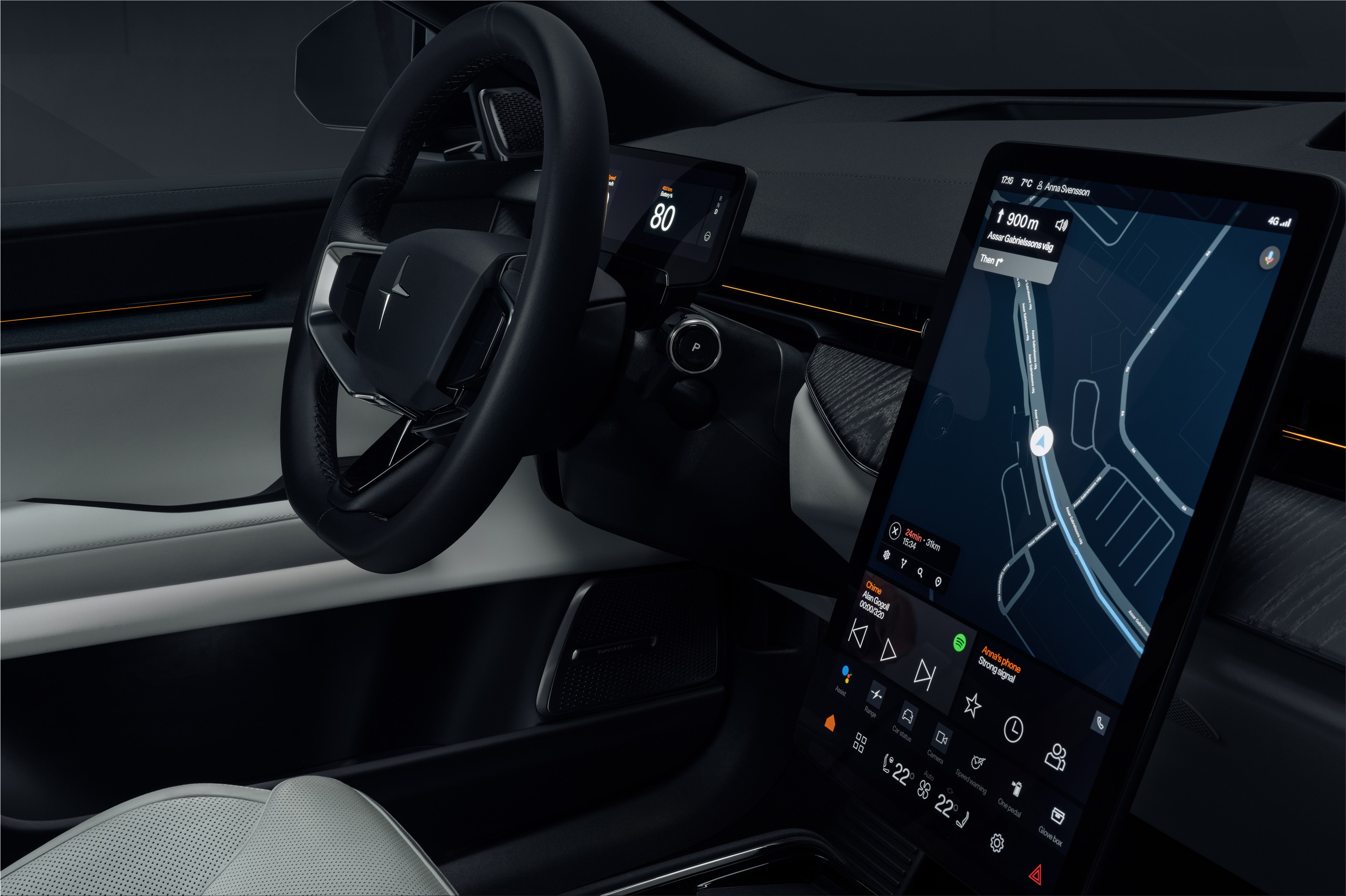
Qualcomm Technologies' cutting-edge Snapdragon Cockpit Platform runs the show for the infotainment system. The Snapdragon Cockpit platform will be used to ensure immersive driving experiences with high-performance capabilities like high-definition displays, premium surround sound, and easily accessible connection from the entire car as part of the Snapdragon Digital Chassis, a comprehensive set of open and scalable cloud-connected automotive platforms.
The Polestar 3 electric SUV incorporates the newest generation of advanced safety systems (active and passive) from Volvo Cars, marking a new era in safety for both companies. Some of the newest techs include radar sensors installed inside vehicles that detect even the tiniest of motions, such as when a child or pet is left behind. The system works in tandem with the air conditioning and heating systems to prevent the car from getting too hot or too cold.
Thanks to its centralized processing power, the Polestar 3's ADAS (Advanced Driver Assistance System) technology is on par with market leaders like Zenseact, Luminar, and Smart Eye.
Polestar 3 includes an overload of high-tech safety features, including five radar units, five outside cameras, and twelve ultrasonic sensors. A heat-sensitive radar device and camera are now standard equipment on all Polestars, and their data is collected by the "SmartZone" located beneath the aero front wing.
Two closed-loop driver-monitoring cameras inside will be Polestar's first implementation of cutting-edge eye-tracking technology from SmartEye. When the cameras identify that the driver is no longer paying attention because of distractions like cell phones or fatigue, the electric car can sound alarms, flash warnings, or even bring the vehicle to a complete stop.
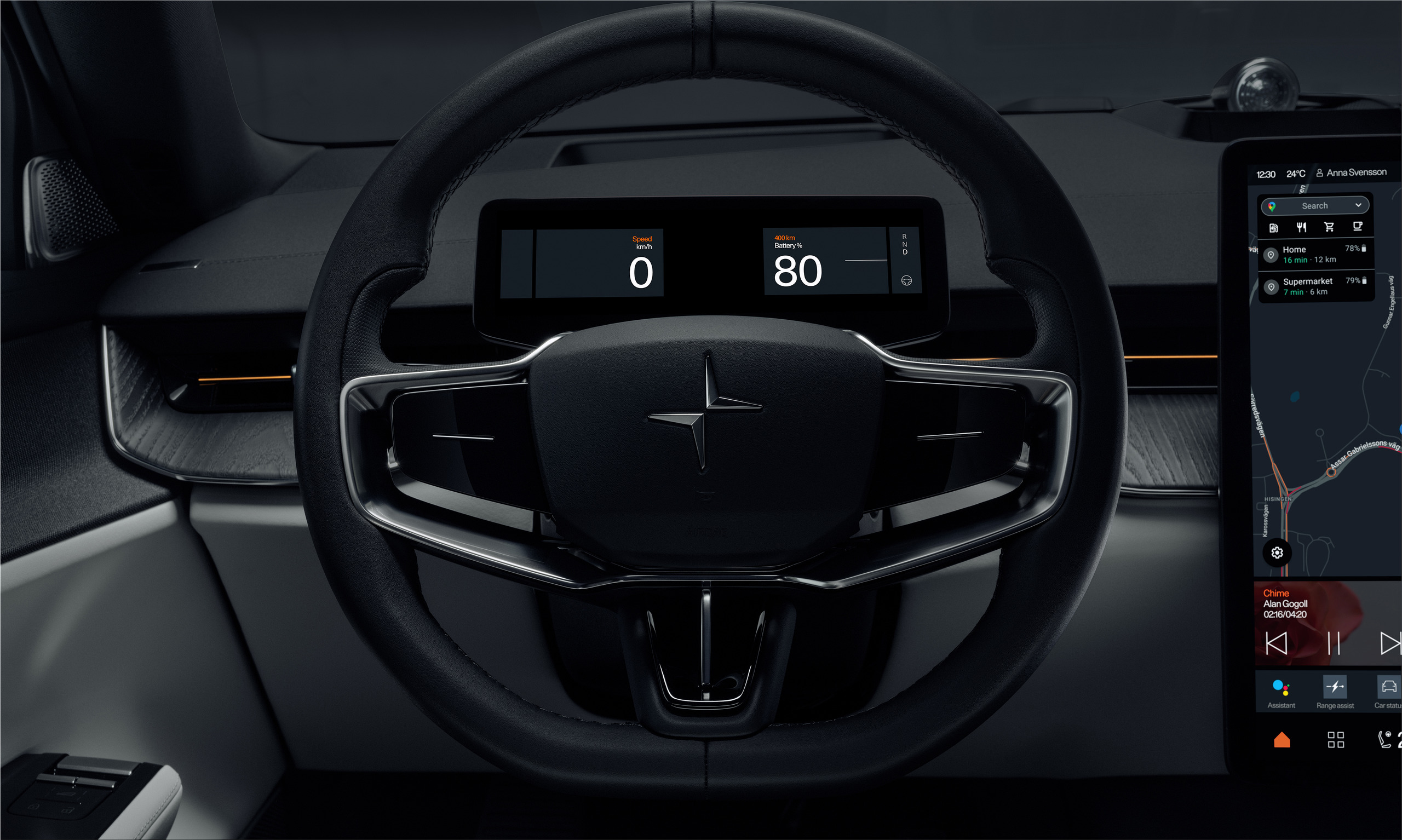
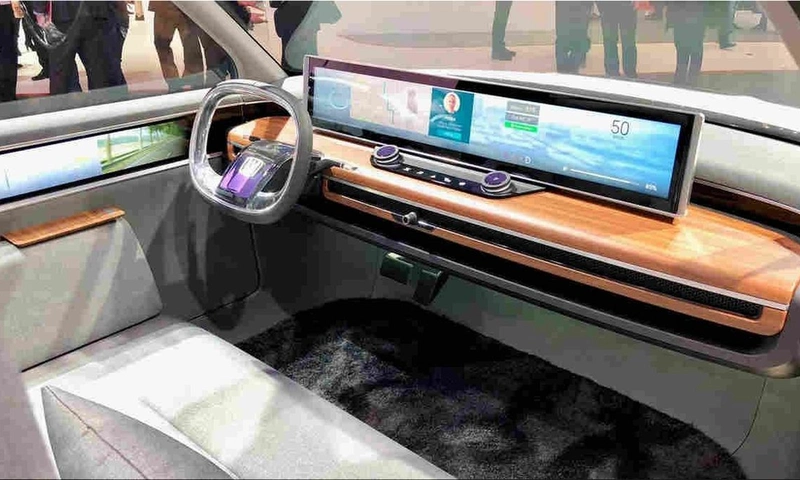
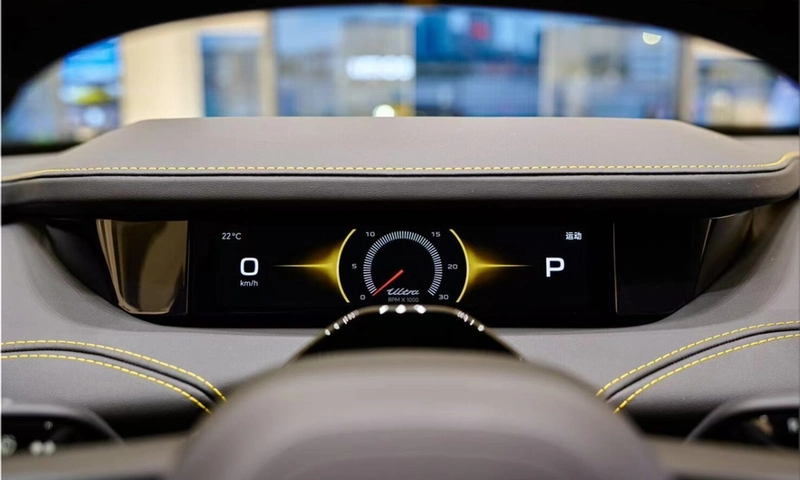
Google's Android Automotive OS runs under the hood, while the central 14.5-inch display is used to operate it. It's revolutionary in terms of SUV utility and design, and it builds on the technology introduced in the Polestar 2, the first car in the world to have Google integrated. To implement constant software enhancements and new features, the system is updated via an OTA (Over-the-air) system, eliminating the need to take the vehicle to a service facility.