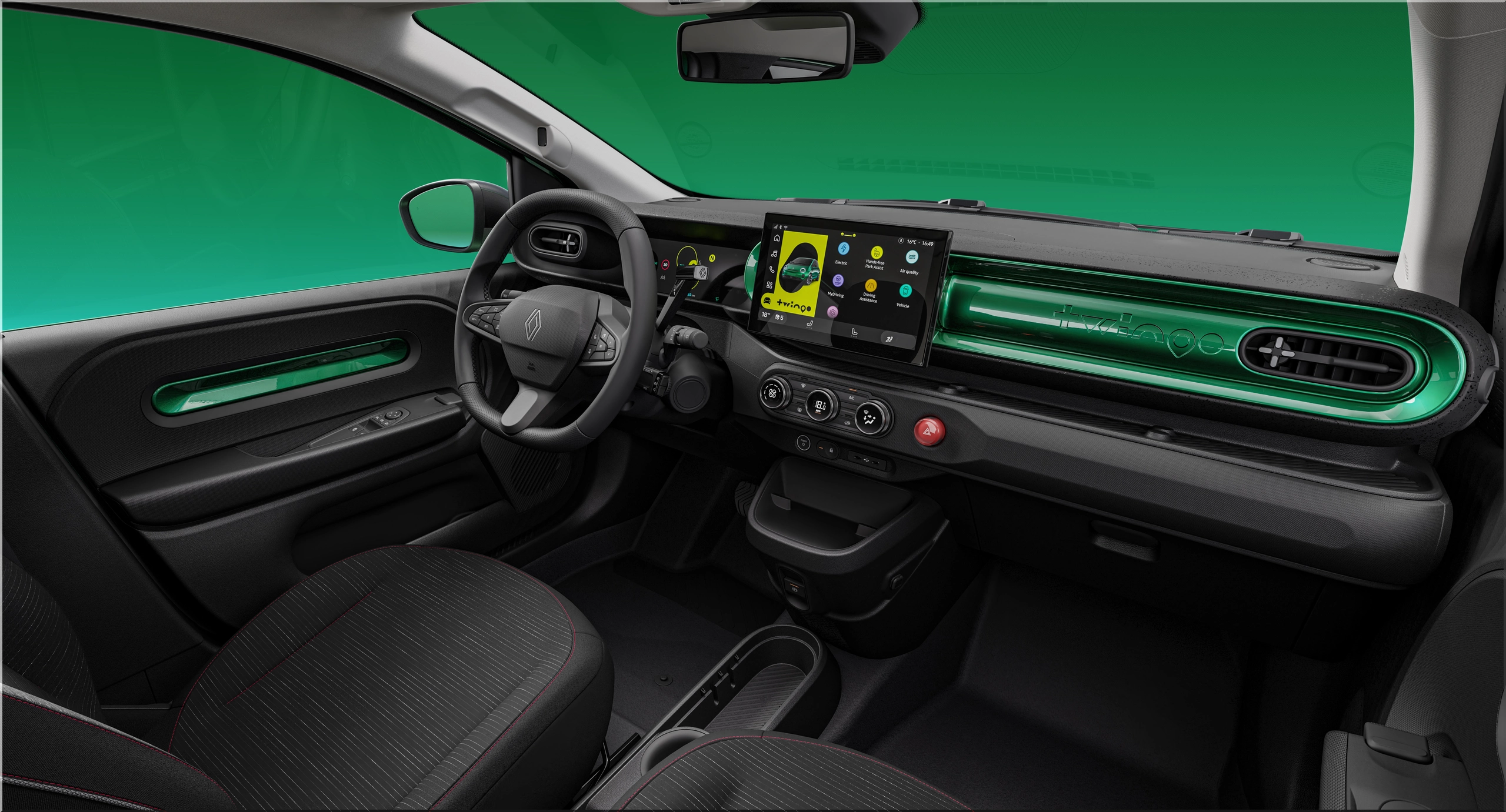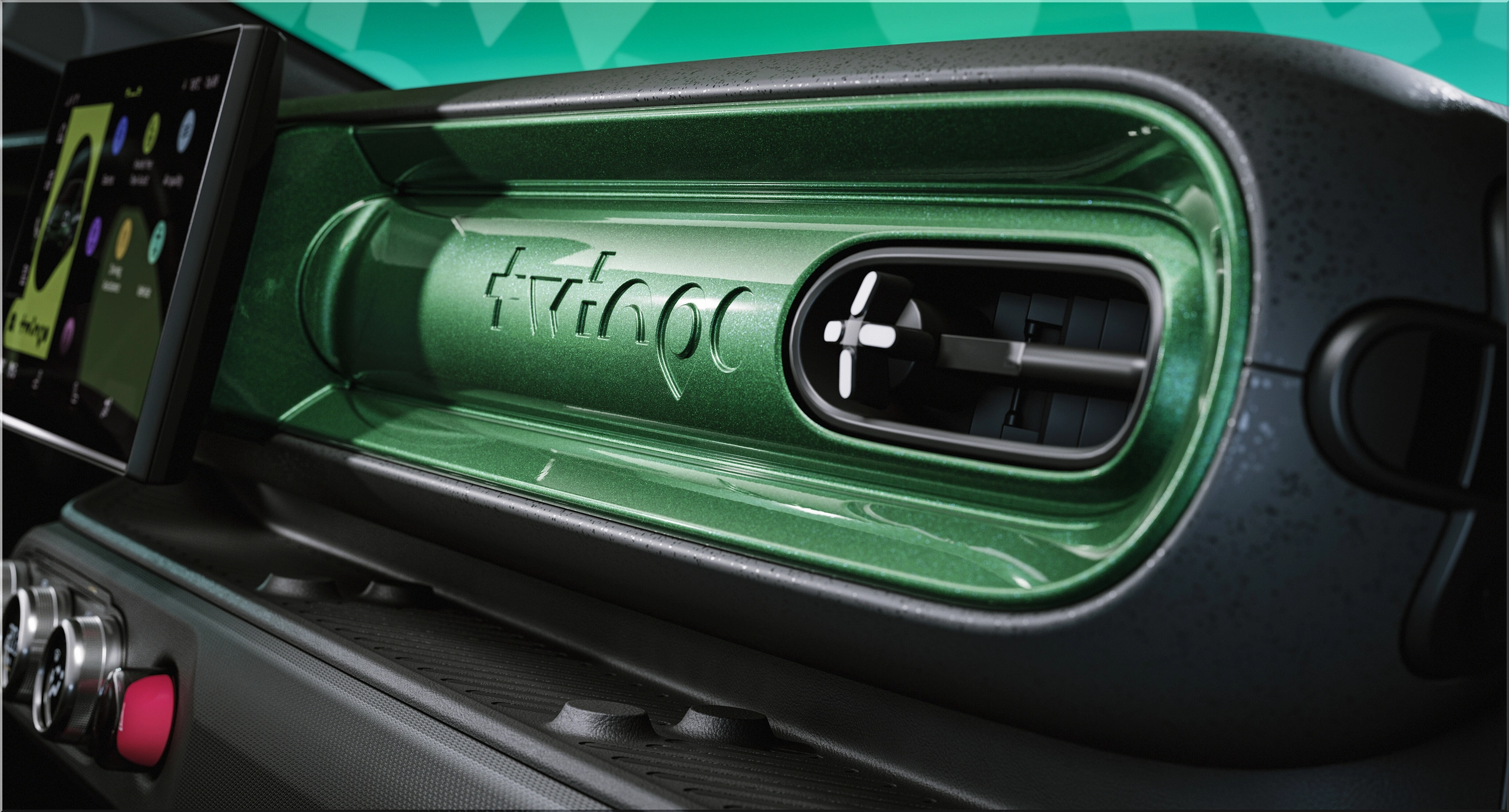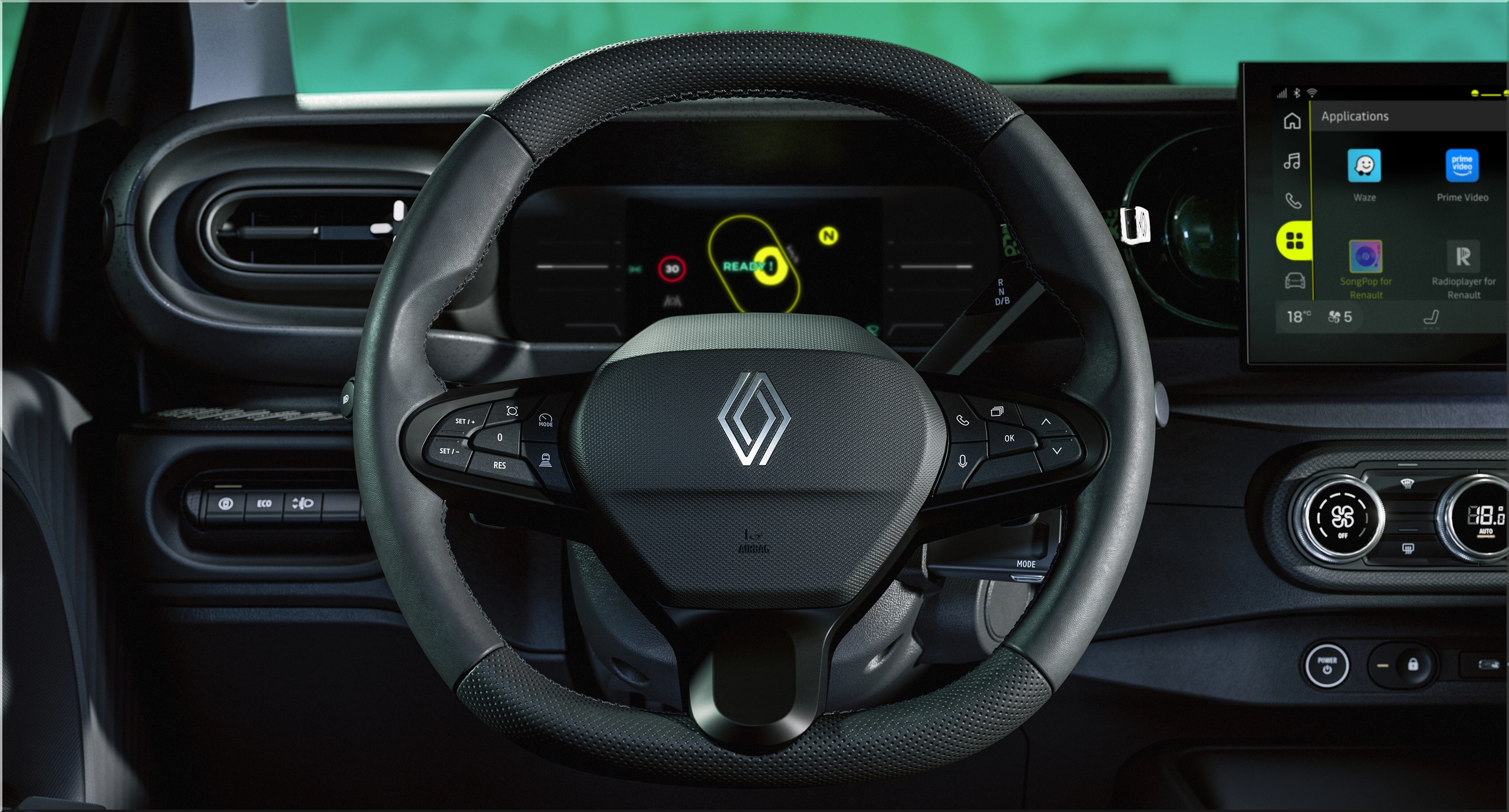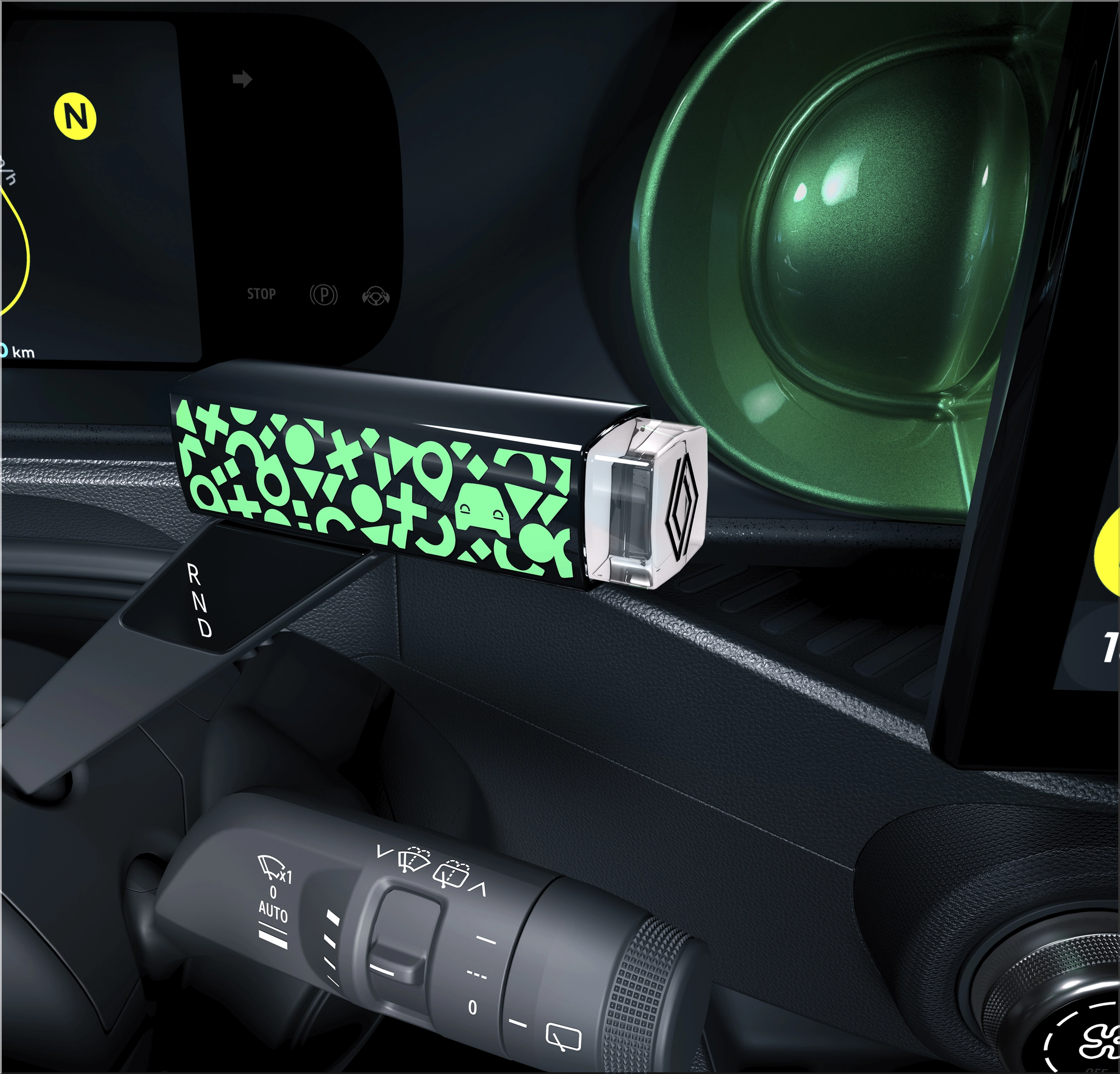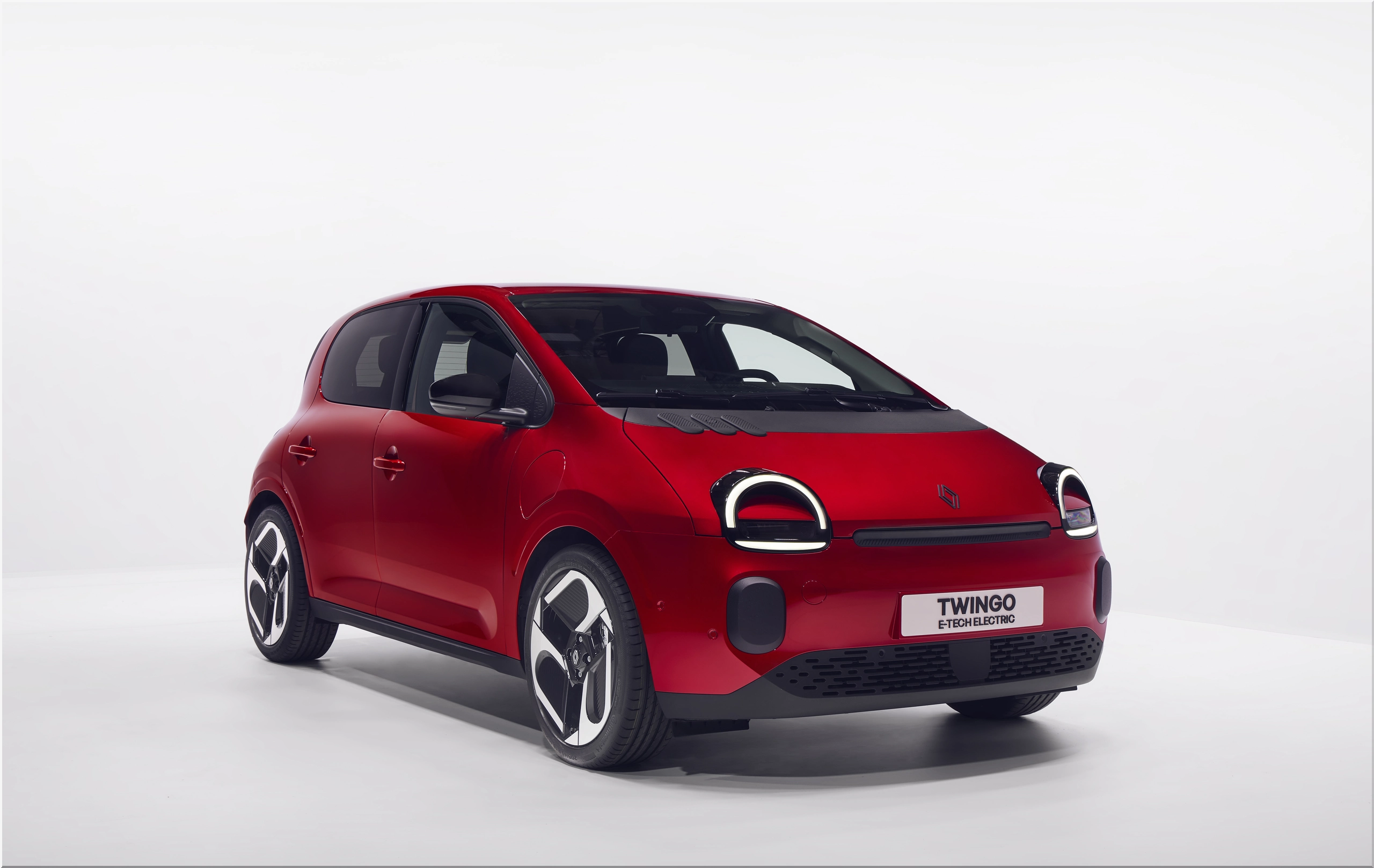
The Electric Comeback of a City Icon
Renault’s Twingo E-Tech Electric marks the rebirth of an urban legend. Compact, affordable, and developed in just two years, this new-generation electric city car demonstrates how industrial agility and focused engineering can redefine efficiency. The goal was clear: deliver a fully electric European-made vehicle under $21,000 USD—without compromising quality, safety, or range.
The Twingo E-Tech arrives in early 2026, produced in Novo Mesto, Slovenia, a hub known for Renault’s A- and B-segment vehicles. It blends simplicity, sustainability, and intelligent design to attract both first-time EV buyers and urban drivers needing a reliable second vehicle.
Key Specifications at a Glance
| Specification | Detail |
|---|---|
| Motor Power | 60 kW (82 hp) |
| Battery | 27.5 kWh LFP (Lithium Iron Phosphate) |
| Range (WLTP) | Up to 263 km (163 miles) |
| Charging | 6.6 kW AC standard, 11 kW AC & 50 kW DC optional |
| 0–50 km/h | 3.85 seconds |
| Price (est.) | Under €20,000 (~$21,000 USD) |
| Length | 3.79 m |
| Boot Capacity | 305–360 liters |
| Weight | 1,200 kg |
A Fast-Track Development: Built in 100 Weeks
Renault’s Leap 100 program aimed to halve development time—and it delivered. The 2026 Twingo E-Tech went from concept to production in just 100 weeks, a record for the brand. Using its AmpR Small platform, just like the 2026 Nissan Micra, Renault combined French engineering and Chinese R&D collaboration through Ampere and ACDC, enabling quicker decision-making and lower production costs.
This hybrid development model reduced industrial investment by 50% and cut total design time by a full year compared to earlier EV programs. It represents a new, more efficient model for European manufacturing—data-driven, streamlined, and globally coordinated.
Affordable Electric Mobility for Real Urban Drivers
Electric cars remain too costly for many European households. Renault’s answer is the Twingo E-Tech Electric, built around LFP battery technology that eliminates expensive nickel and cobalt. The result: a 20% battery cost reduction and lower long-term running costs.
The 27.5 kWh LFP pack delivers up to 263 km (163 miles) per charge—more than enough for Europe’s average 35 km/day driving pattern. Its compact battery design also reduces weight, improving energy efficiency and extending component lifespan.
Charging flexibility is another strong point:
- Standard 6.6 kW AC: Full charge in 4h15 at home.
- Advanced Charge pack (optional): Adds 11 kW AC + 50 kW DC fast charging for 10–80% in 30 minutes.
The bidirectional V2L and V2G capability turns the Twingo into a mobile power source, capable of feeding energy back to a home grid or powering devices up to 3.7 kW. Through Mobilize PowerBox Verso, Renault integrates energy management directly into ownership.
Compact Size, Big Interior
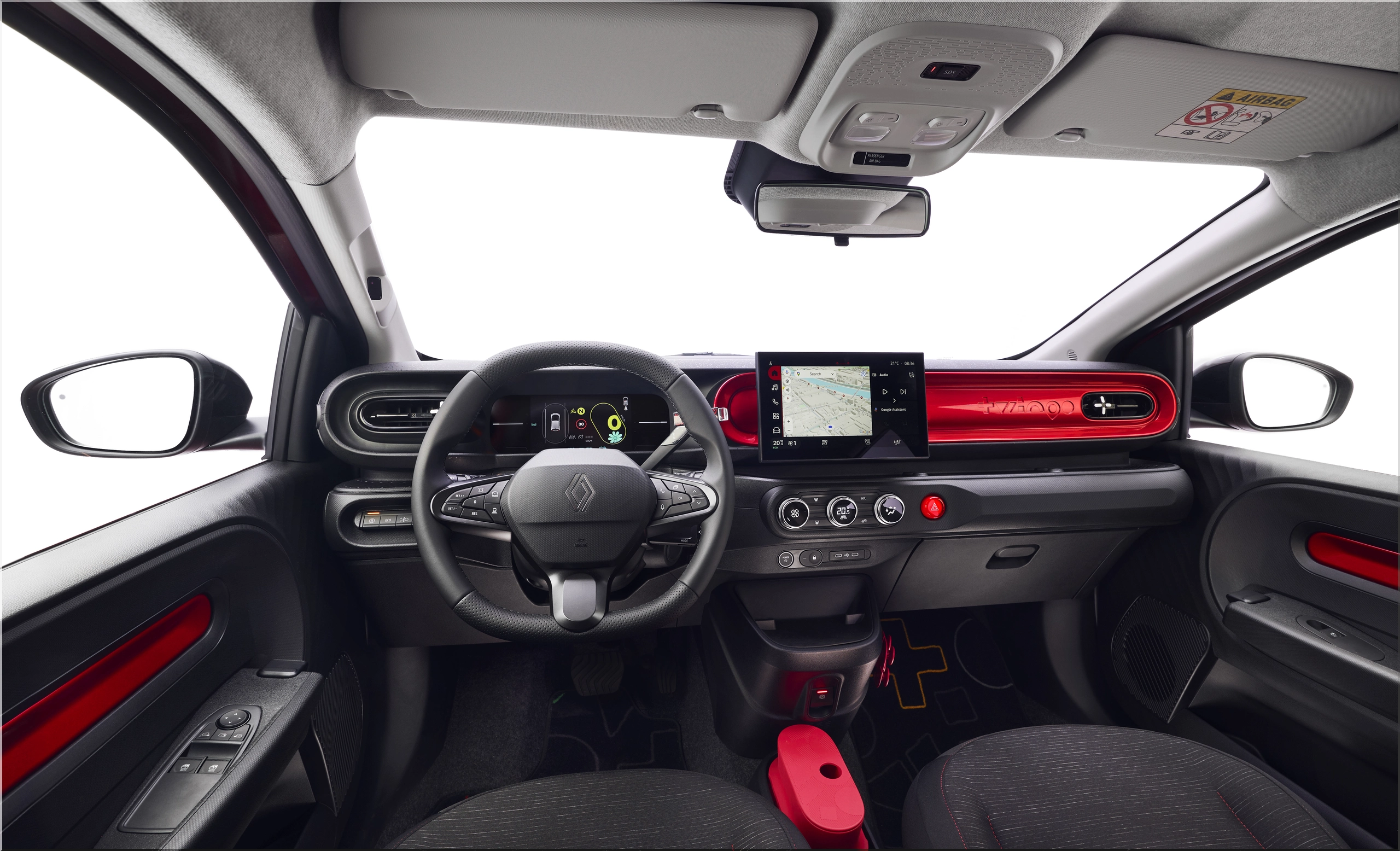
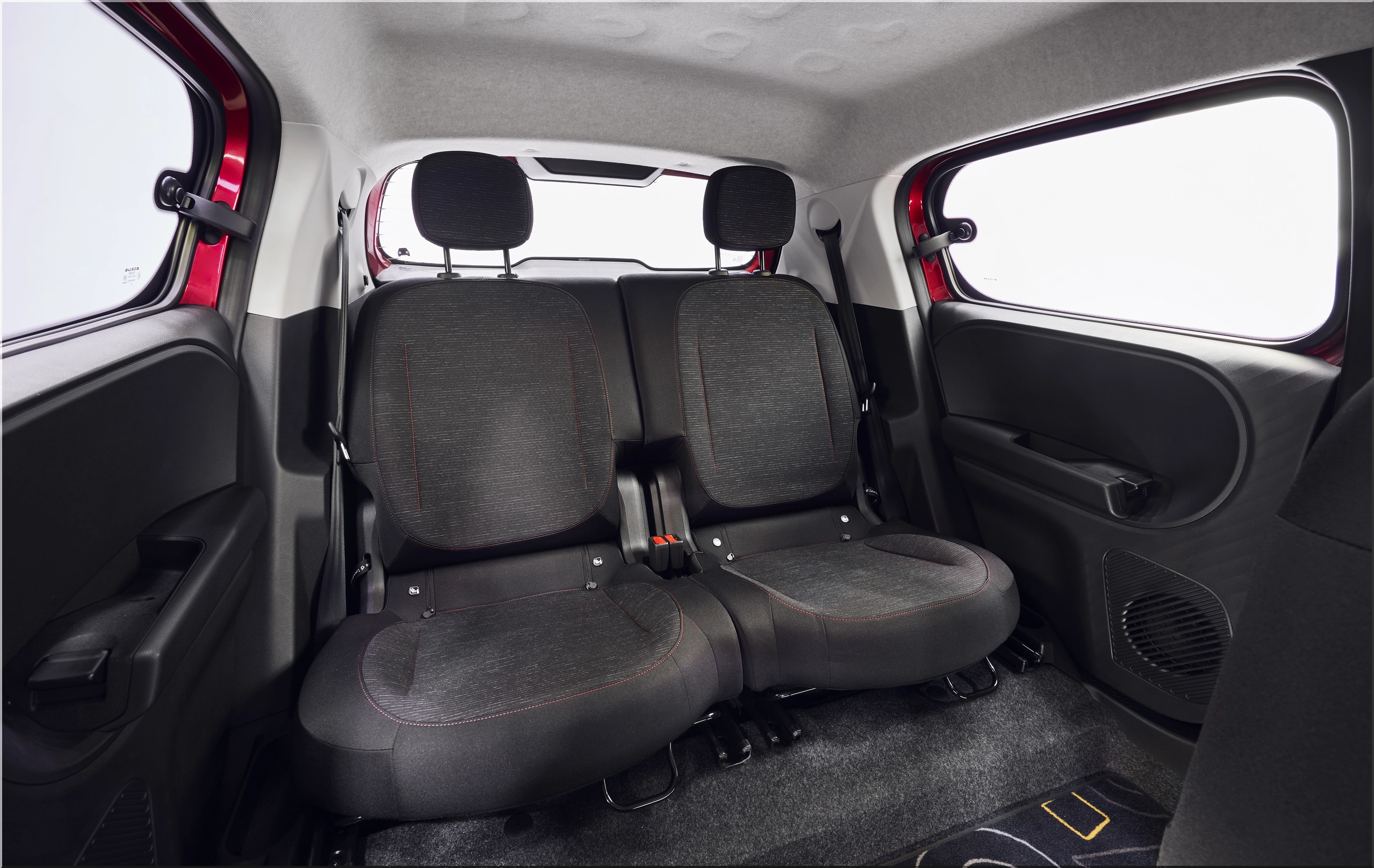
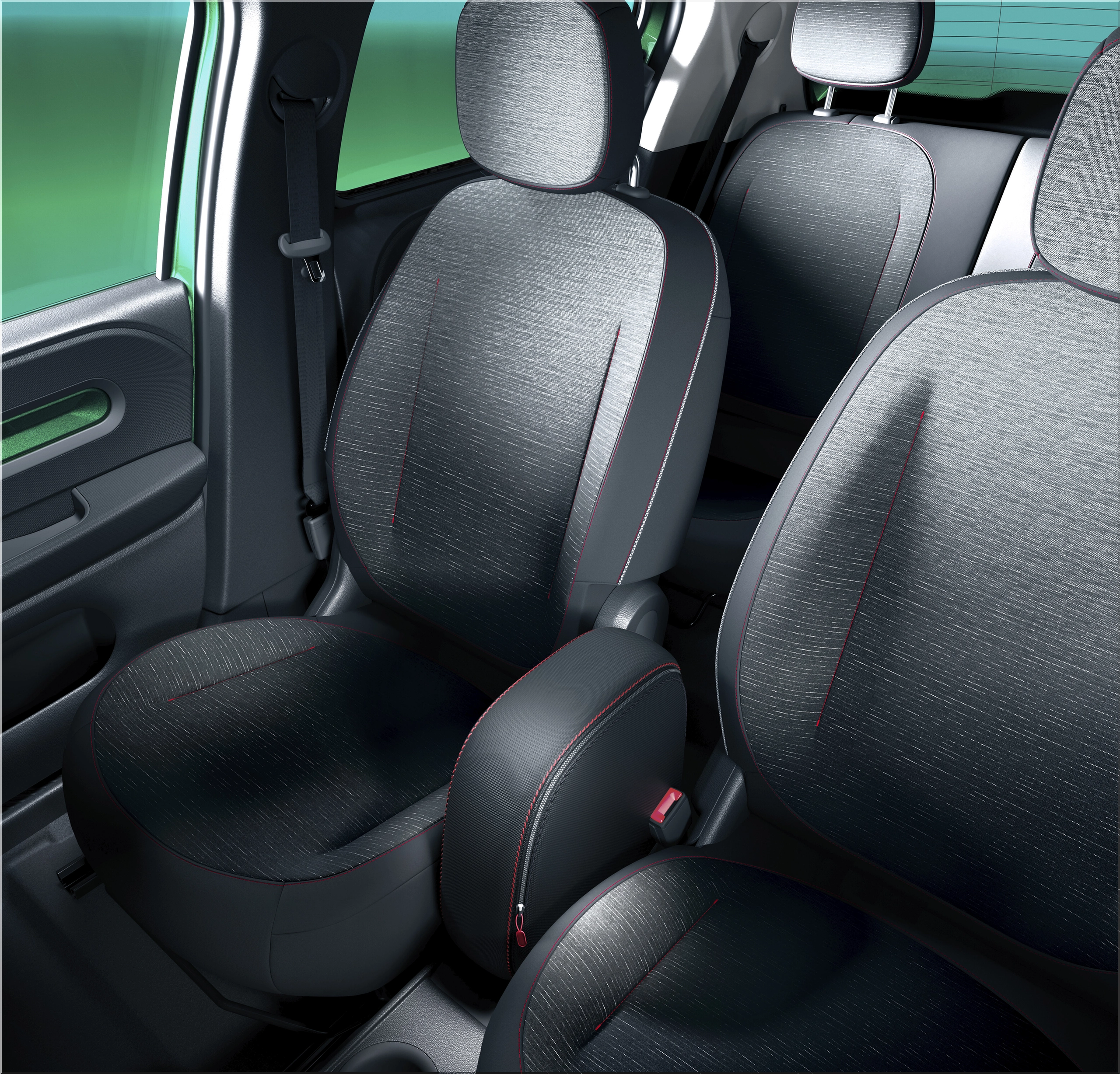
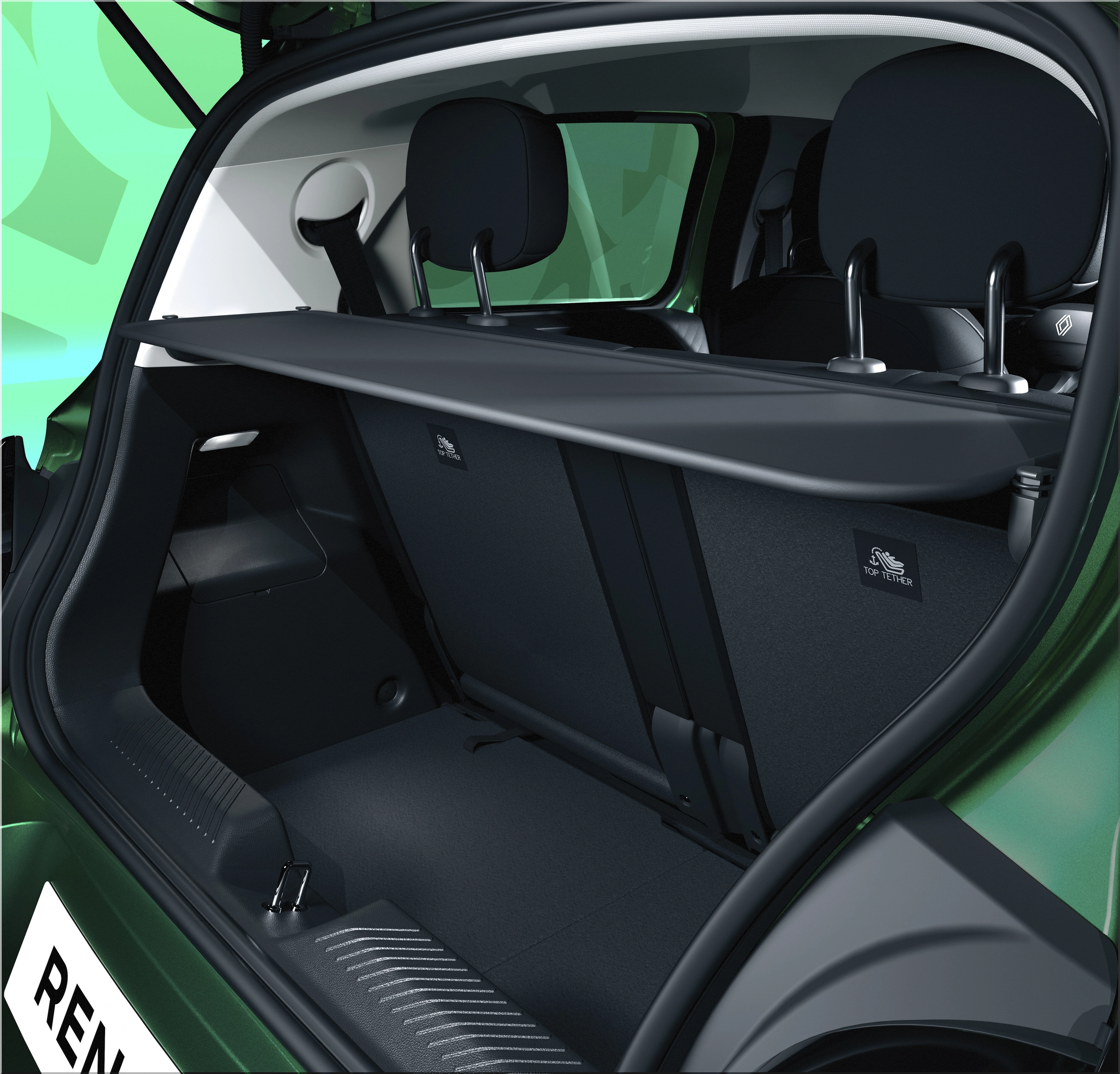
At 3.79 meters long, the new Twingo E-Tech Electric fits tight city streets but surprises inside with B-segment space. Rear passengers benefit from 160 mm of knee room, and the cabin can expand to over 1,000 liters of cargo with folded seats. Each rear seat slides independently by 17 cm, optimizing storage or legroom.
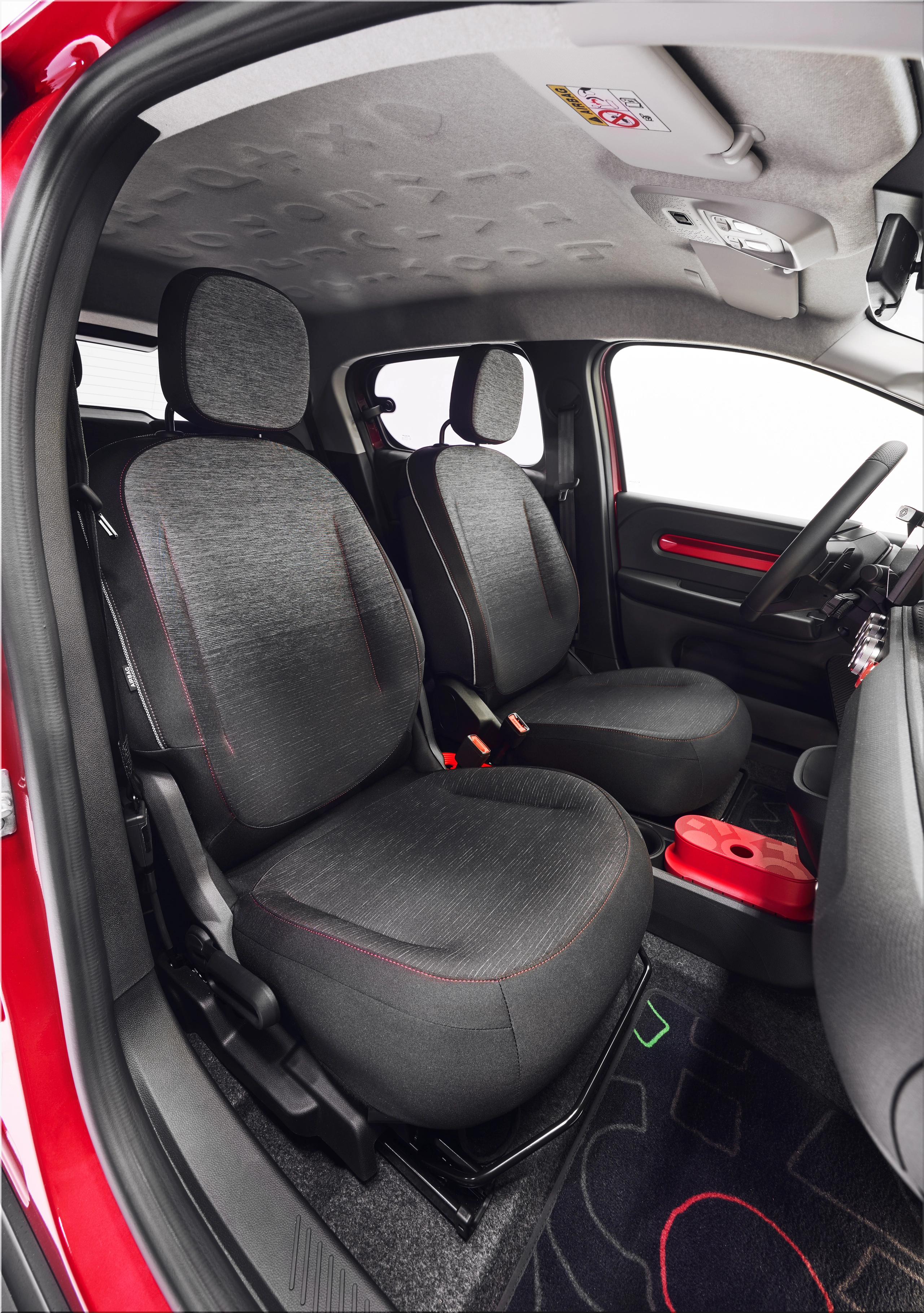
The front passenger seat folds flat, enabling two meters of load length—enough for urban furniture runs or sports gear. The boot adds a 50-liter underfloor compartment, ideal for charging cables.
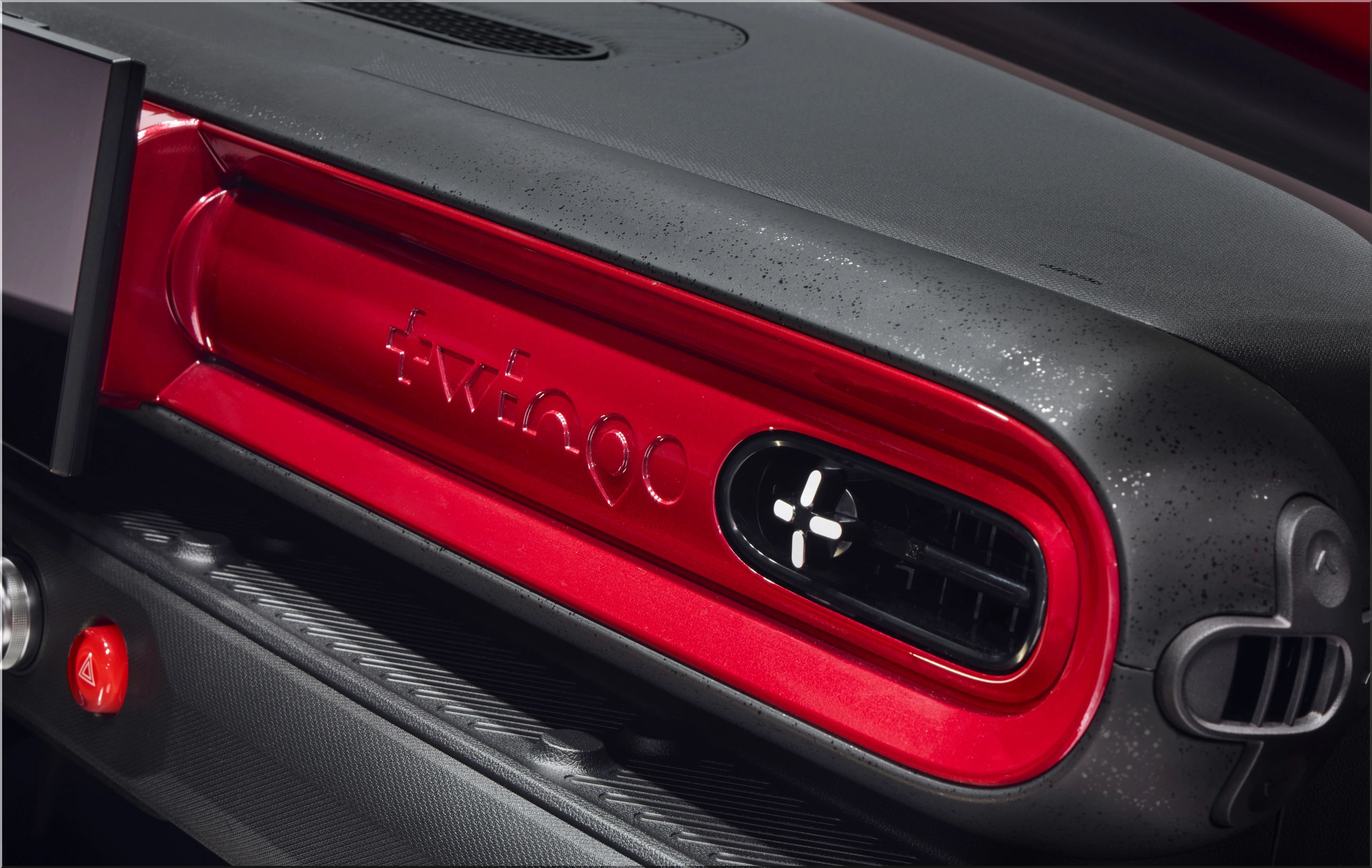
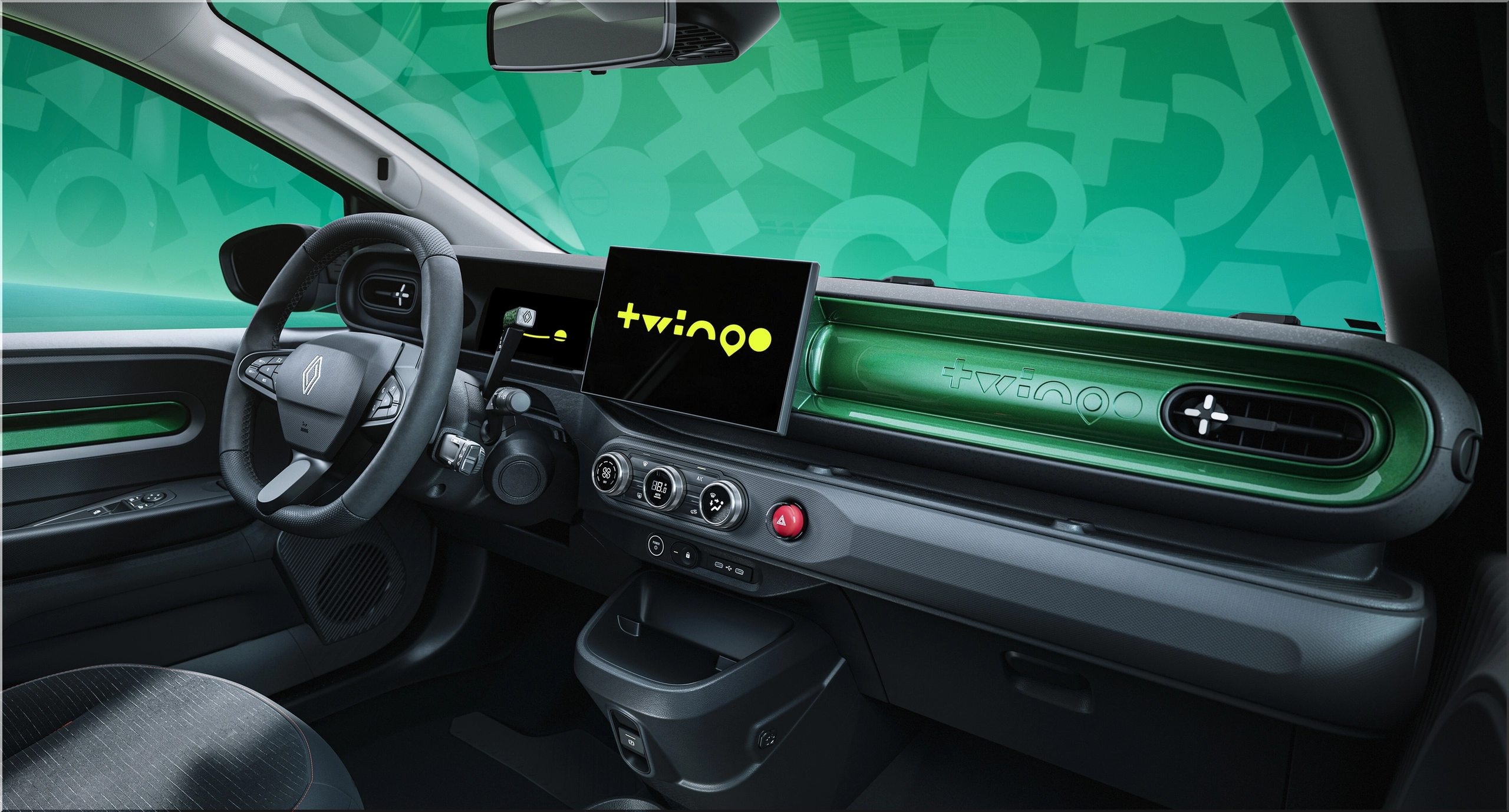
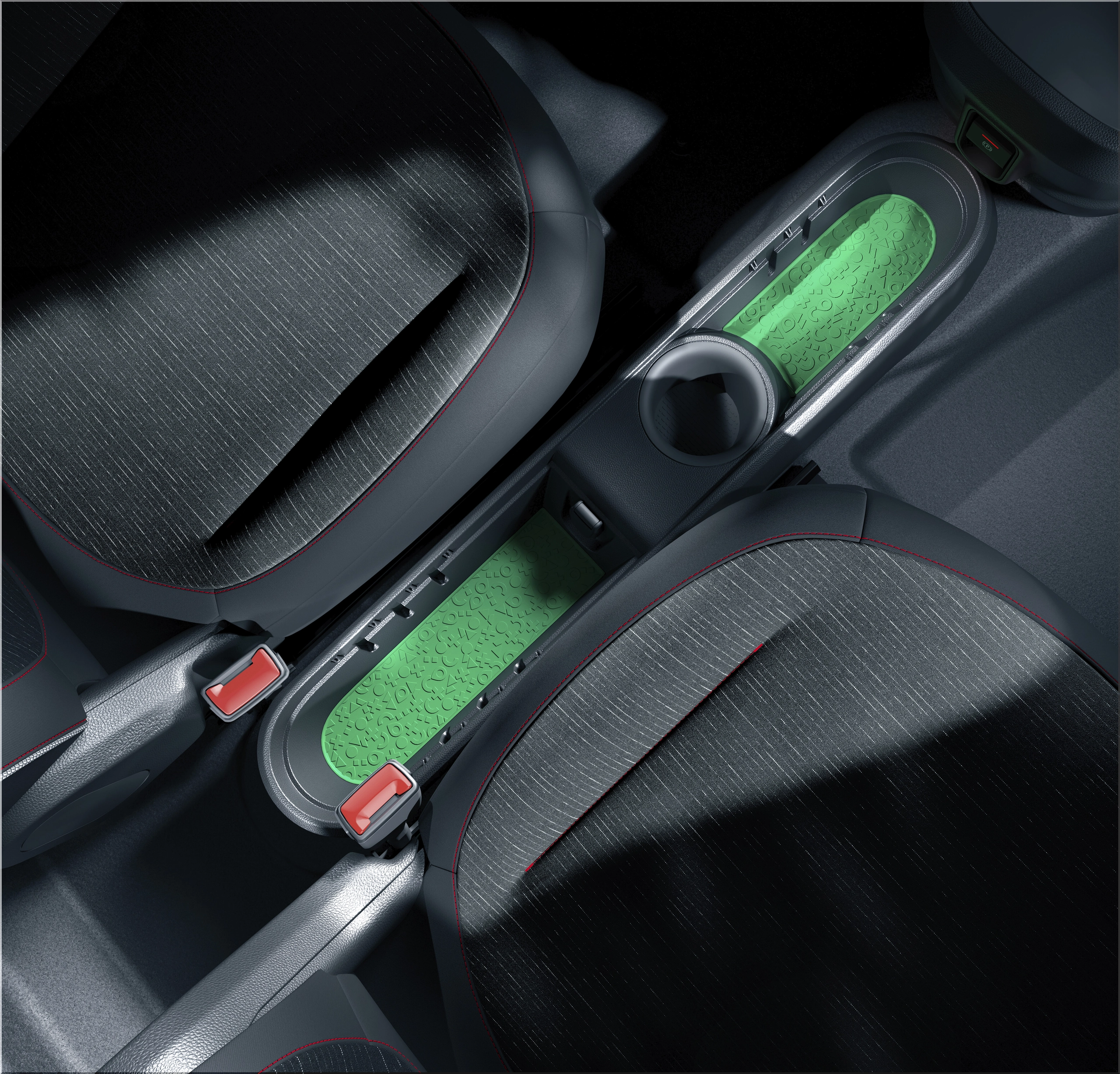
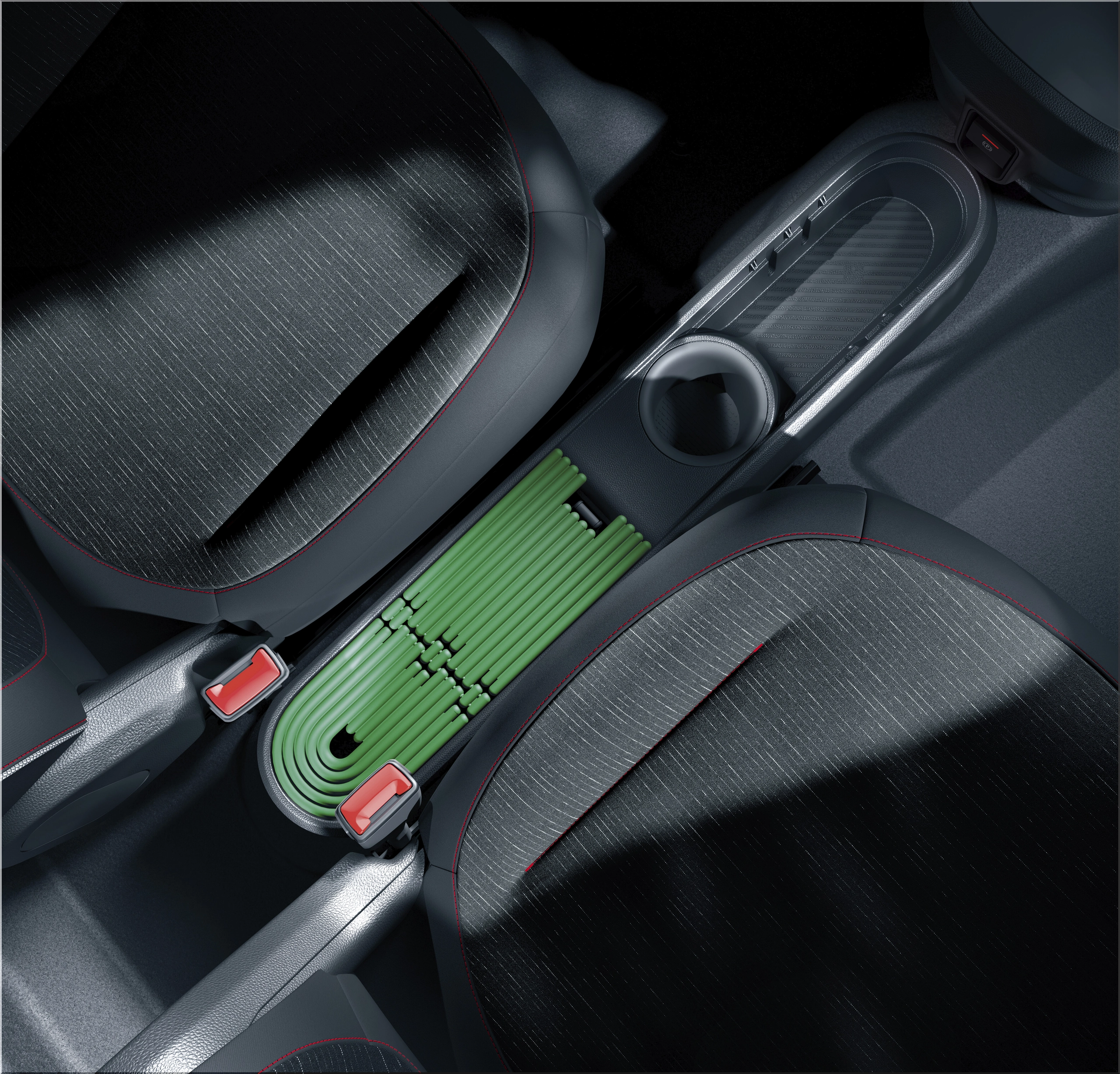
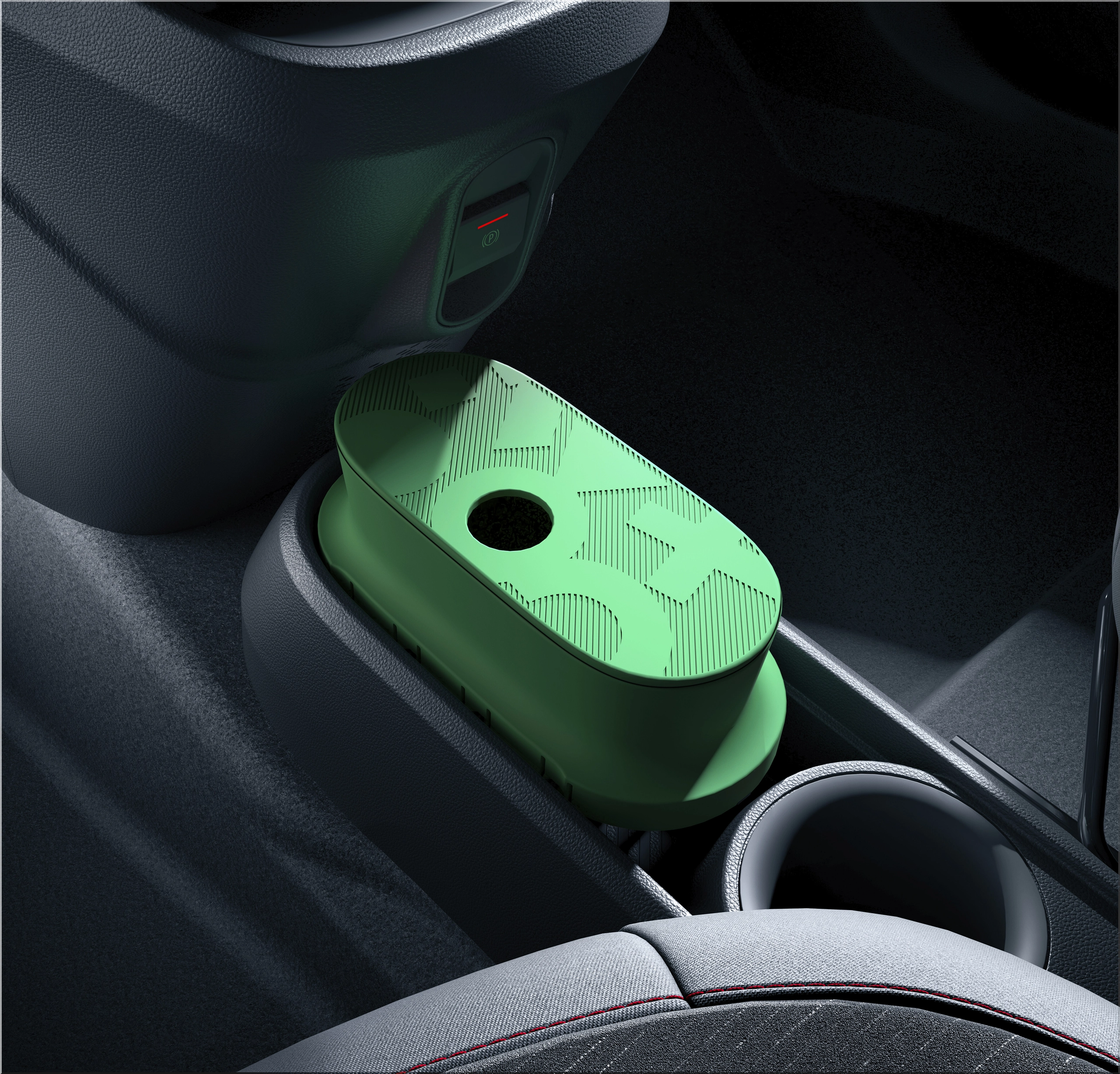
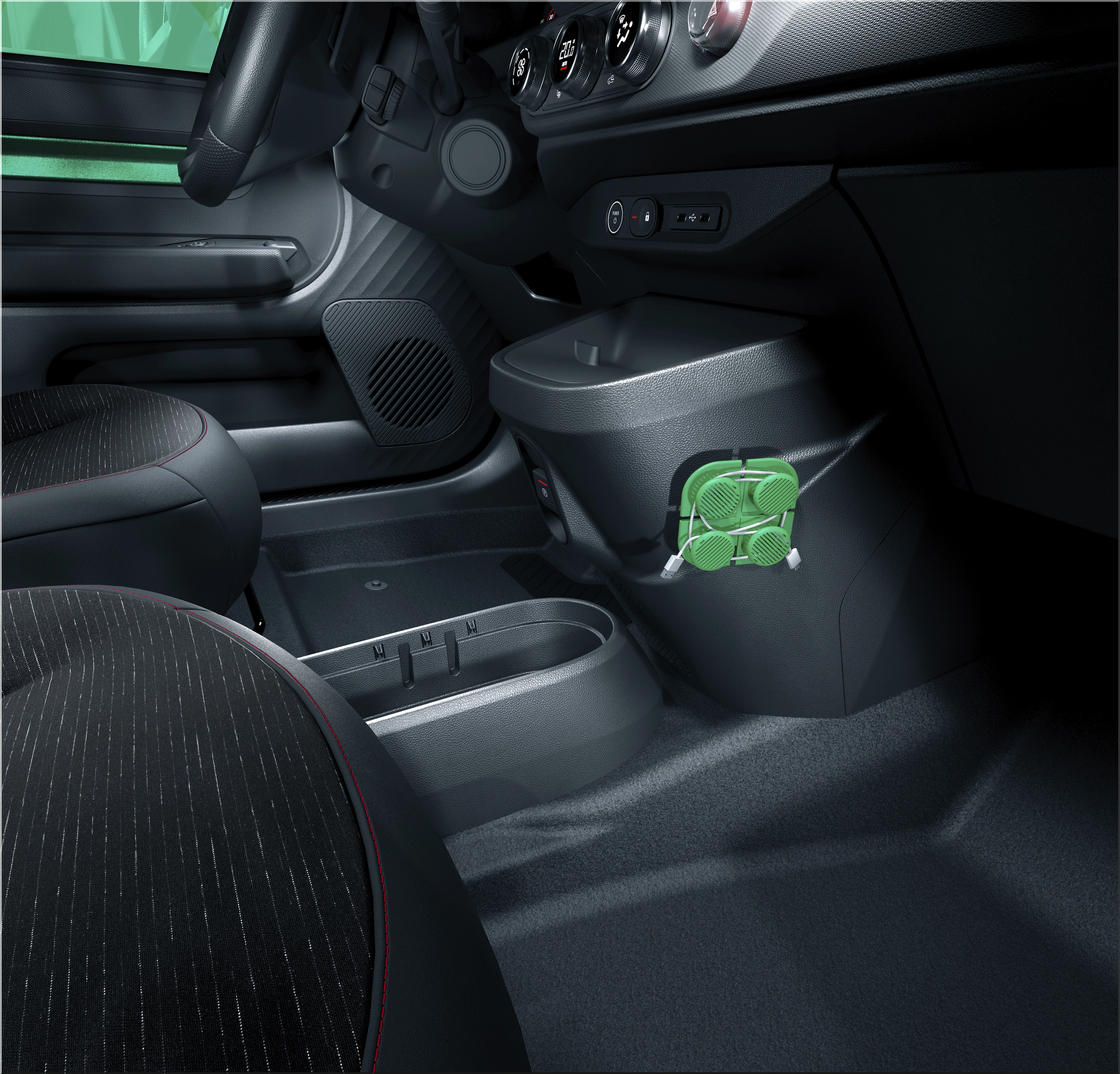
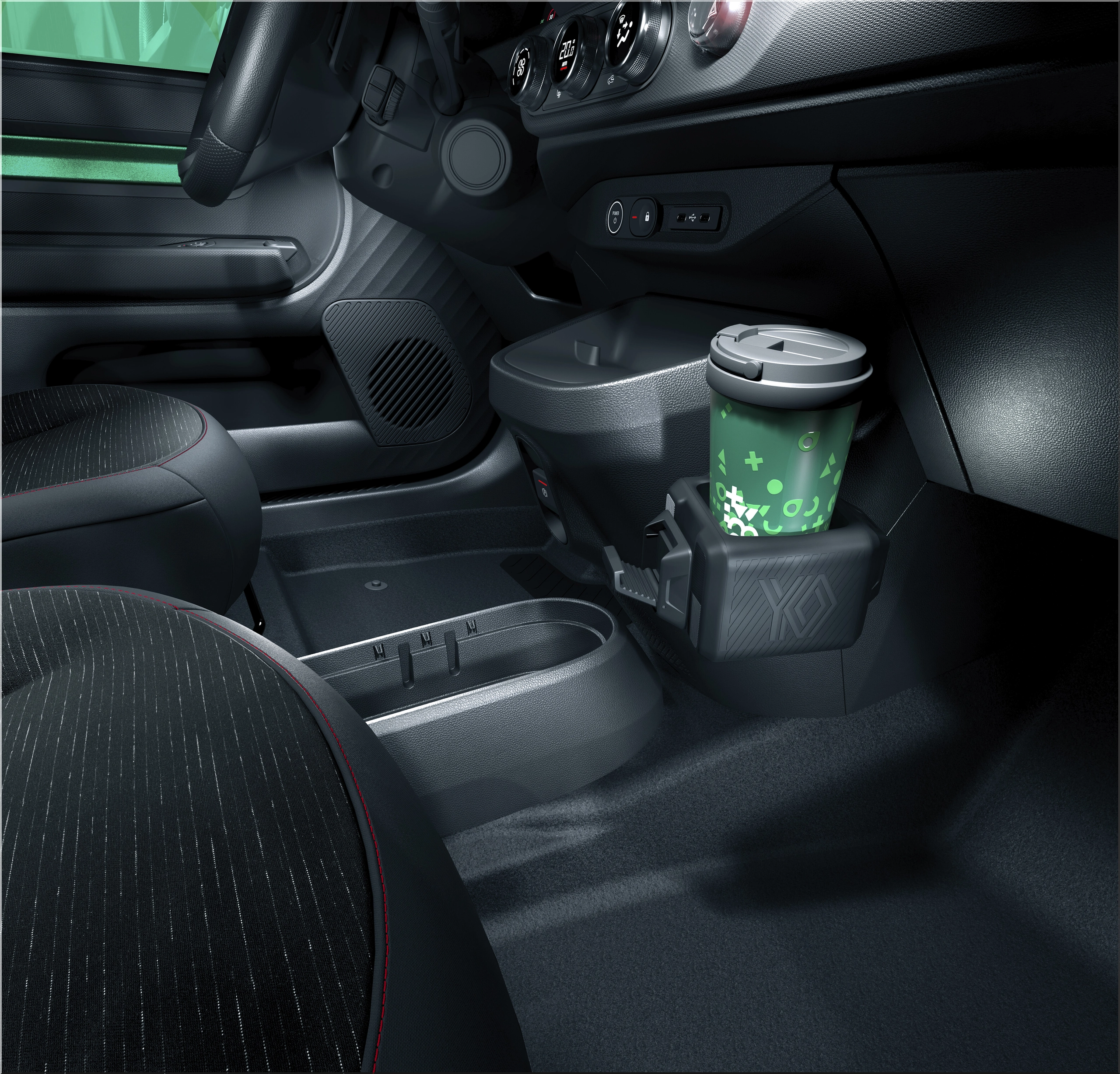
For daily life, Renault integrated over a dozen storage areas totaling 19 liters, with optional modular accessories like 3D-printed dividers and a new YouClip system for bags, hooks, and lights.
A Distinctively Modern Design
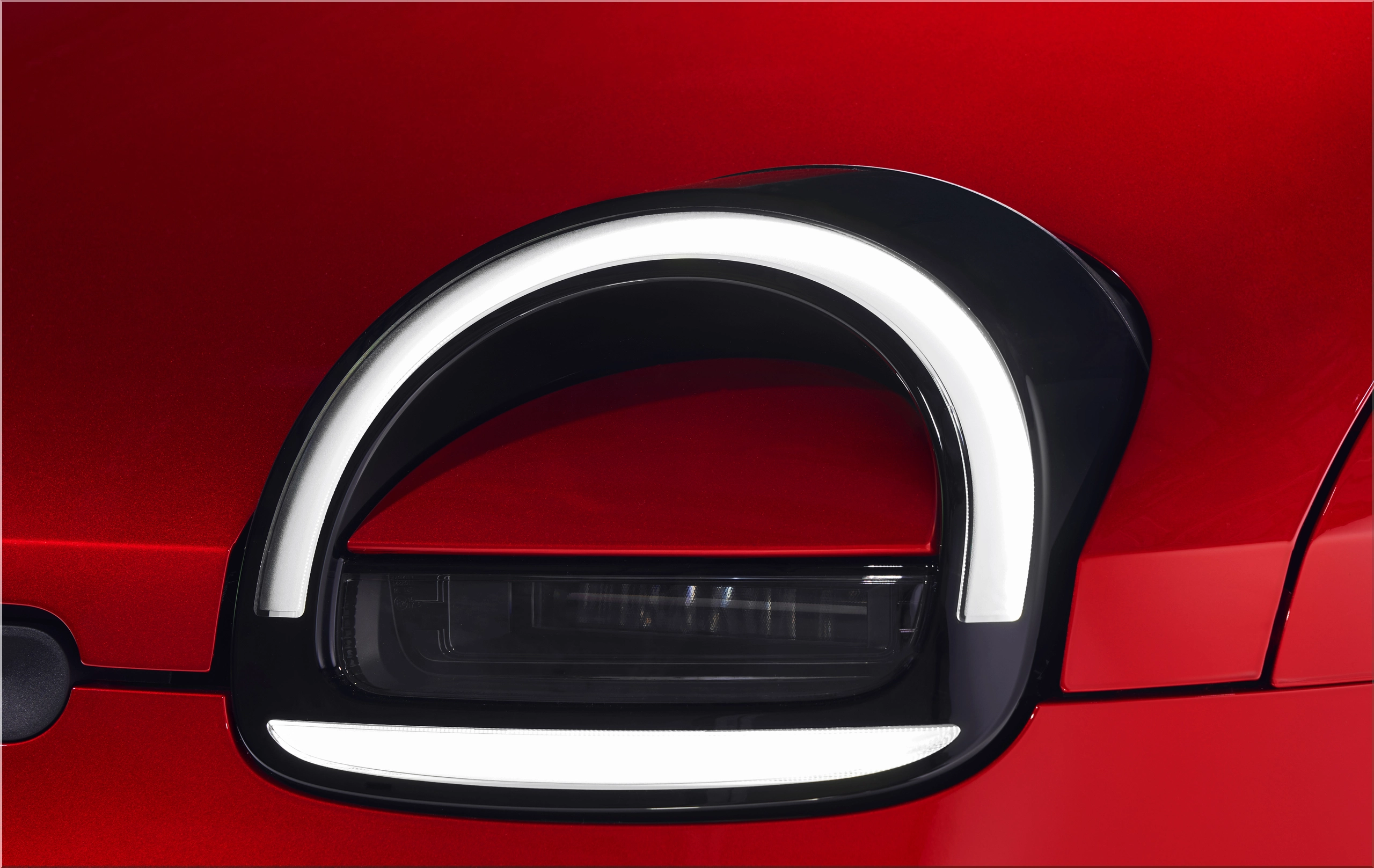
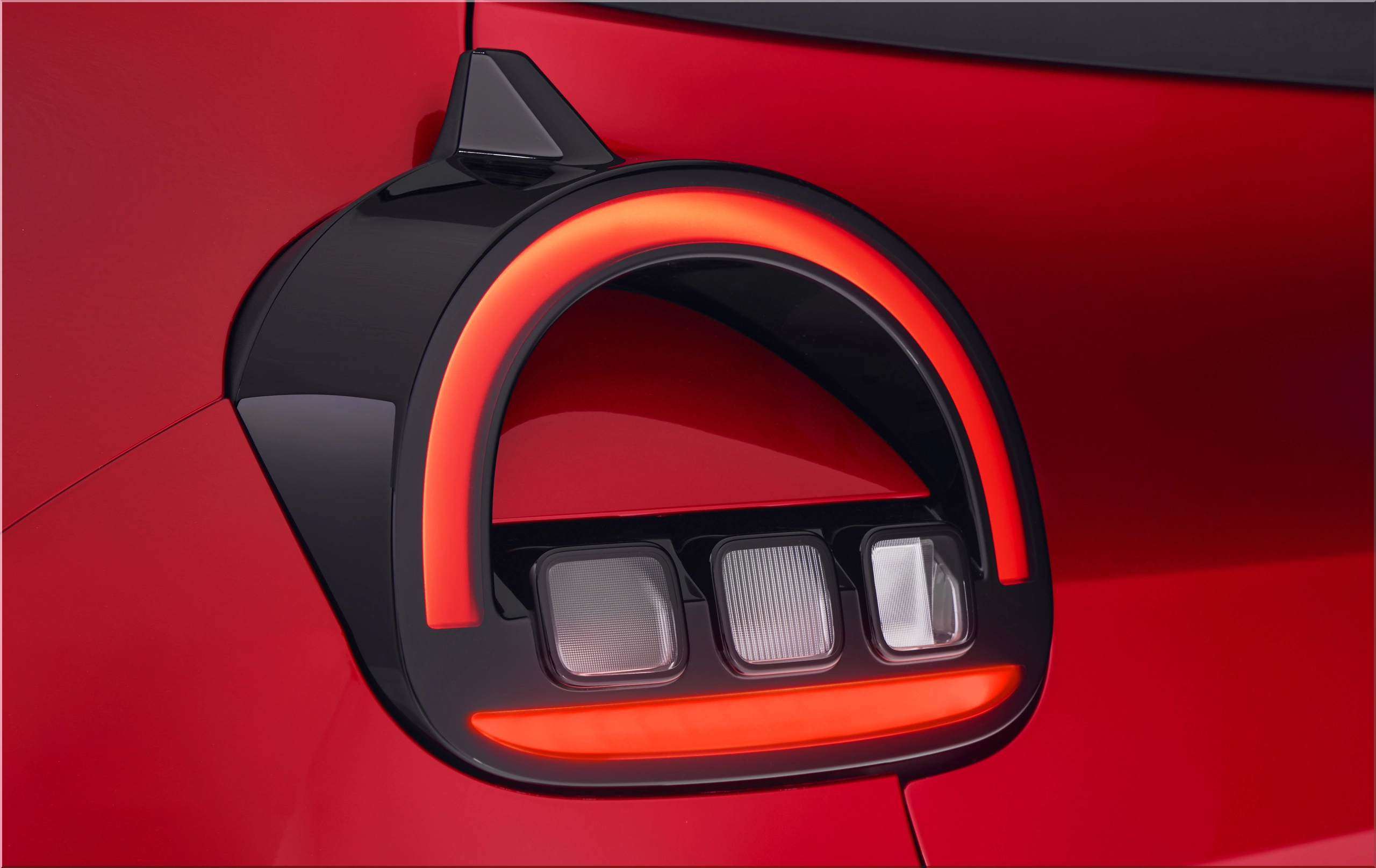
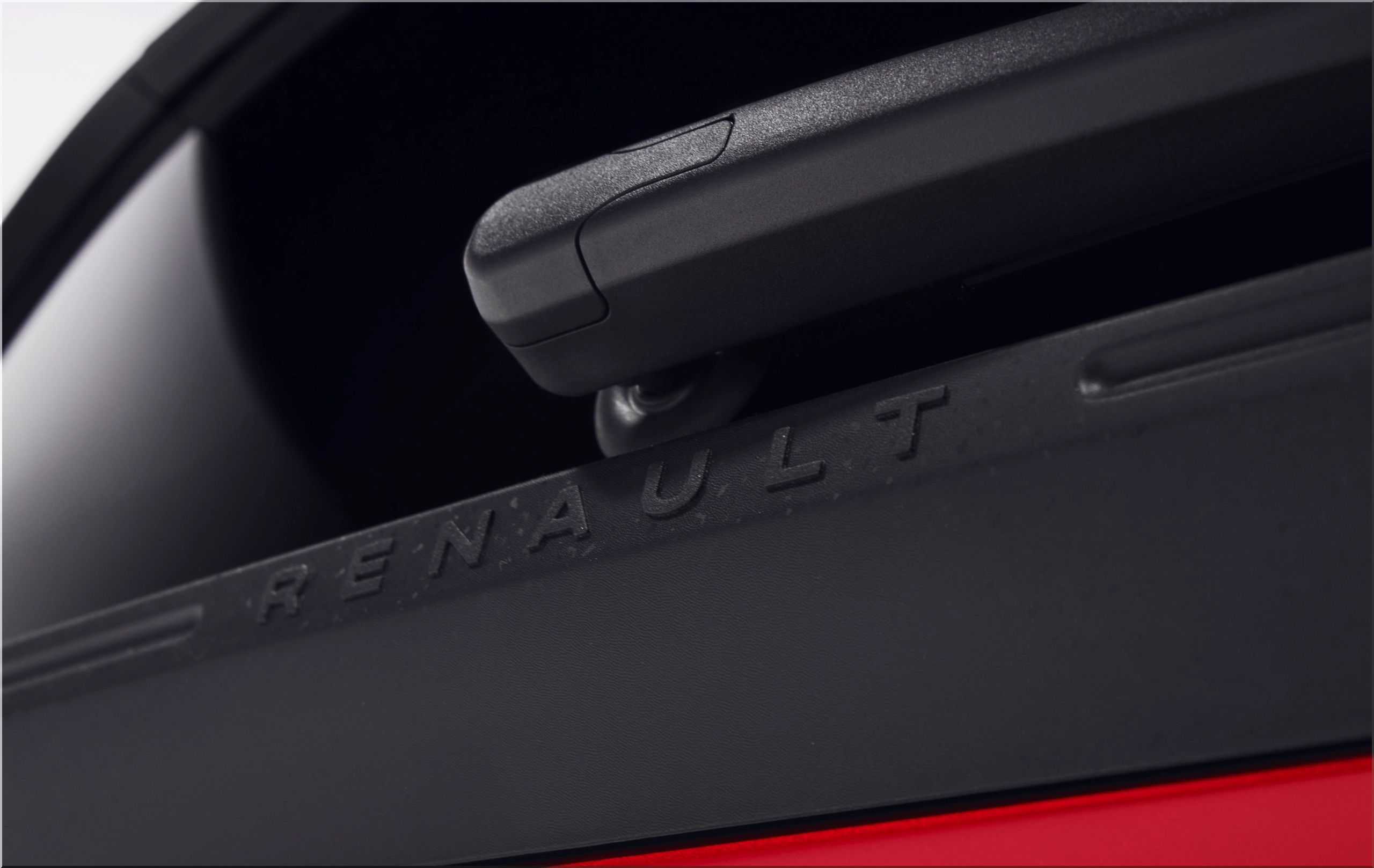
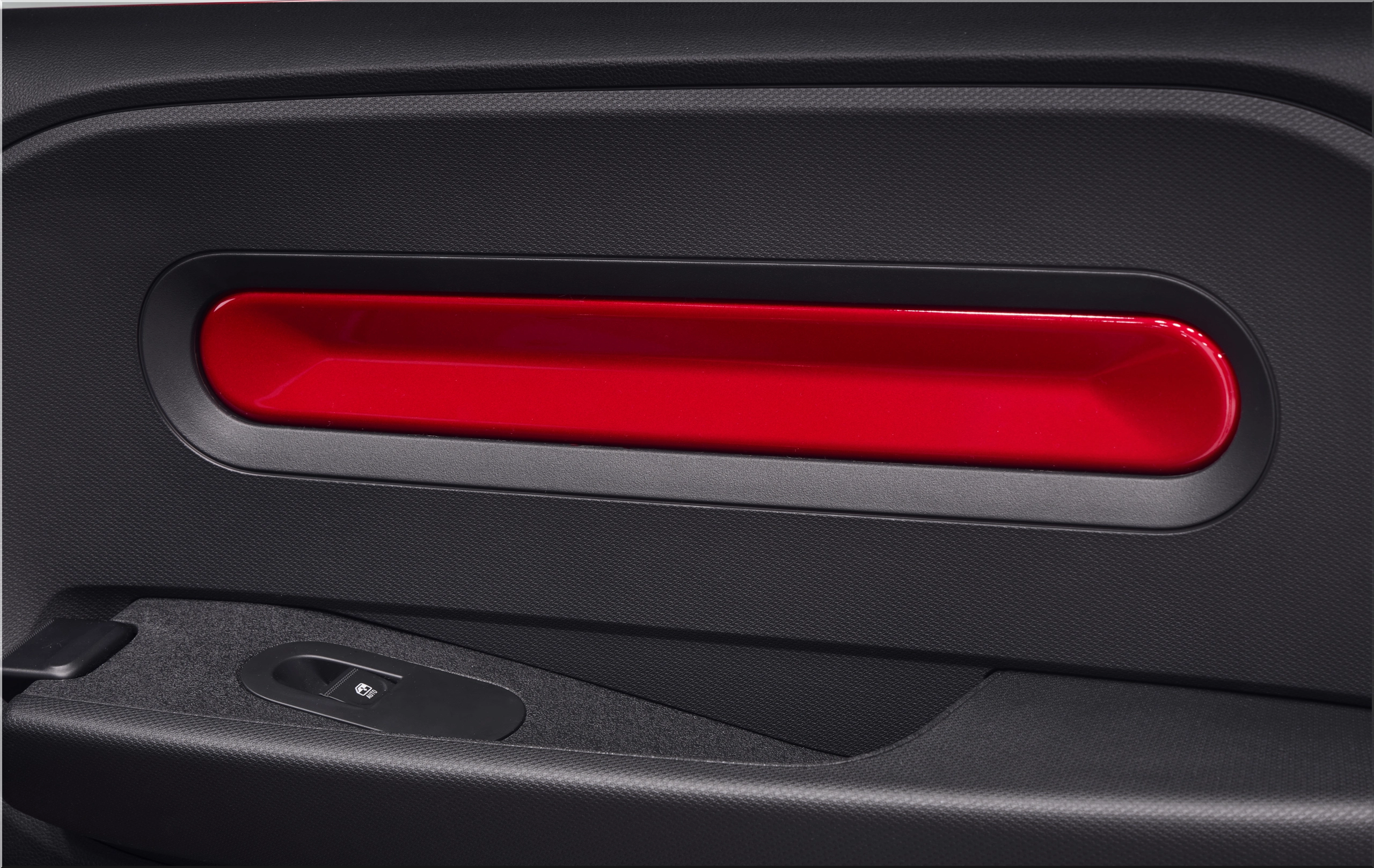
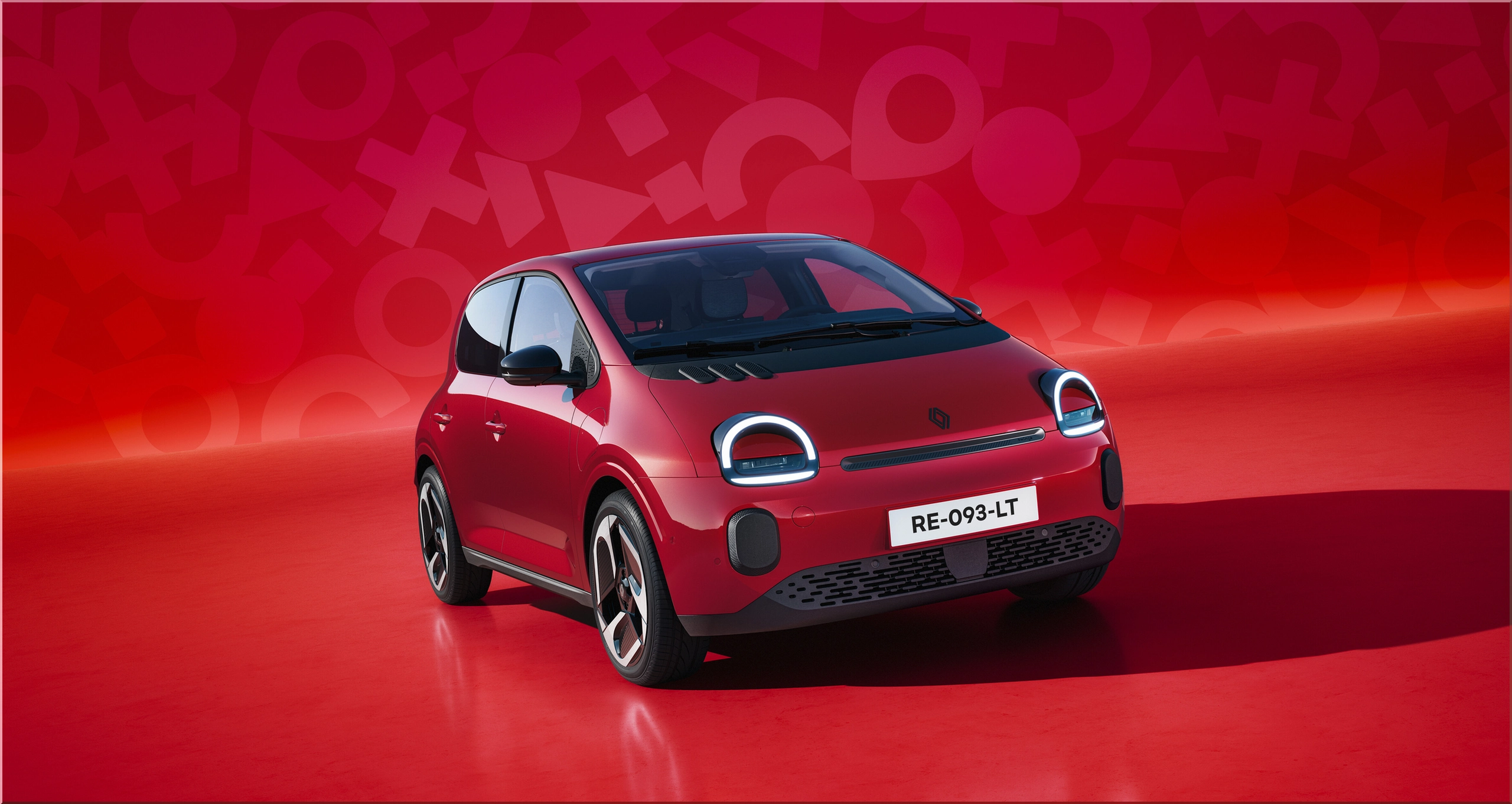
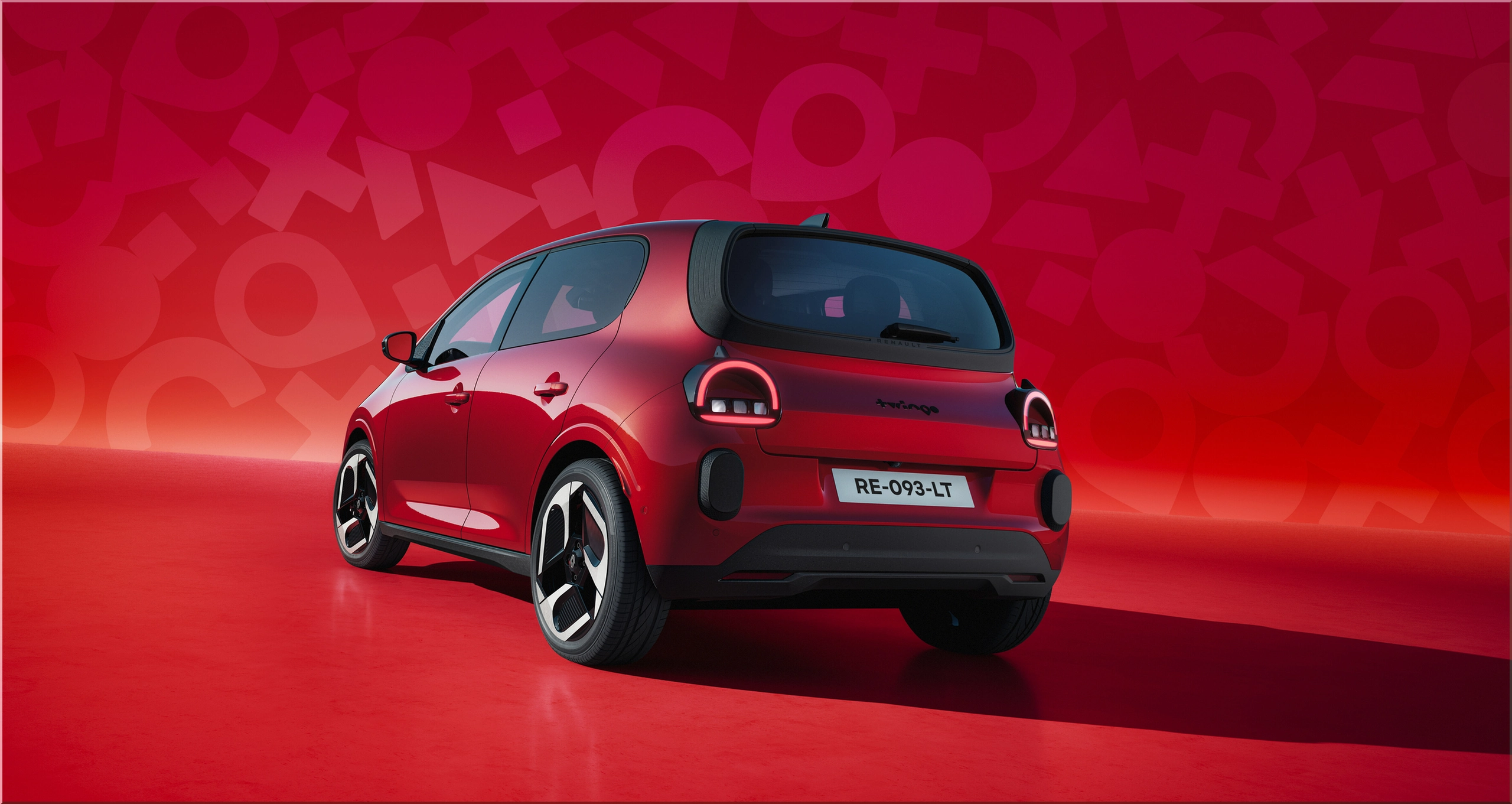
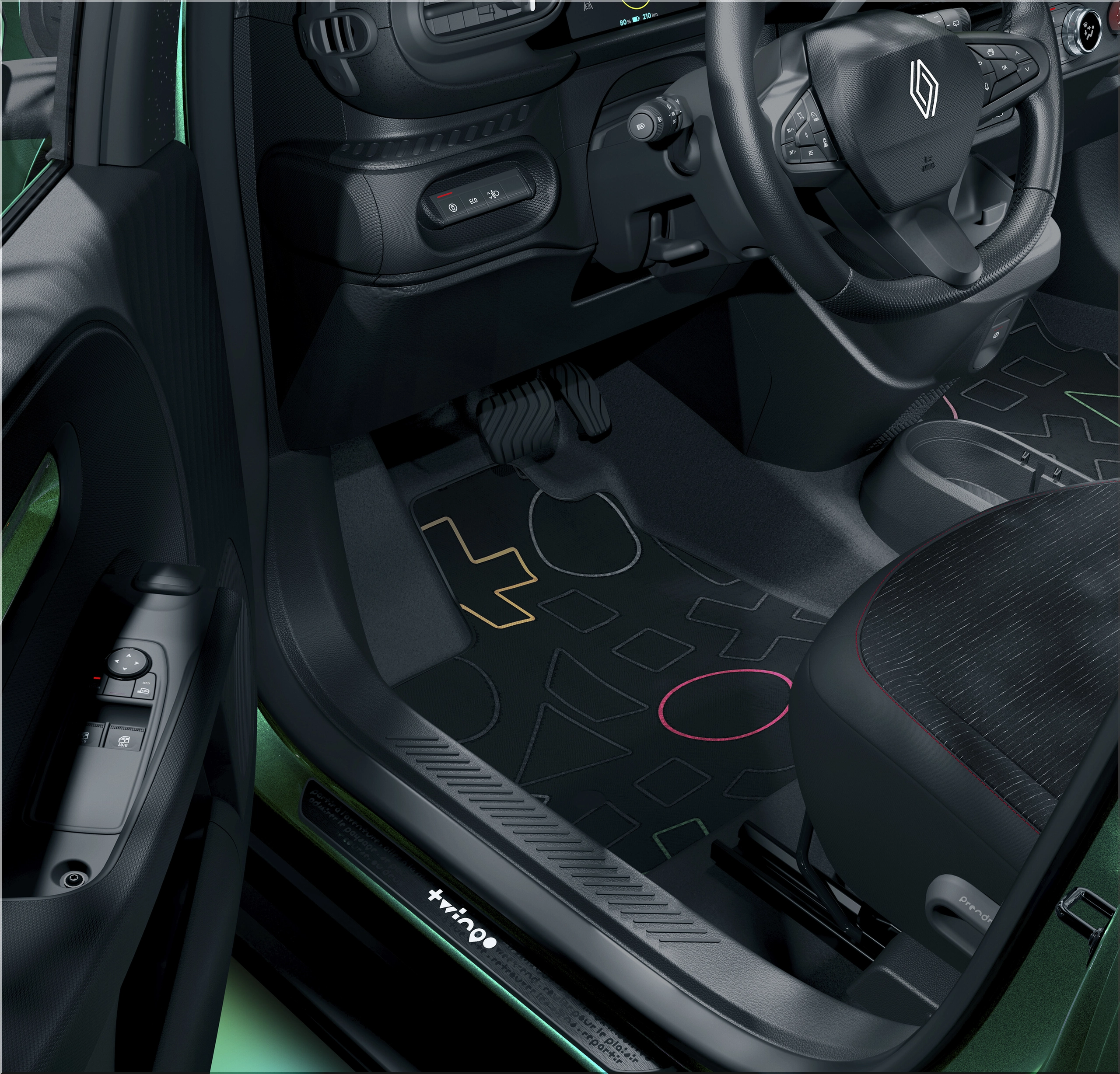
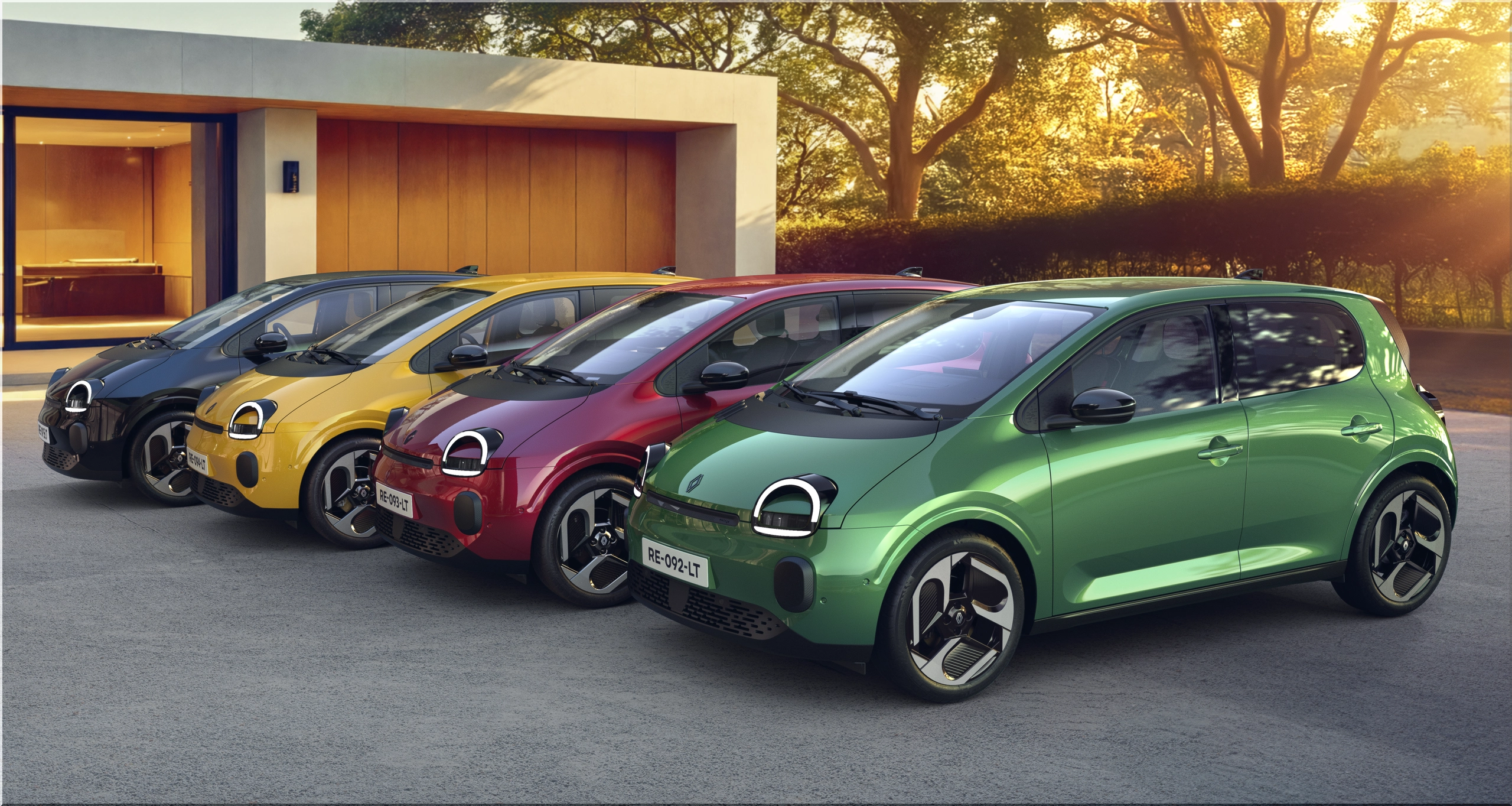
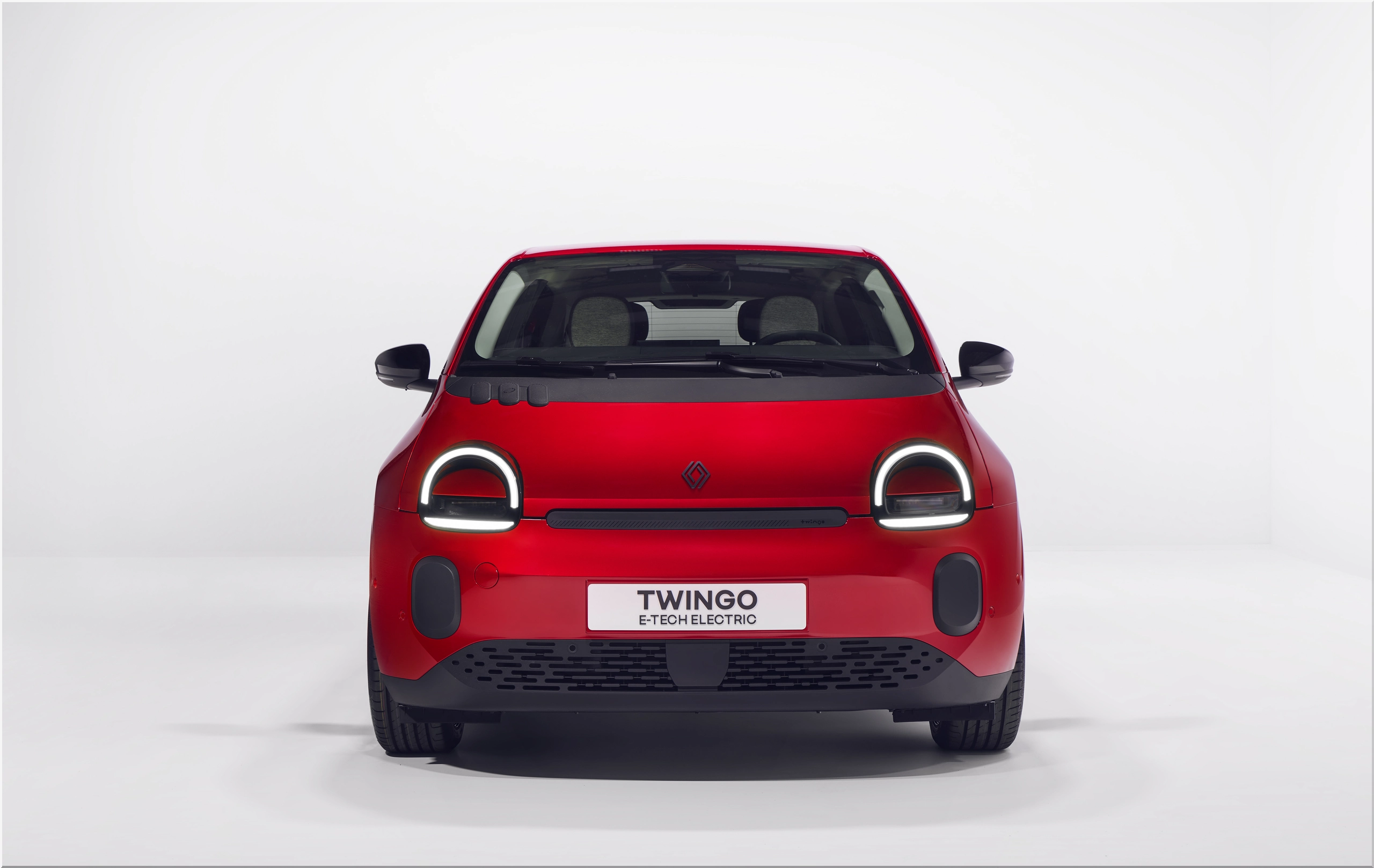
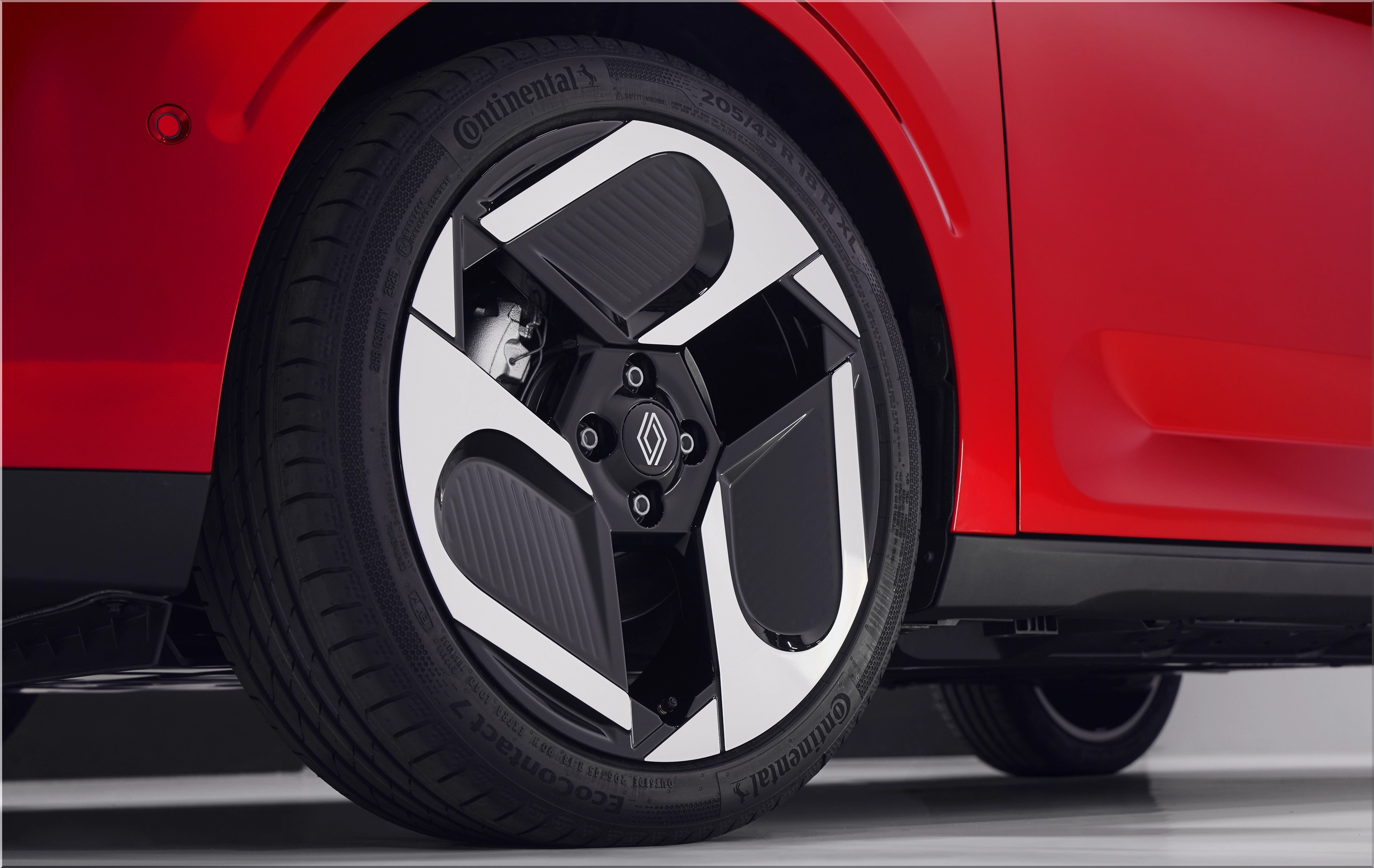
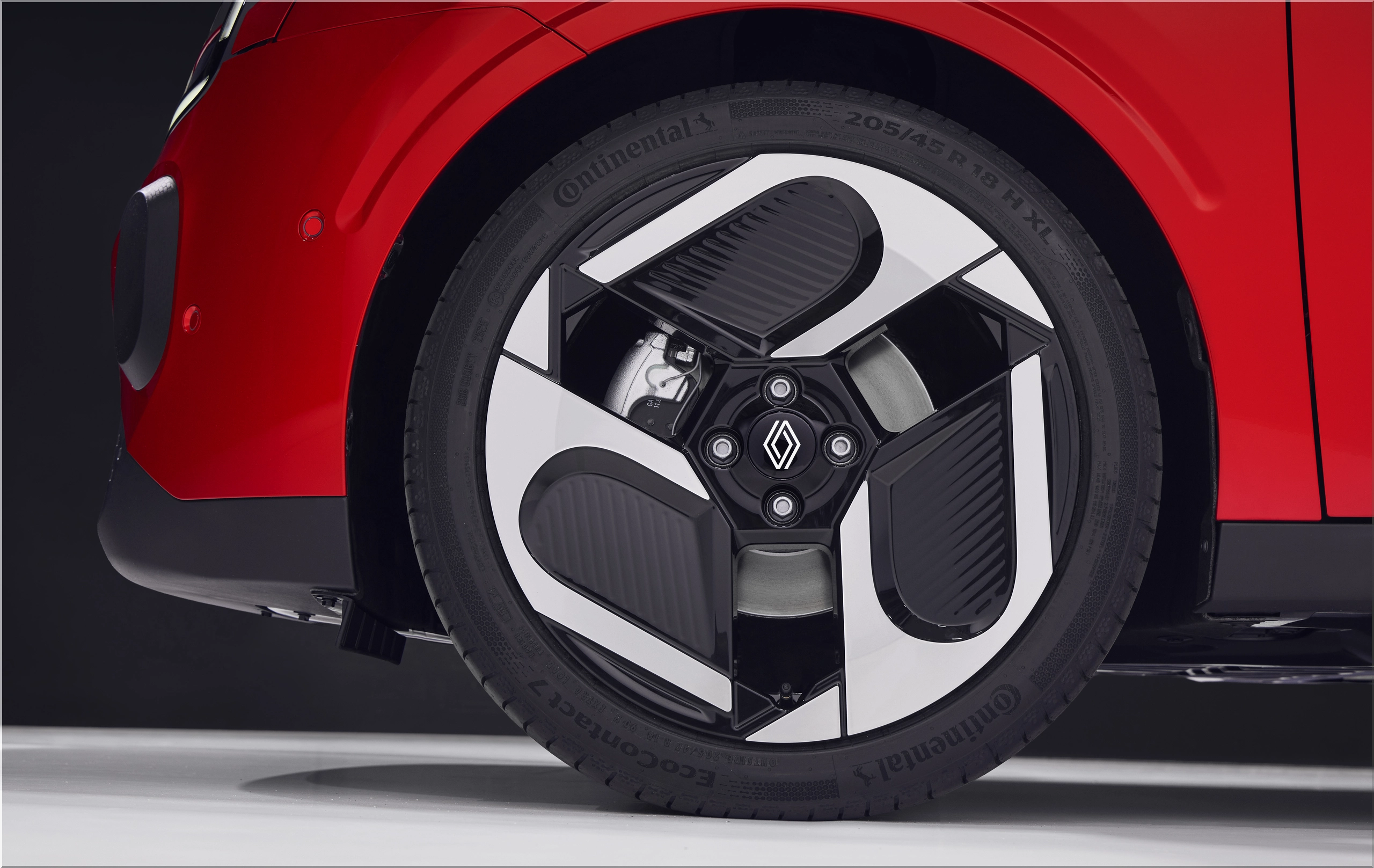
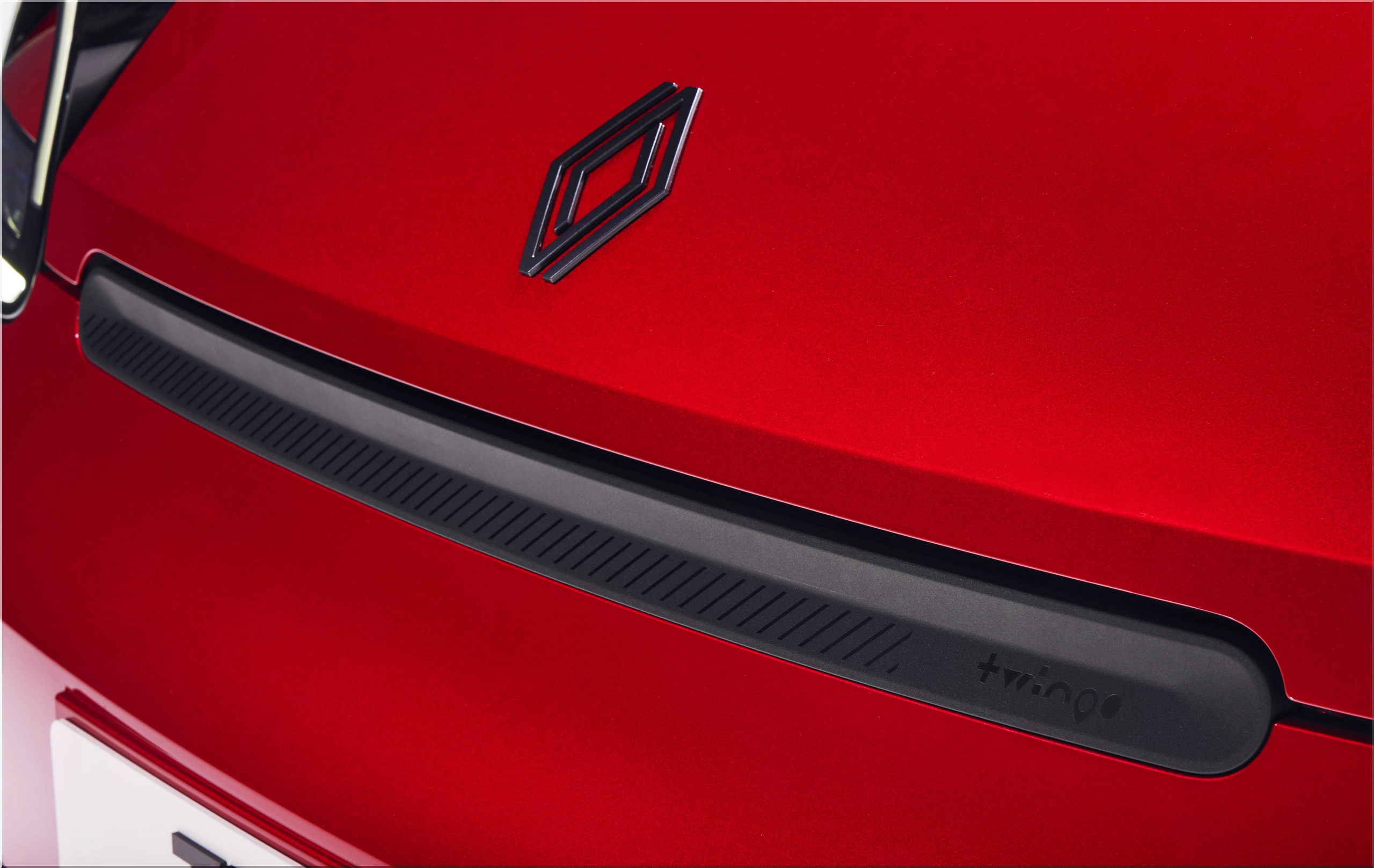
Renault retained the Twingo’s cheerful DNA—its curved profile, expressive headlights, and smiling grille—but added LED technology, refined aerodynamics, and larger wheels (16 or 18 inches). The car’s CdA of 0.656 and underfloor fairing improve efficiency without sacrificing personality.
Body colors are simple yet bold: Absolute Green, Mango Yellow, Absolute Red, and Starry Black. The minimalist palette supports streamlined production and reinforces Renault’s focus on smart cost control.