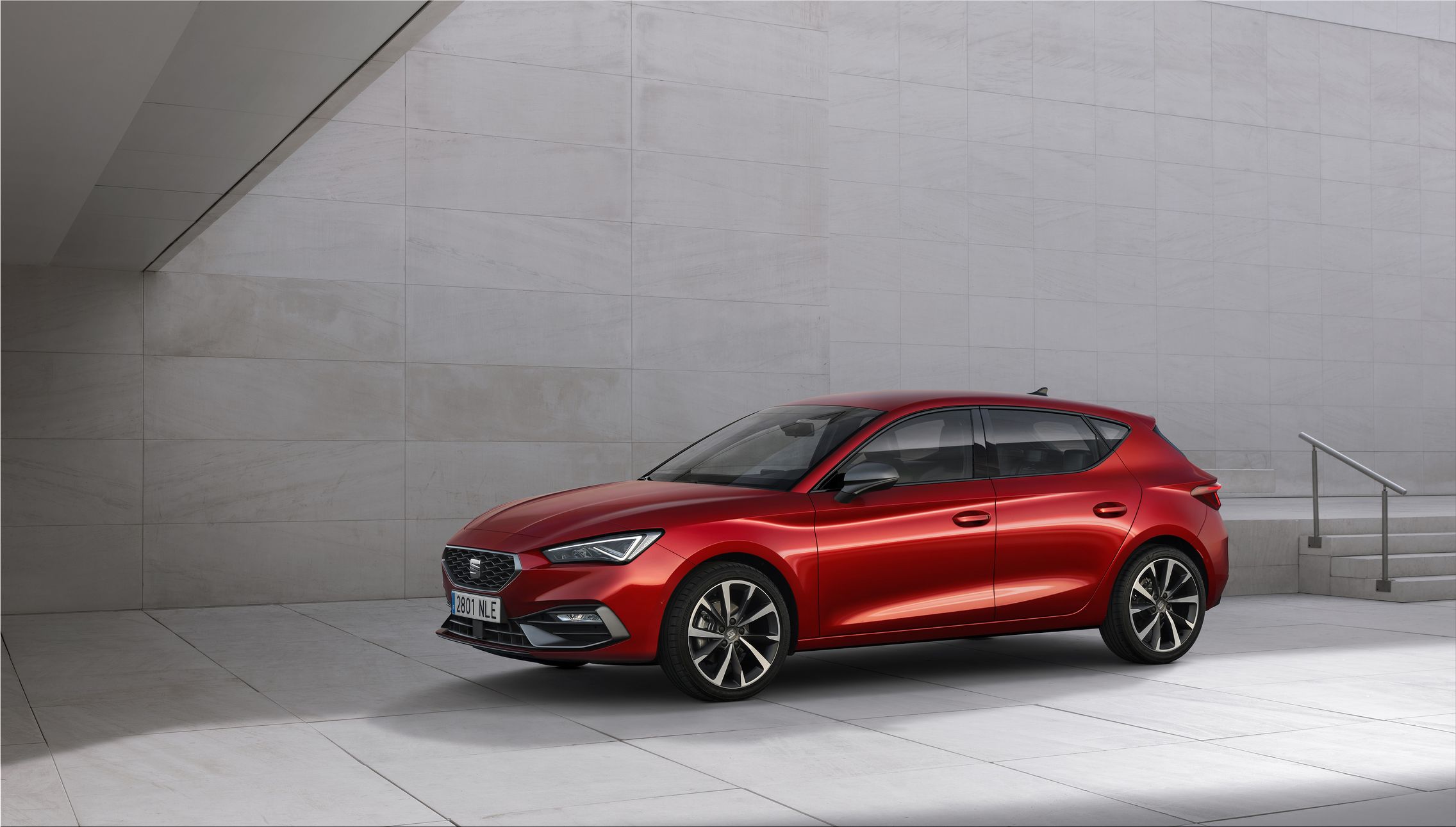
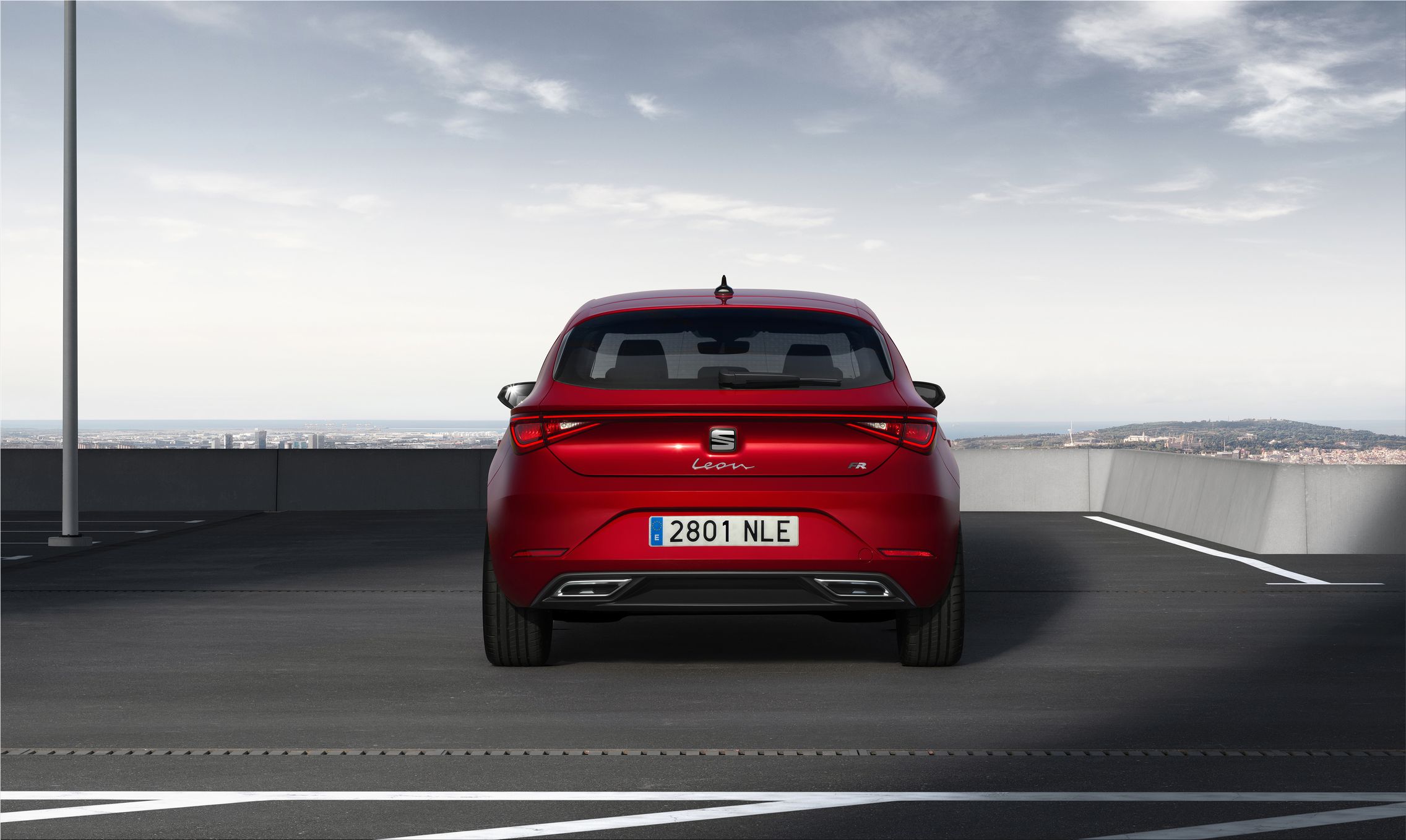
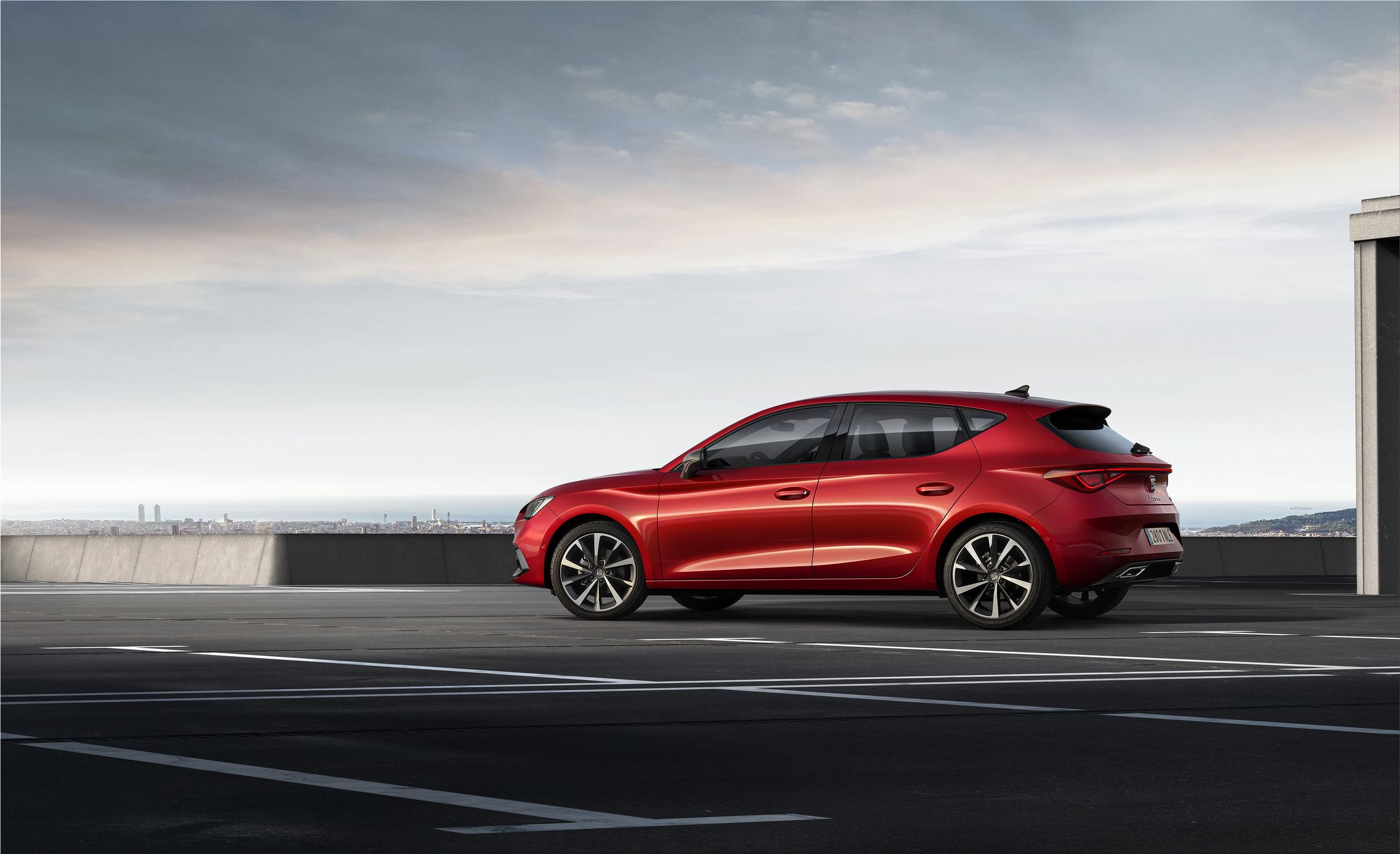
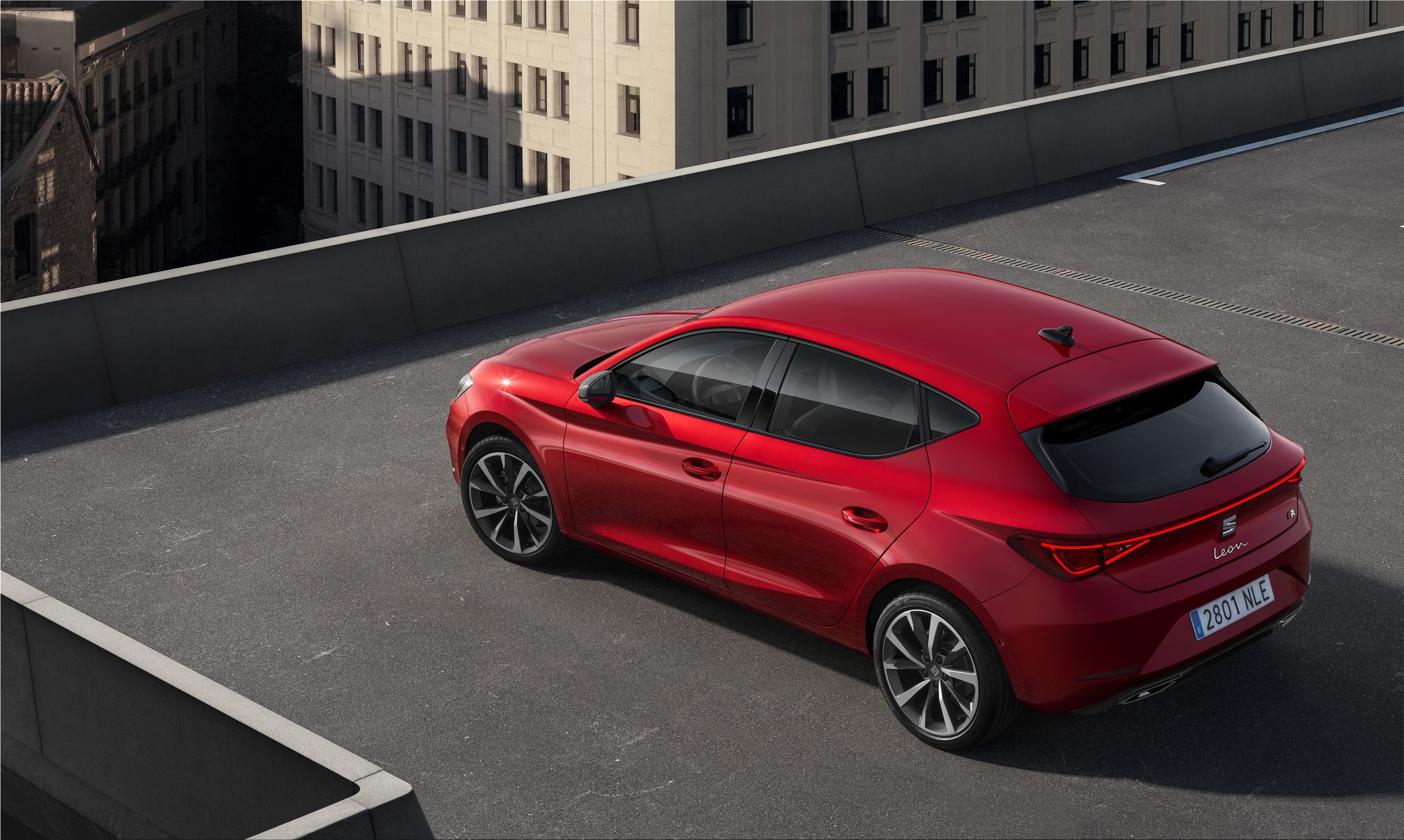
Seat has presented the fourth generation of the Leon, which for the first time will also be available as a mild hybrid (eTSI) and as a plug-in hybrid (eHybrid). Production will start in January.
Seat Leon has always been a cornerstone of the brand's success: the first three generations of the compact car sold a total of more than two million copies. And the fourth generation also promises to bring a breath of fresh air to the competitive compact class with its striking design, state-of-the-art technologies and a more dynamic personality. From the fourth quarter of 2020, customers can look forward to a new level of connectivity, efficiency, dynamism and security.
The new SEAT Leon clearly expresses the design philosophy of the Spanish brand - but raises it to a completely new level in its fourth generation. It stands for self-confidence, elegance and sportiness and at the same time convinces with a calmer, more mature design language and more aesthetics. It clearly stands out from the competition in the compact class.
The new SEAT Leon was designed and developed in Barcelona. It will also be produced at SEAT's headquarters in Martorell.
The Seat Leon eHybrid plug-in hybrid variant with a system output of 150 kW combines a 1.4-litre four-cylinder petrol engine with an electric motor and a 13 kWh battery, which is intended to enable a purely electrical range of around 60 kilometres. The PHEV variant with 180 kW is not offered for now at least.
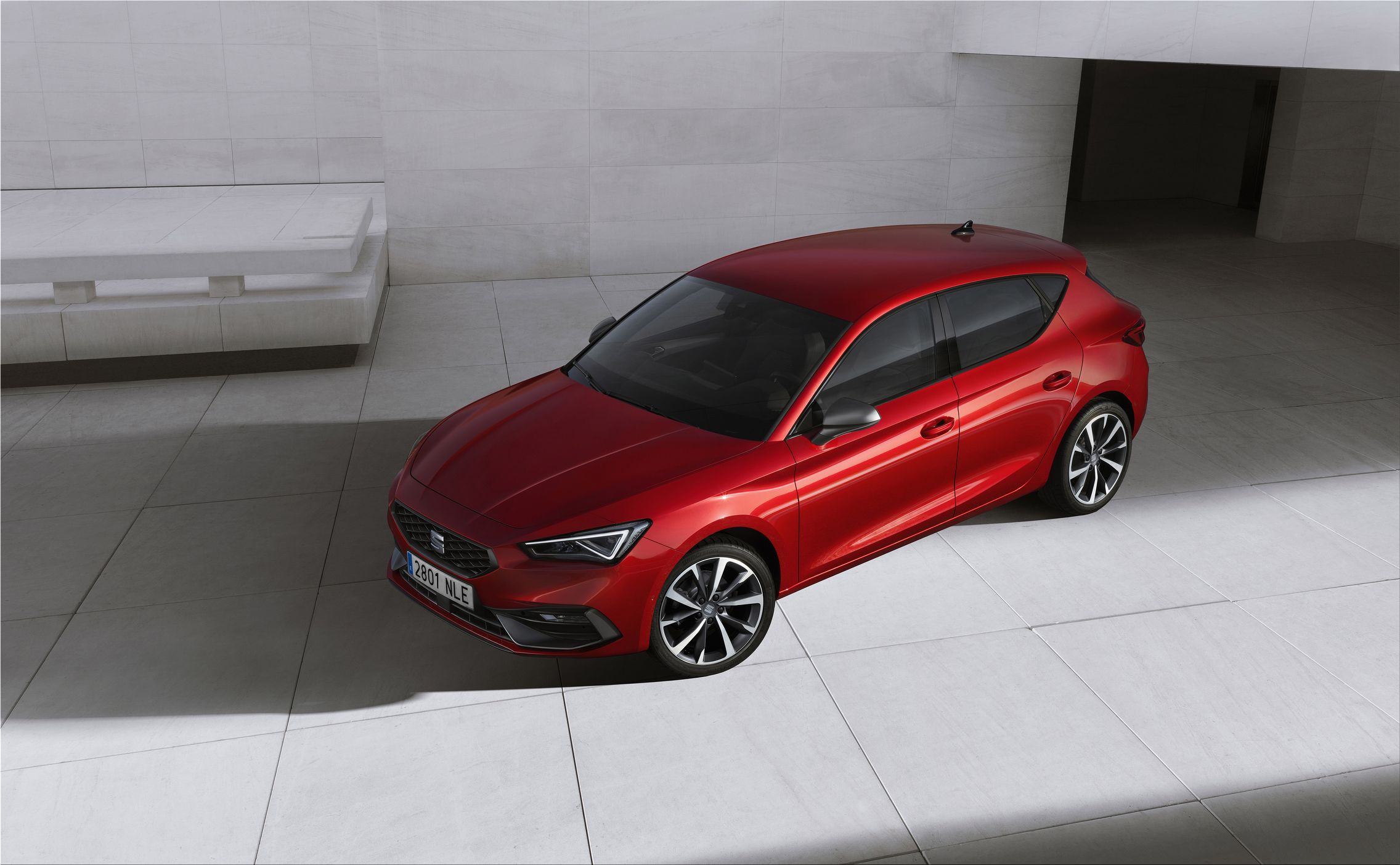
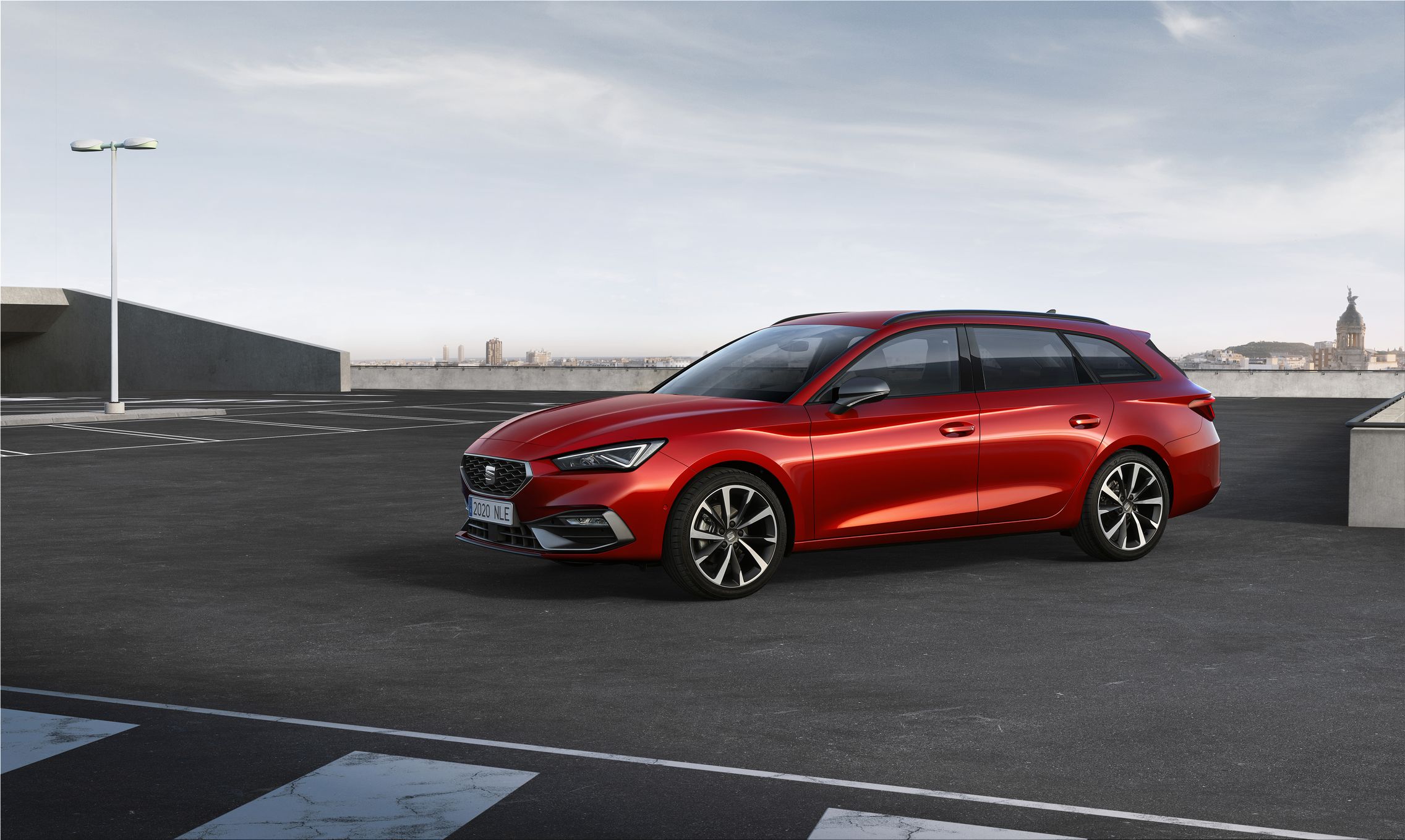
At the market launch in April, the Leon should be available as a five-door model with a classic compact car body and as a station wagon. In both versions, the wheelbase has grown by five centimetres to 2.69 meters, which should give passengers in the back seat a little more space. In total, the five-door hatchback increased by 8.6 centimetres (to 4.37 meters) and the station wagon called the Sport Tourer even by 9.3 centimetres (to 4.64 meters). While the height has remained almost the same, the new generation of the Leon is even 17 millimetres narrower than its predecessor.
The trunk of the five-door still holds 380 litres, that of the station wagon increases by 30 litres to 617 litres.
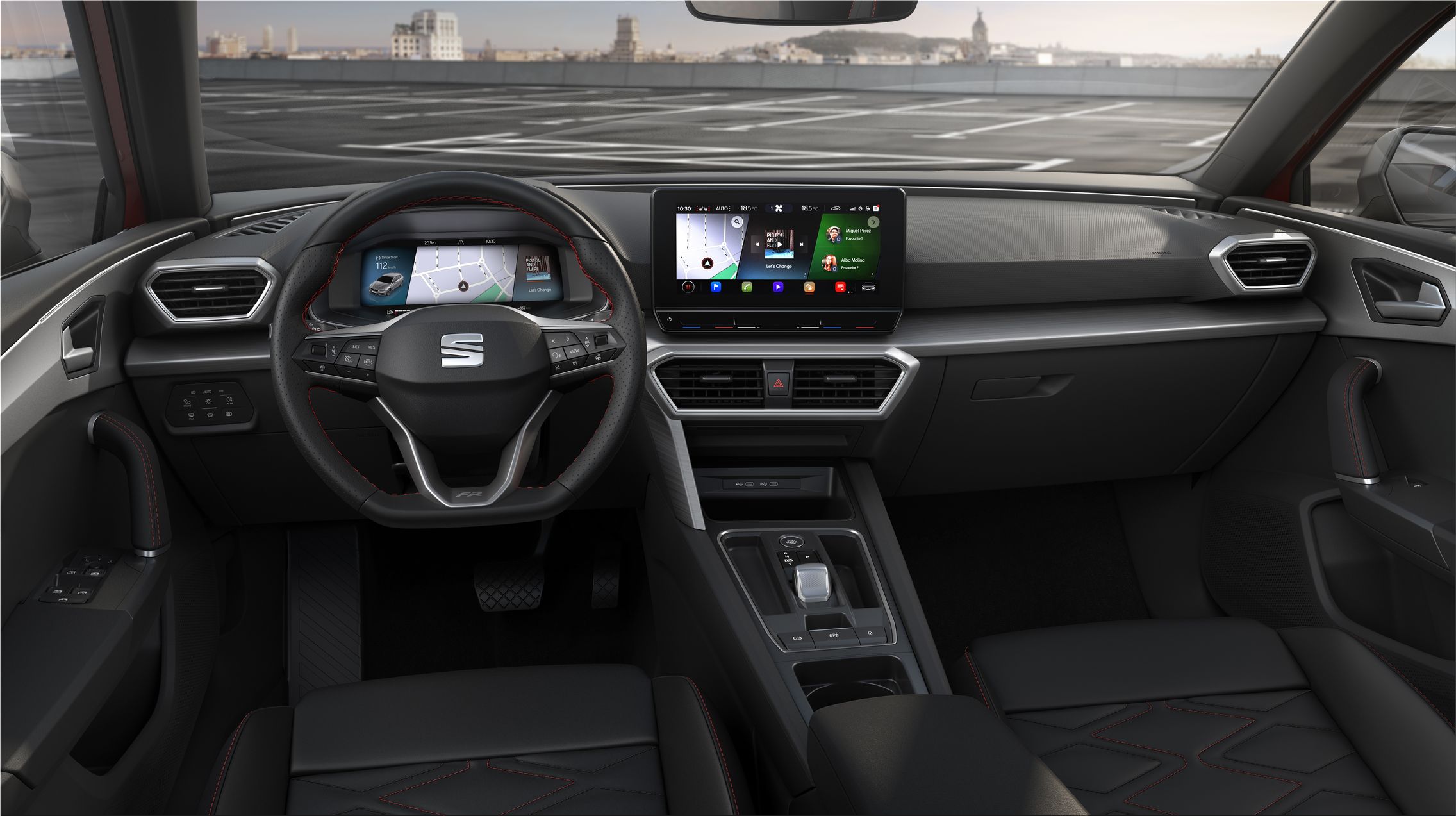
There are hardly any surprises in the interior. A 10.25-inch fully digital instrument cluster in conjunction with a 10-inch touchscreen is optionally available. As in Golf 8, there is new voice control. There should also be other connectivity features.
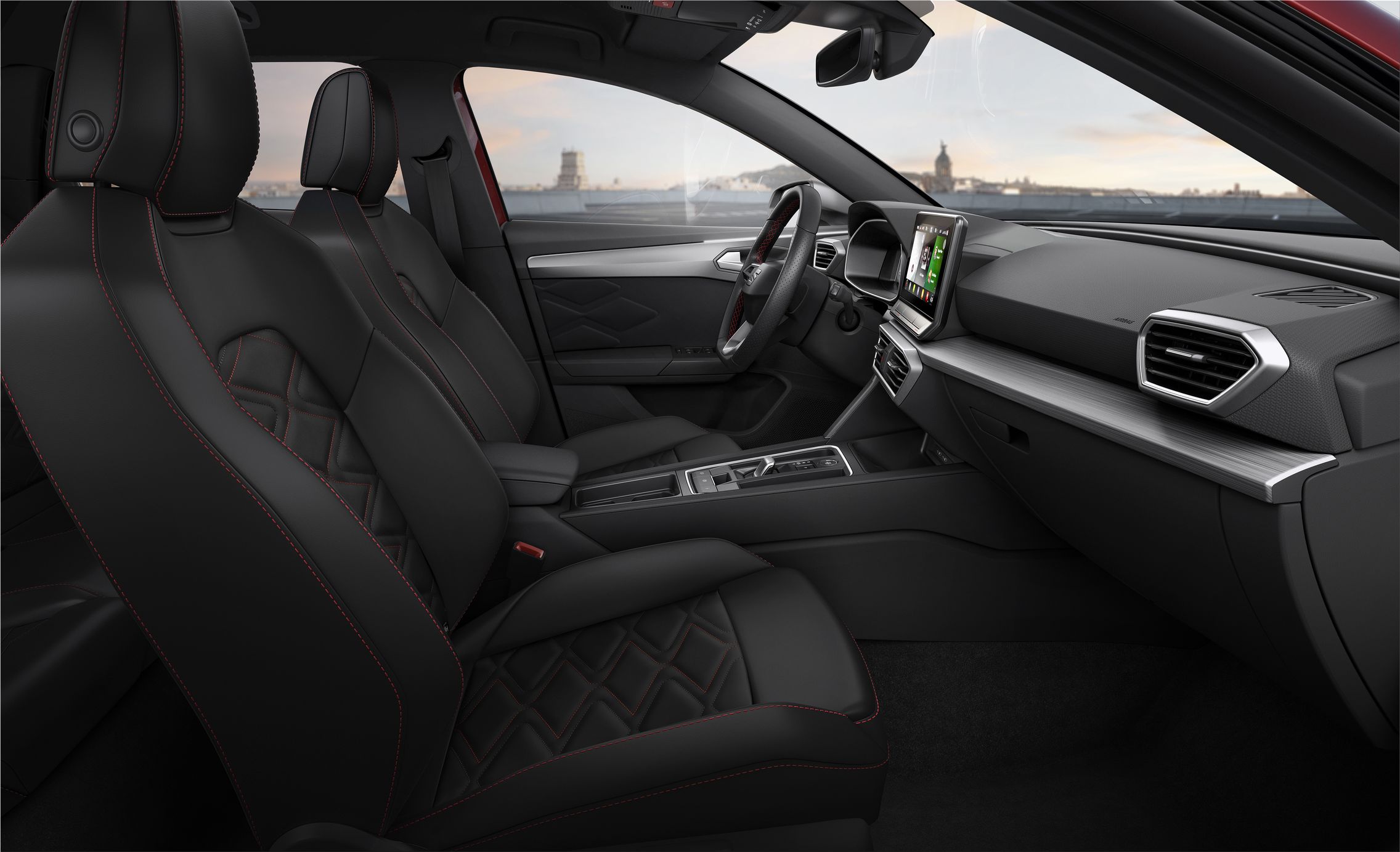
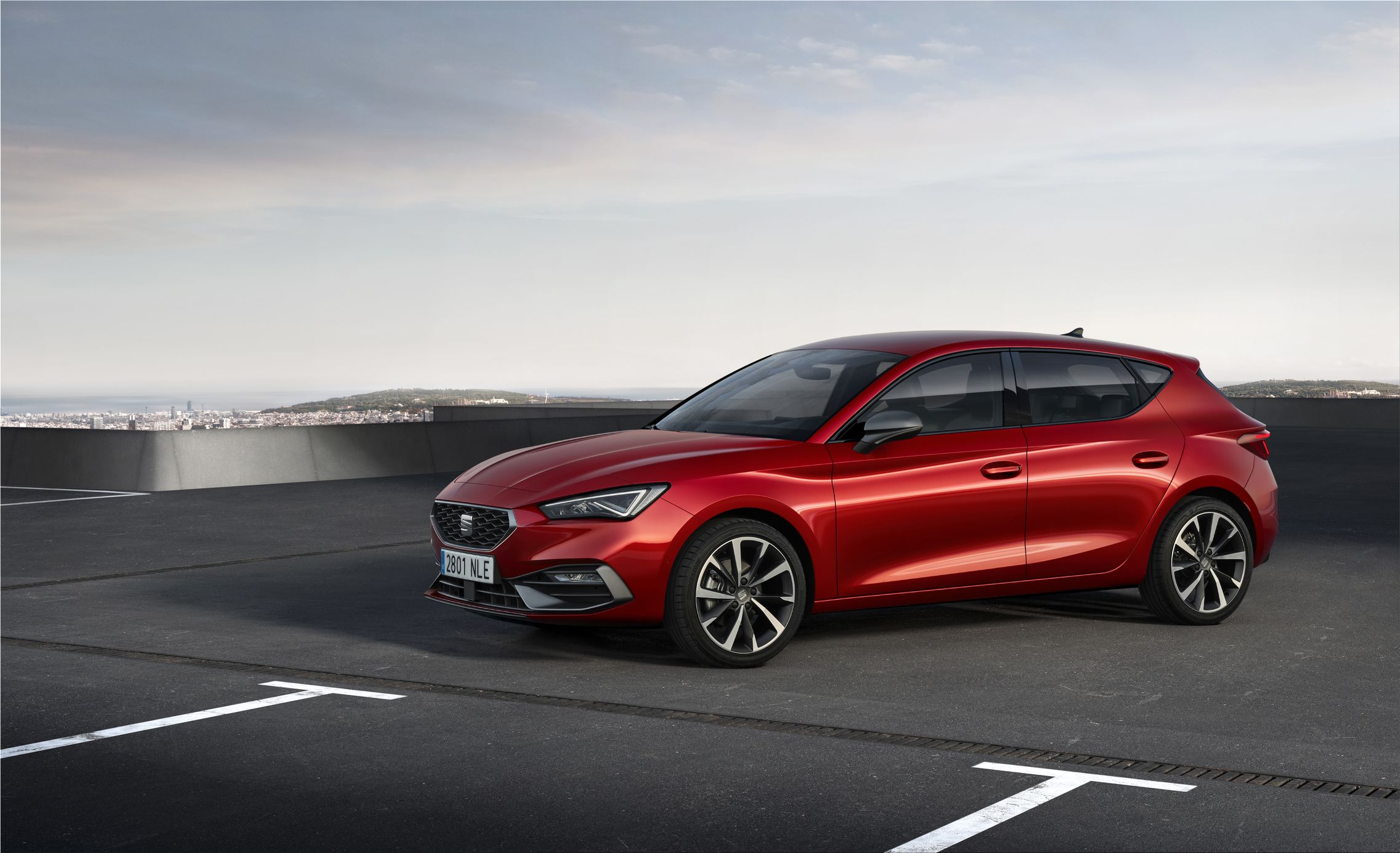
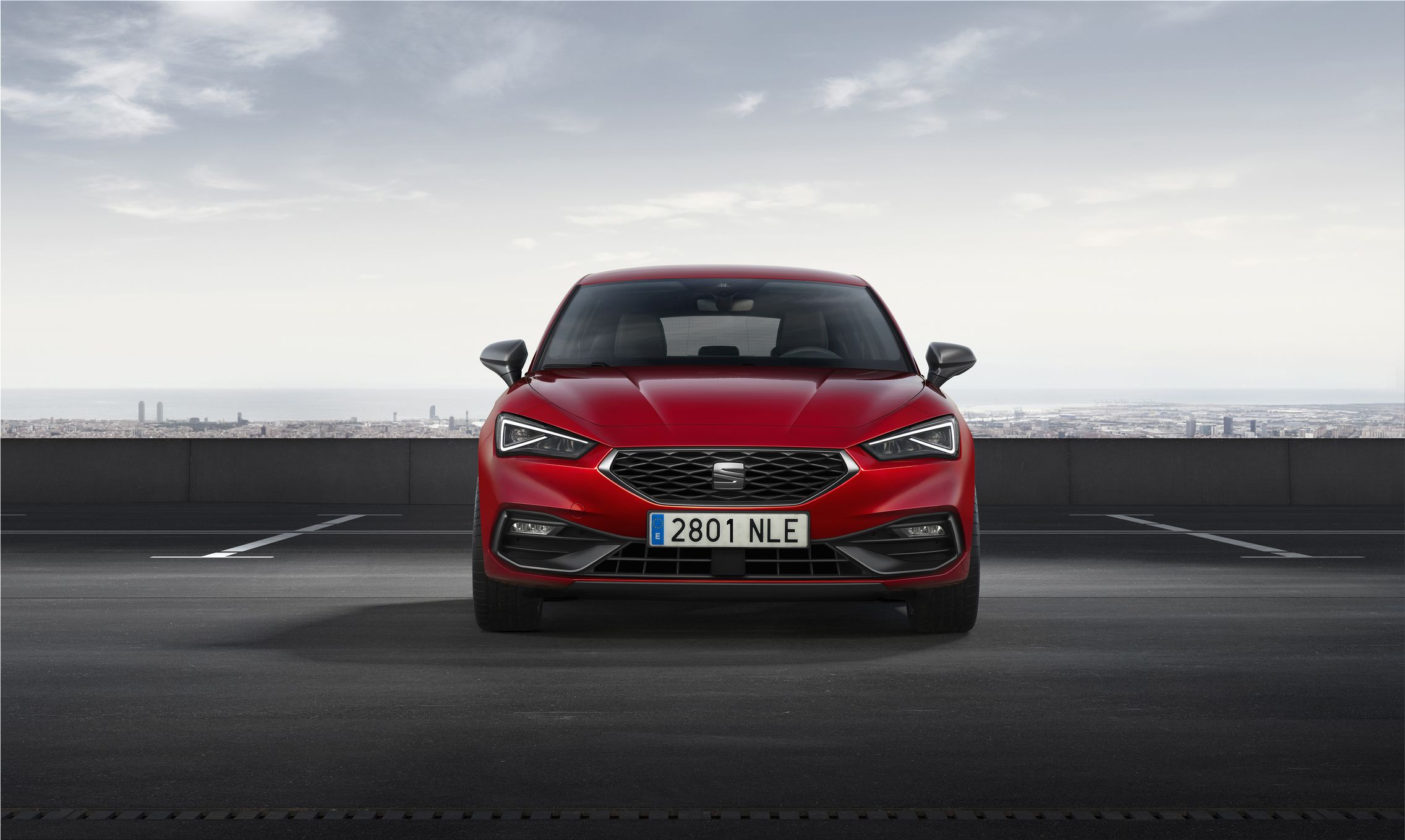
Seat does not yet give precise consumption data or information on charging performance. Before the market launch, Leon will be presented at the Geneva Motor Show in early March.
The two mild hybrids with 95 and 110 kW are always equipped with a seven-speed DSG. The drive, called eTSI, should not be confused with a full hybrid, the vehicles cannot drive purely electrically at any time. The 48-volt belt starter generator only supports the combustion engine in order to increase performance or reduce consumption.

The demand to drastically reduce vehicle emissions is being pushed ever further. As a result, Peugeot is one of the first manufacturers to offer an electric van with a hydrogen fuel cell in series production in the… Continue reading
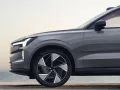
A new electric era is starting with the Volvo EX90. Volvo has announced that beginning today, they will introduce a new all-electric vehicle annually. The goal is to be carbon neutral by 2040 and produce only electric cars by… Continue reading

Using heated surfaces inside an electric car as a heat source can cut the energy needed to heat the cabin by up to 13% and increase the range by 5%. This is shown in a big project funded by the EU, which Ford is now using to ensure that… Continue reading

Lordstown Motors, the startup electric vehicle maker that promised to revive a shuttered GM plant in Ohio, is running low on cash and may have to halt its Endurance pickup truck production. In a regulatory filing on… Continue reading