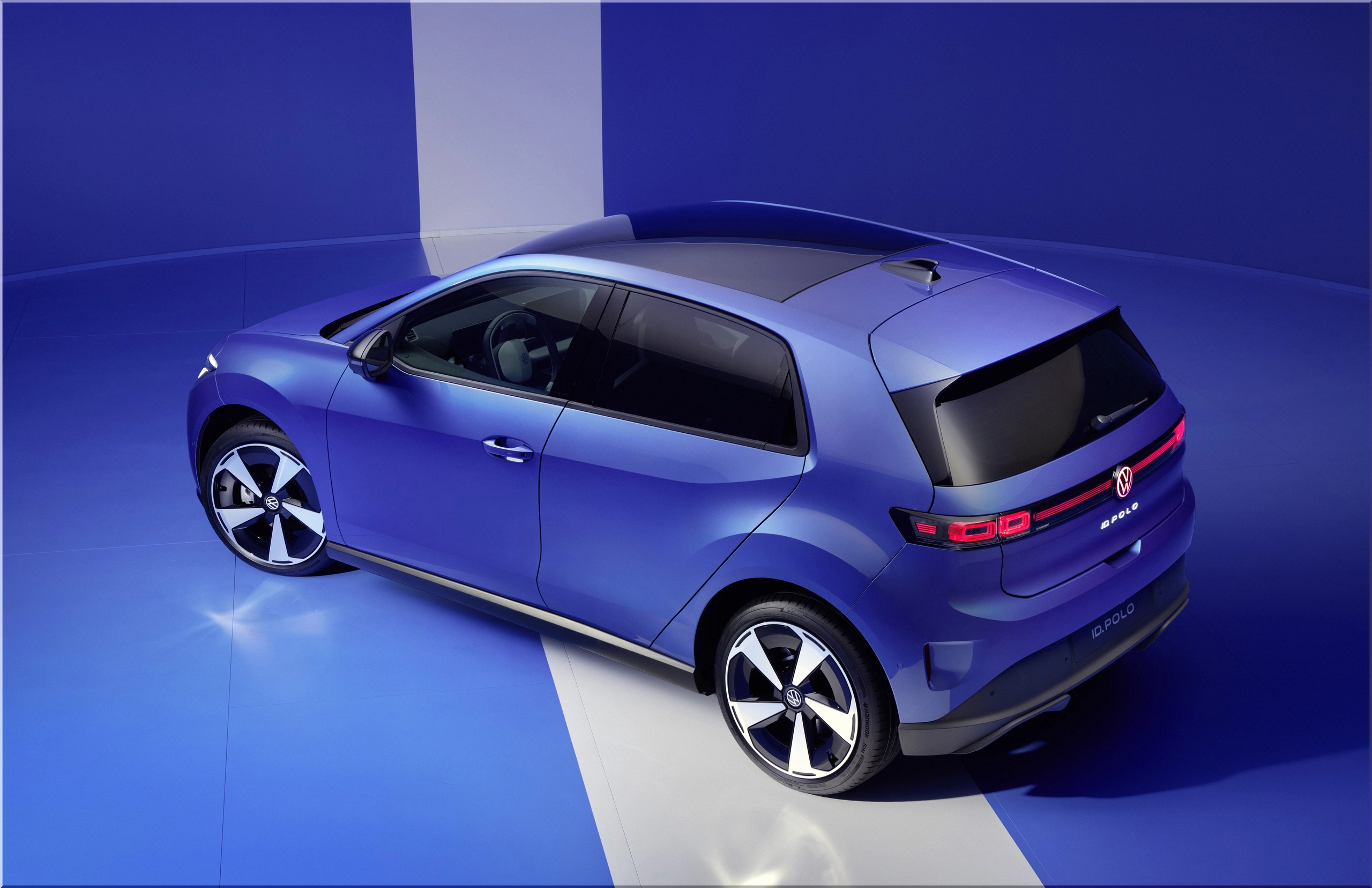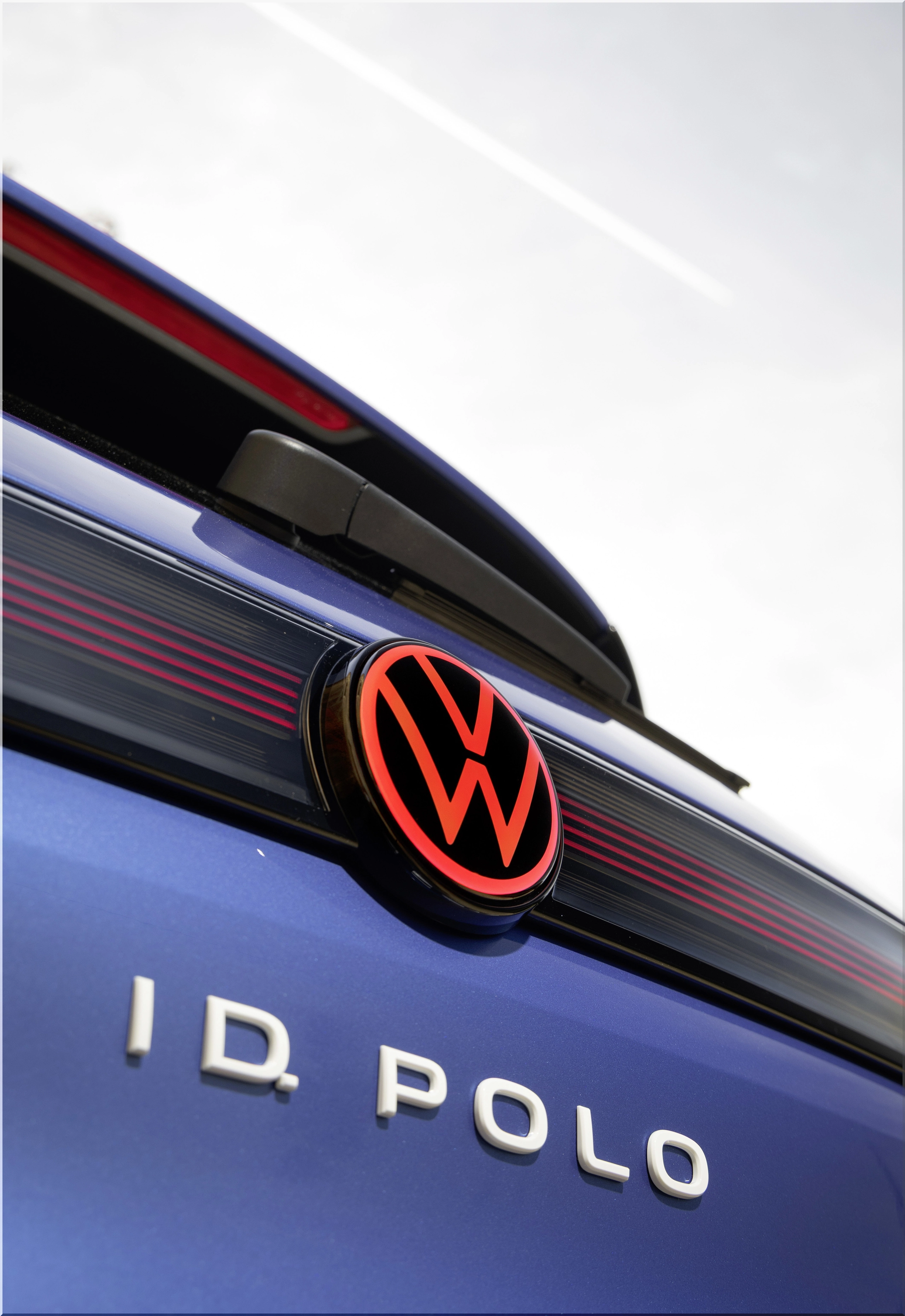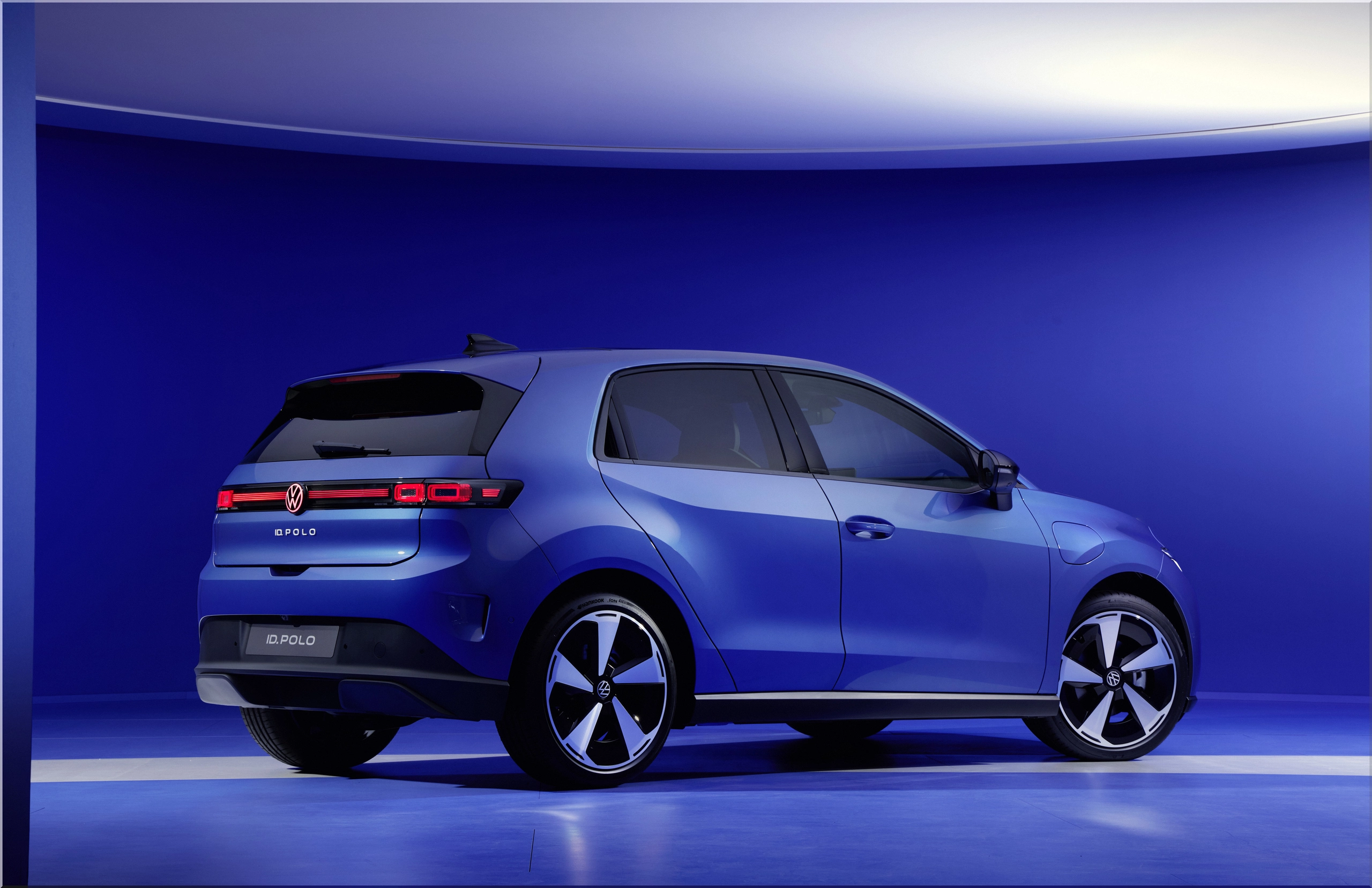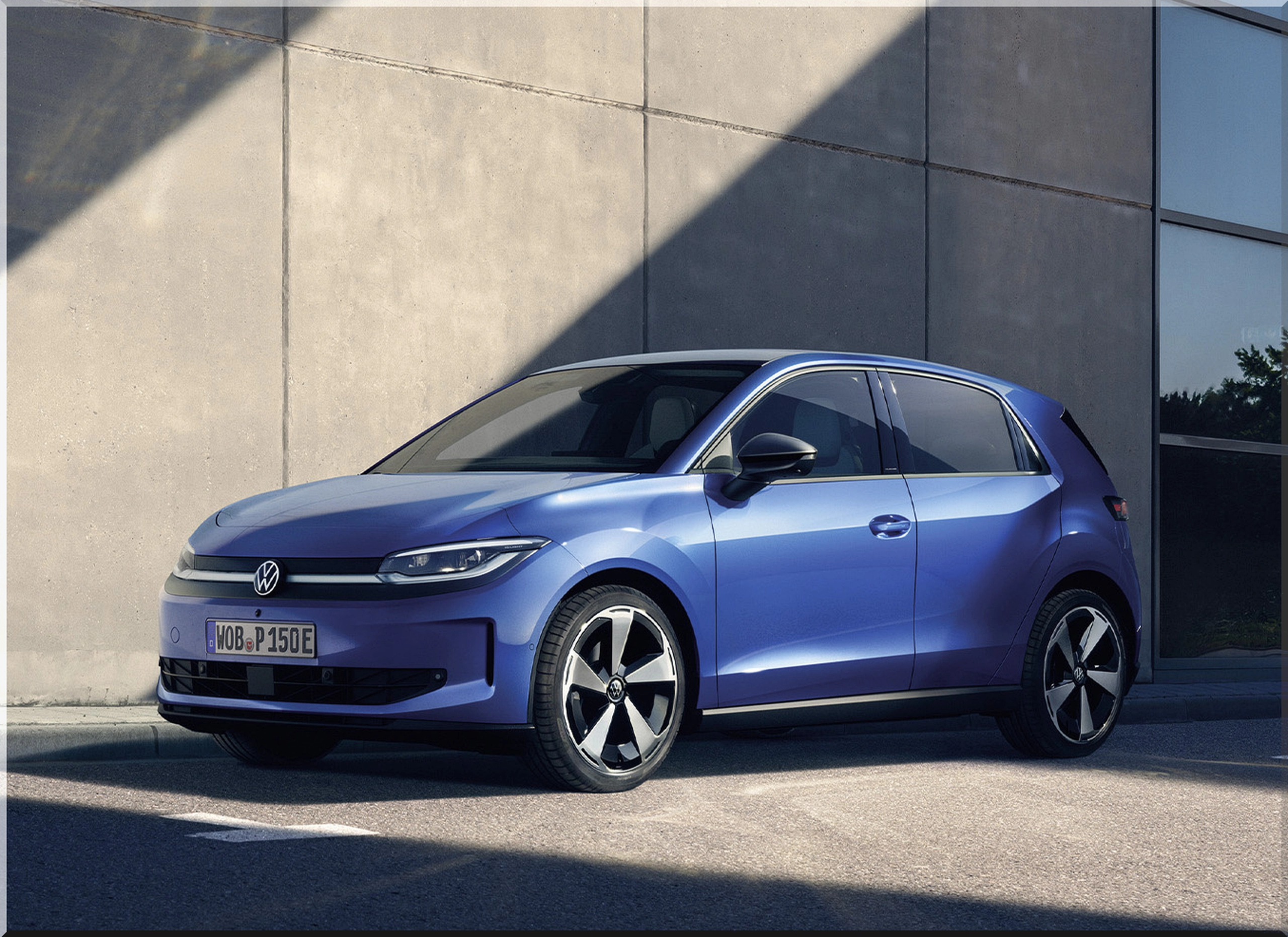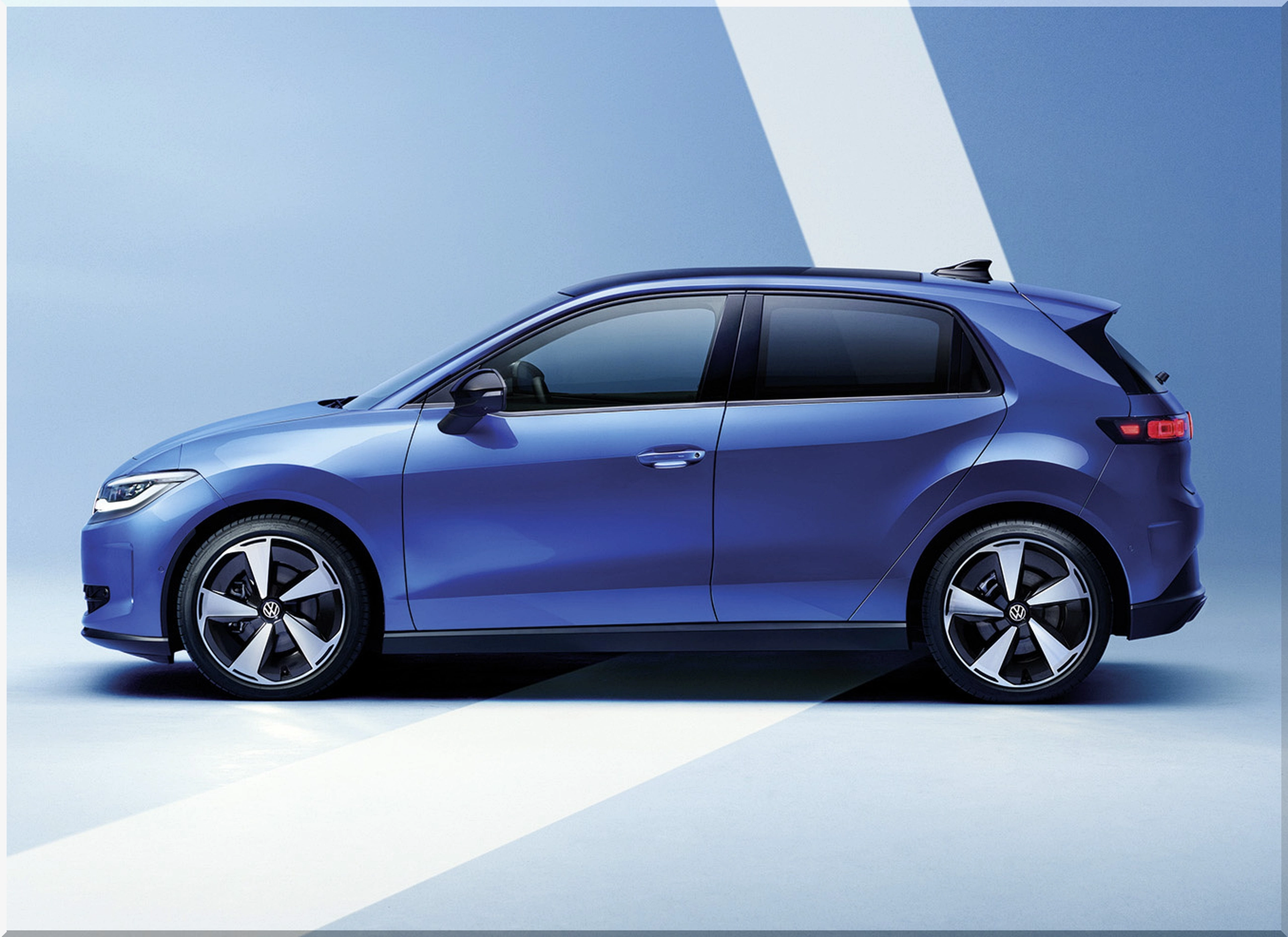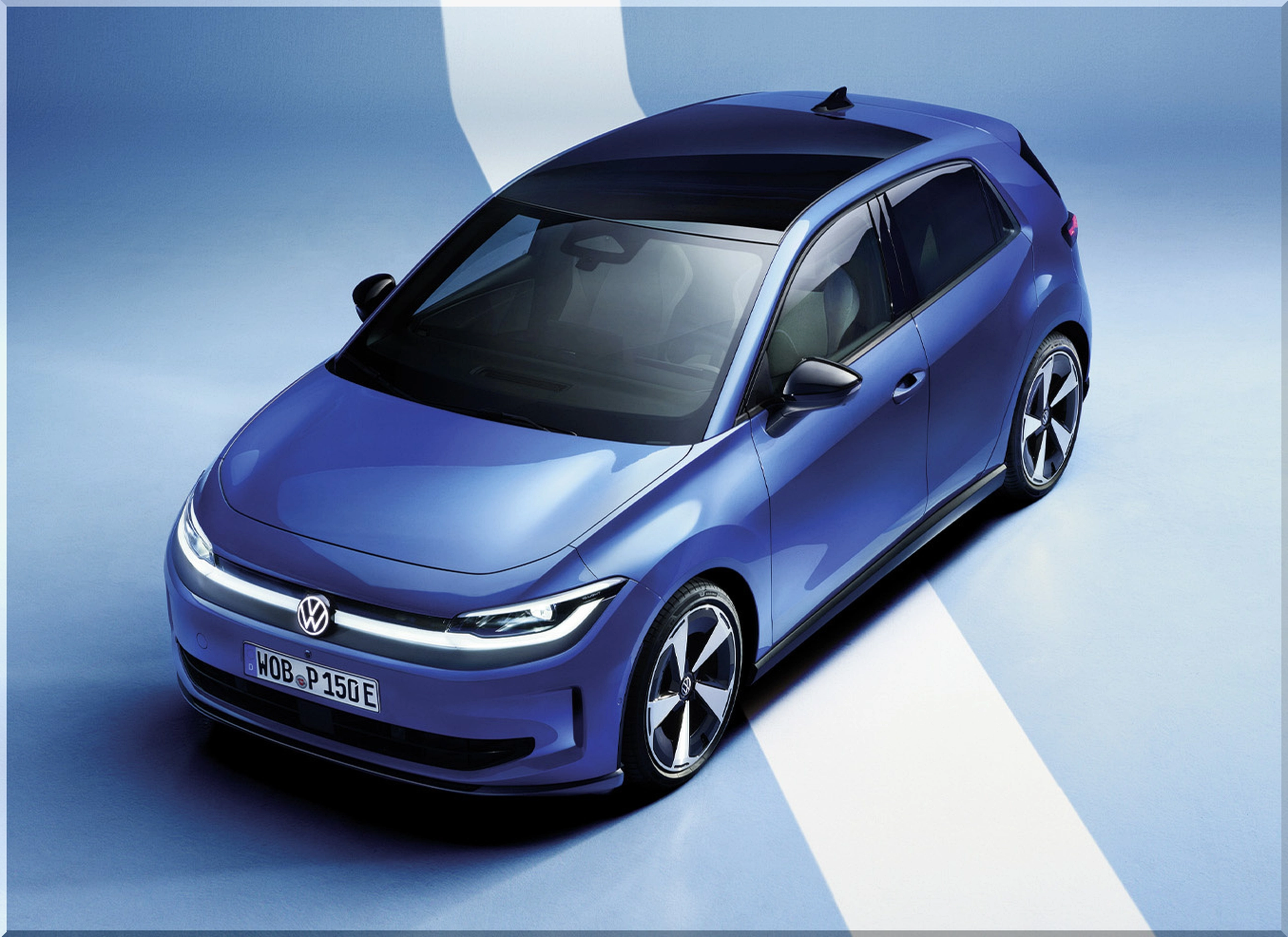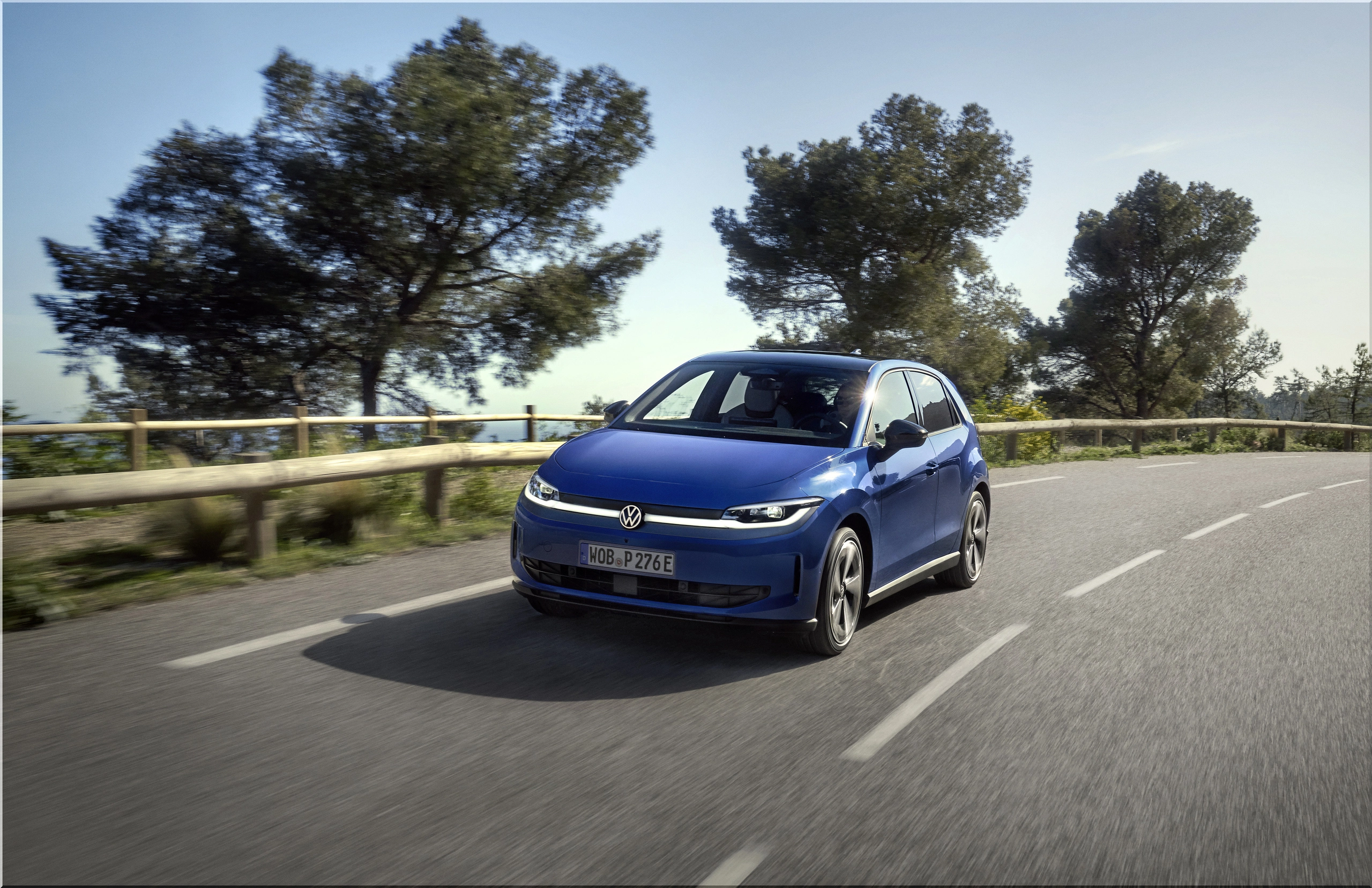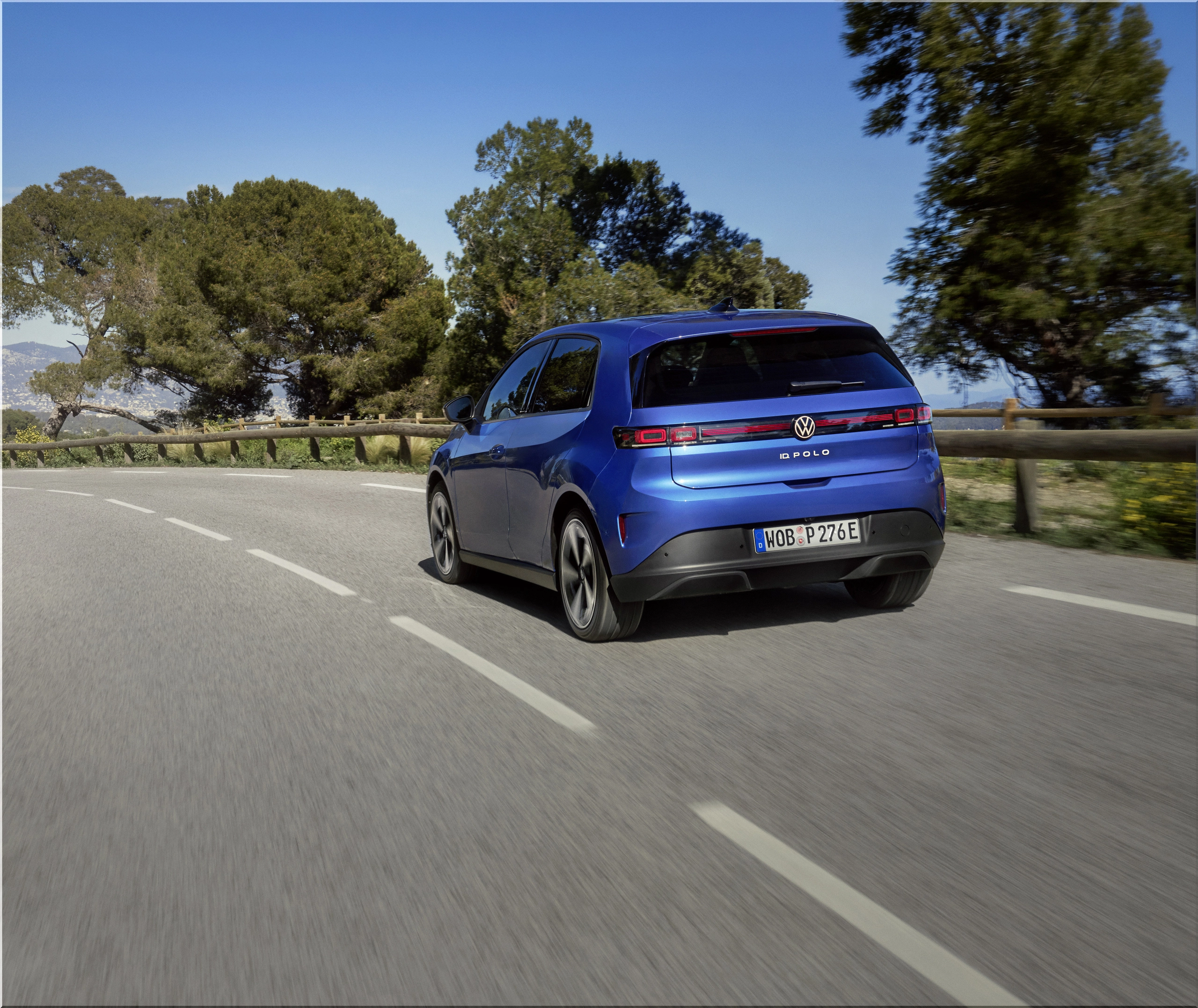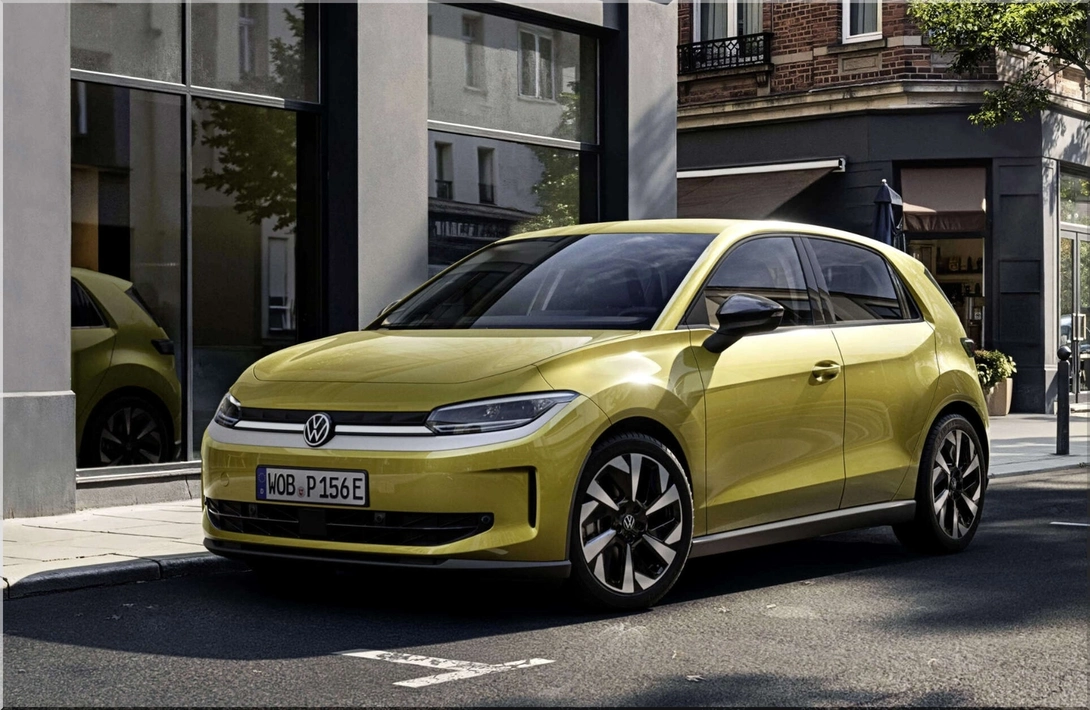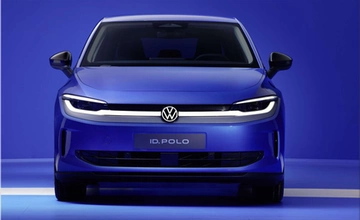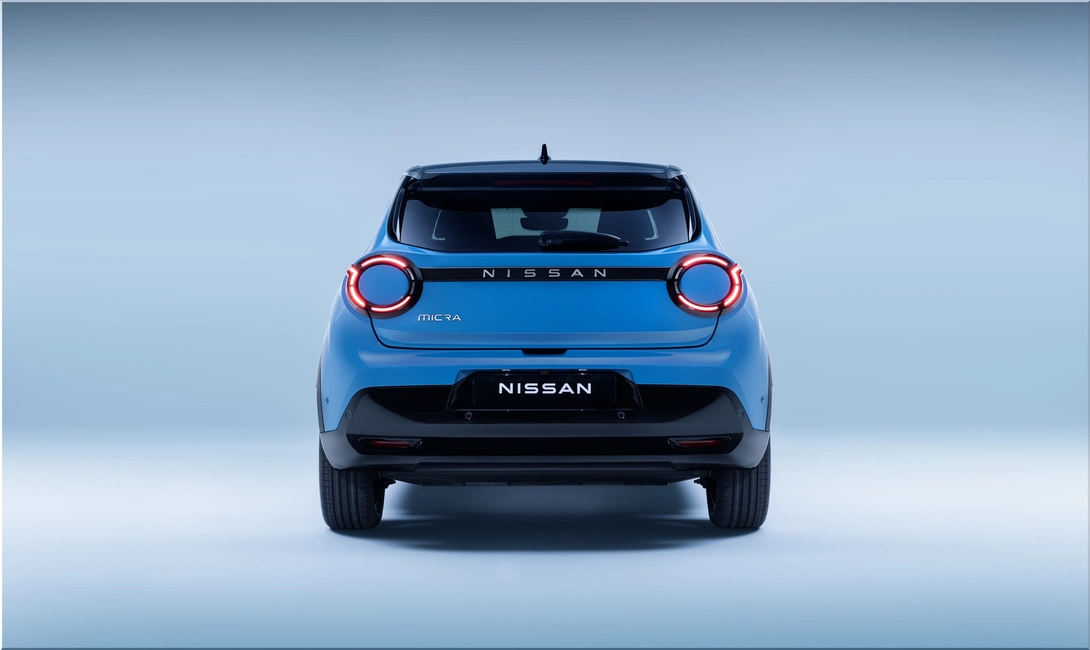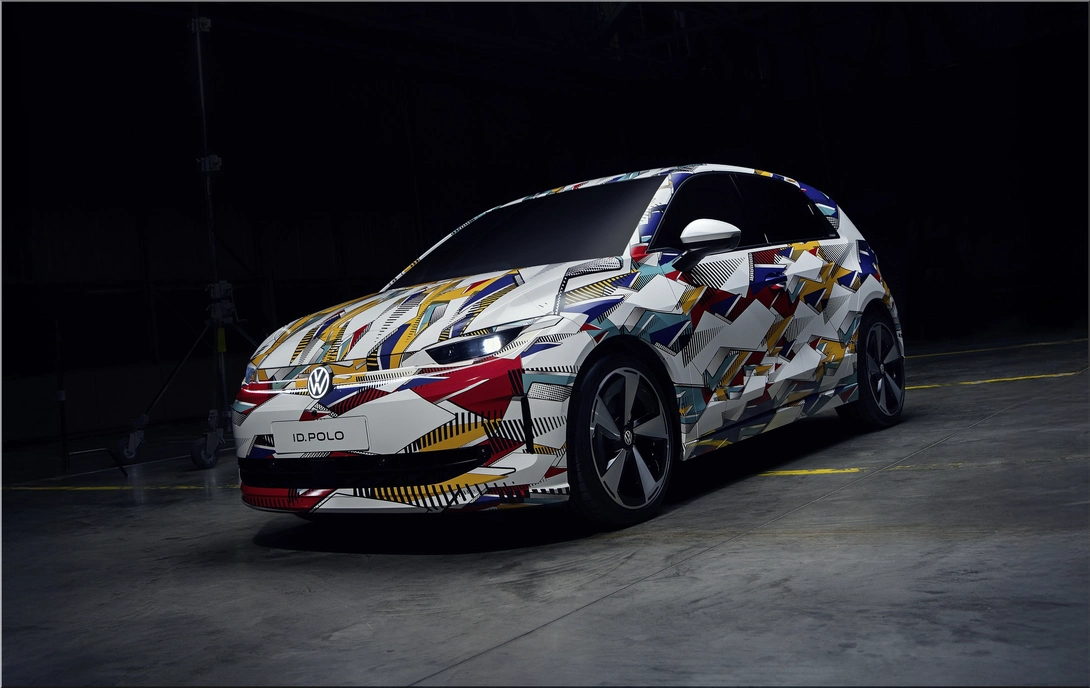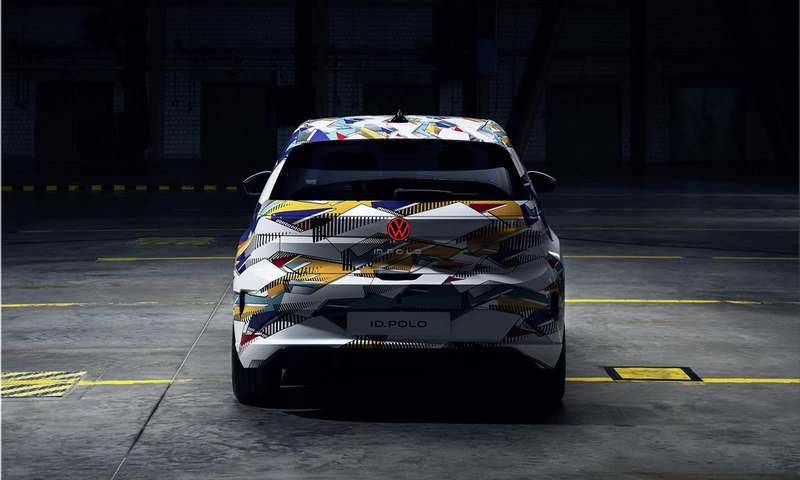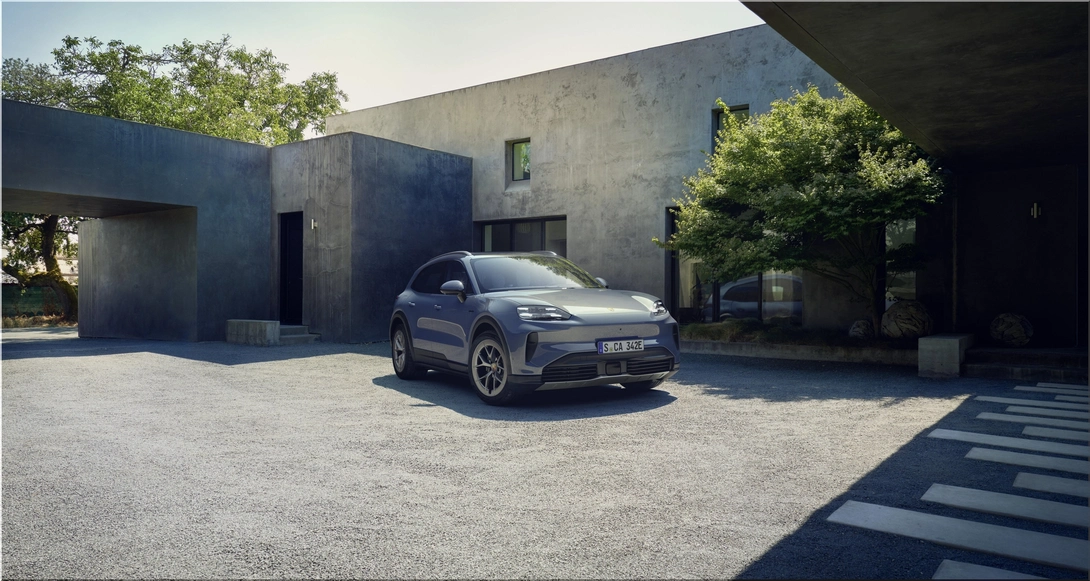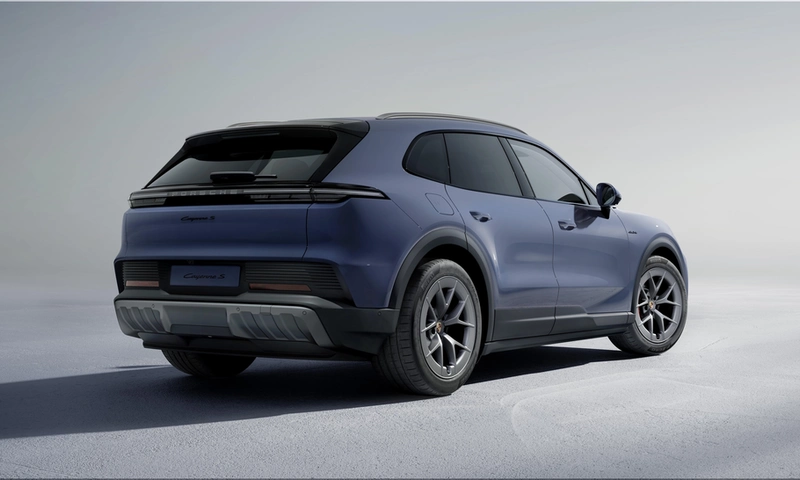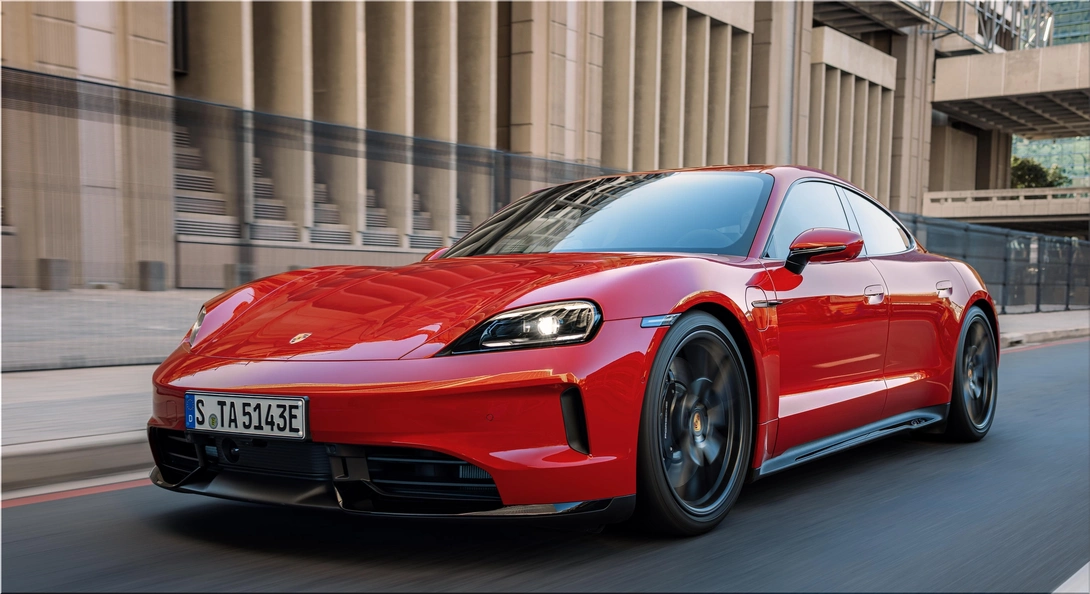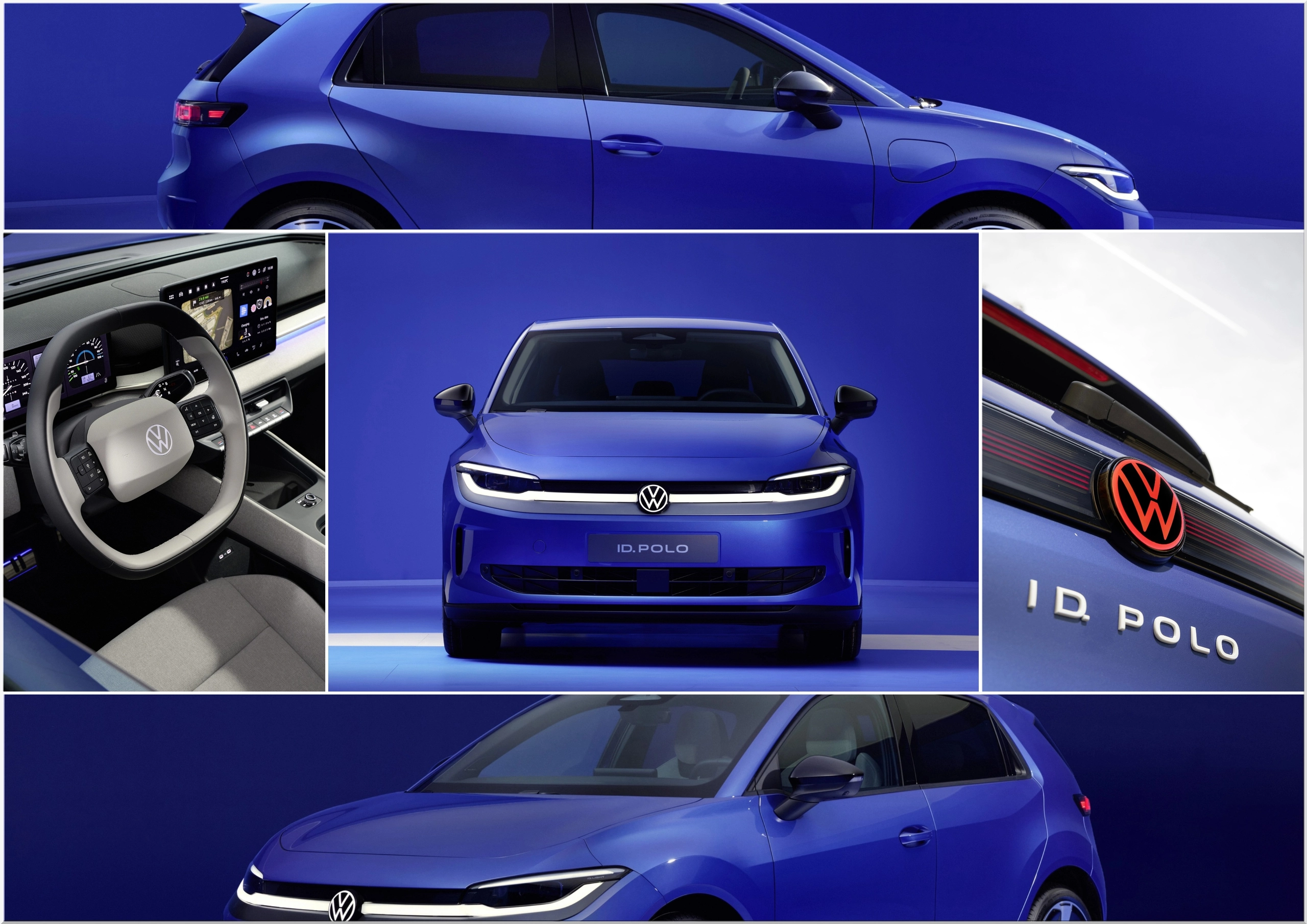
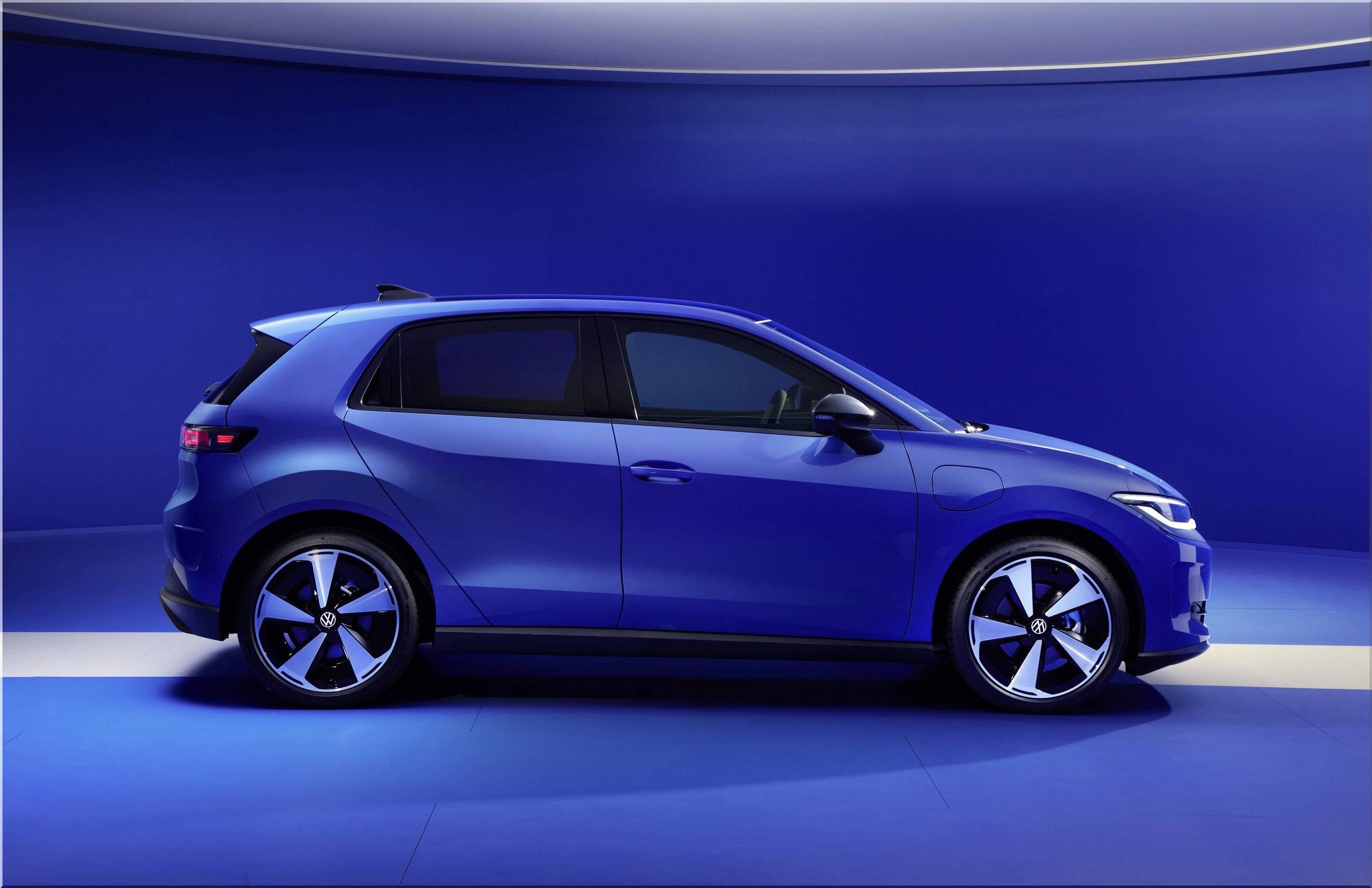
Volkswagen has turned the Polo into a battery-electric hatchback with real small-car logic: front-wheel drive, two battery chemistries, DC fast charging as standard, and up to 454 km / 282 miles of WLTP range. The Volkswagen ID. Polo starts in Germany at about $29,300, while early orders open with the higher-output Life trim at about $39,600.
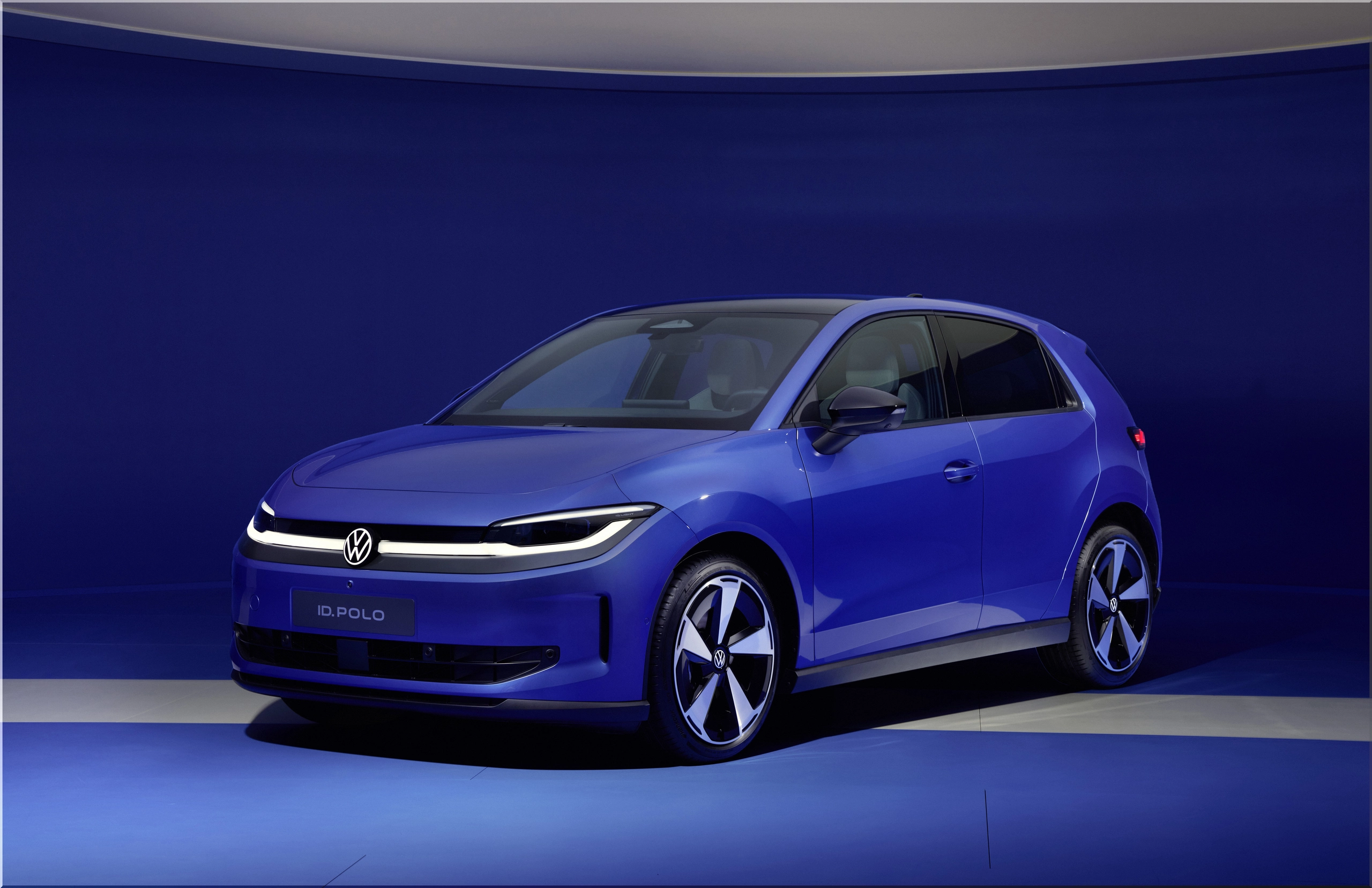
Why does the Volkswagen ID. Polo matter?
The new ID. Polo matters because Volkswagen finally puts a familiar mass-market name on a compact EV instead of asking buyers to decode another number badge. That matters for trust. More than 20 million Polos have reached customers since 1975, so Volkswagen knows this car carries expectations around affordability, durability, and daily usability.
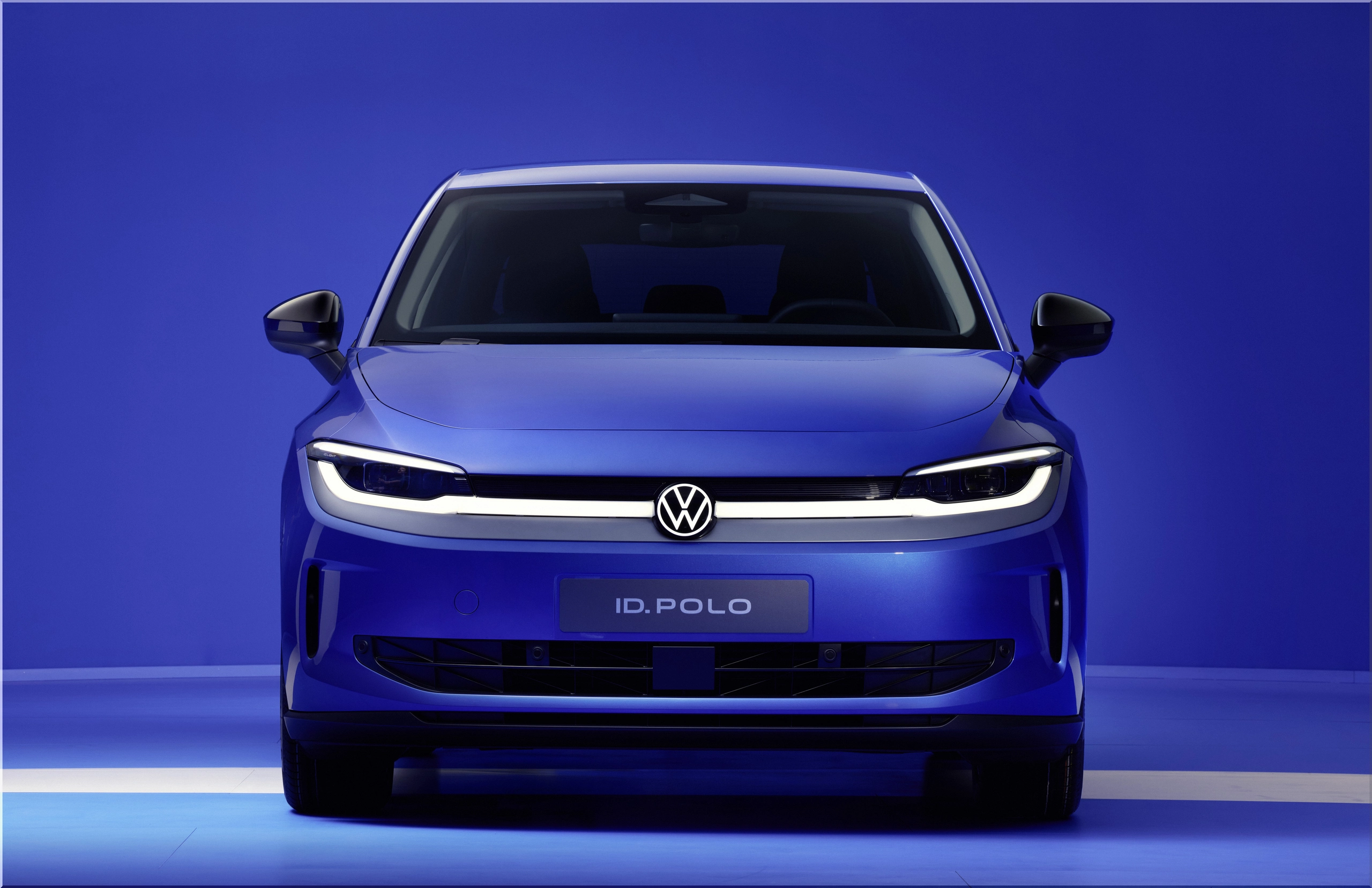
Looking at the data, the ID. Polo targets the exact hole many automakers left open: a normal-size electric hatchback that does not ask families to buy an SUV for basic EV practicality. It measures 4,053 mm long, 1,816 mm wide, and 1,530 mm tall, or roughly 159.6 inches long, 71.5 inches wide, and 60.2 inches tall. That footprint lands slightly shorter than the gasoline Polo, yet the EV offers a longer wheelbase at 2,600 mm, or 102.4 inches.
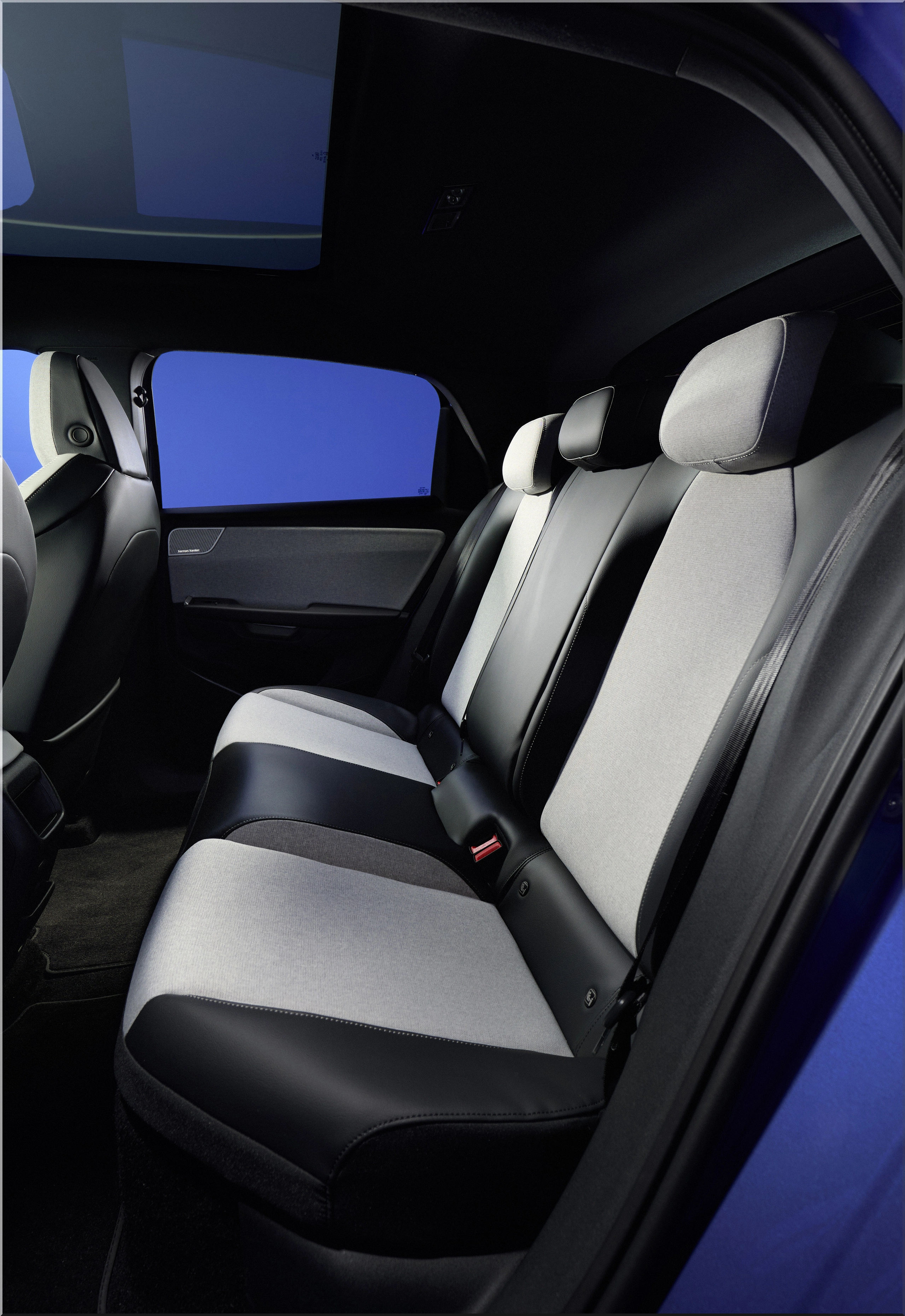
From an expert perspective, this tells the story. Volkswagen used the MEB+ platform and front-wheel-drive packaging to push the cabin outward, free up rear space, and increase cargo volume. The result gives buyers a compact EV that should feel bigger than its exterior length suggests.
How much range and power does the ID. Polo offer?
The 2027 Volkswagen ID. Polo range depends on battery chemistry and motor output. The cheaper 37 kWh versions use LFP battery chemistry, while the 52 kWh version uses NMC battery chemistry for longer driving range and higher output.
| ID. Polo version | Battery | Power | Horsepower equivalent | Max DC charging | WLTP range |
|---|---|---|---|---|---|
| ID. Polo 85 kW | 37 kWh LFP | 85 kW | 116 PS | 90 kW | Up to 329 km / 204 miles |
| ID. Polo 99 kW | 37 kWh LFP | 99 kW | 135 PS | 90 kW | Up to 329 km / 204 miles |
| ID. Polo 155 kW | 52 kWh NMC | 155 kW | 211 PS | 105 kW | Up to 454 km / 282 miles |
Specifically, the 37 kWh battery charges from 10 to 80 percent in about 23 minutes, while the 52 kWh pack takes about 24 minutes. That charging curve matters more than the peak number. A 90 kW or 105 kW rating sounds modest beside 800V EVs, but this battery size does not need huge power to add useful range quickly.
In addition, every version tops out at 160 km/h / 99 mph. That limit fits the mission. Volkswagen did not build this car for Autobahn bragging rights; it tuned the ID. Polo for efficiency, urban duty, and regional trips.
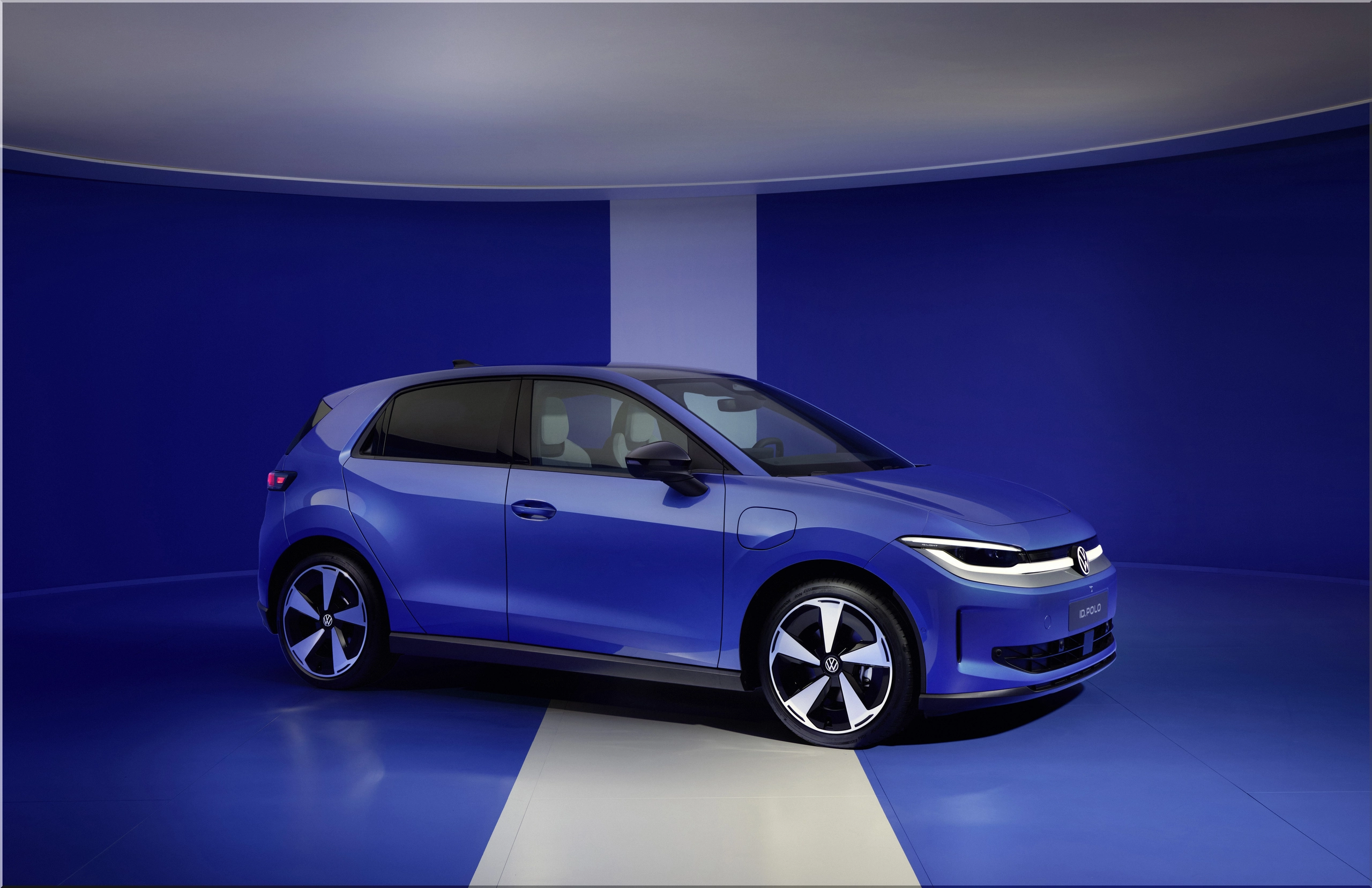
LFP vs. NMC batteries
LFP batteries usually cost less, tolerate frequent charging well, and work nicely in entry EVs. NMC batteries usually deliver higher energy density, which helps range. In the ID. Polo, Volkswagen uses LFP for value trims and NMC for the long-range 155 kW model.
Is the ID. Polo actually practical?
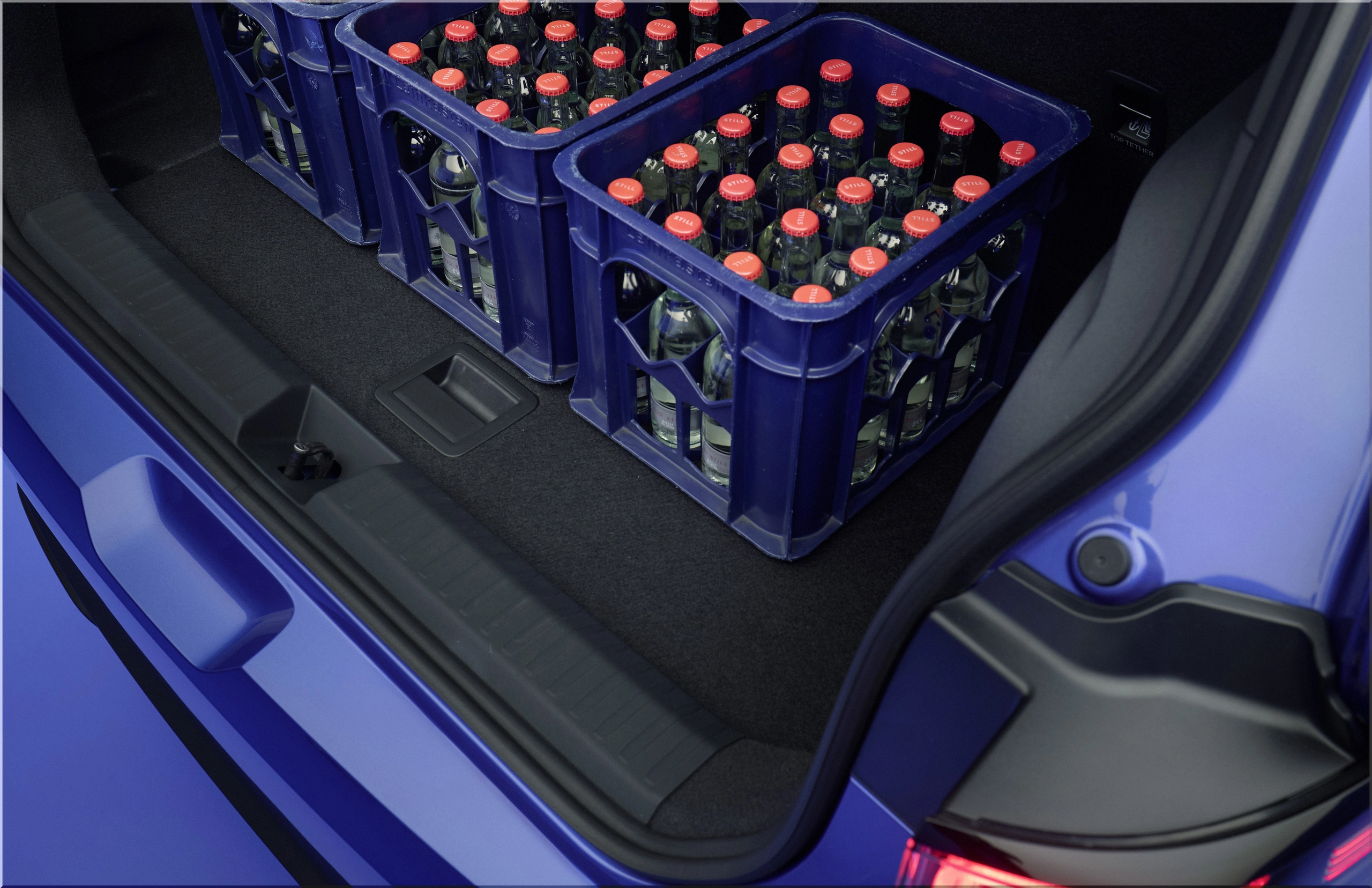
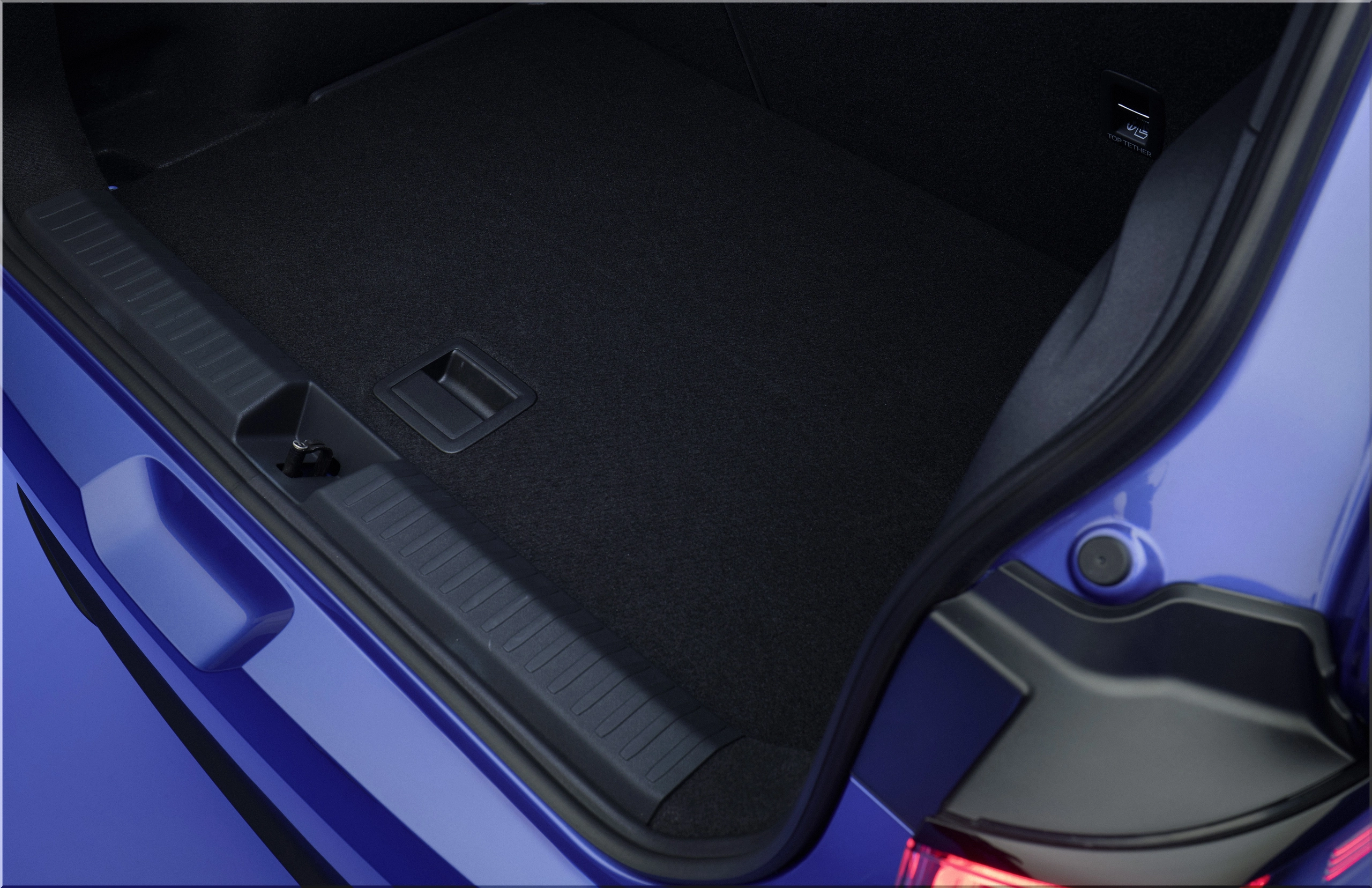
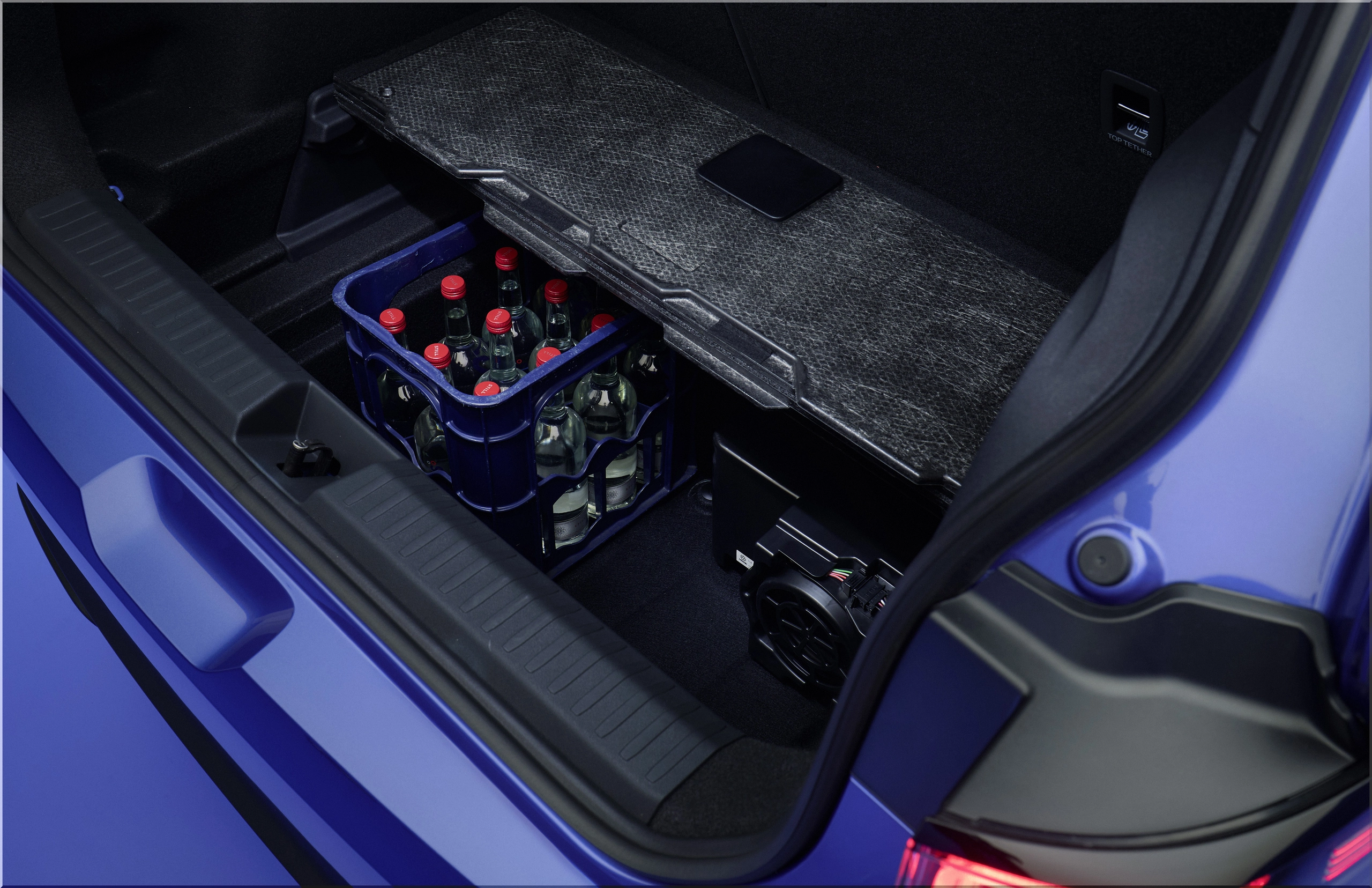
Yes. The ID. Polo cargo space gives the strongest proof. Volkswagen lists 441 liters / 15.6 cubic feet of trunk space, up from 351 liters in the gasoline Polo. Fold the rear seatbacks and capacity rises to 1,240 liters / 43.8 cubic feet, versus 1,125 liters for the conventional model.
| Measurement | ID. Polo | Gasoline Polo | What it means |
|---|---|---|---|
| Length | 4,053 mm / 159.6 in | 4,074 mm / 160.4 in | EV is slightly shorter |
| Width | 1,816 mm / 71.5 in | 1,751 mm / 69.0 in | EV has a wider stance |
| Height | 1,530 mm / 60.2 in | 1,451 mm / 57.1 in | EV packaging adds vertical space |
| Wheelbase | 2,600 mm / 102.4 in | 2,552 mm / 100.5 in | EV gives more cabin length |
| Trunk volume | 441 L / 15.6 cu ft | 351 L / 12.4 cu ft | EV gains 25 percent |
| Seats folded | 1,240 L / 43.8 cu ft | 1,125 L / 39.7 cu ft | Better small-family utility |
Consequently, the ID. Polo looks like a more honest urban-family EV than many tall, expensive crossovers. A 441-liter trunk can handle grocery runs, school gear, and a weekend bag load without turning the back seat into overflow storage.
What features come standard?
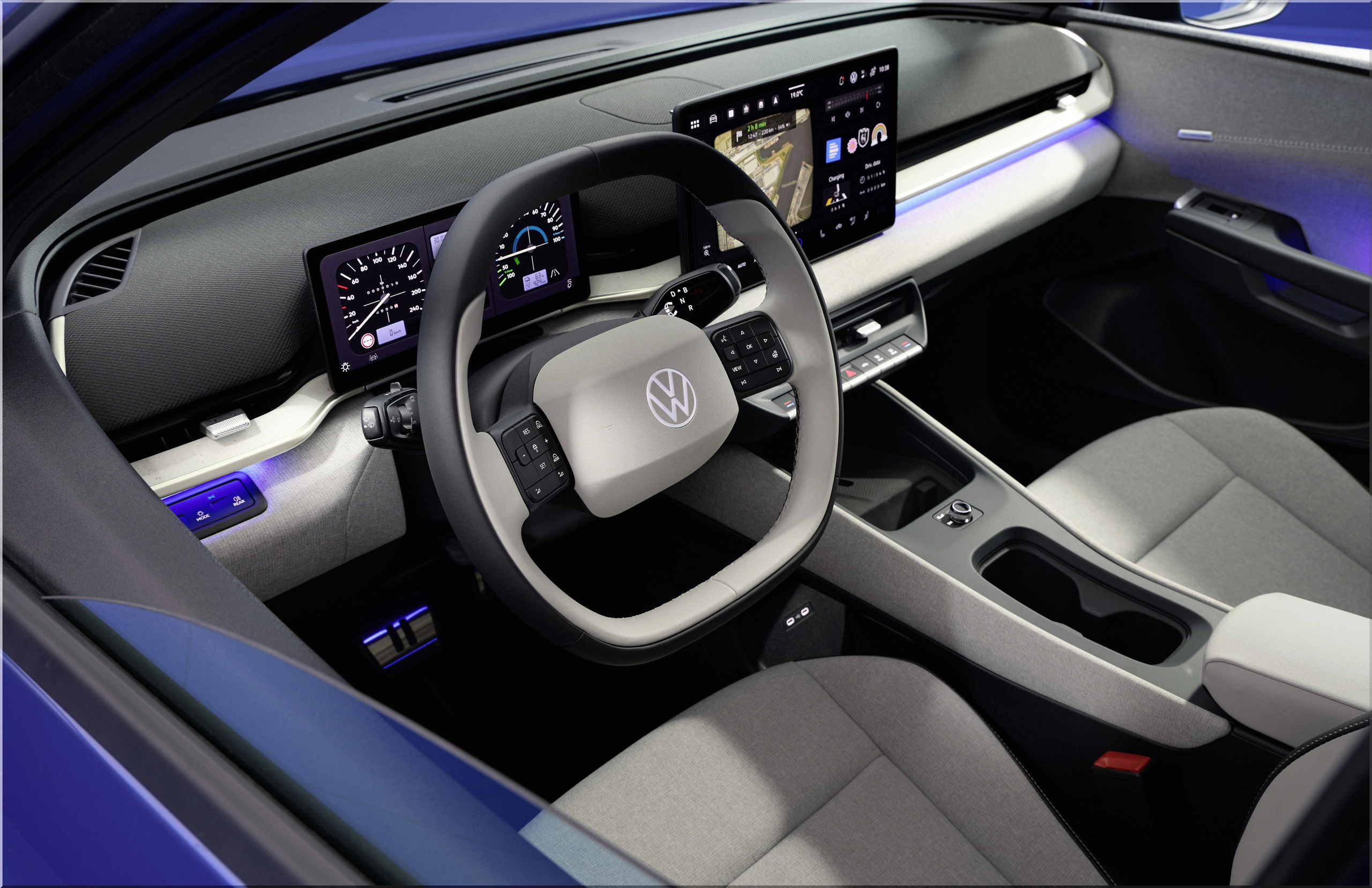
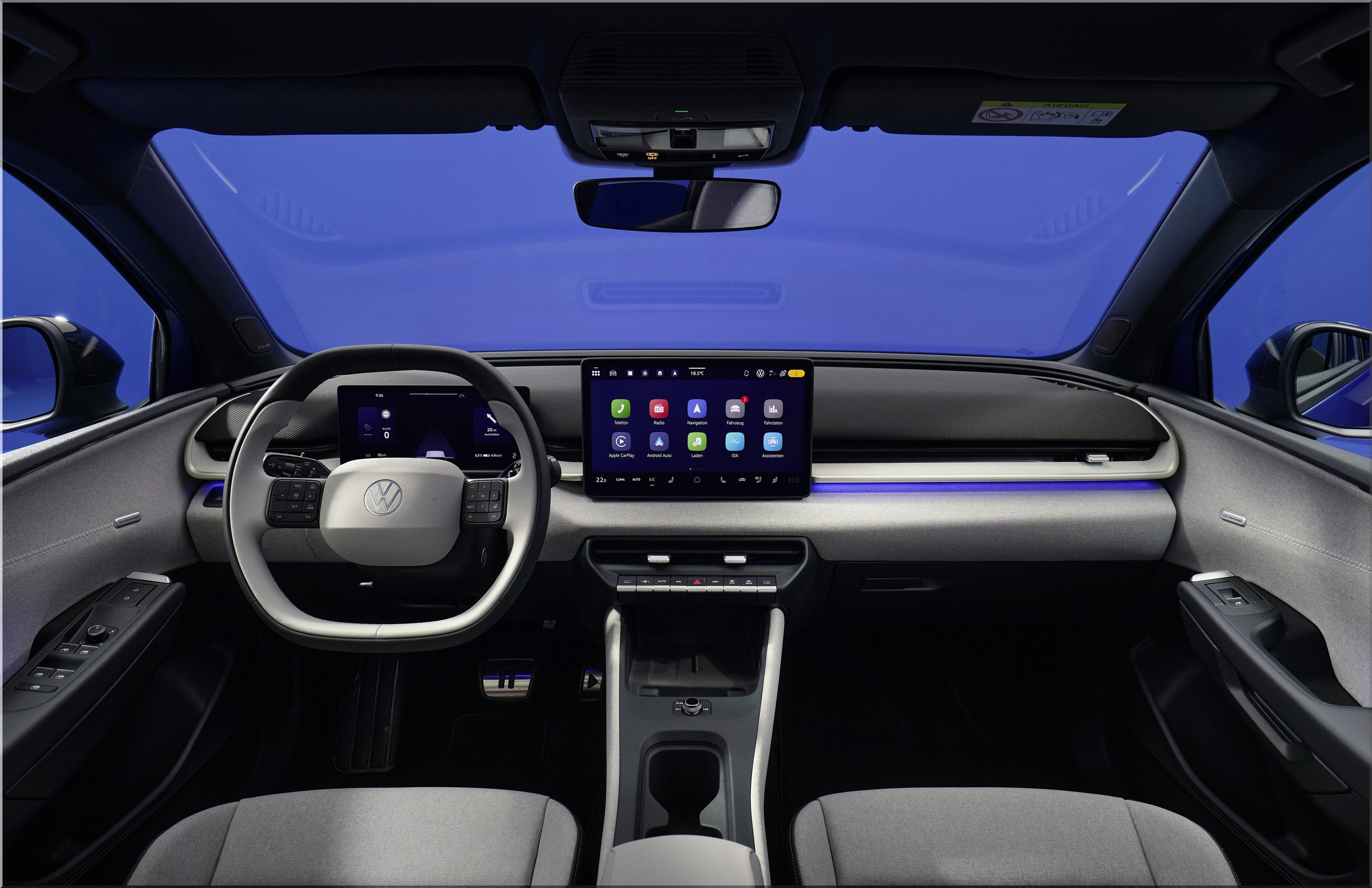
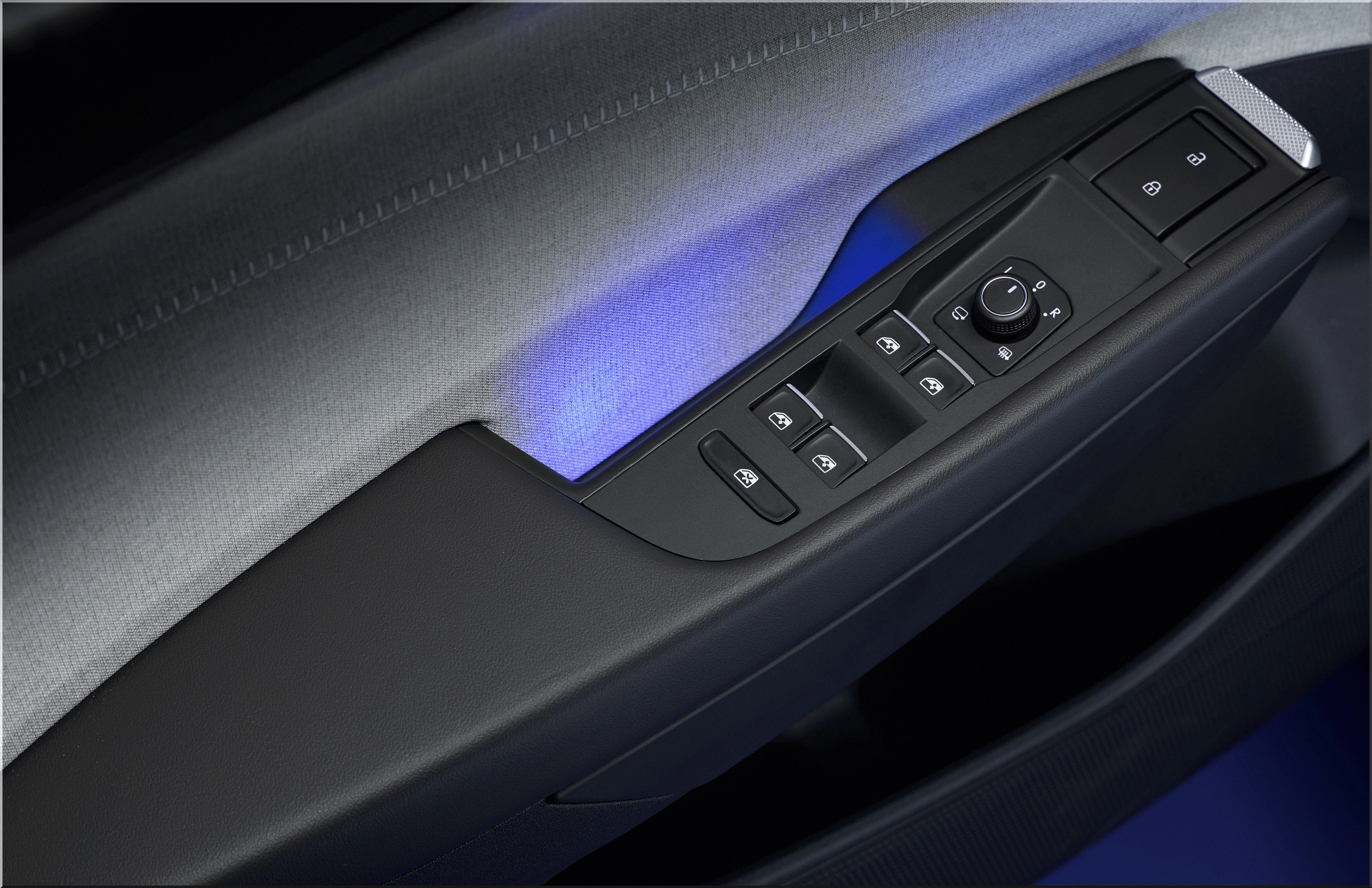
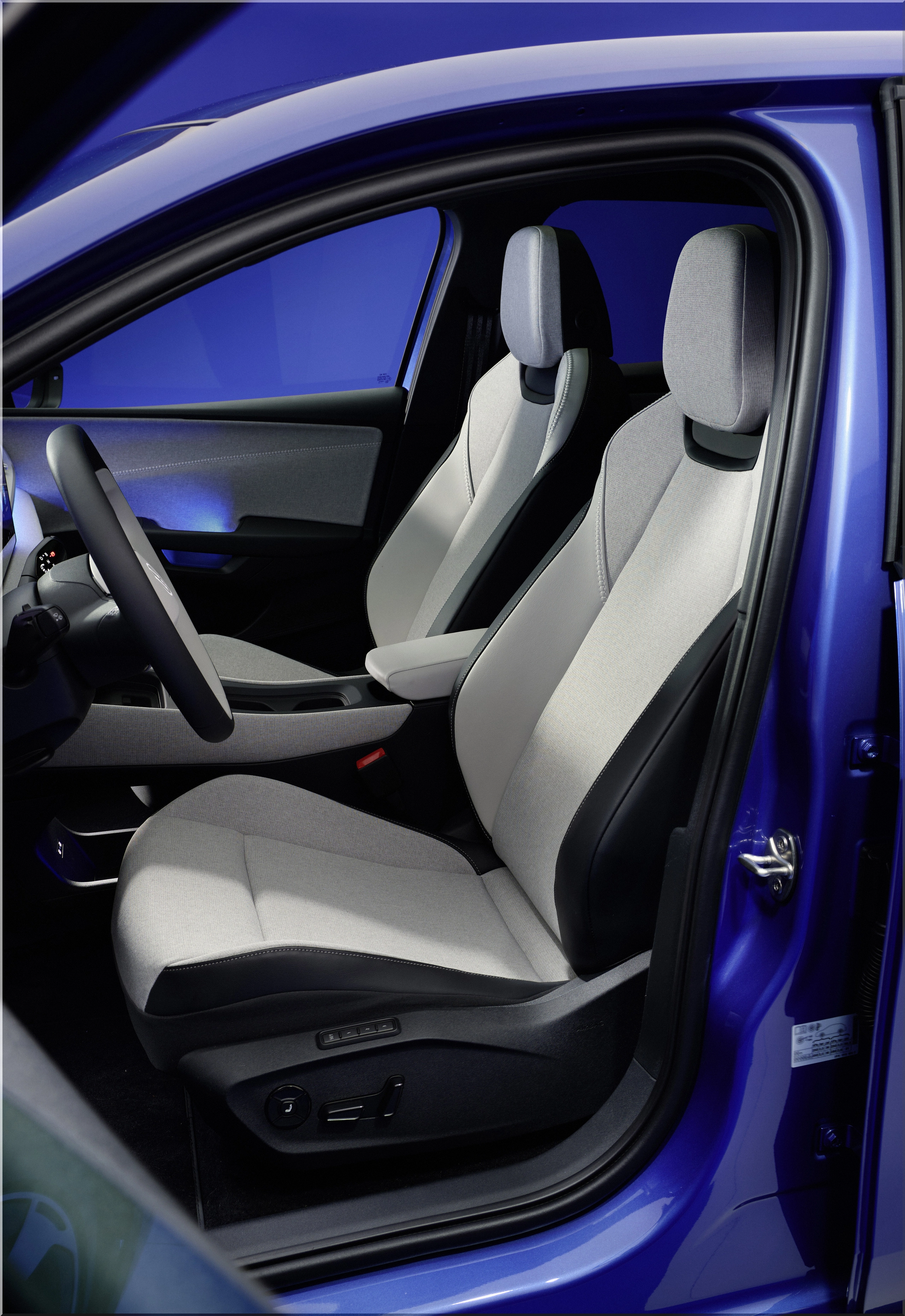
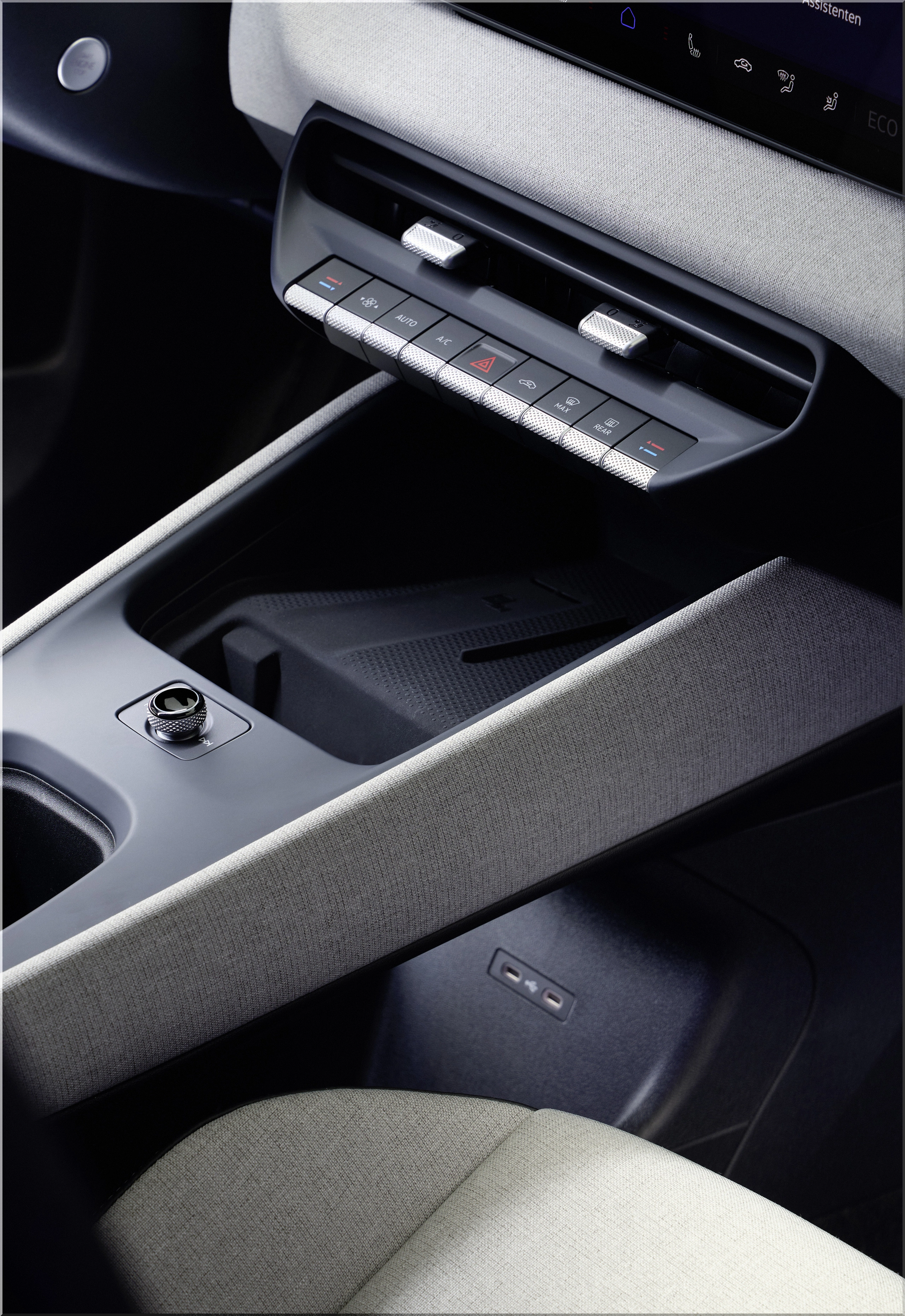
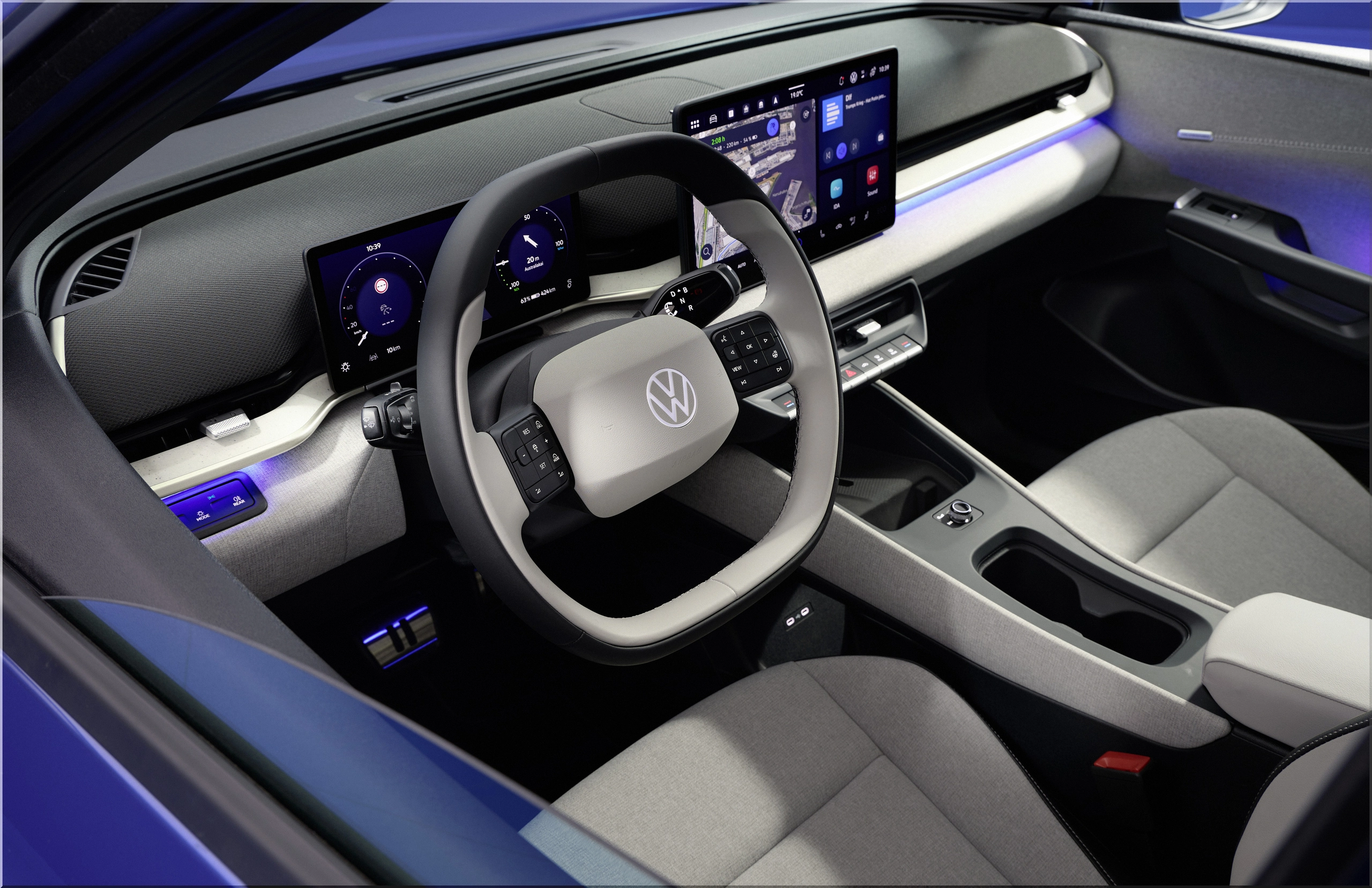
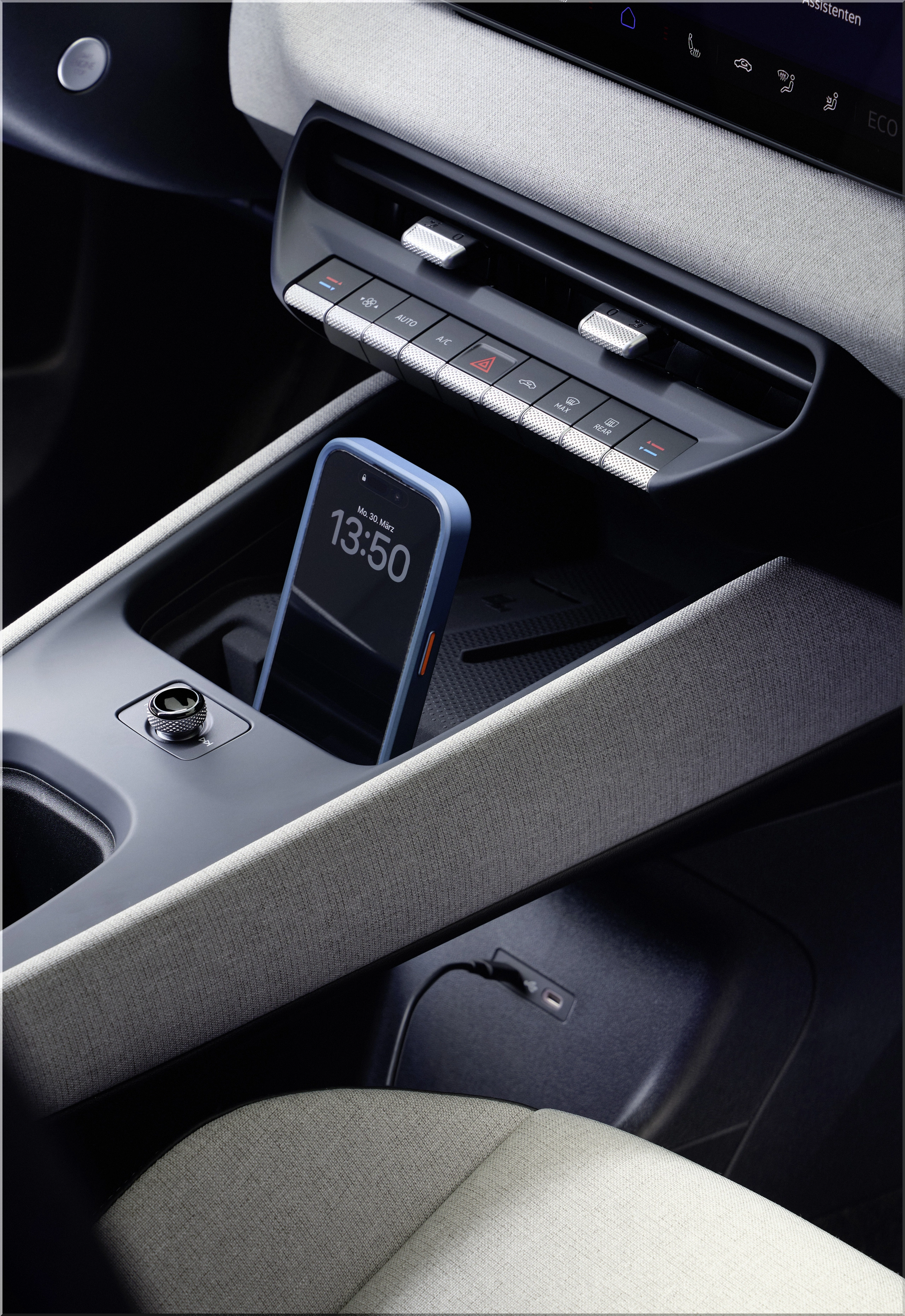
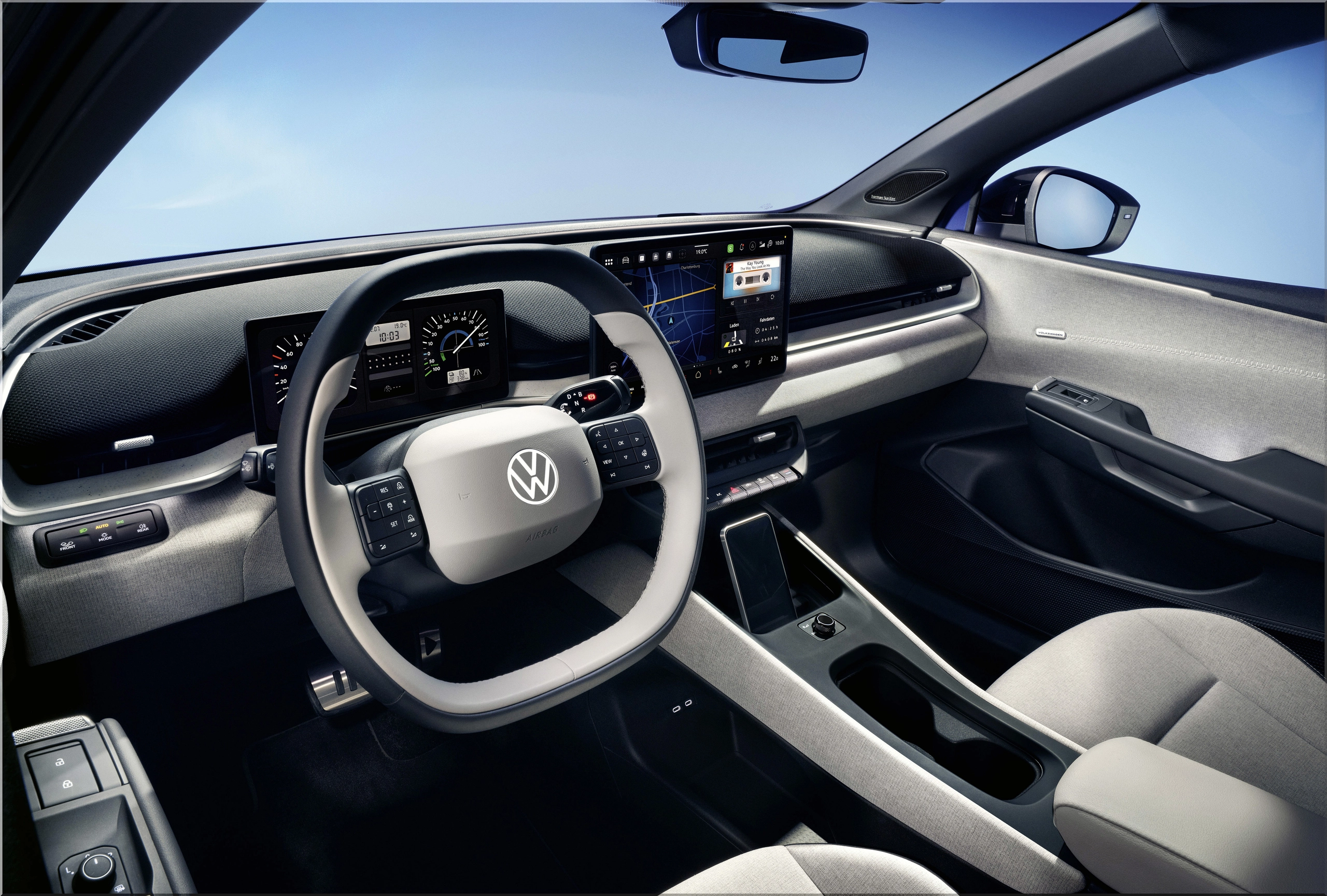
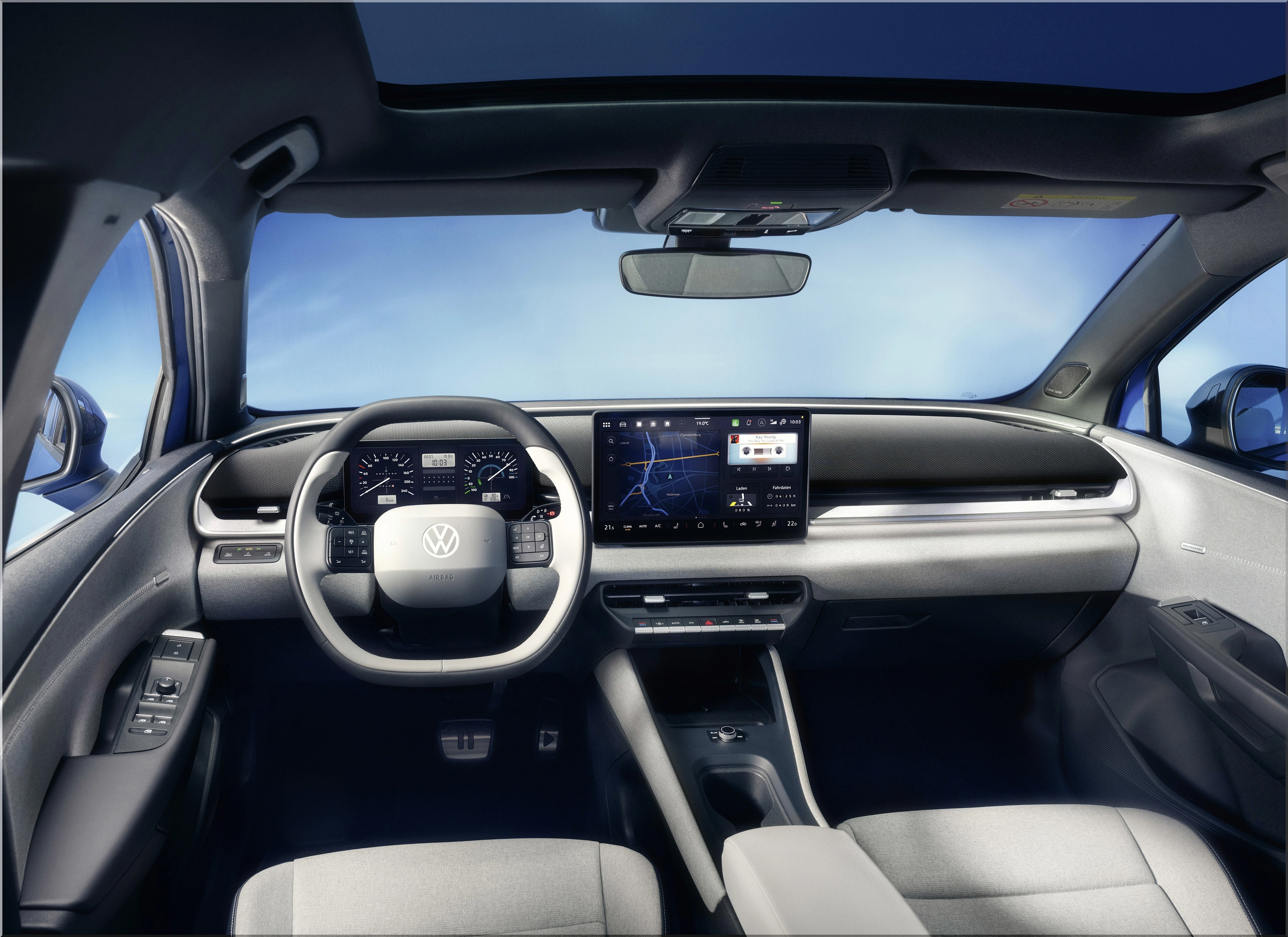
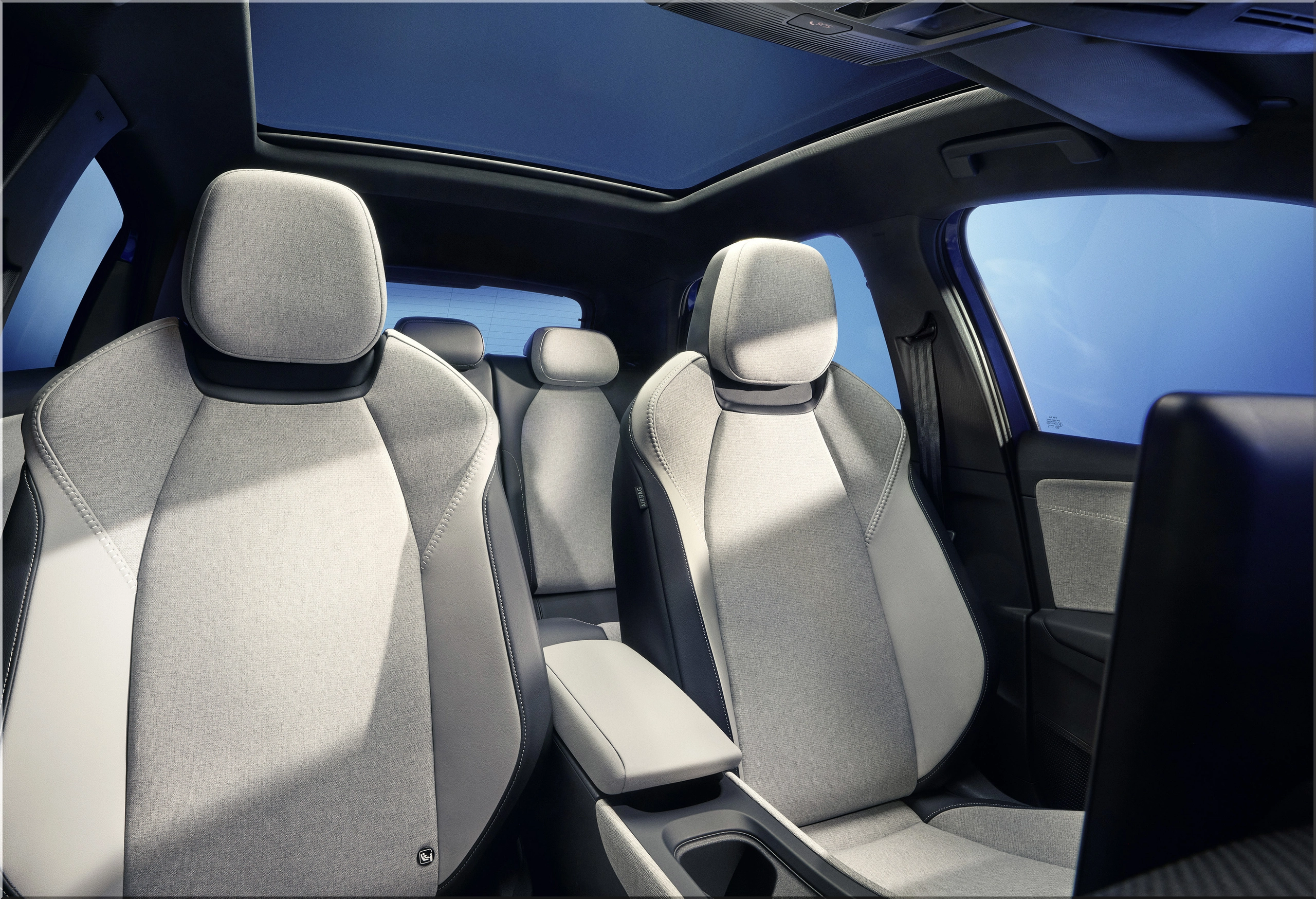
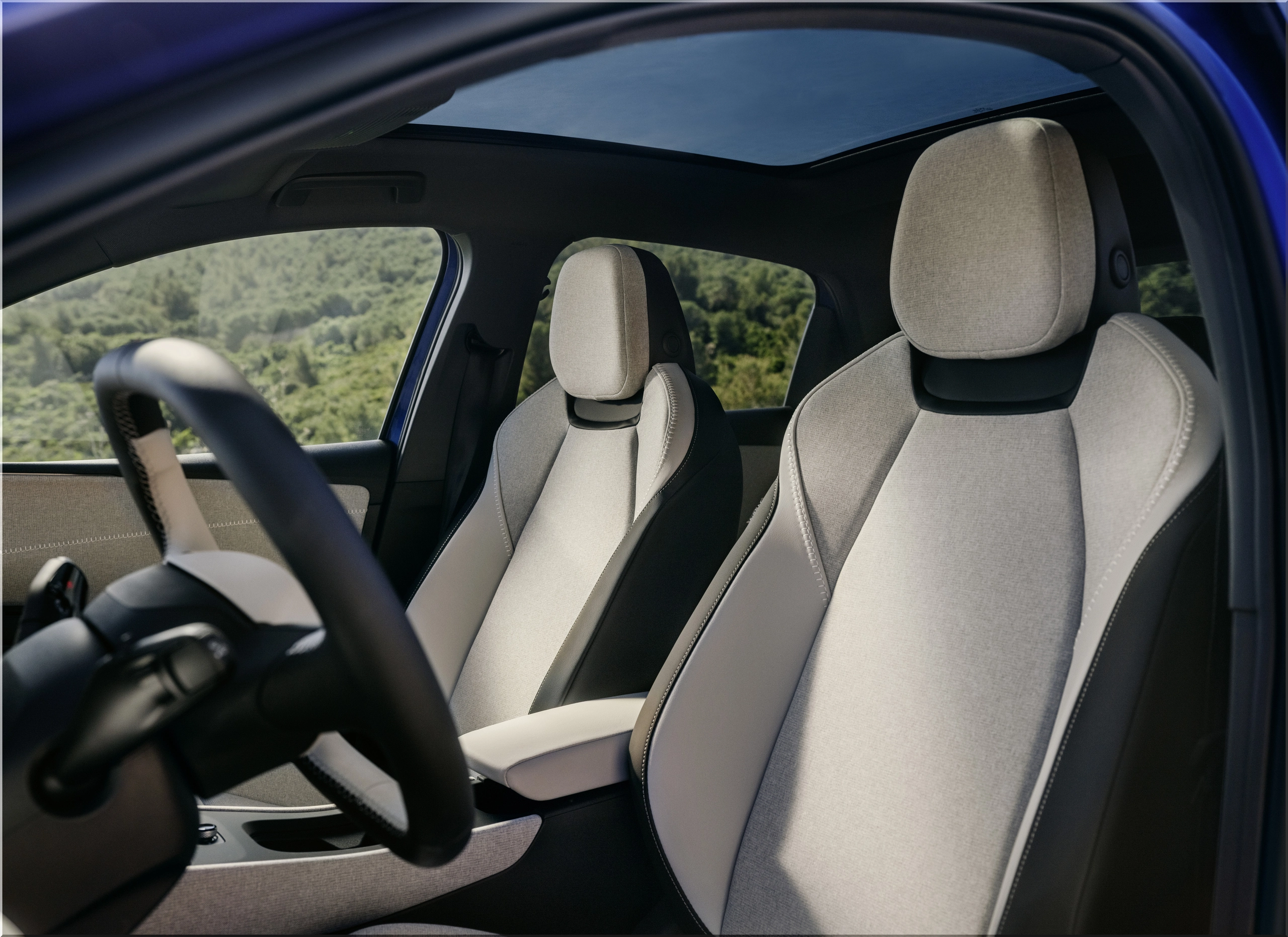
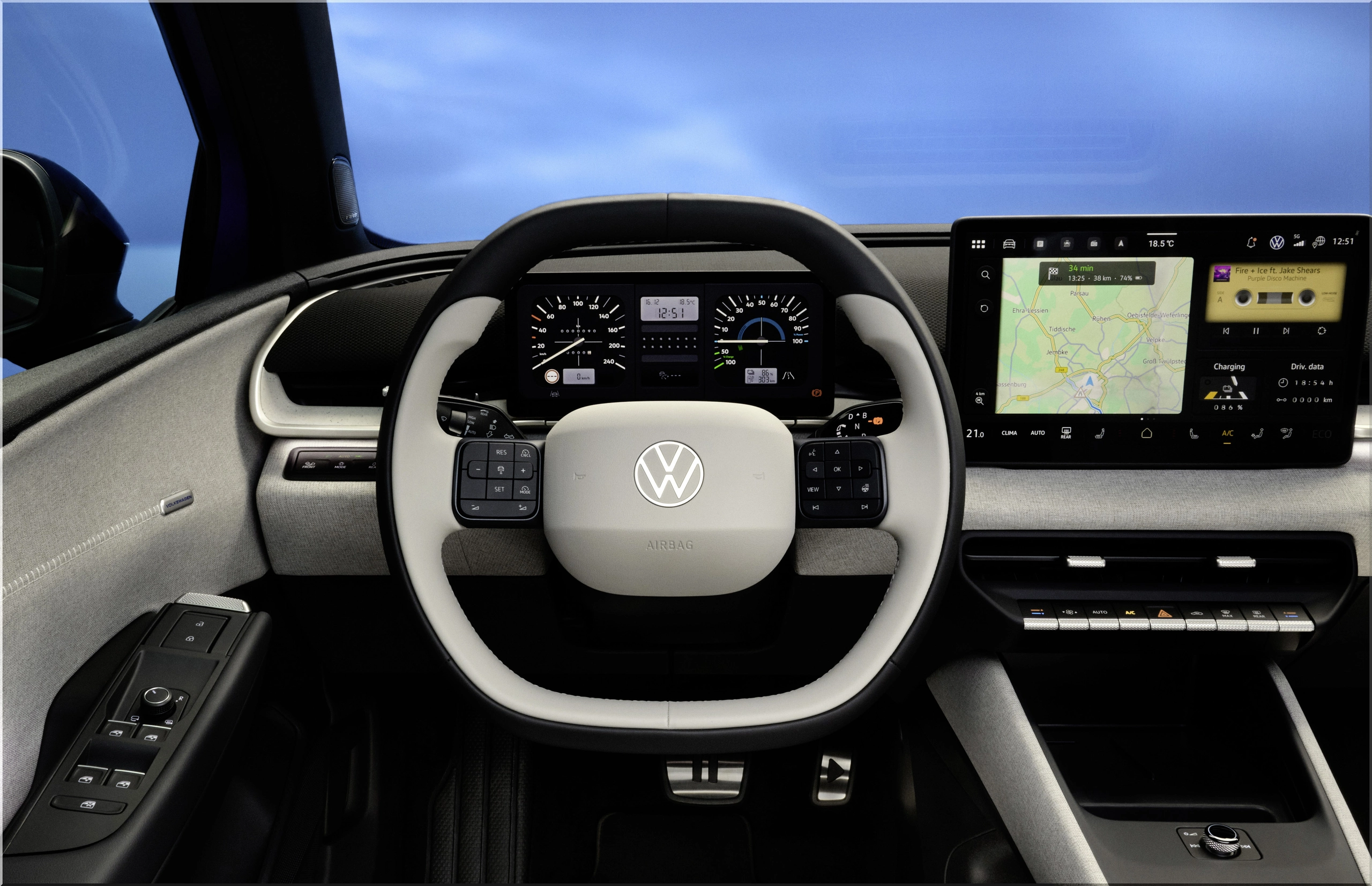
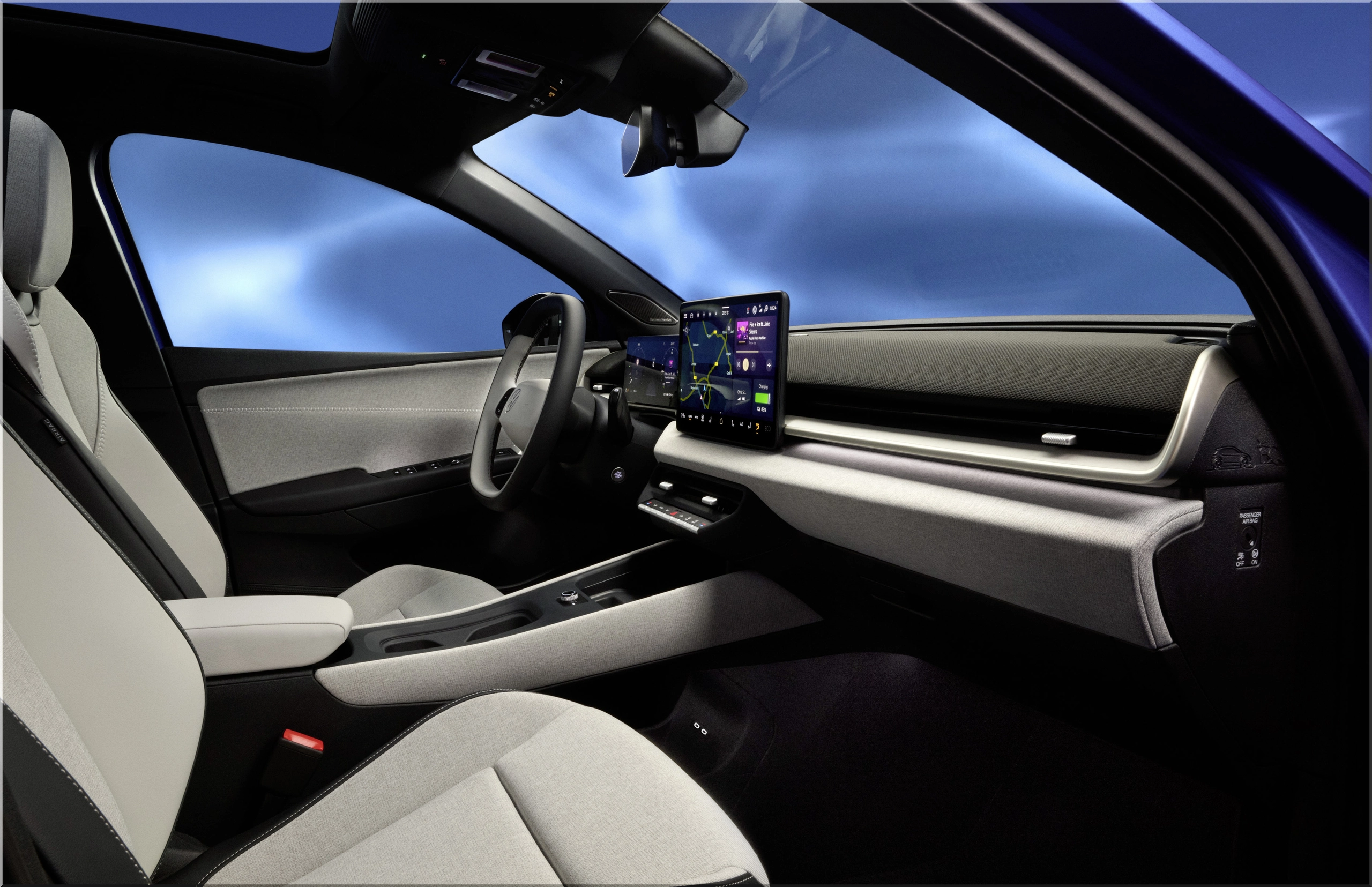
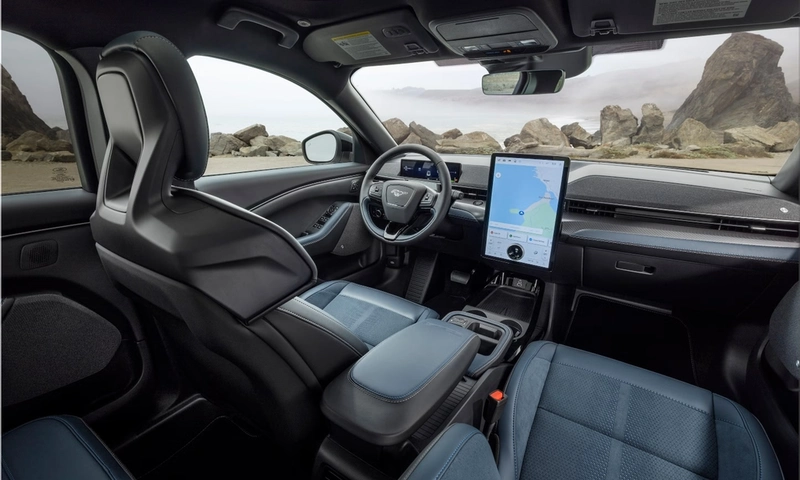
Volkswagen keeps the cabin conventional where it should. The ID. Polo interior uses a 10-inch Digital Cockpit, a 13-inch Innovision infotainment screen, physical buttons, rotary controls, and standard automatic climate control. That choice matters because touch-only controls have annoyed enough Volkswagen buyers already.
Standard and available hardware includes:
- DC fast charging on every trim
- One-Pedal Driving for stronger regenerative braking control
- Side Assist, Lane Assist, and Emergency Assist
- Available Connected Travel Assist with traffic light recognition
- Available IQ.LIGHT LED matrix headlights
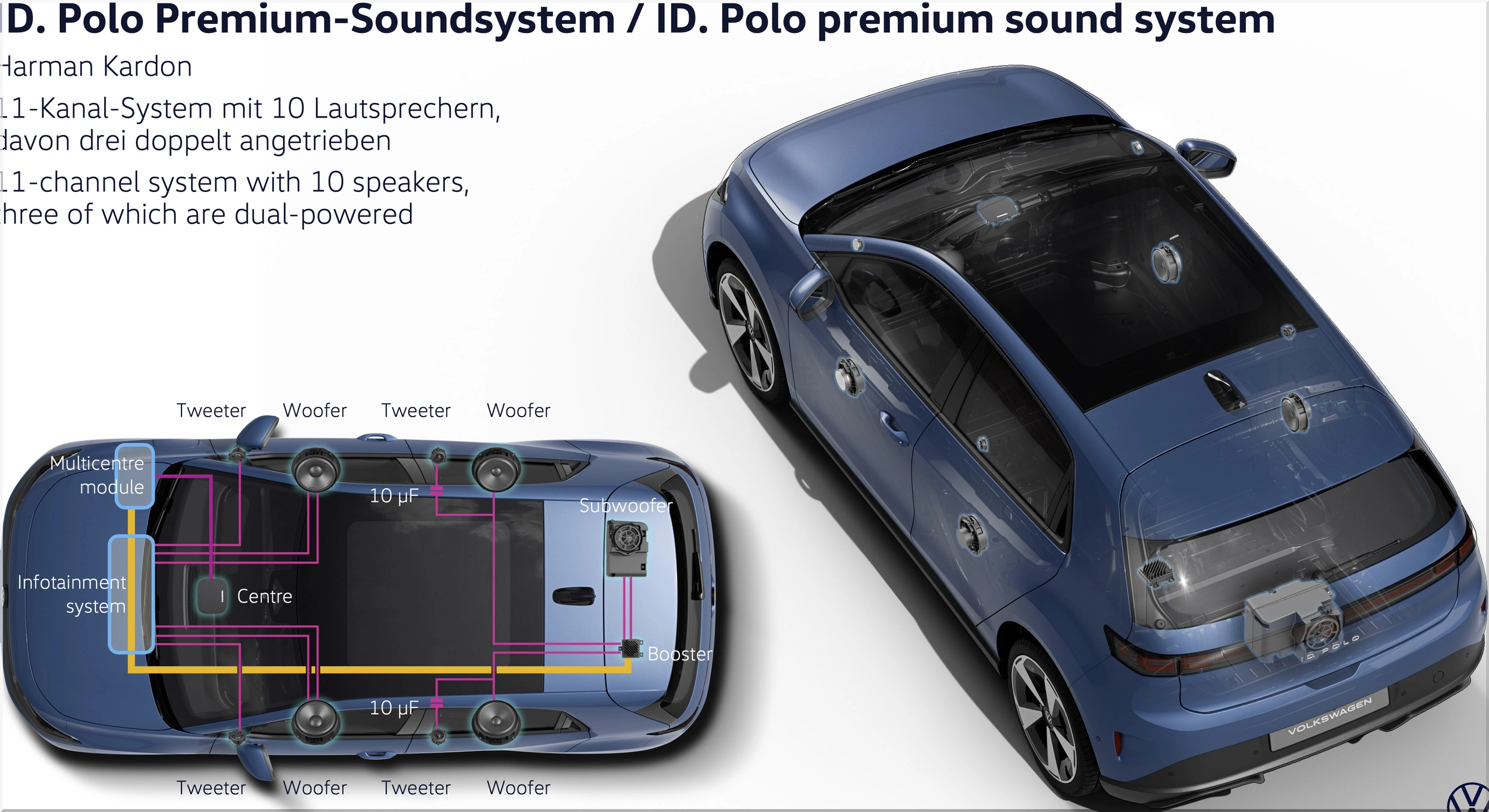
- Available Harman Kardon 425-watt audio system
- Available panoramic glass roof
- Available 12-way power front seats with pneumatic massage
By comparison, many small EVs still feel built to hit a price, then ask buyers to forgive cheap cabin decisions. The ID. Polo looks more serious. Volkswagen gives it hardware from larger segments, then uses traditional controls to reduce daily friction.
Can the ID. Polo power equipment or tow?
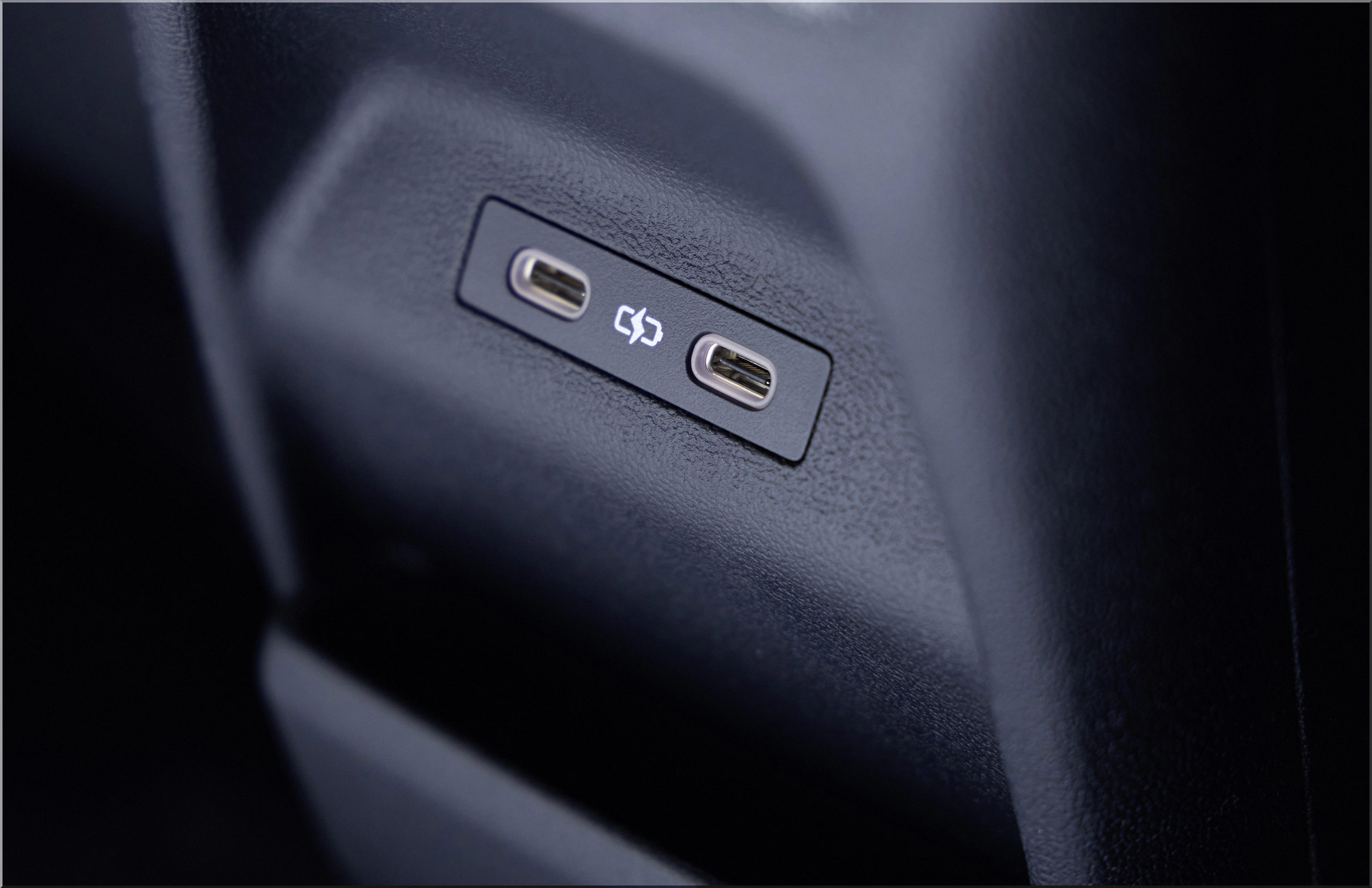
Yes, and this detail deserves attention. The ID. Polo offers Vehicle-to-Load capability as standard, supplying up to 3.6 kW to external devices. That can run e-bikes, outdoor equipment, or campsite gear through an interior 230V socket or a charging-port adapter.
The ID. Polo can also support a ball coupling with a 75 kg / 165 lb drawbar load and tow up to 1,200 kg / 2,646 lb on an 8 percent gradient, depending on version. That does not turn it into a towing hero. It does make it useful for a small trailer, bike carrier, or lightweight weekend setup.
Pro-Tip: Which ID. Polo should buyers target?
Pick the 37 kWh LFP version for city use, short commutes, and low running costs. Pick the 52 kWh NMC version for frequent highway driving, winter range margin, and fewer charging stops. The long-range model costs more, but range anxiety costs time every week.