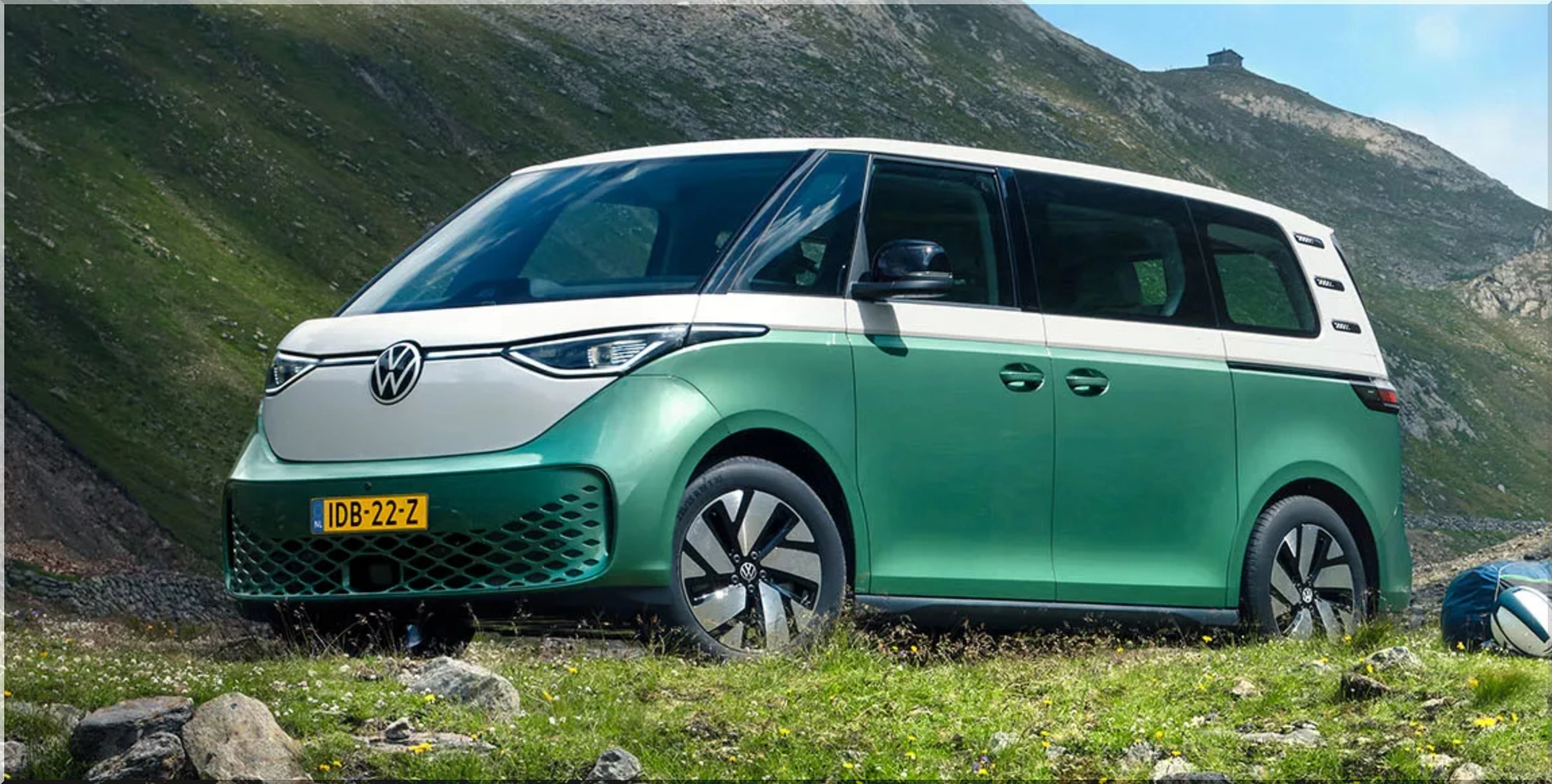
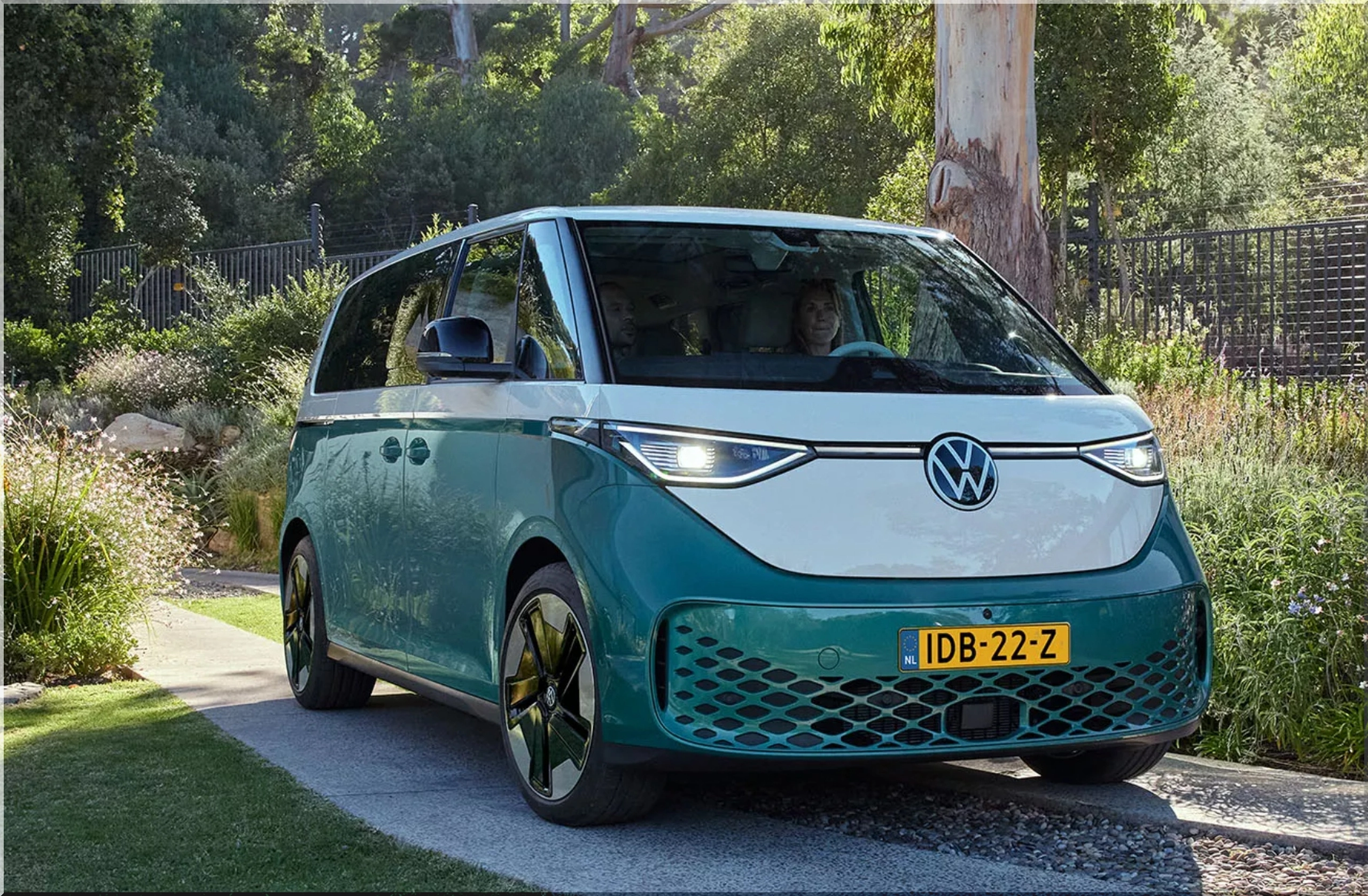
The Volkswagen ID. Buzz finally gets the update it needed. For model year 2027, Volkswagen Commercial Vehicles adds a cheaper entry model, spreads 4MOTION all-wheel drive below the GTX, upgrades the software, adds V2L, one-pedal driving, and a real camper mode, and cuts pricing on several trims. That matters because the ID. Buzz always had charm, but now it has a stronger business case too.
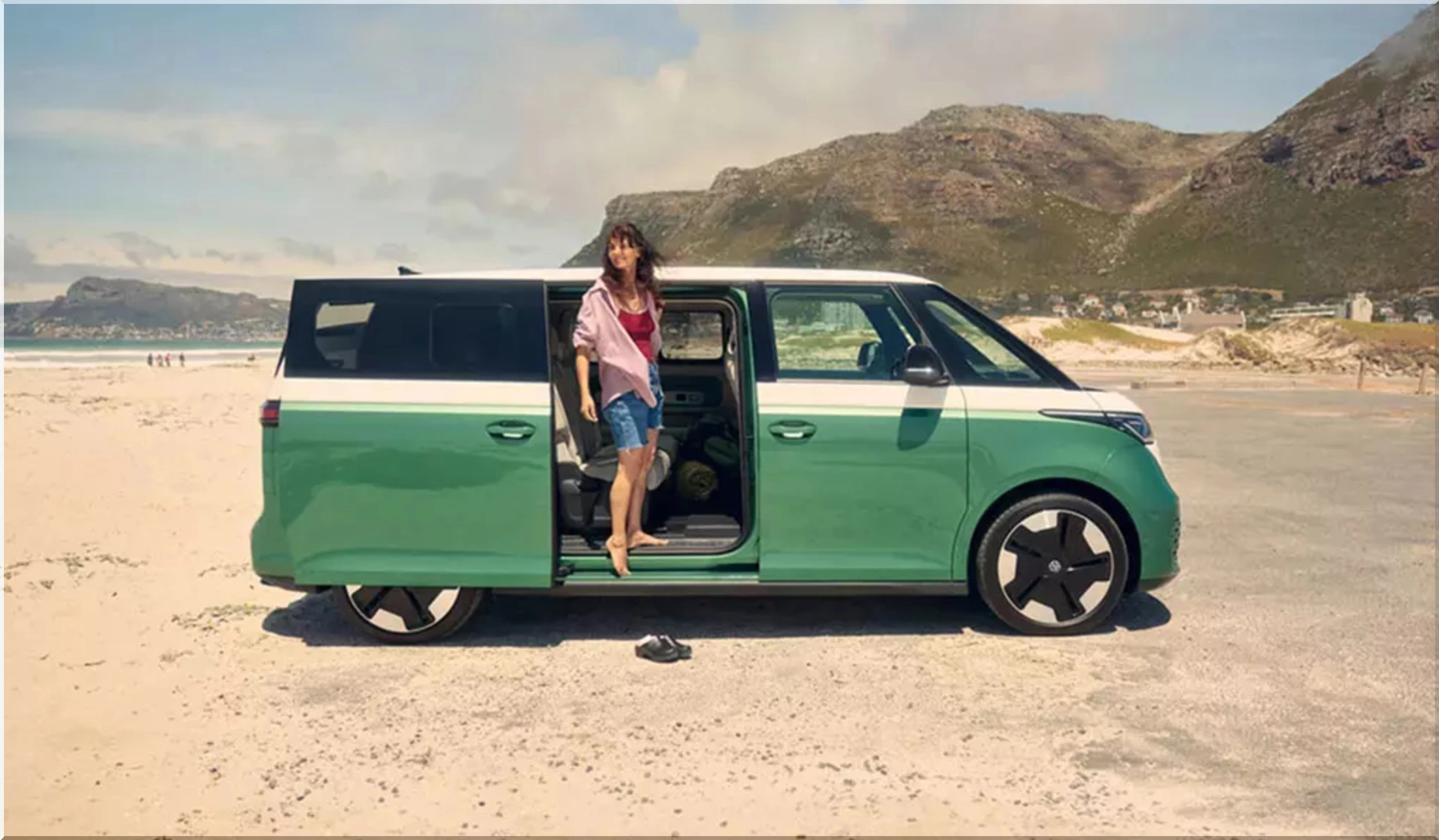
What changed for the 2027 Volkswagen ID. Buzz?
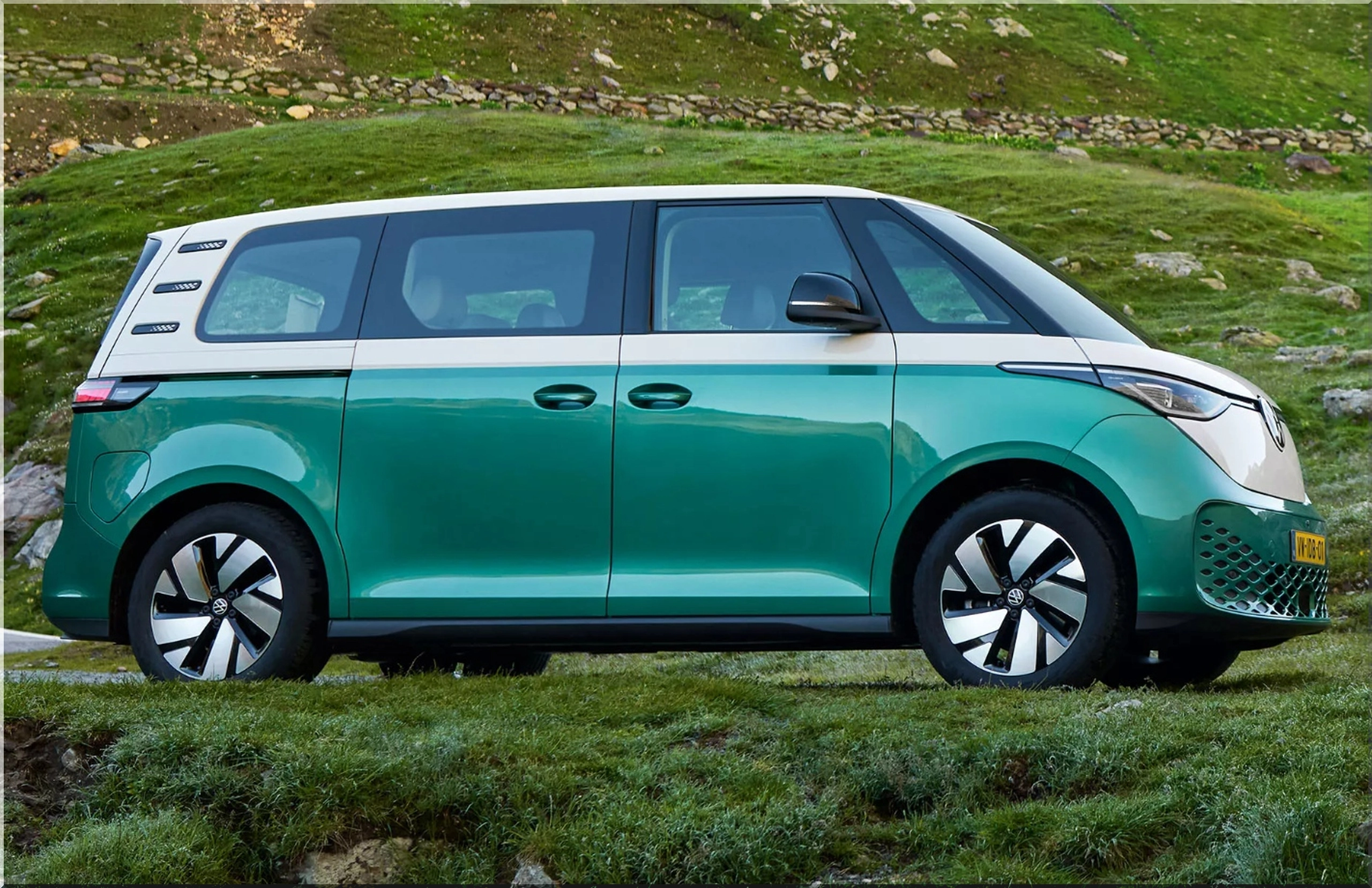
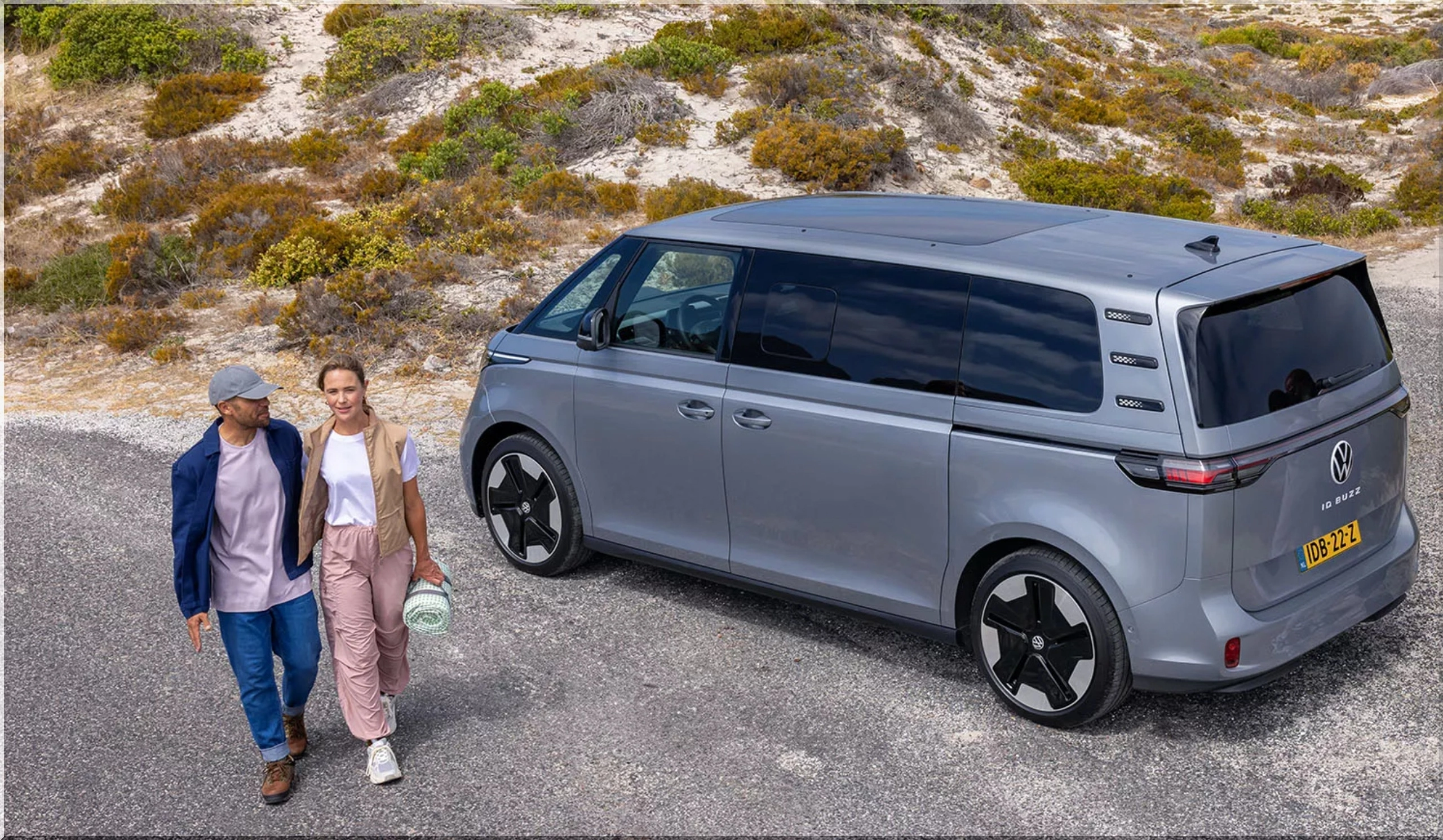
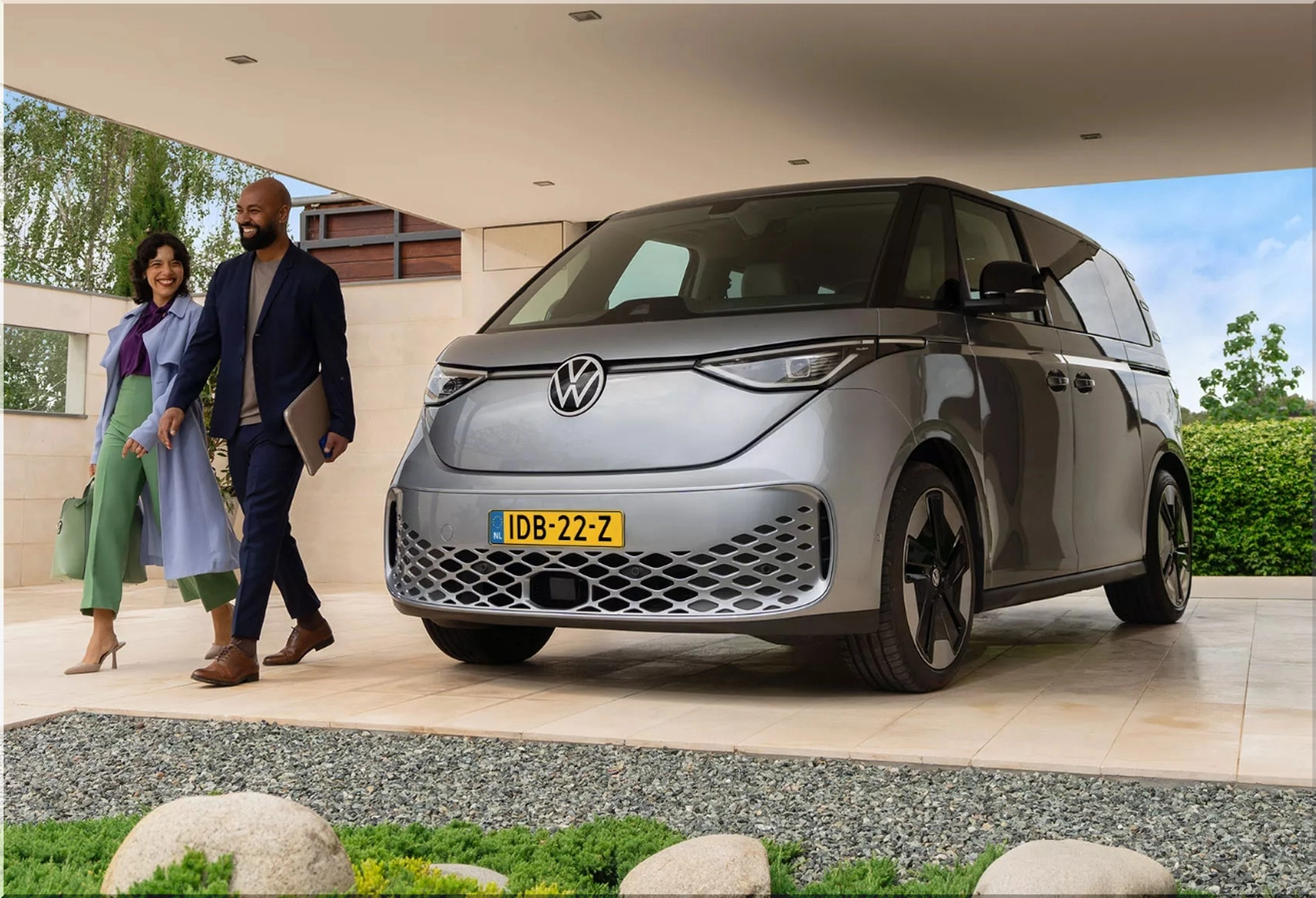
Volkswagen did not redraw the van. Smart move. The retro shape still does the heavy lifting. Instead, the brand attacked the weak spots that actually affect buying decisions: price walk, trim gaps, towing limits, and software friction.
The biggest headline is the new base model. Volkswagen added a short-wheelbase Life version with a 58 kWh battery and a 190 hp motor. ID. Buzz starts at about $54,948. That is still not cheap in absolute terms, but it is a real step down from where the ID. Buzz used to start.
In addition, the old 286 hp rear-wheel-drive version got cheaper. The short-wheelbase Life moves to about $59,658. That matters more than the badge shuffle because Volkswagen is finally pushing the Buzz closer to the price band where family buyers and small-business users will at least keep reading.
Why does the new entry model matter?
Because the old ID. Buzz pricing boxed it into halo-car territory. People loved it. Far fewer could justify it.
The new 58 kWh version with 355 km WLTP range targets buyers who do not need long-haul capability every day. In miles, that is about 221 miles WLTP. For urban families, hotel shuttle fleets, airport operators, and lifestyle buyers with dependable home charging, that version makes more sense than paying for battery capacity they will rarely use.
From an expert perspective, this is the right move. A boxy electric van always pays an aerodynamic tax at highway speed. That means the best version for many buyers is not automatically the biggest battery. It is the trim that lands closest to the buyer's real route pattern, charging access, and budget.
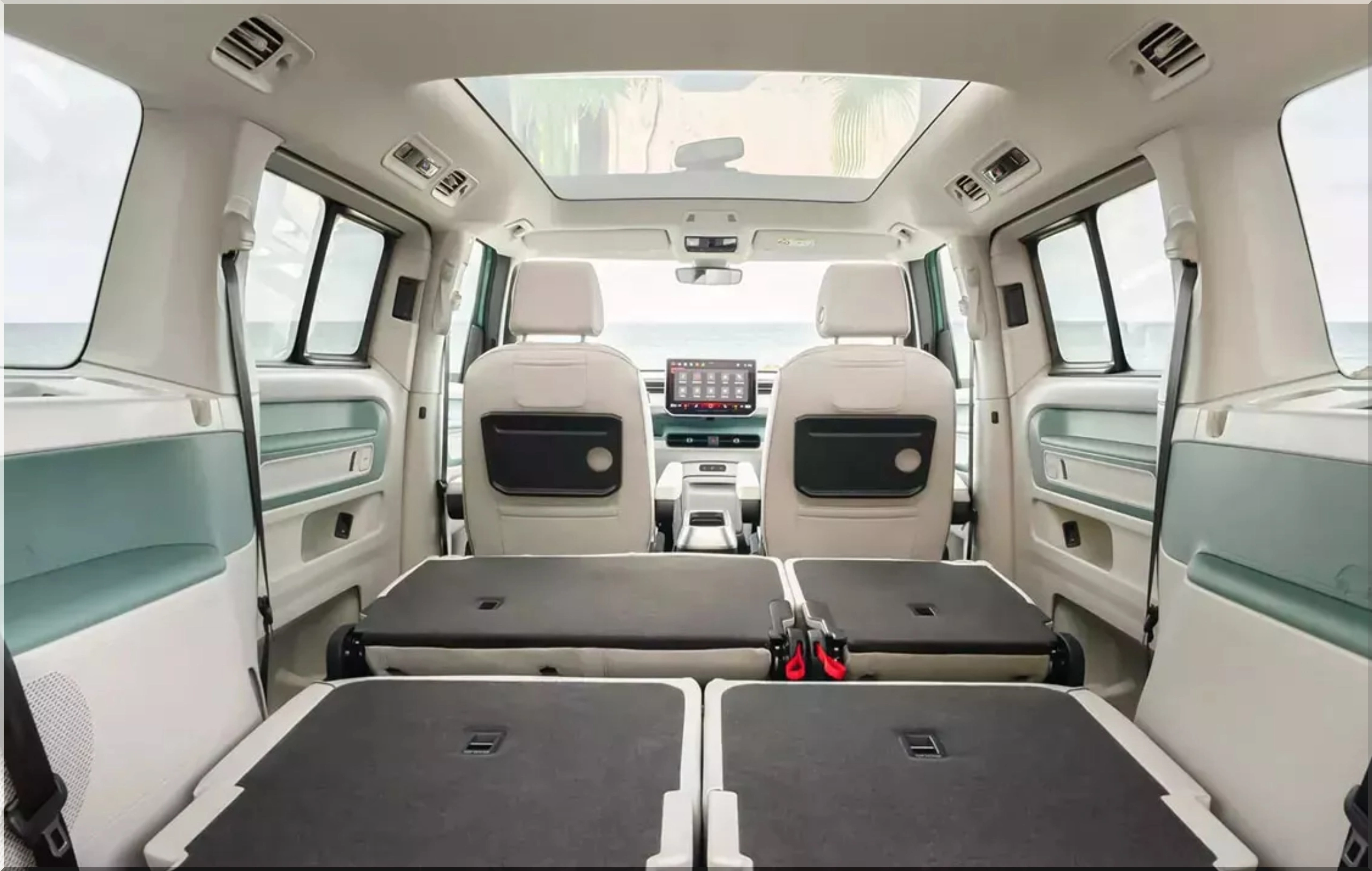
Which new ID. Buzz trims and prices matter most?
Here is the key pricing picture after converting the Danish launch prices into USD.
| 2027 ID. Buzz Variant | Battery | Power | Seats | Approx. USD |
|---|---|---|---|---|
| Life Short | 58 kWh | 190 hp | 5 | $54,948 |
| Life Short | 79 kWh | 286 hp | 5 | $59,658 |
| Life Short 4MOTION | 79 kWh | 340 hp | 5 | $62,798 |
| Life Long | 86 kWh | 286 hp | 7 | $64,368 |
| Style Short | 79 kWh | 286 hp | 5 | $70,648 |
| Style Long | 79/86 kWh | 286 hp | 7 | $76,928 |
| GTX Short | 79 kWh | 340 hp | 5 | $80,853 |
| GTX Long | 86 kWh | 340 hp | 7 | $87,132 |
That table tells the whole story. The real sweet spot now looks like the Life 4MOTION and the Long Life. One gives you tow-friendly traction and power without forcing a GTX purchase. The other gives you seven seats and the bigger pack without climbing all the way into premium-trim money.
How much more useful is 4MOTION now?
A lot more. This is probably the smartest hardware move in the update.
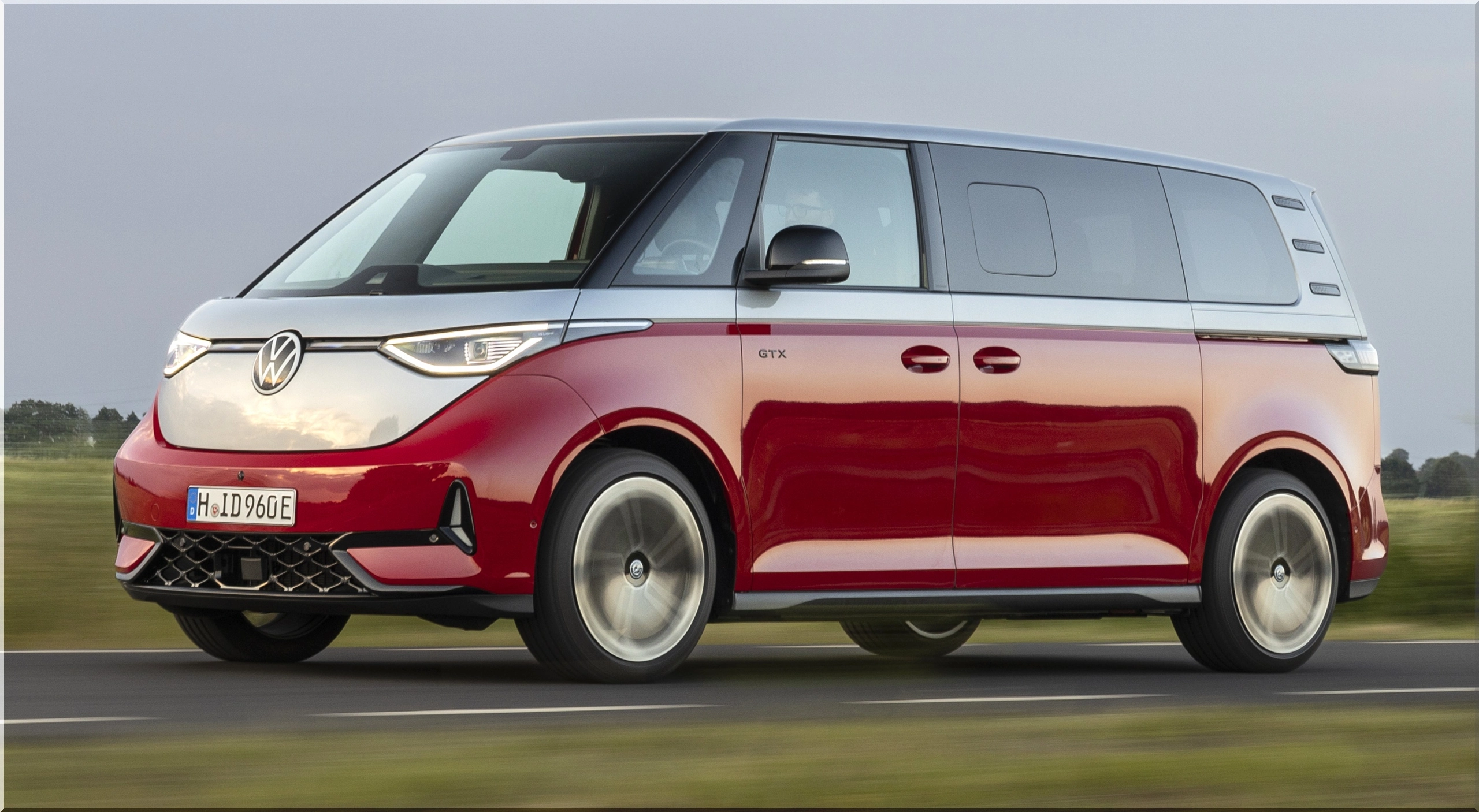
Until now, if you wanted the dual-motor 340 hp drivetrain, you had to buy the GTX. That locked useful capability behind the sportiest, priciest trim. Volkswagen has now moved that same setup into lower trims, including Life 4MOTION and Style 4MOTION.
That matters because towing capacity jumps hard with the dual-motor setup.
| Drivetrain | Power | Wheelbase | Max Braked Towing |
|---|---|---|---|
| Rear-wheel drive | 286 hp | Short | 1,200 kg / 2,646 lb |
| 4MOTION | 340 hp | Short | 1,800 kg / 3,968 lb |
| 4MOTION | 340 hp | Long | 1,600 kg / 3,527 lb |
That is the kind of number buyers actually care about. Small camper? Utility trailer? Bikes, gear, or business equipment? Now the Buzz can do it without forcing you into the GTX visual package.
Consequently, the GTX becomes what it probably should have been from day one: a style-and-image trim with the same strong powertrain, not the only path to useful capability.
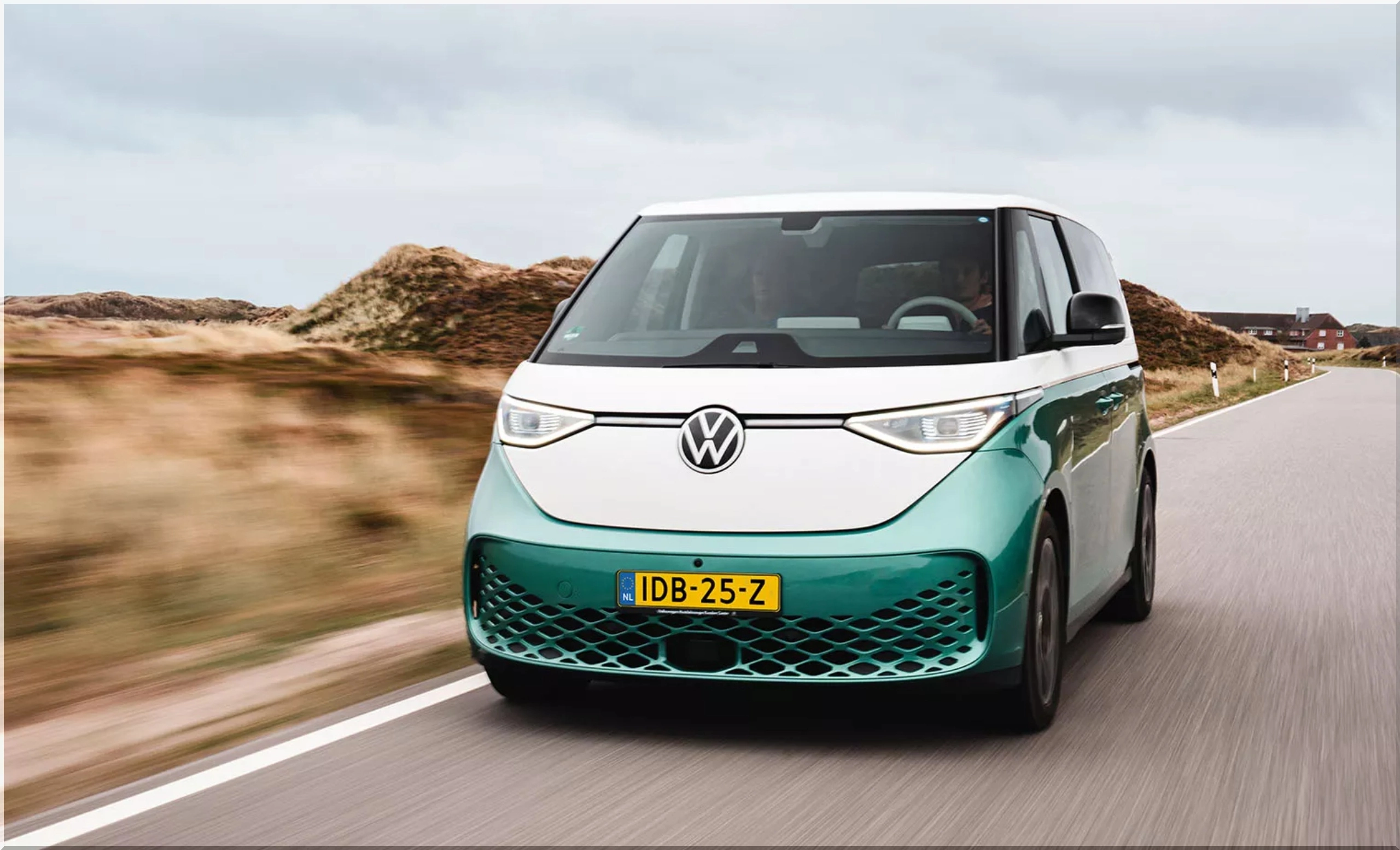
What software upgrades did Volkswagen add?
This is where Volkswagen did real cleanup work.
The new software brings:
- Camper mode to maintain cabin temperature overnight
- Vehicle-to-Load with up to 2.0 kW
- One-pedal driving
- Connected Travel Assist that can react to traffic lights
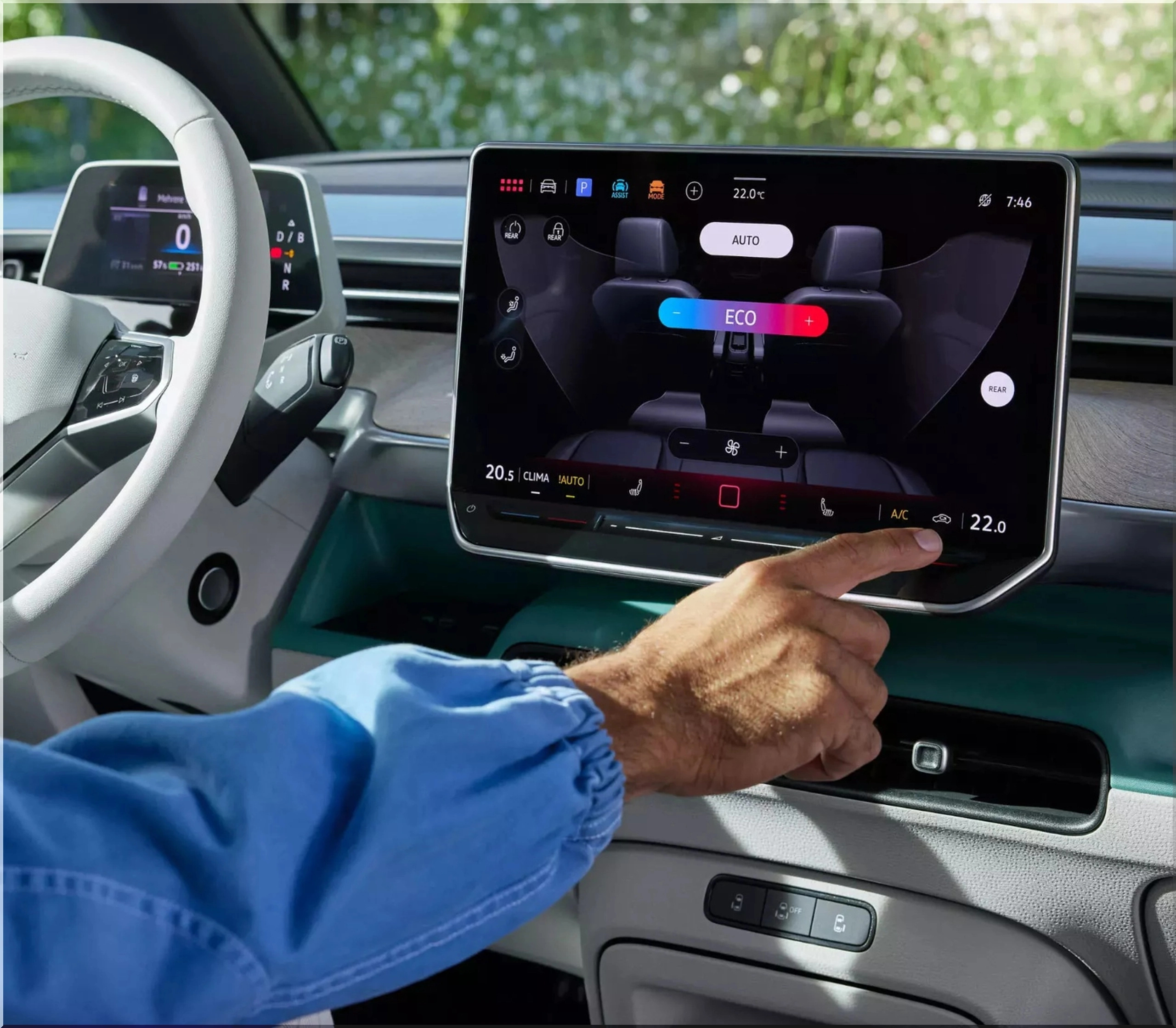
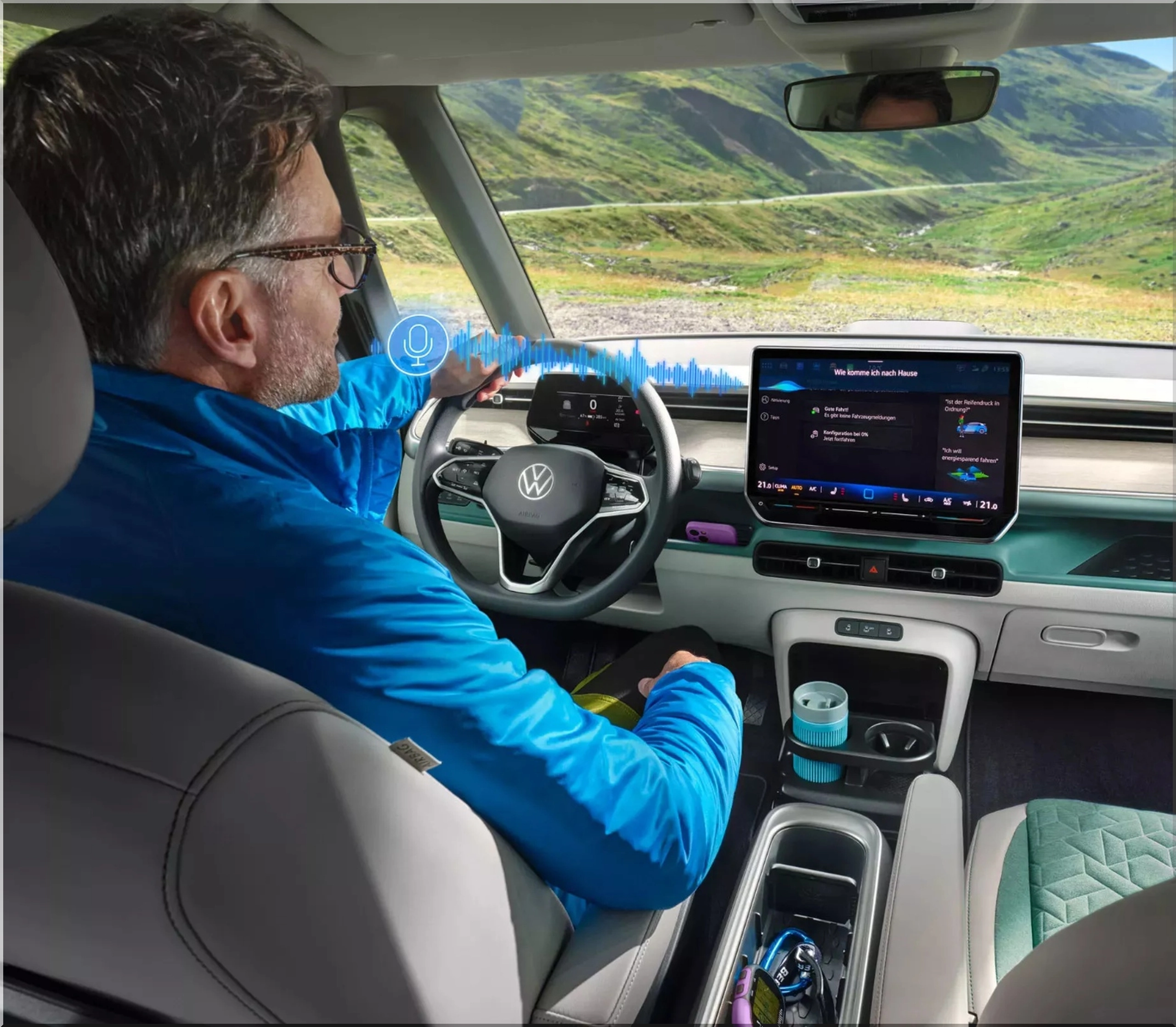
- A new infotainment system with revised interface
- An integrated app store
- Digital key
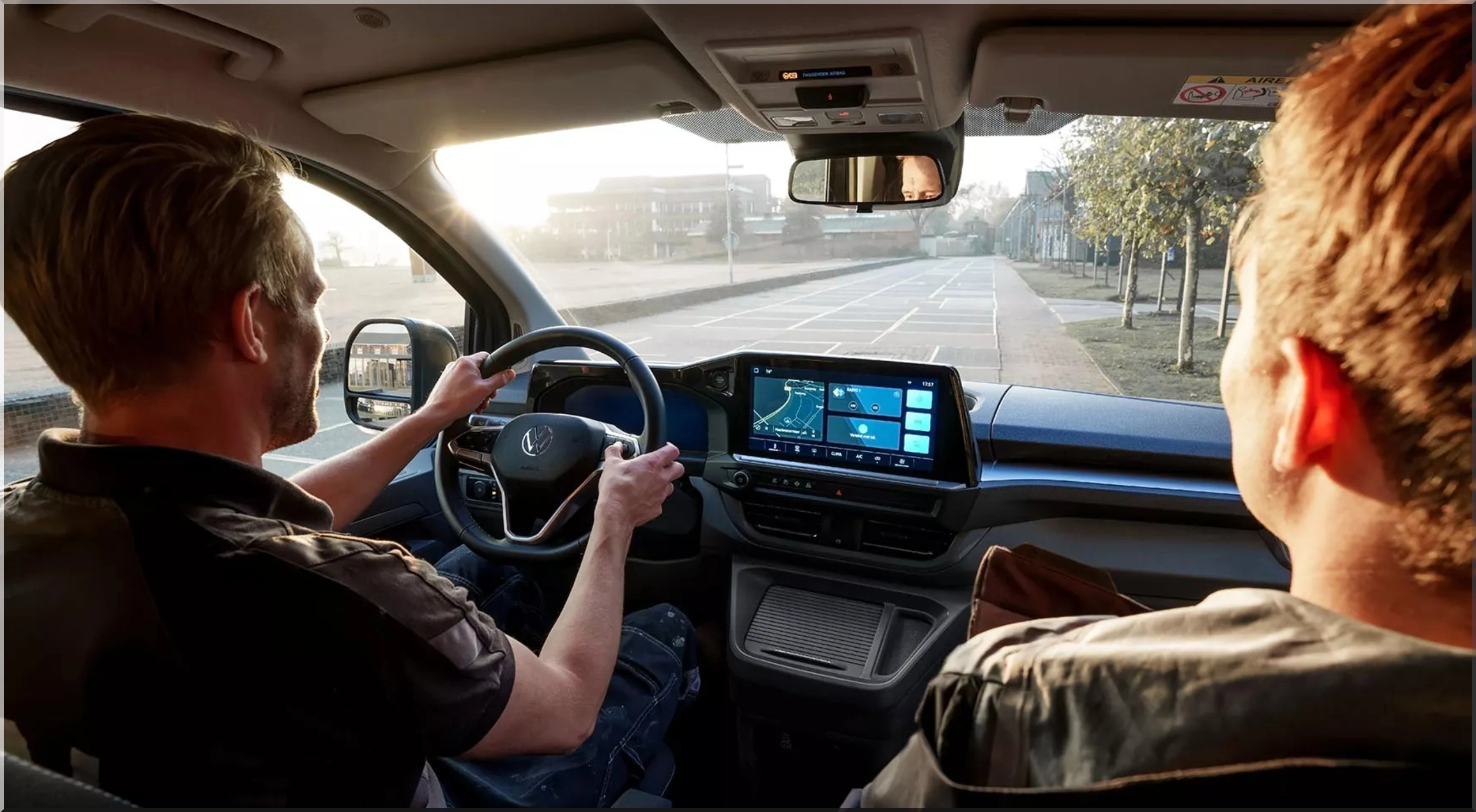
- A steering wheel with physical buttons instead of touch sliders
That last point deserves applause. Volkswagen spent years learning that touch-sensitive steering-wheel controls look futuristic in a press image and feel annoying in daily use. Physical buttons win in gloves, in traffic, and at night. Simple.
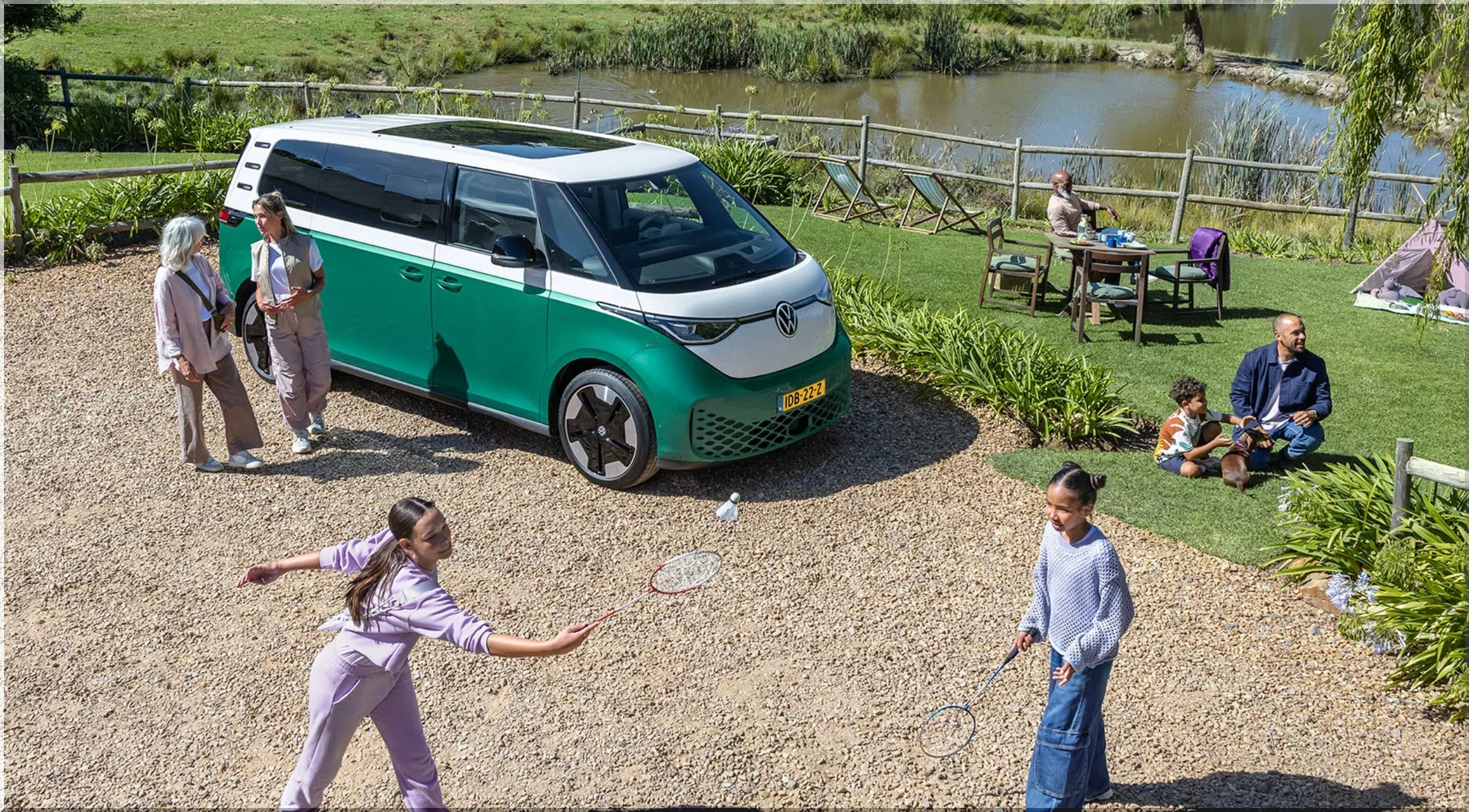
The V2L function also fits the Buzz perfectly. A vehicle like this attracts camping users, surfers, contractors, photographers, and family-road-trip people. Giving them 2.0 kW of export power turns the van into a power bank for an e-bike charger, a small electric grill, work lights, or outdoor gear. That is real utility, not brochure filler.
How do the batteries, range, and dimensions stack up?
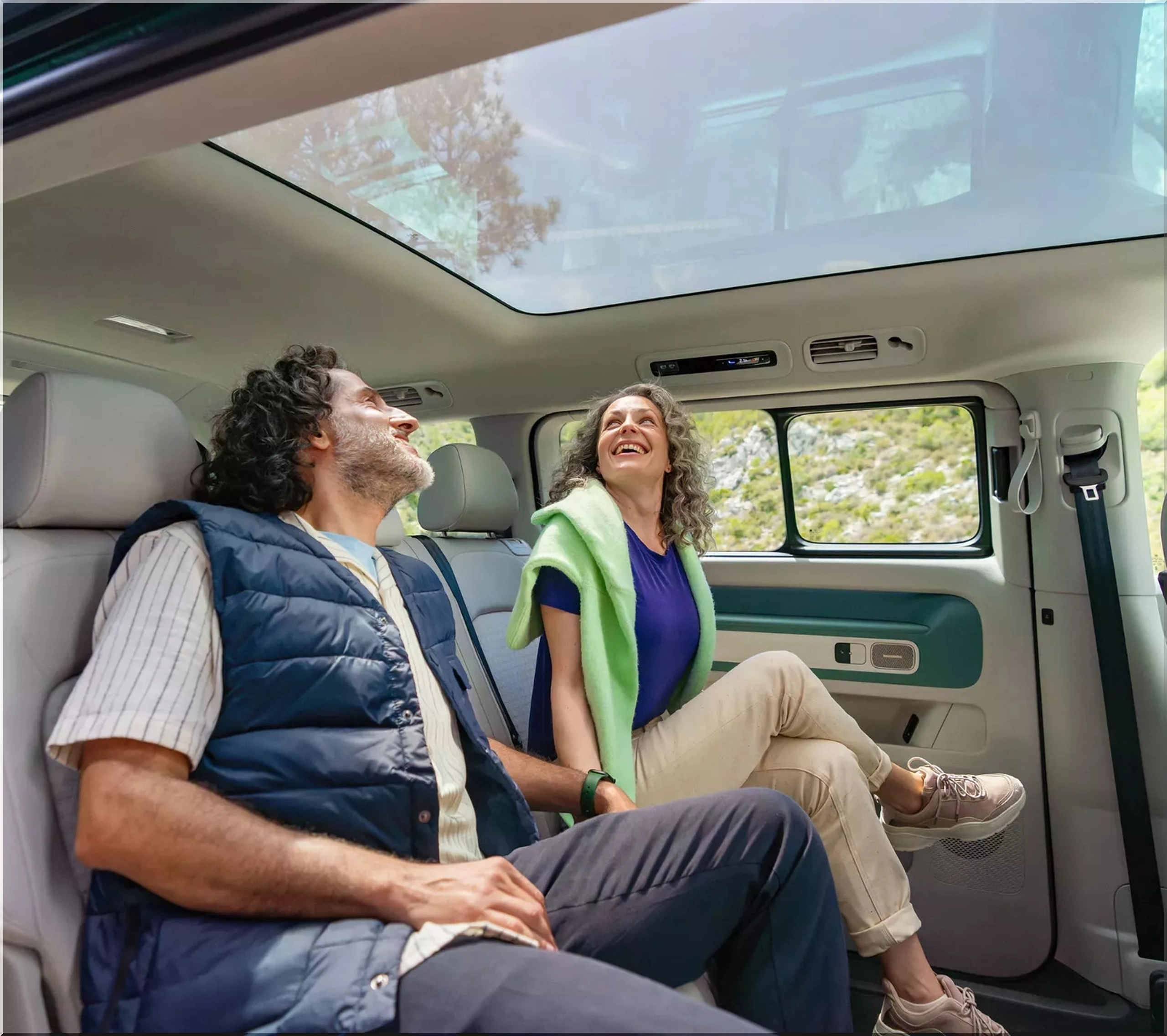
Volkswagen now spreads the lineup across 59 kWh, 79 kWh, and 86 kWh battery configurations, depending on trim and wheelbase.
Looking at the data, the broad shape of the lineup looks like this:
| Key ID. Buzz Tech Data | Short Wheelbase | Long Wheelbase |
|---|---|---|
| Length | 4,712-4,837 mm / 185.5-190.4 in | 4,962-5,087 mm / 195.4-200.3 in |
| Wheelbase | 2,989 mm / 117.7 in | 3,289 mm / 129.5 in |
| Max cargo volume | 2,977 L / 105.1 cu ft | 3,456 L / 122.1 cu ft |
| Battery options | 59 or 79 kWh | 86 kWh in larger-pack versions |
| WLTP range span | 332-459 km / 206-285 mi | 463-485 km / 288-301 mi |
Looking at the data, the long-wheelbase 86 kWh version remains the one to buy for buyers who need genuine family-hauler range. The official figures reach 485 km WLTP, roughly 301 miles. That does not mean 301 highway miles in cold weather. No boxy van does magic. But it gives the bigger Buzz a far more credible long-distance profile.
How does the ID. Buzz compare with rivals?
The electric MPV field still is not crowded, but the main alternatives expose the Buzz's position clearly.
| EV MPV / Van Rival | Power | WLTP Range | Towing | Starting Price |
|---|---|---|---|---|
| VW ID. Buzz Life Short | 190 hp | 355 km / 221 mi | Lower spec dependent | About $54,948 |
| Ford E-Tourneo Custom | 202 miles WLTP class | 202 mi | Up to 2,000 kg / 4,409 lb | £60,886.80 in UK market |
| Mercedes EQV 300 Executive | 204 hp | 222 mi WLTP | Premium MPV positioning | Premium pricing |
| Peugeot E-Traveller | 136 hp | Up to 219 mi WLTP | Work-first positioning | Market dependent |
Here is the blunt take:
- The Ford E-Tourneo Custom beats the Buzz on towing and workhorse attitude.
- The Mercedes EQV leans harder into premium transport and executive shuttle duty.
- The Peugeot E-Traveller stays more commercial and less aspirational.
- The ID. Buzz still wins on design, brand pull, and the cleanest mix of lifestyle appeal and real practicality.
That is why Volkswagen needed this update. The Buzz already had attention. It needed justification.
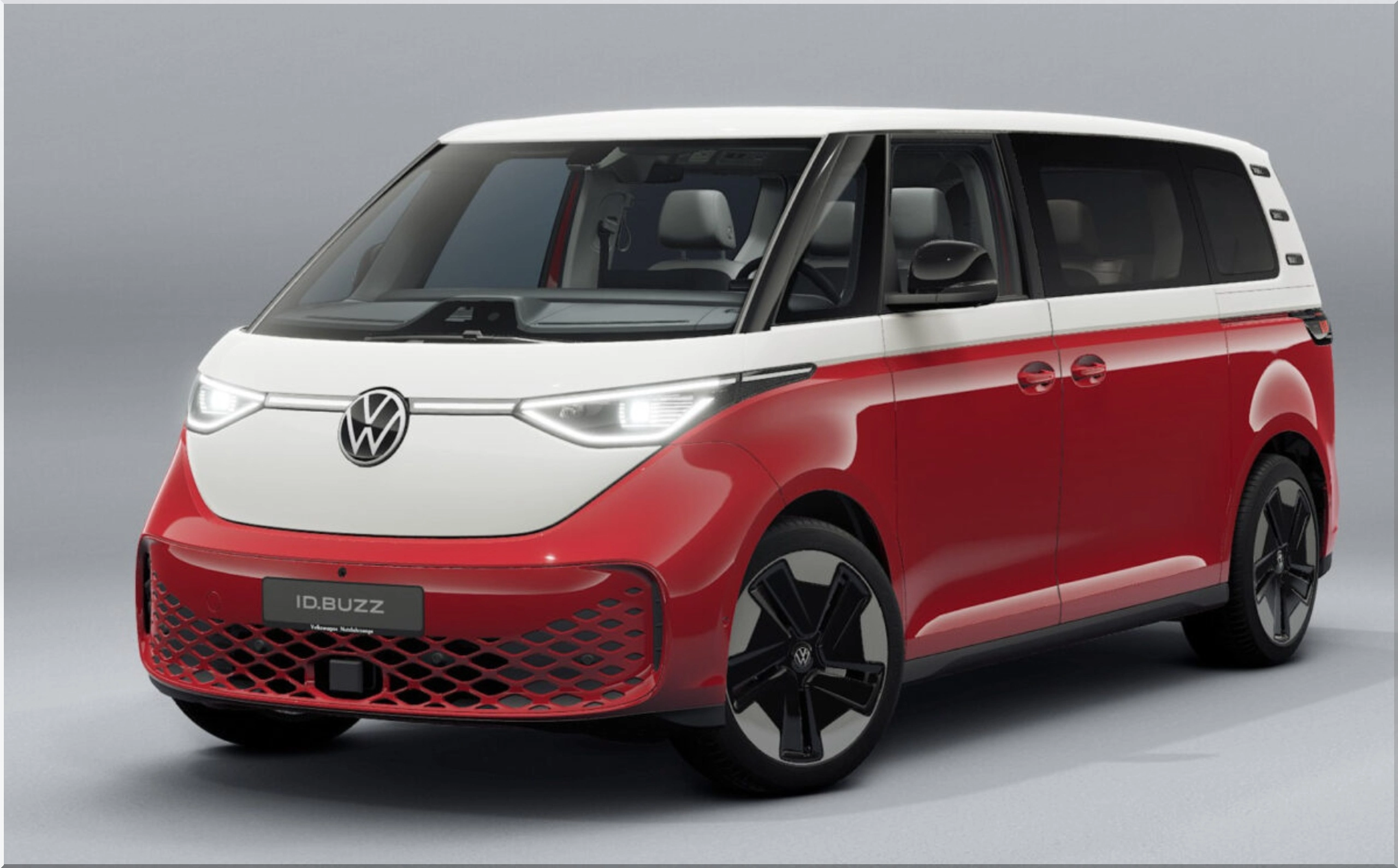
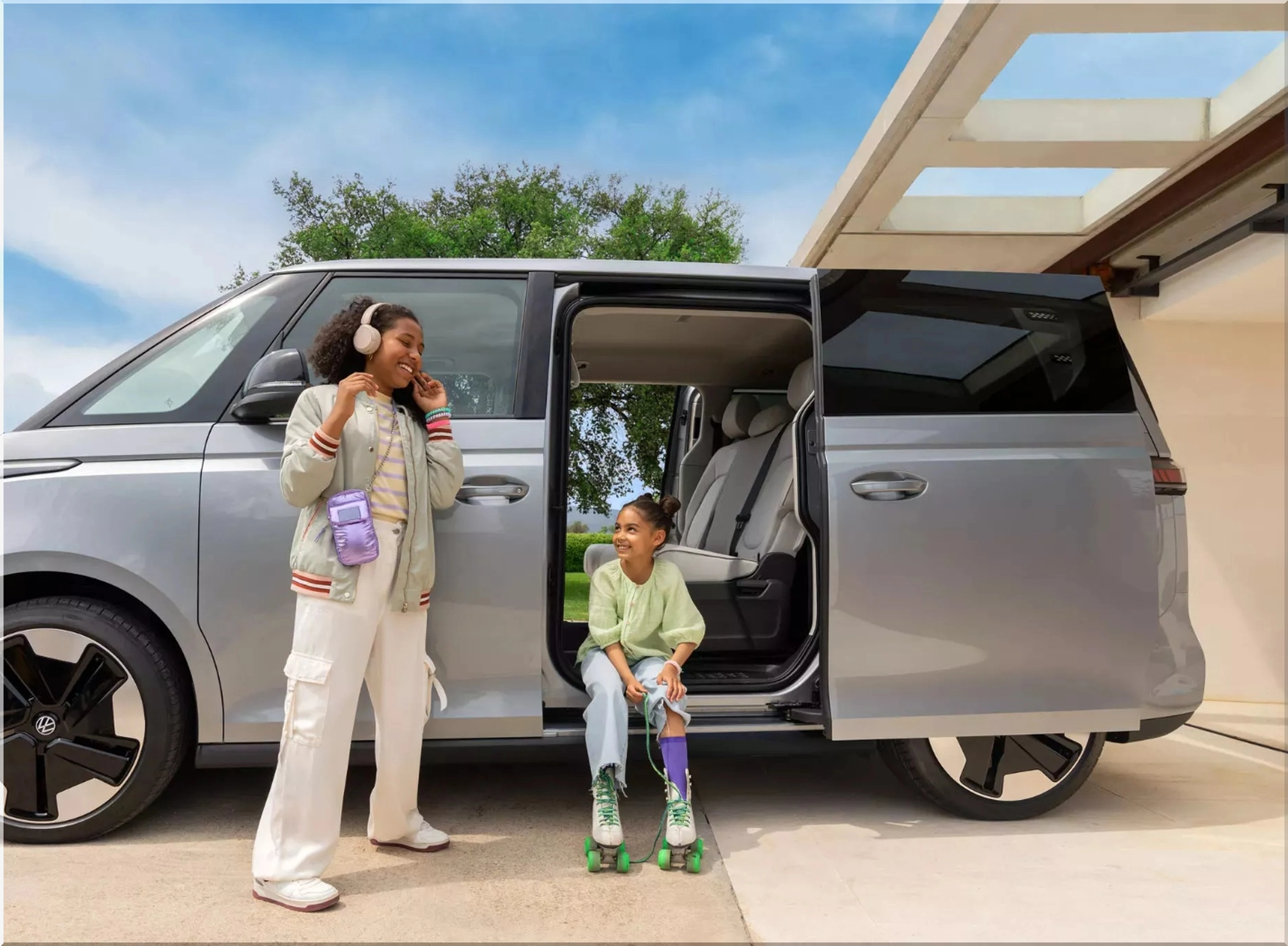

Is the 2027 Volkswagen ID. Buzz finally easier to recommend?
Yes. Much easier.
The old problem was simple: the ID. Buzz was charming but expensive, niche, and oddly structured. The 2027 update fixes all three. The cheaper entry point opens the door. The broader 4MOTION lineup fixes the towing and trim logic. The software changes add features buyers will actually use. The return to physical buttons fixes one of Volkswagen's most annoying own goals.
Pro-Tip
Skip the base battery if you do regular highway trips in cold weather or carry a full family load often. The Long Life with the 86 kWh pack looks like the better real-world buy, even if the lower sticker on the 58 kWh model grabs the headline.
What now?
If you want the smartest version of this update, shortlist two trims: the ID. Buzz Life 4MOTION if towing and traction matter, or the ID. Buzz Long Life if you need seven seats and better trip flexibility. Those are the trims that turn the Buzz from an expensive conversation piece into something much closer to a rational purchase.
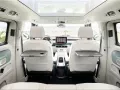
In the 1960s, Volkswagen's Type 2 van, also known as the Microbus or the Hippie Bus, became a symbol of counterculture and freedom. With its distinctive front end and spacious interior, the boxy vehicle was popular among surfers, campers… Continue reading
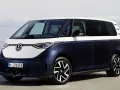
The 2023 Volkswagen ID. Buzz is more than just a retro-inspired electric van. It's a versatile, spacious, and fun-to-drive vehicle that offers attractive private leasing prices from $750 per month. Volkswagen has a long and rich… Continue reading
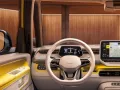
Tomorrow, Volkswagen will begin early sales of the new ID Buzz series. The electric minivan is available in Germany and other European countries as a minibus and cargo van. The Volkswagen ID Buzz Pro electric five-seater has a gross list… Continue reading
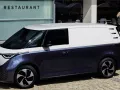
Volkswagen ID Buzz Cargo has been named "International Van Of The Year 2023" (IVOTY). Carsten Intra, Managing Director of Volkswagen Commercial Vehicles (VWCV), accepted the prize at the IAA in Hannover from Jarlath Sweeney, Chairman of… Continue reading