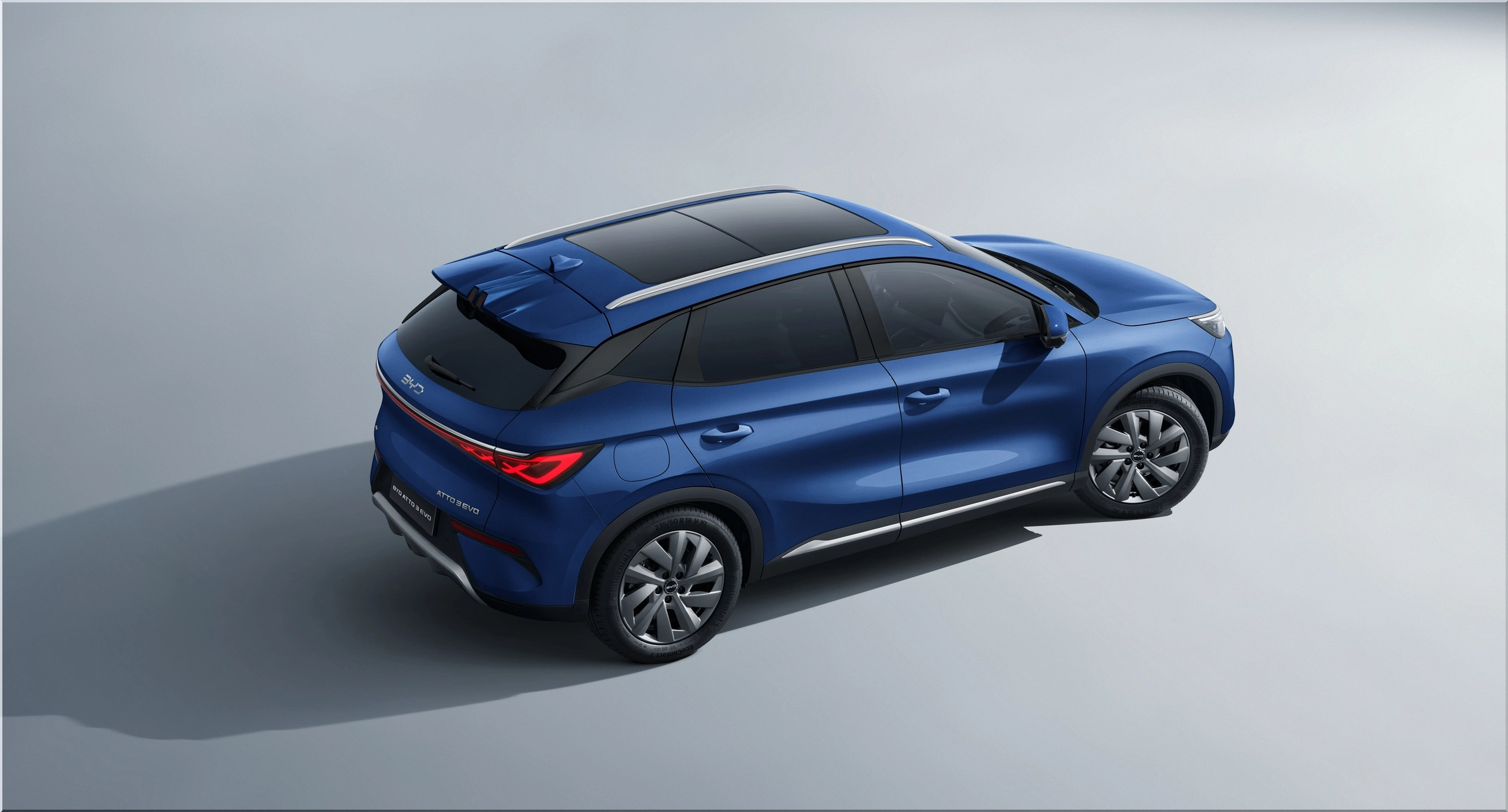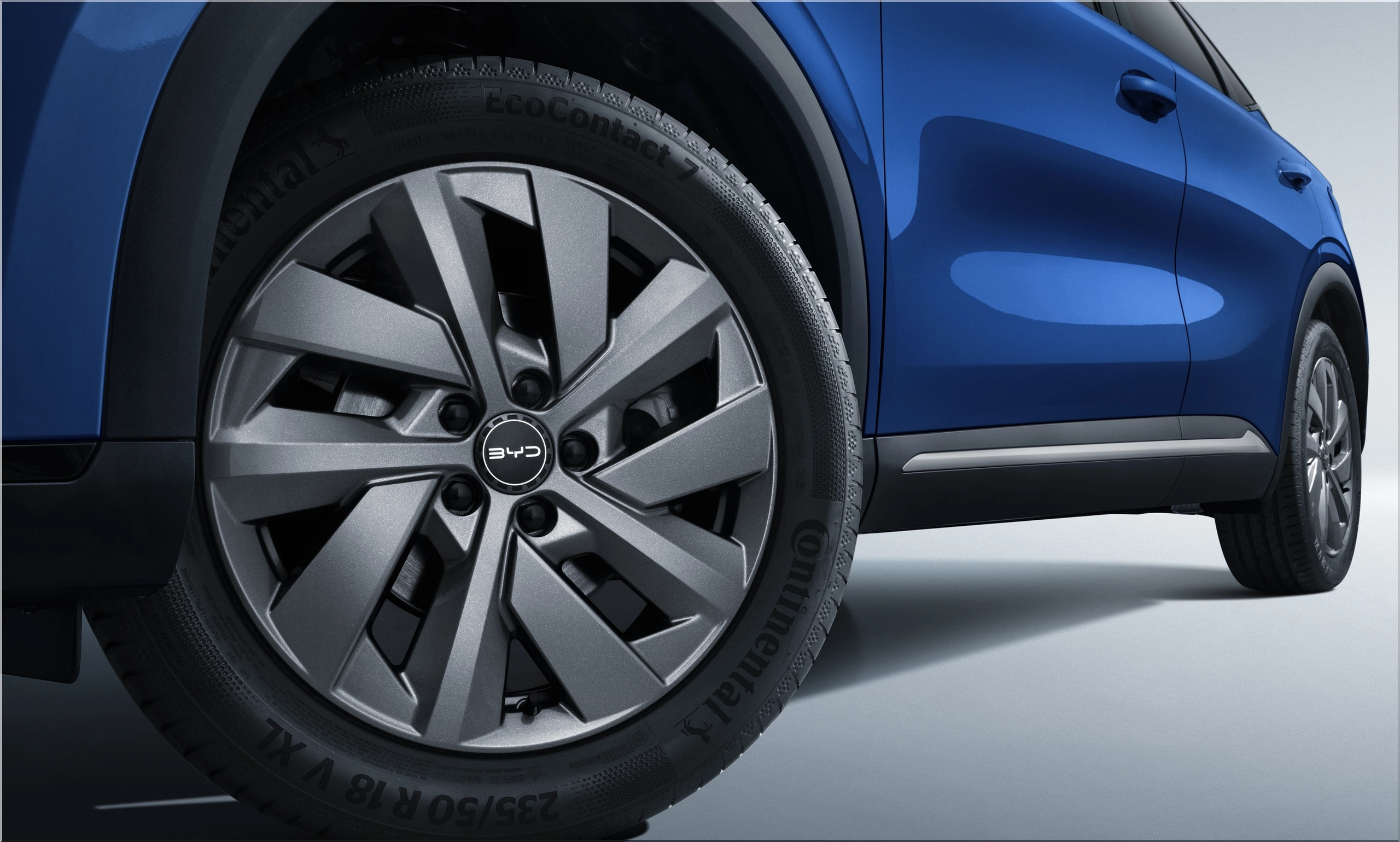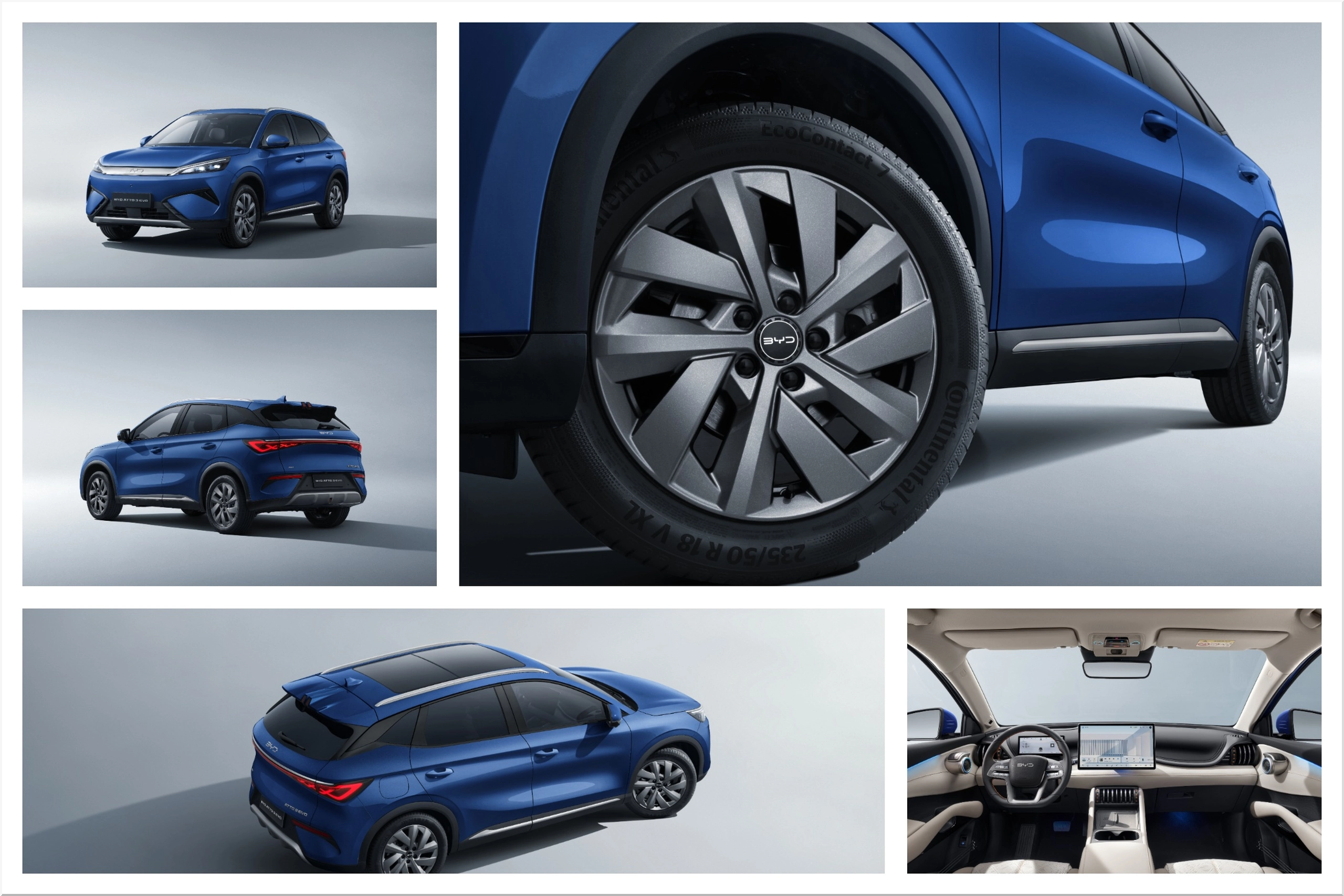
BYD officially transitions the Atto 3 from a competitive entry to a segment leader with the introduction of the BYD Atto 3 Evo. This mid-life cycle update replaces the previous front-wheel-drive configuration with a sophisticated rear-wheel-drive (RWD) and all-wheel-drive (AWD) lineup. By migrating to the latest iteration of the e-Platform 3.0, BYD integrates an 800V high-voltage system that fundamentally alters the vehicle's charging profile and thermal efficiency. Specifically, the Atto 3 Evo now supports 220kW DC fast charging, allowing drivers to replenish the battery from 10% to 80% in approximately 25 minutes.
Technical Architecture and Powertrain Dynamics
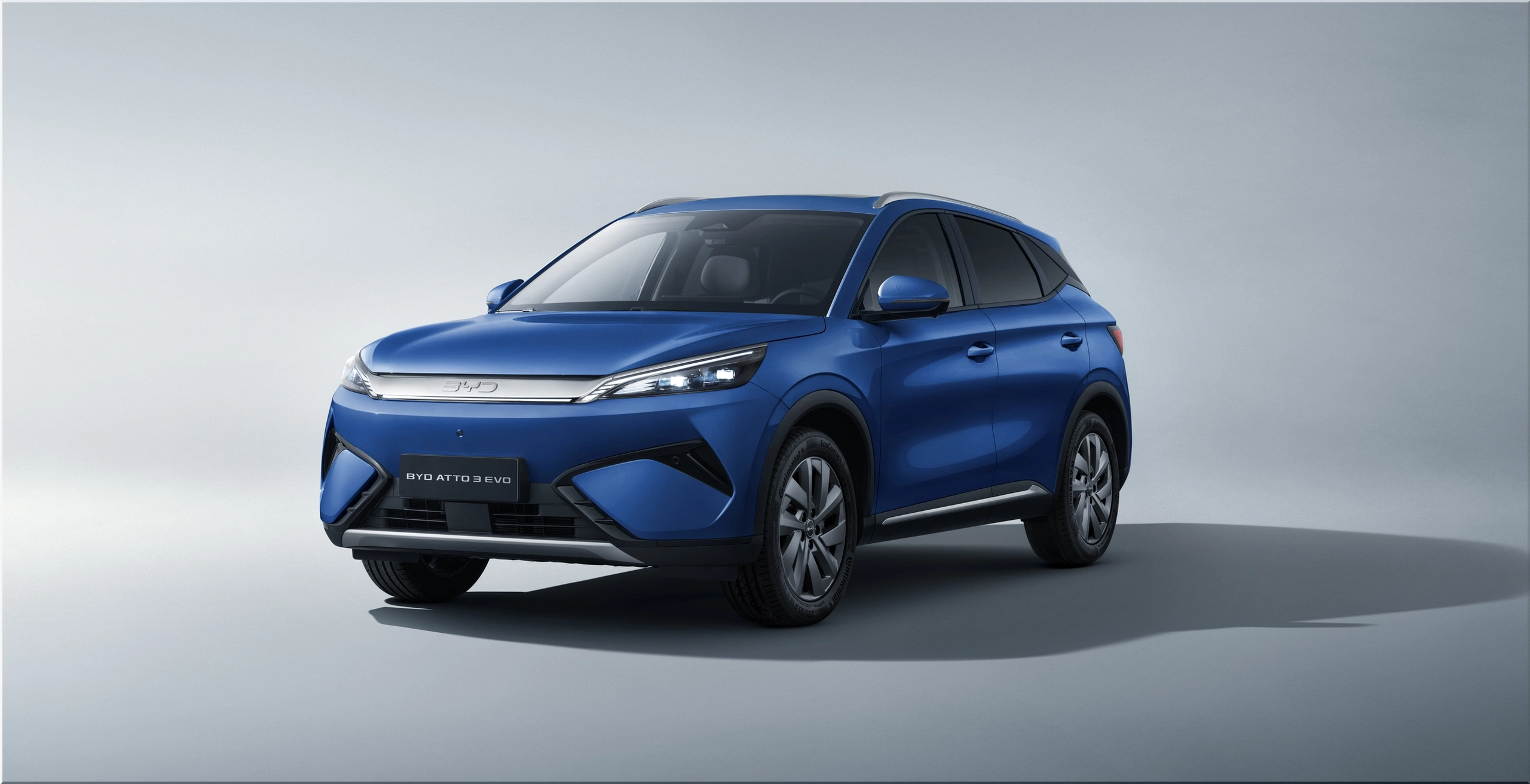
The engineering shift to a rear-biased or dual-motor setup improves weight distribution and traction during aggressive acceleration. Specifically, the base Design trim utilizes a single rear motor producing 313 PS (230 kW) and 280 lb-ft (380 Nm) of torque. This configuration enables a 0-62 mph sprint in 5.5 seconds, which represents a significant leap over the outgoing model's performance. Consequently, the vehicle handles technical corners with greater composure thanks to the new five-link rear suspension system that replaces the older four-link design.
Looking at the data for the range-topping Excellence trim, BYD adds a front-mounted induction motor to create a high-output AWD system. This dual-motor powerhouse generates a combined 449 PS (330 kW) and 413 lb-ft (560 Nm) of torque. This allows the SUV to reach 62 mph from a standstill in just 3.9 seconds. From an expert perspective, these figures place the Atto 3 Evo in direct competition with performance-oriented electric crossovers that typically command much higher premiums.
Performance and Battery Specifications
| Metric | Design (RWD) | Excellence (AWD) |
|---|---|---|
| Battery Capacity | 74.8 kWh (LFP Blade) | 74.8 kWh (LFP Blade) |
| Peak Power | 313 PS / 230 kW | 449 PS / 330 kW |
| Peak Torque | 280 lb-ft (380 Nm) | 413 lb-ft (560 Nm) |
| 0-62 mph (0-100 km/h) | 5.5 Seconds | 3.9 Seconds |
| WLTP Combined Range | 317 Miles | 292 Miles |
| Max DC Charging | 220 kW | 220 kW |
| Towing Capacity (Braked) | 3,307 lbs (1,500 kg) | 3,307 lbs (1,500 kg) |
Battery Innovation: Cell-to-Body (CTB) Integration
The BYD Atto 3 Evo standardizes the 74.8 kWh Blade Battery, which utilizes lithium iron phosphate (LFP) chemistry for enhanced safety and longevity. Specifically, BYD employs Cell-to-Body (CTB) technology, where the battery pack serves as a structural component of the chassis. This integration increases torsional rigidity and improves cabin packaging by lowering the floor height. By comparison, traditional "pack-in-chassis" designs often sacrifice vertical interior space to accommodate battery housing.
In addition, every Atto 3 Evo comes equipped with a high-efficiency heat pump as standard equipment. This system scavenges waste heat from the 8-in-1 electric drive unit and the passenger cabin to maintain battery temperature in cold climates. Consequently, the vehicle retains more of its rated range during winter months than competitors relying on resistive heating. The Vehicle-to-Load (V2L) capability also remains a core feature, providing up to 3kW of power for external appliances or emergency home backup.
Interior Ergonomics and Advanced Infotainment
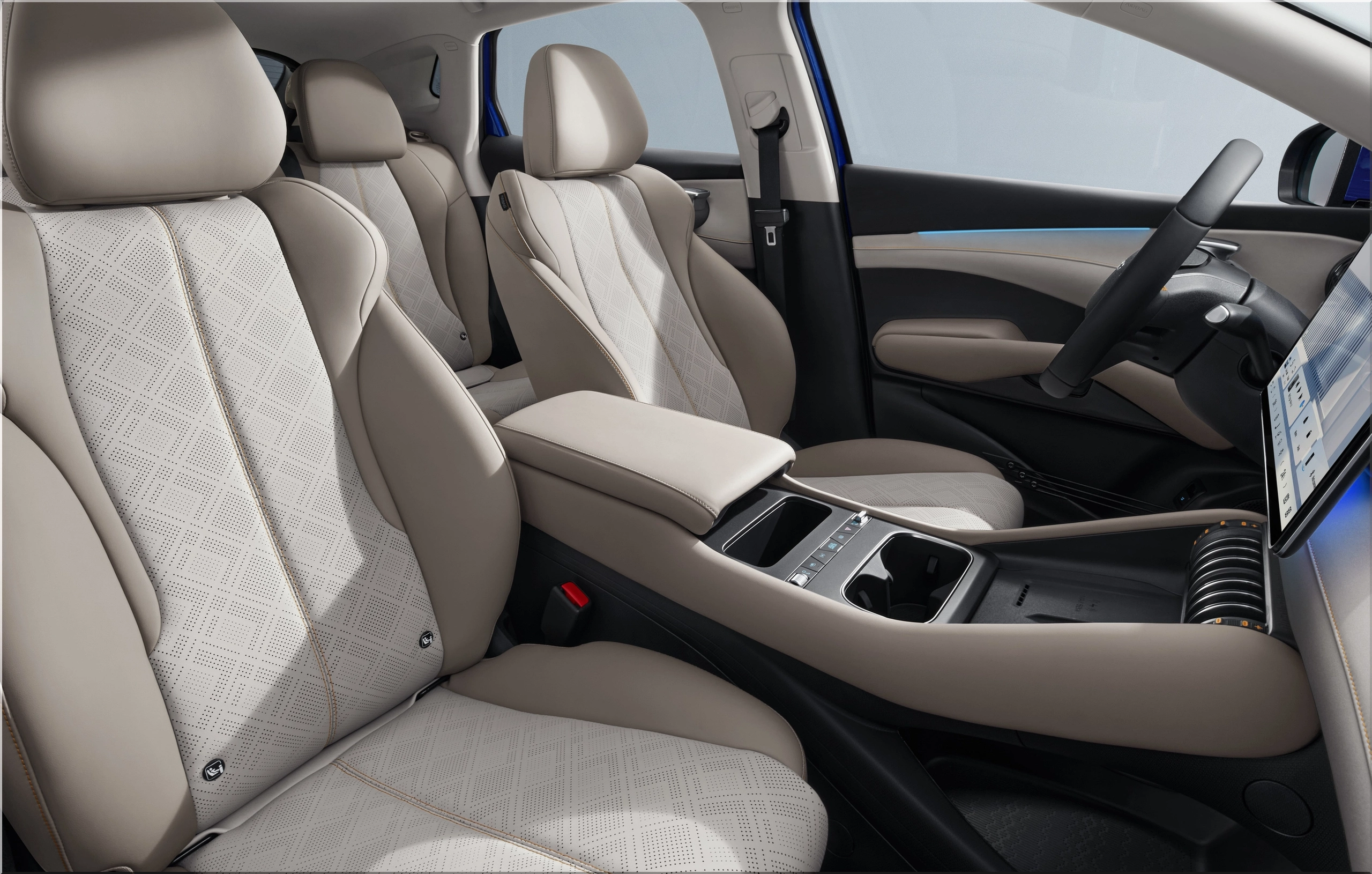
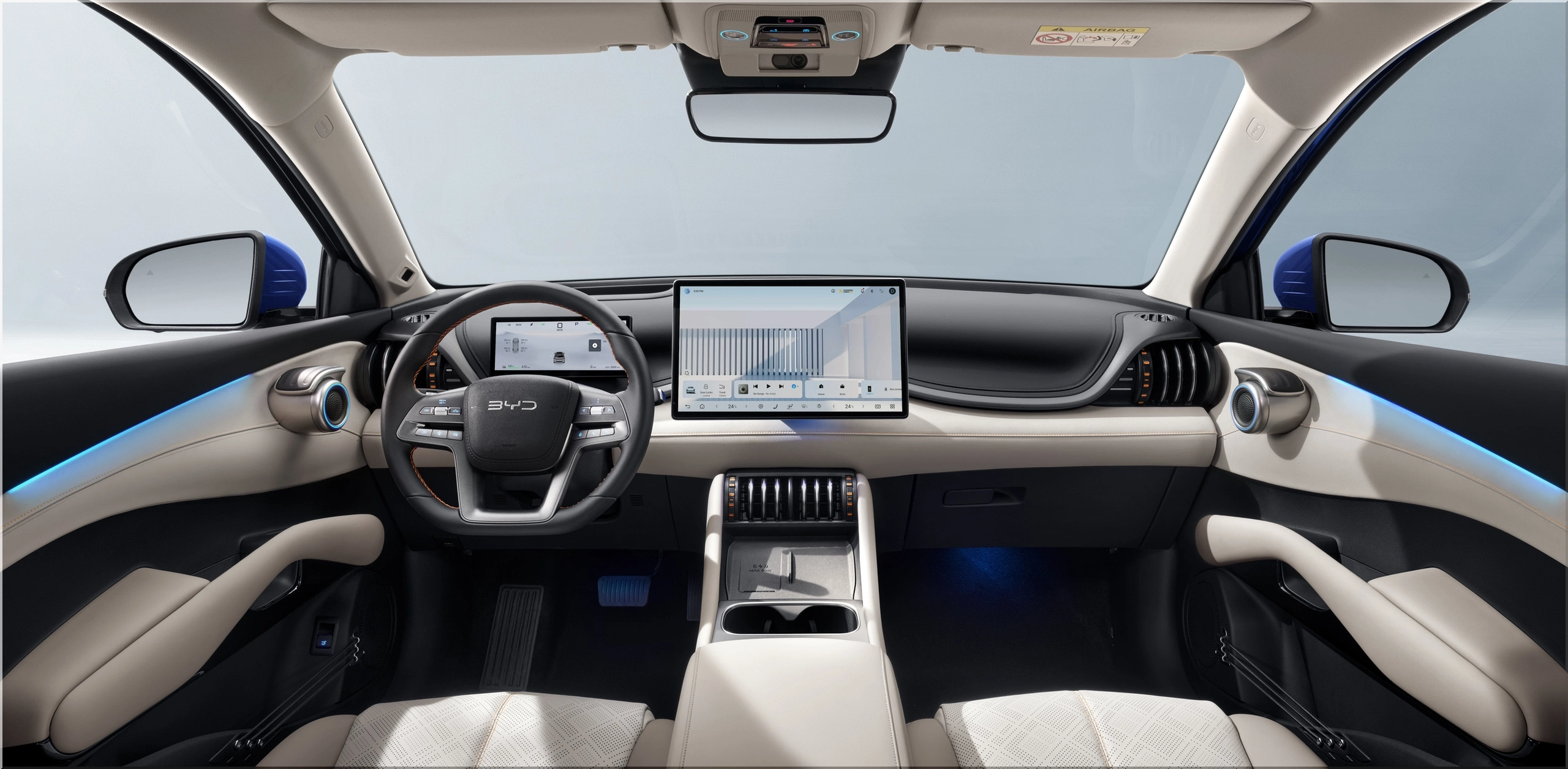
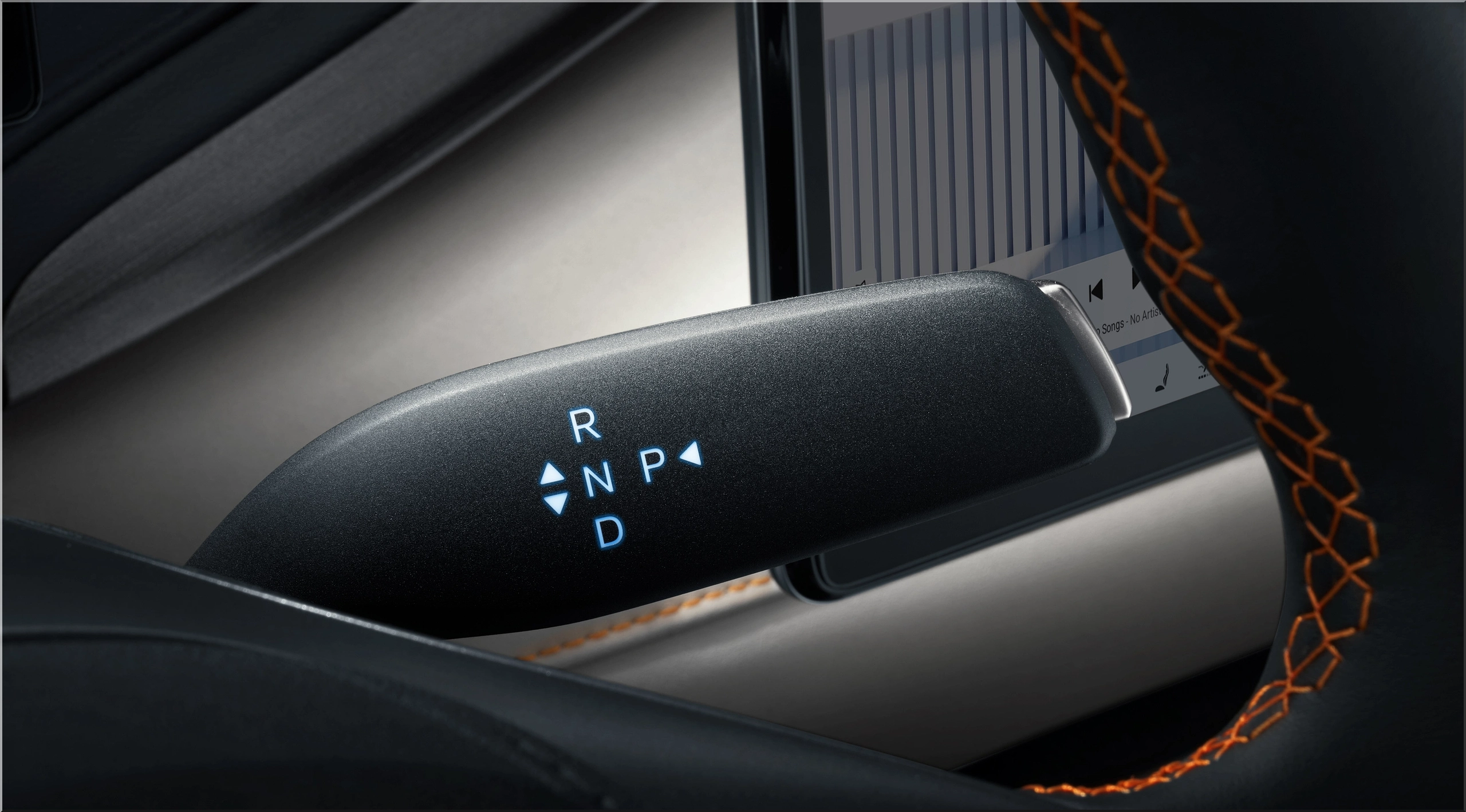
Inside the cabin, the most immediate change involves the relocation of the gear selector to the steering column. This modification clears the center console for additional storage and a cleaner aesthetic. Specifically, the Atto 3 Evo features a massive 15.6-inch rotating touchscreen powered by an updated software suite with integrated Google Automotive Services. This includes native support for Google Maps, the Play Store, and a cloud-based AI Voice Assistant capable of processing natural language commands.
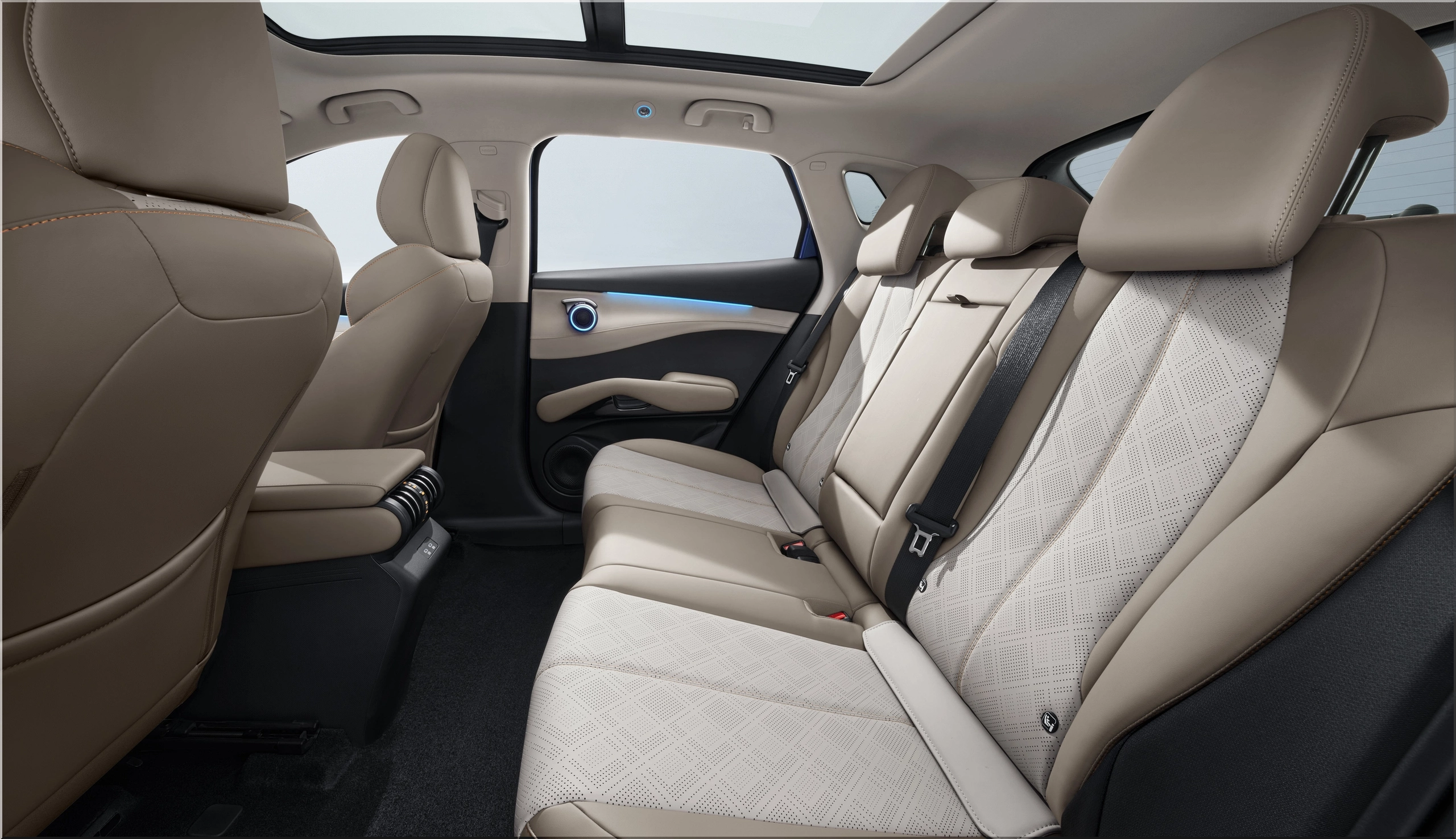
Looking at the data regarding cabin comfort, the Evo trim levels introduce premium features previously reserved for the larger Seal or Han models. Specifically, the Excellence trim adds a head-up display (HUD) and heated rear seats, while both trims benefit from an 8.8-inch digital instrument cluster. By comparison, the outgoing model utilized a smaller 5-inch display that many users found difficult to read at a glance.
Key Interior and Cargo Enhancements
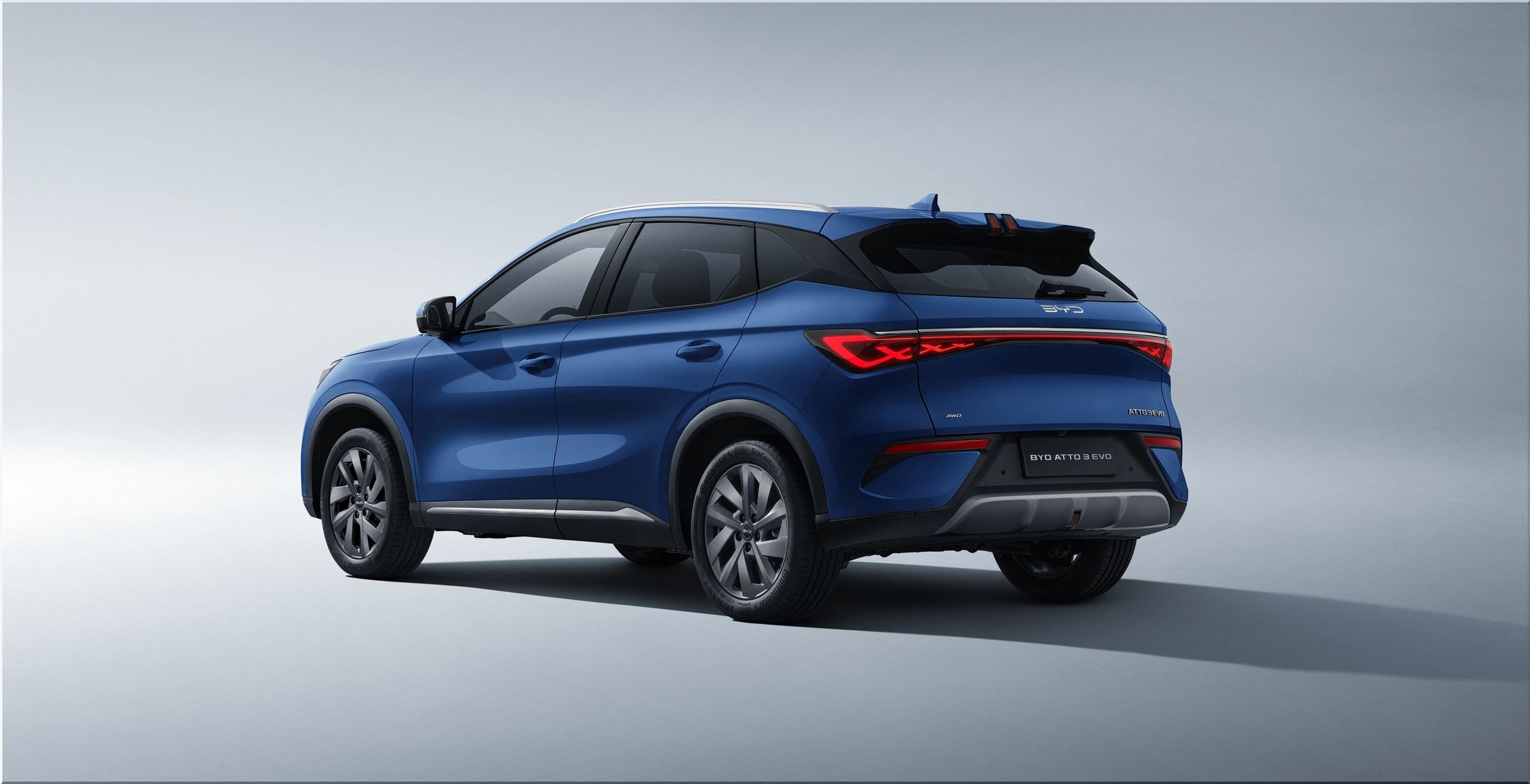
- Expanded Boot Volume: Cargo capacity increases by 50 liters to a total of 490 liters with seats upright.
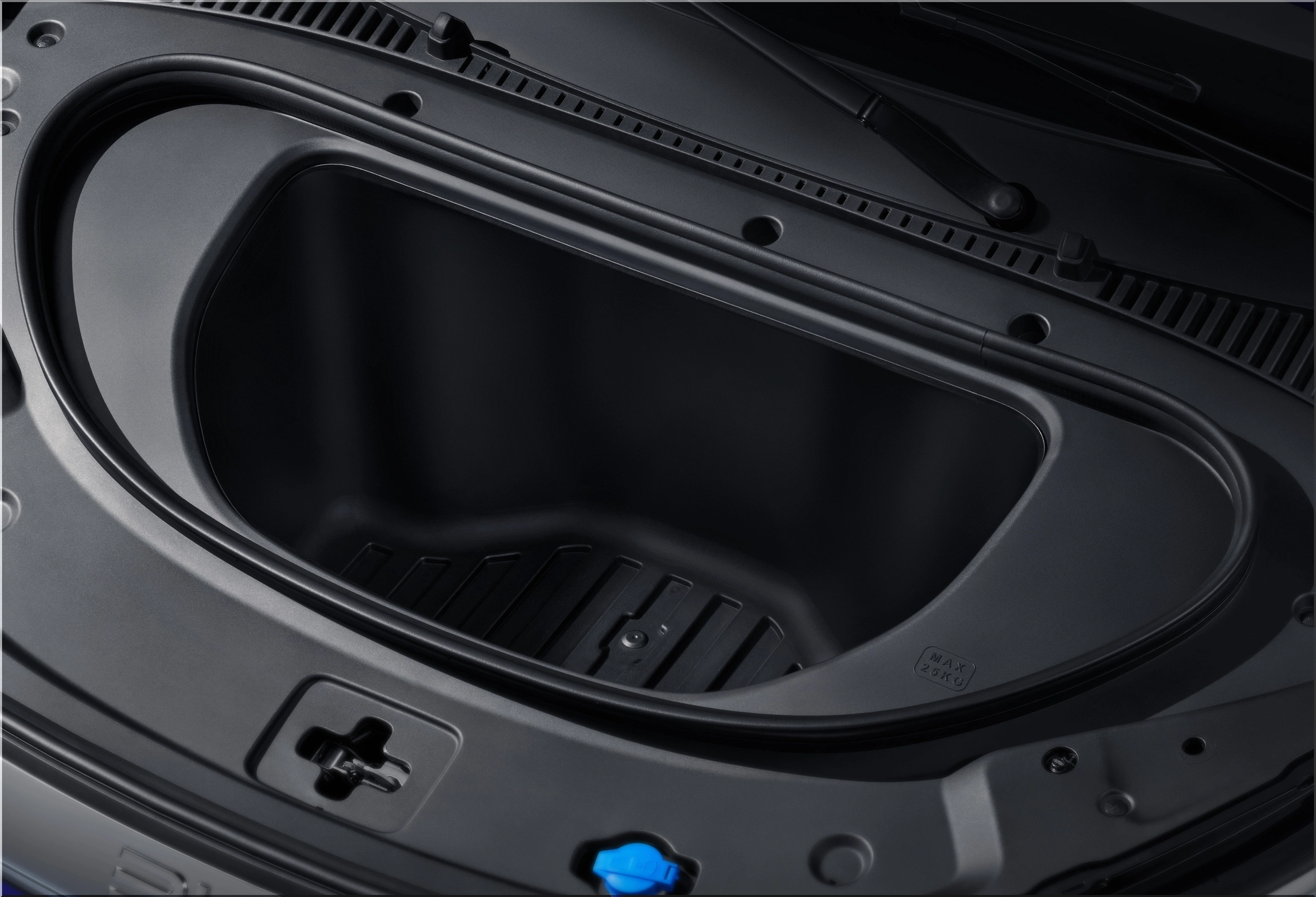
- Front Storage (Frunk): A new 101-liter front compartment provides dedicated space for charging cables and small items.
- Total Utility: Folding the rear seats expands the rear cargo area to 1,360 liters.
- Charging Infrastructure: The console features a cooled wireless smartphone charger and multiple 60W USB-C ports.
- Natural Lighting: A panoramic sunroof with an electric sunshade is standard on the Excellence grade.
Market Positioning and Competitive Landscape
The BYD Atto 3 Evo targets the heart of the C-SUV segment, competing against established European and Korean electric offerings. Specifically, BYD leverages its vertical integration to offer higher battery density and faster charging speeds at a lower price point. While official USD pricing is pending, the estimated entry point is expected to hover around $42,000 for the Design trim.
From an expert perspective, the 3.9-second acceleration of the Excellence trim is the primary differentiator in this class. Most competitors require moving to a dedicated "performance" sub-brand to achieve similar figures. Consequently, the Atto 3 Evo functions as a high-performance sleeper that maintains the utility of a family vehicle.
Competitive Comparison: Electric C-SUVs
| Feature | BYD Atto 3 Evo (AWD) | Volkswagen ID.4 (GTX) | Kia EV6 (GT-Line AWD) |
|---|---|---|---|
| Battery (Net) | 74.8 kWh | 77.0 kWh | 77.4 kWh |
| AWD Horsepower | 449 PS | 340 PS | 325 PS |
| 0-62 mph | 3.9 Seconds | 5.4 Seconds | 5.2 Seconds |
| Max Charging Rate | 220 kW | 175 kW | 233 kW |
| Frunk Capacity | 101 Liters | 0 Liters | 20 Liters |
| Warranty (Vehicle) | 6 Years | 3 Years | 7 Years |