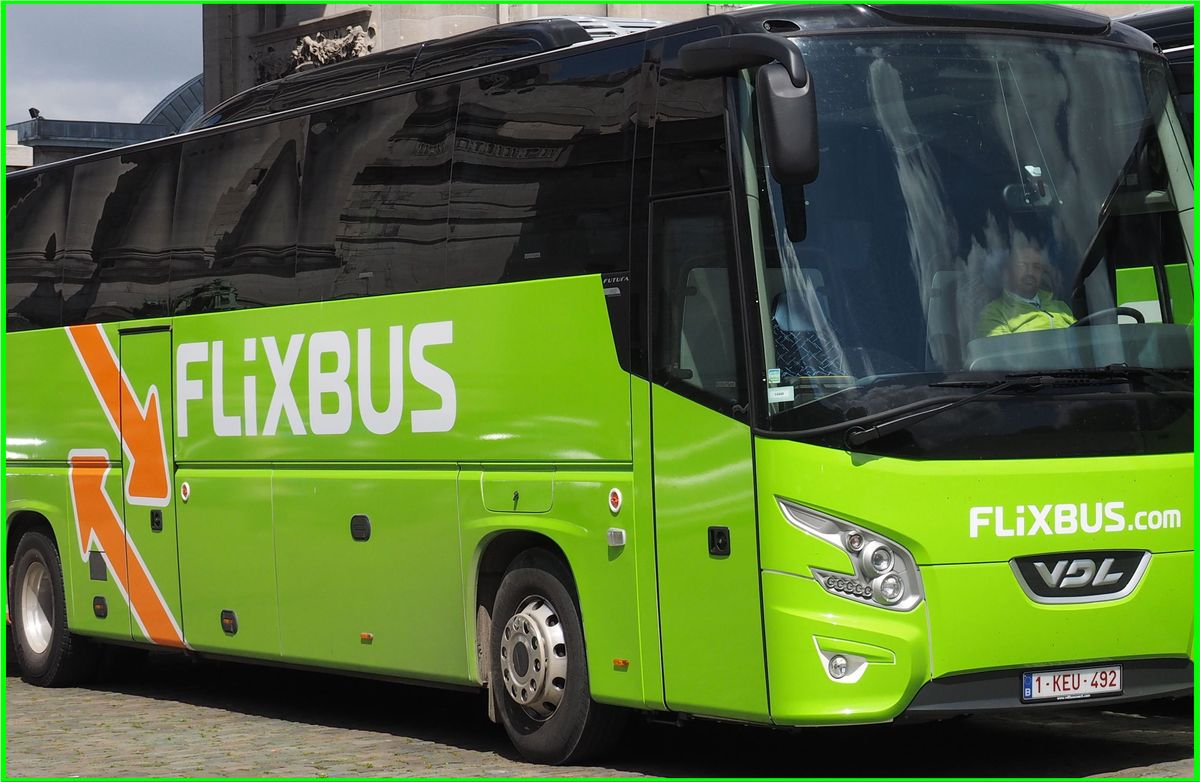
Starting April, FlixBus will launch the first regular long-distance bus line operated by fully electric buses between Paris and Amiens, France (separated by some 155 kilometers away). This new line will save almost 140 tons of CO2 per year. In summer, it will launch a second line in Germany between Hesse and Baden-Württemberg (separated by about 315 kilometers) to expand the German domestic network for seasonal travelers.
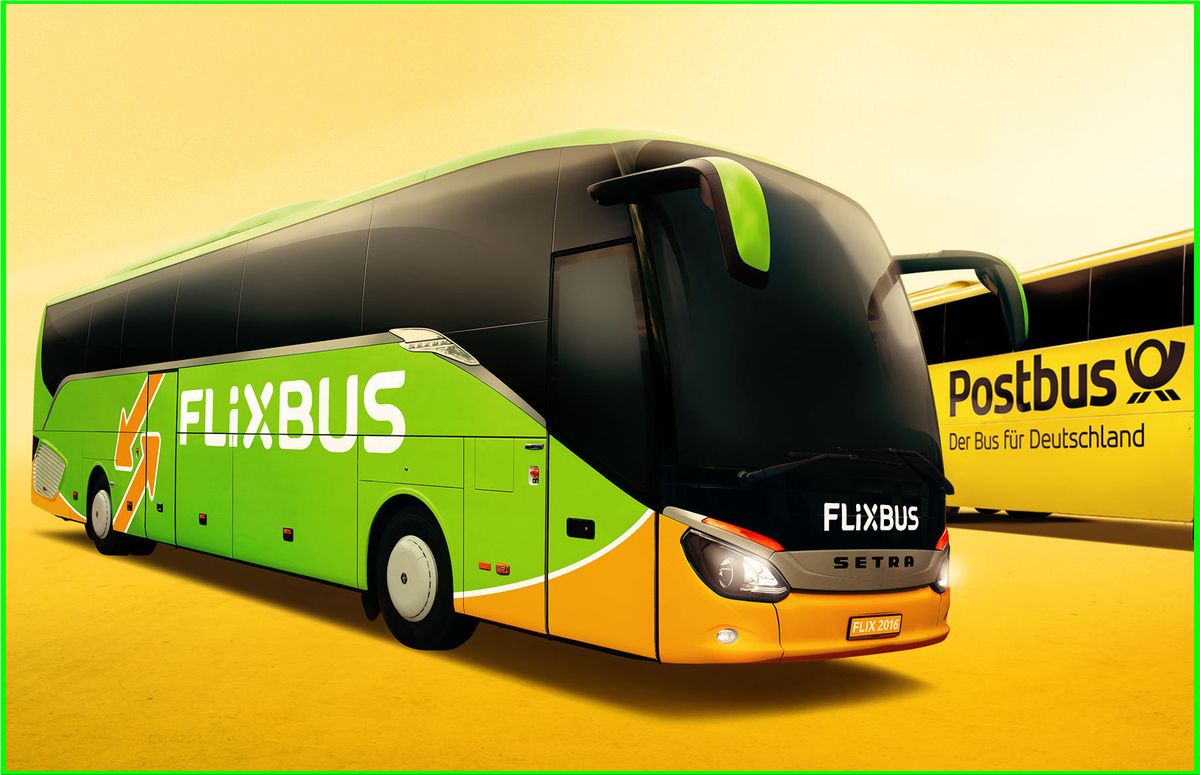
To fulfill the mission of the company to provide intelligent and ecological mobility so that everyone can travel, FlixBus continues to invest in the expansion of the network and in the coming months will announce developments in Spain and Portugal .
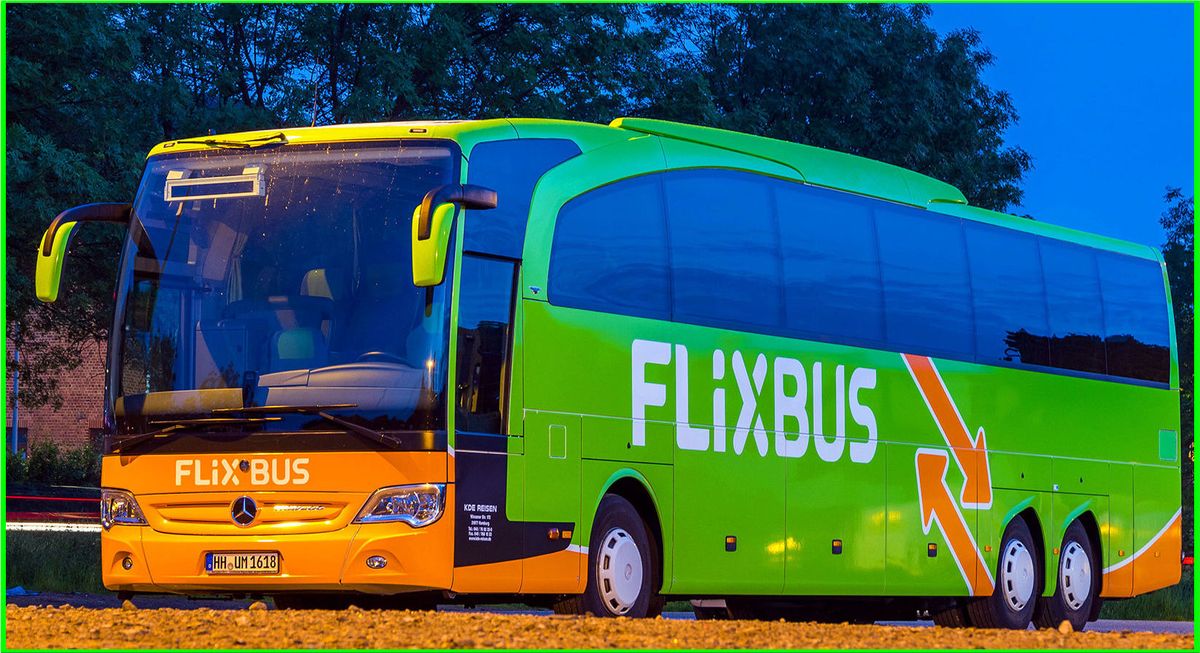
"We want to help shape the future of mobility. Although e-buses are currently much more expensive to buy, we are convinced that this will be a worthwhile investment in the long run, for our company, our customers and the environment,”
said André Schwämmlein, Founder and CEO of FlixBus.
“As a provider, we are demonstrating that this is a potential turning point in mobility. Likewise, the first all electric long-distance bus is a signal to bus manufacturers to drive innovation and develop alternatives to pure diesel vehicles. Sustainable mobility is not only about driving business but is also about the social and environmental aspects of traveling."

In Japan they have decided to put the national electric car, the Nissan Leaf, to patrol the streets and roads of Fukuoka in a clean and silent way. Nissan has published on its official YouTube channel for Japan a video that… Continue reading

The Lightning Strike electric motorcycle was introduced just hours ago. The bike received an impressive set of characteristics and a relatively low price, which starts from 12,998 dollars. For the company Lightning Motorcycle… Continue reading
Electric cars have many advantages over conventional vehicles with internal combustion engines. In addition to a smaller number of required components in the engine - and thus lower maintenance and wear costs - electric cars can score in more… Continue reading
The Indian government has decided to cut VAT on electric vehicles from 12% to 5% and charging stations from 18% to 12%. In addition, the purchase of electric buses by the municipalities is exempt from VAT. The changes will come into… Continue reading