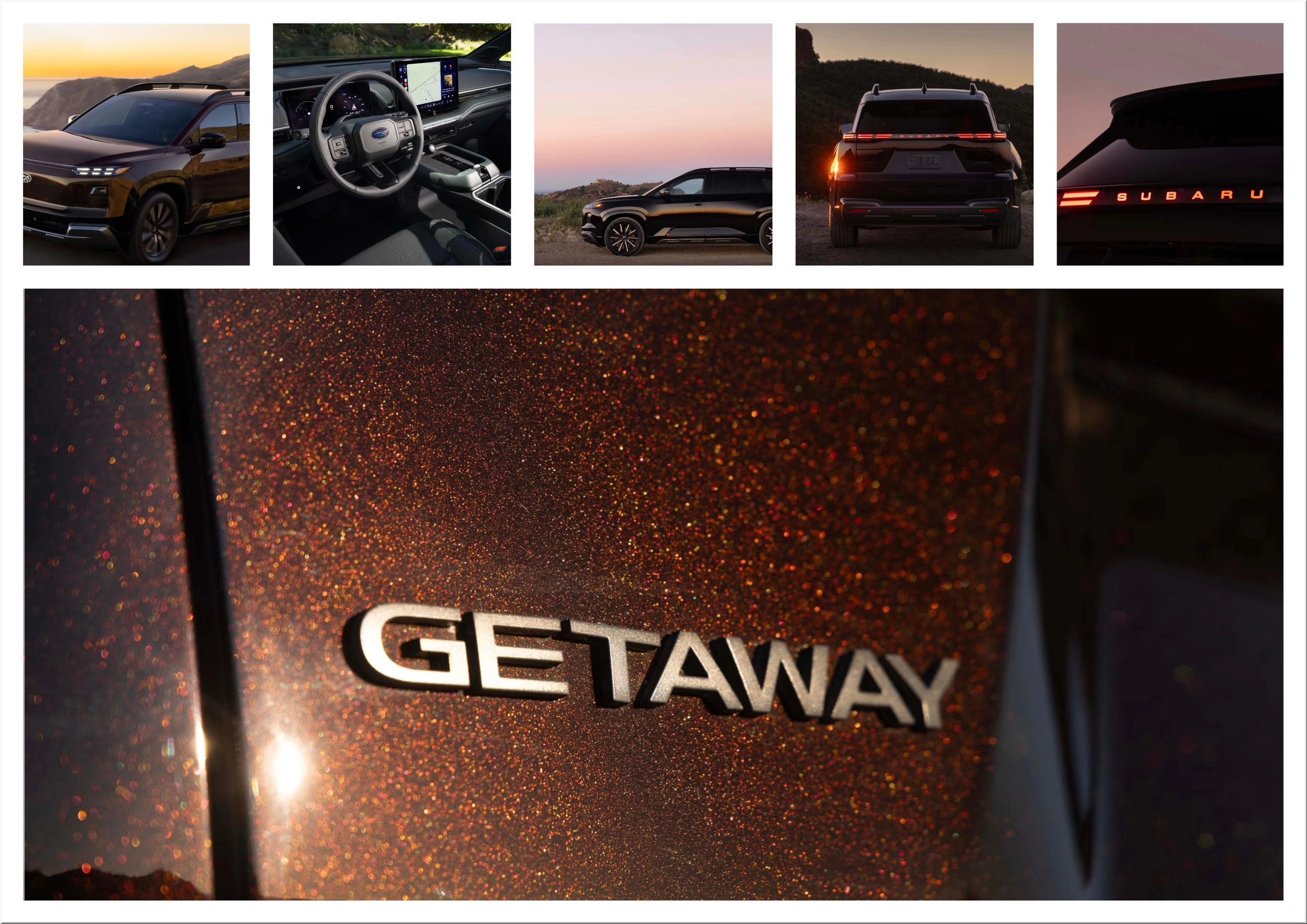
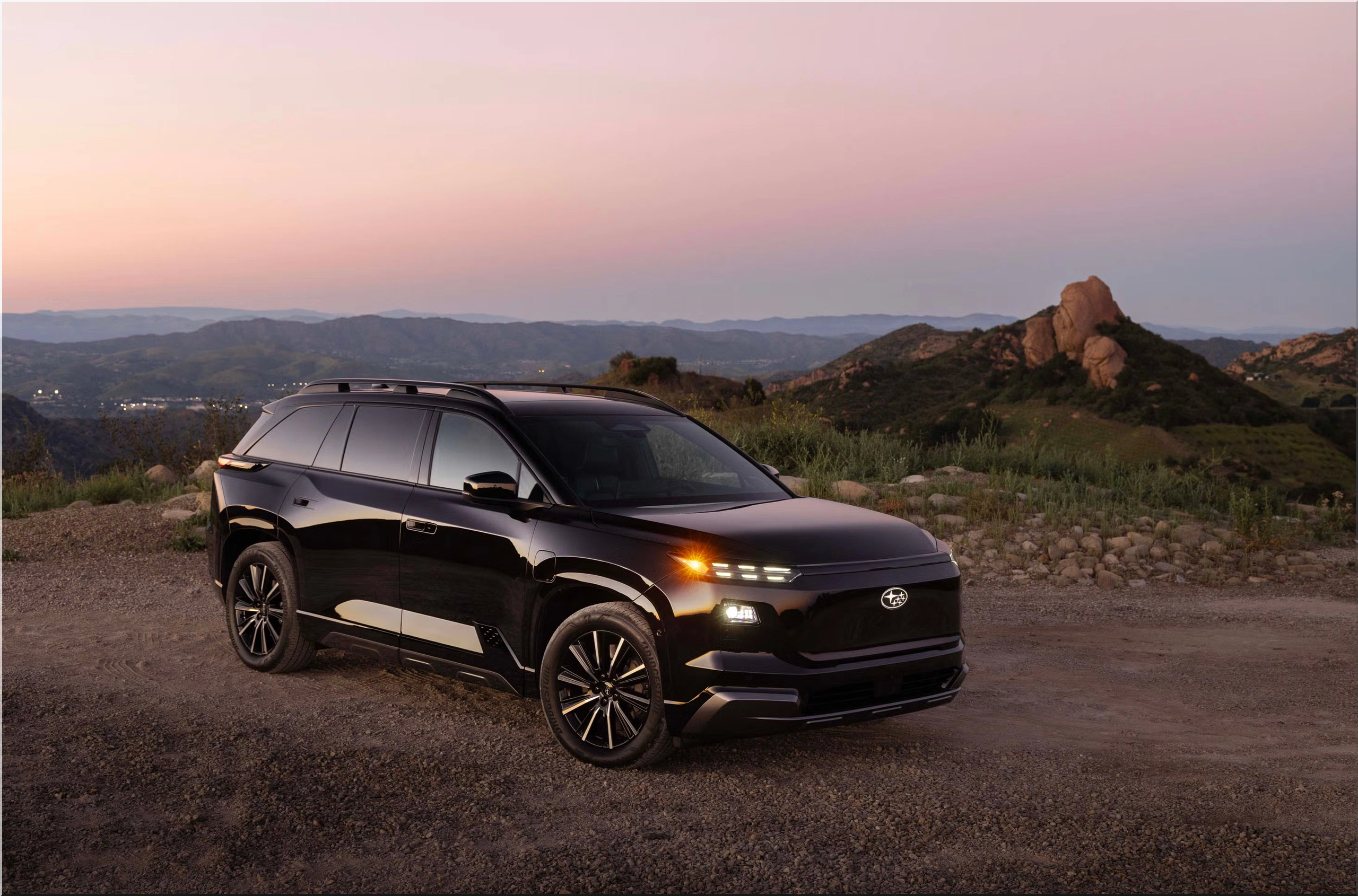
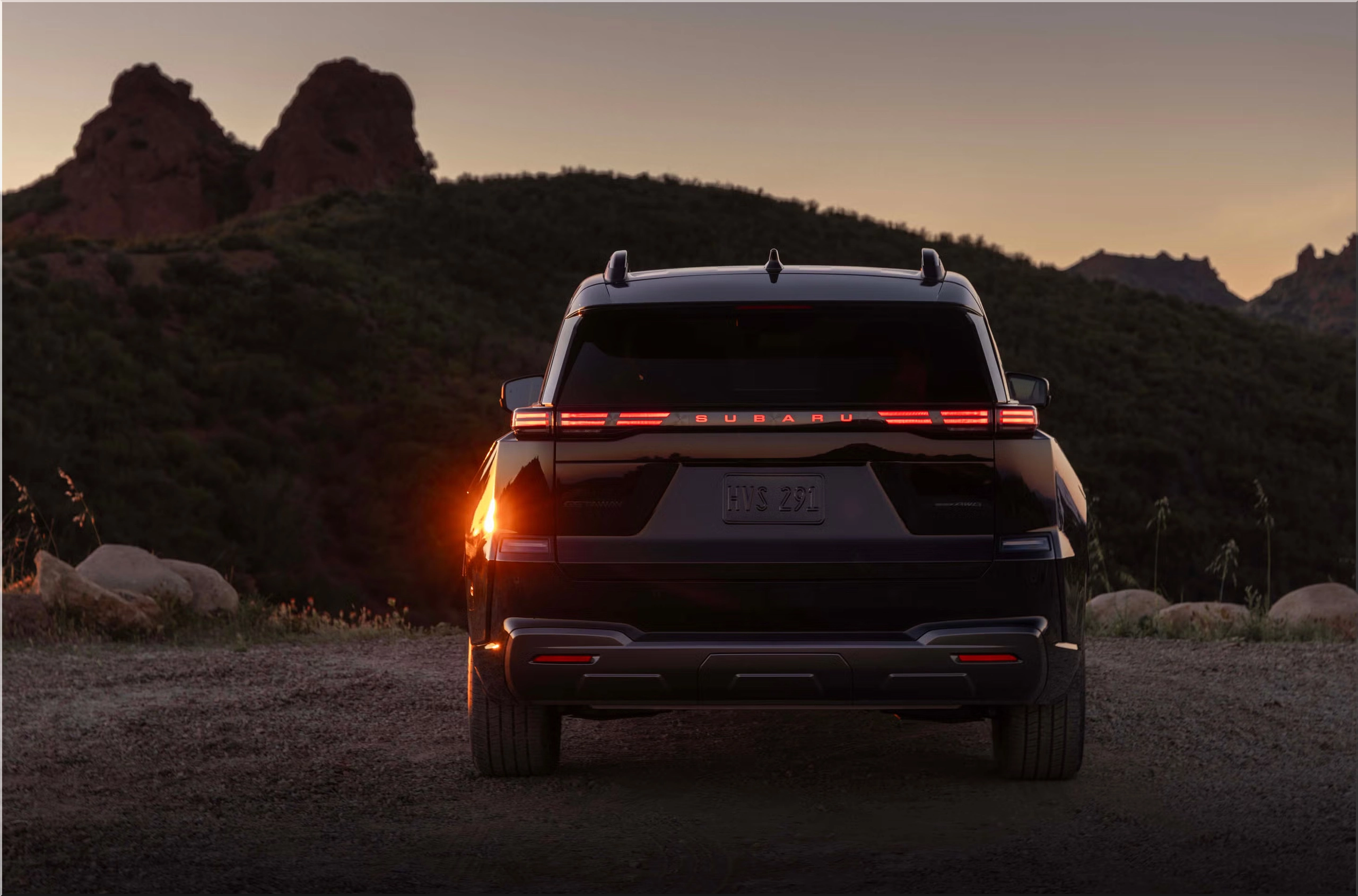
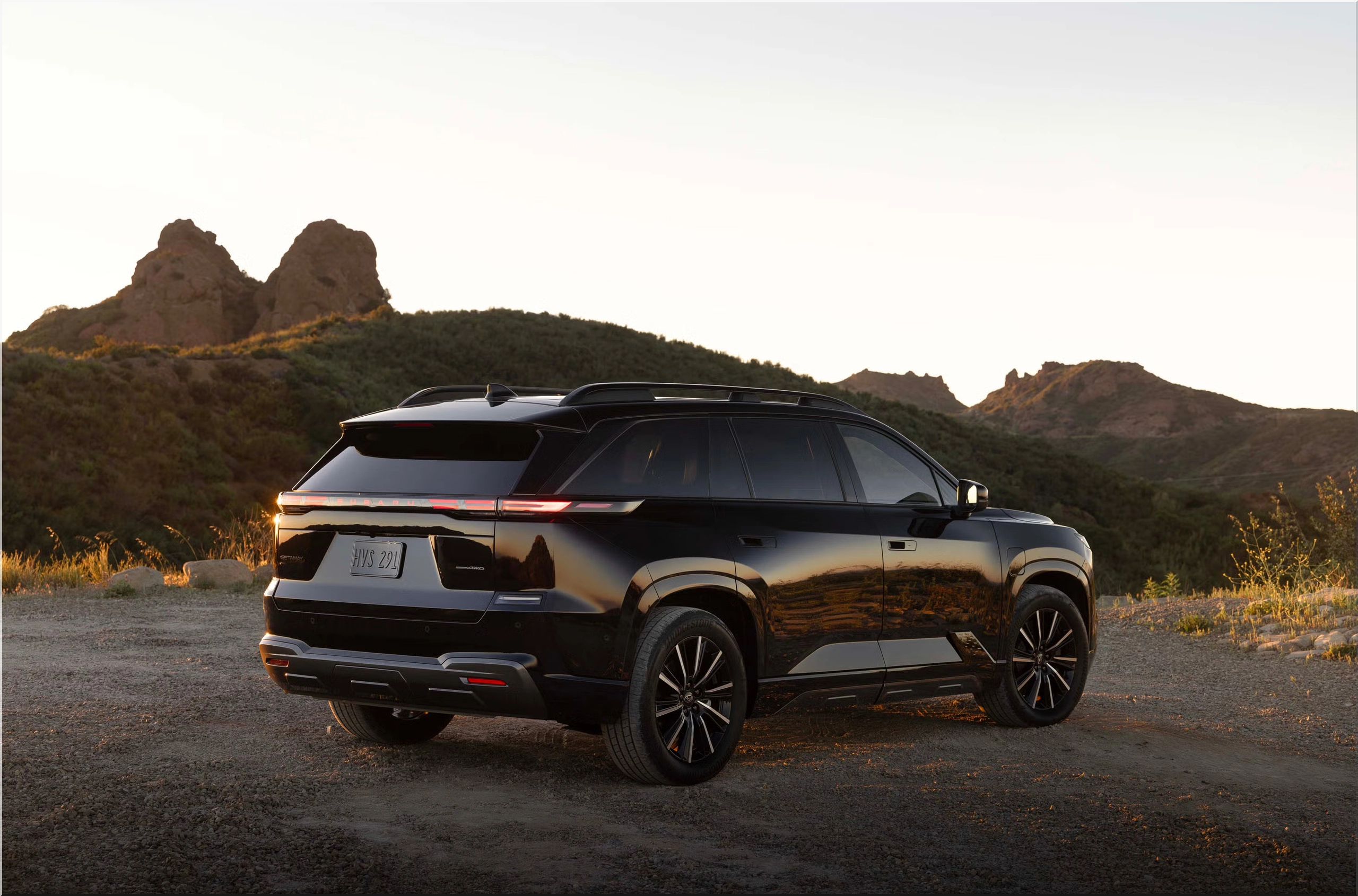
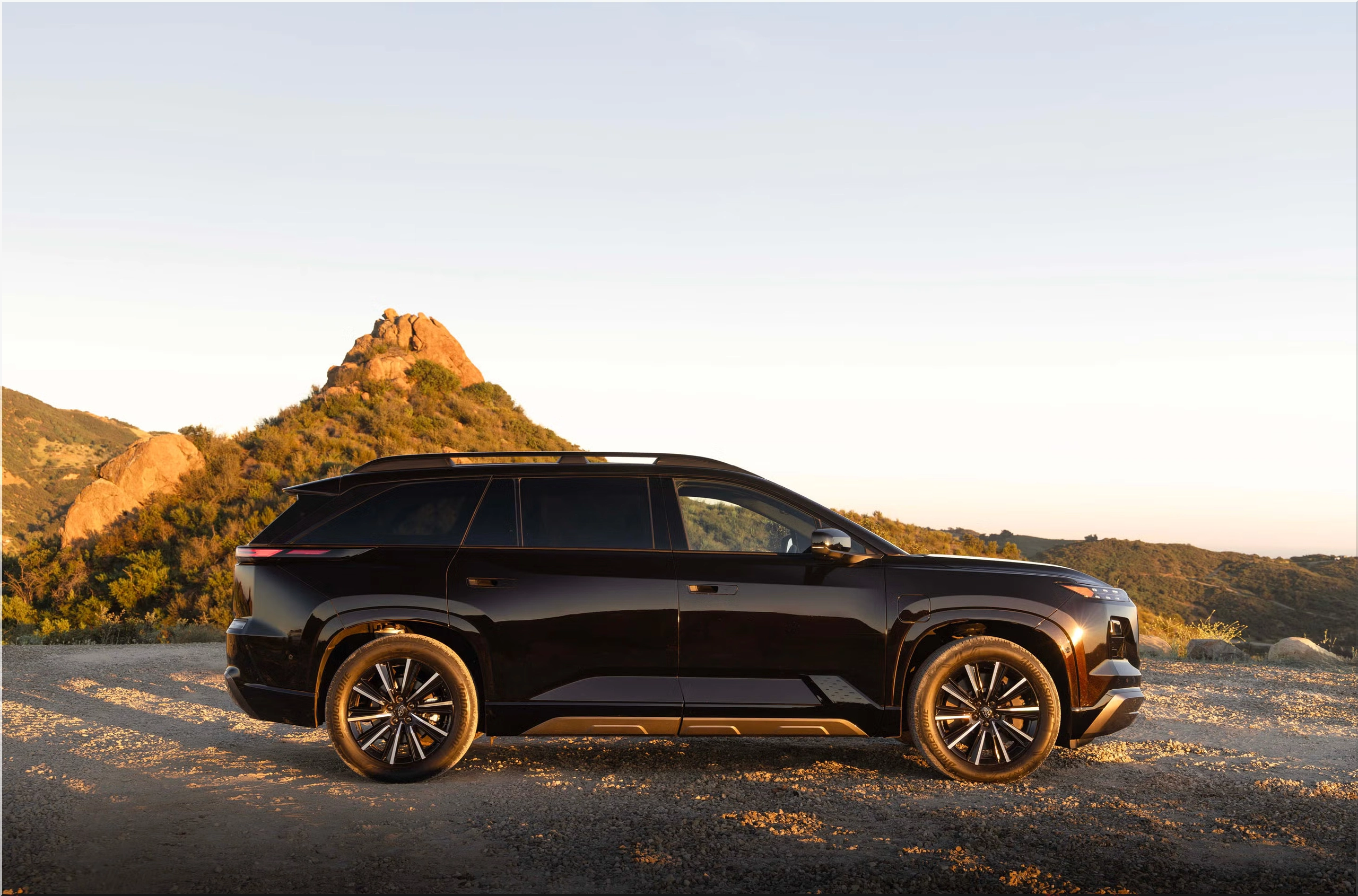
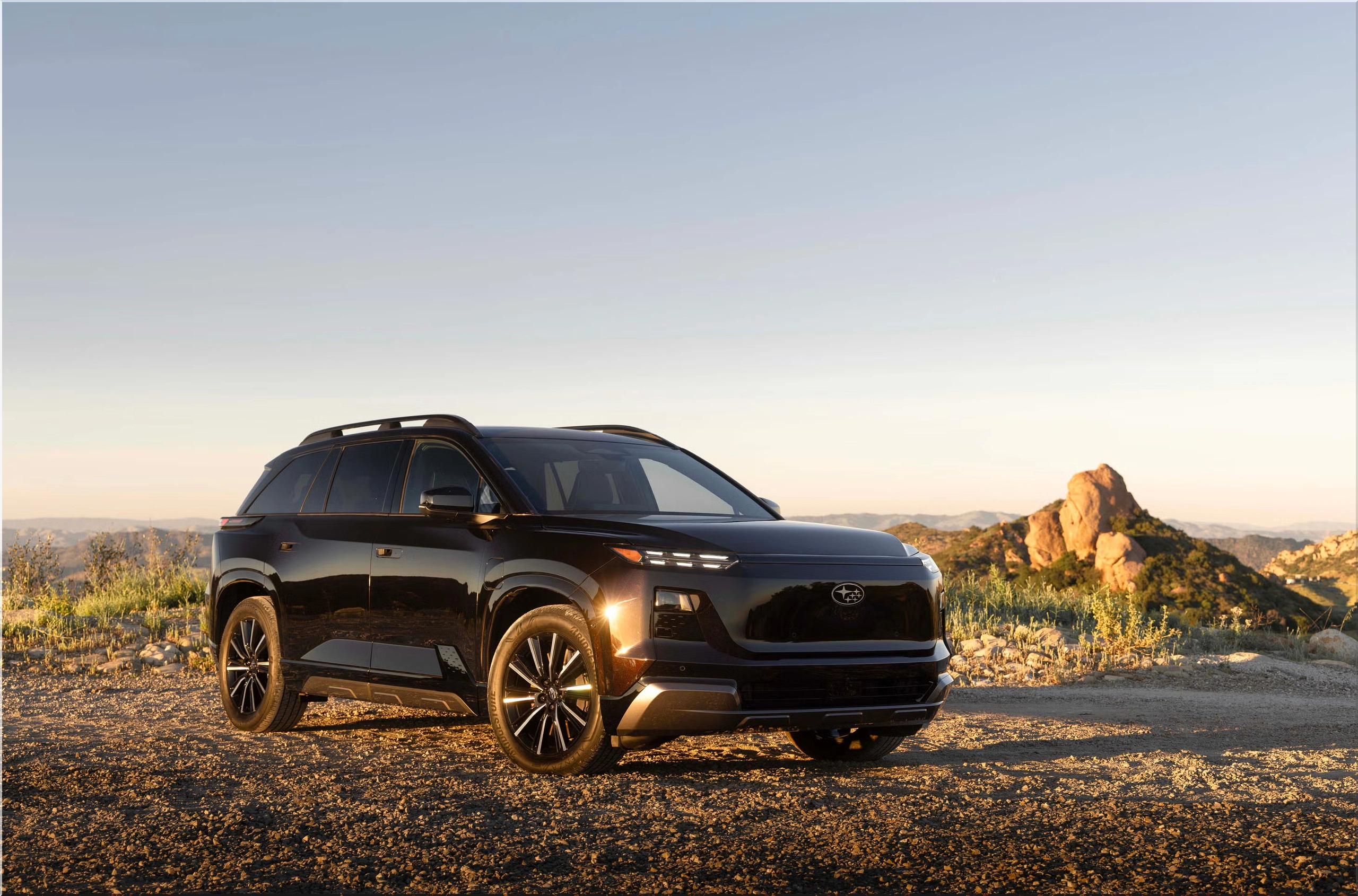
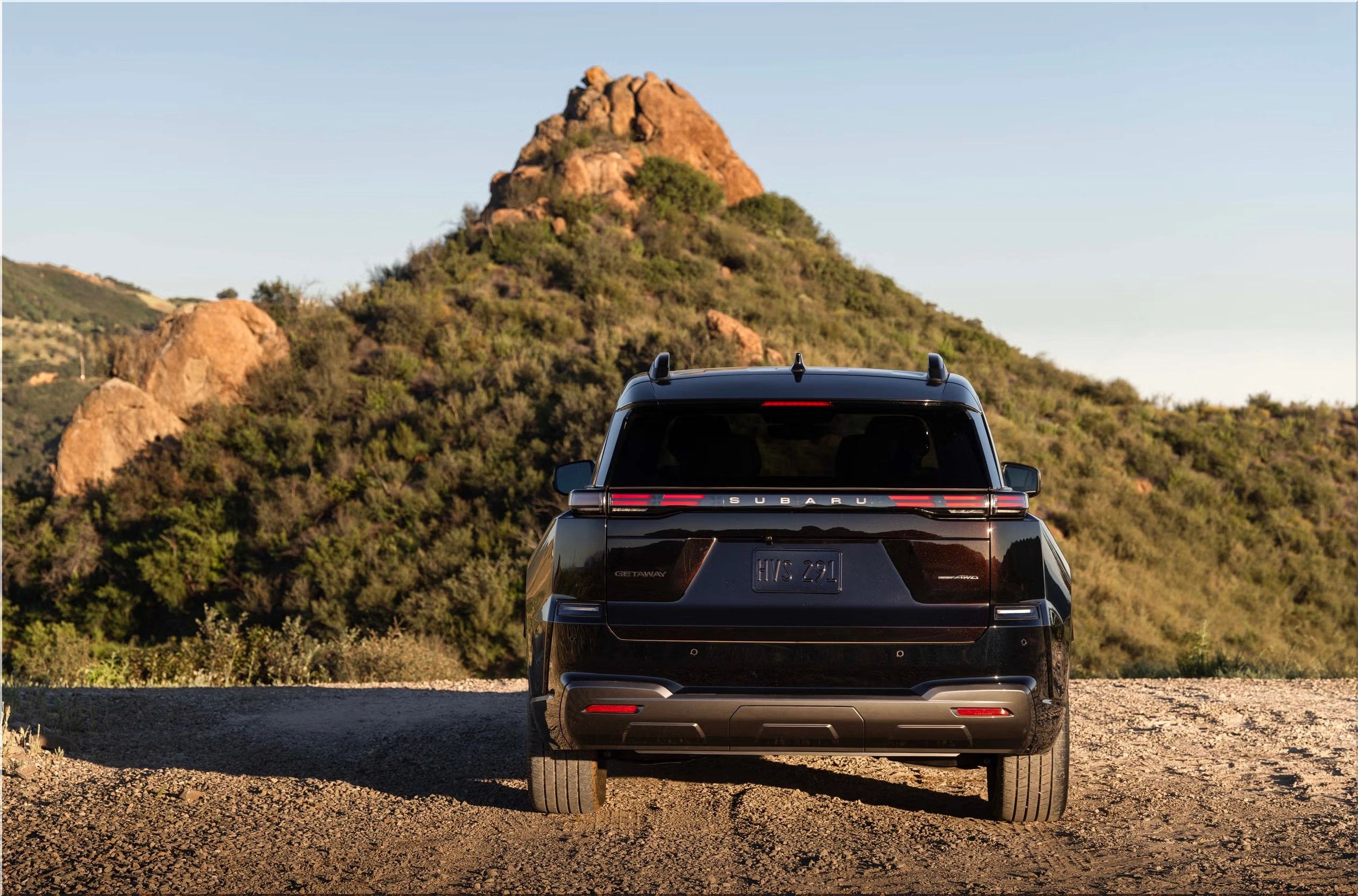
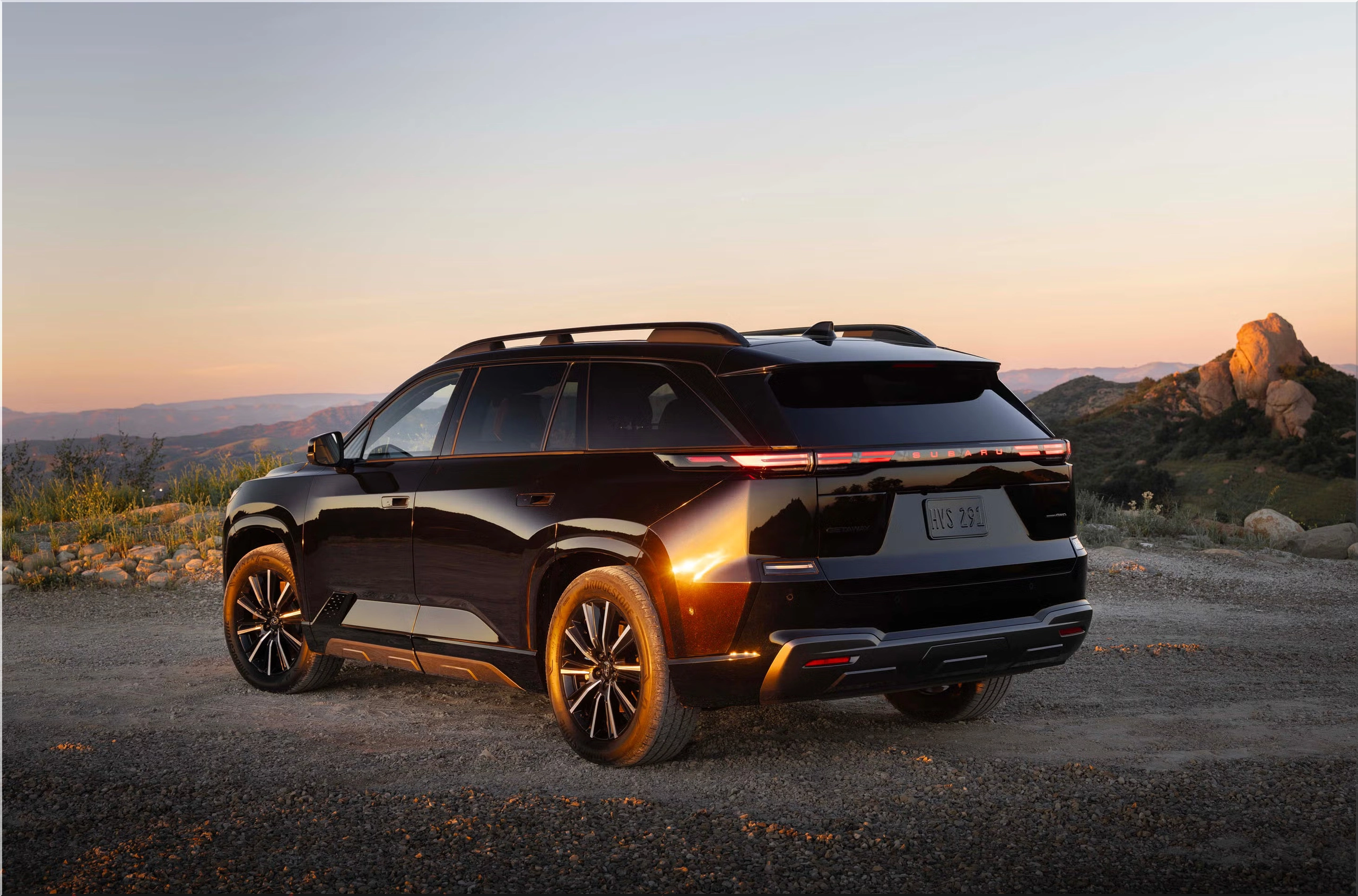
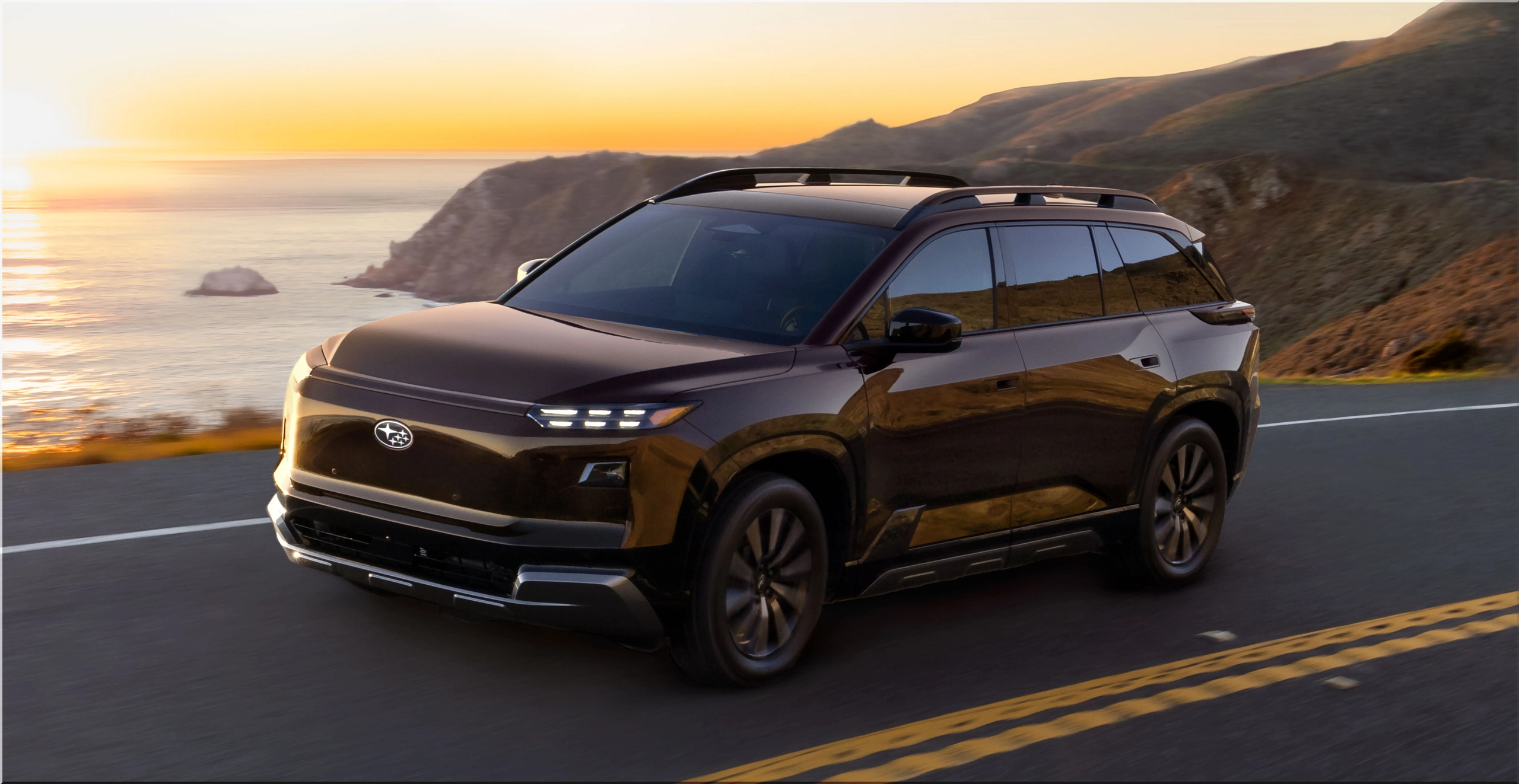
Subaru finally has a true family-sized EV. The 2027 Subaru Getaway arrives as a three-row electric SUV with 420 horsepower, standard all-wheel drive, a launch-spec 95.8-kWh battery, and a claimed 300-plus miles of range. That combination puts it straight into the heart of the fast-growing mainstream three-row EV fight, where power, charging speed, cargo flexibility, and road-trip usability all decide winners.
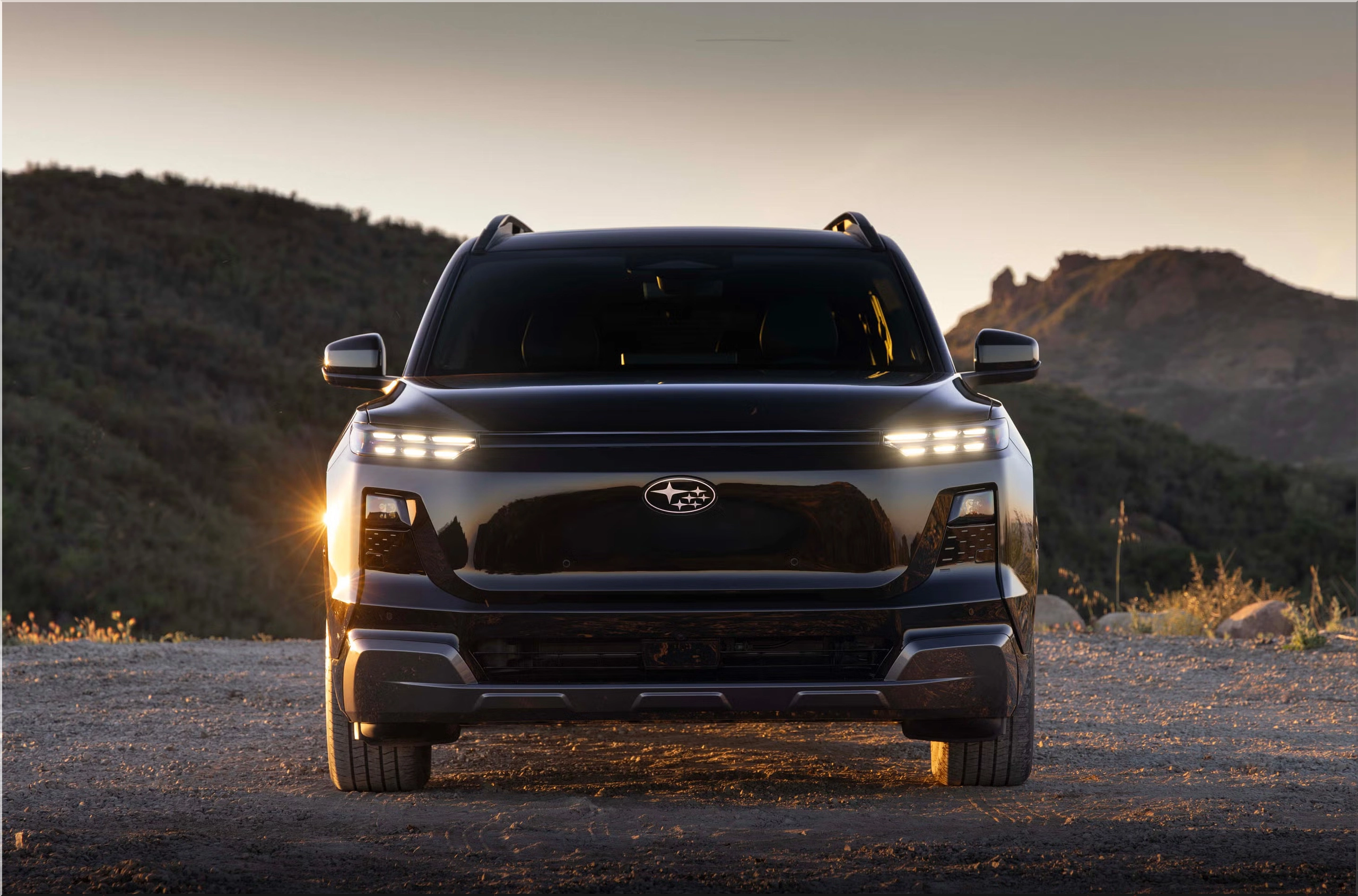
Looking at the data, Subaru made a very clear product decision here. It skipped the low-output, front-drive entry setup that Toyota offers on the related Highlander EV and gave every Getaway the same dual-motor AWD layout. That matters because Subaru buyers expect traction, bad-weather security, and usable ground clearance, not a stripped family shuttle with a battery pack.
Why the 2027 Subaru Getaway matters
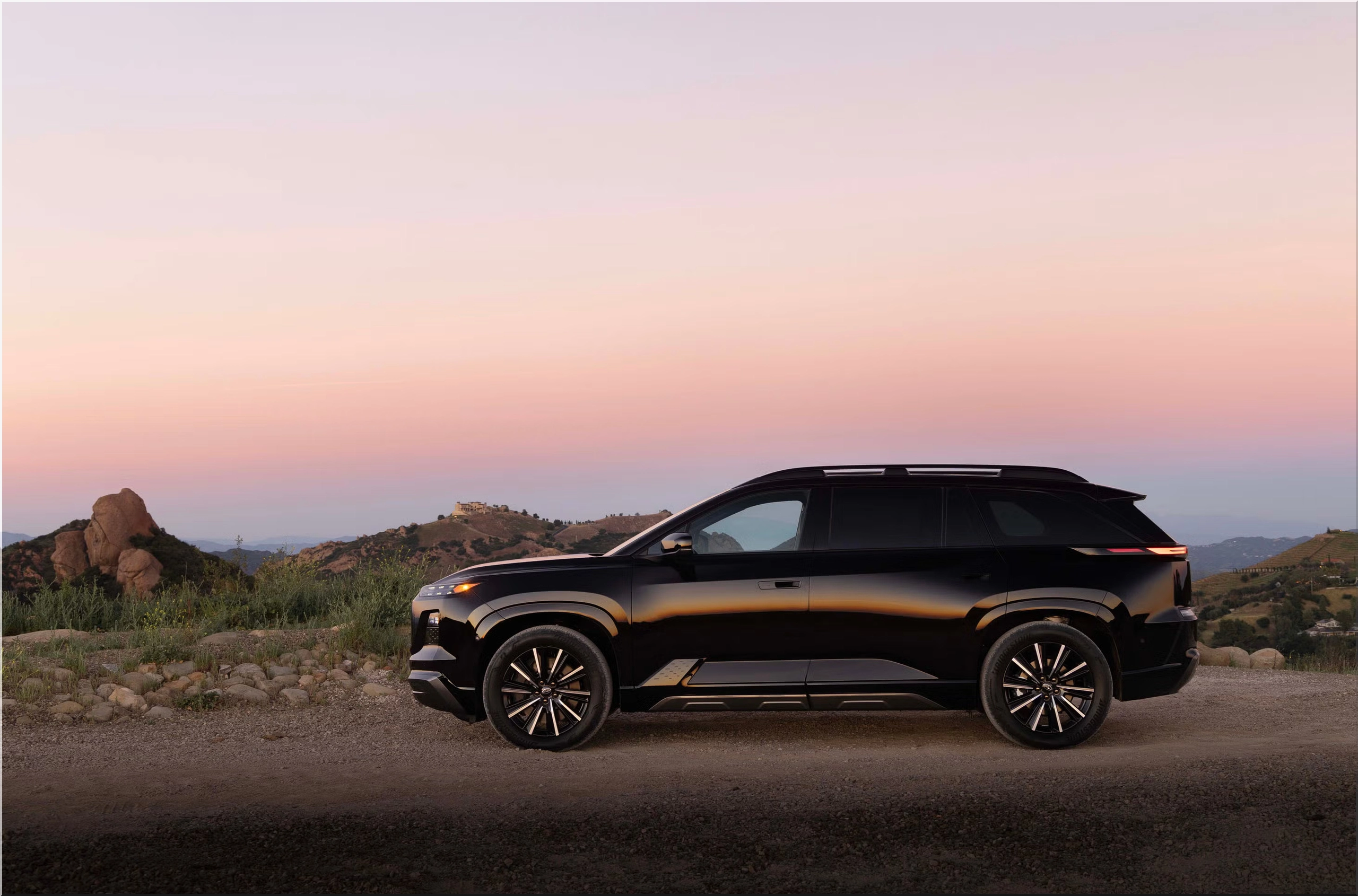
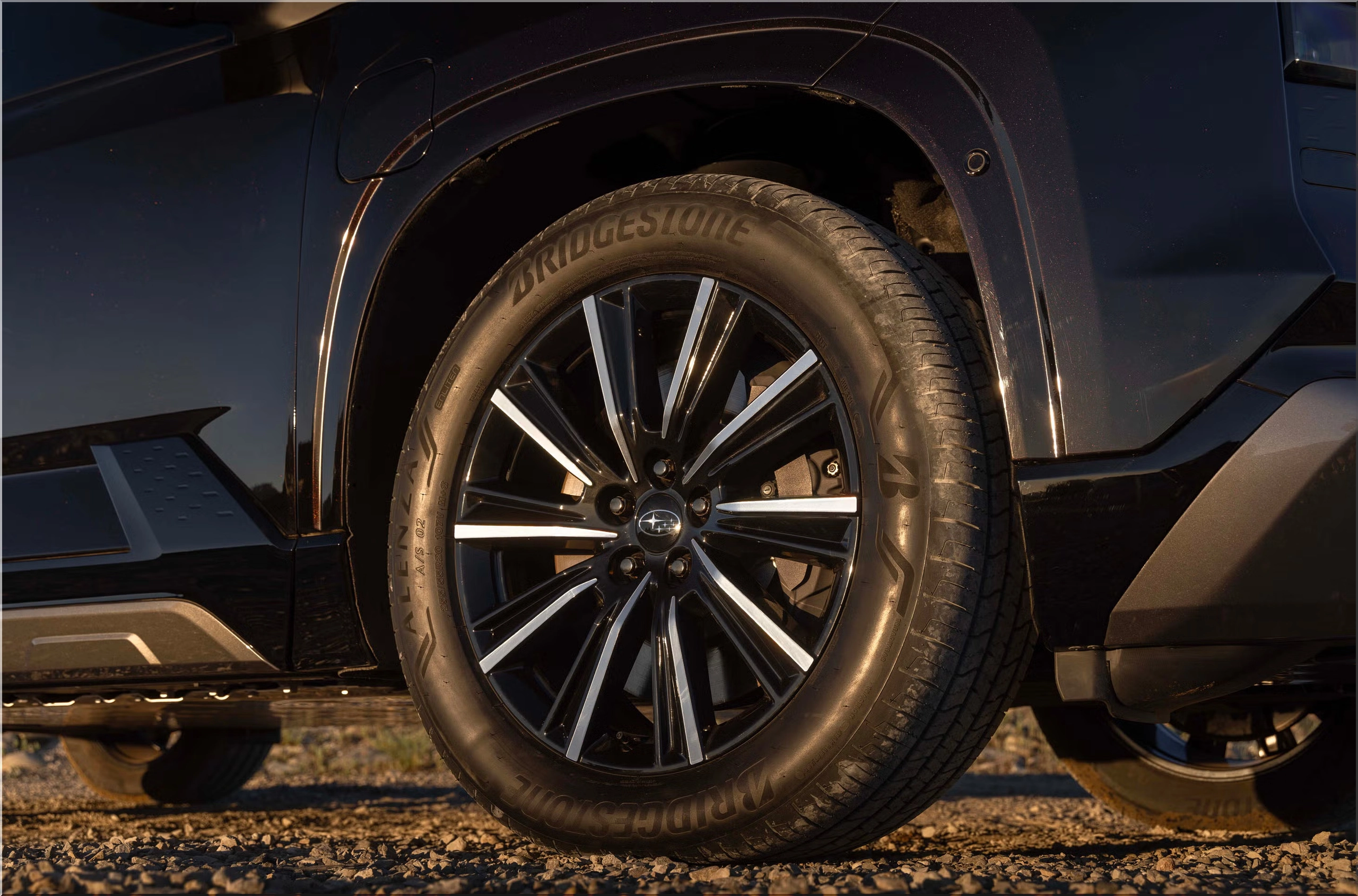
The Subaru Getaway EV slots above the Solterra, Uncharted, and Trailseeker as the brand's largest battery-electric model so far. Specifically, Subaru says the Getaway will reach 60 mph in less than 5.0 seconds, tow up to 3,500 pounds, and ride with 8.3 inches (211 mm) of ground clearance. Those numbers give it real utility instead of brochure filler.
From an expert perspective, Subaru is chasing a buyer who wants one vehicle to cover school drop-off, interstate miles, winter weather, and light trail duty. Consequently, the engineering brief looks simple: give it enough battery for honest road-trip range, enough power to move a heavy three-row body without strain, and enough chassis clearance to keep the Subaru brand promise intact.
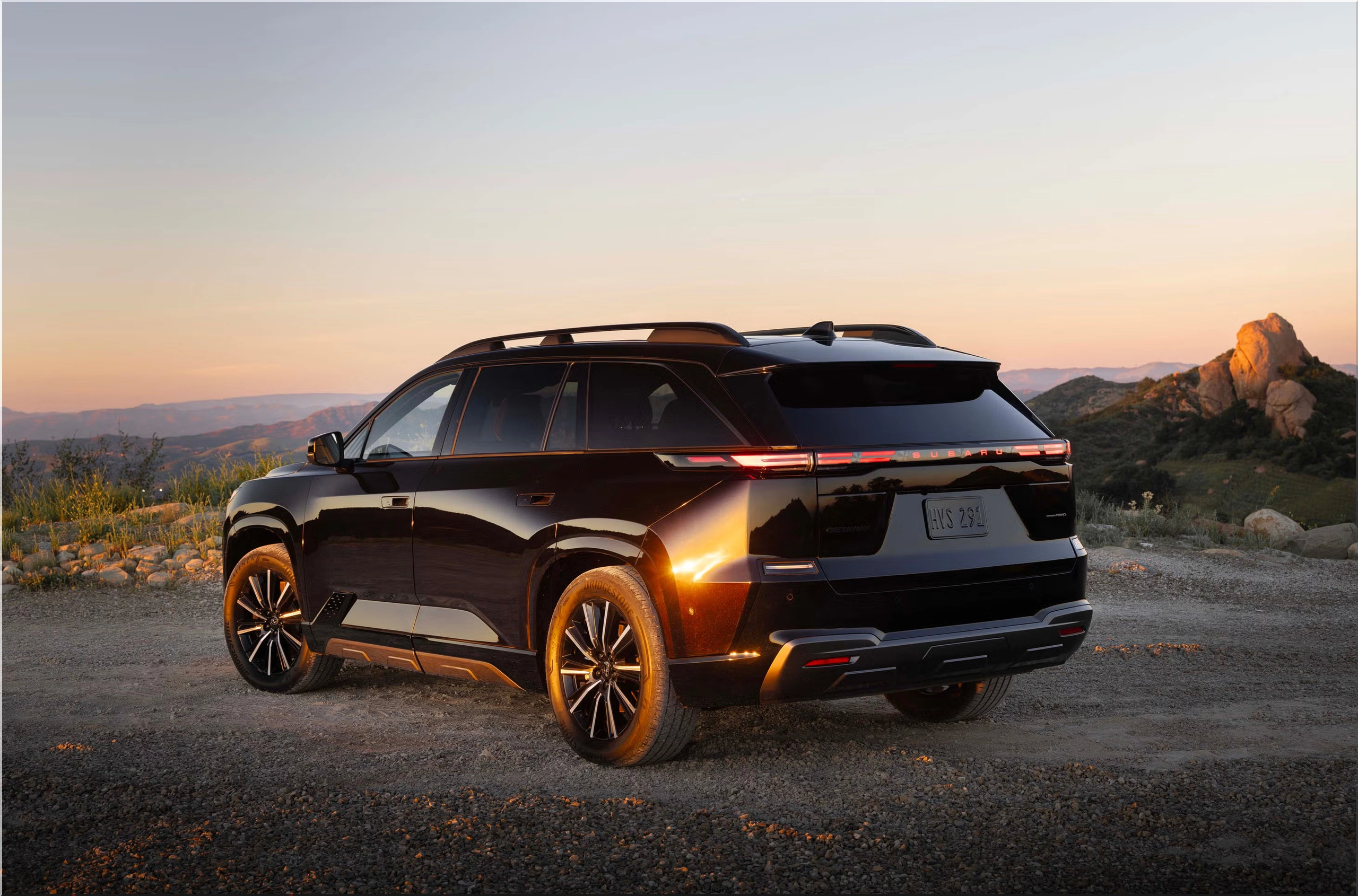
Powertrain, battery, and charging specs
Every launch-version Getaway uses a dual-motor setup with Subaru Symmetrical All-Wheel Drive. The combined output lands at 420 hp, which makes this the most powerful production Subaru shown for the U.S. market to date. In addition, Subaru pairs that setup with a large battery from day one instead of forcing early buyers into a short-range base trim.
Key performance data
| Spec | 2027 Subaru Getaway |
|---|---|
| Powertrain | Dual-motor electric AWD |
| Total output | 420 hp |
| 0-60 mph | Under 5.0 seconds |
| Launch battery | 95.8 kWh lithium-ion |
| Future battery | 77.0 kWh |
| Estimated range | More than 300 miles |
| DC fast-charging peak | Up to 150 kW |
| 10%-80% charge time | About 30 minutes |
| Charge port | NACS |
| Towing capacity | 3,500 lb |
| Ground clearance | 8.3 in / 211 mm |
By comparison, the charging story looks solid but not class-leading. A 150-kW peak rate and a 10%-80% claim of roughly 30 minutes will work for family travel, but several newer rivals now push harder on charging curves. Still, the standard NACS port is a smart move because it expands easy access to Tesla Superchargers across North America, and that does more for real usability than a bigger number in a spec sheet.
Cabin packaging and family-use logic
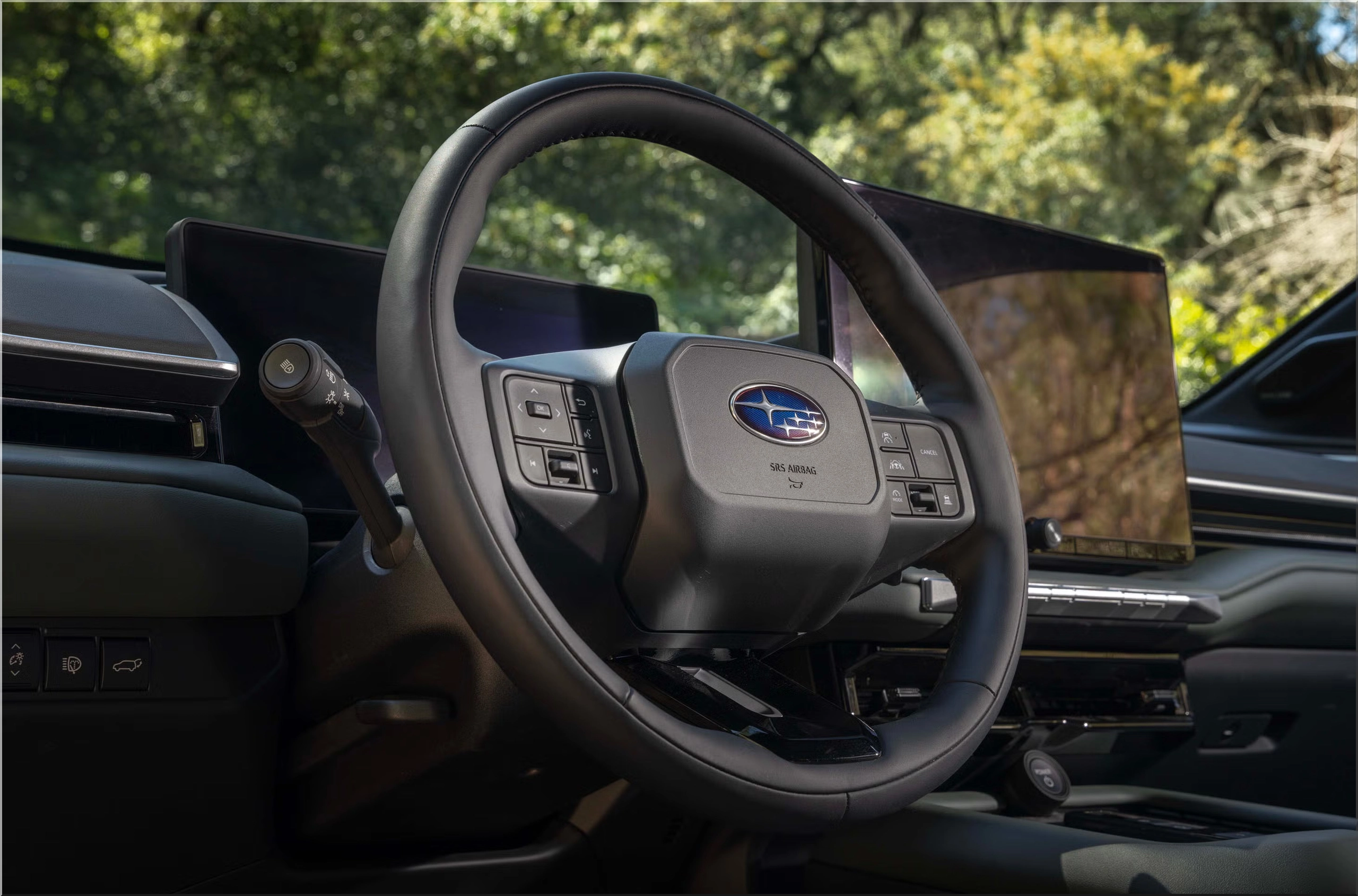
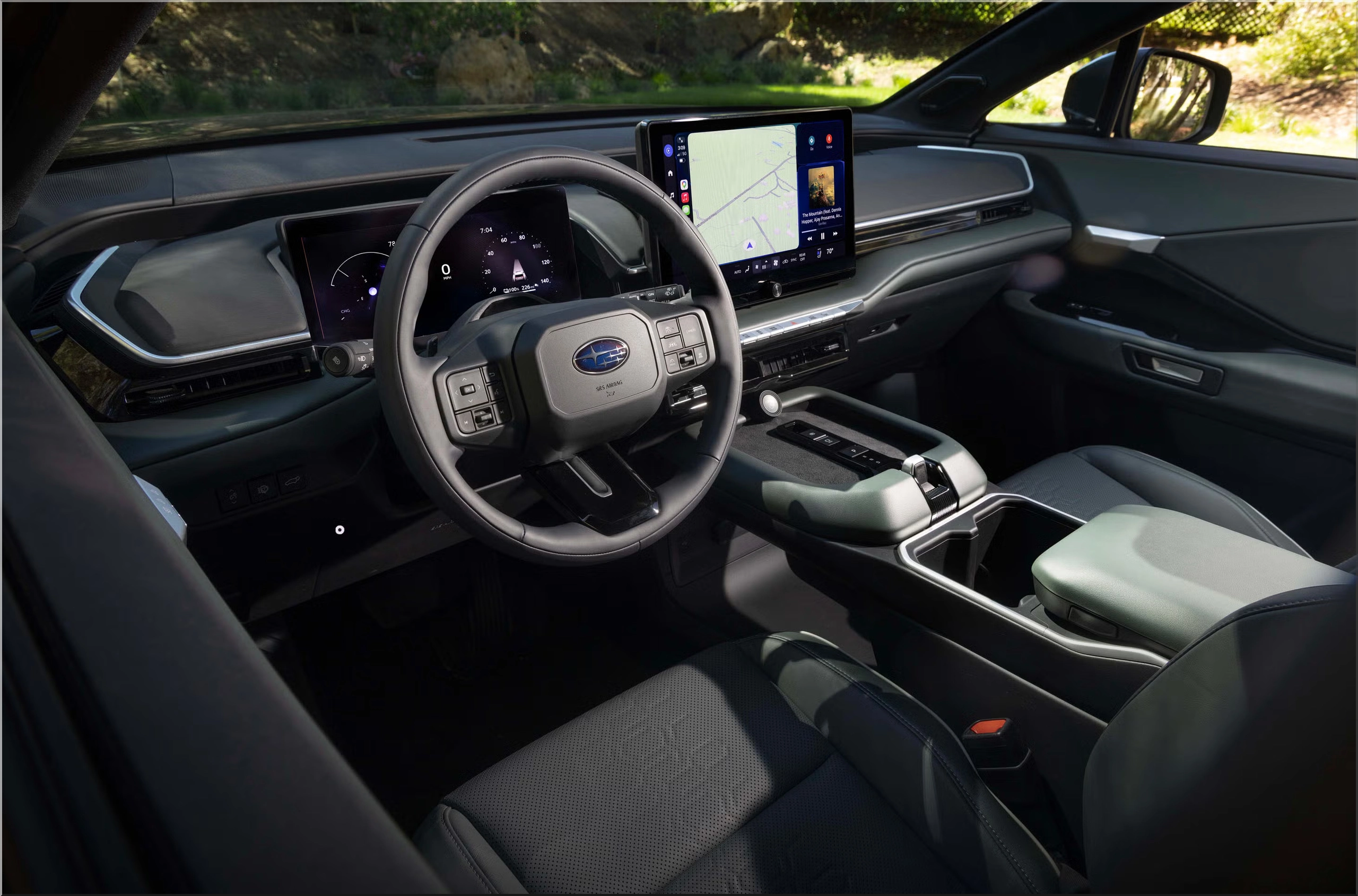
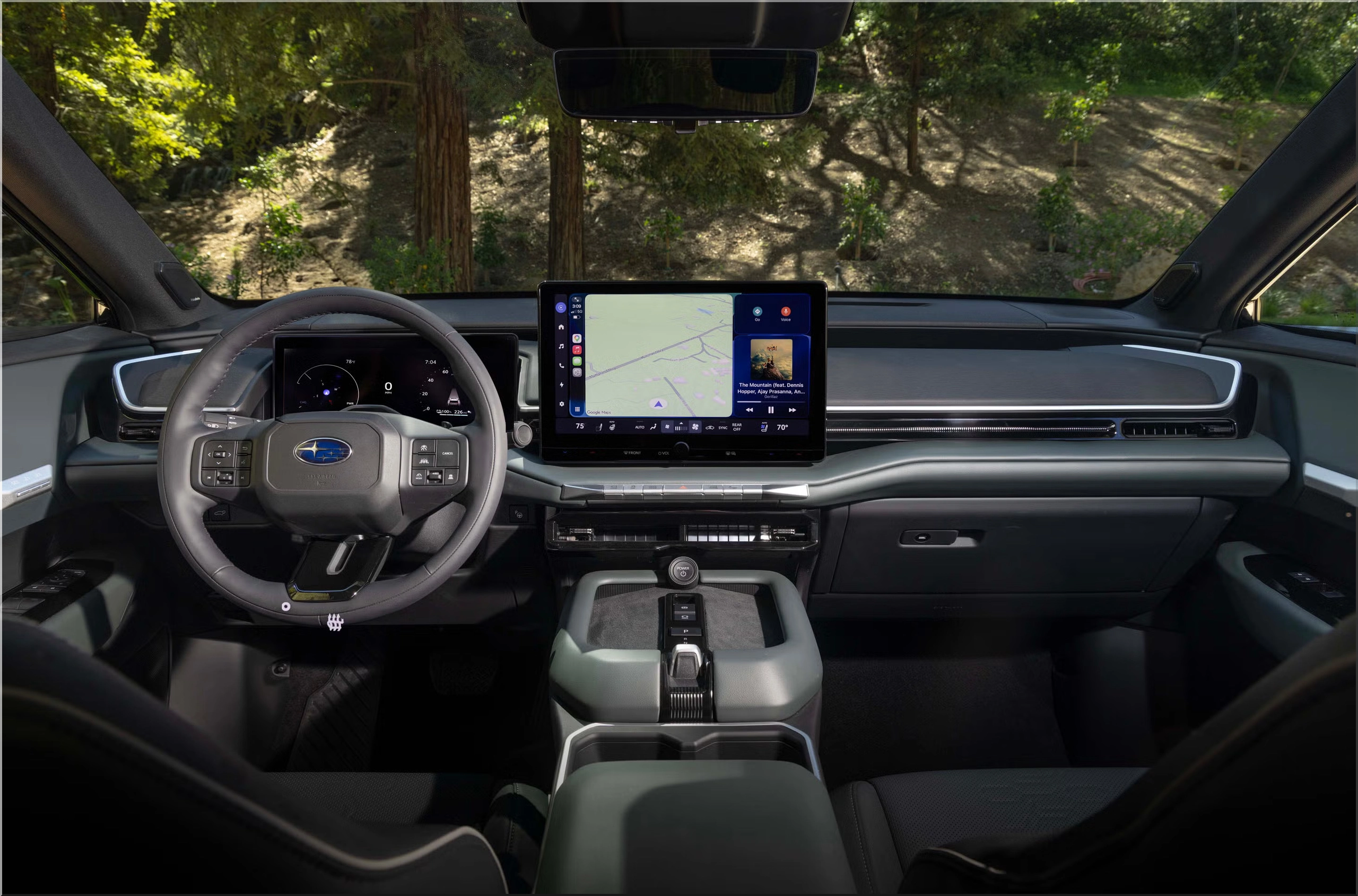
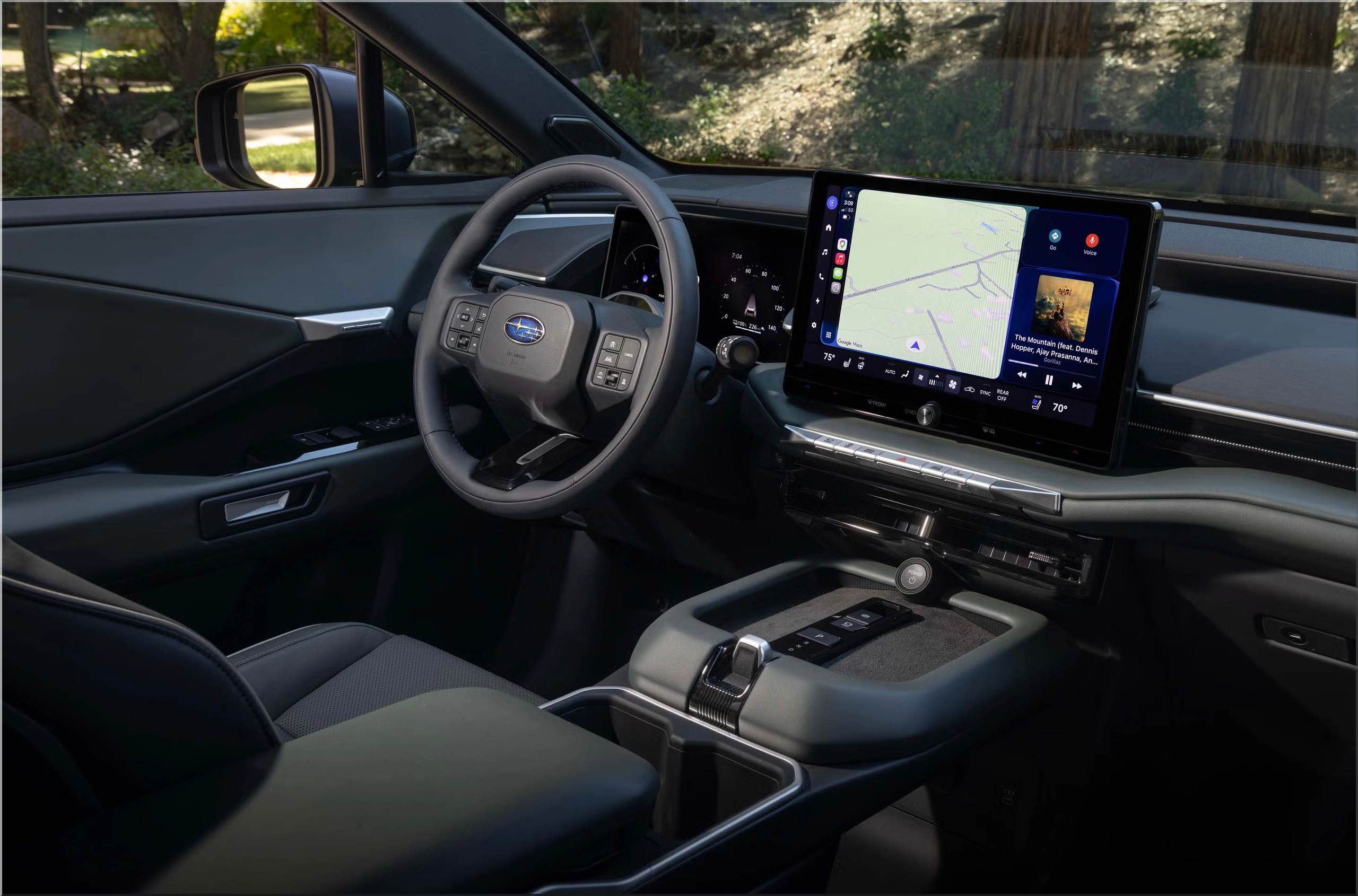
Inside, Subaru uses a layout that mixes familiar EV minimalism with real family hardware. A 14.0-inch touchscreen and 12.3-inch digital gauge display anchor the dash, while wireless Apple CarPlay, Android Auto, dual wireless phone chargers, and USB-C ports for rear passengers handle the daily tech load. That setup reads like Subaru finally understood that a three-row EV has to function as a rolling command center.
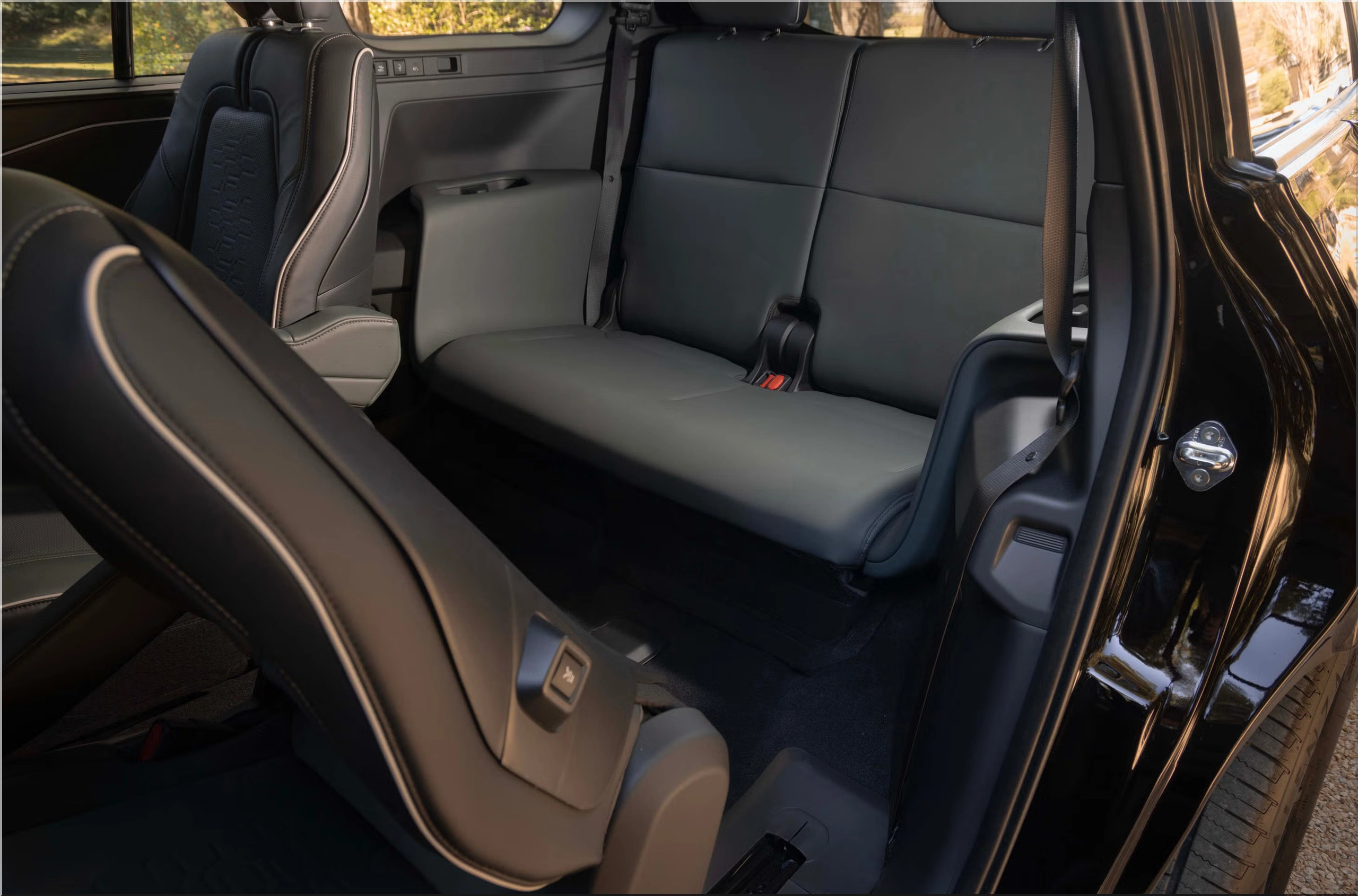
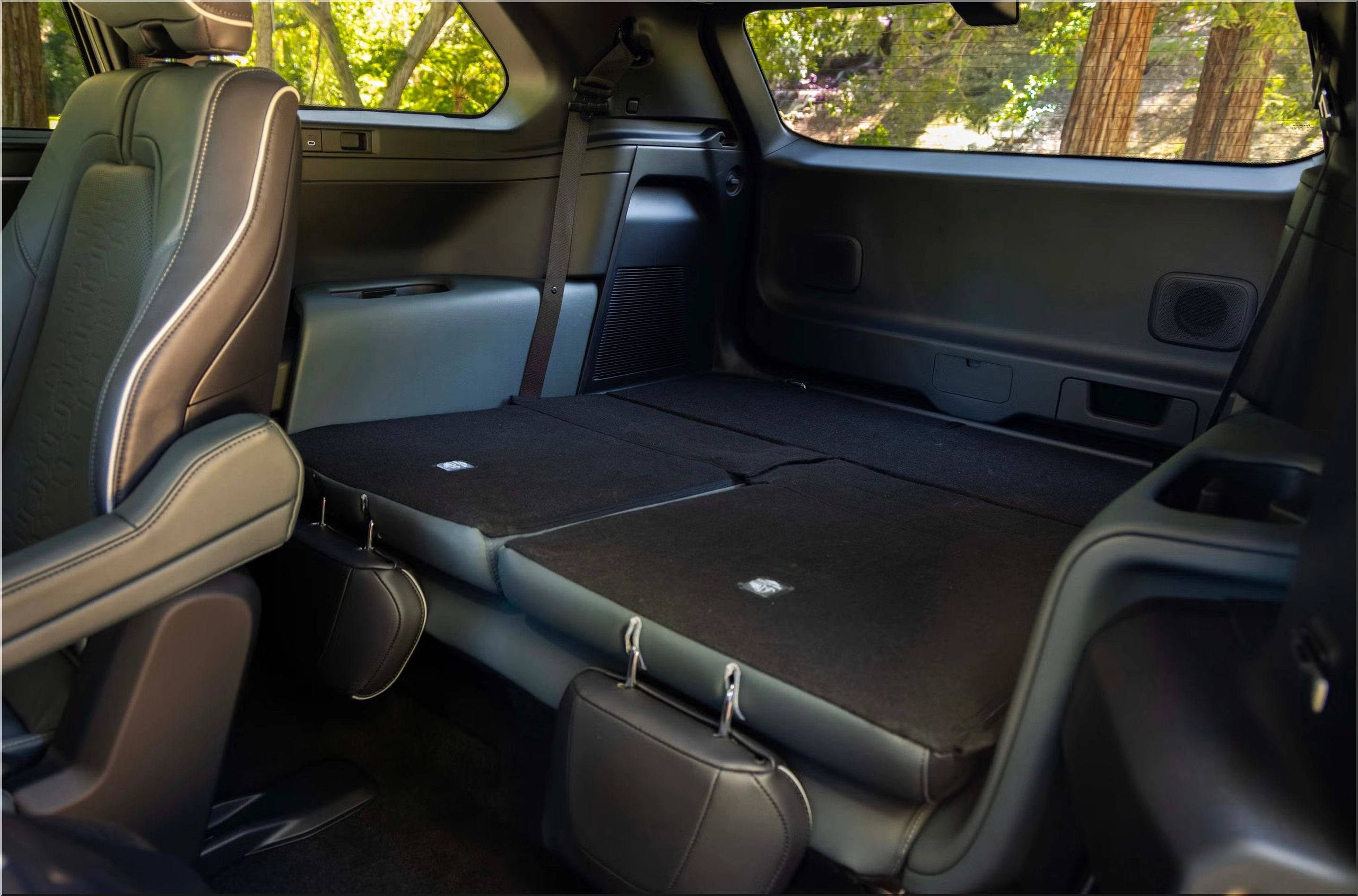
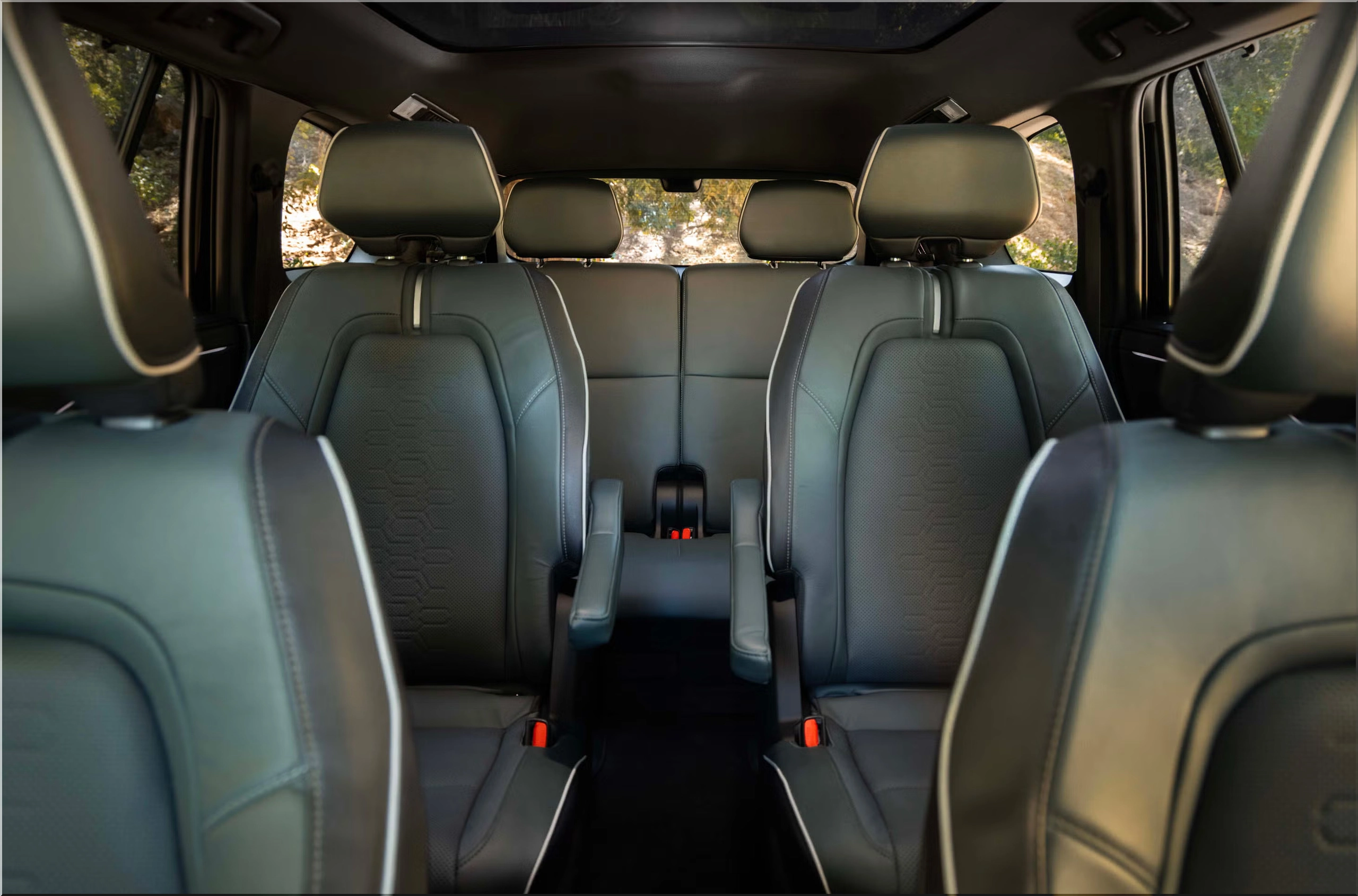
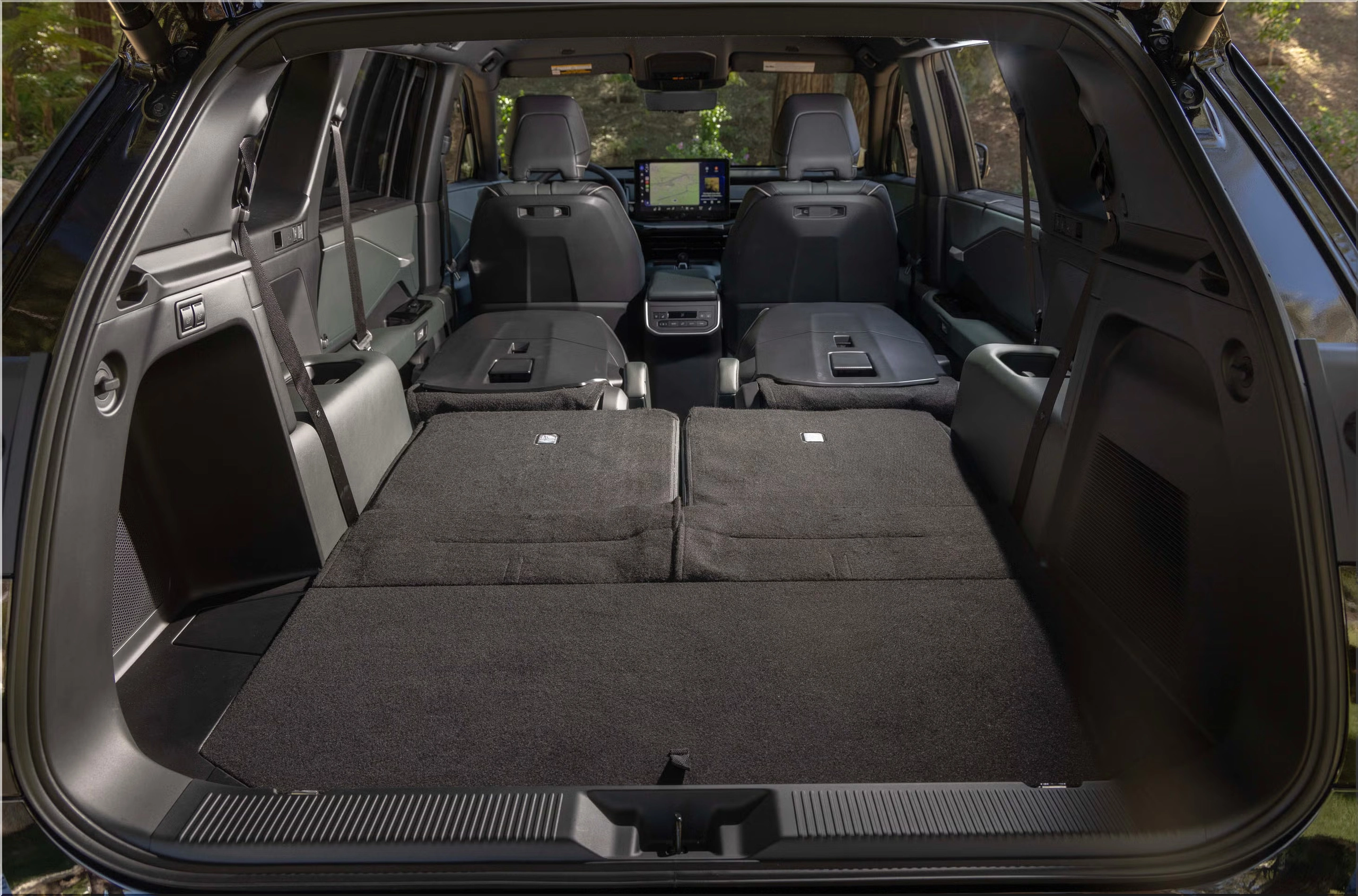
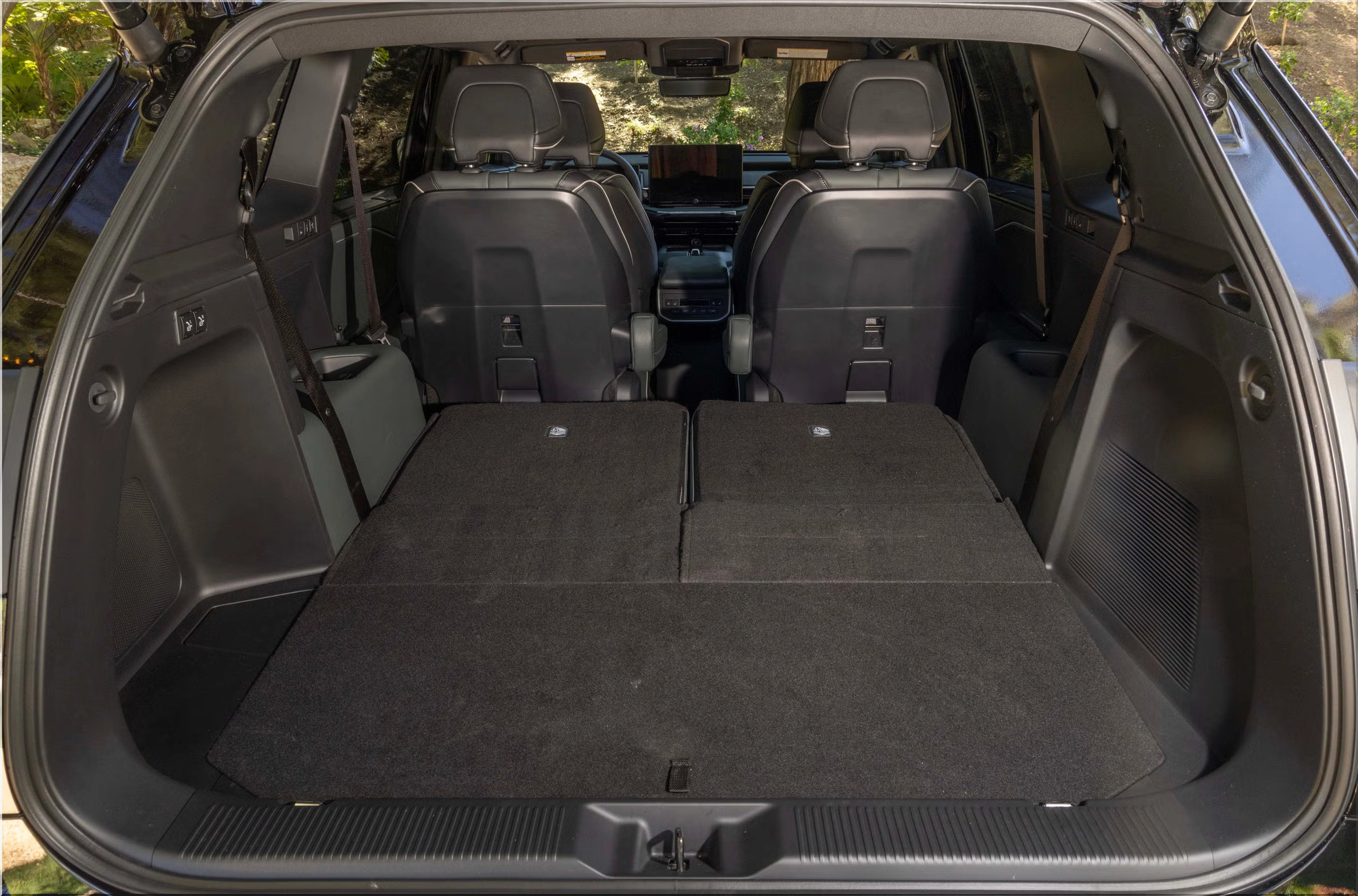
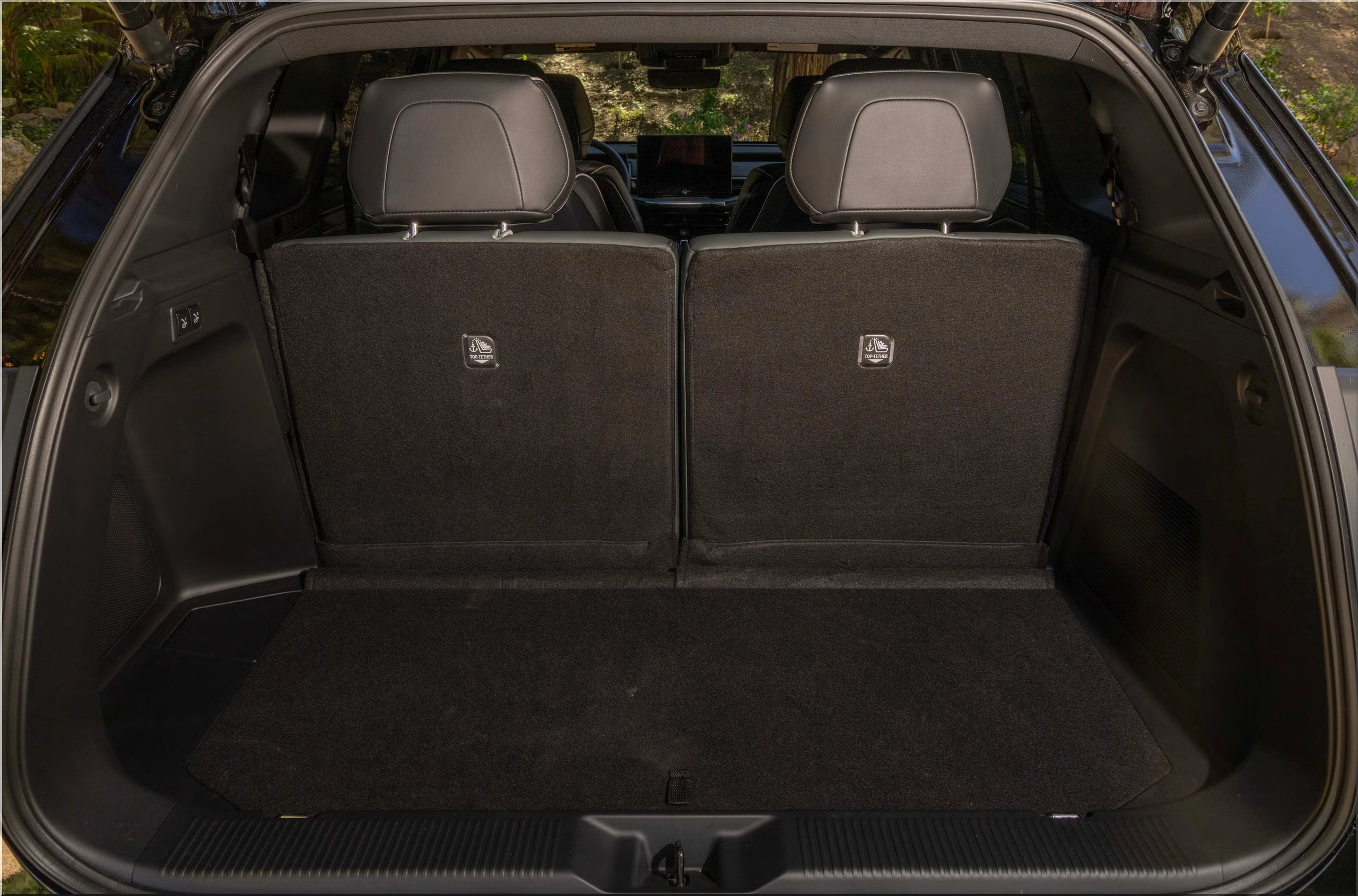
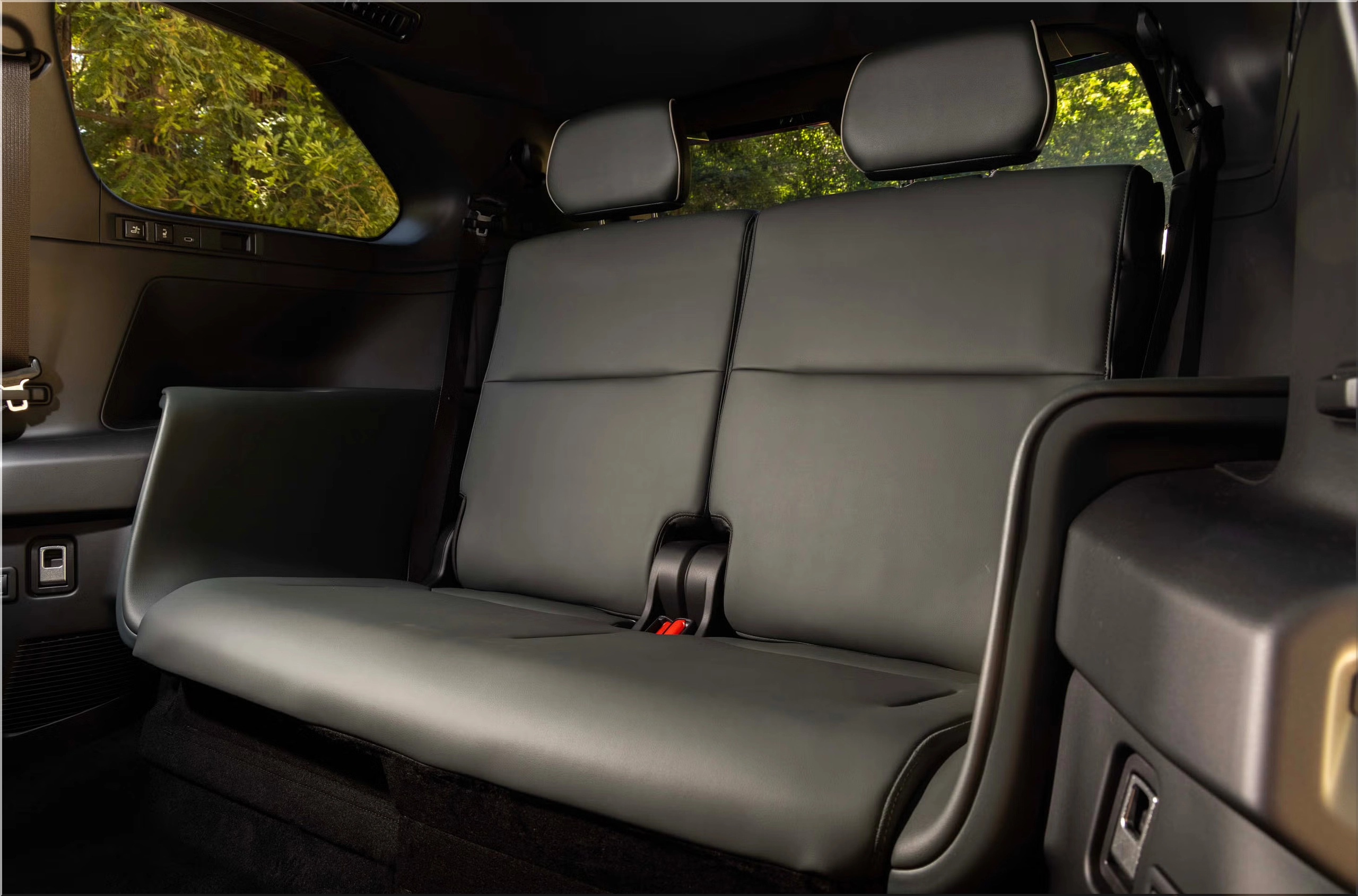
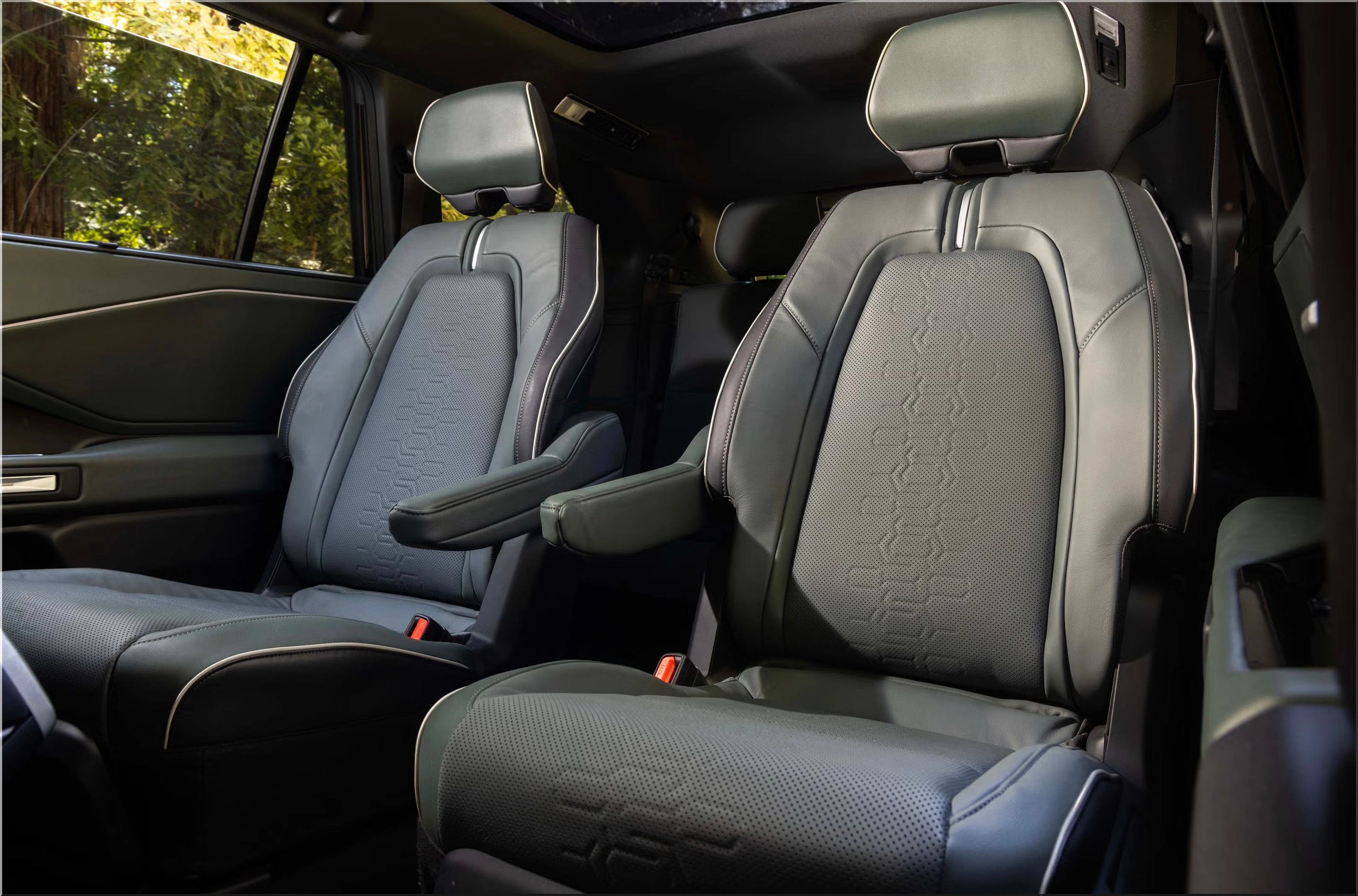
The seating layout also makes sense. Buyers can spec the Getaway with a second-row bench for seven-passenger seating or captain's chairs for a six-seat configuration. Specifically, the power-folding third row and flat load floor should matter more than flashy trim when families start packing strollers, sports bags, or airport luggage.
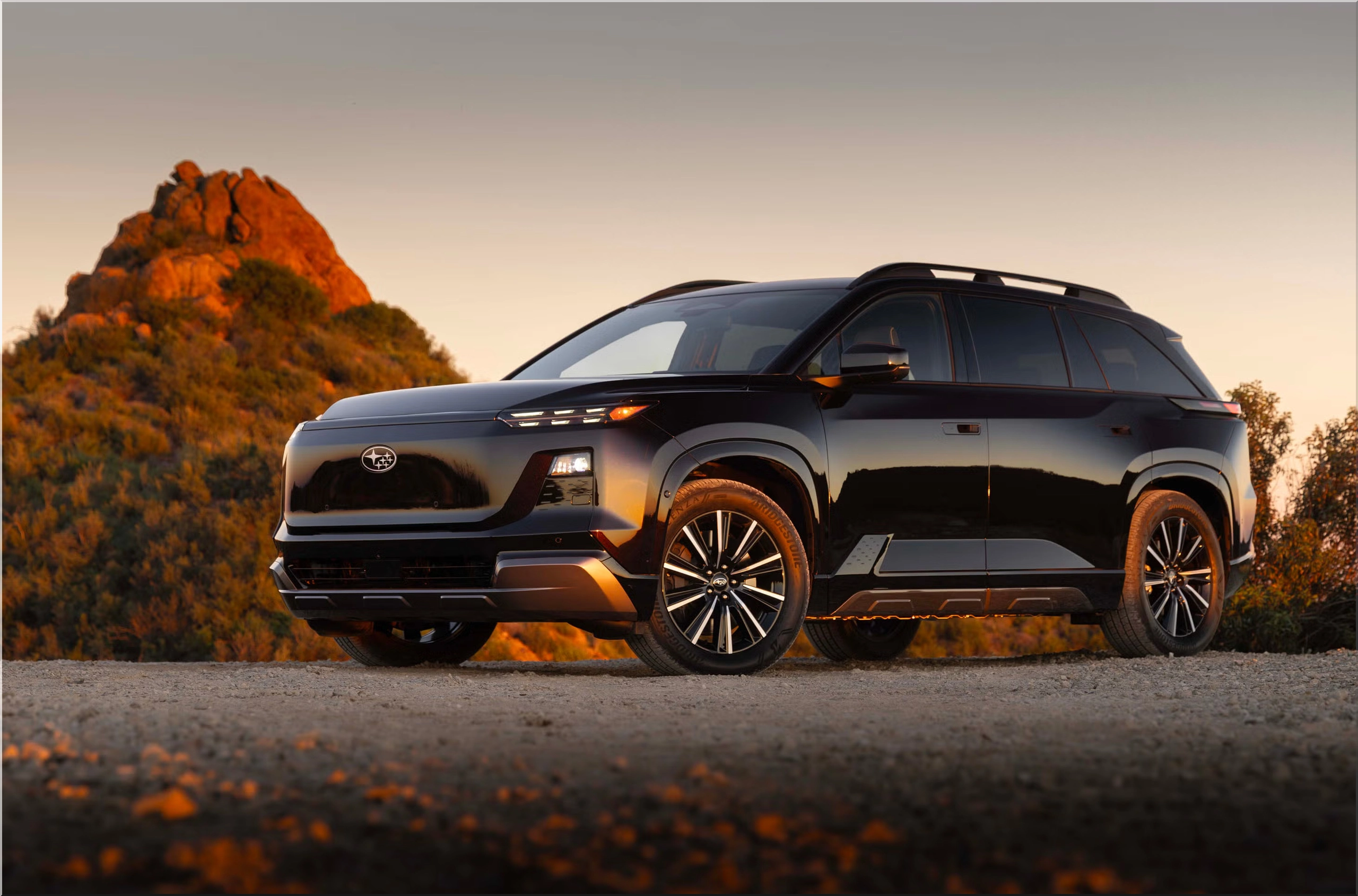
Interior and trim-positioning snapshot
| Area | What Subaru offers |
|---|---|
| Seating layouts | 6- or 7-passenger configurations |
| Third row | Two-seat, power-folding third row |
| Infotainment | 14-inch touchscreen |
| Driver display | 12.3-inch digital cluster |
| Phone charging | Dual wireless pads |
| Rear charging | Four USB-C ports |
| Climate | Three-zone automatic climate control |
| Cargo behind third row | 16 cu ft |
| Cargo with third row folded | 46 cu ft |
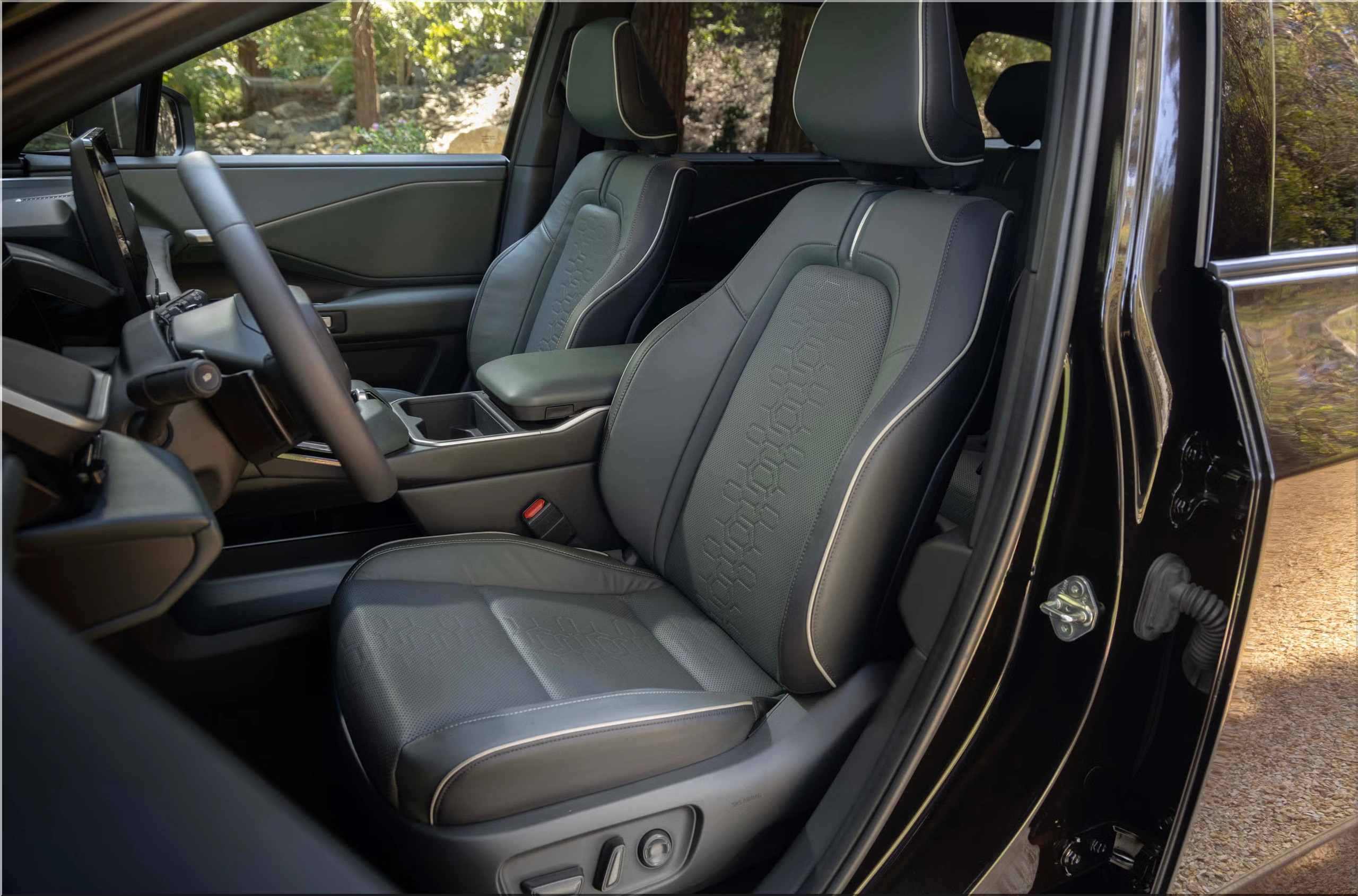
Subaru also appears to structure the trims with a practical ramp. Premium covers the expected core features, Limited adds items such as a heated steering wheel, heated second- and third-row seats, ventilated front seating, and a 360-degree camera system, while Touring pushes into a more upscale lane with Nappa leather, a Harman Kardon audio system, available two-tone paint, and a panoramic roof.
Capability still matters here
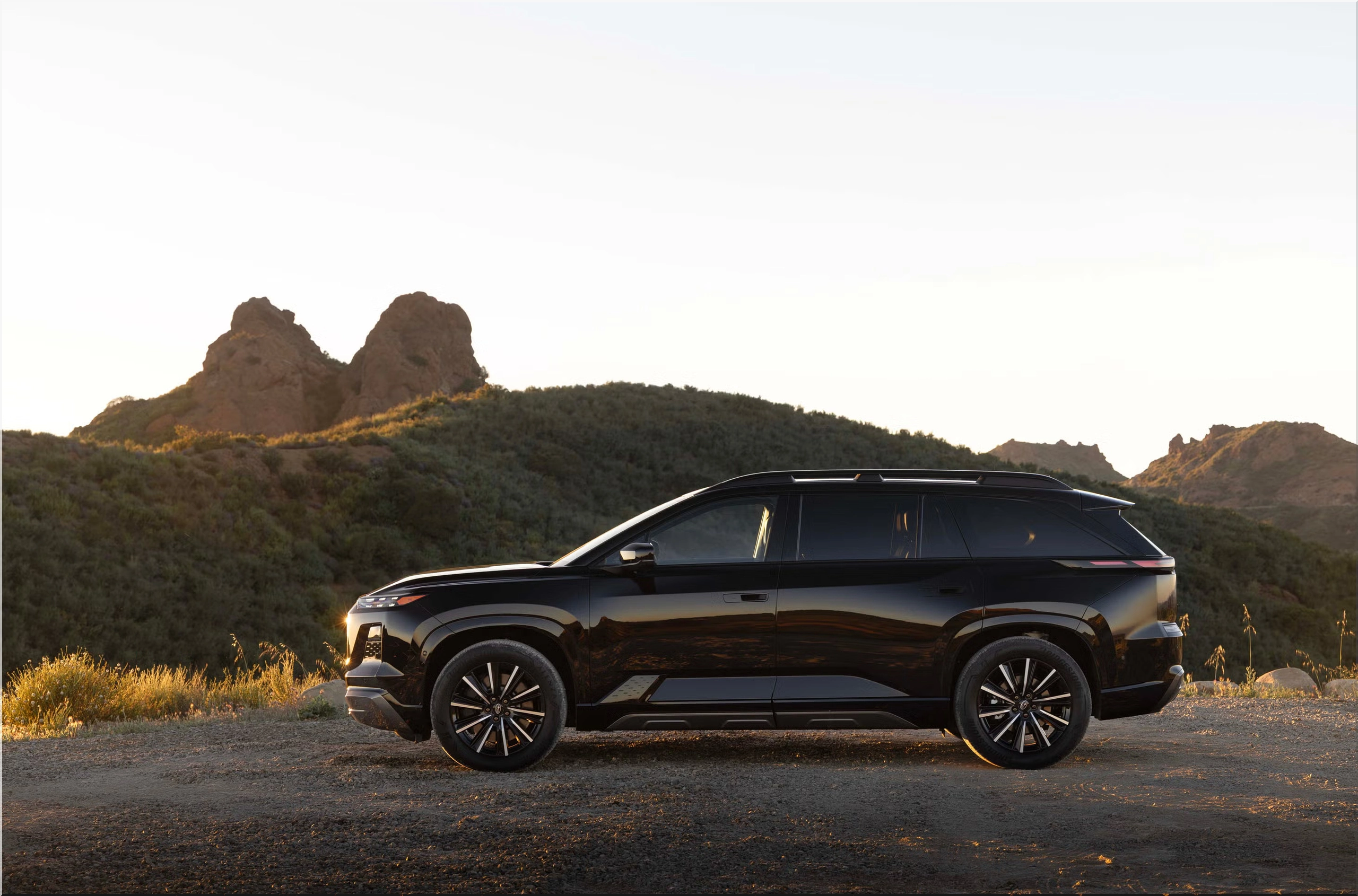
This is where the Getaway starts to sound like a Subaru instead of a rebadged partner vehicle. The X-Mode Dual-Mode System with Snow/Dirt and Deep Snow/Mud settings, plus Grip Control and Downhill Assist Control, signals that Subaru wants this SUV to keep its footing once the pavement ends. No one should confuse it with a body-on-frame trail rig, but the hardware choices fit the brand.
Looking at the data, 8.3 inches of clearance is the quiet hero figure. That number helps with rough camp roads, snow-packed driveways, steep parking-lot ramps, and the day-to-day abuse that low-slung EV crossovers often dislike. It also gives the Getaway a real distinction against family EVs that lean softer and lower.
Competitive comparison: where the Getaway wins and where it gives ground
Subaru is entering a busy class, so raw specs need context.
| Model | Power | Range | Drivetrain | Towing | Key win/loss vs. Getaway |
|---|---|---|---|---|---|
| 2027 Subaru Getaway | 420 hp | 300+ mi | Standard AWD | 3,500 lb | Strong power, standard AWD, high clearance |
| Kia EV9 AWD | Around 379 hp in higher-output trims | Varies by trim | AWD available | Up to 5,000 lb | Kia wins on towing; Subaru likely wins on clearance feel |
| Hyundai Ioniq 9 AWD | Around 422 hp in upper trims | Varies by trim | AWD available | Lower than EV9 in some trims | Hyundai matches power; Subaru leans harder into rugged positioning |
| Toyota Highlander EV AWD | 338 hp | Around 320 mi in some versions | FWD or AWD | Similar class target | Toyota likely wins on max efficiency; Subaru wins on standard power and AWD |
By comparison, the Getaway looks strongest when buyers want one trim philosophy across the board: no base front-driver, no weak entry motor, no apology about capability. It gives up some bragging rights on towing to the Kia EV9, and its 150-kW fast charging will not top every rival. But Subaru nailed the middle of the decision tree: power, range, AWD, clearance, and family packaging.
Pro-Tips for readers tracking this launch
- Watch for final EPA range numbers before calling the 300-plus-mile claim a lock.
- Check whether the future 77-kWh battery changes wheel choices, range spread, or trim access.
- Compare real cargo measurements against the EV9 and Ioniq 9 once instrumented tests arrive.
- Put charging curve data above peak-rate claims. A flatter curve often beats a bigger headline number.
What now?
If you cover the EV market, the 2027 Subaru Getaway deserves attention because it gives Subaru a credible answer in the three-row electric SUV class. If you shop this segment, keep your eye on three things: final pricing, verified EPA range, and independent charging results. Those numbers will decide whether the Getaway becomes a serious volume player or simply a strong first swing.
For now, Subaru did the hard part right. It built a three-row EV SUV that actually sounds like a Subaru.
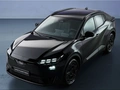
The 2027 Lexus TZ gives Lexus its first three-row all-electric SUV, and the specs show a clear target: affluent families that want quiet long-distance comfort without giving up AWD traction, towing ability, or real third-row… Continue reading

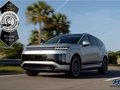
The automotive world witnessed a significant announcement as Kia revealed the pricing structure for its 2025 EV9. Starting at $54,900, this three-row electric SUV stands ready to challenge the established luxury… Continue reading

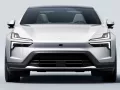
The electric vehicle market is getting more crowded and competitive every year, with new models offering different features, sizes, and prices. But one segment that EV makers have largely overlooked is the three-row SUV, which can… Continue reading
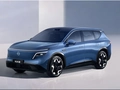
Toyota is finally entering the three-row battery electric vehicle market. The 2027 Toyota Highlander BEV debuted in Ojai, California, as the brand’s first all-electric SUV built in the United States. This… Continue reading