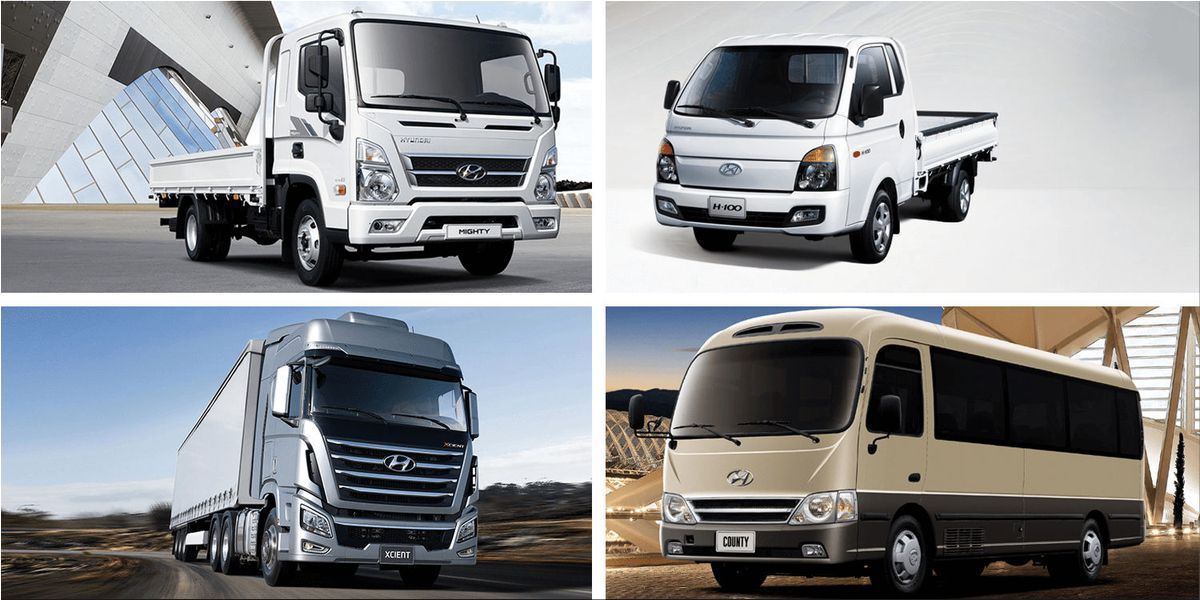
Hyundai accelerates the market introduction of electric utility vehicles such as e-vans, e-buses and e-trucks. According to "Business Korea", the South Koreans want to offer electric versions of the small truck Porter as well as the light distribution truck Mighty as early as next year.
In addition to the introduction of a hydrogen electric bus during the Winter Olympic Games in PyeongChang, the production of electric utility vehicles will start with smaller vehicles. The Porter and the Mighty are to receive the electric engines from the Kona Elektro, which were presented at the Geneva Motor Show. The battery capacity will not be less than 256 kWh to counterbalance for their increased body weights. The estimated range accordingly to Hyundai is between 250 to 300 kilometers.
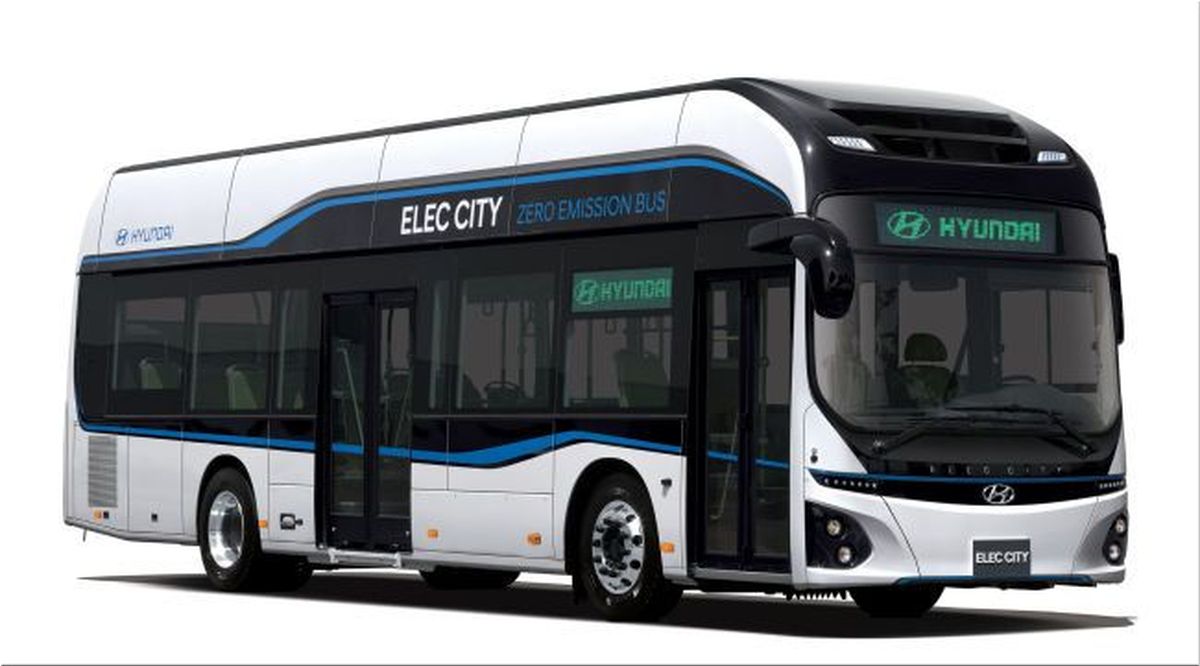
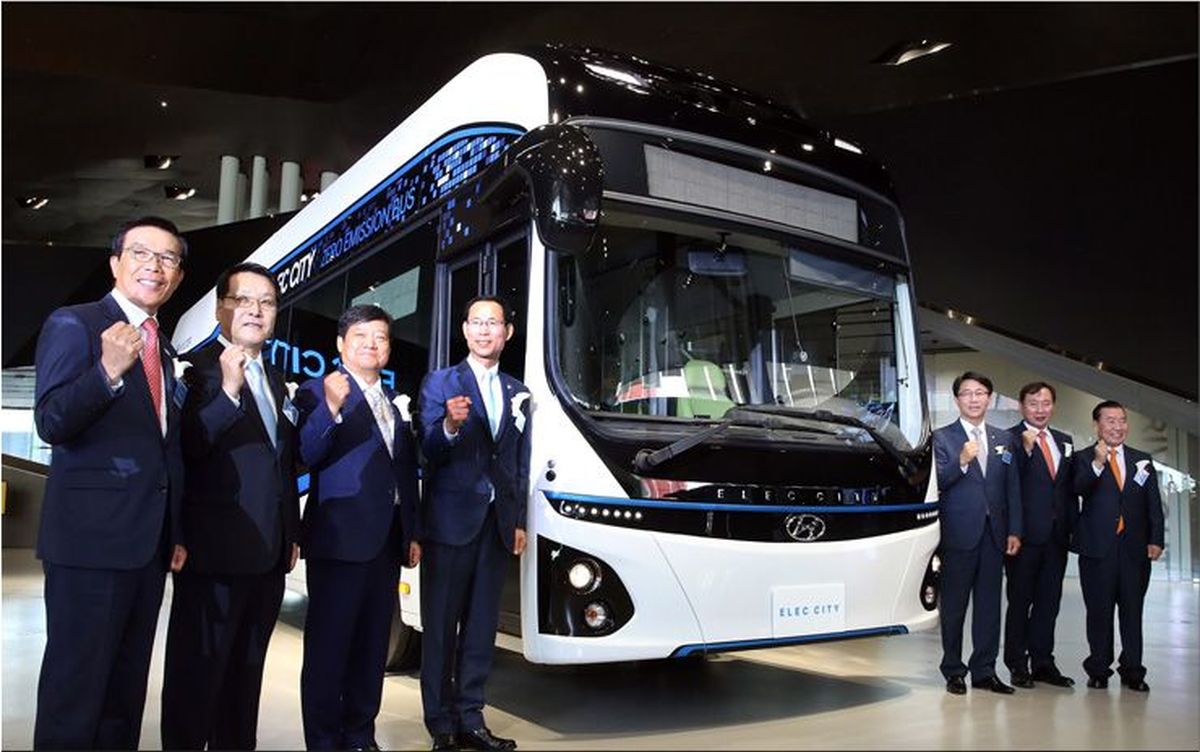
The electric bus Elec City, which was presented last year, is expected to go on sale this year. This bus has a 256 kWh battery pack, which allows a range of 290 kilometers. Also is planned an electric version of the Hyundai County mini bus for 2020.
In the medium to long term, Hyundai is also considering electrification of the heavy Xcient truck. The electric model is supposed to come on the market in 2022. The South Koreans are considering developing the Xcient with fuel cell propulsion.
Polestar just proved something. Again. The 2025 Mille Miglia Green is over, and Polestar’s SUV coupé, the Polestar 4, took the win. For the second straight year, the Swedish EV brand climbed… Continue reading
The 2027 Chevrolet Bolt is back. Again. Apparently, GM decided that killing it off in 2023 was premature — sort of like canceling a hit TV show right before the ratings spike. Now it’s returned, cheaper, faster to charge, and still built for… Continue reading
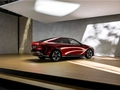
Mazda finally enters the competitive D-segment electric vehicle market with the Mazda 6e. This rear-wheel-drive hatchback marks the return of the popular Mazda 6 nameplate. It targets both retail… Continue reading

BYD now pushes EV charging into gasoline-refill territory. Its Flash Charging system gives compatible electric vehicles up to 1,500 kW, while its Super e-Platform uses a full-domain 1,000V architecture, 1… Continue reading