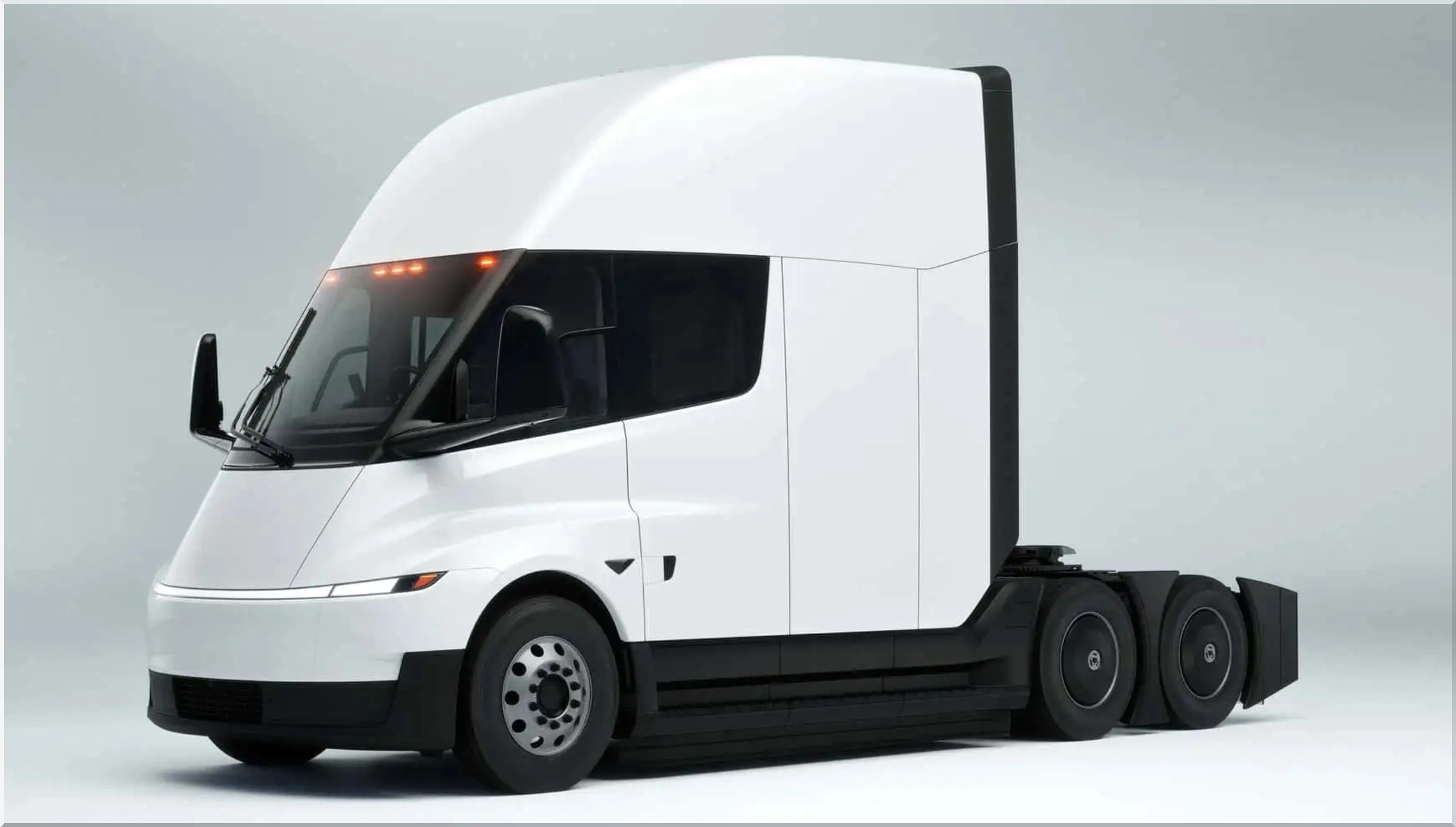
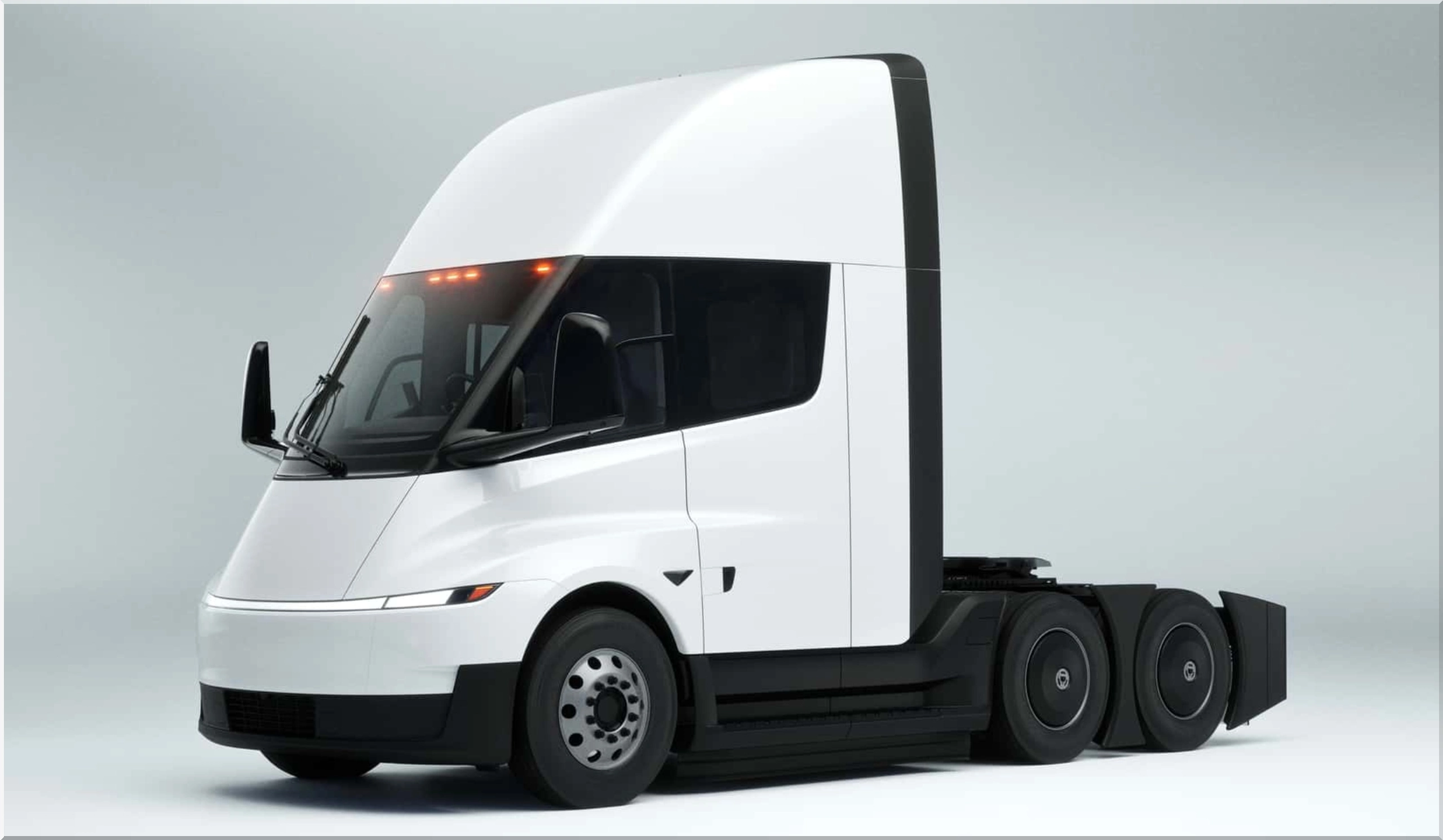
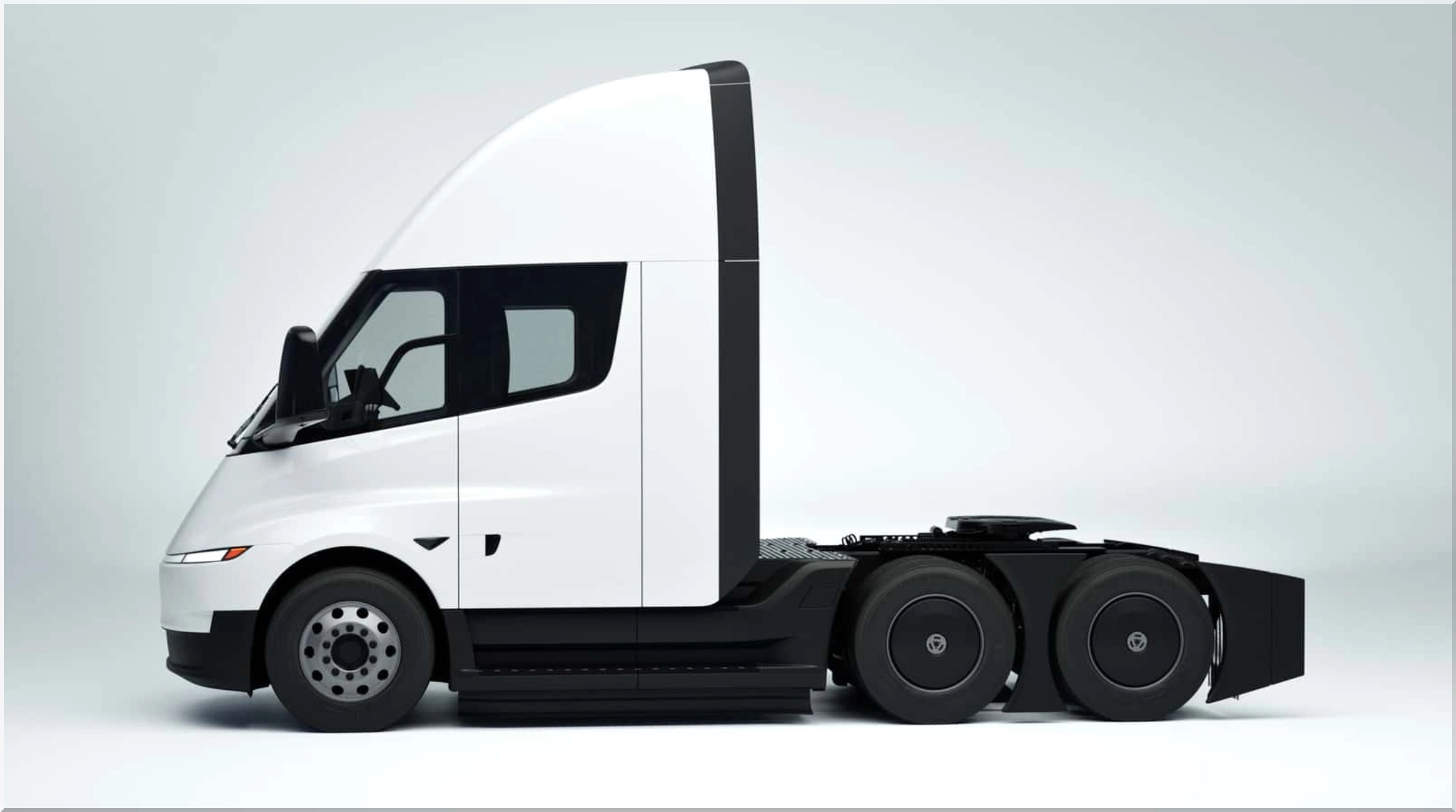
The Tesla Semi battery specs now have hard numbers behind them, and the figures matter. A regulatory filing confirms two usable battery capacities: 822.029 kWh for the Tesla Semi Long Range and 548.019 kWh for the Tesla Semi Standard Range. Those numbers give fleet buyers the data they need to judge range, charging load, route fit, and cost.
For years, the Tesla Semi lived in a fog of claims, demonstrations, and limited fleet activity. Now the paperwork gives the truck a sharper technical shape. The smaller pack targets regional freight. The larger pack targets longer routes where a stop can cost more than the electricity itself.
That does not make the Semi a diesel killer on every route. It makes it a serious tool for the right job.
What Are The Official Tesla Semi Battery Sizes?
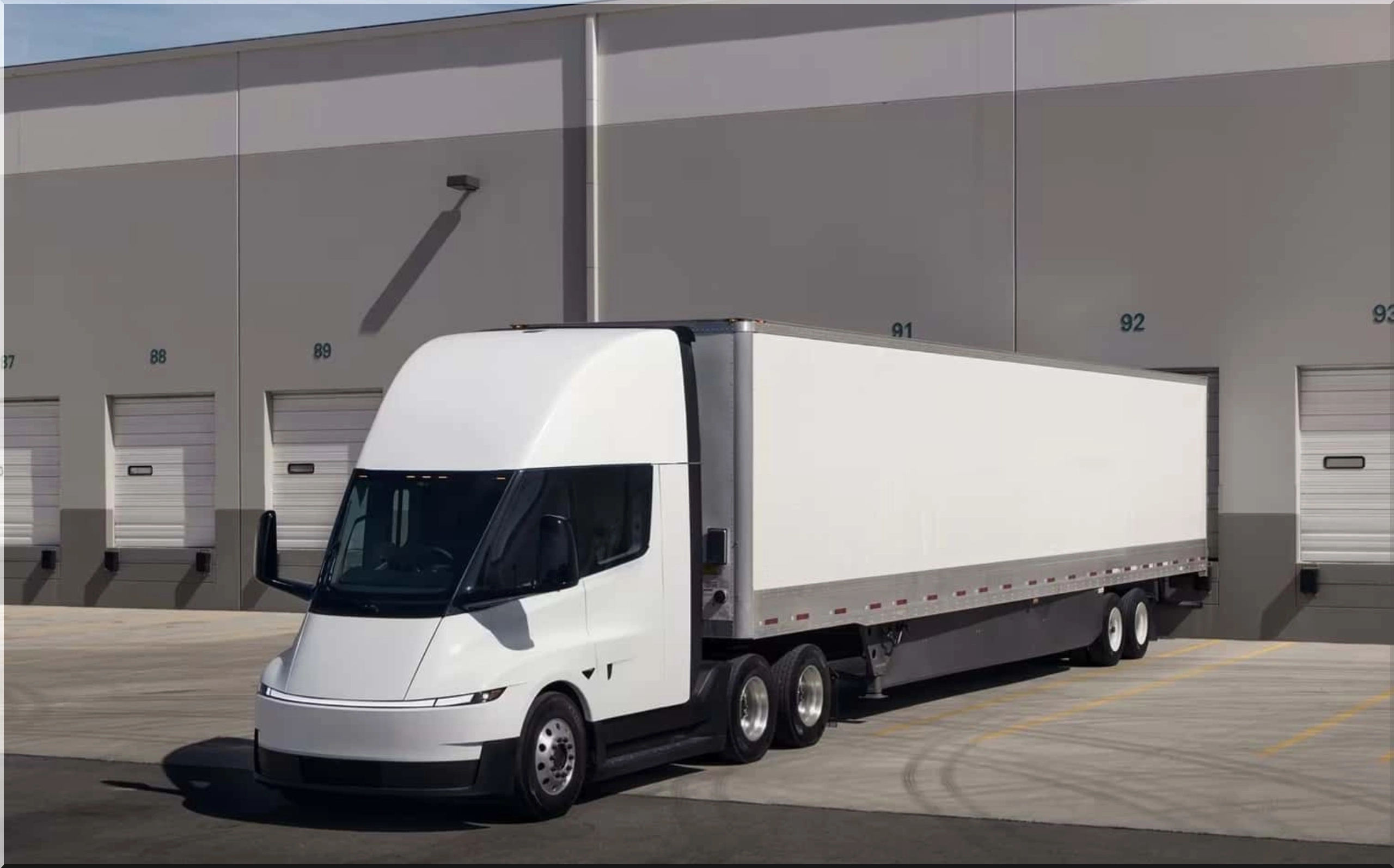
The confirmed Tesla Semi battery capacity figures split the truck into two clear versions. The Tesla Semi Standard Range uses a 548.019 kWh usable battery pack, while the Tesla Semi Long Range uses an 822.029 kWh usable battery pack.
That gap of roughly 274 kWh matters. In passenger-EV terms, it equals several small electric-car batteries. In Class 8 freight terms, it gives dispatchers more range buffer, more grade-climbing margin, and more protection against cold weather, trailer drag, and charging delays.
| Tesla Semi Version | Usable Battery Capacity | Range Target | Best Fleet Use |
|---|---|---|---|
| Tesla Semi Standard Range | 548.019 kWh | About 325 miles | Regional freight, depot loops, port work |
| Tesla Semi Long Range | 822.029 kWh | About 500 miles | Longer regional routes, high-mile freight, fewer charging stops |
The numbers also suggest Tesla worked hard on efficiency. A 500-mile Class 8 electric truck with an 822 kWh usable pack needs strong aerodynamics, tight thermal control, and low drivetrain losses. A bigger battery alone would not solve the problem. It would add mass, cost, and charging demand.
Why The 822 kWh Tesla Semi Long Range Pack Matters
The 822 kWh Tesla Semi Long Range battery gives Tesla a real shot at freight routes that many electric trucks still avoid. A 500-mile target covers a large share of regional trucking needs without asking drivers to charge every few hours.
That matters because trucking runs on time. A missed delivery window can punish a carrier harder than a higher energy bill. By comparison, a diesel truck still wins on fast refueling and route flexibility, but an electric truck can compete when the route starts and ends near reliable charging.
The Long Range version makes the strongest case for:
- High-mile regional distribution
- Food and beverage routes with predictable stops
- Freight corridors with known charger access
- Depot-to-depot operations
- Routes where diesel fuel cost hits hard every week
From an expert perspective, the large pack also gives fleets a safety margin. Trucks rarely run in lab conditions. Cold air thickens. Headwinds punish box trailers. Hills drain energy fast. A driver hauling near the legal weight limit needs reserve capacity, not brochure optimism.
Why The 548 kWh Tesla Semi Standard Range May Be The Smarter Buy
The 548 kWh Tesla Semi Standard Range may deliver the better business case for many fleets. It targets about 325 miles, which fits a large part of return-to-base freight work. It also avoids the cost and mass penalty of the larger battery.
That matters because fleets buy trucks to move payload. Every extra pound of battery can cut useful carrying capacity, depending on configuration, regulations, and route needs. Tesla has not published every final production weight figure in one simple public sheet, but the logic stays clear: a smaller pack should reduce vehicle mass and purchase cost.
The Standard Range version fits operations where trucks return to a yard each day. That includes local and regional distribution, warehouse shuttles, port drayage, and recurring retail routes. In those jobs, range matters less than uptime, charging reliability, and total cost per mile.
Pro-Tip: Pick The Battery Size After Studying Route Data
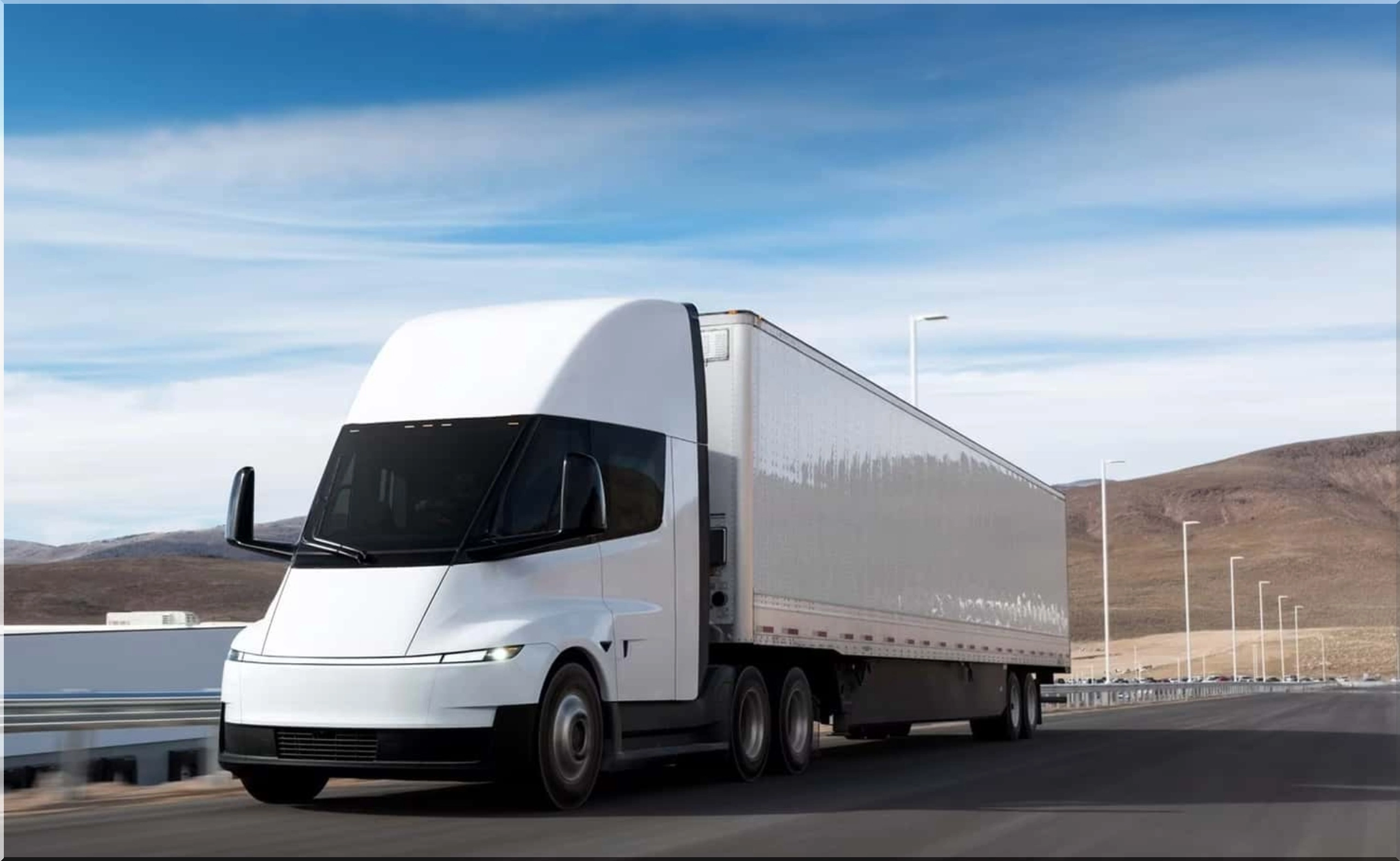
Do not choose the Tesla Semi Long Range only because the number sounds better. Pull telematics data first. If most daily routes run under 250 miles and return to the same depot, the Standard Range Tesla Semi may make more financial sense.
Tesla Semi Battery Specs Compared With Fleet Needs
The new numbers help fleet managers ask better questions. The right question is not "How big is the battery?" The right question is "How much battery does this route need without wasting money?"
| Fleet Question | Why It Matters | Semi Version That Fits Best |
|---|---|---|
| Does the truck return to base daily? | Depot charging lowers route risk | Standard Range |
| Does the route exceed 350 miles often? | More buffer reduces charging pressure | Long Range |
| Does the truck haul heavy loads daily? | Extra mass can affect payload planning | Depends on route and load |
| Does the fleet have cheap off-peak electricity? | Overnight charging can cut energy cost | Both |
| Does the route cross charging gaps? | Larger battery reduces dependence on public chargers | Long Range |
Looking at the data, Tesla now has two products for two very different fleet buyers. The Standard Range model targets disciplined logistics. The Long Range model targets route flexibility.
Charging May Matter More Than Range
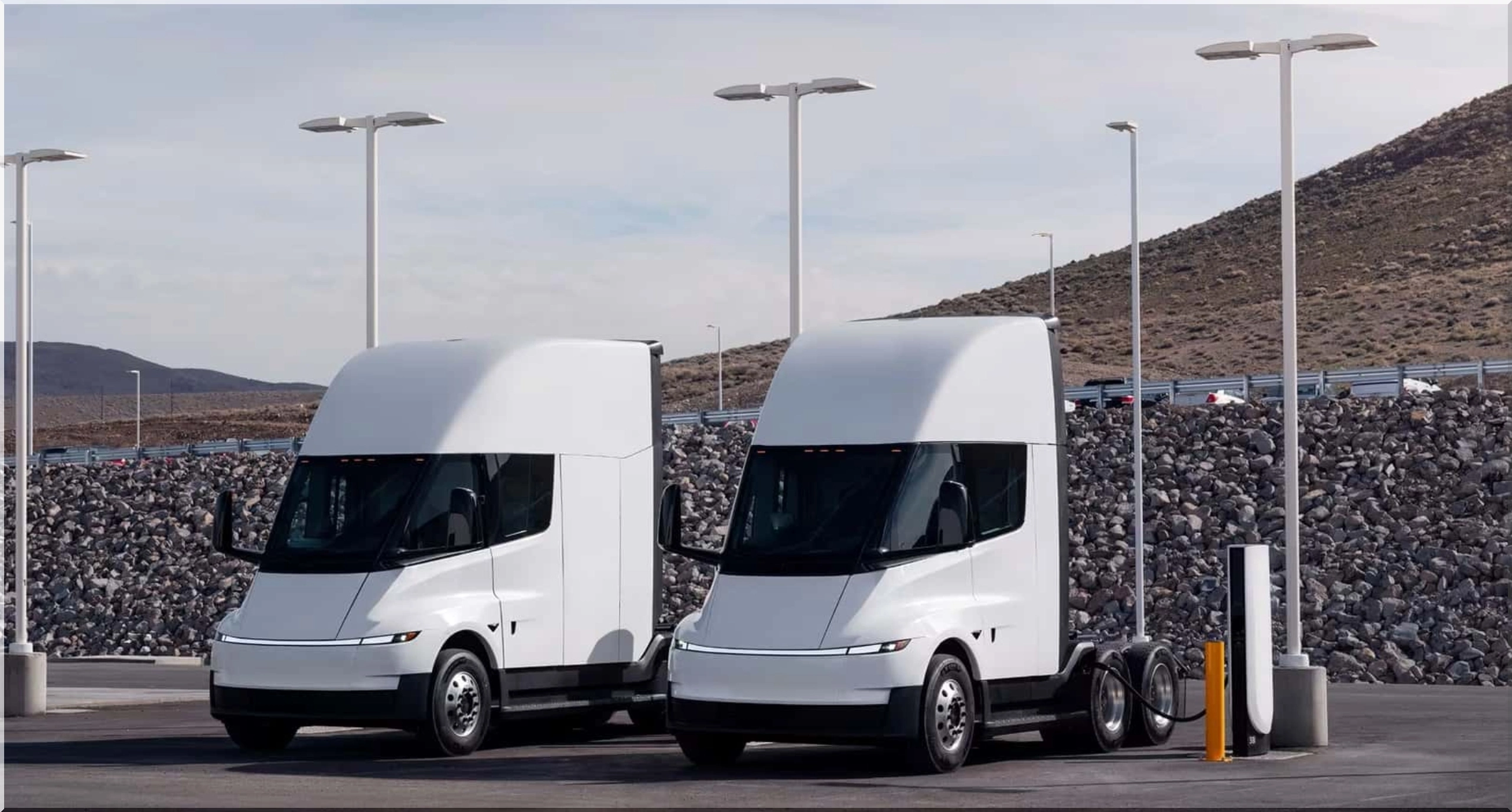
The Tesla Semi battery reveal also exposes the bigger issue: charging infrastructure. A truck with an 822 kWh usable battery can draw a huge amount of electricity, and a fleet yard with multiple trucks can require megawatt-scale planning.
Tesla says the Semi can recover up to 70 percent of range in about 30 minutes under the right charging conditions. That sounds strong, but it depends on charger capacity, battery temperature, utility service, and scheduling. A fleet does not buy only the truck. It buys the electrical system that keeps the truck working.
A single Long Range truck adding 60 percent of its usable pack needs roughly 493 kWh. Ten trucks doing that in a tight window turn charging into an energy-management problem. The truck may be ready for the route, while the depot still needs transformers, permits, software, and backup plans.
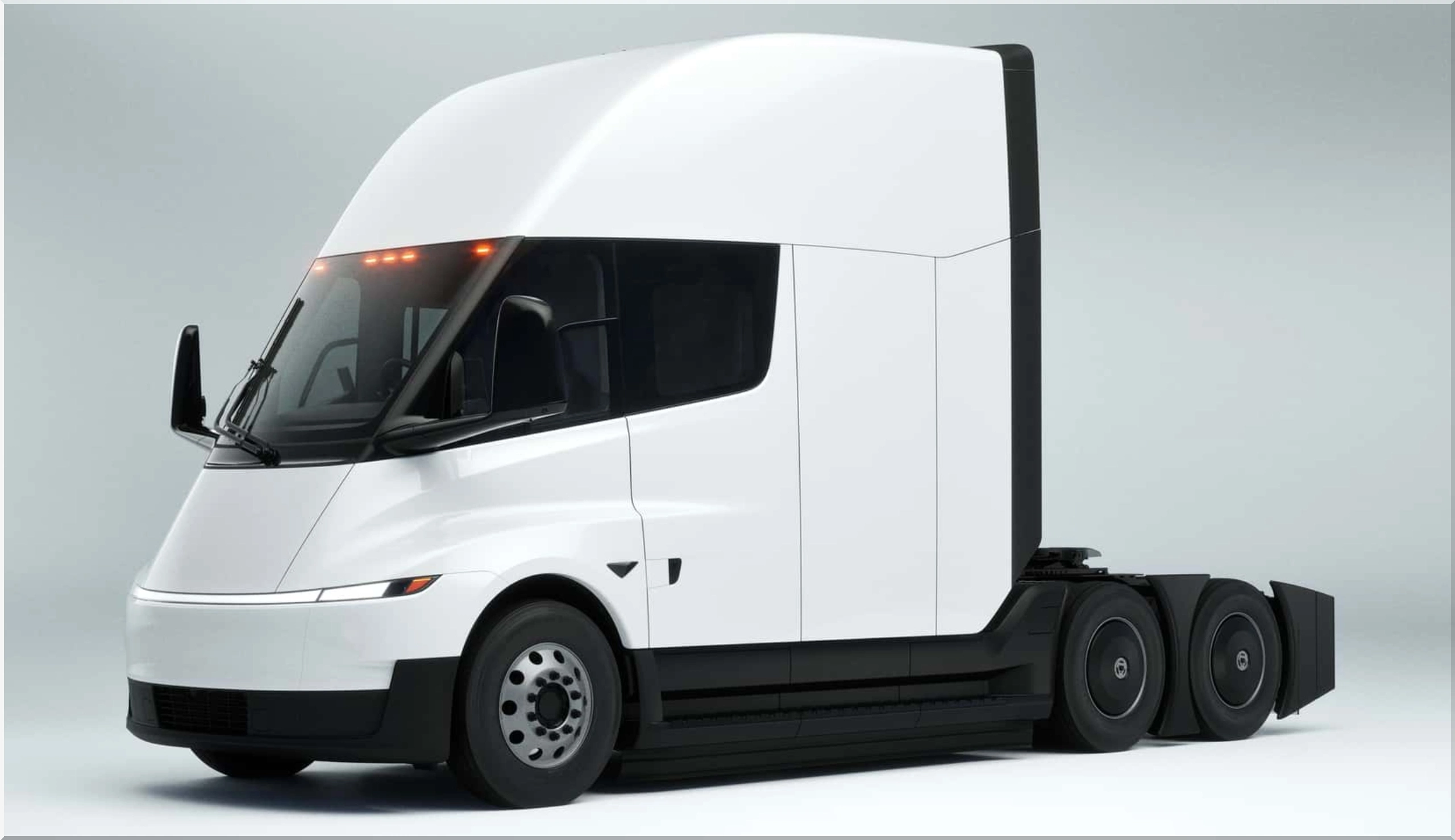
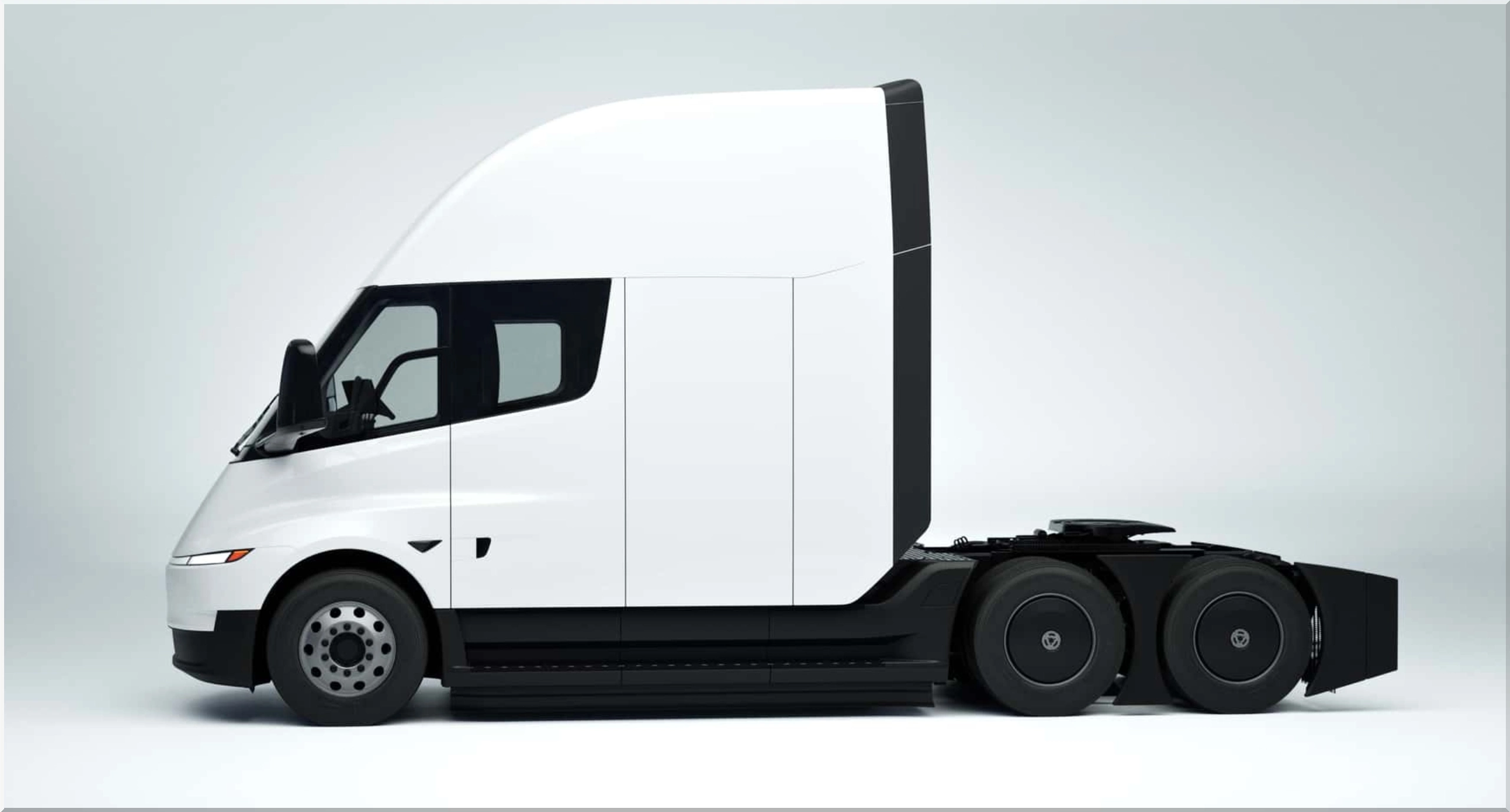
What The Battery Chemistry Tells Us
The filing points to lithium-ion NCMA battery chemistry. That means the pack uses a nickel-rich chemistry designed for high energy density and heavy-duty performance. For a Class 8 tractor, that choice makes sense because Tesla needs long range without turning the truck into a battery bunker.
Energy density matters more in trucks than many readers think. A Class 8 rig has to move a trailer, freight, driver, cab, frame, cooling hardware, and safety systems. Every pound spent on battery must return value through range, charging speed, or operating cost.
In addition, thermal management carries real weight here. Truck batteries face long high-load climbs, fast charging, and heavy discharge cycles. A weak cooling system would limit charging speed, reduce performance, and hurt long-term pack health.
The Real Total Cost Of Ownership Question
The Tesla Semi total cost of ownership depends on more than purchase price. Fleets must compare diesel cost, electricity rates, charger installation, downtime, maintenance, tire wear, insurance, incentives, and residual value.
Electric trucks can save money when they run predictable miles and charge at controlled rates. They can also disappoint when a fleet buys too much battery, installs too little charging capacity, or sends trucks into routes that still favor diesel. The Tesla Semi battery specs help reduce that risk because managers can now model the truck with real usable capacity numbers.
What Fleet Managers Should Do Next
Before placing an order, fleets should run this checklist:
- Map every route by daily mileage, average speed, elevation, and dwell time.
- Separate routes under 250 miles from routes above 350 miles.
- Price depot electricity using real peak and off-peak rates.
- Ask the utility for a load study before adding multiple trucks.
- Compare battery size against payload needs, not only advertised range.
- Build a charging backup plan for delays, weather, and equipment downtime.
Why The Tesla Semi Specs Put Pressure On Diesel
The confirmed Tesla Semi battery specs give the electric truck market a clearer target. The Long Range version gives Tesla a credible 500-mile tool. The Standard Range version gives fleets a less costly way into electric trucking where route predictability already favors batteries.
Diesel still has advantages. Refueling stays faster. Infrastructure already exists. Long-haul flexibility remains strong. But diesel also carries fuel-price swings, emissions rules, and maintenance complexity that electric fleets can reduce on the right routes.
The Tesla Semi does not need to replace every diesel tractor to succeed. It needs to win the lanes where battery-electric trucking already makes sense. With 548 kWh and 822 kWh usable battery options, Tesla now gives fleets two clearer paths into that calculation.
The No-Nonsense Verdict
The Tesla Semi Long Range looks serious because an 822.029 kWh usable battery can support a 500-mile target without absurd pack-size assumptions. The Tesla Semi Standard Range looks equally important because a 548.019 kWh battery may fit real depot-based freight at a lower cost.
The truck's success now depends on production scale, charger deployment, uptime, service support, and fleet math. Specs win attention. Operations win contracts.
The Mercedes-Benz eActros 600 is not your average electric truck. It is a heavy-duty vehicle that can travel up to 310 miles on a single charge, haul up to 40 tons of cargo, and withstand extreme temperatures. It is also part of the… Continue reading
Mercedes-Benz Doubles Down on Electric Freight With eActros 600 Rigid Variants Mercedes-Benz Trucks, a division of Daimler Truck AG, is significantly expanding its battery-electric truck portfolio by… Continue reading

The European landscape for sustainable transportation just shifted gears. Daimler Truck's ambitious eActros 600 electric truck project has reached a significant milestone, successfully completing a test drive to the… Continue reading

The Electric Comeback of a City Icon Renault’s Twingo E-Tech Electric marks the rebirth of an urban legend. Compact, affordable, and developed in just two years, this new-generation electric city car demonstrates how… Continue reading