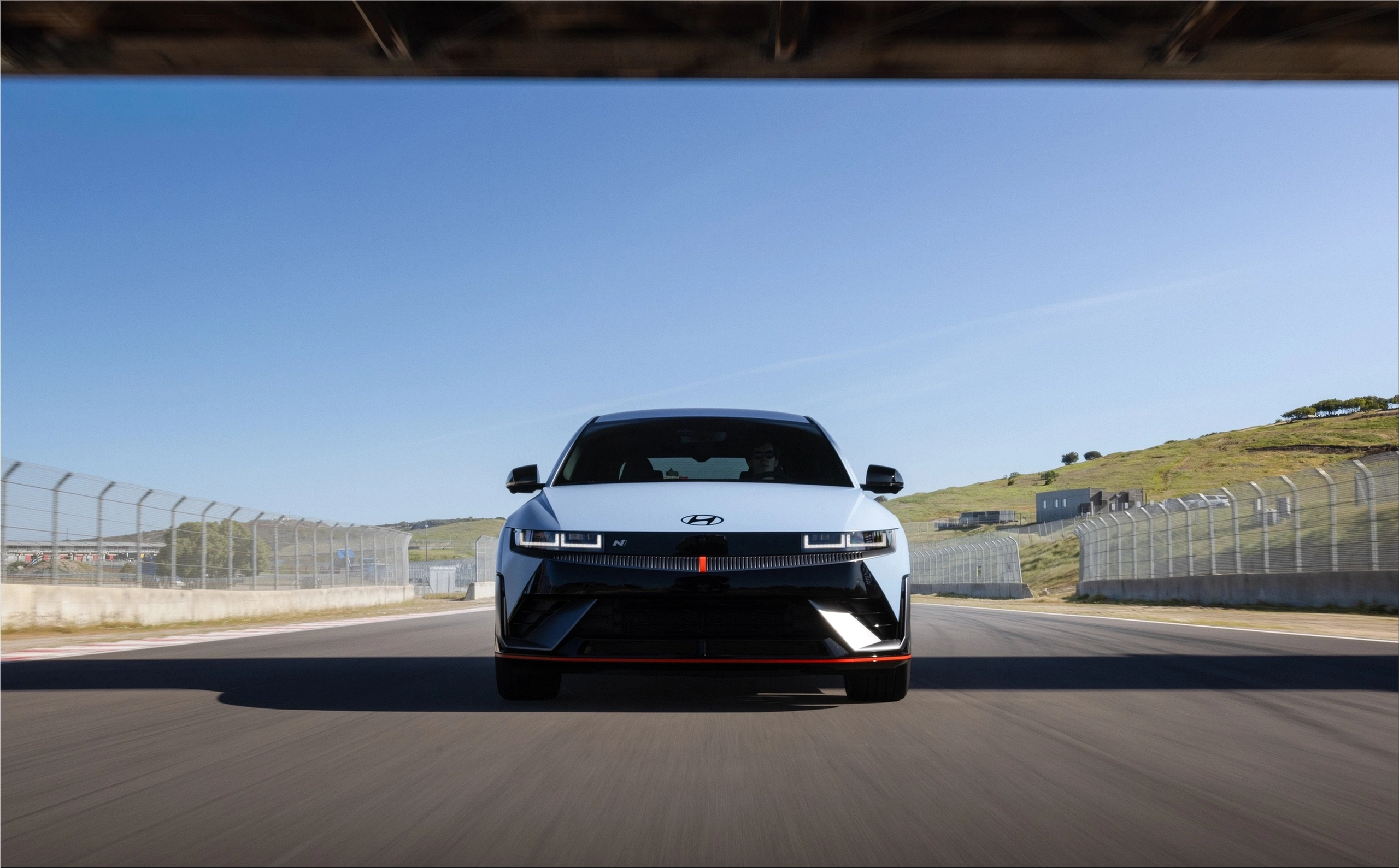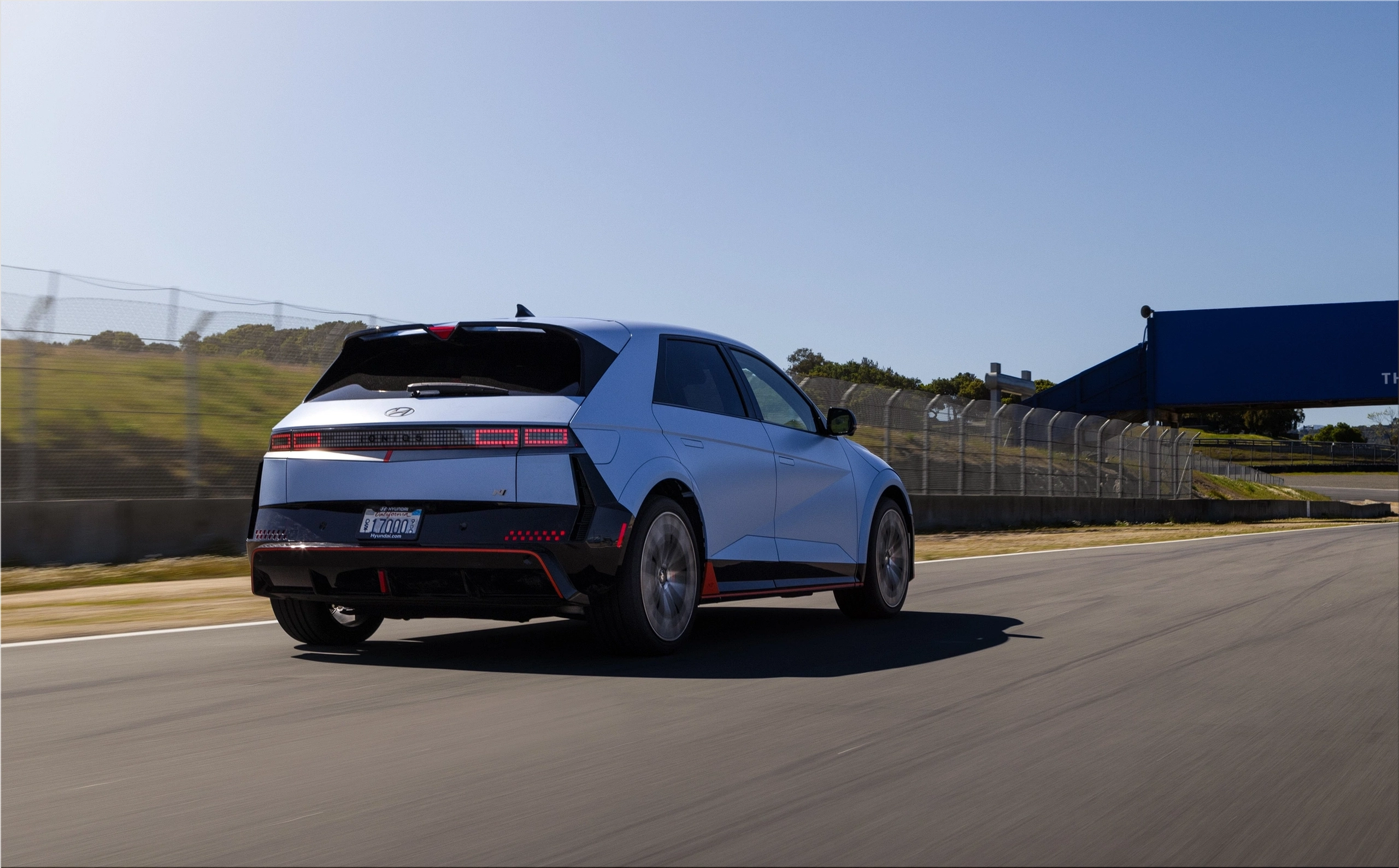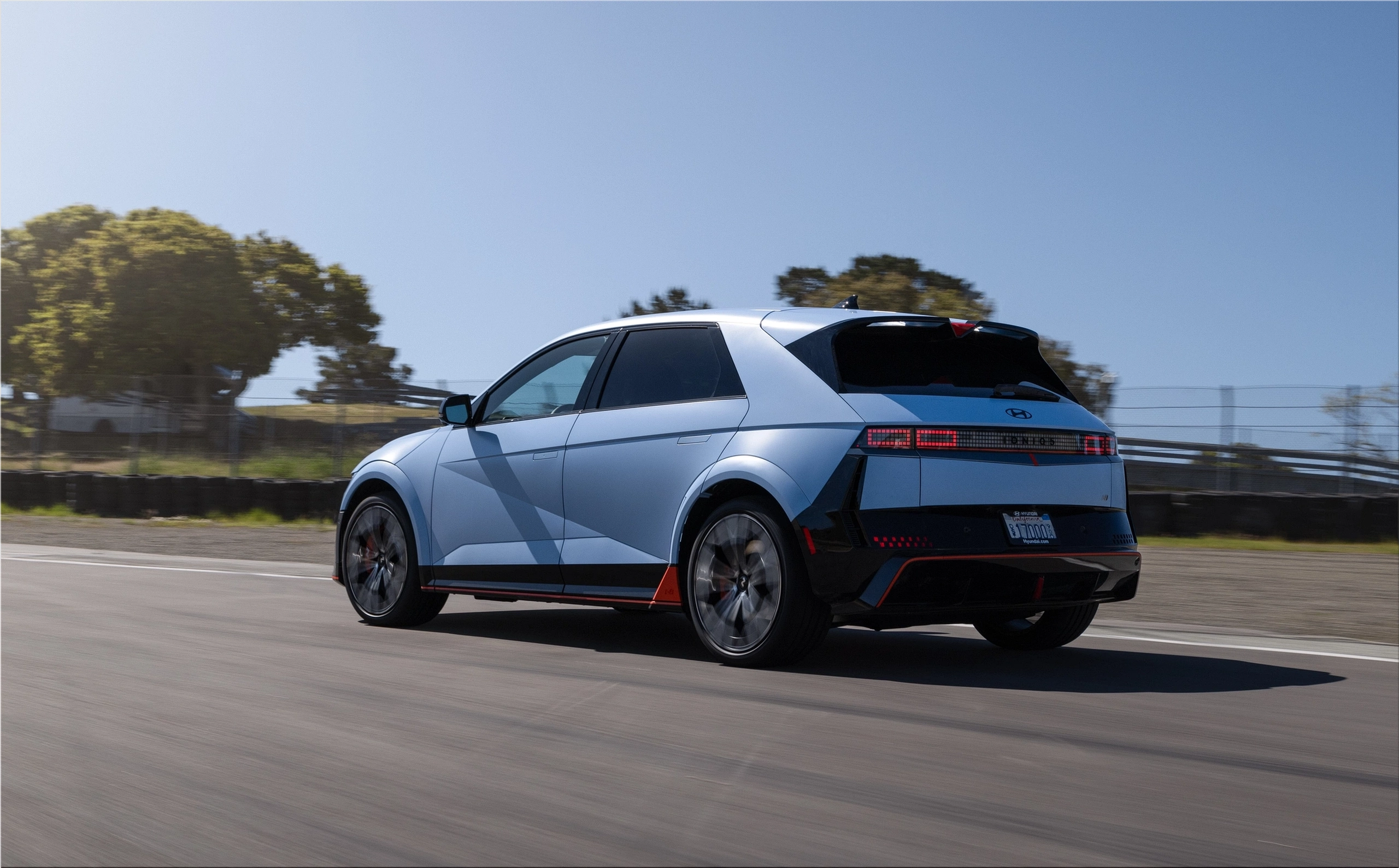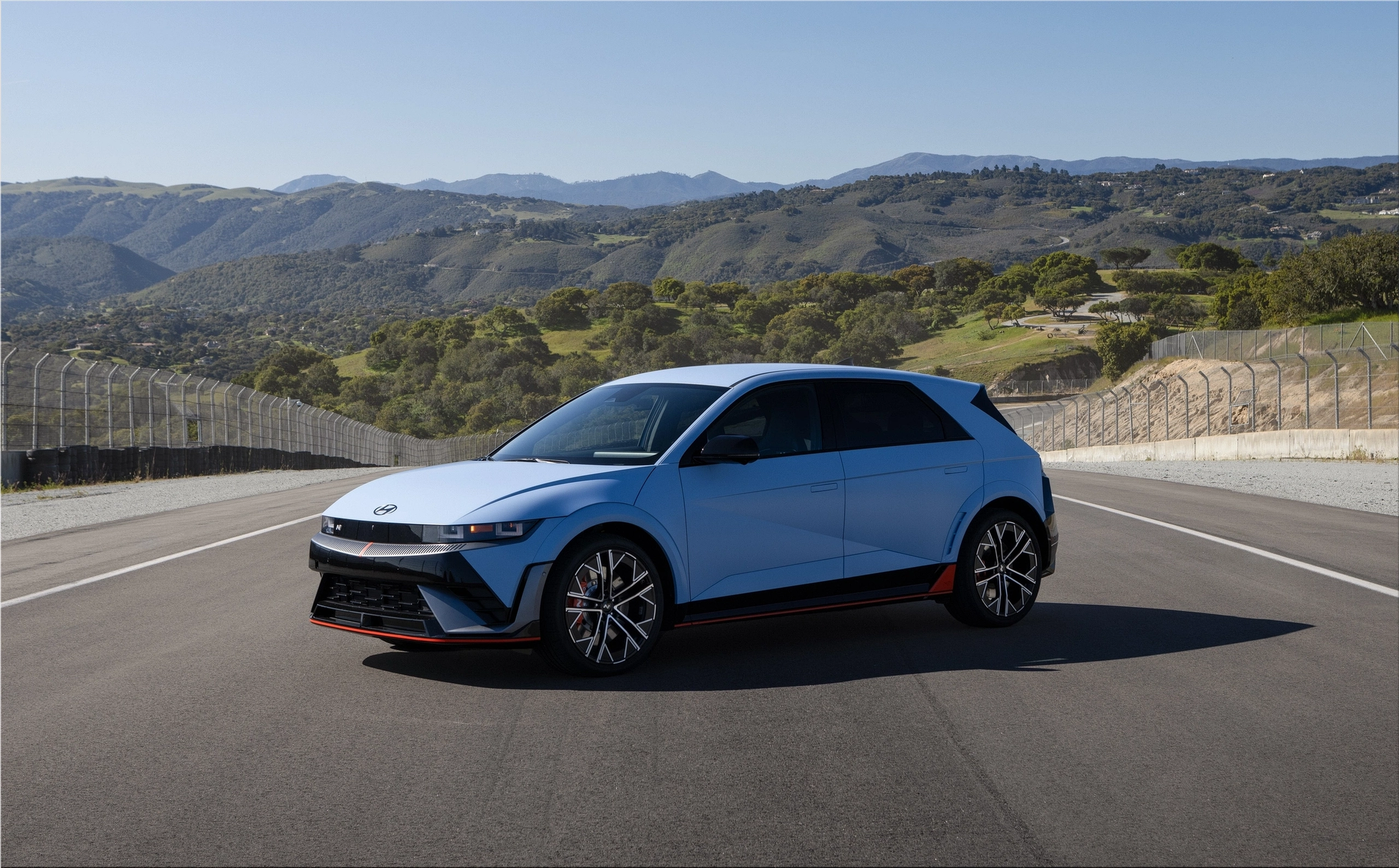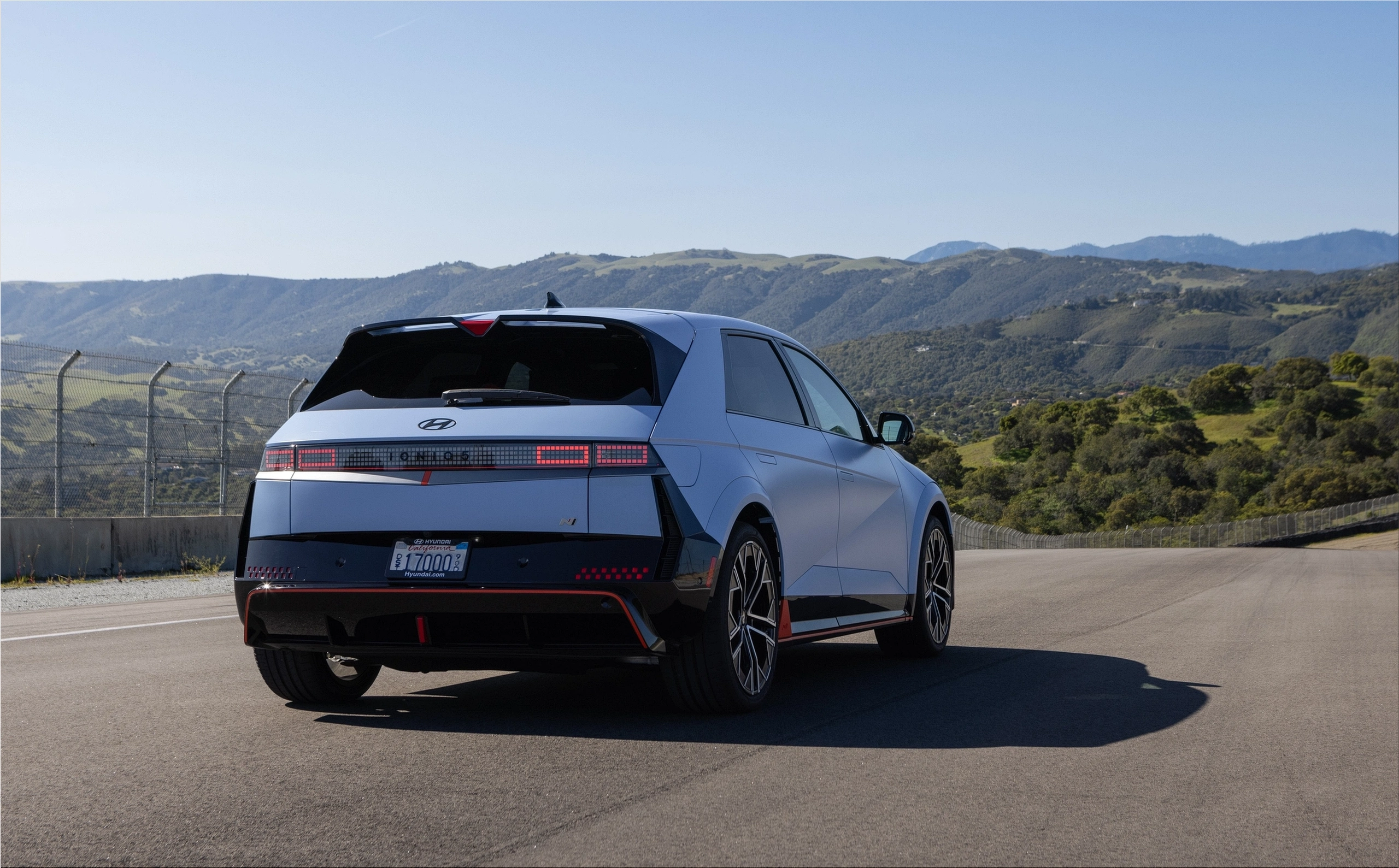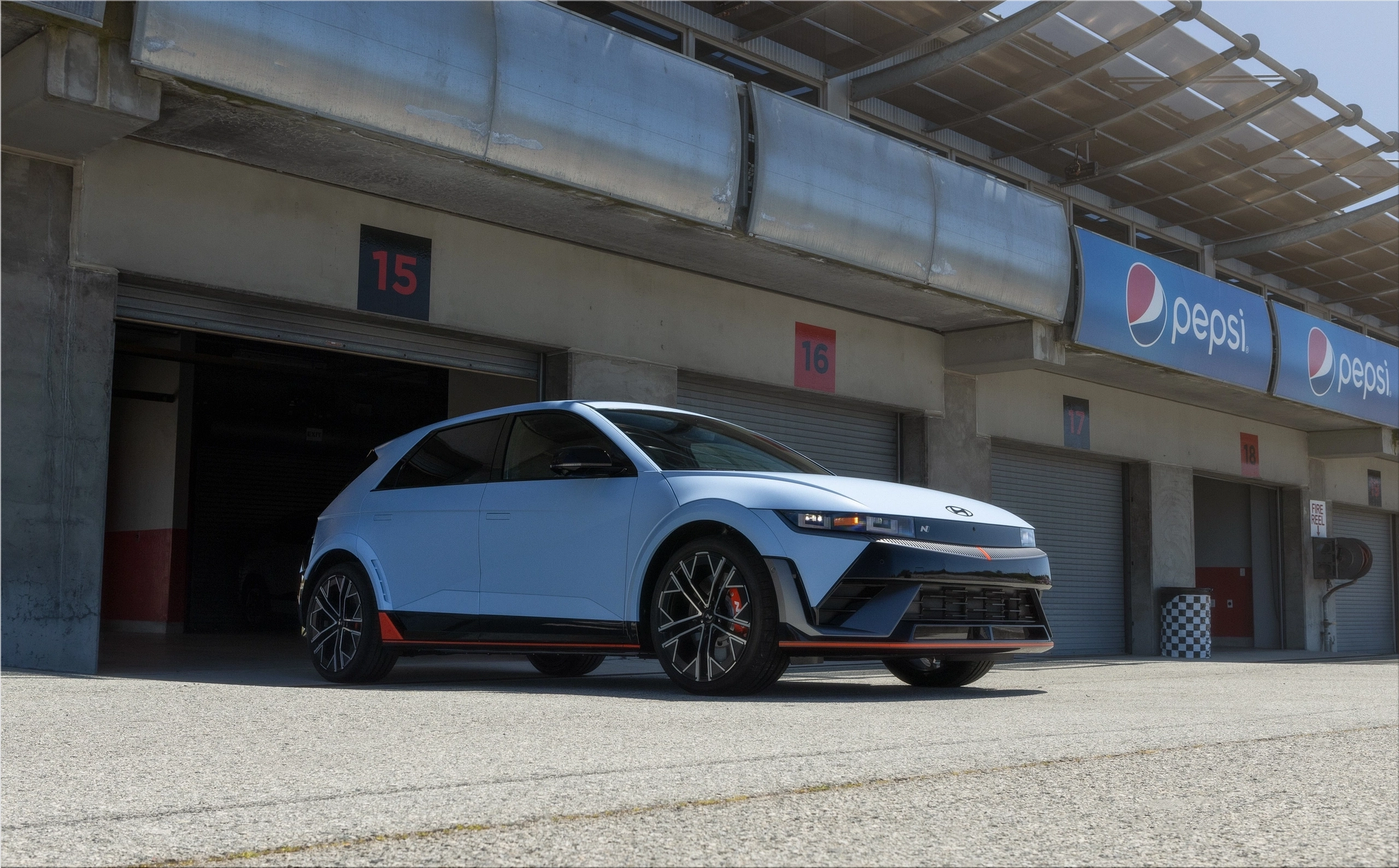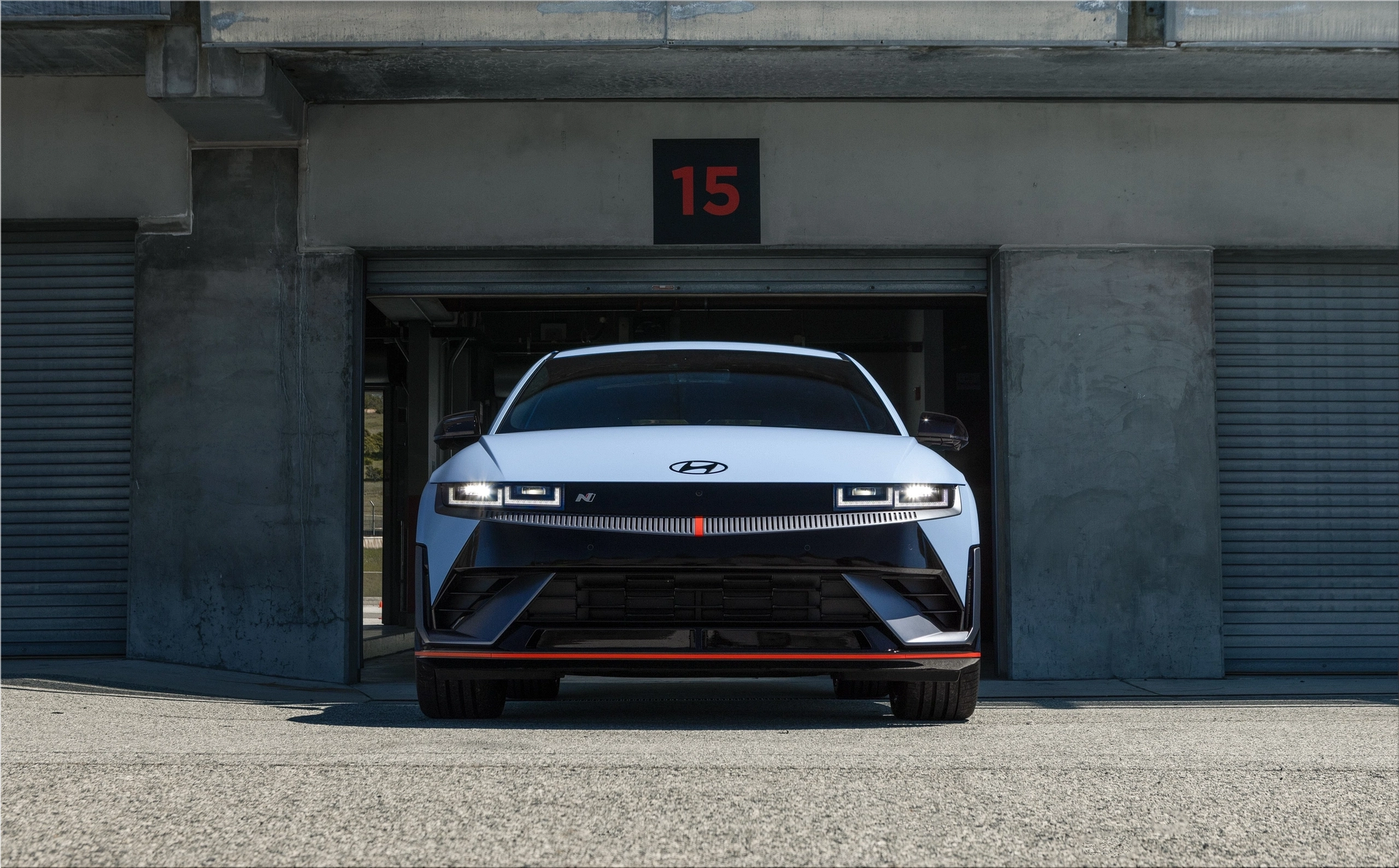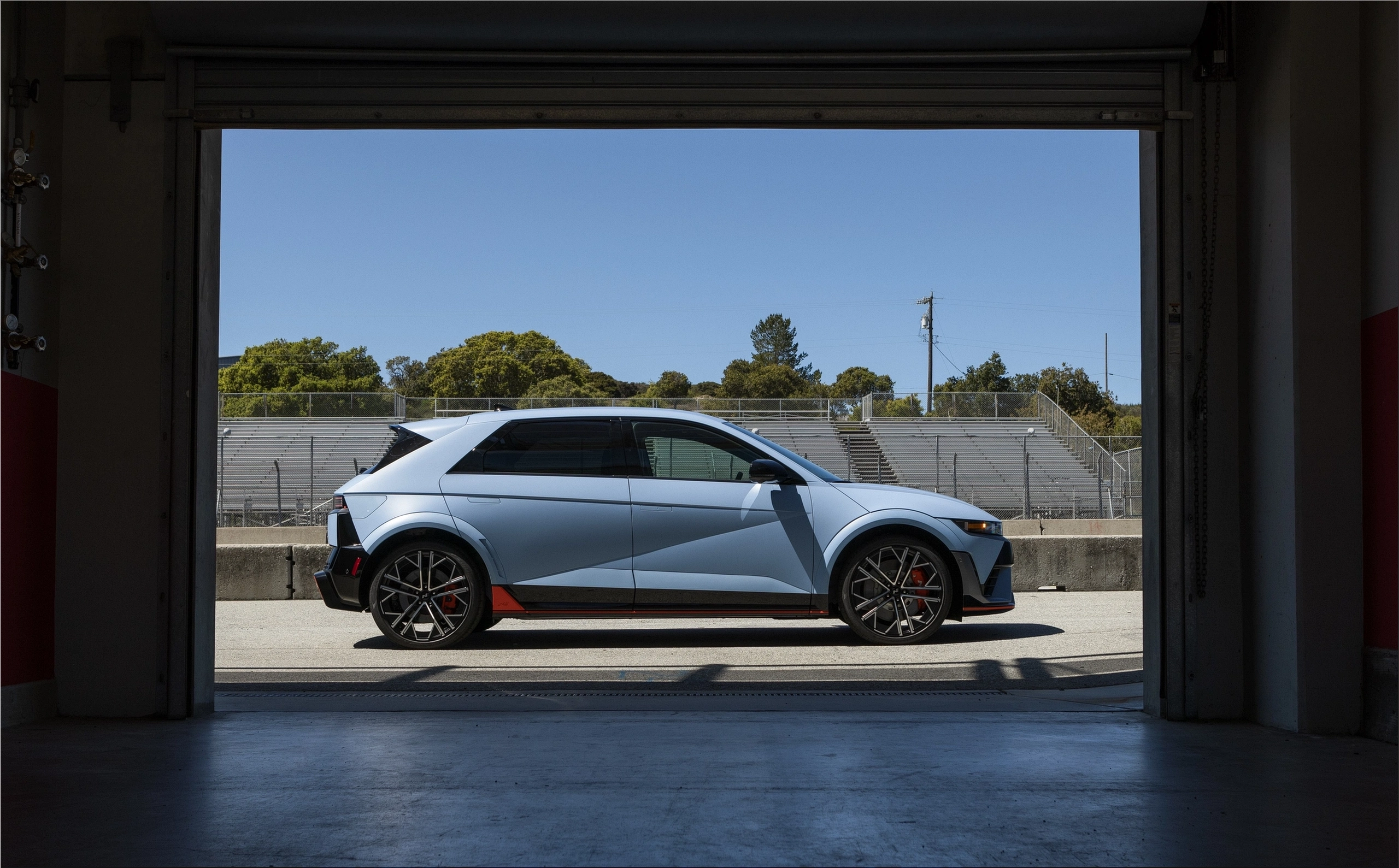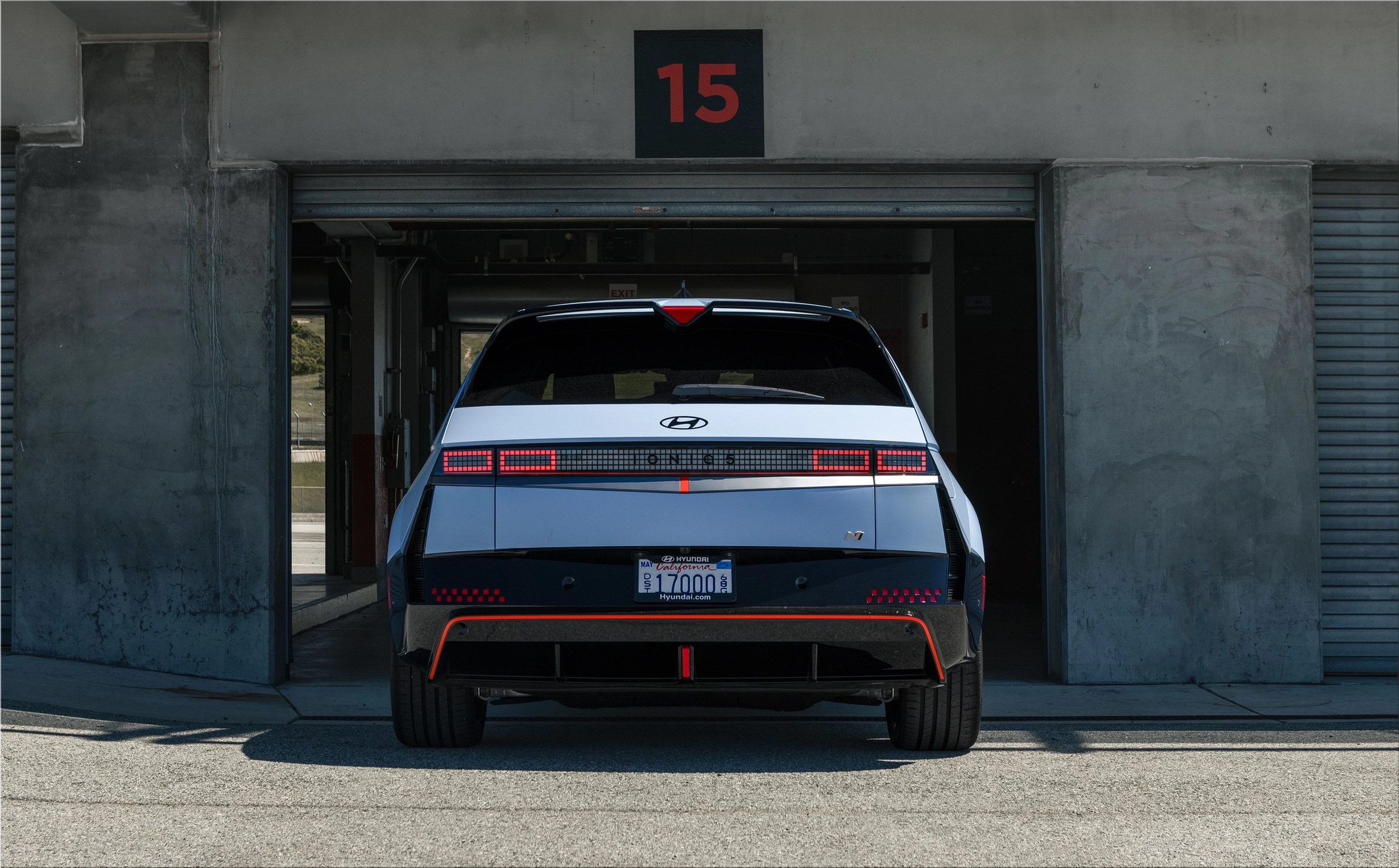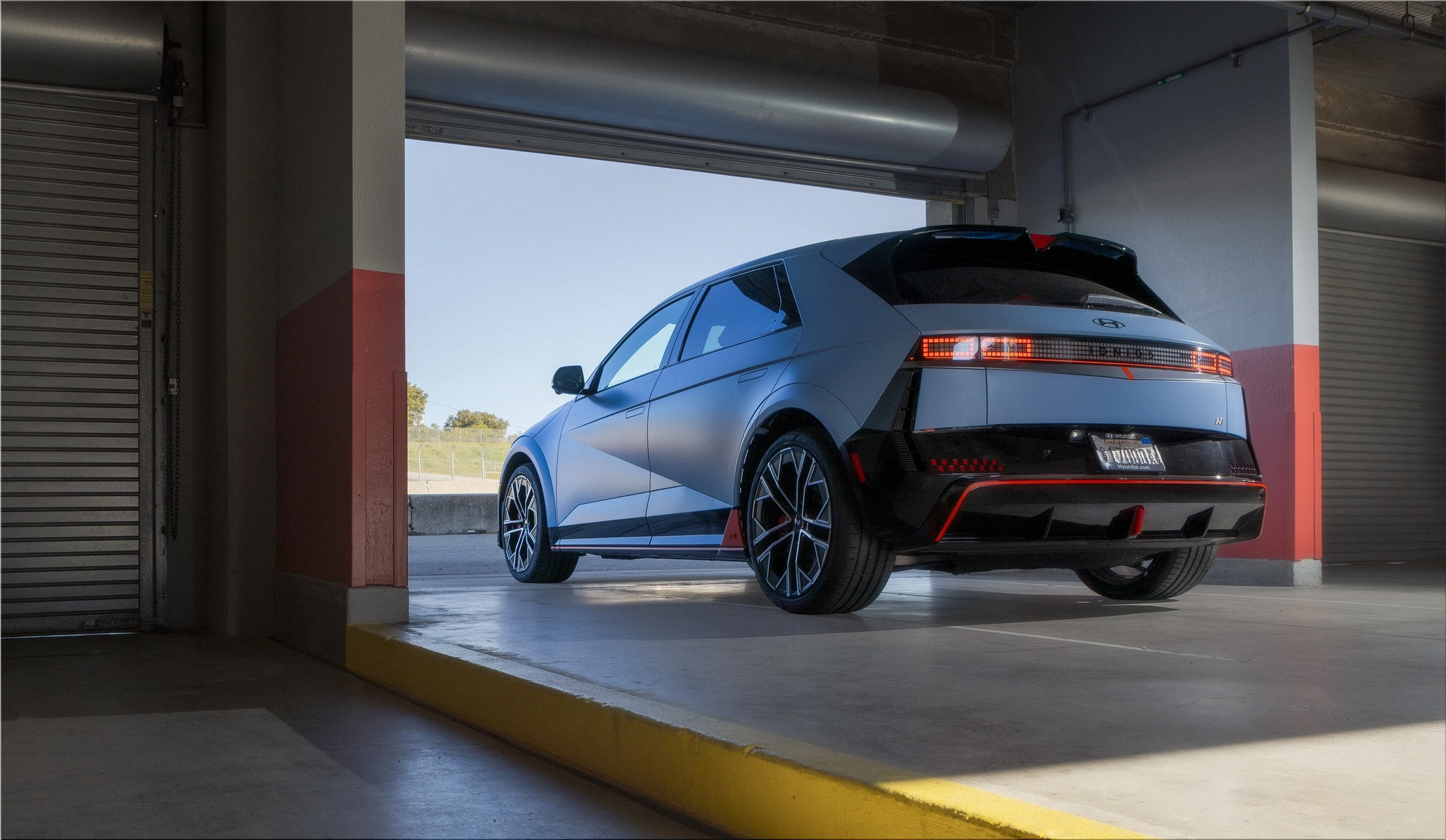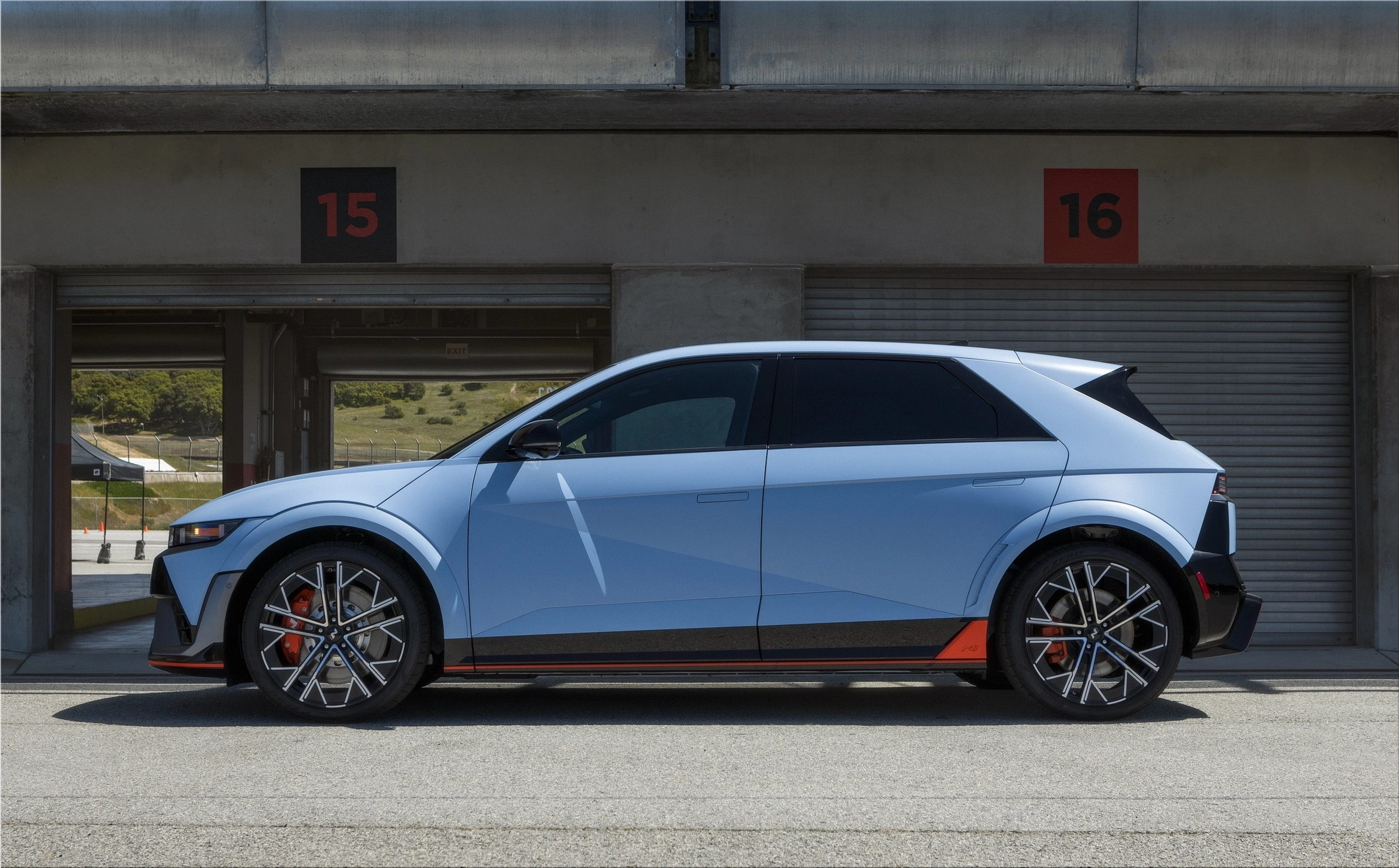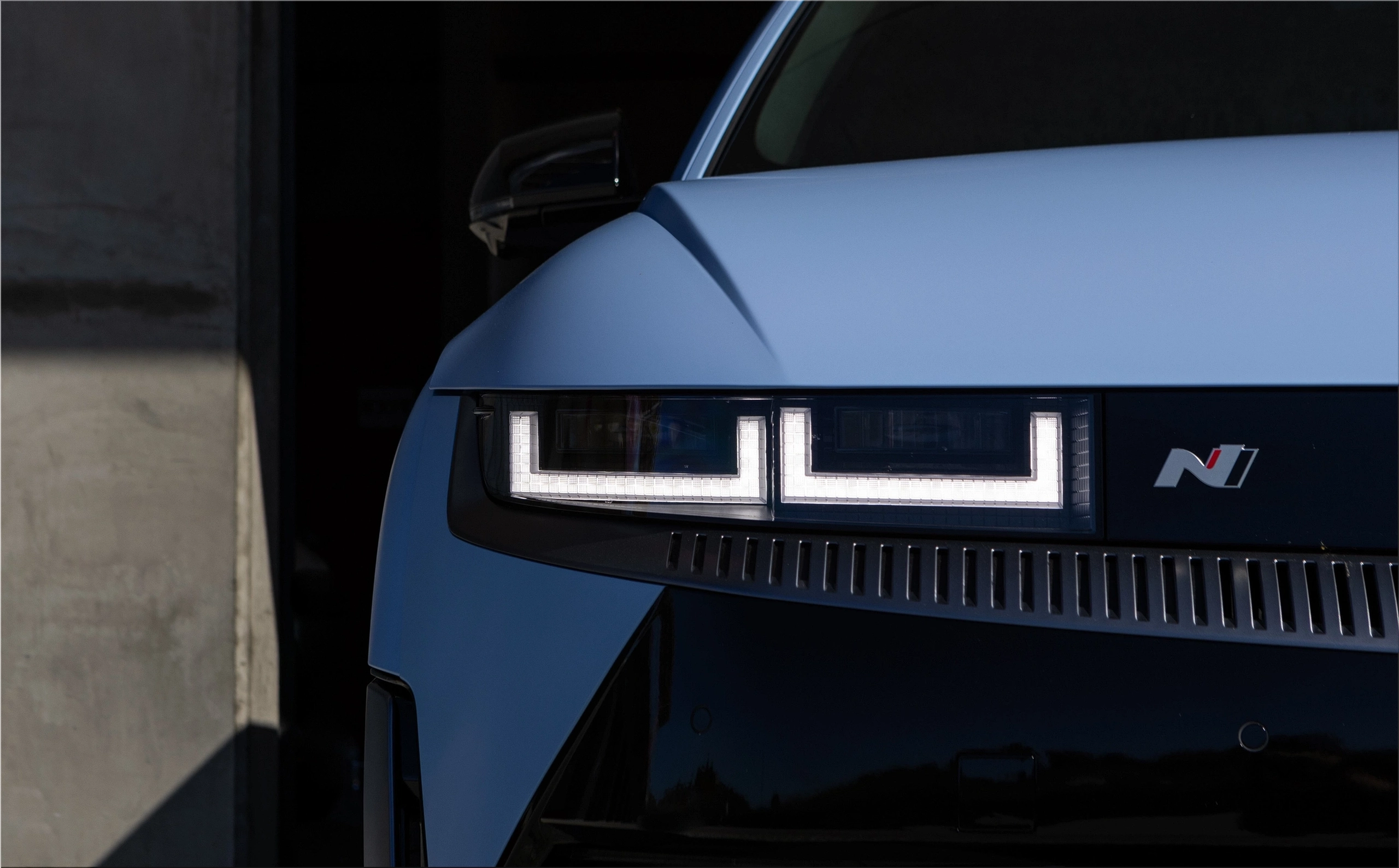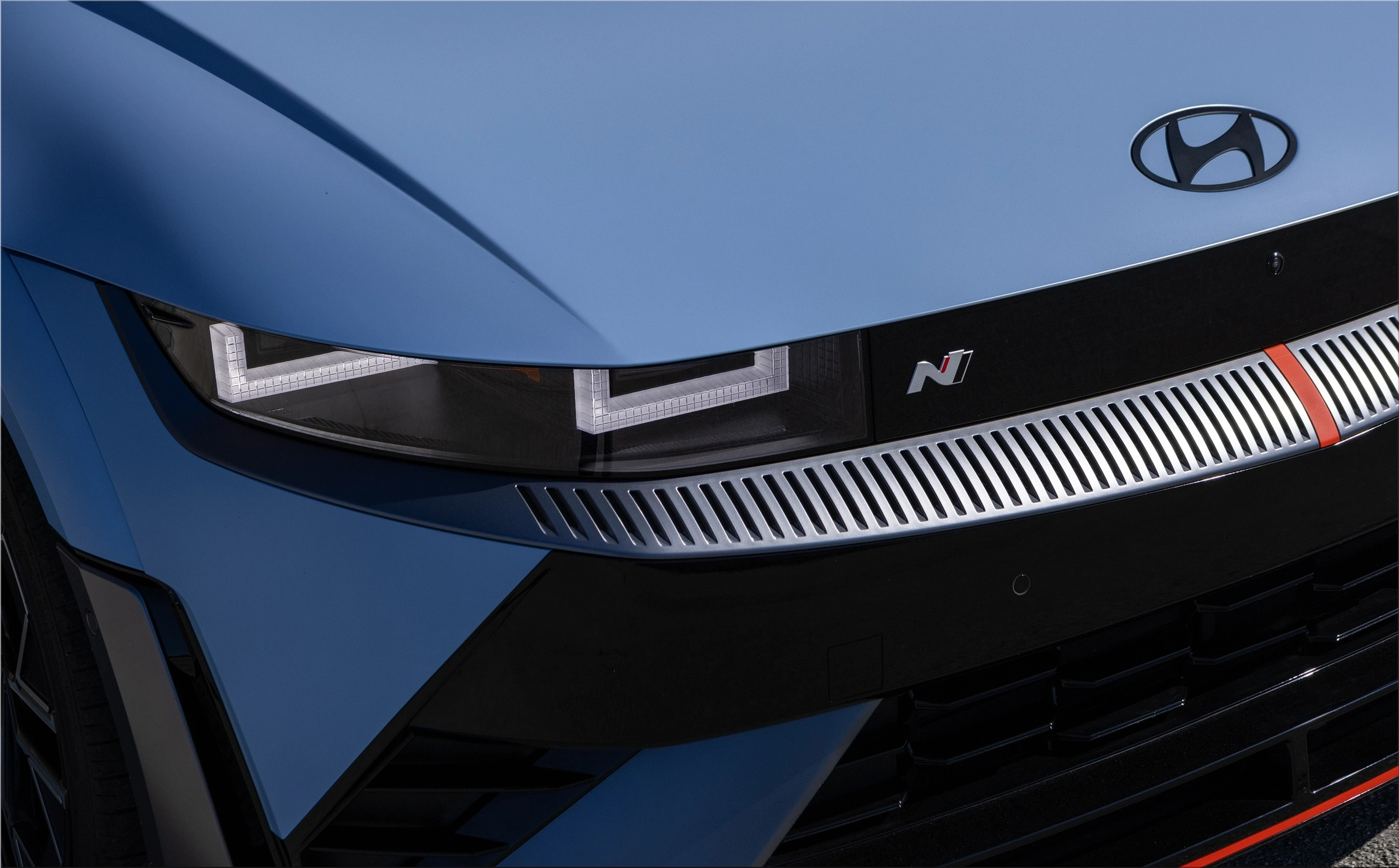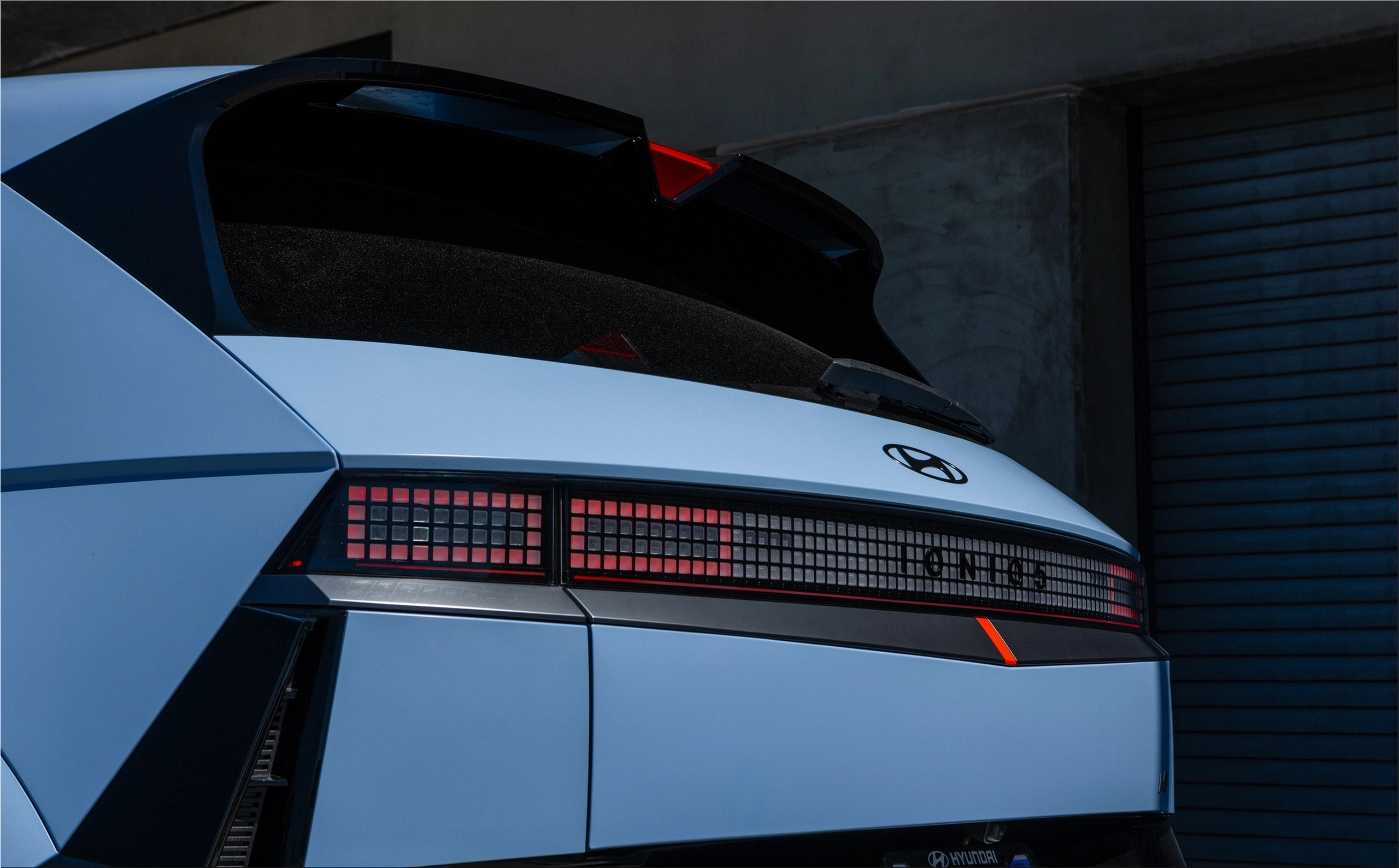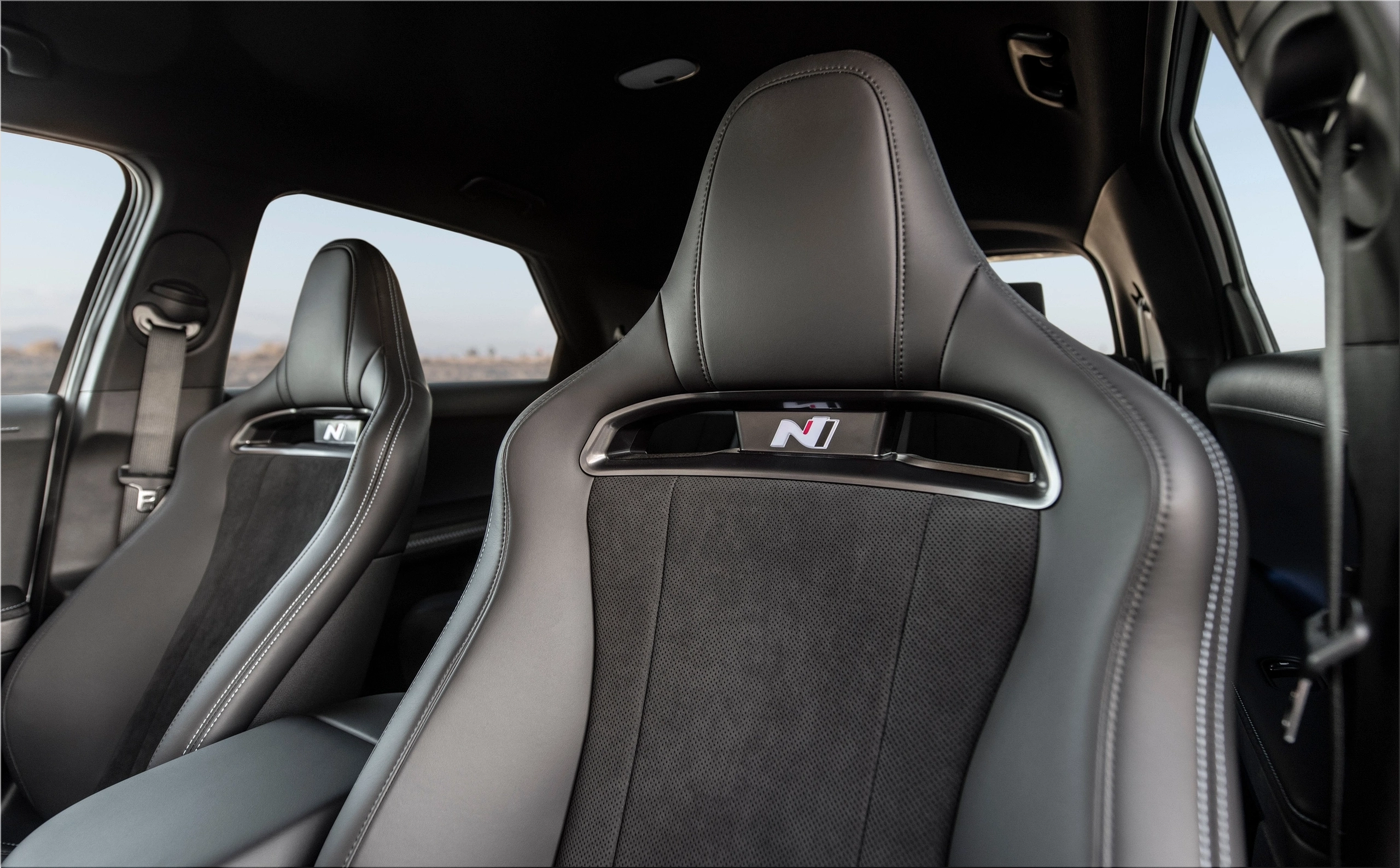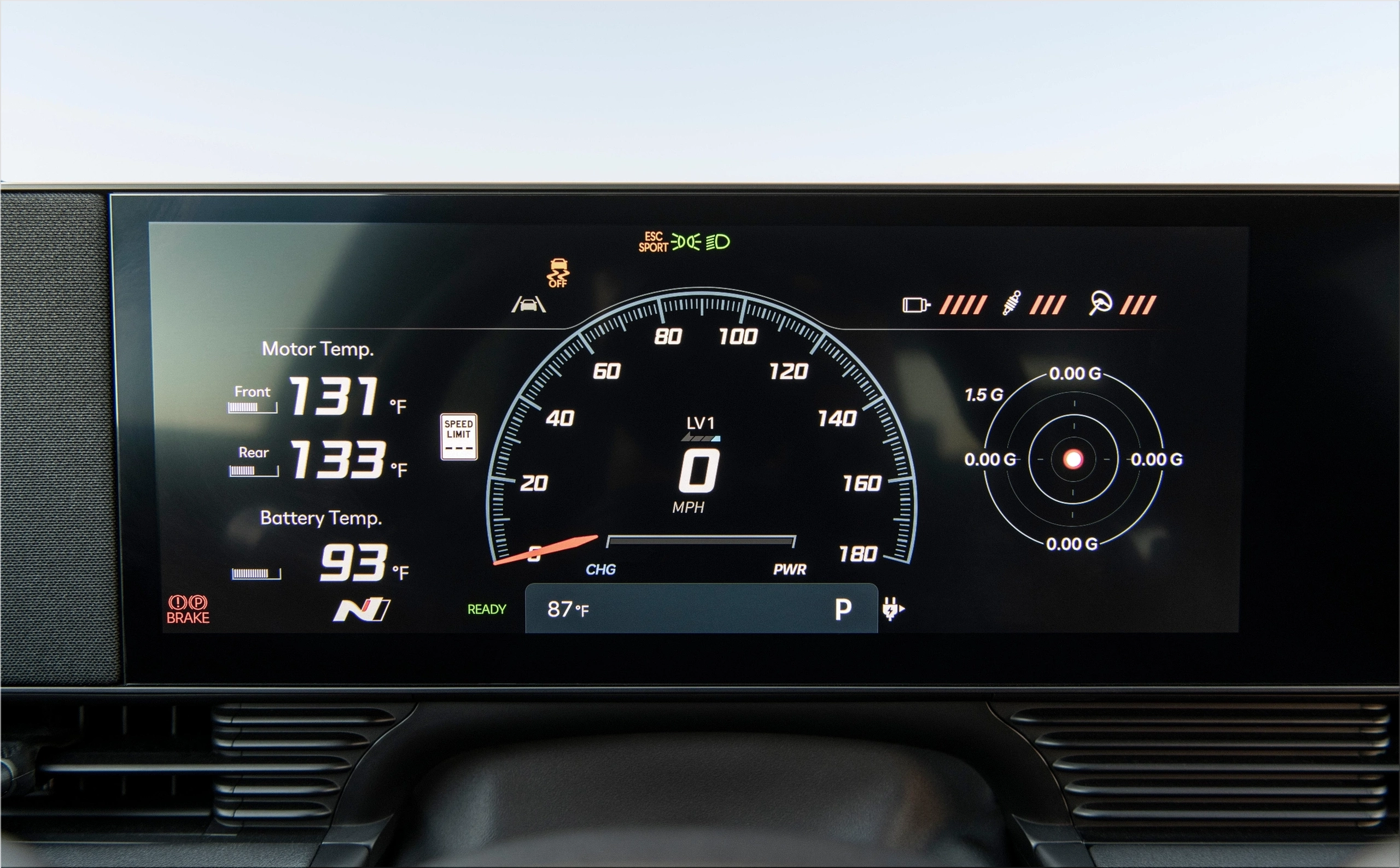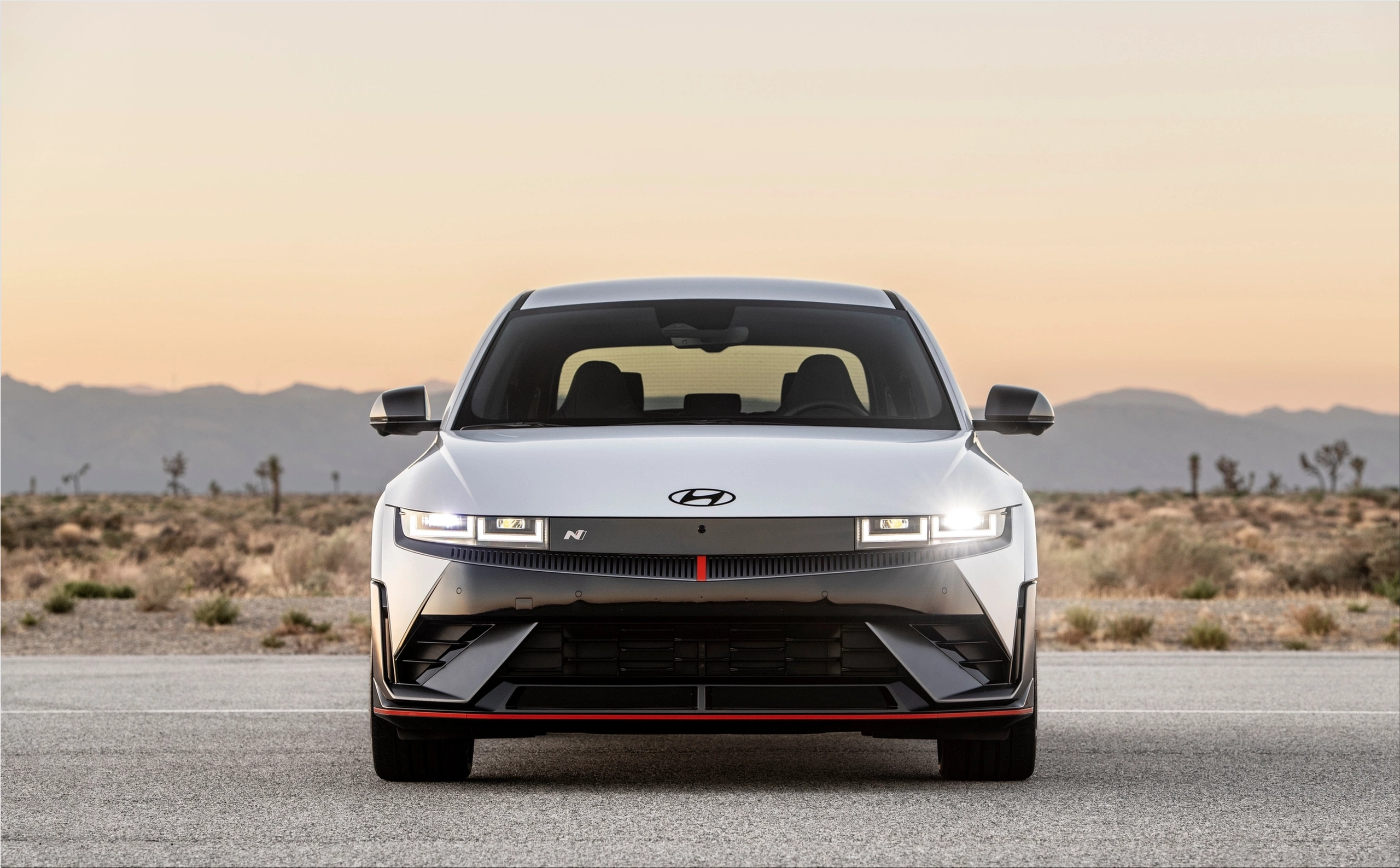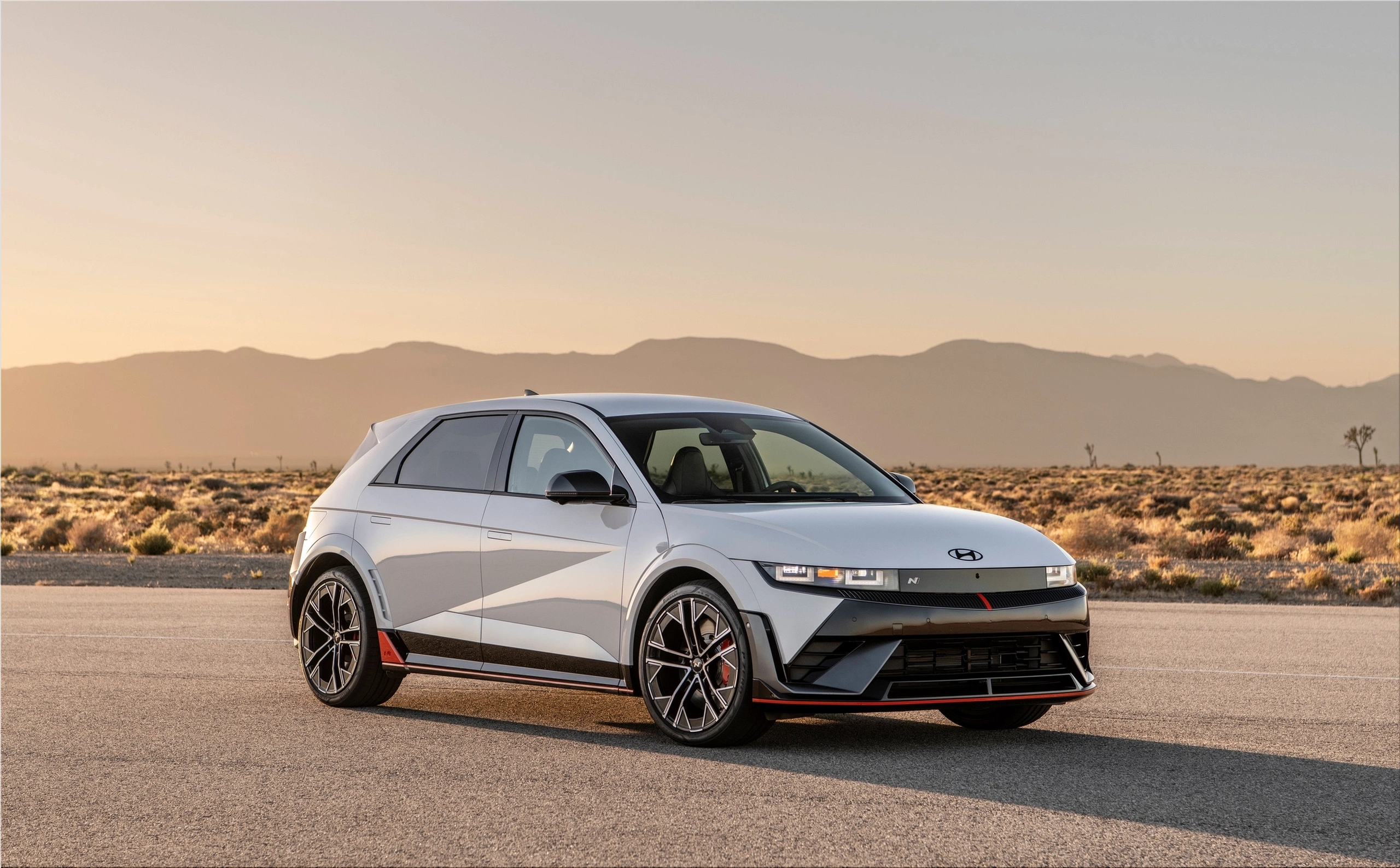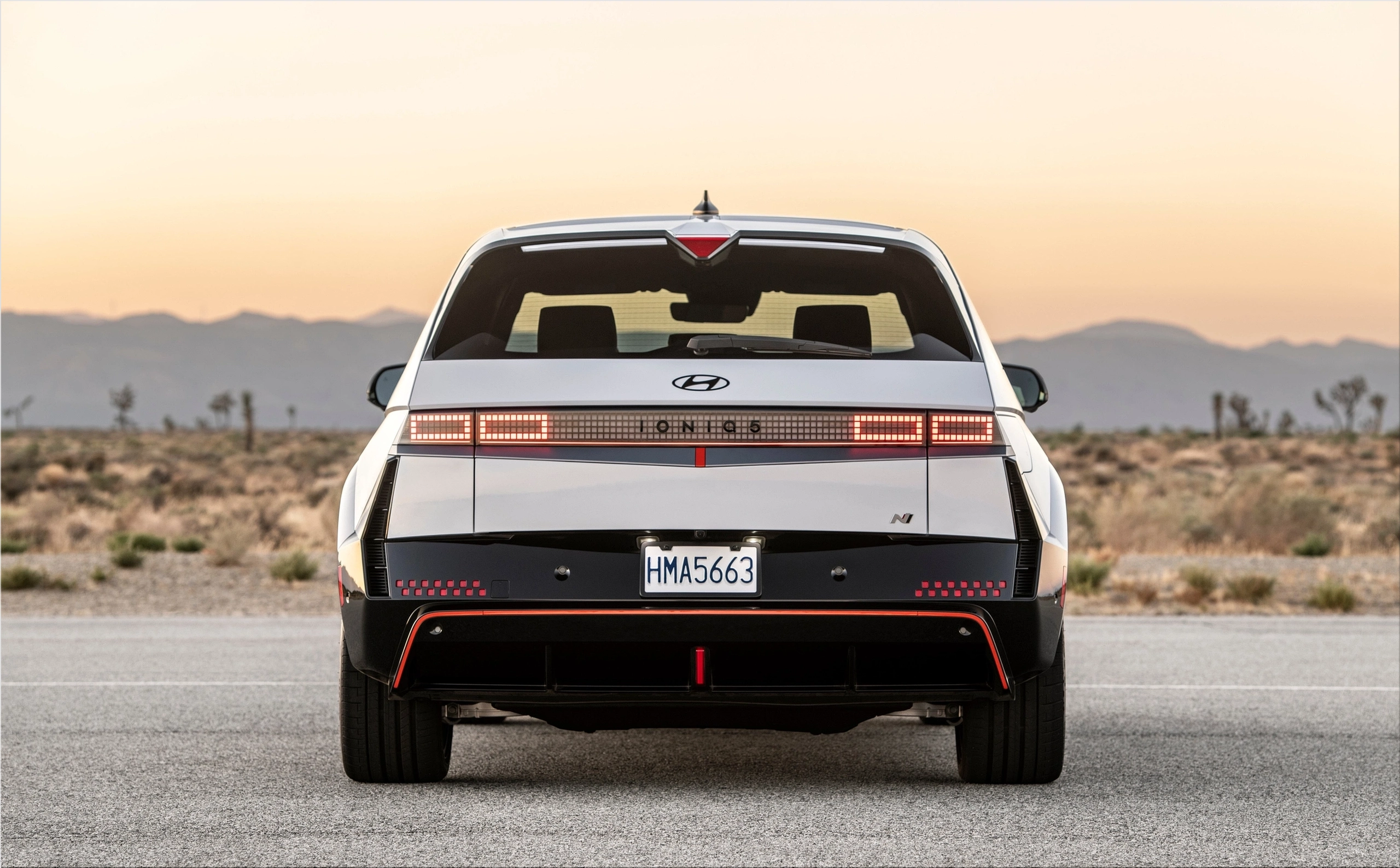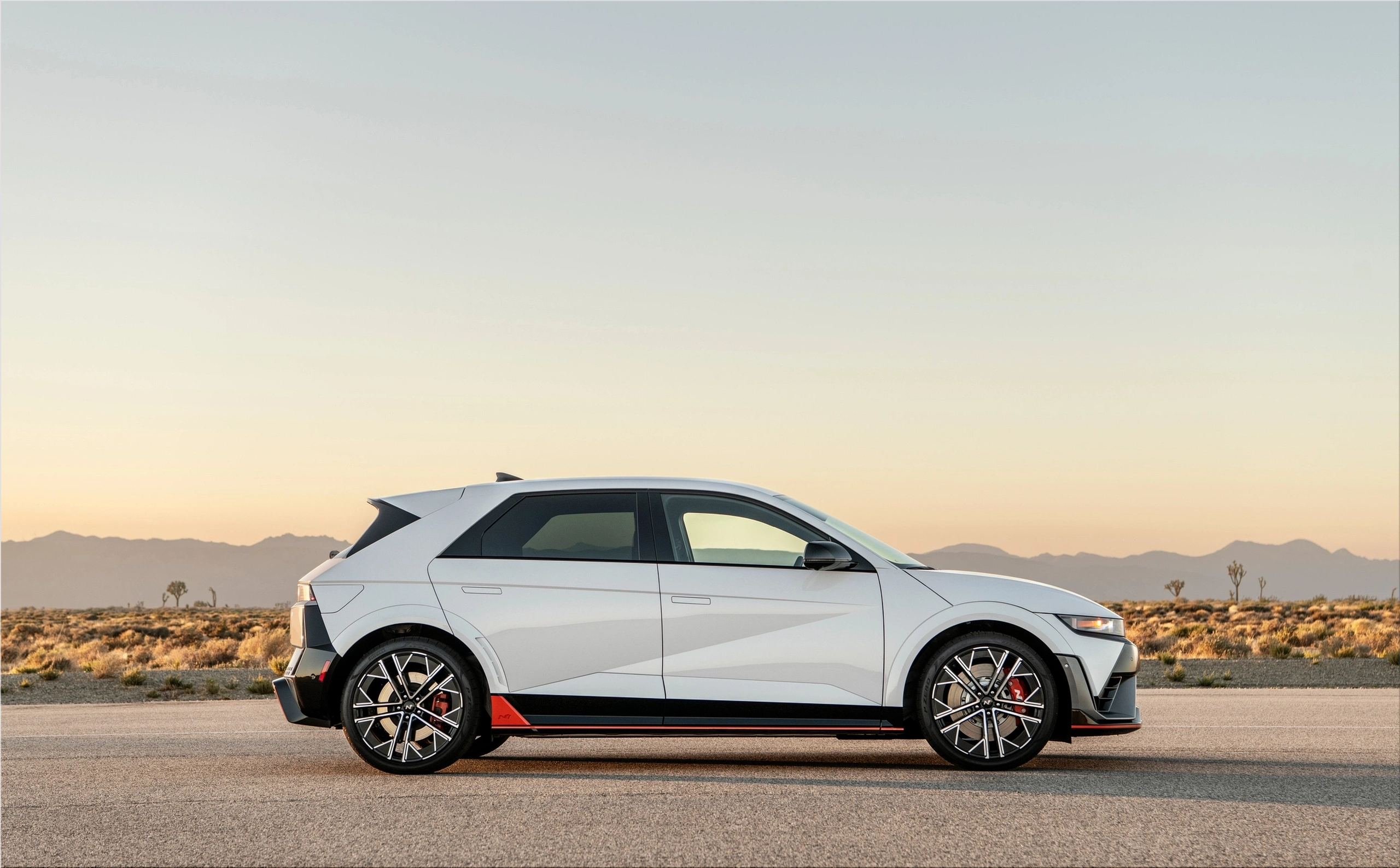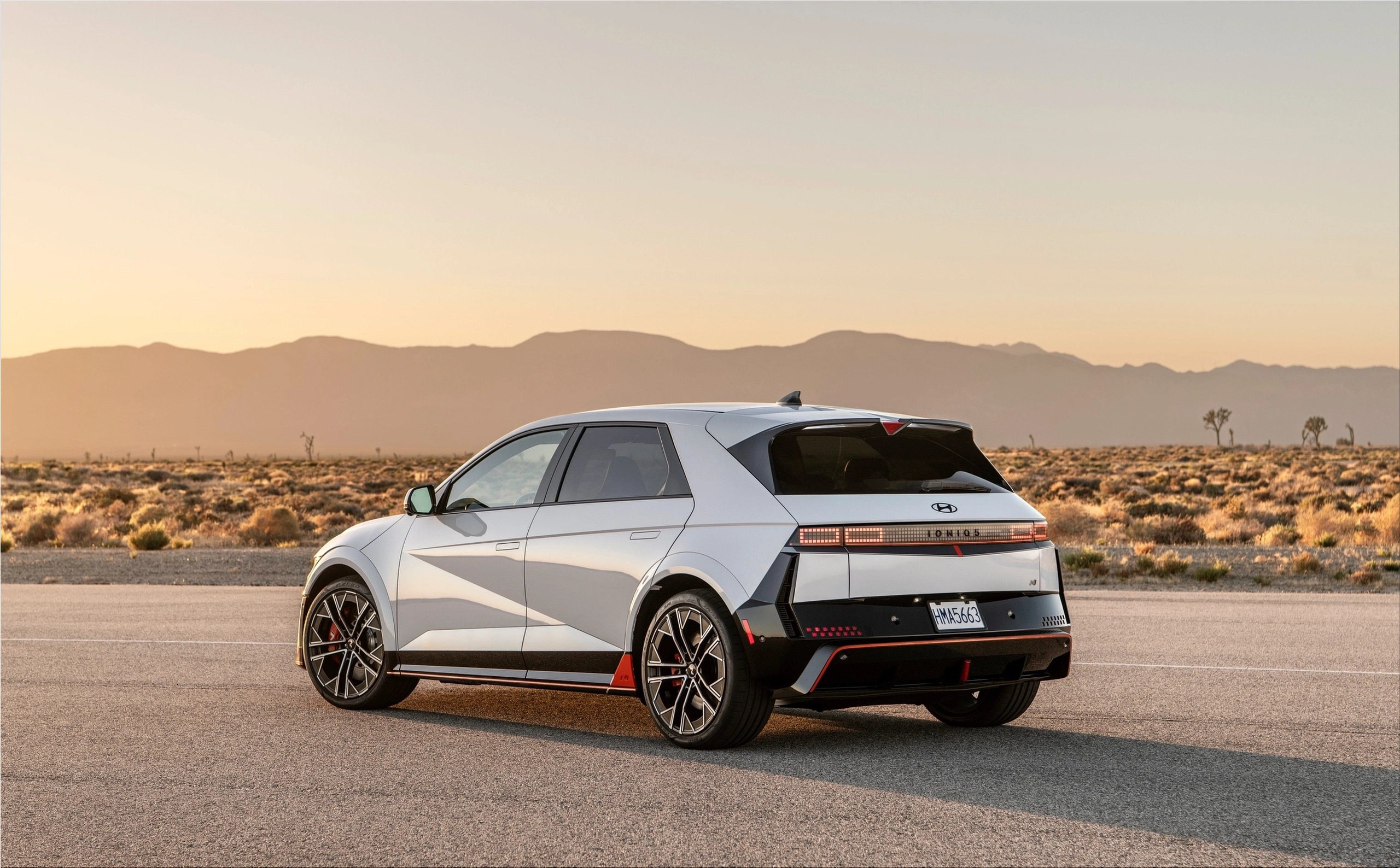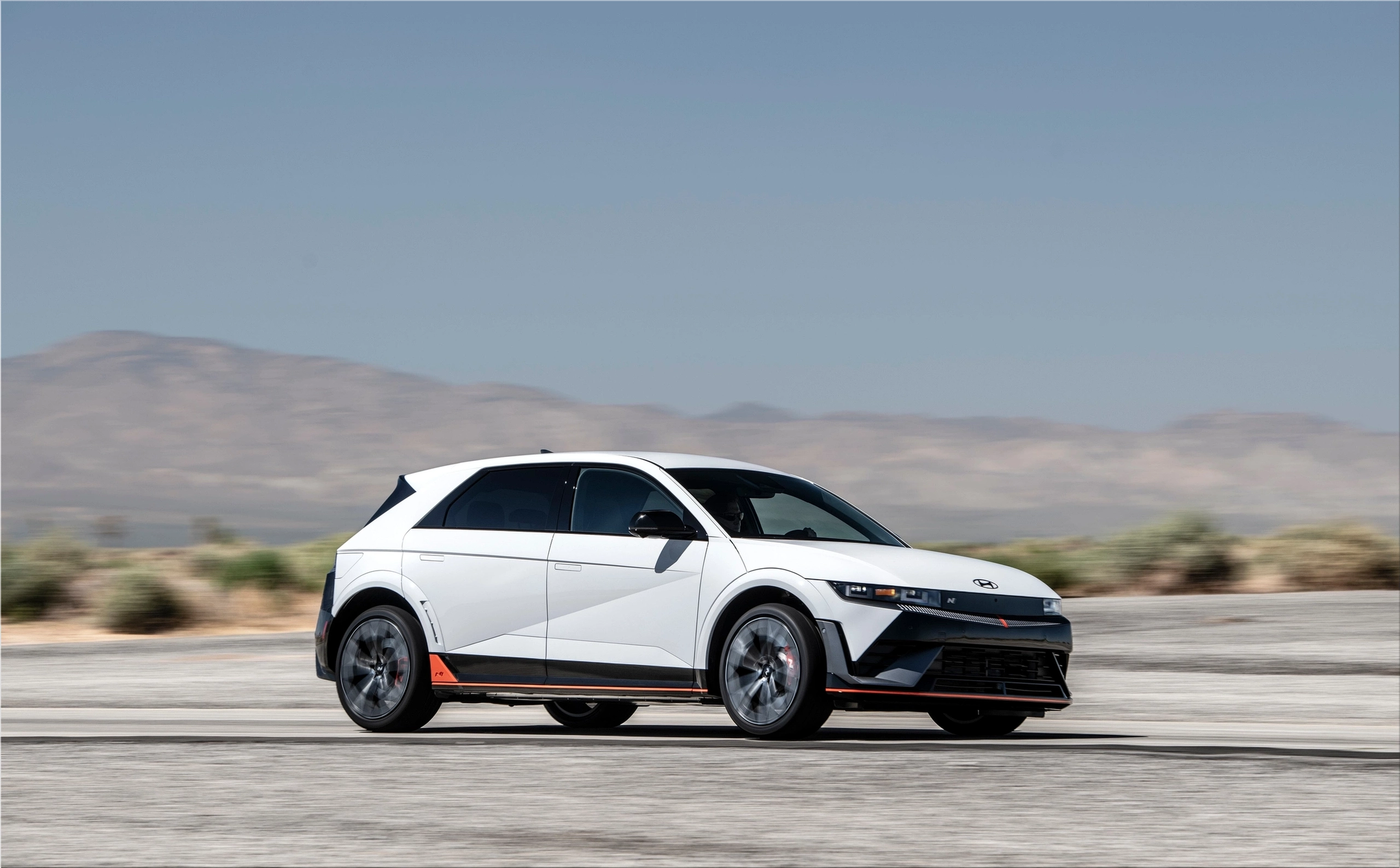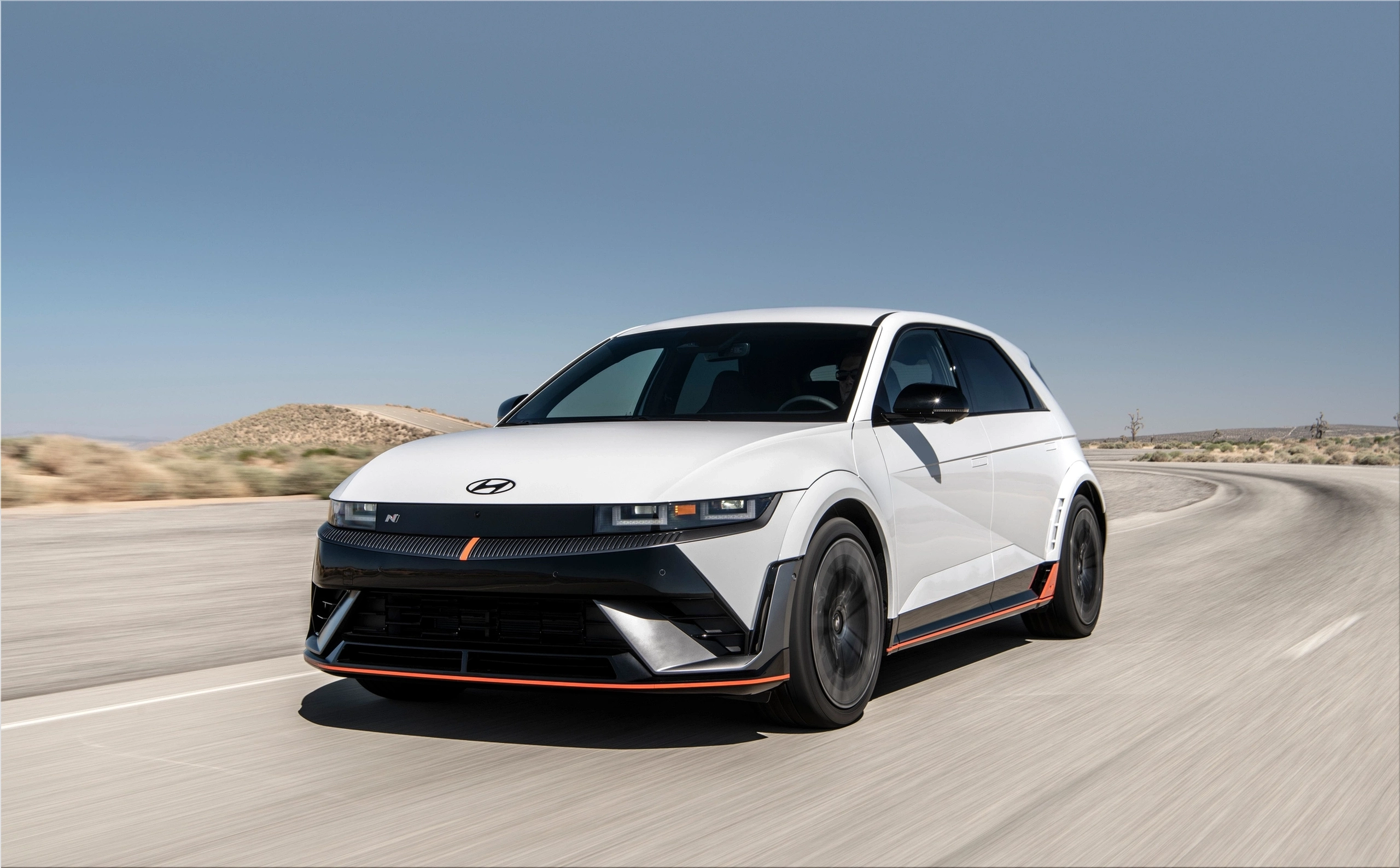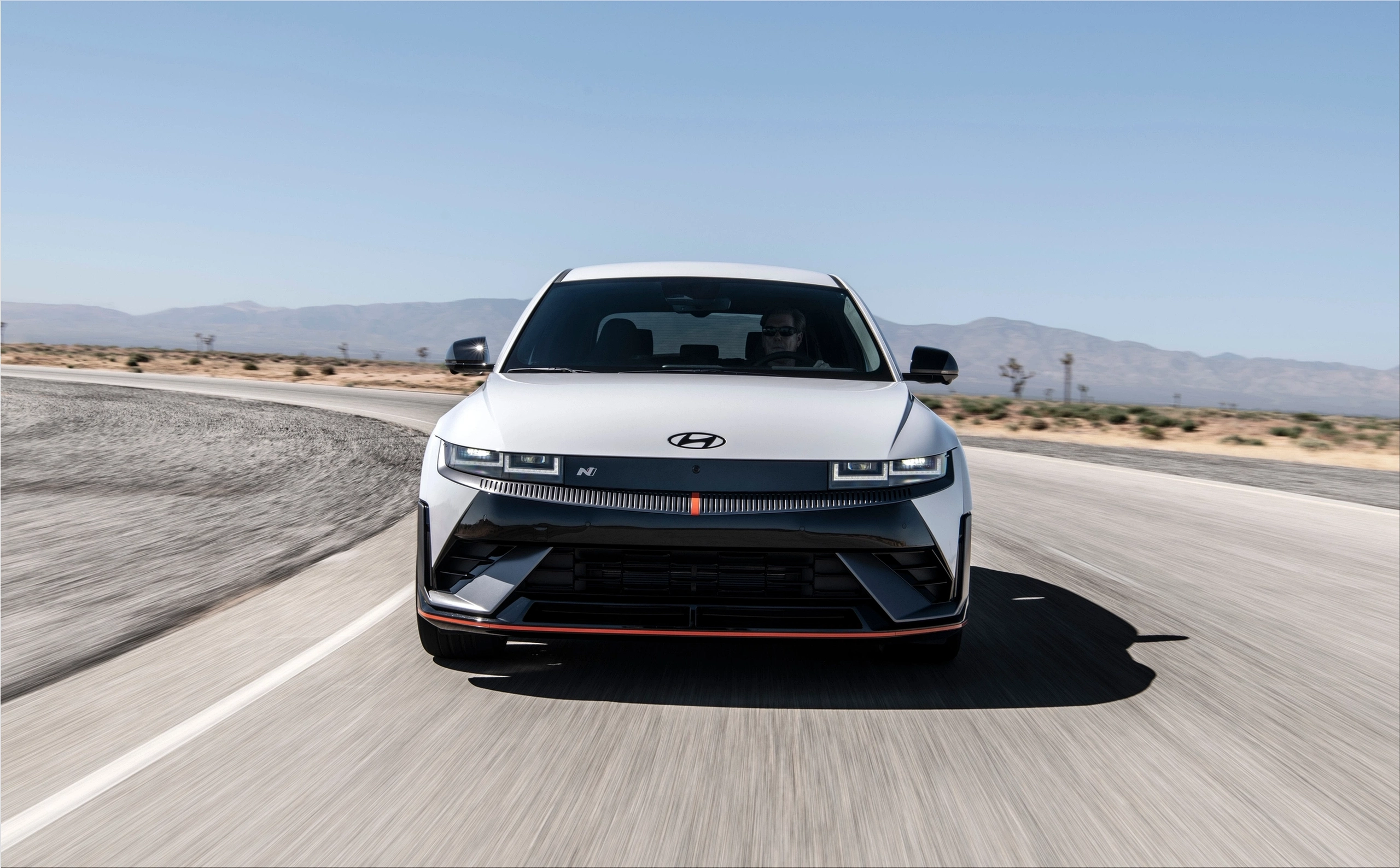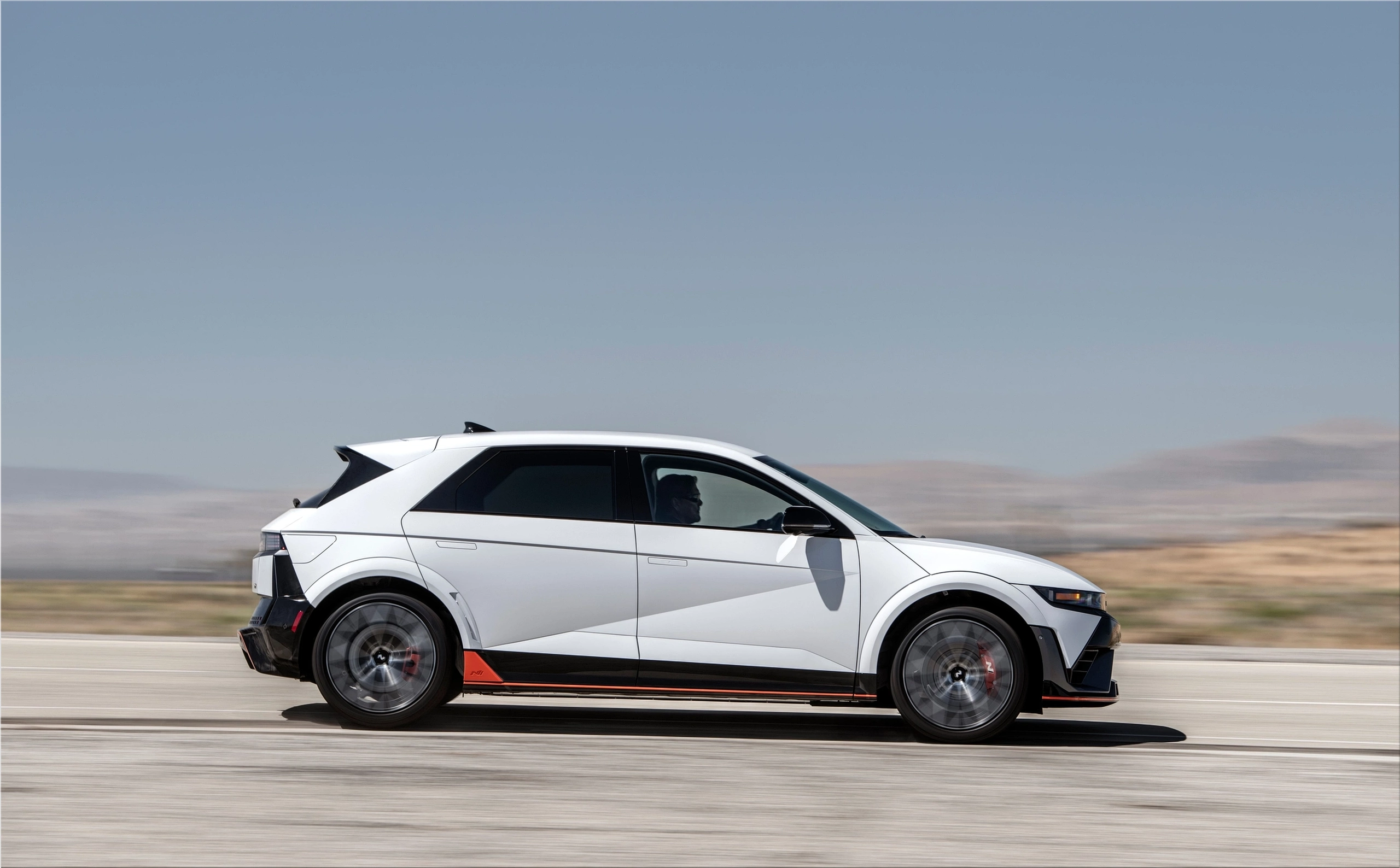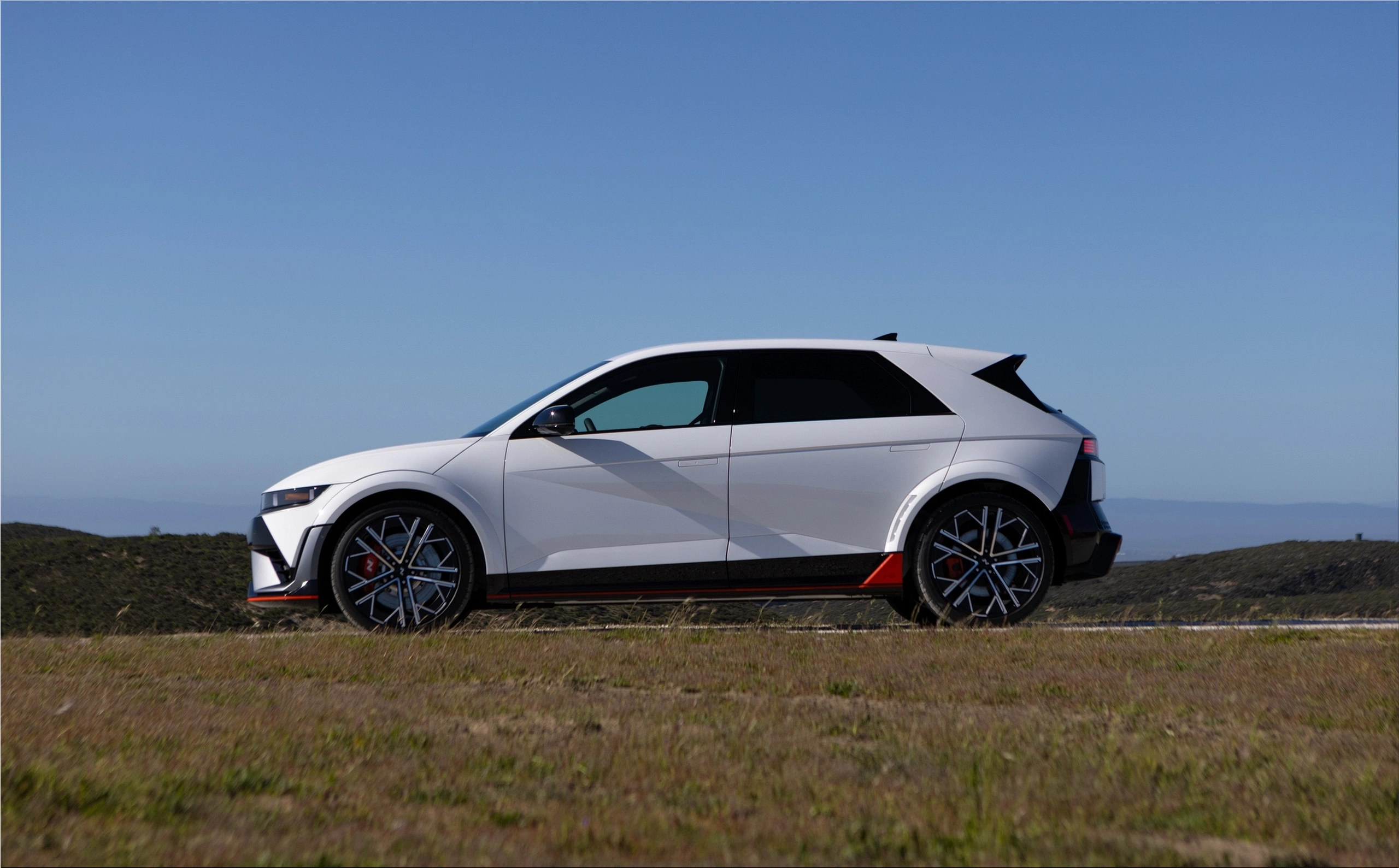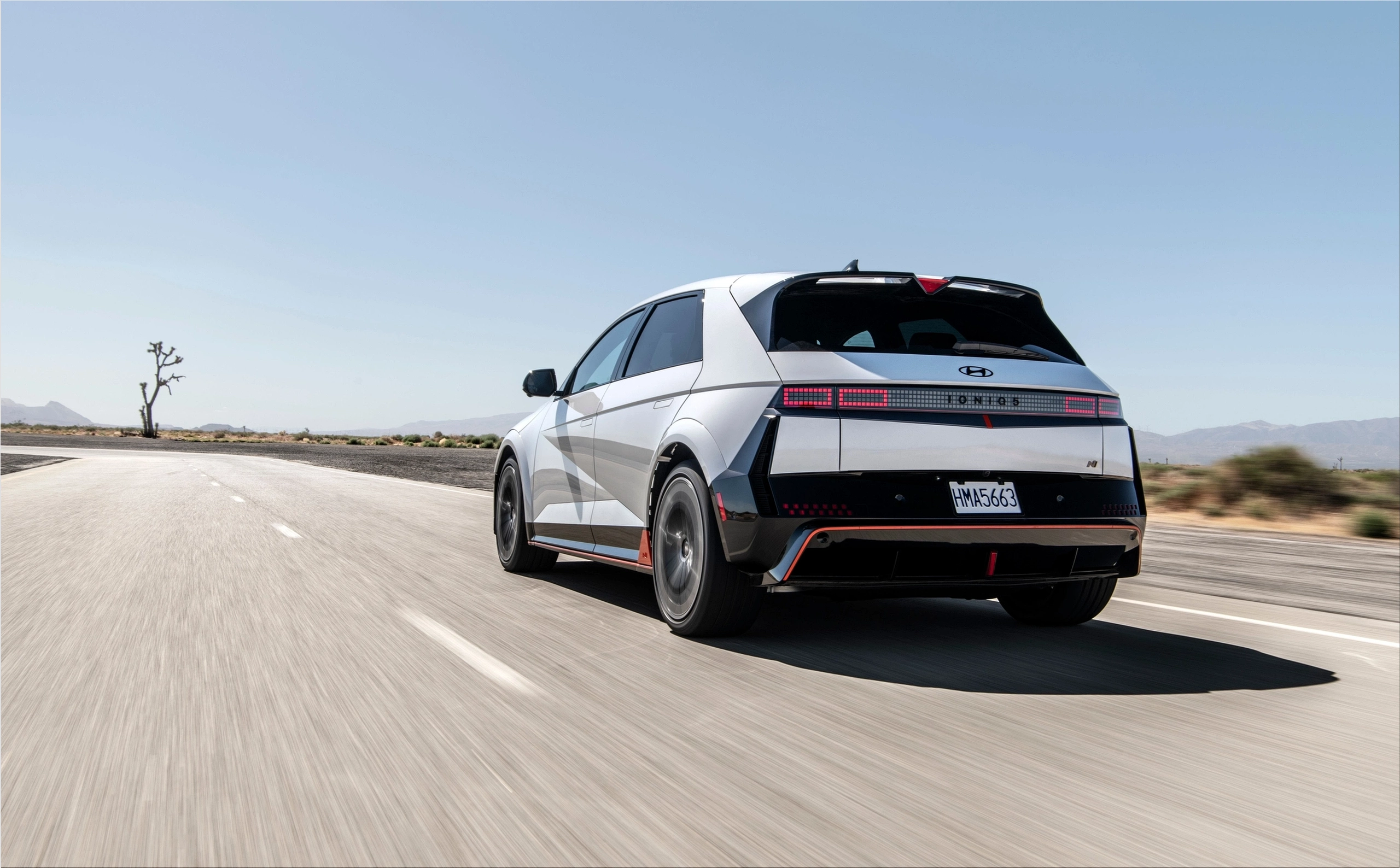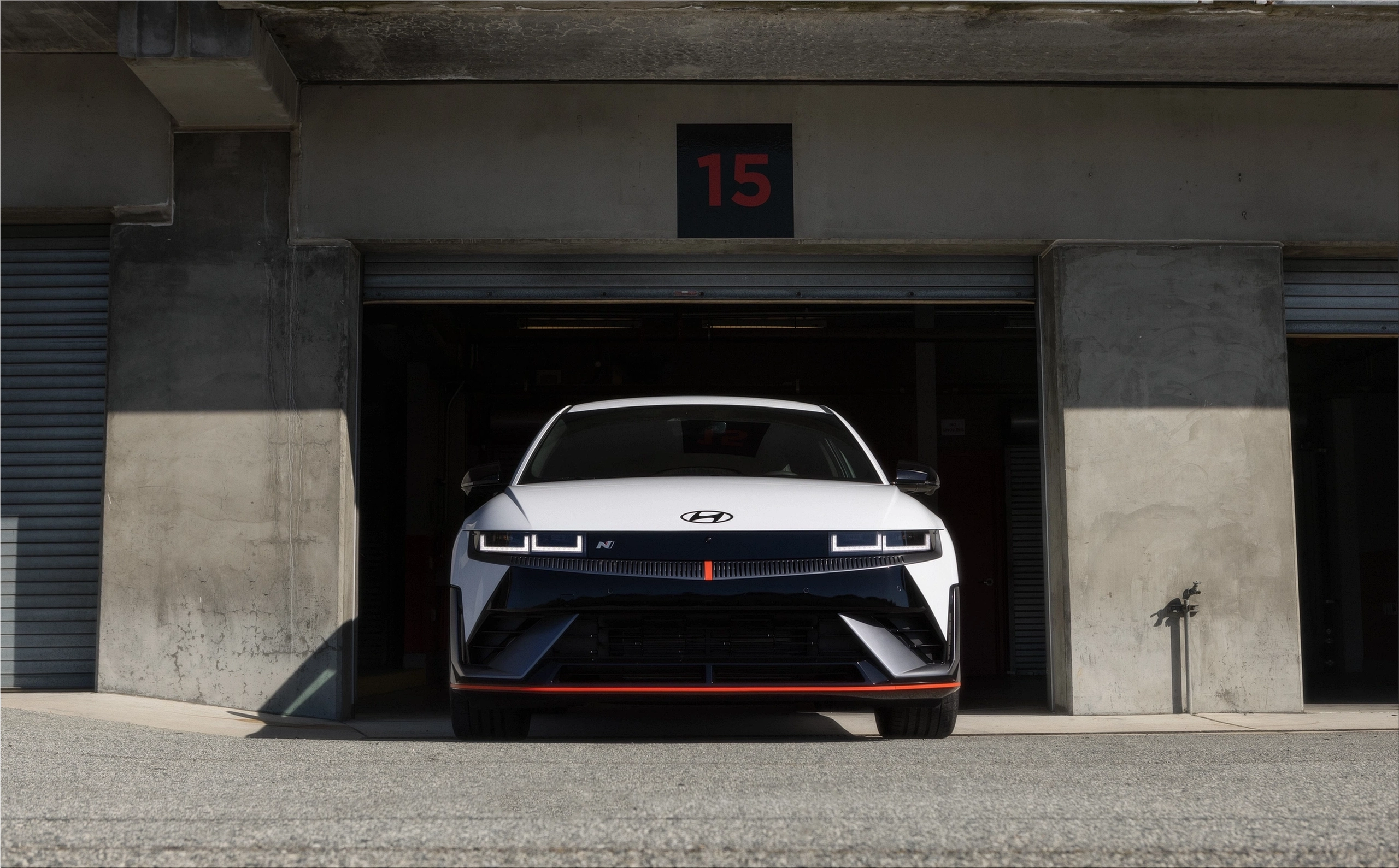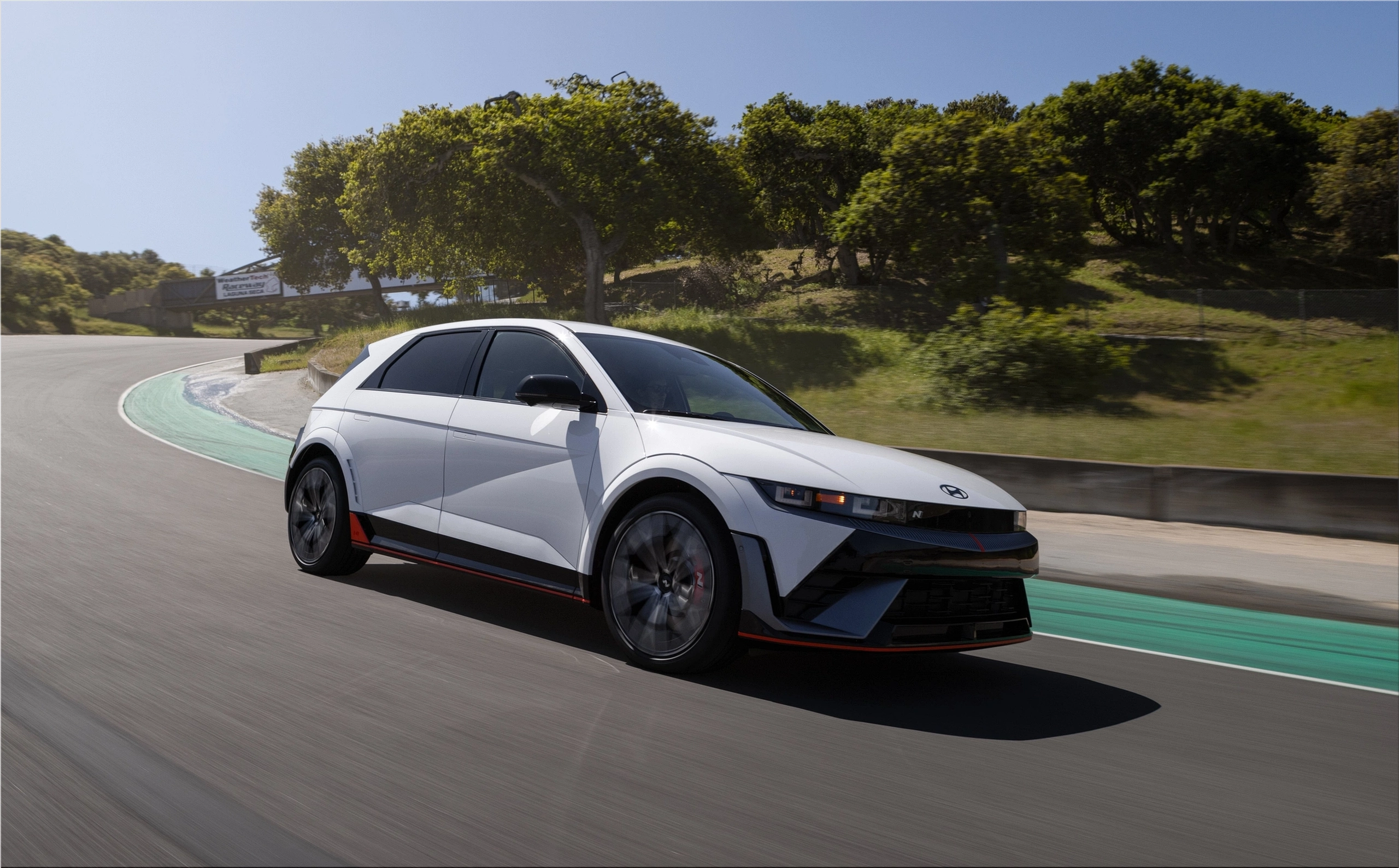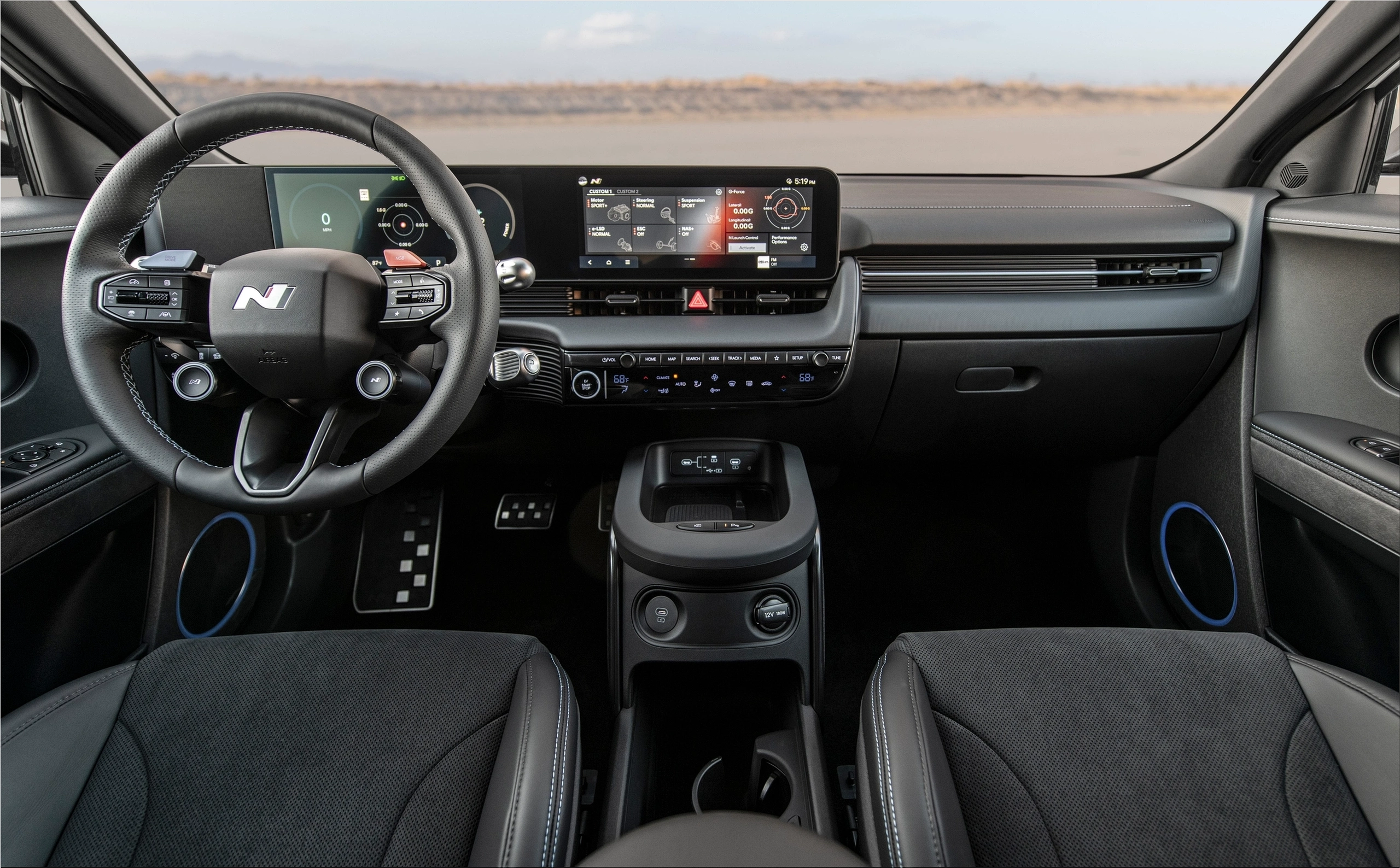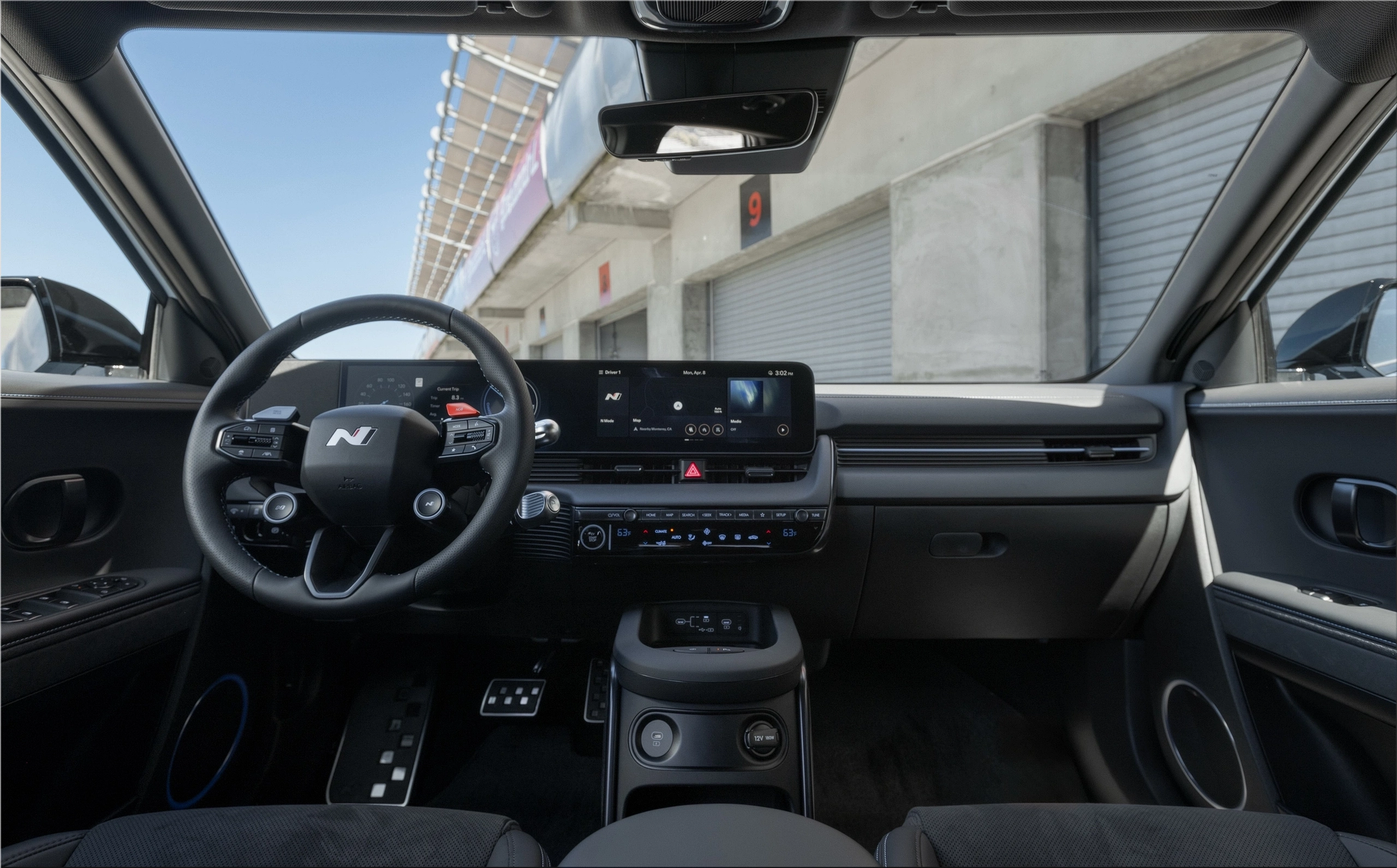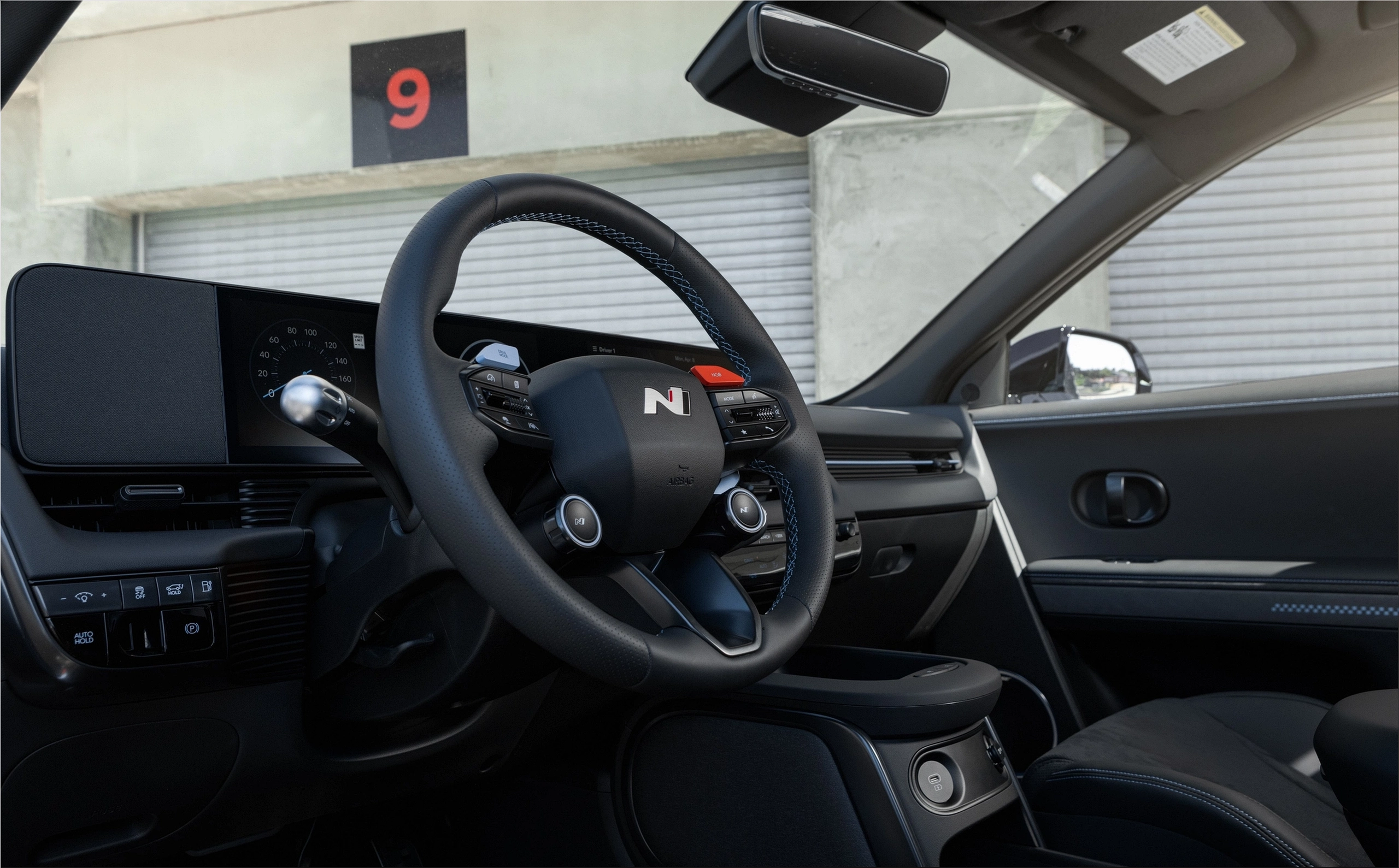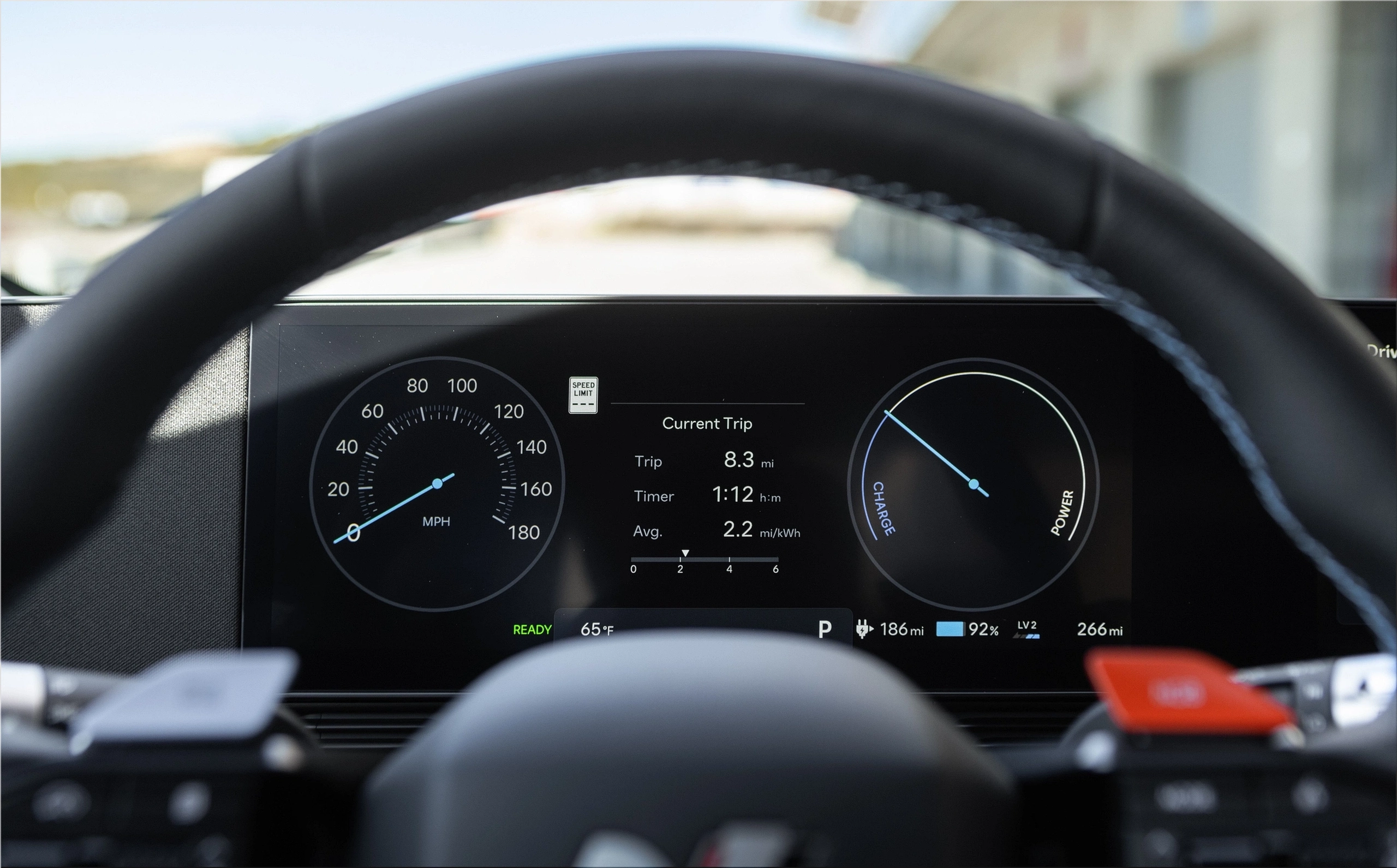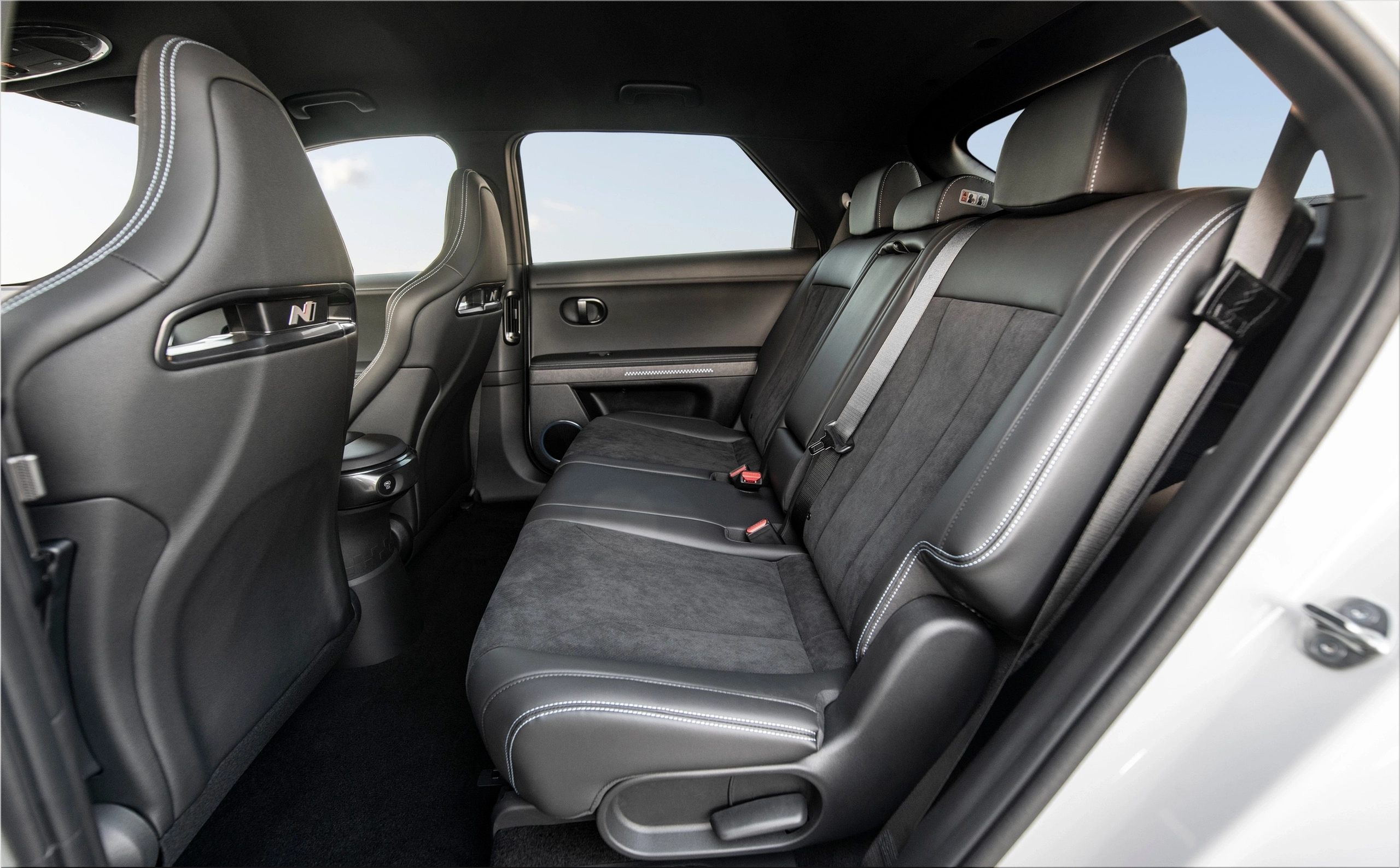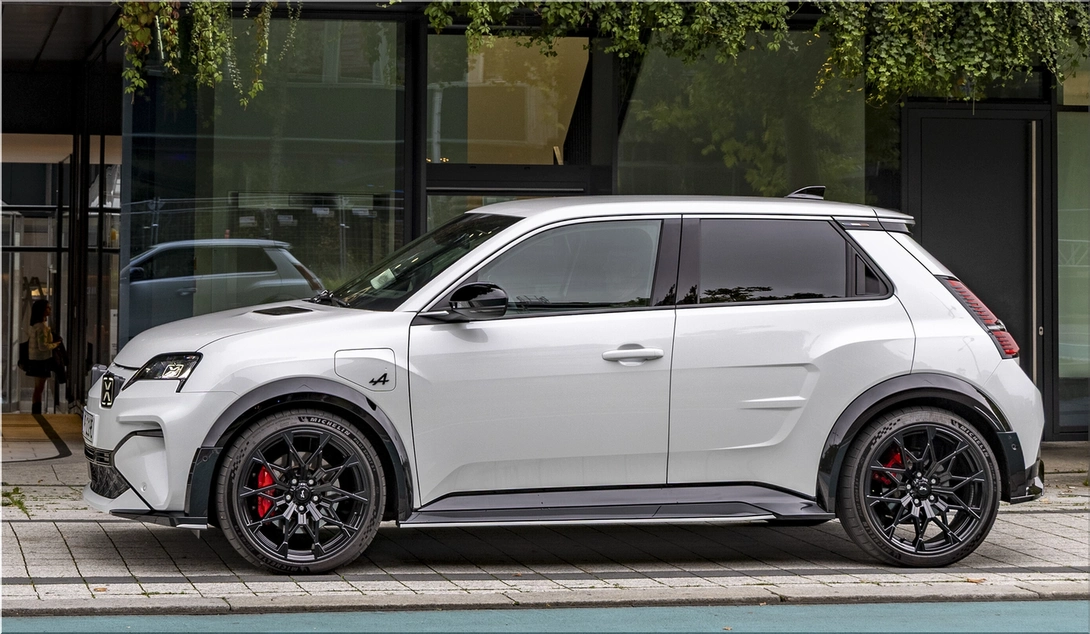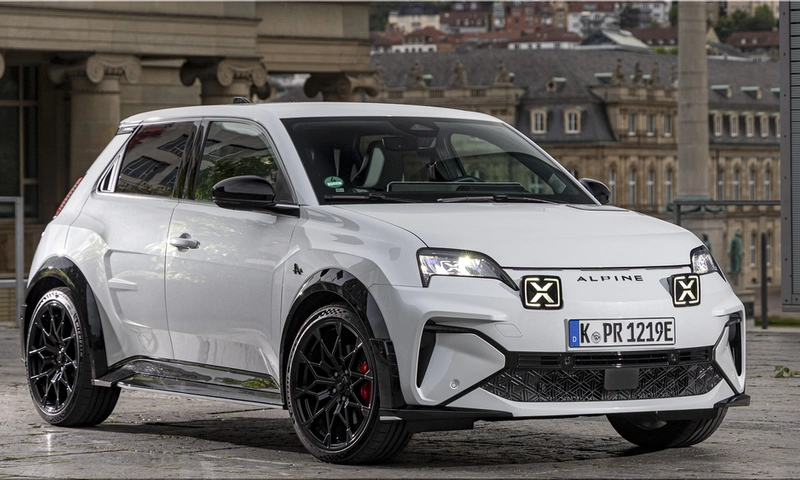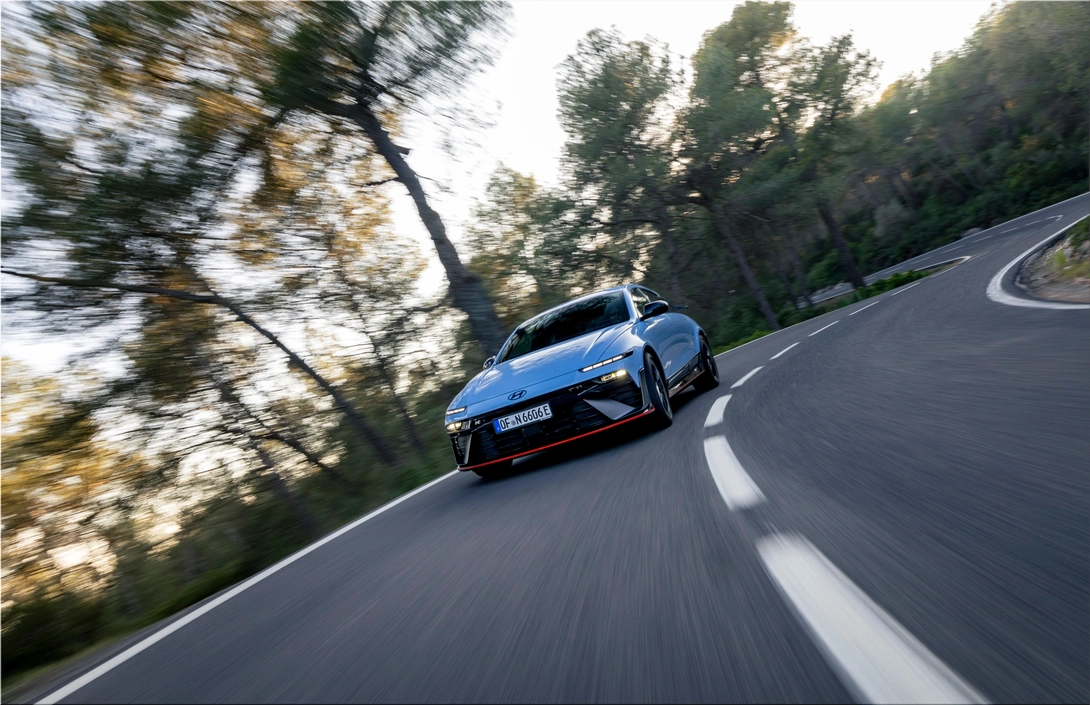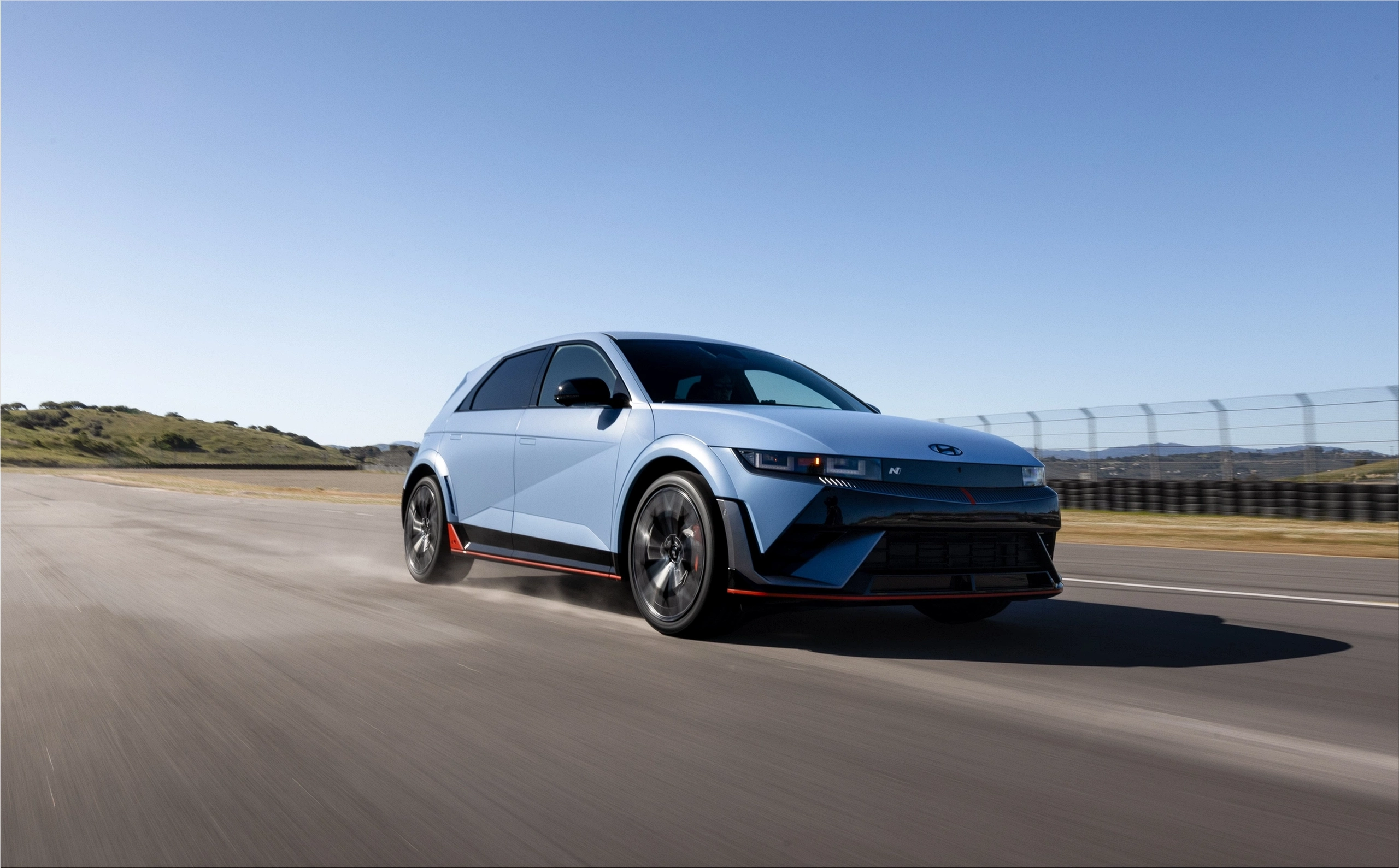
The 2026 Hyundai IONIQ 5 N now starts at $59,900, or $61,500 after its $1,600 destination charge. Hyundai cut MSRP by $6,300 while retaining 641 horsepower, 221 miles of EPA-estimated range, and its full track hardware package. It also adds native NACS access and finer drift control.
How much does the 2026 Hyundai IONIQ 5 N cost?
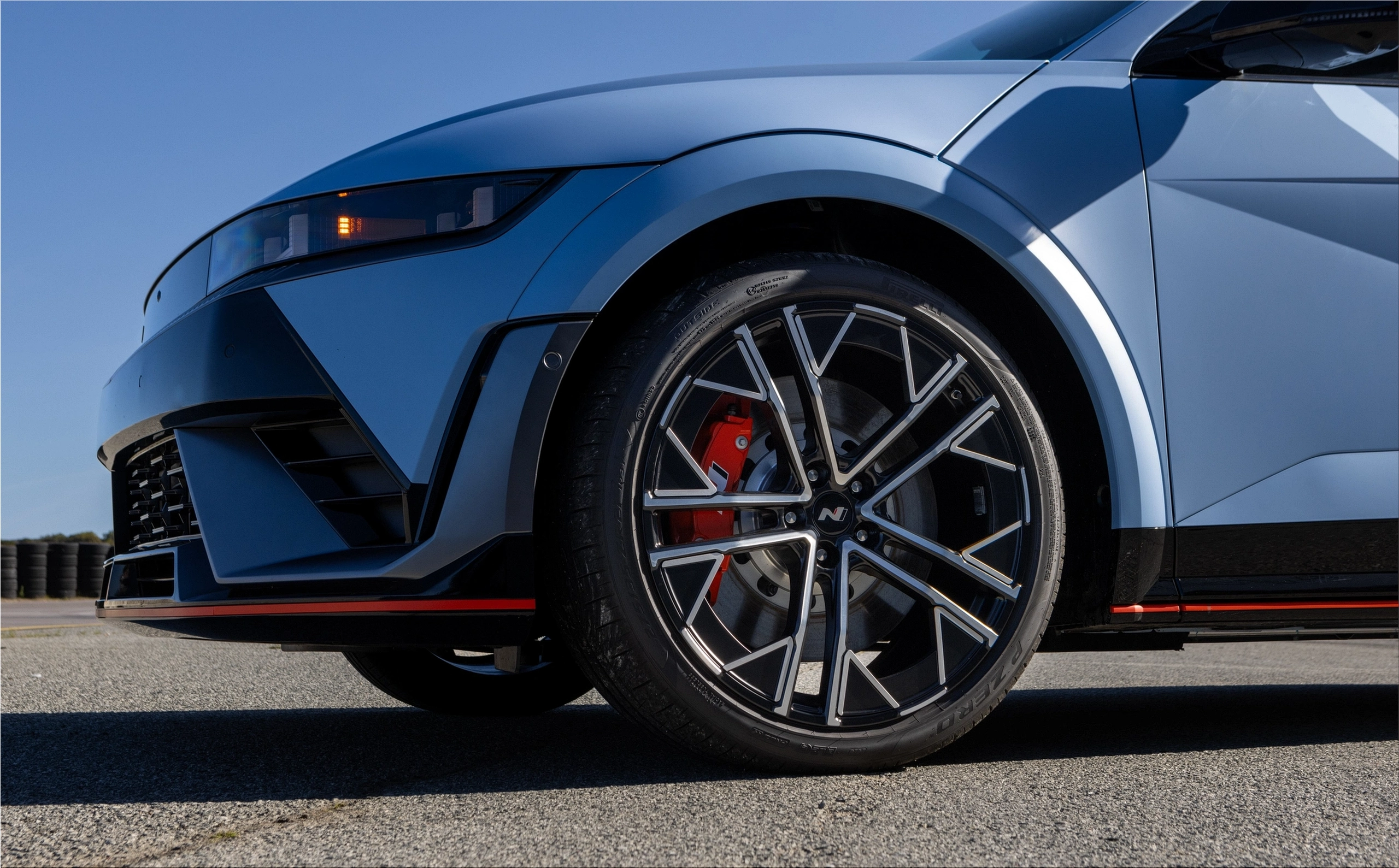
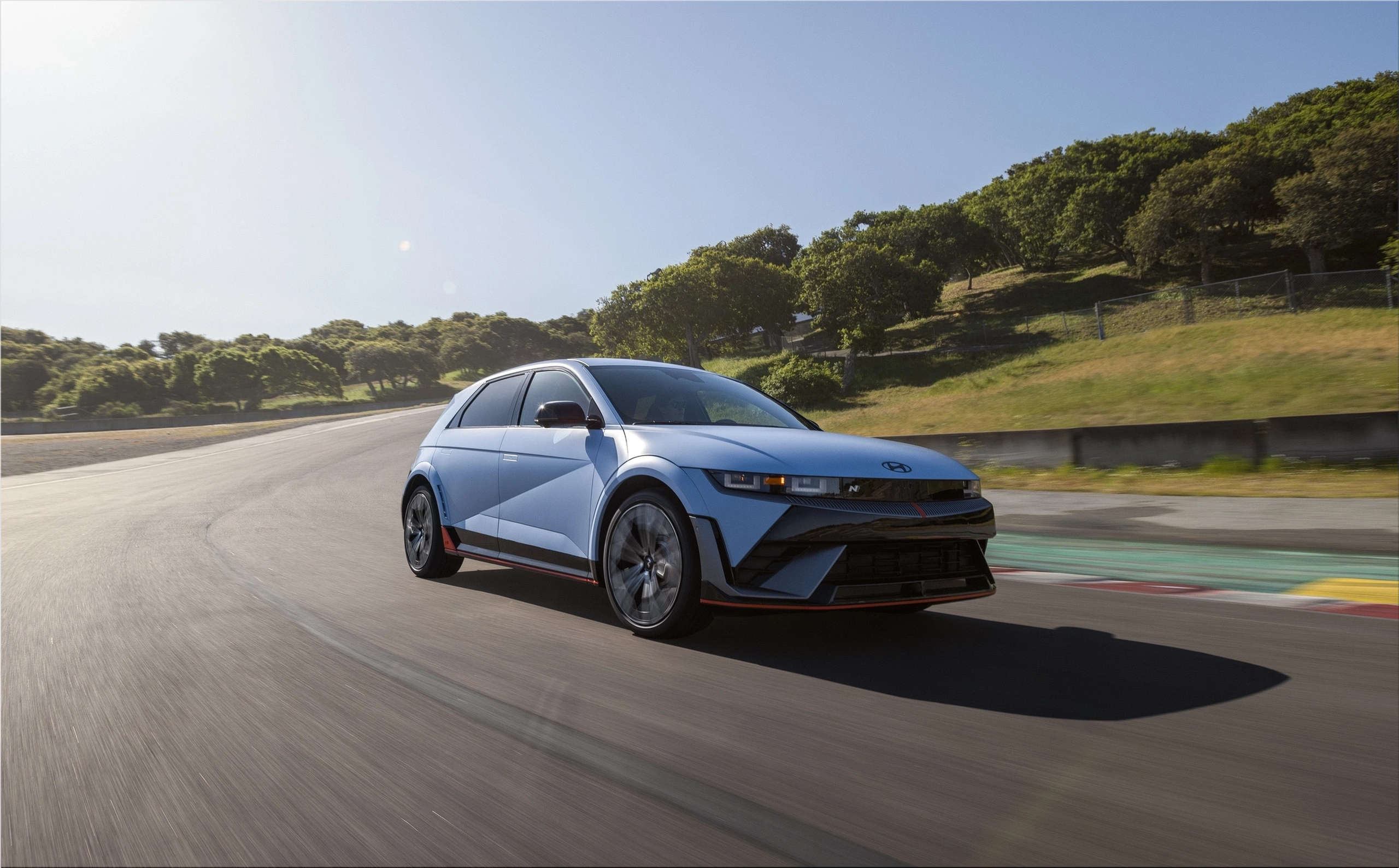
Hyundai lowered the Hyundai IONIQ 5 N price by 9.5 percent from the prior $66,200 MSRP. Buyers still receive dual-motor all-wheel drive, forged 21-inch wheels, adaptive dampers, an electronic limited-slip differential, and the complete N control suite. The single-trim strategy keeps every performance component intact.
| Price item | 2026 figure | Buyer impact |
|---|---|---|
| MSRP | $59,900 | $6,300 lower year over year |
| Destination charge | $1,600 | Raises the base total to $61,500 |
| MSRP reduction | 9.5% | Cuts the financed principal before tax and fees |
What performance hardware comes with the lower price?
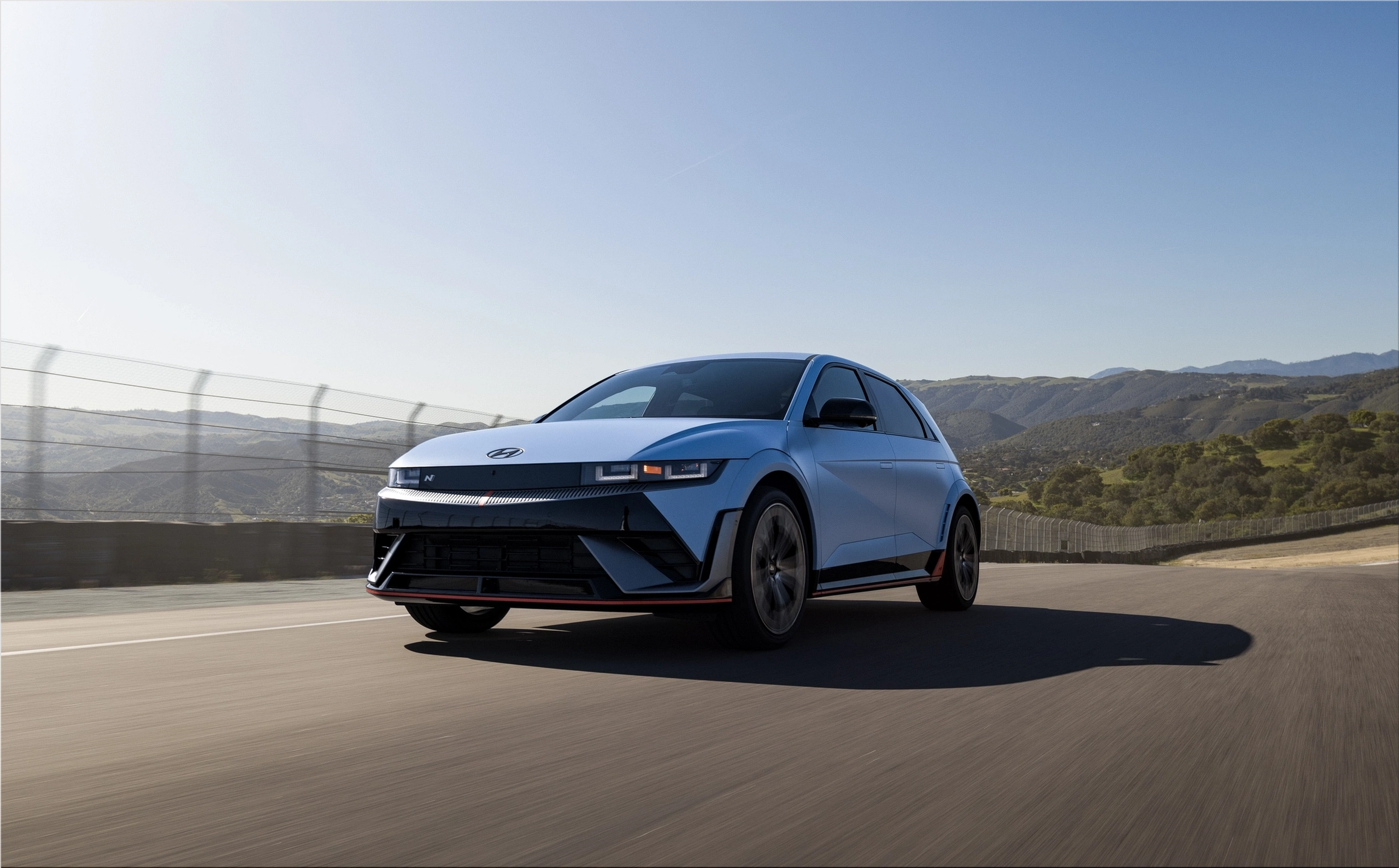
The 641-horsepower electric SUV uses a 448-kW dual-motor system that produces 601 horsepower in regular operation. N Grin Boost raises output to 478 kW and 641 horsepower for 10 seconds. The 84-kWh battery feeds 545 lb-ft normally and 568 lb-ft during boost.
| Specification | 2026 IONIQ 5 N |
|---|---|
| 0-60 mph | 3.25 seconds with launch control and boost |
| Top speed | 162 mph |
| EPA range / efficiency | 221 miles / 72 MPGe combined |
| Battery / voltage | 84 kWh / 697 volts |
| DC charging | 10%-80% in 18 minutes at a 350-kW CCS unit |
| Native NACS V3 charging | 10%-80% in about 30 minutes |
| Level 2 charging | 10%-100% in 7 hours 20 minutes at 10.9 kW |
| Size | 185.6 x 76.4 x 62.4 in. / 4,715 x 1,941 x 1,585 mm |
| Wheelbase / curb weight | 118.1 in. / 3,000 mm; 4,861 lb |
| Brake discs | 15.7 in. / 400 mm front; 14.2 in. / 360 mm rear |
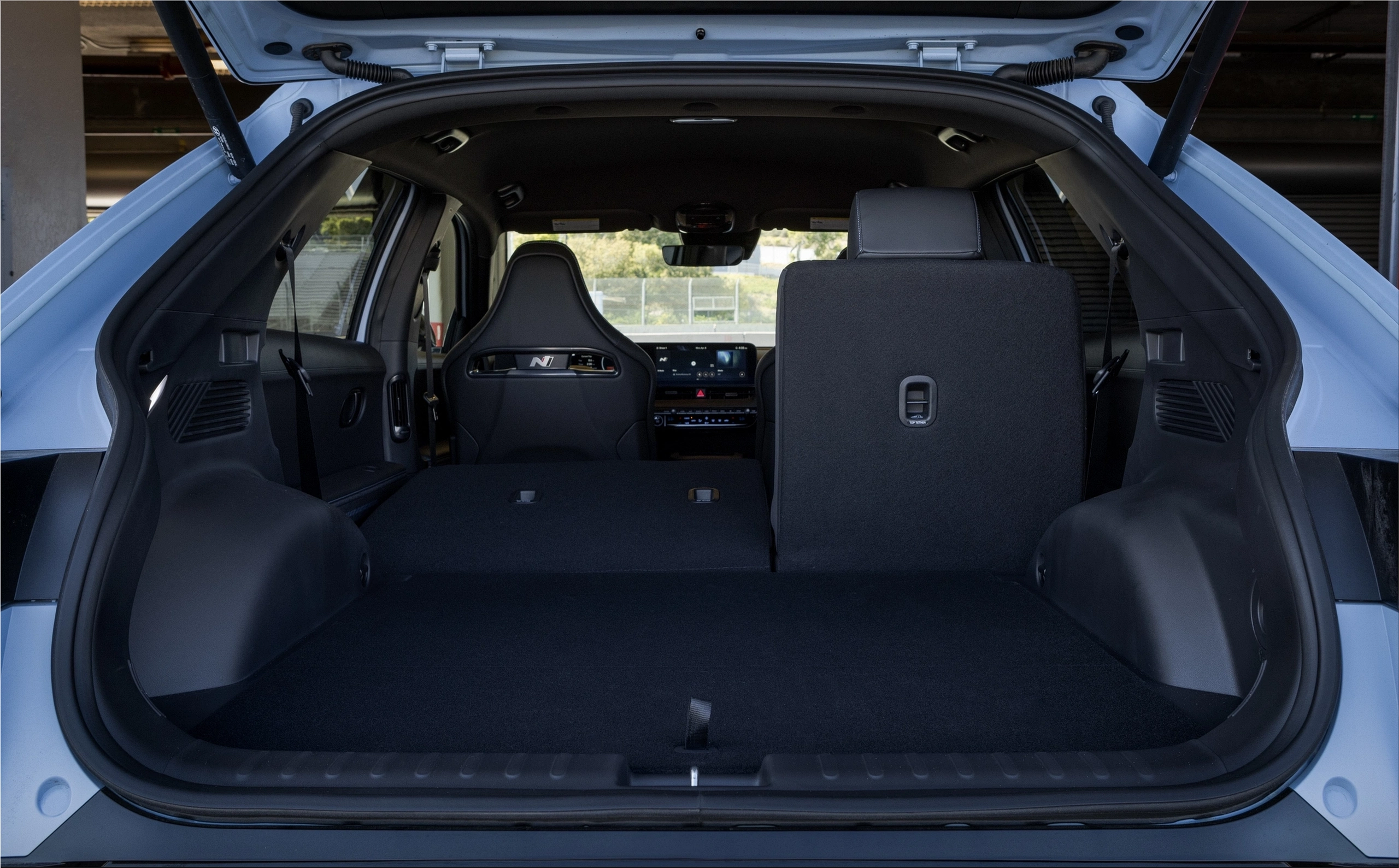
| Cargo capacity | 26.1-59.3 cu. ft. |
Looking at the data, 4,861 pounds drives Hyundai's engineering response. The company counters that mass with up to 0.6 g of regenerative deceleration, four-piston front calipers, 42 extra weld points, reinforced subframes, and separate cooling paths for the battery and motors. N Race Endurance limits peak power to slow heat buildup; Sprint favors short, maximum-output sessions.