Car fans often crave a vehicle that handles rough roads but still holds true to a modern electric philosophy. The Q6 e-tron offroad concept aims to tackle that challenge head-on. It combines an electric powertrain with the grit needed for uneven paths. Below is a closer look at its design, technology, and what it might mean for driving enthusiasts keen on fresh adventures in the EV space.
Eye-Catching Exterior and Bold Presence
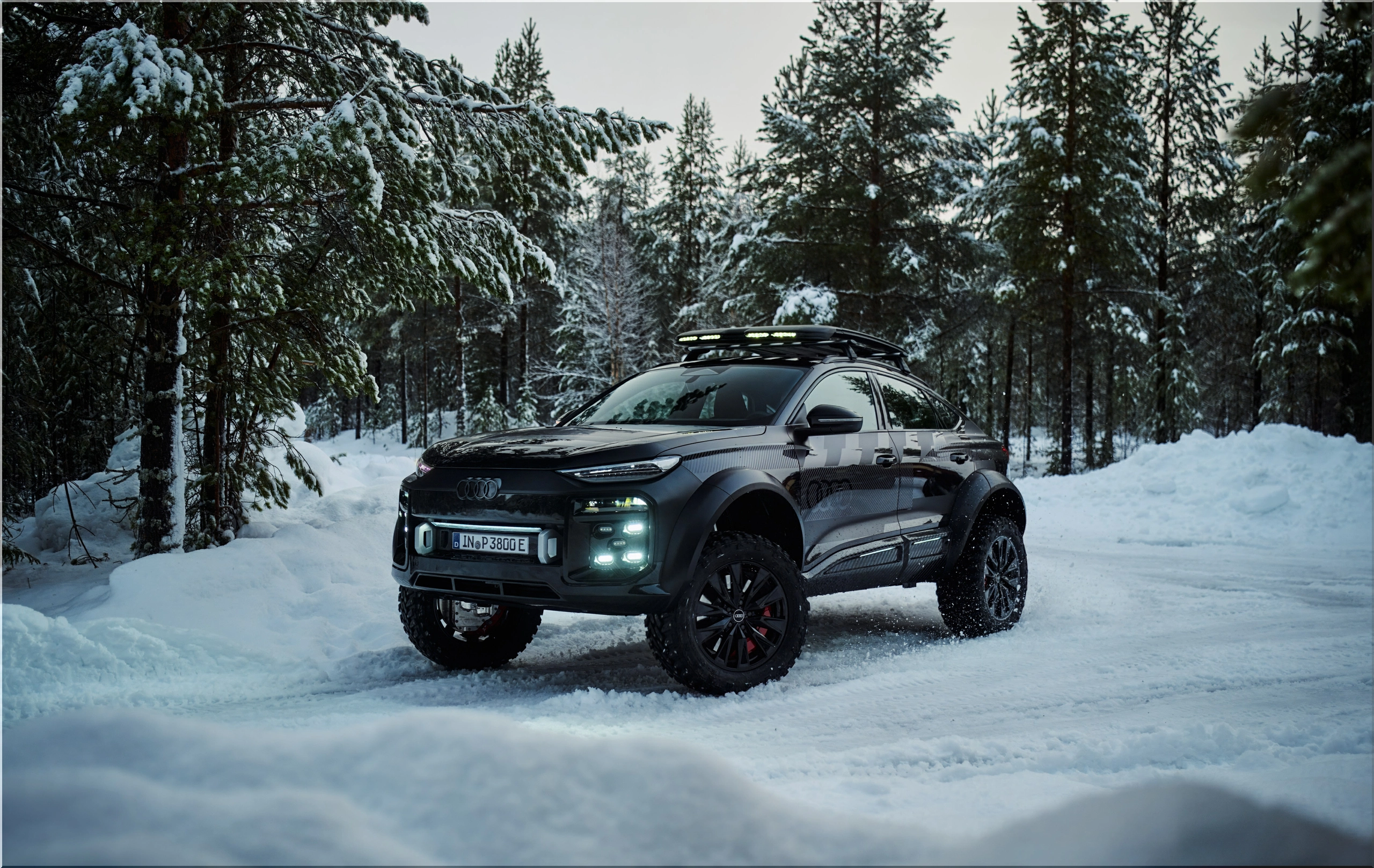
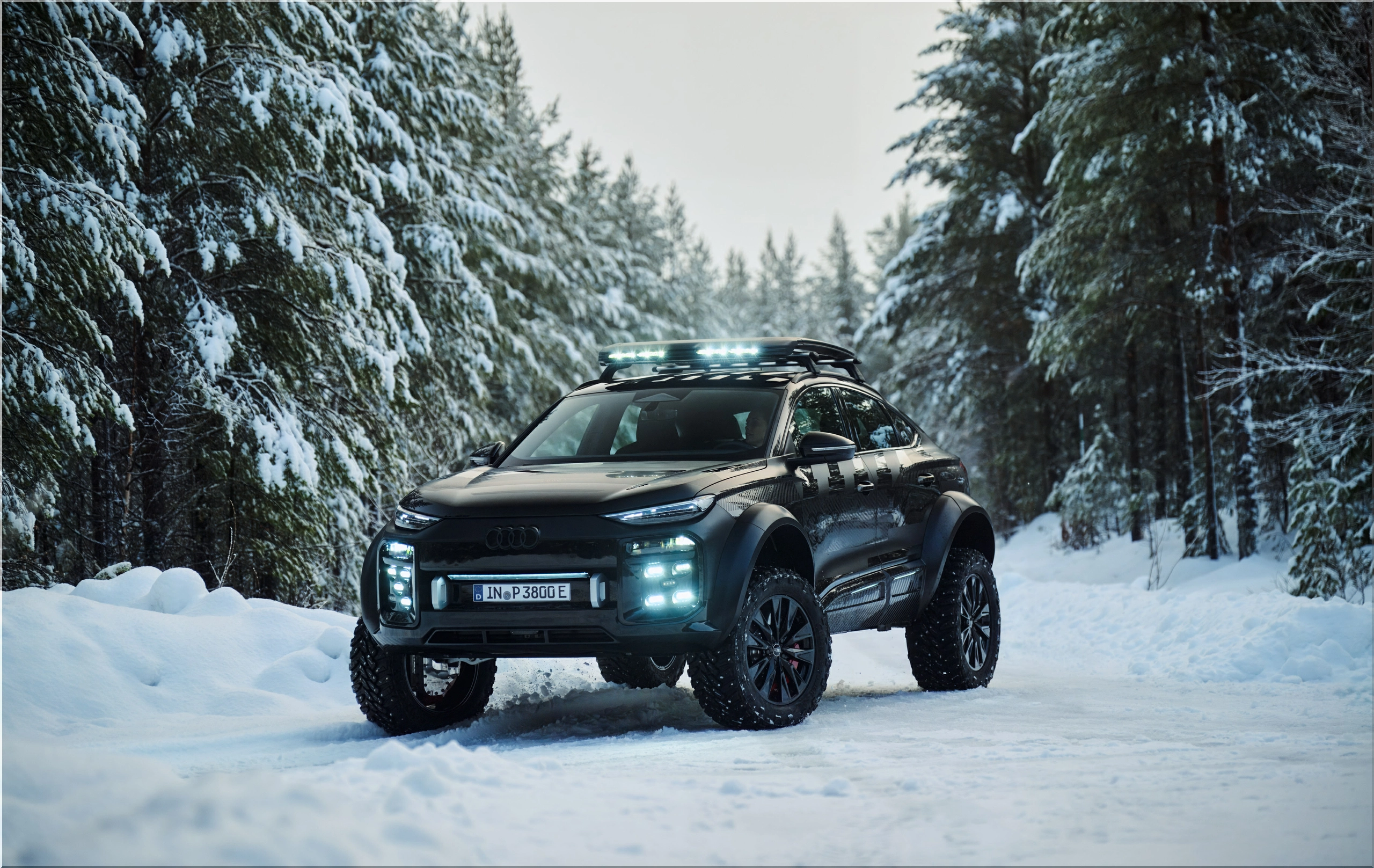
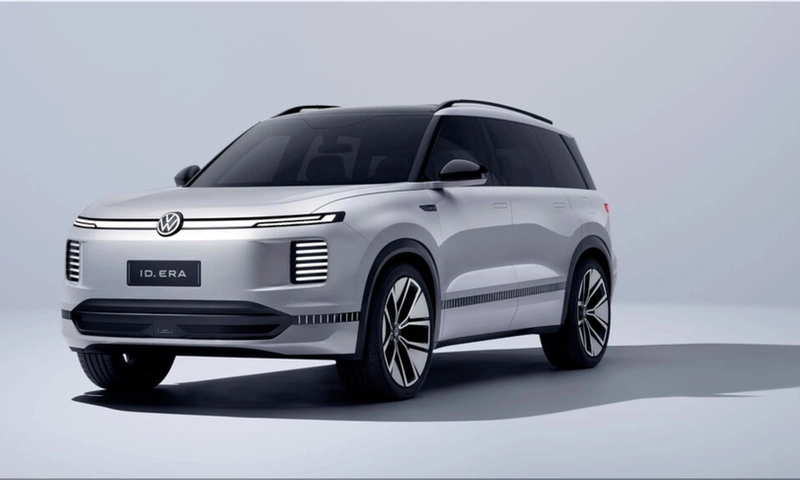
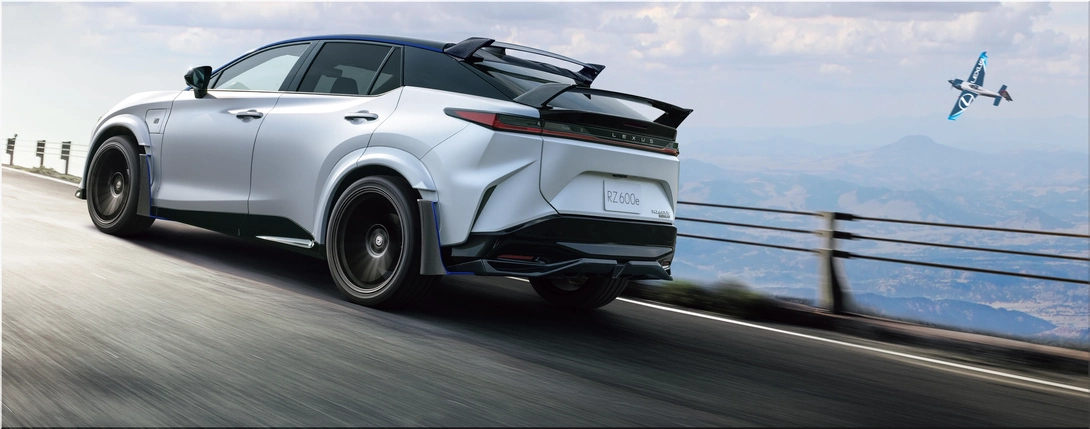
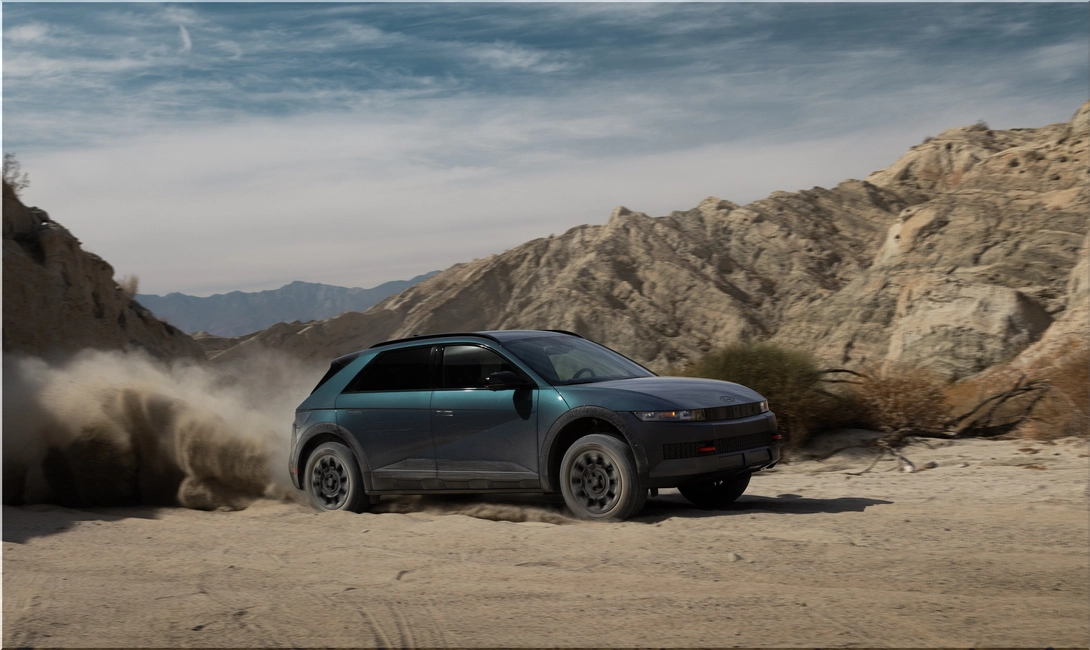
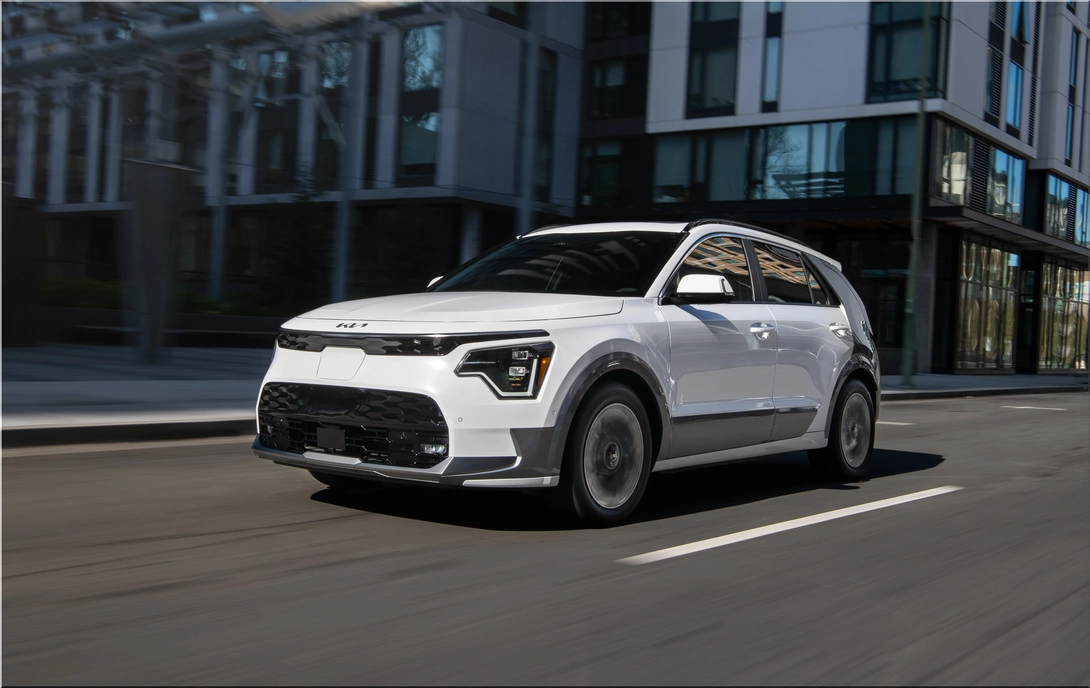
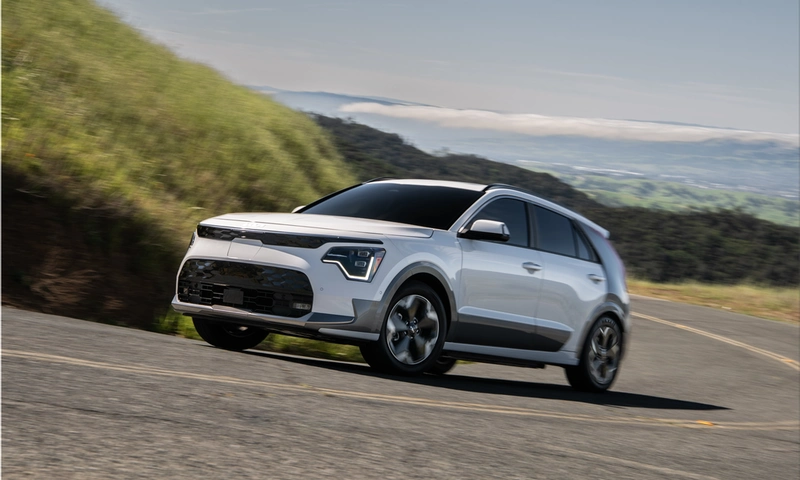
A quick glance at the Q6 e-tron offroad concept reveals body enhancements that reflect an adventurous spirit. Oversized wheels, reinforced wheel arches, and a raised suspension height signal its focus on off-pavement capability. According to Audi, these traits address the needs of drivers who want an electric SUV that remains comfortable in urban settings while prepared for challenging trails.
The front fascia adopts Audi’s modern design language, marked by a reimagined single-frame grille. Designers also included protective elements that help prevent damage from flying gravel or small obstacles. The headlights feature advanced LED matrix technology that adapts to current driving conditions. These lamps deliver precise illumination, which is particularly helpful on routes far from city lights.
Impressive Drivetrain and Battery Technology
Under the hood, the Q6 e-tron offroad concept benefits from Audi’s latest electric architecture. Engineers have combined dual-motor all-wheel drive with a battery system optimized for both efficiency and raw power. Precise output figures are yet to be finalized, but Audi hints at high torque levels to climb steep slopes and push through soft ground without strain.
The battery pack’s placement beneath the cabin helps lower the center of gravity, offering stability on tight corners. While official performance data remains under wraps, Audi’s general EV expertise suggests a competitive range, possibly targeting over 300 miles on a full charge. Public charging times should mirror Audi’s other premium electric models, which often reach up to 80 percent charge in about 30 minutes using high-powered stations.
Offroad Gear and Practical Enhancements
The Q6 e-tron offroad concept is no stripped-down prototype. Audi added a built-in roof rack system and mounting points for extra gear. A retractable roof tent can be fastened up top, giving you freedom to plan overnight stays in remote locations. Recovery hooks and sturdy skid plates allow for safer travel through rocky or muddy terrain. These structural add-ons show that Audi wants to address real off-pavement situations rather than merely present a showpiece.
Quattro technology, a signature feature across Audi’s portfolio, also plays a role. It manages power distribution to all four wheels, adapting torque levels based on traction and road surface. That trait is an advantage when a driver faces an unexpected patch of snow or sand. Offroad modes within the SUV’s drive-select system tailor acceleration, braking, and steering responses to different ground conditions.
Cabin Features: Comfort and Clever Details
Stepping inside, the concept’s cabin prioritizes both occupant comfort and intuitive controls. Large displays dominate the dashboard, integrating navigation, climate controls, and media. Audi’s virtual cockpit replaces traditional gauge clusters with configurable digital readouts. That digital panel lets the driver monitor speed, battery charge, and torque output without shifting focus from the road.
Seating surfaces use materials designed to handle dirt, mud, and regular wear. Fast clean-up is key for an offroad vehicle, so designers picked fabrics that repel moisture. Extra compartments along the doors and center console store items safely. The cabin’s space is planned to accommodate gear without feeling cramped. Audi states that the concept’s design uses eco-friendly upholstery, underlining the company’s broader commitment to sustainability.
Tech Innovations for Adventure and Safety
The Q6 e-tron offroad concept features an augmented reality head-up display, offering important driving data on the windshield. That includes speed, navigation prompts, and vehicle status. It’s designed to reduce driver distraction during tough maneuvers. Cameras replace traditional side mirrors, transmitting real-time footage to screens inside the cabin. This approach improves aerodynamics and might give a clearer picture of obstacles on winding paths.
Driver-assist technologies include radar- and camera-based collision avoidance. When you’re on a rugged track, these systems can detect hidden hazards. The offroad stability system is tuned to keep traction steady when the surface becomes unpredictable. Audi’s research indicates that advanced driver aids can lower minor offroad incidents by a notable margin.