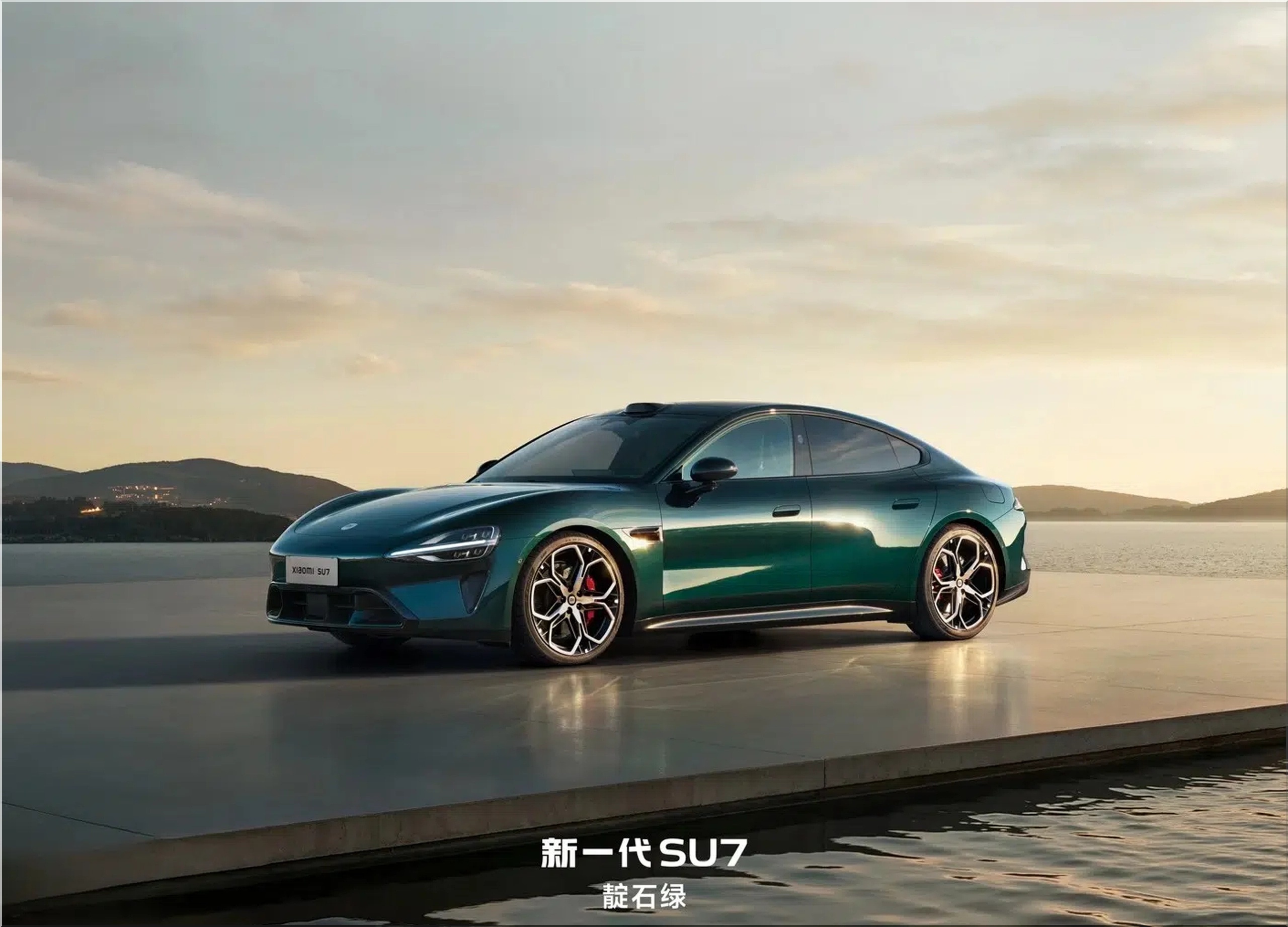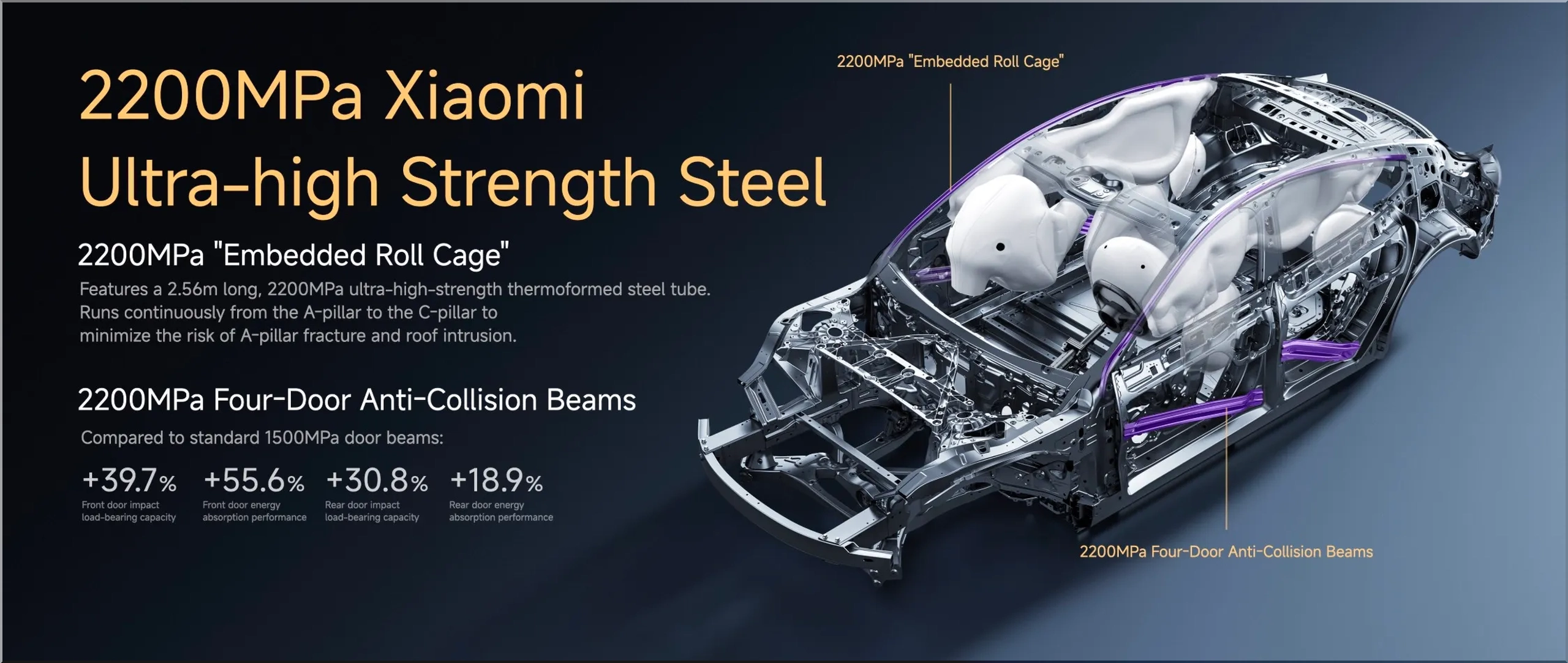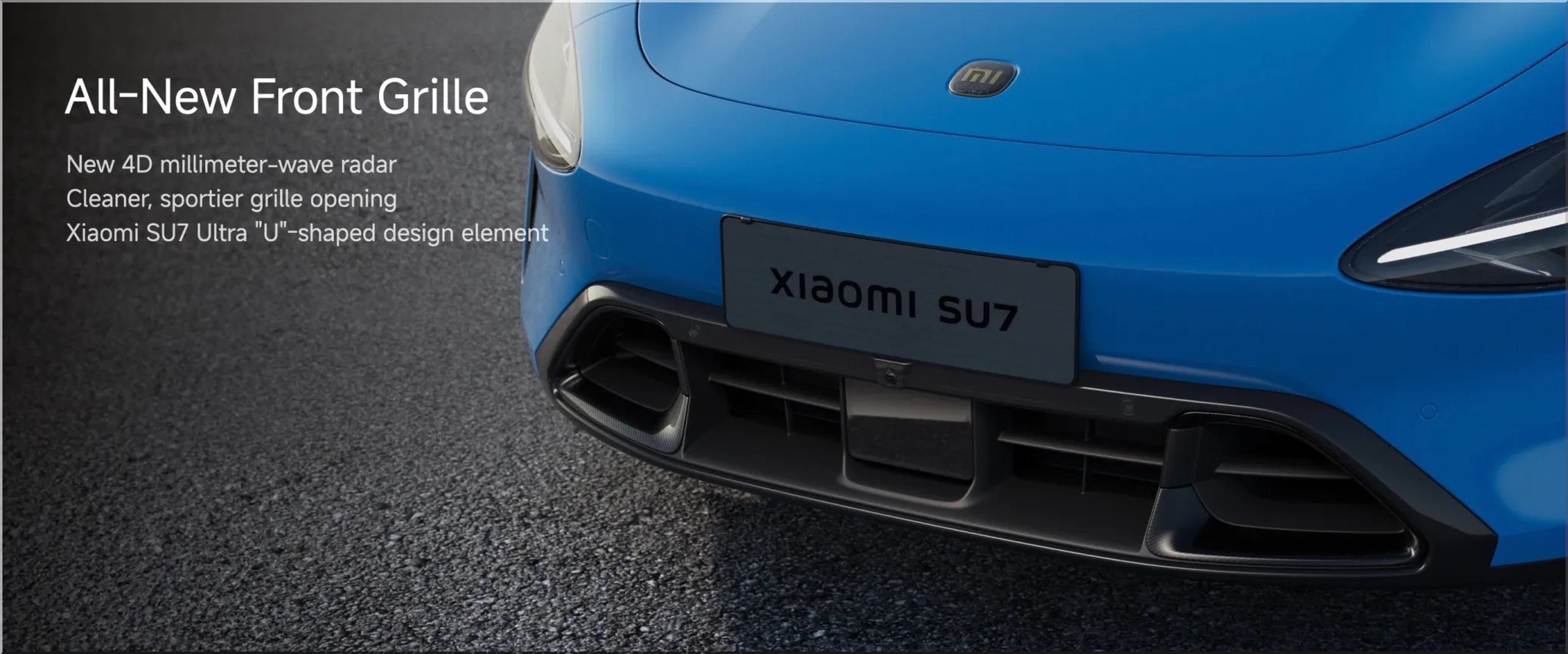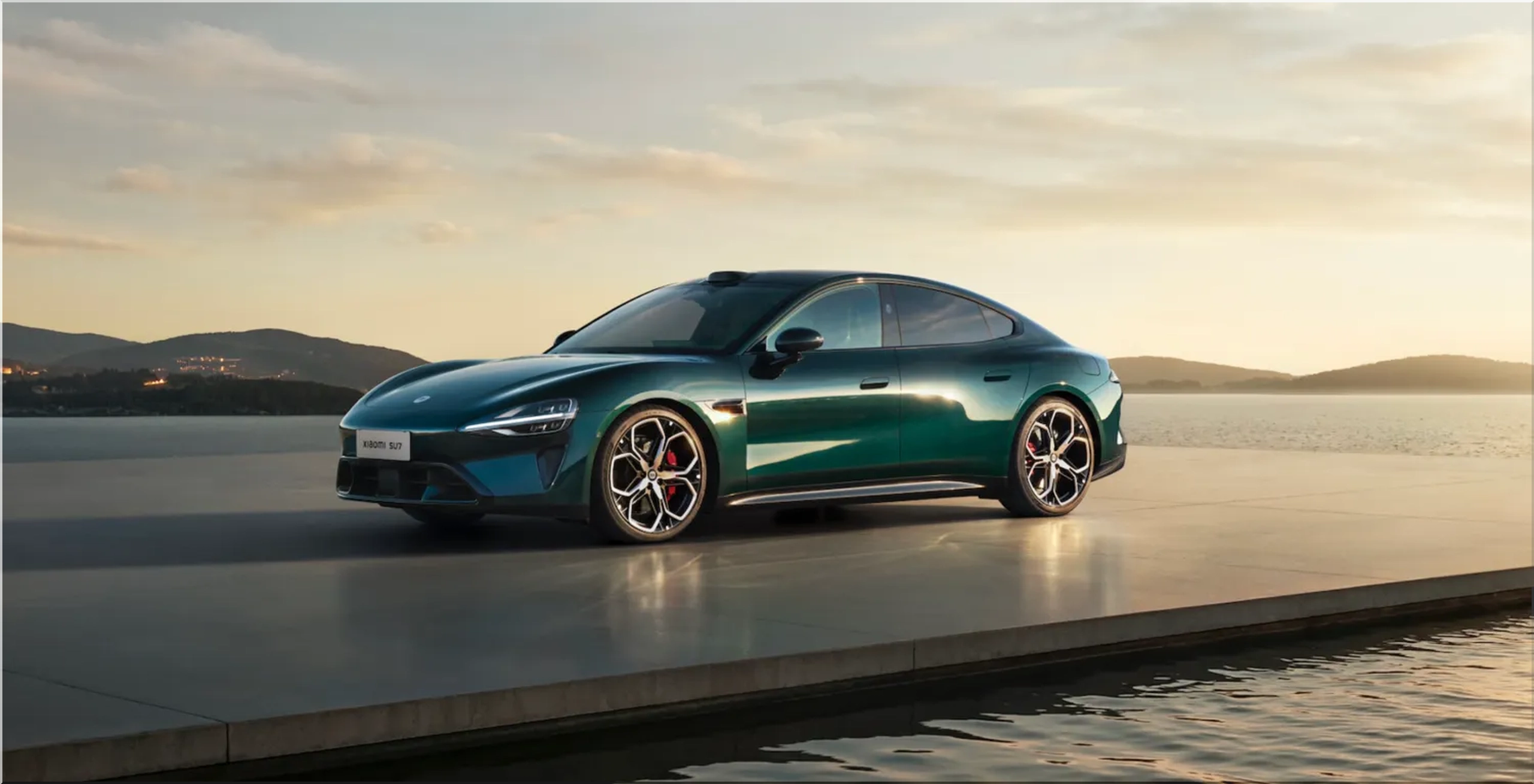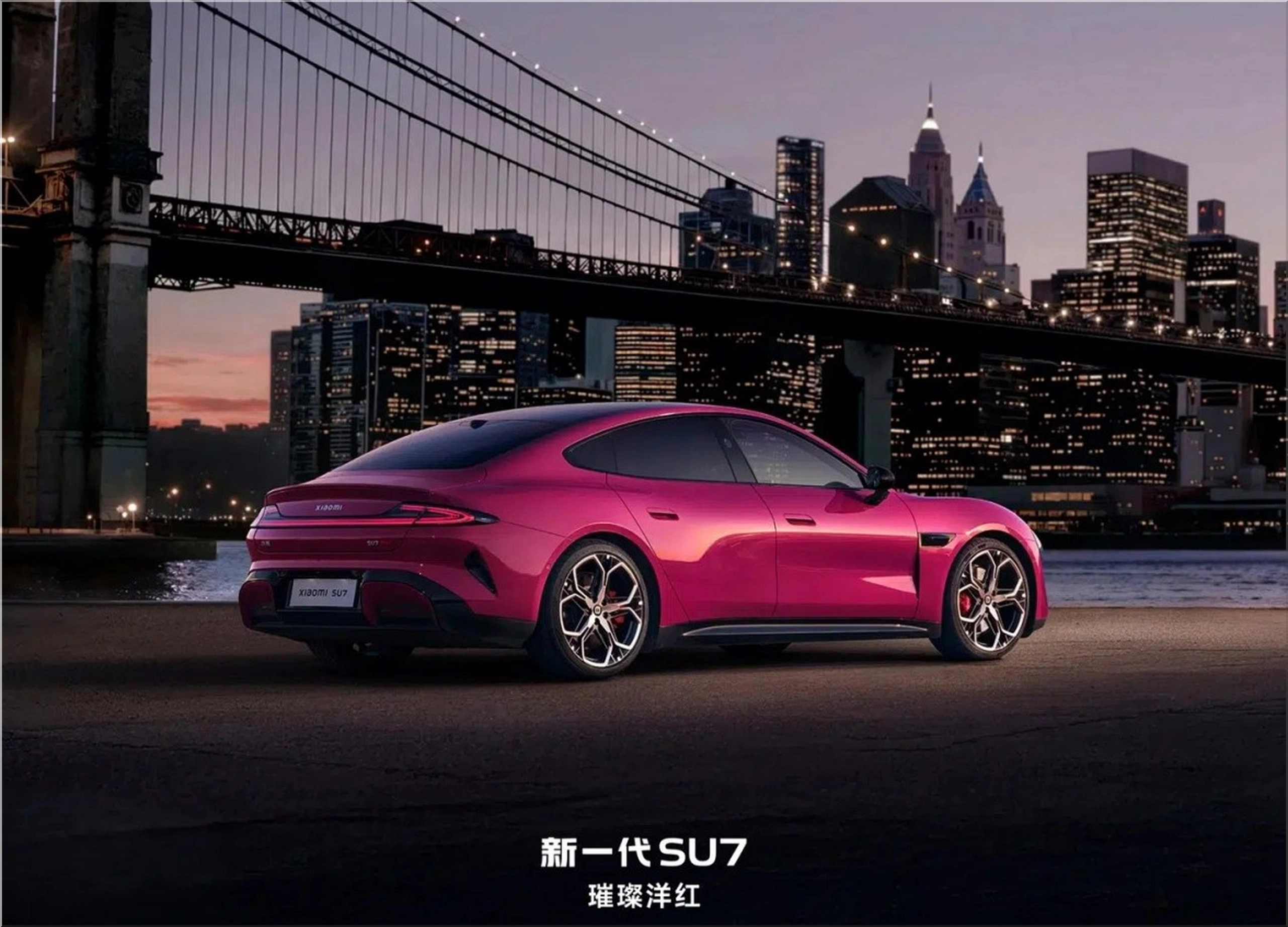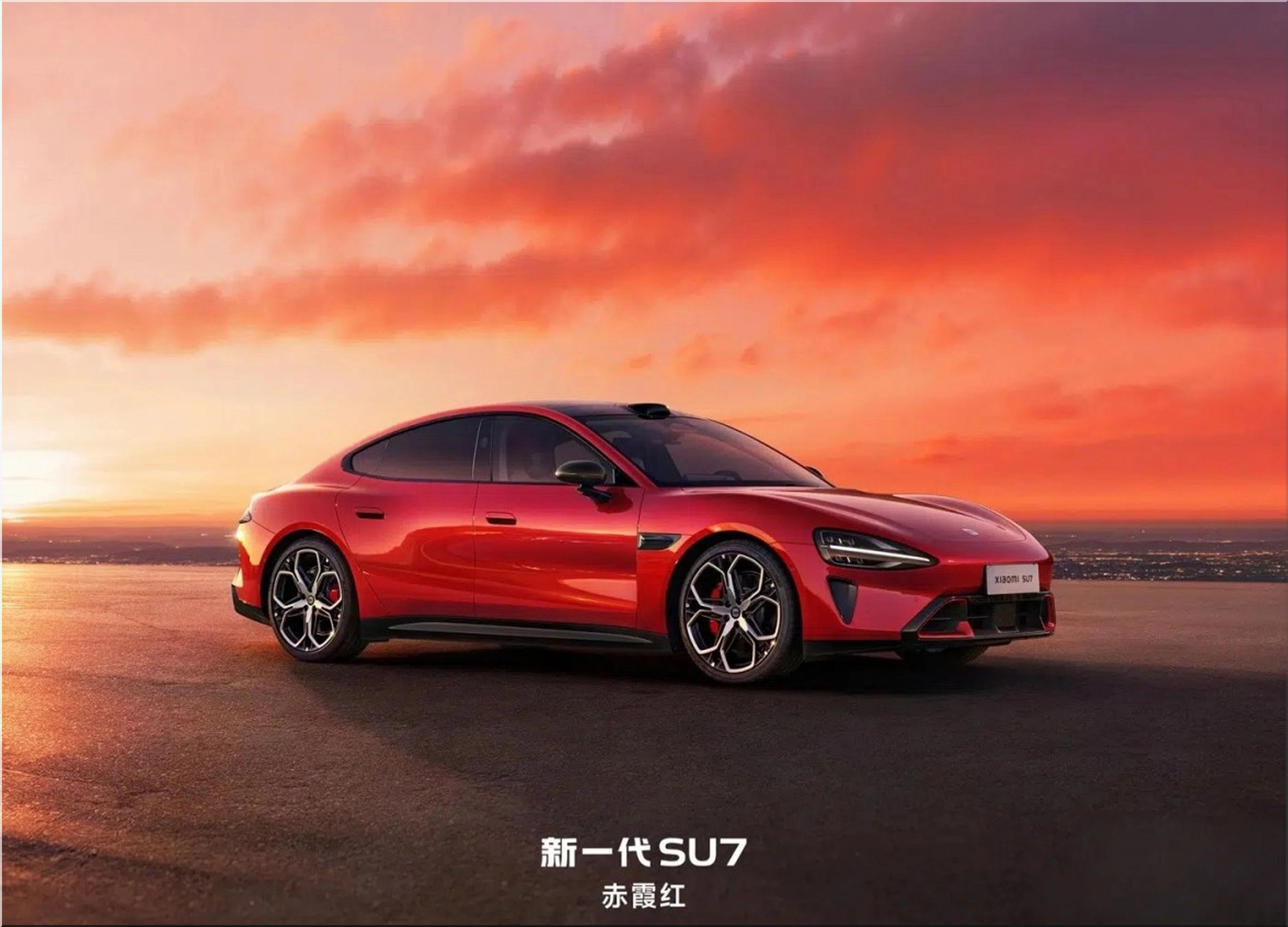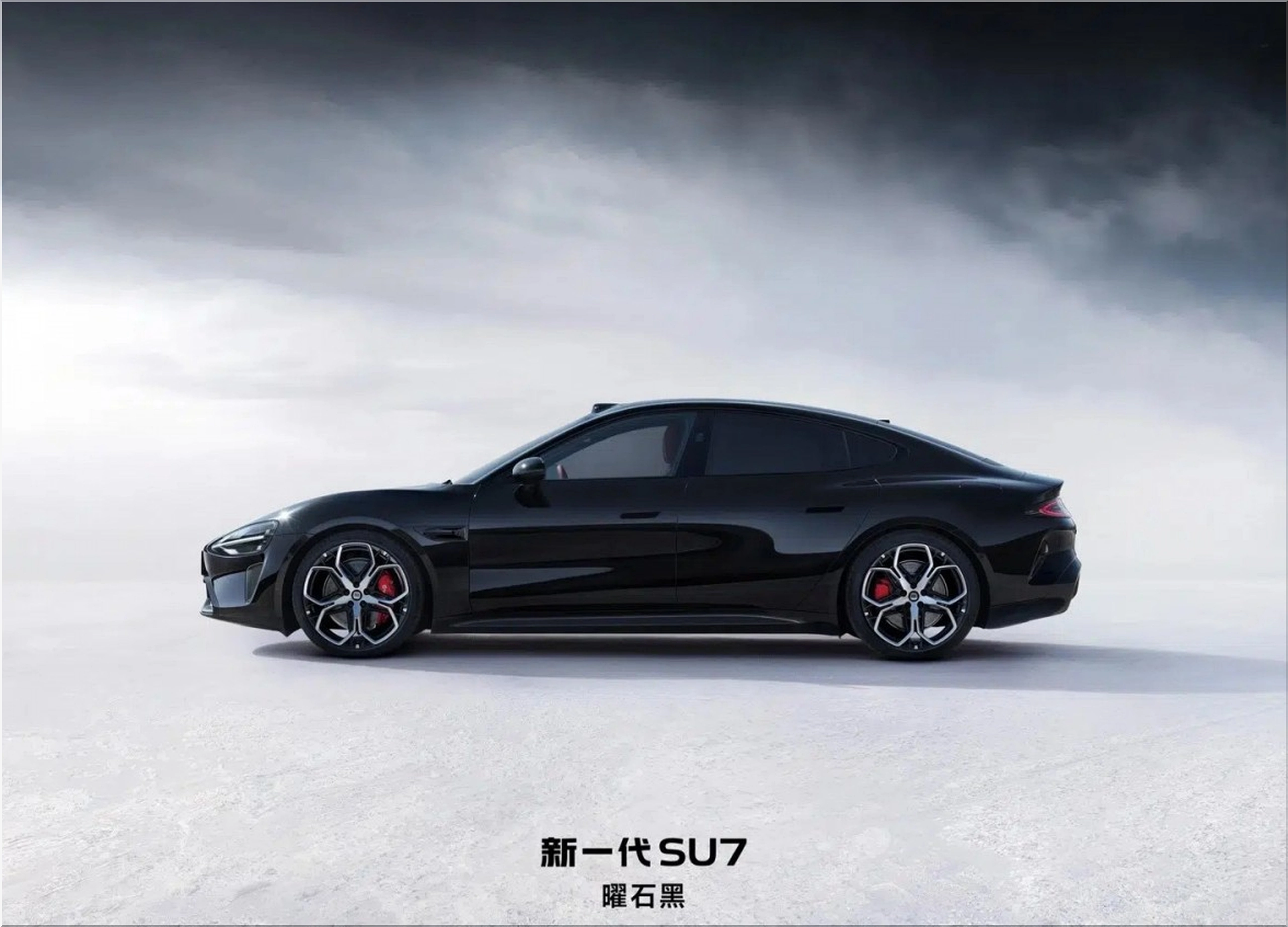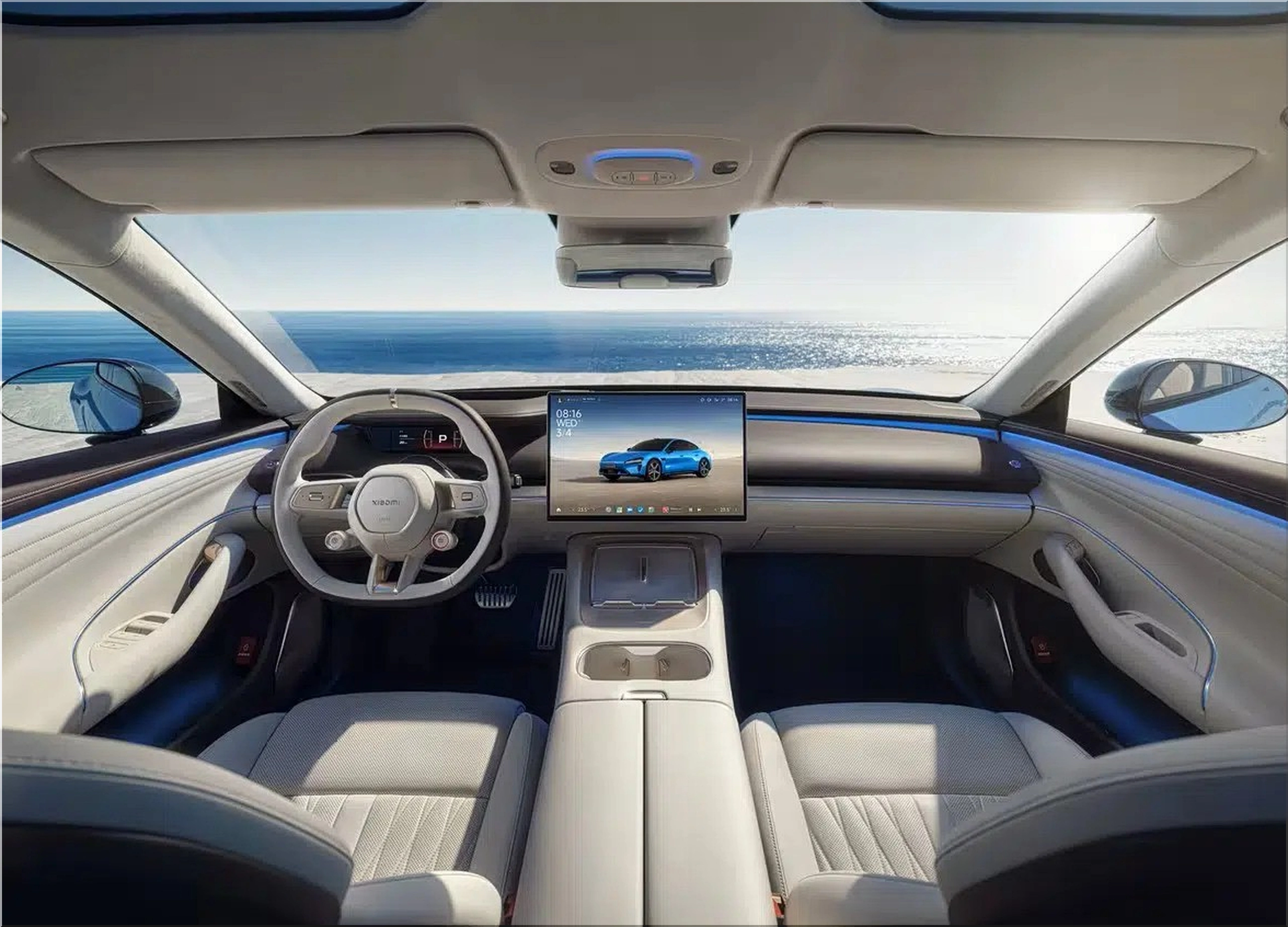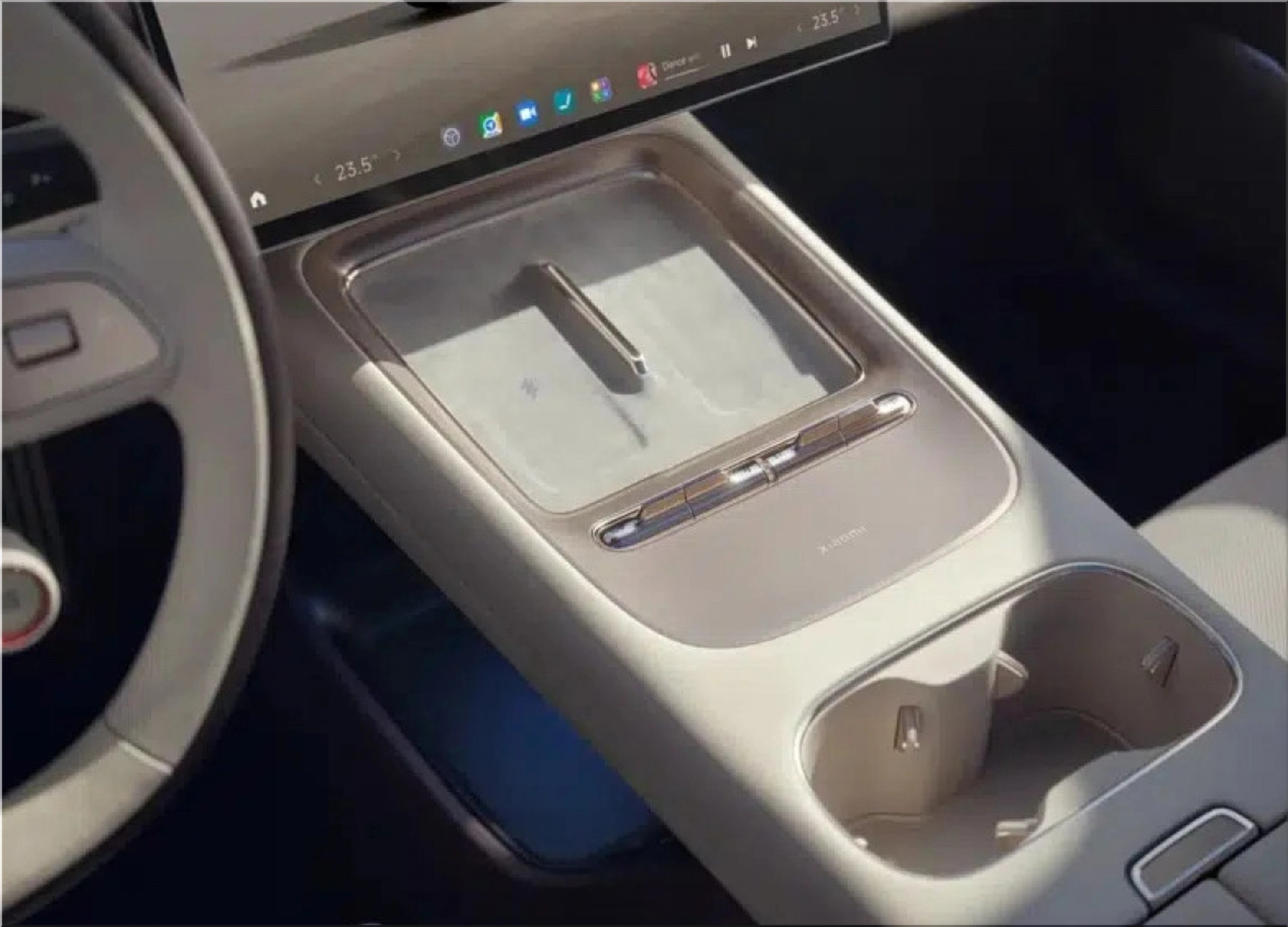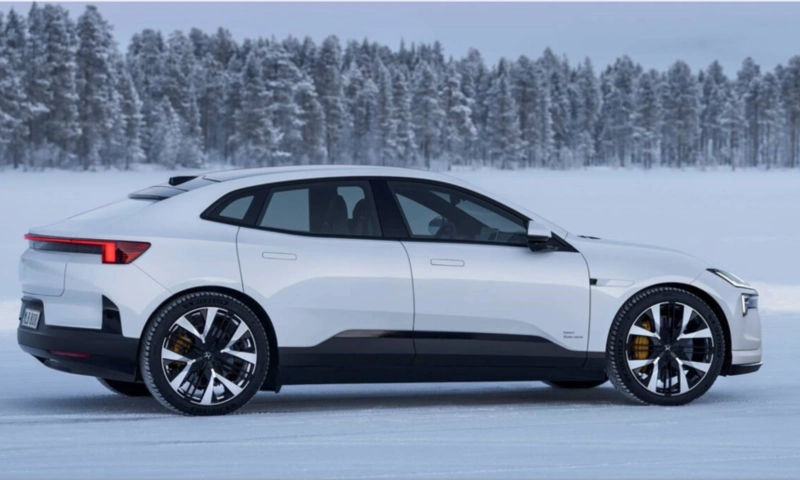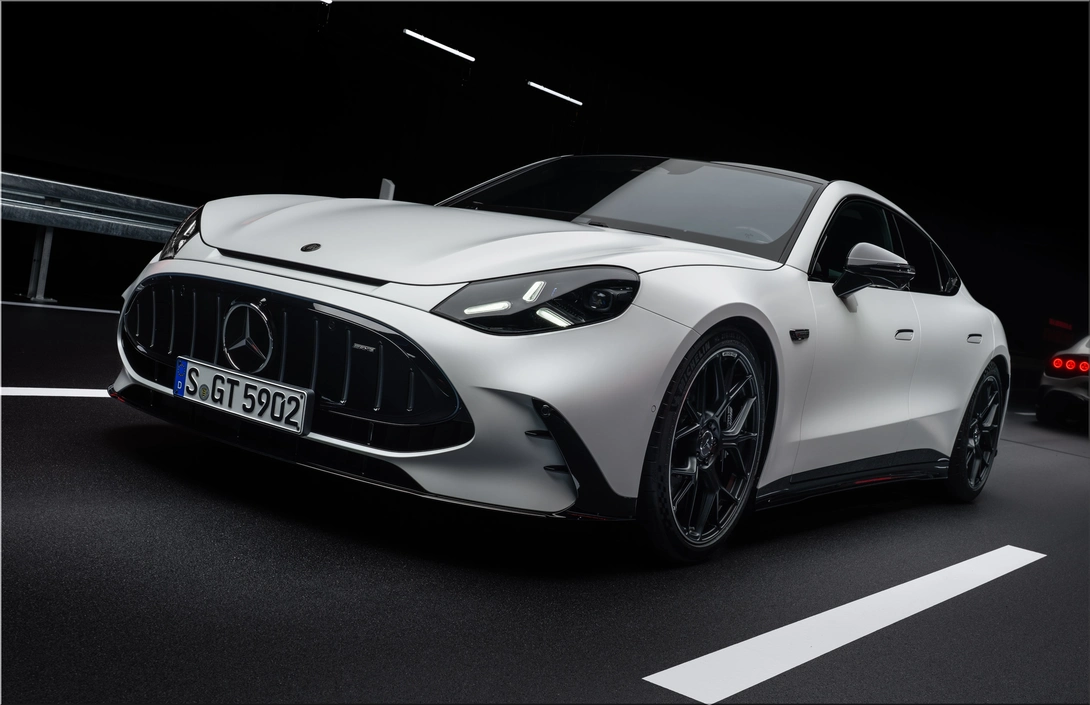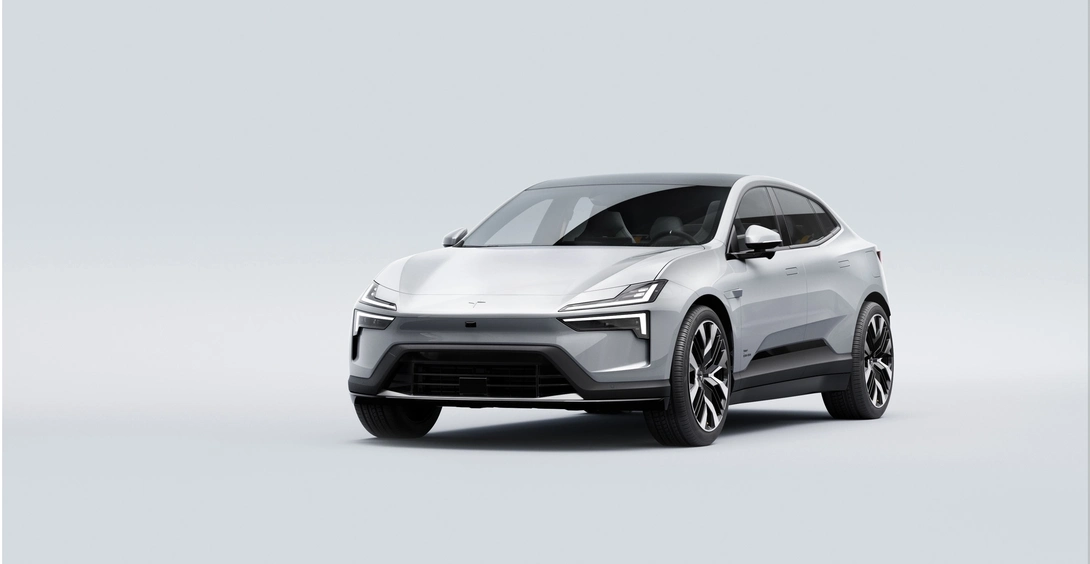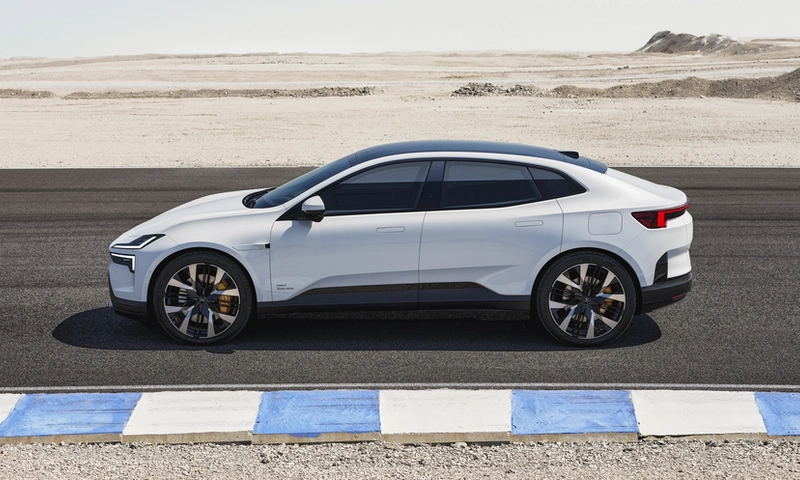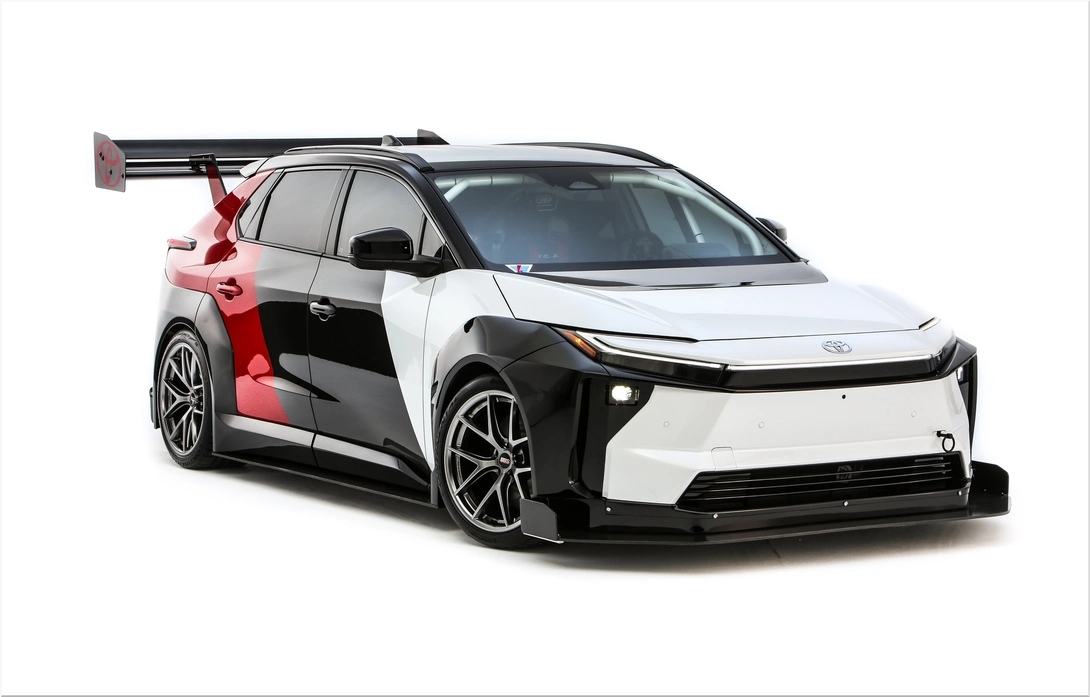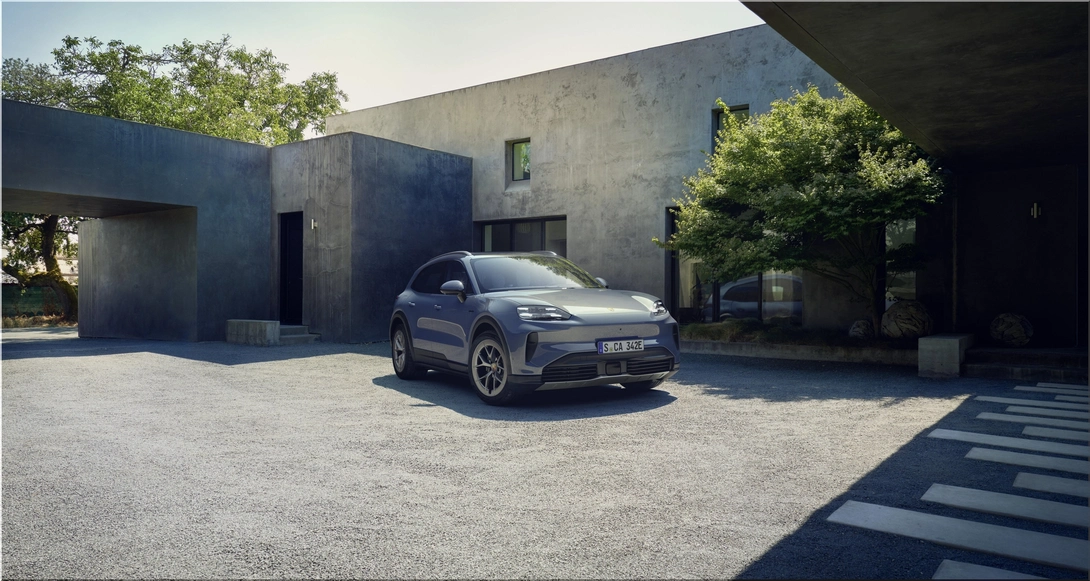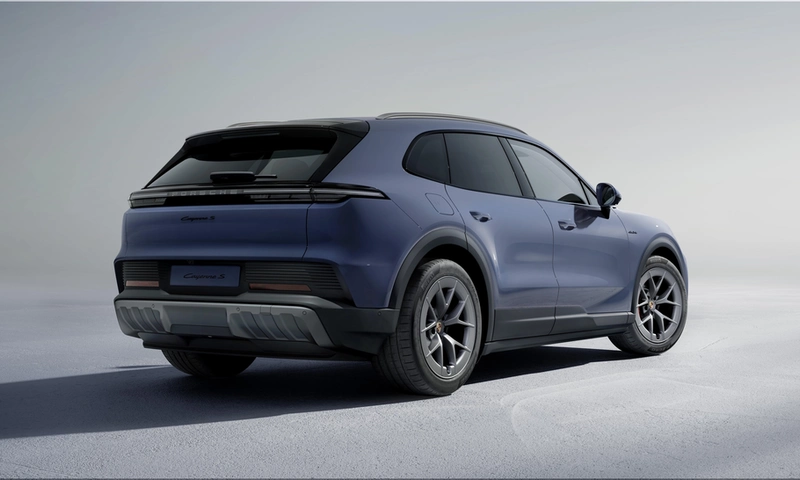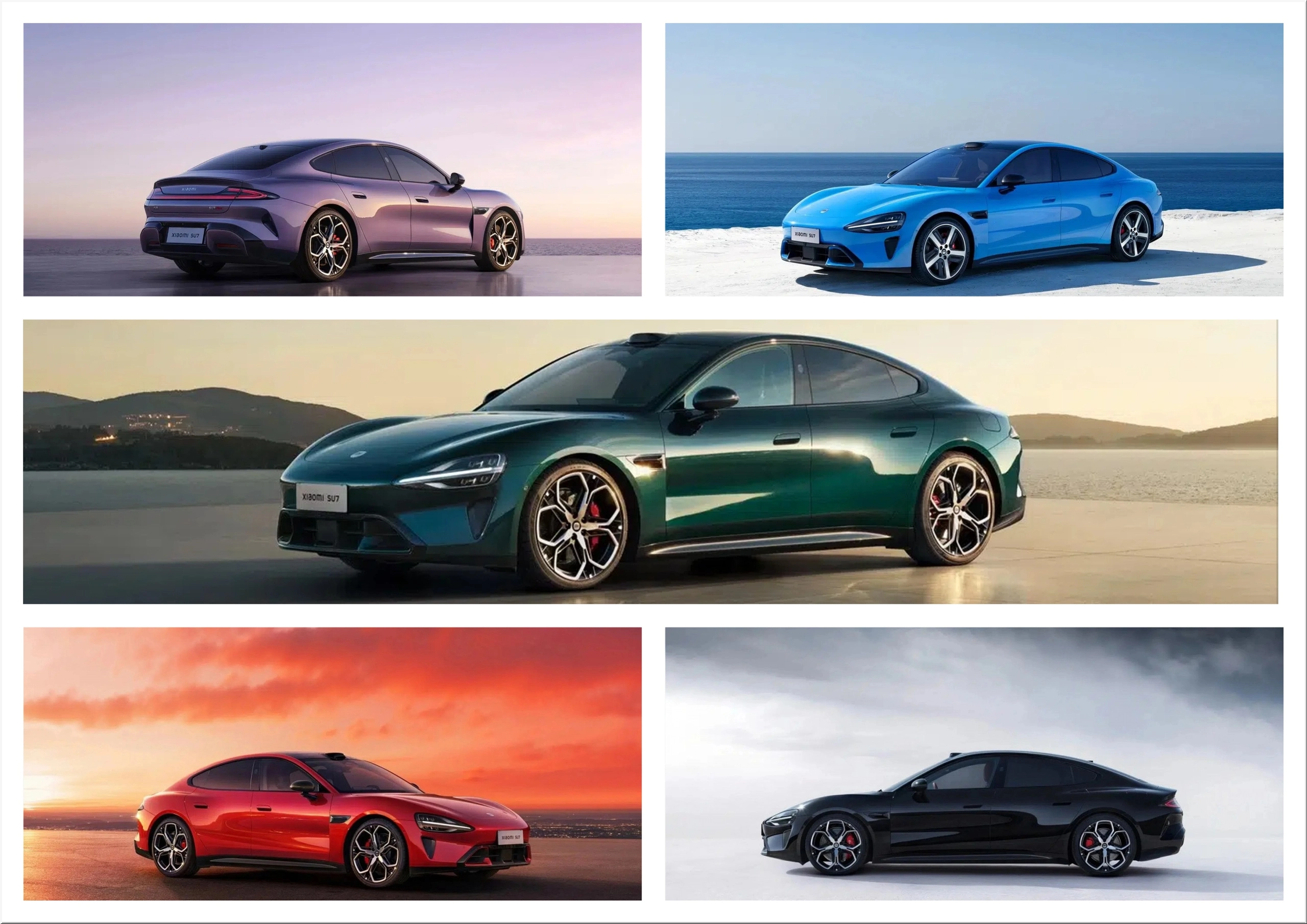
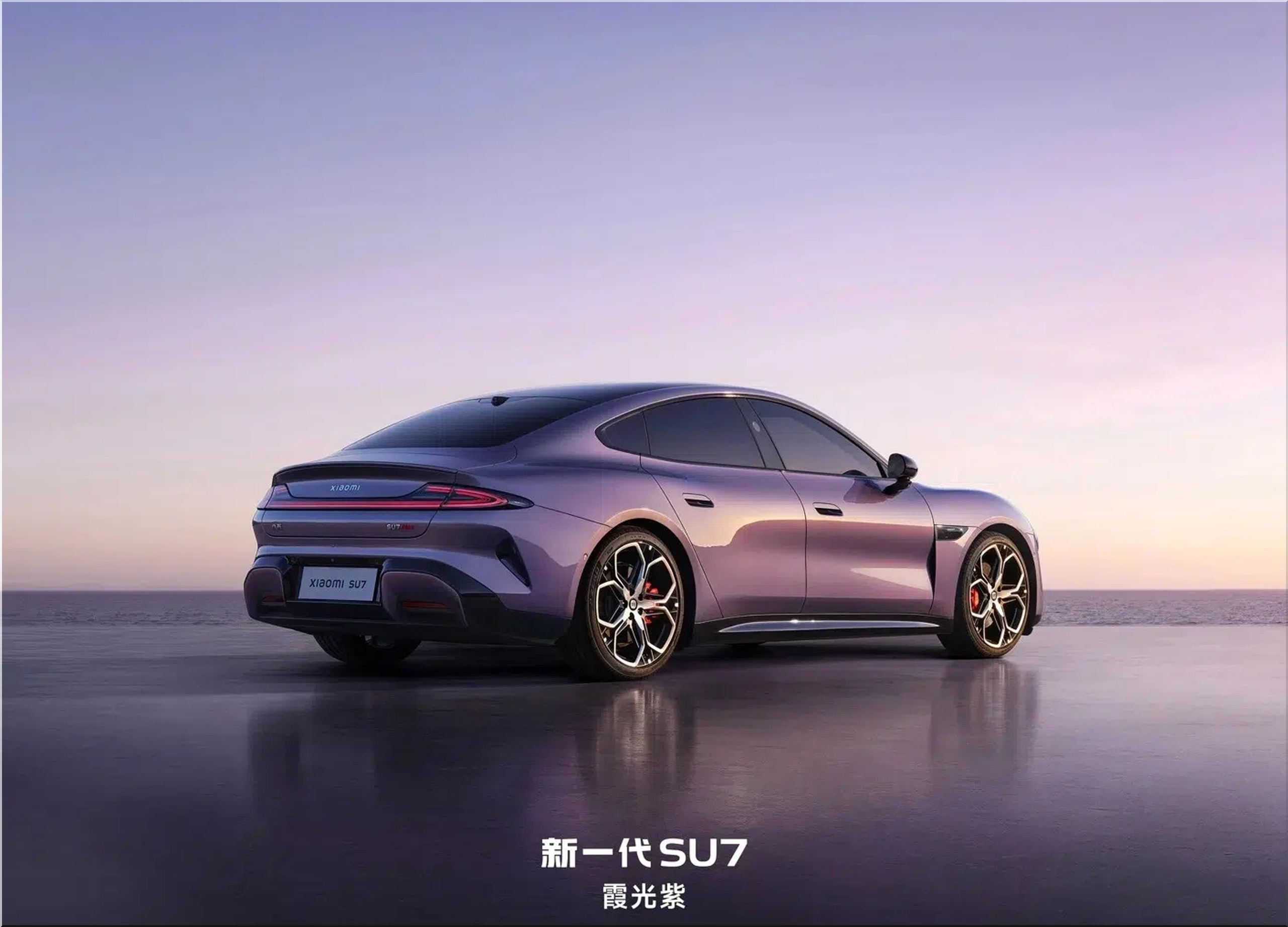
Xiaomi came back to the electric sedan fight with a smarter move than a simple facelift. The updated Xiaomi SU7 keeps the same low, wide silhouette, but the real work happened underneath: higher-voltage electrical architecture, stronger charging performance, standard LiDAR, a revised safety package, and a chassis spec that pushes key hardware further down the lineup.
Looking at the data, Xiaomi aimed straight at the value gap between mainstream premium EVs and tech-heavy Chinese rivals. The result looks sharp on paper. More importantly, the numbers line up in the places buyers actually compare: price, range, charging speed, and standard equipment.
Why the new Xiaomi SU7 matters
The updated Xiaomi SU7 2026 starts at $31,870 in China, which puts it below the Tesla Model 3 while offering more listed CLTC range in base trim. That matters because this segment punishes weak entry models. Buyers scan the first price, the range figure, and the options list before they read anything else.
Specifically, Xiaomi made three moves that change the sales pitch fast:
- Standard LiDAR across the lineup
- 752V architecture for Standard and Pro, 897V for Max
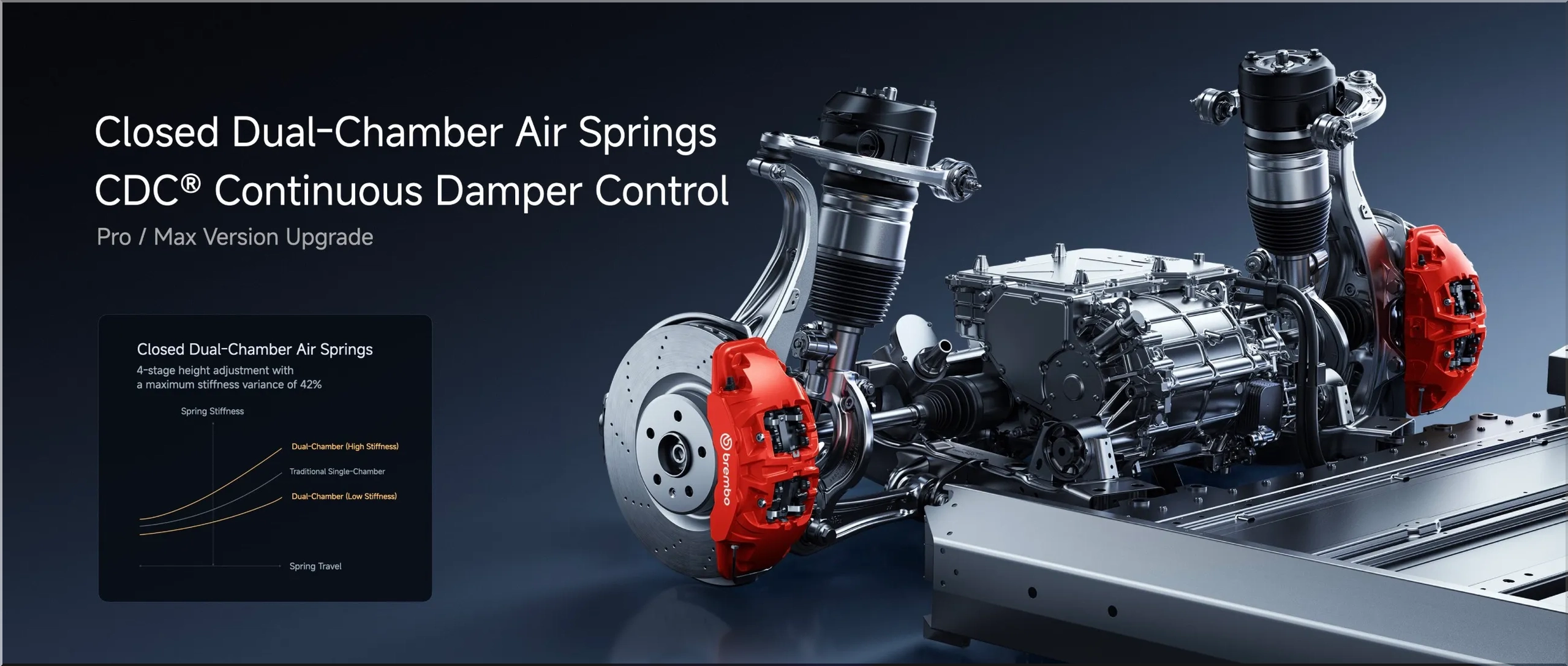
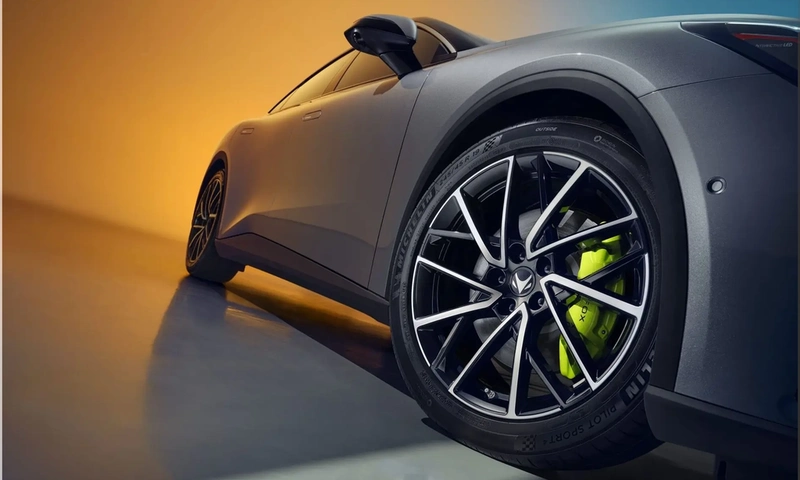
- Improved chassis hardware including wider staggered tires and four-piston front calipers on every trim
By comparison, many rivals still reserve their best driver-assistance hardware or suspension upgrades for upper trims. Xiaomi pulled expensive components into lower trims and used that hardware spread as a pricing weapon.
Core specs and pricing
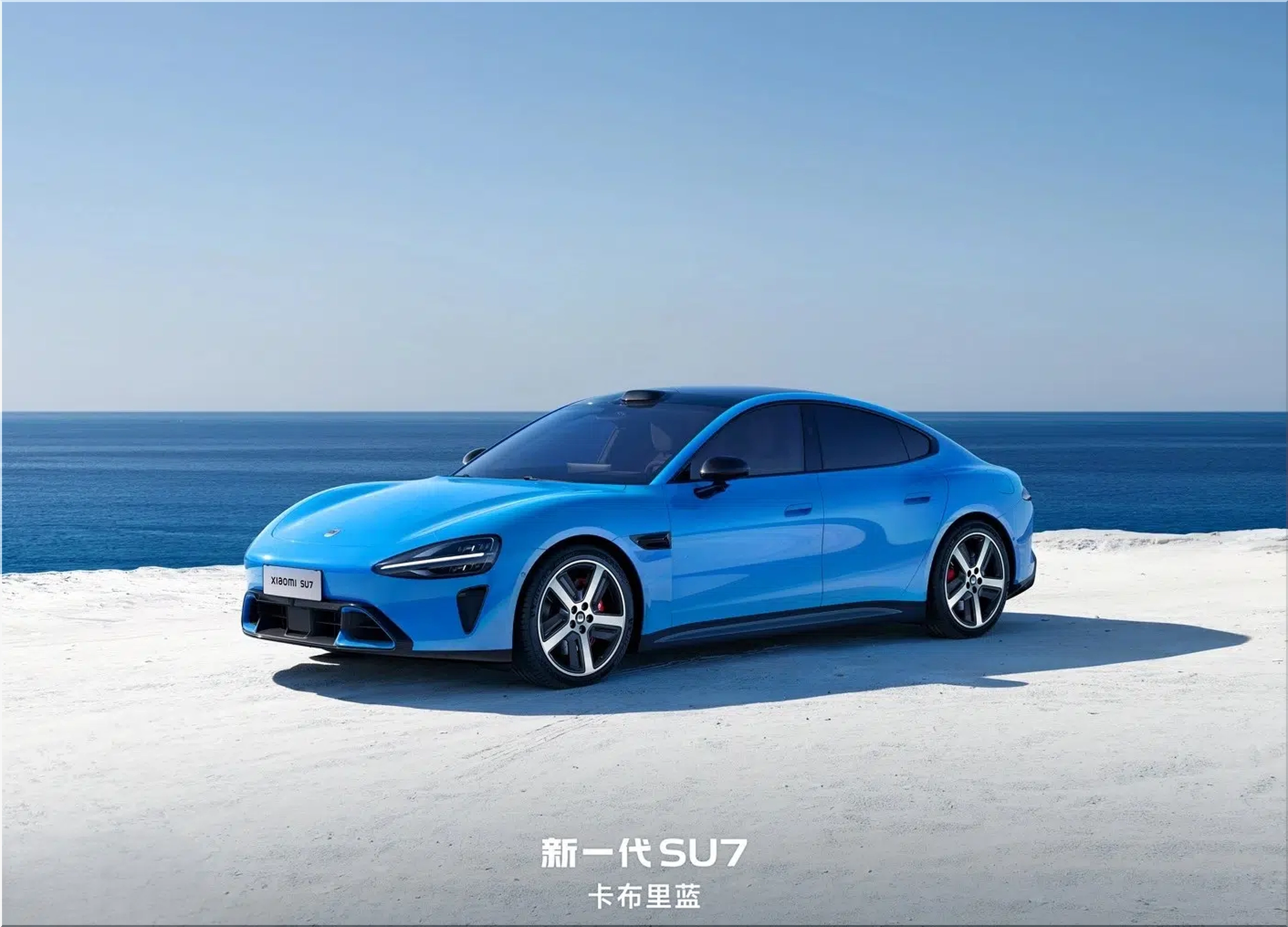
The body stays large for the class. The sedan measures 196.7 inches long (4,997 mm), 77.3 inches wide (1,963 mm), and roughly 56.9 to 57.5 inches high (1,445 to 1,460 mm) depending on trim, with a 118.1-inch wheelbase (3,000 mm). That footprint gives the SU7 more visual presence than a Model 3 and helps explain its planted proportions.
Xiaomi SU7 2026 lineup at a glance
| Trim | Price in USD | Battery | Drive | Power | 0-62 mph | CLTC Range |
|---|---|---|---|---|---|---|
| SU7 Standard | $31,870 | 73 kWh | RWD | 235 kW / about 320 hp | 5.28 sec | 720 km |
| SU7 Pro | $36,220 | 96.3 kWh | RWD | 235 kW / about 320 hp | 5.7 sec | 902 km |
| SU7 Max | $44,040 | 101.7 kWh | AWD | 508 kW / about 680-690 hp | 3.08 sec | 835 km |
That 902 km CLTC figure on the SU7 Pro will grab headlines, and it should. Consequently, Xiaomi now owns one of the most aggressive published range claims in the segment. Real-world driving will land lower than CLTC, of course, but the strategic logic still works: a huge lab-cycle number influences search traffic, showroom attention, and cross-shopping behavior.
Charging, motors, and the logic behind the hardware shift
The charging story matters more than the raw range story. Xiaomi moved the Standard and Pro trims to a 752V silicon-carbide platform, while the Max pushes to 897V, close enough to market as a near-900V setup.
That change improves current flow efficiency, reduces heat at higher charging loads, and supports stronger sustained fast-charging performance. In plain terms, higher-voltage architecture lets Xiaomi move more energy with less resistance penalty, which helps both charging speed and repeated high-load operation.
Charging and performance details
| Trim | Voltage Architecture | 15-Minute Range Recovery | Charge Claim | Notes |
|---|---|---|---|---|
| Standard | 752V | 450 km | about 10%-80% in 12 min | Single-motor RWD |
| Pro | 752V | 490 km | about 10%-80% in 12 min | Range leader |
| Max | 897V | 670 km | about 10%-80% in 11 min | Dual-motor AWD, 5C charging claim |
From an expert perspective, the Max trim shows Xiaomi's best engineering pitch. A nearly 900V system, dual motors, and high-speed charge acceptance make it the trim that actually attacks premium EV incumbents on both straight-line speed and travel-time math. The Pro, though, may be the commercial sweet spot because it pairs the biggest range number with a much lower price.