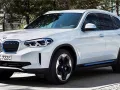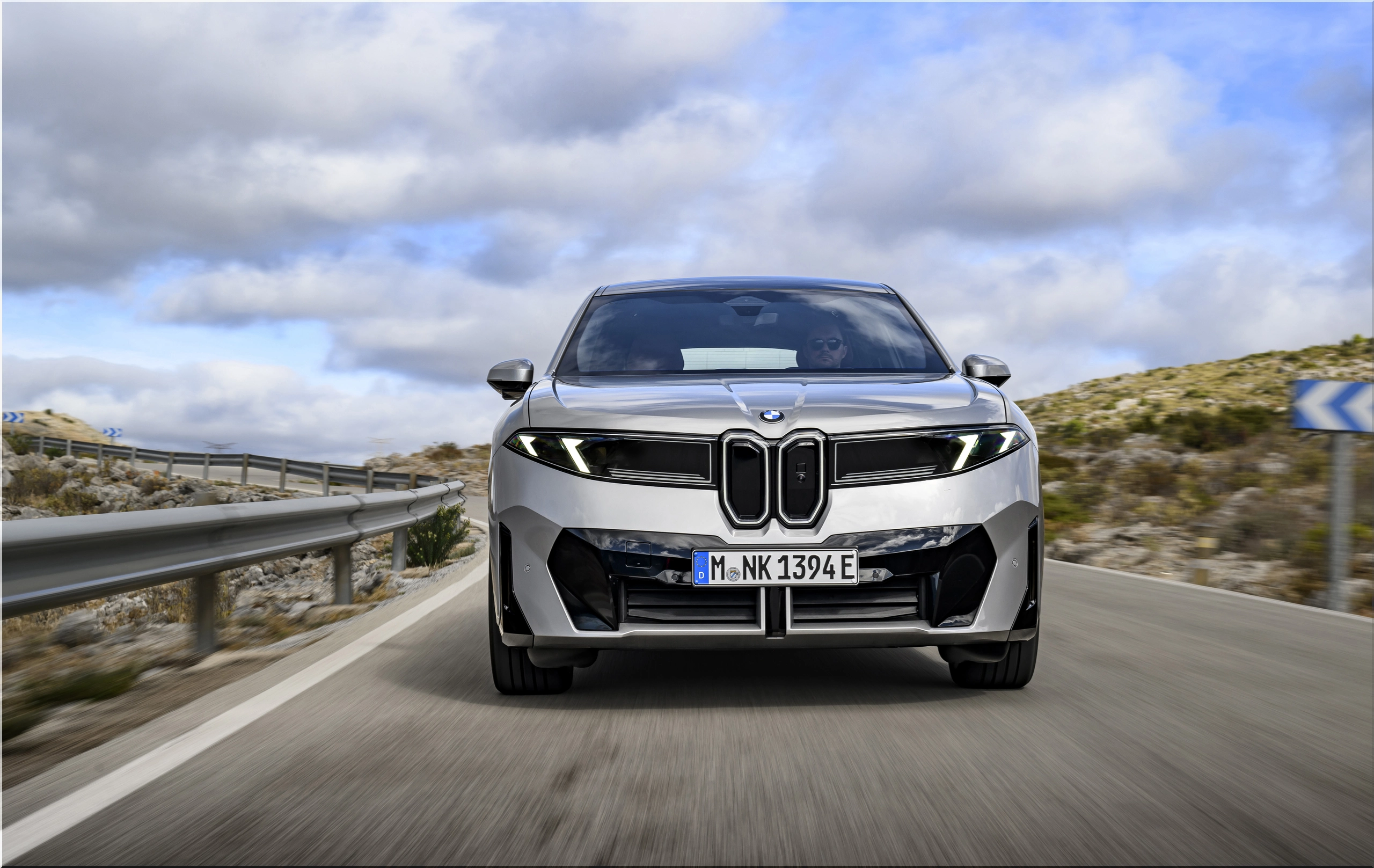
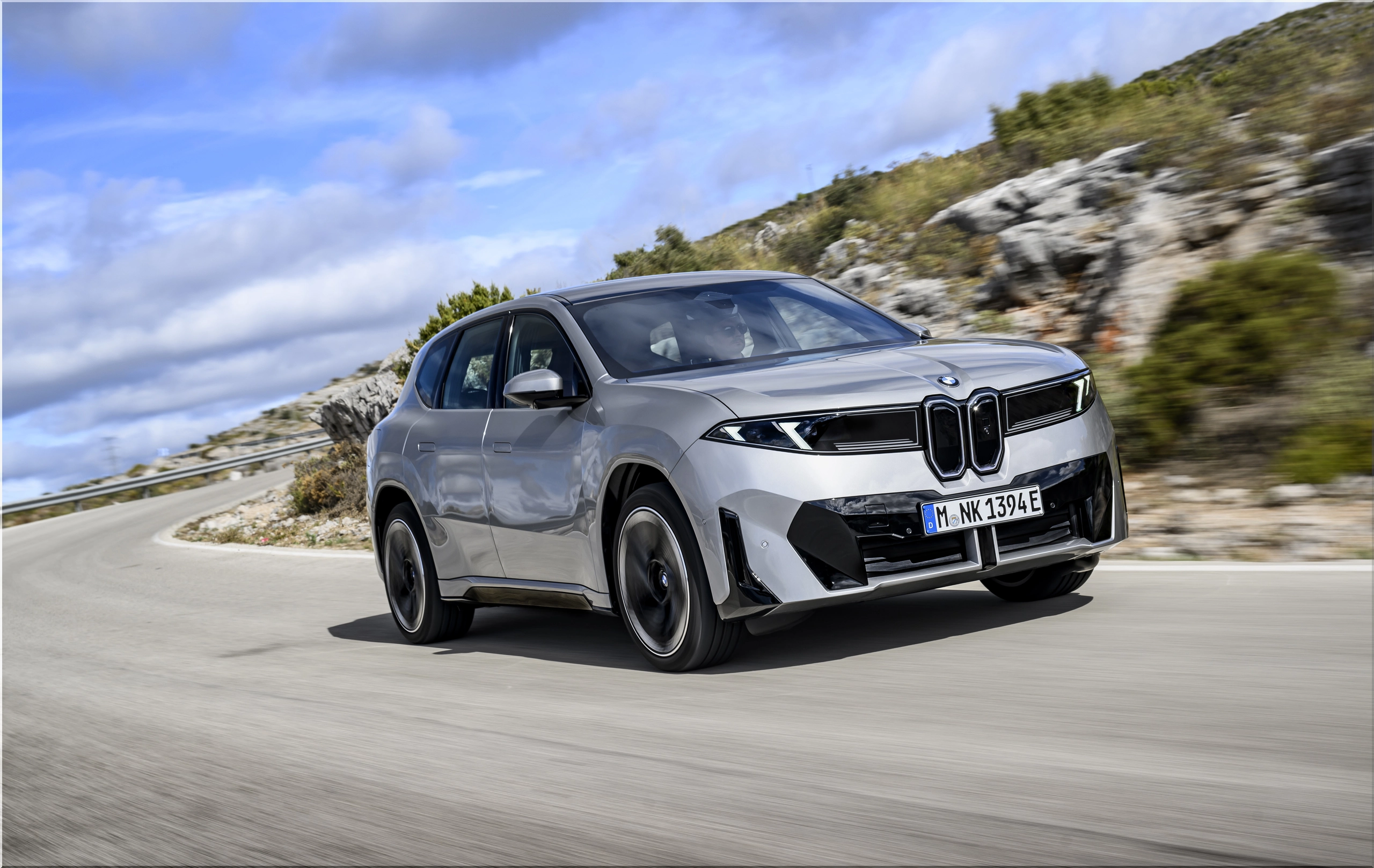
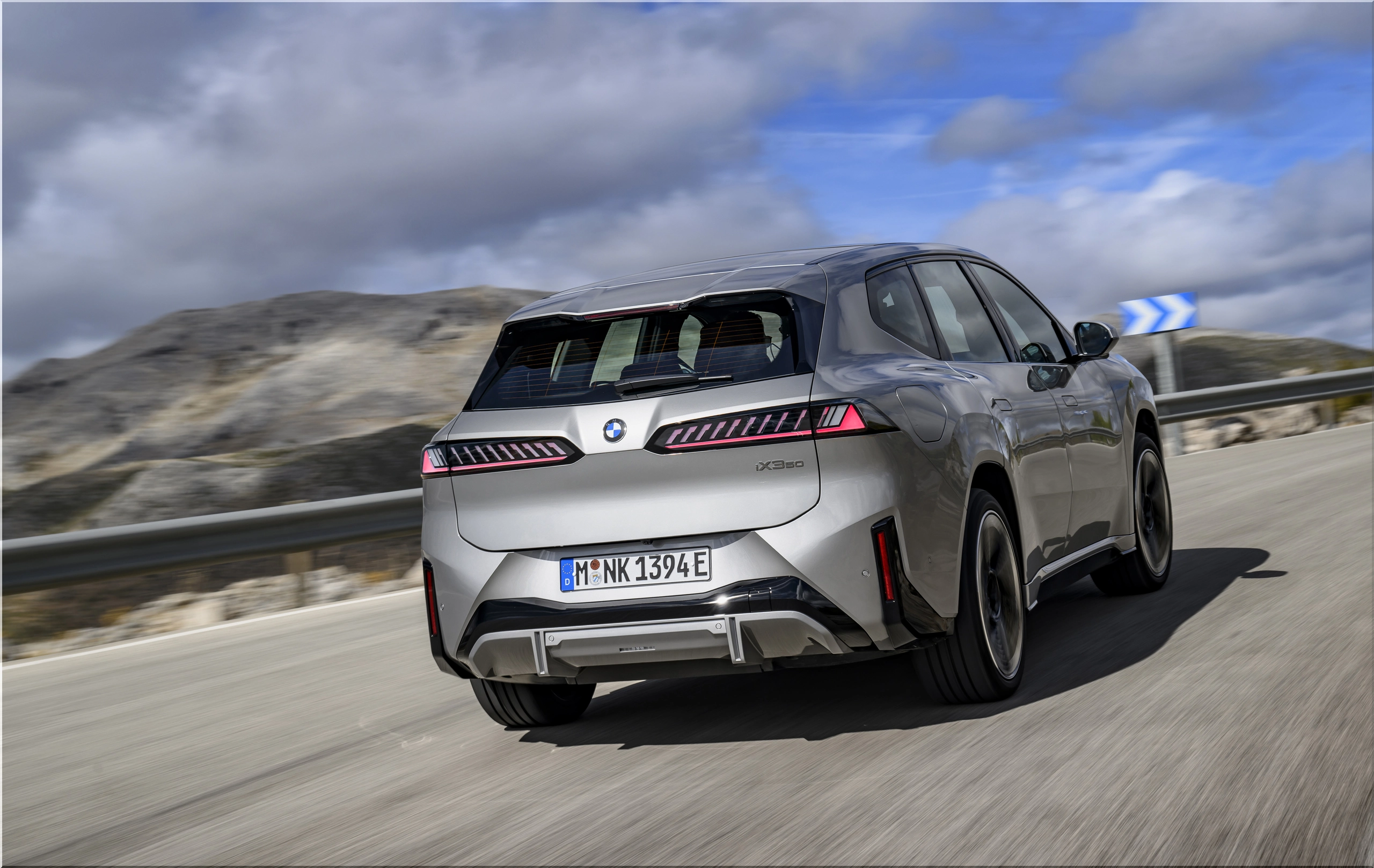
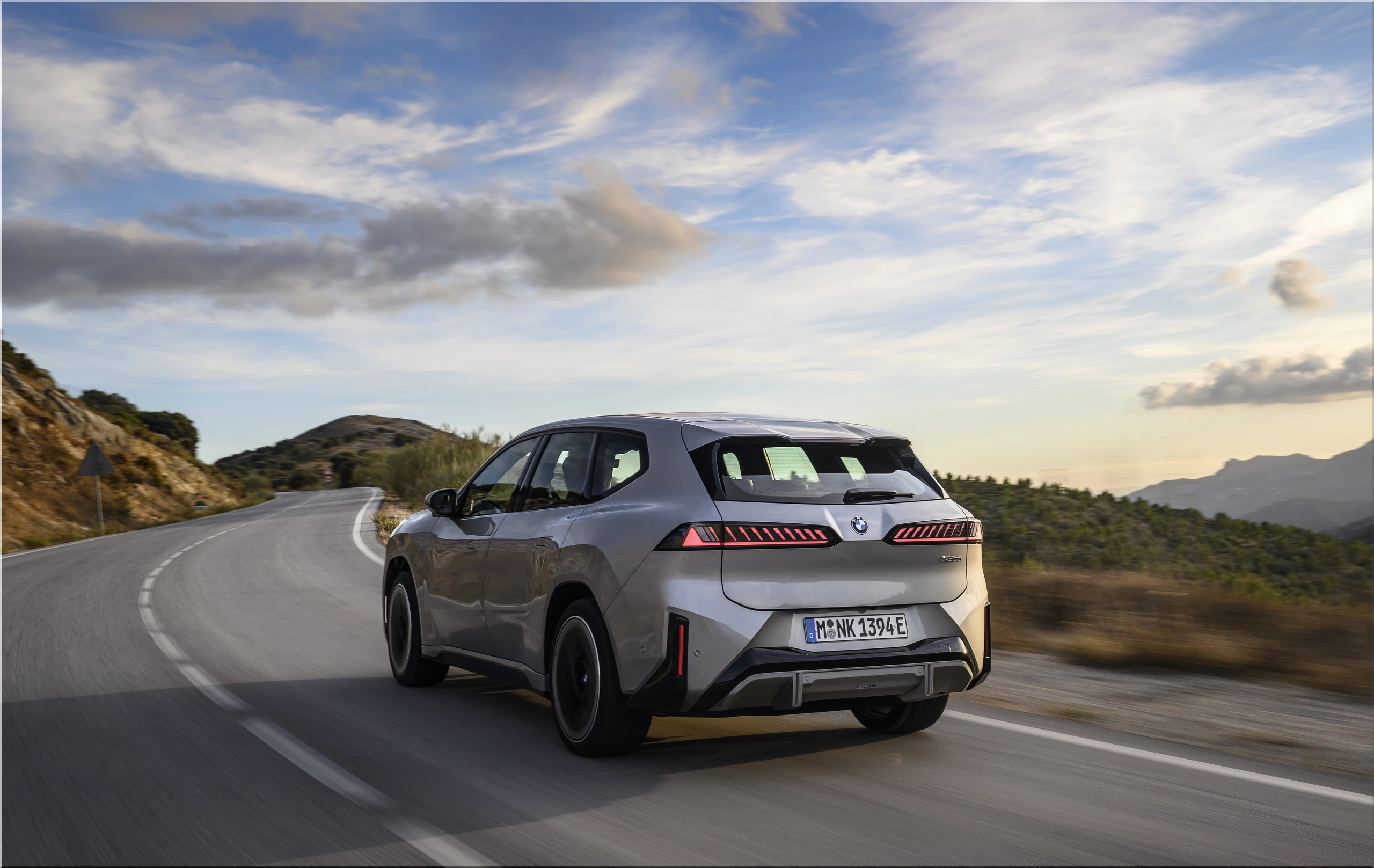
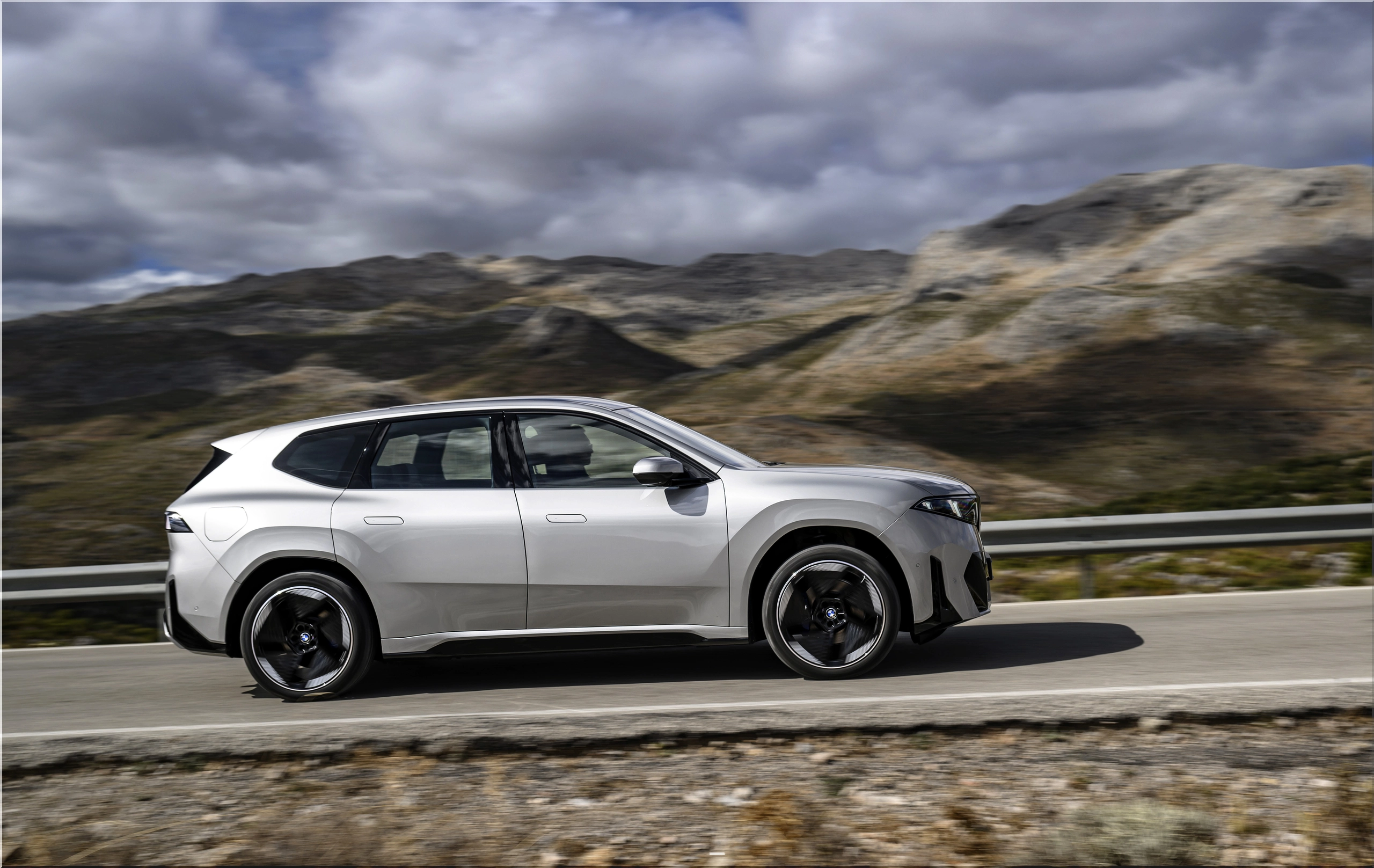
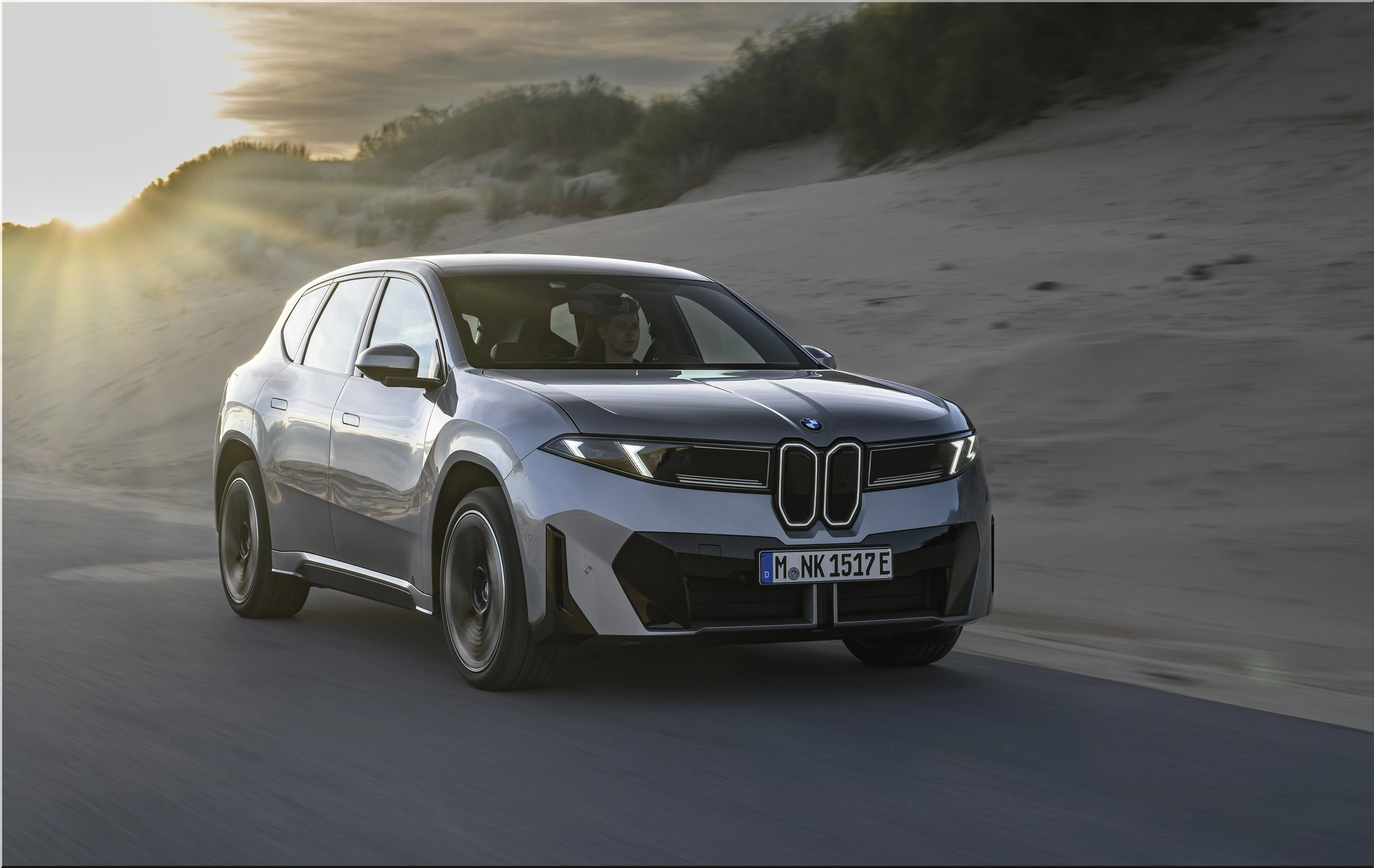
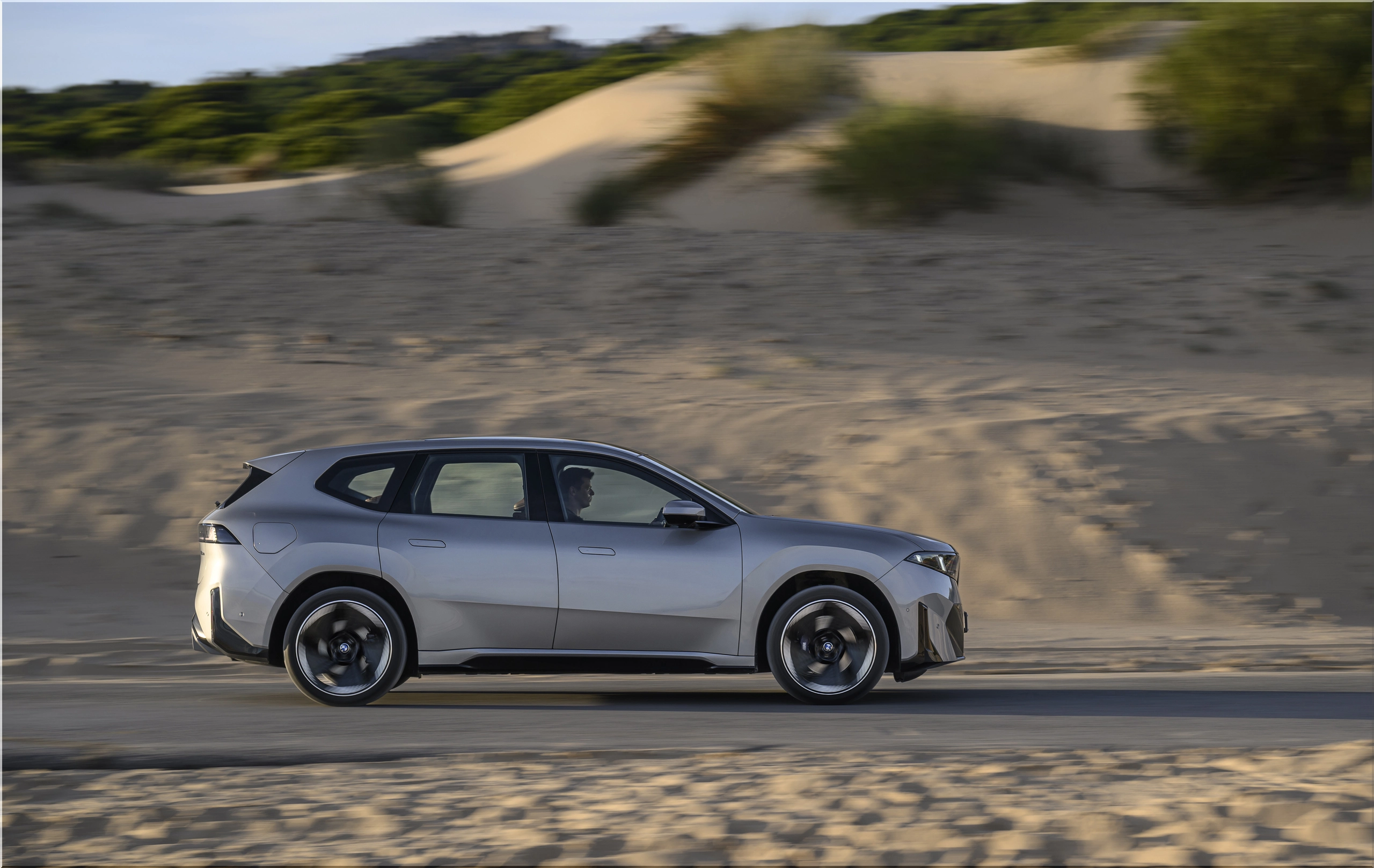
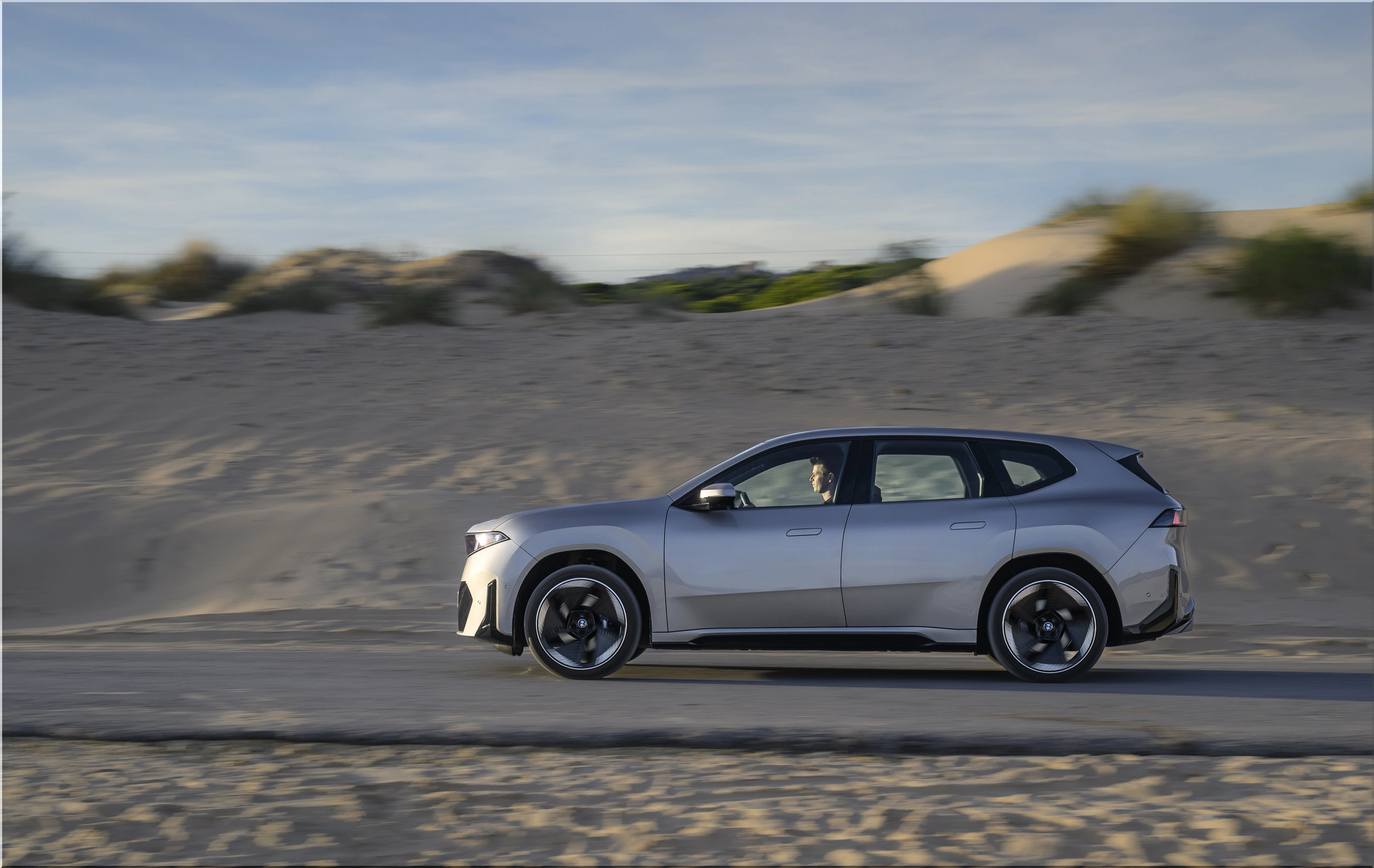
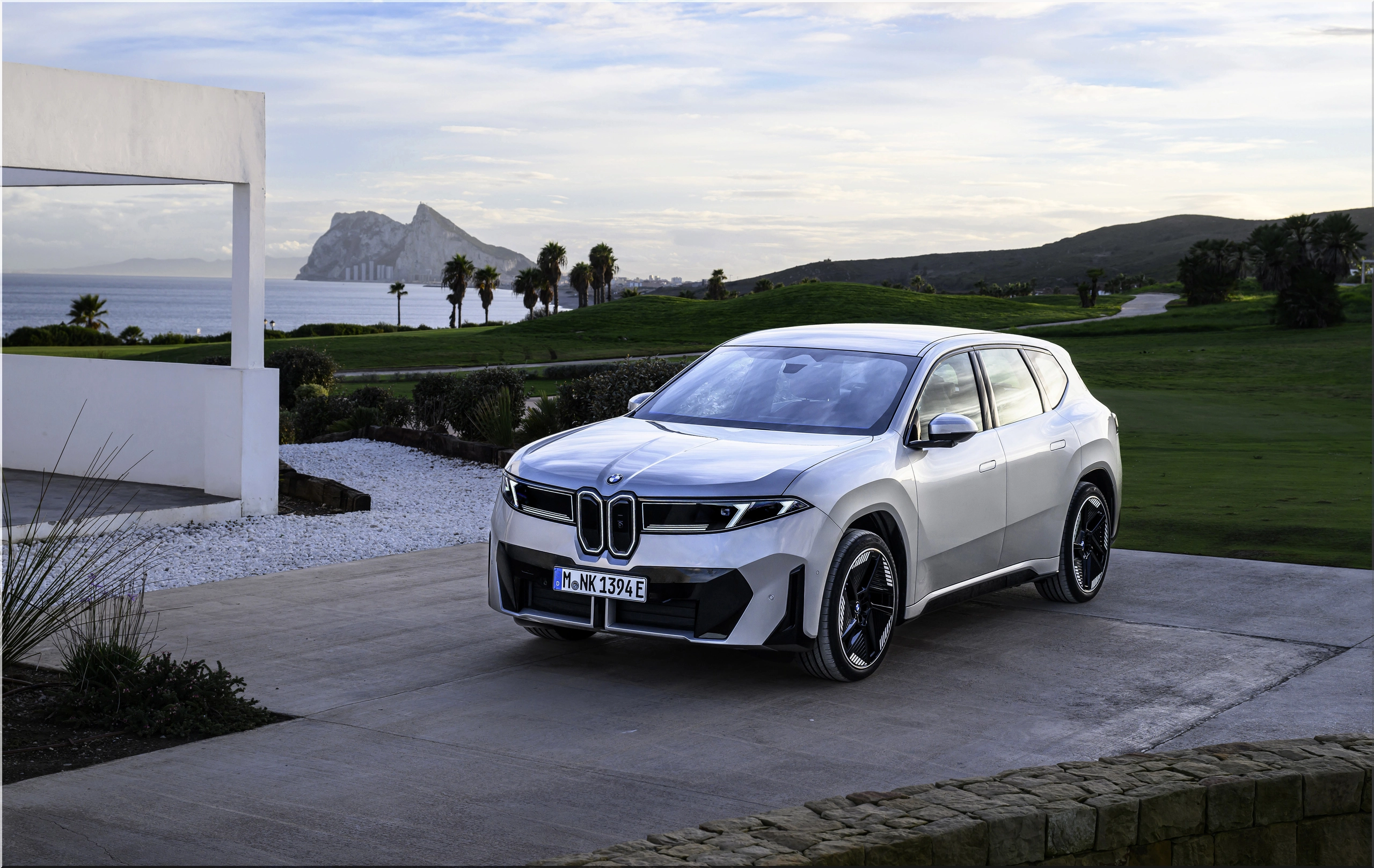
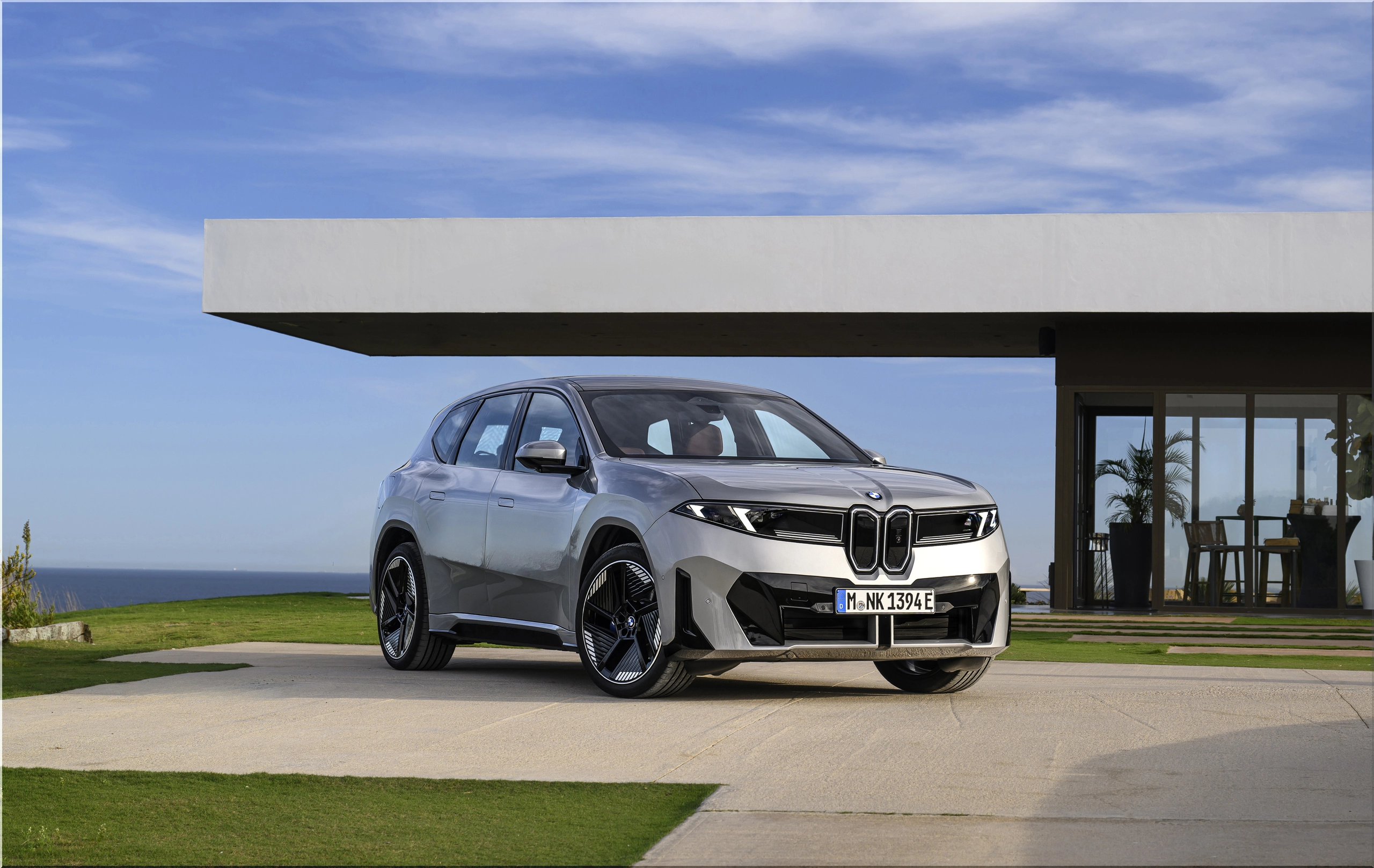
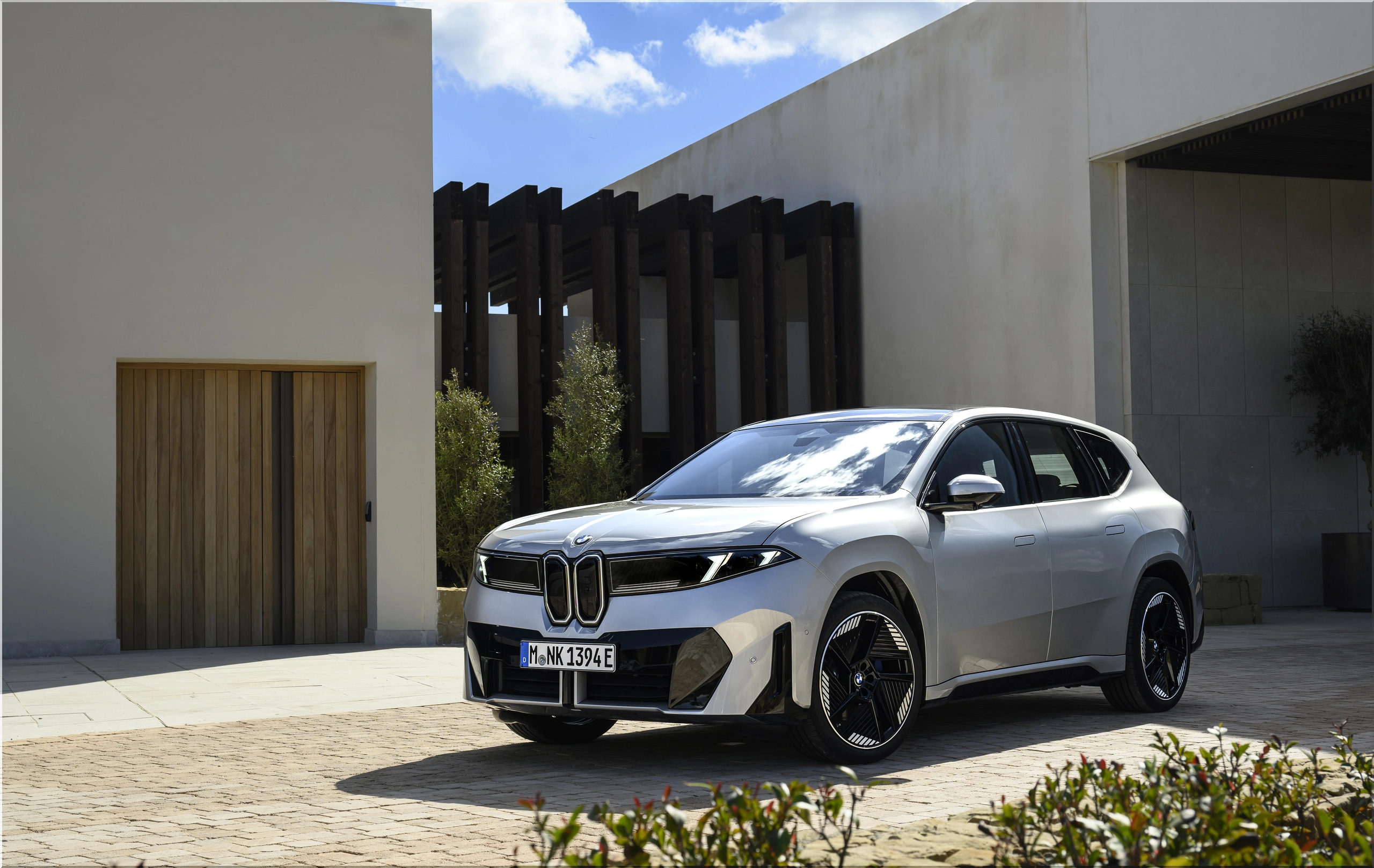
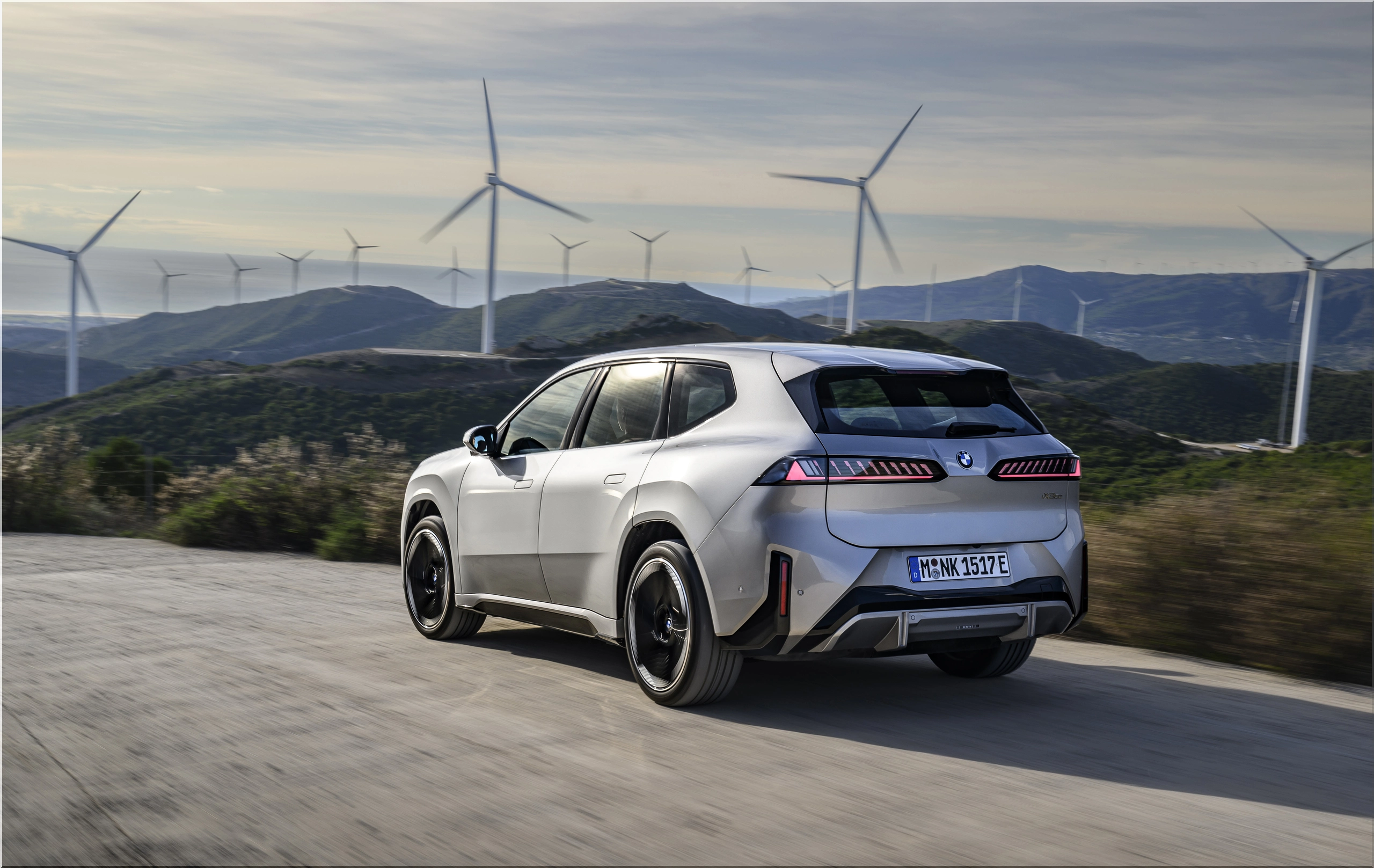
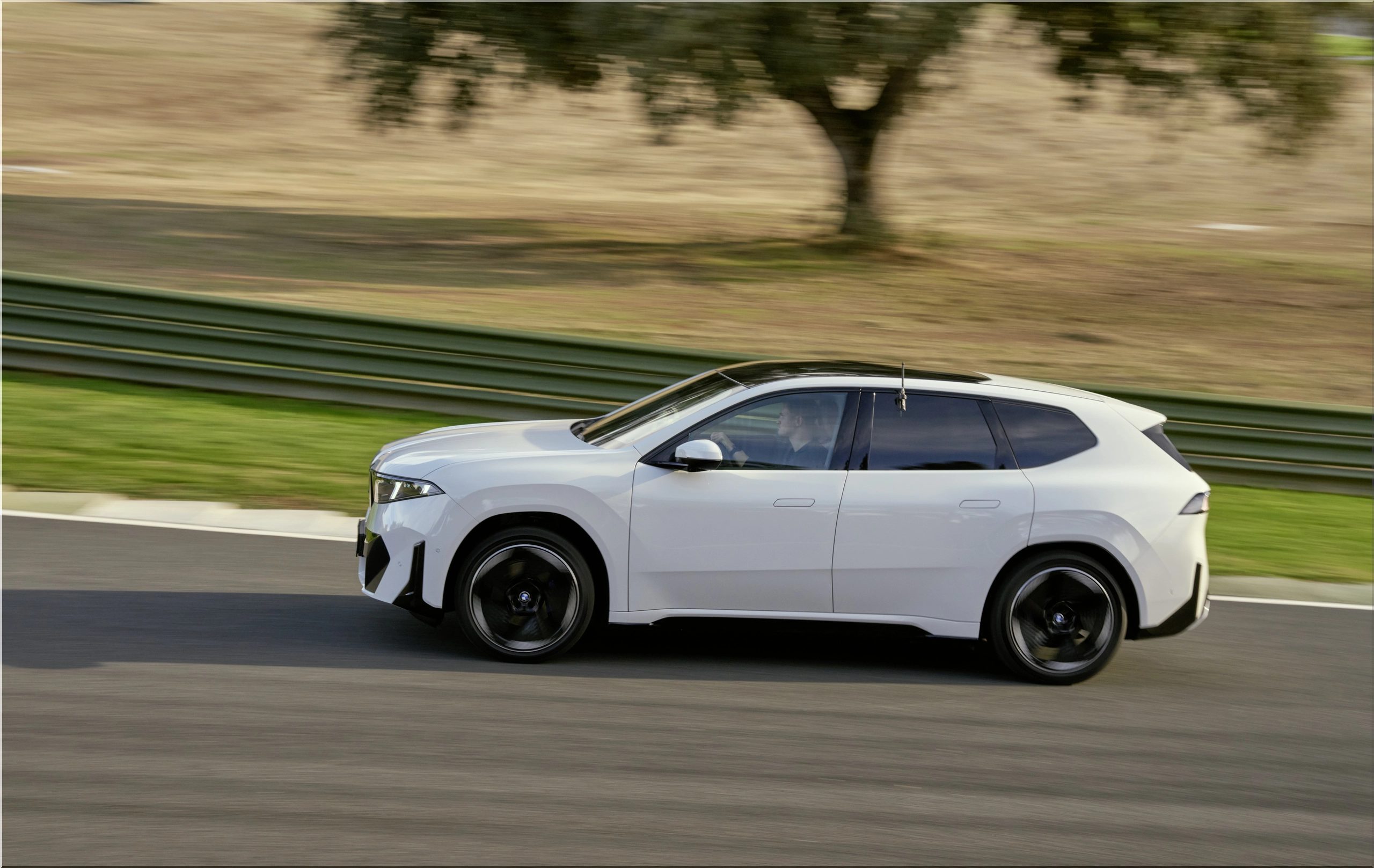
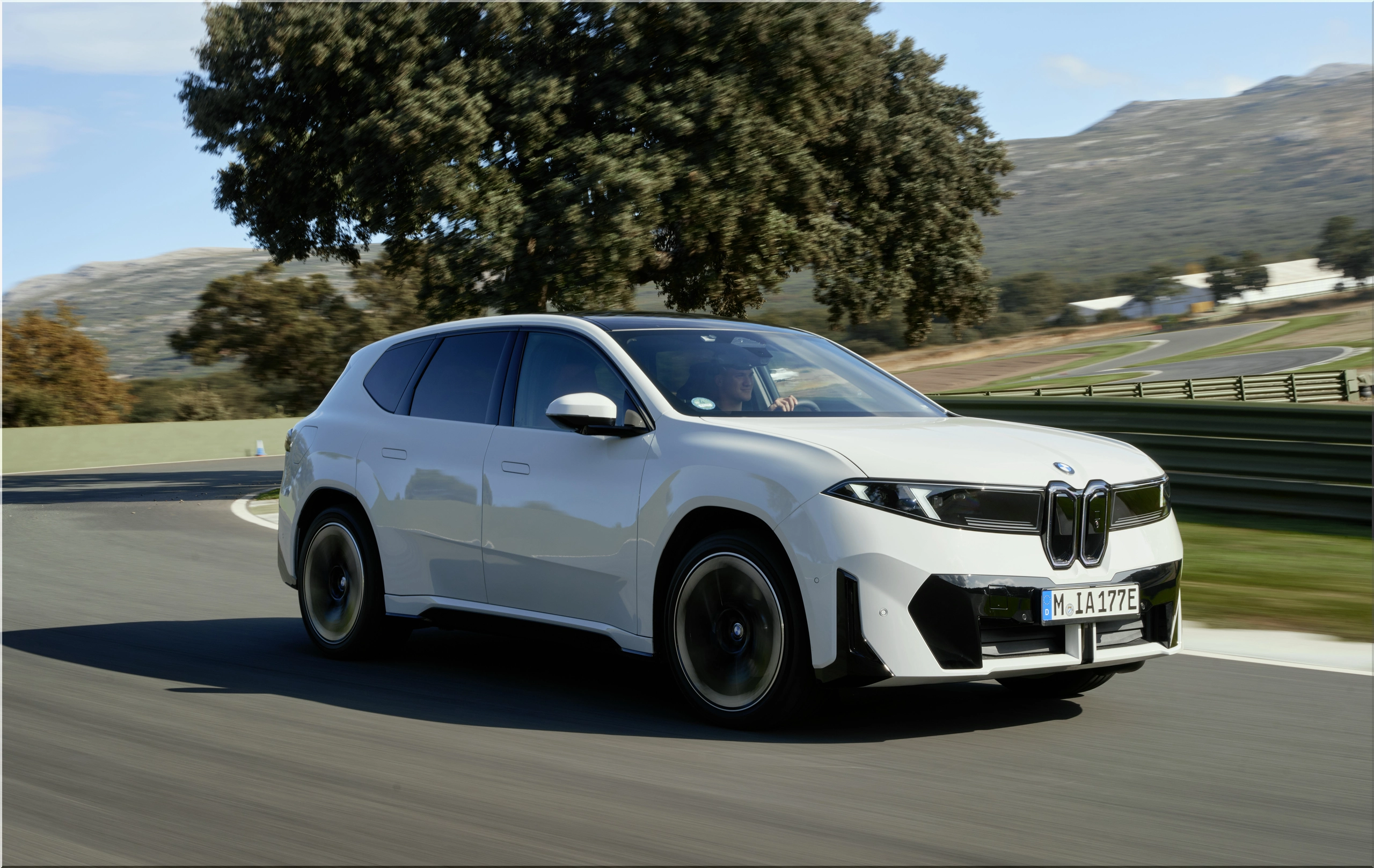
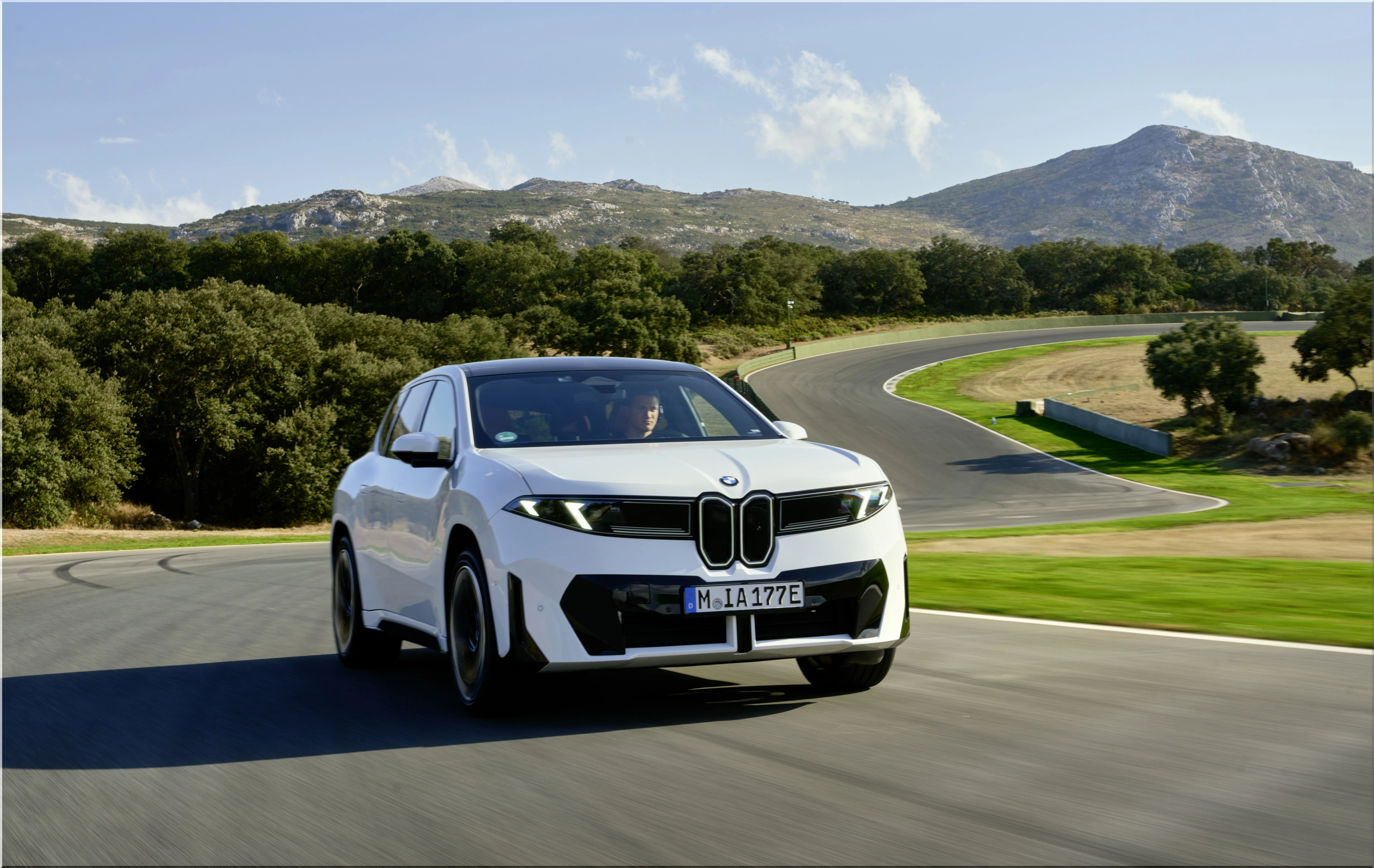
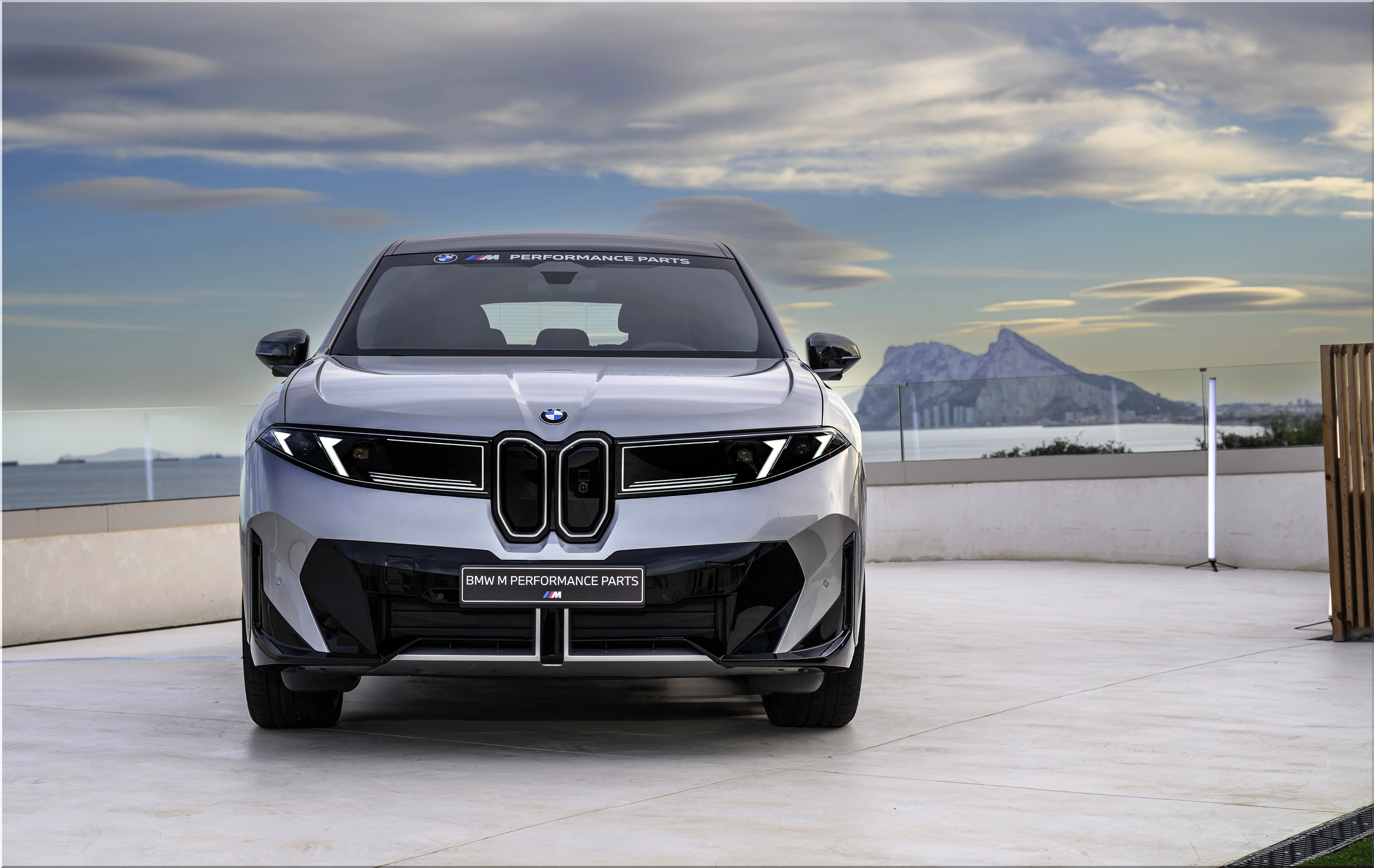
BMW has widened the iX3 range with a new rear-wheel-drive model that cuts the price without gutting the hardware story. The new BMW iX3 40 starts at €63,400, which works out to about $72,900. That places it well below the BMW iX3 50 xDrive, giving BMW a more accessible way to pull buyers into its latest electric SUV family.
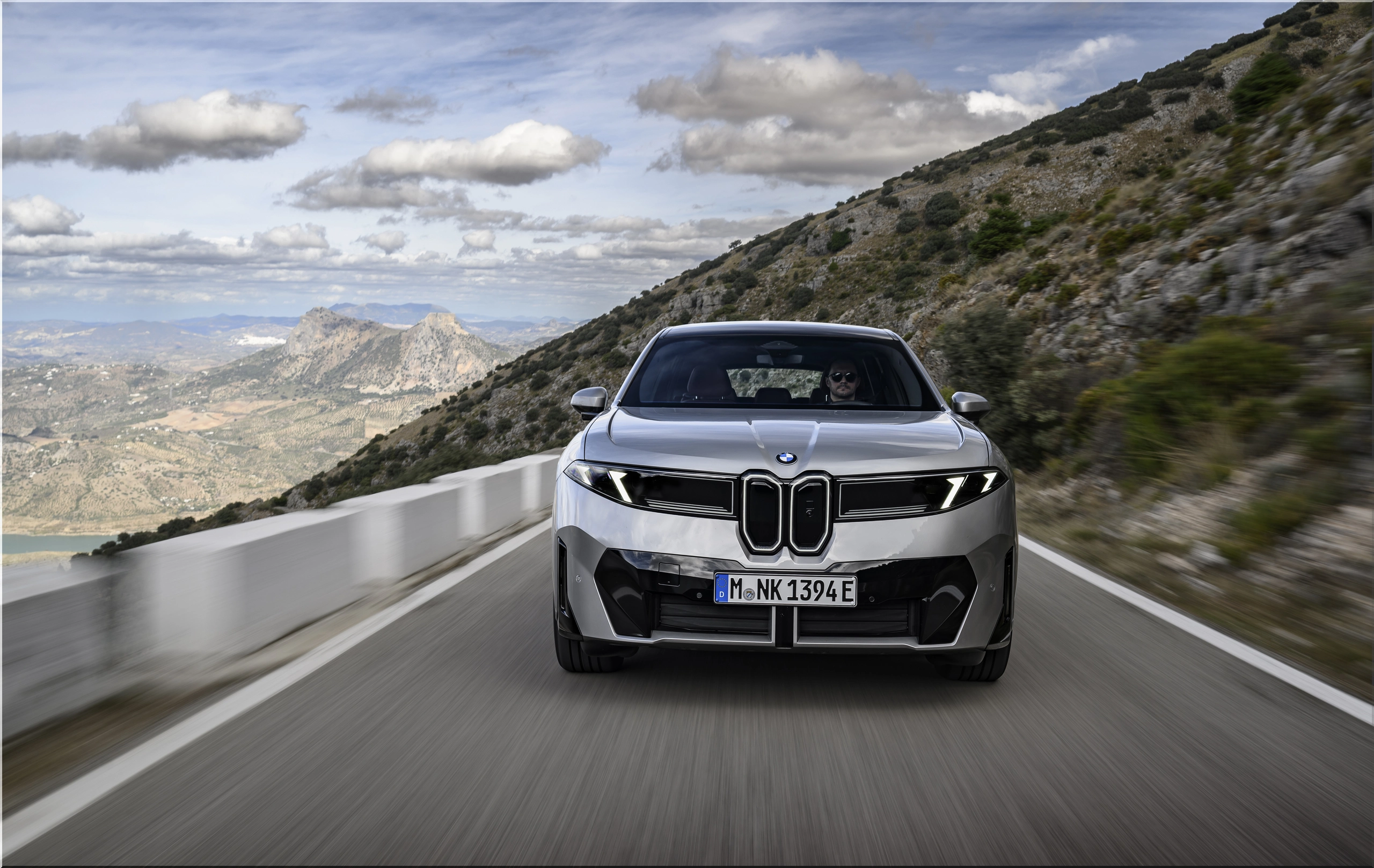
This matters because BMW did not create a bargain-bin trim. It kept the new platform, the new battery tech, the new software brain, and the same core packaging. It simply trimmed the areas that drive cost fastest: front-axle propulsion, battery size, peak output, and maximum charging rate. That makes the entry-level BMW iX3 a strategic product, not a placeholder.
Why the BMW iX3 40 matters
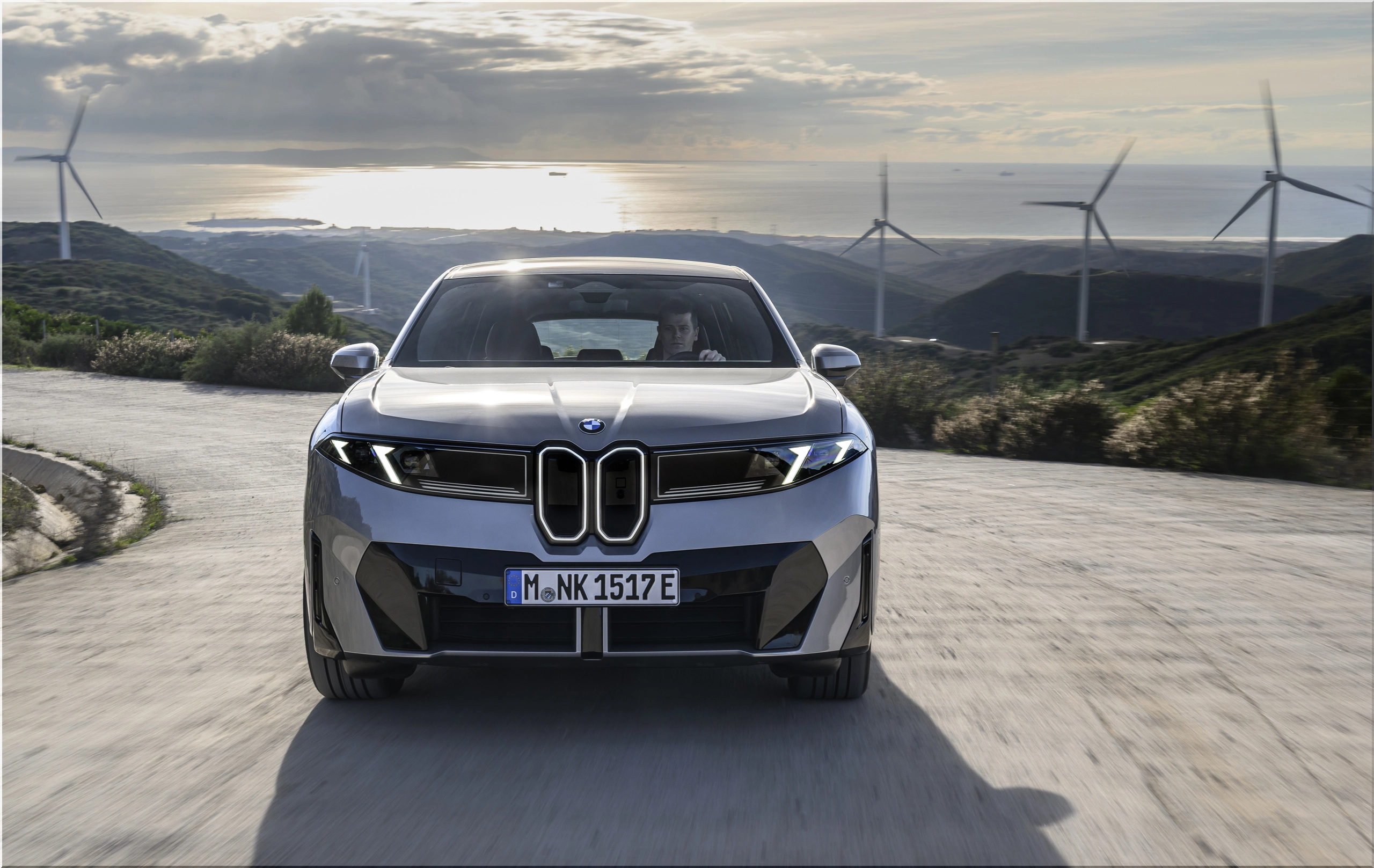
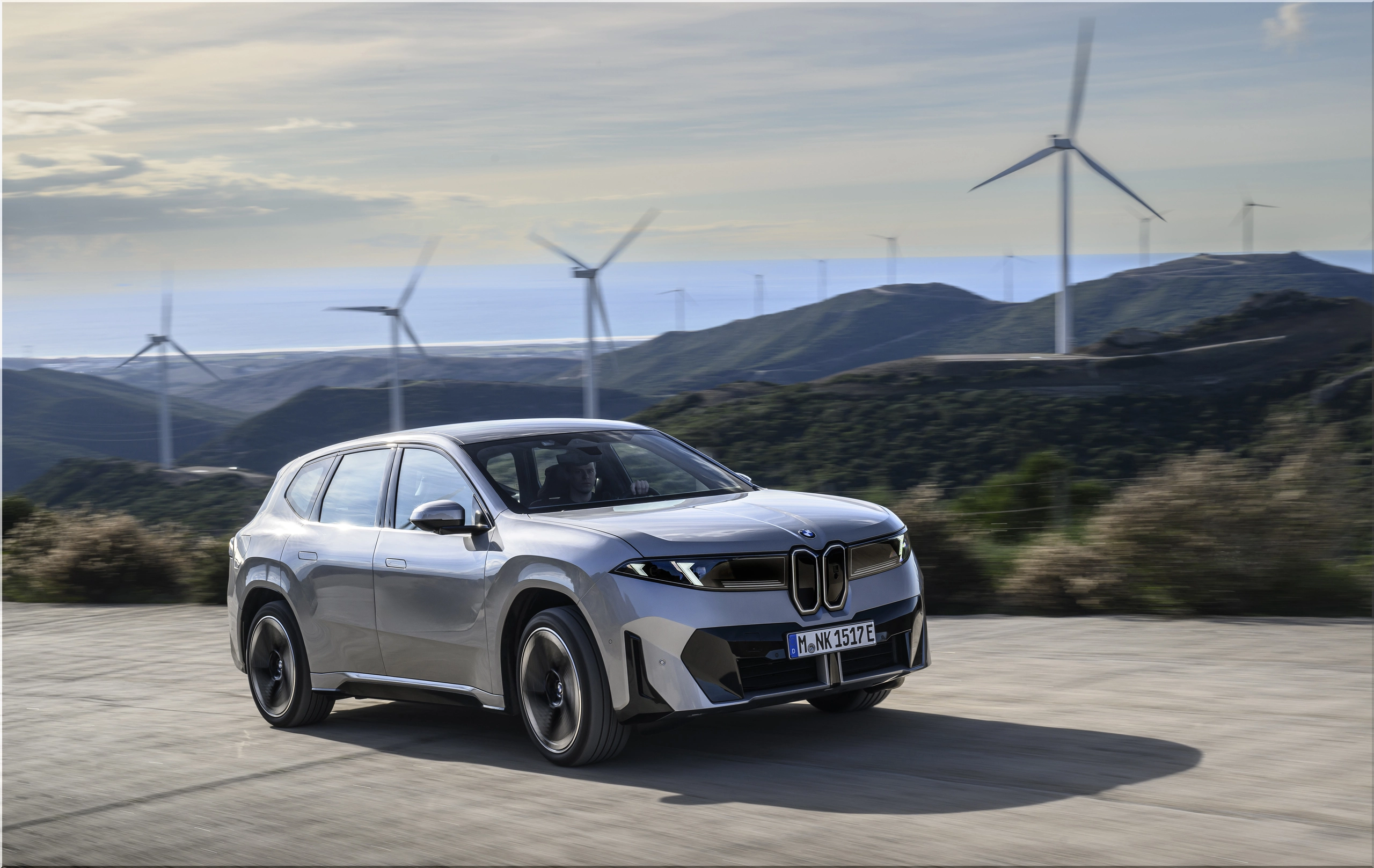
BMW's move answers a basic market problem. A premium electric SUV needs range, charging speed, interior space, and brand credibility, yet many buyers do not need dual-motor traction or near-sports-sedan acceleration. The BMW iX3 40 targets that gap with a single rear motor, a smaller battery, and a lower starting price, while keeping the same broad design language and digital environment as the pricier variant.
From a product-planning view, that is smart. BMW protects the upscale feel of the vehicle and trims hardware where many buyers will notice it least during daily use. In city traffic, highway commuting, school runs, and long intercity drives, usable range, charge recovery, cabin room, and ride quality carry more weight than a one-second gain in the sprint to 62 mph.
BMW iX3 40 performance and battery details
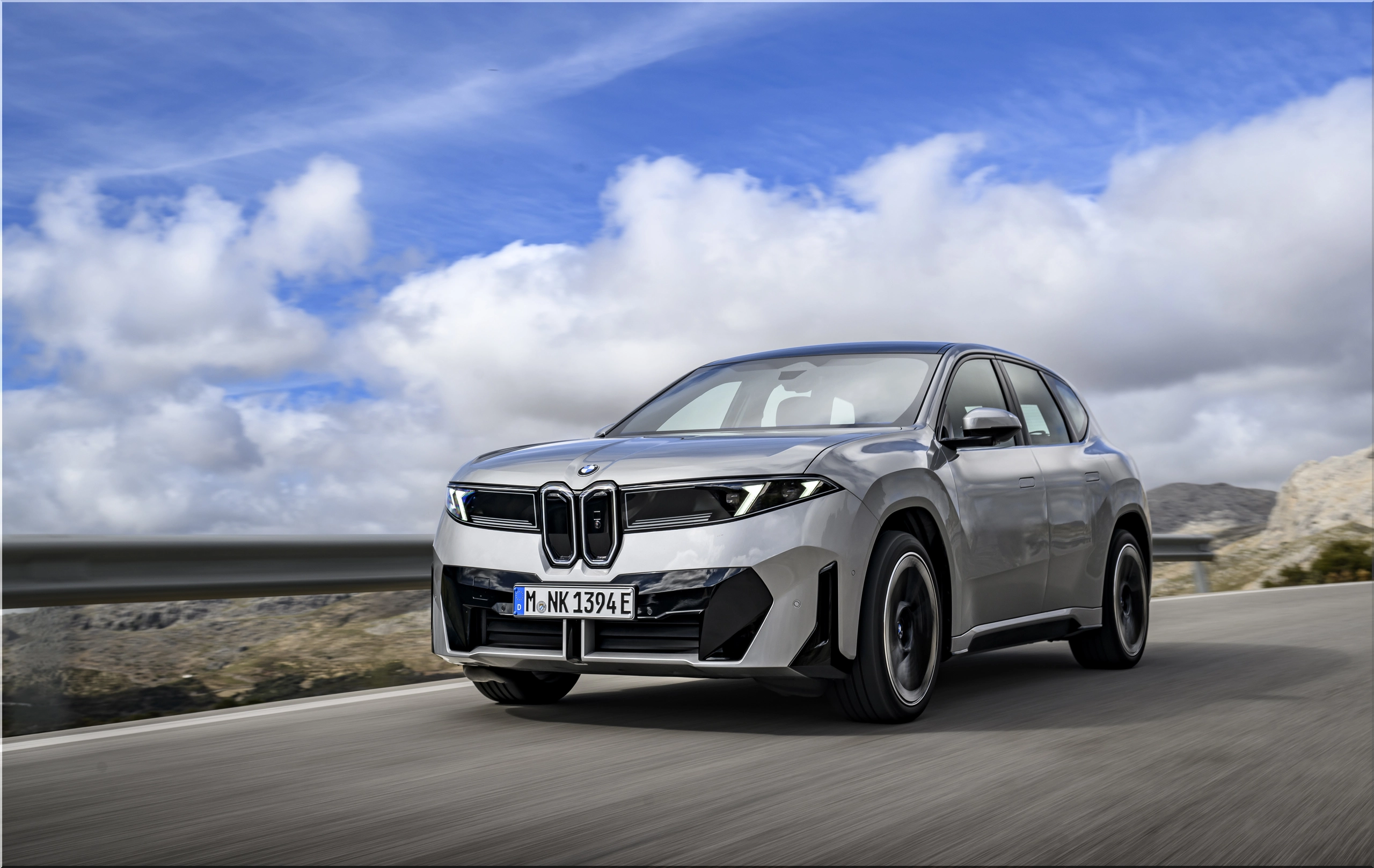
The new BMW iX3 40 uses a rear-mounted electric motor rated at 235 kW, or about 320 horsepower, with 500 Nm of torque. BMW says it reaches 100 km/h in 5.9 seconds and tops out at 200 km/h, which translates to roughly 62 mph in 5.9 seconds and a maximum speed near 124 mph. Those are healthy numbers for a family-sized electric SUV, and rear-wheel drive should preserve the steering feel BMW buyers tend to expect.
BMW pairs that motor with an 82.6 kWh usable battery. The company quotes up to 635 km of WLTP range, or about 395 miles, which puts the iX3 40 in strong company on paper. Peak DC charging reaches 300 kW, and BMW claims the pack can recover up to 300 km of range in 10 minutes under ideal conditions. A 10 to 80 percent fast-charge stop takes about 21 minutes.
On AC power, the standard onboard charger supports 11 kW, while an optional 22 kW unit cuts full charging time. That matters for owners with three-phase home wallboxes or access to faster destination charging. It also gives the iX3 40 more everyday flexibility than many rivals that post big DC numbers but offer less useful AC charging hardware.
BMW iX3 40 vs BMW iX3 50 xDrive
The new model sits below the more powerful BMW iX3 50 xDrive, and the differences are clear once you line up the numbers.
| Specification | BMW iX3 40 | BMW iX3 50 xDrive |
|---|---|---|
| Drive layout | Rear-wheel drive | All-wheel drive |
| Power | 235 kW / 320 hp | 345 kW / 469 hp |
| Torque | 500 Nm | 645 Nm |
| 0-100 km/h | 5.9 sec | 4.9 sec |
| Top speed | 200 km/h | 210 km/h |
| Battery | 82.6 kWh usable | 108.7 kWh |
| WLTP range | Up to 635 km | Up to 805 km |
| Peak DC charging | 300 kW | 400 kW |
Looking at the data, BMW carved out a clean separation between the two. The iX3 50 xDrive remains the choice for buyers who want the longest range, the quickest acceleration, and the highest charging ceiling. The iX3 40 aims at shoppers who want the same modern architecture and a lower monthly payment.
Size, cabin space, and real-world utility
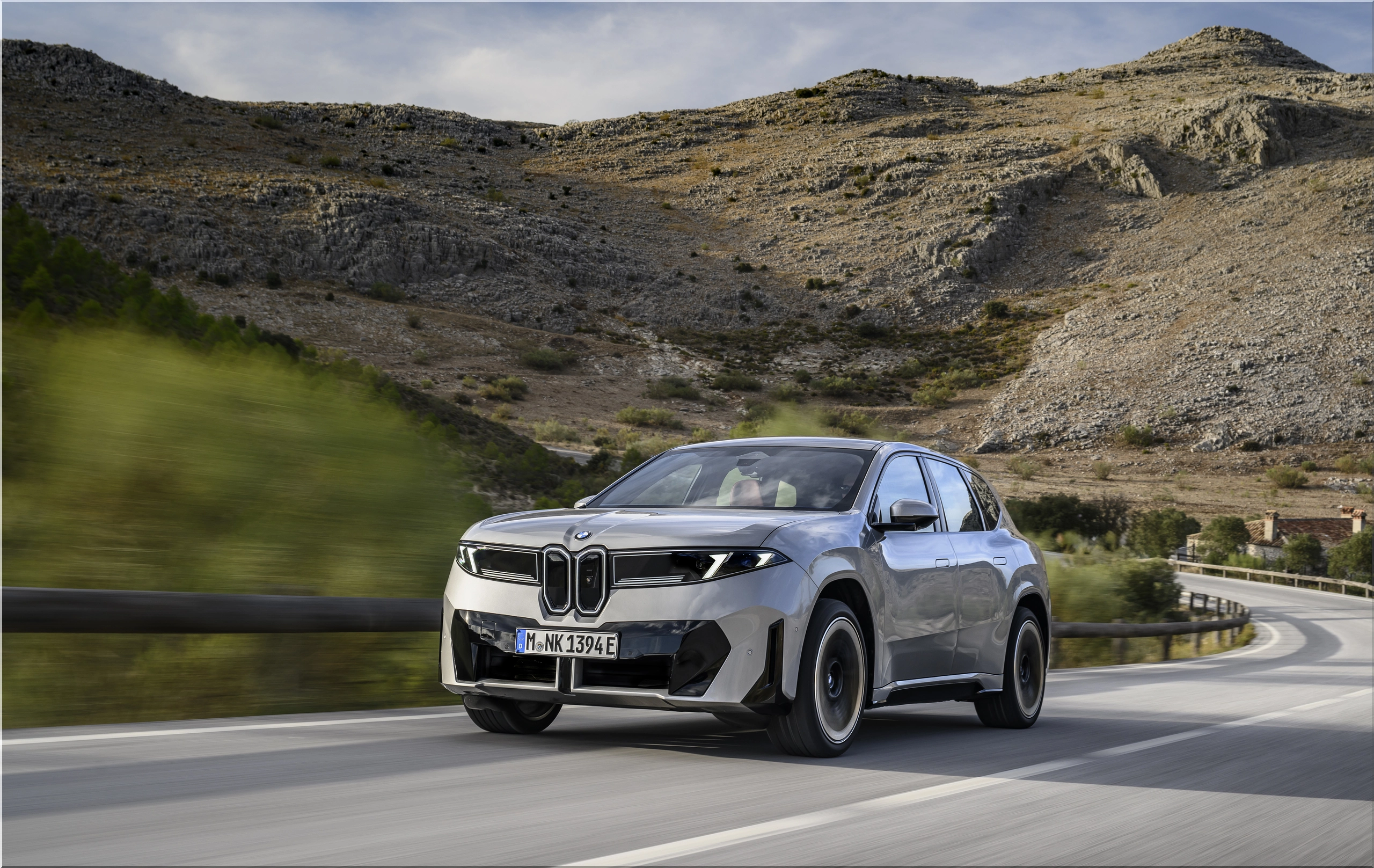
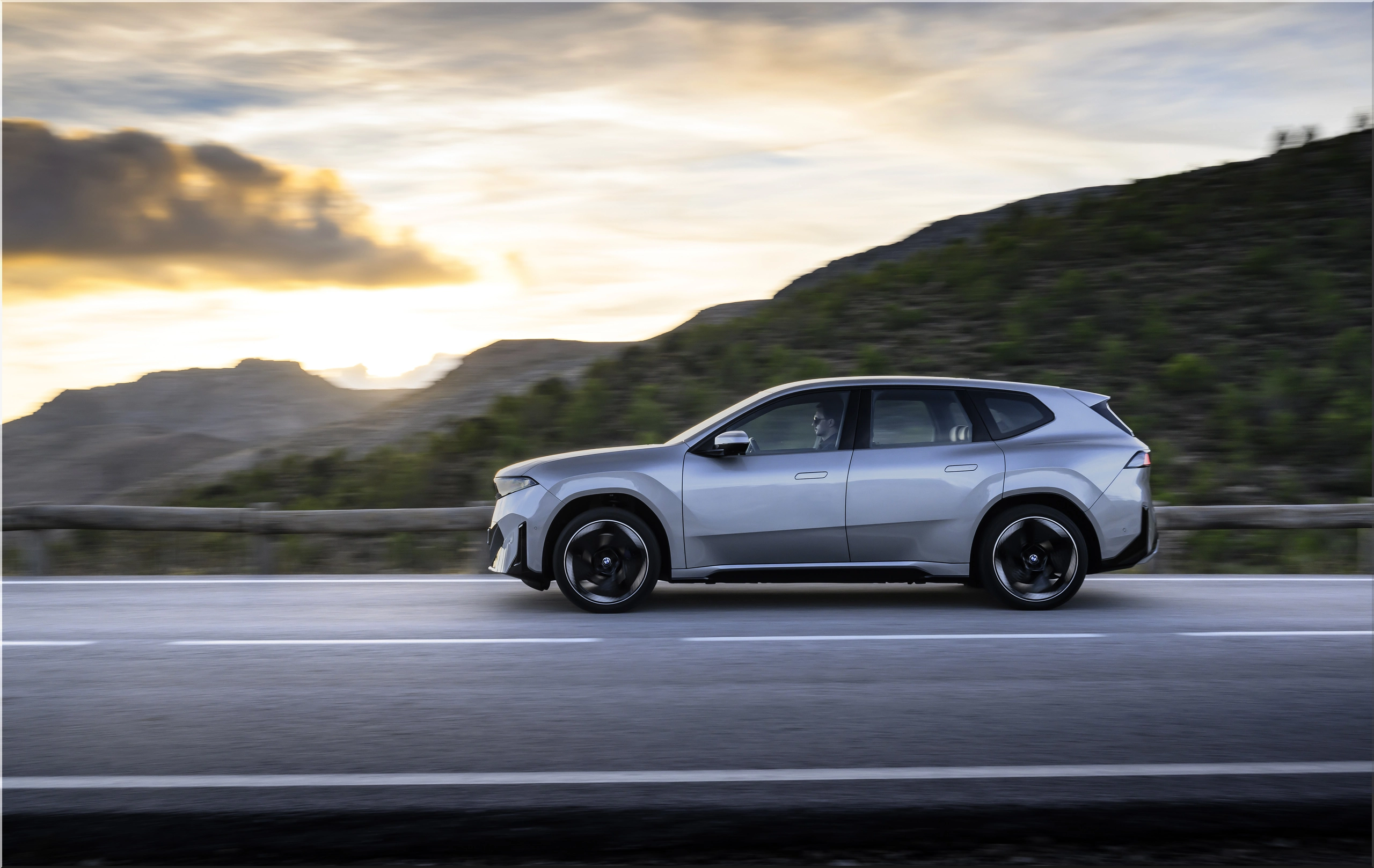
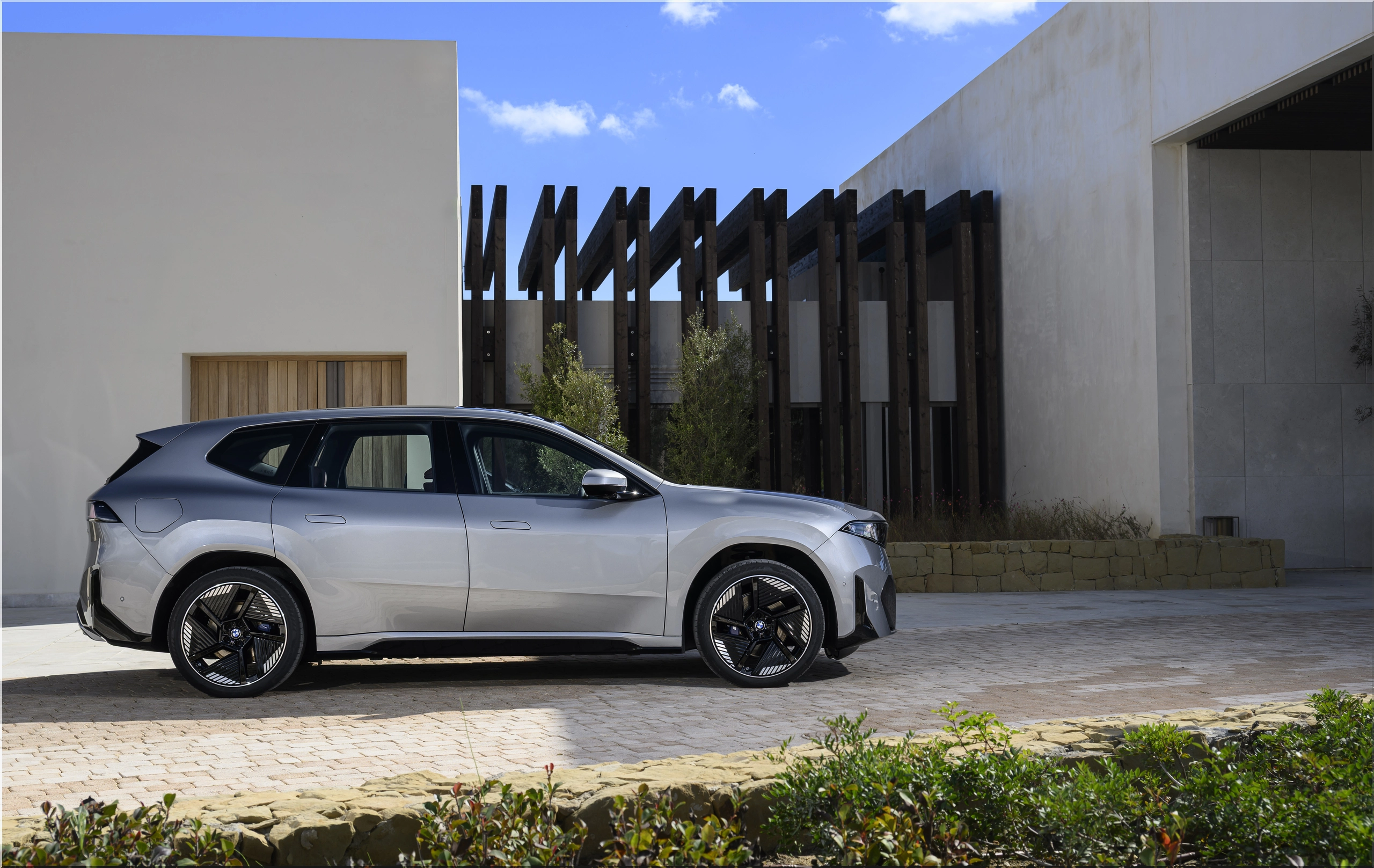
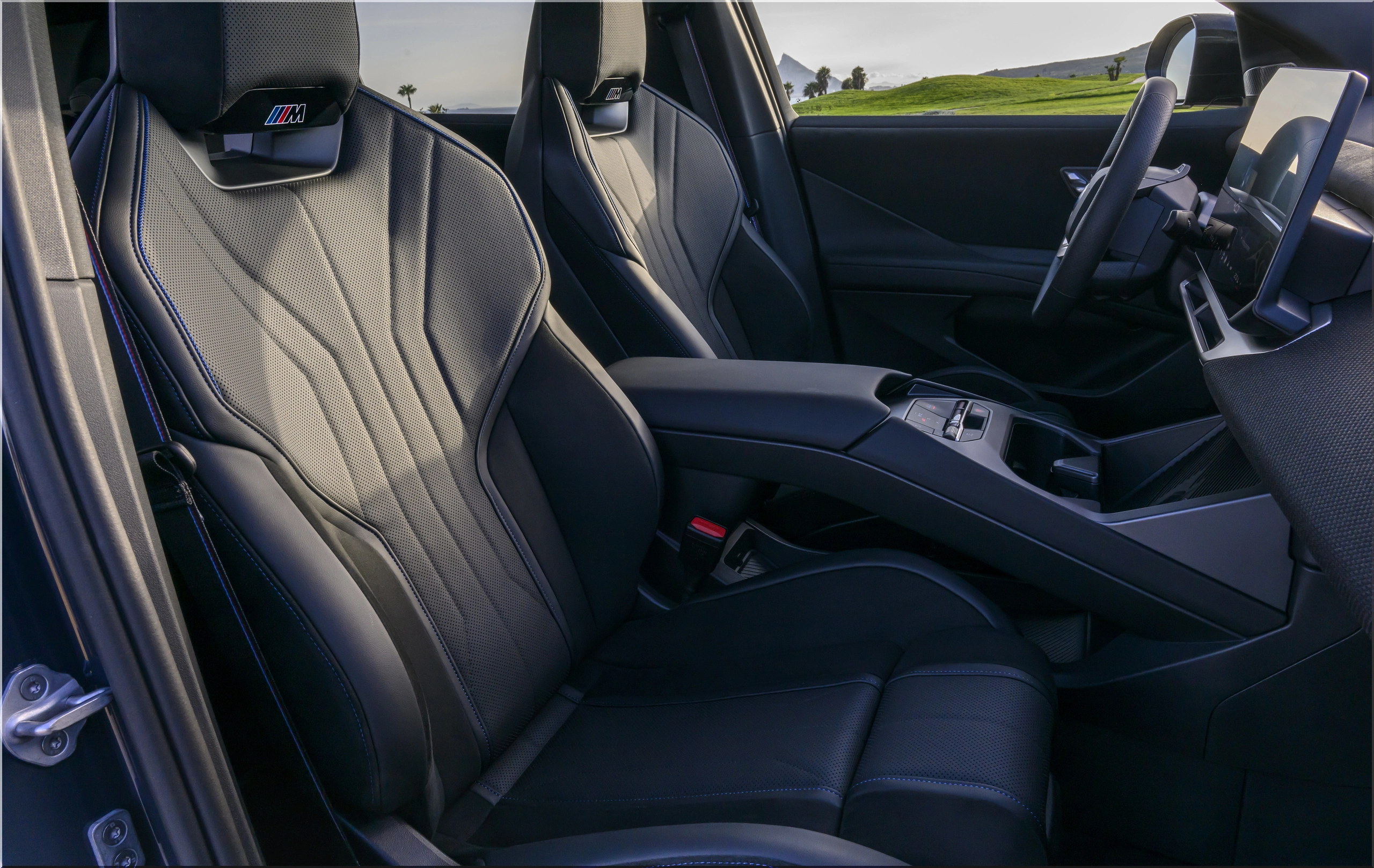
BMW's iX3 package still lands squarely in the midsize premium SUV class. The larger iX3 figures show a body length of 4,782 mm or 188.3 inches, a width of 1,895 mm or 74.6 inches, a height of 1,635 mm or 64.4 inches, and a 2,897 mm wheelbase, which equals 114.1 inches. Those numbers matter because wheelbase drives cabin length, rear-seat legroom, and ride composure more than headline body length does.
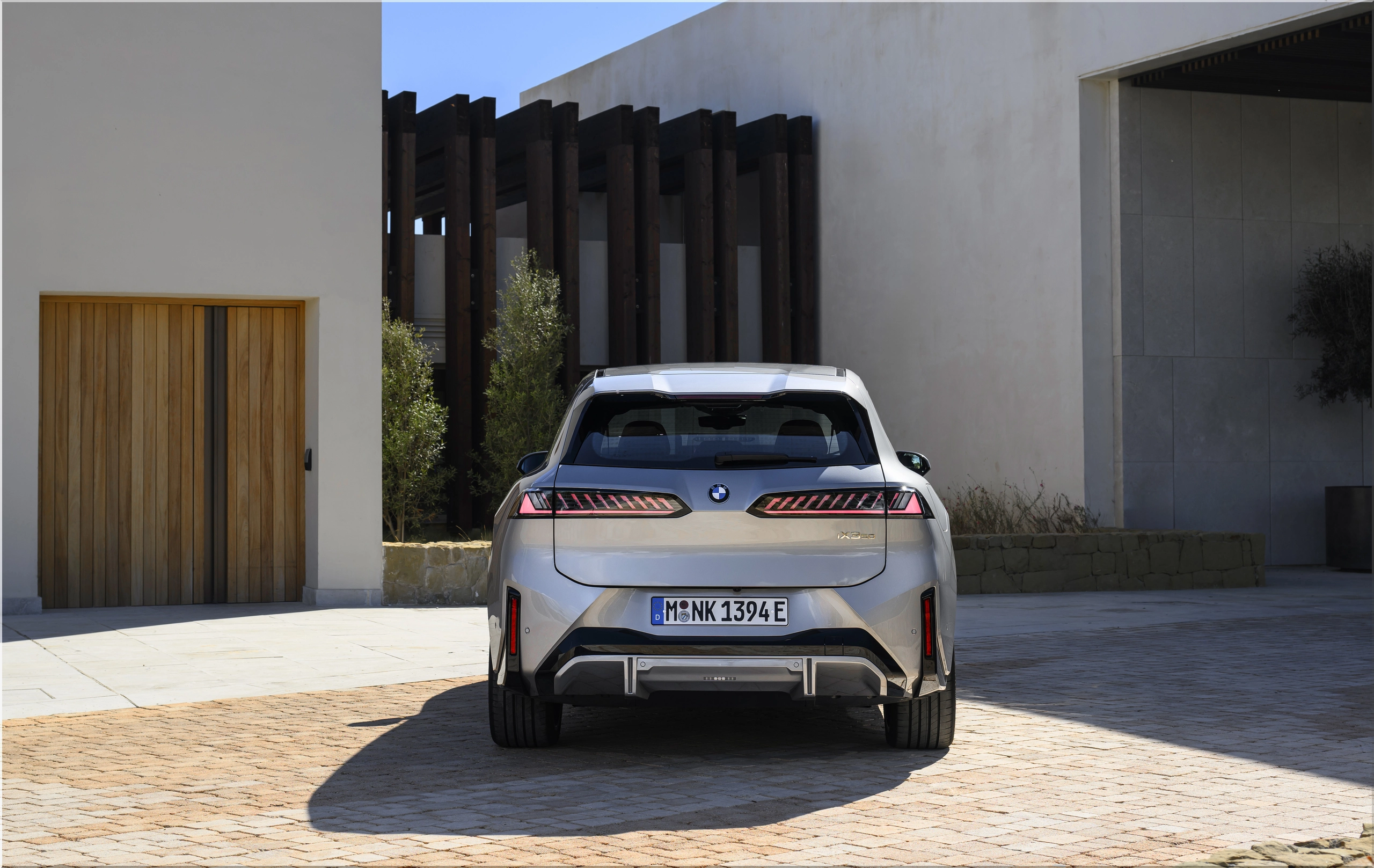
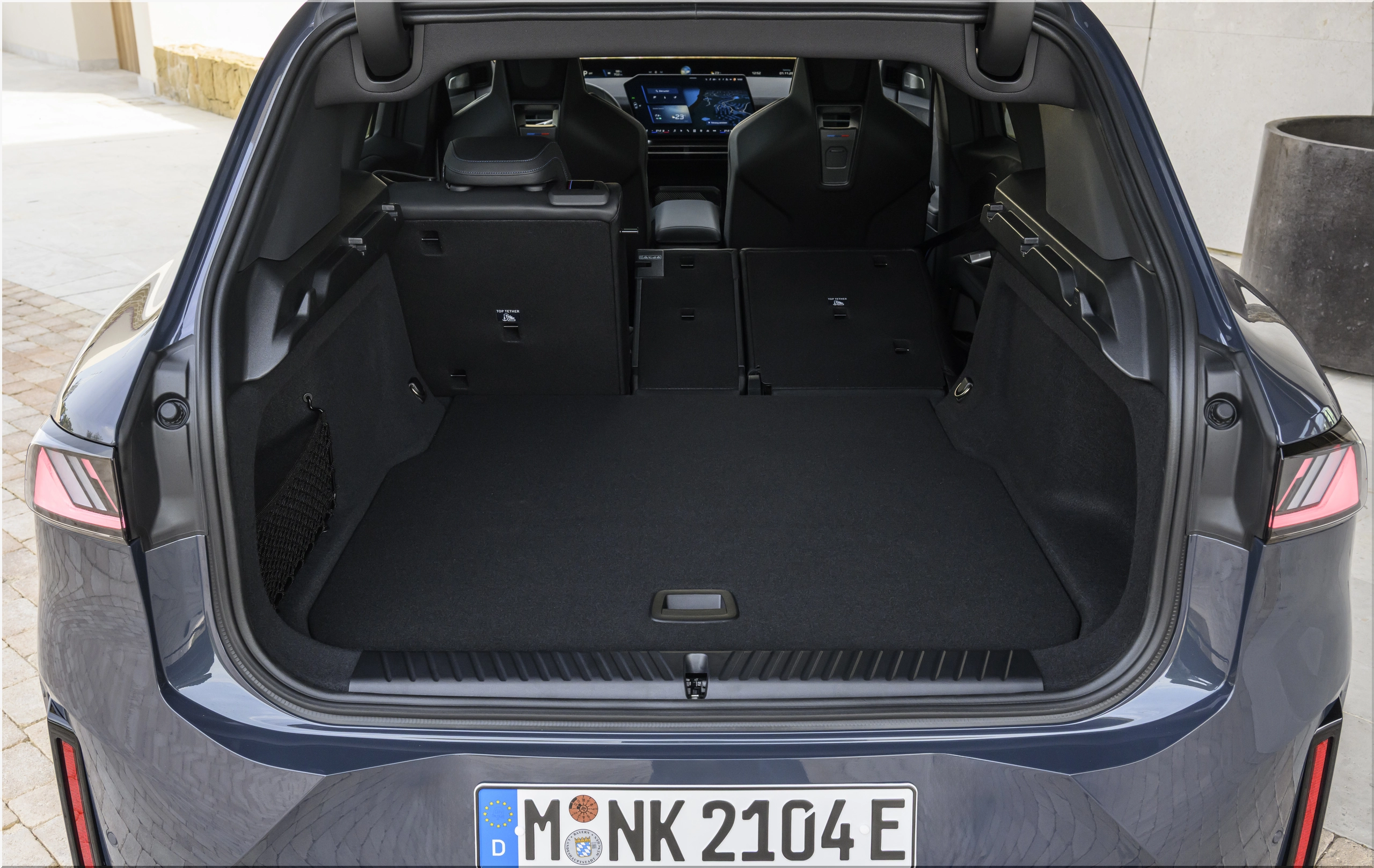
Cargo room also looks competitive. BMW lists 520 liters behind the rear seats and up to 1,750 liters with them folded, along with a 58-liter front storage area. In U.S. terms, that is about 18.4 cubic feet to 61.8 cubic feet in back, plus a modest frunk. For a vehicle that leads with design and software, those are practical numbers.
Why BMW chose this hardware mix
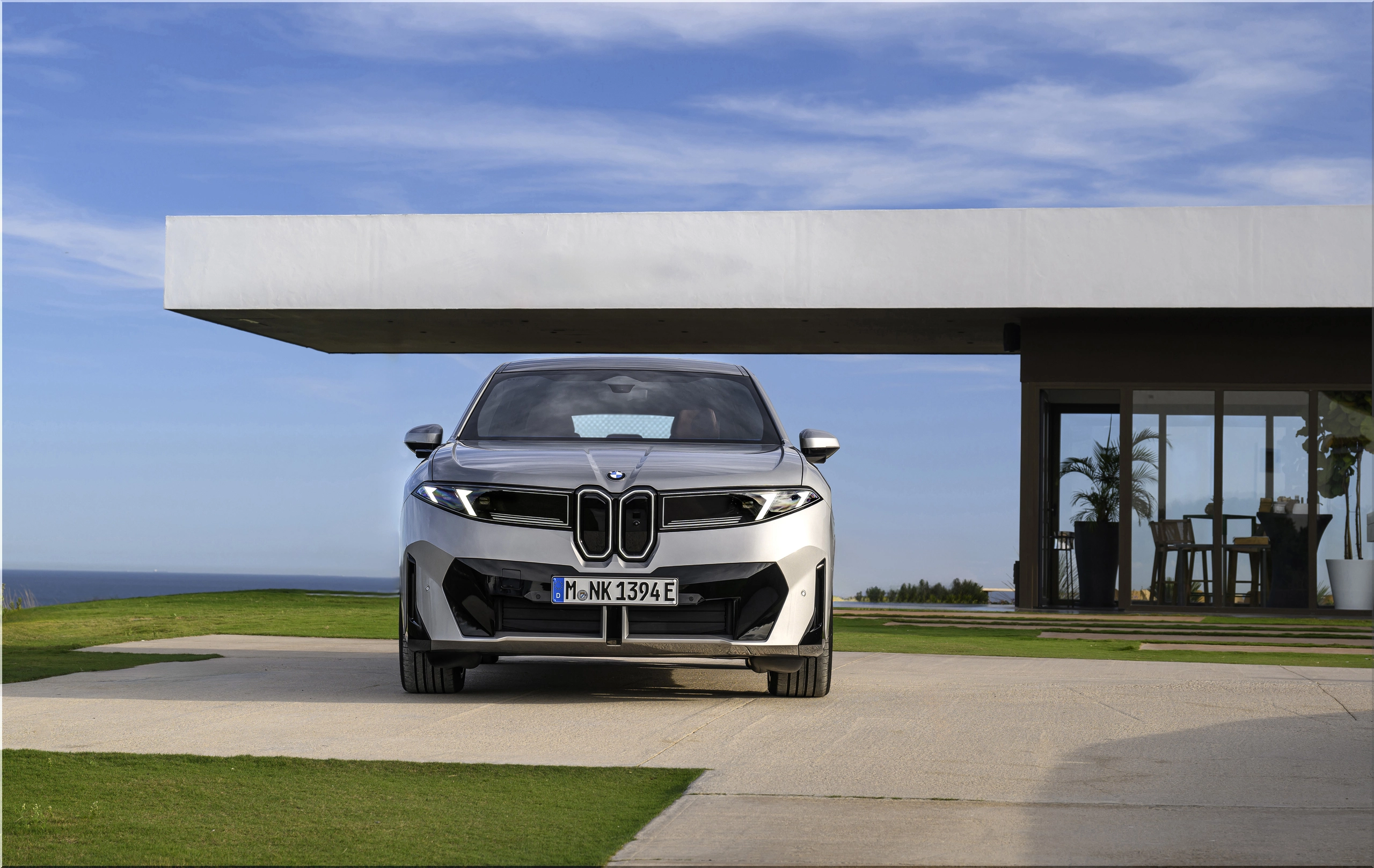
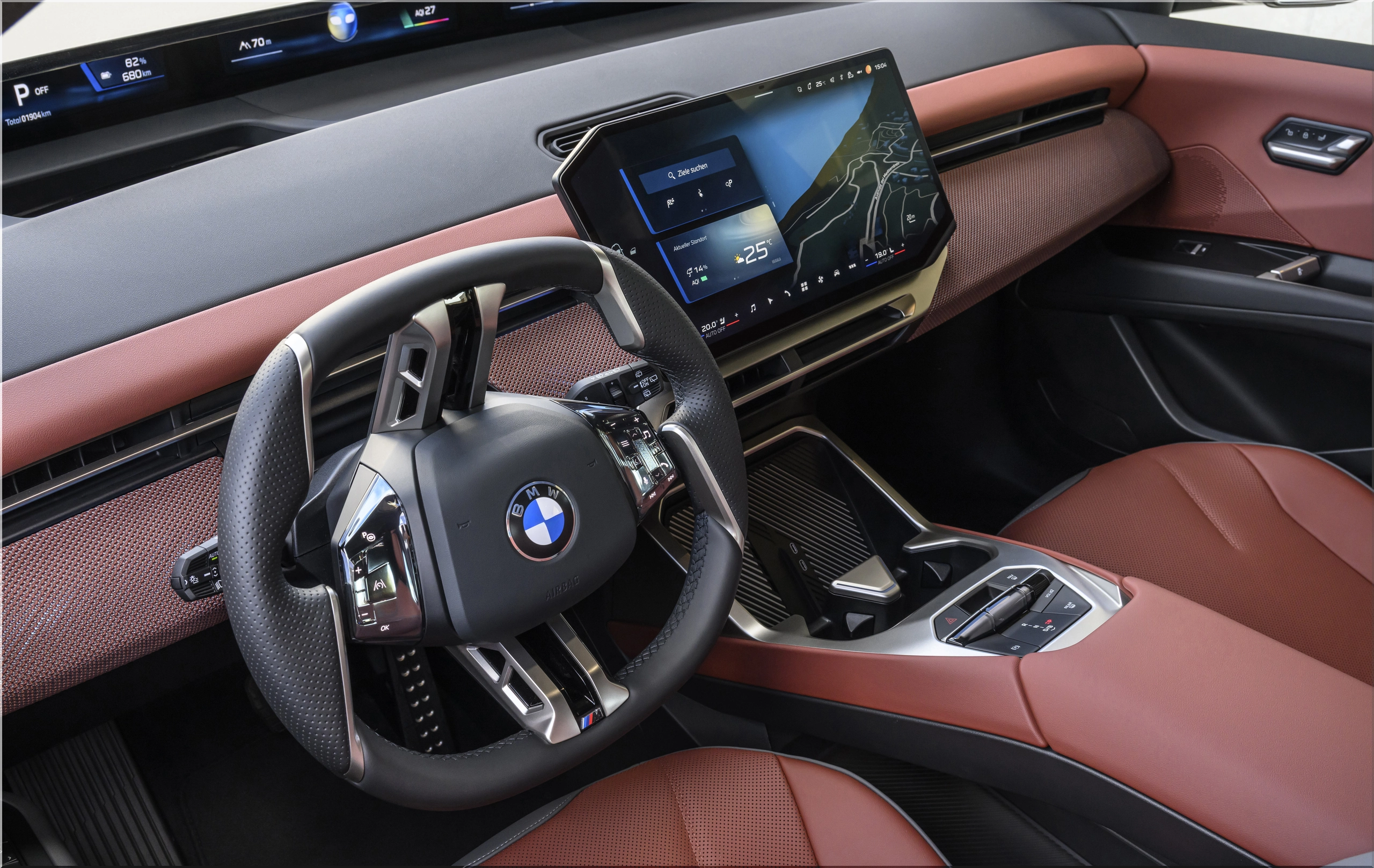
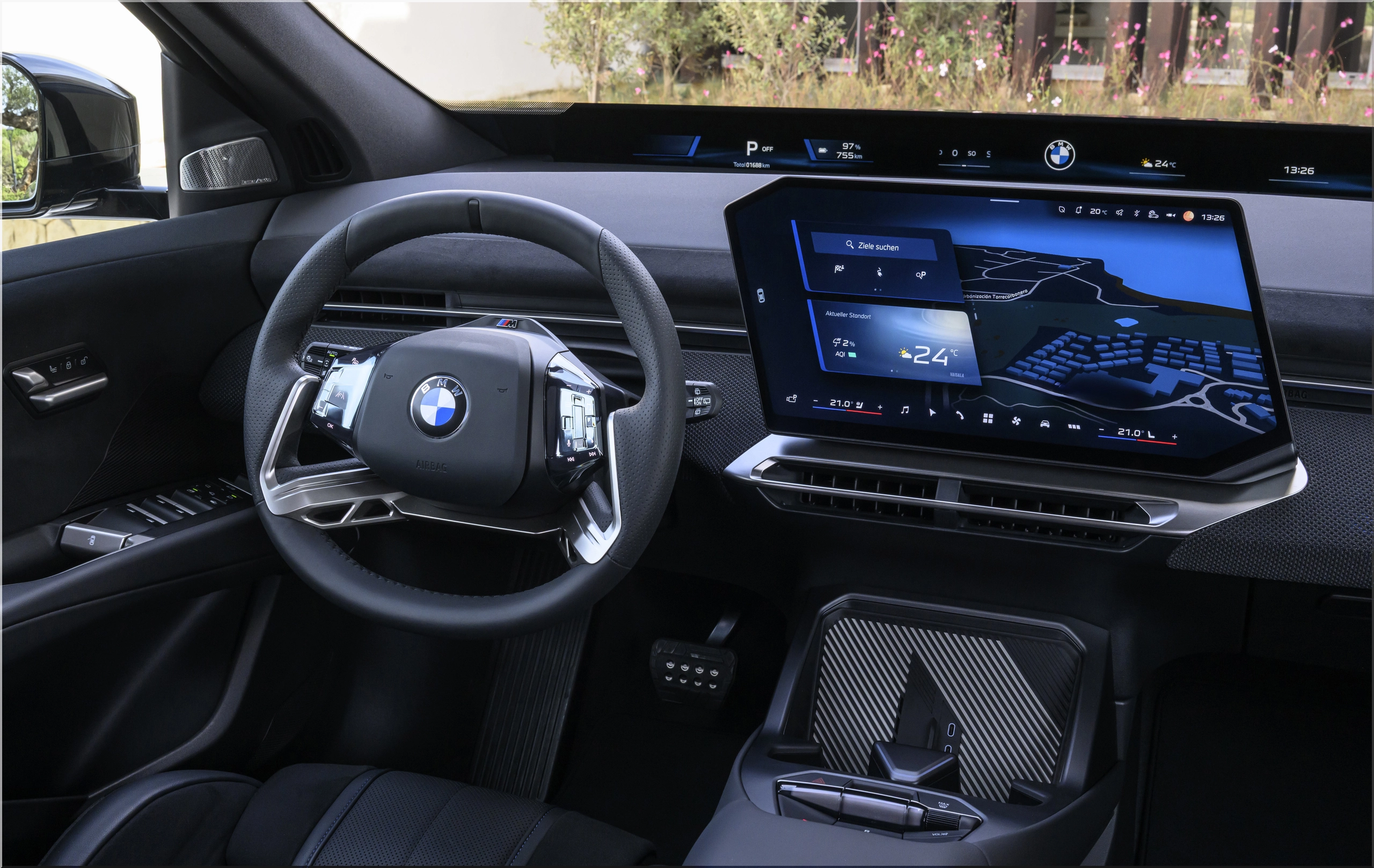
BMW's sixth-generation eDrive package sits at the center of the iX3 story. The company uses an 800-volt architecture, new cylindrical battery cells with greater energy density than the previous generation, and a more integrated pack structure. That setup supports faster charging, better thermal control, and tighter packaging.
The rear motor also tells its own story. BMW uses an electrically excited synchronous motor, a design that reduces reliance on permanent magnets and some related raw materials. That gives BMW more supply-chain flexibility and fits its long-running push to fine-tune efficiency without giving up strong power delivery.
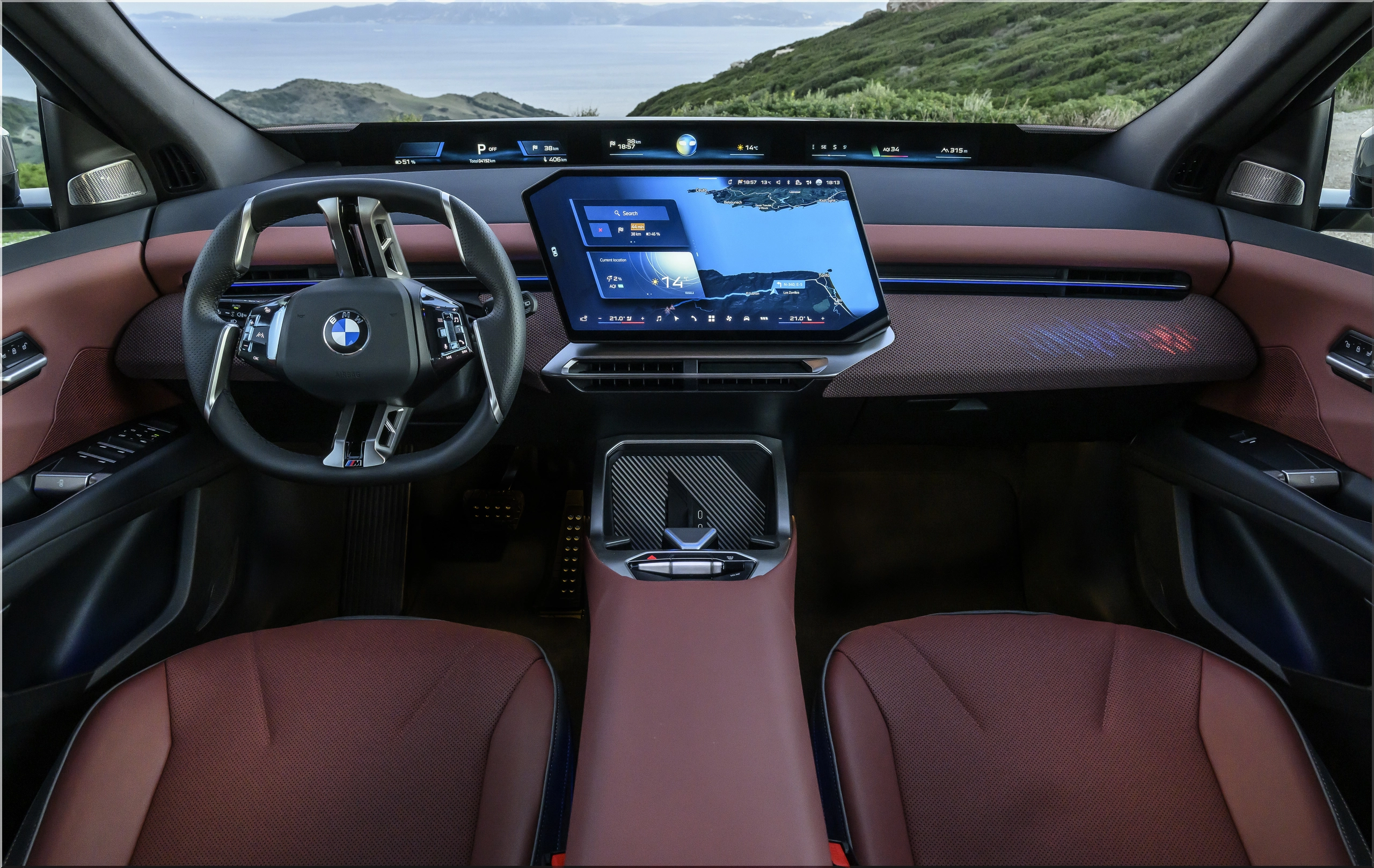
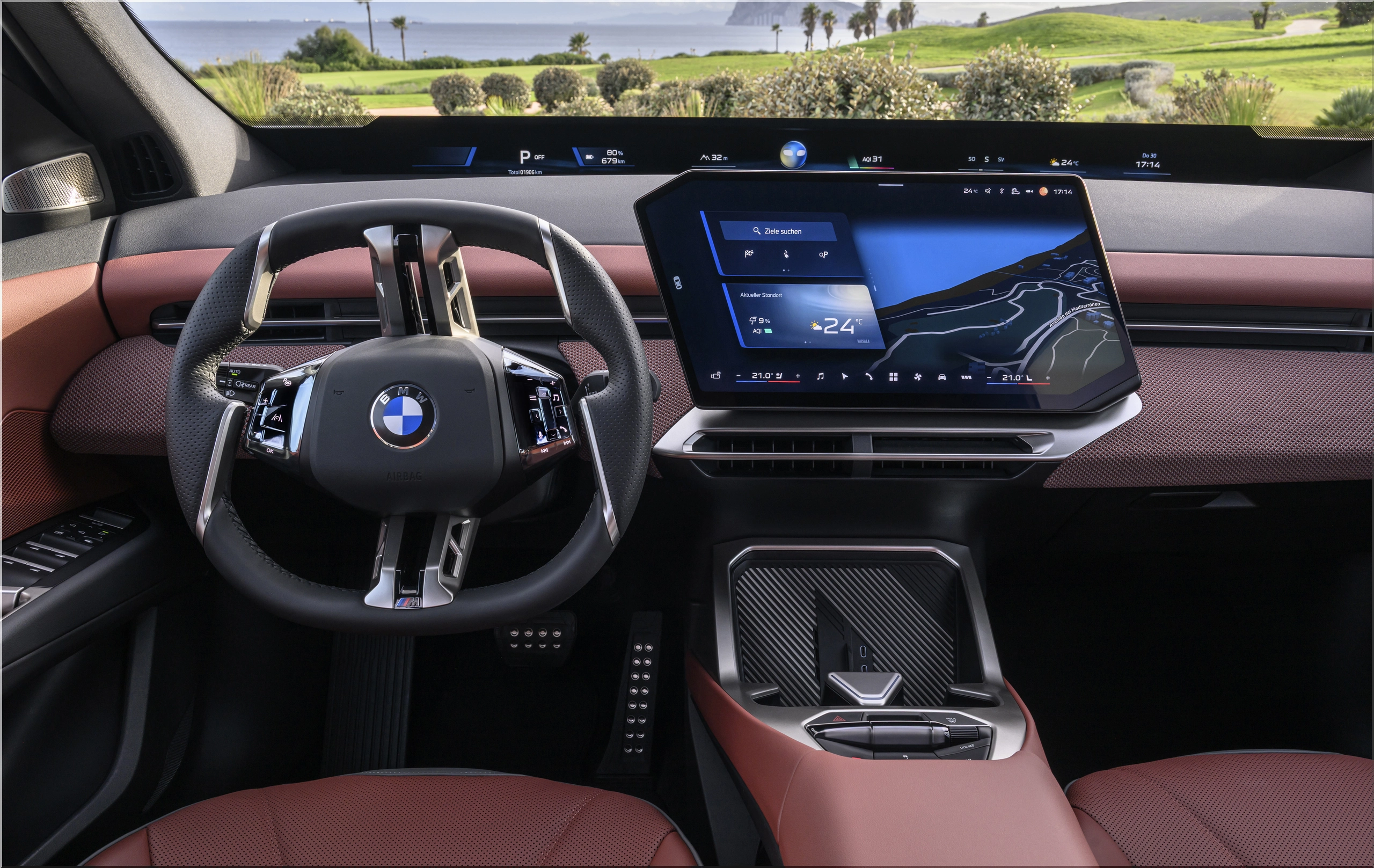
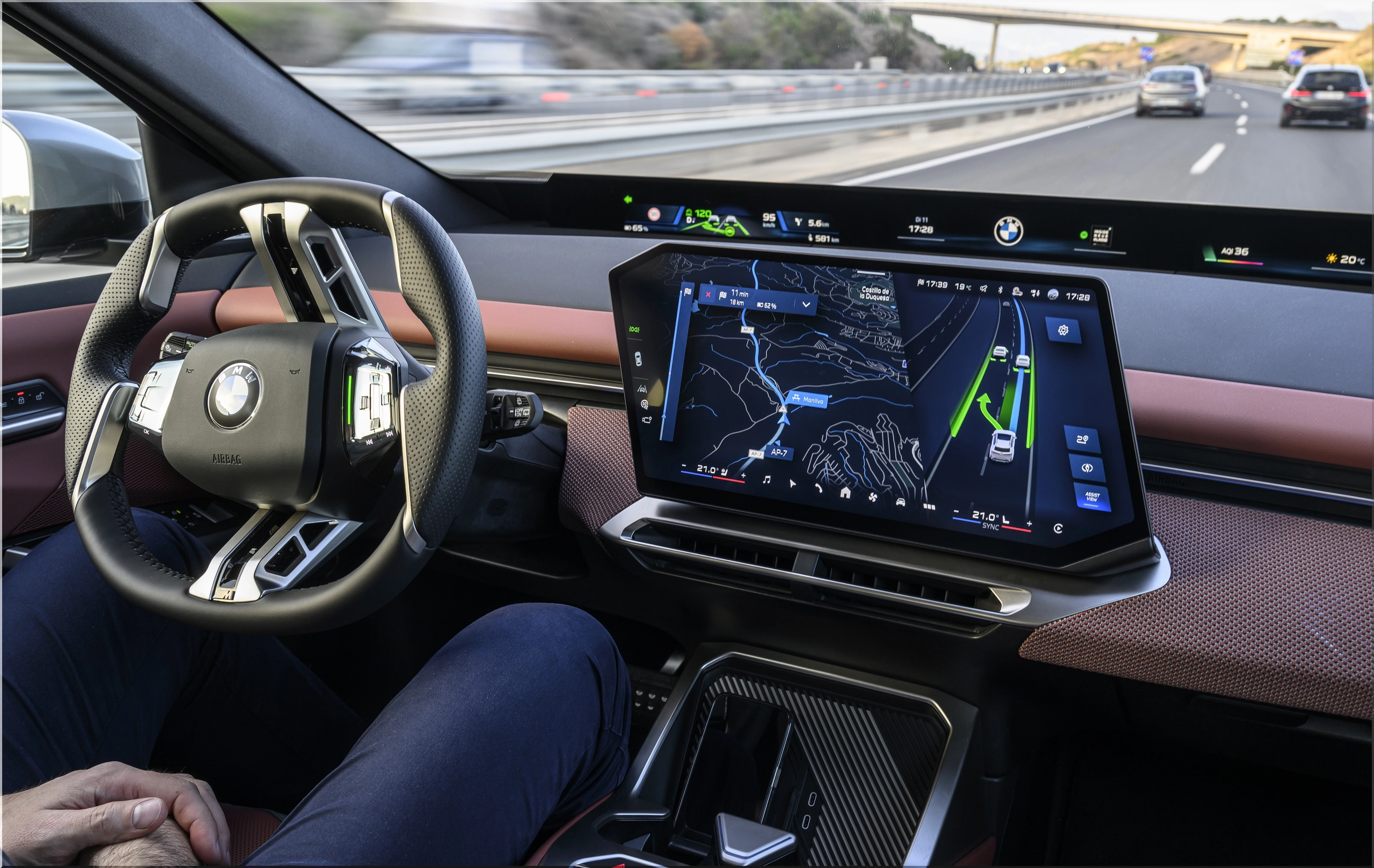
Then there is the software layer. BMW says its new control system manages propulsion, braking, and energy recuperation with far quicker processing than older setups. In plain English, that should make the vehicle feel smoother in stop-and-go traffic, cleaner during one-pedal transitions, and more polished during low-speed braking, where many EVs still feel clumsy.
Pricing in dollars and what buyers get for the money
Here is the pricing picture using a straight euro-to-dollar conversion.
| Model | Euro price | Approximate USD price |
|---|---|---|
| BMW iX3 40 | €63,400 | $72,900 |
| BMW iX3 50 xDrive | €70,900 | $81,500 |
| Price gap | €7,500 | $8,600 |
That $8,600 gap is meaningful. It buys BMW room to attract buyers stepping out of well-equipped combustion SUVs, as well as EV shoppers who want premium hardware but have no interest in paying for every available performance number. The iX3 40 should also appeal to fleets and company-car users in markets where tax treatment favors lower list prices.

Pro-Tip: who should buy which iX3?
Choose the BMW iX3 40 if your priorities look like this:
- Lower purchase price
- Strong range with rear-wheel-drive efficiency
- Fast charging without paying for the top battery pack
- Premium cabin and current BMW software
Move to the BMW iX3 50 xDrive if you place more value on:
- Maximum WLTP range
- All-wheel-drive traction
- Quicker acceleration
- Higher DC charging ceiling
What now for BMW buyers?
The new BMW iX3 40 gives BMW a cleaner runway into volume sales. It keeps the expensive-looking parts of the product intact and pares back the costly hardware buried beneath the body. That is the right move in a market where buyers still want premium EV tech, but many have grown more selective about what they will pay for.
For shoppers, the decision is simple. If you want the broadest set of capabilities and the biggest battery, the iX3 50 xDrive remains the flagship choice. If you want the same new-generation BMW iX3 foundation with a sharper value case, the iX3 40 looks like the one that will do the heavy lifting in the lineup.
Klasse BMW iX3 Electric SUV The BMW iX3 50 xDrive is more than a model refresh. It is the first Neue Klasse SUV, built on a new platform, with new software, and a new battery system. Production begins in late… Continue reading
The 2026 BMW iX3 is shaping up to redefine electric SUVs. As a significant part of BMW's Neue Klasse lineup, this vehicle embodies innovation with its next-generation platform and cutting-edge… Continue reading
The Hyundai IONIQ 9 just earned a major global endorsement. It won World’s Best Large SUV at the 2026 Women’s Worldwide Car of the Year Awards. That result matters because the jury tested real vehicles in… Continue reading
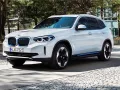
The production version of the BMW iX3 electric SUV is unintentionally revealed through the first two official photos. It was on the Instagram account of a "scott26_unofficial" that the two photos appeared. The true name of the… Continue reading