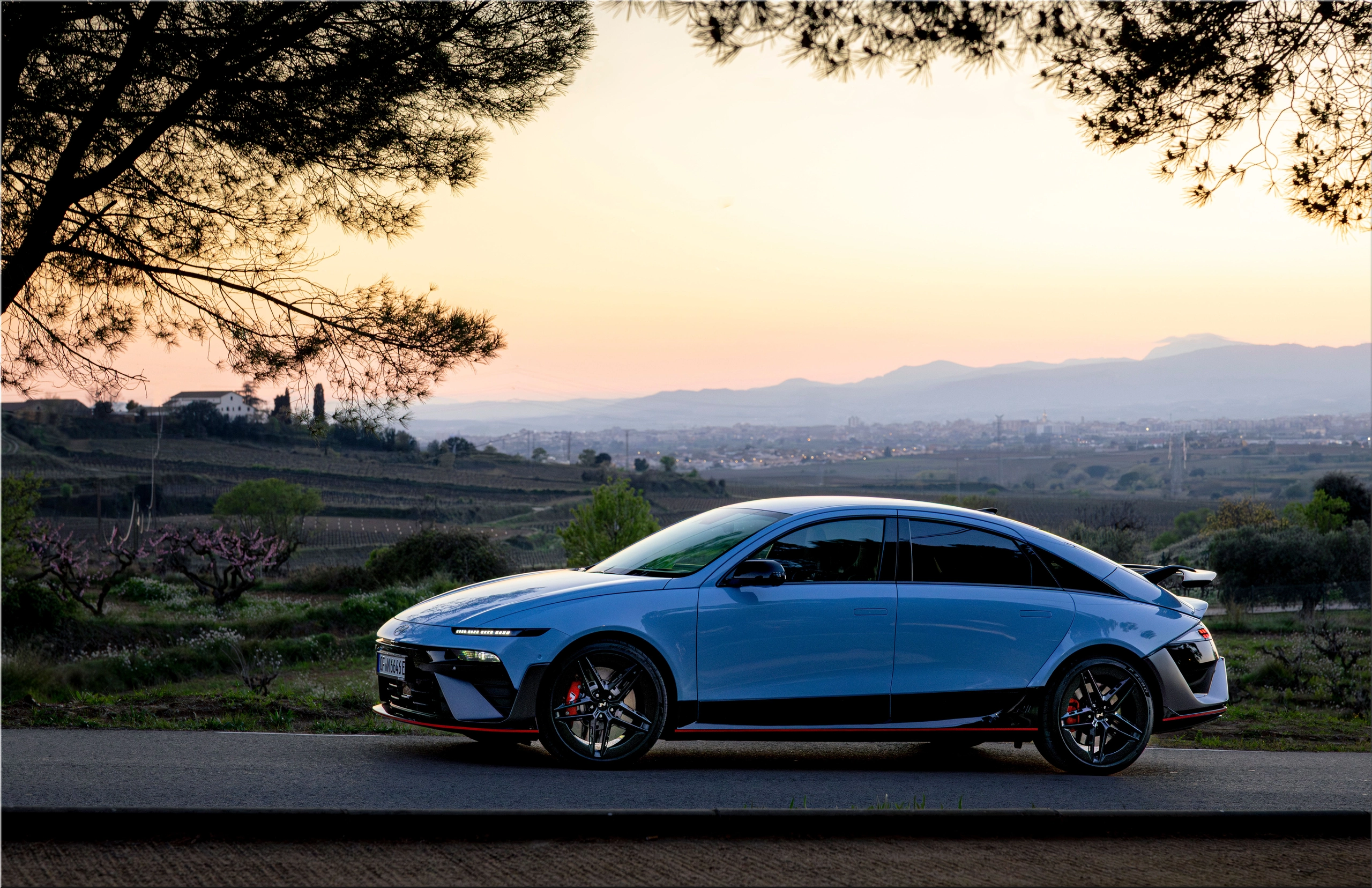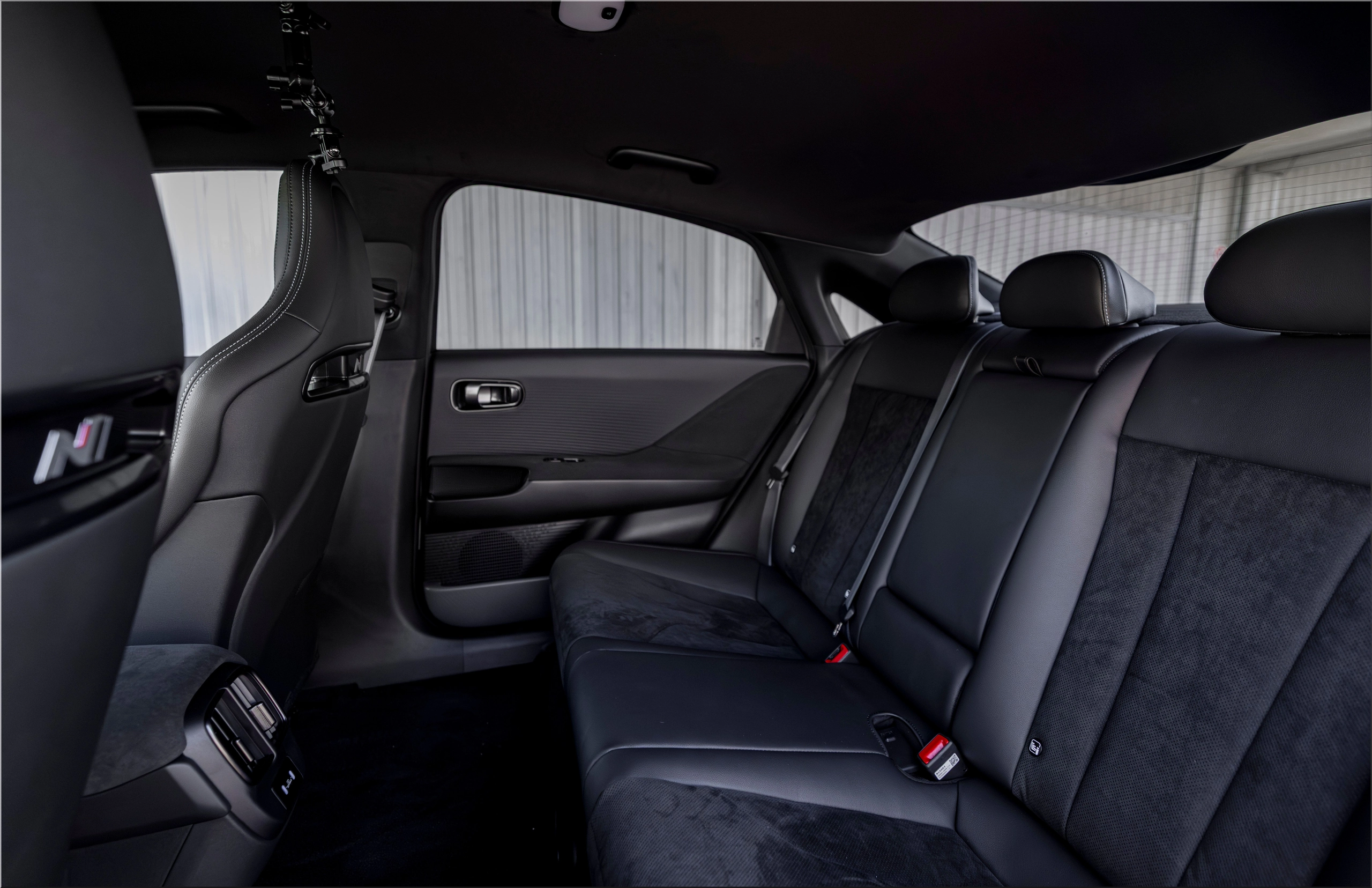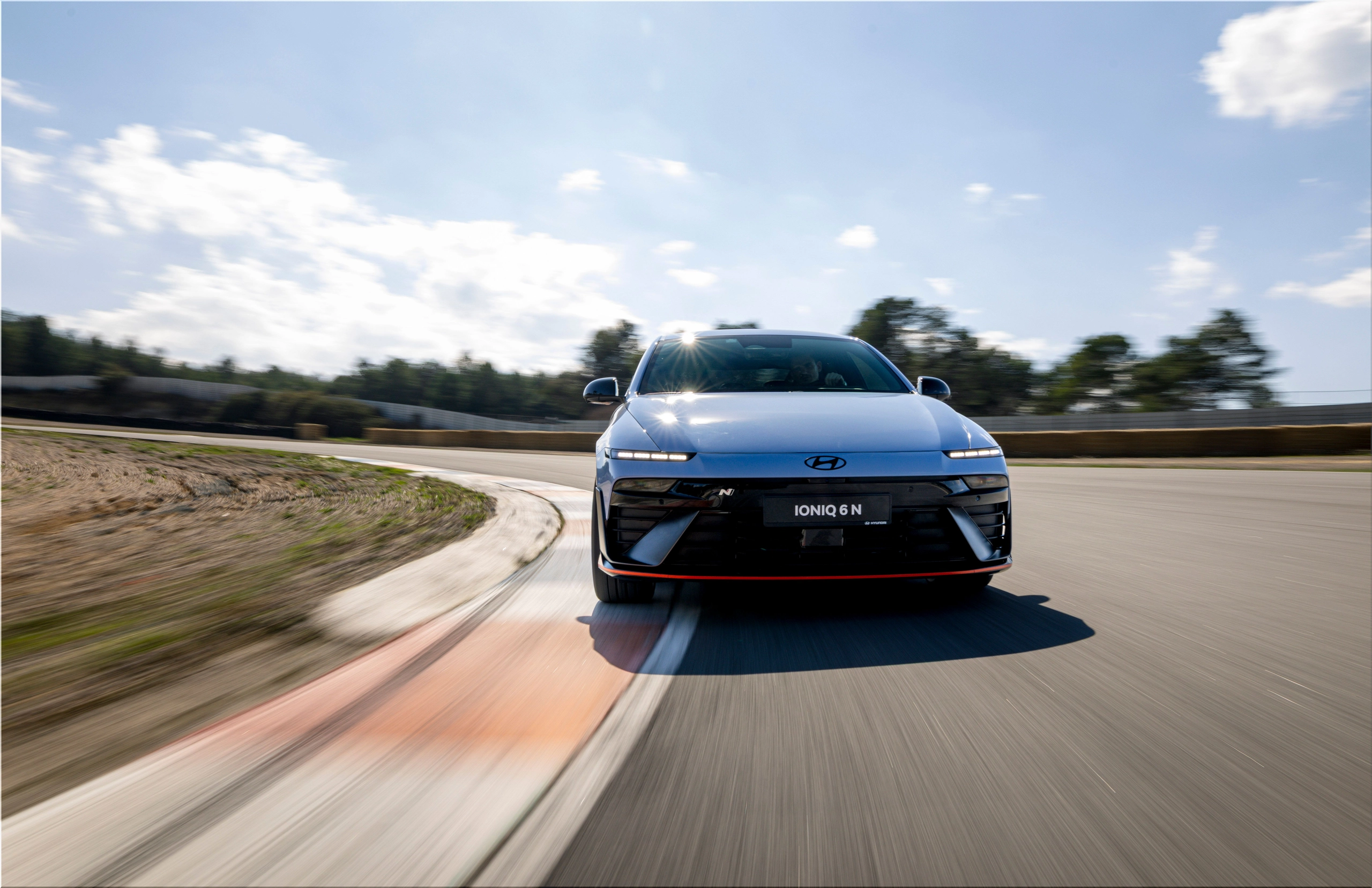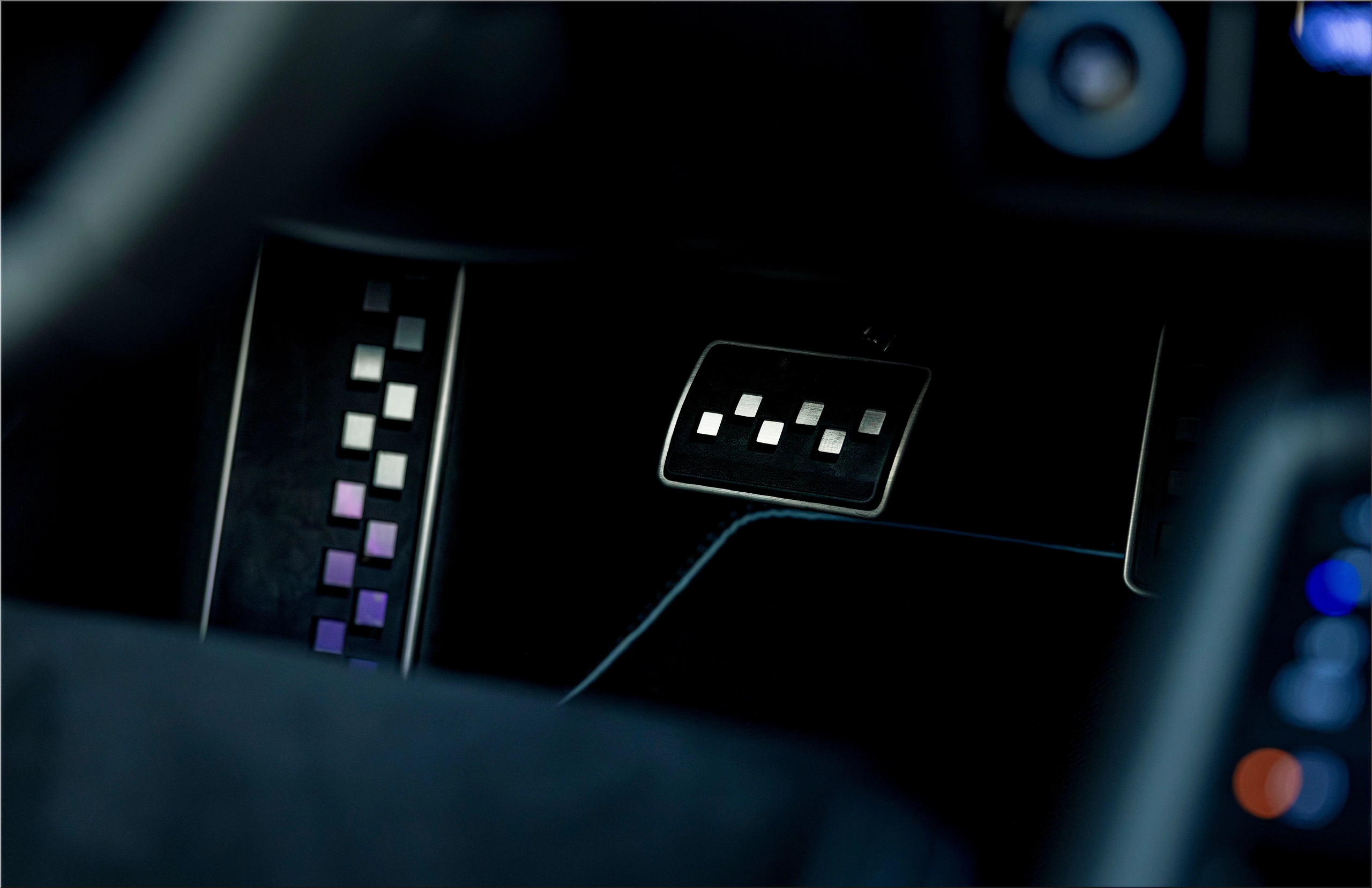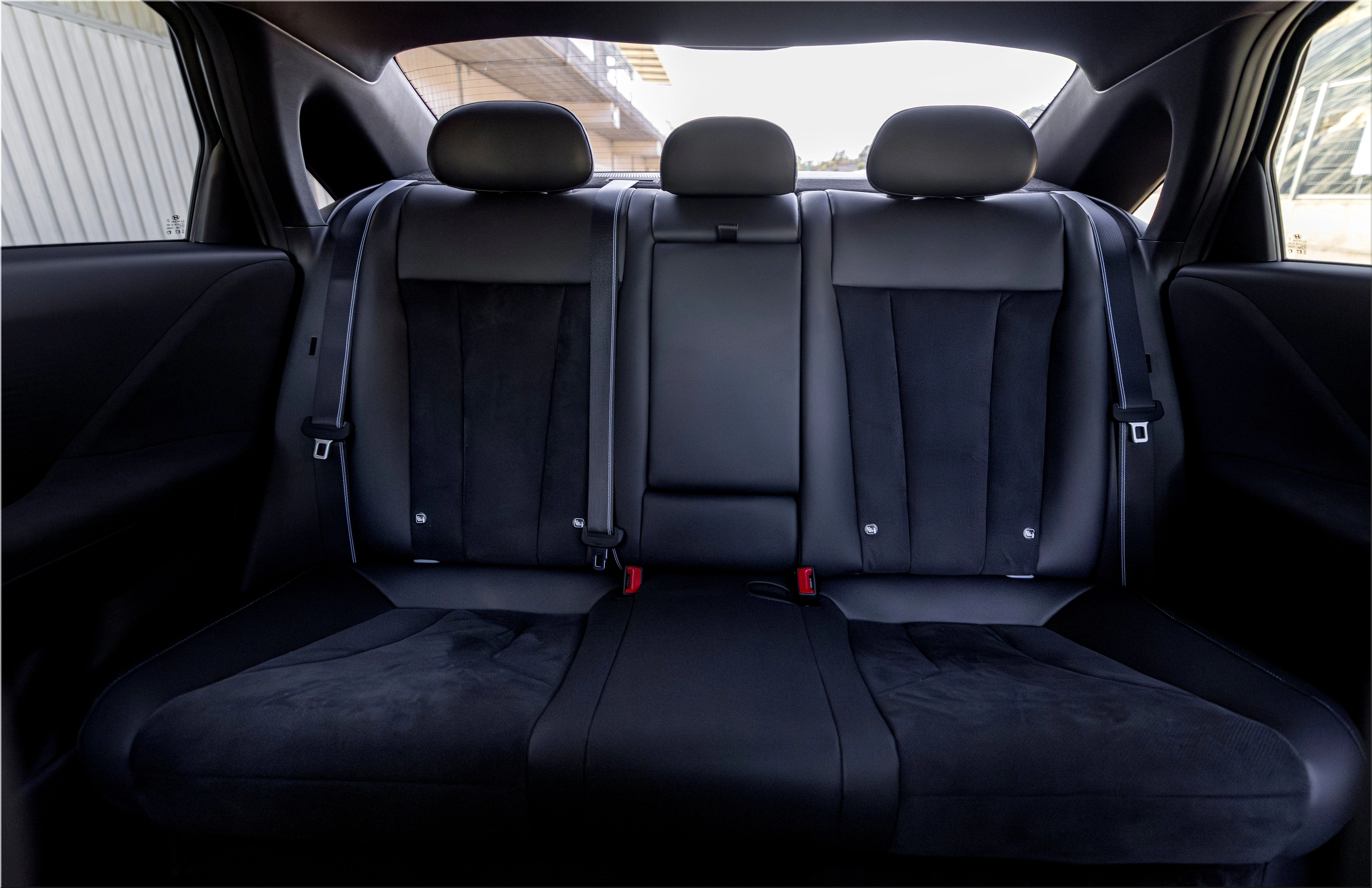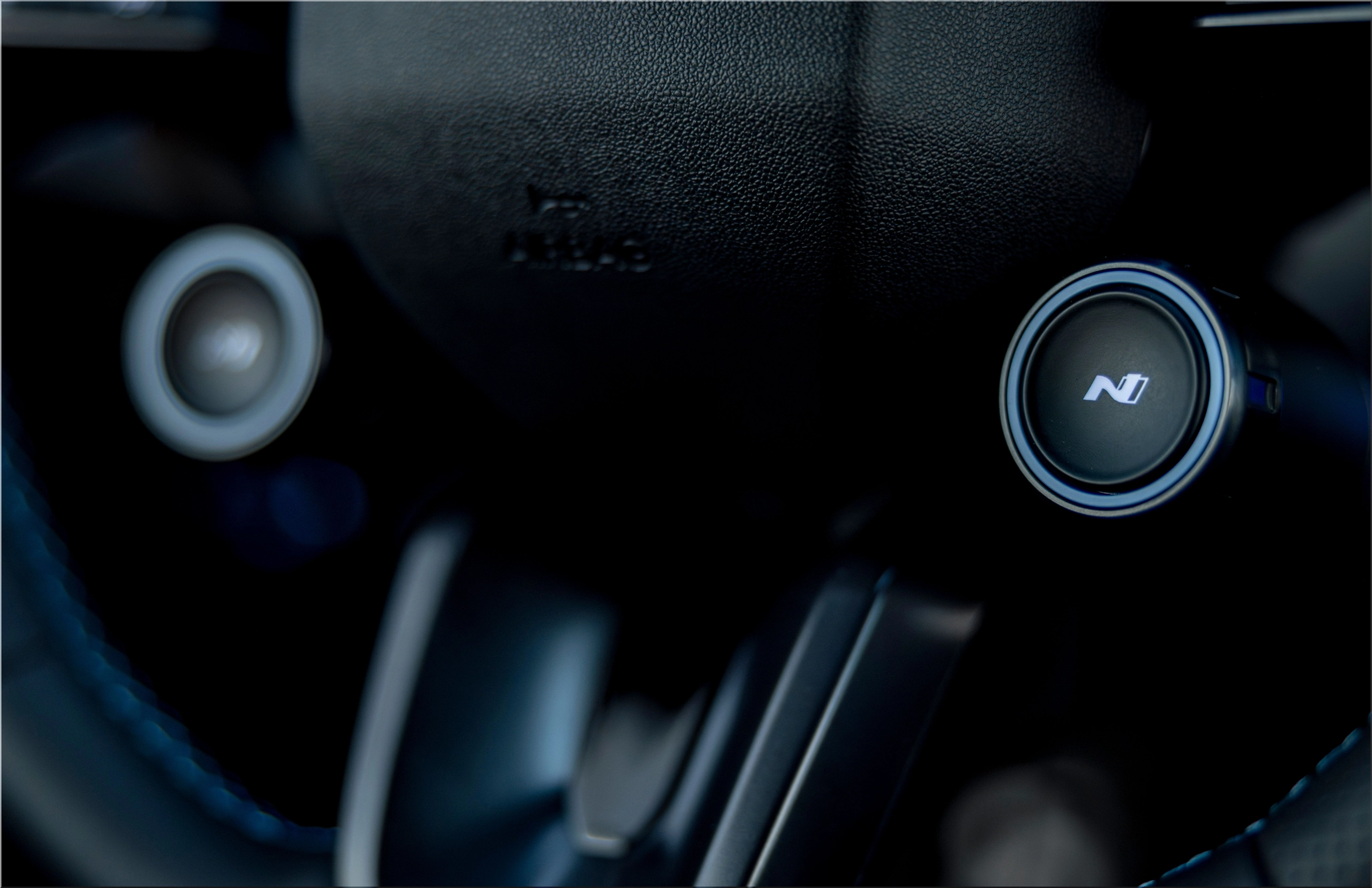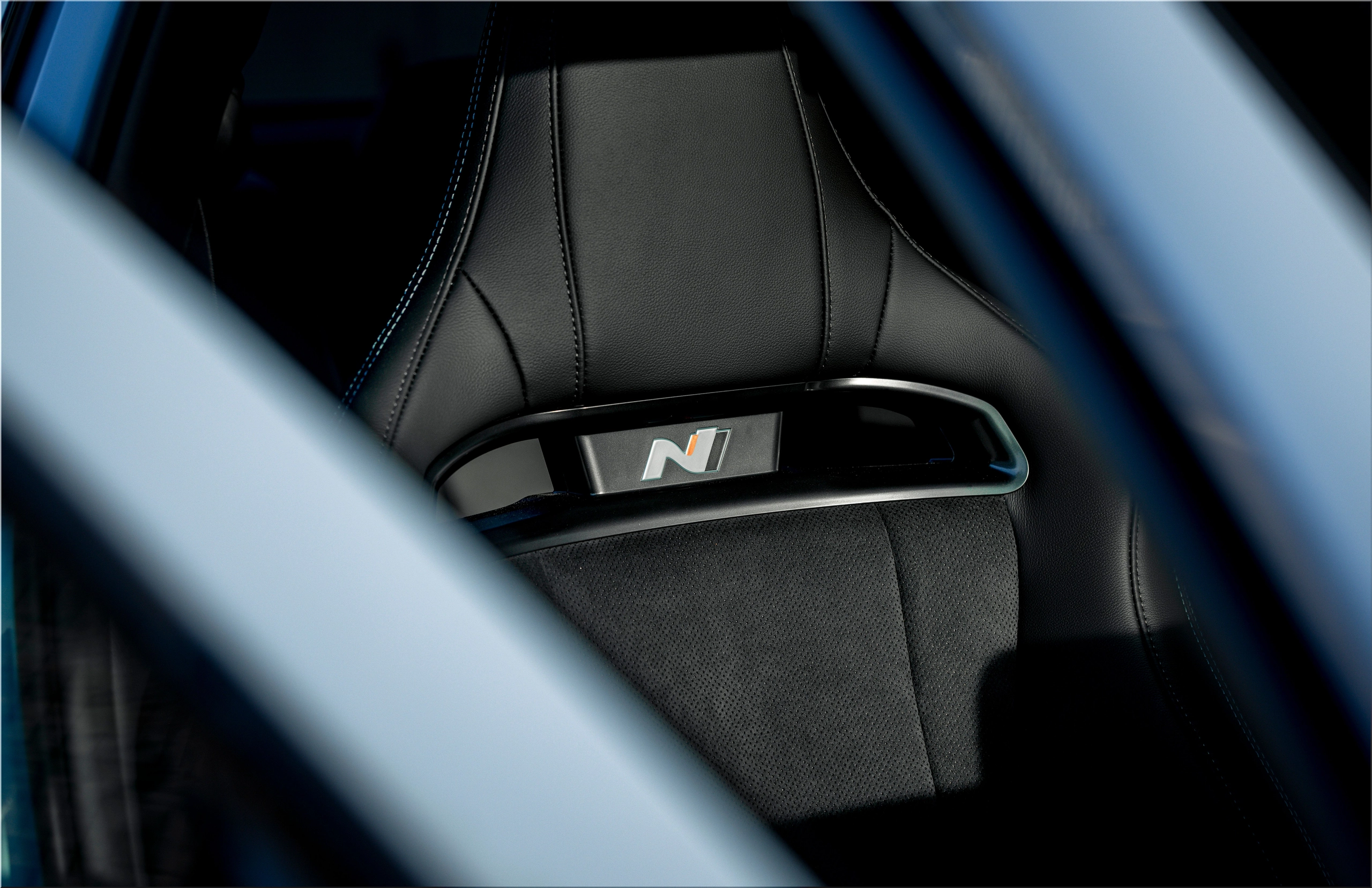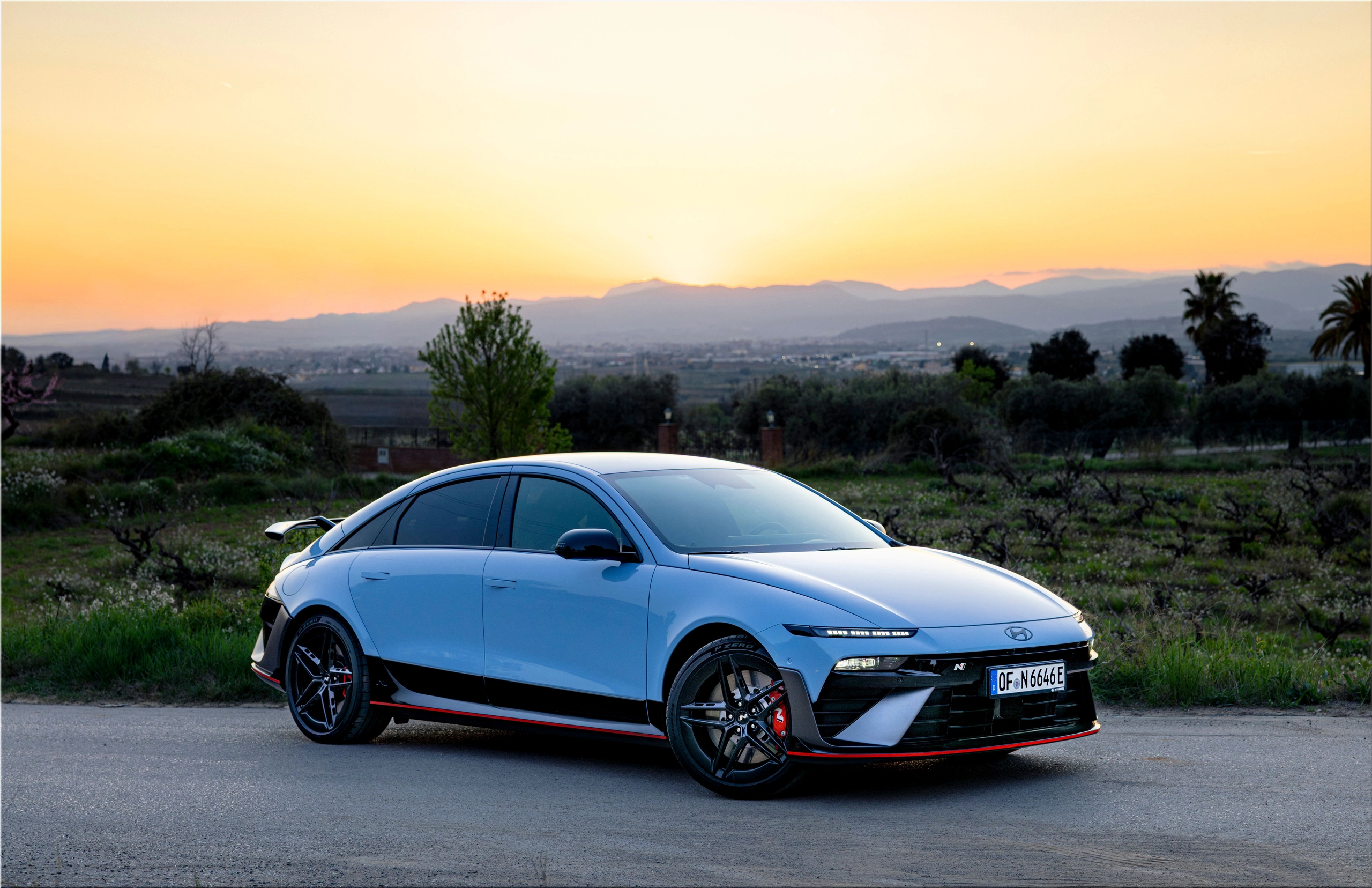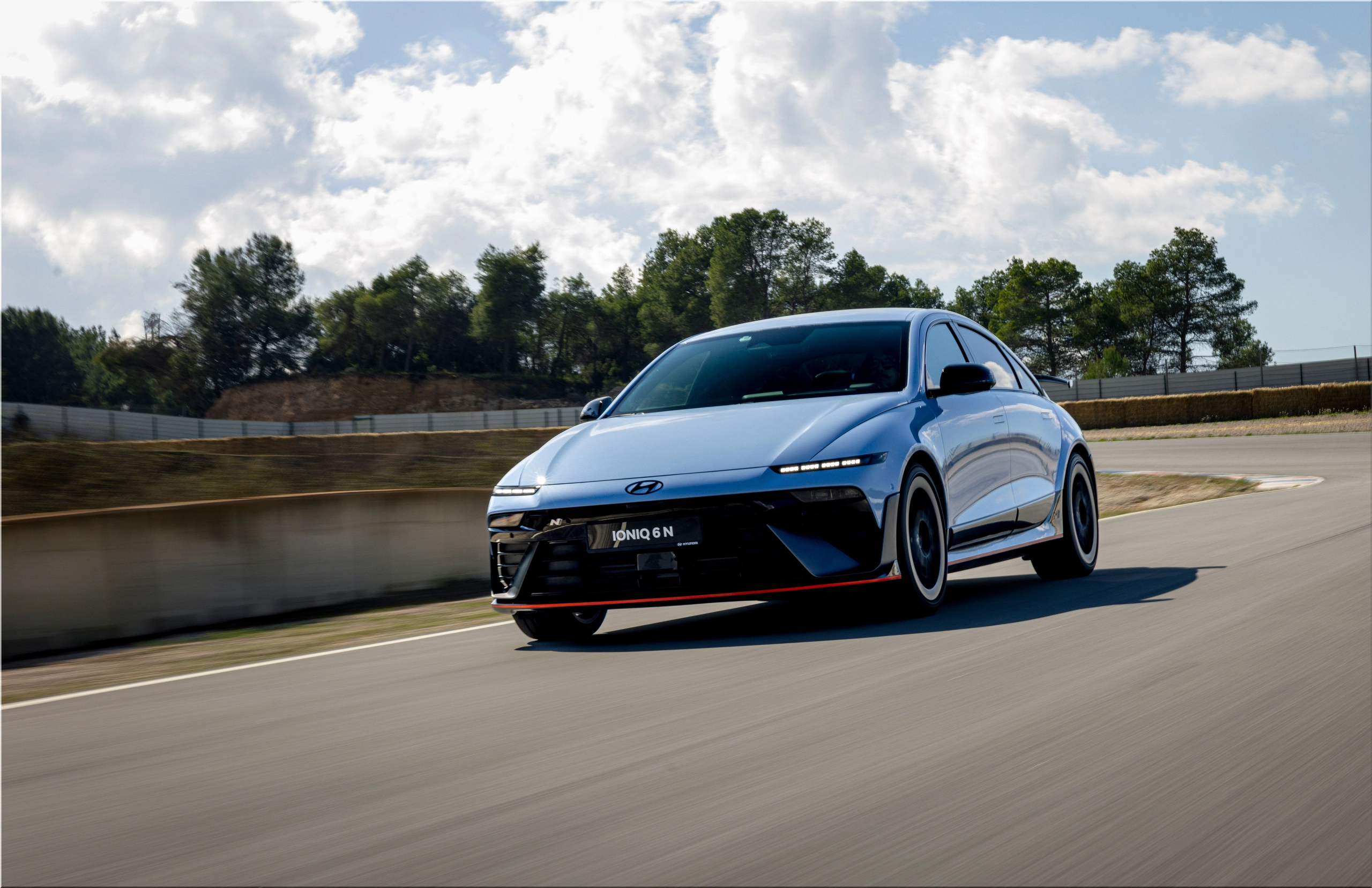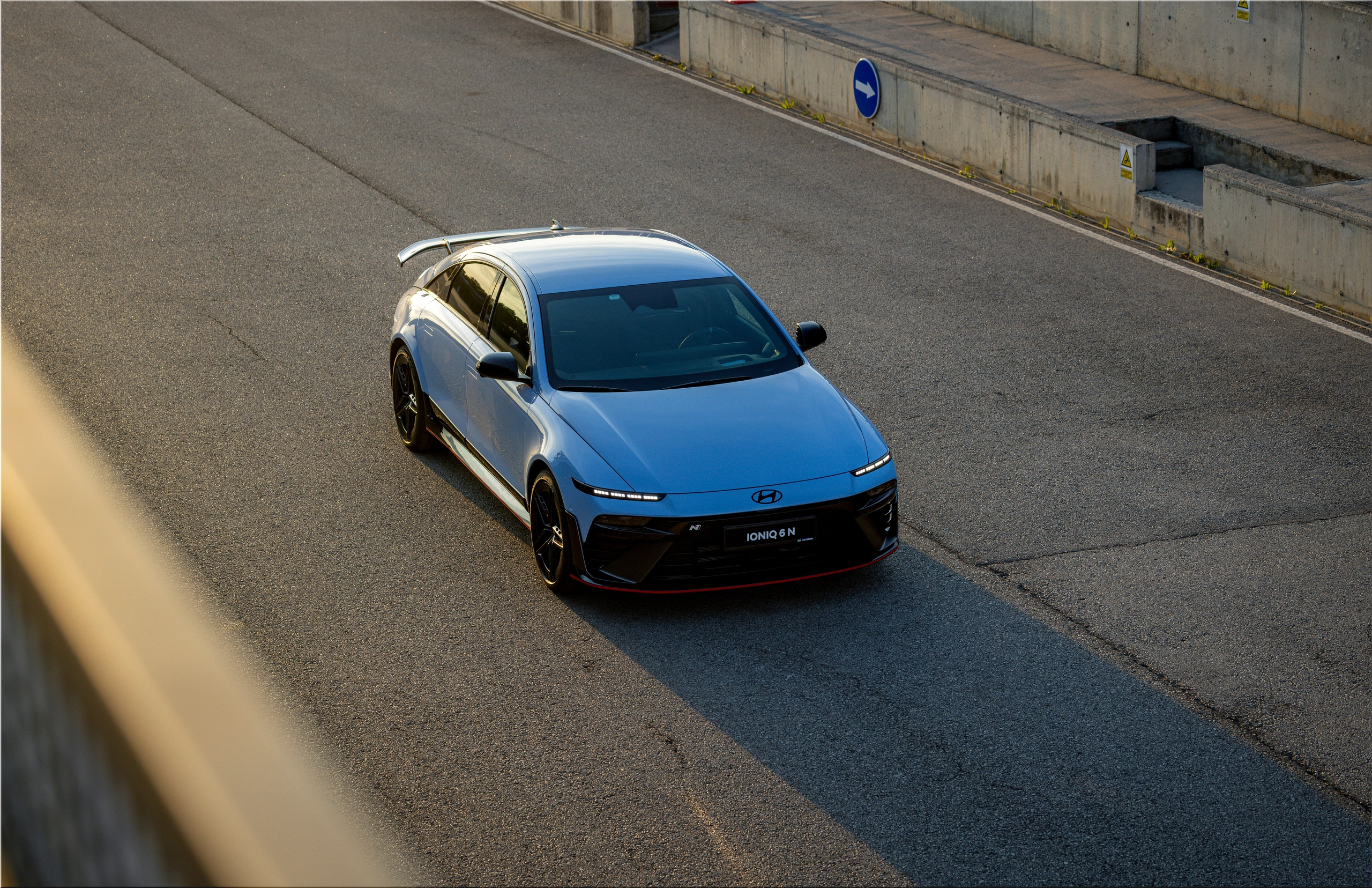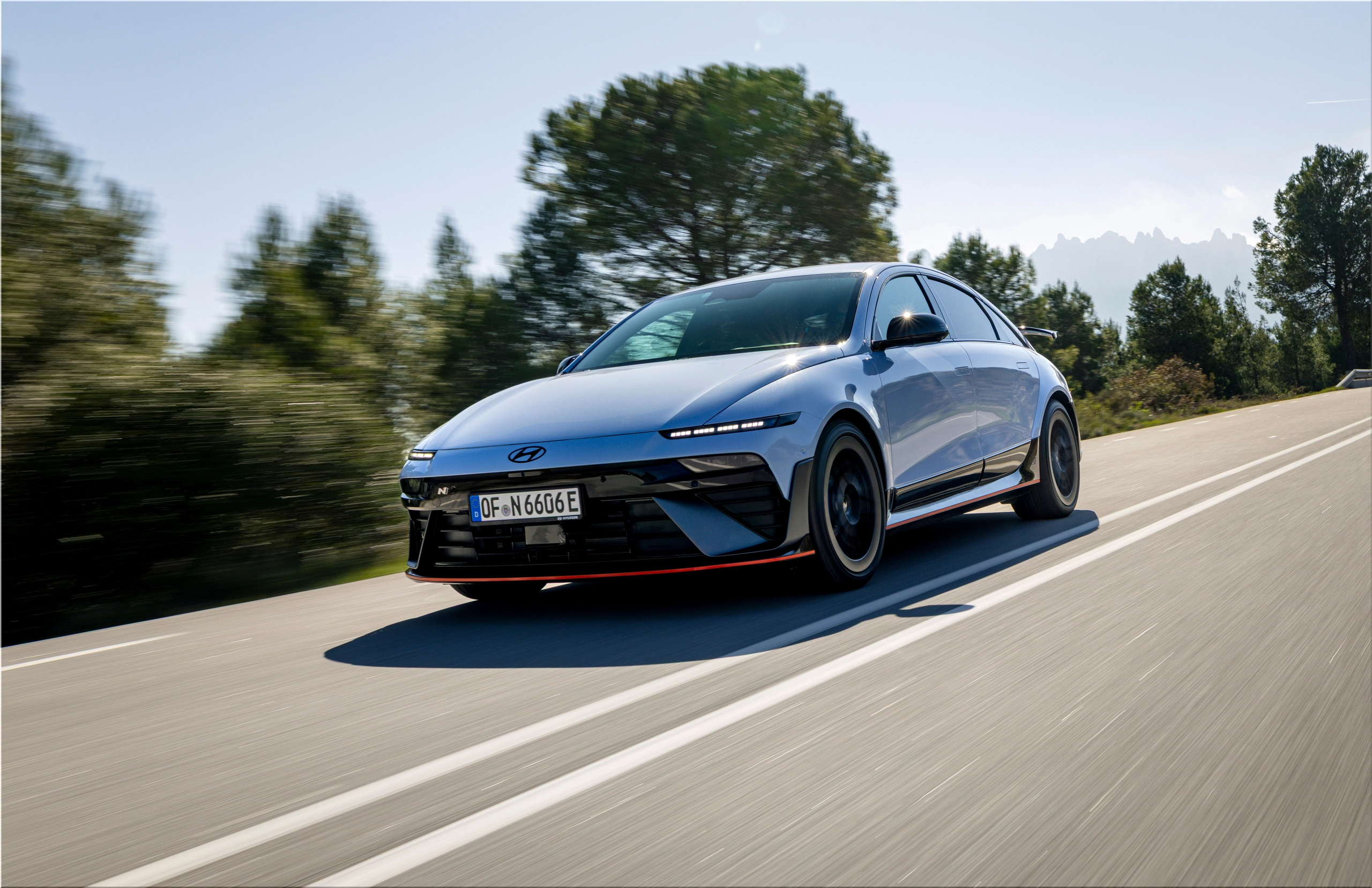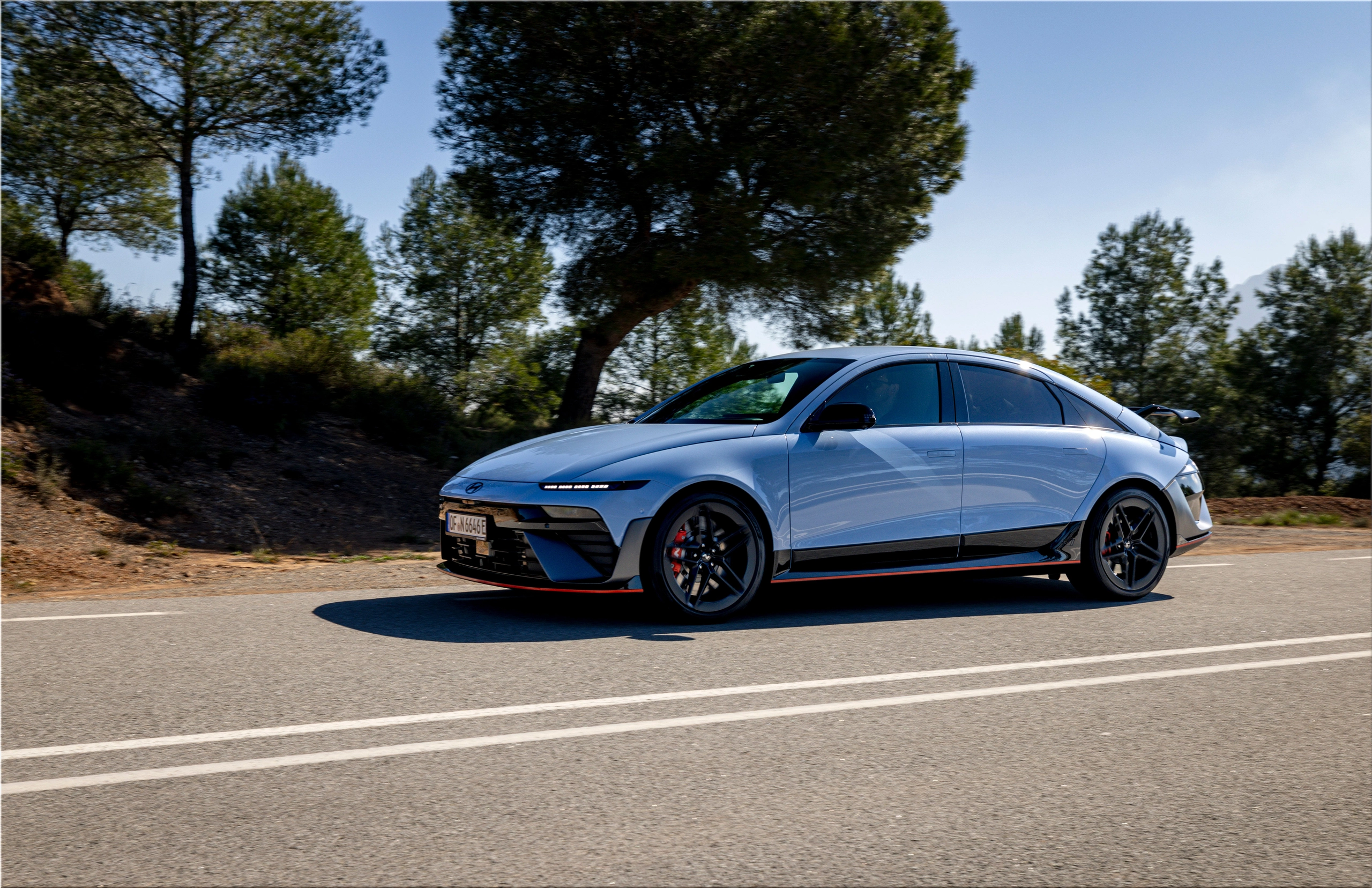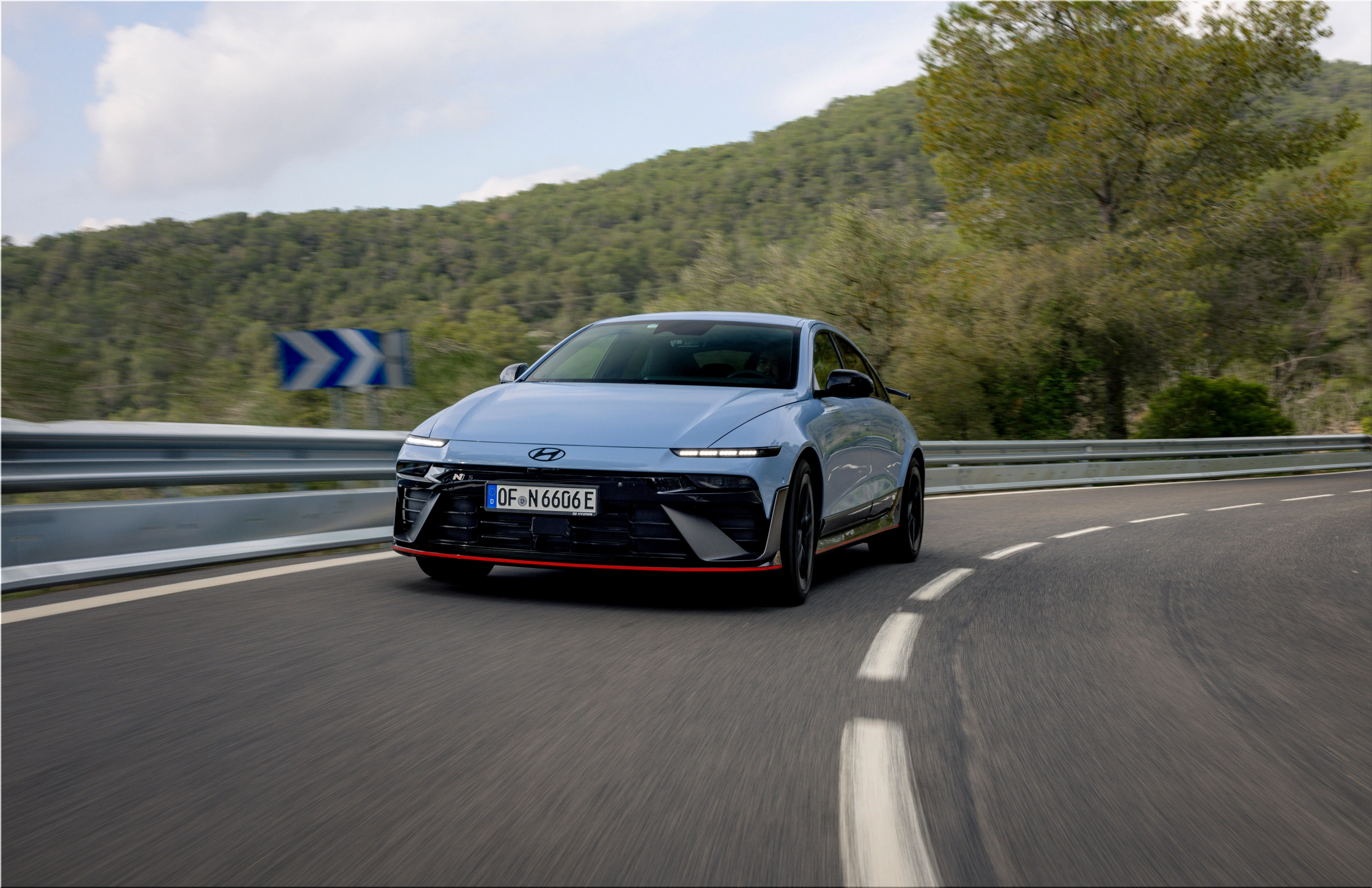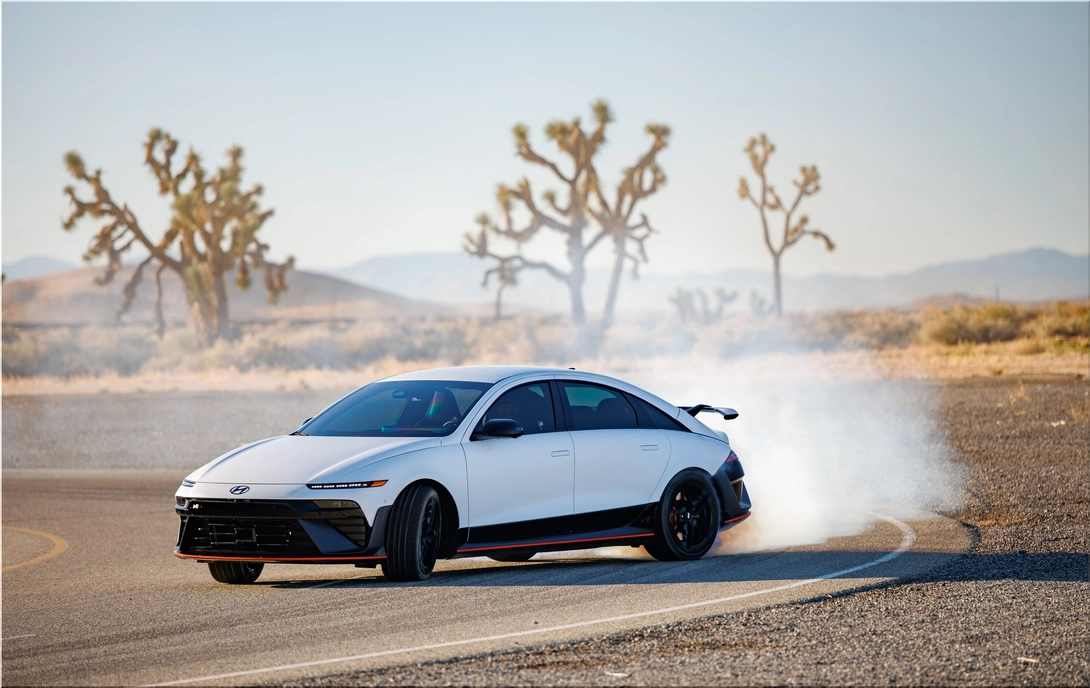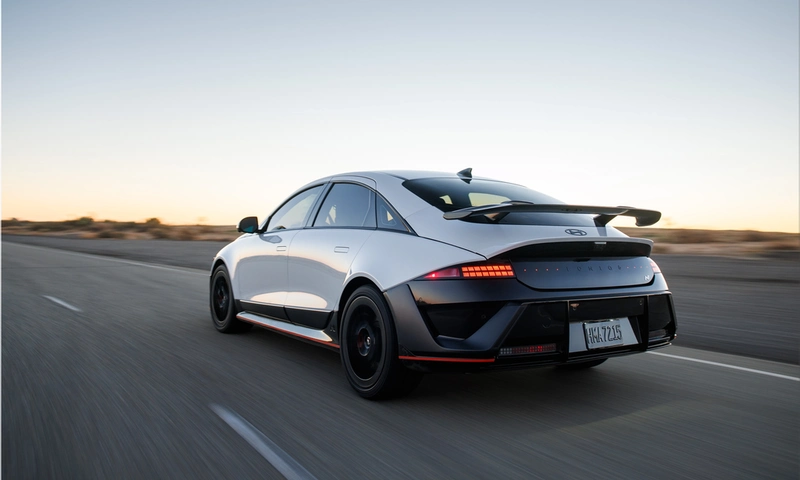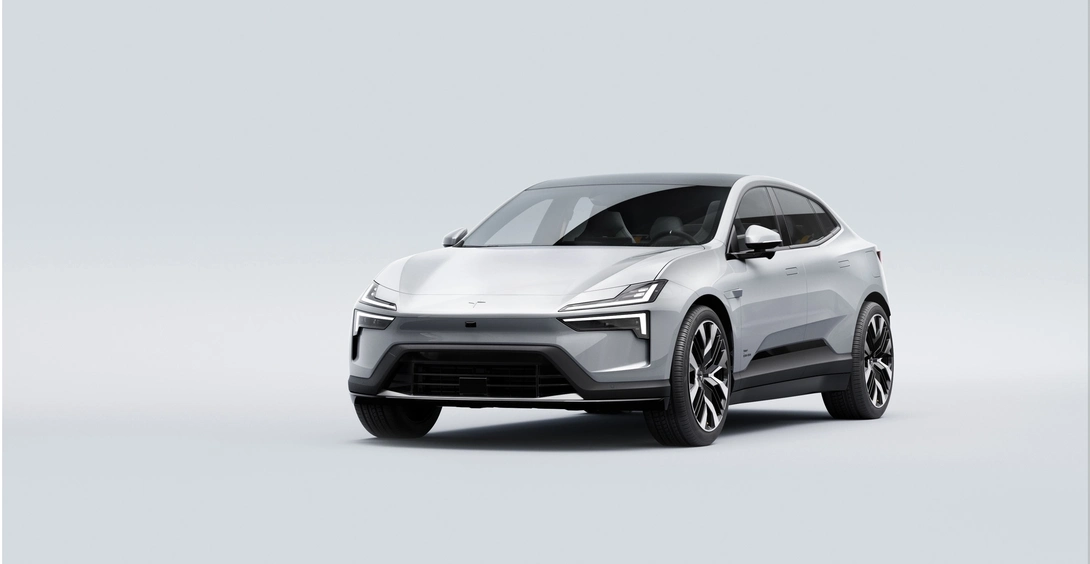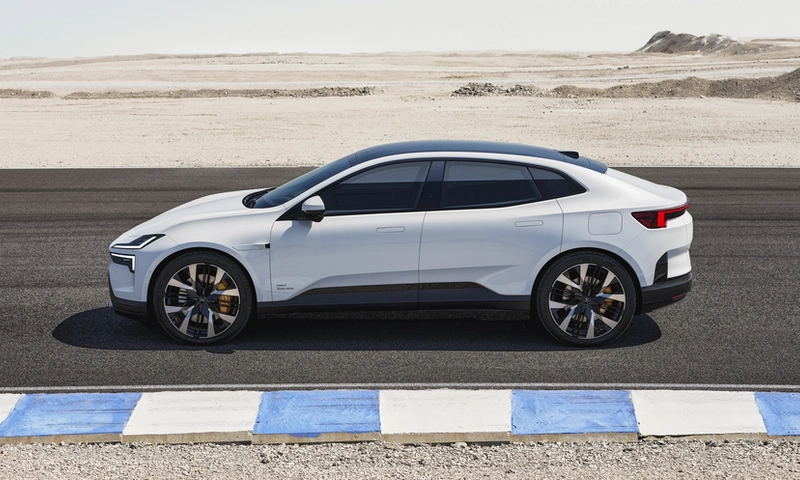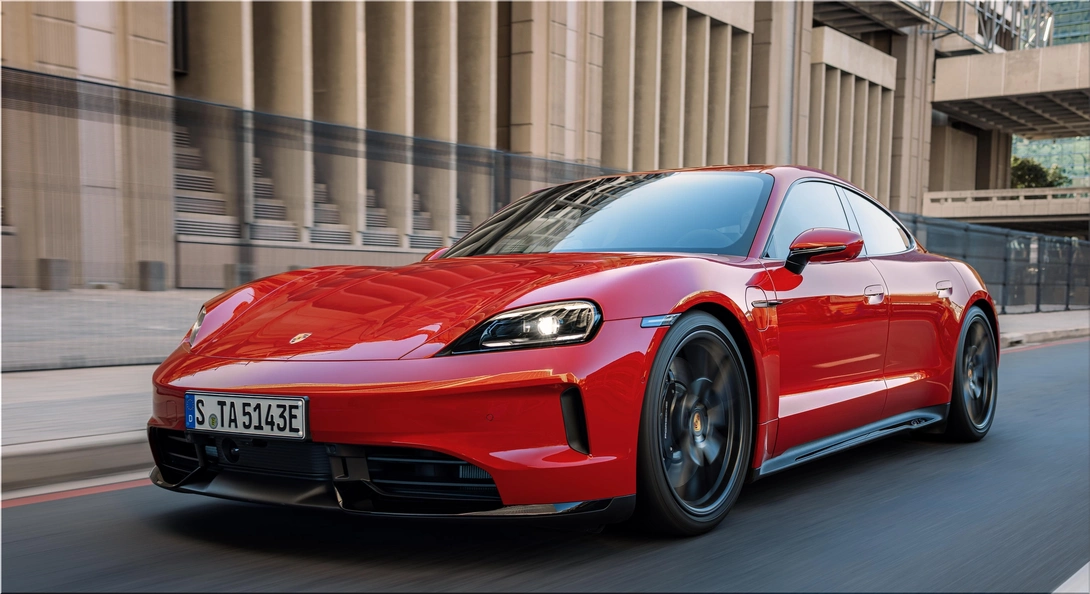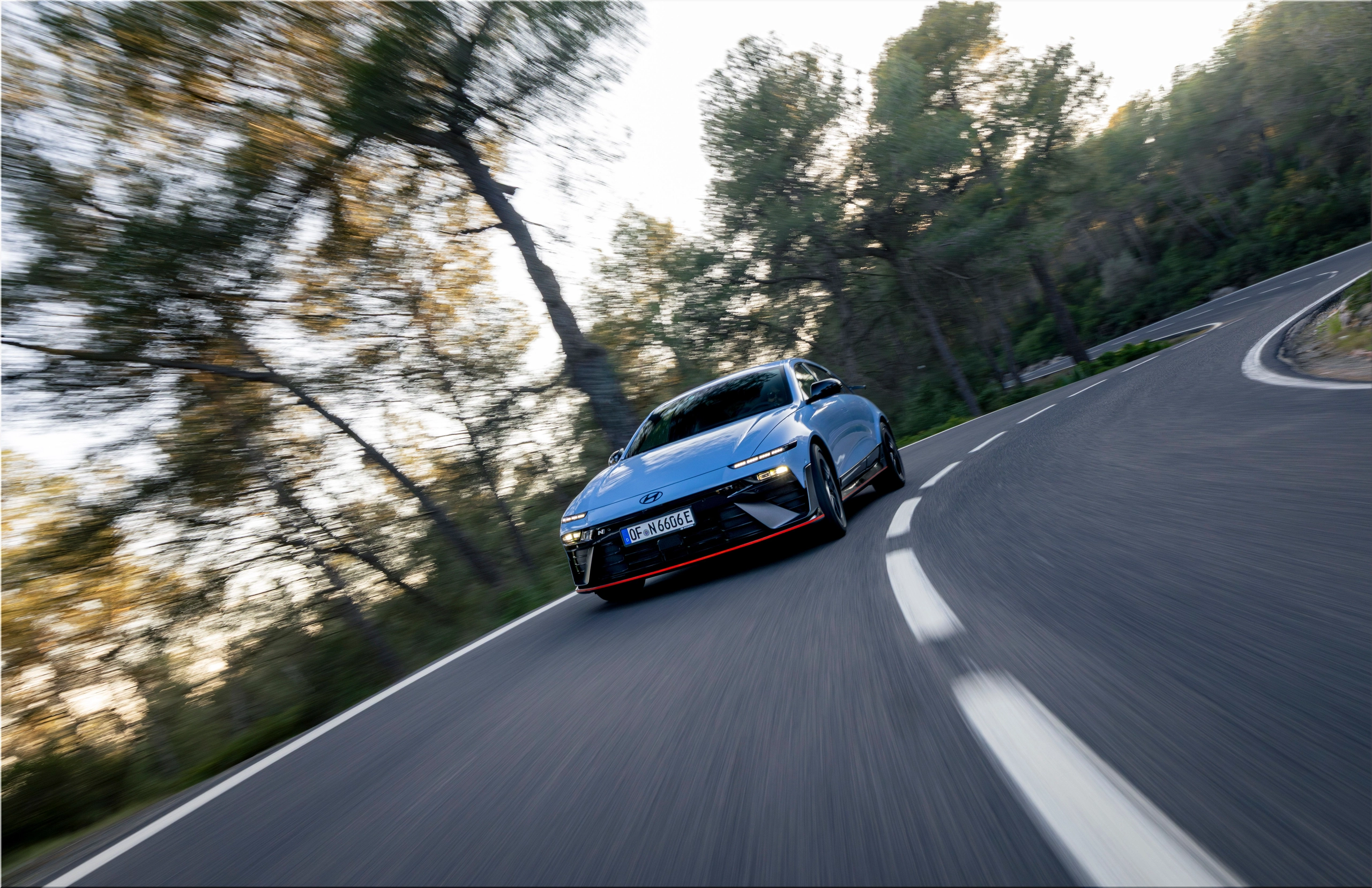
The Hyundai IONIQ 6 N turns the slippery IONIQ 6 sedan into a serious electric performance car with dual motors, all-wheel drive, 641 hp with boost, 568 lb-ft of torque, an 84 kWh battery, and rapid 800V charging. The bigger story sits in the chassis: Hyundai tuned this EV for track repeatability without throwing away daily comfort.
What Makes The Hyundai IONIQ 6 N Different?
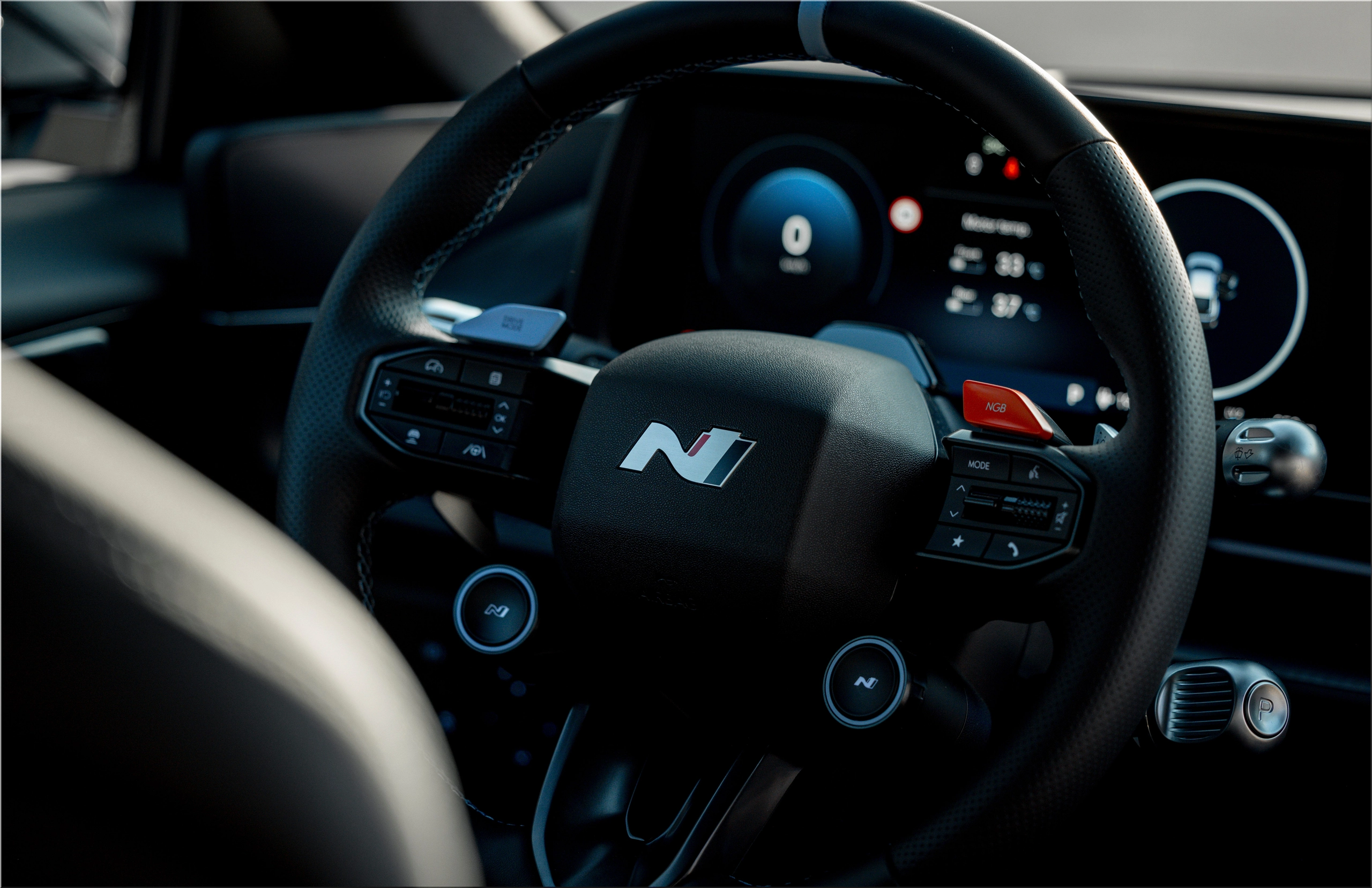
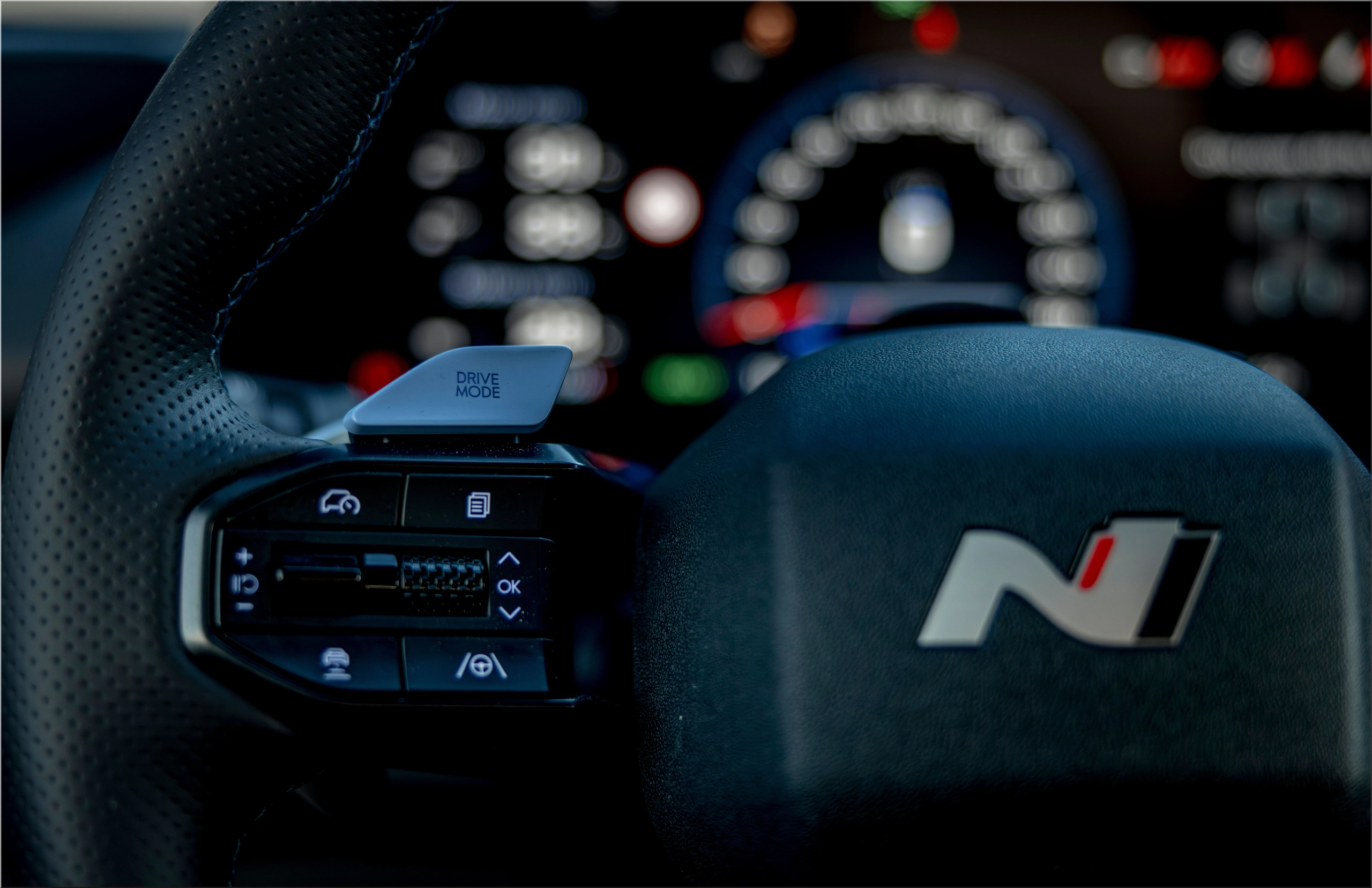
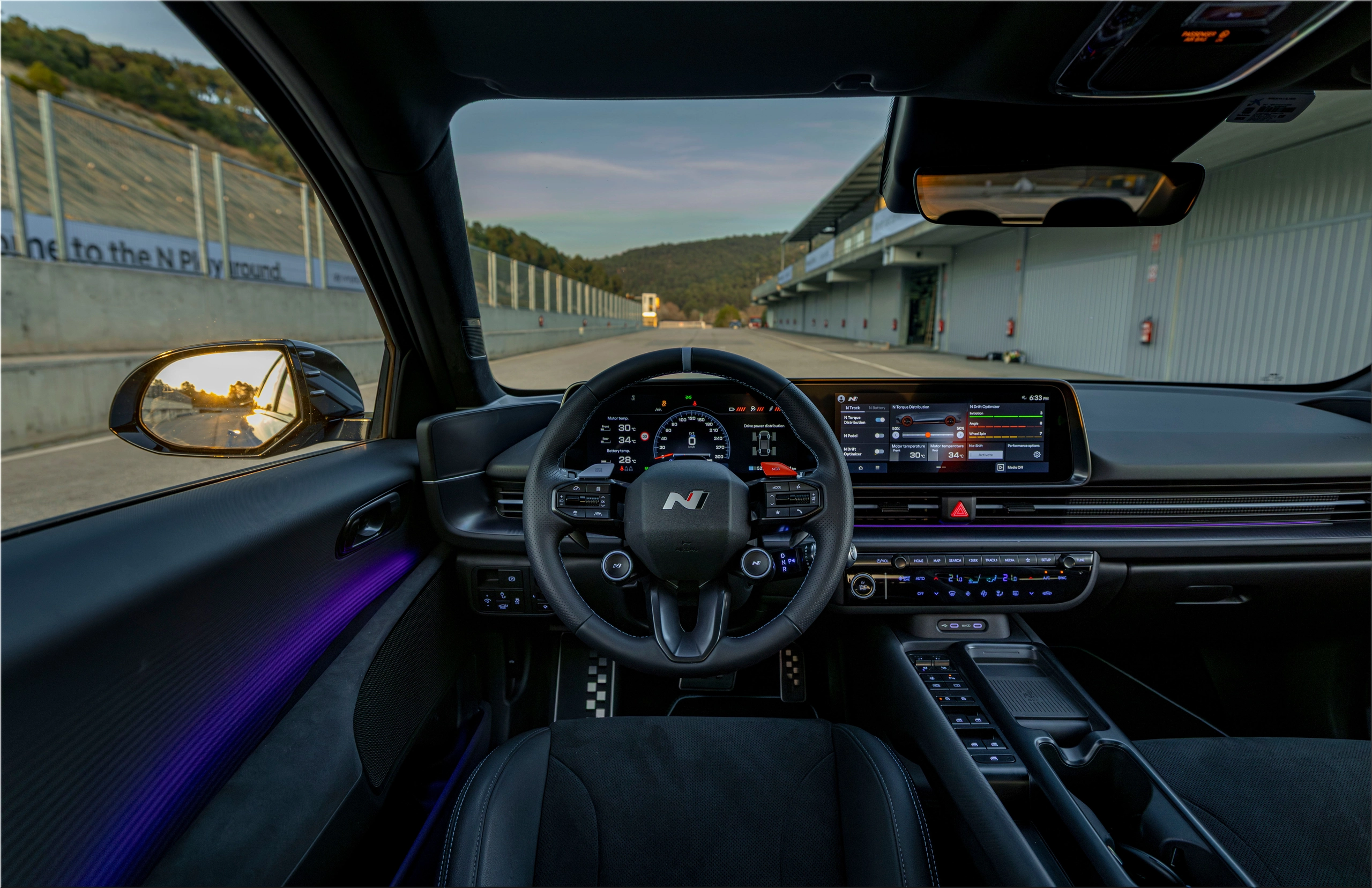
Hyundai did not simply give the IONIQ 6 more power. It changed the car's purpose. The IONIQ 6 N uses Hyundai's N playbook: sharp steering, high thermal resistance, electronic torque control, and driver feedback systems that try to replace the missing rhythm of a gasoline performance car.
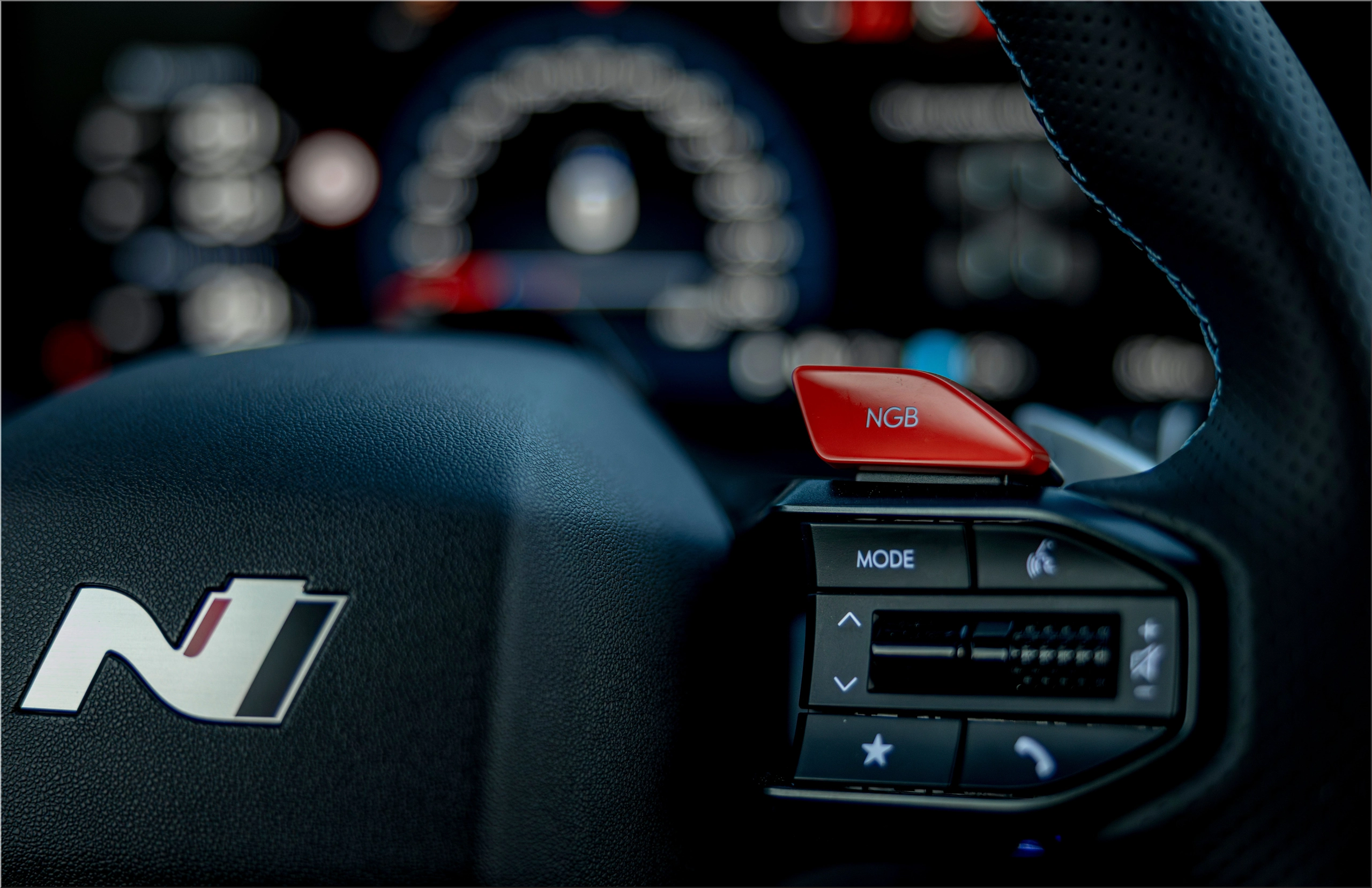
Specifically, the sedan delivers 601 hp in normal high-output form and 641 hp when the driver activates N Grin Boost. That boost mode raises output for 10 seconds, which suits overtaking, launch runs, and short track straights rather than continuous abuse. The motors spin up to 21,000 rpm, and Hyundai strengthened the permanent magnets inside the front and rear motors to support harder performance driving.
| Performance Data | Hyundai IONIQ 6 N |
|---|---|
| Standard output | 601 hp |
| Boost output | 641 hp |
| Standard torque | 546 lb-ft |
| Boost torque | 568 lb-ft |
| 0-60 mph | 3.2 seconds |
| Top speed | 159 mph |
| Quarter-mile | 11.1 seconds |
| 60-0 mph braking | 130 ft |
Looking at the data, the IONIQ 6 N lands in the same conversation as serious sport sedans, but with EV-specific mass and heat management challenges. That matters because fast EVs often feel heroic for one launch and ordinary after heat builds. Hyundai counters that problem with dedicated N Battery modes for drag, sprint, and endurance driving.
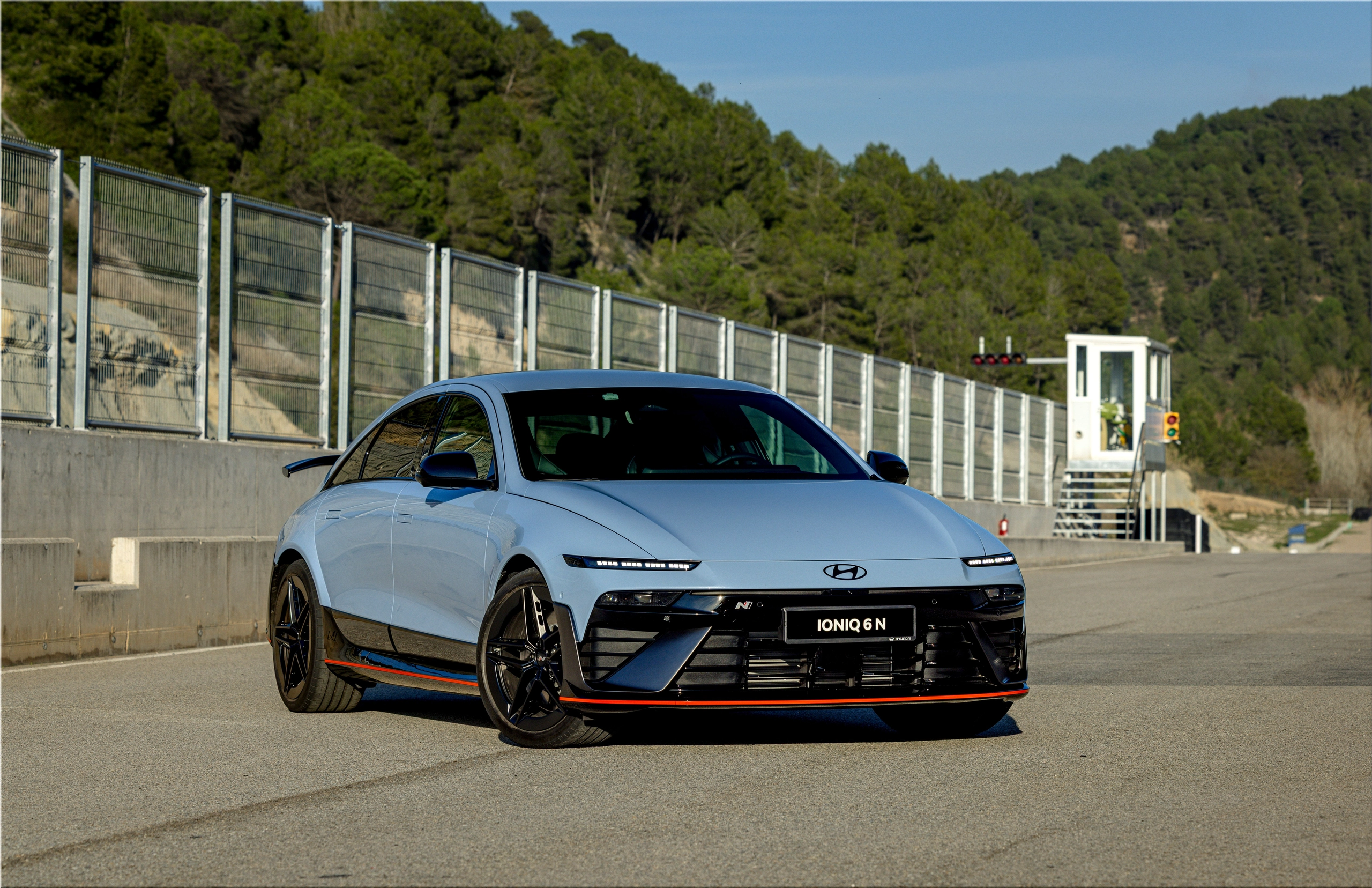
How Does The IONIQ 6 N Balance Track Speed And Daily Comfort?
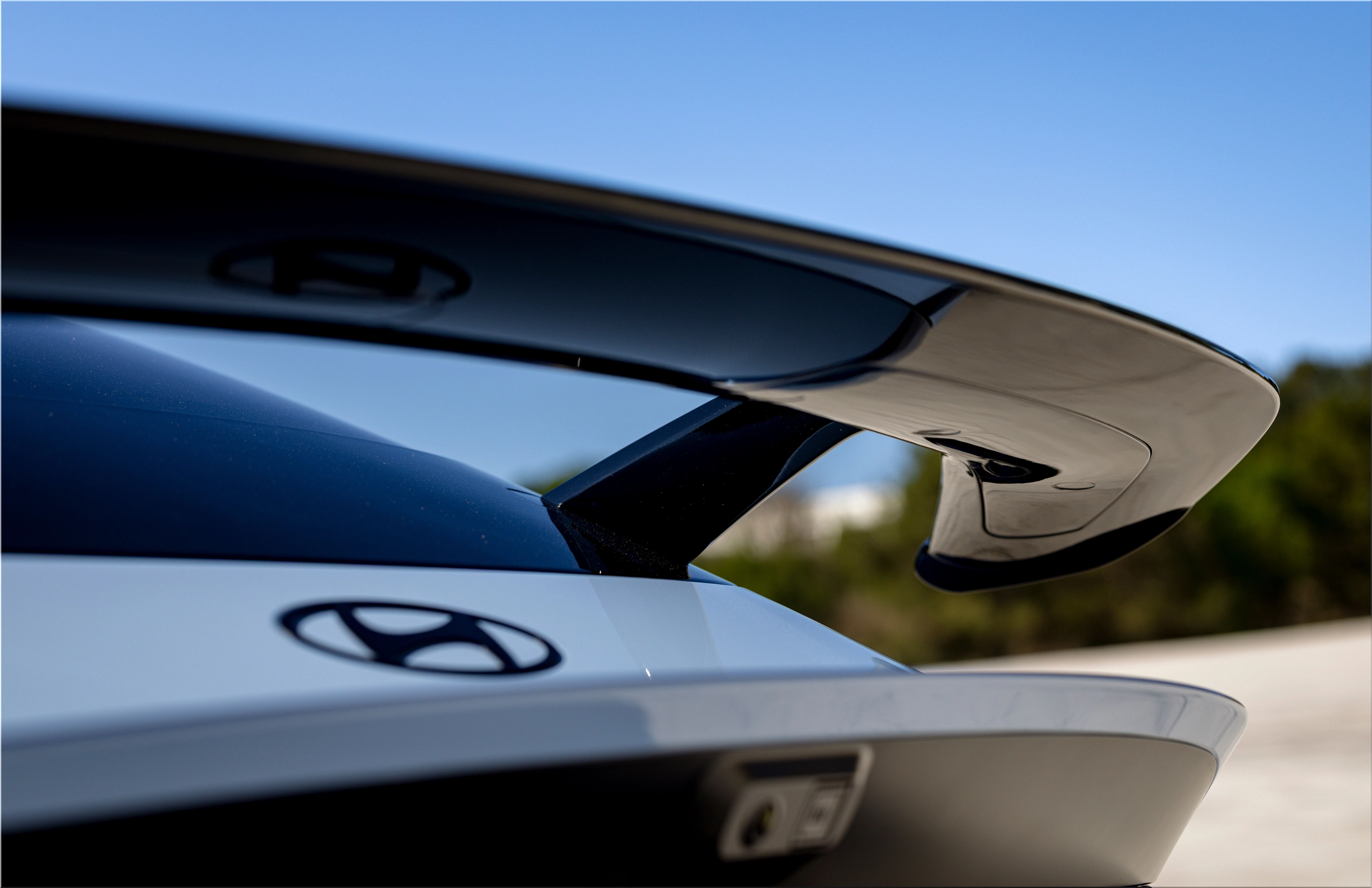
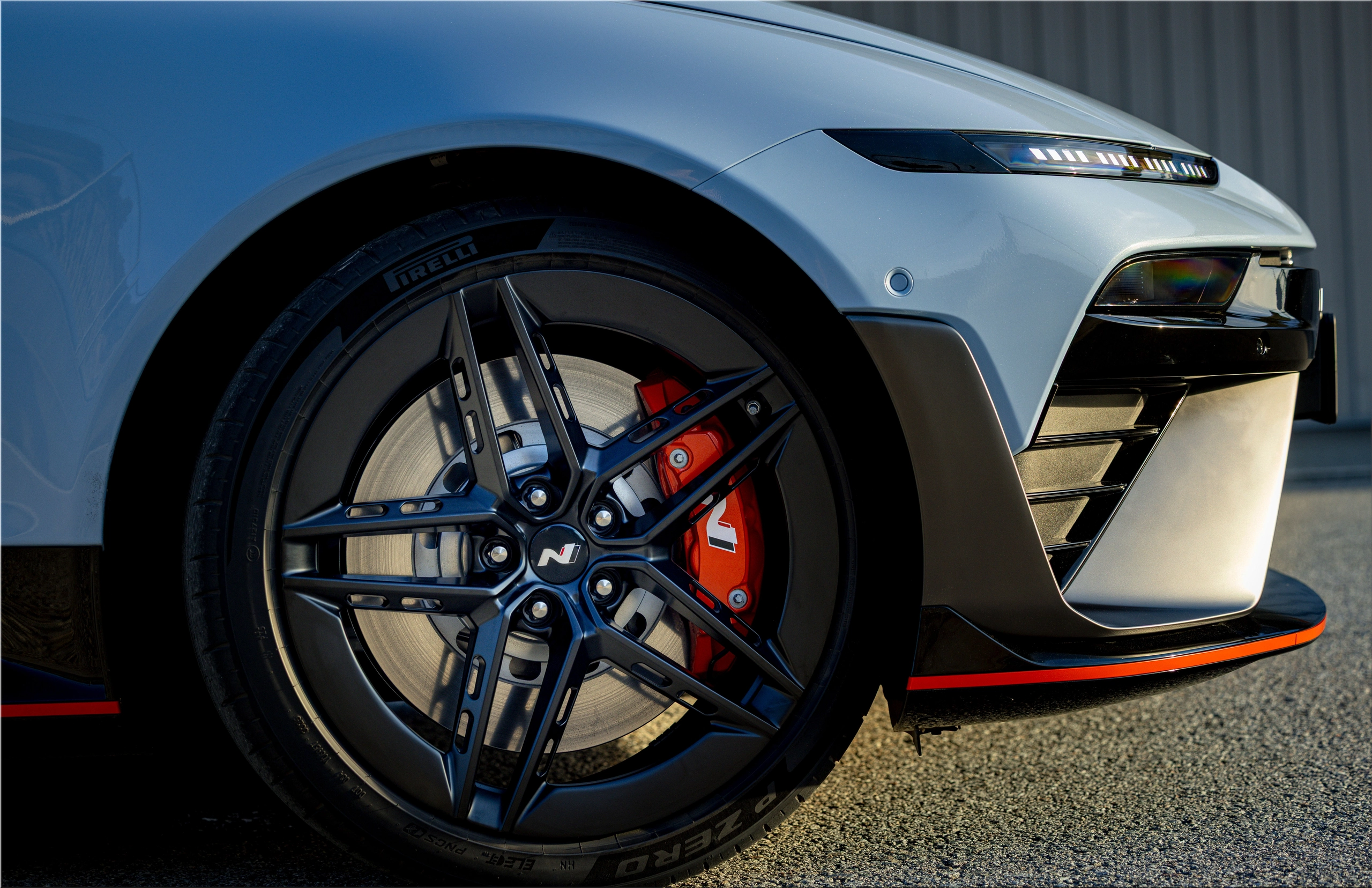
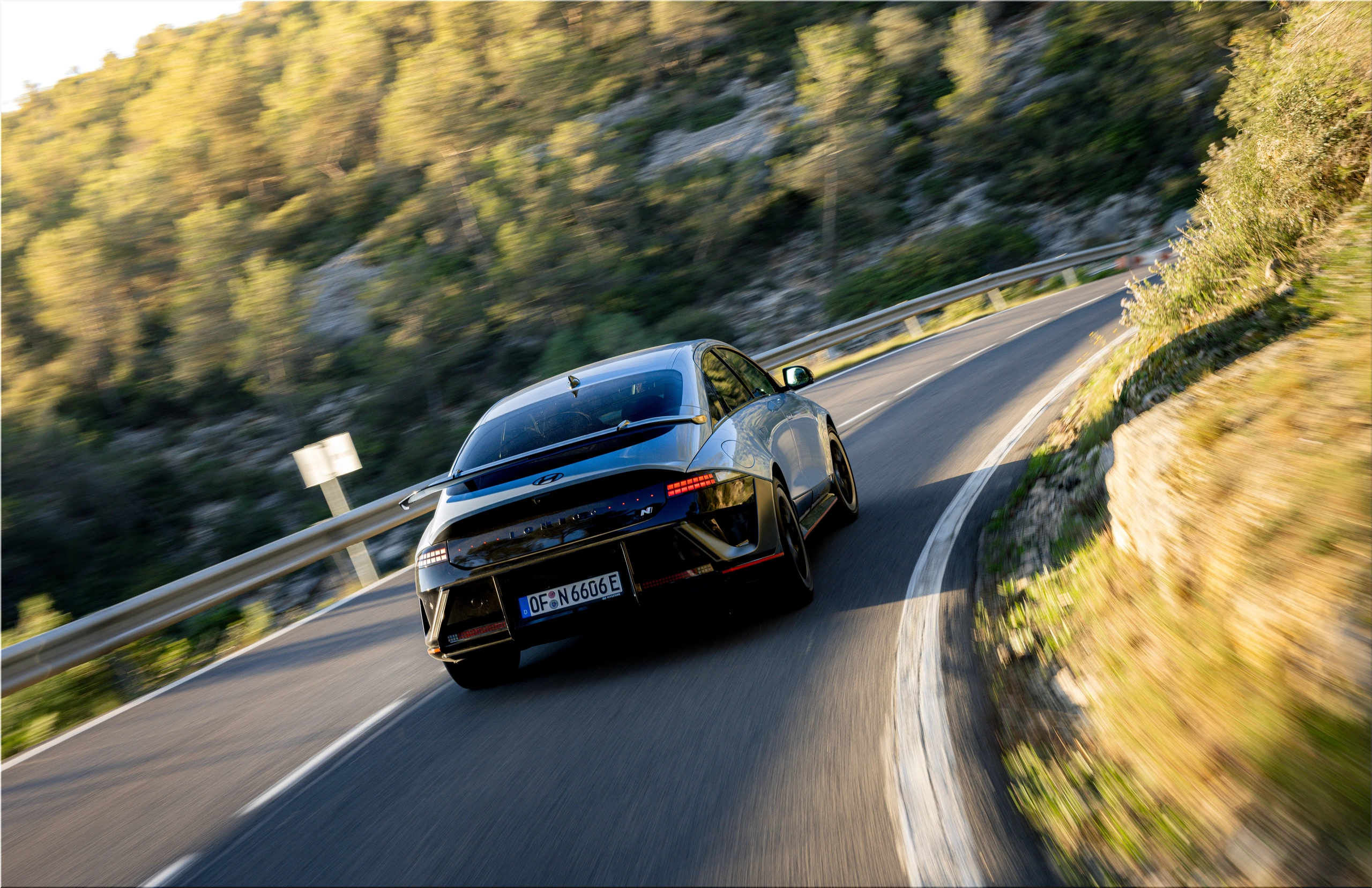
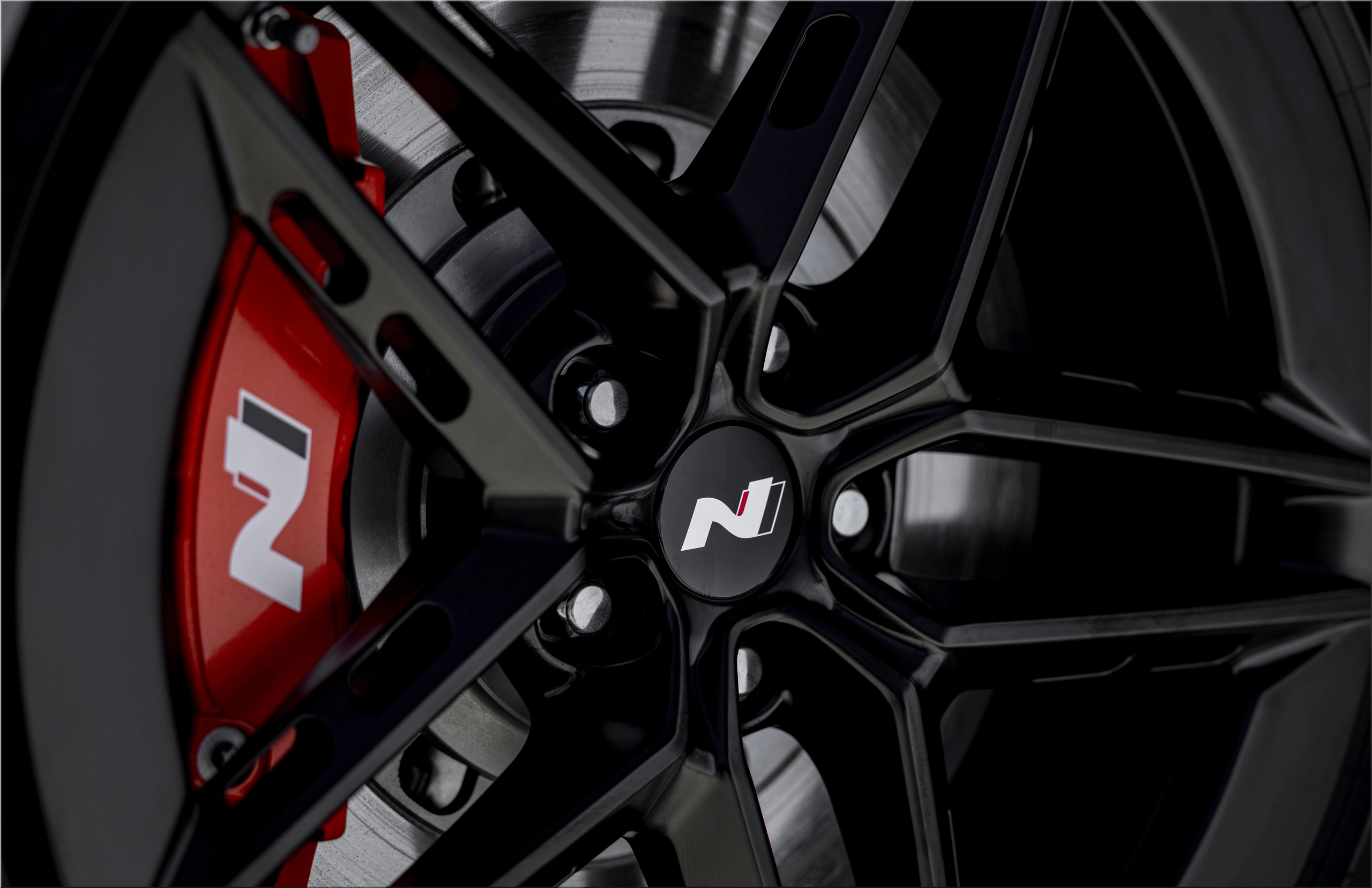
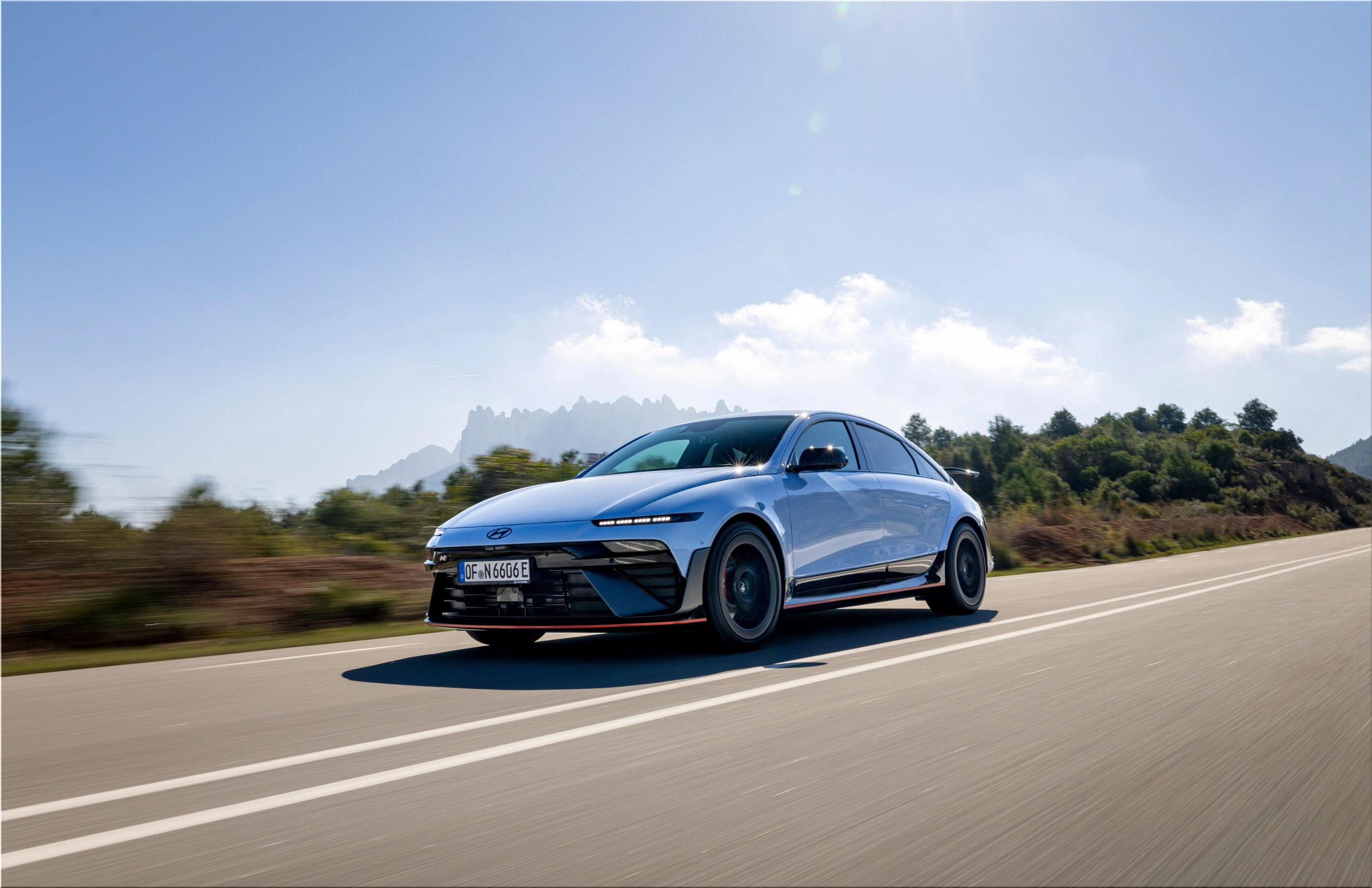
The IONIQ 6 N electric sedan uses a 116.7-inch wheelbase, a 194.3-inch body, and a low 0.276 drag coefficient, so it starts with a stable aero-efficient shape. Hyundai then adds wider fenders, a large rear wing, 20-inch forged wheels, and 275/35R20 performance tires.
In addition, the chassis gets MacPherson front suspension, a five-link rear setup, electronically controlled Sachs dampers, and revised suspension geometry. Hyundai also fits hydraulic bushings and dual-layer bushings, which reduce harshness without turning the steering into mush. From an expert perspective, that detail separates a livable performance EV from a stiff demo car.
| Chassis And Battery Data | Specification |
|---|---|
| Battery capacity | 84.0 kWh |
| Battery voltage | 697V |
| Battery weight | 1,061 lb |
| DC fast charging | 10-80% in 18 minutes |
| Level 2 charging | 10-100% in 7 hr 20 min |
| Length | 194.3 in / 4,935 mm |
| Width | 76.4 in / 1,940 mm |
| Height | 58.9 in / 1,495 mm |
| Wheelbase | 116.7 in / 2,965 mm |
| Curb weight | 4,797 lb |
Pro-Tip
Use the N Battery preconditioning modes before hard driving or fast charging. A cold or overheated battery cuts power and charging speed, so thermal prep matters as much as raw horsepower in a high-output EV.