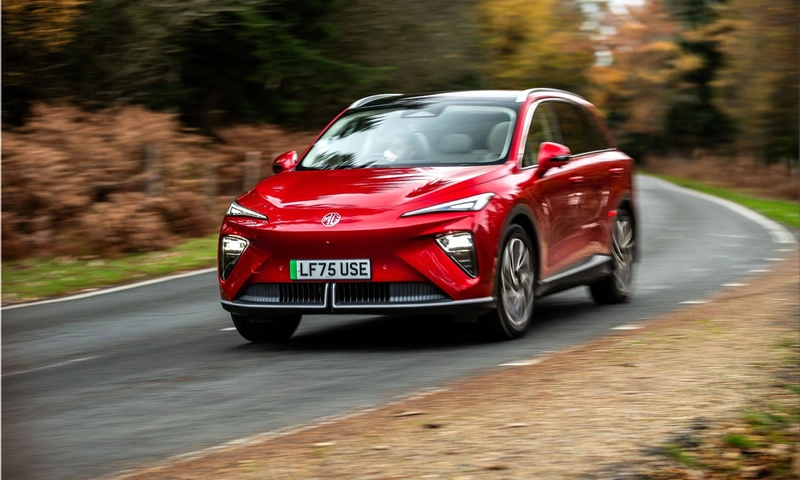
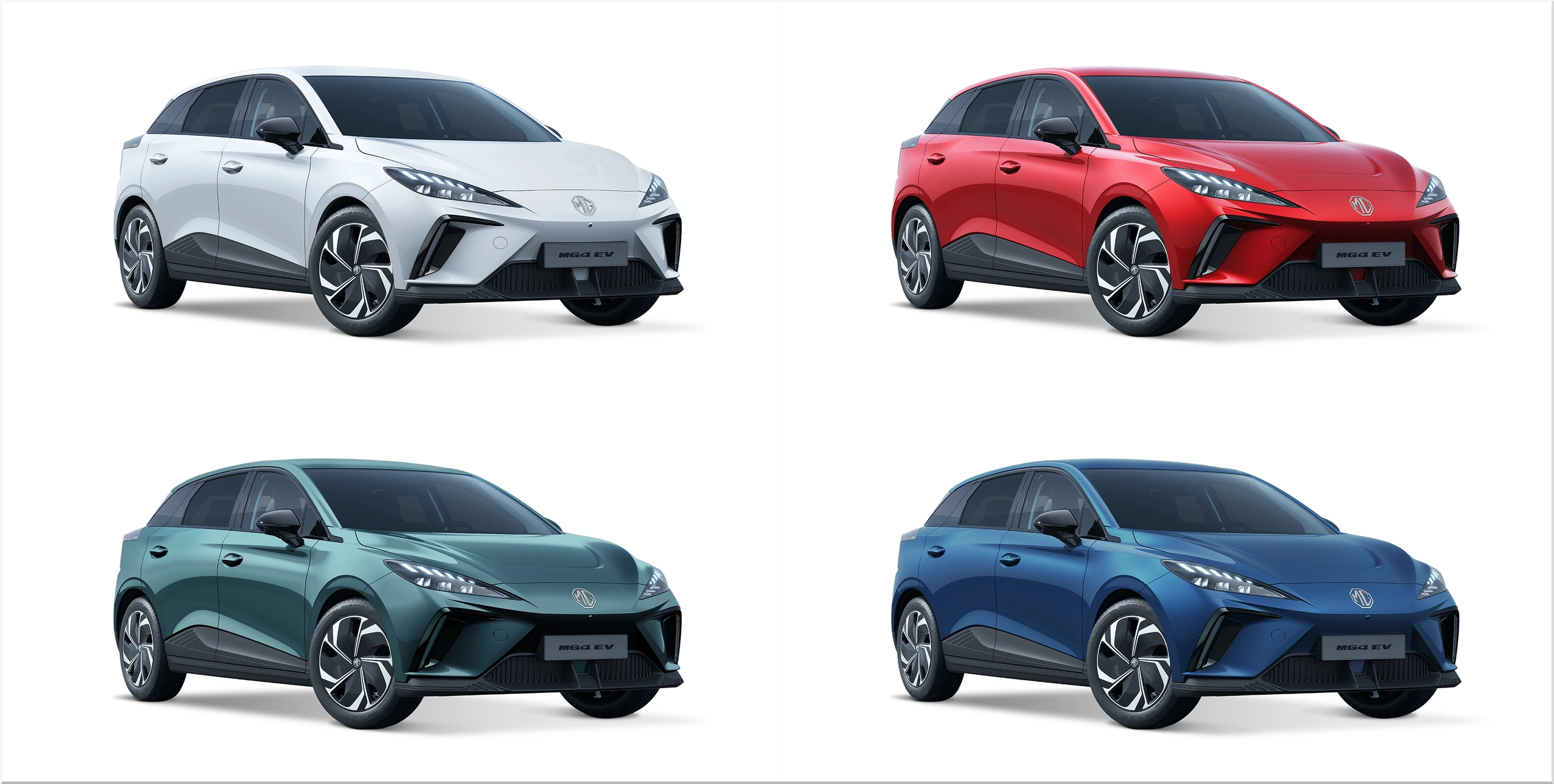
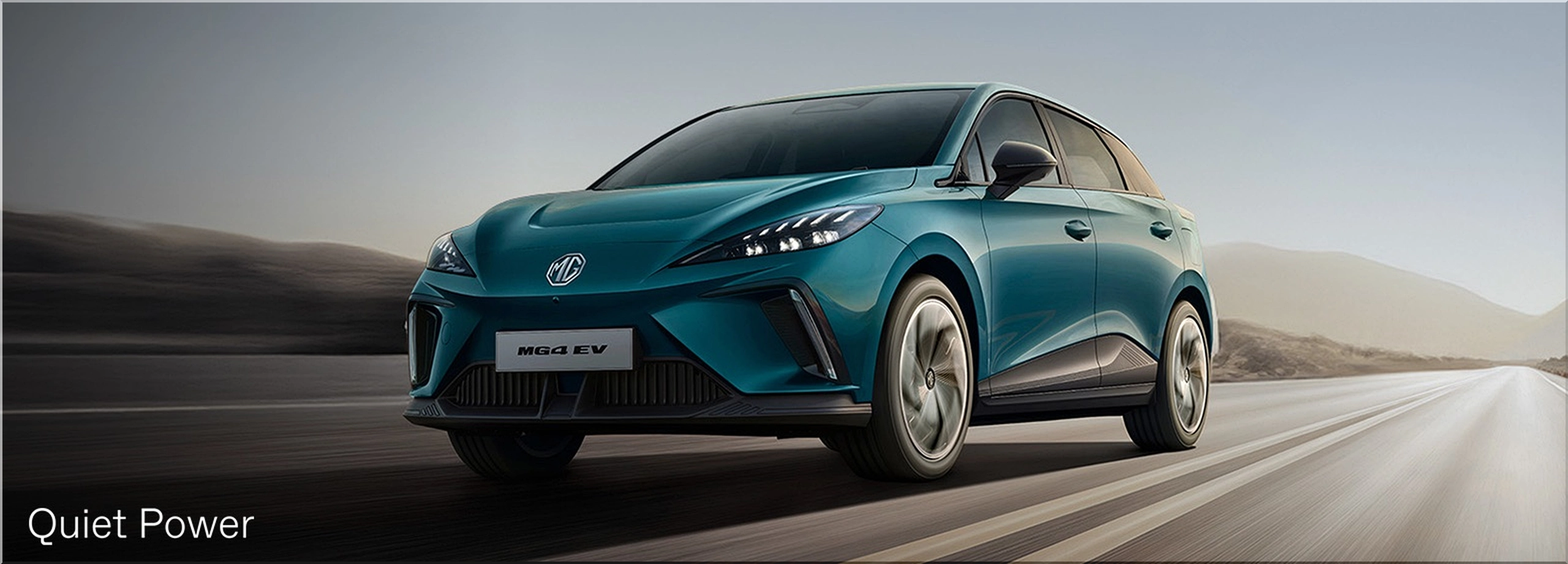
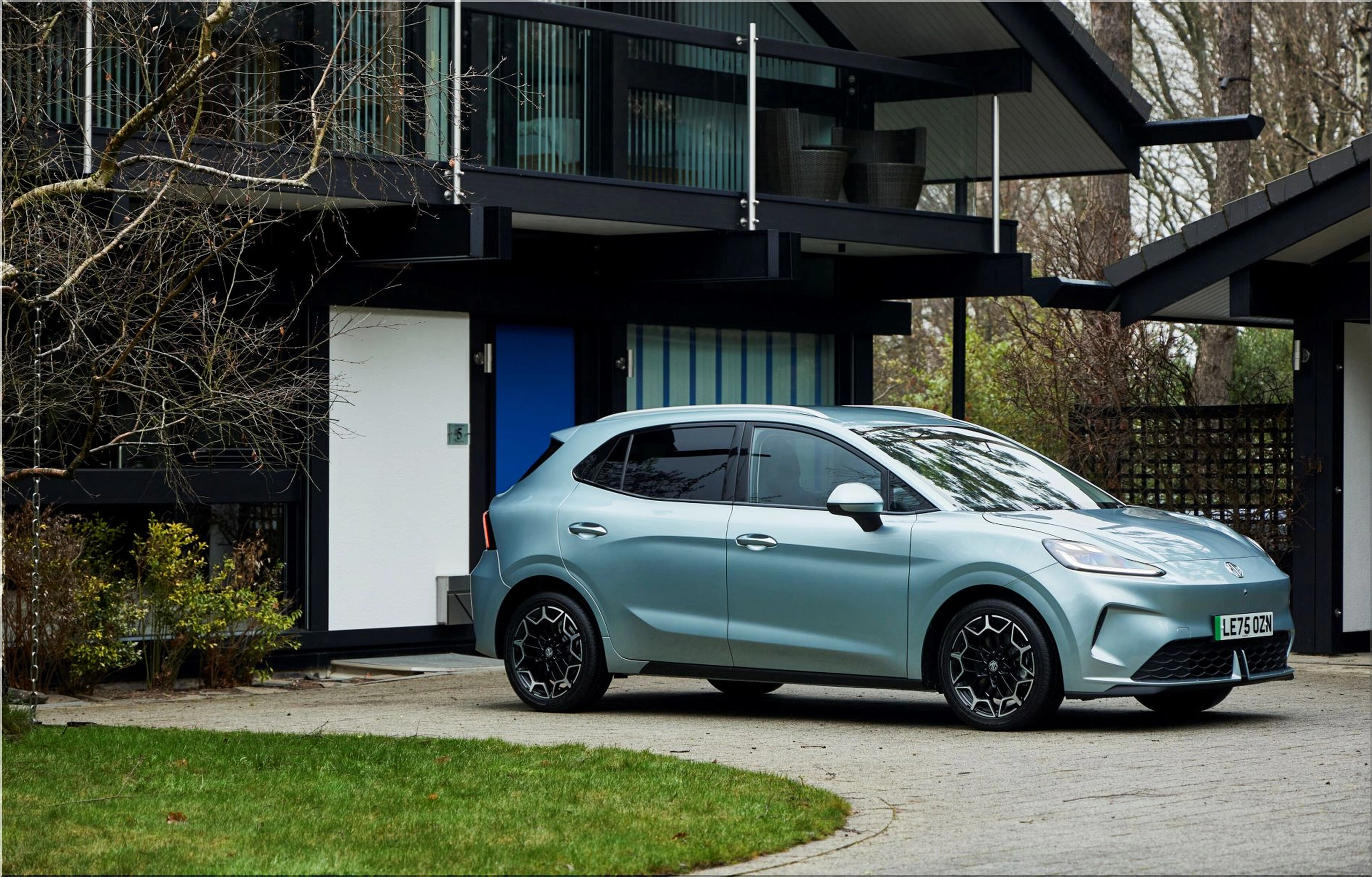
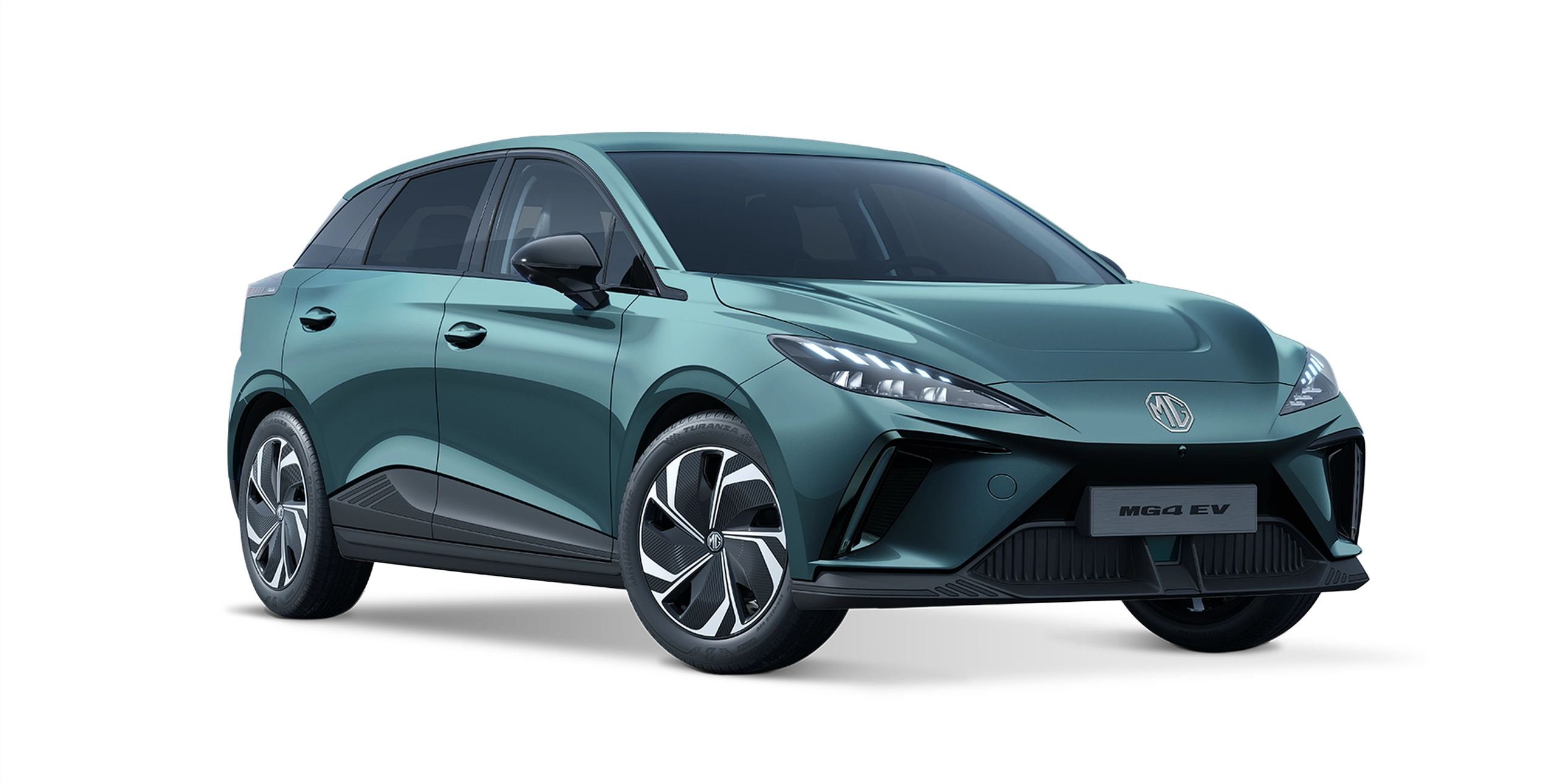
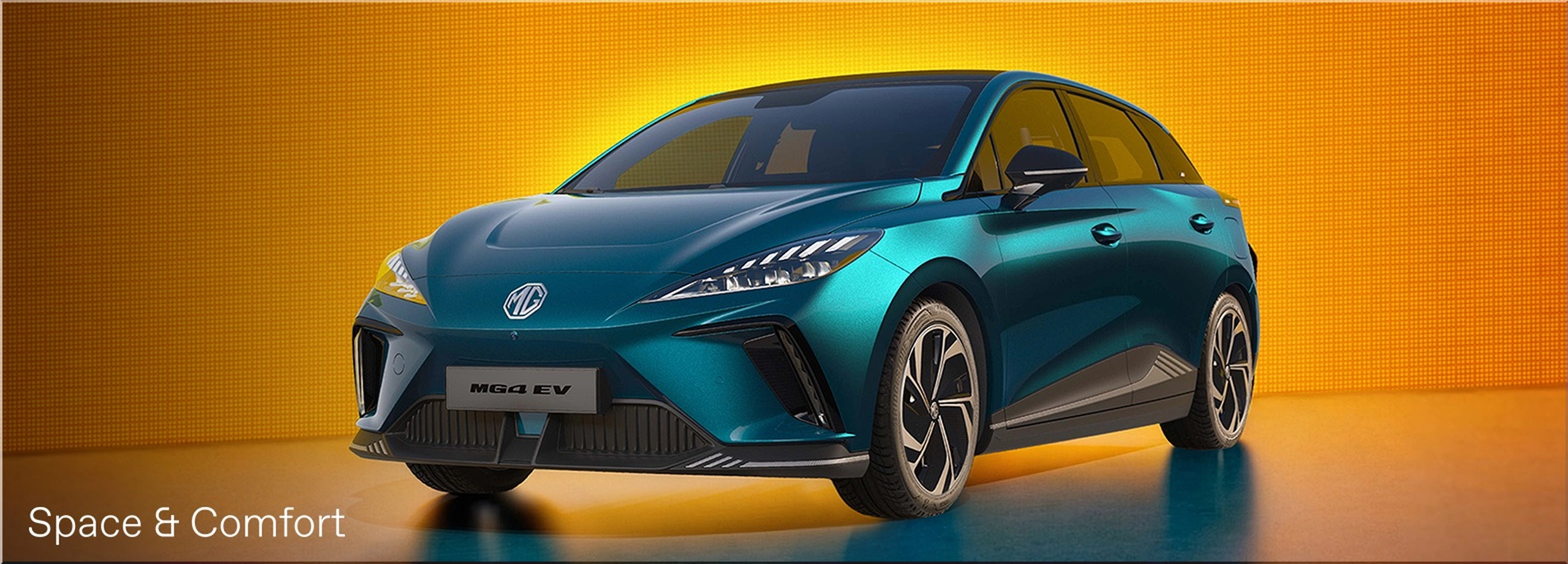
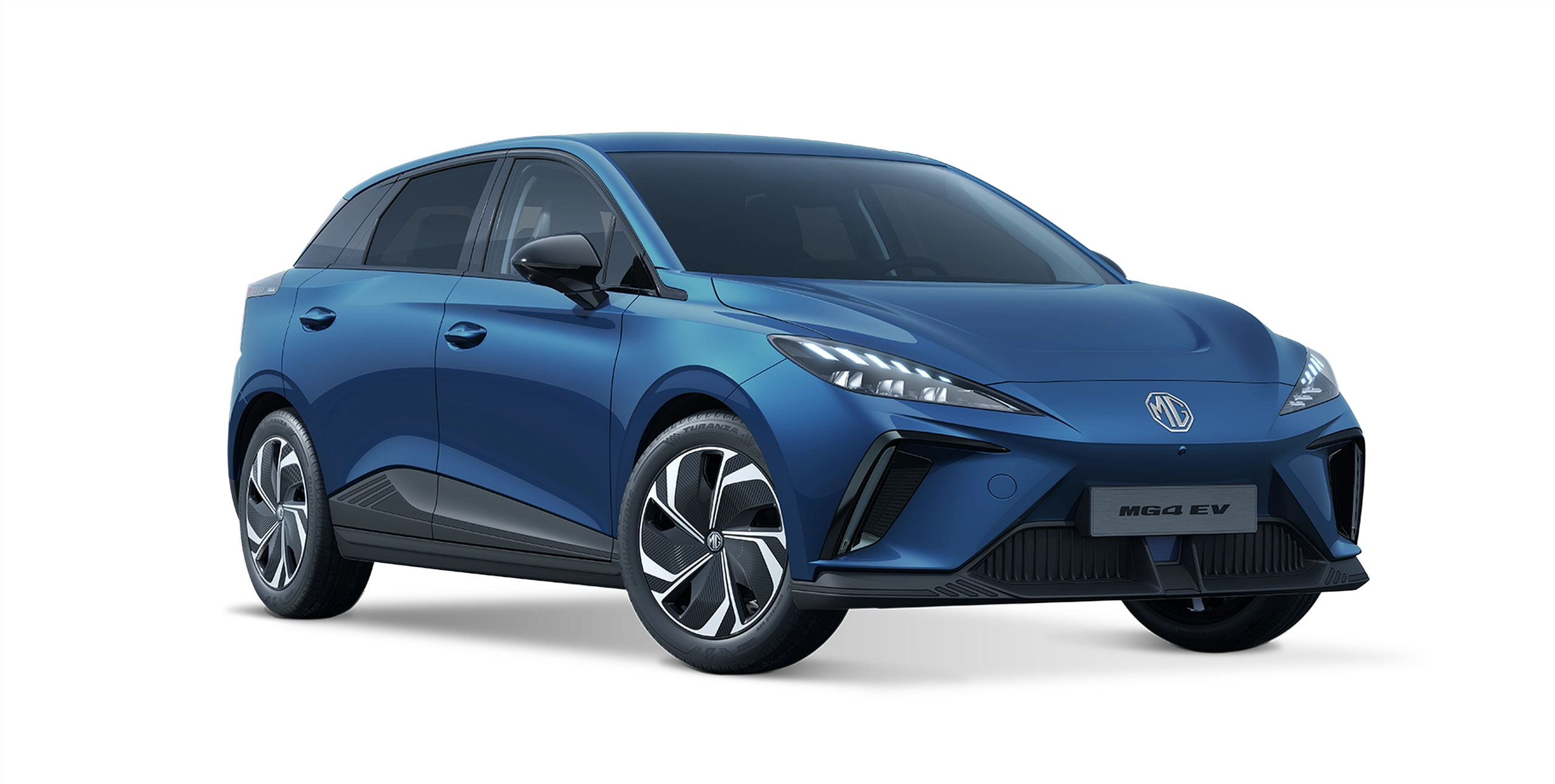
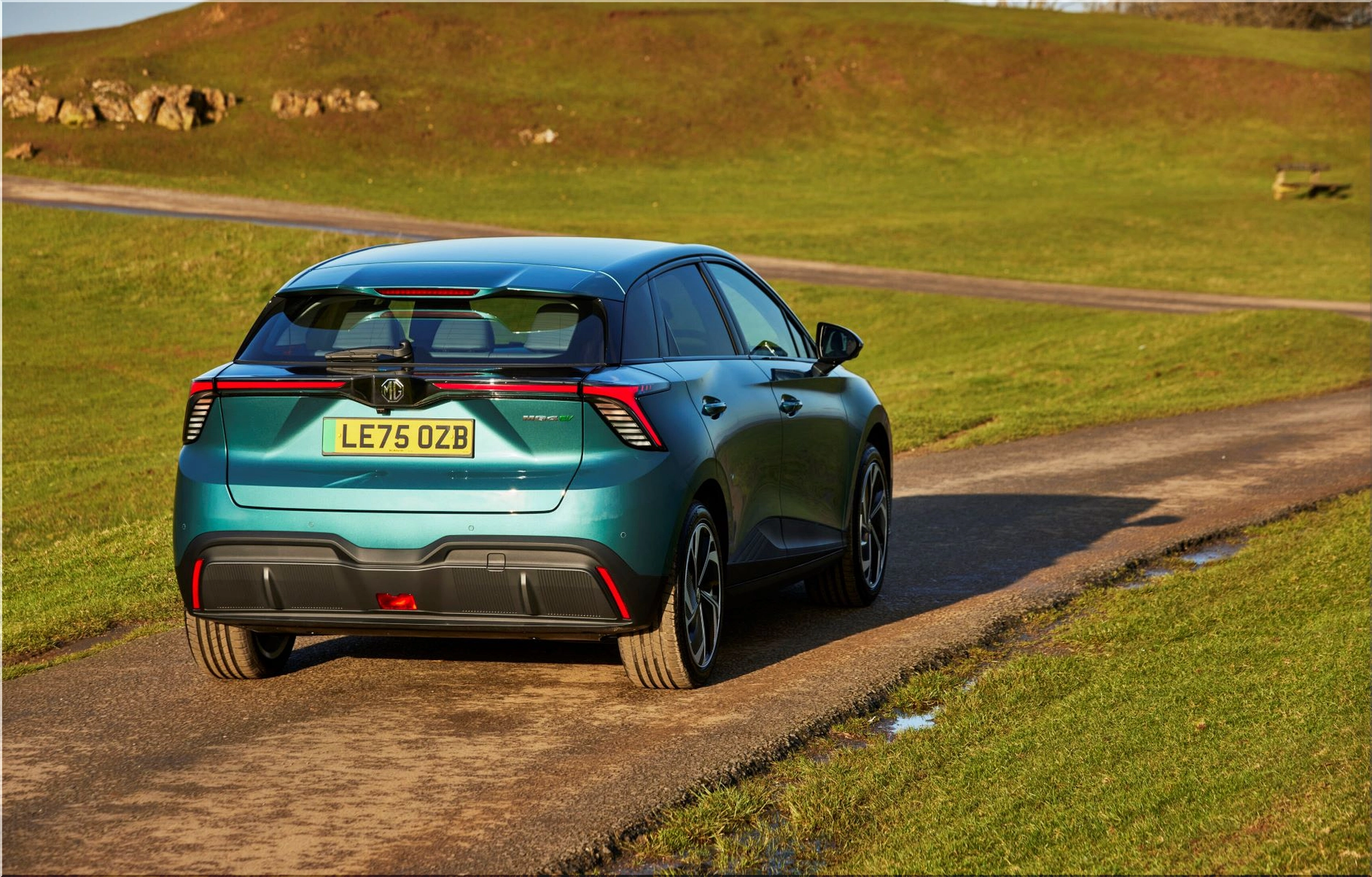
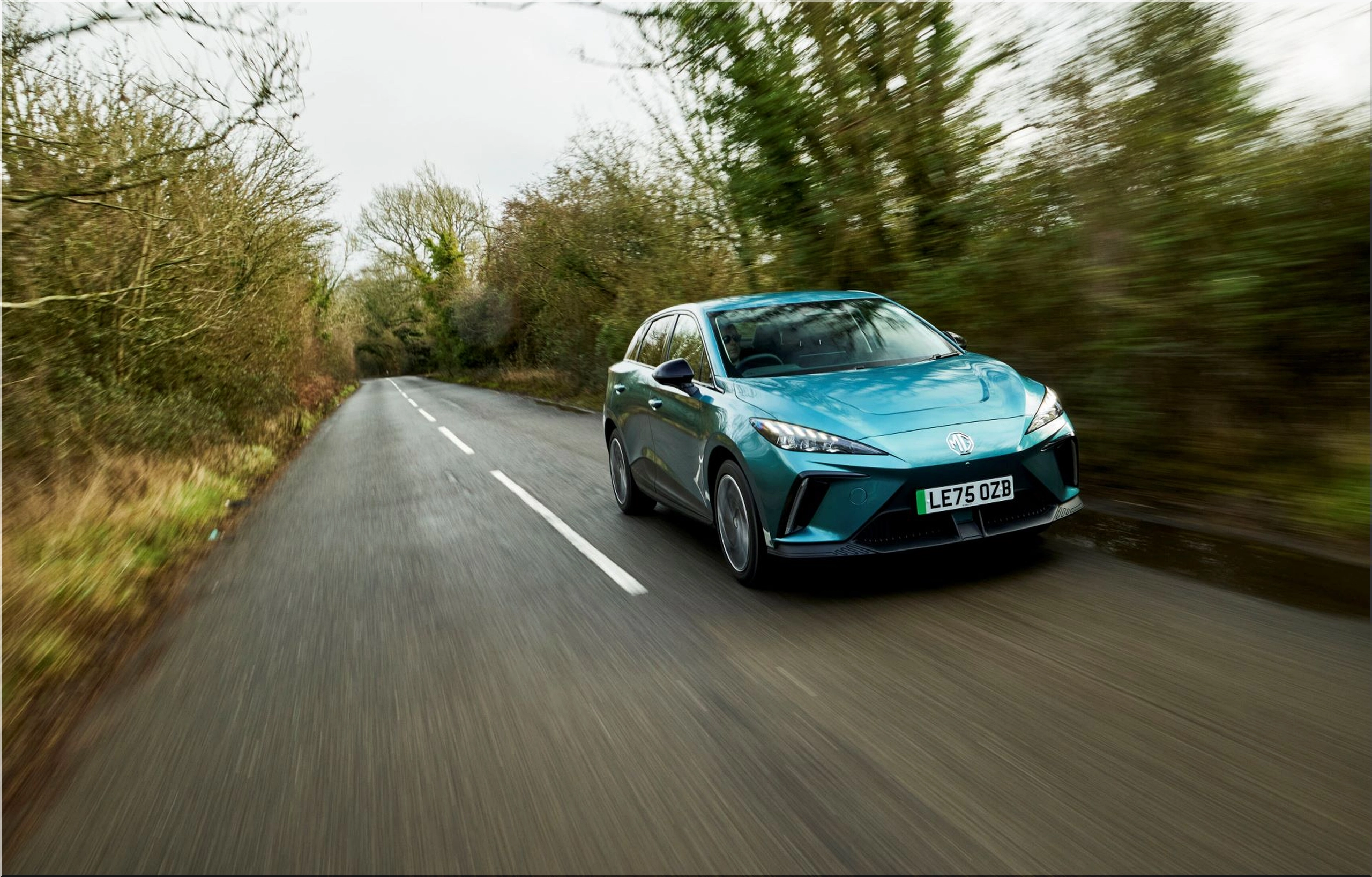
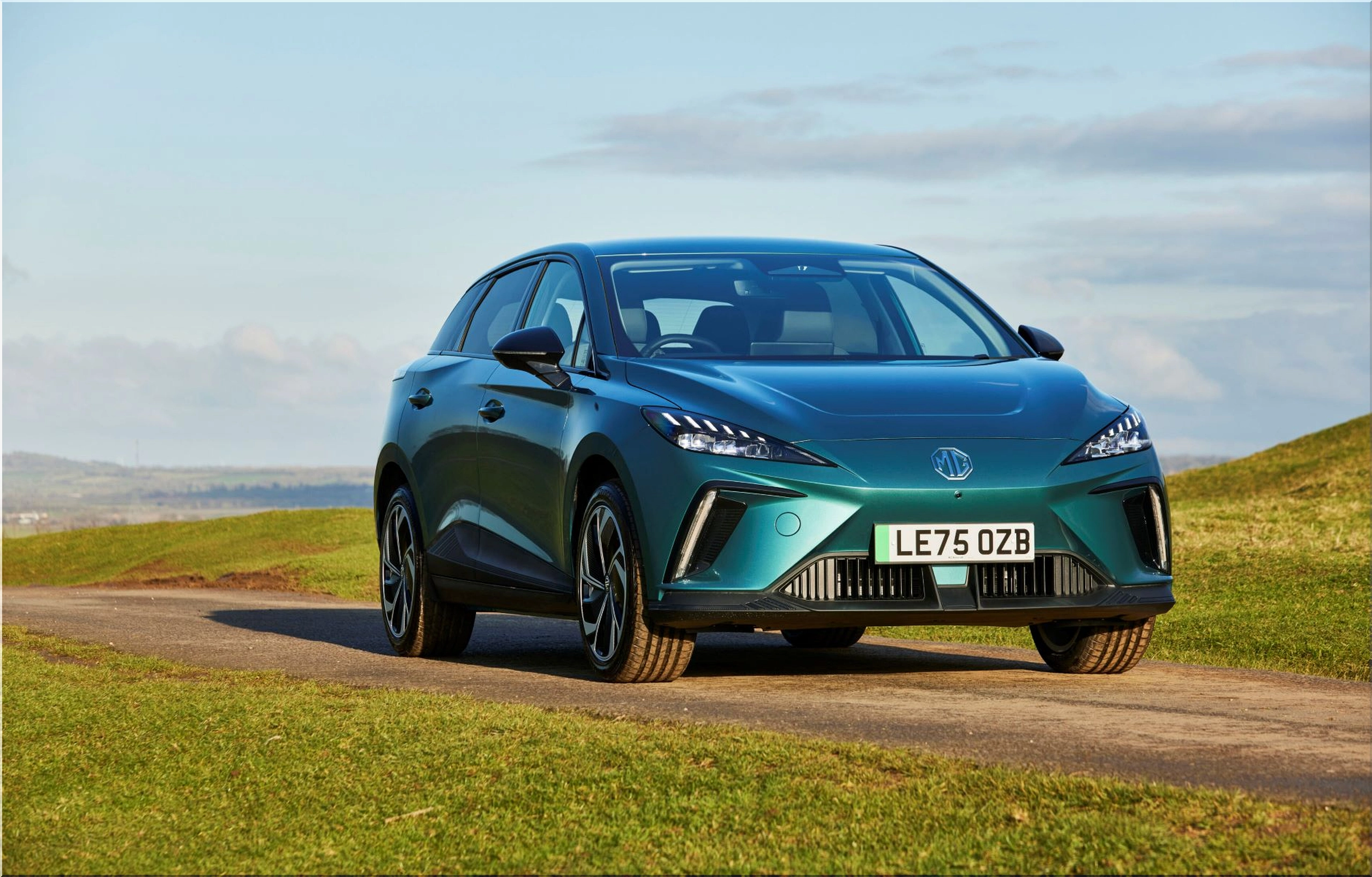
The MG4 EV represents a fundamental pivot in SAIC Motor's global product strategy. By moving away from repurposed internal combustion engine (ICE) architectures to a dedicated modular electric framework, MG has established a dominant position in the C-segment electric hatchback market. The 2026 model year update, known as MY26, introduces a bifurcated engineering strategy that separates the core performance variants from the new, cost-optimized MG4 EV Urban.
Image
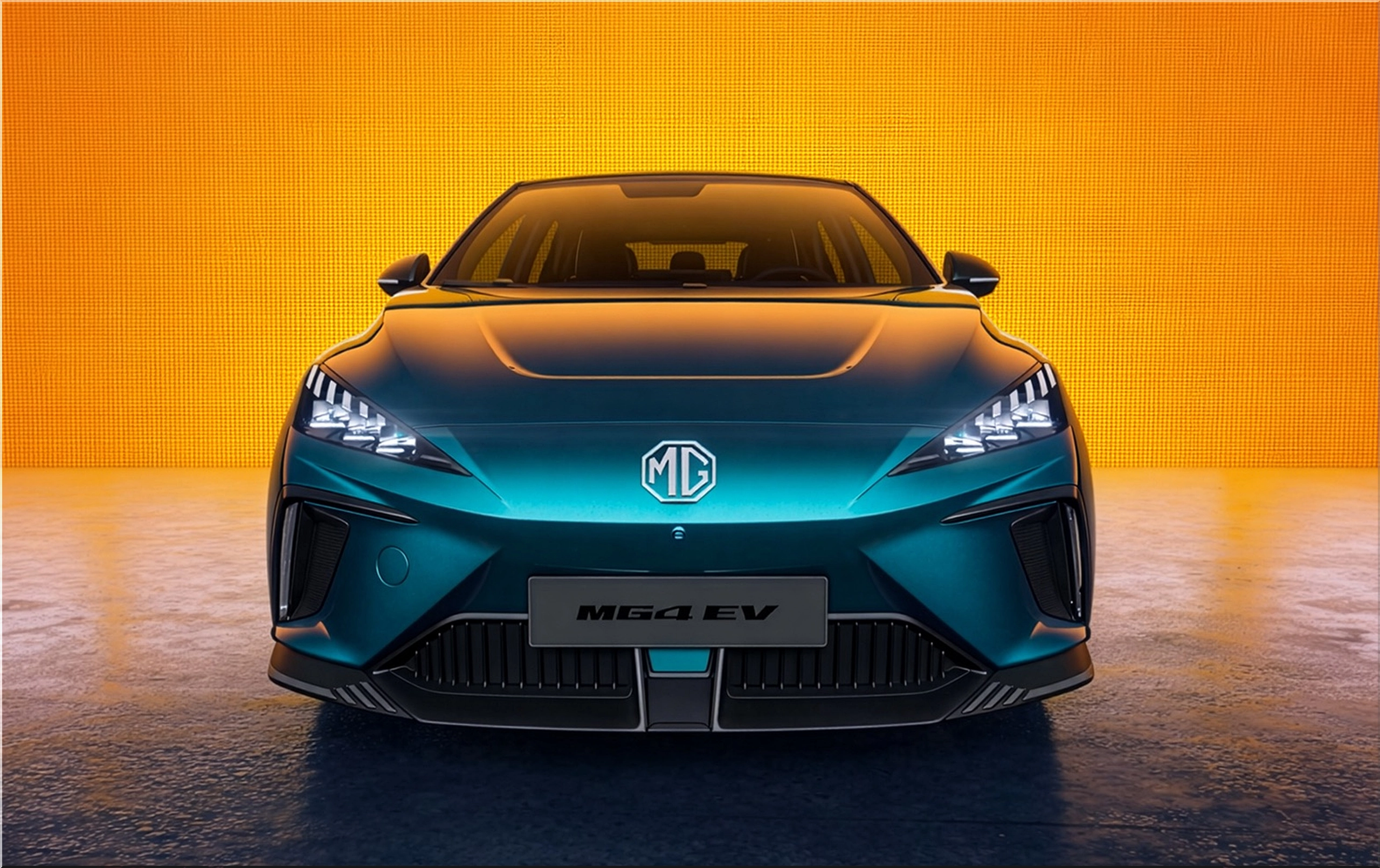
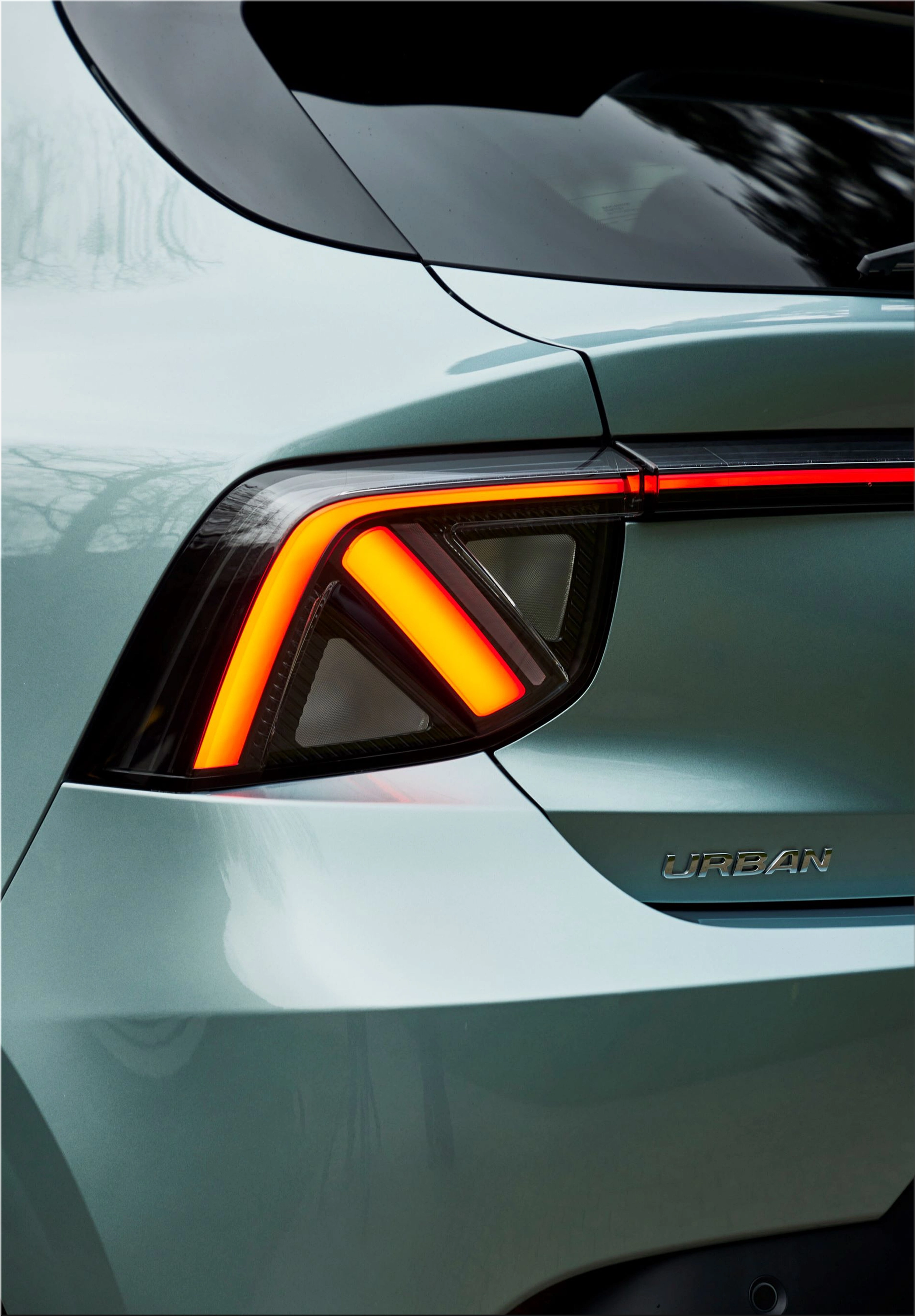
Specifically, the performance and long-range variants continue to utilize the Modular Scalable Platform (MSP), while the Urban model debuts the E3 Platform. The E3 is a front-wheel-drive architecture designed for maximum volumetric efficiency and reduced production costs.
Engineering Architecture: MSP and E3 Platform Rationale
SAIC Motor developed the Modular Scalable Platform (MSP) as a purpose-built electric architecture to underpin the next generation of MG vehicles. The MSP features a rear-motor, rear-wheel-drive (RWD) layout as its base configuration. This allows for a perfect 50:50 weight distribution and a low center of gravity of just 19.3 inches (490 mm). This balanced weight distribution prevents nose-heavy handling characteristics, providing a neutral chassis response during cornering.
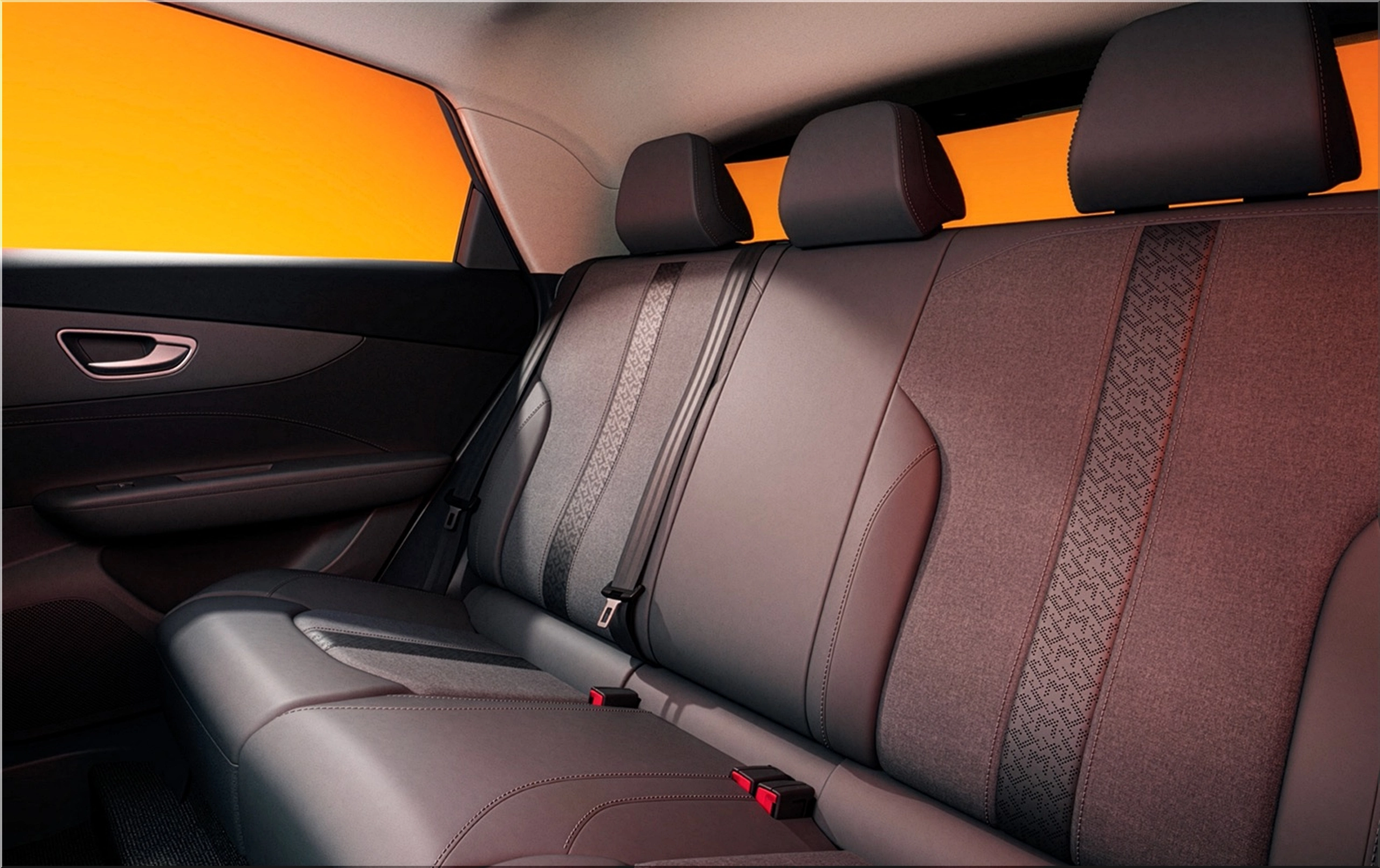
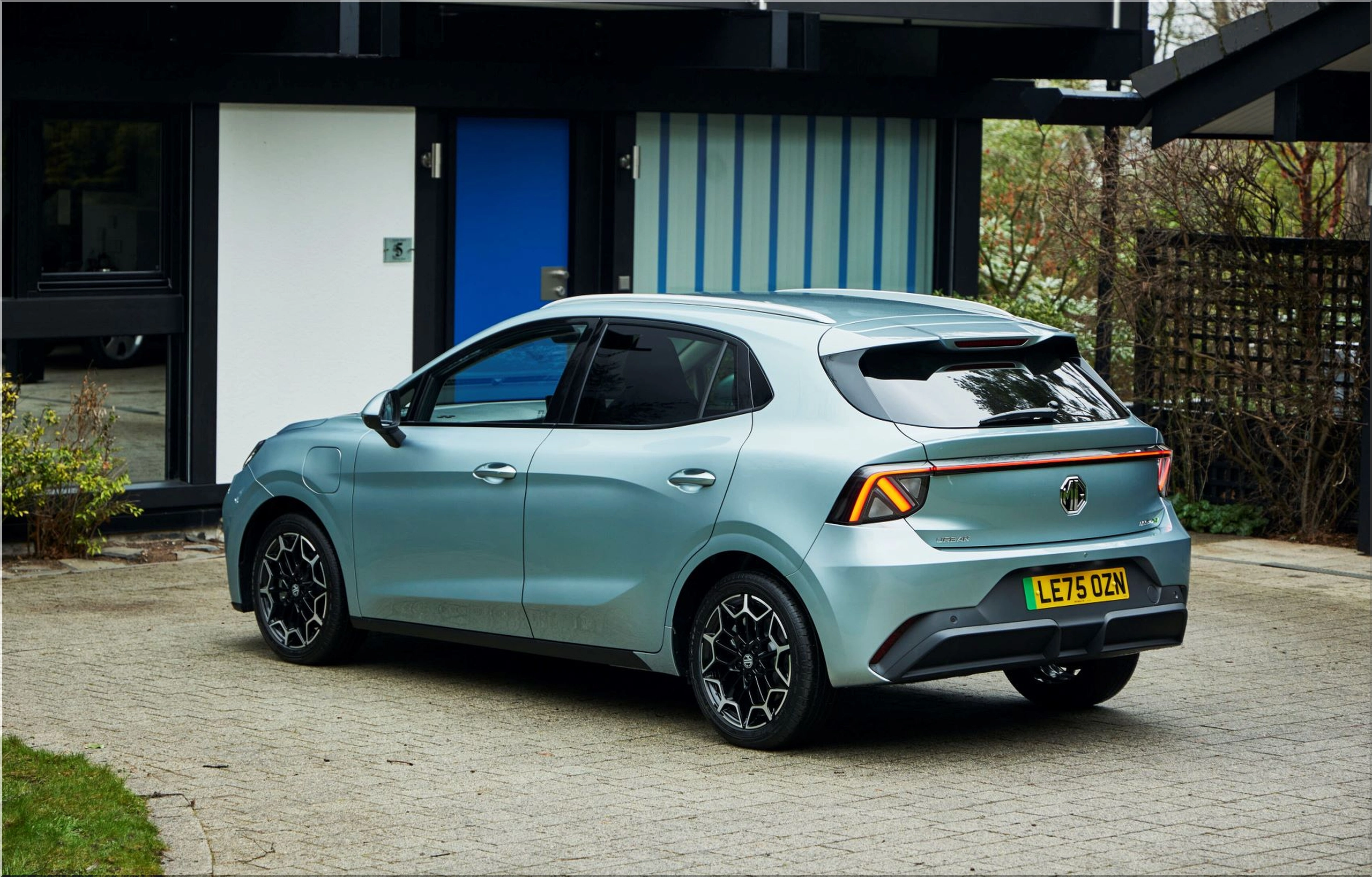
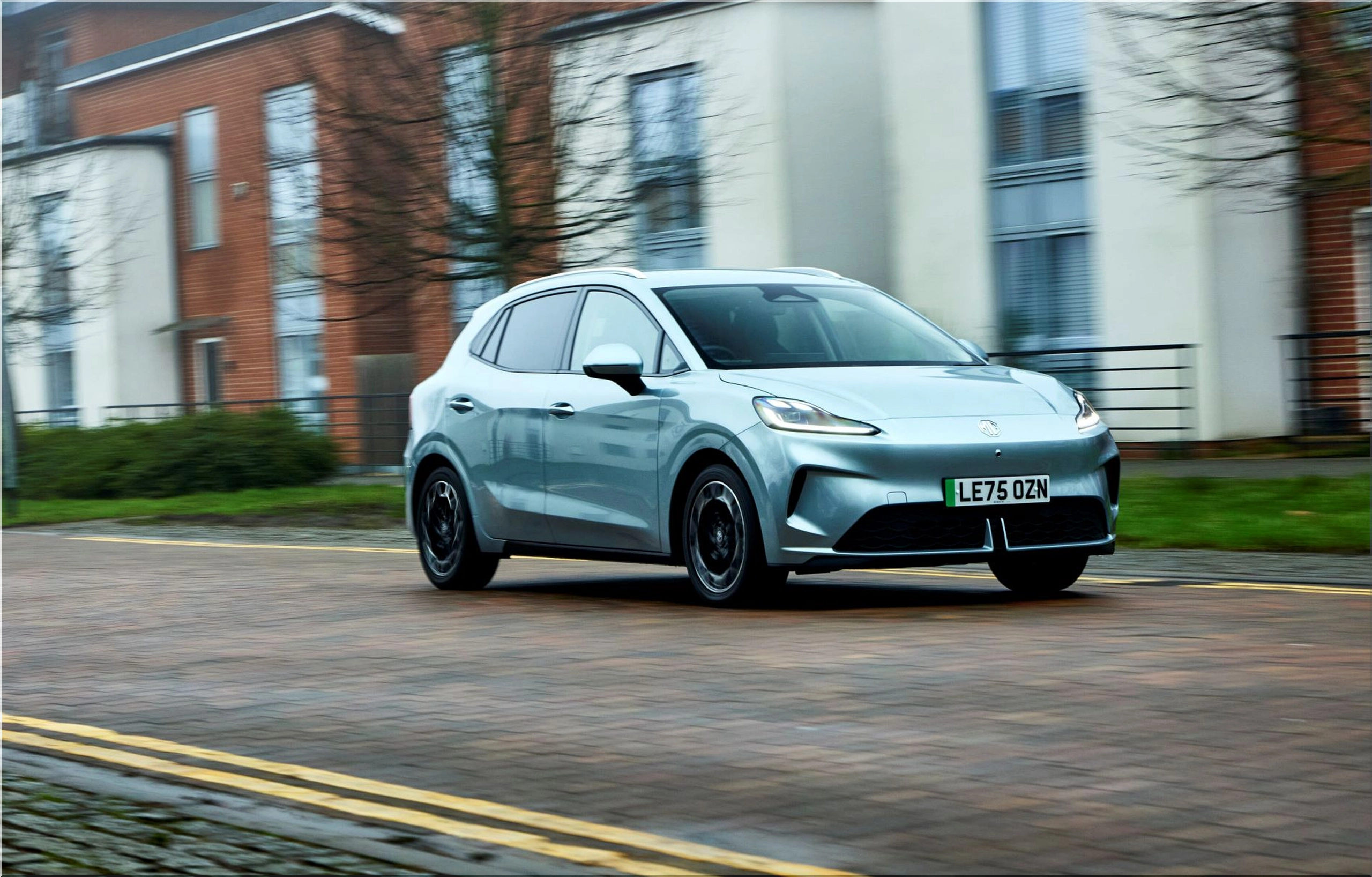
By comparison, the MG4 EV Urban utilizes the E3 Platform, shifting the motor to the front axle. The transition to a front-wheel-drive (FWD) layout for the Urban model prioritizes packaging efficiency and urban maneuverability. The E3 platform allows the Urban model to achieve a total length of 173.0 inches (4,395 mm), which is 4.3 inches longer than the standard RWD variants. This additional length translates directly into class-leading interior space and increased luggage capacity.
Image
Technical Specifications: MSP vs. E3 Platform Comparison
| Metric | MSP Platform (Standard/Premium/XPOWER) | E3 Platform (MG4 EV Urban) |
|---|---|---|
| Drive Layout | Rear-Wheel Drive (RWD) / AWD | Front-Wheel Drive (FWD) |
| Wheelbase | 106.5 inches (2,705 mm) | 108.3 inches (2,750 mm) |
| Overall Length | 168.8 inches (4,287 mm) | 173.0 inches (4,395 mm) |
| Overall Width | 72.3 inches (1,836 mm) | 72.5 inches (1,842 mm) |
| Turning Circle | 34.8 feet (10.6 m) | 34.1 feet (10.4 m) |
| Rear Suspension | Five-Link Independent | Torsion Beam |
The E3 platform uses a cell-to-body battery integration method, where the battery pack forms a structural component of the chassis. This reduces the overall weight of the Urban model by approximately 331 pounds (150 kg) compared to older structures, raising efficiency and improving suspension response in city environments.
Battery Engineering: The One Pack Philosophy and LFP Chemistry
A pivotal technical feature of the MG4 EV is the One Pack battery system. SAIC engineers developed a horizontal cell arrangement that achieves a minimum pack height of just 4.3 inches (110 mm). This thin architecture allows the vehicle to maintain a sleek profile without compromising passenger headroom. In addition, the One Pack system uses a cell-to-pack (CTP) design that eliminates bulky internal modules, increasing space utilization within the battery housing.
Video gallery
Video title
MG4 EV 2026
Battery Variants and Performance Metrics
The MY26 range employs three distinct battery chemistries to balance cost, weight, and energy density across the lineup. The Urban and Premium Long Range models increasingly rely on Lithium Iron Phosphate (LFP) technology. LFP cells offer a higher cycle life and greater thermal stability compared to Nickel Cobalt Manganese (NMC) alternatives, making them ideal for vehicles subjected to frequent rapid charging.
| Variant | Battery Chemistry | Capacity (Usable) | WLTP Range | Peak DC Charge Rate |
|---|---|---|---|---|
| Urban Standard Range | LFP | 43 kWh | 201 miles | 150 kW |
| Urban Long Range | LFP | 54 kWh | 251 miles | 150 kW |
| Premium Long Range | LFP | 62 kWh | 280 miles | 154 kW |
| Premium Extended Range | NMC | 74 kWh | 338 miles | 140 kW |
| XPOWER | NMC | 62 kWh | 239 miles | 140 kW |
The 62kWh LFP pack supports a peak charging speed of 154 kW, allowing the battery to replenish from 10% to 80% in approximately 25 minutes. By comparison, the 74kWh Extended Range model uses NMC chemistry to achieve a 338-mile WLTP range without adding excessive bulk to the chassis.
Performance Engineering: Hairpin Motors and Drivetrain Logic
The propulsion systems in the MG4 EV range utilize permanent magnet synchronous motors (PMSM) that incorporate 8-layer hairpin technology. Hairpin winding uses rectangular copper bars instead of traditional round wire, increasing the copper fill factor in the motor stator. This design raises power density and improves thermal dissipation, allowing for sustained high-speed performance.
Torque Curves and Acceleration Profiles
The drivetrain outputs vary significantly across the range. The MY26 Premium Long Range delivers 140 kW (188 hp) and 184 lb-ft of torque to the rear wheels, facilitating a 0-62 mph time of 7.5 seconds. The Premium Extended Range increases output to 180 kW (241 hp) and 258 lb-ft, sharpening the 0-62 mph sprint to 6.2 seconds.
Image
For the MG4 EV XPOWER, SAIC engineers implemented a dual-motor, all-wheel-drive configuration. The combined system output reaches 320 kW (429 hp) and 443 lb-ft (600 Nm) of torque, enabling a supercar-rivaling 0-62 mph time of just 3.8 seconds.
Performance Data by Model Variant
| Model | Peak Power | Peak Torque | 0-62 mph | Top Speed |
|---|---|---|---|---|
| Urban Long Range | 158 hp | 184 lb-ft | 9.5s | 99 mph |
| Premium Long Range | 188 hp | 184 lb-ft | 7.5s | 112 mph |
| Extended Range | 241 hp | 258 lb-ft | 6.2s | 112 mph |
| XPOWER | 429 hp | 443 lb-ft | 3.8s | 124 mph |

Chassis Dynamics and Brake Systems
The MG4 EV utilizes a sophisticated suspension architecture. RWD variants employ a MacPherson strut front suspension and a five-link independent rear suspension. The five-link setup is pivotal for managing high instant torque, as it provides precise control over wheel camber and toe during hard acceleration.
Braking Performance and Regeneration
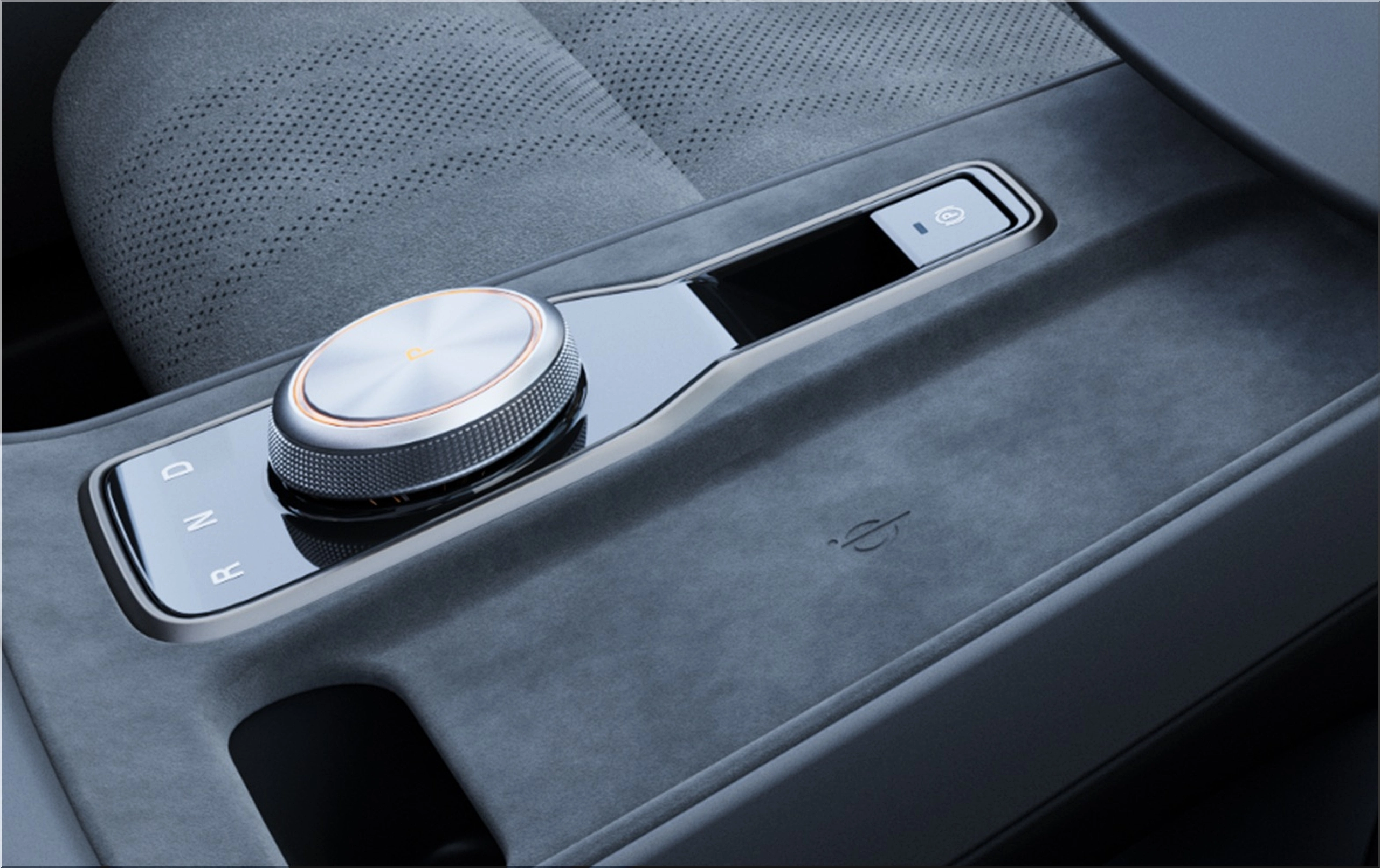
The MG4 EV XPOWER features significant braking upgrades, including 13.6-inch ventilated front discs and 13.4-inch ventilated rear discs paired with Continental brake calipers. These components allow the XPOWER to decelerate from 62 mph to 0 in just 111.2 feet. The vehicle also features four regenerative braking modes, including a One Pedal Driving mode that recovers energy with high efficiency.
Image
Interior Technology and the MG Pilot Suite
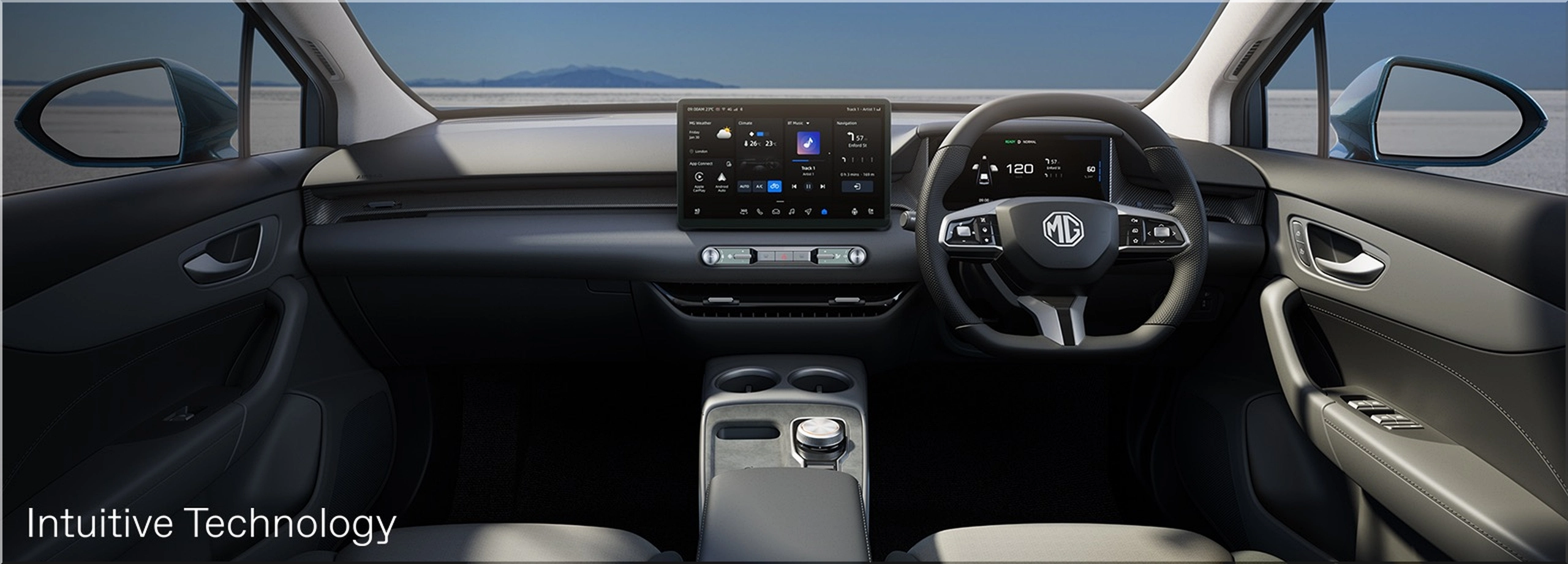
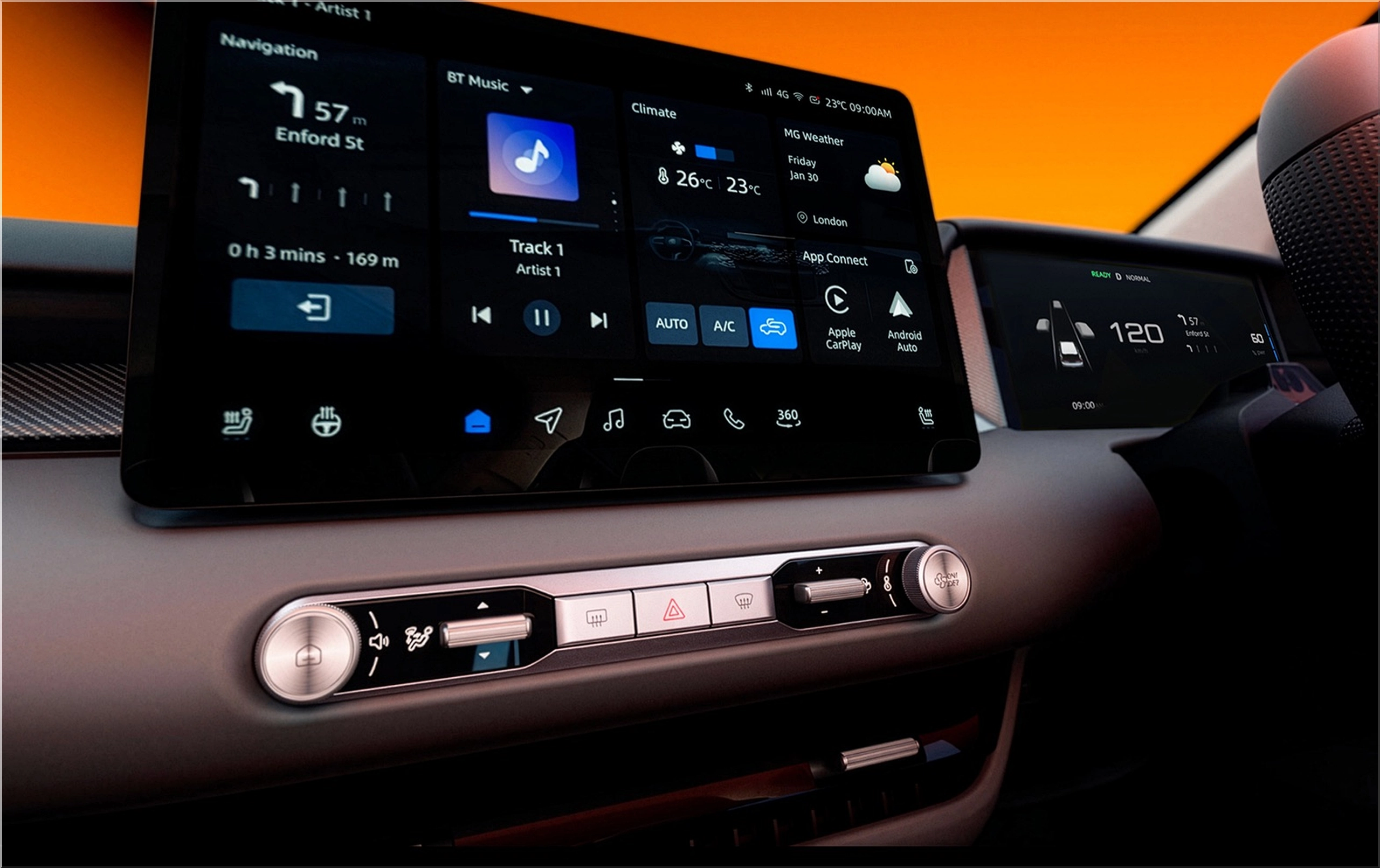
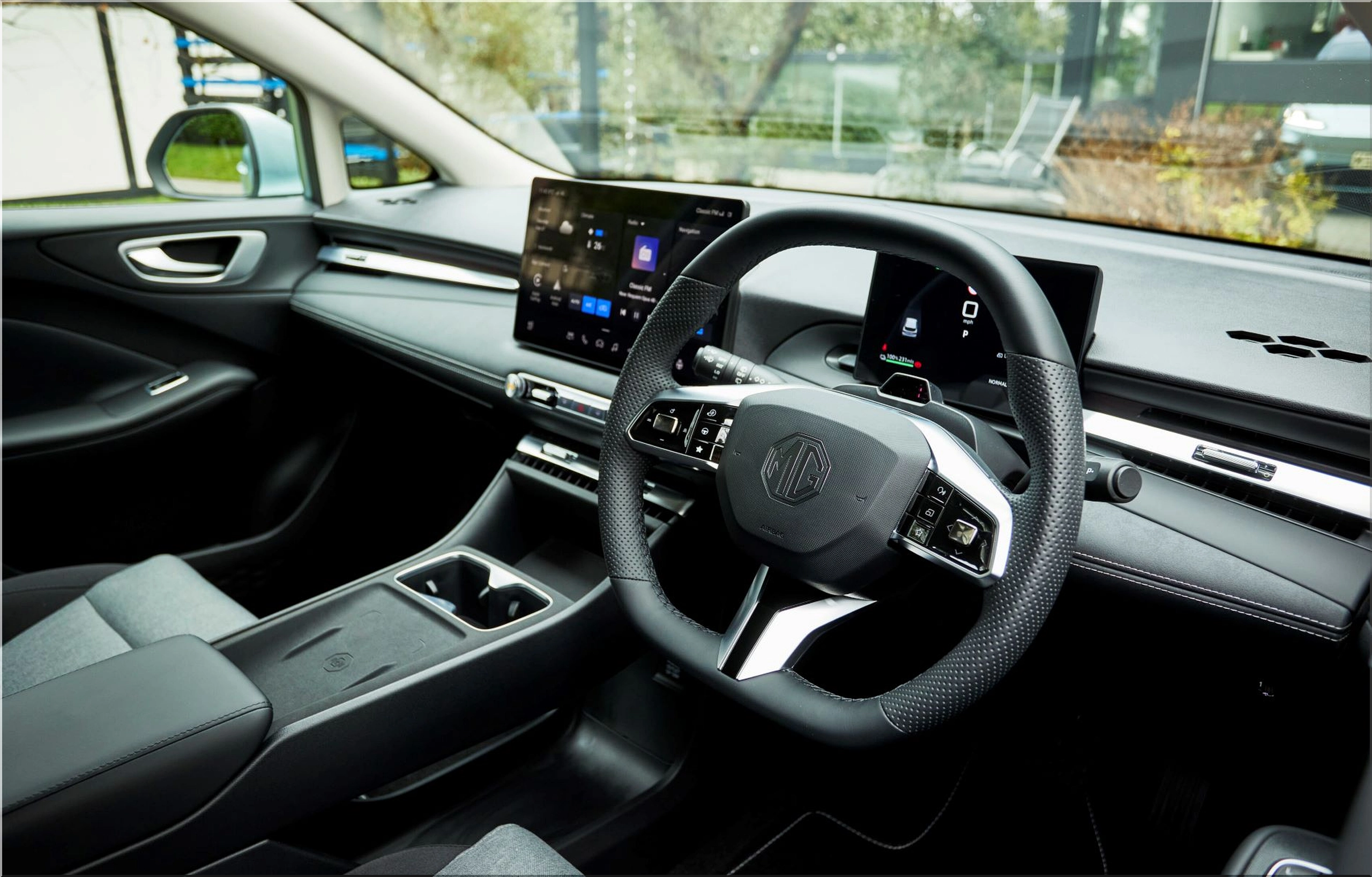
The MY26 facelift introduces a substantial upgrade to the cabin's human-machine interface. The primary focal point is a new 12.8-inch HD touchscreen powered by a Qualcomm Snapdragon 8155 processor. This provides the computational power required for high-resolution graphics and fluid menu transitions.
Video gallery
Video title
MG4 EV 2026
Safety and Driver Assistance
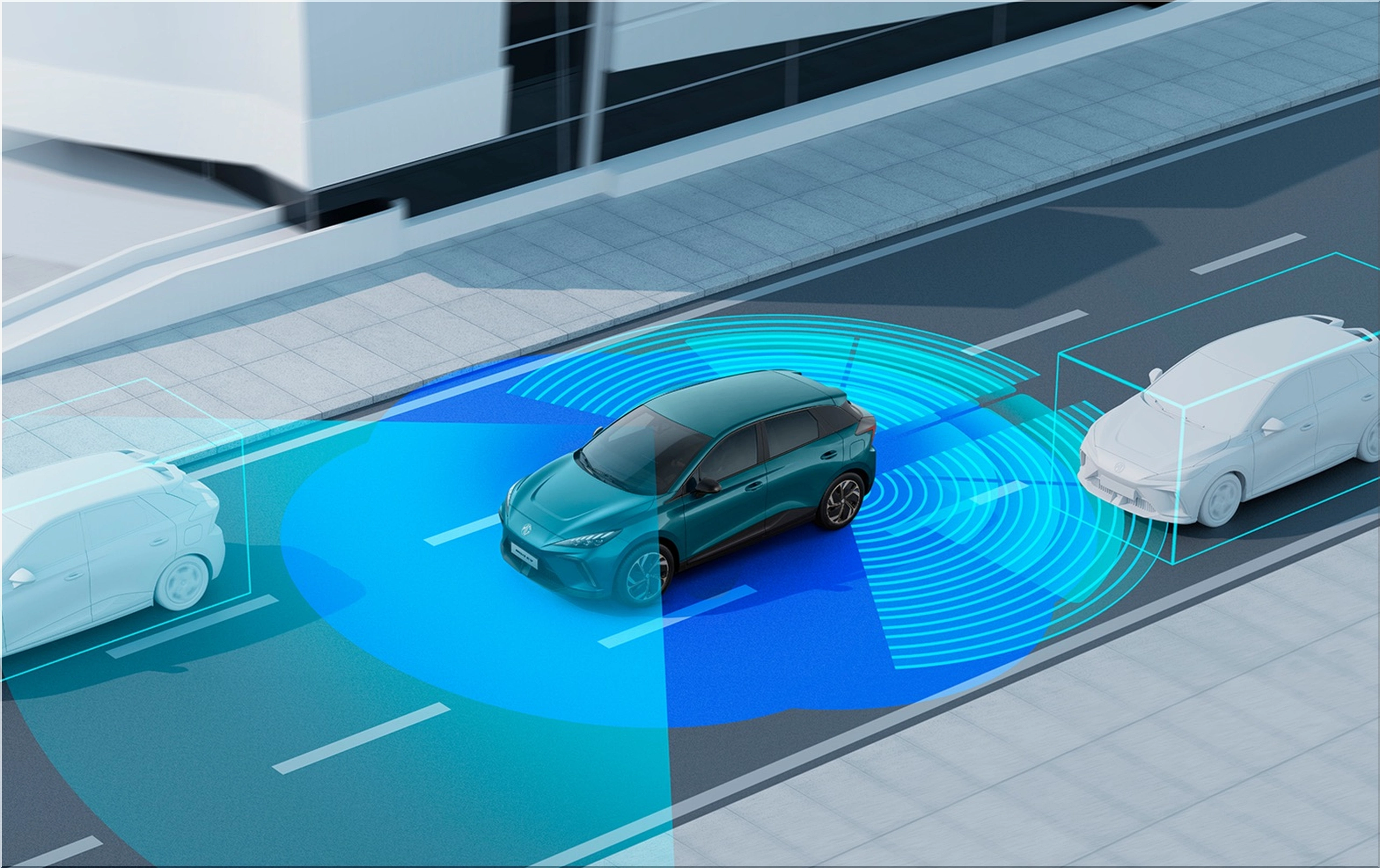
The MG4 EV maintains a five-star Euro NCAP safety rating. All models feature the MG Pilot suite, which provides 17 Advanced Driver Assistance Systems (ADAS). A key addition for the 2026 models is the MG Pilot Custom function, allowing drivers to save and recall their preferred safety settings easily.
- Active Emergency Braking (AEB): Detects potential collisions and applies brakes automatically.
- Adaptive Cruise Control (ACC): Manages speed to maintain safe following distances.
- 360-Degree Camera: Features a transparent chassis view to assist in tight parking.
- Traffic Jam Assist: Enables low-speed automated following in congested environments.
Competitive Landscape: MG4 EV vs. Market Rivals
The MG4 EV competes directly with the Volkswagen ID.3, Cupra Born, and Renault Megane E-Tech. The Urban model also challenges budget-focused EVs like the BYD Dolphin.
Competitive Matrix: C-Segment Electric Hatchbacks
| Feature | MG4 EV Premium Long Range | VW ID.3 Pro S | Renault Megane E-Tech |
|---|---|---|---|
| Battery (Usable) | 62 kWh | 79 kWh | 60 kWh |
| WLTP Range | 280 miles | 351 miles | 280 miles |
| Peak DC Charge | 154 kW | 185 kW | 130 kW |
| Drivetrain | Rear-Wheel Drive | Rear-Wheel Drive | Front-Wheel Drive |
| 0-62 mph | 7.5 seconds | 7.1 seconds | 7.4 seconds |
The MG4's primary win metric is its value proposition. It offers performance and range comparable to premium European rivals for a list price that is significantly lower. For business users, the MG4 EV remains a top choice due to its low Benefit-in-Kind (BIK) tax rates.
Future Outlook: Semi-Solid State Battery Technology
Looking toward 2027, MG is debuting the world's first mass-produced semi-solid state battery (SSB). This technology reduces liquid electrolyte content to just 5%, offering superior thermal safety and energy density. These batteries pass the "zero-fire" needle penetration test and retain over 80% of their energy in temperatures as low as -22°F (-30°C).
Image gallery:

Conclusion
The MG4 EV has evolved into a sophisticated technical leader. The MG4 EV Urban provides class-leading boot space (16.9 cu ft) and a standard heat pump, making it a pragmatic entry-level choice. Meanwhile, the XPOWER and Extended Range variants leverage the MSP architecture to offer performance that rivals premium German hatchbacks. With a 7-year/80,000-mile warranty, the MG4 EV remains the benchmark for modern electric vehicle ownership.
- Add new comment
- 852 views