ES90
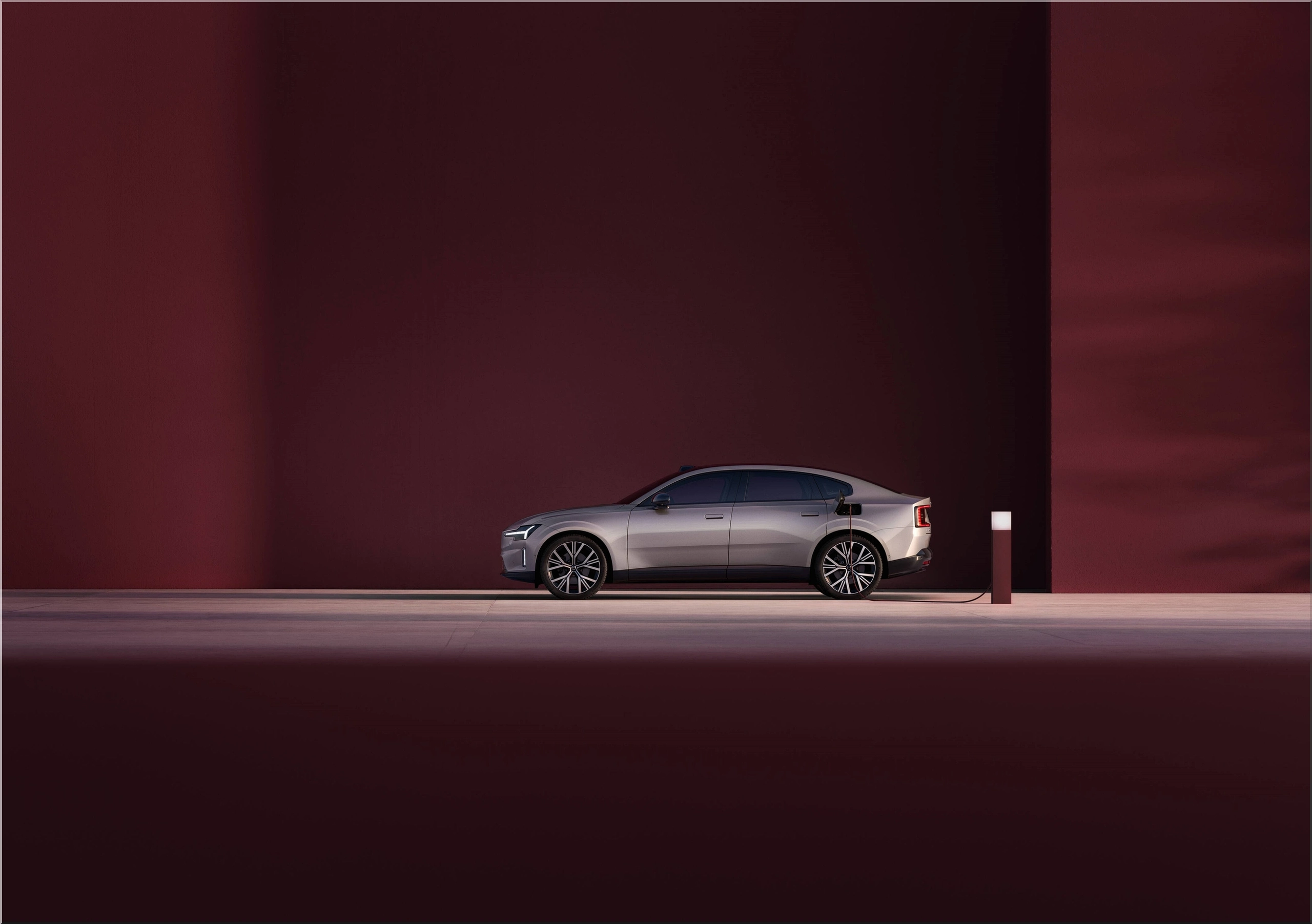
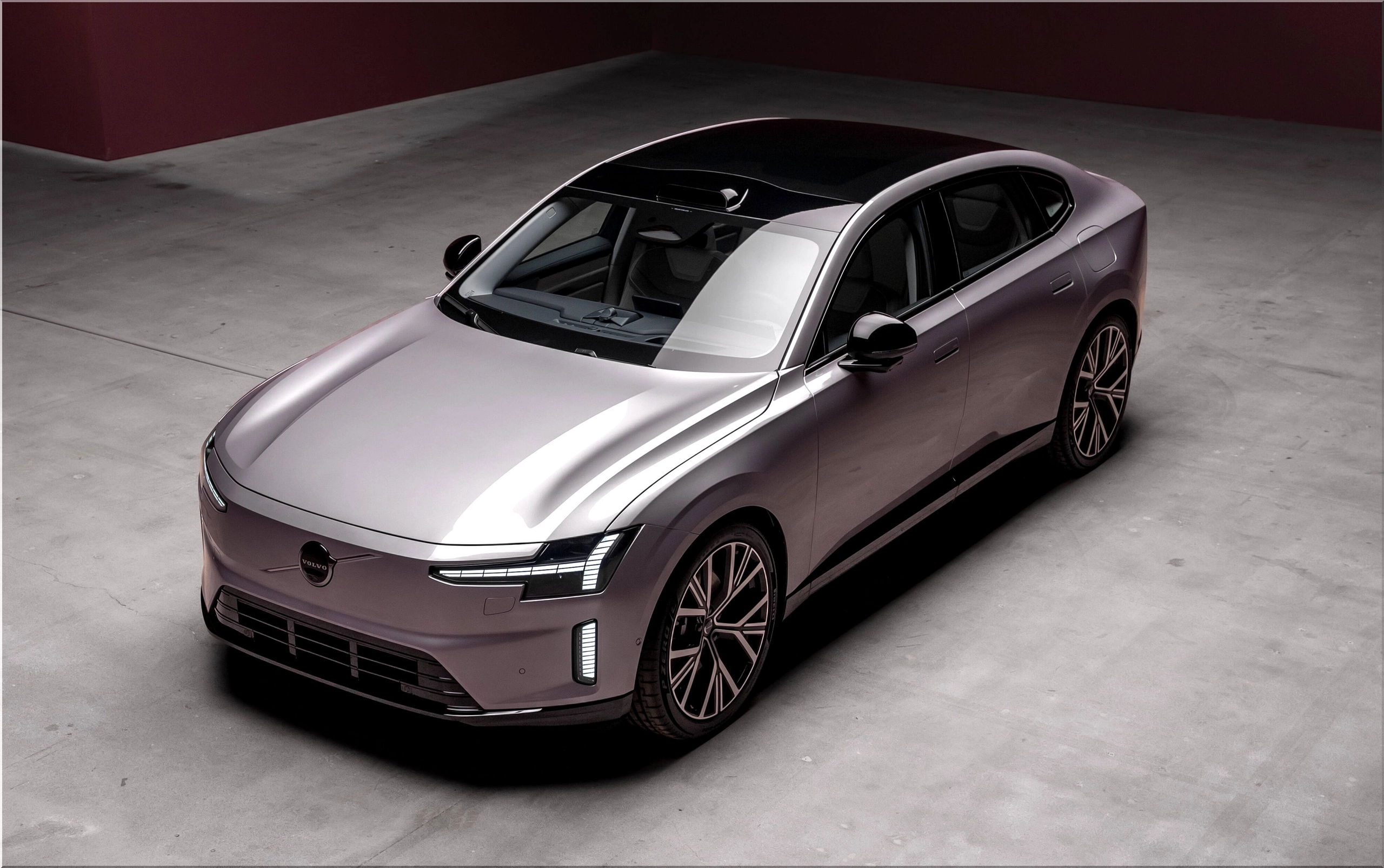
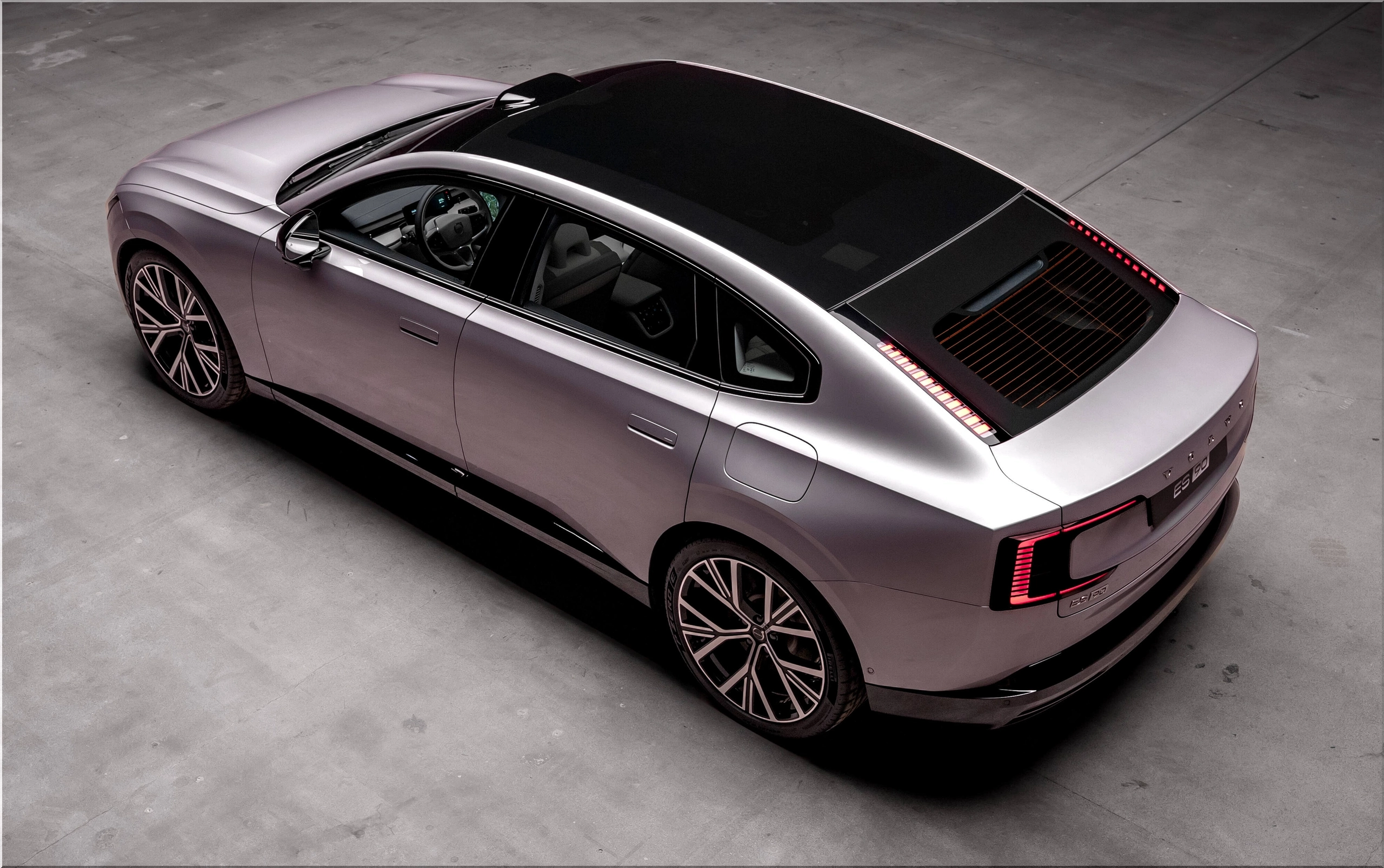
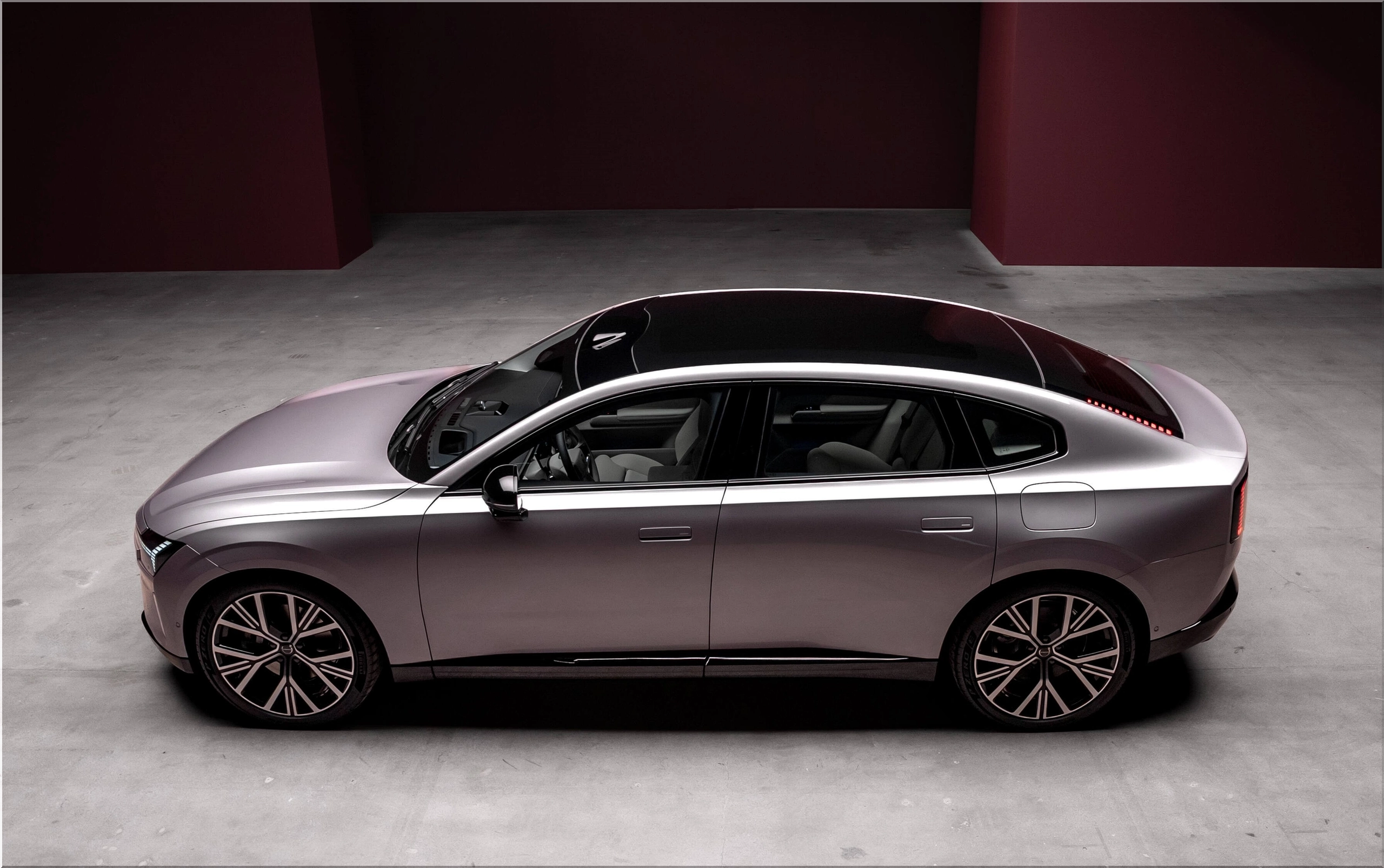
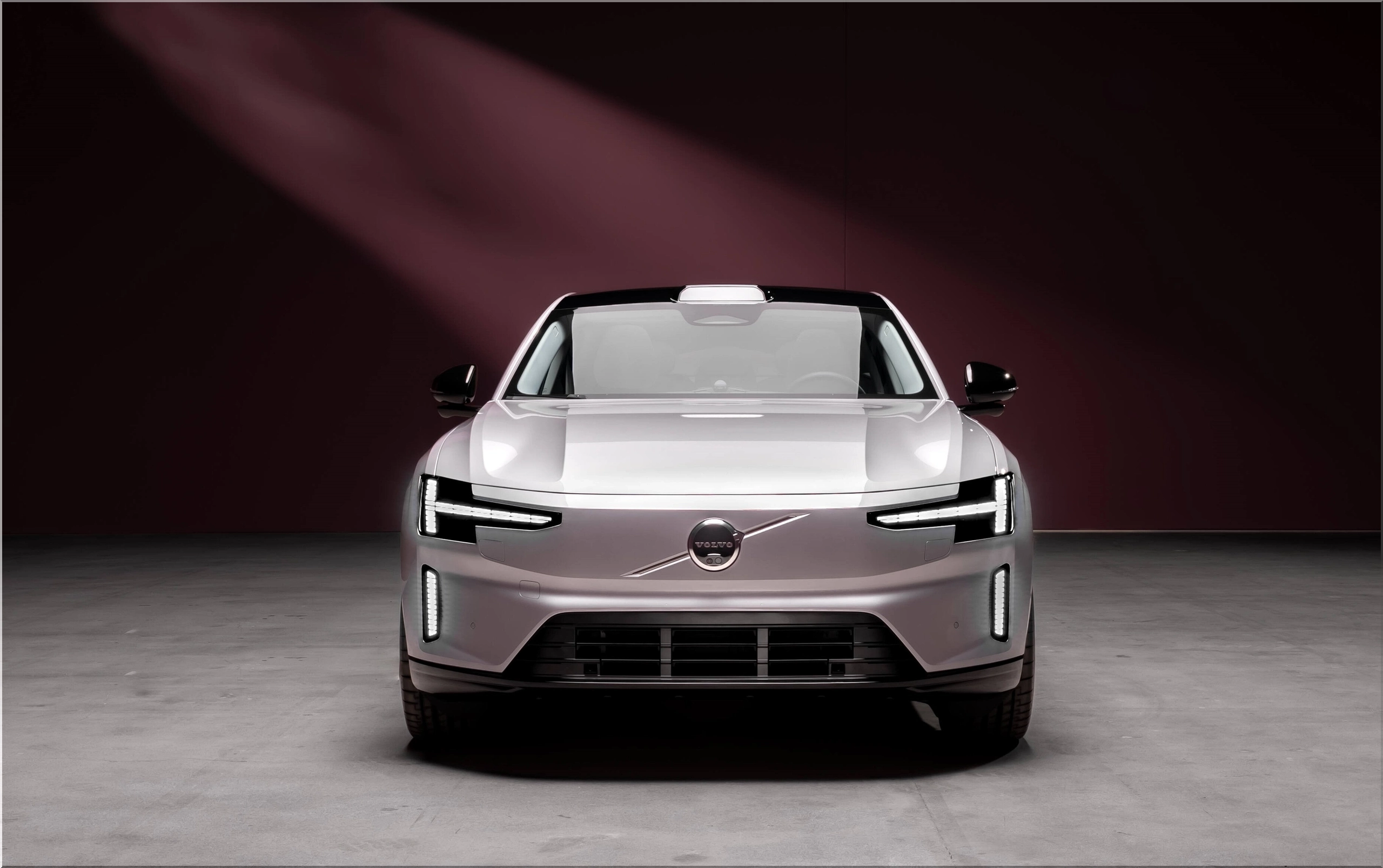
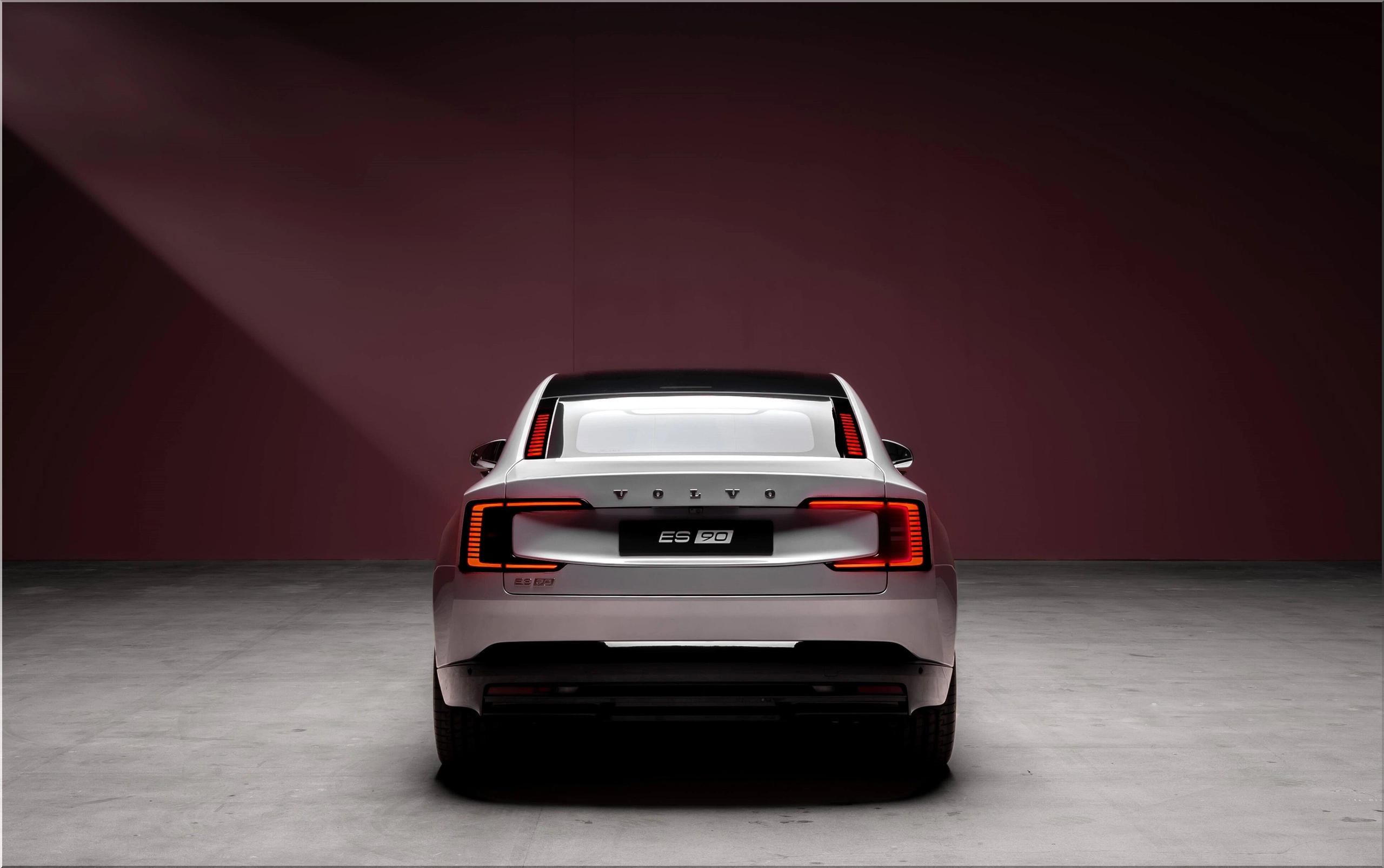
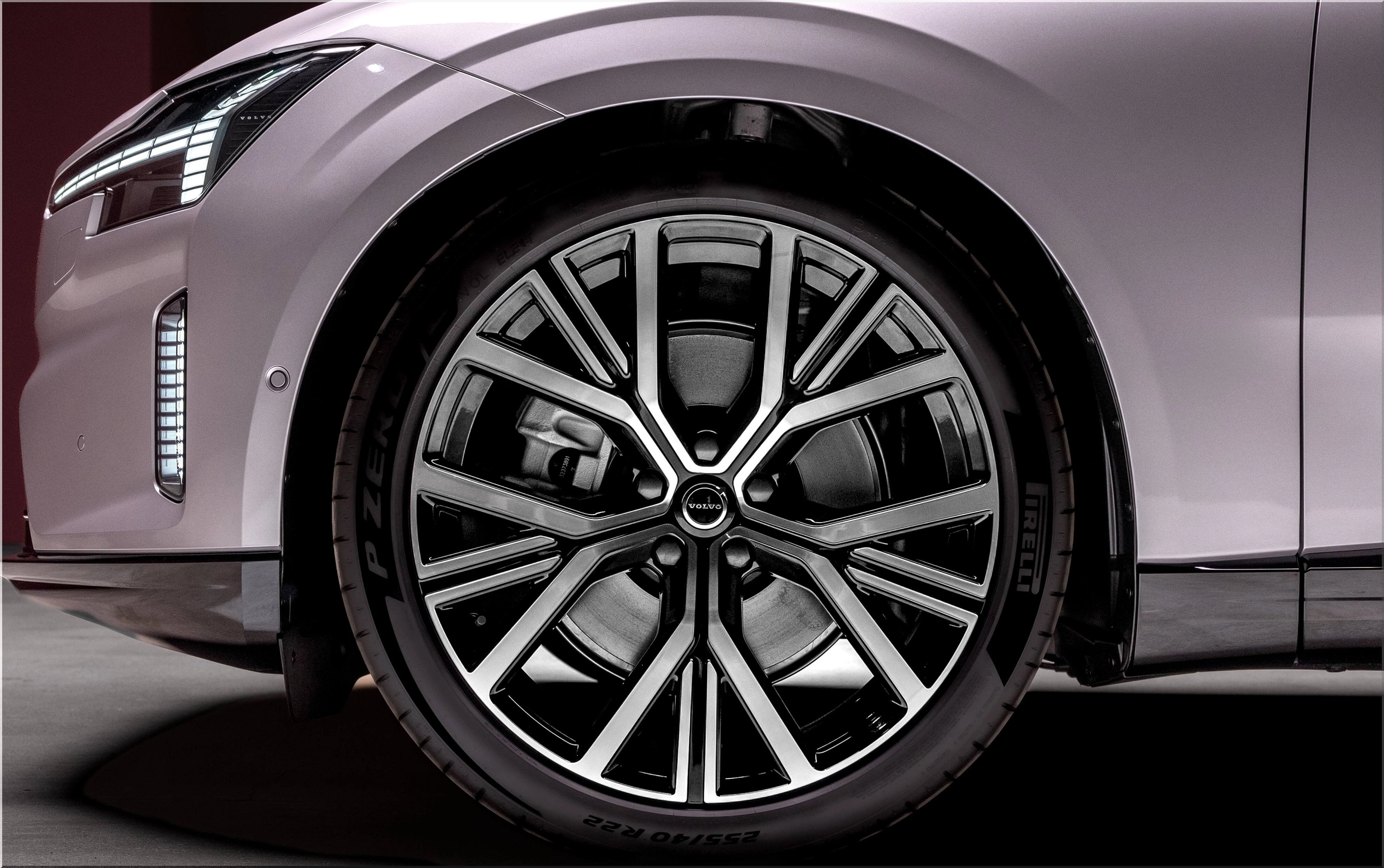
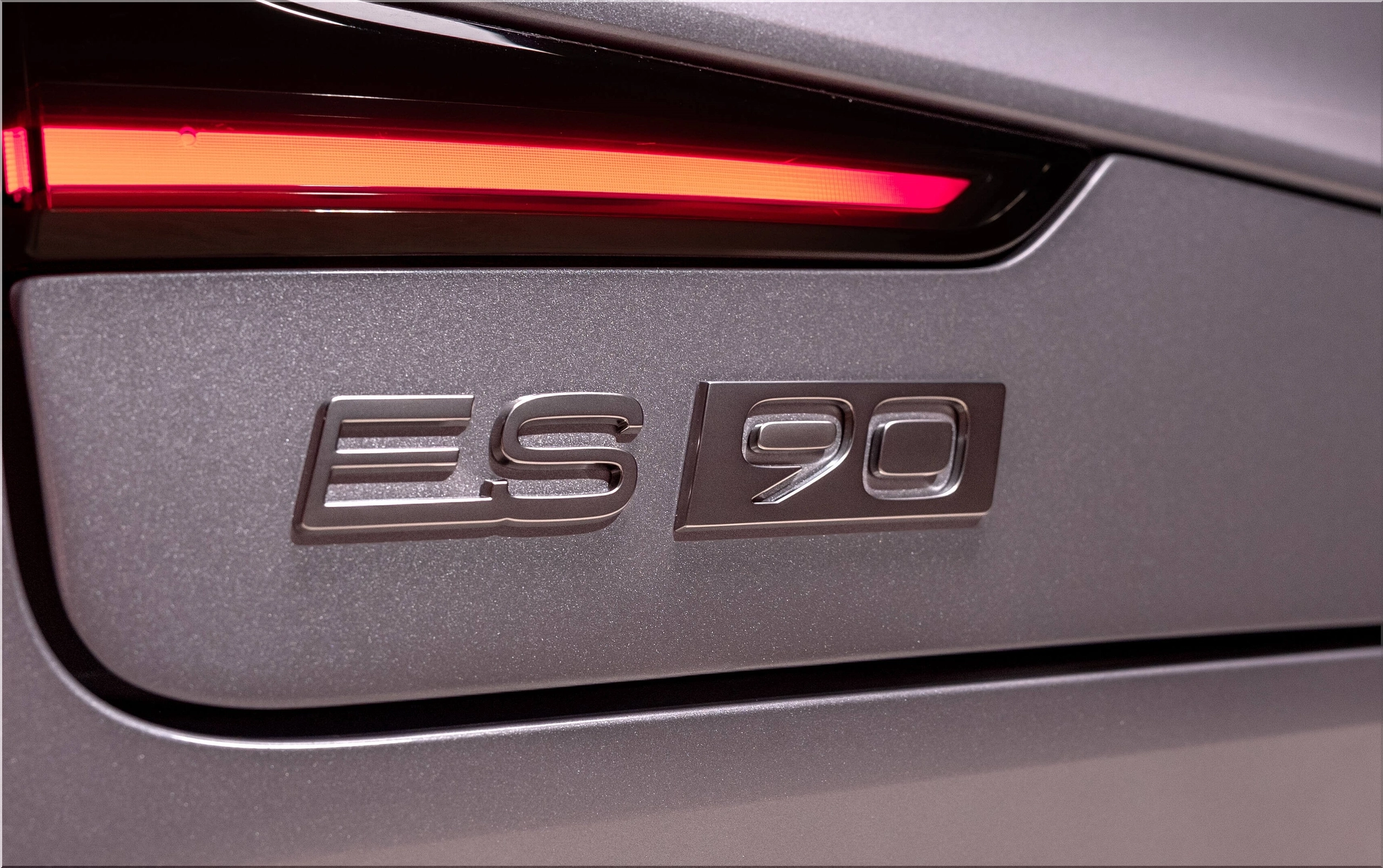
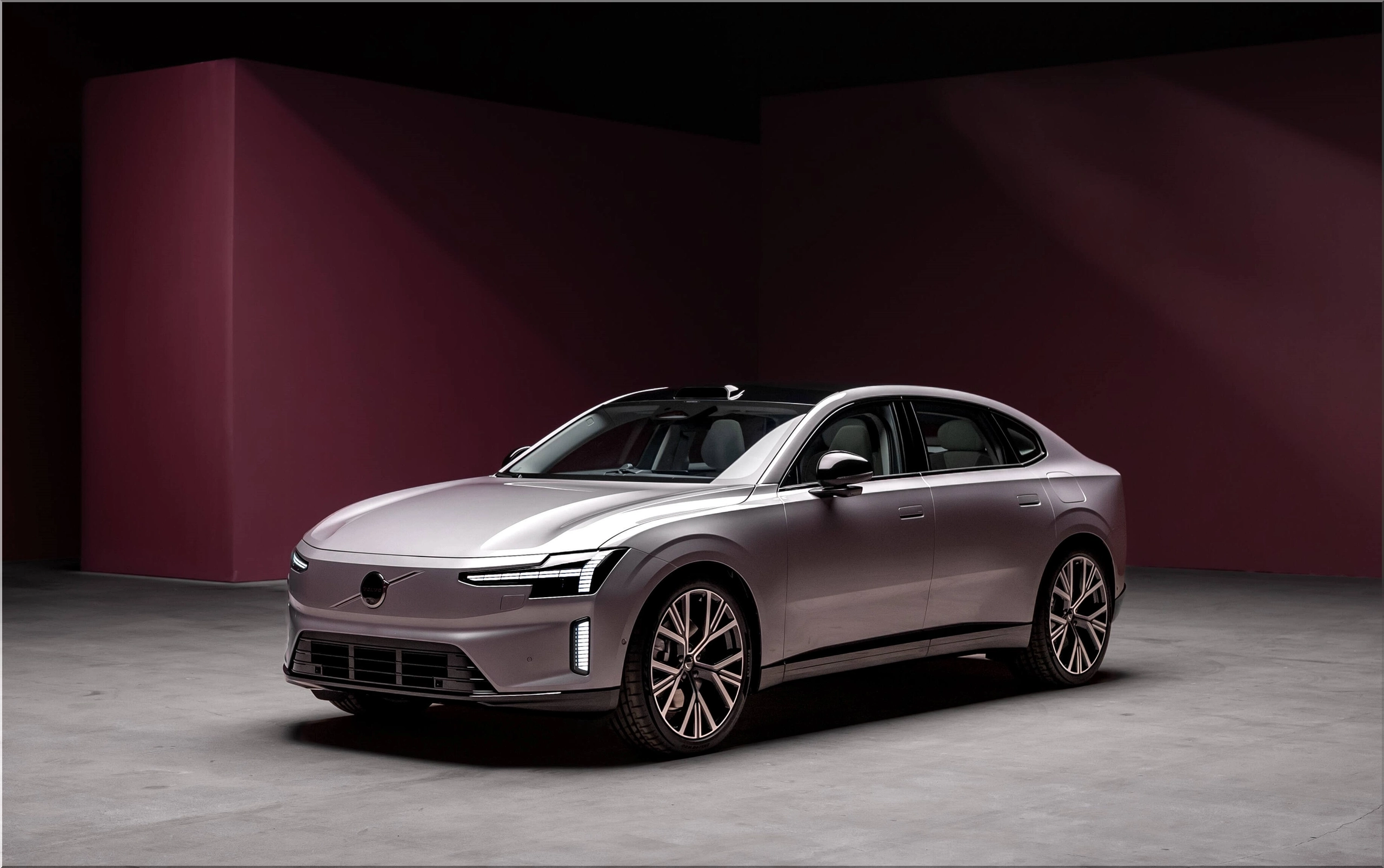
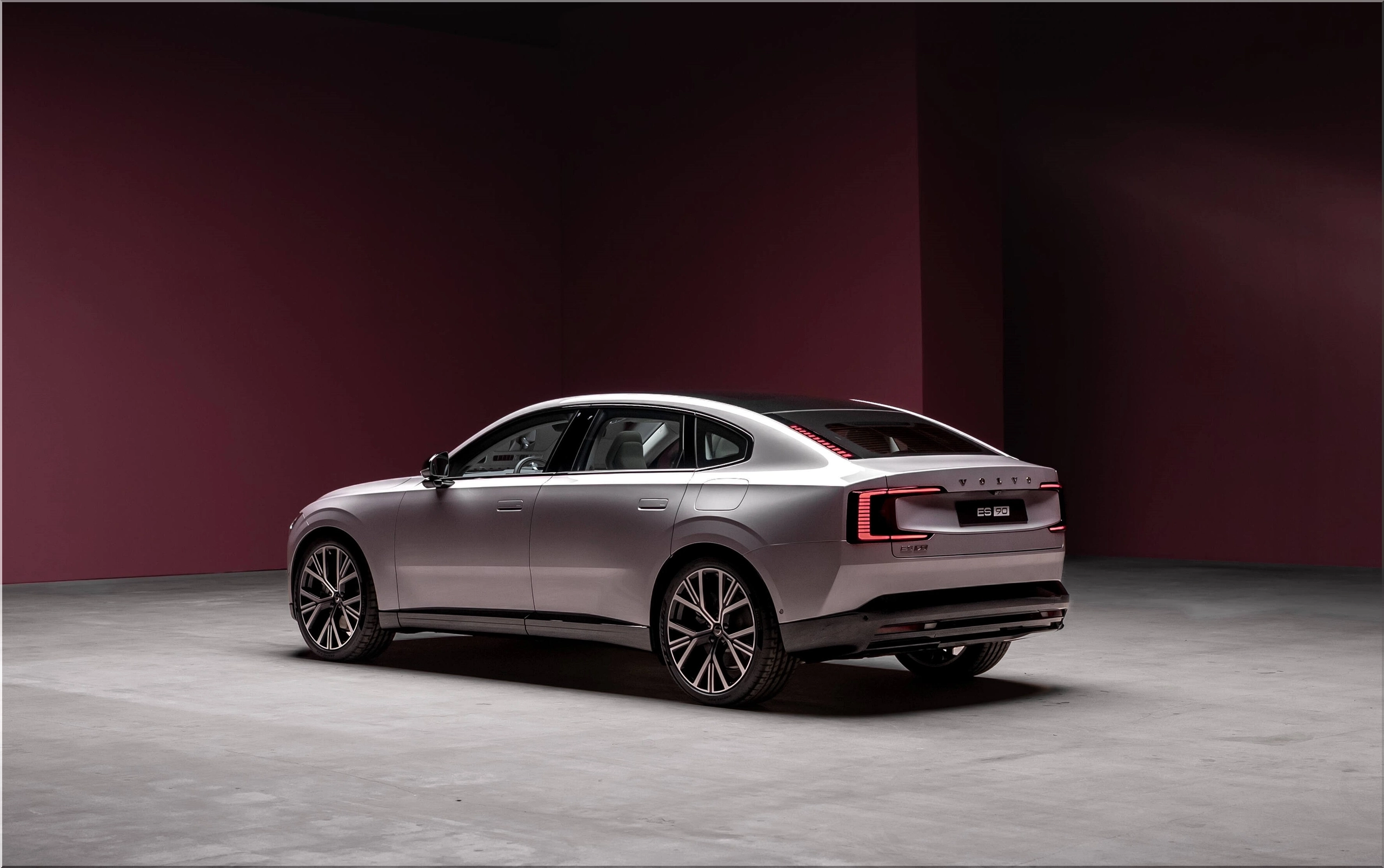
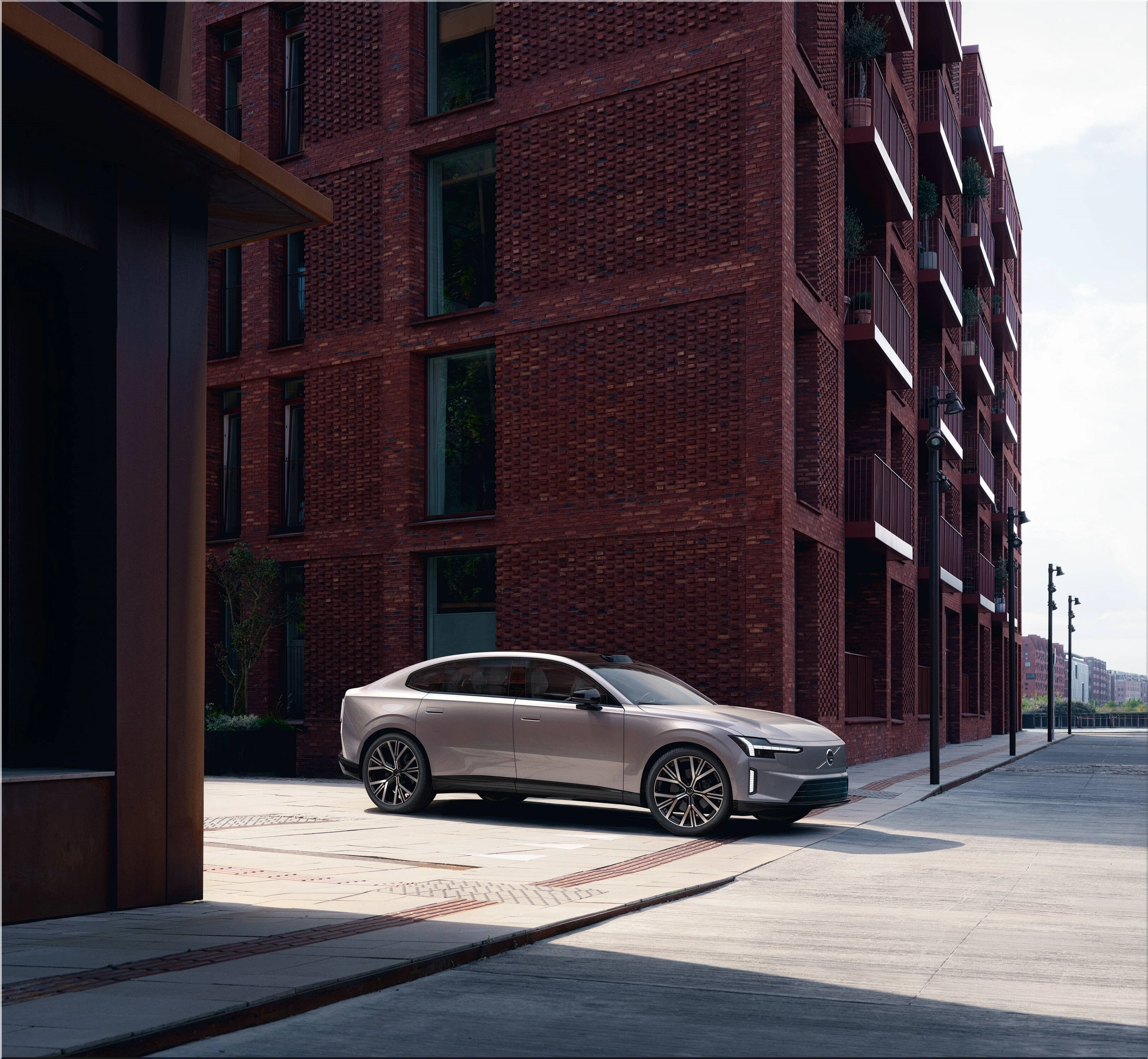
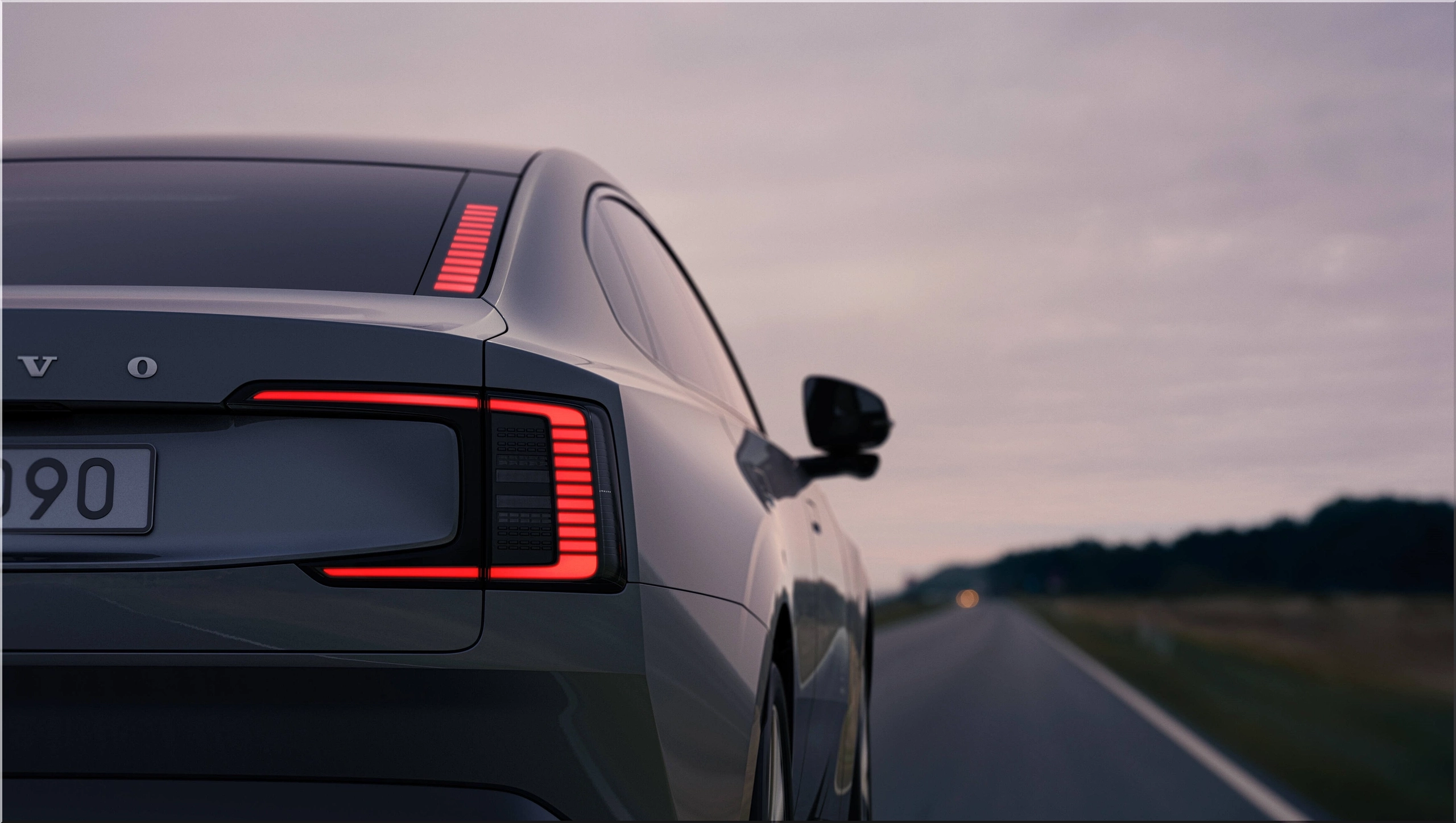
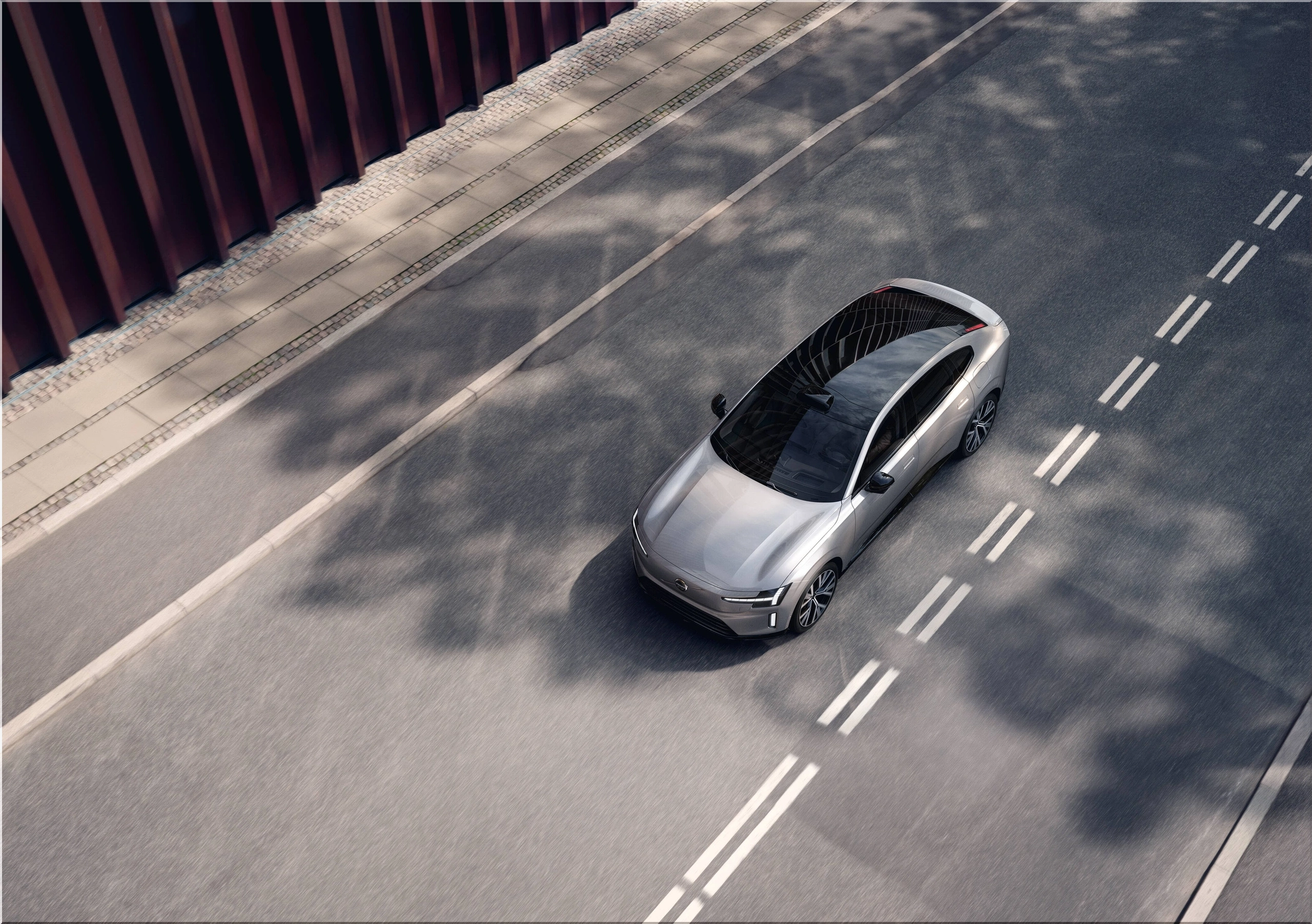
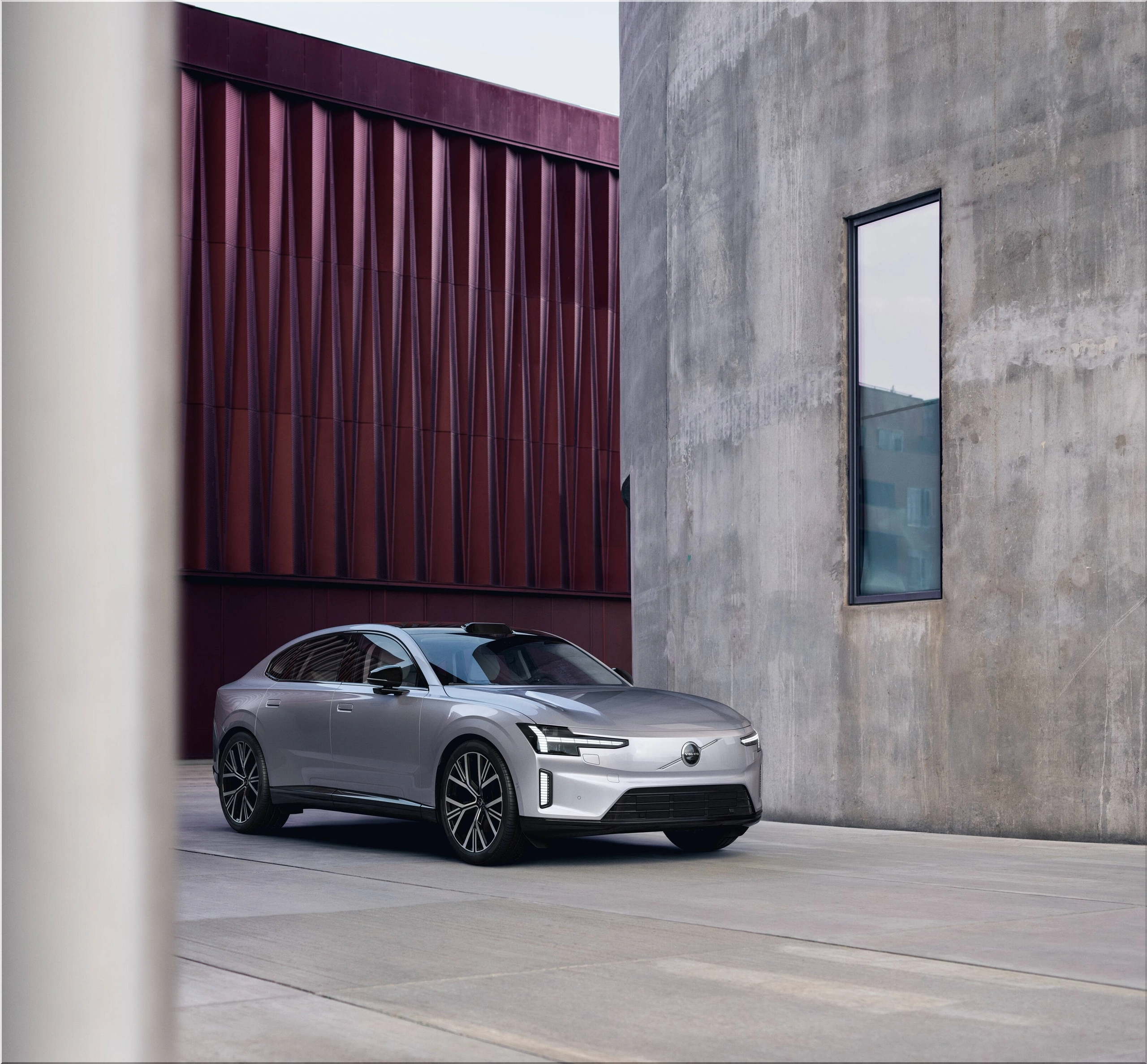
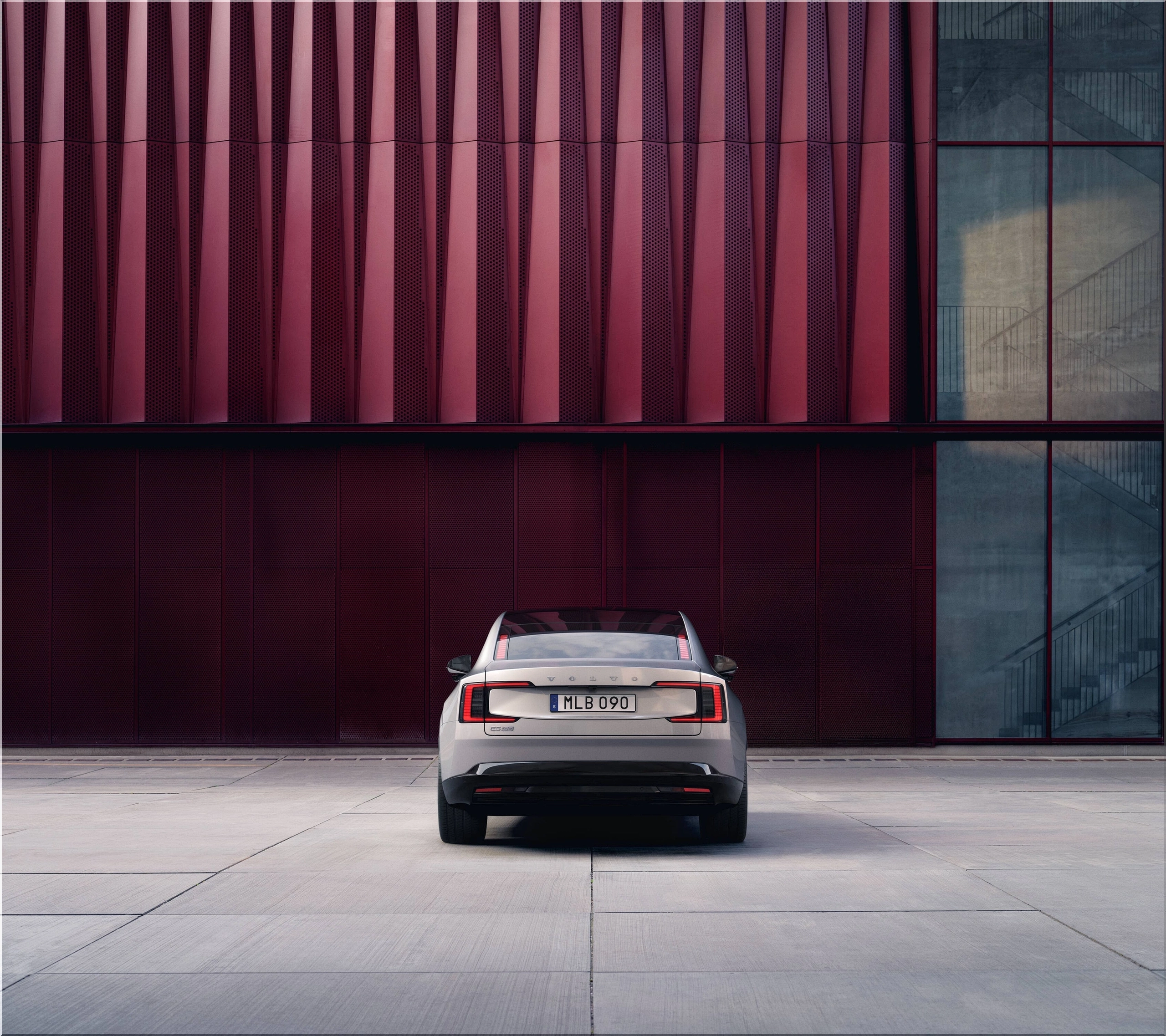
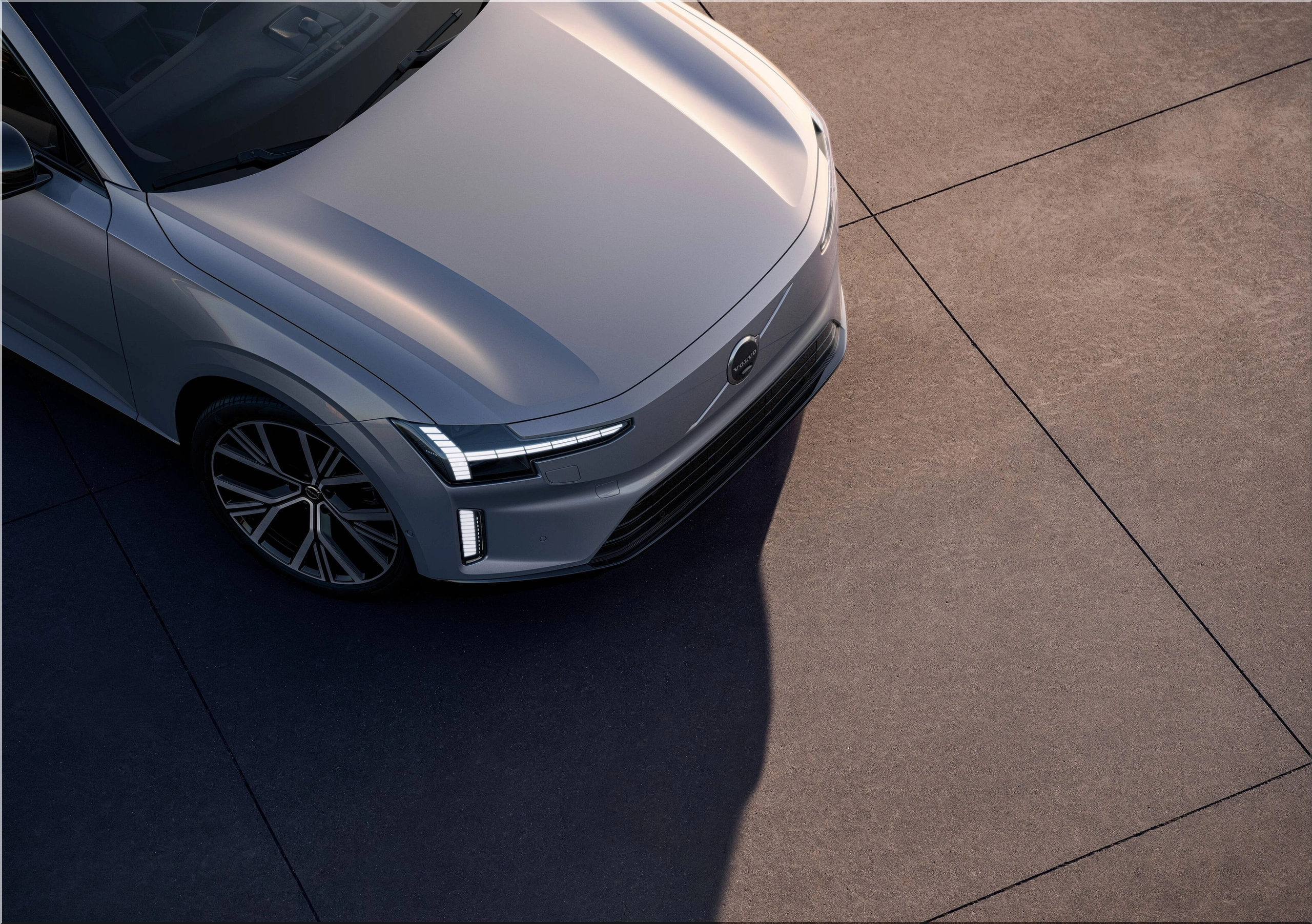
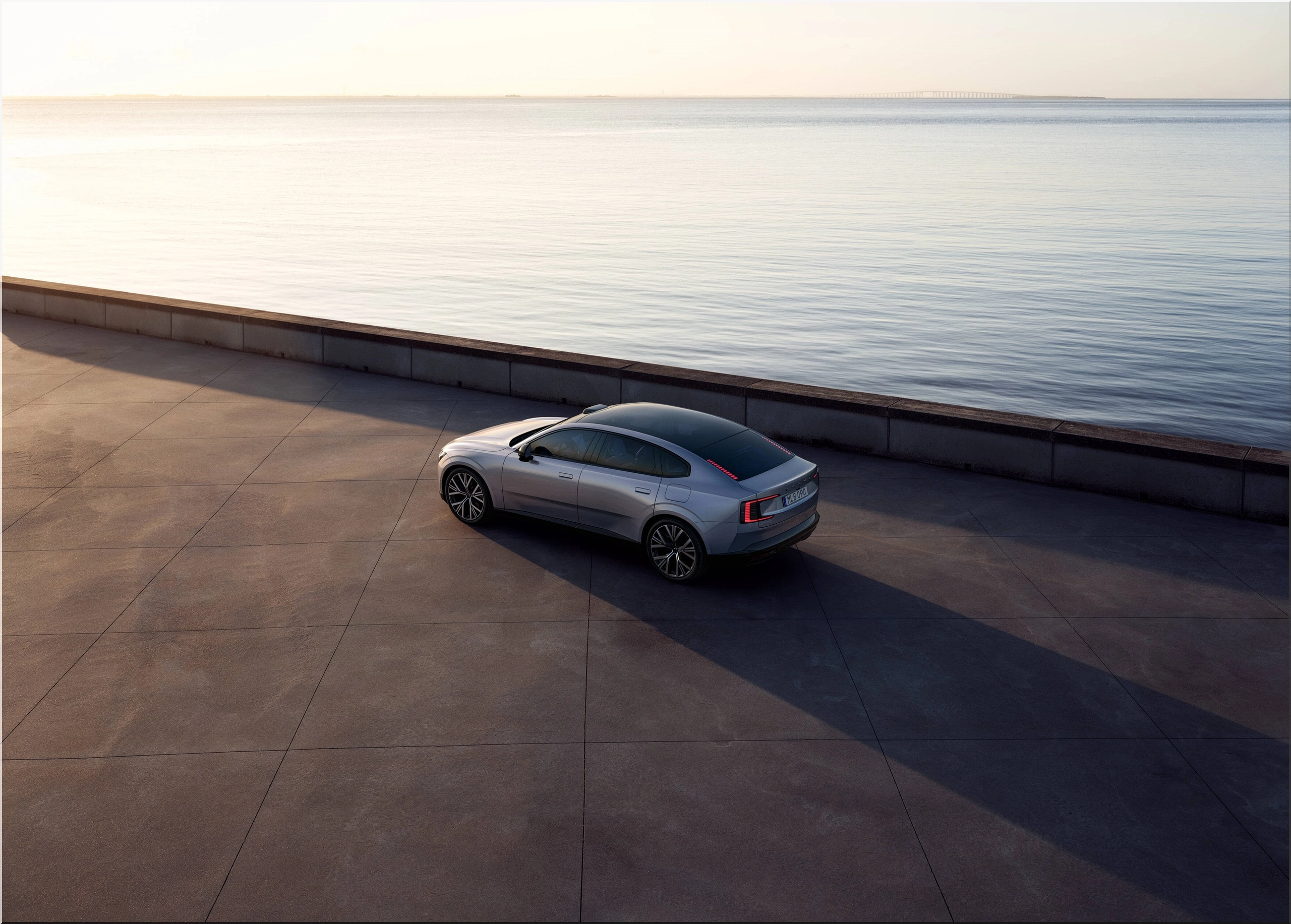
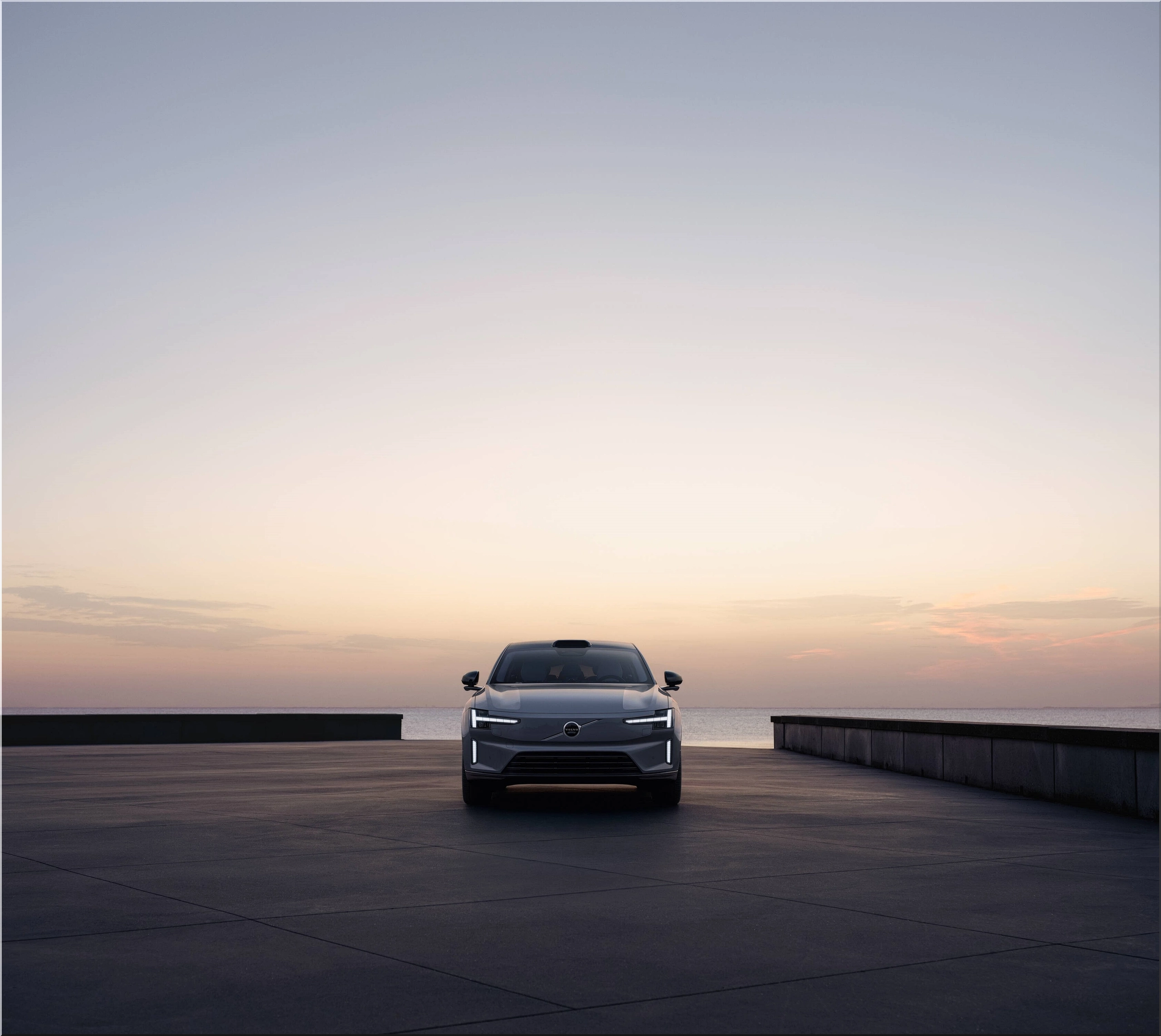
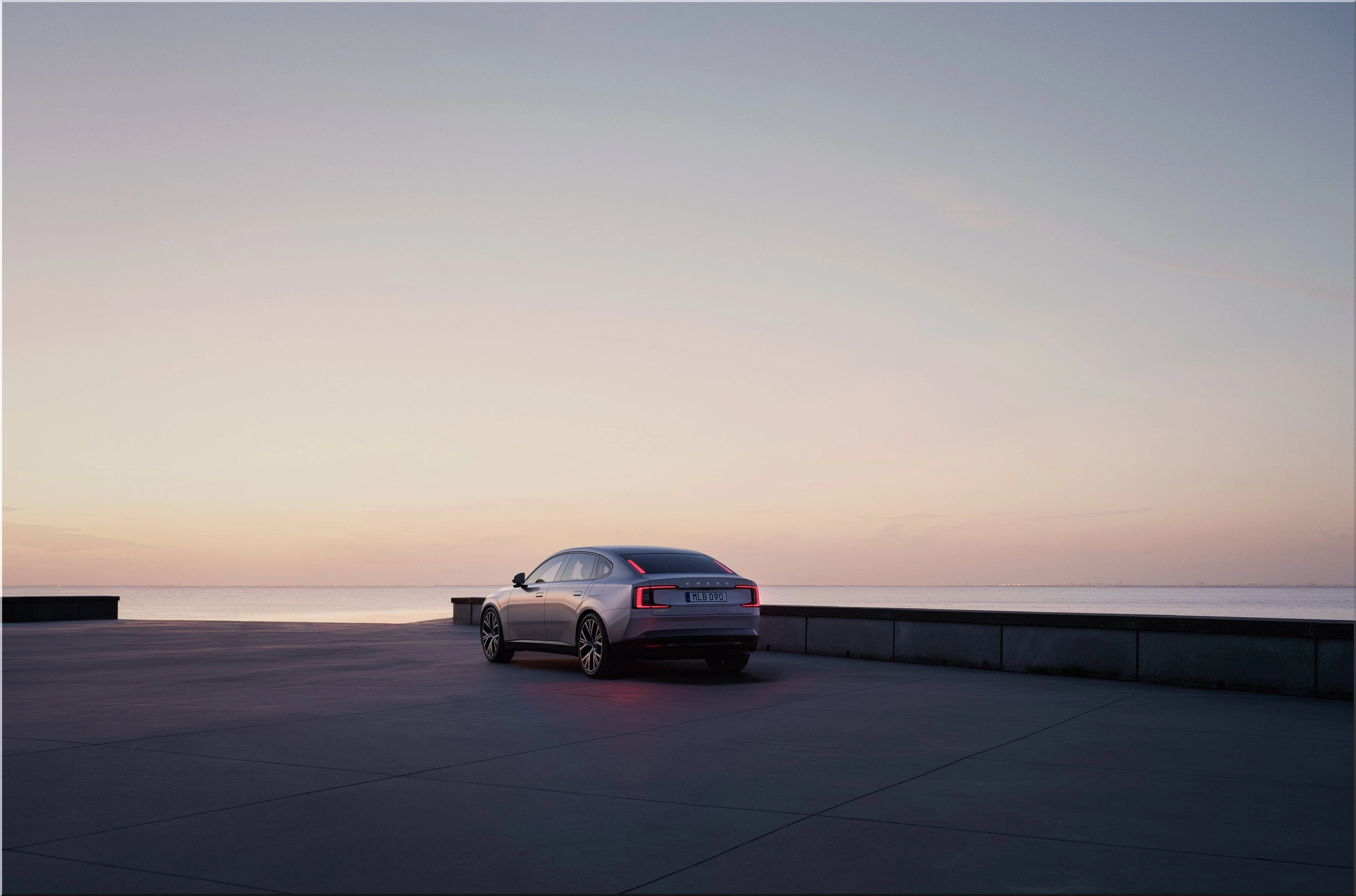
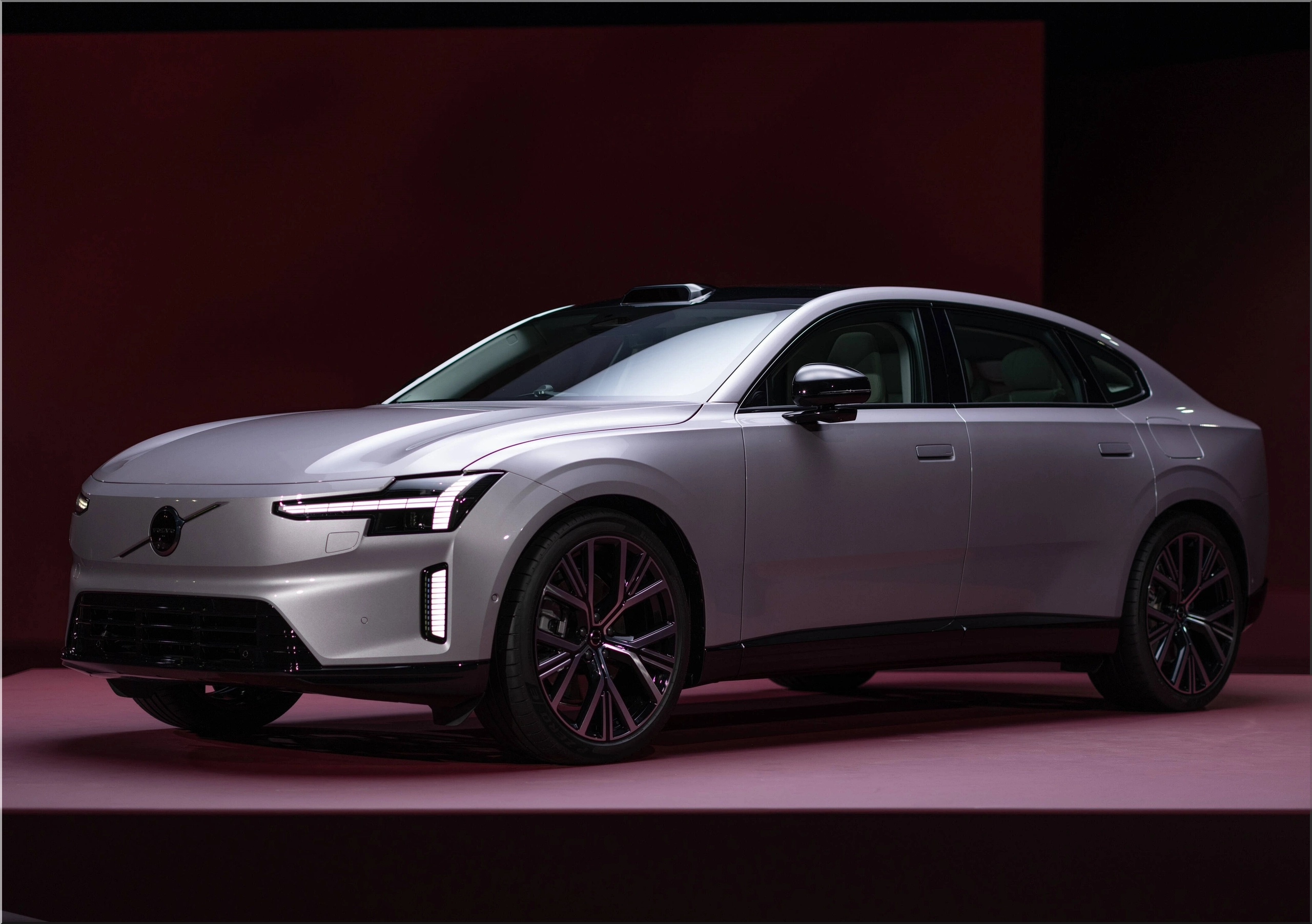
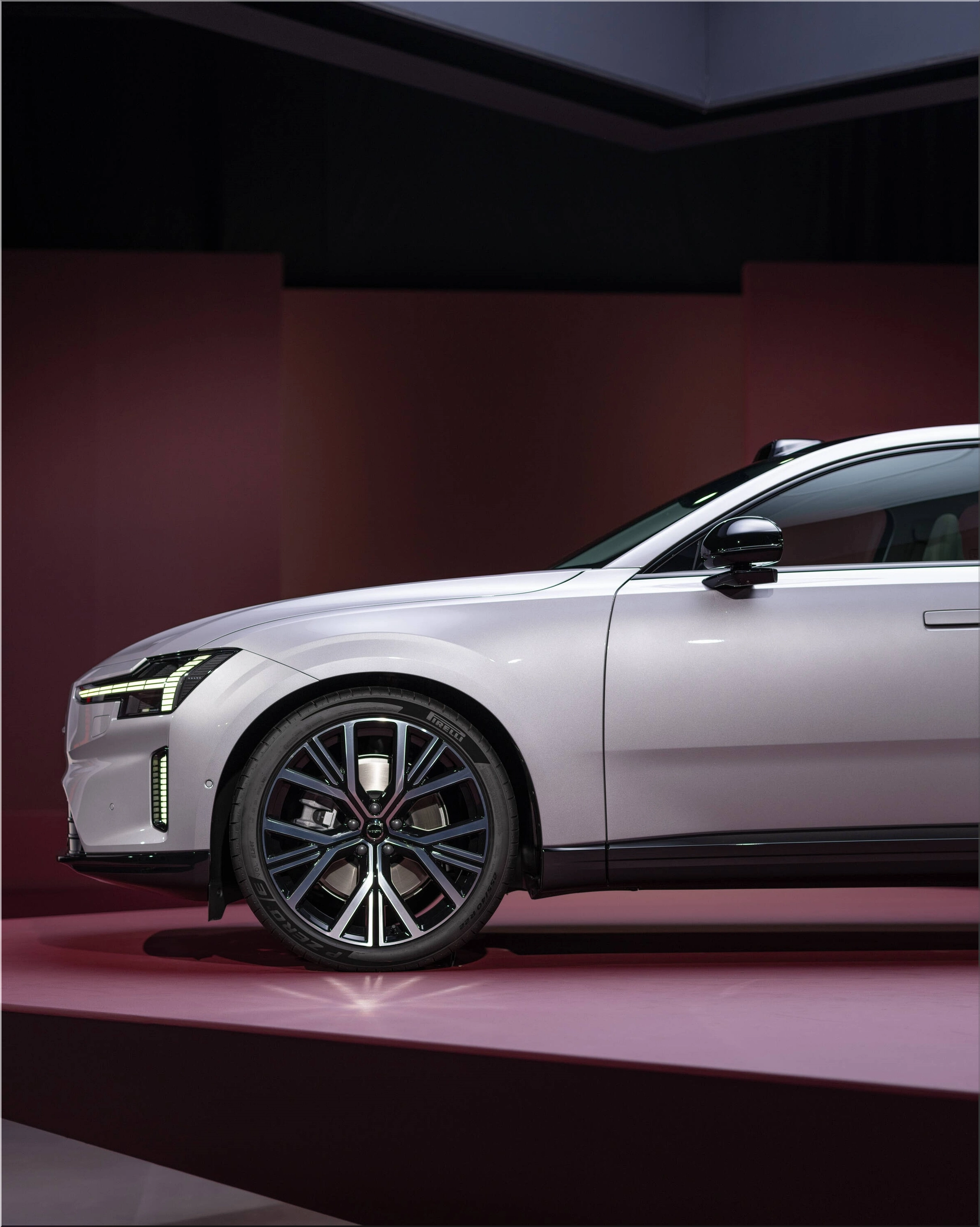
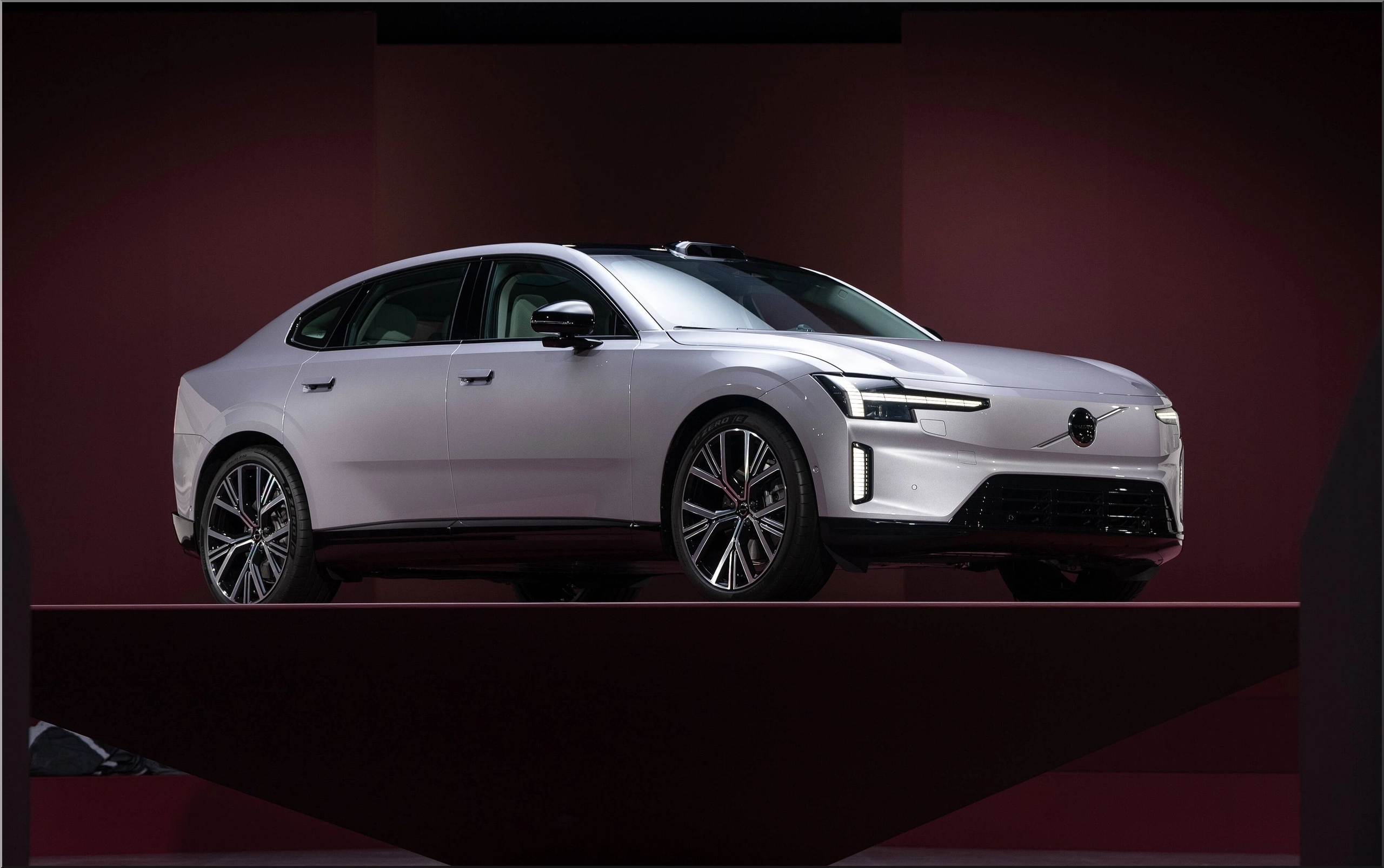
Volvo Cars has started production of the fully electric Volvo ES90, a sedan built on 800-volt architecture with a focus on fast charging, range, and software-driven updates. Positioned between sedans, SUVs, and fastbacks, the ES90 signals how automakers are adjusting their lineups to capture demand in multiple categories.
Key Features of the Volvo ES90
The ES90 introduces several firsts for Volvo.
- 800-volt system: Faster charging and longer range than any Volvo EV before.
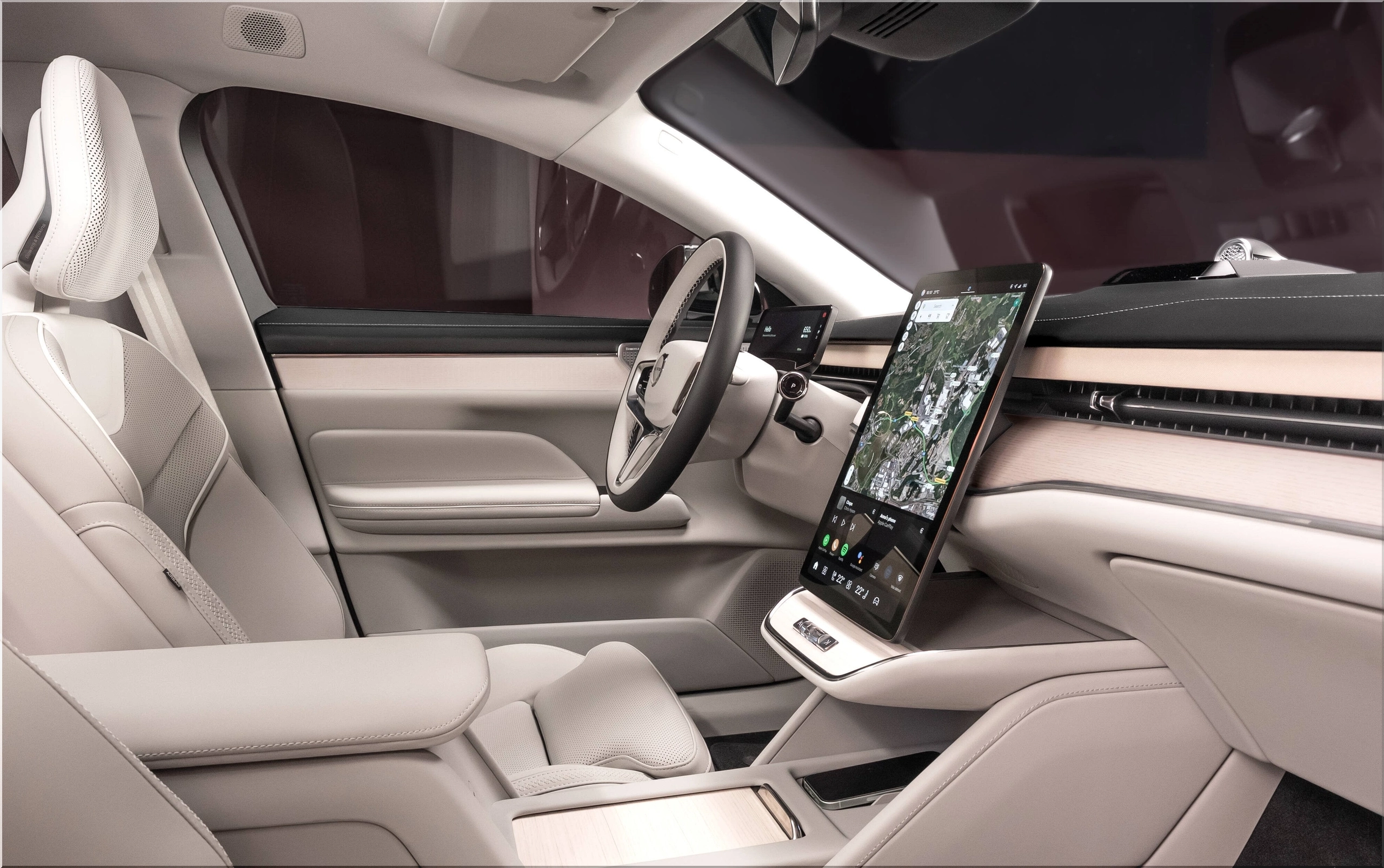
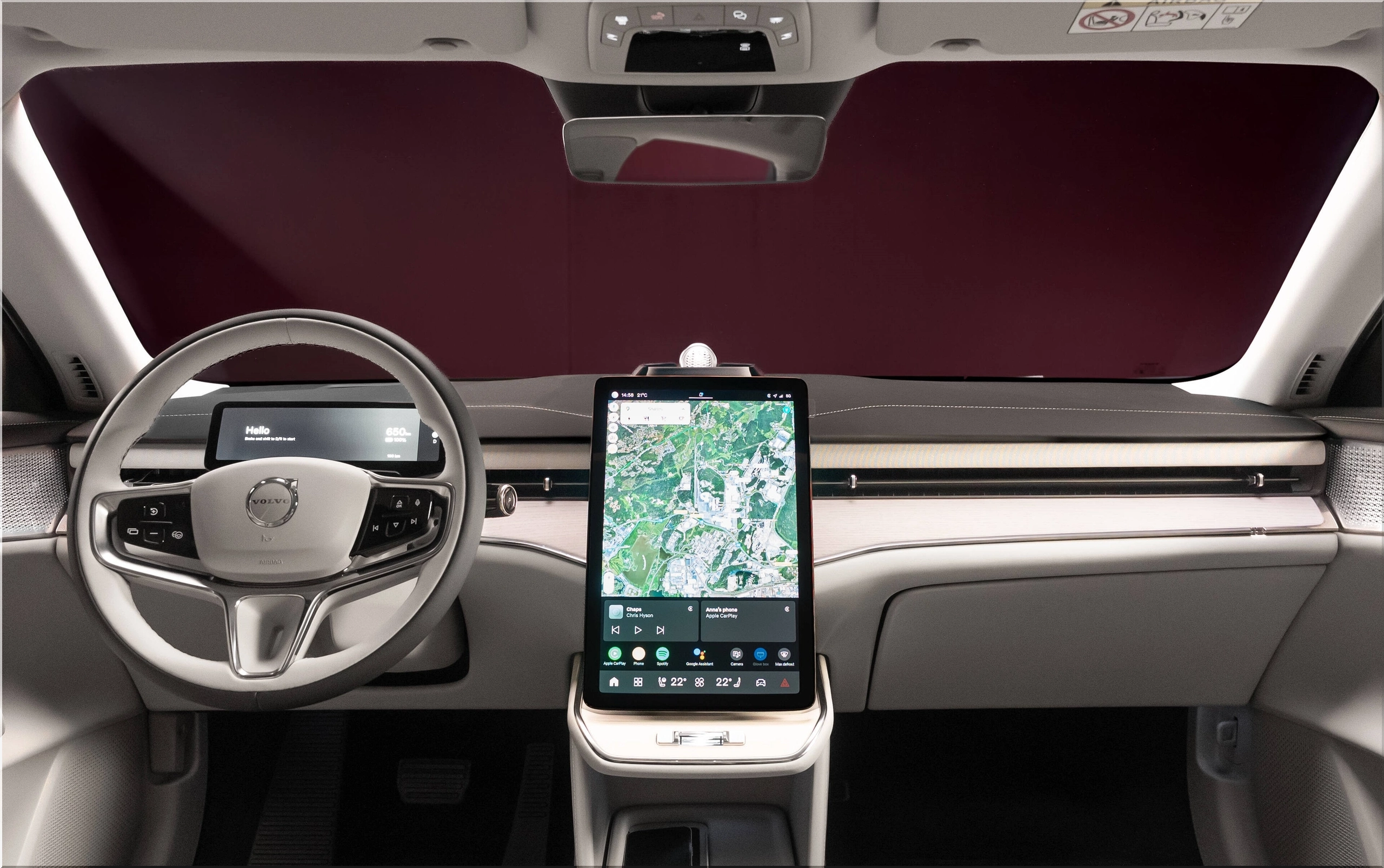
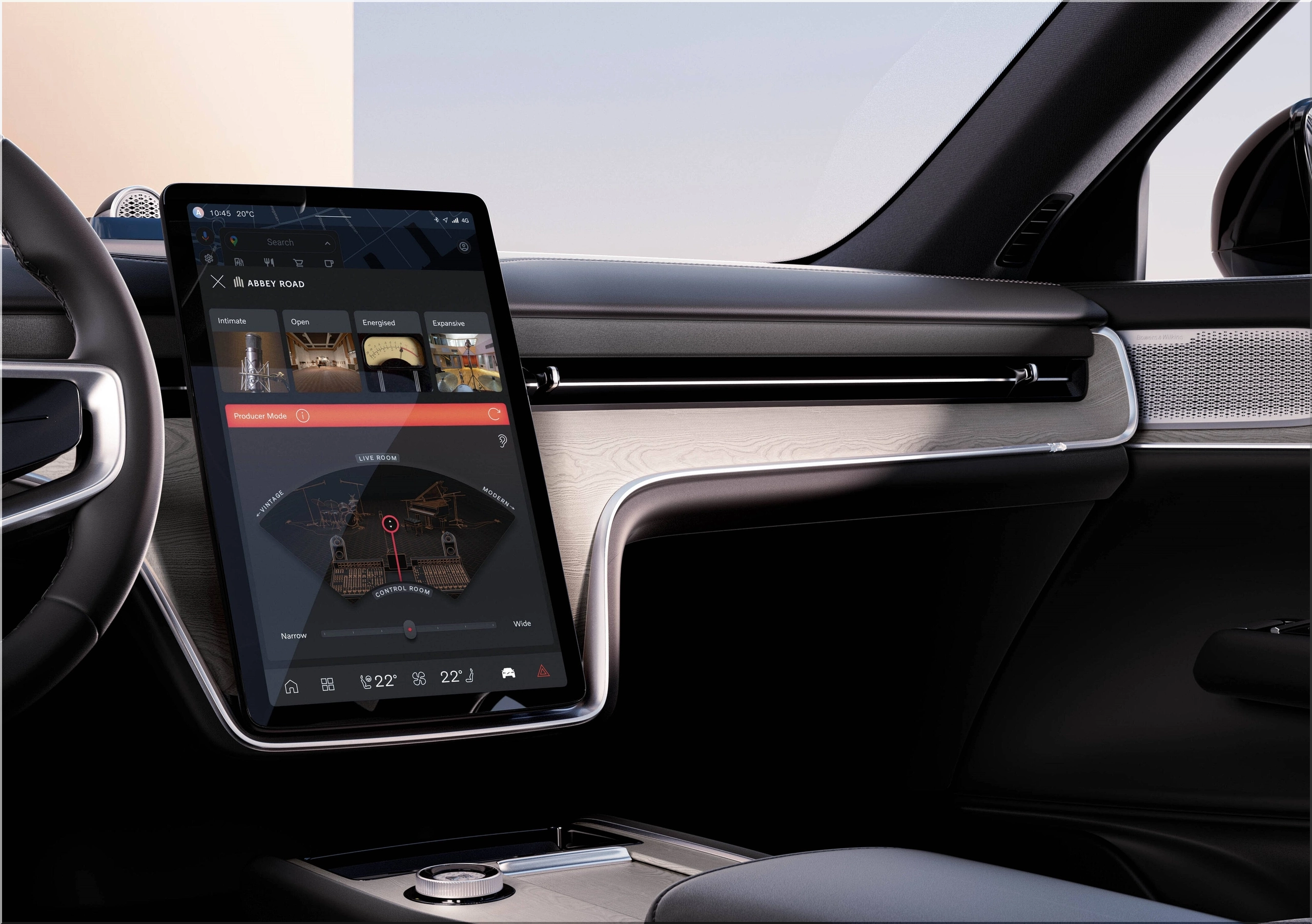
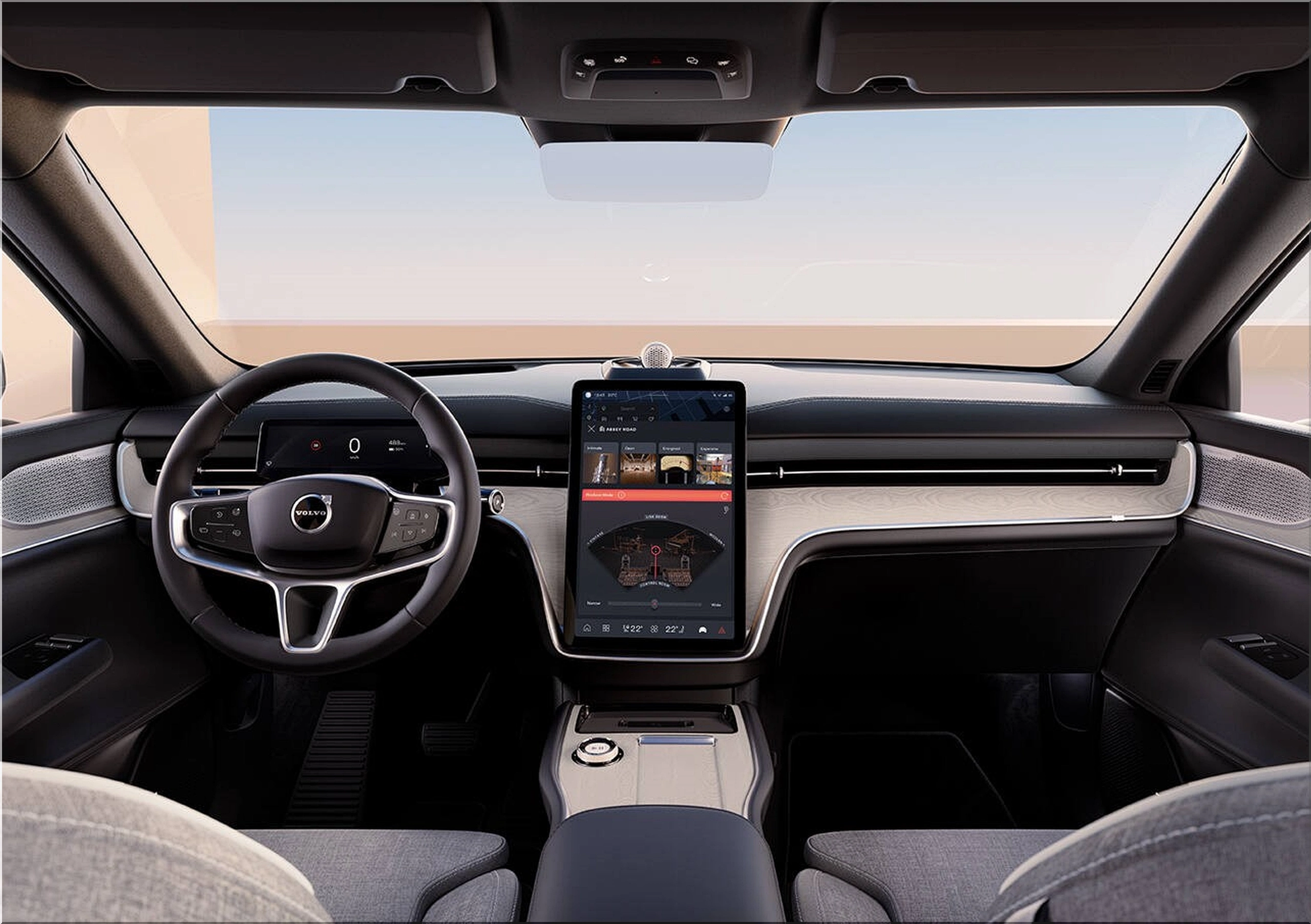
- Superset tech stack: Centralized computing designed for continuous software updates.
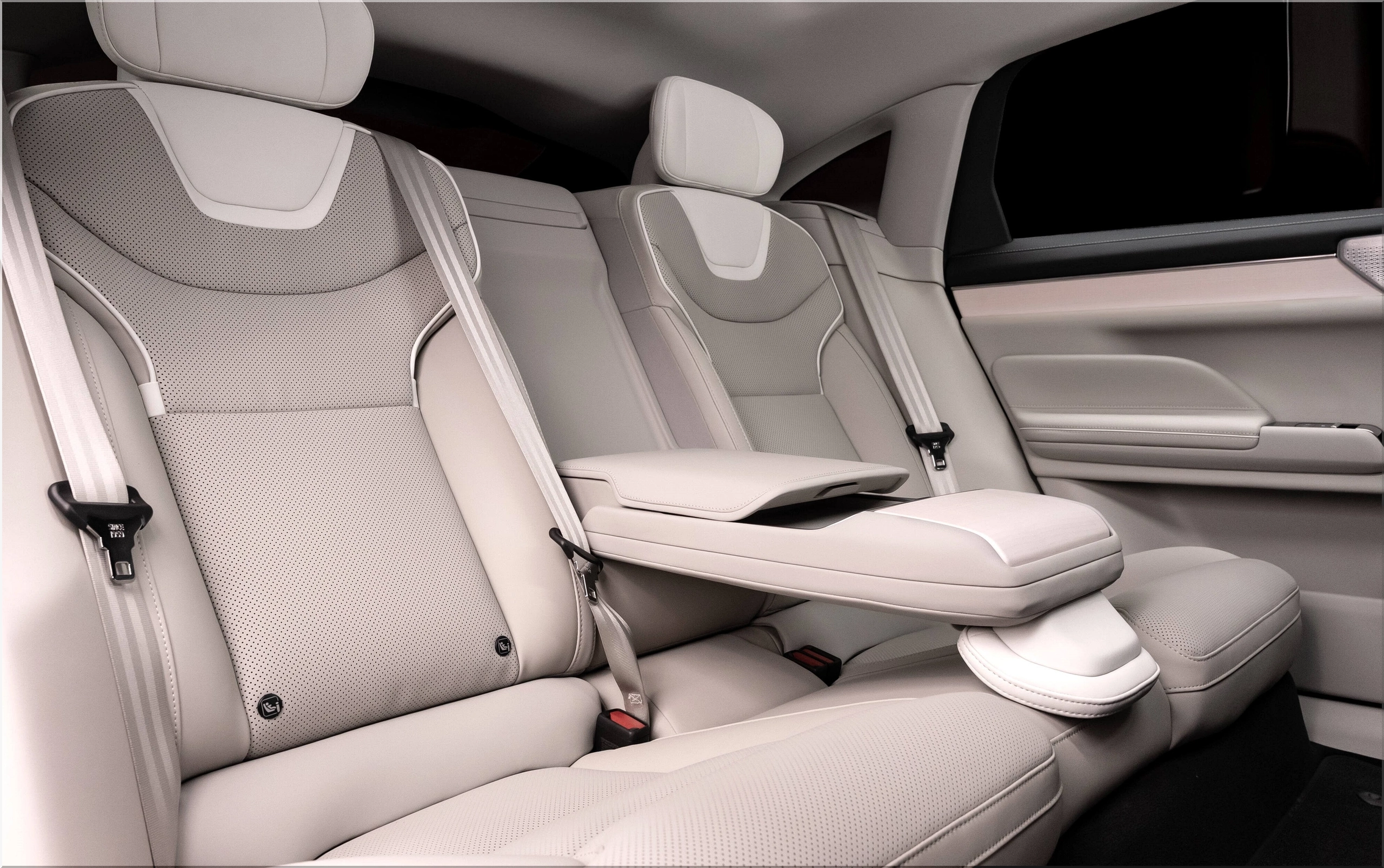
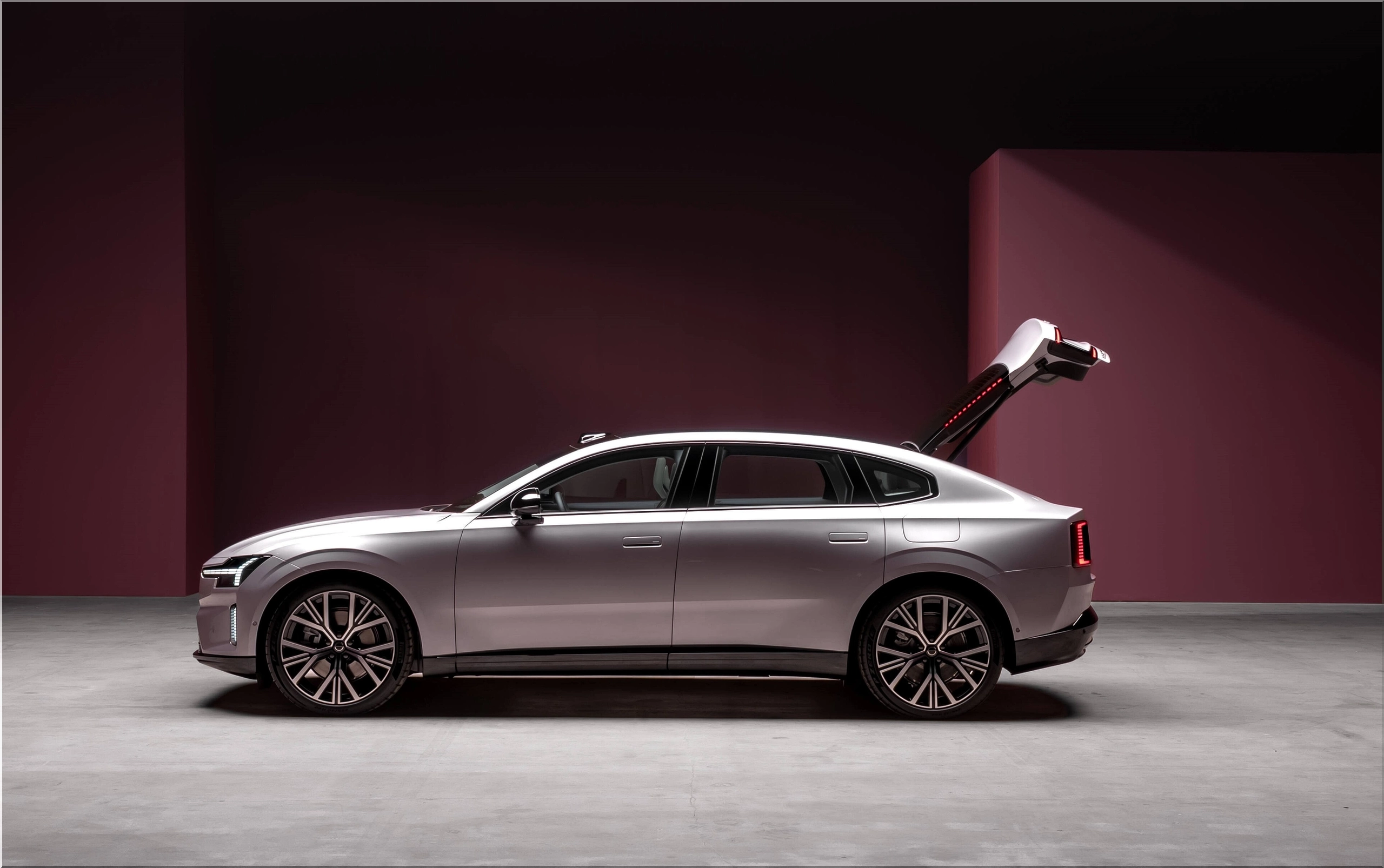
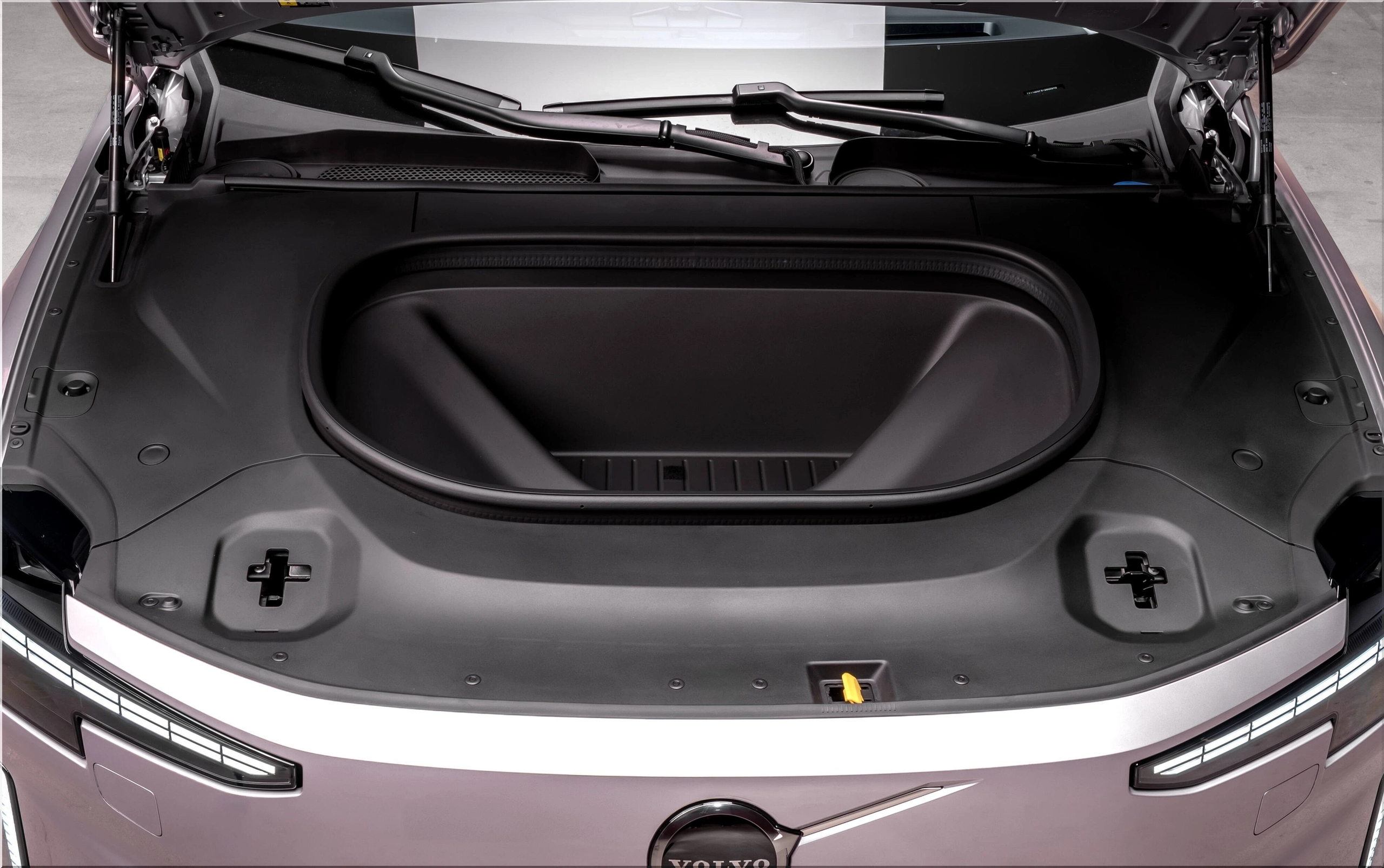
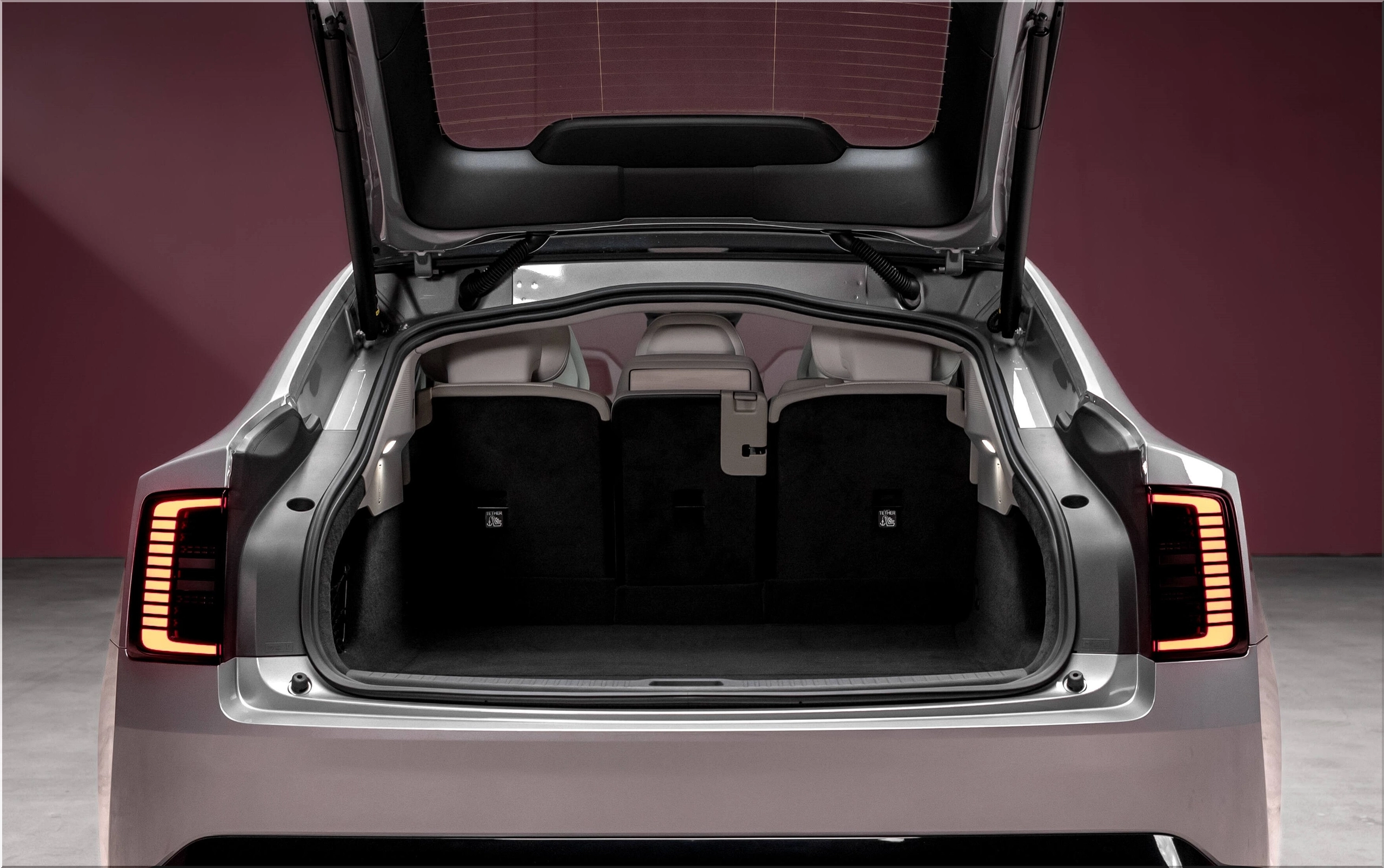
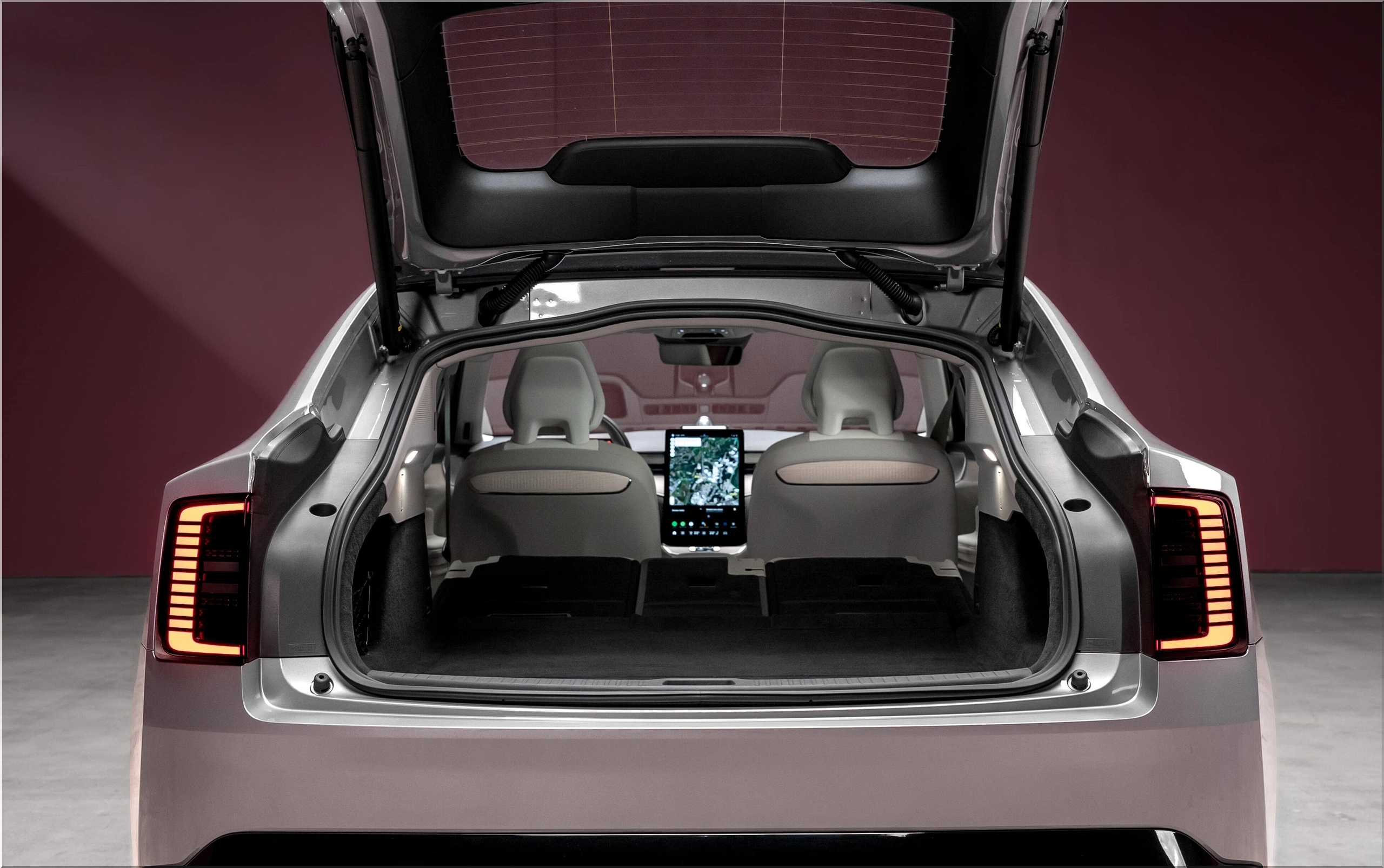
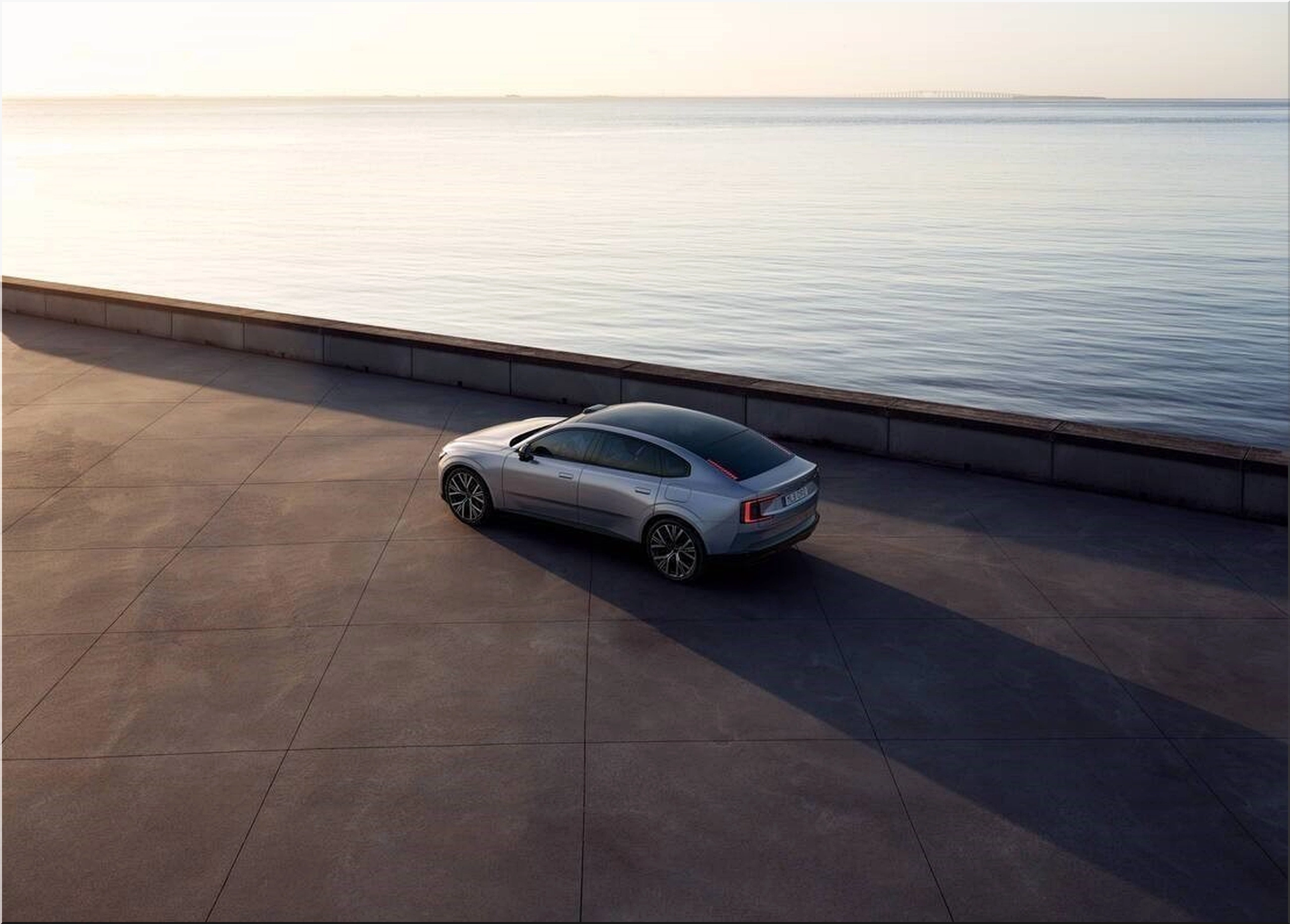
- Versatile body design: Mix of sedan refinement, fastback utility, and SUV-like space.
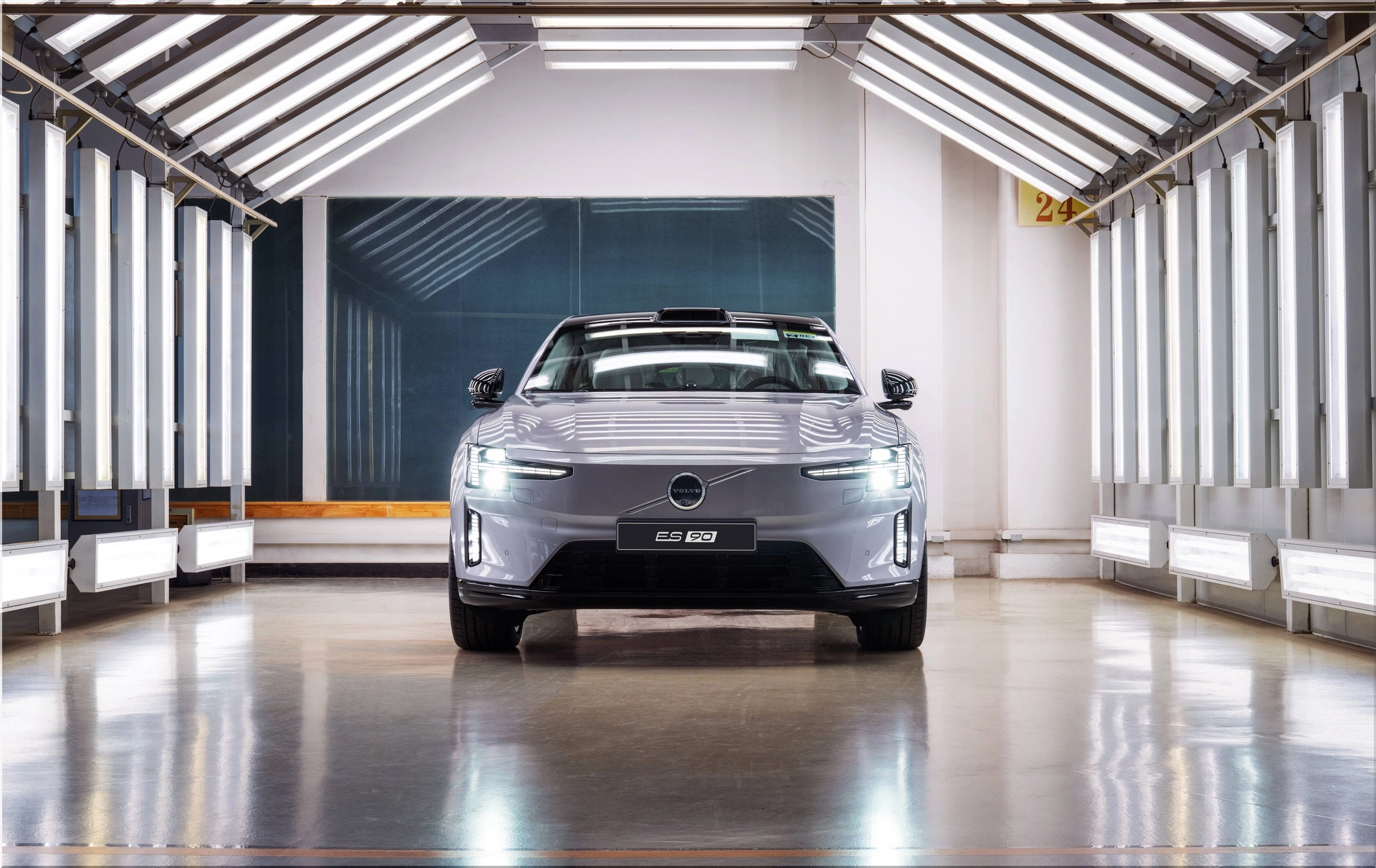
- Production: Built at Volvo's Chengdu plant using climate-neutral energy.
- Carbon footprint: One of the lowest of any Volvo to date, according to internal LCA reports.
Charging and Range
Volvo has not yet disclosed exact range and charging times, but 800-volt systems typically allow 10–80% charging in under 30 minutes when paired with high-power DC chargers. For context:
| EV Model | Voltage Architecture | Charging Time (10–80%) | Max Range (approx.) |
|---|---|---|---|
| Volvo EX90 (current) | 400V | ~30–40 min | 300 miles |
| Hyundai Ioniq 6 | 800V | ~18 min | 361 miles |
| Porsche Taycan | 800V | ~22 min | 246 miles |
| Volvo ES90 (projected) | 800V | ~20–25 min* | 350+ miles* |
Volvo's Market Strategy
Transition to Electric
Volvo has committed to becoming a fully electric automaker by 2030. The ES90 is part of this shift, sitting alongside the EX90 SUV and the smaller EX30.




Target Markets
- Europe: Deliveries begin in late 2025.
- Asia Pacific: Sales expansion expected shortly after.
- United States: Volvo has not confirmed availability, but sedan demand in the U.S. is weaker than in Europe and China, making timing uncertain.
Competitive Positioning
Rivals in the Premium EV Sedan Market
The ES90 will face competition from established EV sedans:
- Tesla Model S: Strong brand presence, up to 405 miles of range, fast charging.
- Mercedes EQE: Luxury-focused, starting around $74,000.
- BMW i5: Positioned in the mid-size luxury EV space, ~295 miles range.
- Hyundai Ioniq 6: Strong efficiency, competitive pricing starting under $45,000.
Volvo's Differentiators
- Safety leadership: Advanced driver-assist systems remain core to the brand.
- Sustainability: Climate-neutral production at Chengdu plant.
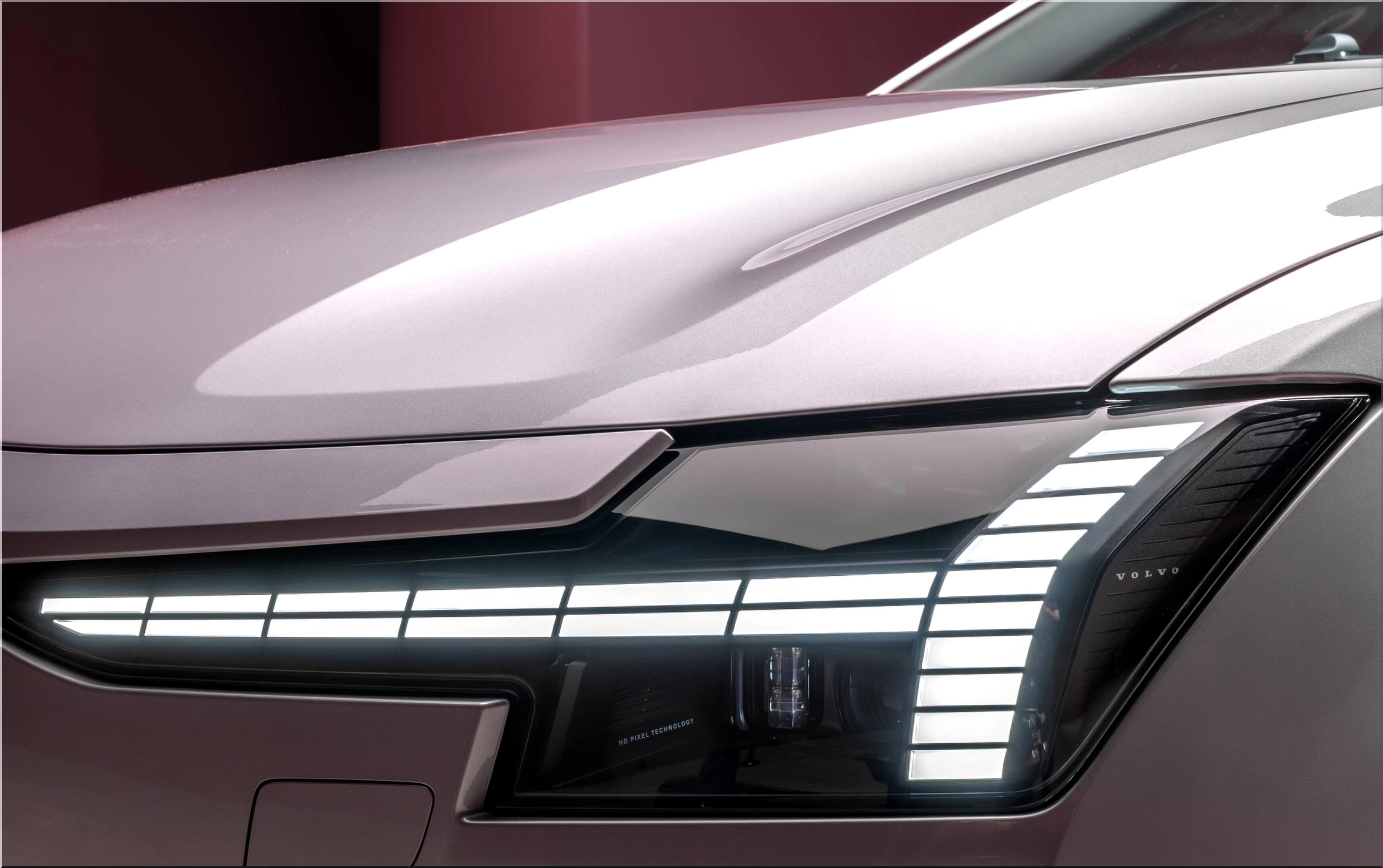
- Design versatility: Sedan shape with SUV practicality.
Production and Sustainability
Volvo is emphasizing sustainable production to reinforce its long-term brand promise.
- Chengdu plant: Runs on climate-neutral energy.
- Circular economy principles: Recycling and material reuse integrated into manufacturing.
- Net-zero by 2040: ES90 supports Volvo's plan for full carbon neutrality.
This matters for European buyers, where sustainability credentials are increasingly influencing EV purchase decisions.
Financial Context
Volvo's 2024 performance provides context for the ES90 launch:
- Revenue: $36.9 billion (SEK 400.2 billion).
- Operating profit: $2.5 billion (SEK 27 billion).
- Global sales: 763,389 cars.
Sedan production volumes may not match SUV sales, but the ES90 strengthens Volvo's premium offering and helps balance its electric portfolio.
What the ES90 Means for Volvo and the EV Market
- Expands Volvo's EV range: Strengthens presence beyond SUVs.
- Proves 800V commitment: Matches or exceeds rivals on charging speed and efficiency.
- Sustainability sells: Eco-conscious buyers gain another climate-neutral option.
- Market timing: Launch aligns with European EV adoption growth.
Outlook
The Volvo ES90 will play a central role in testing whether premium electric sedans can still capture buyers in a market dominated by SUVs and crossovers. Its 800-volt system, sustainability focus, and multi-segment design create a strong foundation.
The EV market remains highly competitive, but Volvo is betting on safety, sustainability, and Scandinavian design to keep its edge.


Conclusion
Production of the Volvo ES90 signals more than a new model; it shows Volvo is accelerating its shift to a fully electric lineup. With 800-volt architecture, software-driven upgrades, and climate-neutral production, the ES90 positions Volvo as a serious contender in the premium EV sedan segment.
The next step is pricing. If Volvo can enter the $60,000–$70,000 range, it could draw buyers from Tesla and Mercedes. If it pushes above $80,000, competition intensifies.
Either way, the ES90 confirms that Volvo is not slowing its electric strategy. The sedan's performance in Europe and China will shape how fast the company can scale its transition to an all-electric future.
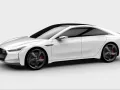
Chinese electric car start-up Youxia Motors has raised nearly $ 800 million in a new round of financing. It's the first notable news from this company that introduced a Tesla Model S clone called Youxia X in mid-2015… Continue reading
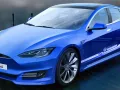
Shortly before the end of last year, it became known that Tesla would have to recall electric cars on a large scale. The Tesla Model S large sedan and the Tesla Model 3 medium-sized sedan are affected. So far… Continue reading
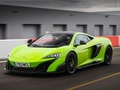
McLaren announced that in 2019 will be the launching of a new generation of supercars that will be equipped with hybrid propulsion and autonomous technologies. Continue reading
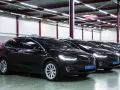
Since 2014, 167 copies of the Tesla Model S are taxis at the Amsterdam Schiphol airport in the Netherlands. Now the taxi company BIOS-groep, has decided to replace its entire Model S fleet with the Tesla Model X. The decision… Continue reading