The 2027 Dacia Spring replaces its low-cost predecessor with a European-built platform, an 80-hp motor, a 27.5-kWh LFP battery, and up to 155 miles of WLTP range. Every version will cost less than about $23,300 in Europe, but Dacia has announced no US launch, EPA range, or American price.
What Makes the 2027 Dacia Spring a New Car?
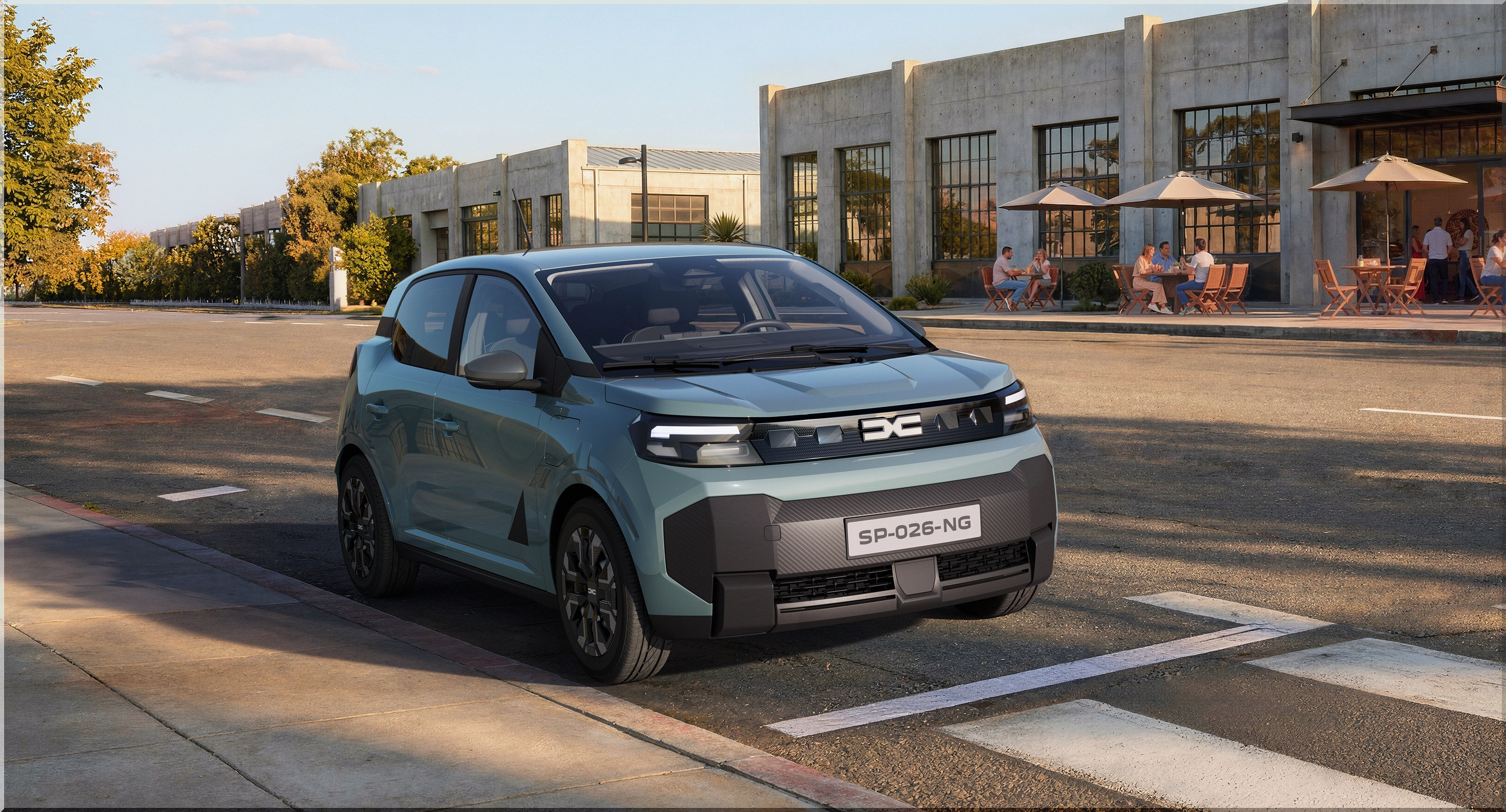
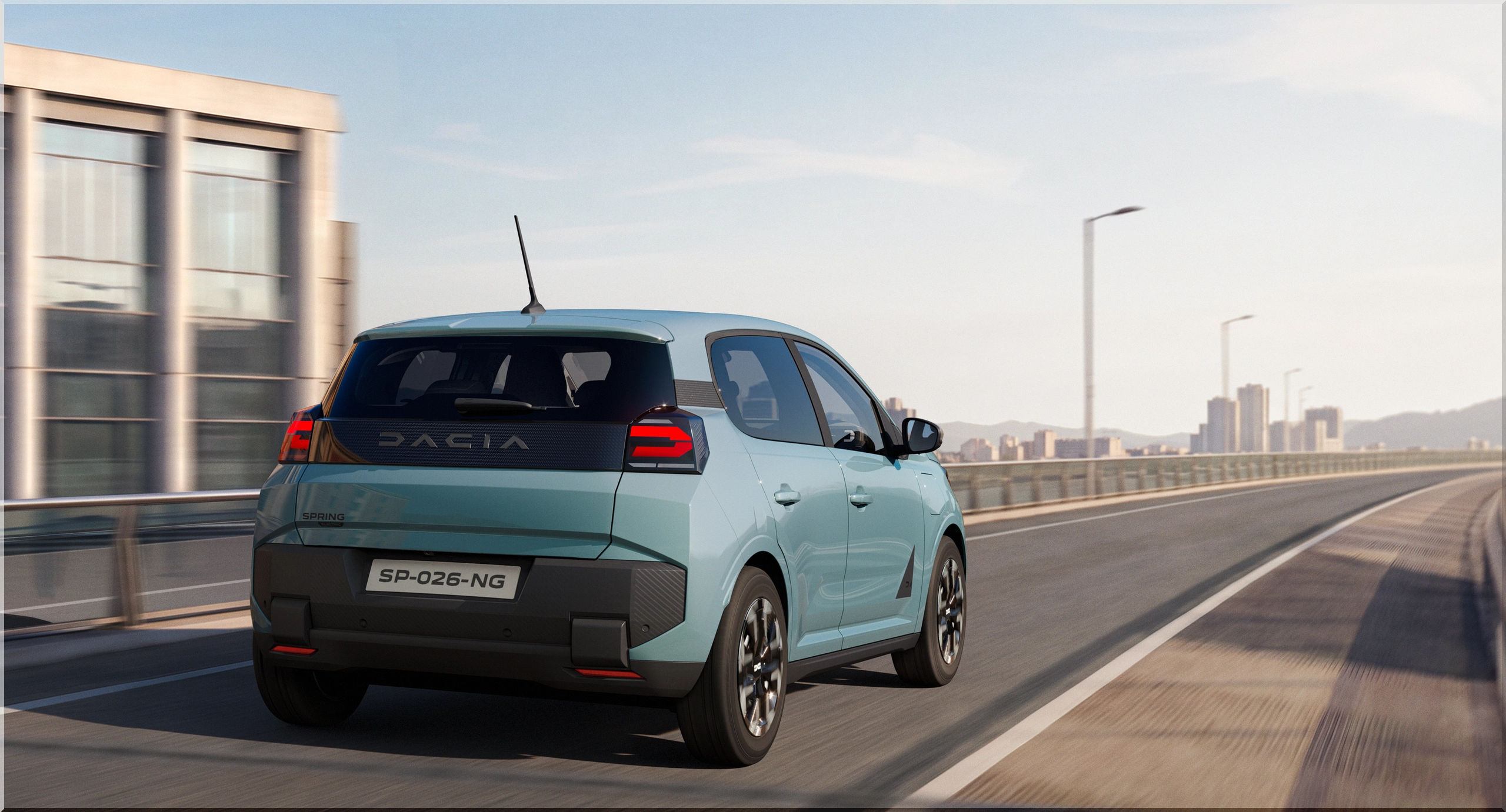
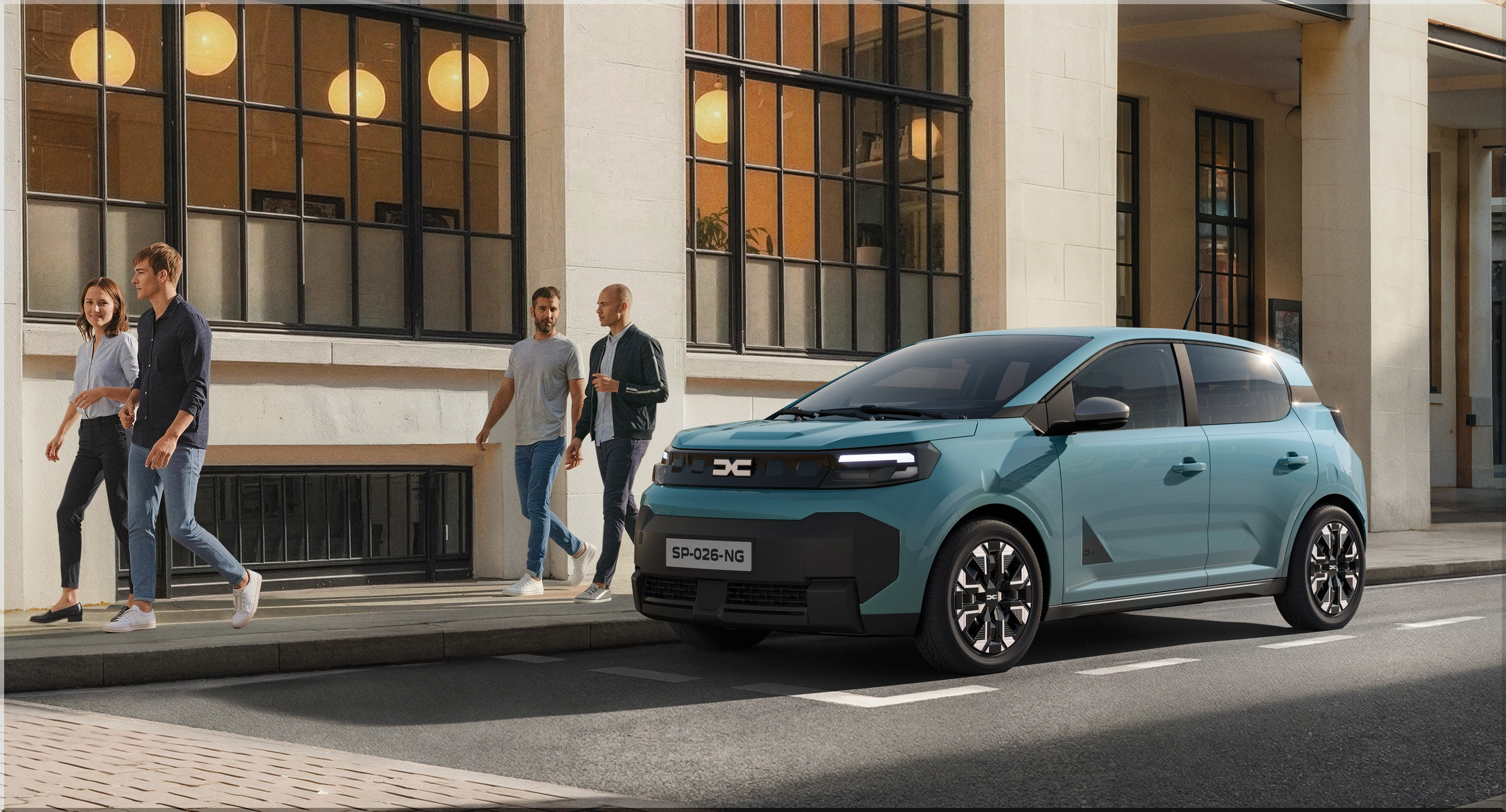
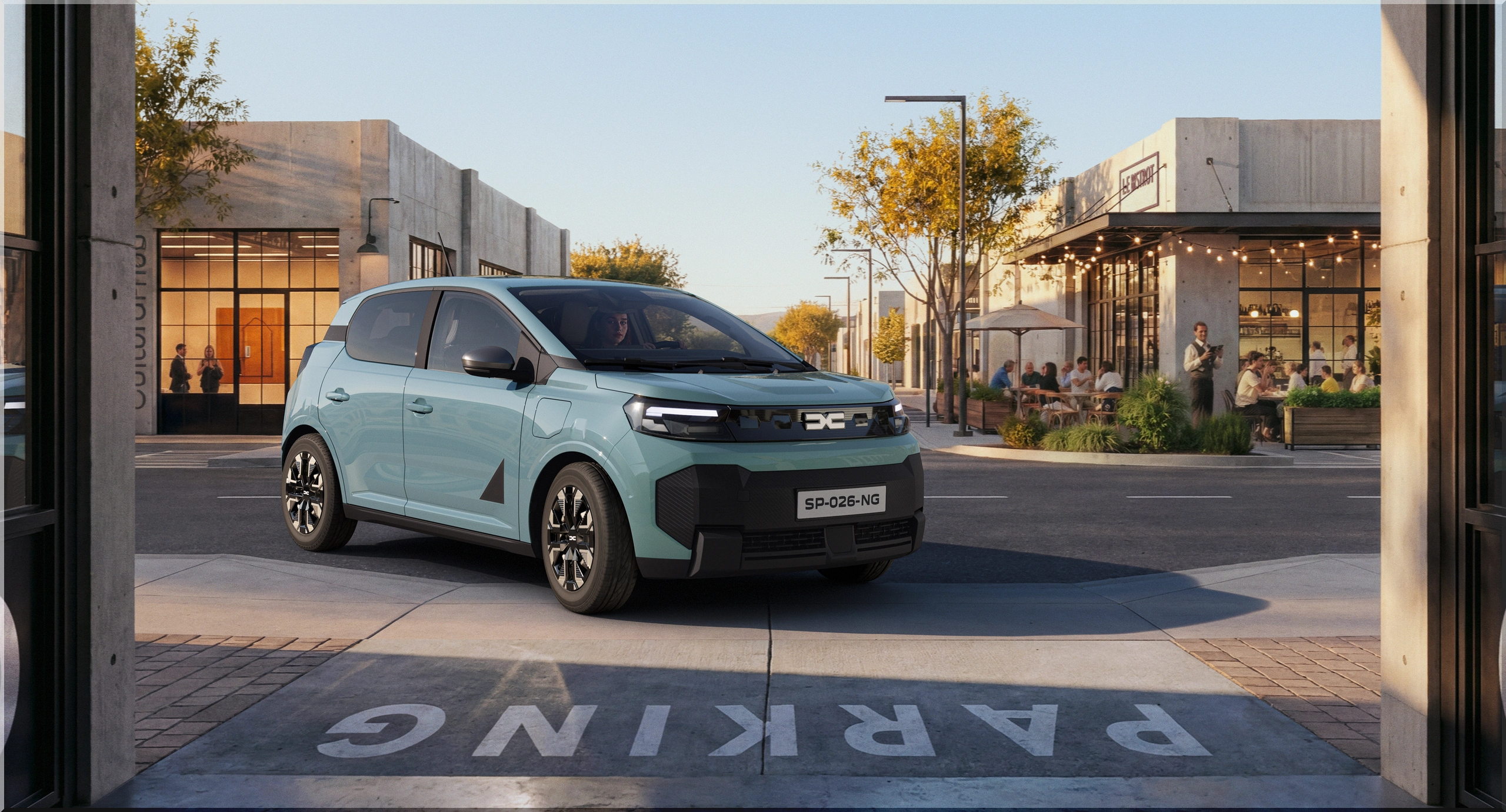
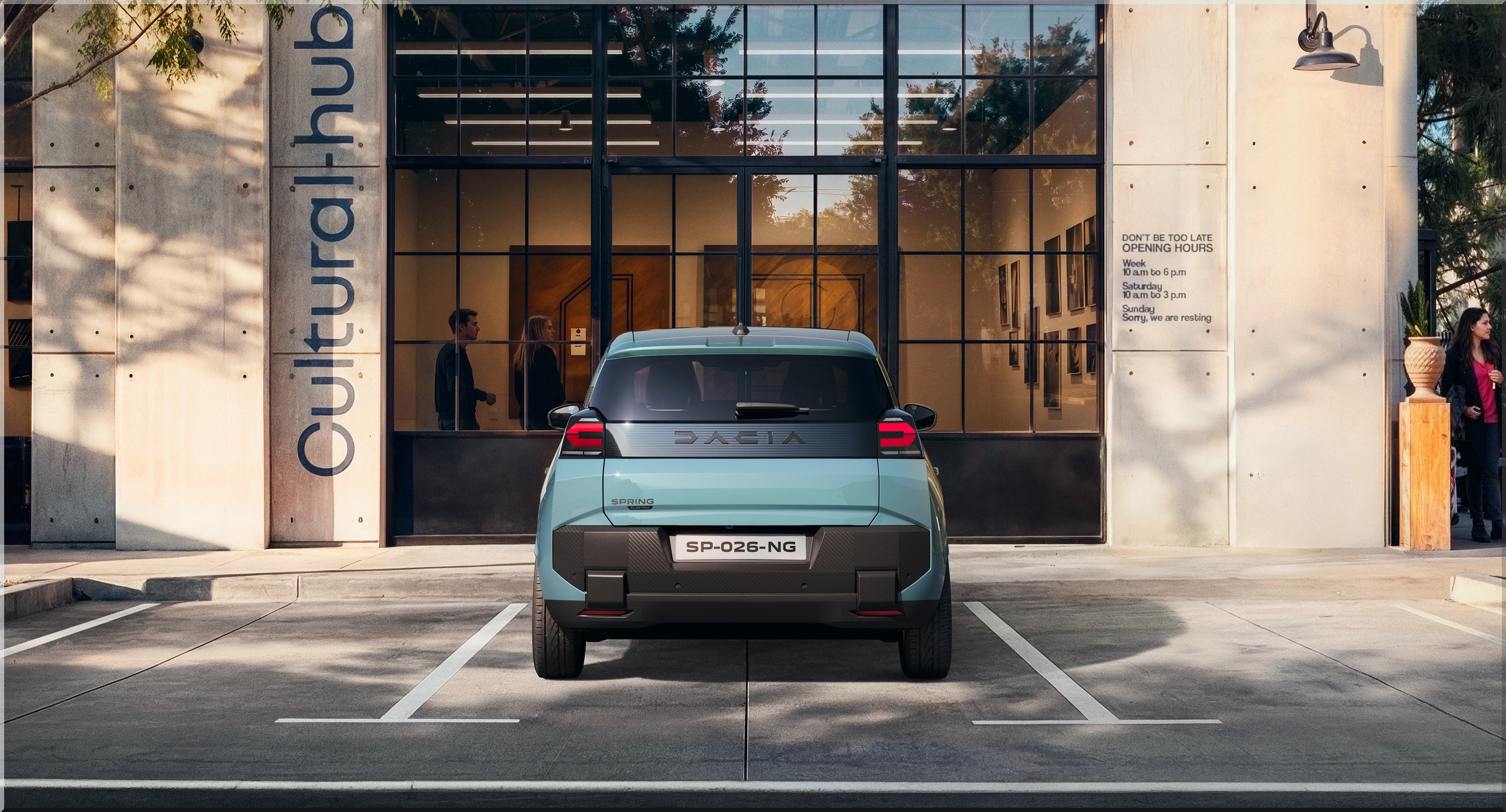
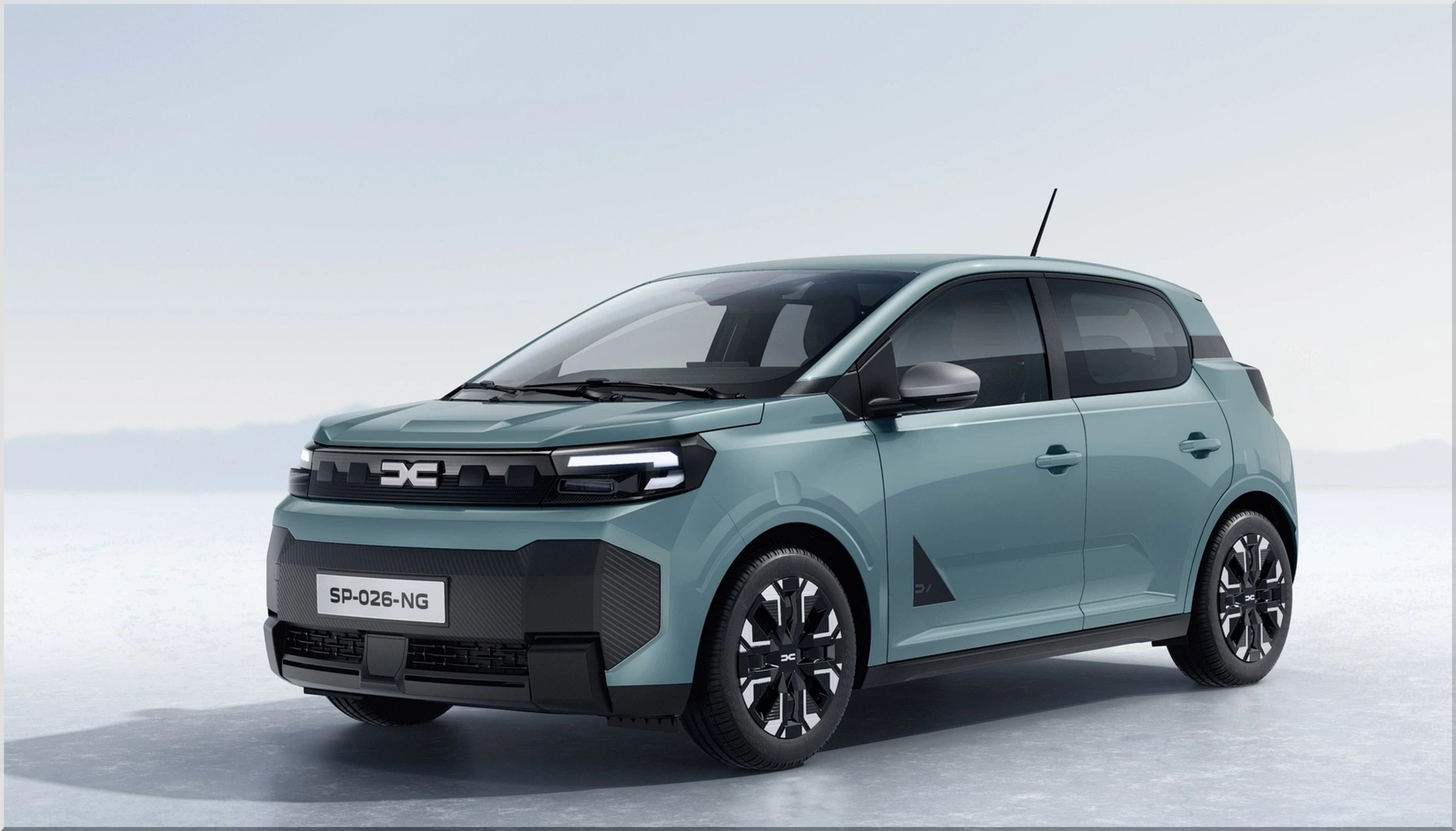
Dacia kept the Spring name, but the second generation starts from a clean sheet. The RG-EV Small platform, wider body, larger trunk, stronger motor, and modern cabin separate it from the outgoing China-built model. Production moves to Renault Group's Novo Mesto plant in Slovenia, and Dacia cut development time to less than two years.
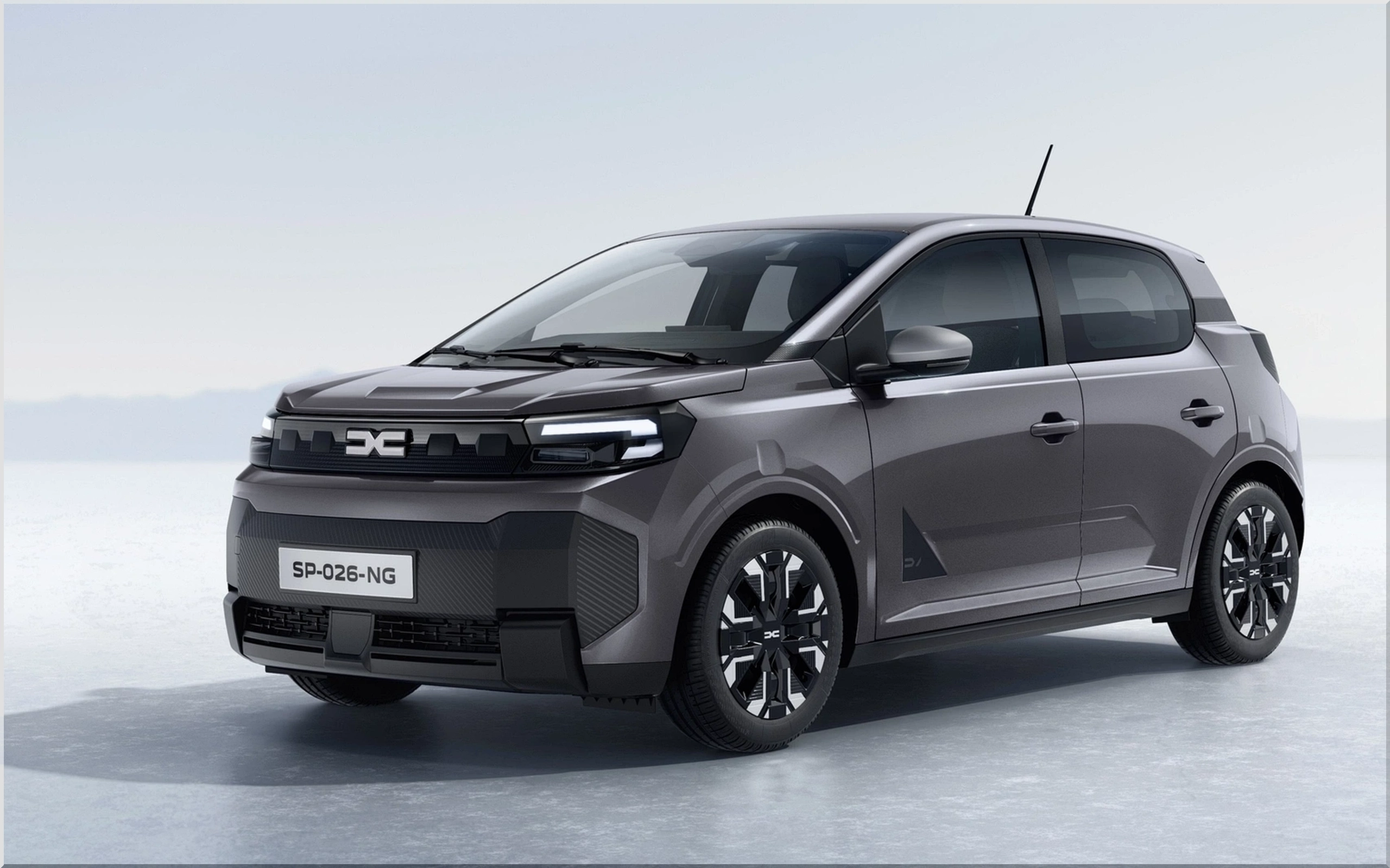
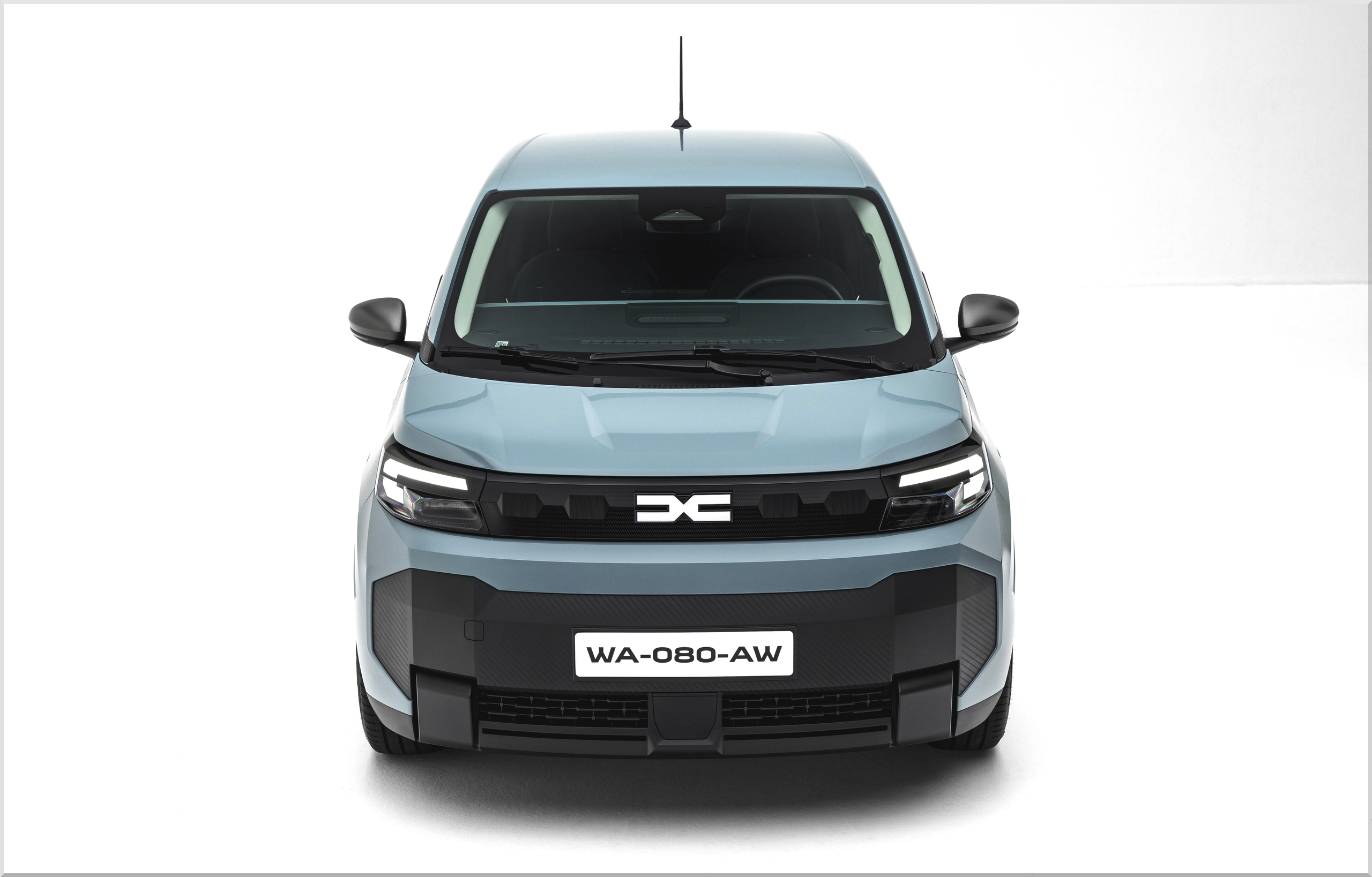
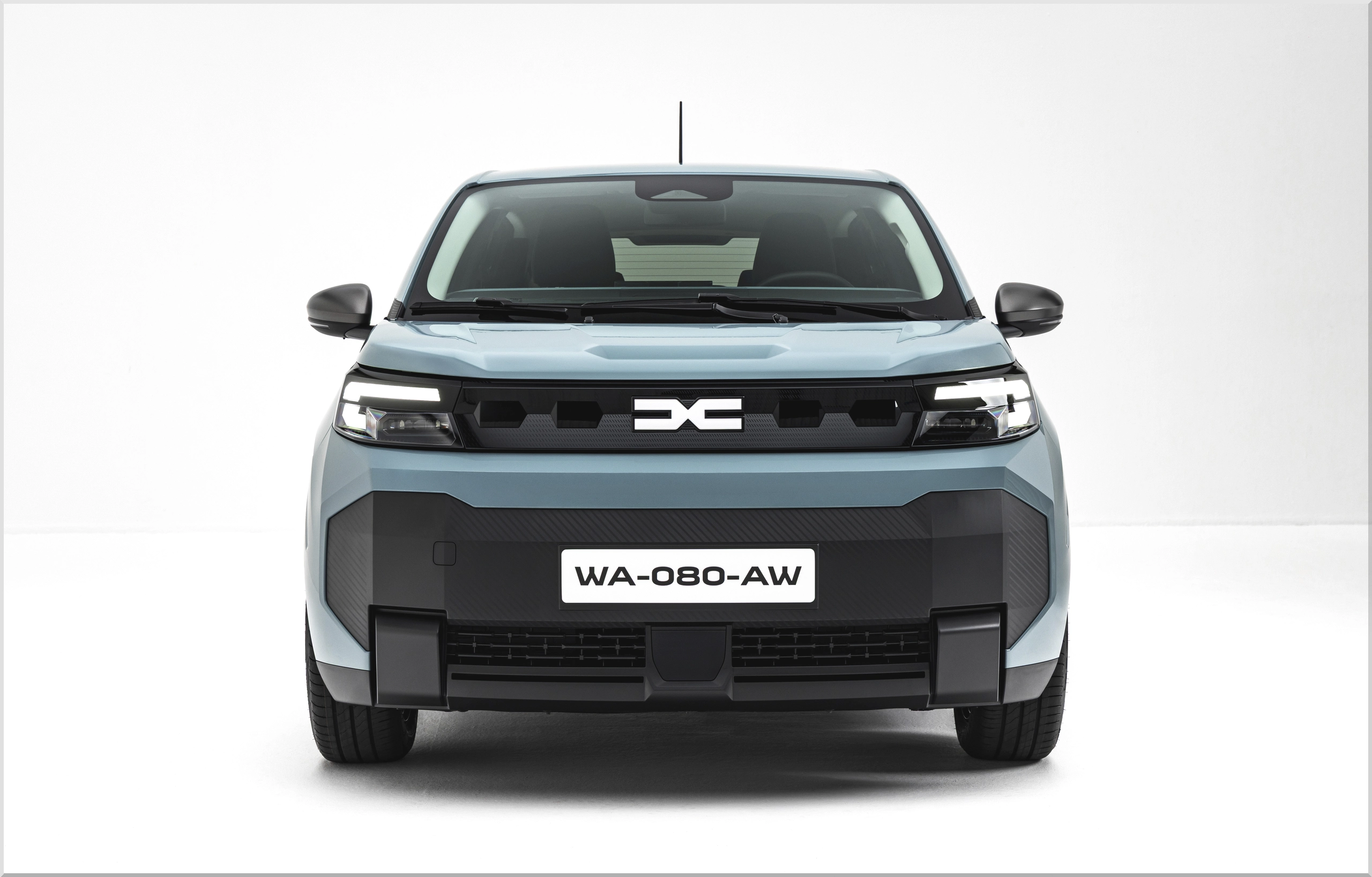
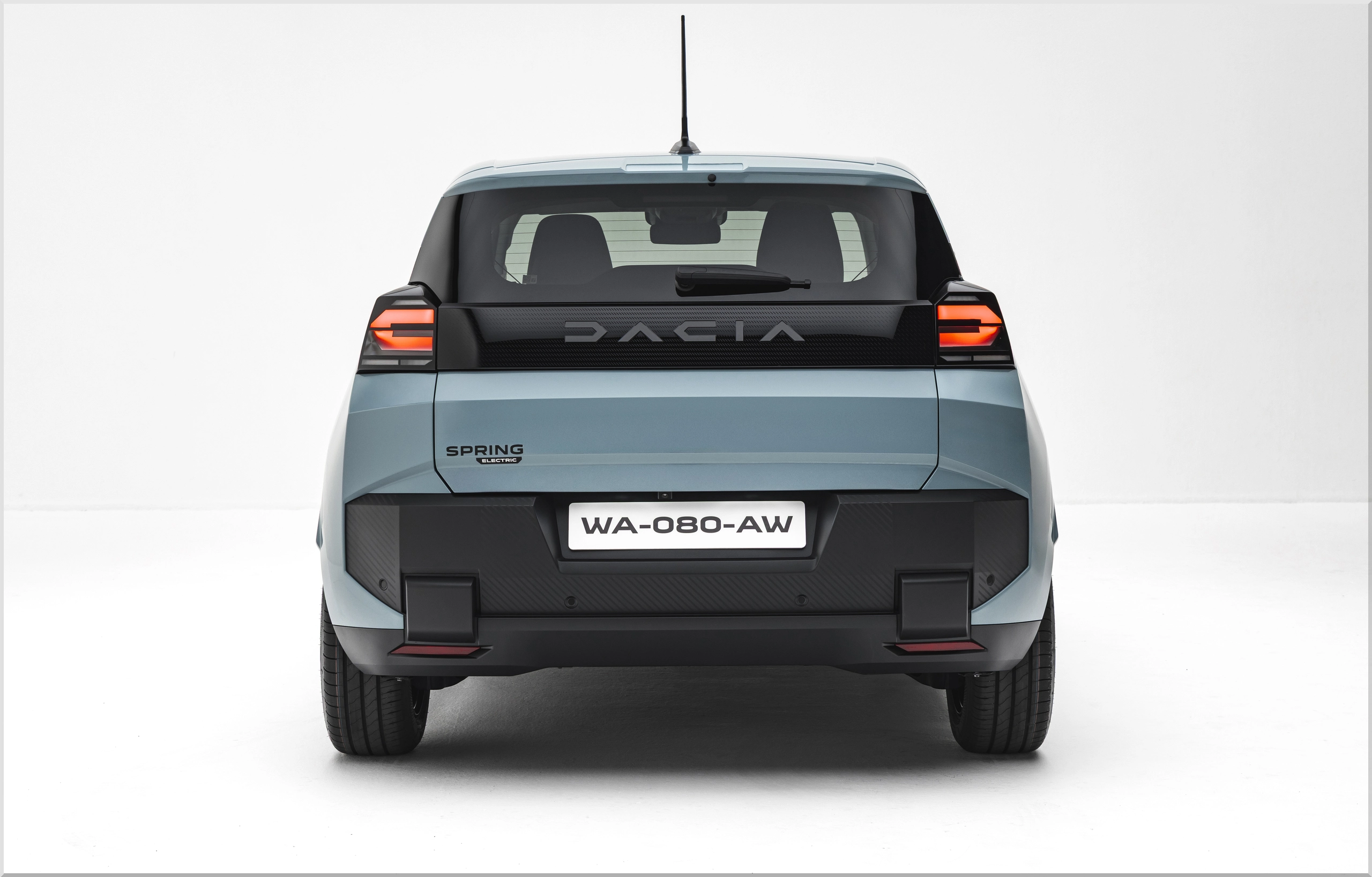
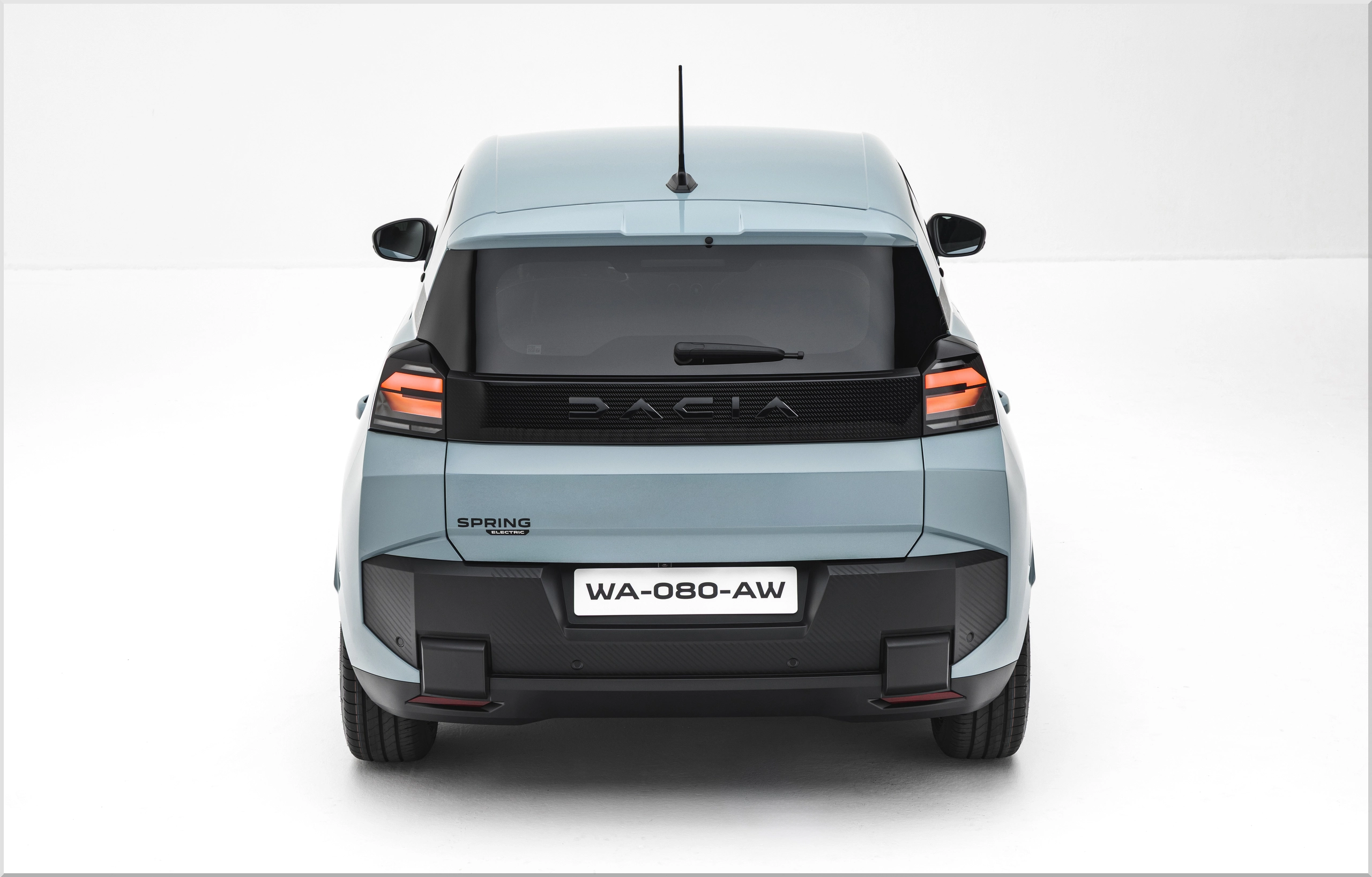
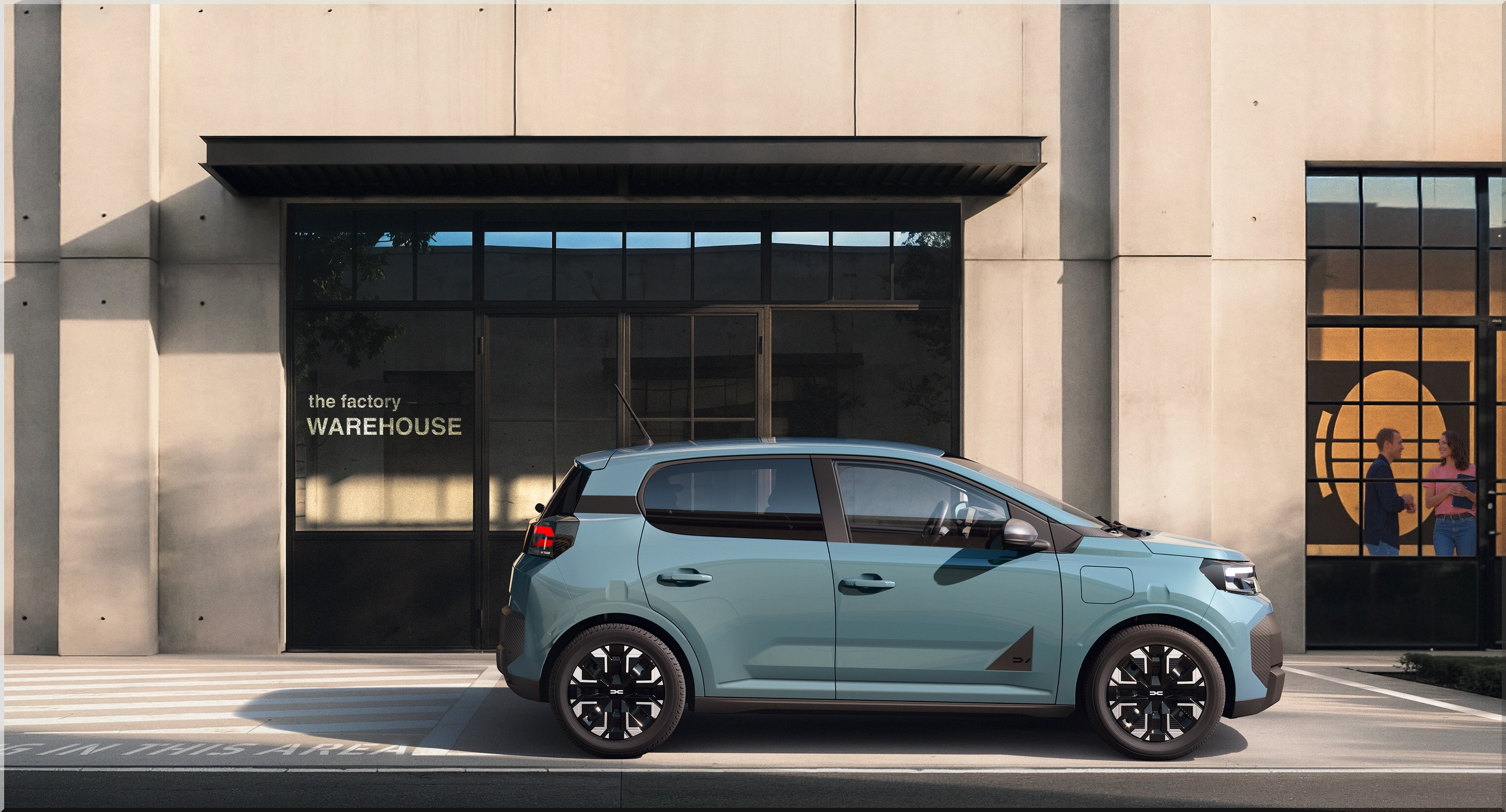
Specifically, the new body measures 3,850 mm long and 1,720 mm wide without mirrors, equal to 151.6 and 67.7 inches. It gains 150 mm in length and 180 mm in width over the prior generation, yet it remains shorter than many subcompact hatchbacks. Dacia has not released the new car's height, wheelbase, ground clearance, or approach angles.
| 2027 Dacia Spring specification | Official figure | US conversion or context |
|---|---|---|
| Motor output | 60 kW / 80 hp | Front motor |
| Peak torque | 175 Nm | 129 lb-ft |
| Battery | 27.5 kWh usable | LFP chemistry |
| WLTP range | 250 km | 155 miles |
| Energy use | 12.7 kWh/100 km | 20.4 kWh/100 miles |
| 0-100 km/h | 12.1 seconds | 0-62 mph |
| Top speed | 130 km/h | 81 mph |
| Starting weight | 1,212 kg | 2,672 pounds |
| Turning radius | 4.95 m | 16.2 feet |
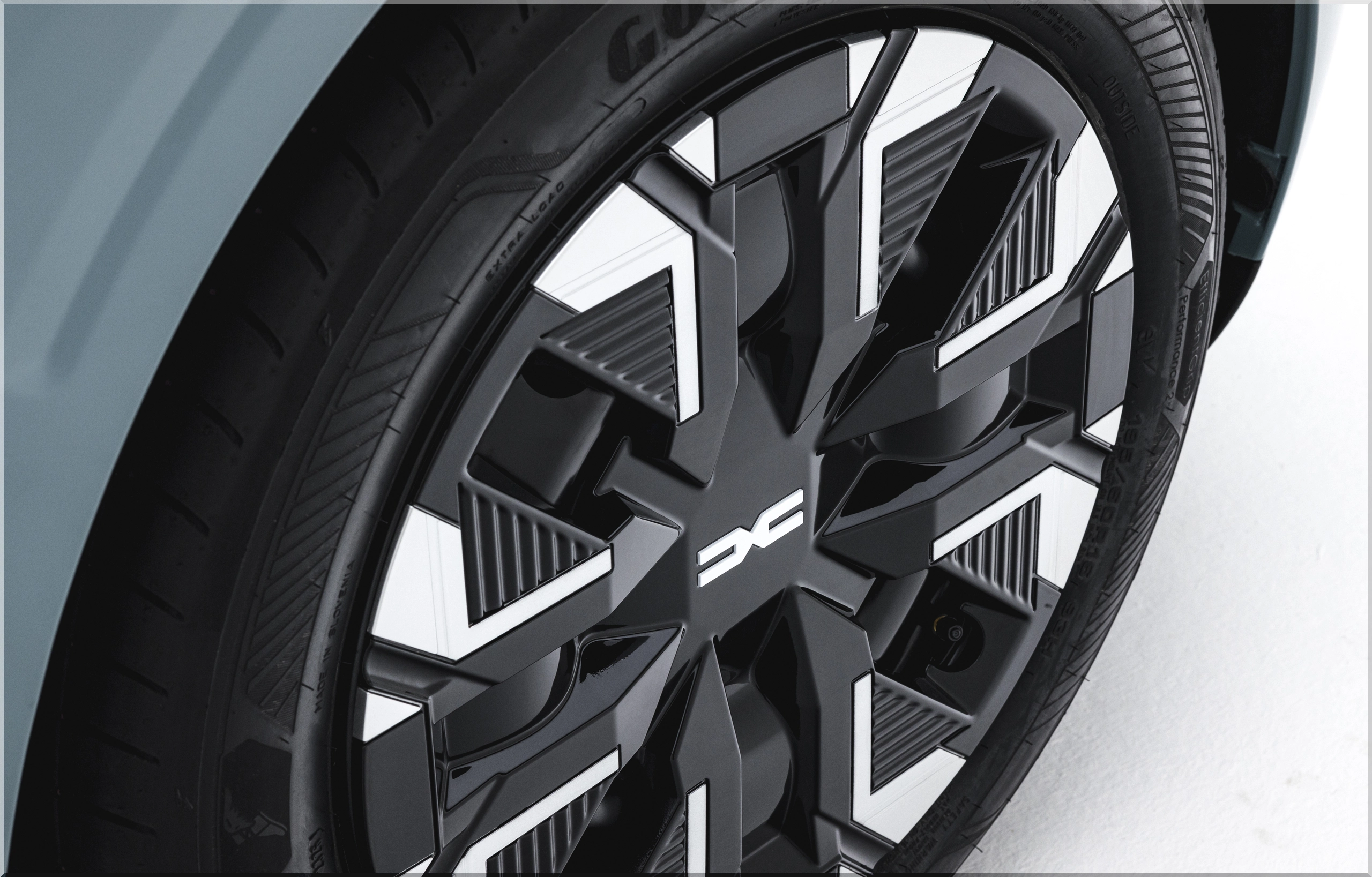
| Wheels | 15 or 16 inches | Trim dependent |
How Far Will the New Dacia Spring Travel?
The Dacia Spring range reaches 250 km, or 155 miles, on Europe's WLTP combined cycle. Do not read that figure as an EPA estimate. The car's small battery and low mass suit daily commuting, but sustained highway speed, cold air, cabin heat, and a full passenger load will cut usable range.
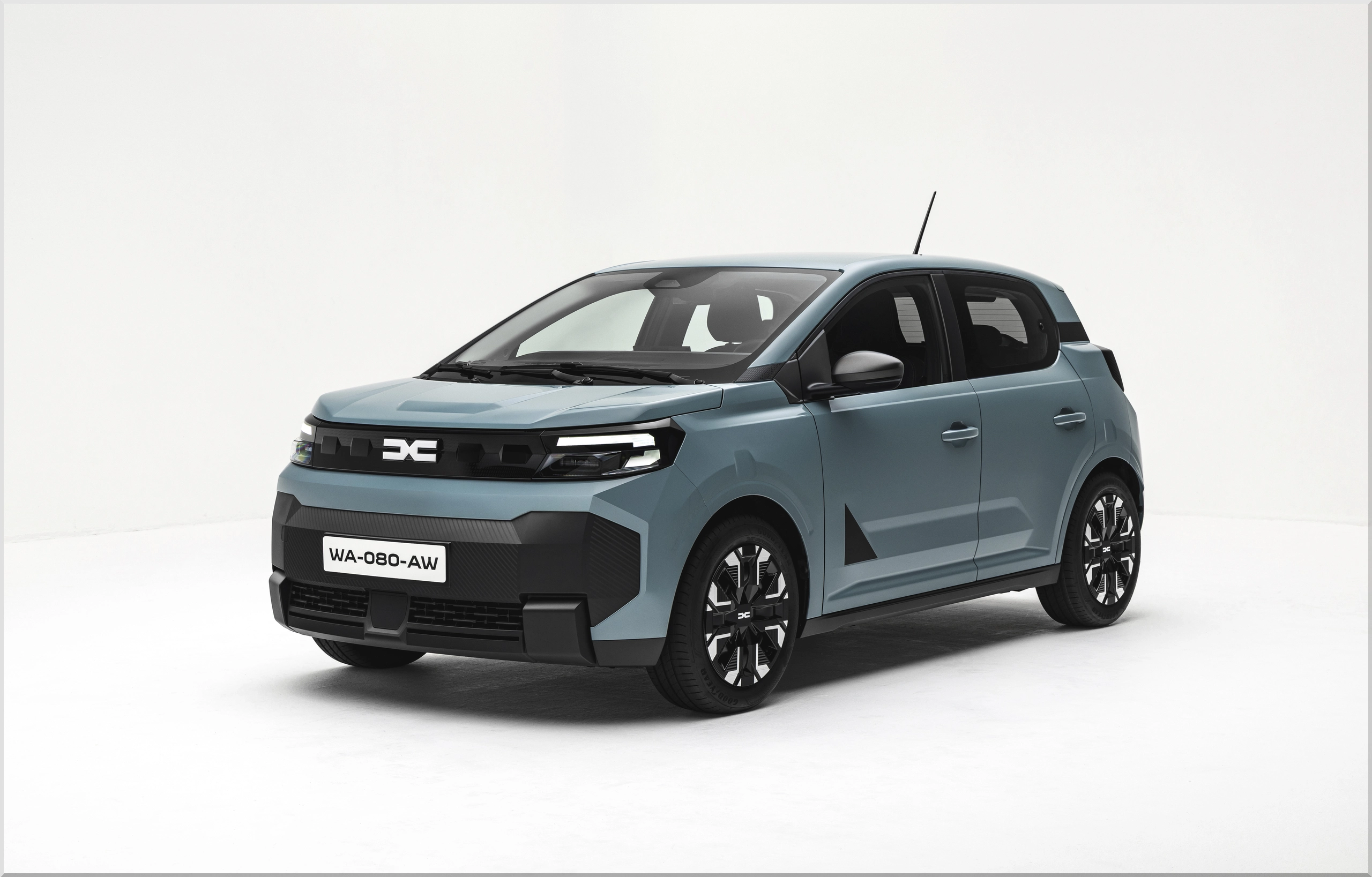
Looking at the data, Dacia reports 12.7 kWh per 100 km, equal to about 20.4 kWh per 100 miles or roughly 165 MPGe as an energy equivalent. That MPGe figure comes from arithmetic based on WLTP consumption; the EPA has not tested this car. The released range and consumption values also appear to represent favorable, possibly different configurations, since 27.5 kWh divided by 12.7 kWh per 100 km does not produce 250 km.
Dacia's connected fleet data explains the battery choice. Existing Spring owners cover an average of 34 km, or 21 miles, per day at an average speed near 21 mph, and 75% charge at home. For that usage pattern, a larger pack would add purchase cost and weight without adding much daily value.
Is 50 kW DC Charging Fast Enough?
The peak sounds weak beside modern 100- to 150-kW city EVs, but battery size changes the practical result. The optional 50 kW DC charging system takes the Spring from 15% to 80% in 28 minutes, so a normal stop remains short. The average power across that session works out near 38 kW.
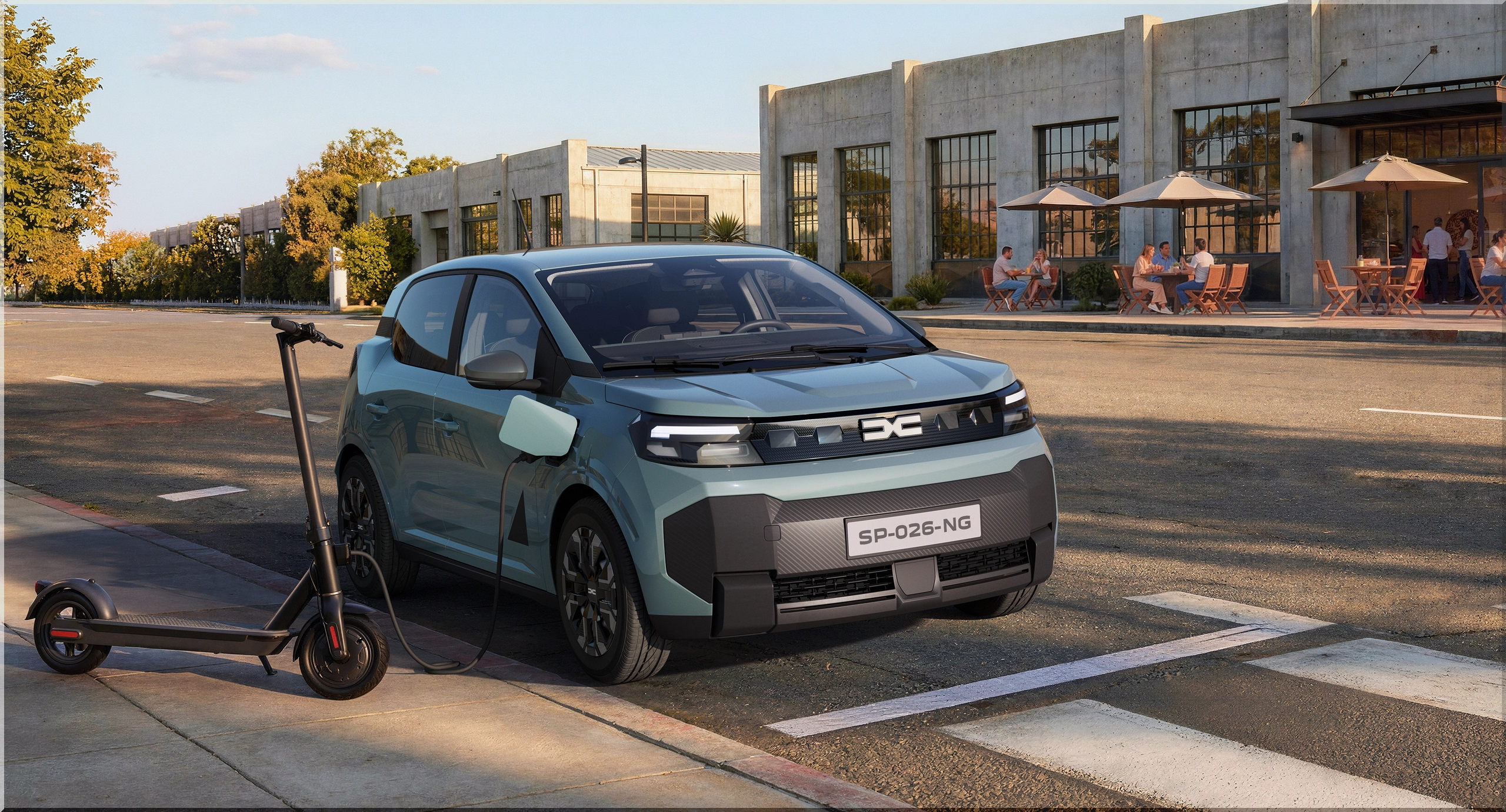
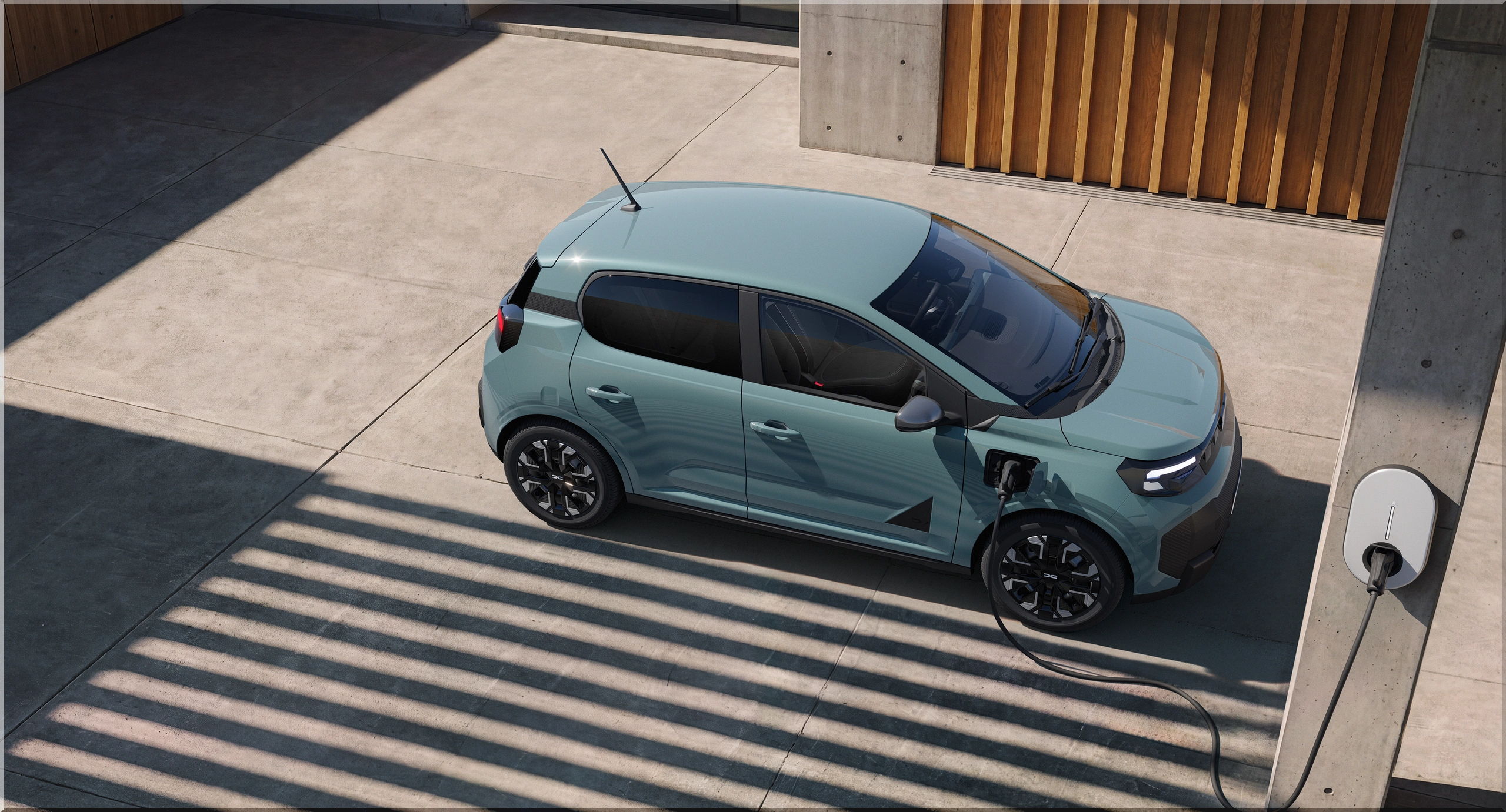
The base European specification uses a 6.6-kW onboard AC charger. A fast-charge pack adds 11-kW AC, 50-kW DC, and vehicle-to-load capability for powering small appliances. Sweden's importer says the 11-kW AC and 50-kW DC equipment will come standard on its upper trim, due in spring 2027.
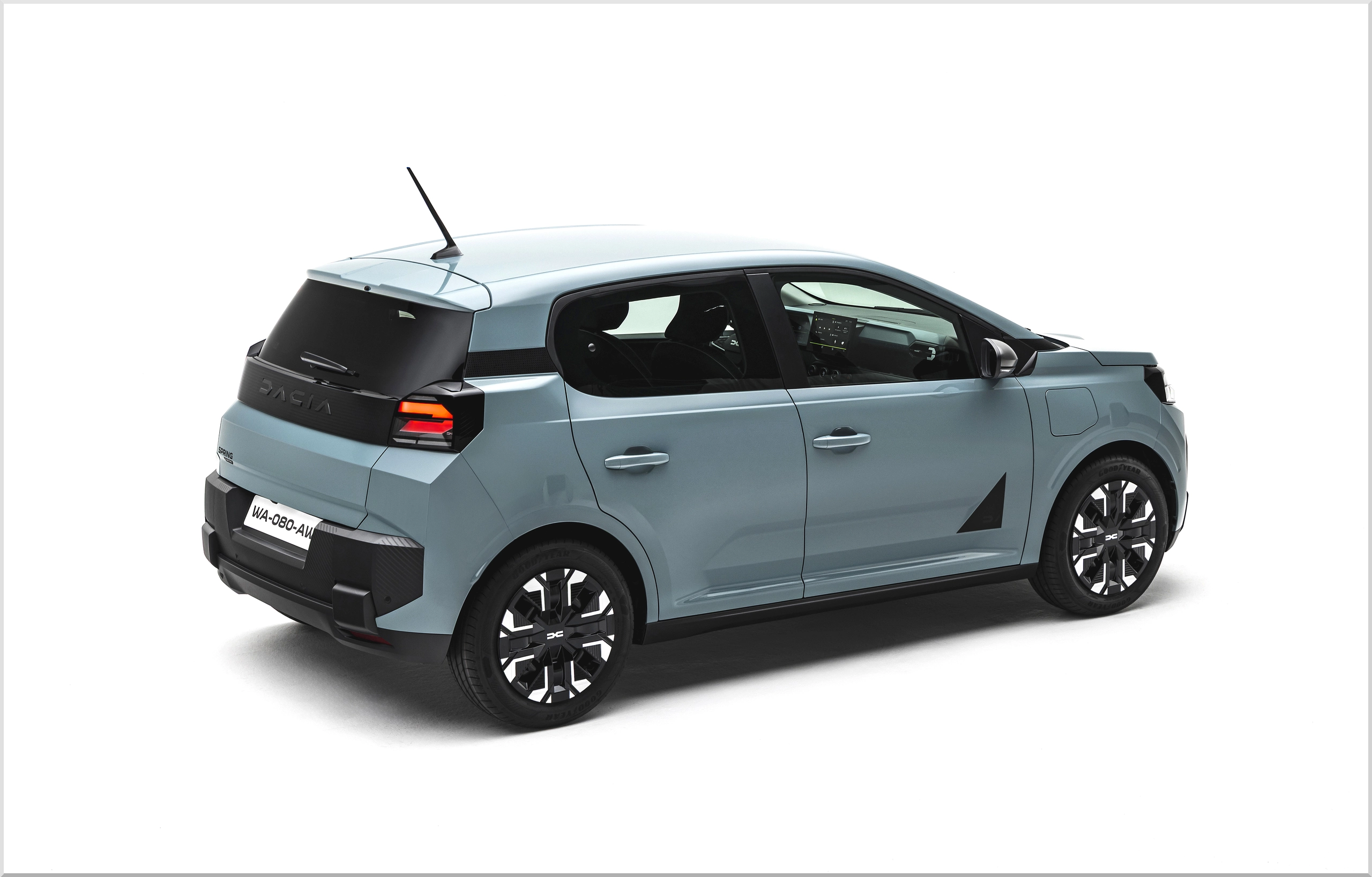
- A household outlet takes 9 hours from 15% to 80%.
- A reinforced outlet cuts that session to 5 hours 40 minutes.
- A 7-kW Level 2 Charging unit needs 2 hours 55 minutes.
- An 11-kW three-phase unit needs 1 hour 55 minutes.
- A 50-kW DC station needs 28 minutes.
Pro-Tip: Check the Charging Pack Before Signing
Confirm that the car includes the 11-kW AC and 50-kW DC hardware. A low advertised price may cover the 6.6-kW AC version with no DC port in some countries. Buyers who depend on public charging should price the fast-charge pack before comparing the Spring with a Twingo or T03.
How Practical Is the Cabin and Trunk?
The new electric city car carries more than its footprint suggests. Dacia quotes 337 liters, or 11.9 cubic feet, behind the rear seats; folding the 50:50 rear seat expands capacity to 1,283 liters, or 45.3 cubic feet. An optional 18-liter frunk adds 0.64 cubic feet for the charging cable.
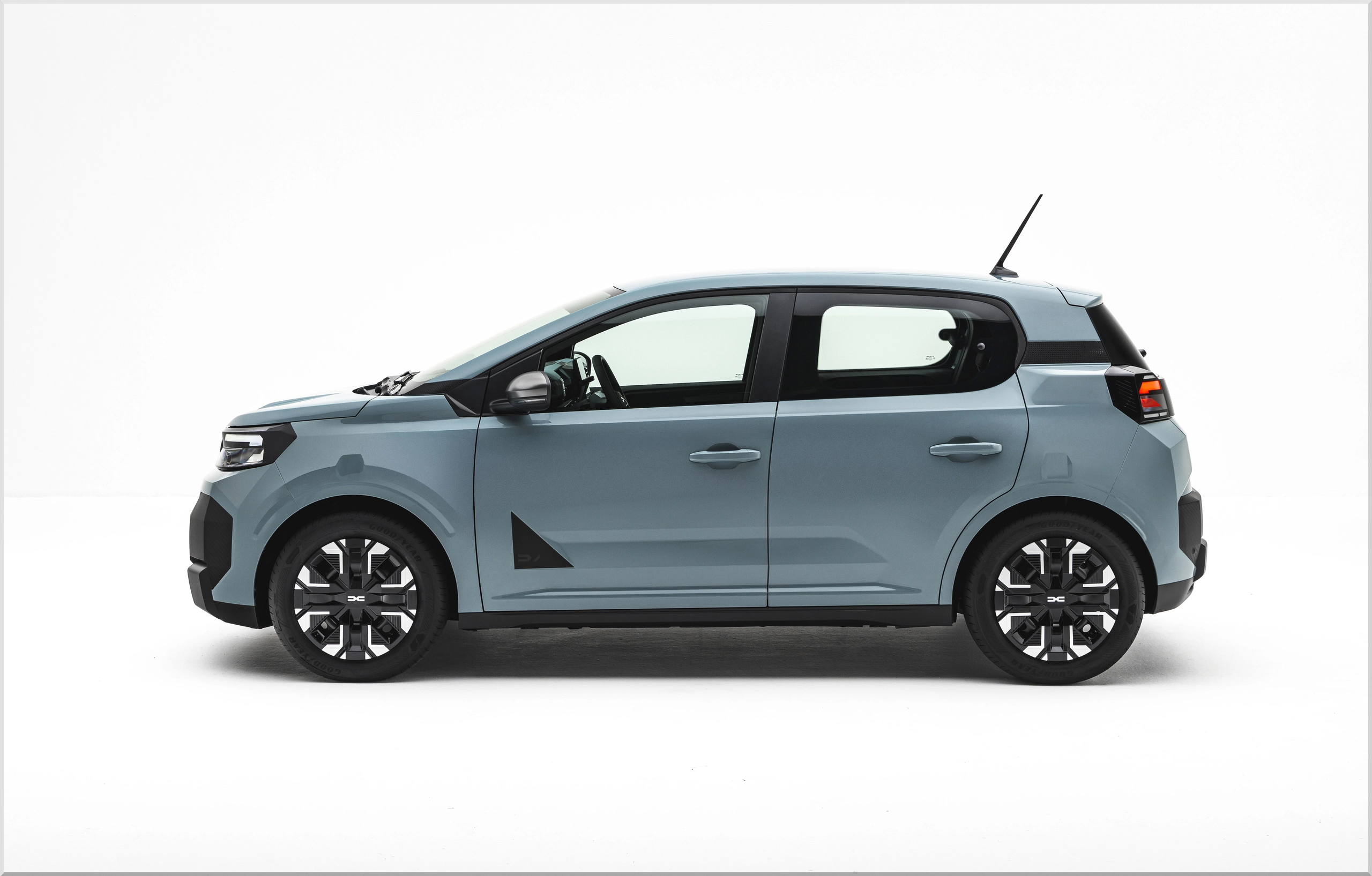
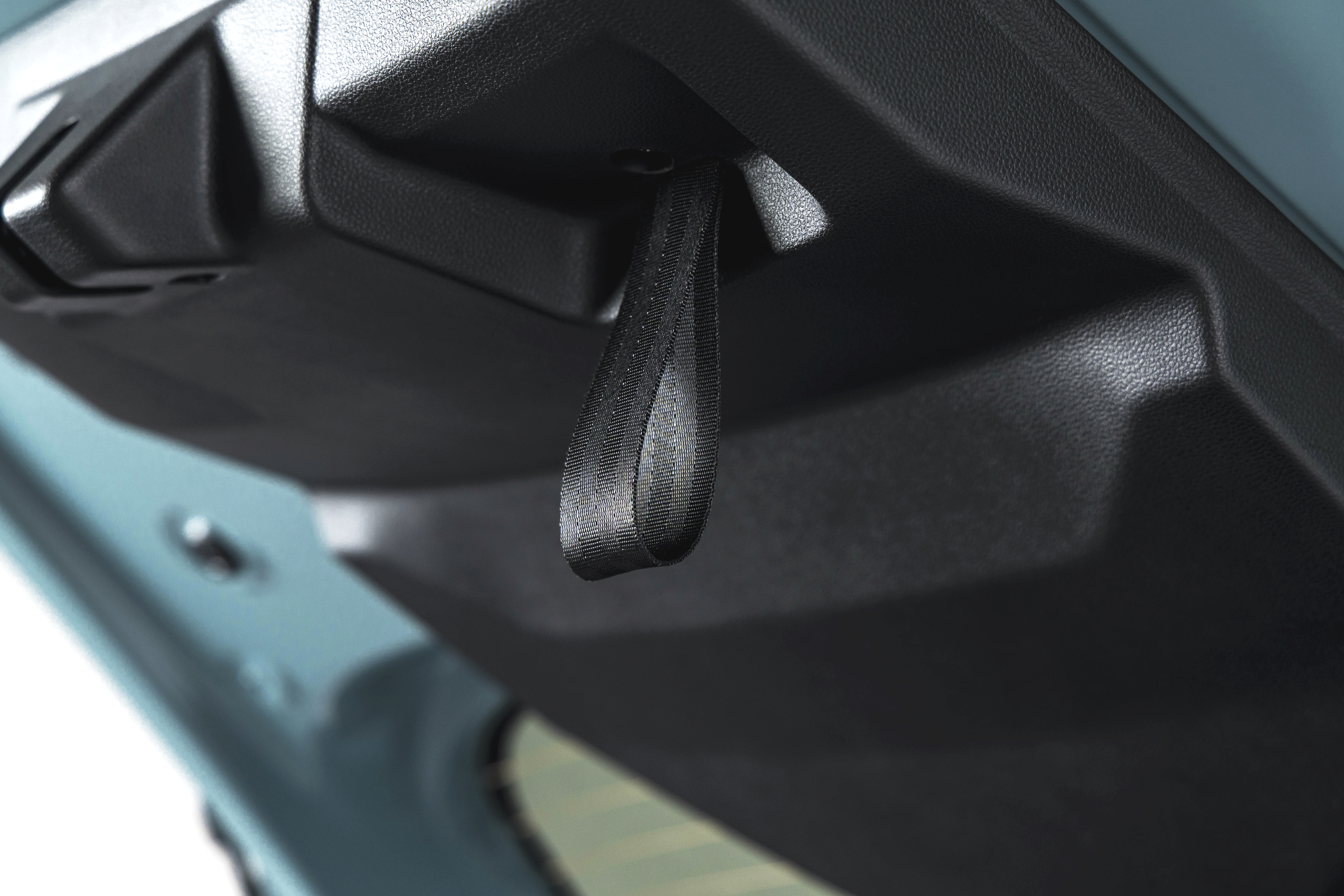
In addition, up to three YouClip mounting points accept accessories such as a bag hook, cupholder, lamp, or cable organizer. Textured, unpainted bumper material should also hide parking scuffs better than gloss-painted trim.
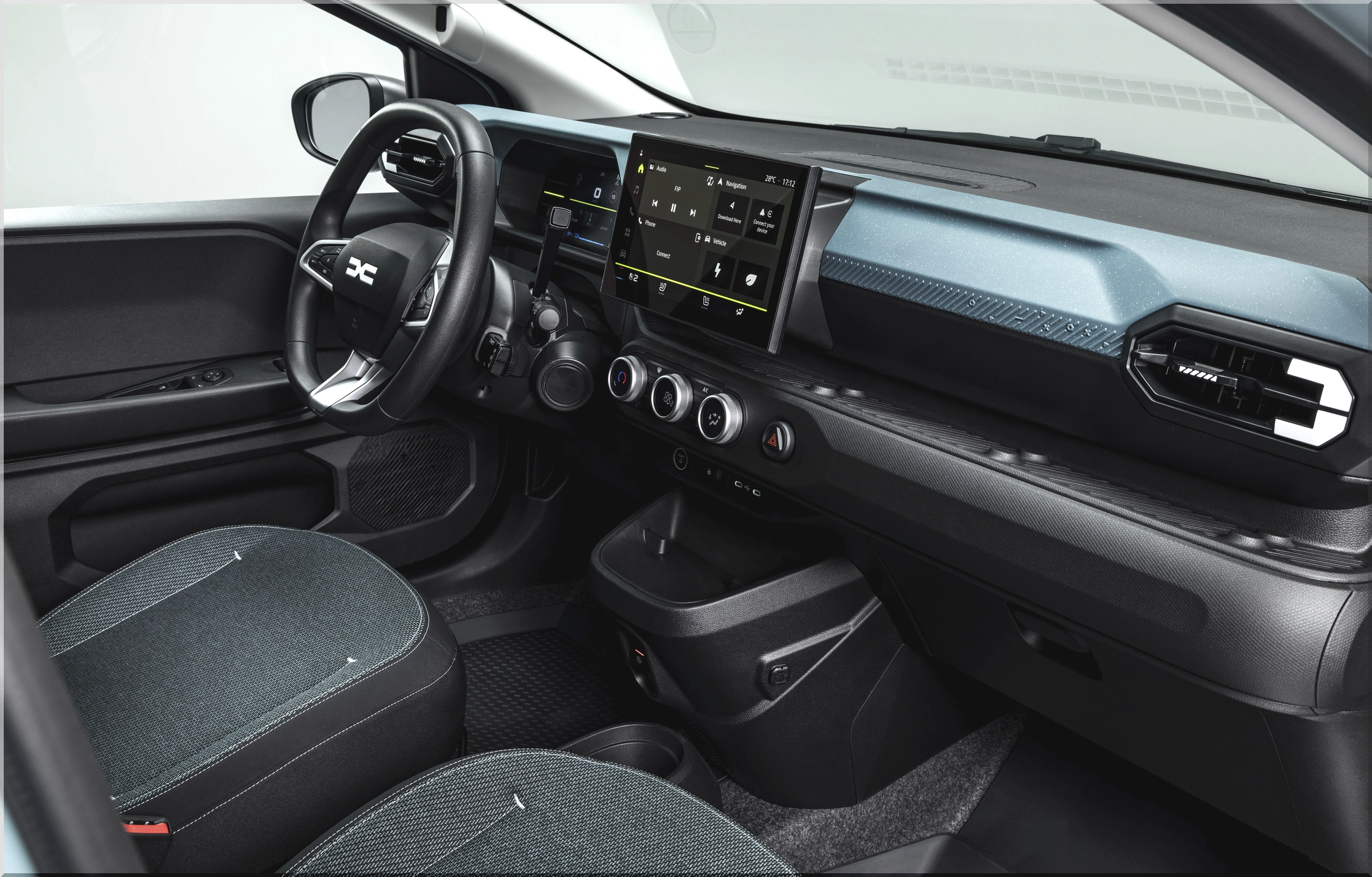
The base trim uses Dacia's phone-based Media Control system. The upper trim adds a 10.1-inch touchscreen, wireless Apple CarPlay and Android Auto, connected services, eight years of connected European navigation, a rear camera, and hands-free access. Every version gets a 7-inch digital cluster, an electric parking brake, and rear parking sensors.
How Does the Dacia Spring Compare With Small EV Rivals?
The Spring wins on low weight, cargo volume, and promised price ceiling, but it loses range and charging power to larger-battery rivals. The Renault Twingo runs slightly farther with closely matched battery and motor data. The Leapmotor T03 and Hyundai Inster offer more battery capacity, while the Inster supplies far stronger DC hardware.
| Model | Battery | WLTP range | Output | Peak DC rate | Cargo space | Length |
|---|---|---|---|---|---|---|
| 2027 Dacia Spring | 27.5 kWh usable | 155 miles | 80 hp | 50 kW optional in many markets | 11.9 cu ft | 151.6 in |
| Renault Twingo E-Tech | 27.5 kWh | 163 miles | 82 hp | 50 kW optional | Up to 12.7 cu ft | 149.2 in |
| Leapmotor T03 | 37.3 kWh nominal | 165 miles | 95 hp | About 48 kW | 7.4 cu ft | 142.5 in |
| Hyundai Inster 42 kWh | 42 kWh | More than 186 miles | 97 hp | Up to 120 kW | 9.9-12.4 cu ft | 150.6 in |
By comparison, the Twingo starts near $22,700 before incentives, while Dacia promises every Spring version below roughly $23,300 at the September 2026 exchange rate. Country-specific Spring prices remain pending. The final value verdict depends on how far below that ceiling the base trim lands.
What Will the 2027 Dacia Spring Cost to Run?
Low energy use could make the Spring cheap to operate. At an illustrative home electricity rate of $0.30 per kWh, its official consumption equates to about $6.12 per 100 miles, excluding charging losses and fixed utility fees. Driving 10,000 miles would use about $612 in electricity under those assumptions.
From an expert perspective, depreciation and insurance remain the harder variables. A low purchase price limits the dollars exposed to depreciation, but insurers still need repair data for the new platform. A cheap sticker does not guarantee a cheap premium.






Has Dacia Fixed the Spring's Safety Problem?
No independent crash test answers that question yet. The prior Spring earned one Euro NCAP star in 2021, with 49% for adult protection, 56% for child protection, 39% for vulnerable road users, and 32% for safety assistance. Those scores do not transfer to this new platform, but buyers should wait for a fresh result before assuming a full reset.

The new 2027 Dacia Spring car adds driver-assistance functions plus a My Safety settings shortcut. Those items improve daily use, but they reveal nothing about passenger-cell integrity, restraint performance, or battery protection in a severe impact.
| Pros | Cons |
|---|---|
| Low 2,672-pound curb weight supports efficiency | No EPA range or US sales plan |
| 337-liter trunk beats several small EVs | 50-kW DC peak trails newer rivals |
| LFP battery avoids nickel and cobalt in its cathode | DC charging may require an extra pack |
| Every European trim will sit below about $23,300 | New-generation crash rating remains unknown |
| V2L adds useful backup power for small devices | 155-mile WLTP range limits road-trip appeal |





Should You Wait for the 2027 Dacia Spring?
Wait if you need an inexpensive second car for short commutes, can charge at home, and value cargo space over highway range. Skip it if you rely on frequent long-distance DC charging or want a verified crash-test result now. North American shoppers must also look elsewhere because Dacia has announced no US or Canadian release.
Consequently, price will decide the Spring's case. If Dacia places the upper trim comfortably below the $23,300 ceiling, this lightweight EV will make strong financial sense for urban European drivers. If options push it close to the Twingo or longer-range Inster, its simplicity will start to look like a compromise rather than disciplined engineering.

Dacia opens a new chapter in its history, with the presentation of its first electric car: Dacia Spring. The cheapest electric car on the market offers a record interior space for its segment, a simple and reliable electric motor… Continue reading
Dacia has unveiled the Spring Extreme, a new trim level for its popular electric city car. The Spring Extreme is distinguished by its more aggressive styling, which includes a black grille, black alloy wheels, and a rear spoiler. The… Continue reading
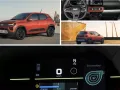
The Dacia Spring is a small, affordable, and practical electric car that has been making waves in Europe since its launch in 2021. It is widely regarded as the most accessible and best value-for-money electric car on… Continue reading
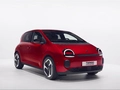
The Electric Comeback of a City Icon Renault’s Twingo E-Tech Electric marks the rebirth of an urban legend. Compact, affordable, and developed in just two years, this new-generation electric city car demonstrates how… Continue reading