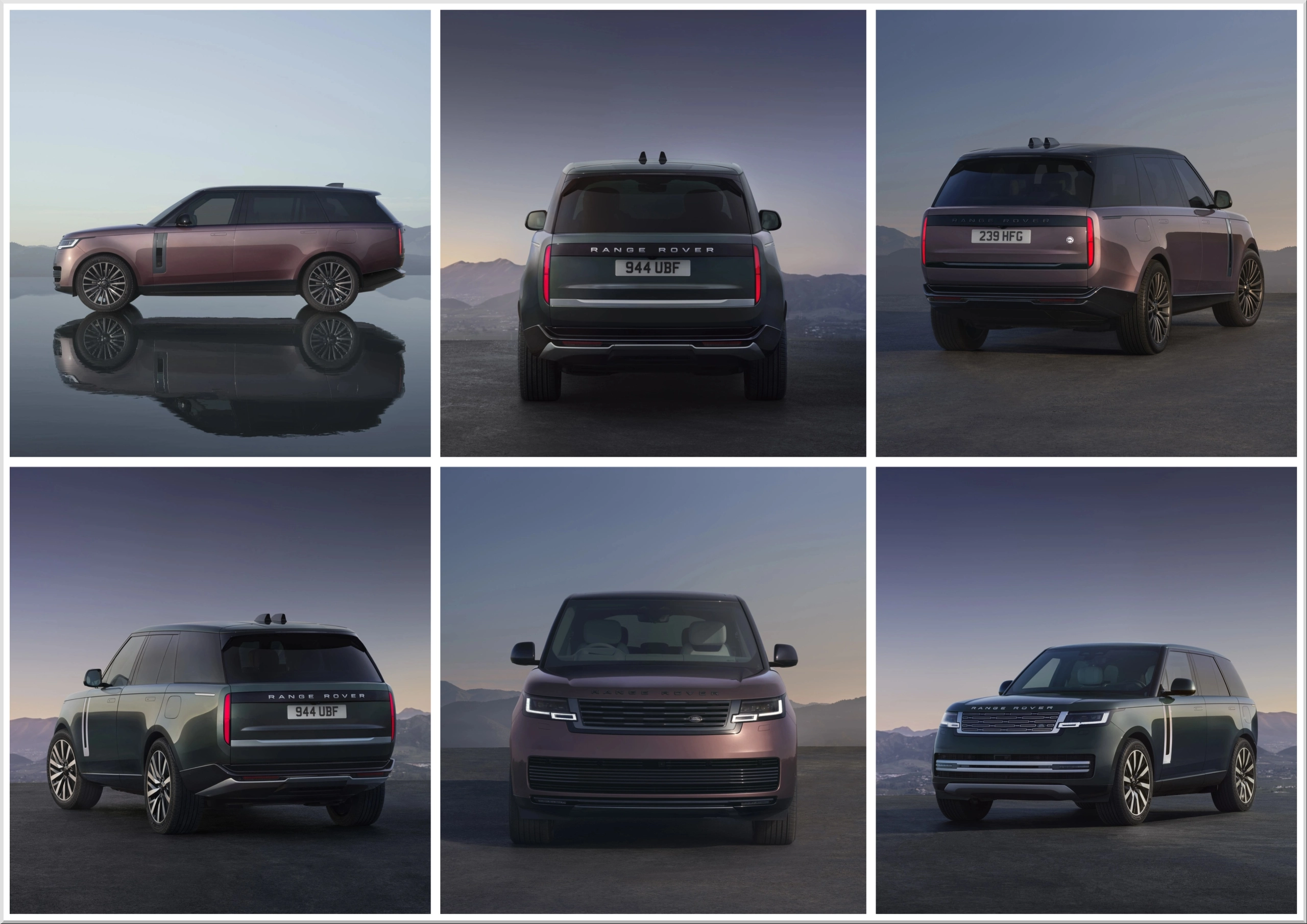
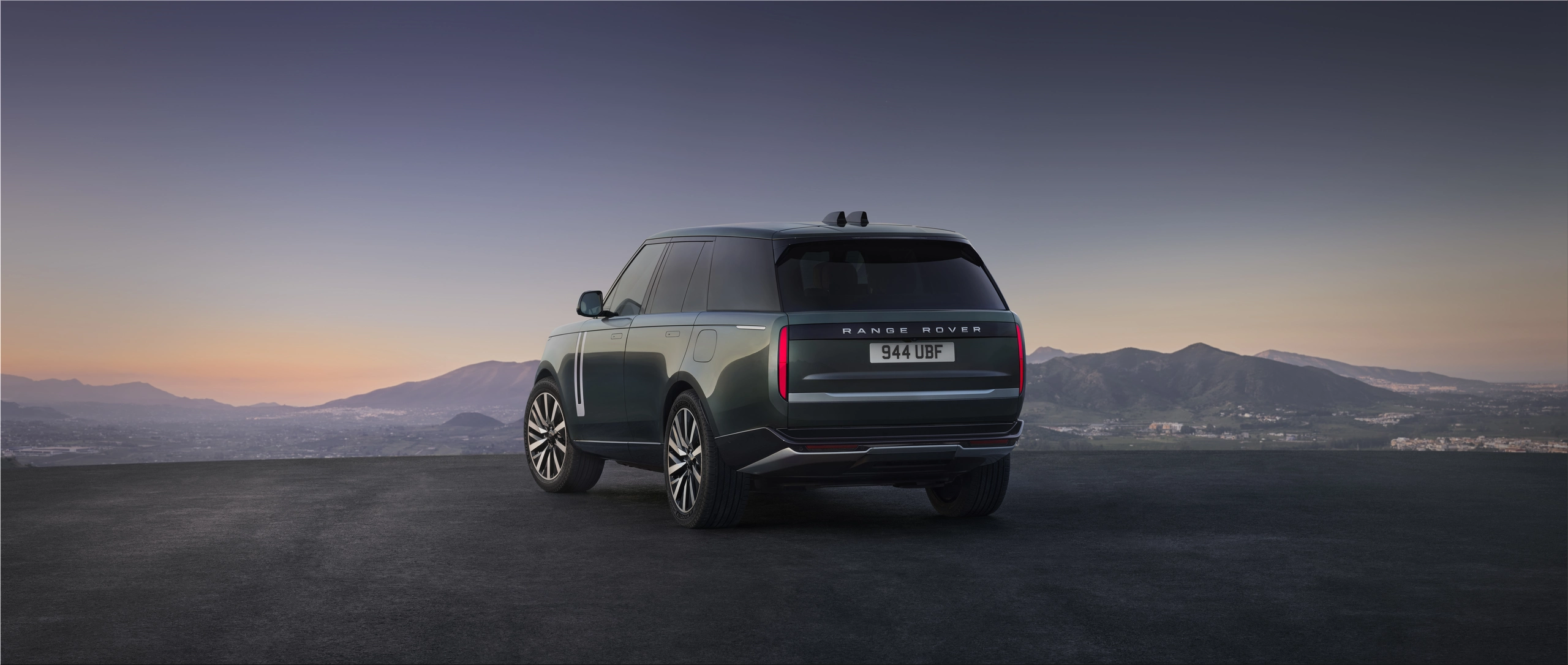
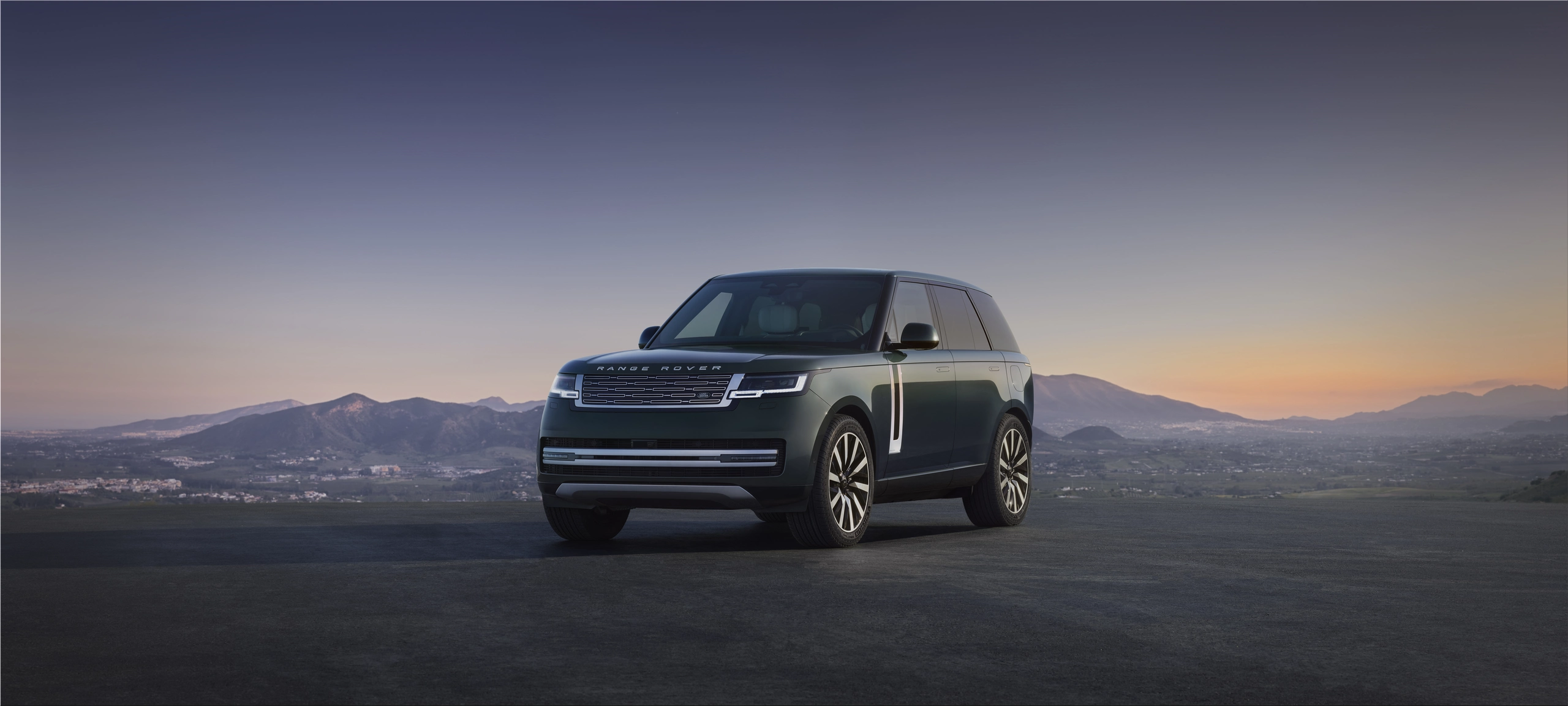
The 2027 Range Rover Electric pairs a 118.5-kWh usable battery with an 800-volt electrical system, dual motors, and serious off-road hardware. It delivers up to 372 miles of WLTP range, hits 60 mph in 4.3 seconds, and starts at approximately $207,750 after currency conversion.
How Much Does the Range Rover Electric Cost?
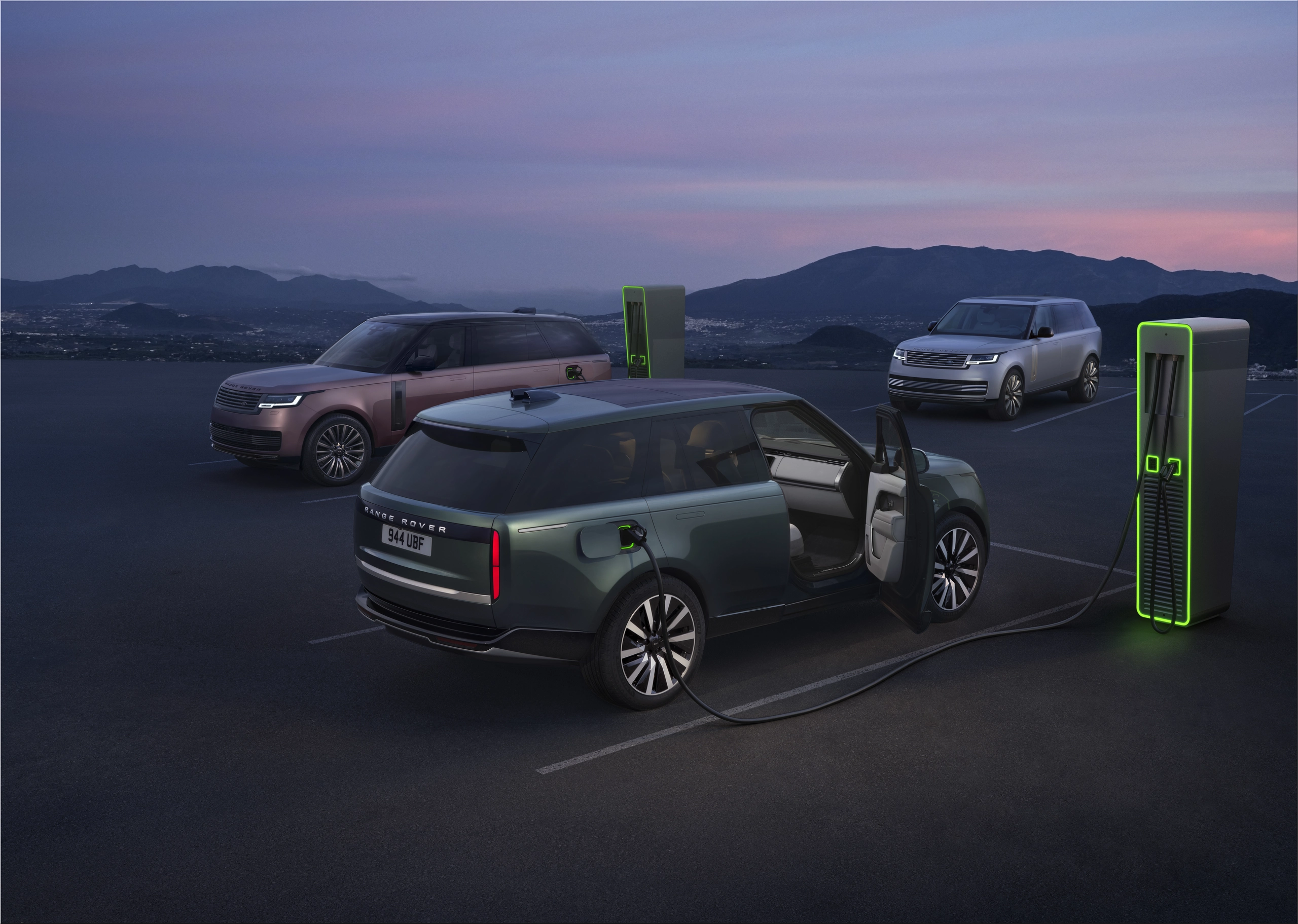
Range Rover has opened UK orders with a converted starting price of approximately $207,750. That figure uses entry-level SE model's UK on-the-road price, not an announced US MSRP. American pricing, destination charges, and final equipment packages may differ.
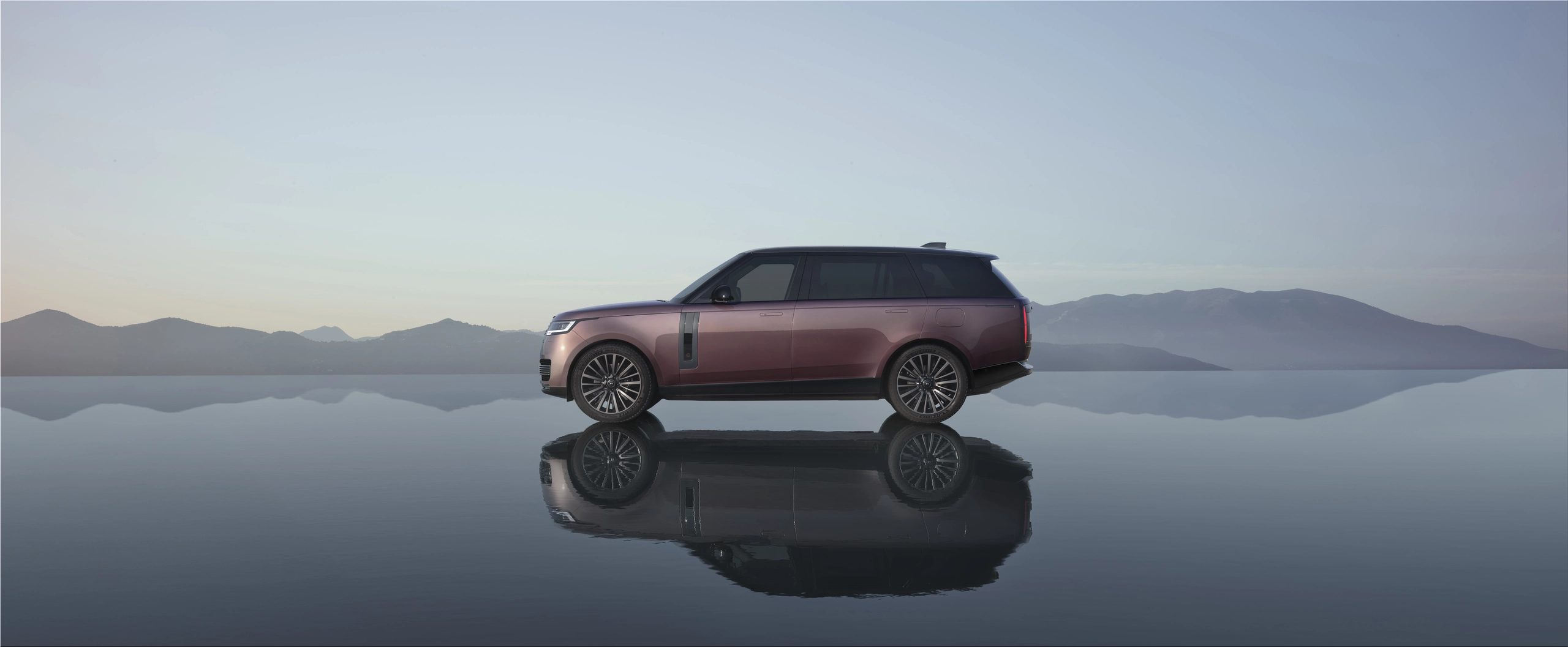
Buyers can select standard-wheelbase or long-wheelbase bodies, depending on the market. The range includes SE, HSE, Autobiography, SV, SV Ultra, SV Black, and First Edition versions.
| Version detail | Range Rover Electric specification |
|---|---|
| Converted starting price | Approximately $207,750 |
| Body choices | Standard or long wheelbase |
| Core grades | SE, HSE, Autobiography |
| Upper grades | SV, SV Ultra, SV Black |
| Special launch model | First Edition |
| Battery warranty | 8 years or 100,000 miles |
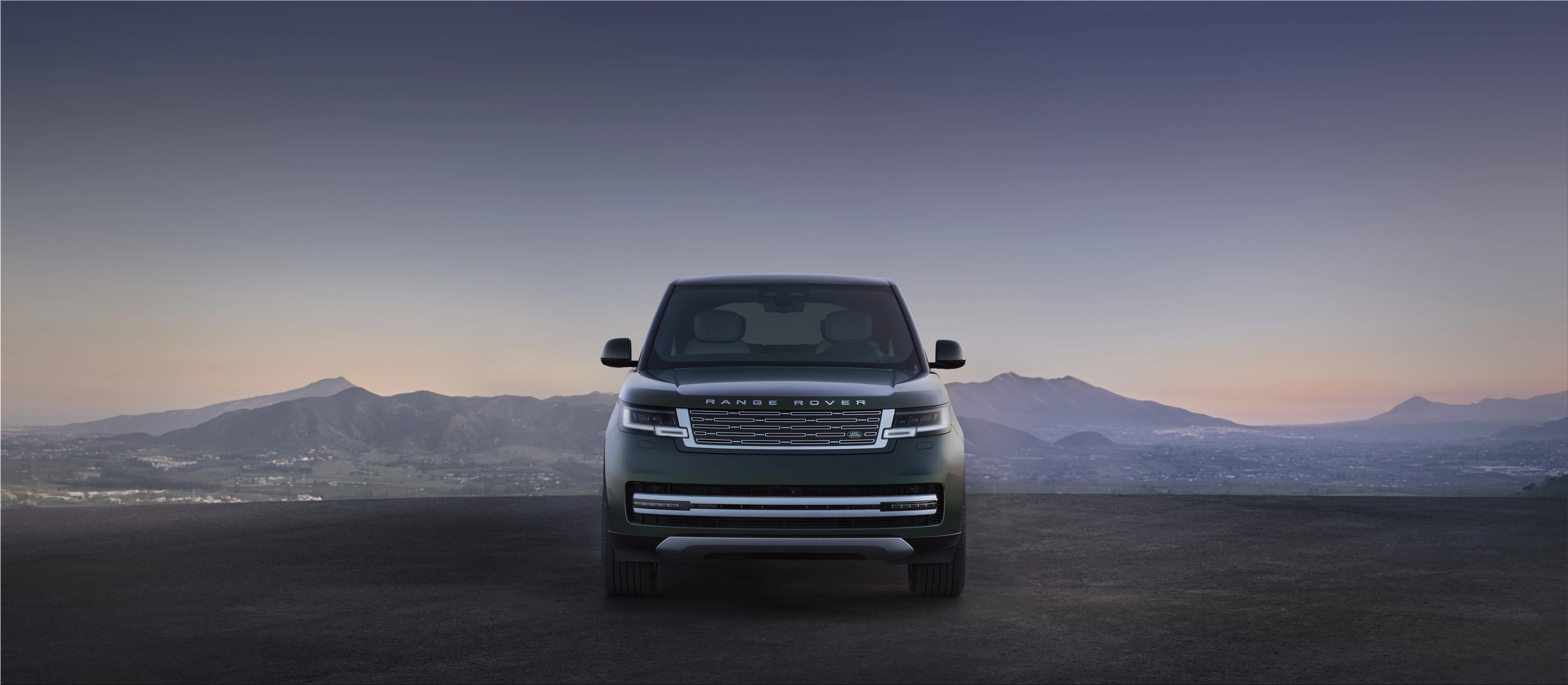
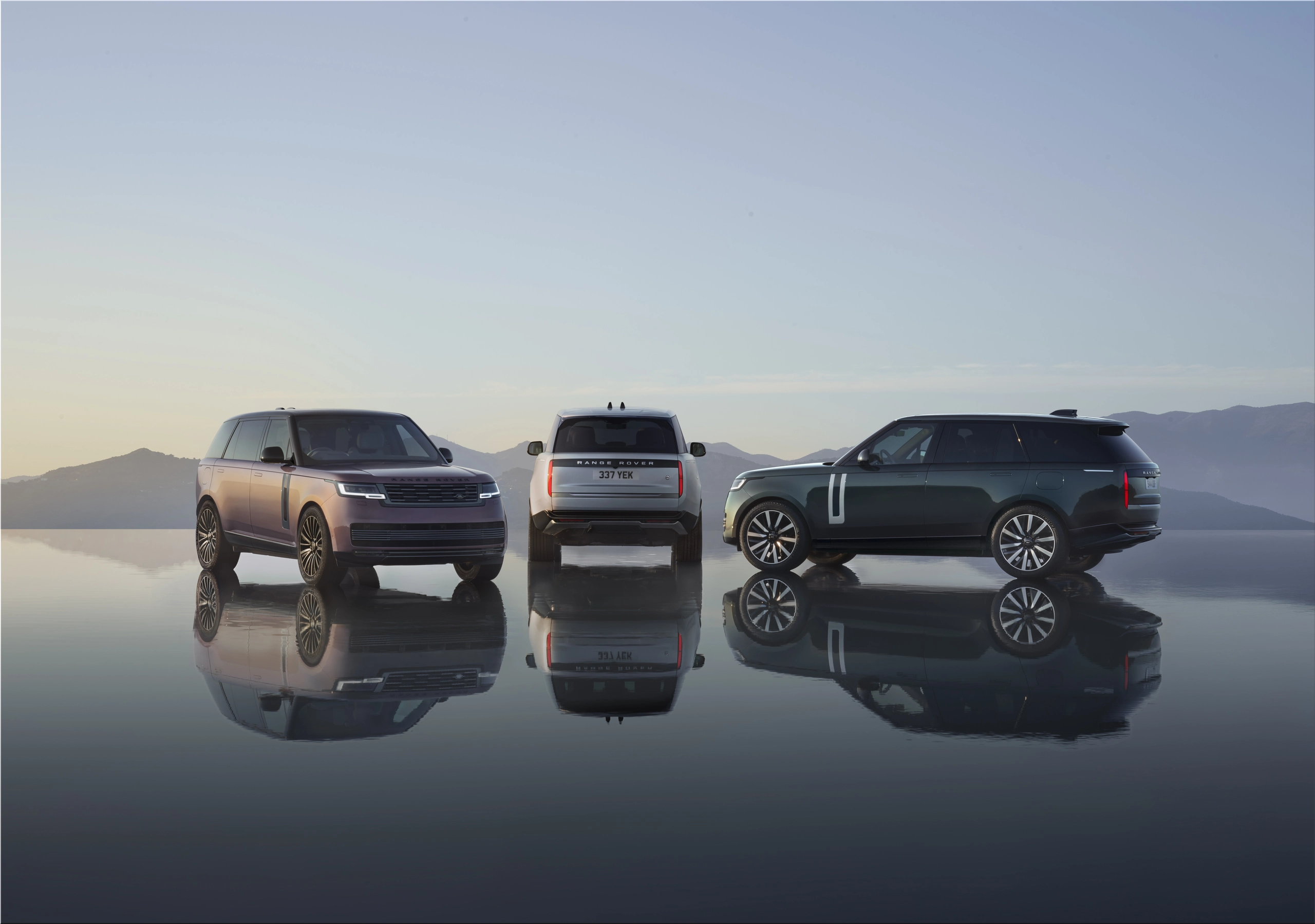
The First Edition offers Belgravia Green, Santorini Black, or Varesine Blue paint. Range Rover also provides extensive personalization for customers prepared to move well above the base price.
What Are the Range Rover Electric's Power and Range Figures?
Two permanent-magnet motors generate a combined 542 horsepower and 627 pound-feet of torque. Each motor can produce up to 260 kW, while silicon-carbide power electronics improve switching efficiency and heat control. The electric drivetrain pushes this large luxury SUV from zero to 60 mph in 4.3 seconds.
| Technical specification | Official figure |
|---|---|
| Usable battery capacity | 118.5 kWh |
| Battery cell count | 344 prismatic cells |
| Electrical architecture | 800 volts |
| Maximum output | 542 horsepower |
| Maximum torque | 627 pound-feet |
| Zero to 60 mph | 4.3 seconds |
| 50-75 mph | 2.7 seconds |
| Maximum WLTP range | 372 miles |
| JLR real-road estimate | 333 miles |
Looking at the data, the 333-mile real-road estimate carries more practical value than the headline 372-mile electric range. The latter follows Europe's WLTP test, which usually produces a higher figure than the EPA procedure used in the United States.
How Fast Can the Range Rover Electric Charge?
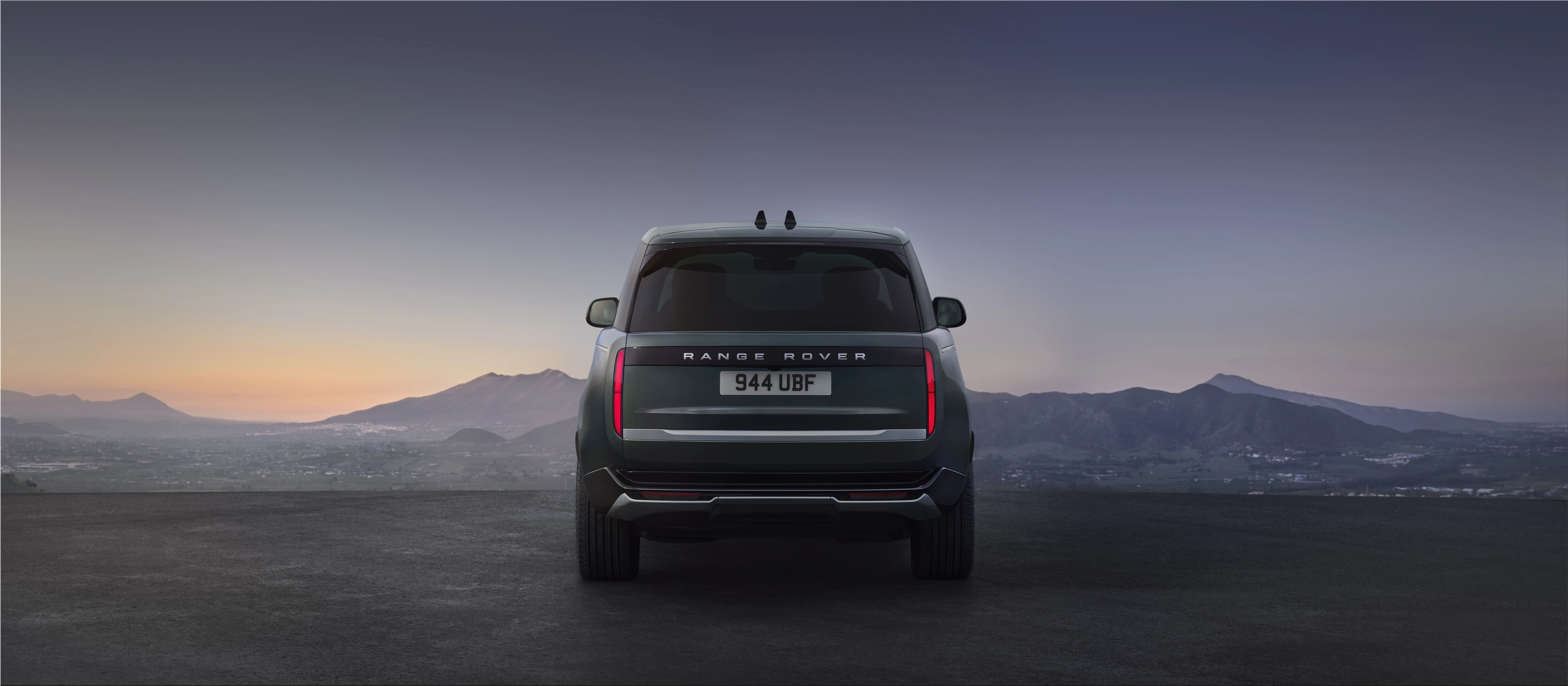
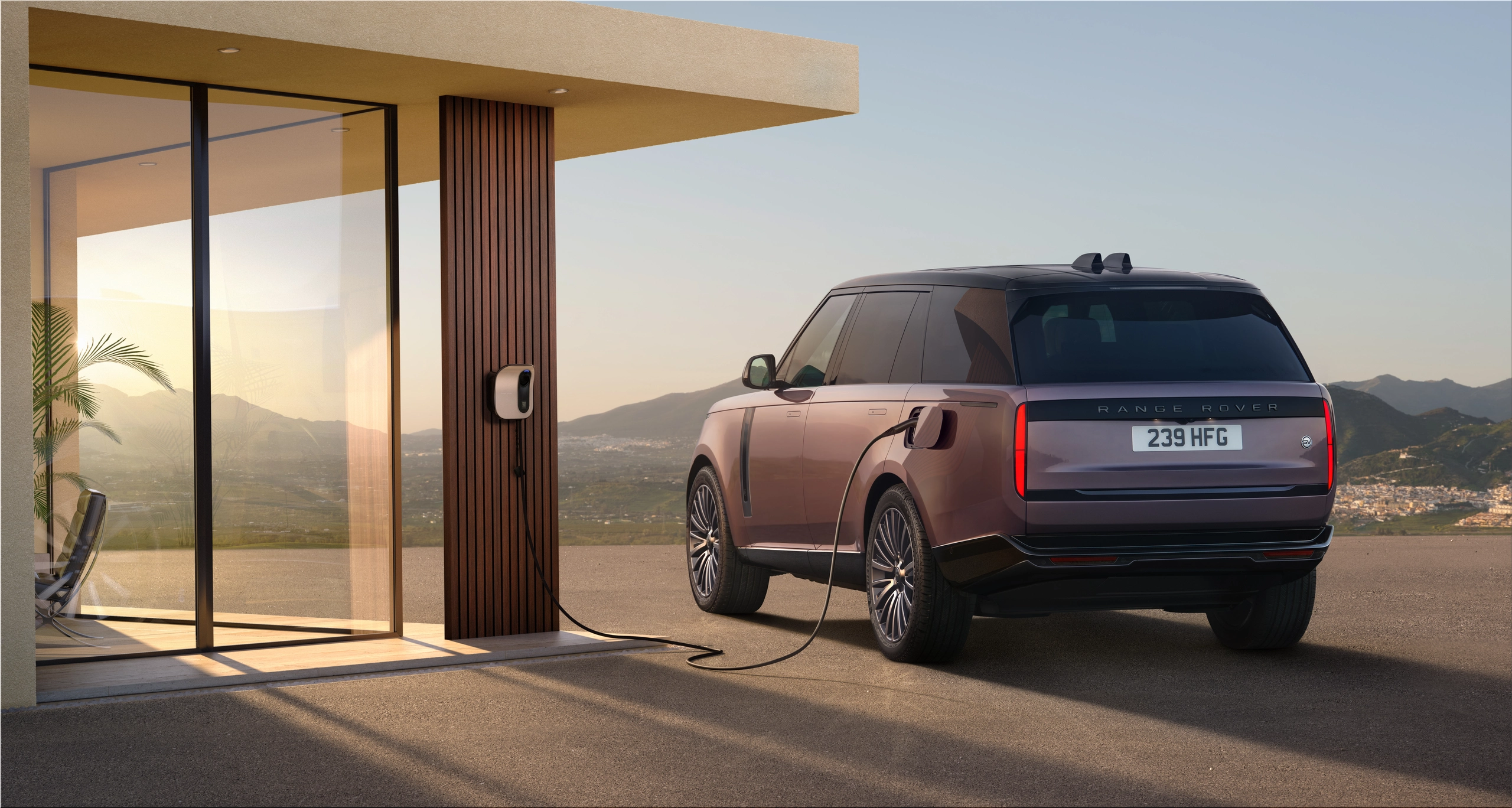
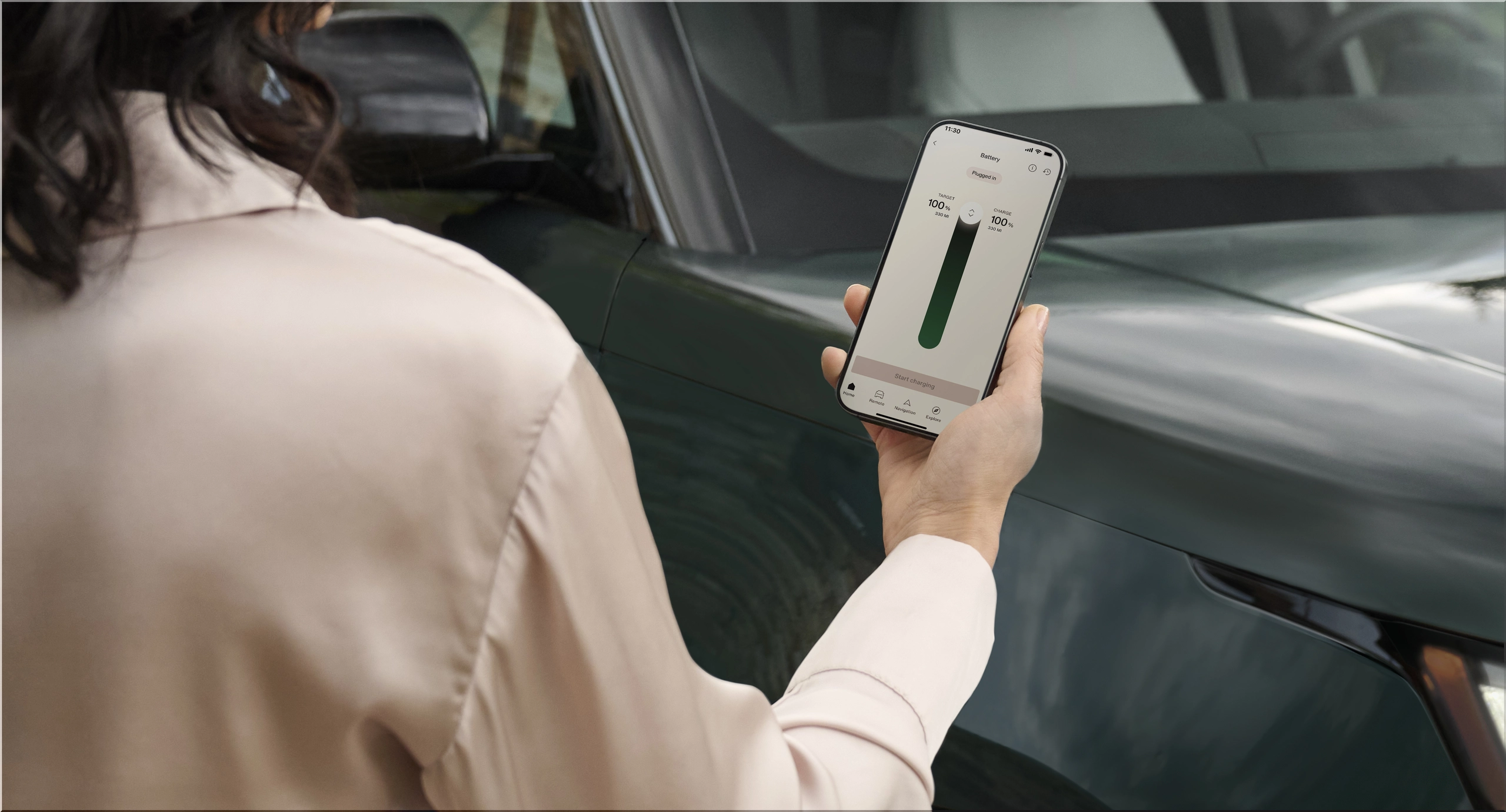
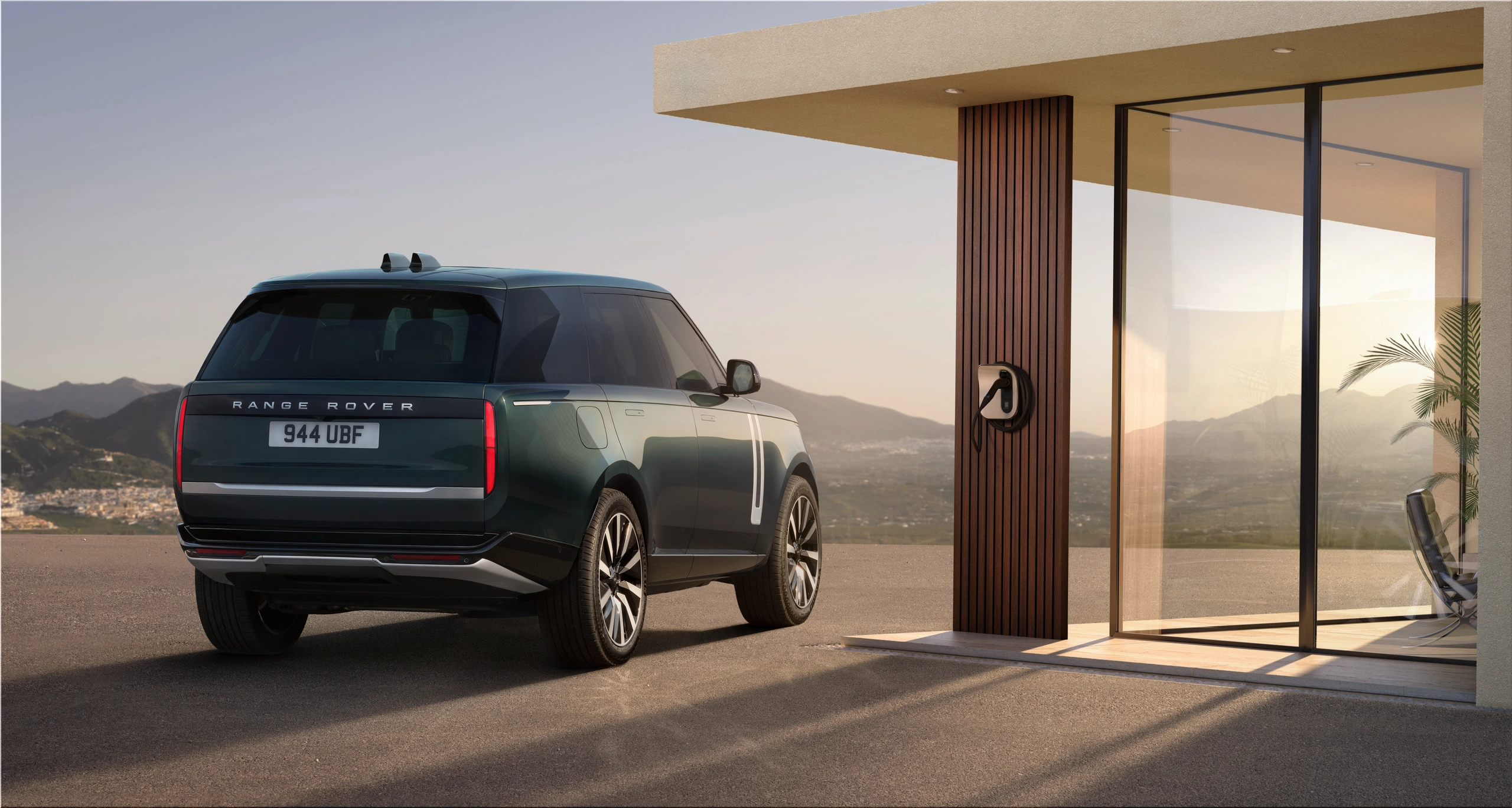
The 800-volt EV architecture supports a 10-80 percent DC fast-charging session in approximately 22 minutes on a compatible 350-kW charger. In addition, the SUV can add up to 137 miles of WLTP range in 10 minutes when battery temperature and charger output support its maximum rate.
The double-stacked battery design helps JLR package 118.5 usable kWh within the existing MLA-Flex vehicle structure. Split-charging technology also allows the pack to work with lower-voltage charging equipment rather than depending solely on 800-volt stations.
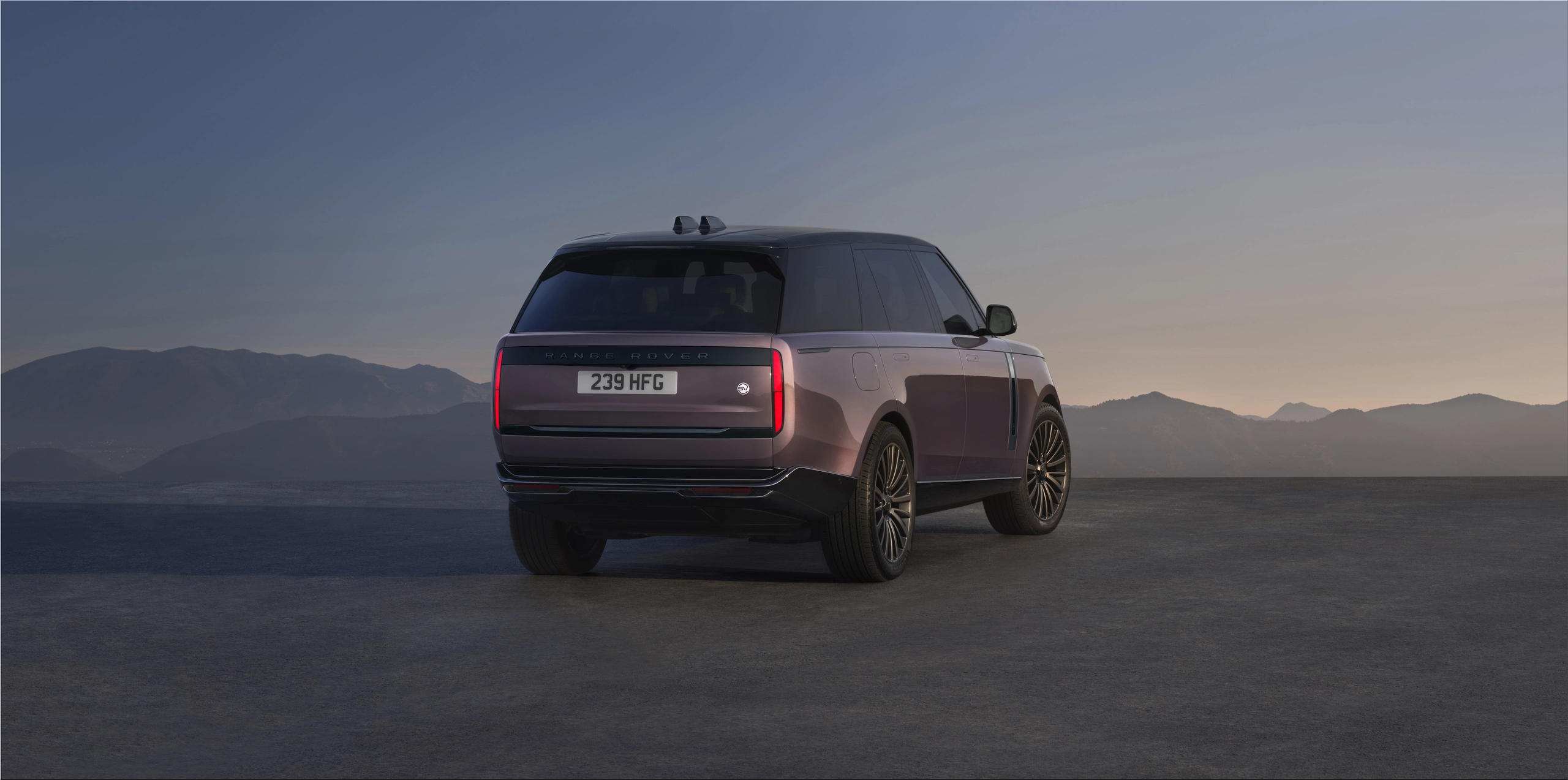
Pro-Tip: Buyers should judge this EV by its charging curve, not its peak charging claim. A 22-minute session implies strong sustained power, but independent tests must confirm how long the battery holds that rate in hot and freezing conditions.
North American versions will receive built-in NACS charging compatibility and access to compatible Tesla Supercharger locations. That decision removes an adapter from routine road-trip charging and gives the Range Rover a stronger infrastructure case.
Can the Electric Range Rover Still Handle Serious Off-Road Driving?
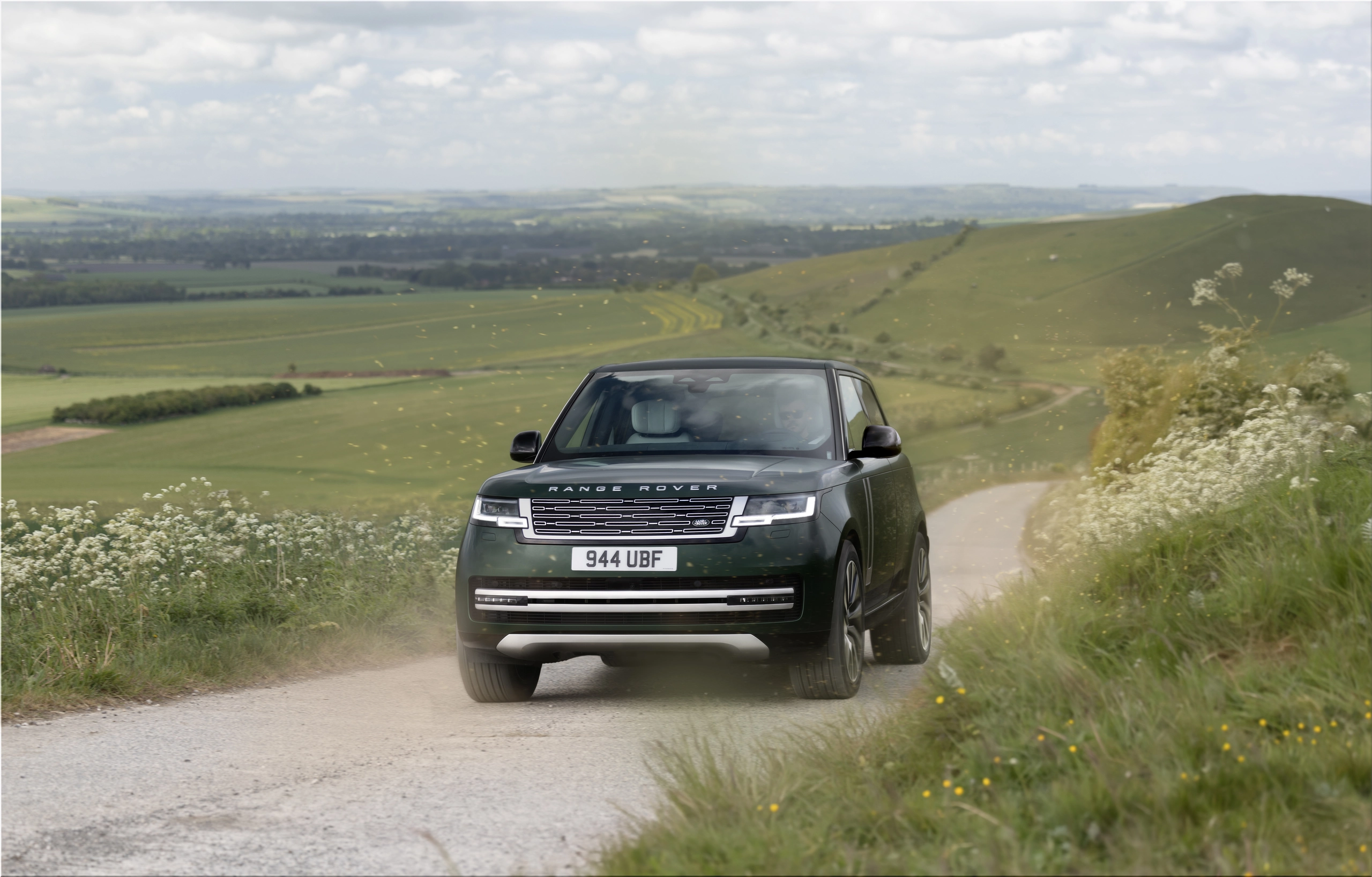
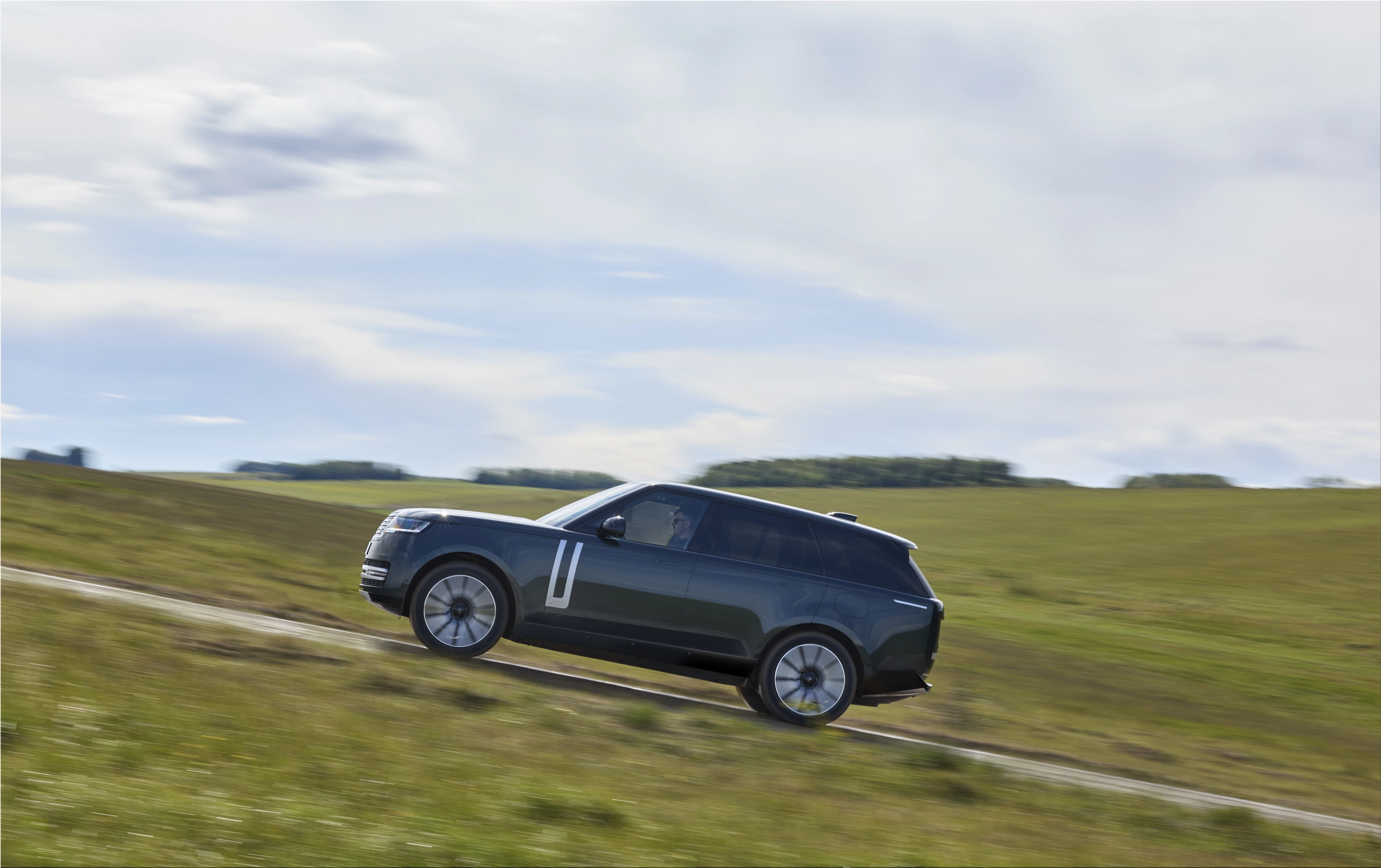
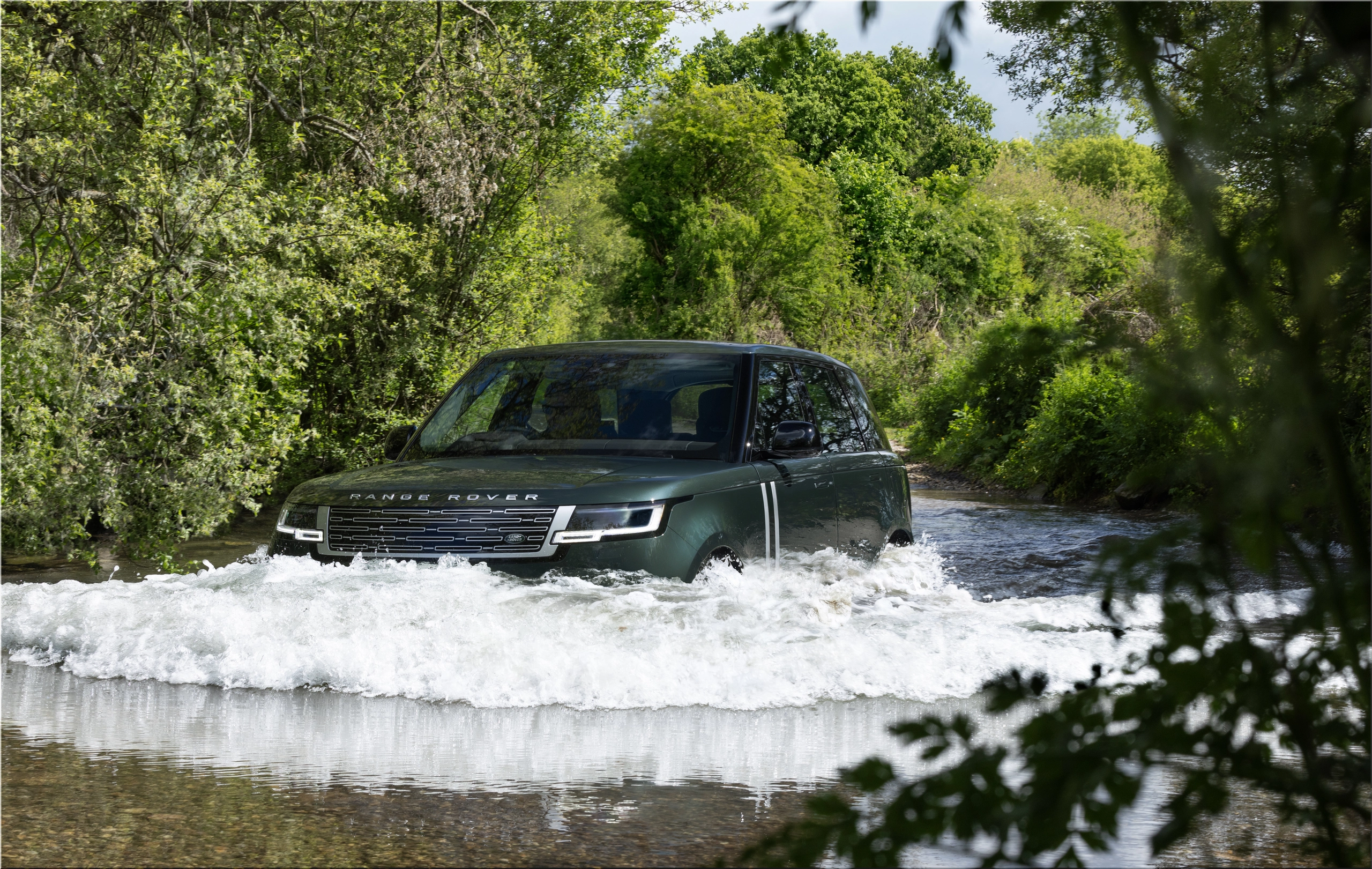
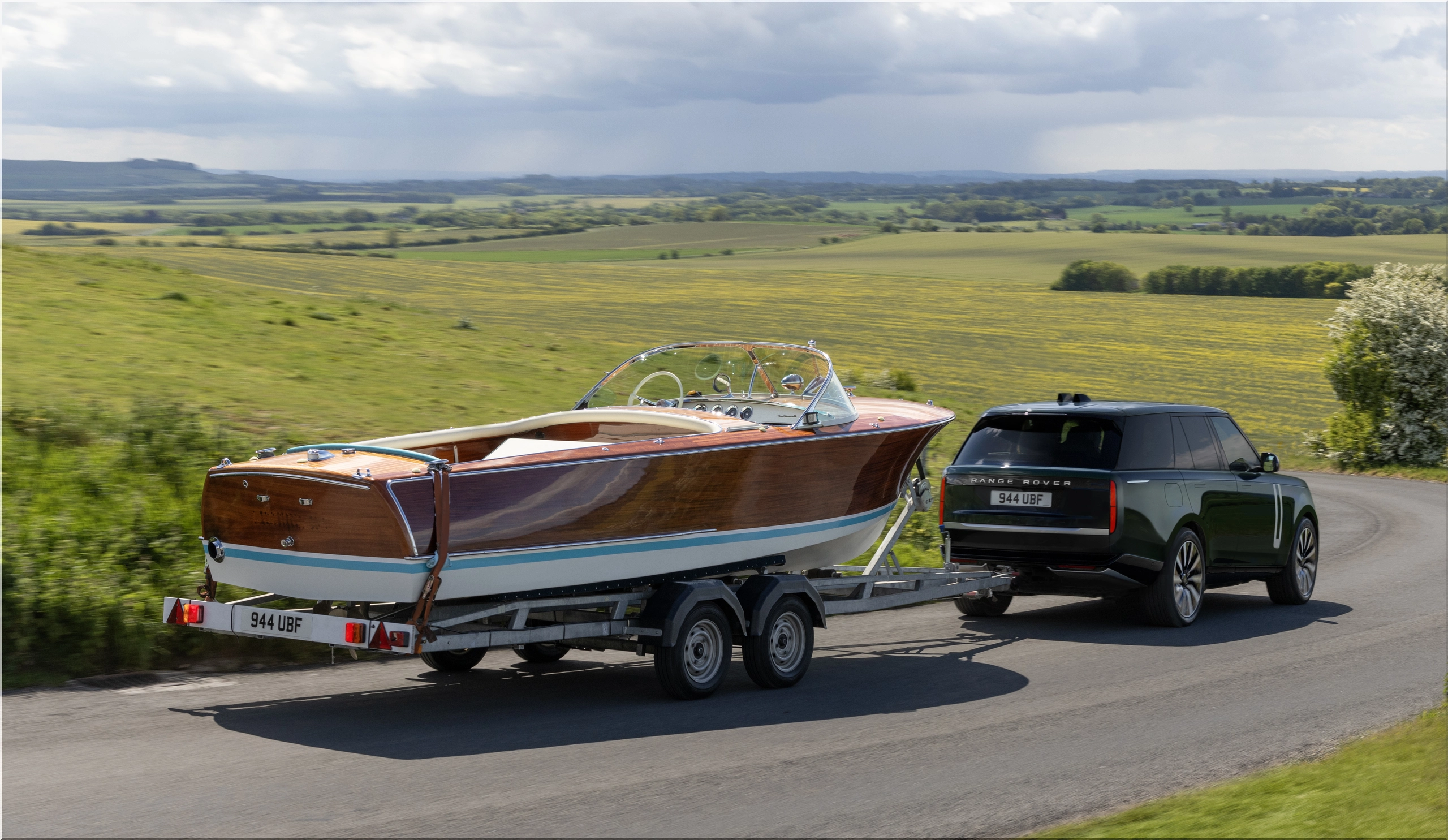
The electric model retains 35.4 inches of water-wading ability and can complete rolling climbs on slopes of up to 45 degrees. Its single-pedal off-road mode also supports controlled pullaways on inclines reaching 33 degrees, giving drivers precise low-speed control without balancing the accelerator and brake pedals.
Integrated Traction Management adjusts motor speed within 50 milliseconds. Specifically, the system responds up to 100 times faster than a comparable combustion-powered traction system. Intelligent Driveline Dynamics can direct rear torque from 100 percent to zero when changing surface conditions demand a different power split.
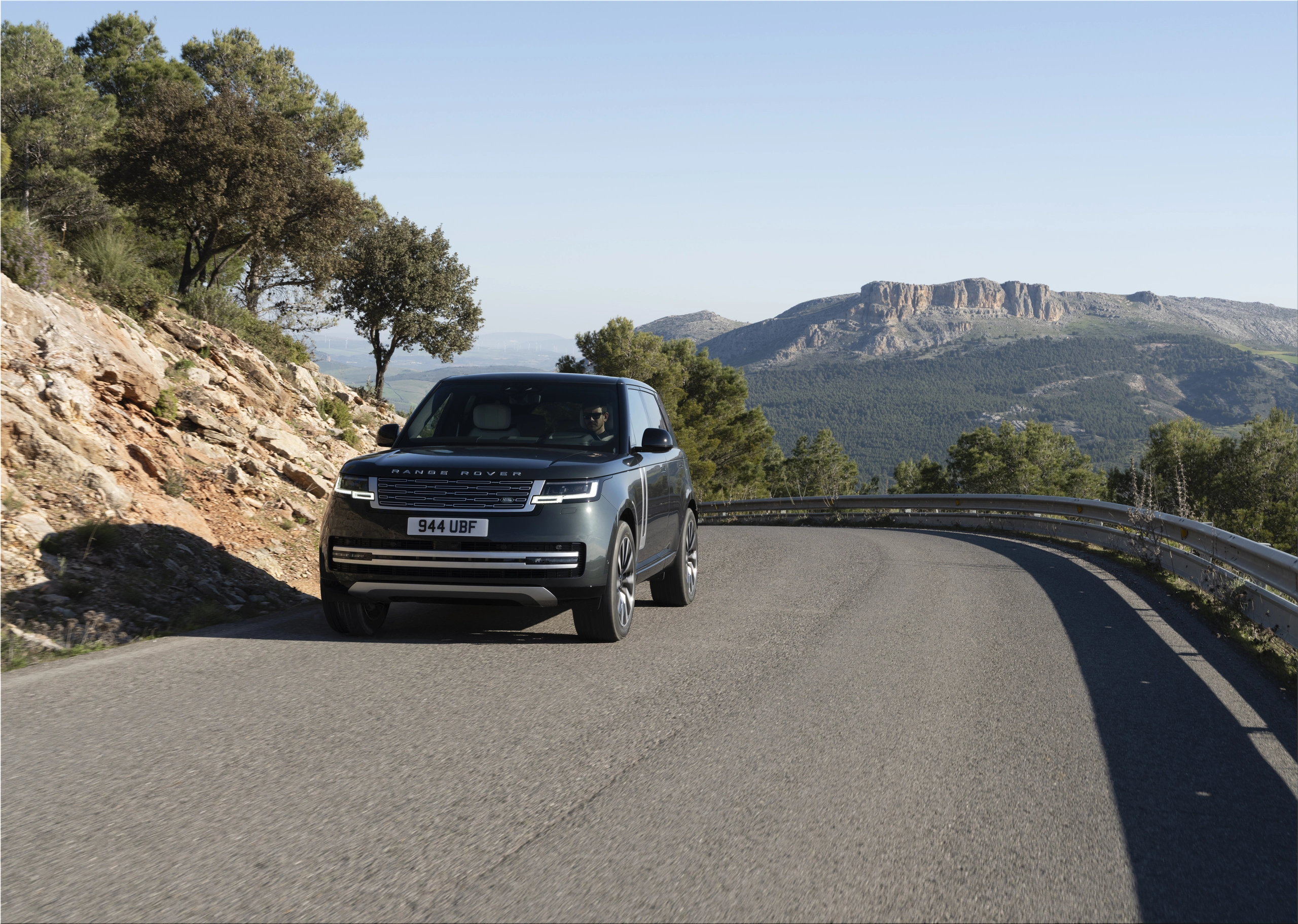
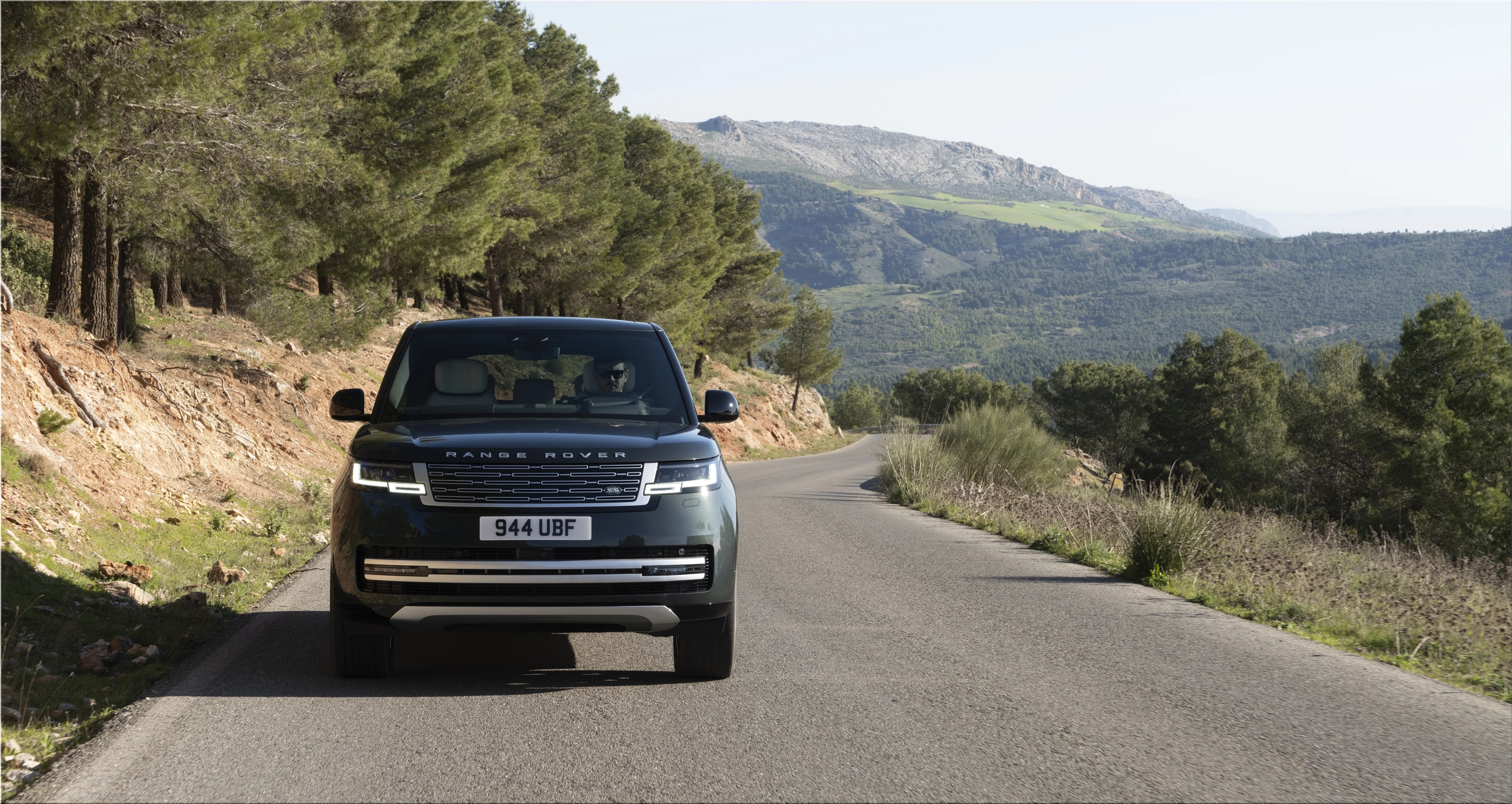
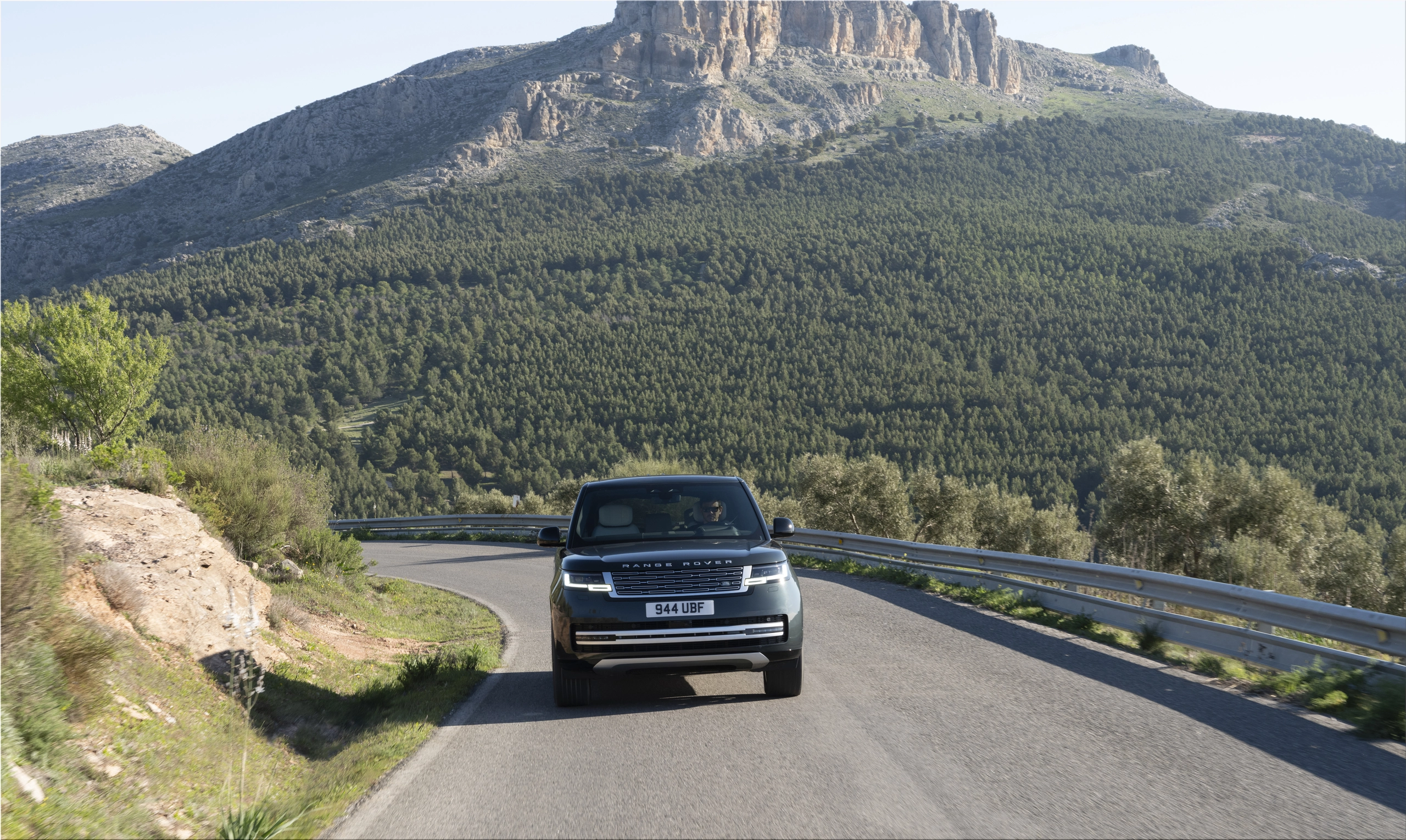
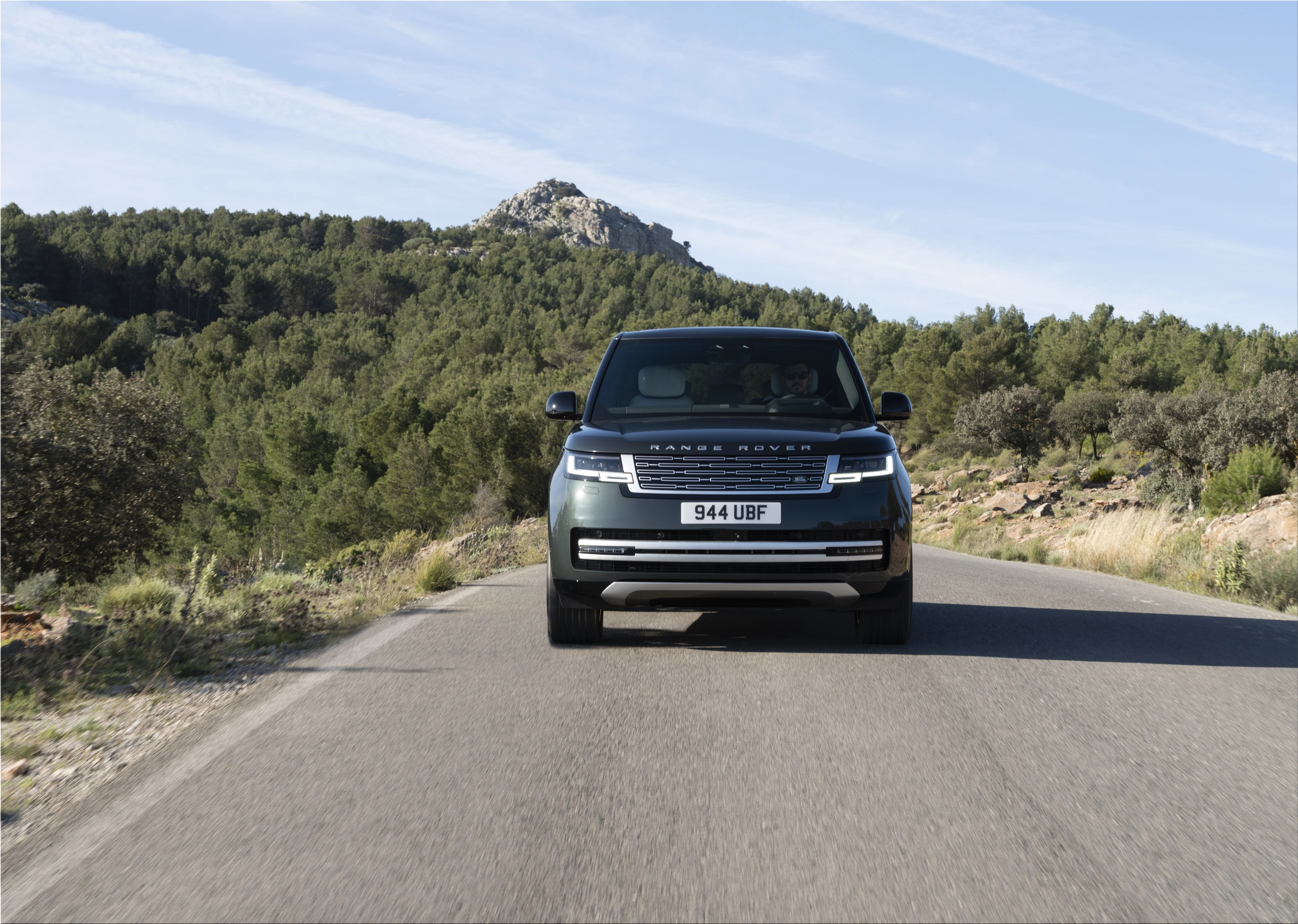
A twin-chamber air suspension supports body control, while the low-mounted battery drops the center of gravity. Consequently, the electric model should resist body movement more effectively than its gasoline counterpart, though its battery will add substantial mass.
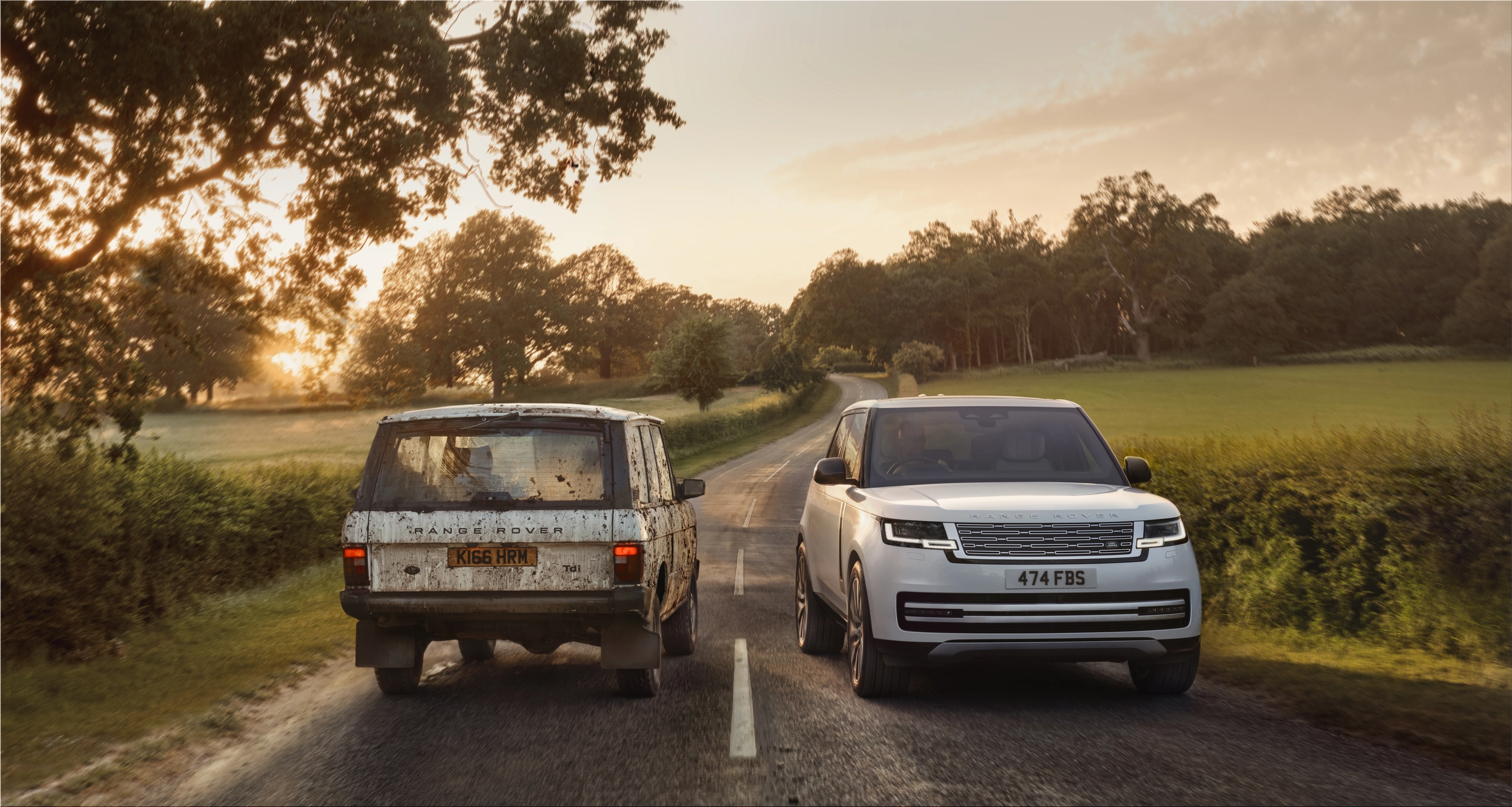
How Does It Compare With Other Luxury Electric SUVs?
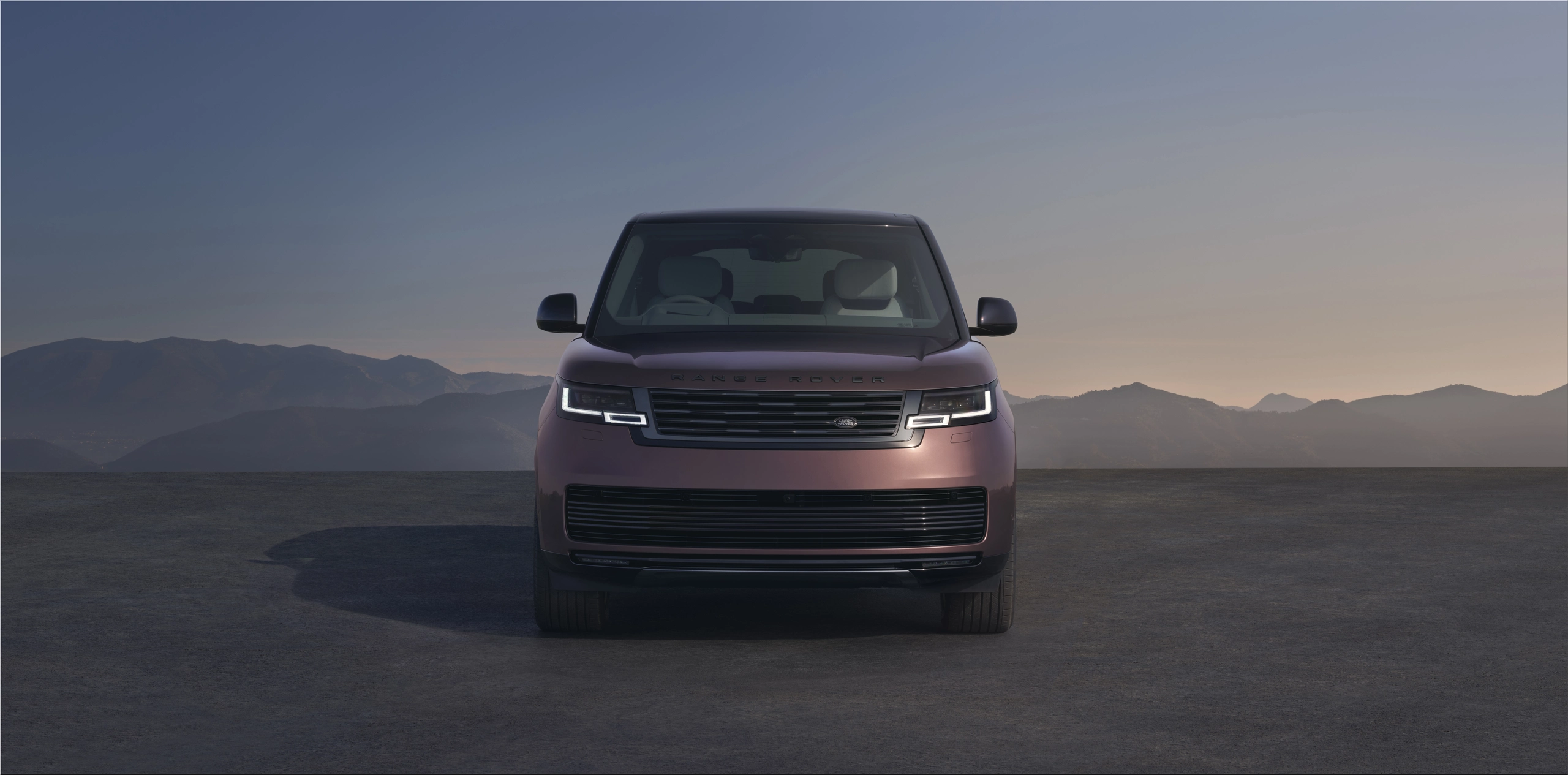
The Range Rover charges quickly and offers unusually serious off-road capability, but its converted launch price places it above several strong electric SUVs. By comparison, the Cadillac Escalade IQ supplies a far larger battery and a longer EPA estimate for much less money.
| Luxury electric SUV | Starting price | Claimed range | 10-80% charging |
|---|---|---|---|
| Range Rover Electric | Approx. $207,750 converted | 372 miles WLTP | 22 minutes |
| Cadillac Escalade IQ | $127,405 | 465 miles estimated | Not directly comparable |
| BMW iX xDrive60 | $88,500 | Up to 340 miles estimated | 35 minutes |
| Mercedes-Maybach EQS 680 SUV | $180,000 | EPA figure varies by configuration | About 31 minutes |
These figures use different testing procedures, so the range column does not provide a direct scientific comparison. Still, it exposes the Range Rover's central sales challenge: customers pay heavily for brand identity, traditional Range Rover proportions, wading capacity, and the cabin experience.
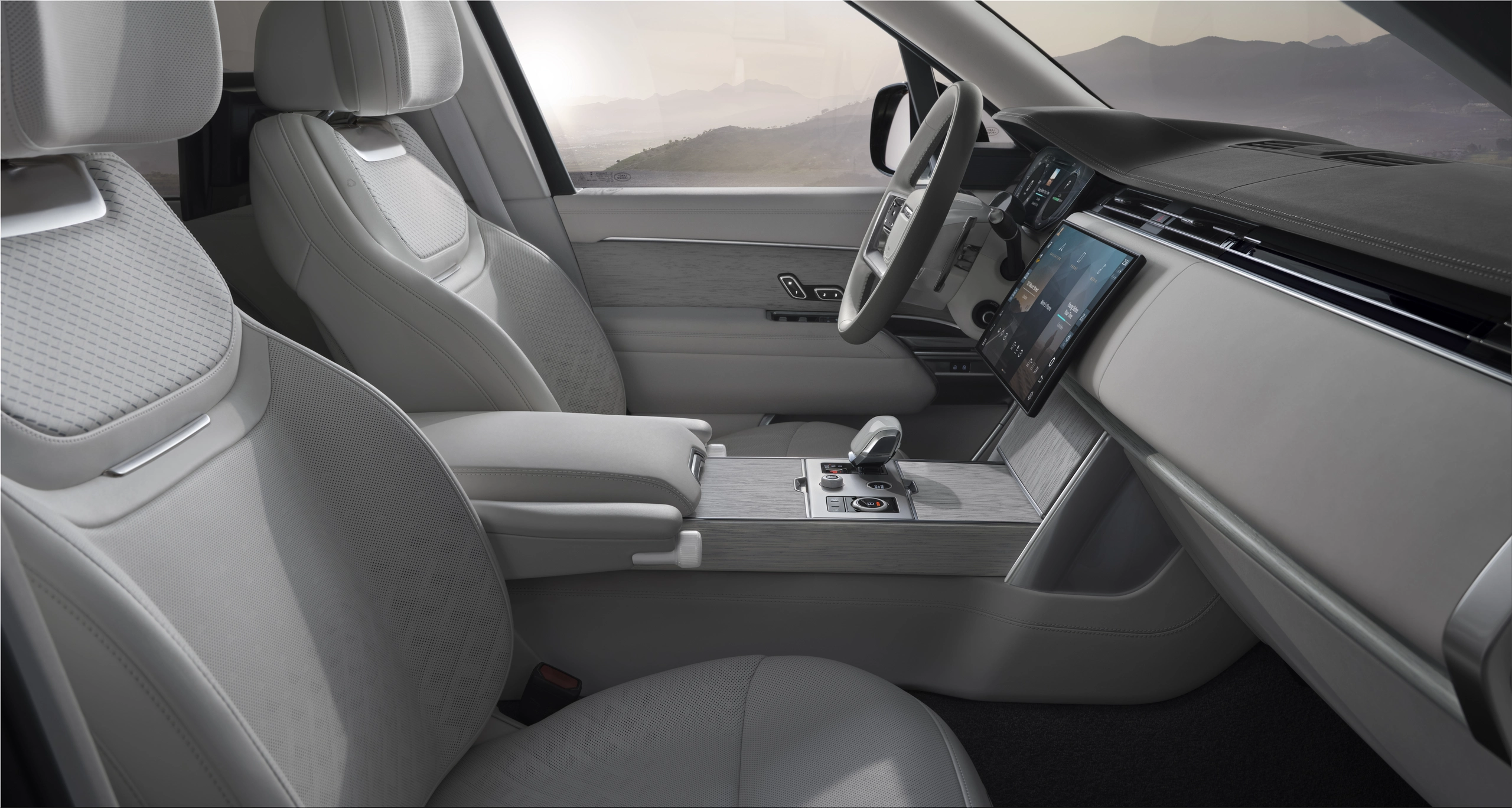
Is the 2027 Range Rover Electric Worth Waiting For?
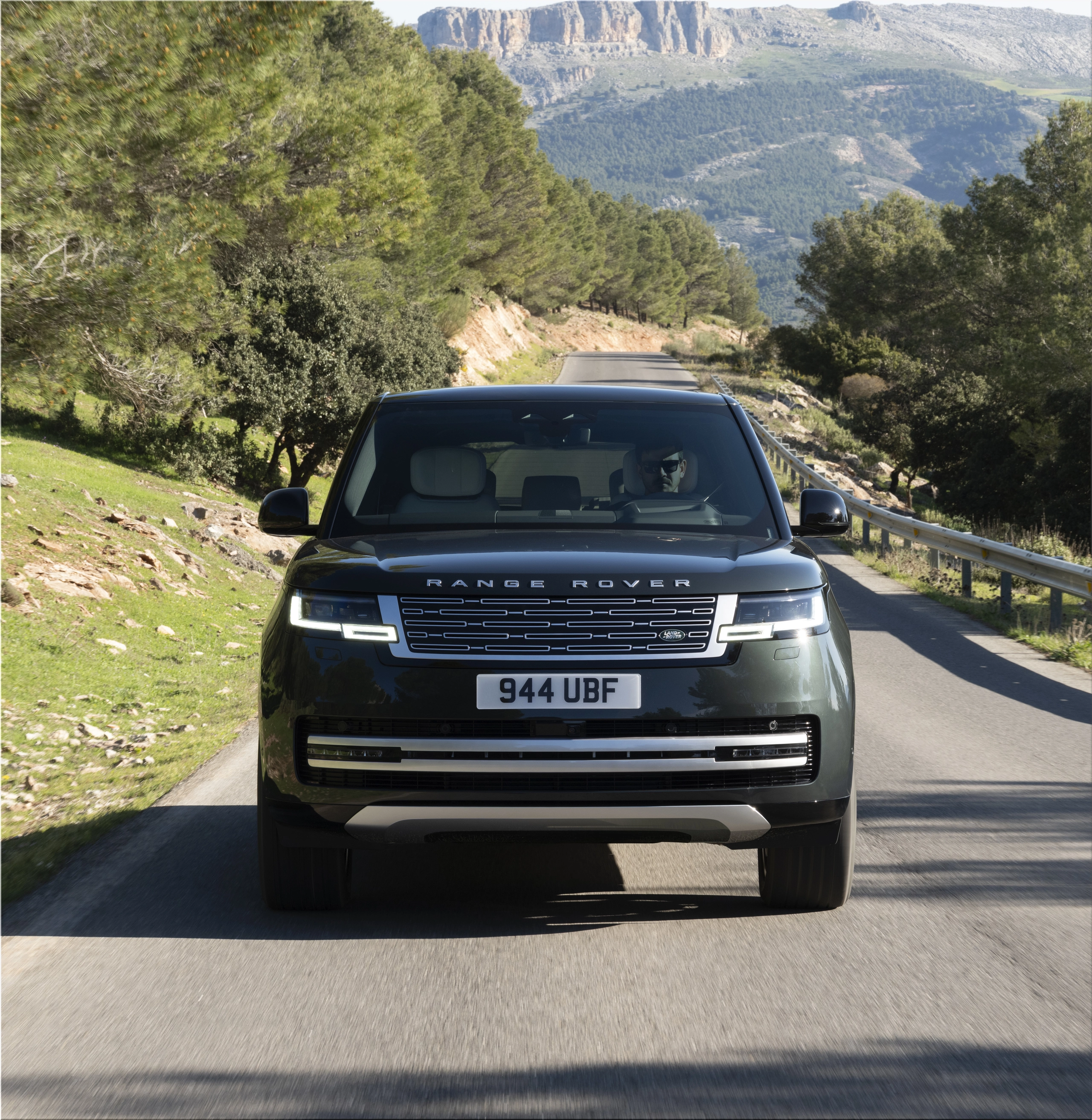
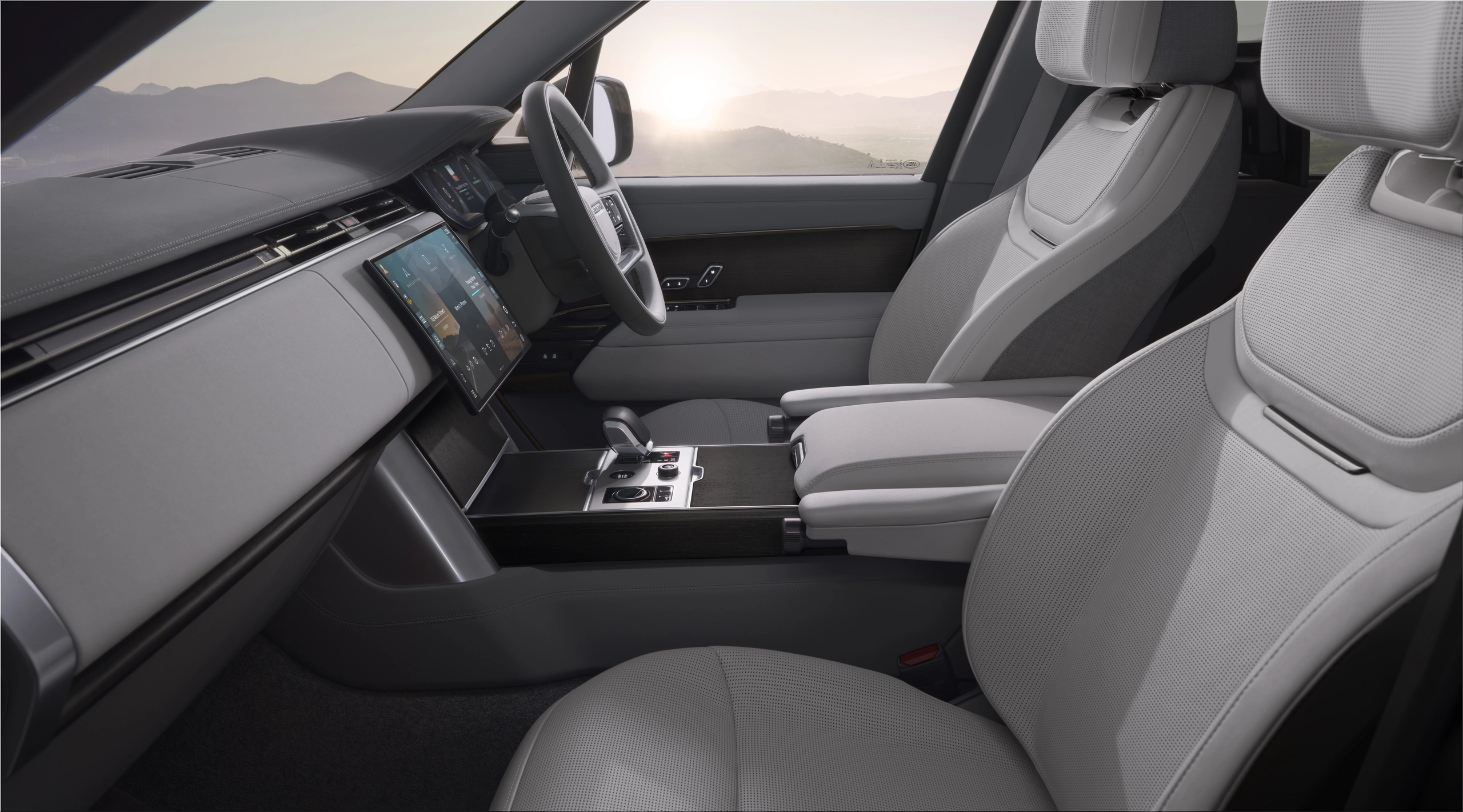
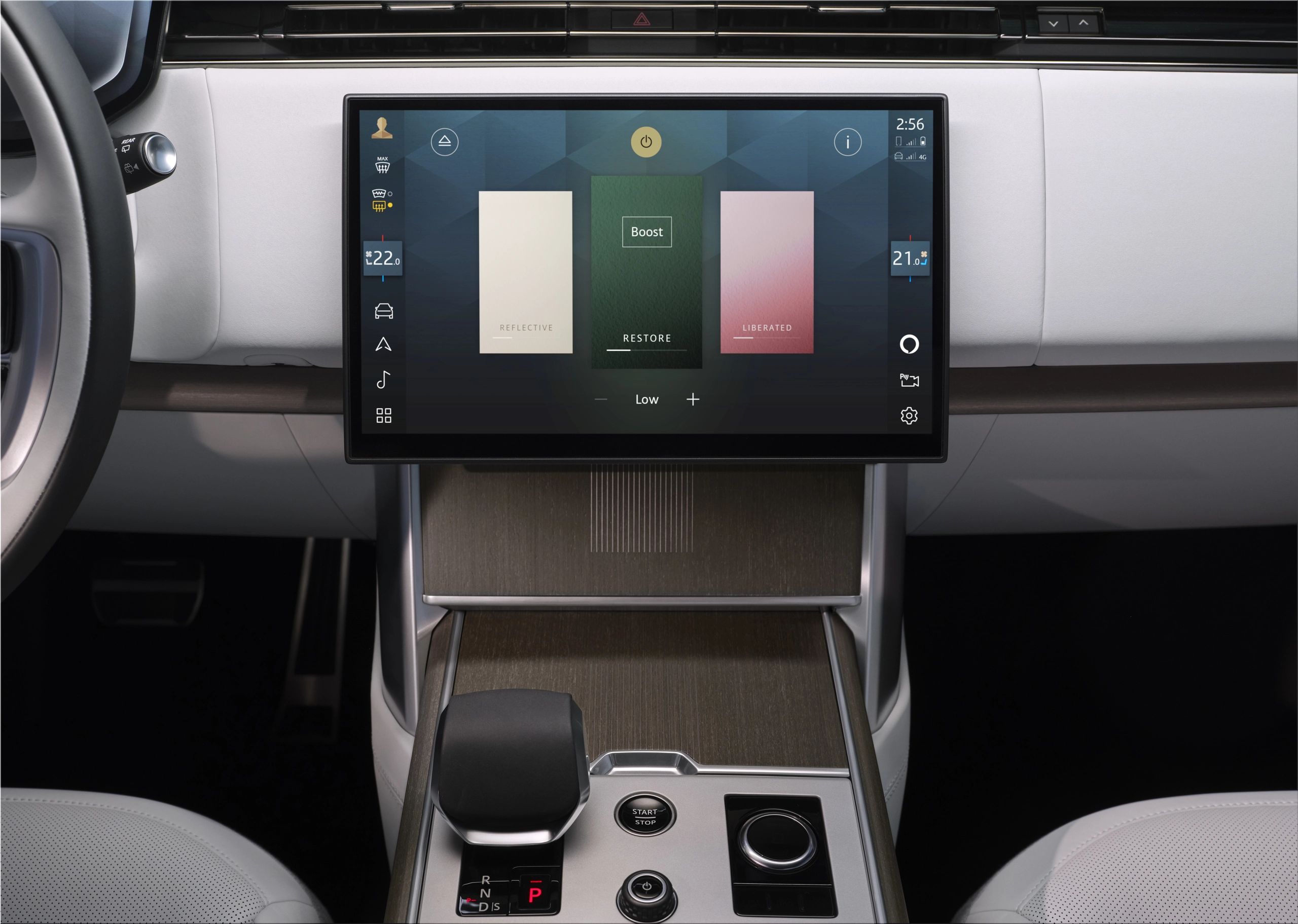
The Range Rover electric SUV makes its strongest case through refinement, charging speed, and off-road control. JLR tested it across more than 932,000 miles, from minus 40 degrees Fahrenheit in Sweden to desert heat in Dubai. Its ThermAssist heat-management system can reduce cabin-heating energy consumption by 40 percent and add up to 25 miles in difficult conditions.
From an expert perspective, the drivetrain specifications meet the expectations created by the price. The problem sits lower in the market: the BMW iX costs far less, while the Escalade IQ offers greater estimated range and seven-seat utility.
Buyers who need maximum range per dollar should shop elsewhere. Buyers who want the quietest and most technically capable version of the full-size Range Rover now have a credible battery-powered option.
The 2027 Lexus TZ gives Lexus its first three-row all-electric SUV, and the specs show a clear target: affluent families that want quiet long-distance comfort without giving up AWD traction, towing ability, or real third-row… Continue reading
The electric vehicle (EV) landscape is evolving rapidly, and the battle for supremacy is fiercer than ever. In this electrifying showdown, two giants—BYD and Mercedes-Benz—have joined forces to unleash the Denza N7, a game-changing SUV that… Continue reading
In June 2024, Polestar marked a significant milestone in its journey towards electrifying the automotive landscape with the first customer deliveries of the Polestar 3. Positioned as the pinnacle of luxury and… Continue reading
Audi has sharpened the Q4 e-tron electric SUV where owners feel it most: range, charging speed, cabin tech, towing strength, and home-energy use. The upgraded Q4 e-tron keeps its compact luxury SUV footprint but adds a more efficient… Continue reading