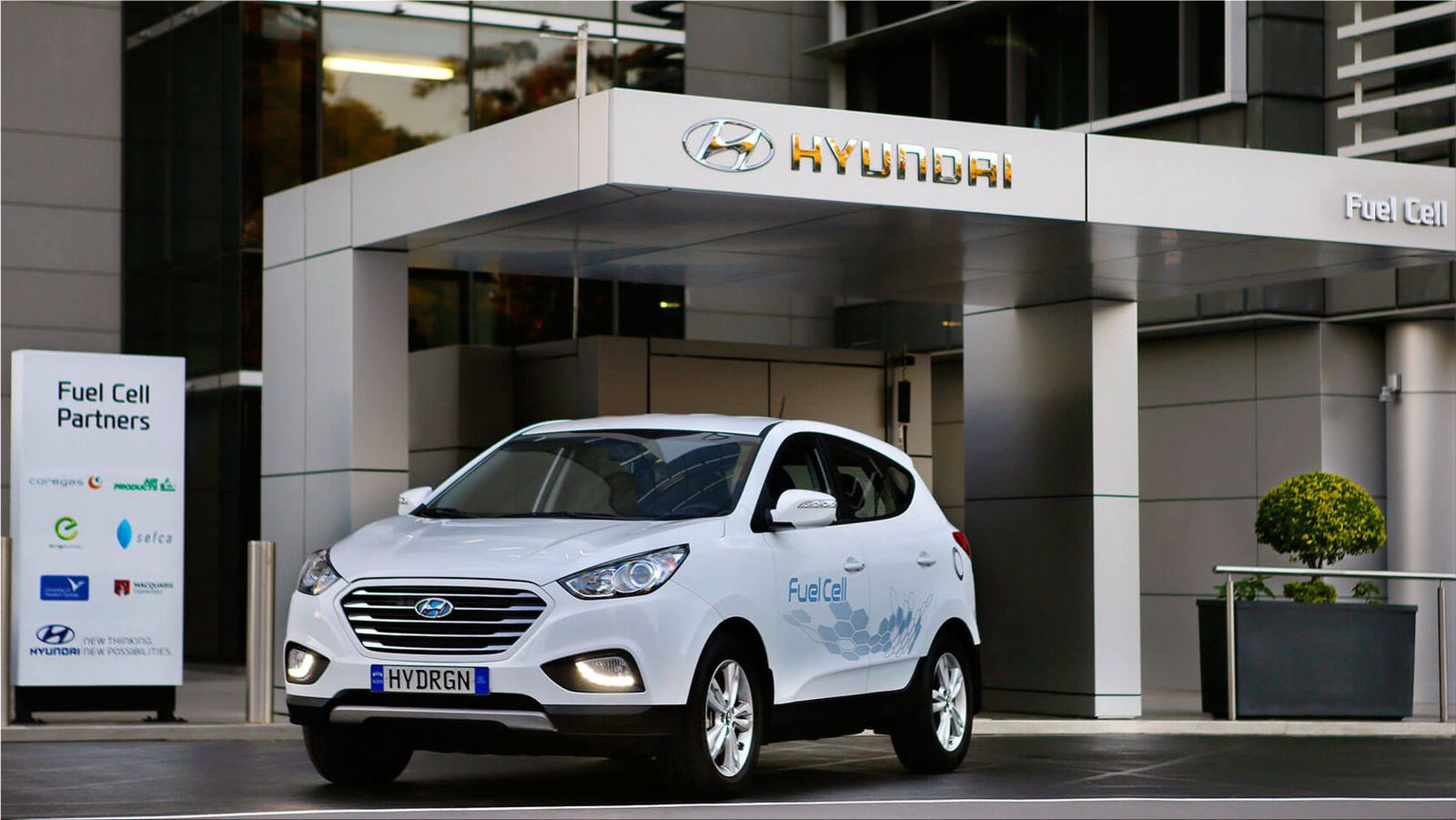
The Japanese automobile manufacturers Toyota, Nissan and Honda, along with eight other companies, have formed Japan H2 Mobility, a company that will be dedicated to the development of hydrogen stations for fuel cell vehicles in Japan.
The objective of Japan H2 Mobility is to gradually increase the number of fuel cell vehicles in Japan and in parallel to make sustainable the hydrogenation business.
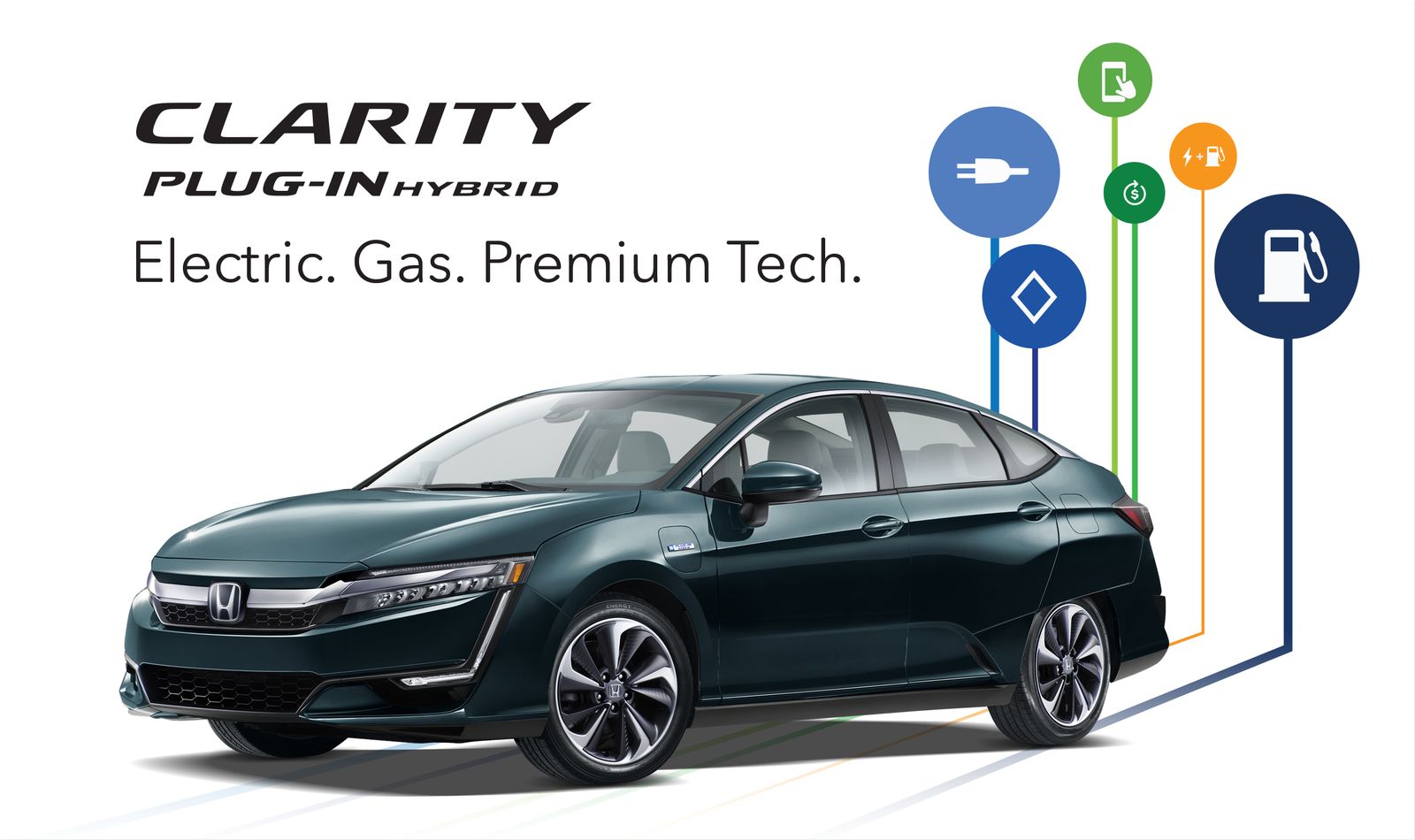
The initial capital of Japan H2 Mobility is $469,948 and will be chaired by Hideki Sugawara. The purpose is to begin the building of 80 stations throughout the country for the year 2021, according to 'Strategic roadmap for hydrogen and fuel cells'.
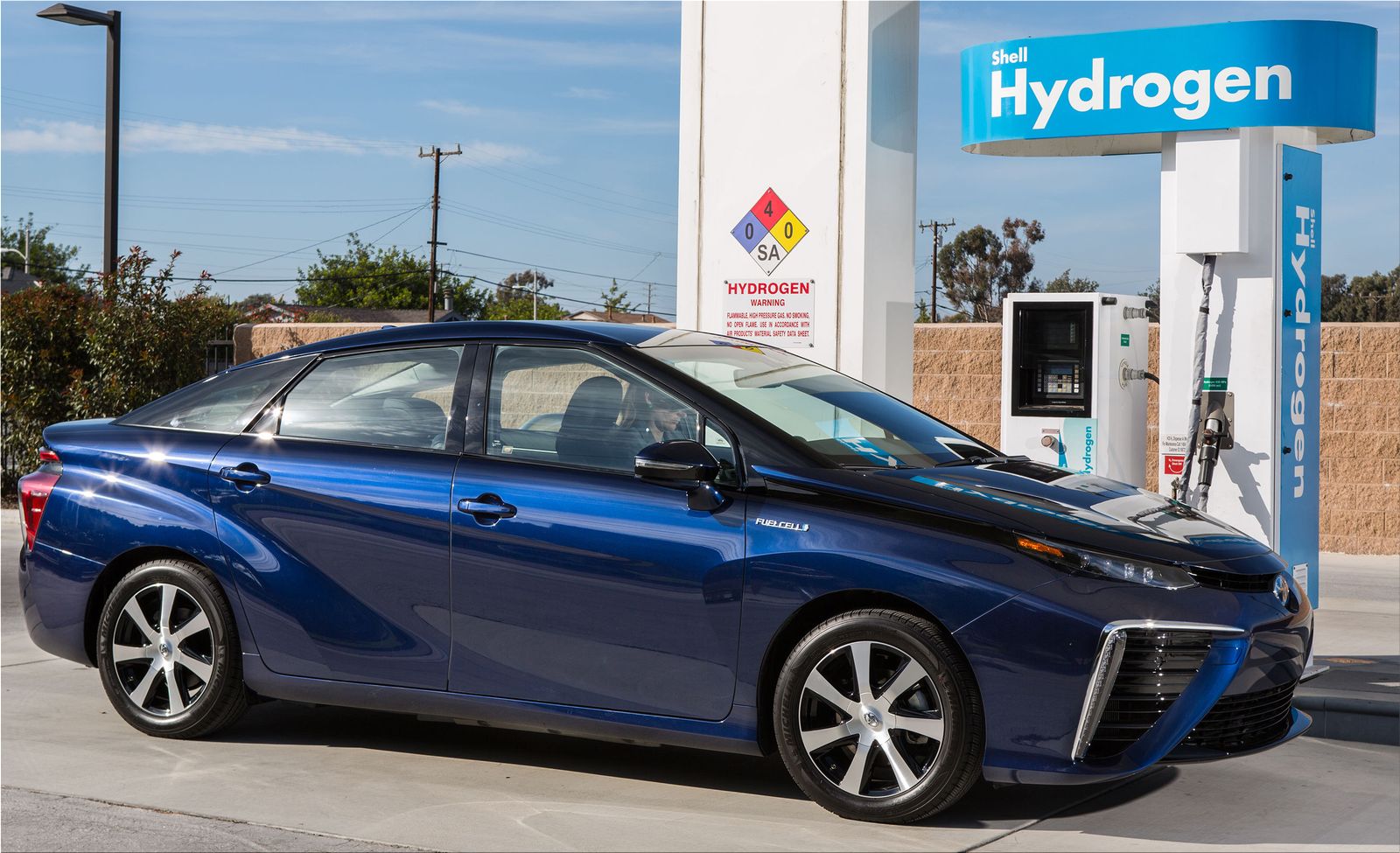
Japan H2 Mobility will start operating in April 2018, with the goal of attracting the maximum possible participation of hydrogenation operators and investors.

The 2025 Alpine A390 is a sharp turn away from typical European EVs. It’s not just compact and sporty—it’s designed to deliver repeatable, track-ready acceleration, a 5-seat layout, and a three-motor AWD setup tuned for control, not just… Continue reading

Why Audi built a second-gen eMTB 2.0 Audi wants a stake in electric two-wheel mobility. The company now ships a second-generation Audi eMTB 2.0 through Audi Genuine Accessories. Deliveries start in September… Continue reading

The Hyundai IONIQ 9 just earned a major global endorsement. It won World’s Best Large SUV at the 2026 Women’s Worldwide Car of the Year Awards. That result matters because the jury tested real vehicles in… Continue reading

Peugeot has brought the Peugeot E-208 GTi back to Le Mans with a clear mission: make the GTi badge work in the electric age without diluting the small-car attitude that made the 205 GTi famous. The result packs 280 hp, 345 Nm, front-wheel… Continue reading