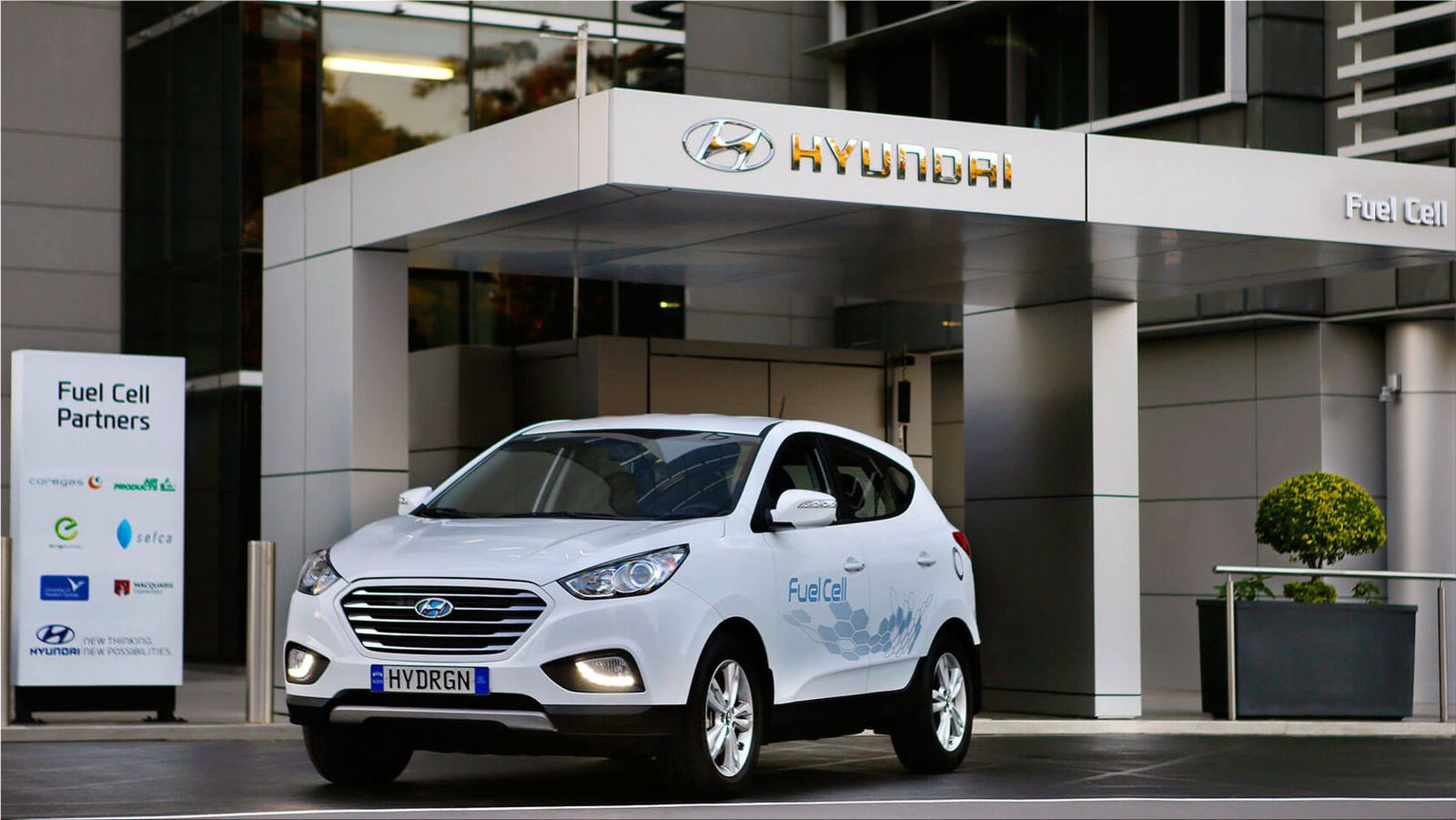
The Japanese automobile manufacturers Toyota, Nissan and Honda, along with eight other companies, have formed Japan H2 Mobility, a company that will be dedicated to the development of hydrogen stations for fuel cell vehicles in Japan.
The objective of Japan H2 Mobility is to gradually increase the number of fuel cell vehicles in Japan and in parallel to make sustainable the hydrogenation business.
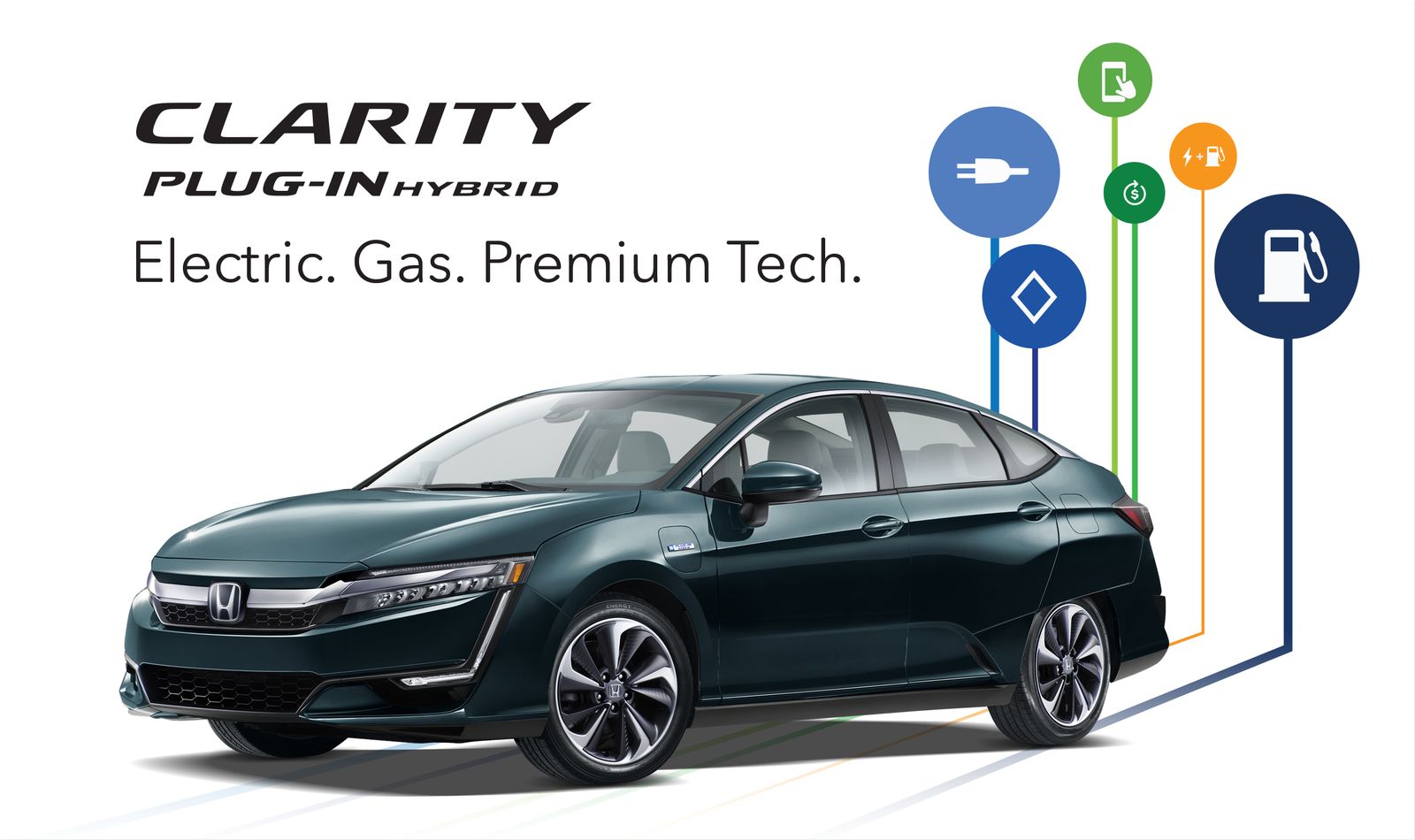
The initial capital of Japan H2 Mobility is $469,948 and will be chaired by Hideki Sugawara. The purpose is to begin the building of 80 stations throughout the country for the year 2021, according to 'Strategic roadmap for hydrogen and fuel cells'.
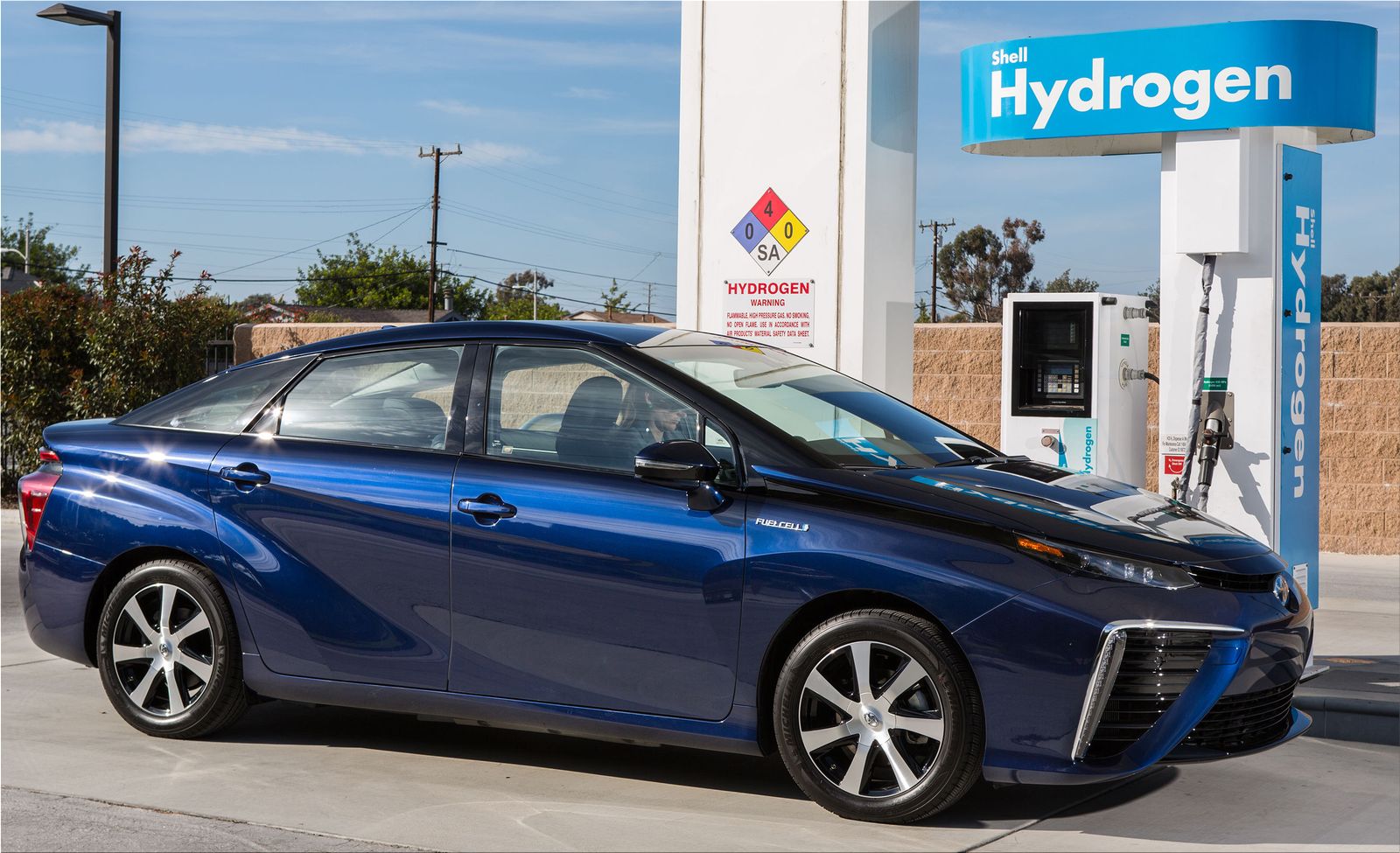
Japan H2 Mobility will start operating in April 2018, with the goal of attracting the maximum possible participation of hydrogenation operators and investors.

Polestar expands its product range by introducing the exclusive performance car: Polestar 2 BST edition 270. The new version is based on decades of experience streamlining electric vehicles on performance, which is now expressed as the most… Continue reading

Toyota's next compact SUV concept, the bZ, will debut at the 2022 Los Angeles Auto Show. Toyota's dream under the "bZ" (Beyond Zero) brand is on display in the bZ Compact SUV concept as a glimpse into the future. The Toyota bZ… Continue reading

Zero Motorcycles has some advice if you're considering switching to high-performance electric motorcycles. And it is for this reason that the Californian company, one of the industry's pioneers, has now released photographs of the… Continue reading
Ford Otosan, the joint venture between Ford Motor Company and Turkey's Koc Holding, announced that it would create 1,300 new jobs at its factory in Craiova, Romania, as part of its plan to increase its production capacity and export potential… Continue reading