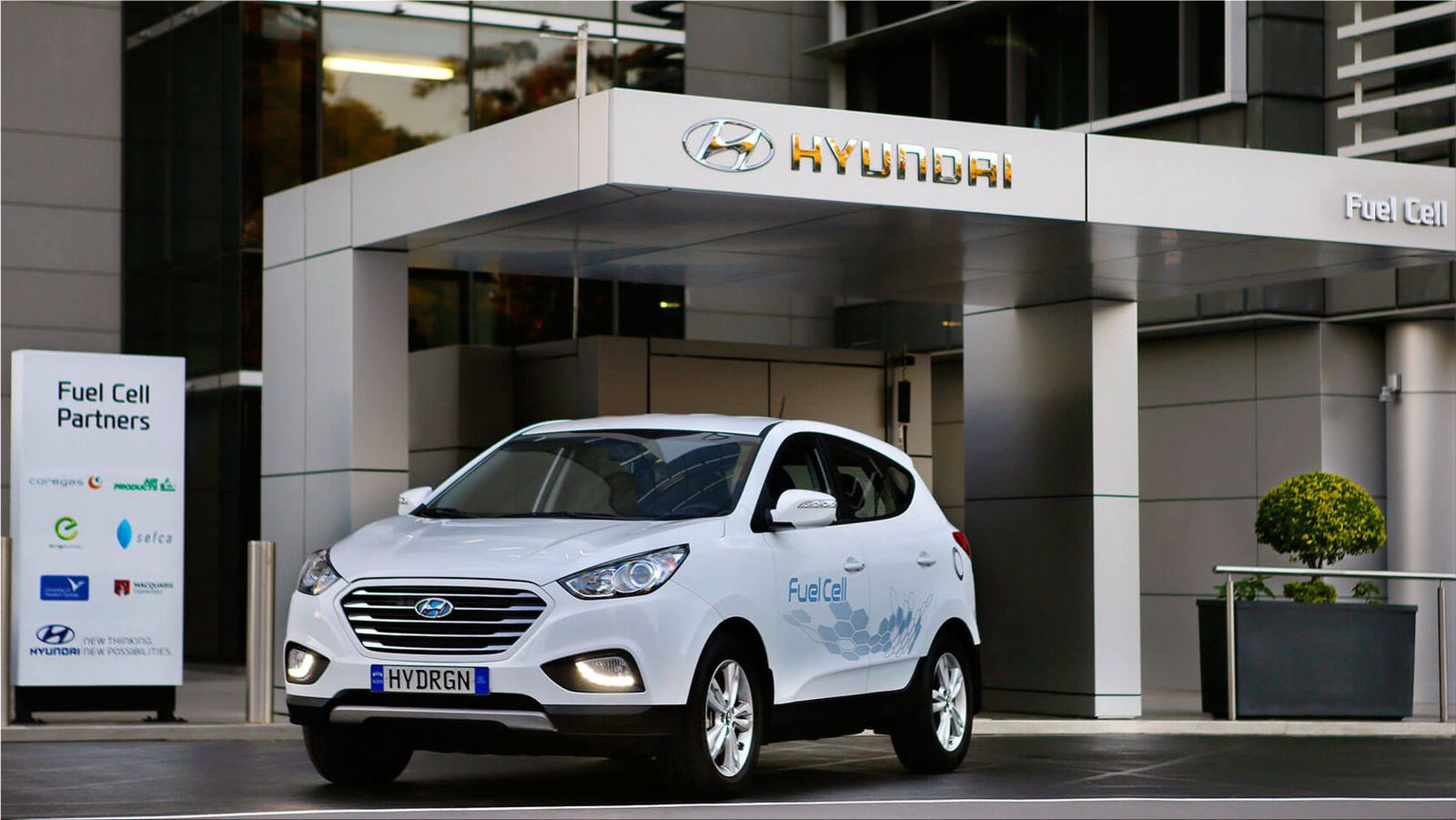
The Japanese automobile manufacturers Toyota, Nissan and Honda, along with eight other companies, have formed Japan H2 Mobility, a company that will be dedicated to the development of hydrogen stations for fuel cell vehicles in Japan.
The objective of Japan H2 Mobility is to gradually increase the number of fuel cell vehicles in Japan and in parallel to make sustainable the hydrogenation business.
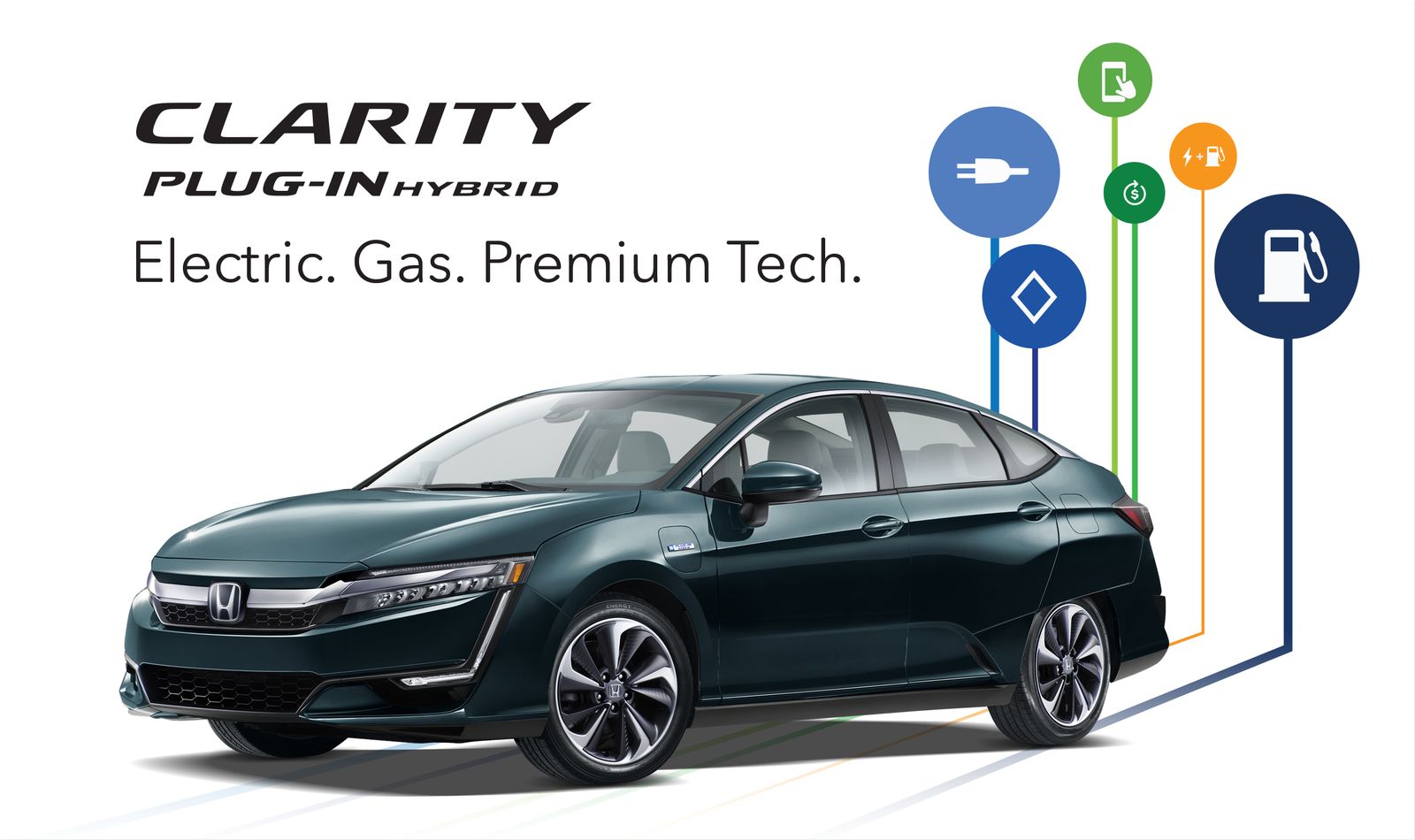
The initial capital of Japan H2 Mobility is $469,948 and will be chaired by Hideki Sugawara. The purpose is to begin the building of 80 stations throughout the country for the year 2021, according to 'Strategic roadmap for hydrogen and fuel cells'.
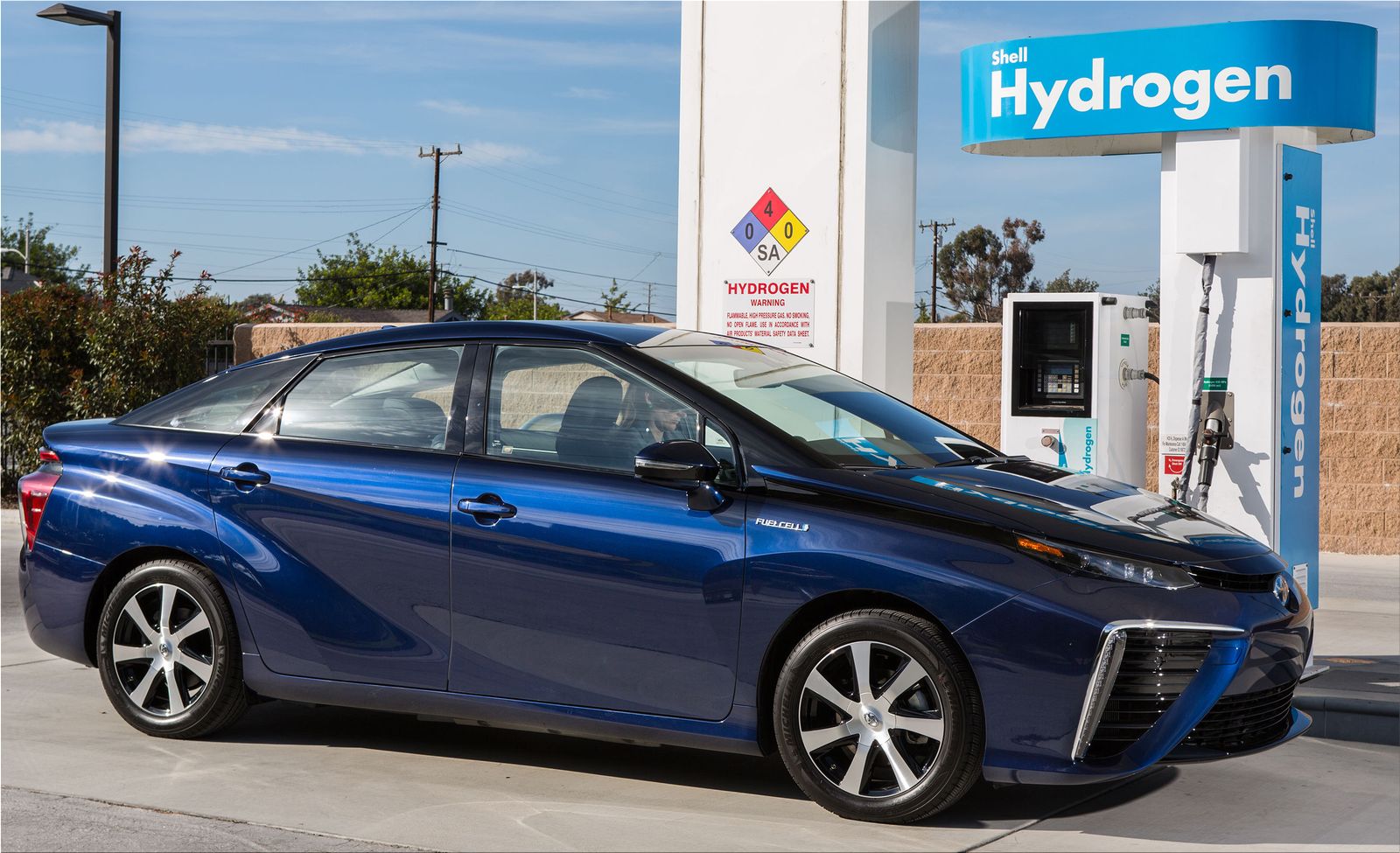
Japan H2 Mobility will start operating in April 2018, with the goal of attracting the maximum possible participation of hydrogenation operators and investors.

Spain is a country that loves cars. It has a long history of automotive innovation, from the pioneering Hispano-Suiza to the iconic SEAT 600. It also has a strong car industry, with more than 2.8 million vehicles produced in 2019, making it… Continue reading

The Mitsubishi Colt, a nameplate that has been around since 1962, has just landed in the Spanish market after a long absence. The new Colt is not a completely original model but a rebadged version of the … Continue reading

Toyota is revving up its commitment to hydrogen fuel cell electric vehicles (FCEVs) by providing financial aid to Norway's sole public hydrogen fueling station. This strategic move underscores Toyota's belief in hydrogen as a… Continue reading

The adorable Fiat 500 has always been a symbol of urban mobility, but its latest iteration, the Fiat 500e, is revving engines (or should we say whirring motors?) in the electric vehicle (EV) world. Its recent accolade of "… Continue reading