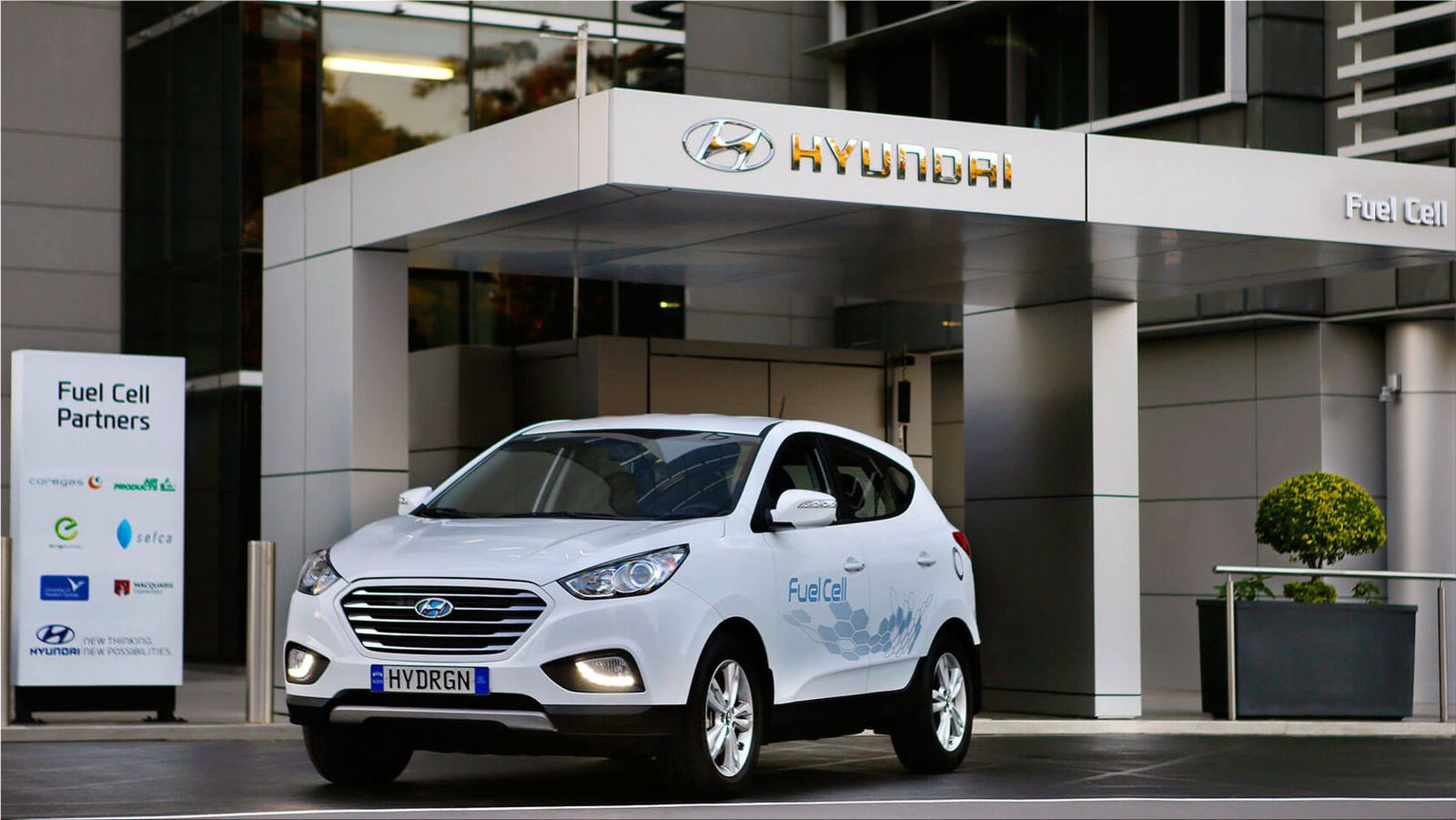
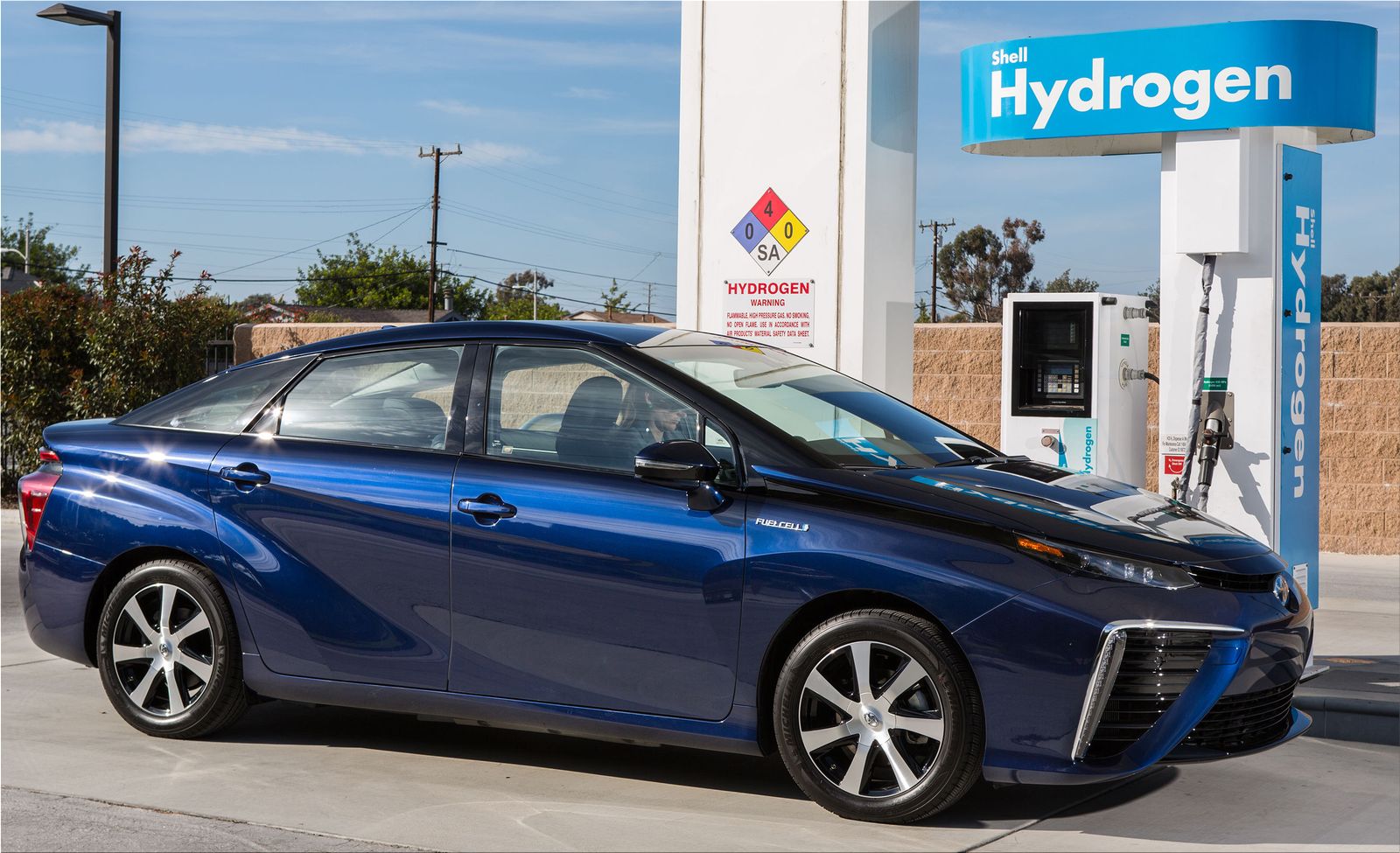
The Japanese automobile manufacturers Toyota, Nissan and Honda, along with eight other companies, have formed Japan H2 Mobility, a company that will be dedicated to the development of hydrogen stations for fuel cell vehicles in Japan.
The objective of Japan H2 Mobility is to gradually increase the number of fuel cell vehicles in Japan and in parallel to make sustainable the hydrogenation business.
The initial capital of Japan H2 Mobility is $469,948 and will be chaired by Hideki Sugawara. The purpose is to begin the building of 80 stations throughout the country for the year 2021, according to 'Strategic roadmap for hydrogen and fuel cells'.
Japan H2 Mobility will start operating in April 2018, with the goal of attracting the maximum possible participation of hydrogenation operators and investors.

Hyundai Motor has introduced its first electrically powered double-decker bus. From when and in which countries the new 70-seater is to be sold, is not yet known. The development of the vehicle began in 2017 and was funded by the South Korean… Continue reading

When we talk about electric cars a very common but wrong rumor is that they only work well for city routes, but not for large journeys. Recent times have shown the opposite. Tesla, thanks to its network of Superchargers, has made it clear that with the right… Continue reading

There are more Spanish drivers who prefer a car with an engine adapted to the use of LPG or CNG instead of a fully electric one. Sustainable mobility continues to gain followers in Spain. When buying a new car, more and more Spanish drivers… Continue reading

The manufacturer revealed the specifications and showed the design of the new Kia Sorento. The fourth-generation crossover was created on a completely new architecture, which will be equipped with a hybrid powertrain and will provide more space and comfort… Continue reading