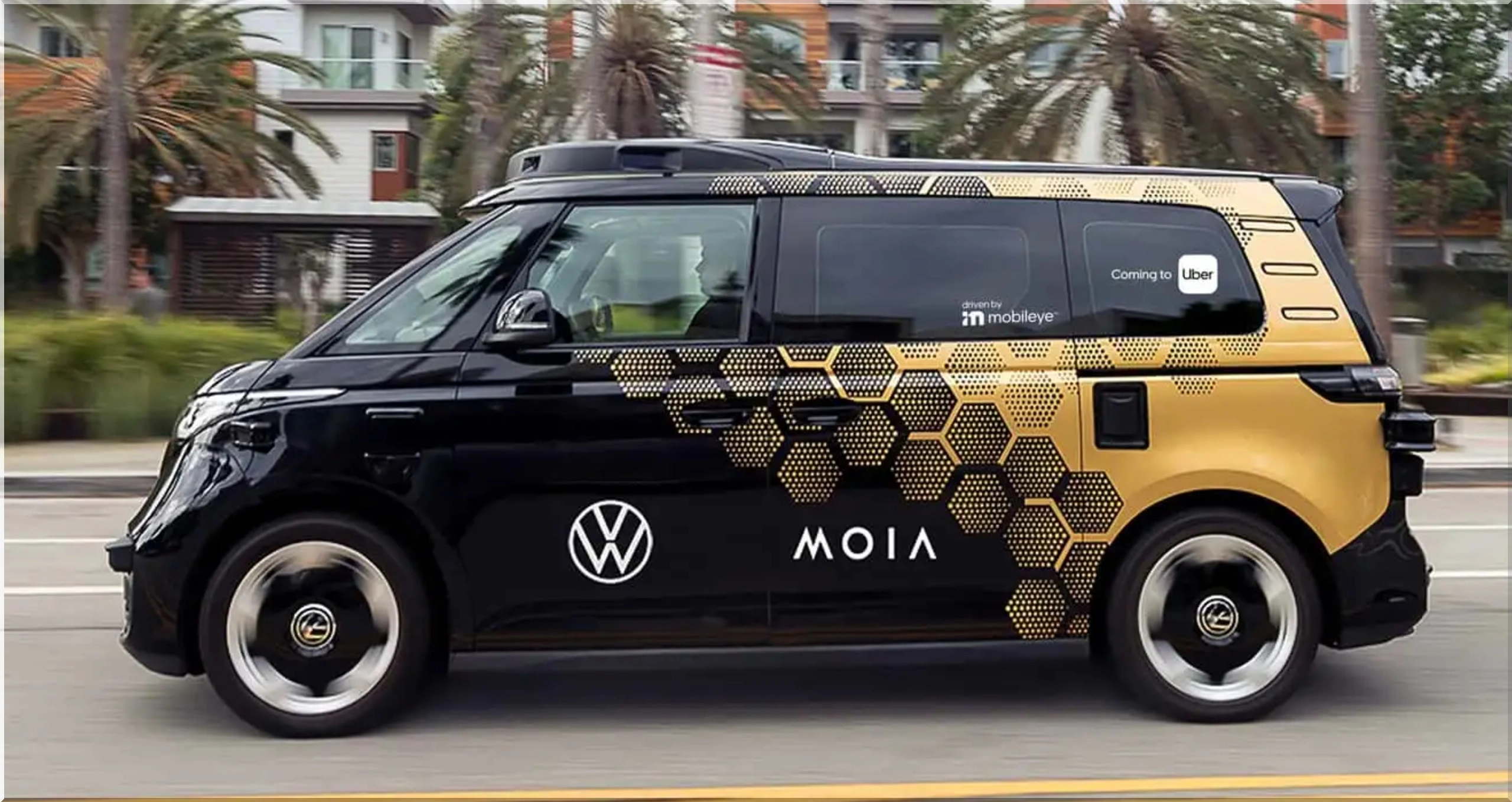
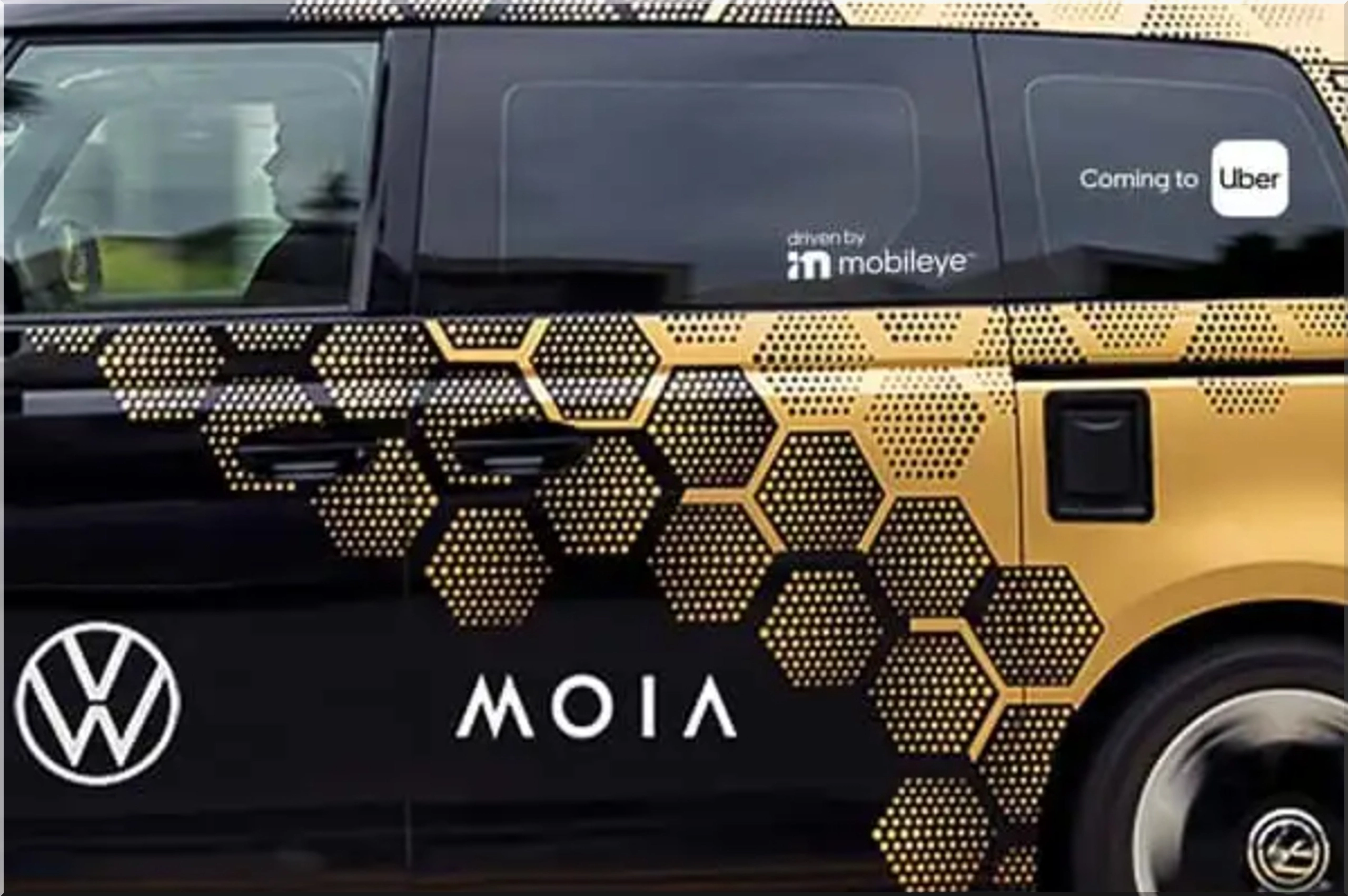
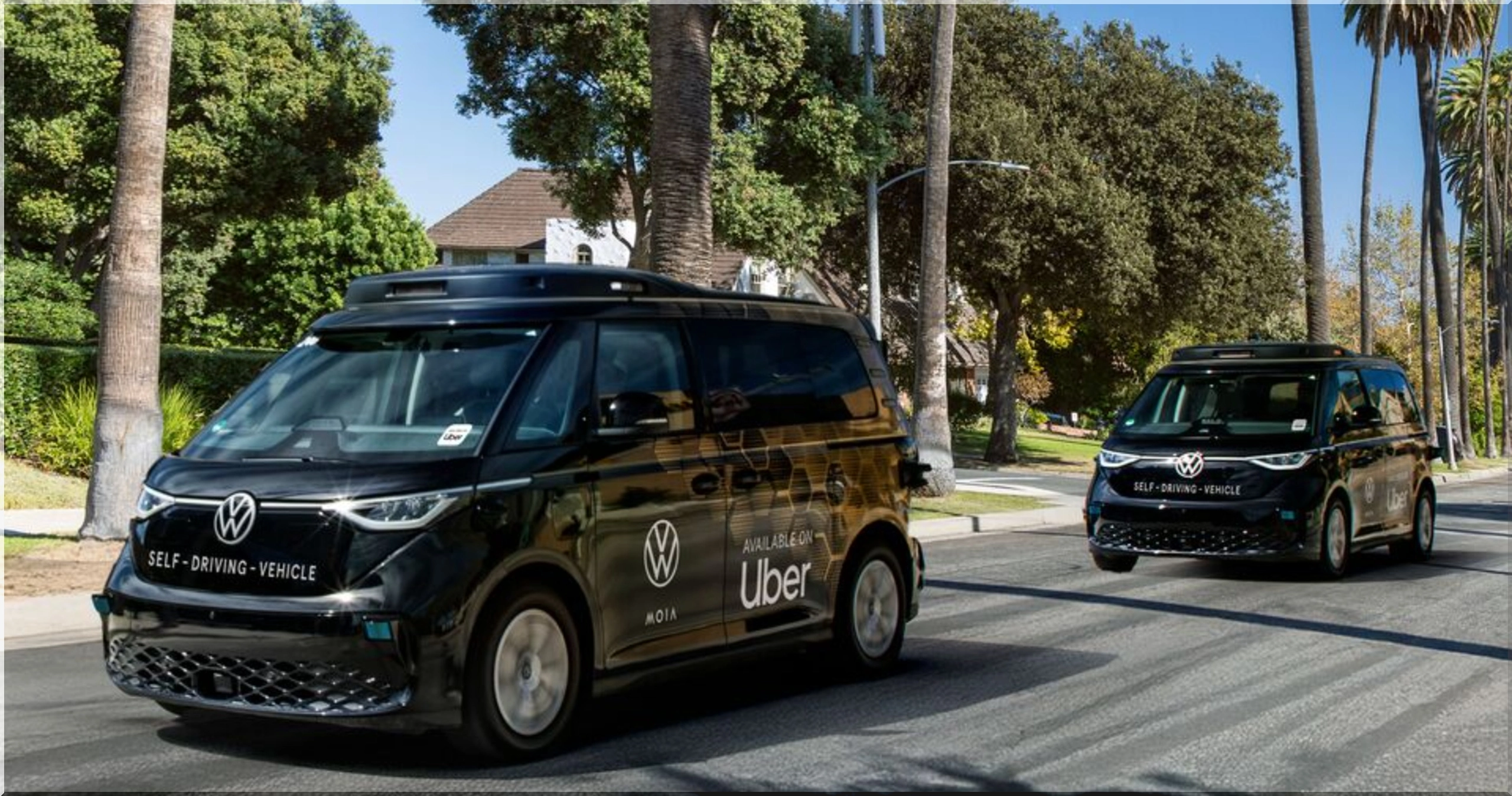
Volkswagen has moved its ID. Buzz robotaxi program from slide decks to city streets. The company, through MOIA America, has started public-road validation in Los Angeles with autonomous Volkswagen ID. Buzz AD shuttles, setting up a commercial rollout on Uber's platform by late 2026.
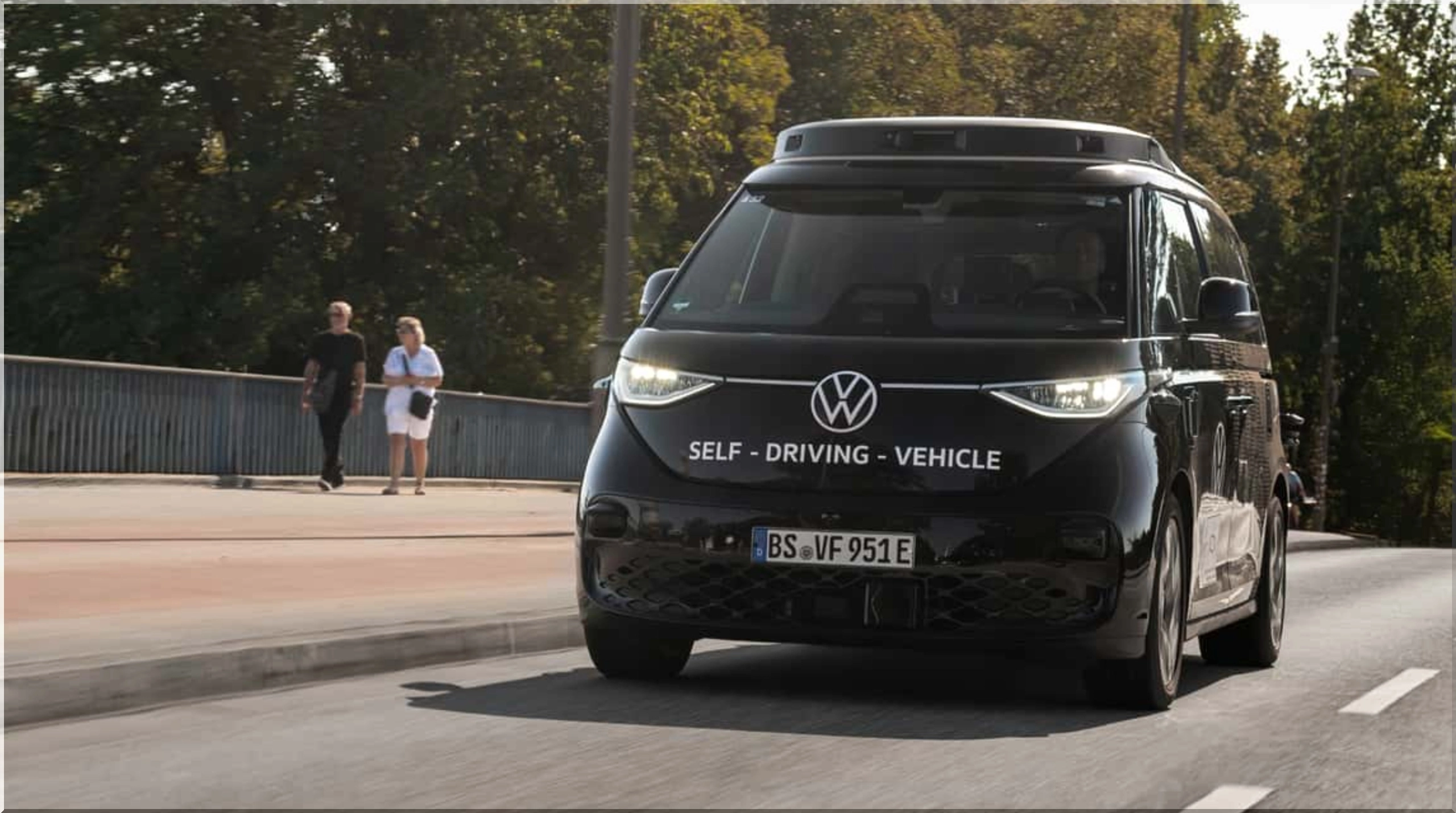
That matters because this program looks far more deliberate than the usual robotaxi headline cycle. Volkswagen is not pitching a science project. It is building a full operating stack: vehicle, self-driving system, fleet software, remote supervision, rider interface, and fleet support. Looking at the data, that gives the Uber Volkswagen robotaxi plan a stronger path to paid service than a launch built around a modified consumer EV alone.
Why Los Angeles Makes Sense for the ID. Buzz Robotaxi
Los Angeles gives Volkswagen exactly what an autonomous fleet needs: traffic variety, dense trip demand, sprawling service geography, and a customer base that already uses ride-hailing at scale. In addition, MOIA America and Uber have already opened a joint Los Angeles facility for daily fleet operations, which turns the city into both a proving ground and an operations base.
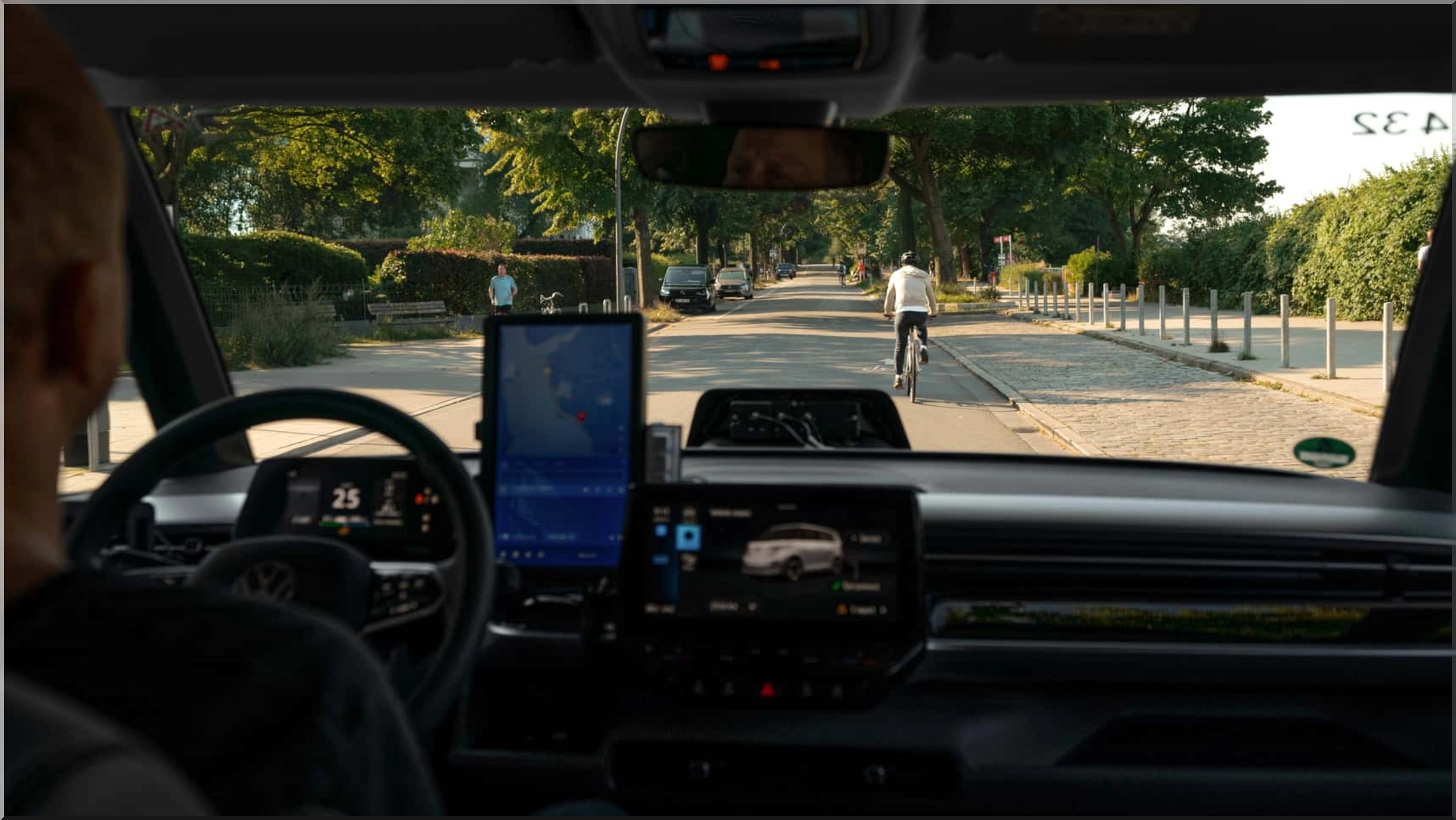
From an expert perspective, LA also pressures the software in the right ways. The vehicle has to handle multi-lane arterials, complex left turns, curbside pickup friction, aggressive merges, and constant interaction with delivery vans, buses, cyclists, and distracted human drivers. If the self-driving microbus works here, Volkswagen gains a stronger case for expansion into other large U.S. metro areas.
What the Volkswagen ID. Buzz AD Actually Brings to the Street
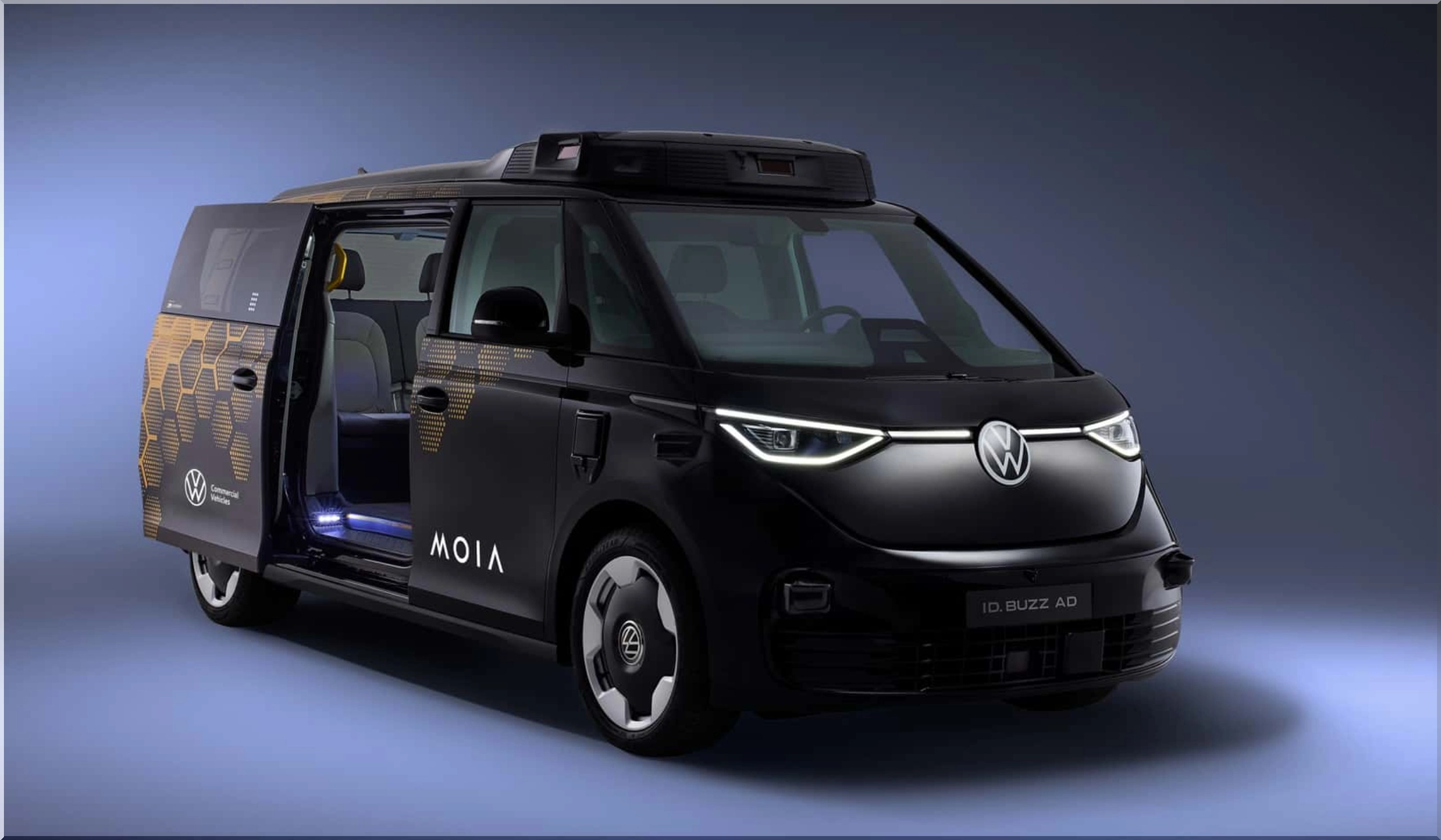
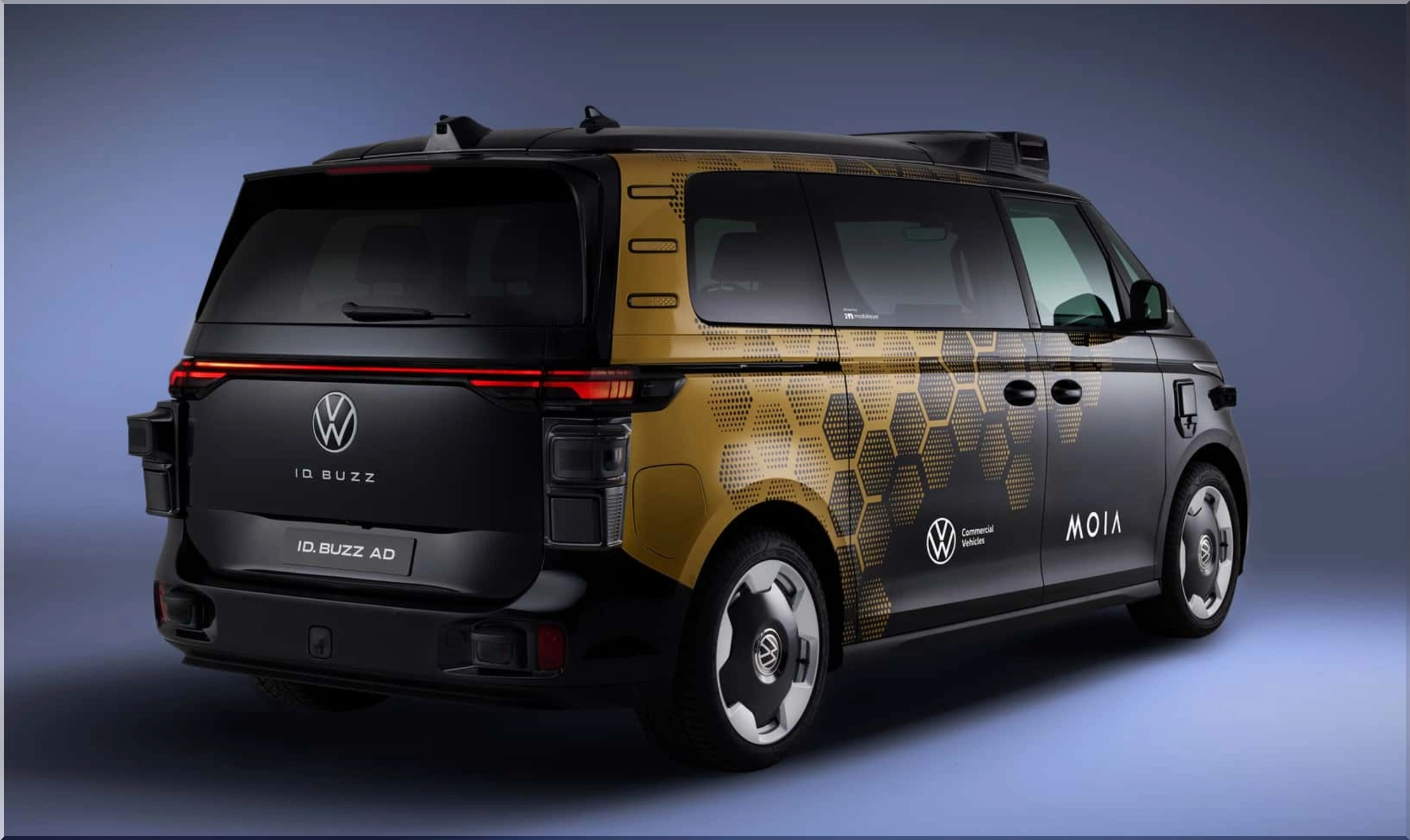
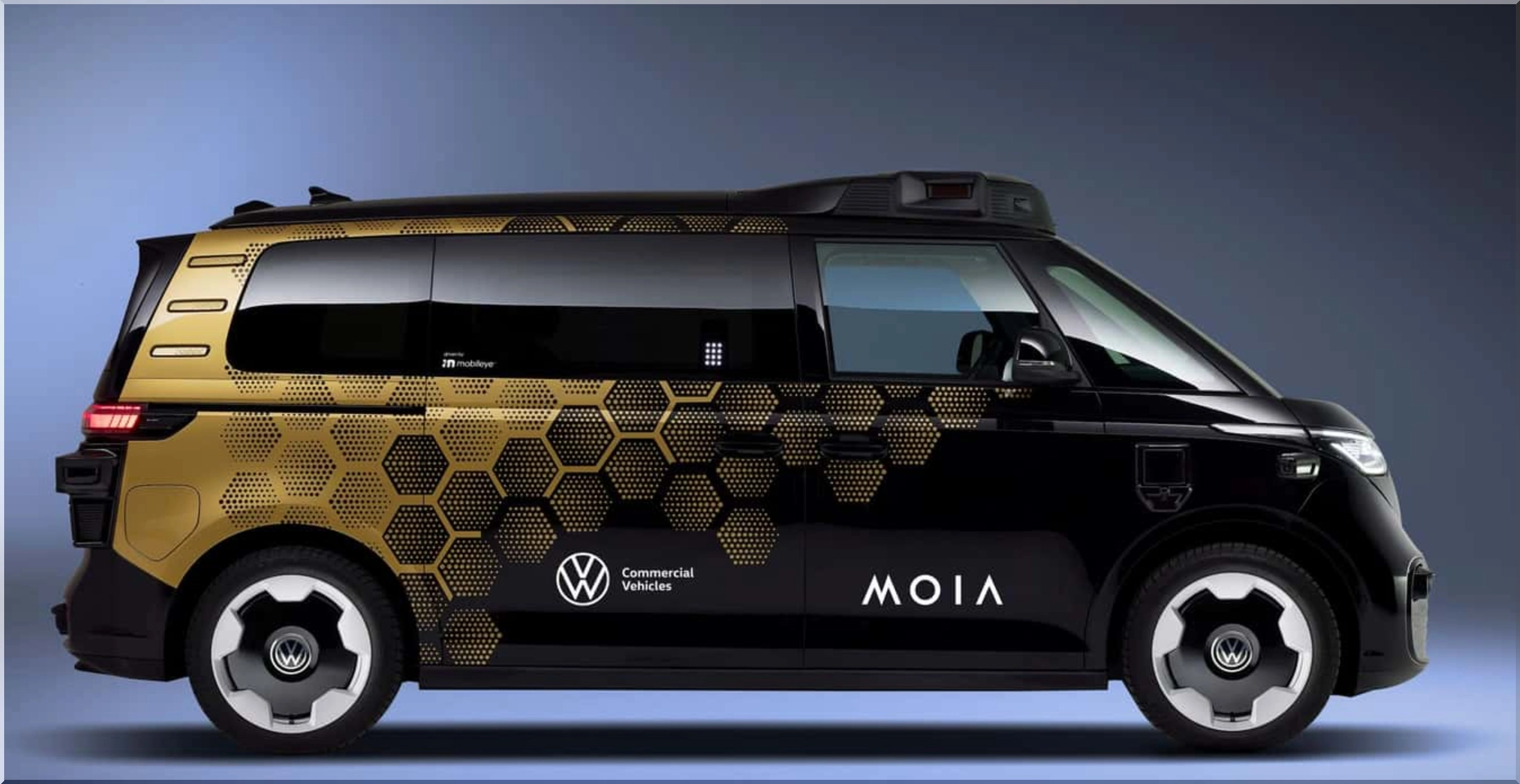
Volkswagen's autonomous van does not simply repurpose the retail U.S.-spec ID. Buzz. Specifically, the ID. Buzz AD Robotaxi uses an extended-wheelbase, raised-roof configuration developed around shared urban transport, passenger access, and autonomous hardware packaging.
Key vehicle and hardware facts
| Data point | Volkswagen ID. Buzz AD / ID. Buzz basis |
|---|---|
| Autonomy target | SAE Level 4 automated driving |
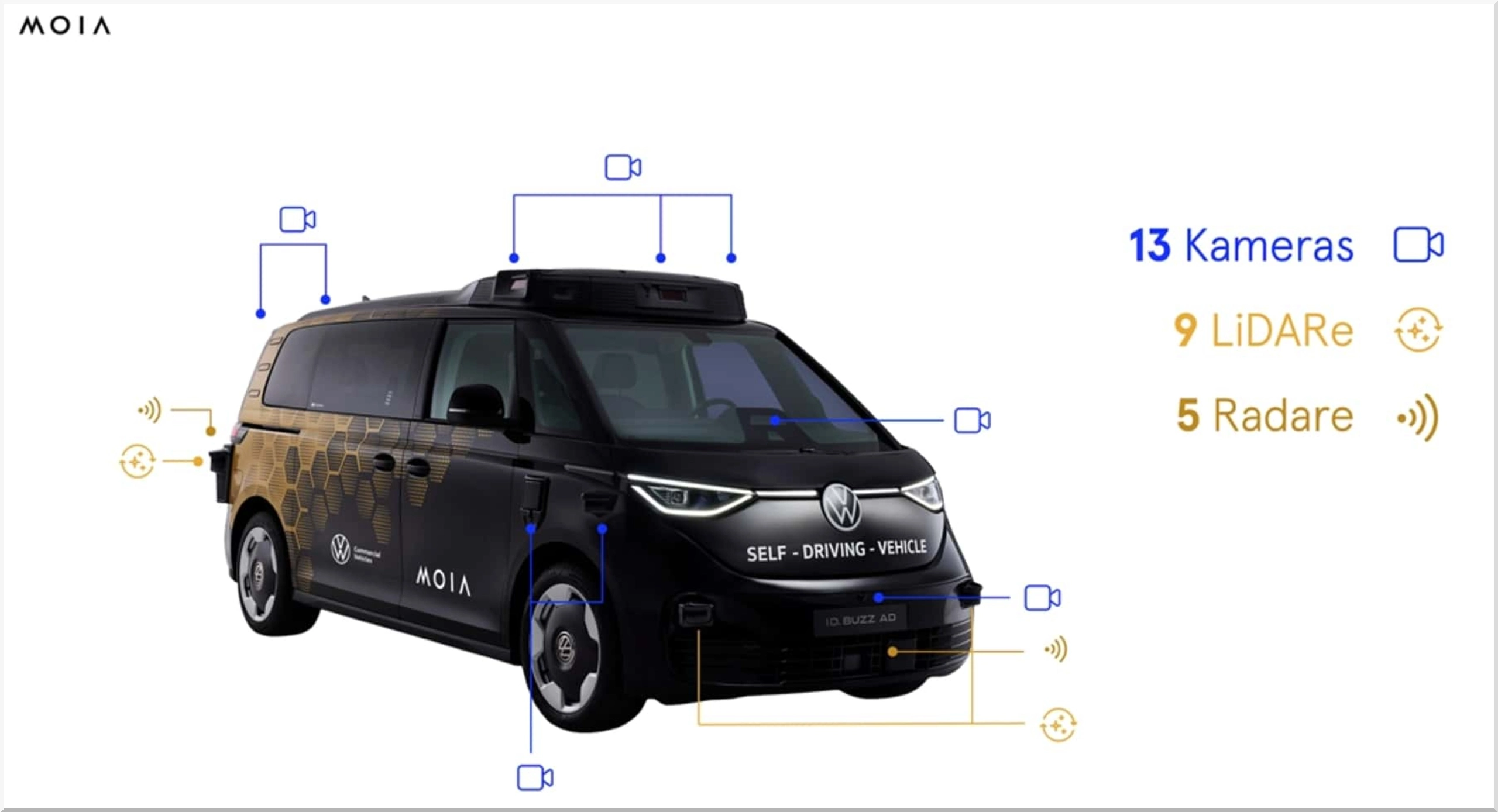
| Sensor count | 27 total sensors |
| Cameras | 13 |
| LiDAR units | 9 |
| Radar sensors | 5 |
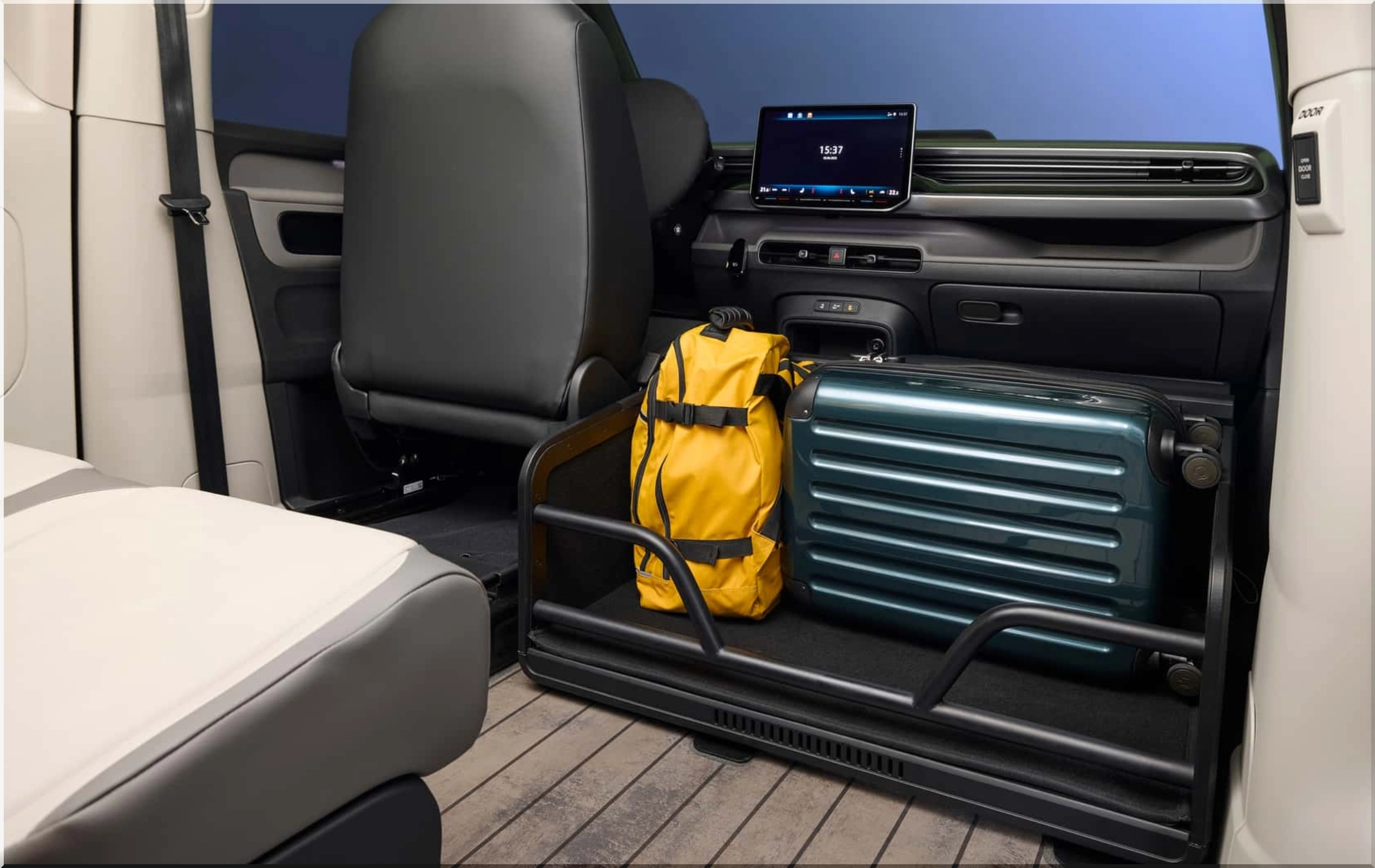
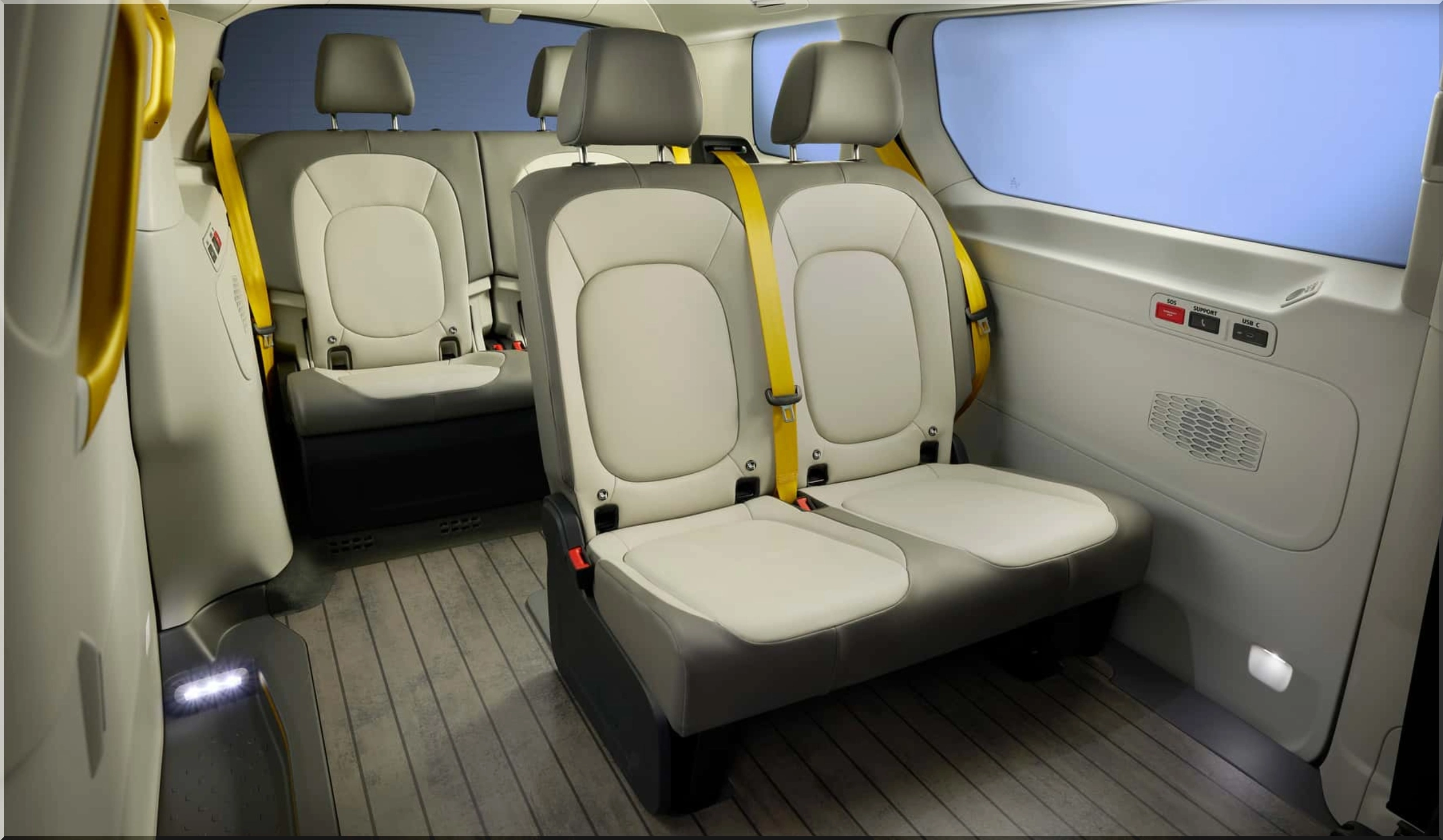
| Passenger layout | 4 passenger seats plus luggage space |
| Vehicle length | 195.4 in / 4,962 mm |
| Wheelbase | 127.5 in / 3,239 mm |
| Width excl. mirrors | 78.1 in / 1,985 mm |
| Width with mirrors | 87.0 in / 2,211 mm |
| Height | 76.2 in / 1,935 mm |
| Ground clearance | 6.3 in / 161 mm |
Those measurements matter. A 127.5-inch wheelbase and 195.4-inch overall length give the van a longer, more stable platform for sensor placement, smoother ride quality, and easier passenger ingress than a smaller robotaxi pod. By comparison, many current autonomous pilots use conventional crossover or sedan shapes that prioritize packaging convenience over cabin usability.
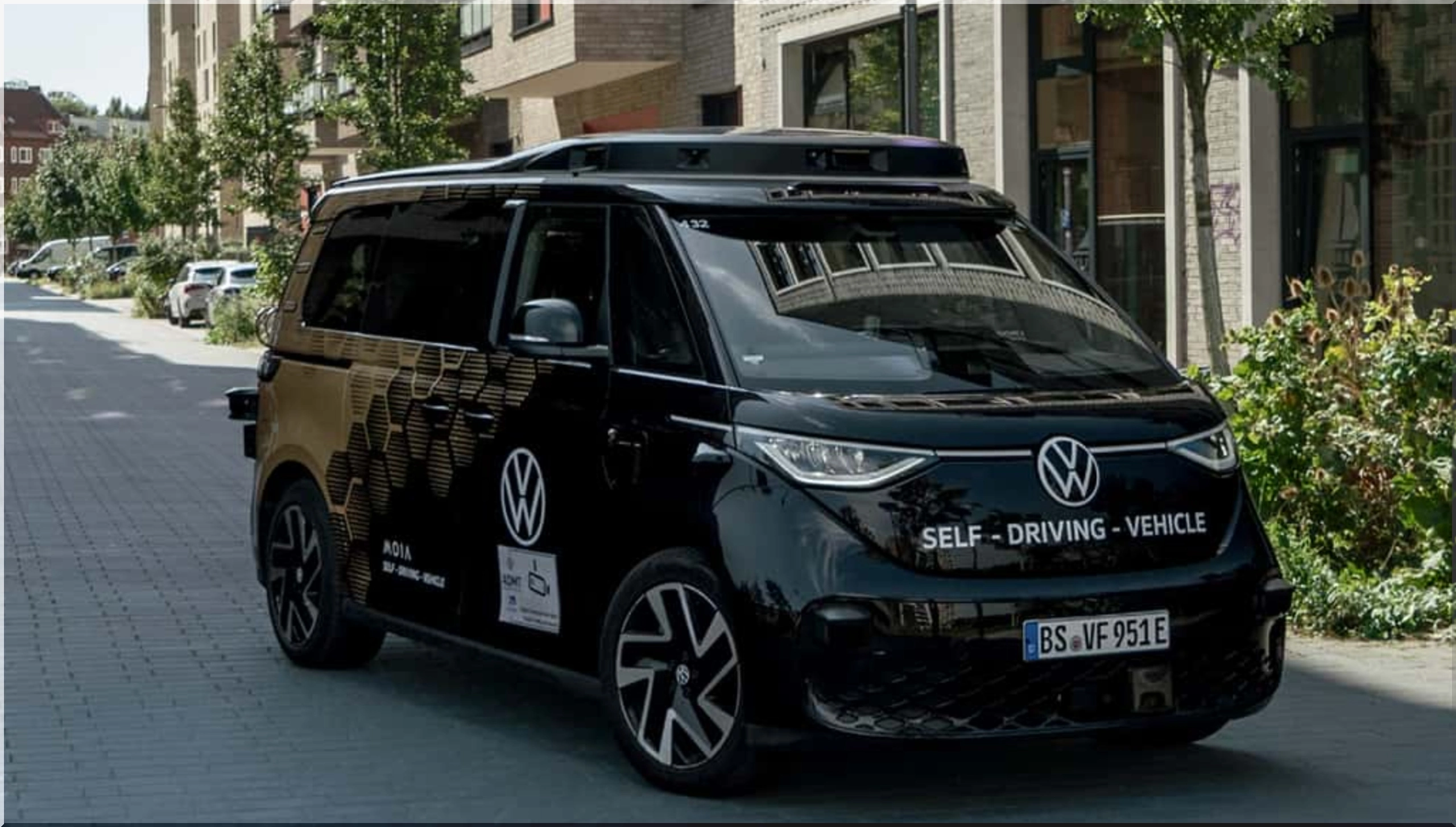
Volkswagen and MOIA also built redundancy into the systems that matter most. The van uses backup capability for braking, steering, and power supply, because Level 4 service cannot rely on a single point of failure. Consequently, the hardware story here looks closer to commercial transit engineering than consumer-car feature creep.
How the MOIA and Uber Partnership Is Set Up
Volkswagen is not trying to build a consumer robotaxi network from scratch in the U.S. Instead, MOIA supplies the autonomous vehicle platform and operating system, while Uber contributes rider demand, dispatch, booking, and a familiar front-end app experience.
That split has real logic behind it:
- MOIA handles the autonomous vehicle stack, fleet operations tooling, and operator support.
- Uber brings immediate marketplace access and trip volume.
- Los Angeles gives both companies a large enough service area to test utilization, dwell time, and pickup efficiency.
- A shared platform lowers the customer-acquisition burden that often slows new robotaxi launches.
In addition, Volkswagen says the Los Angeles test fleet will grow to more than 100 vehicles during validation. The long-game target runs much higher, with the broader partnership aiming at thousands of autonomous ID. Buzz vehicles across multiple U.S. markets.
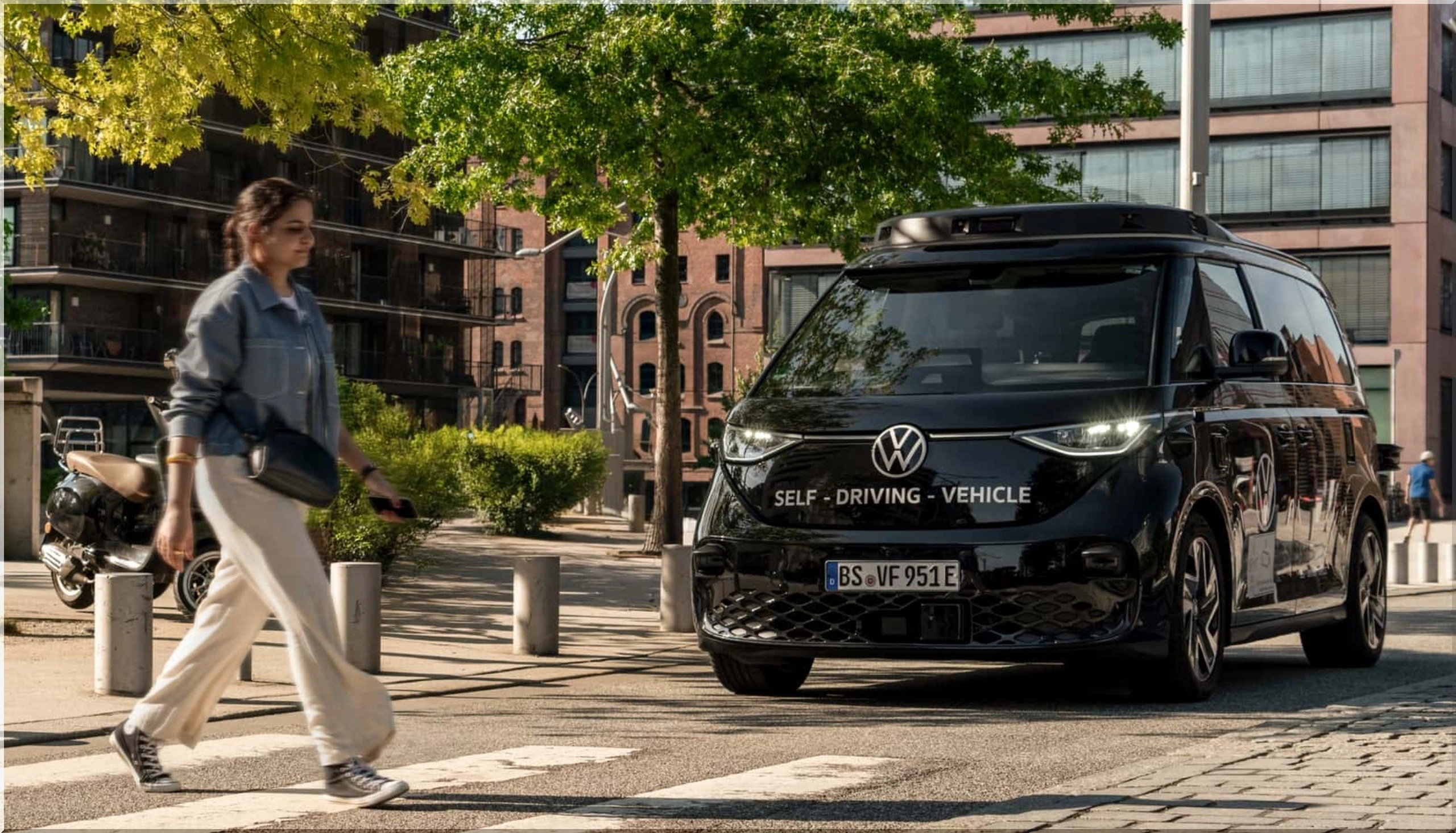
The Real Story: This Is a Service Platform, Not a One-Off Van
The strongest part of the announcement sits behind the sheetmetal. MOIA calls its package a turnkey autonomous mobility solution, and that phrase matters because the business case for autonomous ride-hailing lives or dies on operations, not novelty.
What MOIA bundles into the service model
| Platform layer | What Volkswagen/MOIA brings |
|---|---|
| Vehicle | Purpose-built Volkswagen ID. Buzz AD |
| Autonomy tech | Mobileye self-driving system with redundant sensing |
| Fleet software | Real-time fleet management and dispatch support |
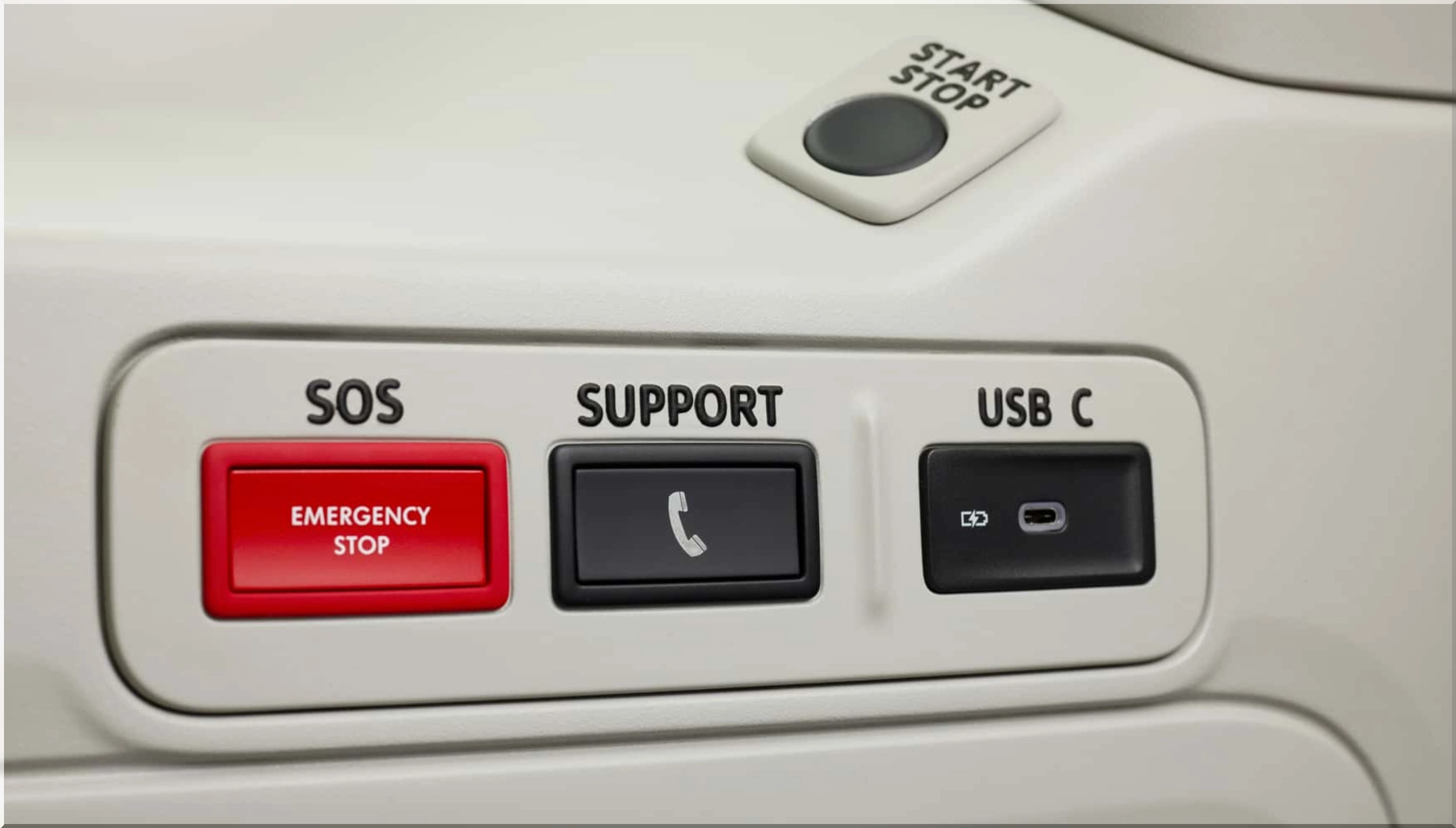
| Passenger interface | Booking integration, smartphone/PIN access, automated doors |
| Safety operations | Remote supervision and edge-case handling |
| Operator support | Training, rollout support, live monitoring |
Looking at the data, that full-stack approach answers the hard question: what happens after the demo ride? The answer is supposed to be repeatable service, live monitoring, faster rollout, and tighter integration with existing booking apps. That is a stronger commercial strategy than sending a handful of autonomous test cars into one district and calling it scale.
What Still Has to Happen Before You Can Book One
Volkswagen has started testing, not unrestricted fare service. The Los Angeles vehicles will operate with onboard human operators during validation, and California's rules still create a multi-step path from testing to commercial autonomous passenger service.
That path includes:
- Testing under California DMV authority.
- Driverless deployment approval for commercial operation.
- CPUC approval for passenger service and fare collection in the applicable program.
So, what now? Expect a measured rollout. Late 2026 remains the paid-service target on Uber, but true driverless service at scale depends on permit progress, operational performance, and how cleanly the fleet handles real Los Angeles traffic.
Pro-Tips for Readers Tracking the ID. Buzz Robotaxi Launch
- Watch for language around driverless deployment, not just testing.
- Track fleet size growth, because scaling from 10 vehicles to 100-plus changes the story.
- Pay attention to pickup and curb-management performance, which often limits robotaxi efficiency more than pure driving competence.
- Follow how fast Volkswagen expands from safety operators to remote-supervised operation.
Volkswagen's ID. Buzz robotaxi Los Angeles test program looks serious because it pairs a purpose-built EV van with an operating model built for fleet economics. That does not guarantee success. It does mean Volkswagen has moved past concept-stage theater and into the part that counts: proving that a self-driving microbus can survive LA traffic, satisfy regulators, and keep Uber riders coming back.
The 2023 Volkswagen ID. Buzz is more than just a retro-inspired electric van. It's a versatile, spacious, and fun-to-drive vehicle that offers attractive private leasing prices from $750 per month. Volkswagen has a long and rich… Continue reading
Renault could launch a new update of its Renault ZOE at the Geneva Motor Show 2018. The great novelty in this new version would be the incorporation of a new electric motor , the R110 , with 80 kW of power, although the… Continue reading
Jaguar Land Rover has expanded its range of Ingenium engines with a new six-cylinder, three-liter gasoline engine that combines with the smooth hybrid technology of 48 volts, MHEV (Mild Hybrid Electric Vehicle)… Continue reading

The US government wants to abolish state subsidies for electric cars and renewable energies. US President Trump would like to eliminate state subsidies for electric cars immediately, but now, a new bill in Congress provides for an extension of tax… Continue reading