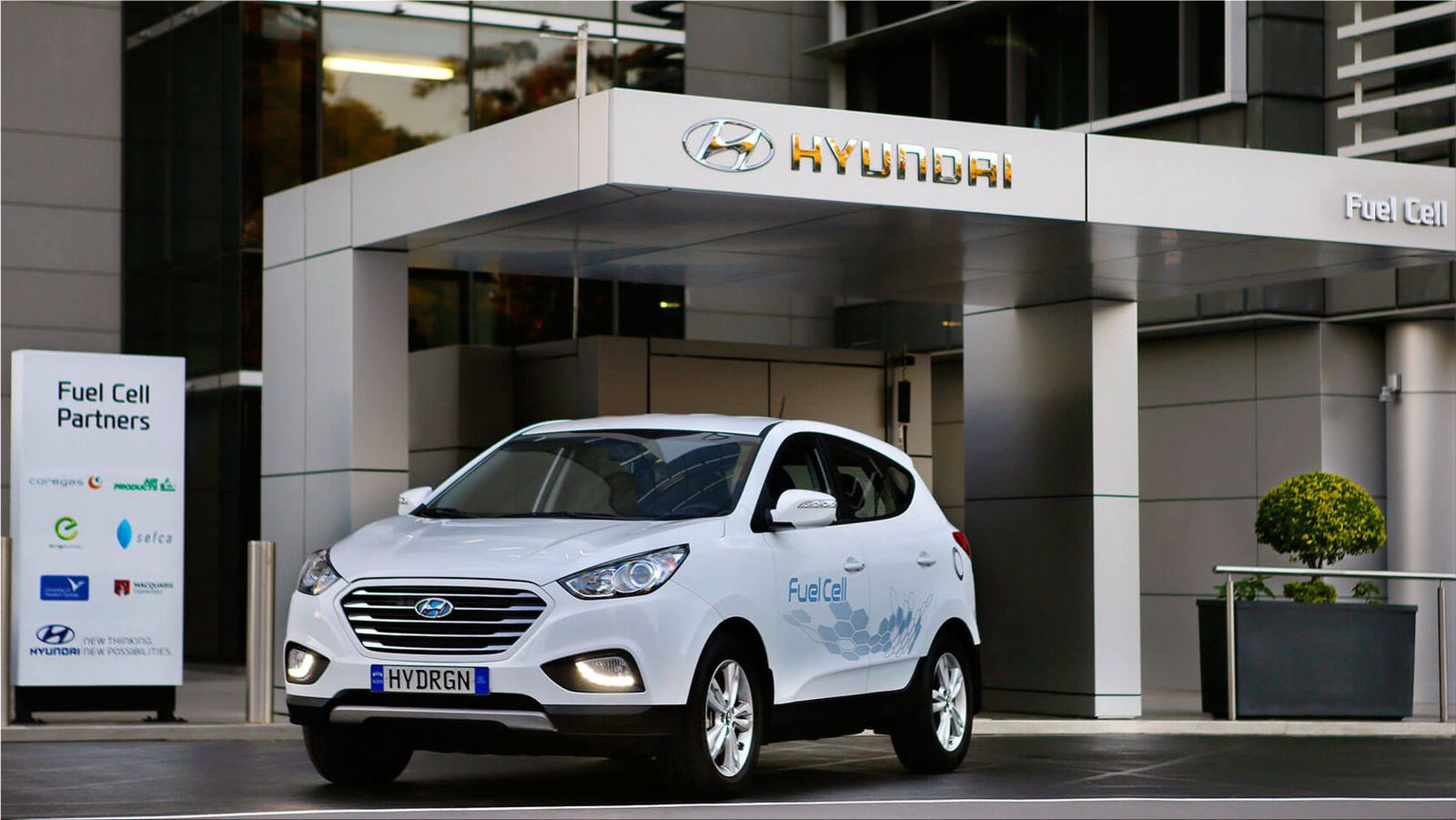
The Japanese automobile manufacturers Toyota, Nissan and Honda, along with eight other companies, have formed Japan H2 Mobility, a company that will be dedicated to the development of hydrogen stations for fuel cell vehicles in Japan.
The objective of Japan H2 Mobility is to gradually increase the number of fuel cell vehicles in Japan and in parallel to make sustainable the hydrogenation business.
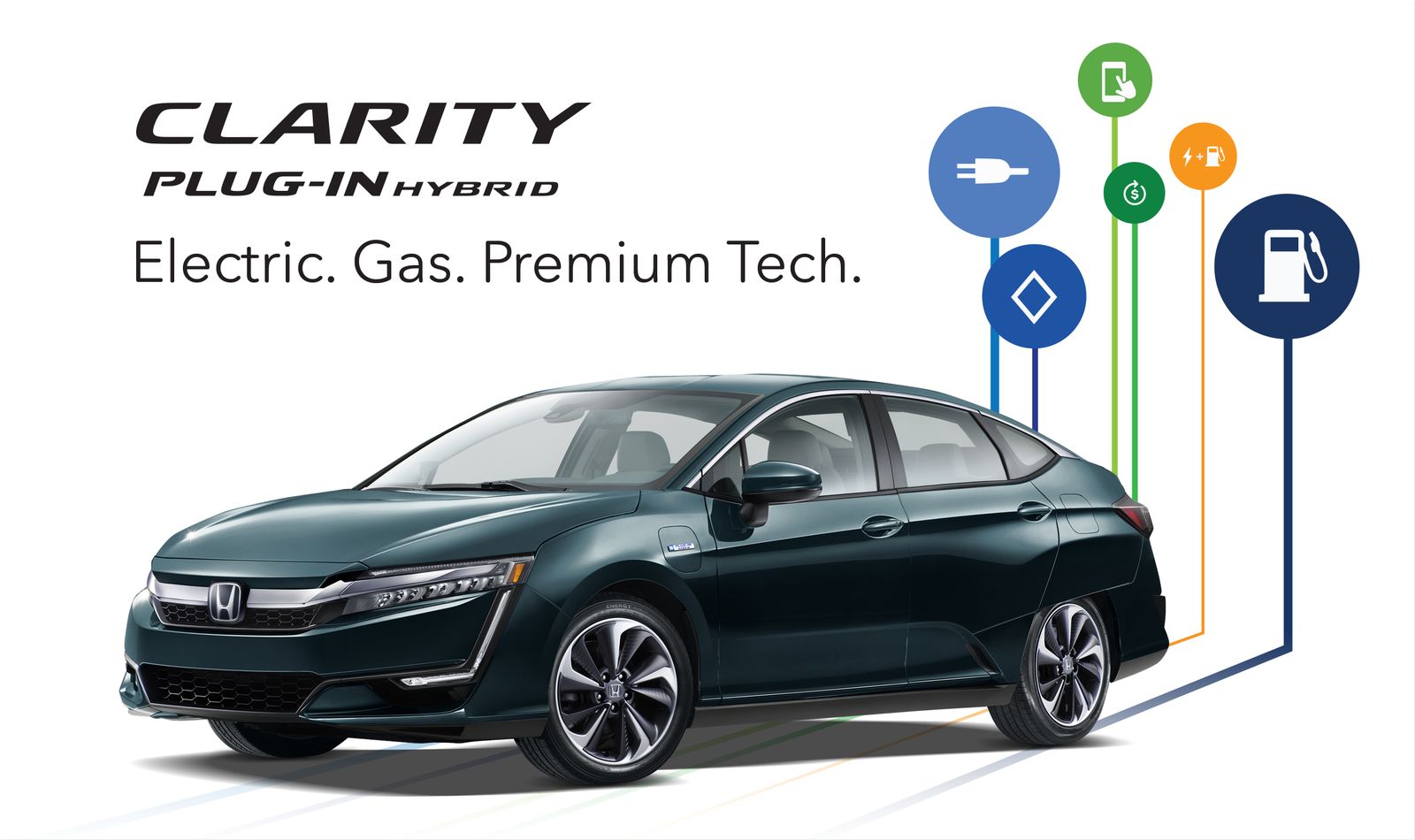
The initial capital of Japan H2 Mobility is $469,948 and will be chaired by Hideki Sugawara. The purpose is to begin the building of 80 stations throughout the country for the year 2021, according to 'Strategic roadmap for hydrogen and fuel cells'.
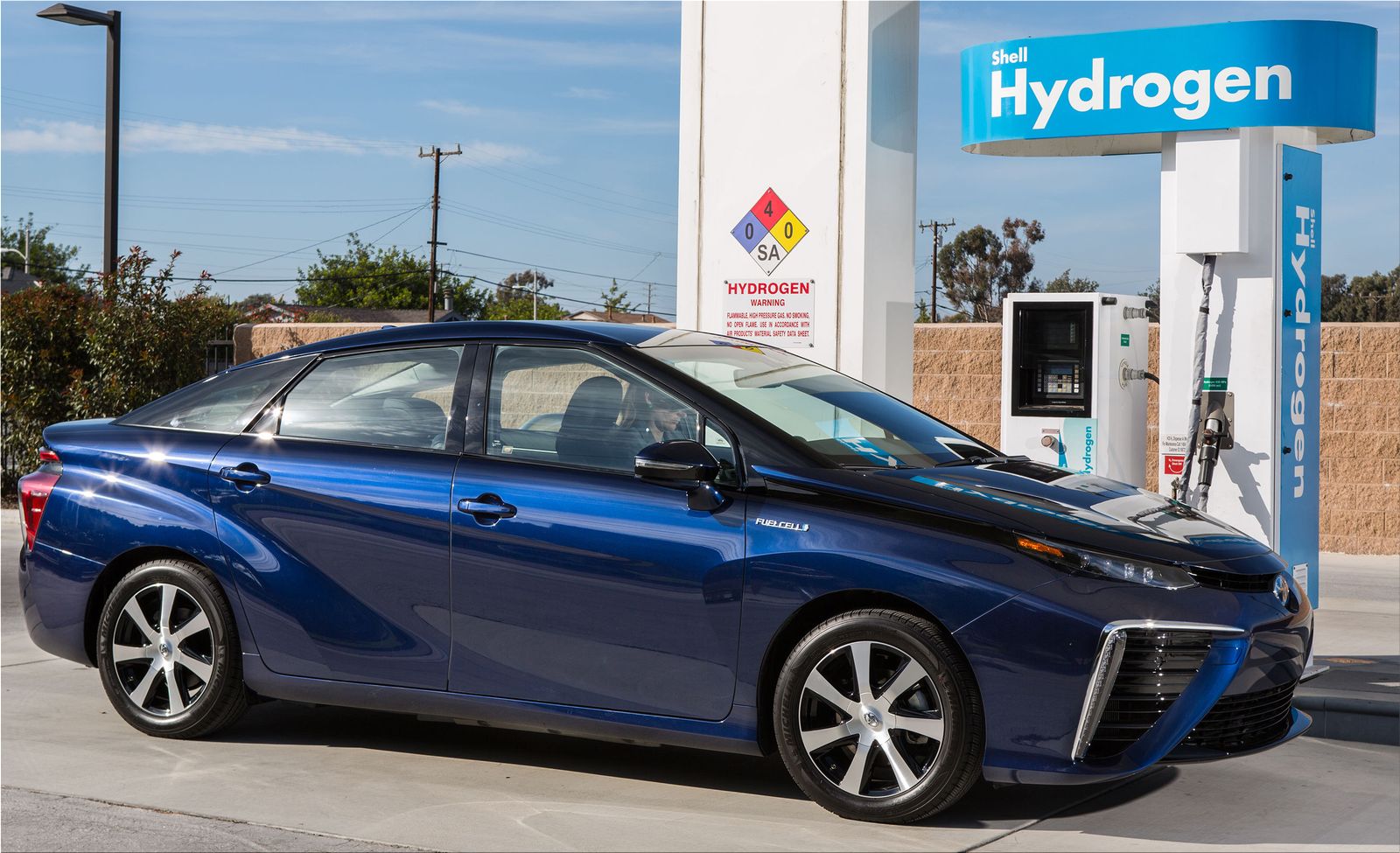
Japan H2 Mobility will start operating in April 2018, with the goal of attracting the maximum possible participation of hydrogenation operators and investors.

Renault could launch a new update of its Renault ZOE at the Geneva Motor Show 2018. The great novelty in this new version would be the incorporation of a new electric motor , the R110 , with 80 kW of power, although the… Continue reading

America’s most popular pickup will soon be powered by electricity. The creators are releasing an upgraded version of the F-150 pickup. According to the company's president, Jim Farley, an electric pickup is ideal for customers with the… Continue reading

The market for electric two-wheelers is booming. Especially e-bikes and scooters, but also increasing alternatives to large motorcycles are in demand. An original concept from Russia will now test the suitability of the electric drive for motorcycles with… Continue reading

Toyota will launch its first 100% electric car in 2020. The Japanese company believes it is time to move on to the next act: electric mobility. We talk about mobility, and not just cars, since the electrification of the Toyota range will be… Continue reading