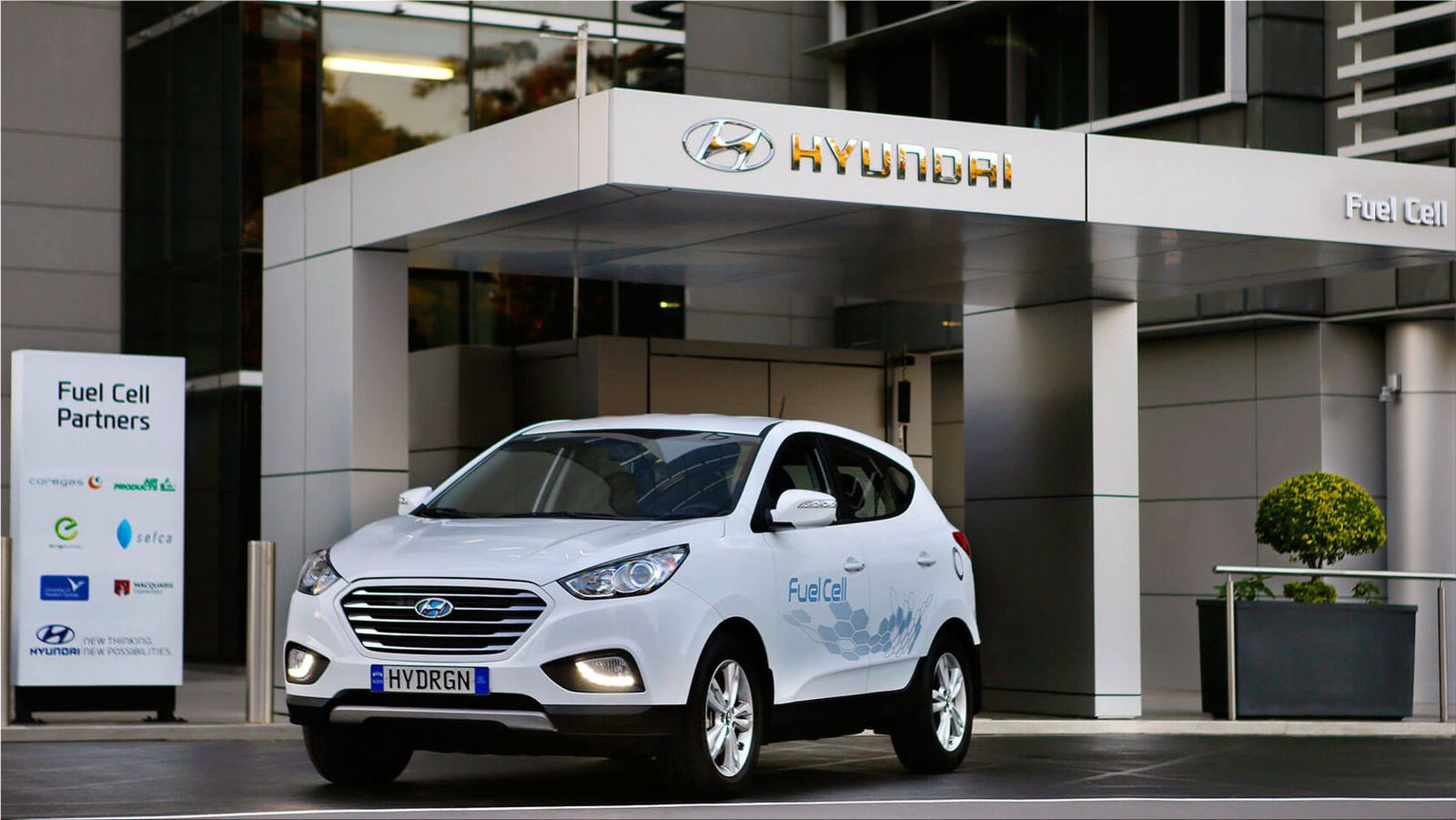
The Japanese automobile manufacturers Toyota, Nissan and Honda, along with eight other companies, have formed Japan H2 Mobility, a company that will be dedicated to the development of hydrogen stations for fuel cell vehicles in Japan.
The objective of Japan H2 Mobility is to gradually increase the number of fuel cell vehicles in Japan and in parallel to make sustainable the hydrogenation business.
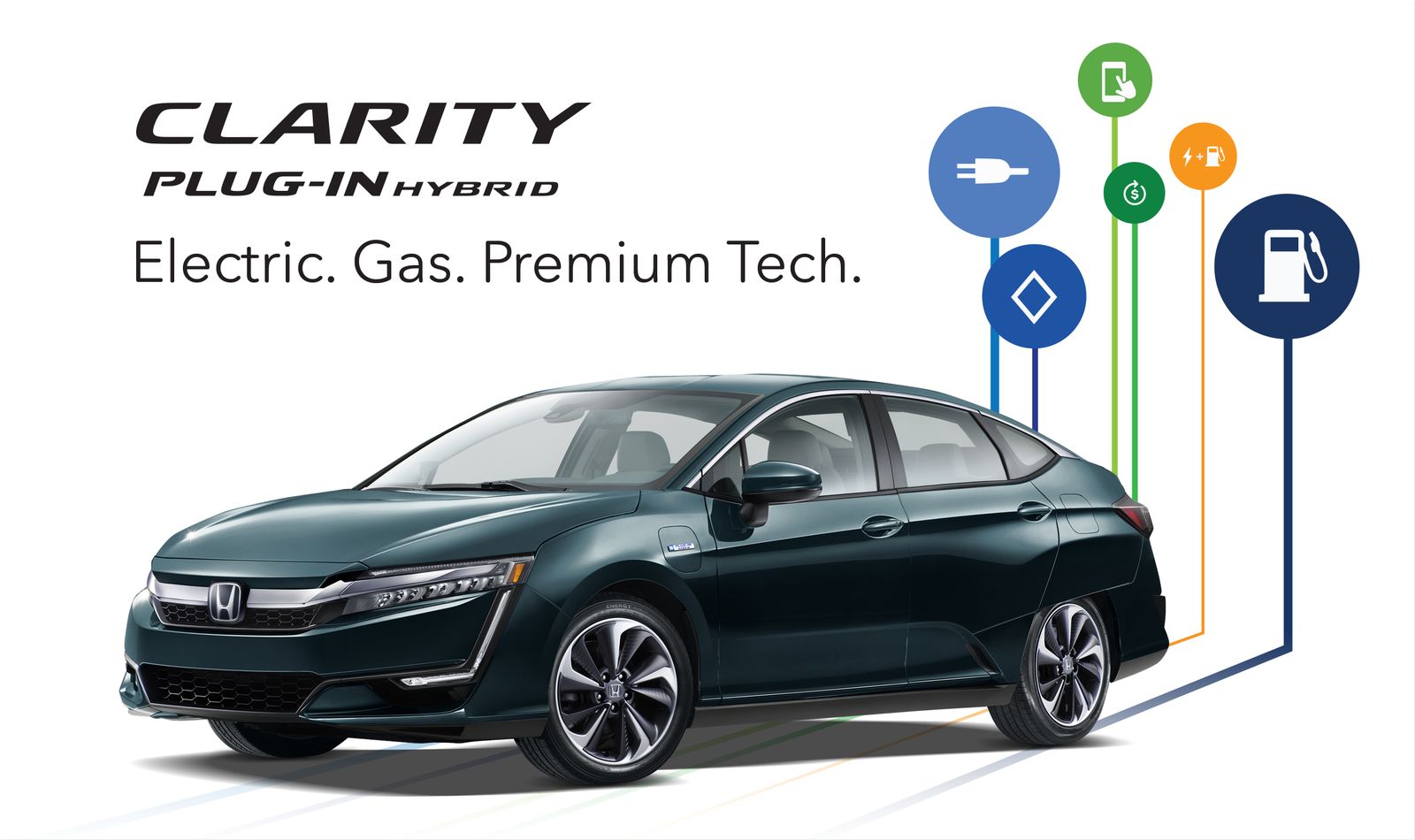
The initial capital of Japan H2 Mobility is $469,948 and will be chaired by Hideki Sugawara. The purpose is to begin the building of 80 stations throughout the country for the year 2021, according to 'Strategic roadmap for hydrogen and fuel cells'.
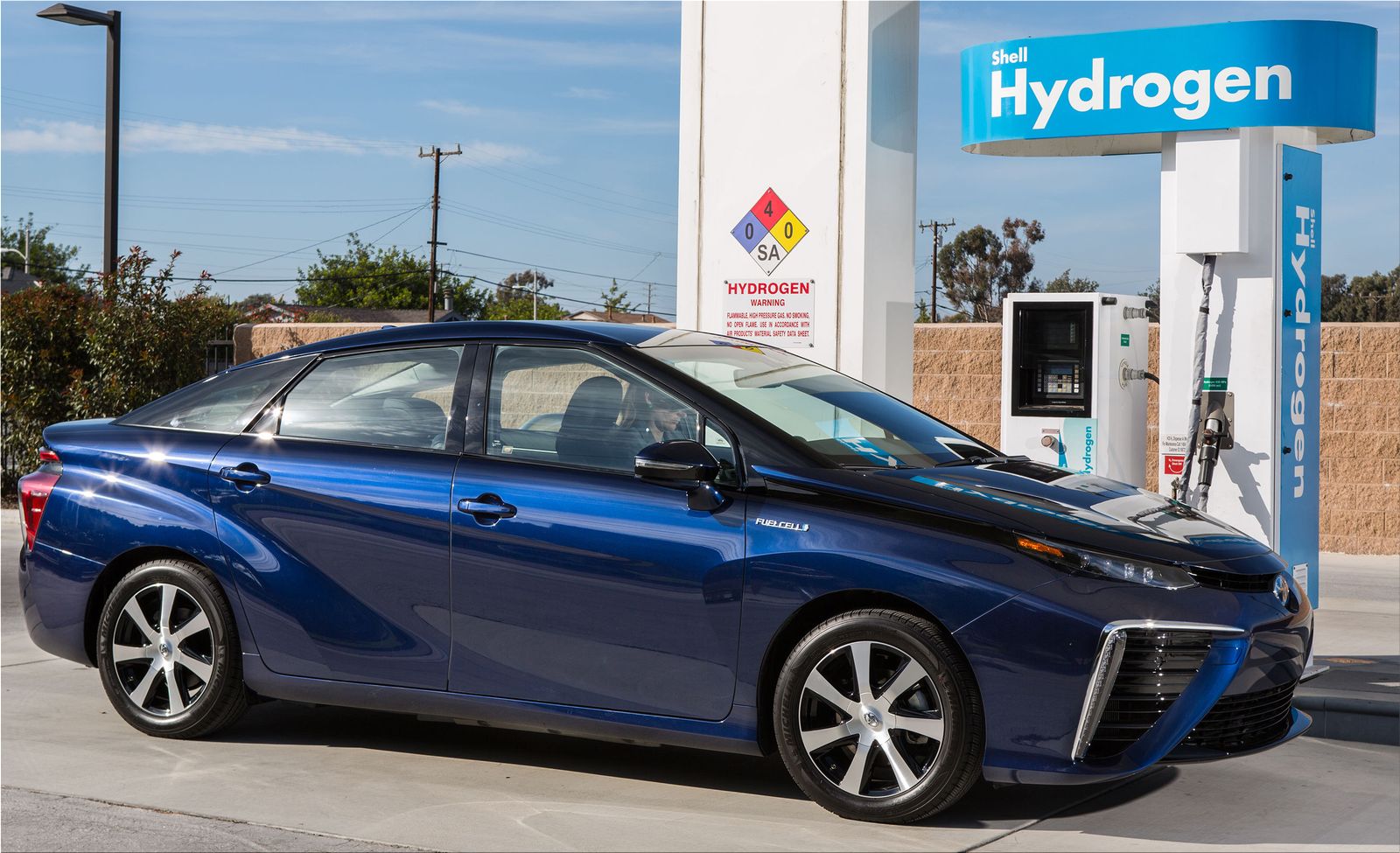
Japan H2 Mobility will start operating in April 2018, with the goal of attracting the maximum possible participation of hydrogenation operators and investors.

Hyundai has just unveiled its latest creation, the all-new KONA, and it is bigger, bolder, and more exclusive than ever before. The new Hyundai KONA boasts a significant redesign, exceptional attention to low air resistance, and an… Continue reading

The Cadillac Escalade SUV is one of the world's most iconic and recognizable luxury SUVs. It has been a symbol of status, power, and opulence for over two decades and shows no signs of slowing down. But what if you could have all the benefits… Continue reading

The Vauxhall Corsa is one of the most popular cars in the UK, and for good reason. It’s a versatile, reliable, and stylish supermini that offers great value for money. But what if you want to drive a Corsa that’s also eco-friendly,… Continue reading

Dacia has long been a pioneer in bringing practical, affordable, and efficient vehicles to the masses. The introduction of the all-electric Dacia Spring continues this tradition, offering an attractive blend of… Continue reading