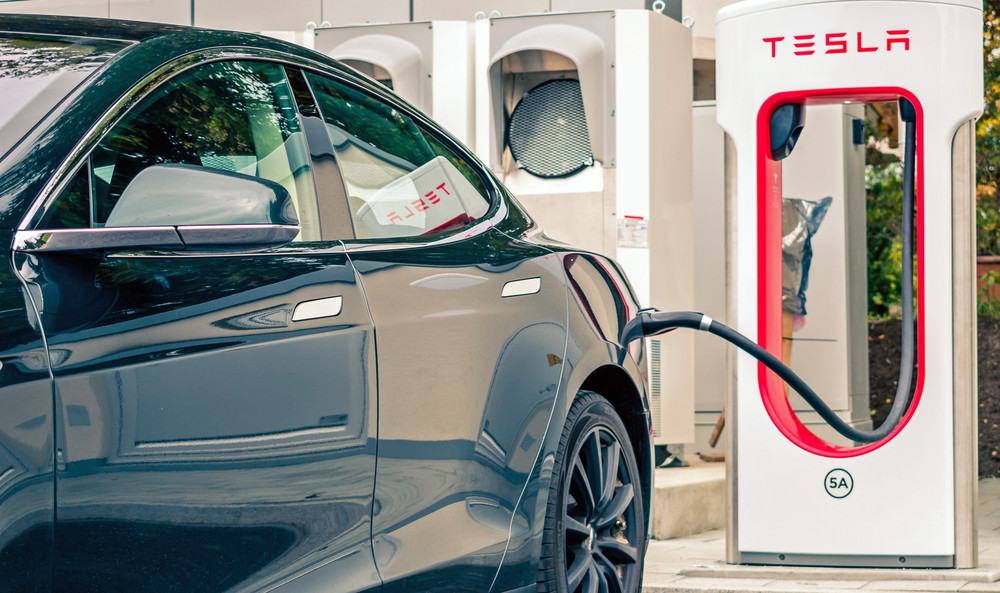
The UK government has doubled funding for the installation of charging points on residential streets to £ 10 million - the equivalent of 11.75million euros. This could finance up to 3,600 new charging points across the country.
Overall, the UK government wants charging electric cars and plug-in hybrids to be easier and more convenient. The funding program is intended to make charging easier, especially for e-drivers without their own parking space.
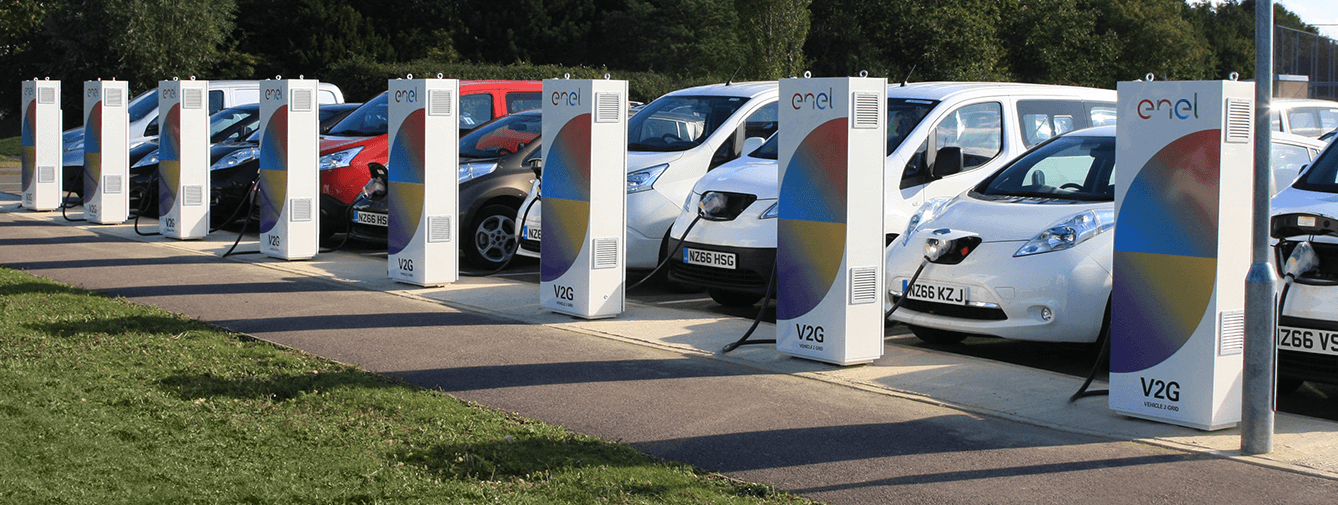
According to Secretary of State for Transport Grant Shapps, electric cars should become the "new normal". The government is also examining how information on all public charging points (location, charging capacity, free or busy status) can be made available in real-time.
How exactly this data transmission should be implemented is still open. The idea is that the information is played directly in the navigation systems and route planning apps. There are currently around 24,000 charging points in Great Britain, but the distribution is still chaotic in rural areas.
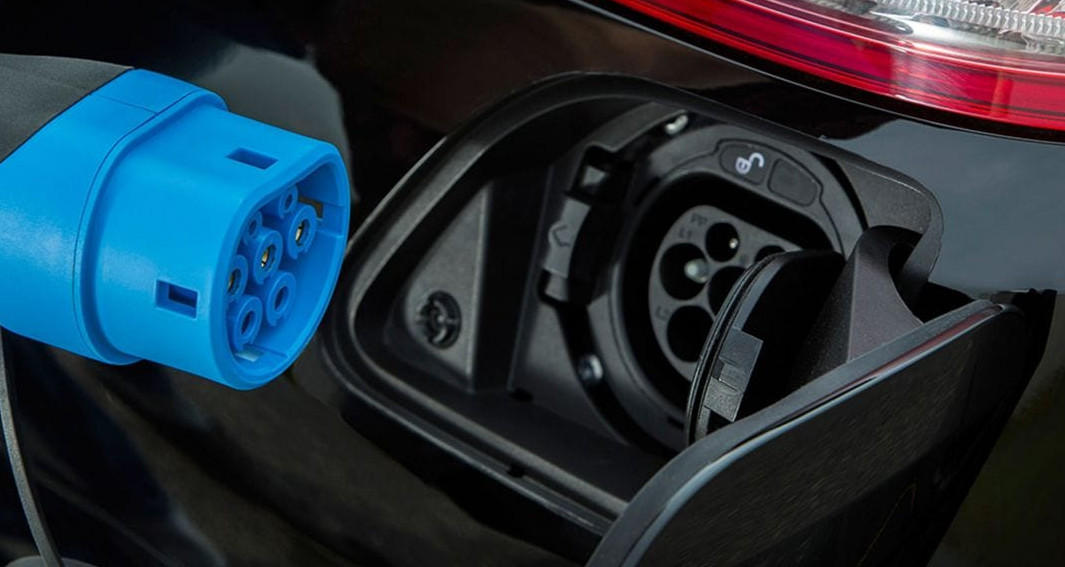
Guaranteeing that charging an electric vehicle is a comfortable and uncomplicated process is crucial to meeting the government’s goals of phasing out petrol and diesel cars.
Transport Secretary Grant Shapps said:
We want to make electric cars the new normal, and ensuring drivers have convenient places to charge is key to that.
By doubling funding again for charge points on streets where people live and opening up data we are helping drivers easily locate and use affordable, reliable charge points whether at home or on the road.
Future of Transport Minister George Freeman said:
The new government is accelerating UK leadership in digitalization and decarbonization through our future of transport strategy.
Supporting the smart use of open data for new apps to help passengers and drivers plan journeys, and to reduce congestion and pollution, is key.
Comprehensive charge points data is crucial for mapping charging hotspots and notspots for consumers, to help to drive forward the electric vehicle revolution.
We urge local councils to make use of the funding available to ensure their residents feel the benefits of cleaner transport.
Government and industry have financed the installation of over 17,000 devices providing over 24,000 publicly accessible charge points, of which over 2,400 are rapid charge points. The UK now has one of the largest charging networks in Europe with more locations where you can charge your car than there are petrol stations. via gov.uk

After it acquired Ubitricity, Shell has announced that it plans to build 50,000 Ubitricity charging stations in the United Kingdom by 2025. The group also wants to cover a portion of the costs. There are presently 3,600… Continue reading

Toyota has officially debuted the 2026 Urban Cruiser, a battery-electric compact SUV that combines robust design, interior flexibility, and rich technology content. Developed from the Urban SUV Concept, this model gives… Continue reading

The Buick Electra Orbit concept car is not a styling exercise. It’s a directional marker. Built in China by SAIC-GM, this electric fastback station wagon blends future-forward tech with functional proportions, previewing what… Continue reading

Volkswagen has turned the Polo into a battery-electric hatchback with real small-car logic: front-wheel drive, two battery chemistries, DC fast charging as standard, and up to 454 km / 282 miles of WLTP range… Continue reading