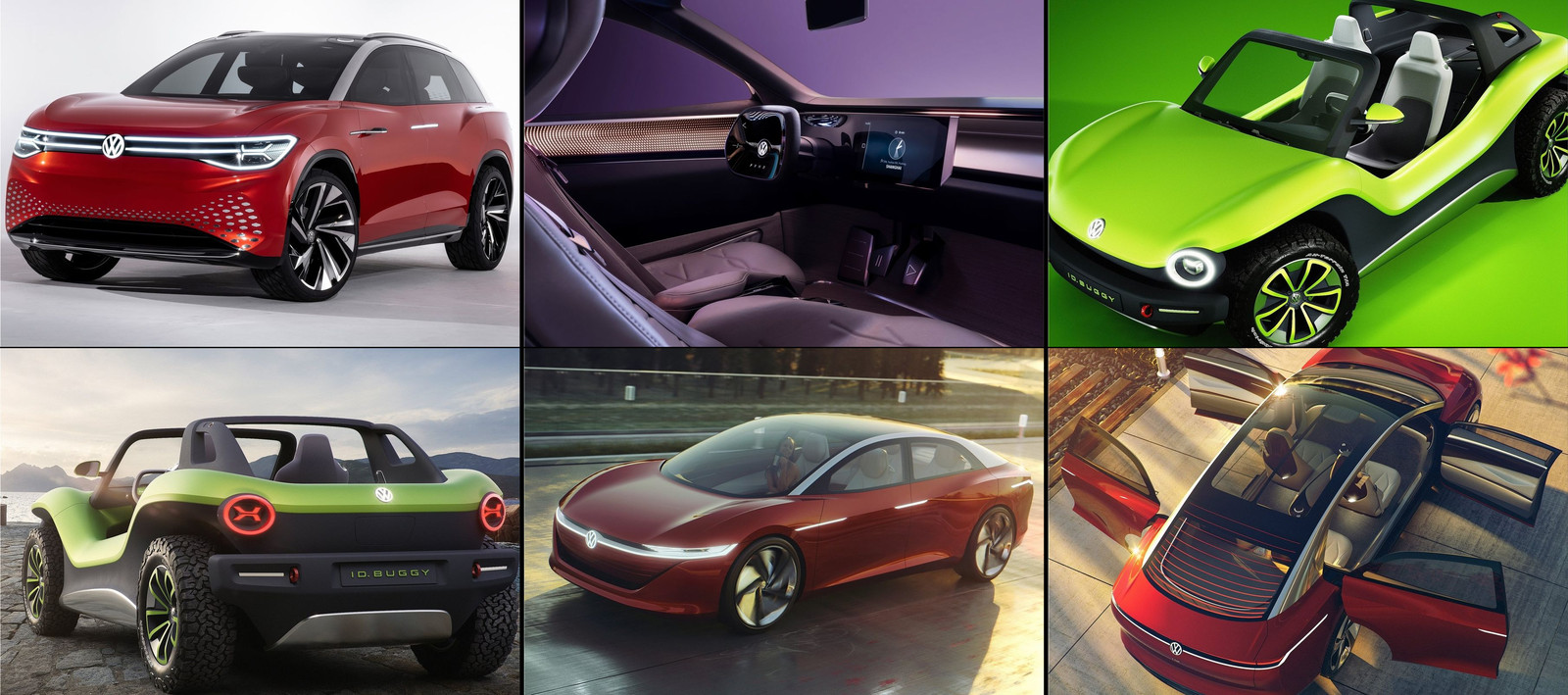
According to the German Handelsblatt publication, the new Volkswagen small-class electric cars will be produced at the plant in Bratislava, the capital of Slovakia. This is the same factory where VW Up, Skoda Citigo and SEAT Mii are currently being built. Initially, they took into account the Emden plant (Germany), but eventually chose Bratislava to minimize costs as much as possible.
The three models will be joined by electric cars produced by VW, Skoda and SEAT, all three brands being reunited under the umbrella of Volkswagen AG. New green cars will be developed by SEAT on the MEB platform (modular platform for electric car production). They will be on the market in 2022.
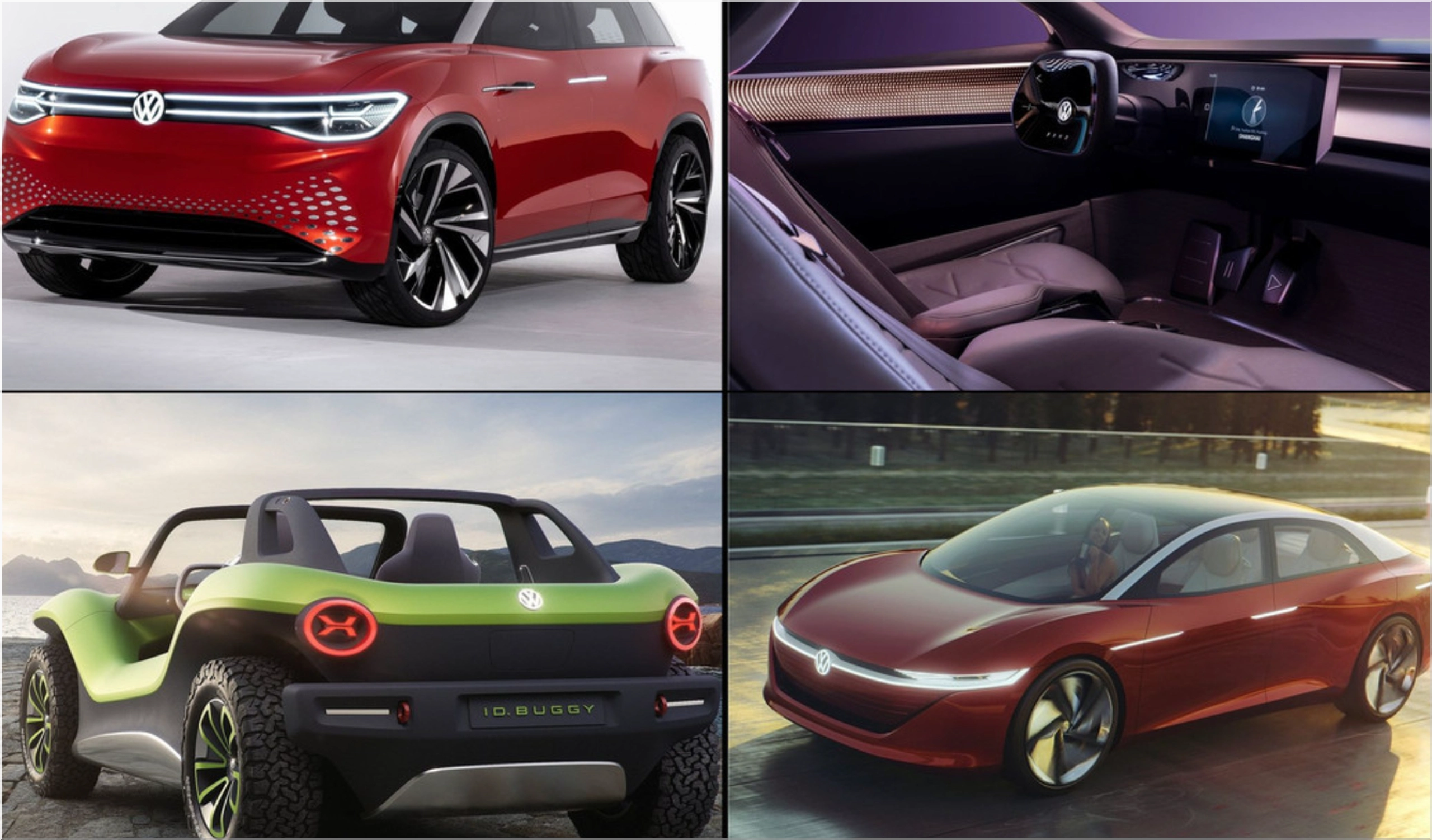
Quantitatively, Volkswagen's target for the new small-class electric cars is an annual production of 200,000 units.
Recently, Volkswagen launched the pre-orders for the ID.3 electric car. It costs less than 40,000 euros (VAT included), without the bonuses.
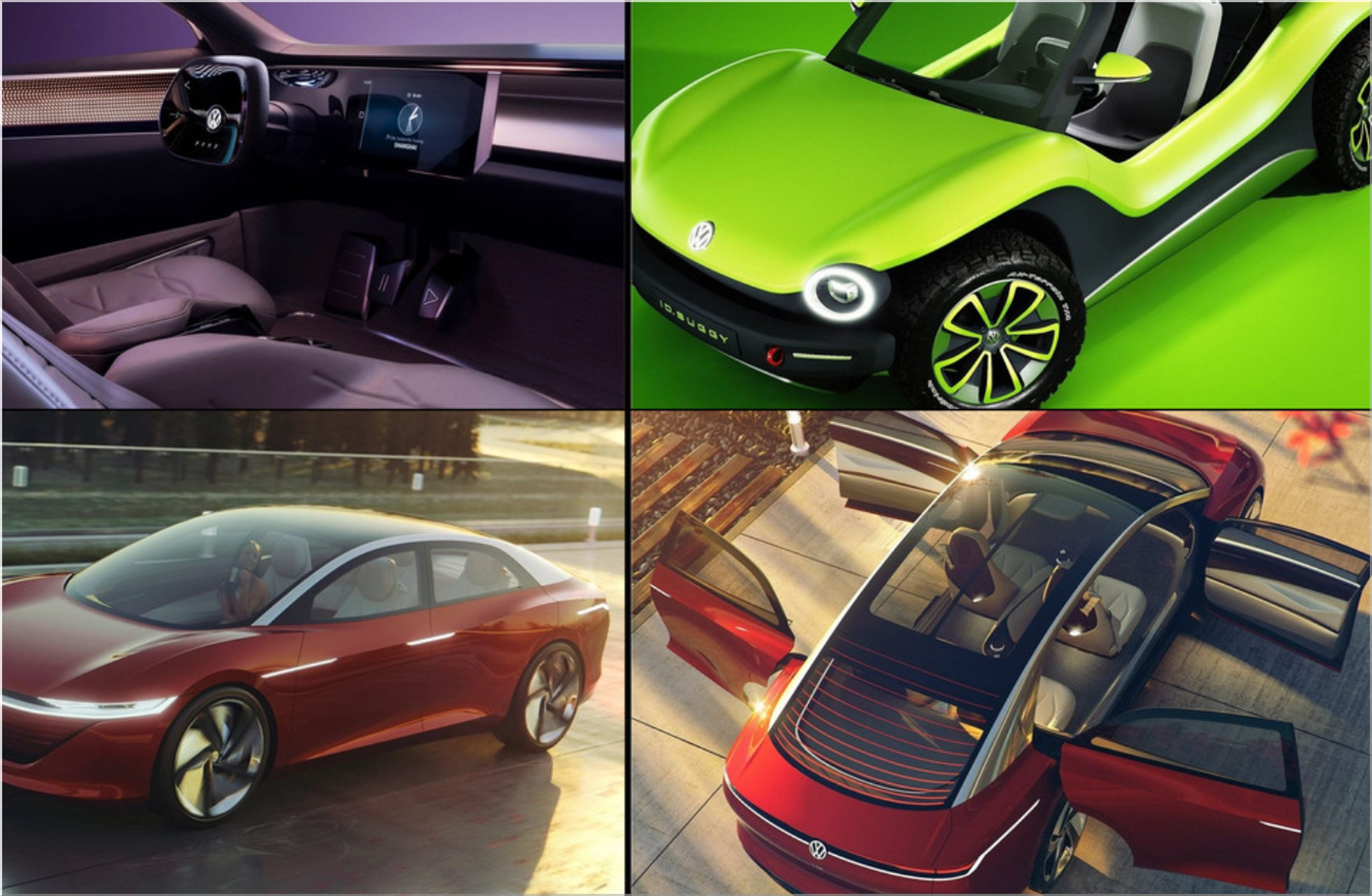
According to the German press, Volkswagen's management has opted for the plant in Slovakia strictly for economic reasons, in order to keep production costs to a minimum. More specifically, the salaries in Bratislava are lower than those that the employees of the factory in Emden, Germany, would have requested.
A Compact SUV Built for Practical Results Mercedes-Benz pushes its compact SUV line with the 2026 GLB. The company focuses on three outcomes: more range, more space, and more digital… Continue reading
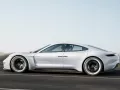
The German brand Porsche announces that it will double its investment in the development of electric vehicles from this time until the year 2022: it will exceed 6,000 million euros. The move to all-electric cars seems necessary for any car manufacturer… Continue reading
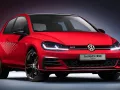
Volkswagen is preparing to launch the ID family of 100% electric vehicles. However, it also intends to offer new propulsion options by combining traditional gasoline or diesel engines with electricity and natural gas, offering hybrid versions… Continue reading

The charging station register of the Federal Association of the Energy and Water Industries (BDEW) has currently around 17,400 public charging locations in Germany. From these, about twelve percent are fast-charging. More than three-quarters of the… Continue reading