The news that Ford is planning to cut 1,300 jobs in the UK over the next two years is a blow to the country's automotive sector, which has already been hit hard by the pandemic, Brexit, and the shift to electric vehicles. The US carmaker said it was part of a major restructuring program that will see it cut 3,800 jobs across Europe and focus on its core markets and products.
Ford has been struggling to make a profit in Europe for years, losing $1.8 billion in 2020 and $1.2 billion in 2019. It has faced fierce competition from rivals such as Volkswagen, Renault, and Toyota, as well as changing consumer preferences and environmental regulations. The company said it needed to reduce its costs and improve its efficiency to become more competitive and profitable.
Most of the UK job cuts will be at Ford's research and development site at Dunton in Essex, where about 3,000 people work on designing engines, transmissions, and commercial vehicles. The company said it was cutting back on development staff as it prepares for the transition to electric vehicles, which require fewer components and less engineering than conventional cars.
Ford also said it would reduce its workforce at its Dagenham plant in east London, where it makes diesel engines for commercial vehicles, and at other sites across the country. However, it said its production sites at Halewood in Merseyside, where it makes transmissions, and Daventry in Northamptonshire, where it makes engines for Ford Performance vehicles, would be fine.
The announcement comes less than two years after Ford closed its engine plant in Bridgend in South Wales, with the loss of 1,700 jobs. The company said at the time that the decision was driven by a decline in demand for the engines it made there, which were mainly exported to other Ford plants in Europe.
Ford is not alone in facing challenges in the UK car industry. Nissan recently warned that it would need to cut costs and improve efficiency to make new models at its Sunderland plant, which employs about 6,000 people. The Japanese carmaker said it was facing higher costs and tariffs due to Brexit, as well as a global shortage of semiconductors that have disrupted production.
The UK car industry needs to catch up to other European countries in terms of electrification. According to data from the Society of Motor Manufacturers and Traders (SMMT), only 10.7% of new cars registered in the UK in 2020 were fully electric or plug-in hybrid, compared to 20.9% in Germany and 33.5% in France.
The UK government has set a target of banning the sale of new petrol and diesel cars by 2030 and hybrids by 2035 as part of its efforts to reduce greenhouse gas emissions and meet its net-zero target by 2050. However, some experts have warned that this ambition needs to be matched by sufficient investment and support for the car industry and consumers.
The SMMT has called for more incentives for buyers of electric vehicles, such as grants and tax breaks, as well as more funding for charging infrastructure and battery manufacturing. It has also urged the government to secure a trade deal with the EU that avoids tariffs and quotas on cars and parts, which could add billions of pounds to business costs.
Despite the challenges, some carmakers have shown confidence in the UK market and its potential for electric vehicles. In July 2022, Vauxhall announced that it would invest £100 million to make electric vans at its Ellesmere Port plant in Cheshire, securing about 1,000 jobs. The company said it was supported by a grant from the government's Automotive Transformation Fund.
In September 2022, Stellantis, the parent company of Vauxhall, Peugeot, and Citroen, said it would invest £100 million to build electric vehicles at its Luton plant, creating about 250 new jobs. The company said it was also supported by a grant from the government fund.
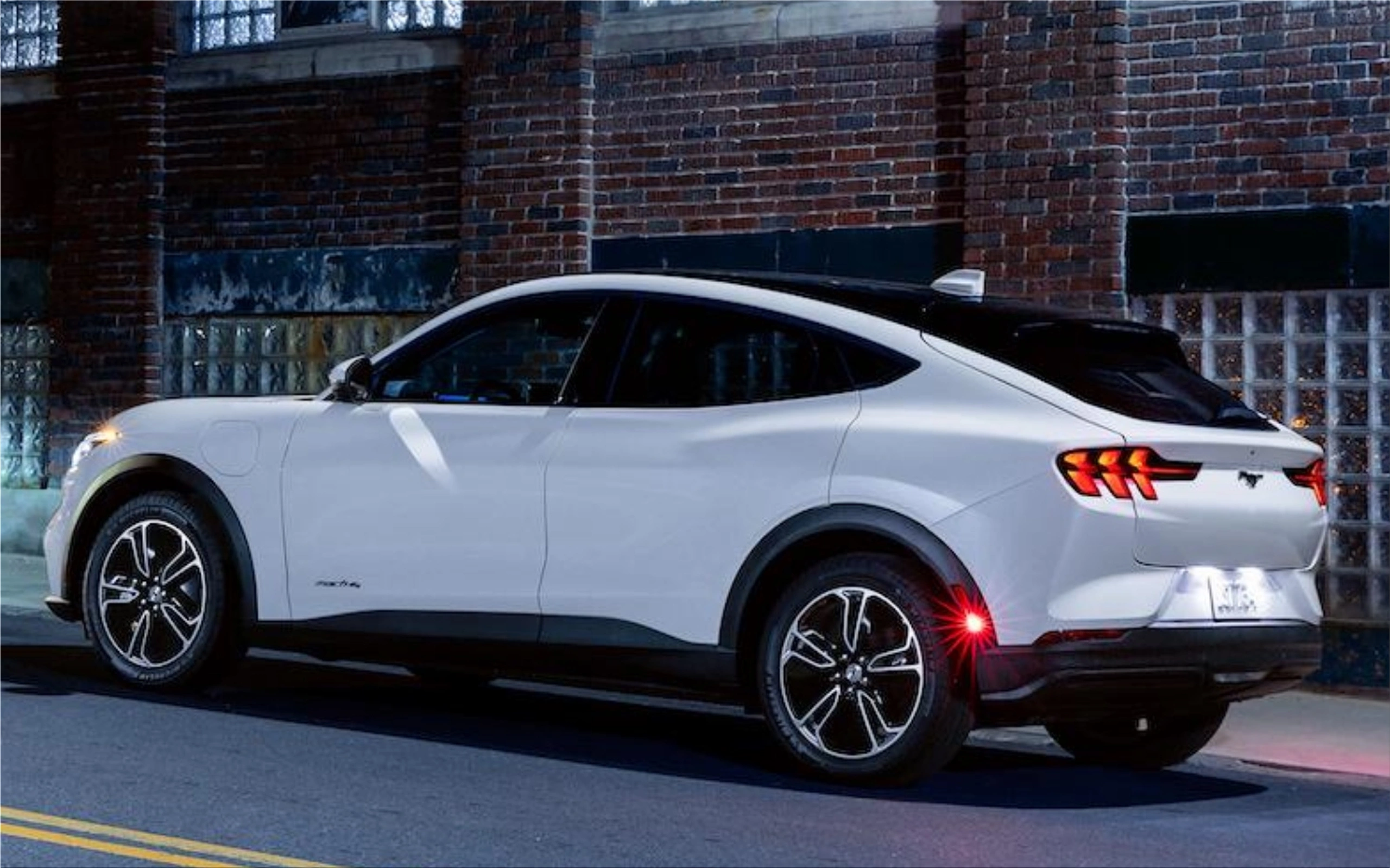
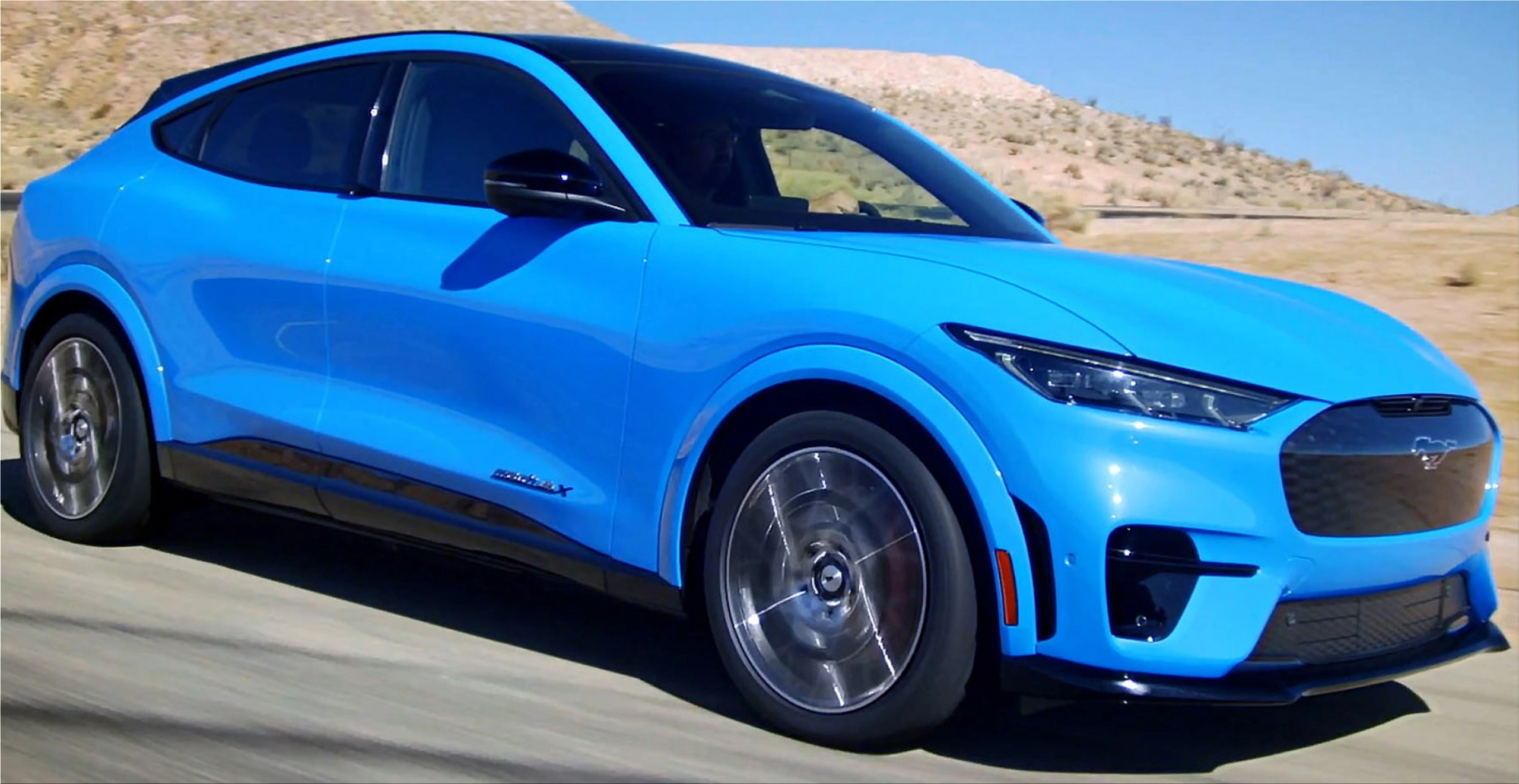
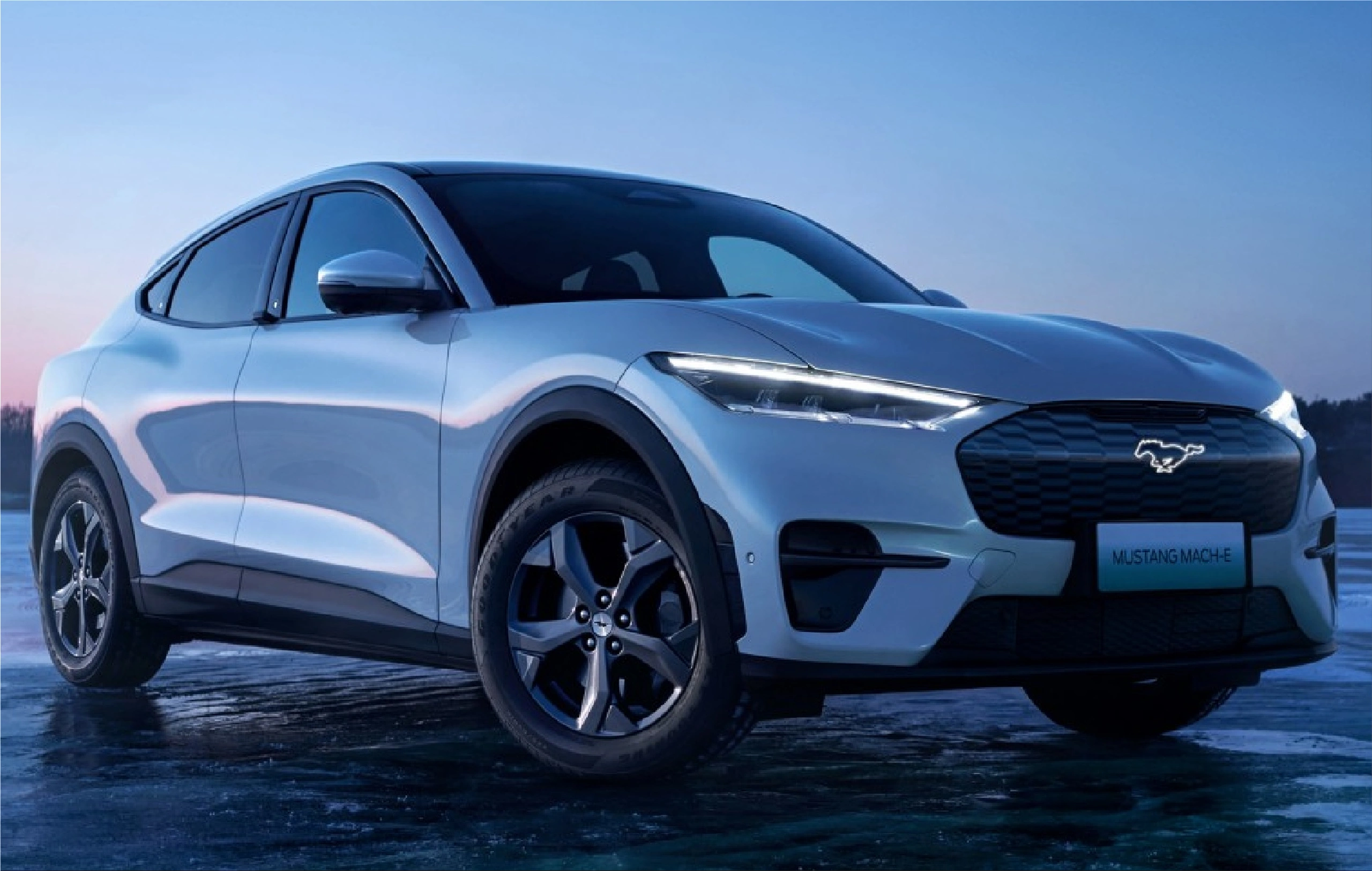
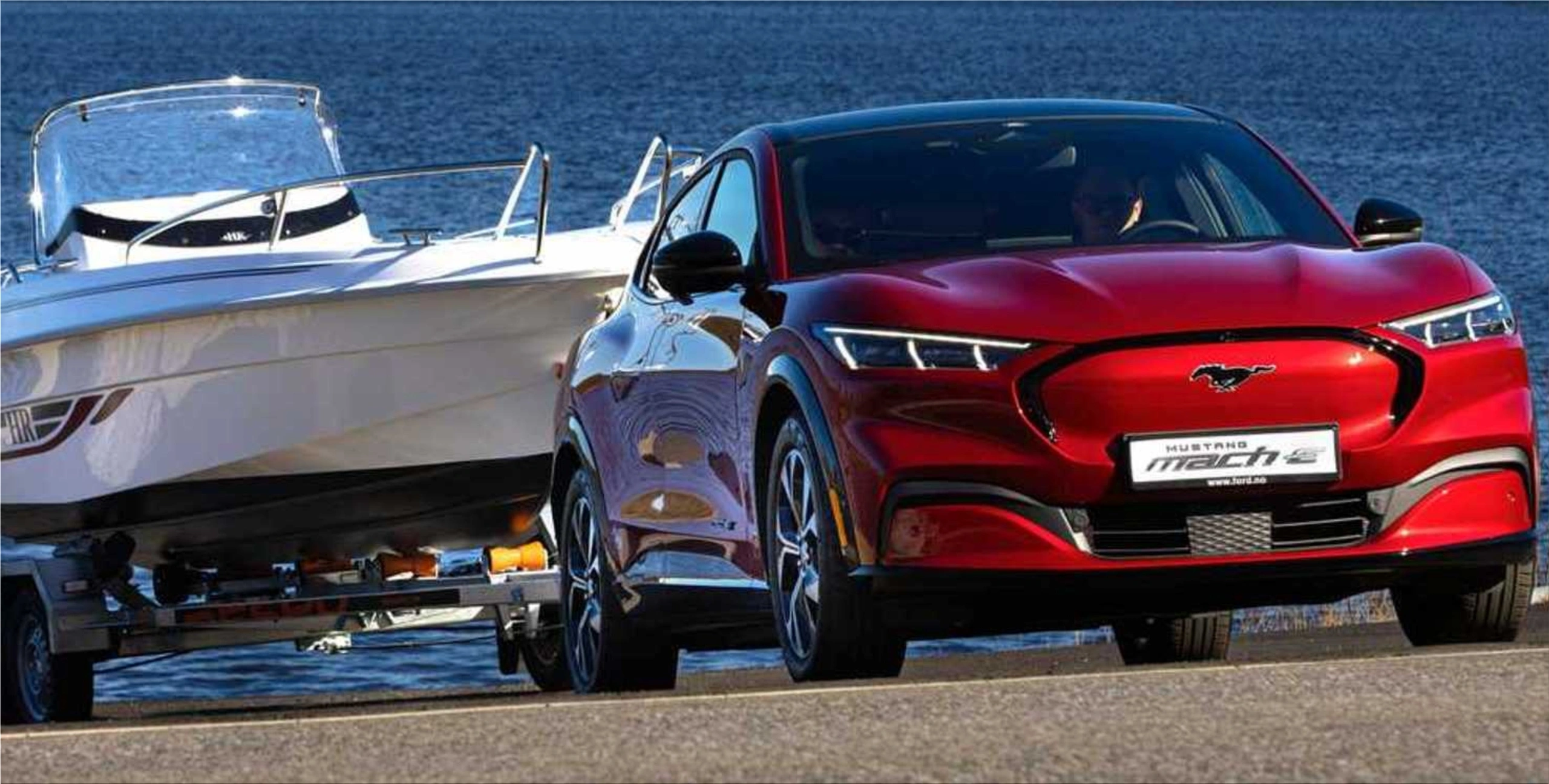
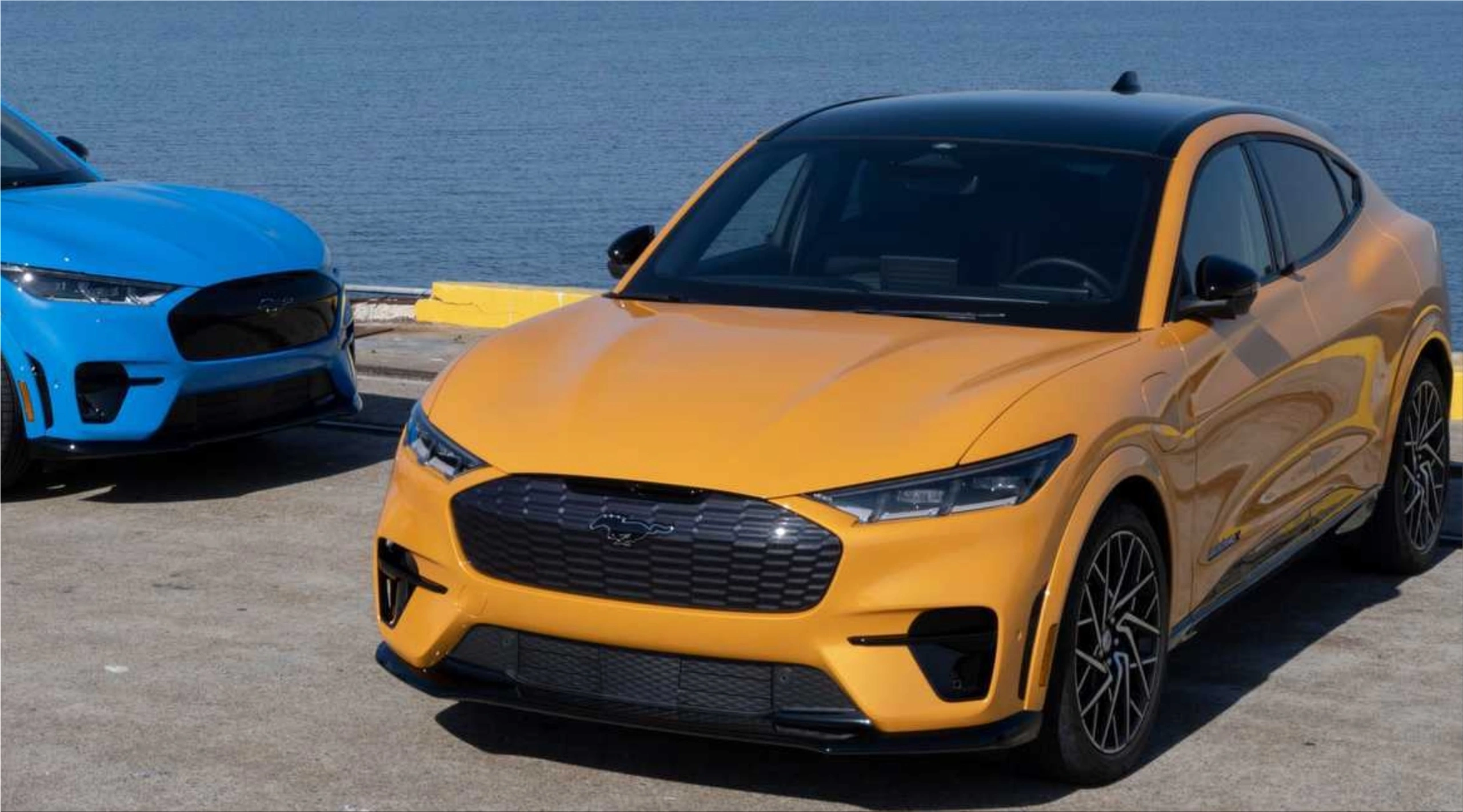
Ford has not given up on the UK market or its electric ambitions. The company said it would continue to sell a range of vehicles in the country, including its best-selling Fiesta and Focus models, as well as its new Ford Mustang Mach-E electric SUV. It also said it would launch more electric and hybrid models in Europe by 2023.
The question is whether these efforts will be enough to secure the future of the UK car industry and its workforce, which employs about 180,000 people directly and supports another 864,000 jobs in the wider economy. The industry contributes about £15 billion to the UK's GDP and exports about 80% of its output.
Some analysts have warned that the UK risks losing its competitive edge and becoming a marginal player in the global car market unless it invests more in innovation and skills. They have also cautioned that the UK could face a shortage of electric vehicles in the coming years as carmakers prioritize other markets with higher demand and incentives.
Others have argued that the UK has a unique opportunity to become a leader in electric vehicles and related technologies, such as batteries, software, and charging. They have pointed to the UK's strengths in research and development, design, and engineering, as well as its potential for green energy generation.
The fate of the UK car industry will depend on how well it can adapt to the changing landscape and seize the opportunities that arise from it. It will also depend on how well the government can support and collaborate with the industry and its stakeholders, such as unions, suppliers, and consumers.
Ford's UK job cuts are a sign of the times for the car industry, but they are not necessarily a sign of doom. They are a reminder that the industry needs to reinvent itself and embrace the future of mobility or risk being left behind.

The 2025 Hyundai IONIQ 5 XRT secured two top honors at the Northwest Automotive Press Association (NWAPA) 2025 Mudfest: Best Electrified Activity Vehicle Best Two-Row Family SUV… Continue reading

WN7 Honda has named its first electric motorcycle the Honda WN7. Orders are open now. Deliveries start in early 2026. Production begins in late 2025. Honda is targeting mainstream appeal, not a halo toy. The UK on the… Continue reading

Polestar closed 2025 with its strongest retail performance to date. The Swedish EV brand delivered 60,119 vehicles worldwide, a 34 percent year-over-year increase, despite pricing pressure, slower EV adoption in some regions,… Continue reading

The Hyundai IONIQ 6 N turns the slippery IONIQ 6 sedan into a serious electric performance car with dual motors, all-wheel drive, 641 hp with boost, 568 lb-ft of torque, an 84 kWh battery, and rapid 800V charging. The bigger… Continue reading