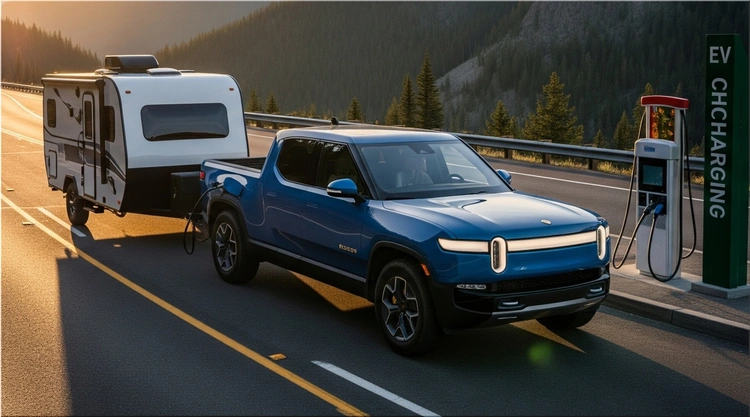
Electric vehicles are no longer a niche - they’re becoming the new standard for drivers across the U.S. But one big question remains: how well can EVs tow trailers without losing efficiency? In 2025, new trailer technologies and smarter rental solutions are transforming the way owners and renters think about towing. And platforms like Yes!Trailers make these innovations accessible to everyone.
Why Electric Towing Has Been a Challenge
For years, towing a trailer with an electric vehicle meant sacrificing range. Even a small utility trailer could significantly reduce the number of miles an EV could travel on a single charge. That made long-distance hauling inconvenient and limited how trailers could be used for camping, construction, or business deliveries.
Now the landscape is changing. As both EV and trailer technology advance, drivers are no longer forced to choose between sustainability and practicality. This shift is creating new opportunities for owners who want to list their trailers on Yes!Trailers, the growing trailer rental marketplace connecting owners and renters nationwide.
How Trailers Are Adapting to EVs
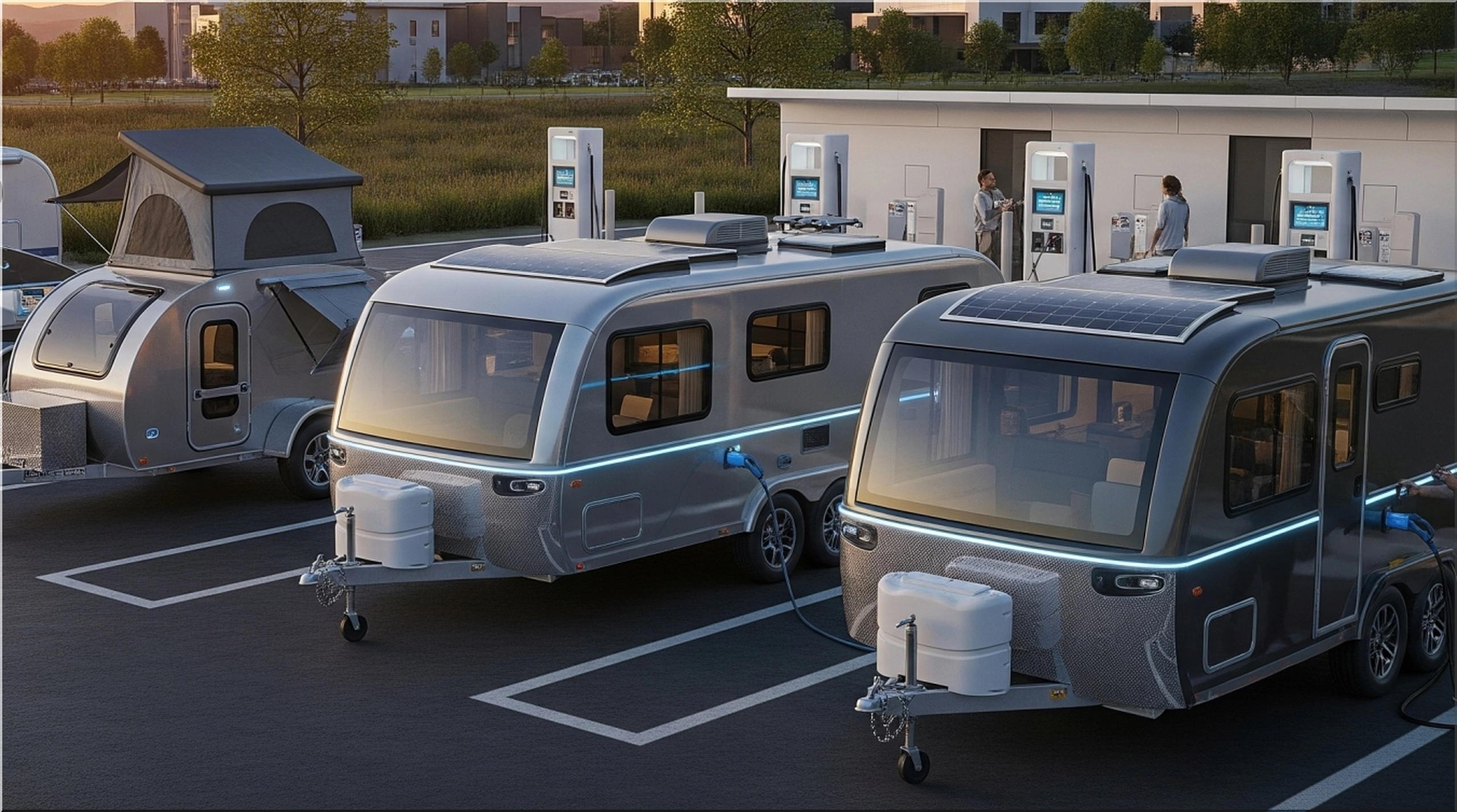
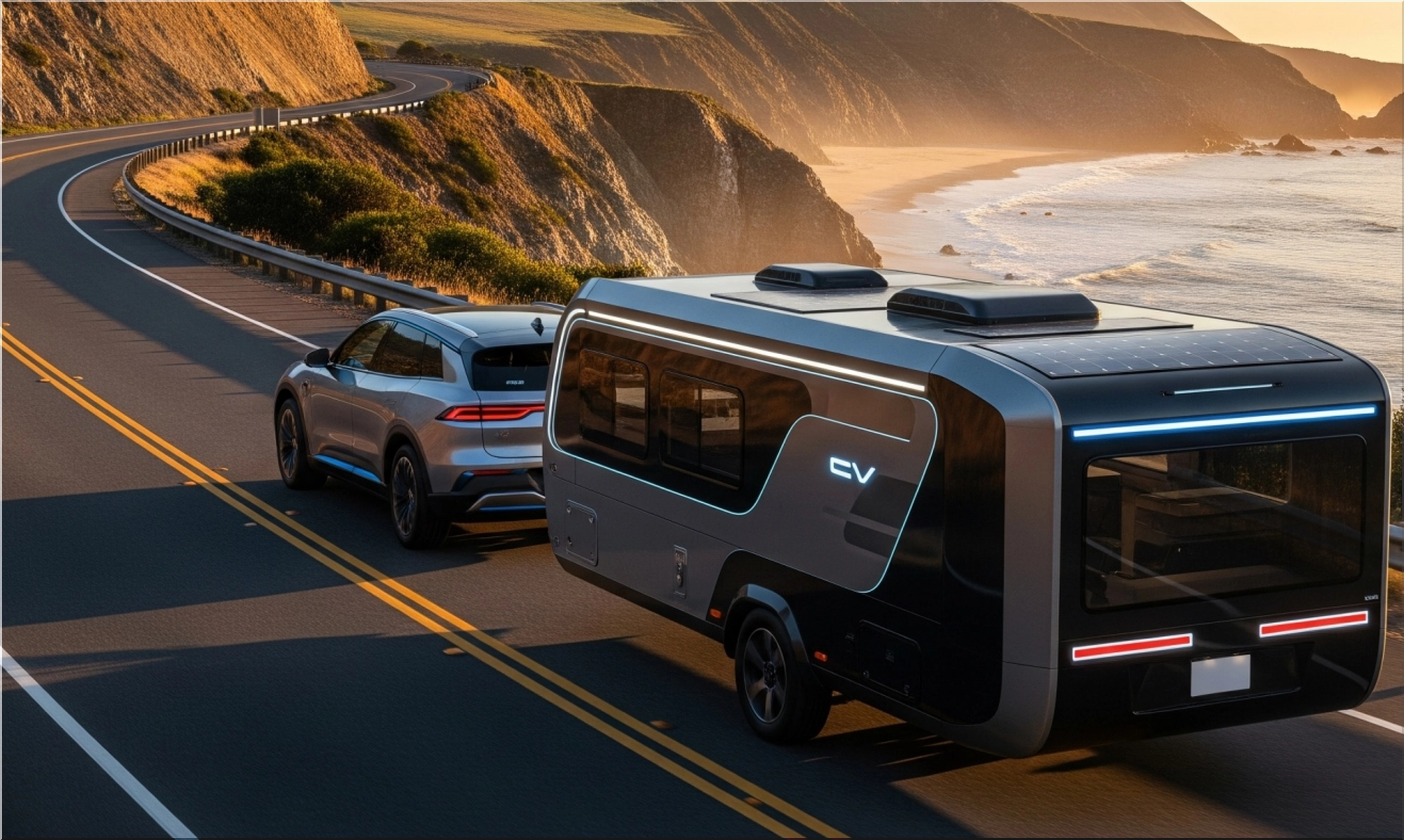
Manufacturers are rethinking how trailers are designed. Instead of heavy steel builds, many 2025 models use lightweight composites and aerodynamic shapes. Some even feature integrated solar panels and regenerative braking systems that help extend EV range.
These changes mean towing is not only easier but also more efficient. For renters browsing Yes!Trailers, this translates into:
- More trailer options that are EV-friendly
- Reduced range loss during long trips
- Lower overall operating costs
- Greater confidence in renting for both business and leisure
Real-World Use Cases
Consider a family planning a road trip with their electric SUV. In the past, renting a camper trailer might have doubled charging stops. Today, with lightweight and aerodynamic campers available on Yes!Trailers, they can travel farther and more comfortably without worrying about constant recharging.
For contractors, renting an enclosed trailer optimized for EVs means moving tools and supplies across town with minimal downtime. This not only boosts efficiency but also builds trust with clients who value sustainable practices.
Key Considerations for Owners and Renters
Of course, even with new technology, towing with EVs requires some planning. Range loss still occurs, though much less than before. Owners listing trailers on Yes!Trailers should highlight EV-friendly features like reduced weight and smart braking systems. Renters, on the other hand, should pay attention to insurance coverage, charging infrastructure along their route, and recommended towing limits for their vehicle.
Another common mistake is assuming standard insurance covers every scenario. In reality, owners benefit from rental protection policies that cover renter-related damage and even lost income during repairs. Platforms like Yes!Trailers make this process transparent, helping both parties stay protected.
Final Thoughts
Electric towing is no longer just a dream—it’s a practical reality in 2025. With smarter trailer designs and accessible rental platforms, EV drivers can haul with confidence while owners earn extra income. The shift benefits everyone: drivers, businesses, and the environment.
If you’re ready to experience the next generation of towing, explore yes-trailers.com. As the leading trailer rental marketplace, Yes!Trailers helps owners showcase EV-friendly trailers and gives renters the peace of mind they need to hit the road.

Vaclav Klement is one of the founding fathers of Skoda. With the mobility concept Klement the VW subsidiary connects the beginnings with the future. The two-wheeler presented at the Geneva Motor Show commemorates the… Continue reading

Toyota presents the fourth generation of Yaris, more compact and at the same time more spacious, at a price not yet declared. The new Yaris is renewed from top to bottom: the length has been reduced by 5 mm, but the wheelbase has… Continue reading

The eSprinter will be available as a van with a gross vehicle weight of 3,500 kilograms in a high-roof version. Its electric drive drives the front wheels and, like the entry-level diesel unit, produces 85 kW with a torque of up to 300 Newton meters. The… Continue reading

Last week, Volvo unveiled its plans to phase out all internal combustion cars and plug-in hybrids cars by the end of 2030, and now the company has unveiled its second fully-electric crossover SUV: Volvo C40 Recharge.… Continue reading