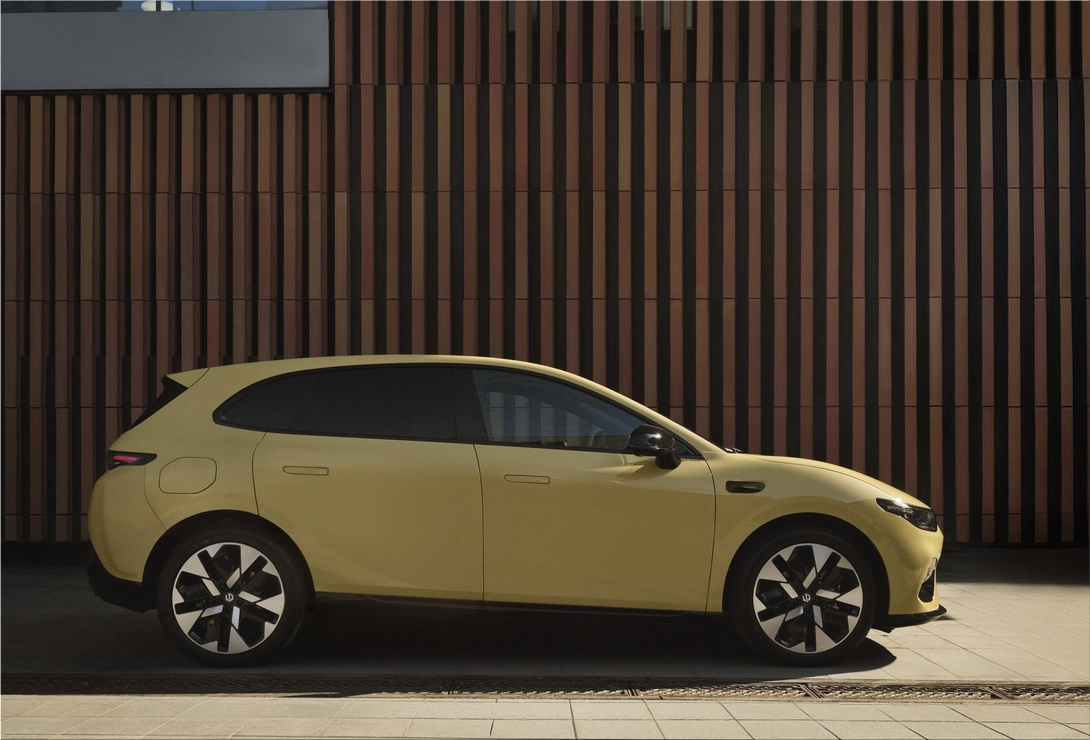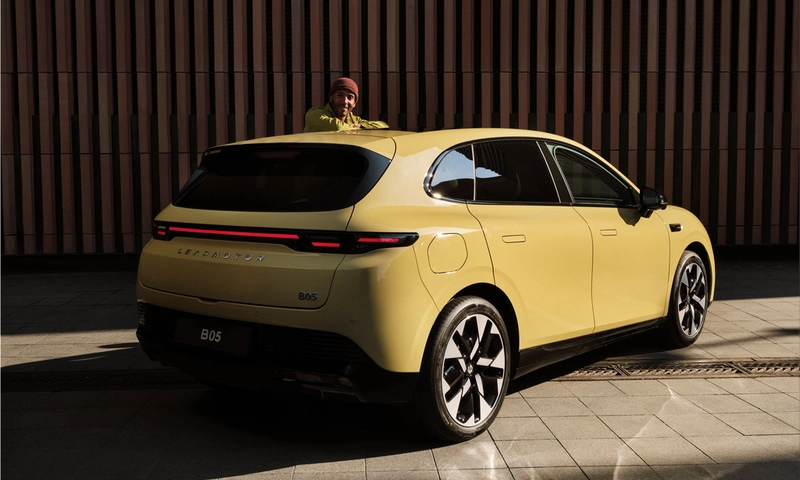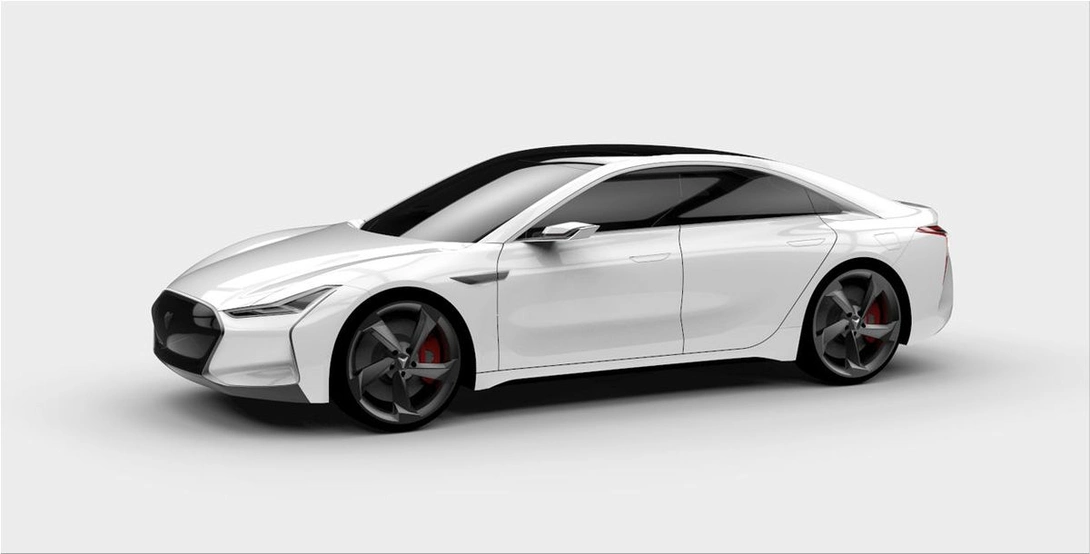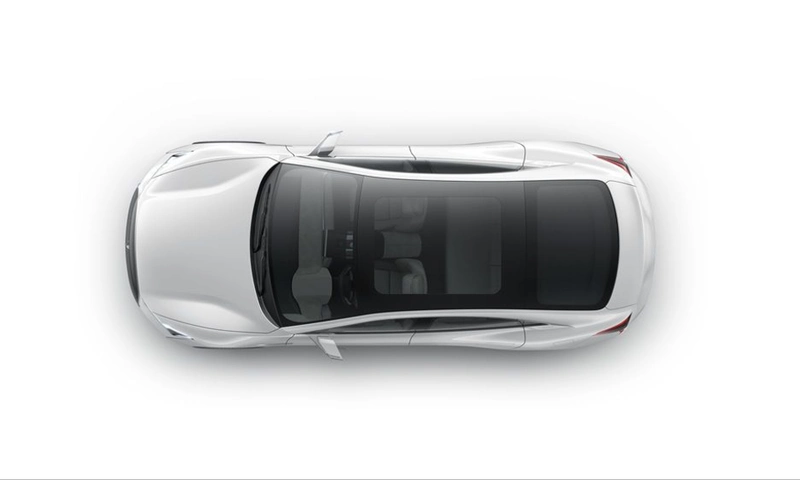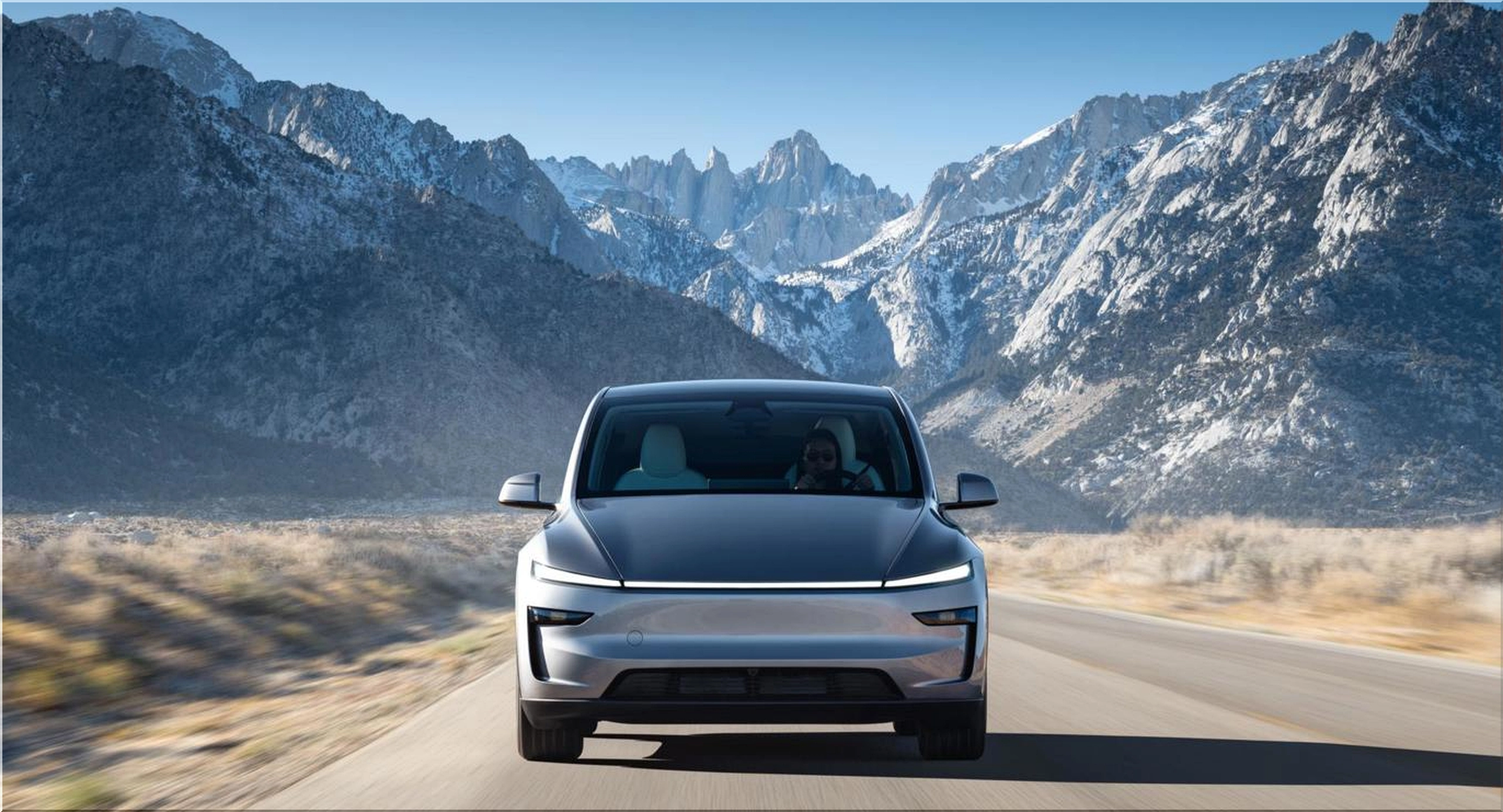
The global electric vehicle sector witnessed a significant realignment during the 2025 fiscal year, necessitated by a 23% contraction in domestic sales for the previous Tesla Model Y iteration. This volume decrease, resulting in the delivery of only 39,800 units compared to 51,513 in the prior period, served as the primary catalyst for the extensive re-engineering program internally designated as Project Juniper. Tesla engineers targeted specific deficiencies in the legacy platform, particularly regarding high-speed aerodynamic drag and cabin refinement, to maintain its status against emerging competitors like the BYD Atto 3 and the Mazda 6e. The 2026 Tesla Model Y refresh integrates structural enhancements and interior technologies previously validated in the Model 3 Highland, while introducing vehicle-specific chassis geometry and advanced thermal cooling logic.
Image
Strategic Market Pricing and Regional Variant Distribution
The pricing architecture for the updated 2026 Tesla Model Y reflects a dual-market strategy designed to stabilize demand in the United States while addressing the premium segment in Europe and the United Kingdom. Looking at the data, the United Kingdom market starts at $57,316 for the Standard Rear-Wheel Drive (RWD) model, which features a 283PS motor and an estimated range of 314 miles. Consequently, the Standard Long Range RWD variant, which bridges the gap between the base model and the high-performance trims, lists at $61,411. The top-tier Performance AWD model in the UK commands a significant premium, priced at $84,616.
By comparison, the United States market structure offers a more accessible entry point to counteract high interest rates and the rising popularity of hybrid powertrains. The Base RWD trim starts at $39,990, while a newly introduced Standard All-Wheel Drive (AWD) variant provides a low-cost dual-motor option at $41,990. Specifically, the Long Range AWD remains the most popular configuration in North America, with a base price of $48,990.
US Market Pricing Structure and Estimated Range
| Variant Designation | Drivetrain Configuration | MSRP (USD) | 0-60 MPH (Seconds) | EPA Range (Miles) |
|---|---|---|---|---|
| Base RWD | Rear-Wheel Drive | $39,990 | 6.8 | 321 |
| Base AWD | All-Wheel Drive | $41,990 | 4.6 | 294 |
| Premium Long Range RWD | Rear-Wheel Drive | $44,990 | 5.4 | 357 |
| Premium Long Range AWD | All-Wheel Drive | $48,990 | 4.6 | 327 |
| Performance AWD | All-Wheel Drive | $57,490 | 3.3 | 306 |
| Launch Series AWD | All-Wheel Drive | $59,990 | 4.1 | 320 |
United Kingdom and European Conversion Pricing
| Variant Designation | Drivetrain Configuration | MSRP (Converted USD) | Power (Metric HP/PS) | Range (WLTP Miles) |
|---|---|---|---|---|
| Standard RWD | Rear-Wheel Drive | $57,316 | 283 | 314 |
| Standard LR RWD | Rear-Wheel Drive | $61,411 | 299 | 383 |
| Premium LR RWD | Rear-Wheel Drive | $66,871 | 312 | 387 |
| Premium LR AWD | All-Wheel Drive | $70,966 | 380 | 364 |
| Performance AWD | All-Wheel Drive | $84,616 | 460 | 360 |
The 2026 Model Y Standard variants minimize TCO by optimizing for lower insurance groups and achieving a monthly driving cost of approximately $96, compared to an average ICE SUV cost of $237.
Aerodynamic Engineering and Exterior Architecture
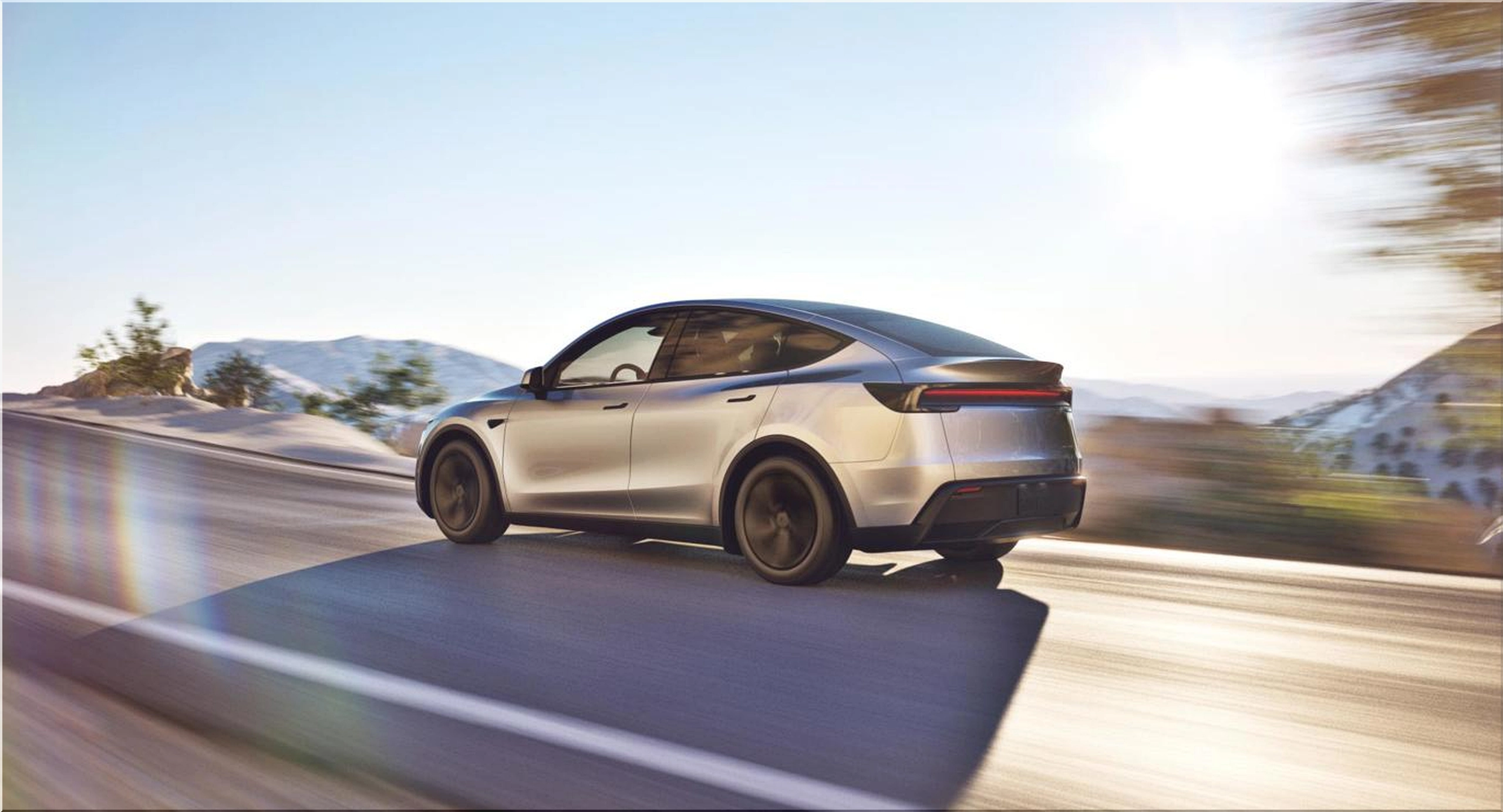
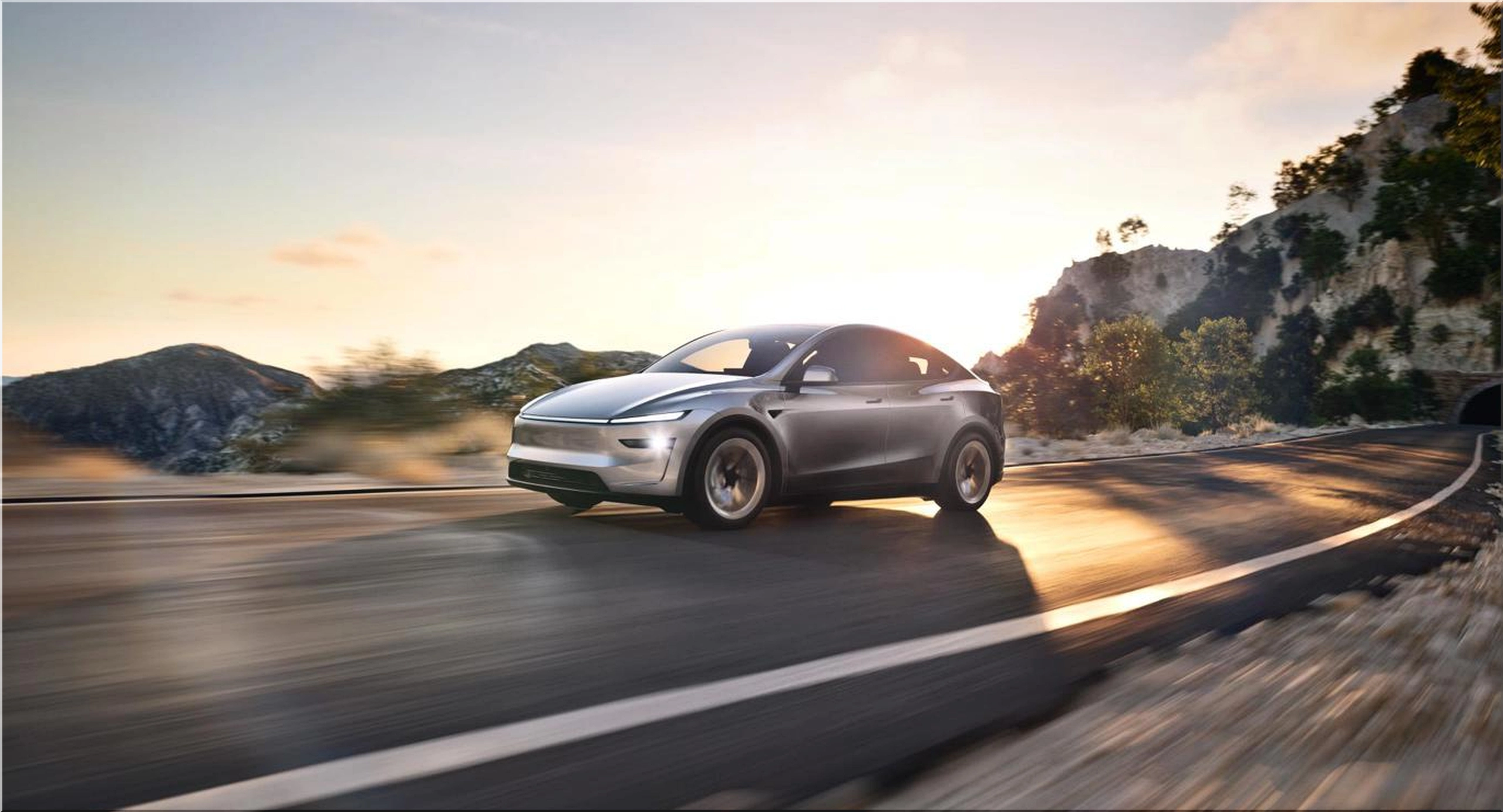
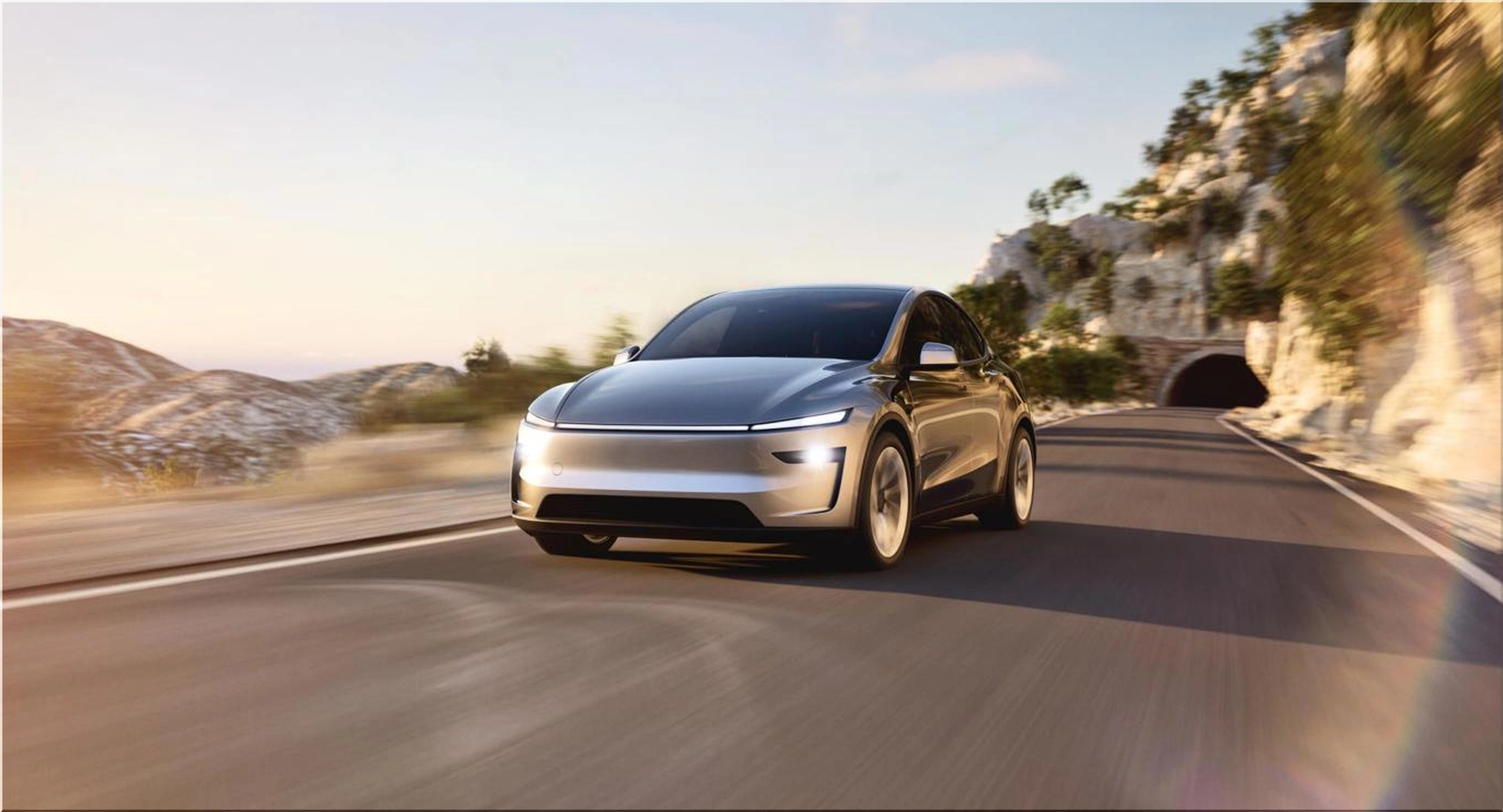
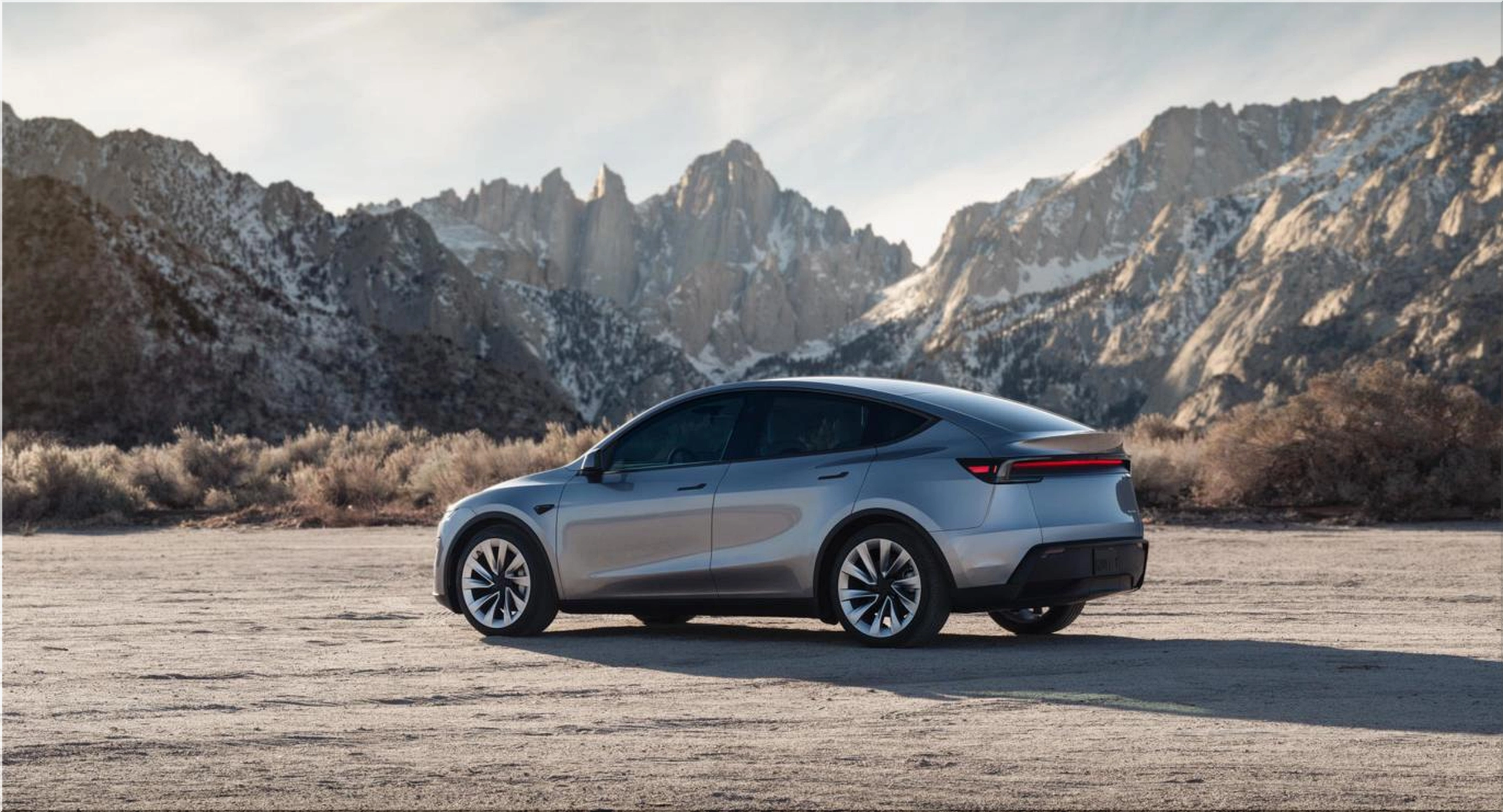
Project Juniper achieves a 4% improvement in aerodynamic efficiency by reducing the drag coefficient from 0.23 to 0.22. From an expert perspective, this reduction is essential for improving high-speed efficiency and neutralizing the range penalty associated with the vehicle's crossover SUV profile. The front end features a lower, more aggressive nose that incorporates the Horizon light bar, a full-width LED strip that aligns the vehicle with the Cybertruck design language. In addition, the removal of standalone fog lights allows for a cleaner front fascia with aerodynamic ducts located at the outboard corners to channel air around the front wheels.
Specifically, the rear architecture underwent a complete redesign to manage the airflow wake. An extended rear diffuser and a modified thermoplastic spoiler work together to delay airflow separation, which reduces the low-pressure pocket that typically creates drag behind the vehicle. The vehicle's overall length increased by 1.6 inches (40.6 mm) to 188.6 inches (4790 mm), while the ground clearance decreased by 0.2 inches (5 mm) to 6.6 inches (167 mm) to enhance stability.
- Crossflow Wheels: The 19-inch Crossflow wheel uses a specialized spoke geometry that acts as a centrifugal fan to pull heat from the brake rotors while maintaining a flush outer surface for aerodynamic efficiency.
- Front Bumper Camera: A first for the Model Y, this camera features a dedicated high-pressure sprayer to maintain visibility for the Vision-based safety systems in inclement weather.
- Active Grille Shutters: The lower intake now utilizes updated shutters that modulate based on the thermal load of the 4680 cell architecture, remaining closed at high speeds to minimize turbulence.
- Body Panel Alignment: Tesla implemented stricter tolerances at the Fremont and Austin factories, resulting in improved gaps between panels and reduced wind whistle at speeds exceeding 70 mph.
Pro-Tip: Range Optimization
Owners seeking the maximum possible efficiency should prioritize the 19-inch wheels over larger options. Swapping from 19-inch to 20-inch wheels results in a range decrease of approximately 7%, dropping the Premium Long Range AWD from 327 miles to 303 miles.
Drivetrain Engineering and Powertrain Subsystems
The 2026 Model Y drivetrain utilizes a combination of AC Induction motors on the front axle and Permanent Magnet Synchronous Motors (PMSM) on the rear axle. This configuration allows the front motor to operate as a secondary unit, engaging only when additional torque or traction is required, thereby eliminating magnetic drag during steady-state highway cruising. Looking at the data, the Premium Long Range RWD variant achieves an industry-leading efficiency of 4.4 miles per kilowatt-hour (mi/kWh). This is achieved through the use of fourth-generation drive units that feature low-friction lubrication and precision gear grinding.
Consequently, the vehicle's performance metrics demonstrate the effectiveness of these mechanical refinements. The Performance AWD variant, producing 510 horsepower (461 kW), accelerates from 0-60 mph in 3.3 seconds and reaches a top speed of 155 mph. By comparison, the Premium Long Range AWD produces 397 horsepower (295 kW) and completes the same sprint in 4.1 seconds, an improvement of 0.7 seconds over the previous generation.
Motor Specification Benchmarks
| Motor Designation | Axle Location | Power (kW) | Torque (Nm) | Operating Voltage |
|---|---|---|---|---|
| 3D3 Induction | Front | 137 | 219 | 320 V |
| 3D6 PMSM | Rear | 225 | 428 | 330 V |
| 3D7 PMSM | Rear | 194 | 340 | 320 V |
| 4D3 PMSM | Rear | 220 | 410 | 330 V |
From an expert perspective, the implementation of a single-speed fixed gear transmission with a 9:1 ratio remains the most efficient solution for the Model Y's torque curve. Tesla engineers rejected the use of multi-speed gearboxes or torque converters found in ICE vehicles to minimize mechanical complexity and parasitic energy losses. Instead, the system relies on high-resolution variable frequency drives to manage the motor's power delivery from zero RPM, providing the characteristic "kick-in-the-kidneys" acceleration.
Thermal Management and Battery Architecture
The 2026 update introduces significant improvements to the vehicle's thermal management system, centered around the Octovalve and the Supermanifold. This integrated system manages coolant flow between the battery pack, drive units, and the cabin HVAC, supporting 11 distinct operating modes. Specifically, the Waste Heat Recovery mode captures thermal energy generated by the motors and computers to warm the battery or the interior, allowing the heat pump to operate at a Coefficient of Performance (COP) greater than 1.0 even in extreme cold.
The battery architecture varies by region and variant, with the Standard Range models using Lithium Iron Phosphate (LFP) chemistry. LFP cells offer superior cycle life and the ability to charge to 100% daily without significant capacity degradation. In addition, the Long Range and Performance models utilize Nickel Manganese Cobalt (NMC) 2170 or 4680 cells, providing the higher energy density required for a 357-mile range.
Image
Battery Capacity and Charging Metrics
| Variant | Battery Chemistry | Capacity (kWh) | Max DC Charge (kW) | 15-Min Range Add |
|---|---|---|---|---|
| Standard RWD | LFP | 64.0 | 175 | 160 miles |
| Long Range AWD | NMC | 78.4 | 250 | 169 miles |
| Premium LR RWD | NMC | 82.0 | 250 | 182 miles |
| Performance AWD | NMC | 81.0 | 250 | 144 miles |
Looking at the data, the Supercharging efficiency has improved due to new high-voltage cells and an updated battery preconditioning algorithm. When a Supercharger is selected as a destination in the navigation system, the vehicle automatically adjusts the battery temperature to the optimal chemical window for high-current acceptance, allowing for a 10% to 80% charge in approximately 24-27 minutes.

Chassis Dynamics and Suspension Re-engineering
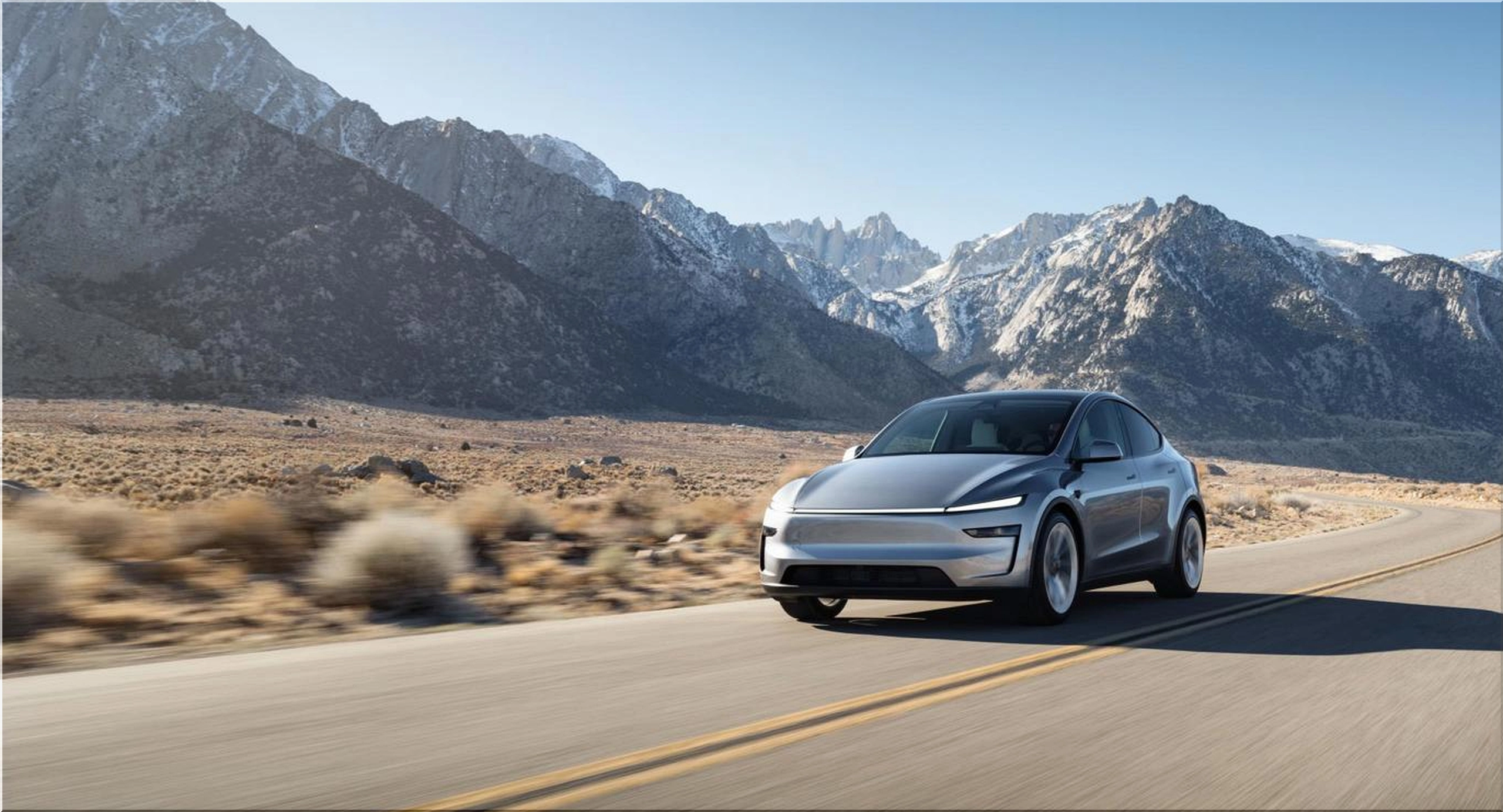
One of the most drastic changes in Project Juniper is the transition to a second-generation suspension system. The legacy Model Y often faced criticism for its stiff, jarring ride quality over small road imperfections. To address this, Tesla implemented Frequency Selective Damping (FSD) as standard equipment on all non-Performance trims. These passive dampers utilize a bypass valve that reacts differently depending on the frequency of the suspension stroke. High-frequency inputs, such as textured asphalt or expansion joints, trigger the bypass to soften the damping, while low-frequency inputs, such as cornering forces, maintain a stiffer setting to preserve the vehicle's signature agility.
The Performance trim features a proprietary Adaptive Suspension system borrowed from the Model 3 Performance. This active system uses a control algorithm that adjusts the damping in real-time based on road inputs and driver intent. From an expert perspective, this allows the vehicle to offer multiple drive modes, including Chill, Standard, and Insane, providing a balance between luxury-level cruising and track-capable handling.
Structural Rigidness and Weight Distribution
Tesla increased the body structure torsional stiffness by 3% by utilizing larger single-piece gigacastings for the front and rear of the frame. This stiffer chassis provides a more stable platform for the suspension to operate, reducing "head toss" and structural resonance. Consequently, the vehicle's weight has increased slightly to accommodate additional sound dampening, with the Performance trim weighing 4,482 lbs (2033 kg).
| Chassis Feature | Metric | Impact on Performance |
|---|---|---|
| Body Stiffness | +3% | Reduced cabin flex and improved handling precision |
| Rear Downforce | +27% | Enhanced stability during high-speed cornering |
| Ground Clearance | 6.0" - 6.6" | Lower center of gravity and improved aero profile |
| Turning Circle | 39.7 - 41.0 ft | Improved maneuverability in urban environments |
Interior Architecture and NVH Optimization
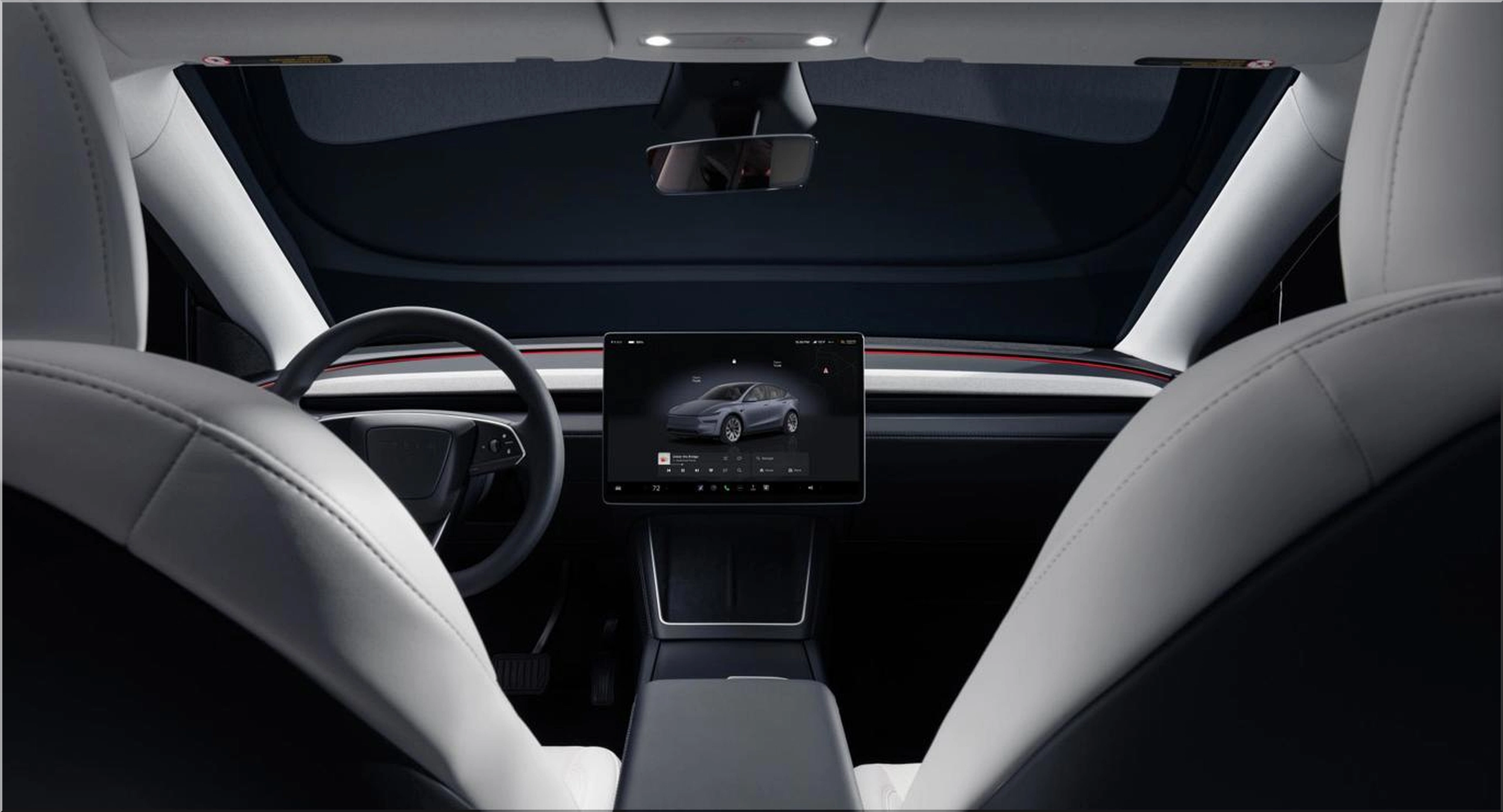
In keeping with the luxury expectations of the 2026 market, Tesla implemented a "Silent Studio" acoustic strategy. The updated Model Y features 360-degree acoustic glass, encompassing the windshield, front and rear side windows, the rear hatch, and the panoramic roof. Looking at the data, this implementation, combined with redesigned door seals and textile wheel well liners, results in a 22% reduction in road noise and a 20% decrease in wind noise. Impact noise, particularly from potholes, has also been lowered by 20% through the use of softer suspension bushings.
The dashboard receives a significant material uplift, replacing wood grain and black plastic with genuine aluminum accents and premium textiles. A new multicolor ambient lighting strip now wraps around the entire cabin, allowing for RGB customization via the touchscreen. The center console features sliding aluminum doors with a more tactile, precise movement than the previous generation's plastic lids.
Human-Machine Interface and Seating Comfort
- 15.4-inch Center Touchscreen: The primary display features a thinner bezel and an upgraded processor for more responsive interactions with the navigation and media systems.
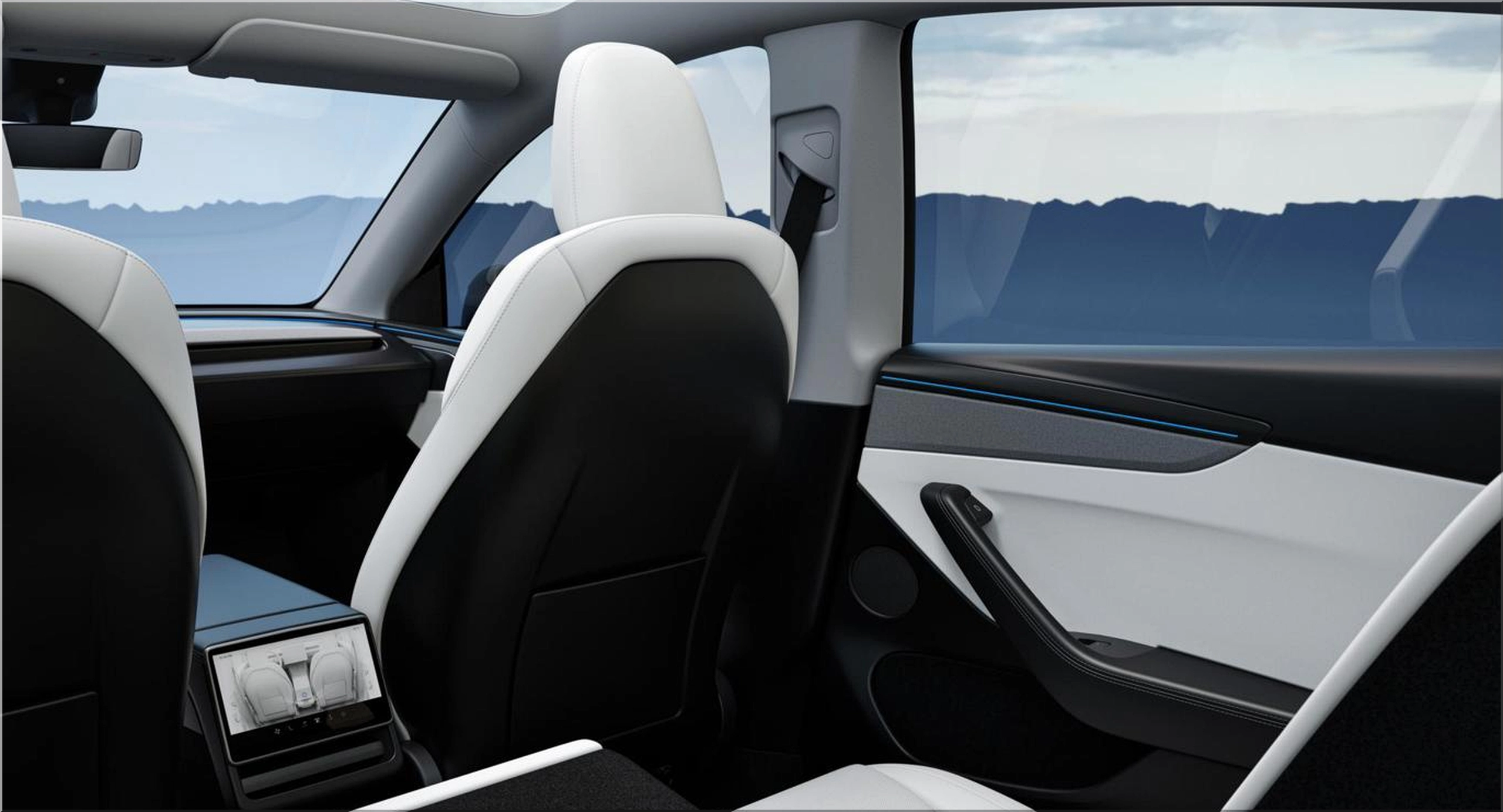
- 8-inch Rear Screen: Mounted at the rear of the center console, this screen provides rear passengers with independent control over the climate and entertainment, including streaming services and gaming.
- Ventilated Front Seats: Perforated vegan leather seats now include heating and ventilation as standard on Premium trims, providing superior temperature regulation in extreme climates.
- Power-Recline Rear Seats: The second row now features electronic recline and an automatic fold-flat mechanism that clears the front headrests for rapid cargo expansion.
Definition: Airwave 2.0
The Airwave 2.0 system is an invisible ventilation architecture that replaces traditional plastic vents with a horizontal slit across the dashboard. It uses two intersecting air streams to direct the flow anywhere in the cabin using the touchscreen, providing individualized airflow for the driver and passenger without the need for manual adjustment.
Image
Cargo Capacity and Dimensional Analysis
The Model Y continues to leverage its dedicated electric platform to provide class-leading storage volume. The 5-seater model offers 30.2 cubic feet of space behind the second row, which expands to 76.2 cubic feet with the seats folded flat. In addition, the front trunk (frunk) provides 4.1 cubic feet (117 L) of storage, which now includes a dedicated drain plug for use as a cooler or for storing wet items.
Detailed Exterior and Interior Dimensions
| Dimension | Measurement (mm) | Measurement (Inches) |
|---|---|---|
| Overall Length | 4790 | 188.6 |
| Overall Width (Mirrors Folded) | 1982 | 78.0 |
| Overall Width (Mirrors Extended) | 2129 | 83.8 |
| Overall Height | 1624 | 63.9 |
| Wheelbase | 2890 | 113.8 |
| Front Legroom | 1063 | 41.9 |
| Rear Legroom | 1029 | 40.5 |
| Front Headroom | 1041 | 41.0 |
| Rear Headroom | 1001 | 39.4 |
| Turning Circle | 12100 | 39.7 ft |
Looking at the data, the Model Y provides significantly more rear legroom than the Model 3 sedan, with an additional 6 inches of clearance for rear passengers. This interior volume, combined with an extra 1.5 inches of rear headroom, ensures that the vehicle remains a practical choice for families requiring high-utility transportation.
Competitive Benchmarking and Performance Analysis
The 2026 Model Y competes in an increasingly crowded segment where efficiency and technology are the primary differentiators. The BYD Atto 3 remains a significant threat in European markets, offering a lower starting price but falling short in drivetrain efficiency. Specifically, the Model Y requires only 13.1 kWh per 100 km, while the Atto 3 consumes 16.0 kWh. This efficiency gap translates into lower long-term operating costs and faster effective travel times due to fewer required charging stops.
By comparison, the Mazda 6e targets the premium crossover segment with an emphasis on interior materials and traditional driving dynamics. While the Mazda offers a high-quality cabin that rivals luxury marques like BMW, its acceleration and range replenishment rates lag behind the Model Y. The Mazda 6e completes the 0-62 mph sprint in 7.9 seconds, nearly double the time required for the Premium Long Range AWD Model Y.
Comparative Performance Metrics
| Feature | Tesla Model Y LR AWD | BYD Atto 3 Extended | Mazda 6e Takumi |
|---|---|---|---|
| Max Power | 397 hp | 201 hp | 258 hp |
| Max Torque | 389 lb-ft | 228 lb-ft | 214 lb-ft |
| Efficiency (mi/kWh) | 4.4 | 3.8 | 3.6 |
| Cargo Volume (L) | 854 / 2158 | 440 / 1338 | 840 / 1600 |
| DC Fast Charge Rate | 250 kW | 88 kW | 165 kW |
| Supercharger Access | Integrated | Adapter Required | Adapter Required |
From an expert perspective, Tesla's primary advantage remains the Supercharger network, which is seamlessly integrated into the vehicle's software. The ability to see real-time stall availability and automatically precondition the battery ensures a superior user experience compared to the fragmented third-party charging networks used by Mazda and BYD.
Advanced Safety Systems and Autonomous Hardware
The 2026 Model Y continues the transition to Tesla Vision, an occupancy network that relies exclusively on high-resolution cameras and machine learning for object detection and distance estimation. The vehicle's safety architecture includes eight cameras providing 360-degree visibility, with the new front bumper camera addressing the previous generation's blind spot during low-speed maneuvers.
Tesla's hardware now supports Full Self-Driving (Supervised) v13, which utilizes an end-to-end neural network to handle complex driving tasks. This system enables the vehicle to navigate intersections, change lanes, and perform highway merges with minimal driver intervention, although attentive supervision remains a requirement.
Safety Hardware Refinements
- Bottom Door Latches: New mechanical latches at the base of the doors provide additional structural reinforcement during side-impact collisions, preventing the doors from intruding into the passenger cell.
- Relocated Seatbelt Anchors: The front anchors have been lowered by 27 mm to optimize the geometry for a broader range of body types, reducing the risk of neck injuries during high-G events.
- High-CRI Vanity Mirrors: The mirrors now feature a high Color Rendering Index (CRI) light source, ensuring that reflections are true-to-life for occupants checking their appearance.
- Joe Mode: This software feature reduces the volume of safety chimes by 50% to avoid disturbing passengers while maintaining the driver's ability to hear necessary alerts.
Image gallery:

Conclusion: Engineering Logic of the Project Juniper Refresh
The 2026 Tesla Model Y refresh represents a strategic evolution that prioritizes mechanical refinement and user comfort over aesthetic radicalism. By addressing the previous generation's NVH and suspension harshness through the implementation of 360-degree acoustic glass and Frequency Selective Damping, Tesla has effectively elevated the Model Y into the premium SUV segment. The 4% reduction in drag and the 4.4 mi/kWh efficiency of the fourth-generation drive units guarantee that the vehicle remains the reference point for drivetrain engineering.
Looking at the data, the expansion of the lineup to include a $41,990 AWD variant and a $39,990 RWD base model is a calculated maneuver to maintain market leadership as competition from Chinese and European manufacturers intensifies. While rivals may offer more traditional interior controls or lower entry prices, Tesla's vertical integration—encompassing everything from the Octovalve thermal system to the 4680 cell manufacturing and the Supercharger network—provides a level of technological cohesion that remains unmatched in the current EV landscape. Consequently, the 2026 Model Y is not a mere cosmetic update, but a fundamental re-engineering that reinforces the platform's position as the most efficient and practical electric cars available today.
Image
Summary for Prospective Owners
- Range Stability: Owners in colder climates should prioritize variants equipped with the updated heat pump and Octovalve system to preserve up to 40% more range compared to older EVs using resistive heating.
- Charging Efficiency: Utilizing the onboard navigation for all trips to Superchargers is necessary to trigger the preconditioning cycle, which can reduce total charging time by up to 25%.
- Interior Preservation: Investing in high-quality ceramic coating for the extensive glass areas is recommended to reduce infrared heat transfer, which can significantly lower the energy required by the HVAC system on sunny days.
- Model Selection: For buyers prioritizing comfort, the Juniper refresh is essential due to the 22% reduction in road noise and the more compliant FSD suspension setup.
- Add new comment
- 1360 views