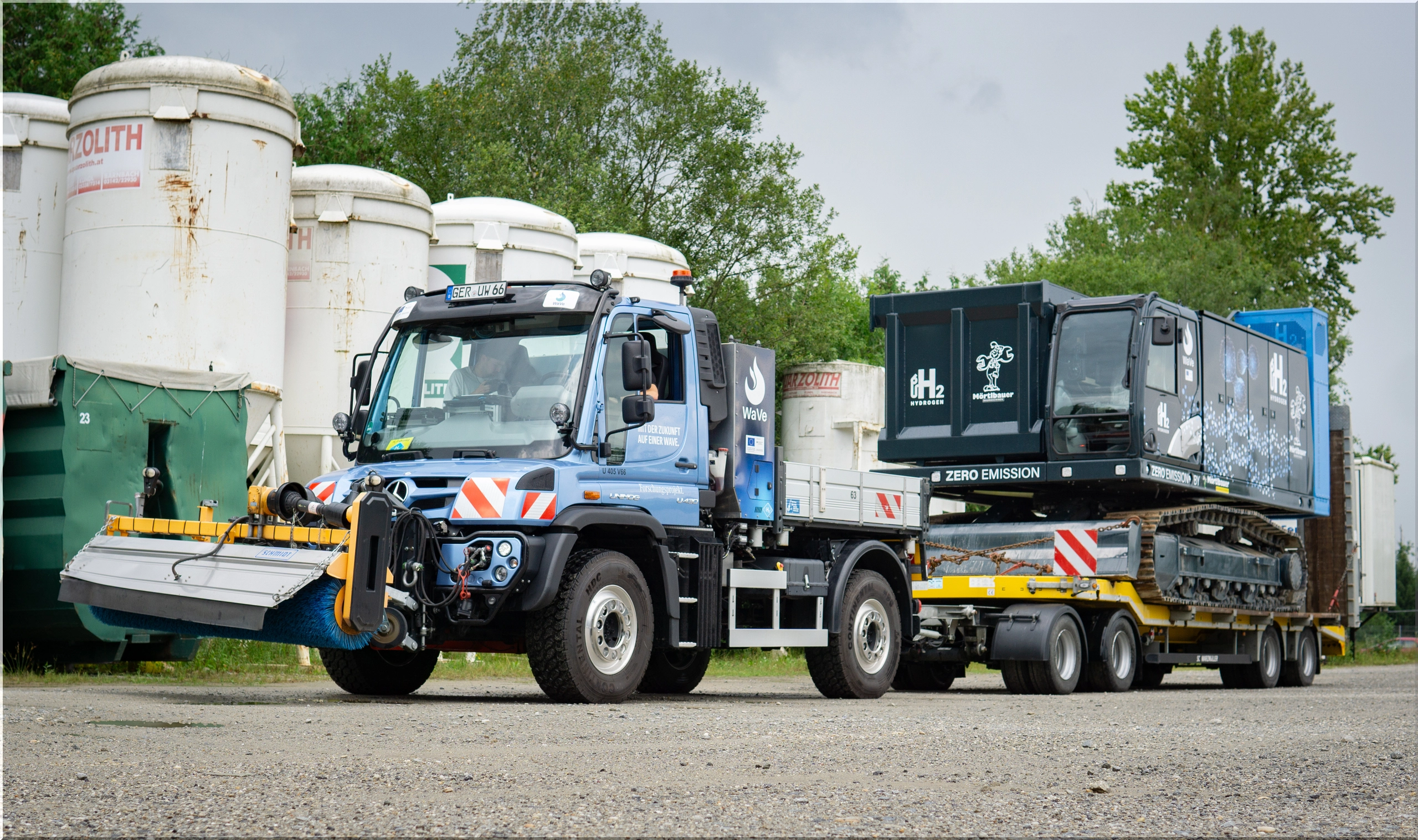
In the realm of sustainable transportation and heavy machinery, Mercedes-Benz Special Trucks and Mörtlbauer Baumaschinen Vertriebs GmbH have set a new benchmark with their recent accomplishment in hydrogen combustion engine technology. This article delves into the details of their "WaVe" project, which showcases the viability and potential of hydrogen as a clean fuel alternative for high-power work machines.
A Milestone Achievement in Hydrogen Combustion Technology
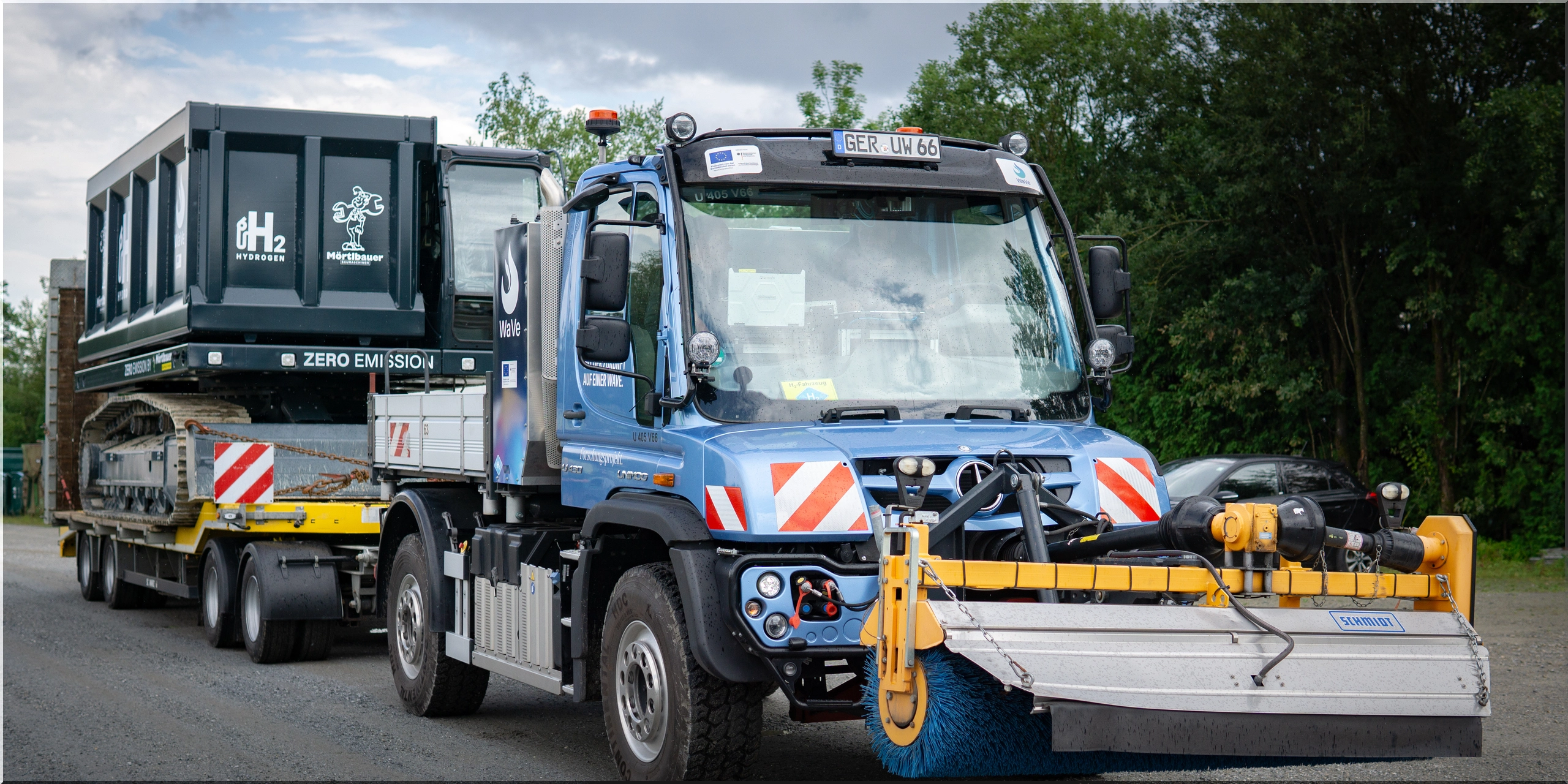
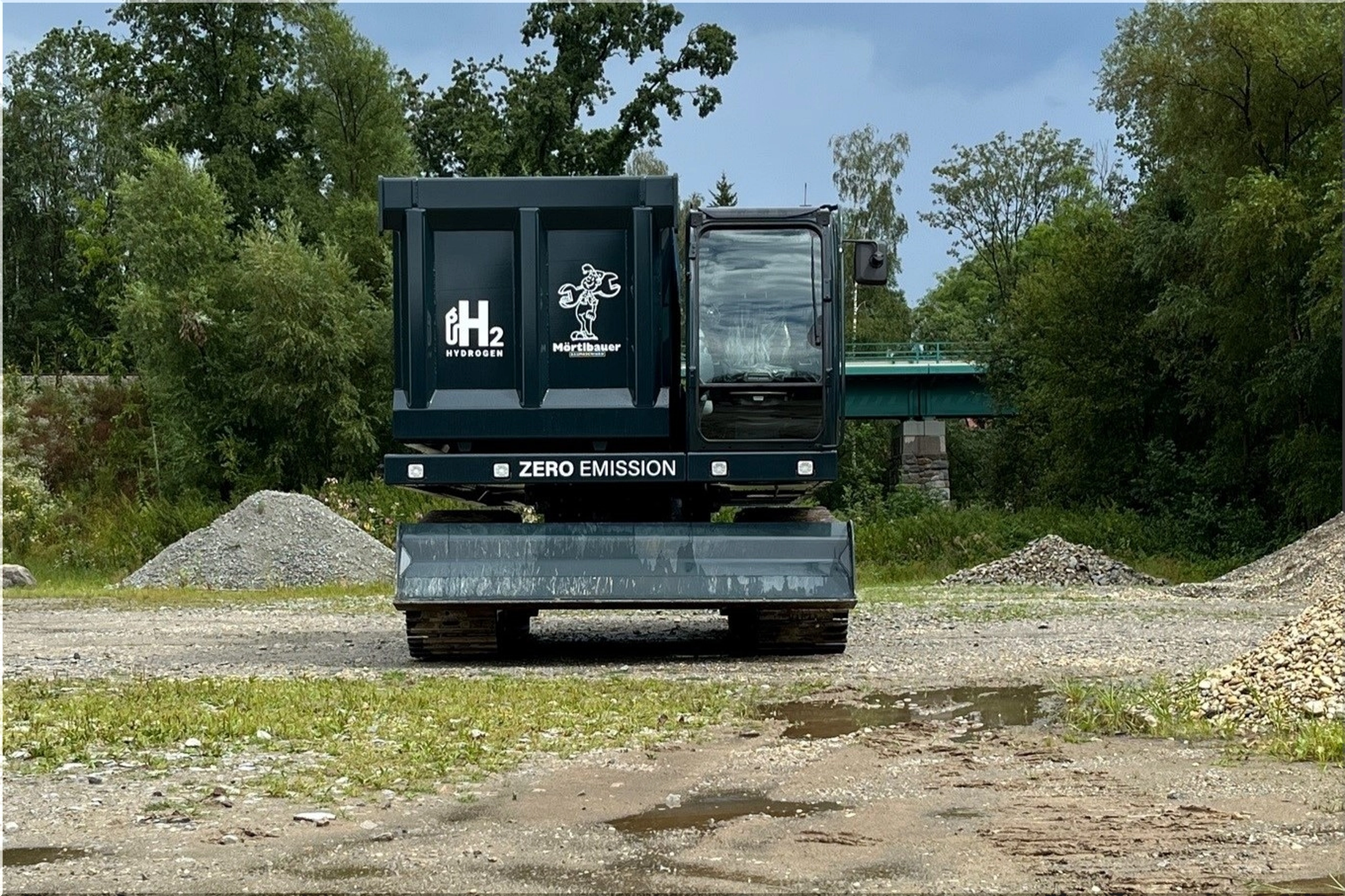
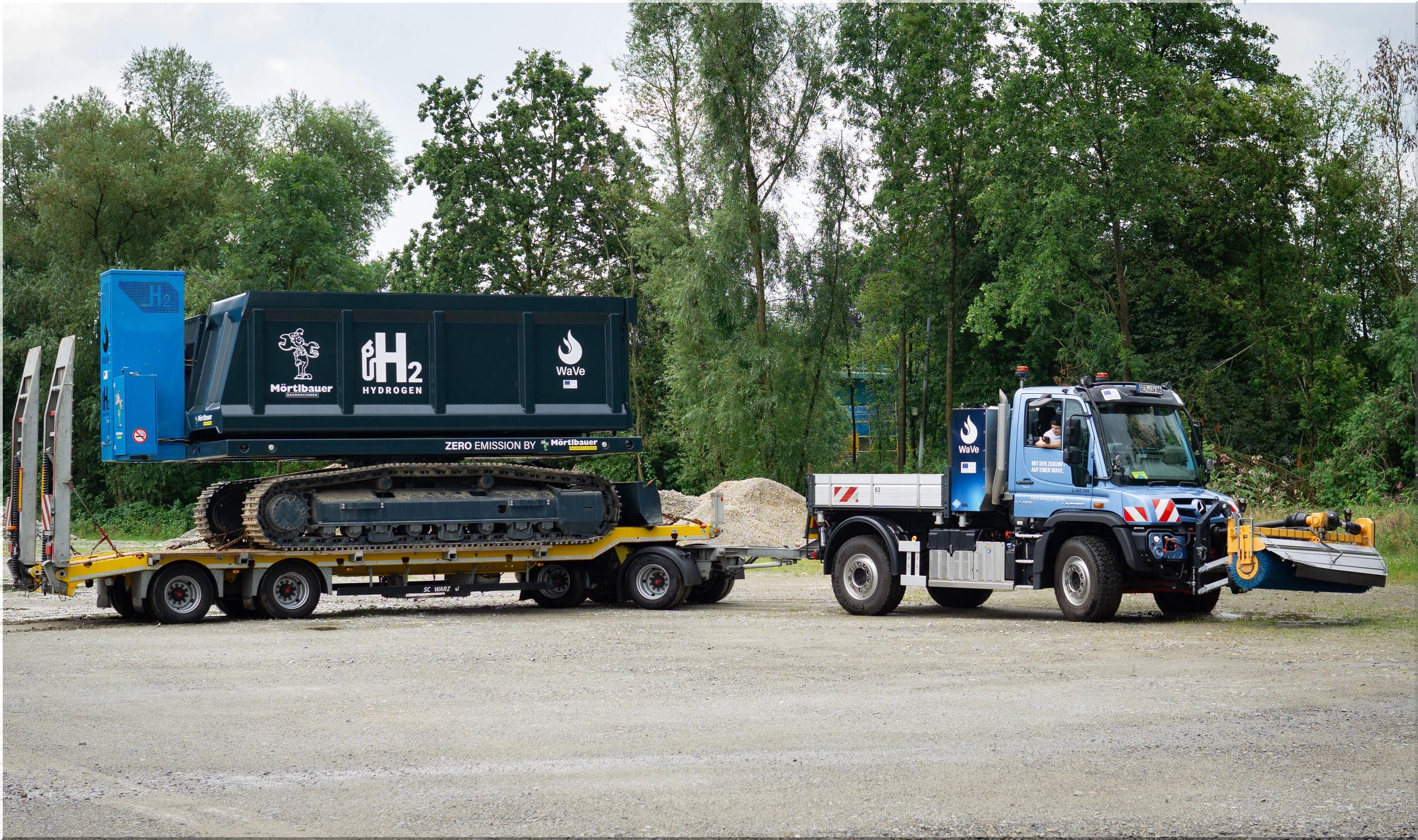
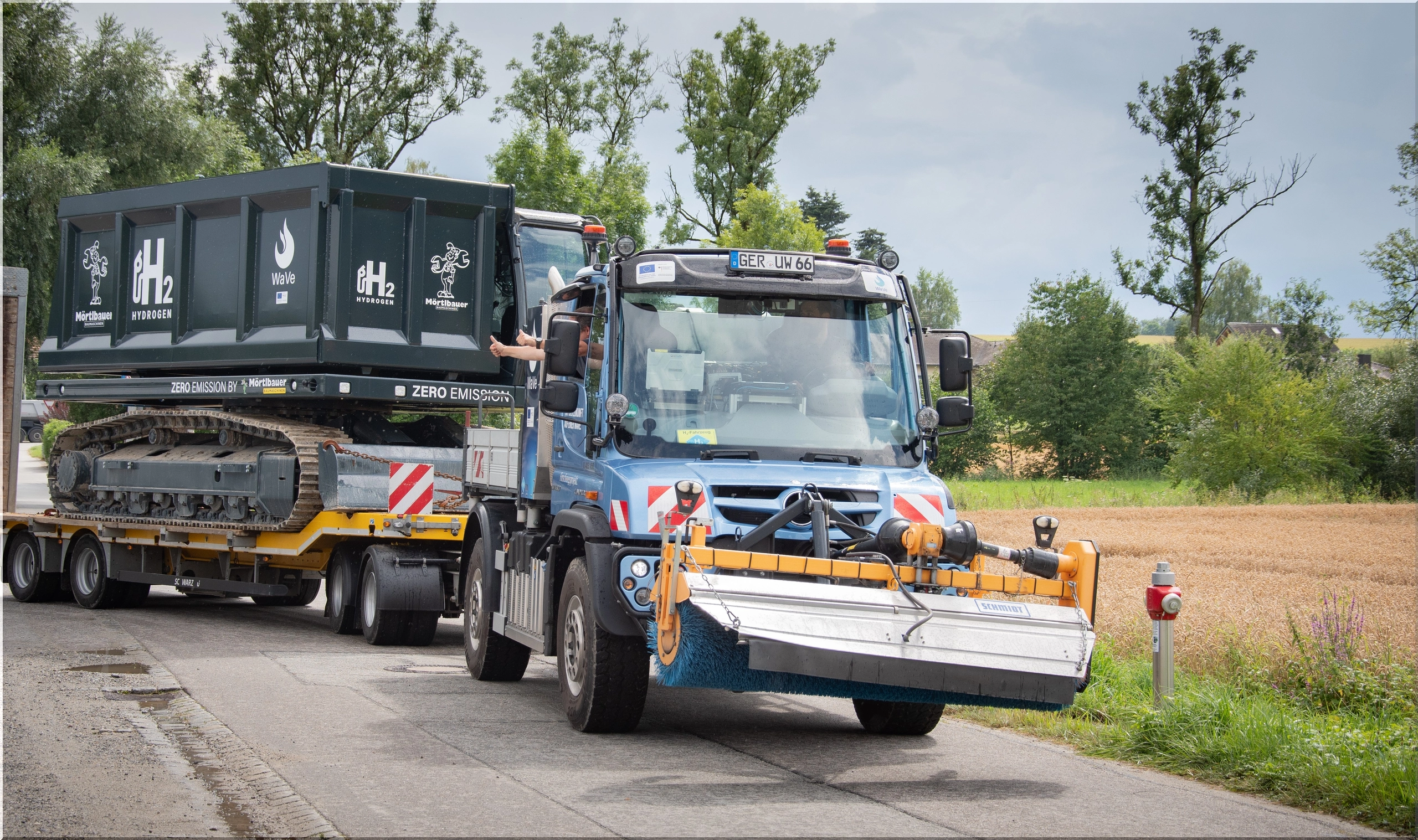
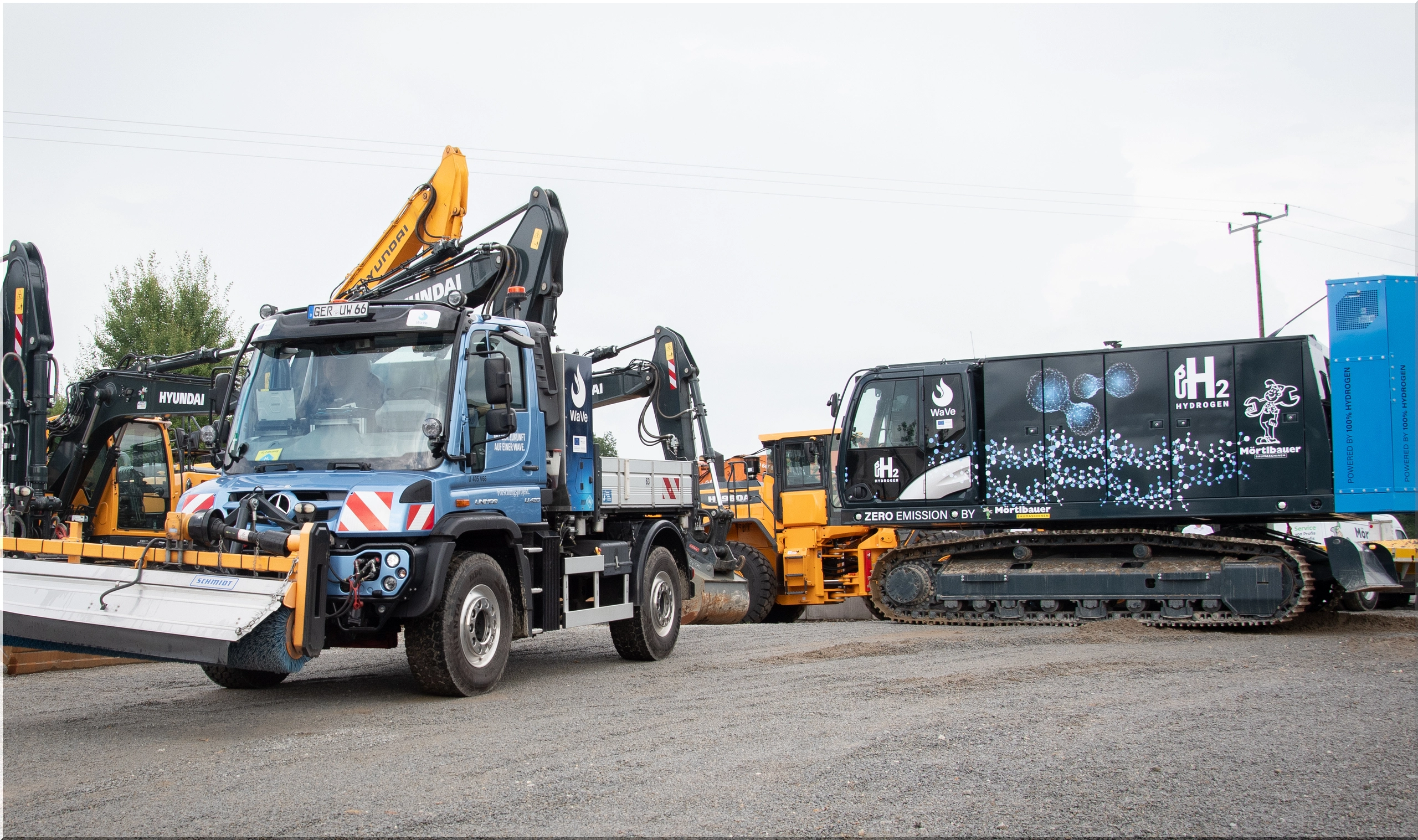
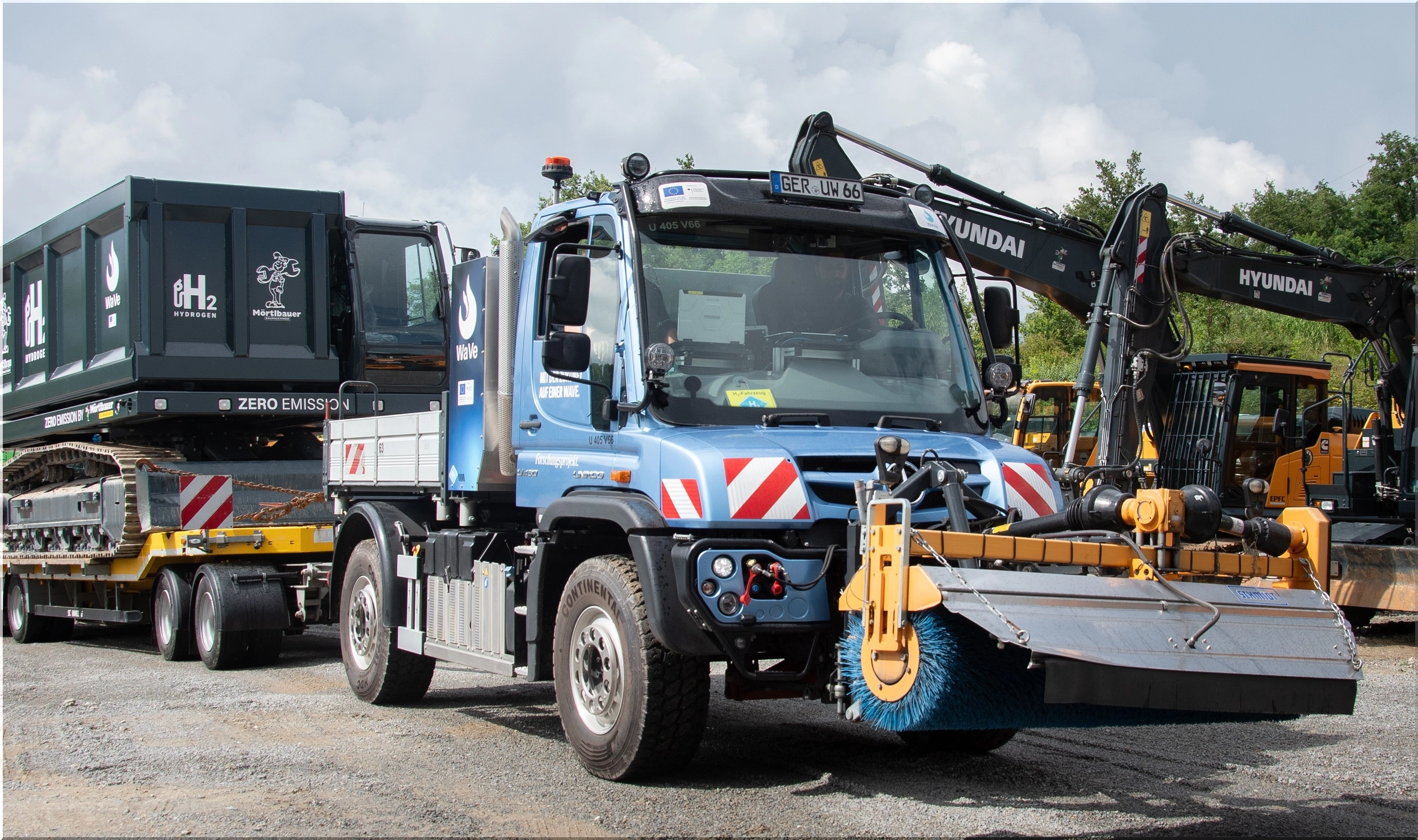
After two years of rigorous development and testing, Mercedes-Benz Special Trucks and Mörtlbauer have unveiled their two prototype vehicles equipped with hydrogen combustion engines. The Unimog implement carrier and a crawler dumper, both retrofitted for hydrogen use, have demonstrated their capabilities in real-world driving, working, and refueling operations. This achievement underscores the practicality and low-emission benefits of hydrogen combustion technology for special-purpose vehicles.
Practical and Sustainable: Hydrogen Combustion Engines
Hydrogen combustion engines, unlike their electric counterparts, require only minor modifications to existing diesel engine designs. This similarity allows for an easier transition for industries reliant on diesel-powered machinery. The prototypes in the "WaVe" project illustrate that hydrogen combustion engines can deliver comparable power and performance to traditional diesel engines while significantly reducing emissions.
Technical Innovations and Performance
The hydrogen-powered Unimog and crawler are equipped with medium-duty engines that have been specially modified. These modifications include customized pistons, a hydrogen-compatible intake system, and an optimized ignition system. The result is an engine that produces water as a byproduct, discharged as steam, highlighting its environmental benefits.
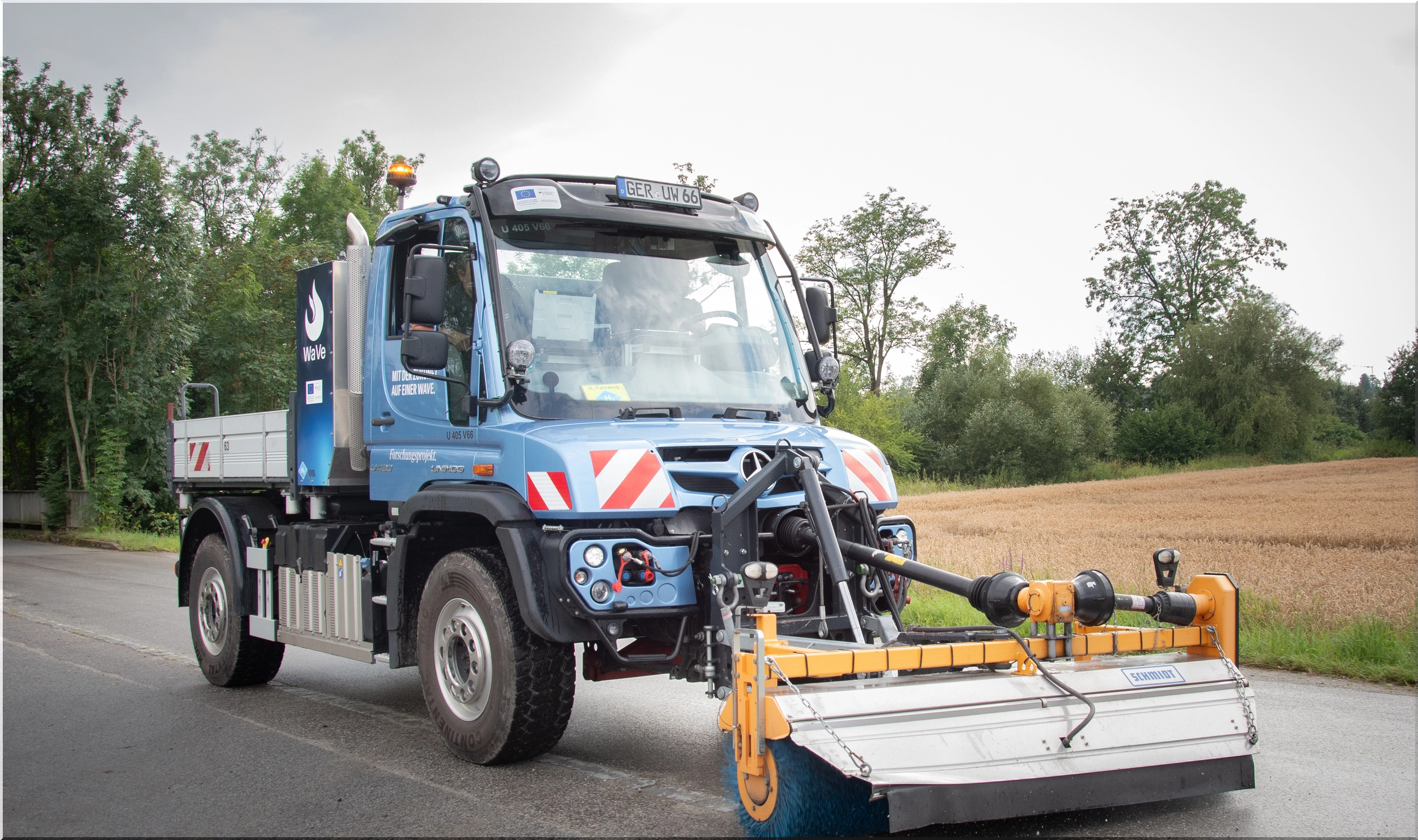
The Unimog's four TÜV-certified high-pressure tanks can store approximately 13 kilograms of gaseous hydrogen at 700 bar, delivering an engine output of 290 hp and 1000 Nm of torque. This performance is on par with a conventional 300 hp diesel engine. Similarly, the crawler dumper's engine output mirrors that of its diesel counterpart, with a hydrogen tank capacity of 14.5 kilograms at 700 bar, capable of handling a payload of 30 metric tonnes and offering versatile operations with its dozer blade and 360-degree rotating body.
Demonstrating Real-World Applications
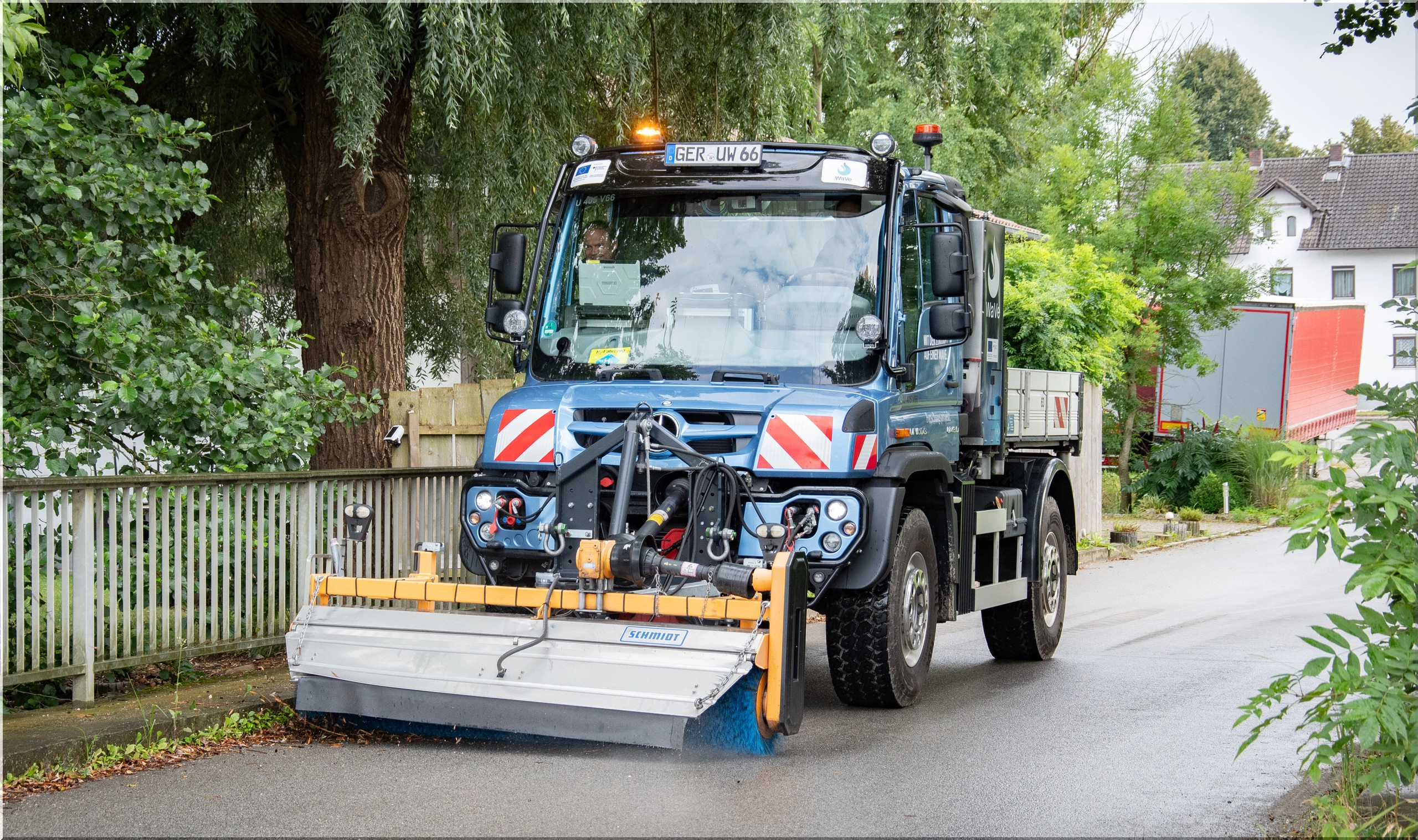
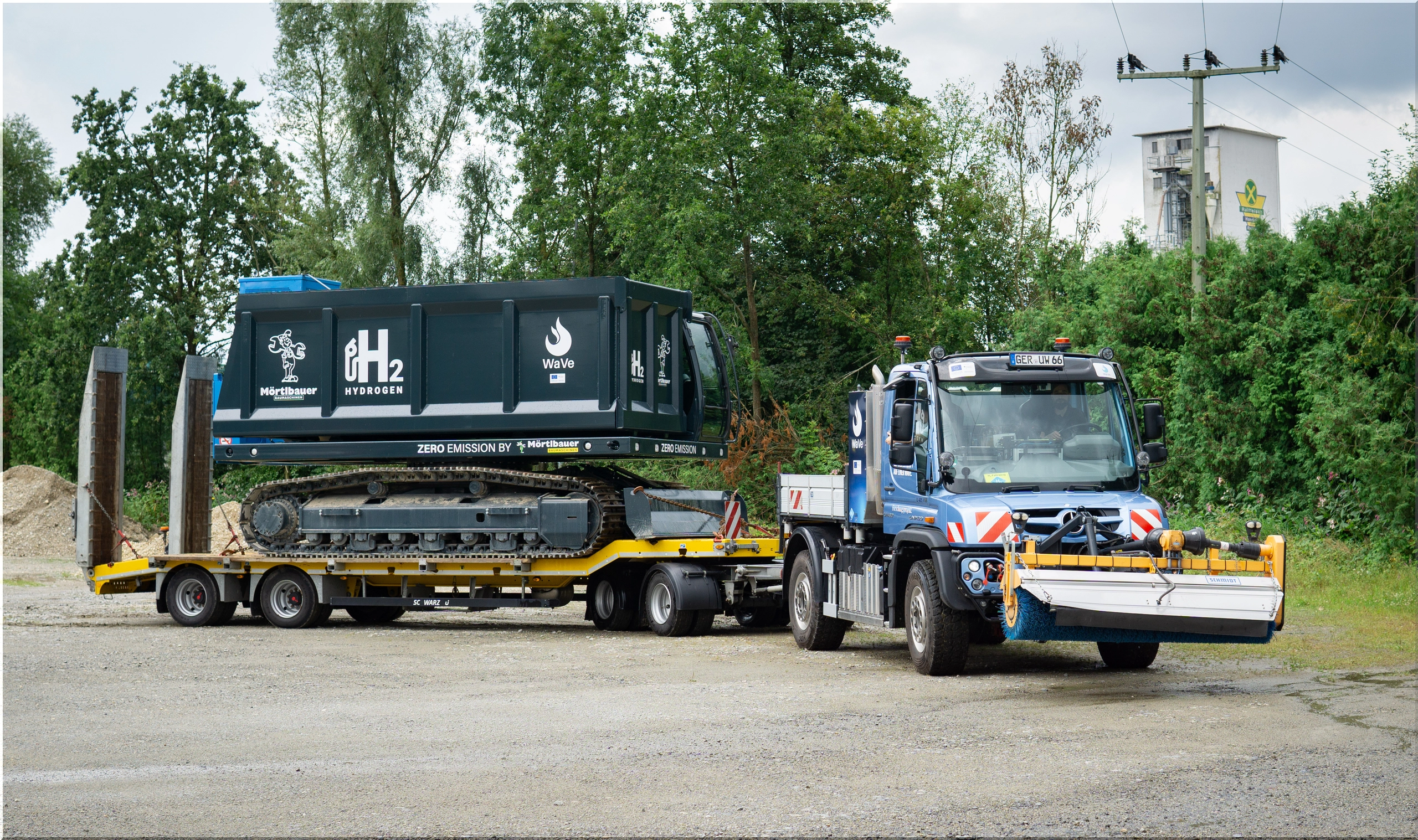
During the final demonstration event at Mörtlbauer's factory premises in Fürstenzell, Bavaria, the prototypes showcased their practical utility. The Unimog transported the crawler on a low loader and then demonstrated the refueling process at a mobile hydrogen station. Furthermore, the Unimog operated a front-mounted sweeper, exemplifying how the hydrogen engine can sustain high power output for auxiliary drives during operation.