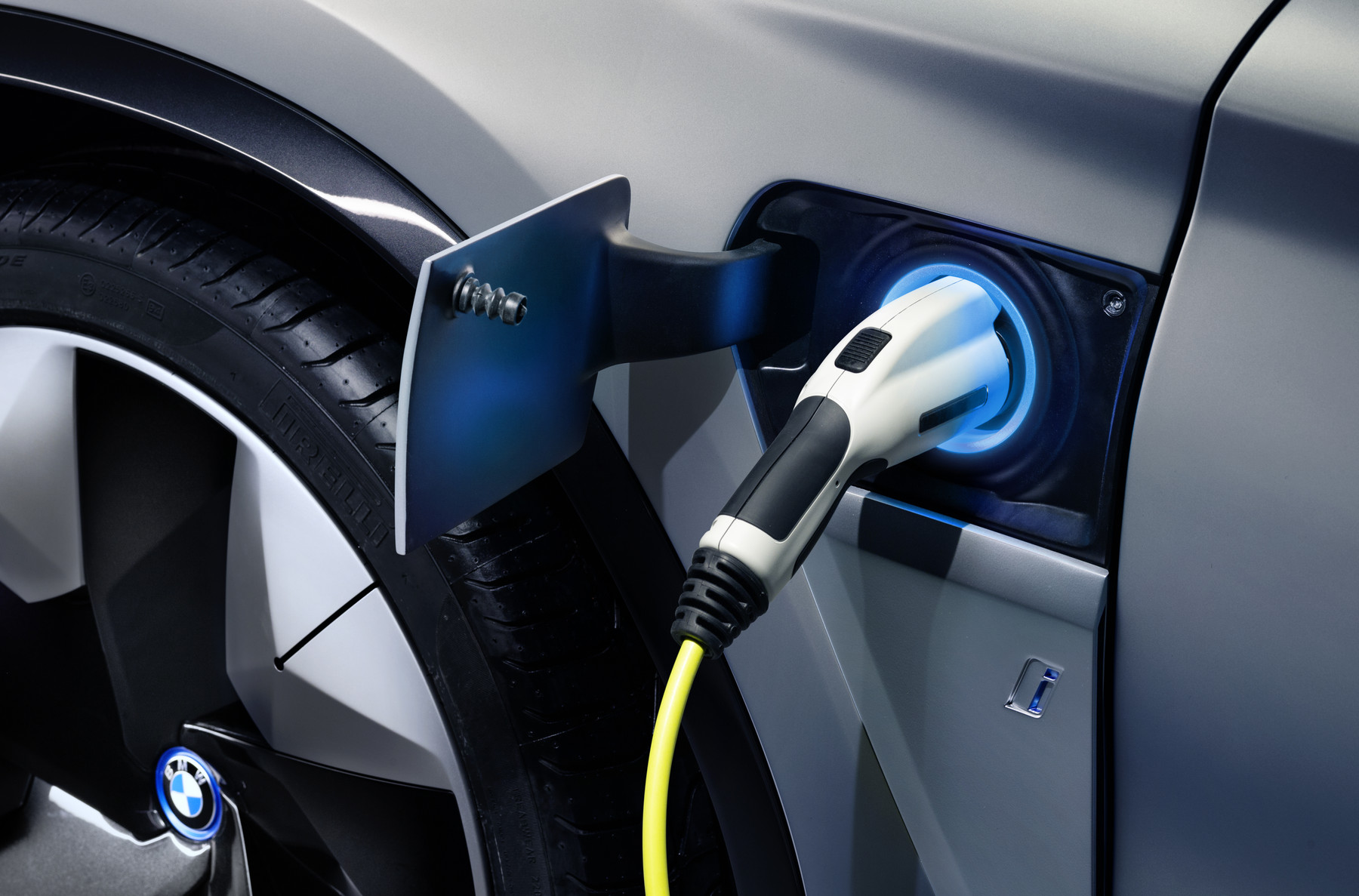
The Indian government has decided to cut VAT on electric vehicles from 12% to 5% and charging stations from 18% to 12%. In addition, the purchase of electric buses by the municipalities is exempt from VAT.
The changes will come into force on 1 August 2019. The VAT on petrol and diesel remains at 28 percent. With the tax cut, the Indian government wants to reduce the price difference between the two types of power in order to make electric cars more affordable.
However, an exemption from the registration fee for electric vehicles, which was discussed in June, was not decided. Reports are still in the room to increase the registration fee for gasoline and diesel.
However, the Federal Bureau of Indirect Taxes (abbreviated to GST) has made the condition that the vehicles have at least 12 seats eligible for the tax exemption for electric buses. The Indian government wants to promote not only renewable energy, but also clean traffic.

Dacia Spring has a great dream: to be the cheapest electric car on the market. A result that would allow it to represent the real alternative to the versions with a combustion engine. Similar to the prototype, Dacia Spring will be built… Continue reading

The Volvo V60 T8 AWD Polestar Engineered combines alternative drive technology and Polestar power injection into the most powerful Volvo station wagon of all time. Volvo V60 T8 AWD Polestar Engineered station wagon… Continue reading
The US startup Lucid Motors wants to sell its upcoming Air electric car in Europe. The luxury electric vehicle should arrive at the end of 2021, but its debut is likely to be postponed. The reason for this could… Continue reading

Honda's first incursions into the market for battery-electric cars have not been as successful as the brand would have liked. Both the Honda Clarity EV, sold in the United States, and the Honda e, destined for the European… Continue reading