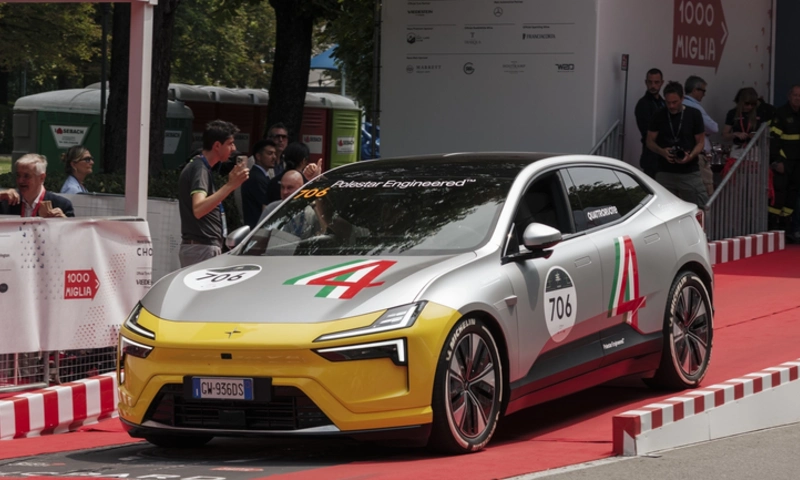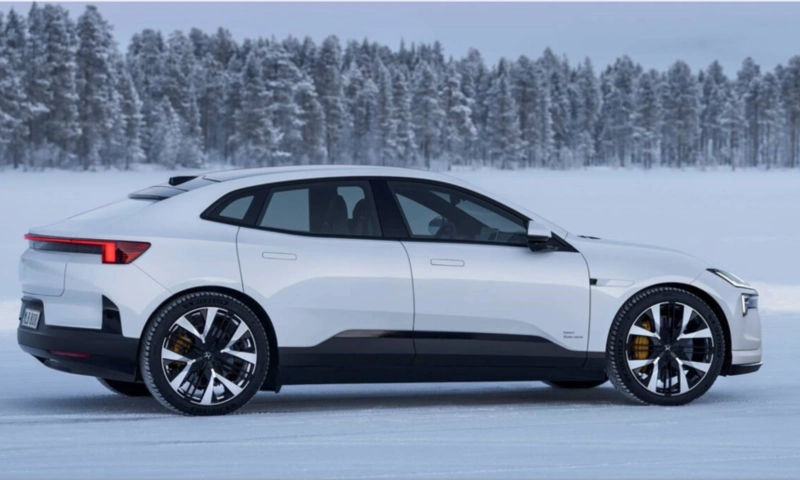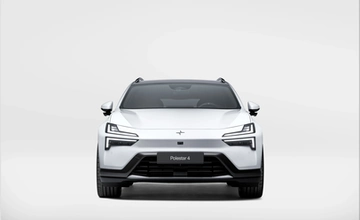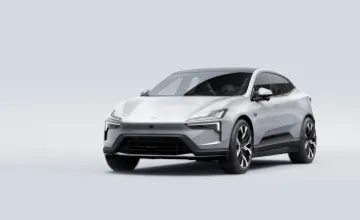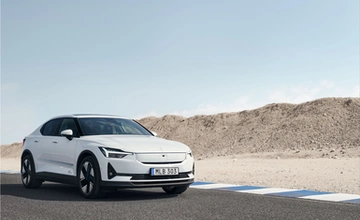
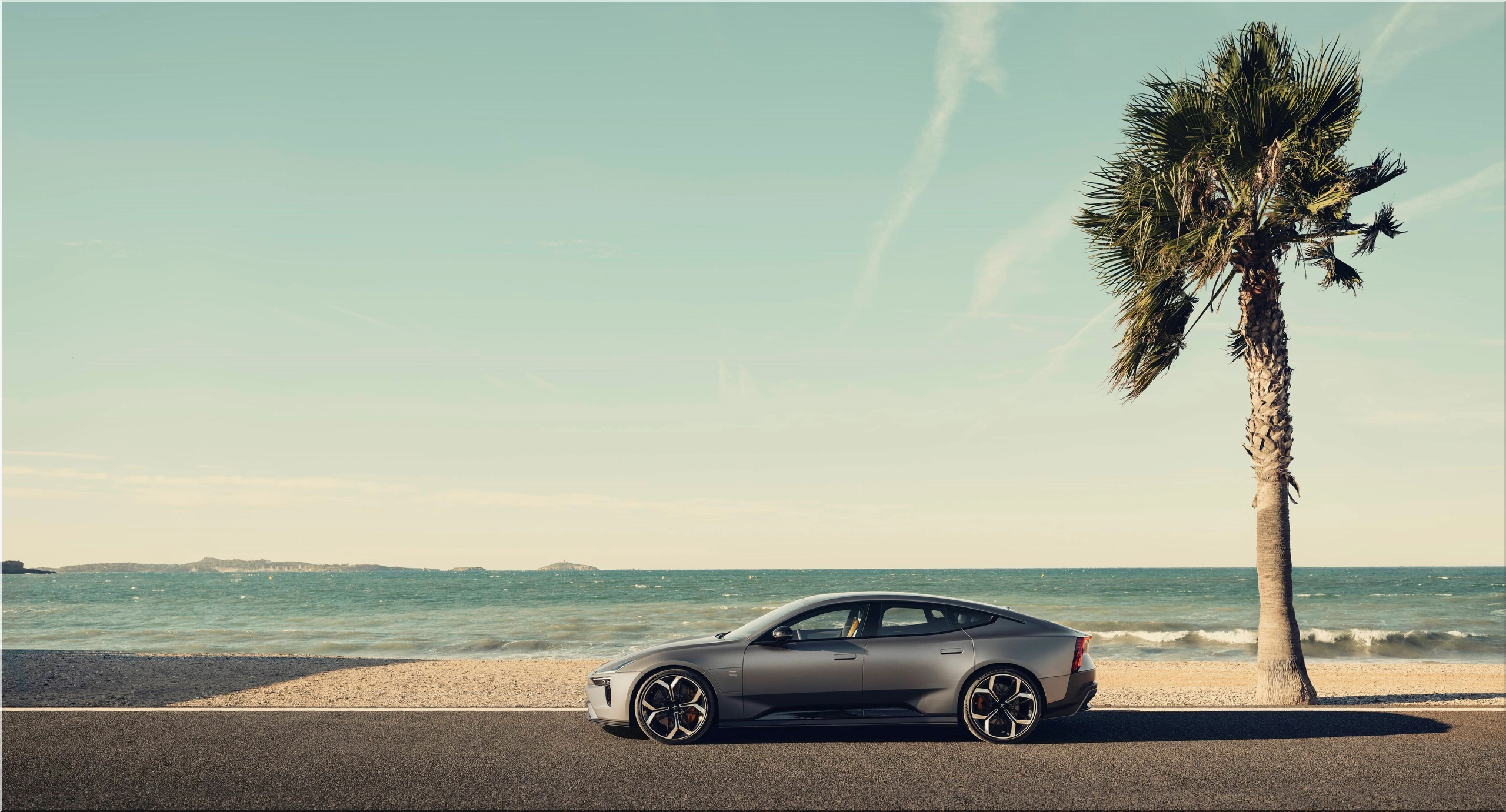
Polestar has published the full carbon footprint of the Polestar 5, and the big story sits in the data. The company's new life cycle assessment pegs the Polestar 5 carbon footprint at 23.8 tCO2e from cradle to gate, then 38.1 tCO2e over its full life under a global electricity mix. Switch the charging profile to a European grid mix and that drops to 30.1 tCO2e. Charge on wind electricity and the total falls again to 27.1 tCO2e.
Image
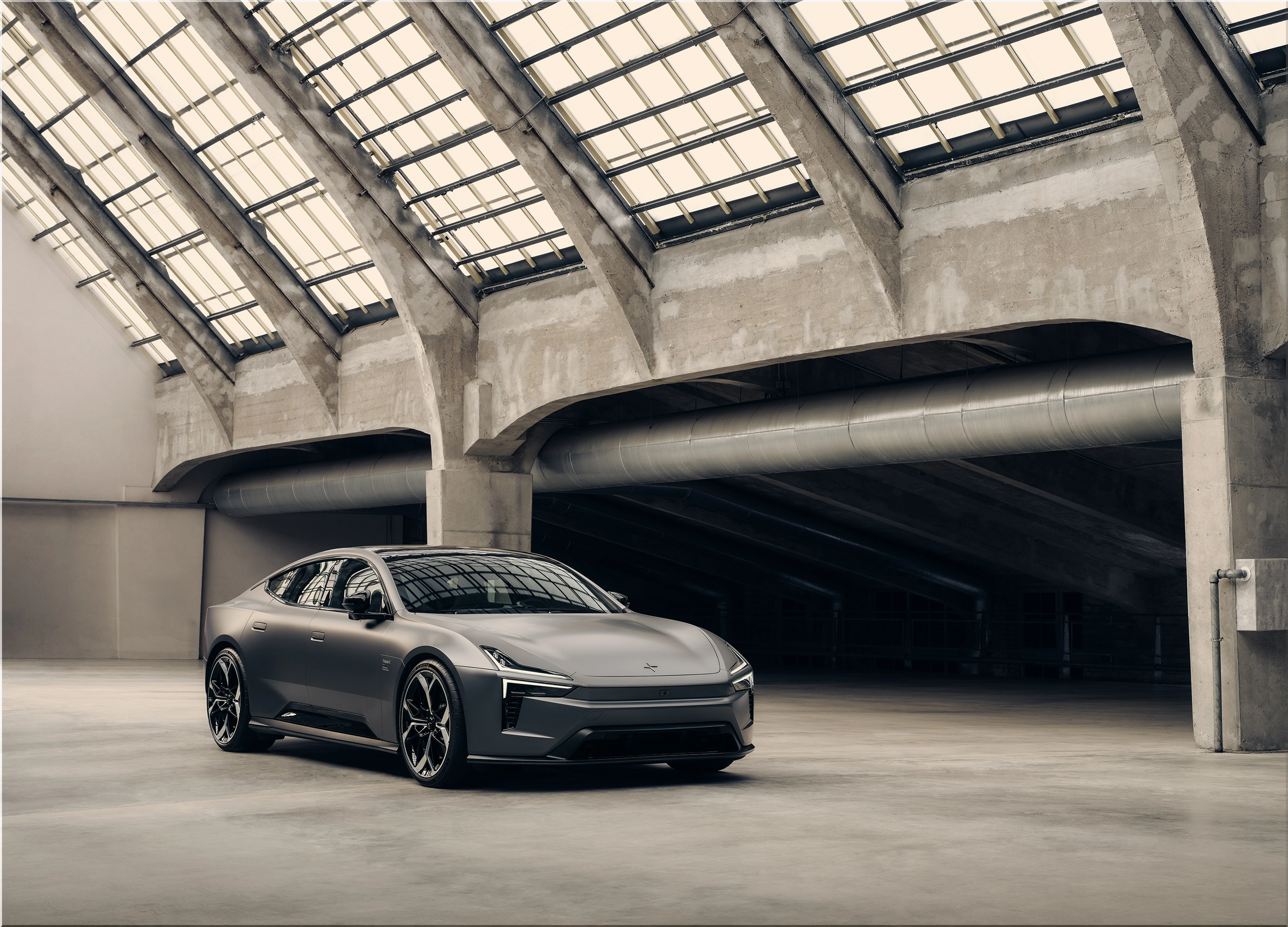
That matters because most automakers still talk around emissions. Polestar publishes the stack. Looking at the data, the company lays out where emissions come from, how much each phase adds, and which supplier-side changes drove the biggest cuts before the car even reaches a customer.
Why the Polestar 5 report matters
The Polestar transparency play works because it makes the discussion measurable. Specifically, this report uses ISO 14067 methodology, a 200,000 km lifetime assumption, and a 15-year use phase. It also applies third-party critical review, which gives the numbers more weight than a vague sustainability slide or a one-line factory claim.
From an expert perspective, that level of disclosure changes the conversation in two ways:
- It shifts focus from tailpipe-free marketing to full vehicle emissions
- It shows where engineering, sourcing, and supplier energy choices actually move the number
- It gives buyers, investors, and rivals a cleaner basis for comparison
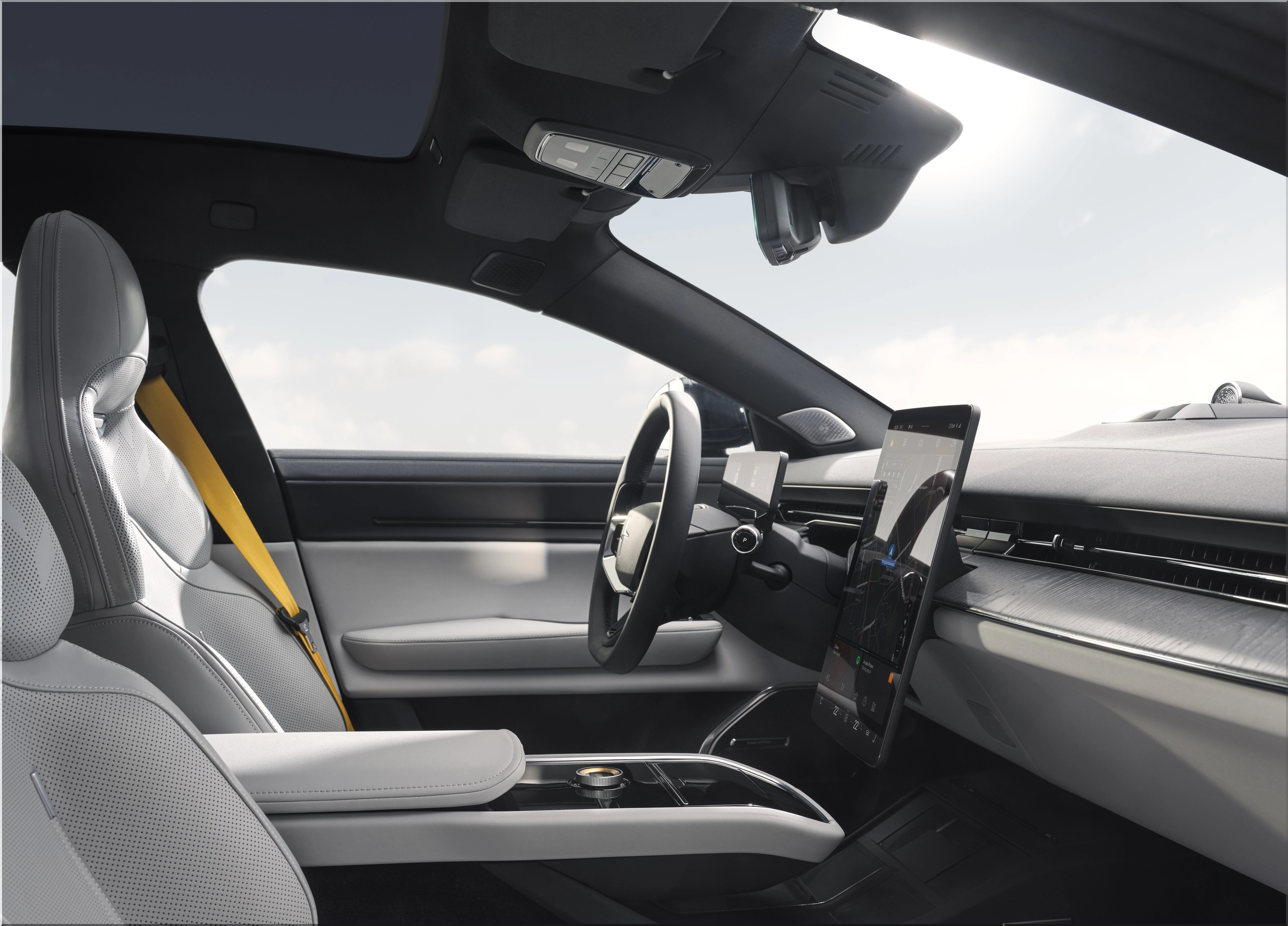
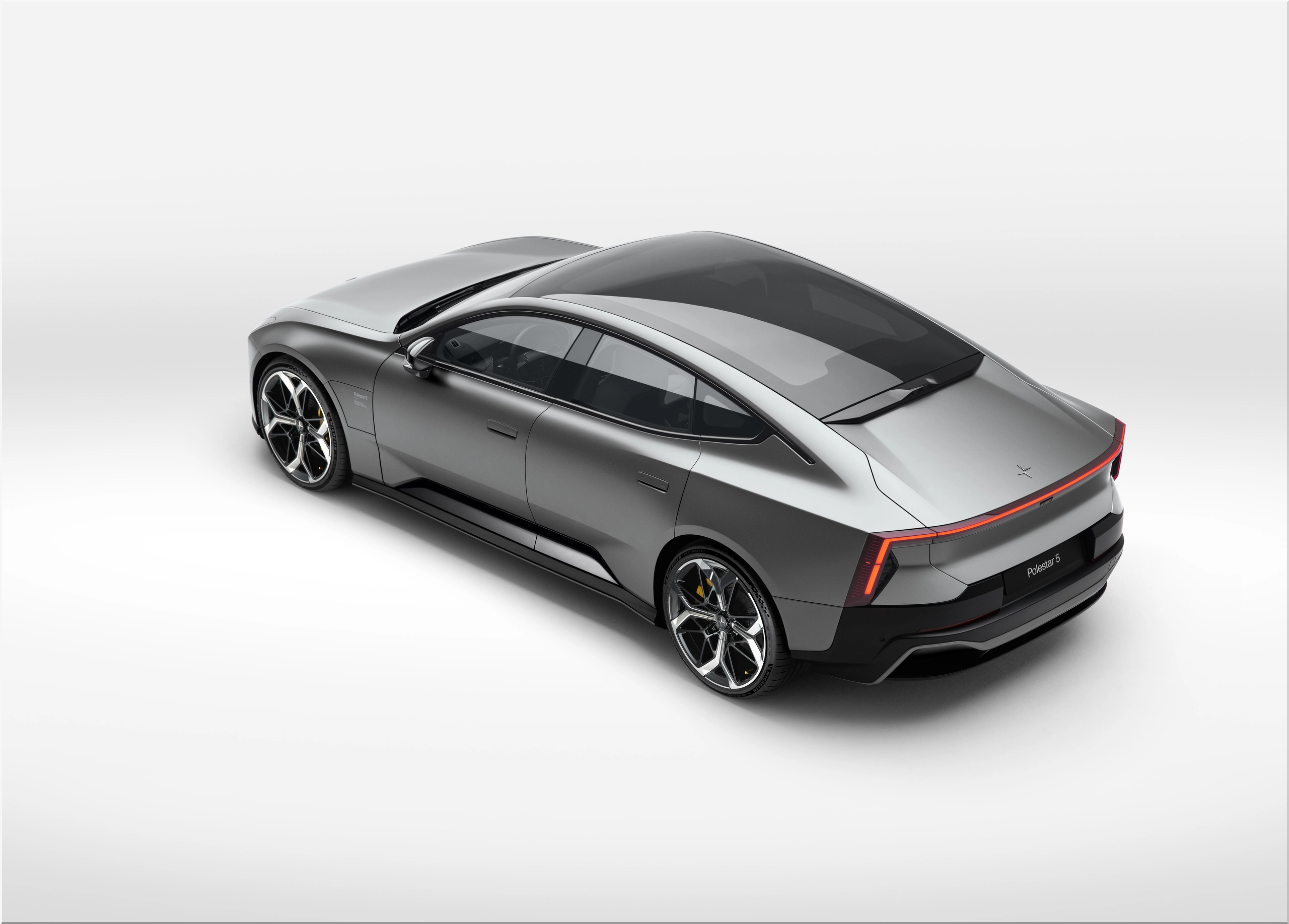
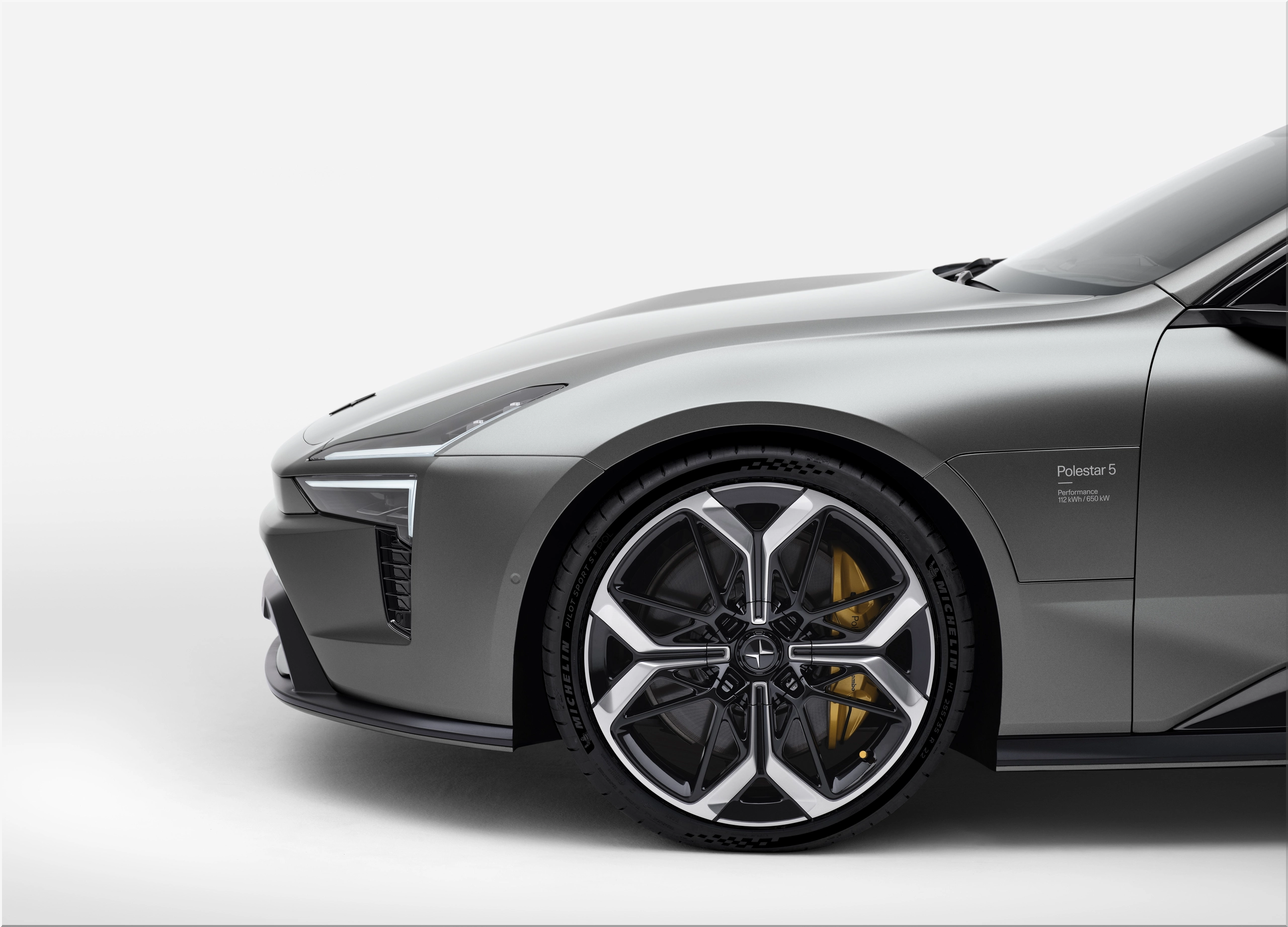
Polestar 5 technical profile behind the footprint
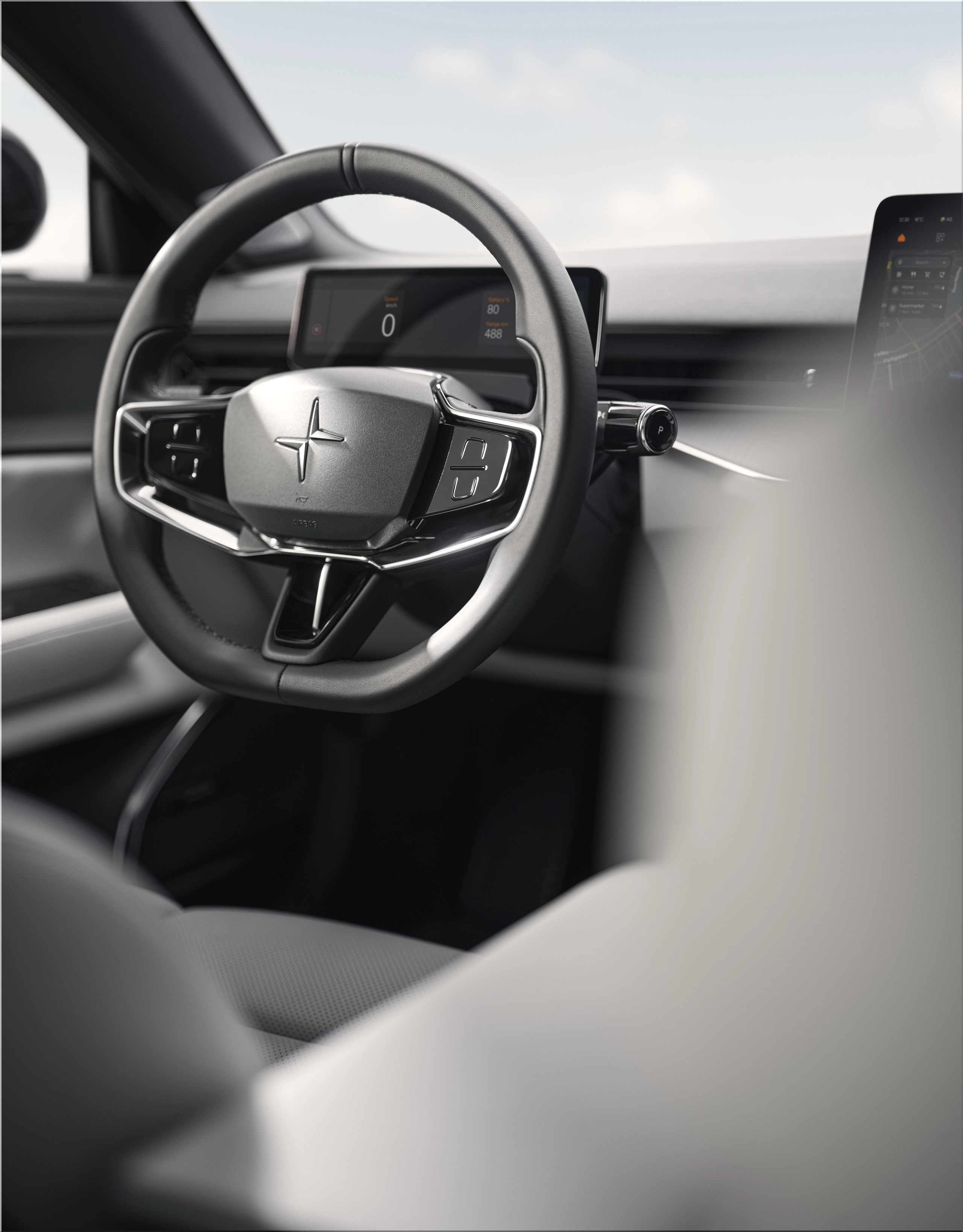
This is not a stripped-down eco special. The assessed Polestar 5 packs serious hardware, and that hardware carries a carbon cost that Polestar had to manage upstream.
| Polestar 5 technical detail | Figure |
|---|---|
| Powertrain | Electric |
| Drive type | All-wheel drive |
| Output | 550 kW / 748 hp |
| 0-100 km/h | 3.9 seconds |
| Top speed | 250 km/h |
| WLTP range | 678 km |
| WLTP energy use | 17.8-18.3 kWh/100 km |
| Battery capacity | 112 kWh gross |
| Battery module weight | 476 kg |
| Vehicle weight in study | 2,444 kg |
Consequently, the car starts from a demanding brief. A large 112 kWh NMC battery, dual-motor all-wheel drive layout, and 2,444 kg study weight do not make low embedded emissions easy. That makes the 23.8 tCO2e cradle-to-gate result more interesting, because Polestar had to squeeze emissions out of materials and suppliers rather than rely on a small battery or a low-performance setup.
Where the
Video gallery
Video title
Polestar 5 Carbon Footprint
emissions come from
The biggest chunk comes from material production and refining. That alone accounts for 14.4 tCO2e, or about 60 percent of the cradle-to-gate total. Battery modules add 6.9 tCO2e, while manufacturing and logistics together contribute 2.5 tCO2e.
Here is the key split:
| Cradle-to-gate source | tCO2e | Share |
|---|---|---|
| Material production and refining | 14.4 | 60% |
| Li-ion battery modules | 6.9 | 29% |
| Manufacturing and logistics | 2.5 | 10% |
| Total | 23.8 | 100% |
In addition, Polestar says assembly-plant emissions account for less than 1 percent of the total because the plant uses renewable electricity. That point sounds good in a headline, but the deeper lesson sits elsewhere: factory electricity helps, yet materials and battery supply chains still dominate the score. That is where the real fight lives.
Definitions
- Cradle-to-gate: emissions from raw material extraction through production and delivery to handover
- Cradle-to-grave: cradle-to-gate plus use phase, maintenance, and end-of-life
- tCO2e: tonnes of carbon dioxide equivalent, a standard unit that bundles greenhouse gases into one climate-impact figure
How Polestar cut the Polestar 5 carbon footprint
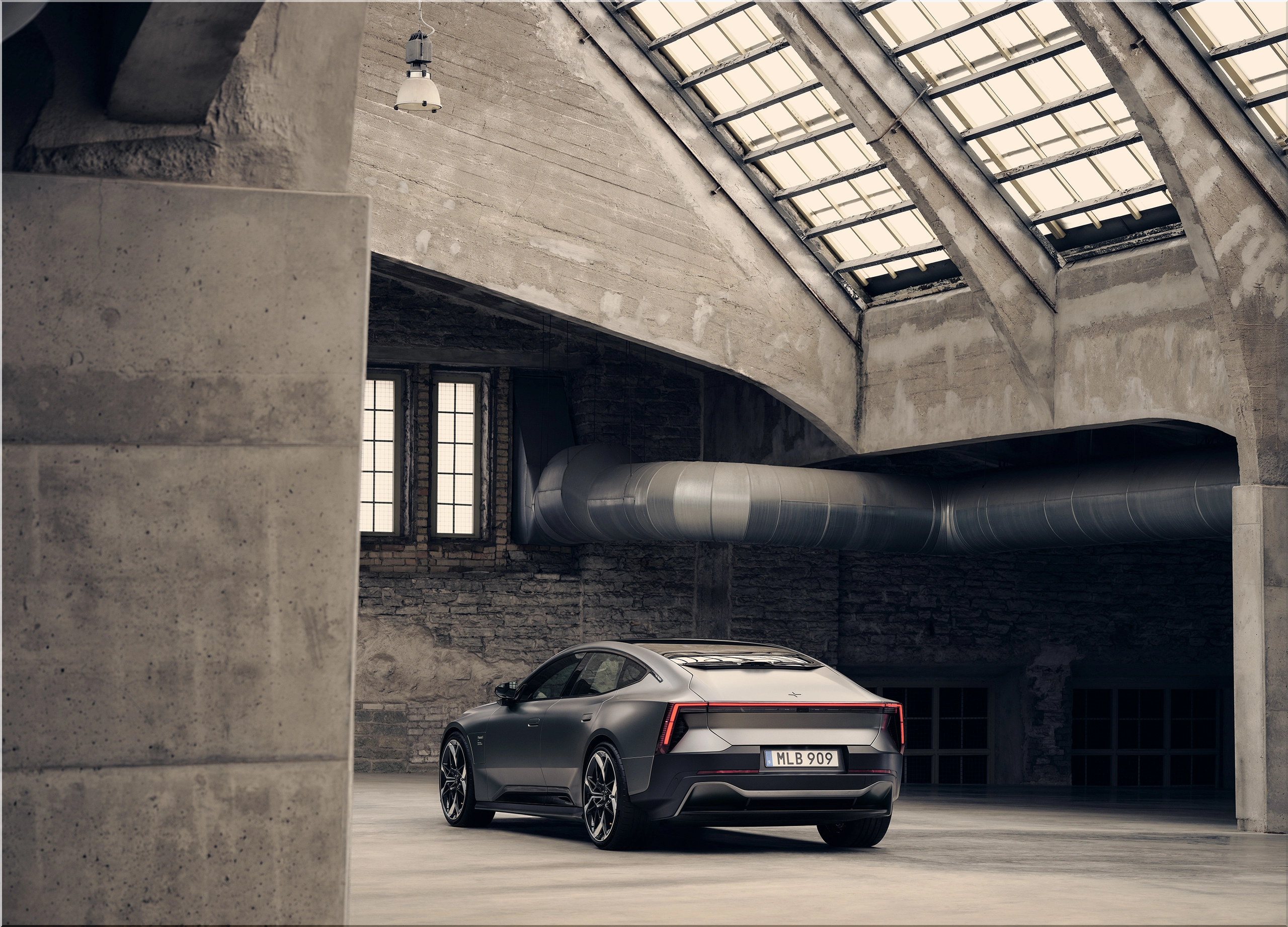
This is where the report gets sharp. Polestar says the Polestar 5 would have started at 41.5 tCO2e cradle-to-gate without its decarbonisation work. The company cut that figure by 17.7 tCO2e before start of production.
The biggest reductions came from:
- Aluminium from smelters using renewable electricity: -11.0 tCO2e
- Renewable electricity in the battery supply chain: -4.1 tCO2e
- Recycled aluminium: -2.6 tCO2e
By comparison, that means low-carbon aluminium delivered the largest single gain. That makes technical sense. Aluminium production burns huge amounts of electricity, so changing the energy source at the smelter can slash emissions faster than chasing marginal savings in final assembly.
Battery supply helps too. Specifically, battery production remains one of the heaviest emissions blocks in any premium EV, so cleaning the electricity mix around battery modules produces an outsized return.
Image gallery:
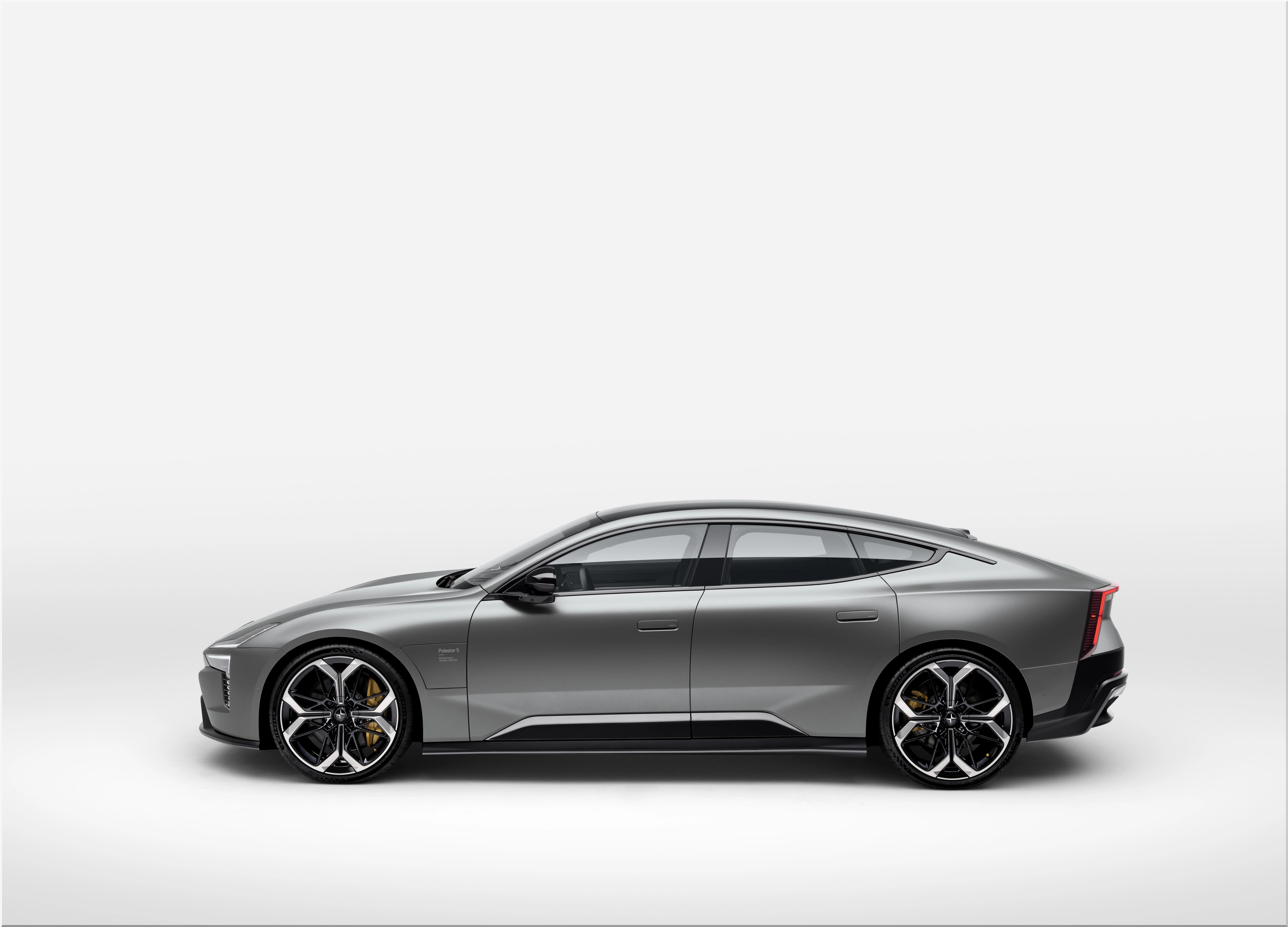
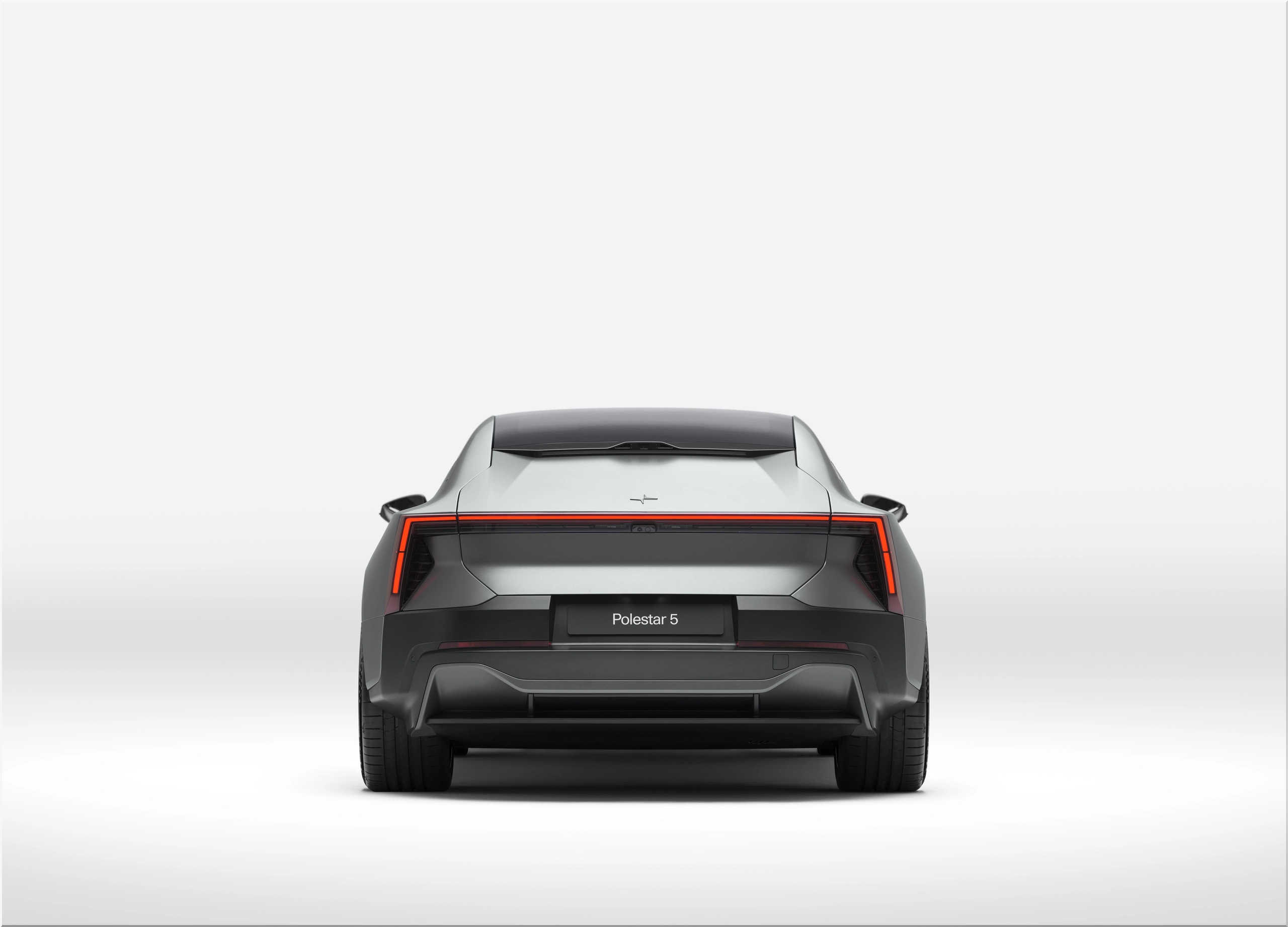
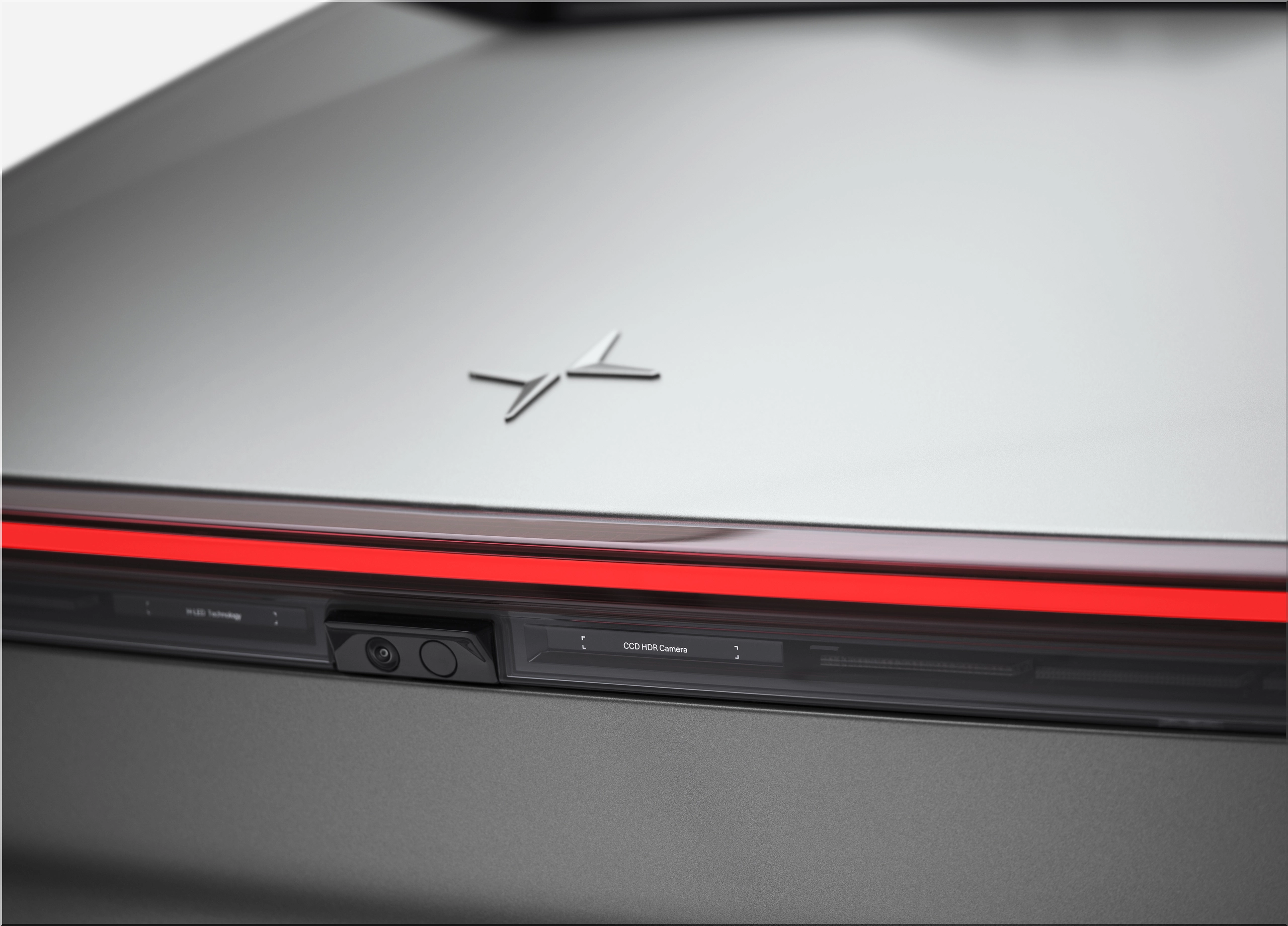
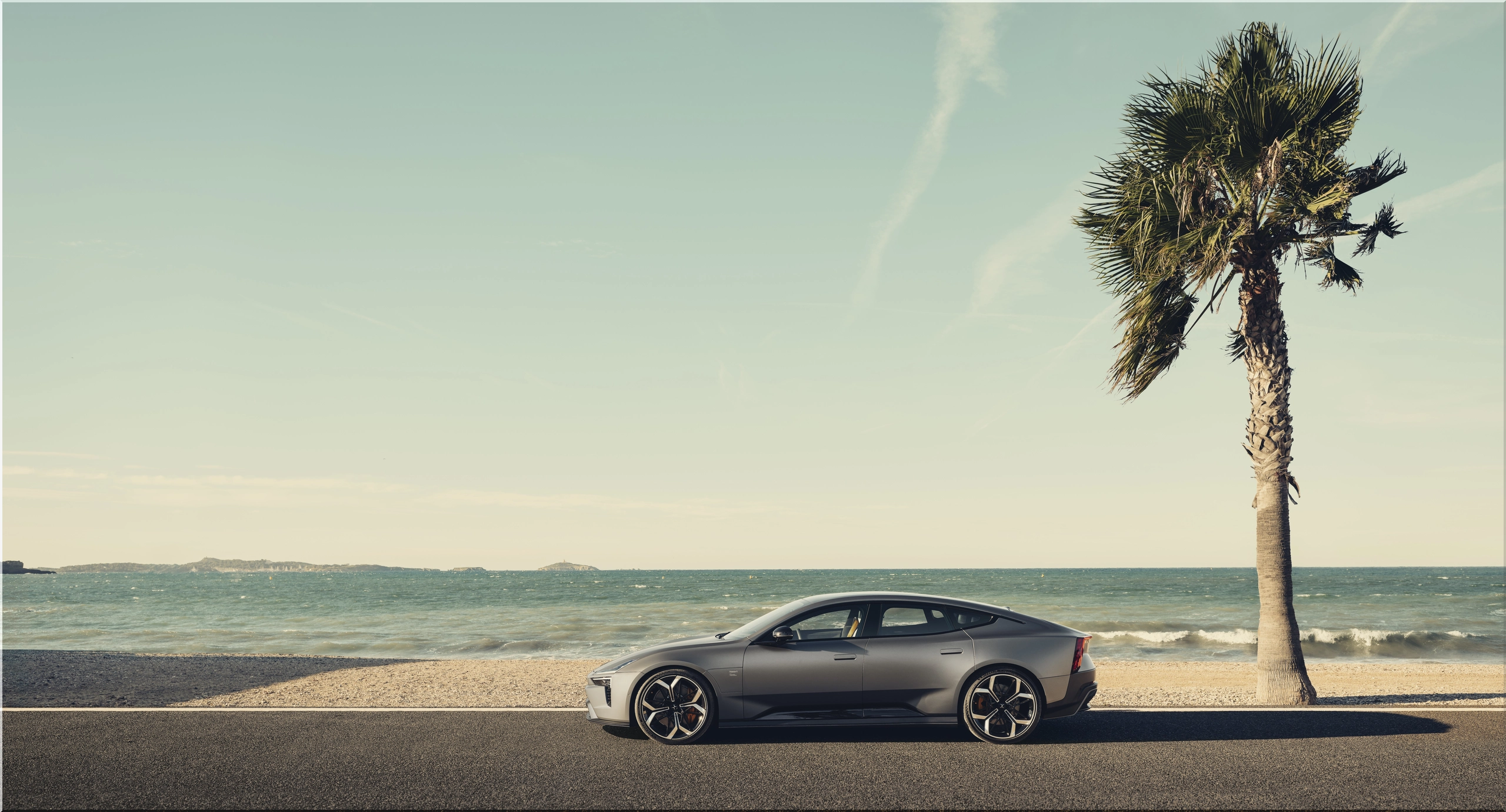
Use phase still swings the final total
The cradle-to-grave carbon footprint changes sharply depending on how the Polestar 5 gets charged. Under a global electricity mix, the use phase adds 12.0 tCO2e. Under a European electricity mix, it adds 3.5 tCO2e. Under wind electricity, it drops to 0.5 tCO2e.
| Lifetime scenario | Total tCO2e |
|---|---|
| Global electricity mix | 38.1 |
| European electricity mix | 30.1 |
| Wind electricity mix | 27.1 |
Looking at the data, the spread between global and wind charging is 11.0 tCO2e over the vehicle's assumed life. That is massive. It also tells buyers something simple: decarbonising production matters, but the grid still decides a large share of an EV's final climate math.
What now for buyers, rivals, and the industry?
Polestar has thrown down a clean challenge. Publish the number. Show the method. Break out the sources.
Pro-Tips
- If you compare EV sustainability claims, look for cradle-to-gate and cradle-to-grave figures, not factory-only claims
- Check battery size and vehicle mass before comparing totals across models
- Treat low-carbon aluminium and renewable battery supply as strong signals that an automaker is working upstream, where the biggest gains sit
For rivals, the pressure now sits on disclosure. For buyers, the useful move is simple: read the full carbon report, then pair it with your local charging mix. That tells you far more than any broad green slogan ever will.
- Add new comment
- 183 views