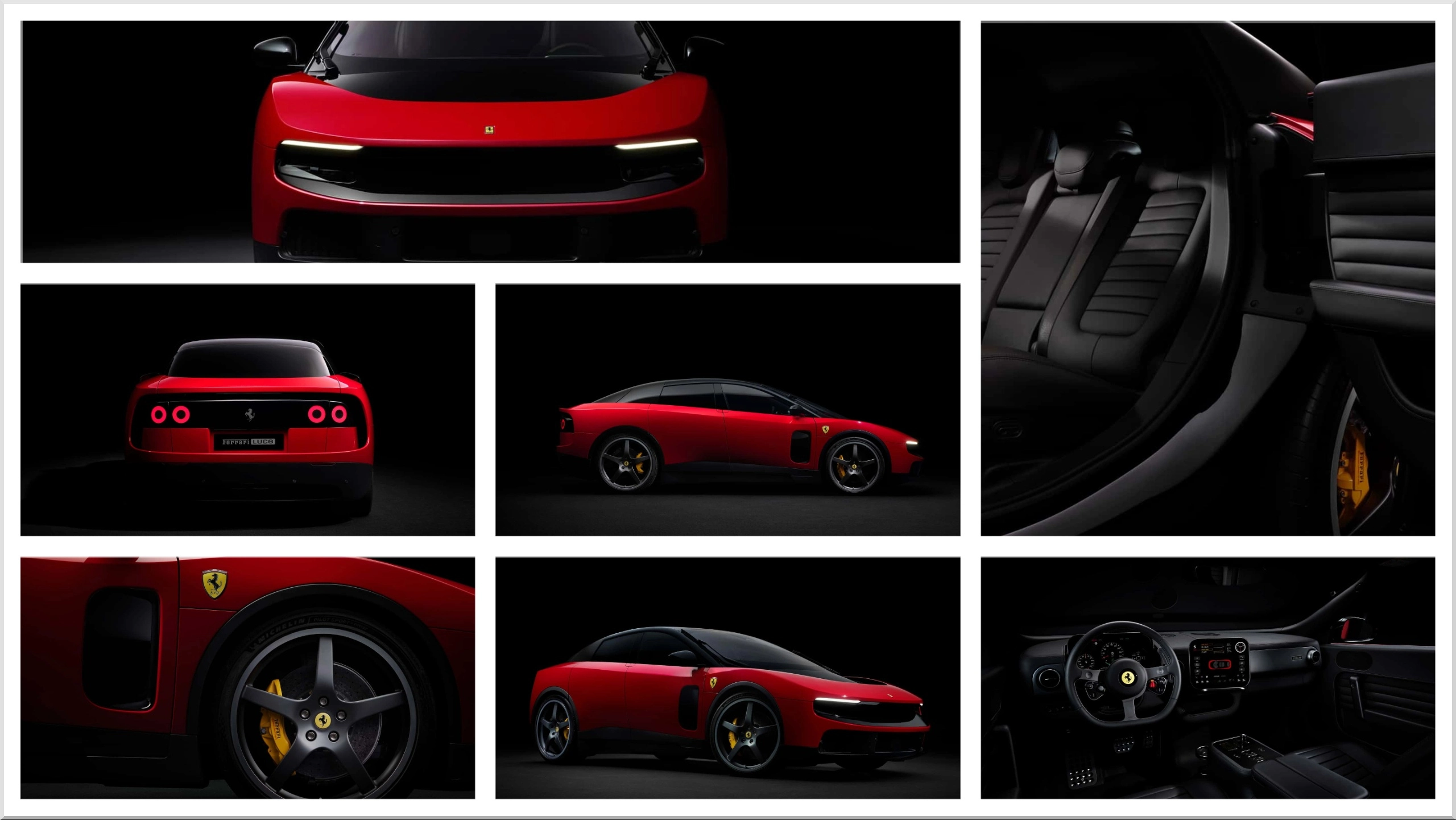
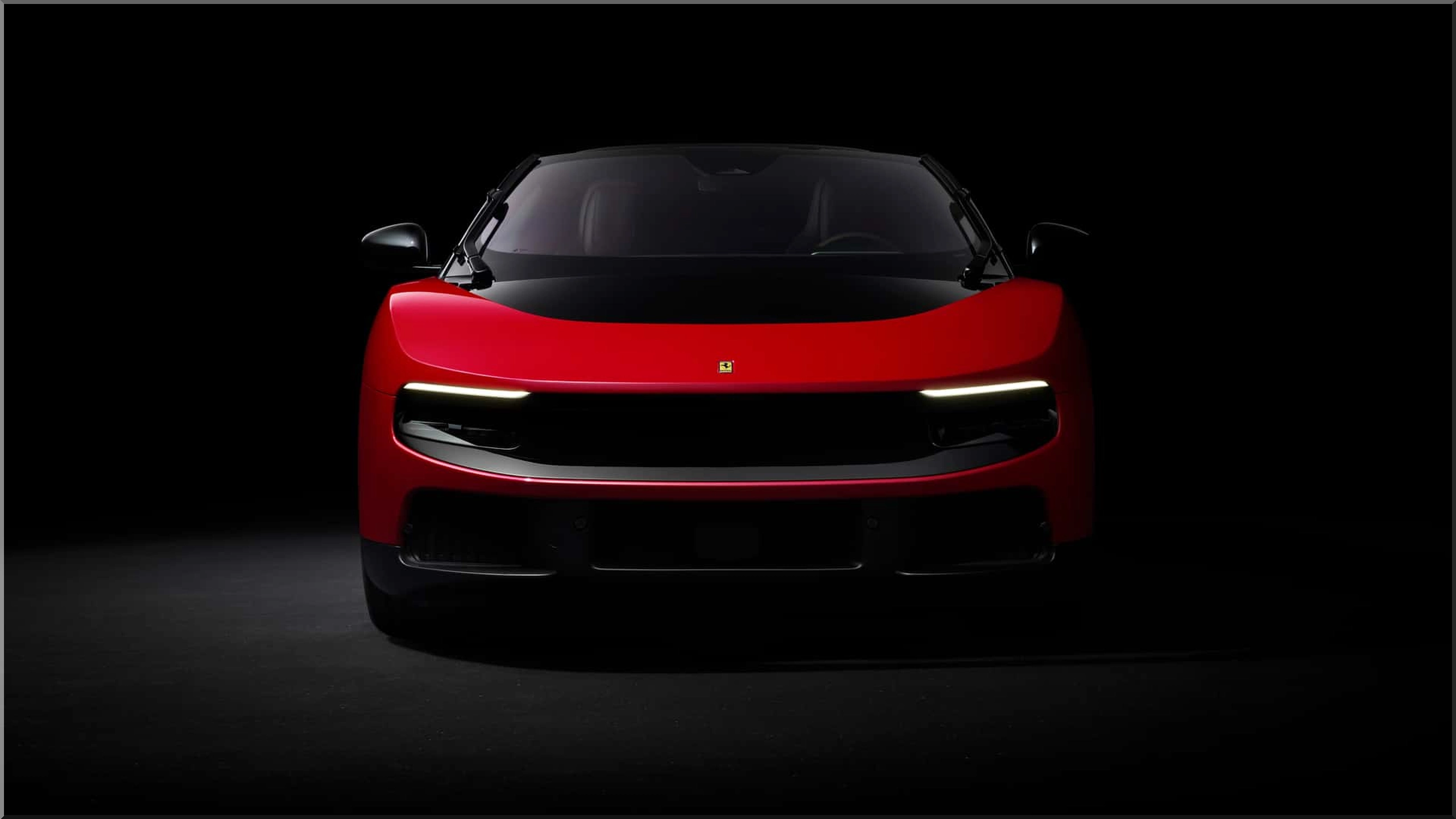
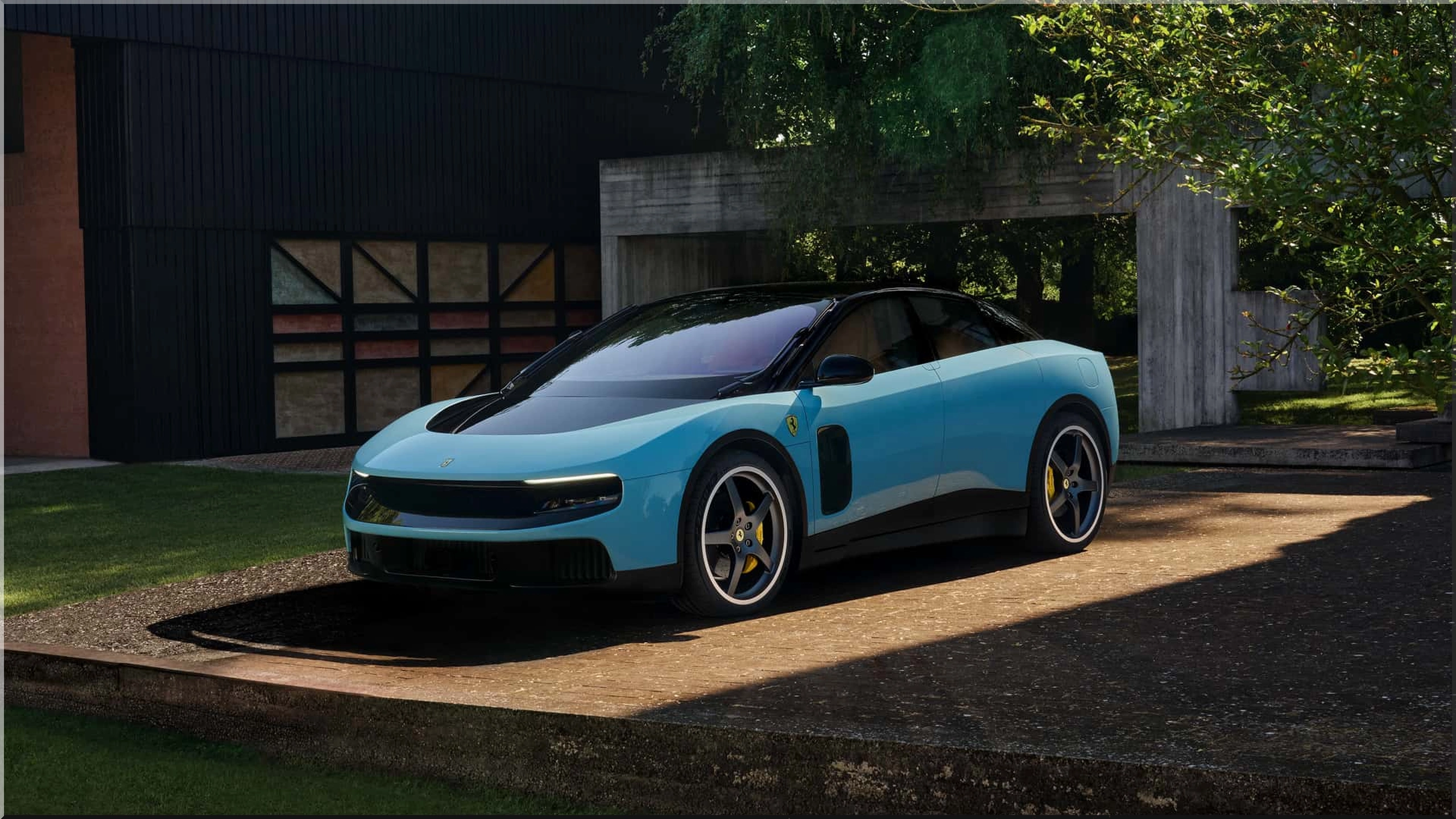
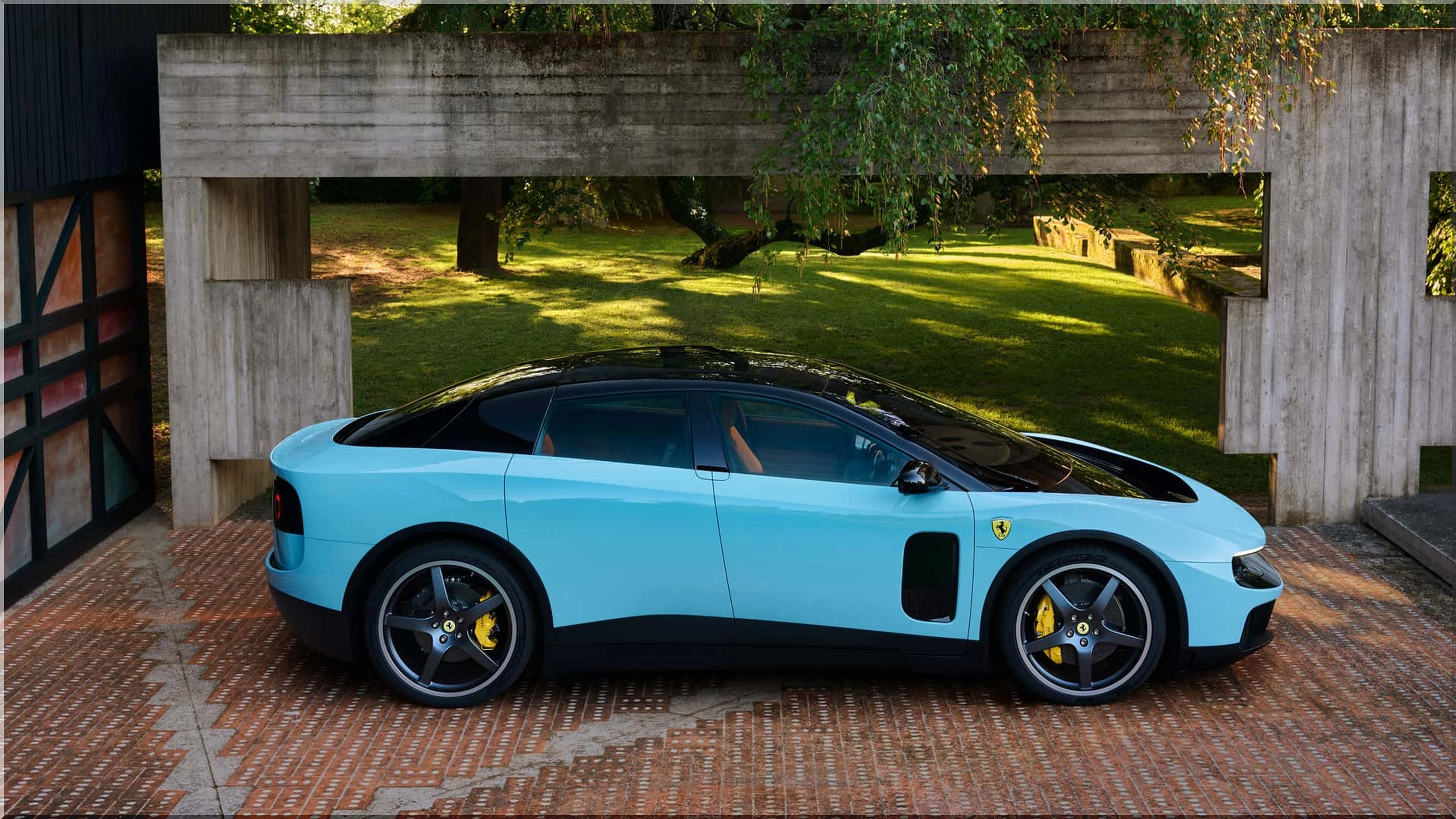
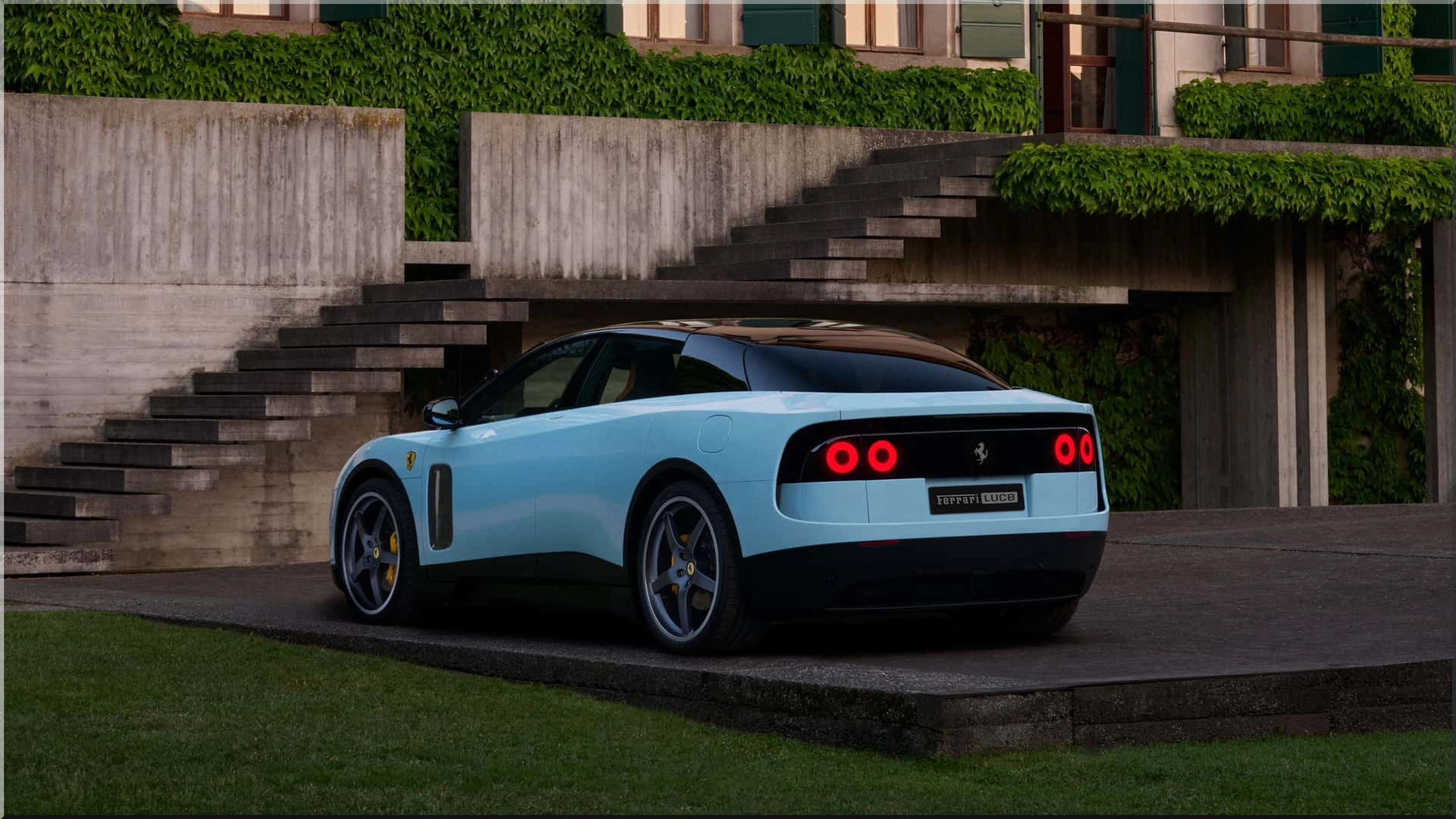
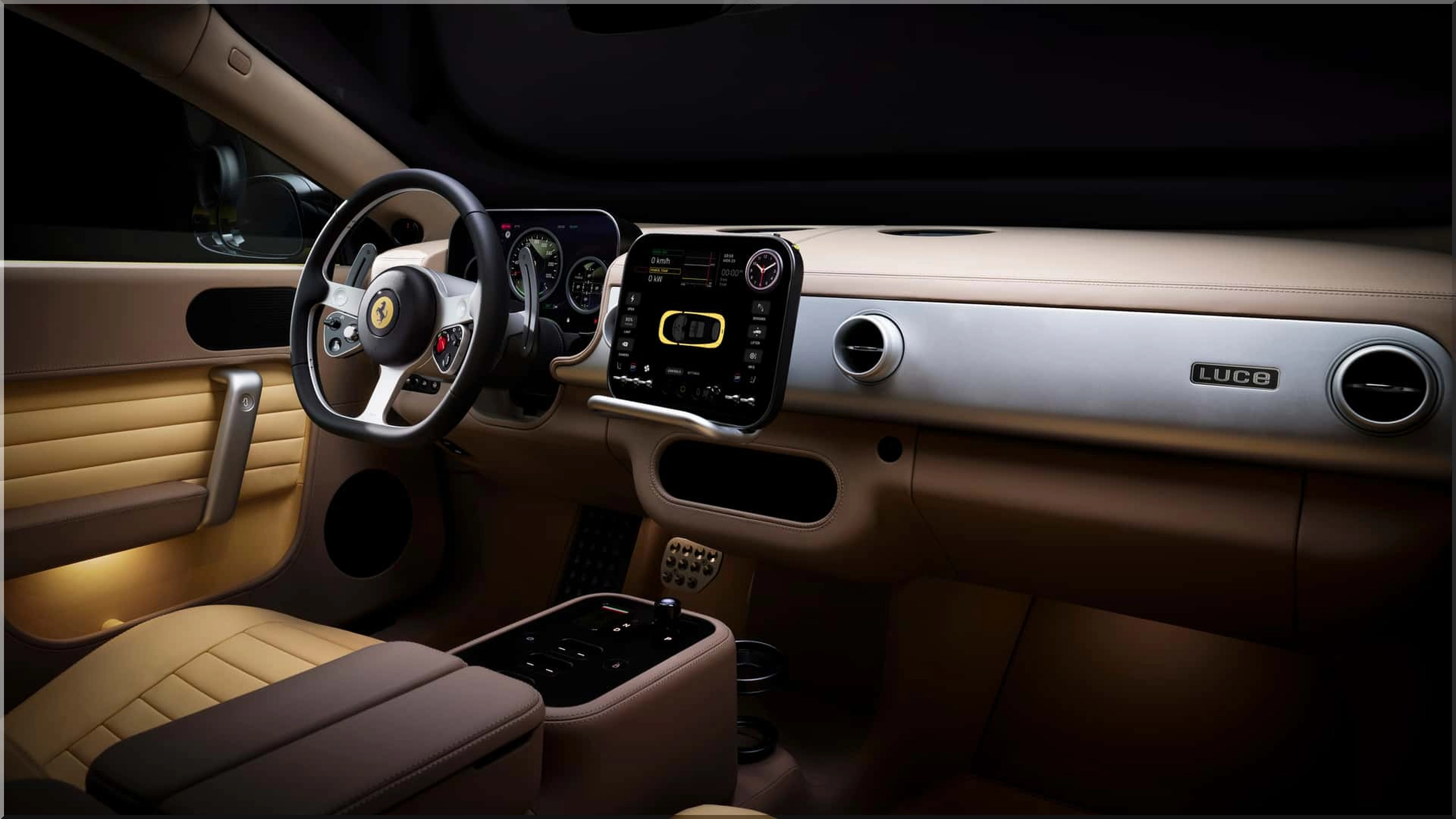
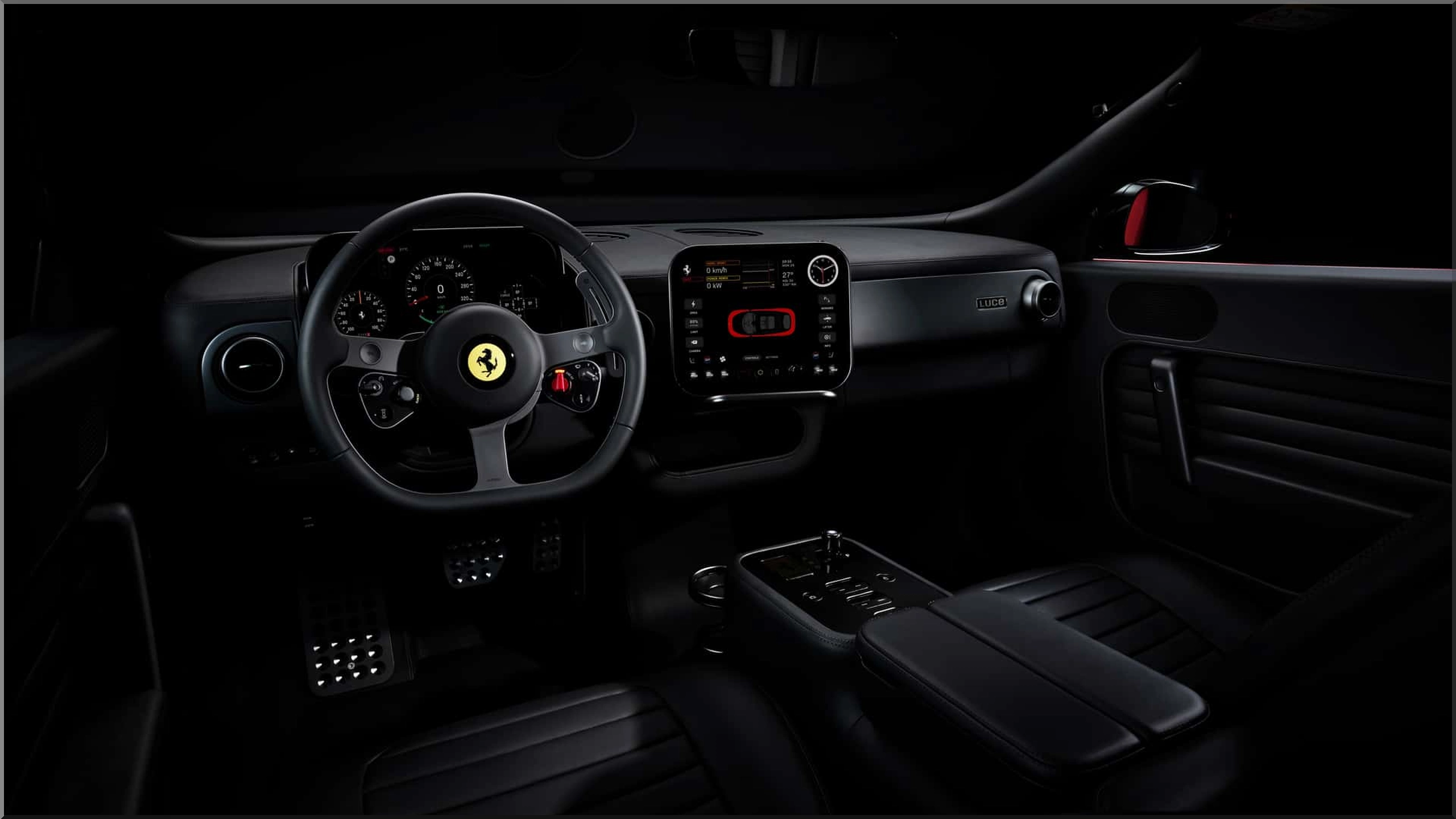
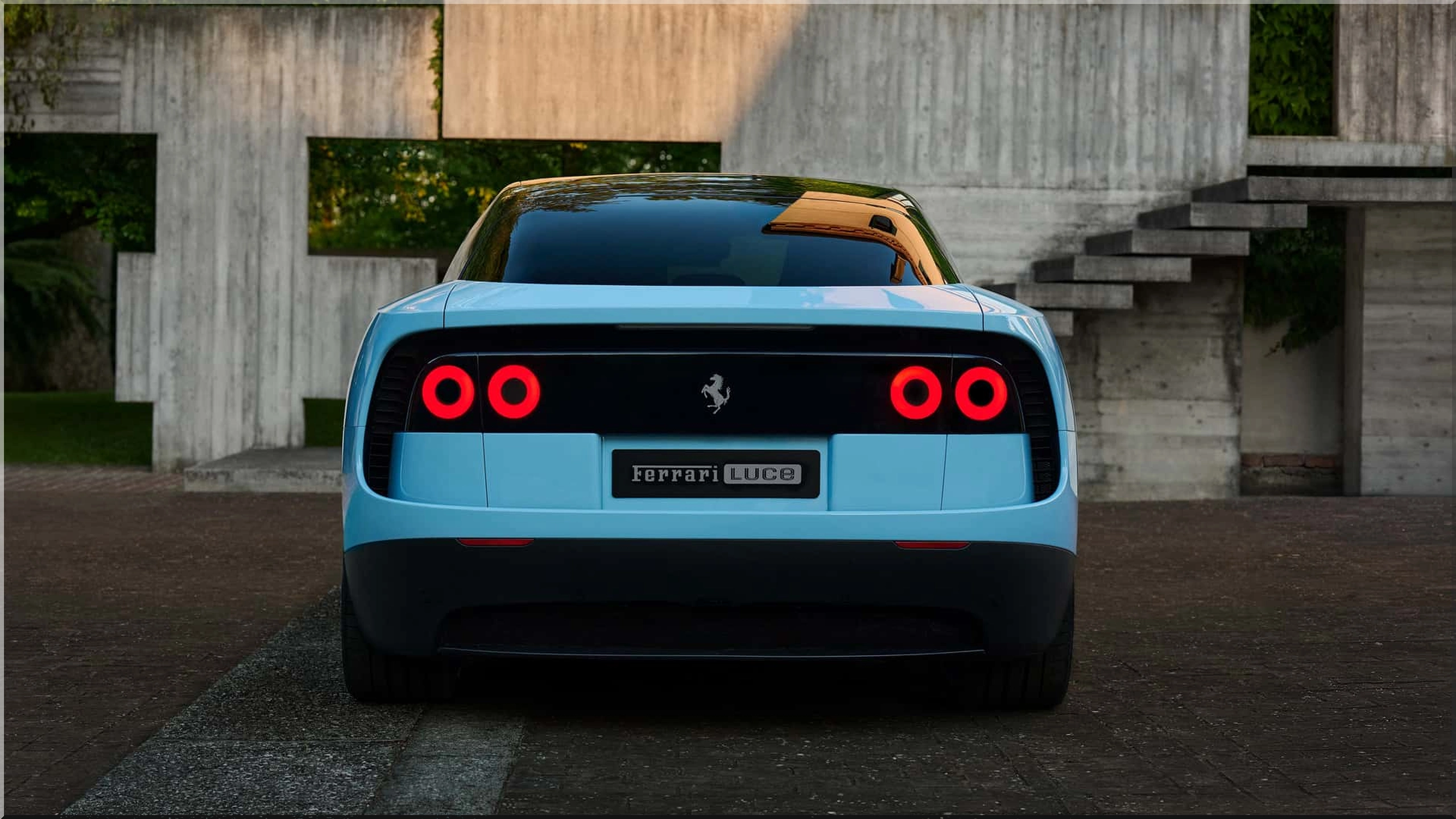
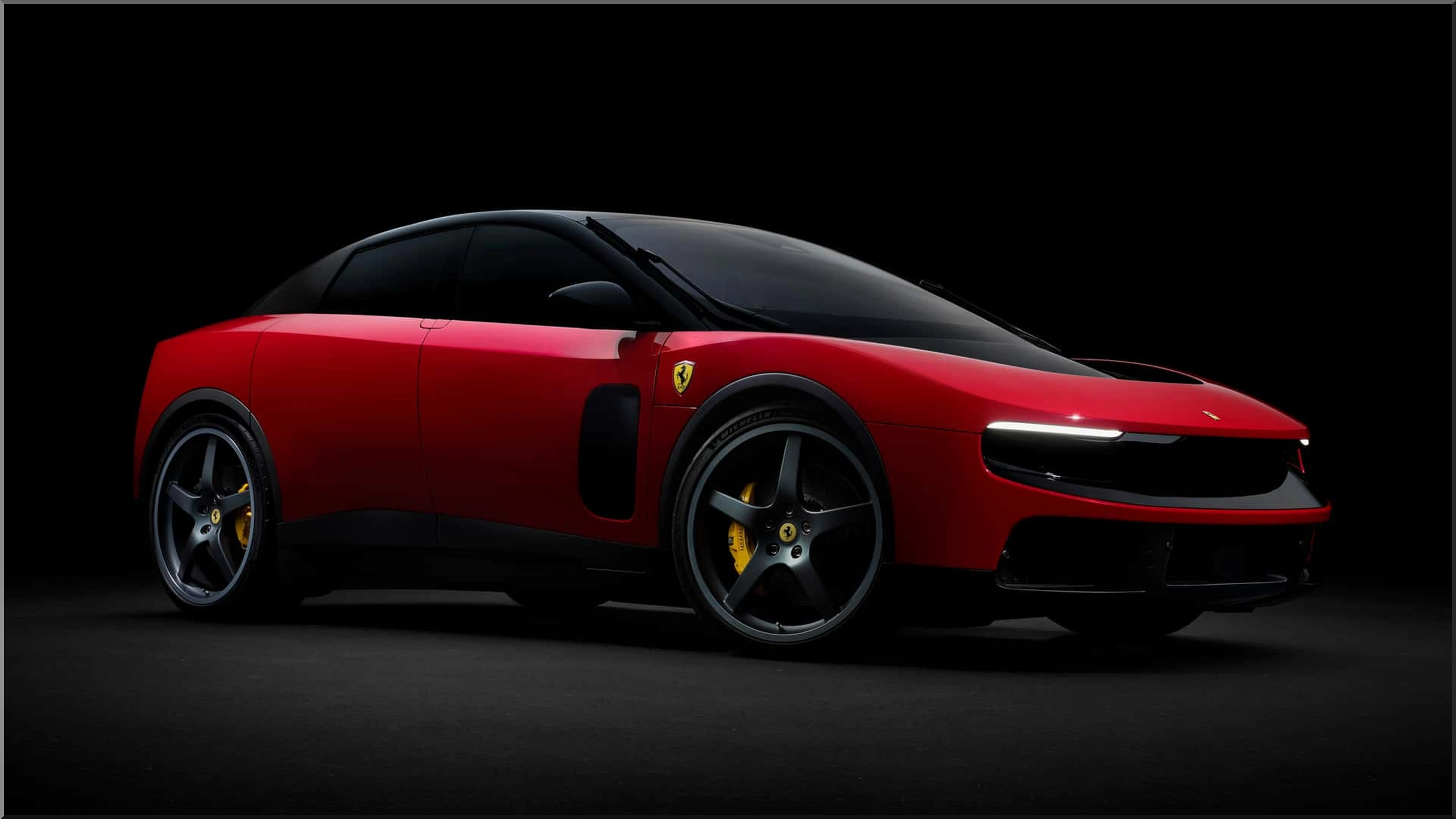
The new Ferrari Luce gives Maranello its first fully electric production car, but Ferrari avoided the obvious two-seat supercar route. Instead, the first Ferrari EV arrives as a four-door, five-seat electric liftback with four motors, 1,035 horsepower, a 122 kWh battery, and a design aimed at wealthy tech-first buyers.
What Is the Ferrari Luce?
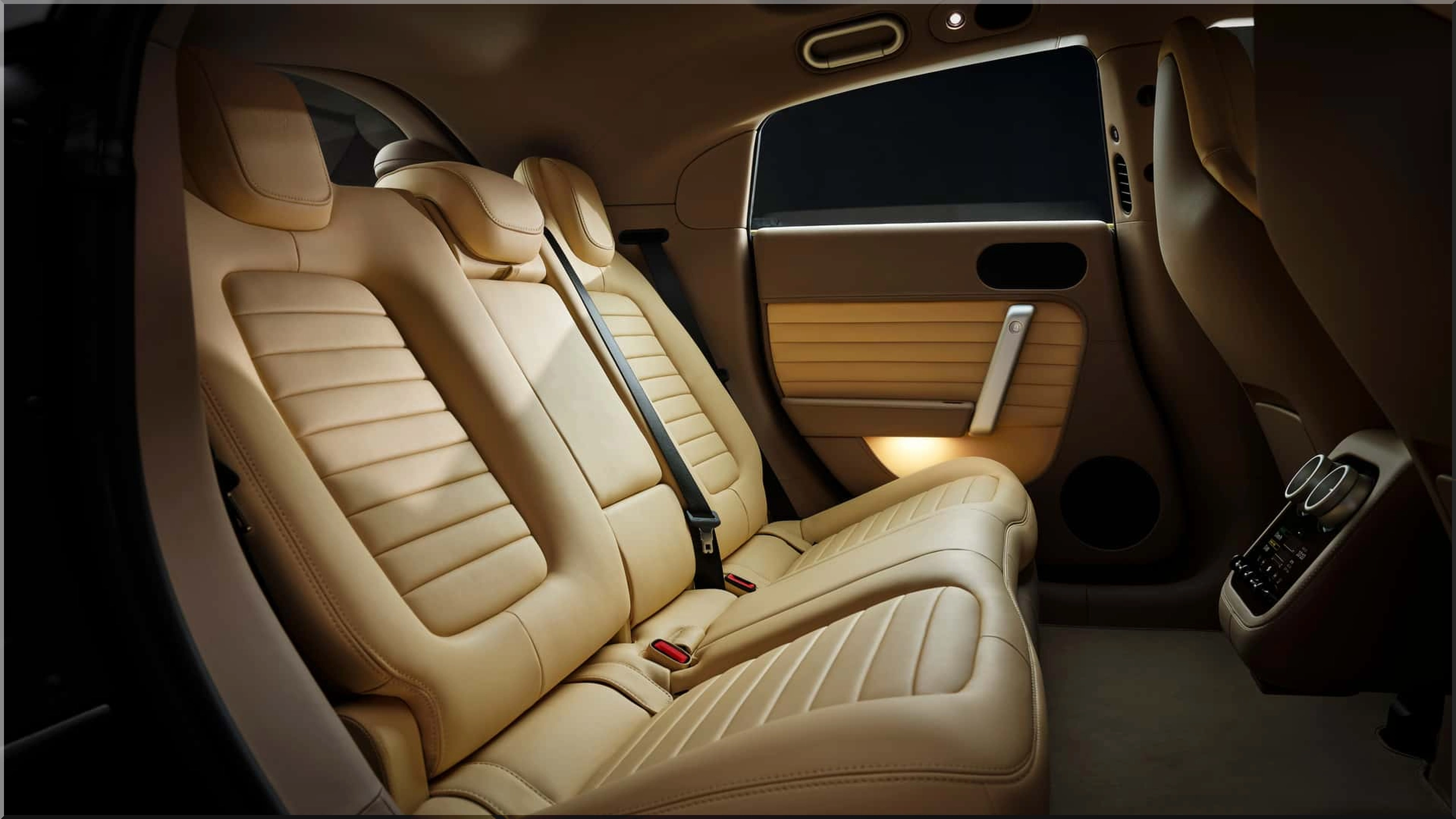
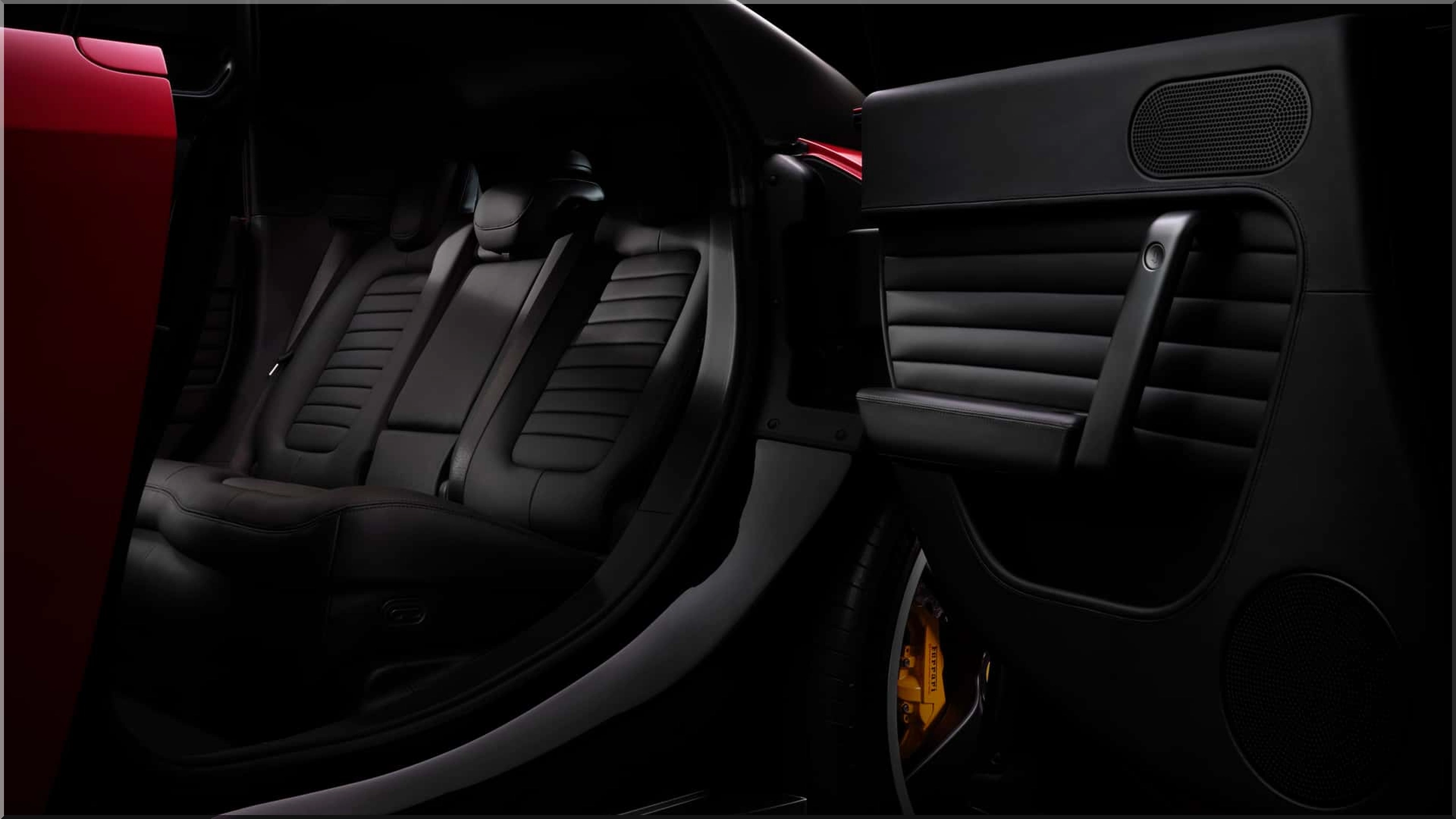
The Ferrari Luce lands as the brand's most radical road car because it changes the mission, not only the power source. Ferrari keeps the speed brief intact: 0-62 mph takes 2.5 seconds, output reaches 1,035 horsepower, and top speed sits near 192 mph. Yet the real story starts with packaging. Ferrari chose a five-seat body because an EV platform gives the brand more cabin volume, a lower battery floor, and wheel-level torque control that a gasoline supercar layout would waste.
Looking at the data, the Luce does not chase the longest EV range. It chases control. Four independent electric motors give Ferrari direct authority over torque delivery at each wheel, while active suspension, rear-wheel steering, and a new vehicle control unit tune acceleration, regeneration, and body movement at high speed.
| Ferrari Luce Specification | Confirmed Or Reported Figure | Why It Matters |
|---|---|---|
| Power | 1,035 hp | Hypercar acceleration with EV response |
| Torque | 730 lb-ft at motors | Strong launch force without a gearbox |
| Battery | 122 kWh gross, about 112 kWh usable | Large pack, but heavy |
| Range | 329 miles WLTP | U.S. EPA rating likely lands lower |
| DC fast charging | Up to 350 kW | Fast, but not class-leading in 2027 terms |
| Architecture | 800V | Supports high-power charging and lower heat |
| Weight | 4,982 lb | Heavy for Ferrari, controlled for a large EV |
| Cargo capacity | 21 cu ft | Ferrari's largest trunk area |
| Layout | Four doors, five seats, AWD | Built for daily luxury use, not track purity |
Why Did Ferrari Build a Five-Seat Electric Car?
Ferrari built the Luce this way because a compact mid-engine EV would bring too little benefit. Specifically, replacing a gasoline engine and fuel tank with a battery and motors inside a classic supercar shape would add mass without adding space, lowering the center of gravity enough, or improving usability. The Luce uses its battery as a structural element, which helps body stiffness and packaging.
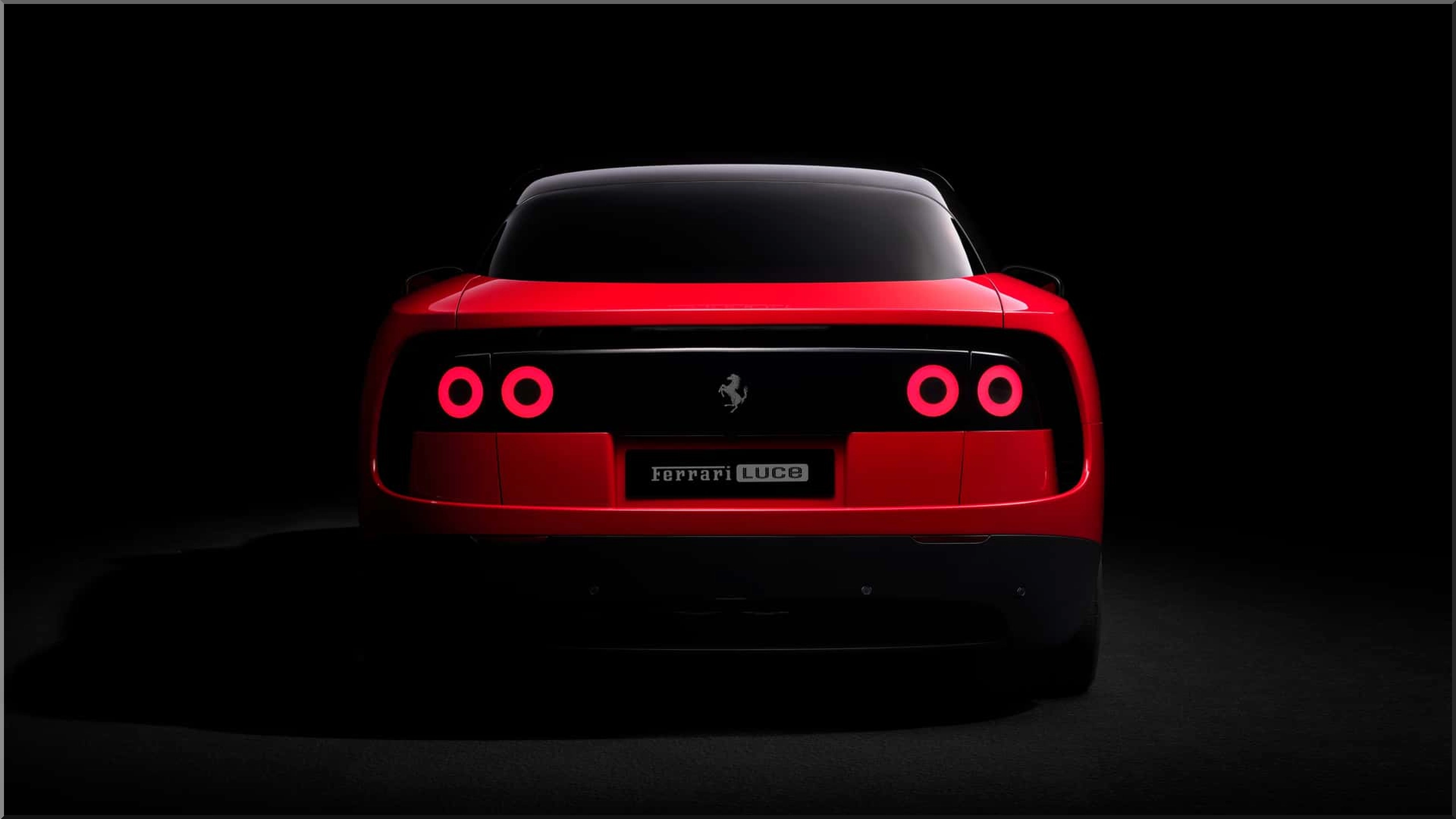
From an expert perspective, this decision makes sense. The Luce gives Ferrari a buyer who may already own a Ferrari 296 Speciale, a V12 coupe, and several luxury EVs. In China, where high-end EV technology carries status, this shape makes sharper business sense than another low-slung electric two-seater.
How Fast Is the Ferrari Luce?
The Ferrari electric car uses one permanent-magnet motor at each wheel. The front motors contribute about 282 horsepower, while the rear motors provide about 831 horsepower. Consequently, the Luce can vary torque side to side and front to rear faster than a mechanical AWD system.
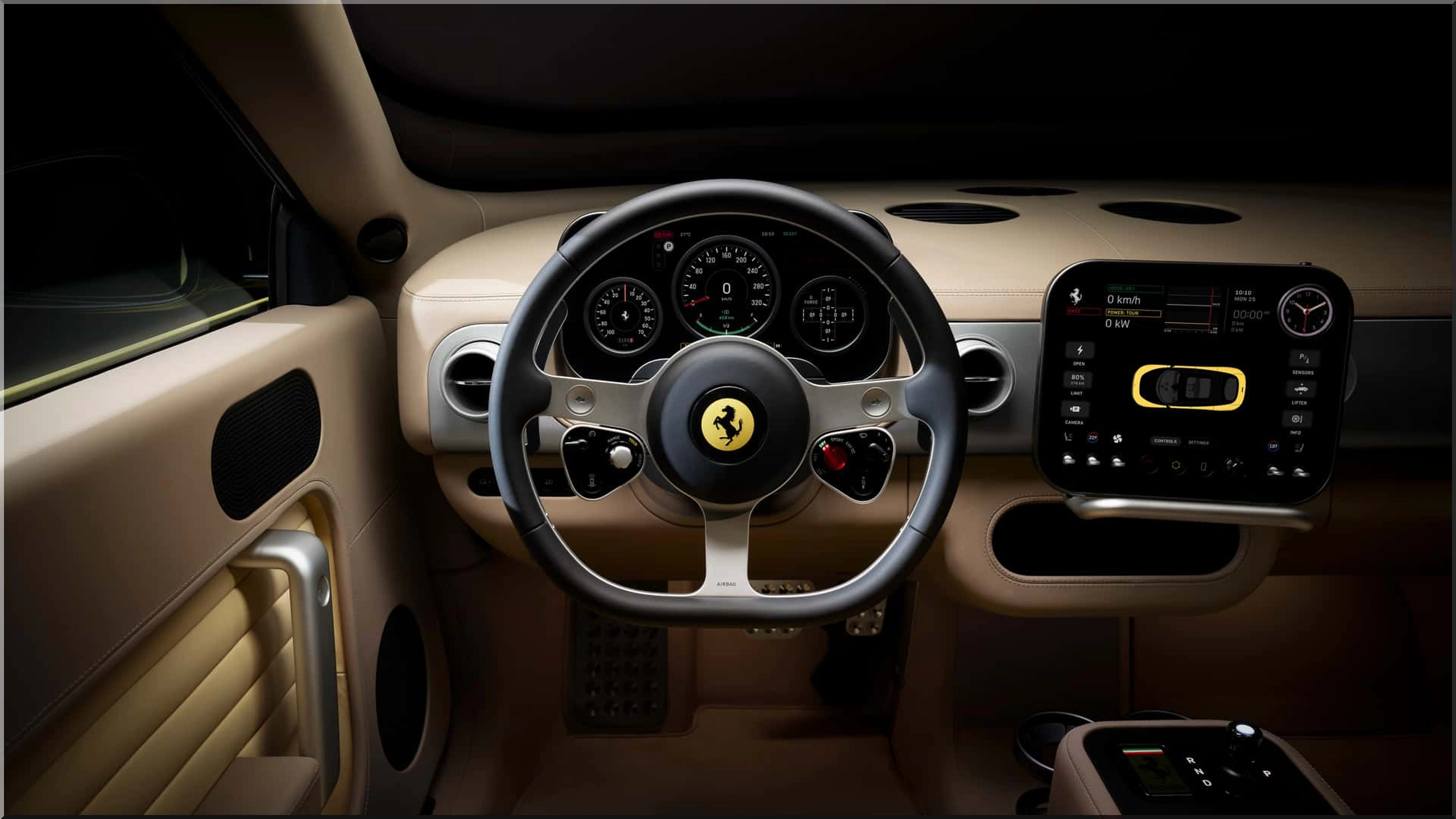
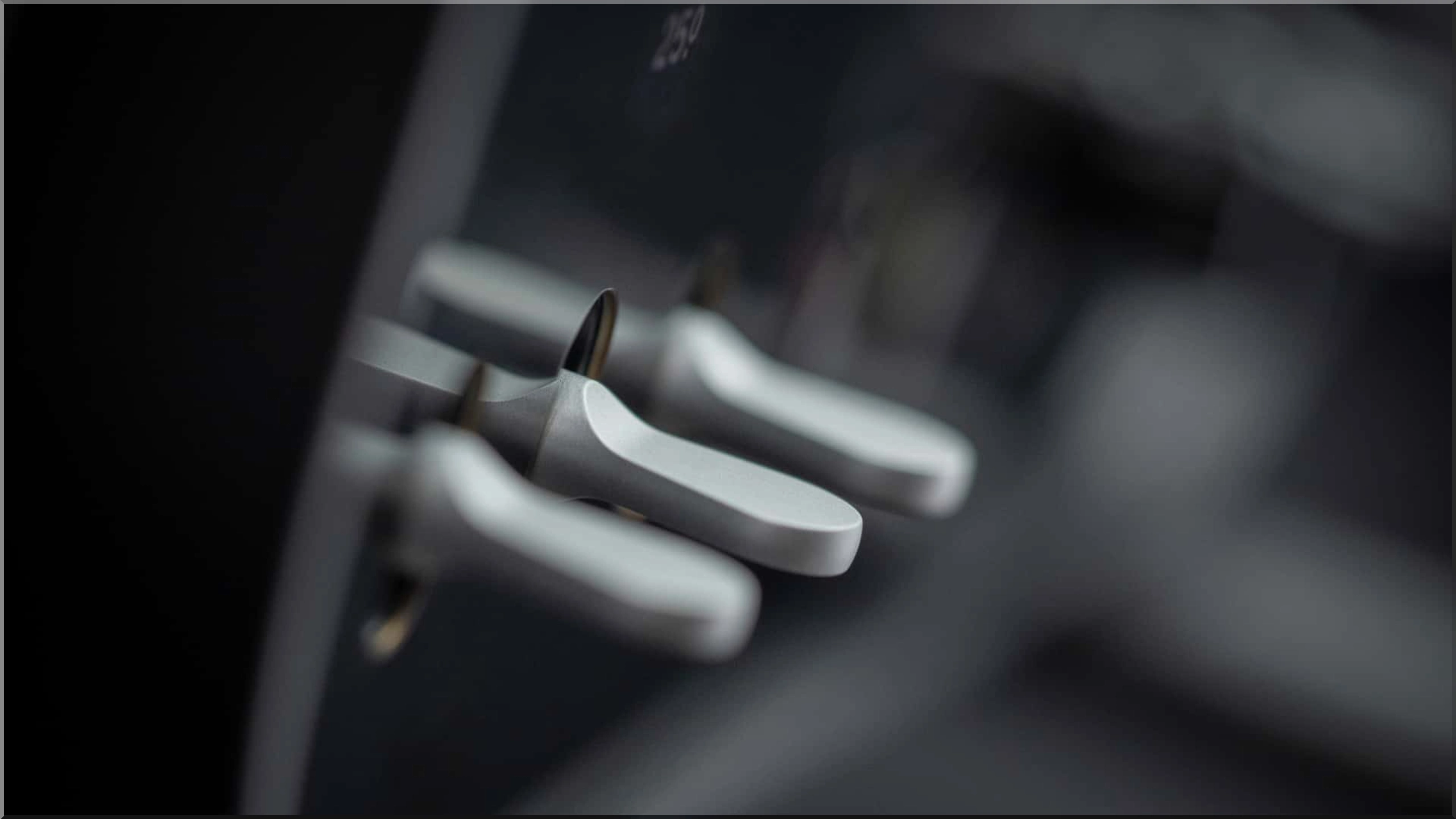
Ferrari also adds driver interaction through paddles. The left paddle adjusts regenerative braking. The right paddle steps through power delivery, mimicking the rhythm of gear selection without using a transmission. That matters because instant EV torque can feel blunt; Ferrari wants progression, not a light-switch launch.
| Performance Metric | Ferrari Luce | Expert Take |
|---|---|---|
| 0-62 mph | 2.5 seconds | Supercar-quick despite five seats |
| 0-124 mph | 6.8 seconds | Strong high-speed pull |
| Top speed | 192-193 mph | Limited by aero, heat, and mass |
| Front wheels | 23 inches | Helps stance and steering response |
| Rear wheels | 24 inches | Adds visual drama and tire cost |
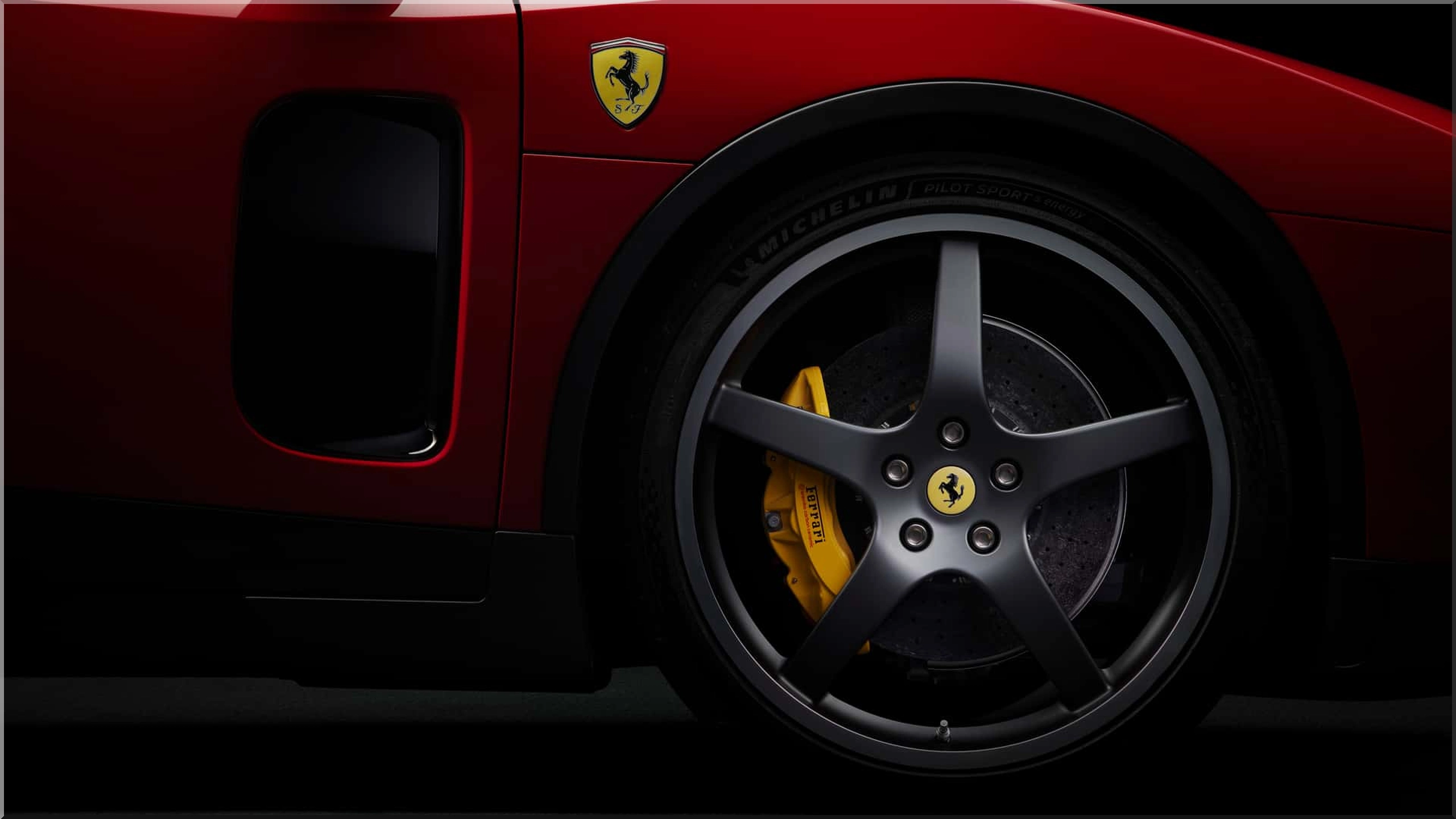
| Brakes | Carbon ceramic, 390 mm front, 372 mm rear | Needed for repeat stops at nearly 5,000 lb |
| Control logic | Updates 200 times per second | Key to making the weight feel smaller |
Is the Ferrari Luce Range Good Enough?
The Luce claims about 329 miles on the WLTP cycle. That sounds strong, but U.S. buyers should expect a lower EPA number, likely closer to 250-300 miles. By comparison, several cheaper luxury EVs already push farther on a charge, so range alone will not justify the price.
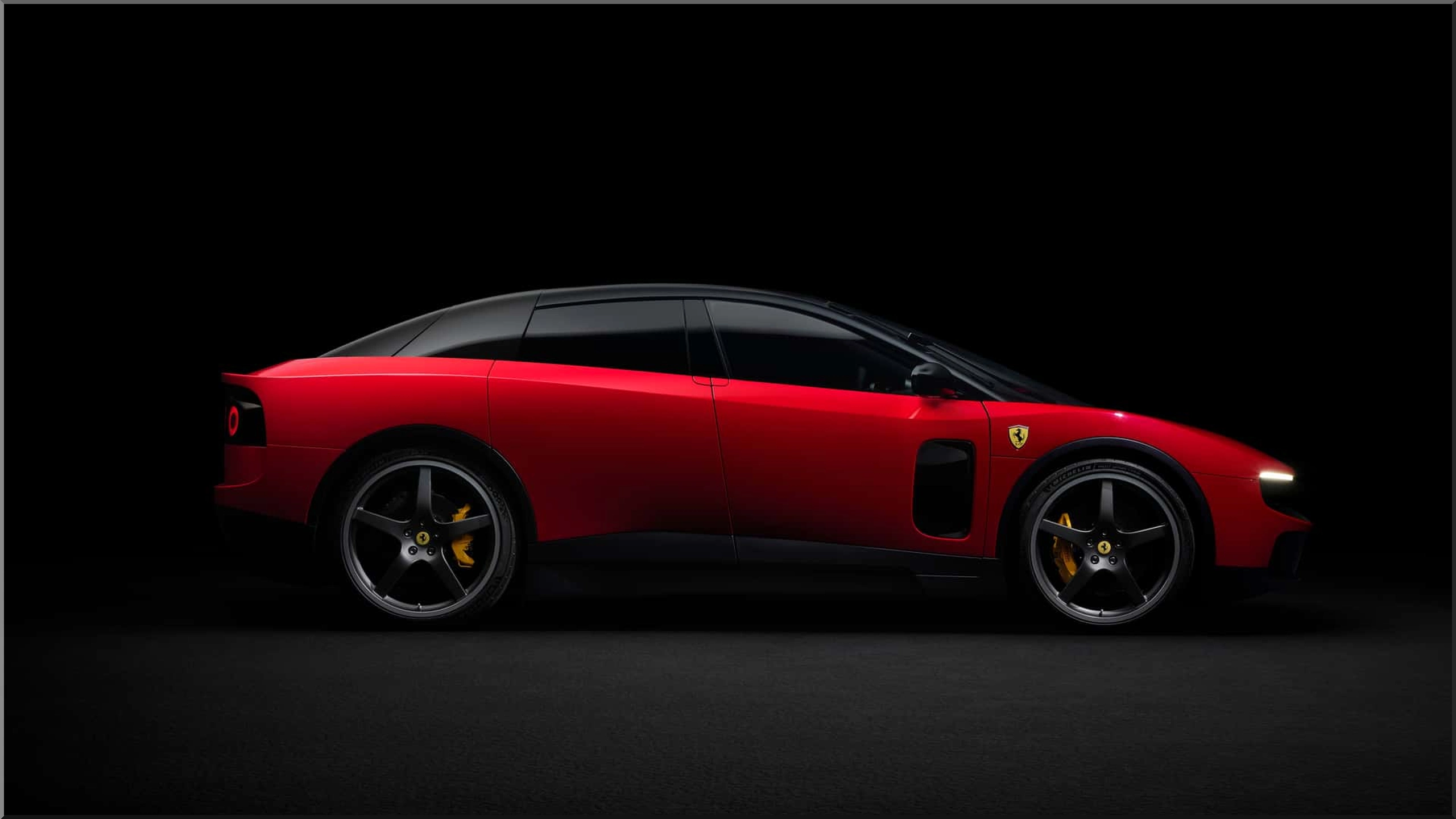
The ownership math also matters. A $640,000 EV with 23-inch front tires, 24-inch rear tires, carbon-ceramic hardware, and Ferrari insurance will not feel cheap even with lower home charging costs. In addition, North American buyers should watch the final charging connector plan. A 350 kW peak rate only helps when the network, plug access, and battery preconditioning cooperate.
Ferrari Luce vs Electric Luxury Rivals
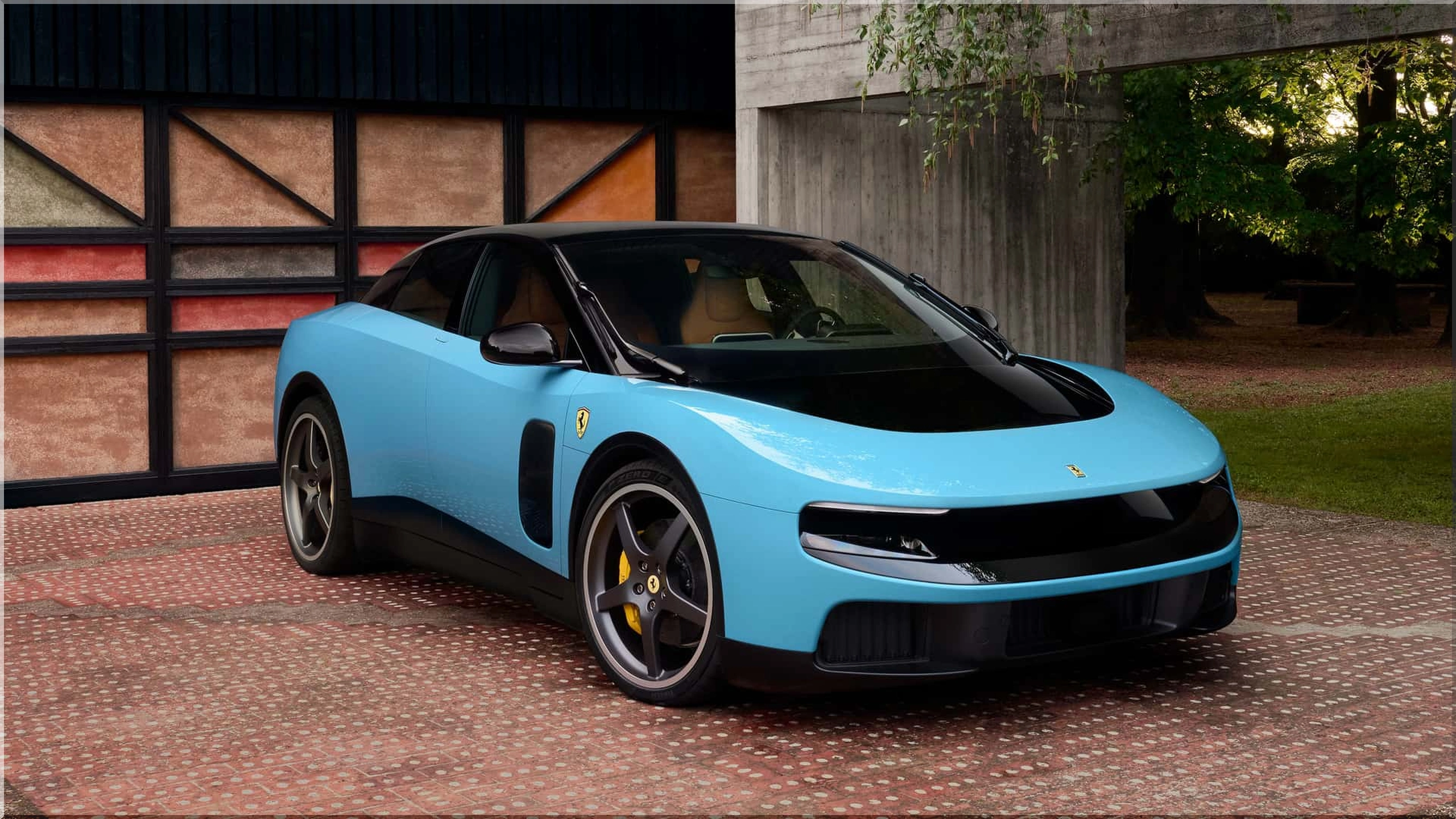
The Ferrari Luce does not compete with a Tesla Model S in price, but shoppers and searchers will compare the numbers anyway. Ferrari wins on brand heat, cabin craft, and chassis intent. It loses on range-per-dollar and likely charging convenience.
| Model | Power | Range Claim | Approx. Price | Luce Win Or Loss |
|---|---|---|---|---|
| Ferrari Luce | 1,035 hp | 329 miles WLTP | $640,000 | Best brand pull, weakest value metric |
| Porsche Taycan Turbo GT | 1,000+ hp with launch modes | Lower than Luce in many specs | About $230,000+ | Porsche wins track credibility per dollar |
| Lucid Air Sapphire | 1,234 hp | Over 400 miles EPA | About $250,000 | Lucid wins range and raw output |
| Rolls-Royce Spectre | 577 hp | Around 280 miles EPA | About $420,000+ | Rolls wins quiet-luxury theater |
Pro-Tips For Ferrari Luce Buyers
- Ask for the final U.S. EPA range before placing real money behind a build slot.
- Price insurance, wheels, tires, and brake service before judging EV running costs.
- Confirm home Level 2 charging speed because a 122 kWh battery needs a serious garage setup.
- Ask Ferrari how battery module replacement works after warranty expiration.
- View early resale values with caution, since polarizing first-year EVs can swing hard.
Should You Buy The Ferrari Luce Or Wait?
Buy the new Ferrari Luce if you want Ferrari's first electric statement, not the best EV value. Wait if you expect a traditional Ferrari shape, a lighter two-seat layout, or class-leading highway range. The Luce makes the strongest case as a collector-grade tech flagship for buyers who already own faster gasoline Ferraris and want something stranger, quieter, and more usable.
The no-BS verdict: the Luce looks risky because Ferrari meant it to look risky. The numbers impress, but the strategy impresses more. Ferrari did not build this car for purists who count tailpipes. It built the Ferrari Luce EV for buyers who see advanced hardware, design controversy, and first-model status as part of the price.
The Polestar 5 Performance Grand Tourer has moved from concept to production. Built on a new aluminium platform with an in-house developed electric motor and 800V architecture, it targets buyers who want… Continue reading
BYD officially transitions the Atto 3 from a competitive entry to a segment leader with the introduction of the BYD Atto 3 Evo. This mid-life cycle update replaces the previous front-wheel-drive configuration with a sophisticated rear… Continue reading
The new Sondors MXS electric bike delimits itself by its robustness and performance, thanks to a large battery located in the central part of the frame that powers a powerful electric engine located in the rear wheel hub. Sondors MXS is… Continue reading
The BMW i4 electric car concept saw the light of day in March 2020, but today the final production model rolled out on stage during the annual conference of the BMW Group. The BMW i4, which is not far from the concept car, will be launched… Continue reading