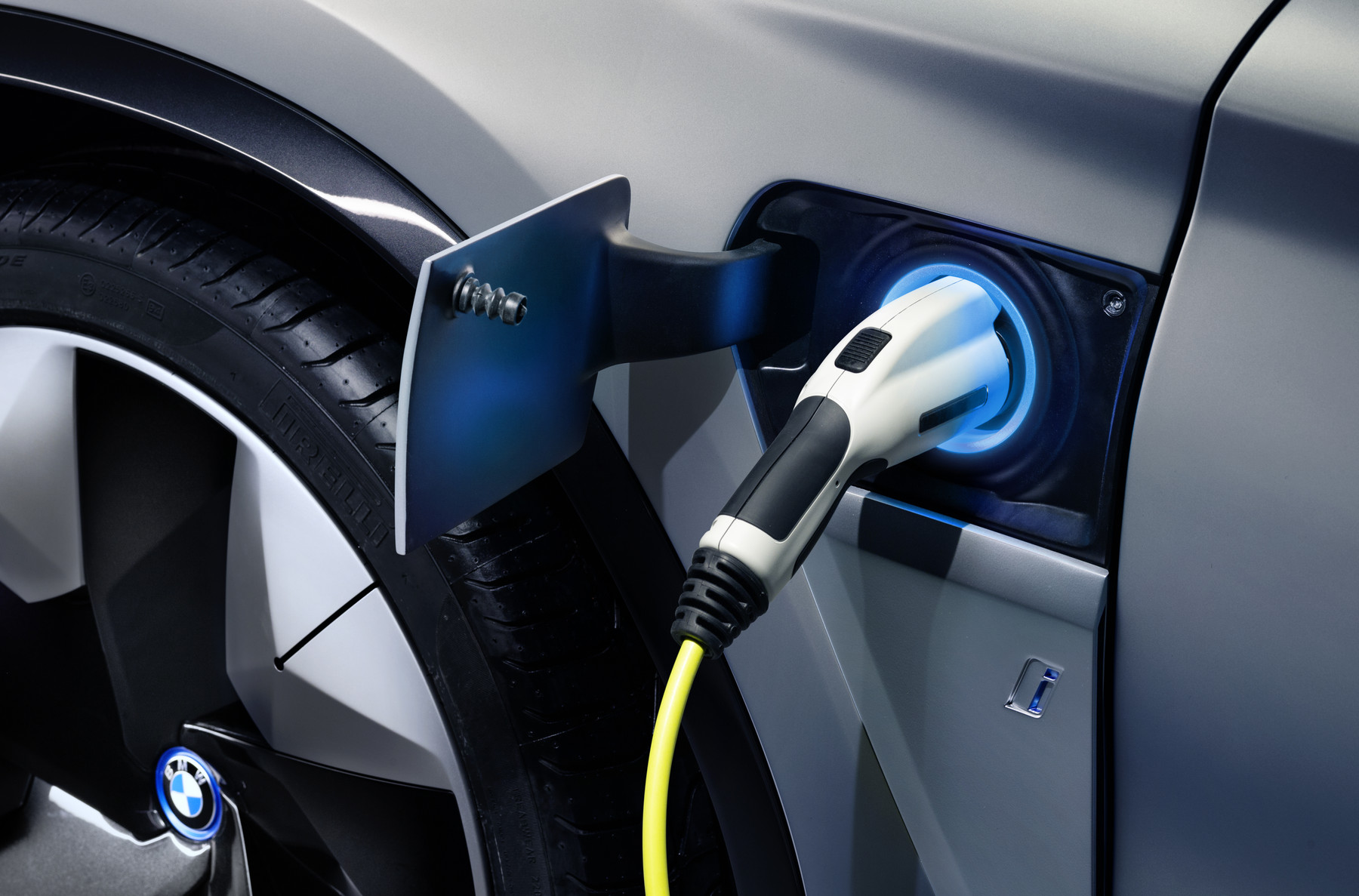
The Indian government has decided to cut VAT on electric vehicles from 12% to 5% and charging stations from 18% to 12%. In addition, the purchase of electric buses by the municipalities is exempt from VAT.
The changes will come into force on 1 August 2019. The VAT on petrol and diesel remains at 28 percent. With the tax cut, the Indian government wants to reduce the price difference between the two types of power in order to make electric cars more affordable.
However, an exemption from the registration fee for electric vehicles, which was discussed in June, was not decided. Reports are still in the room to increase the registration fee for gasoline and diesel.
However, the Federal Bureau of Indirect Taxes (abbreviated to GST) has made the condition that the vehicles have at least 12 seats eligible for the tax exemption for electric buses. The Indian government wants to promote not only renewable energy, but also clean traffic.

The Spanish factories have adapted to manufacture electric cars with the aim of exporting it to the whole world. Currently, there are 4 electric cars that are manufactured in the plants of Mercedes-Benz, Nissan and the PSA group. They range from… Continue reading

The new Citroën ë-Jumpy electric van can be ordered now. Deliveries of the emission-free van will begin in October 2020, this applies to both the version: 50 kWh battery with a range of up to 230 kilometres and the… Continue reading

Aston Martin's first electric car will arrive by 2026. In the past, the British brand had planned several times the launch of electric cars. The closest to making it to production was the "Aston Martin Rapide E Prototype"… Continue reading
Production of the Audi Q4 e-tron electric SUV has started in Zwickau, the birthplace of the German brand. The model is Audi's first fully electric SUV manufactured in Germany and it is CO2-neutral from the start. The Zwickau plant covers all… Continue reading