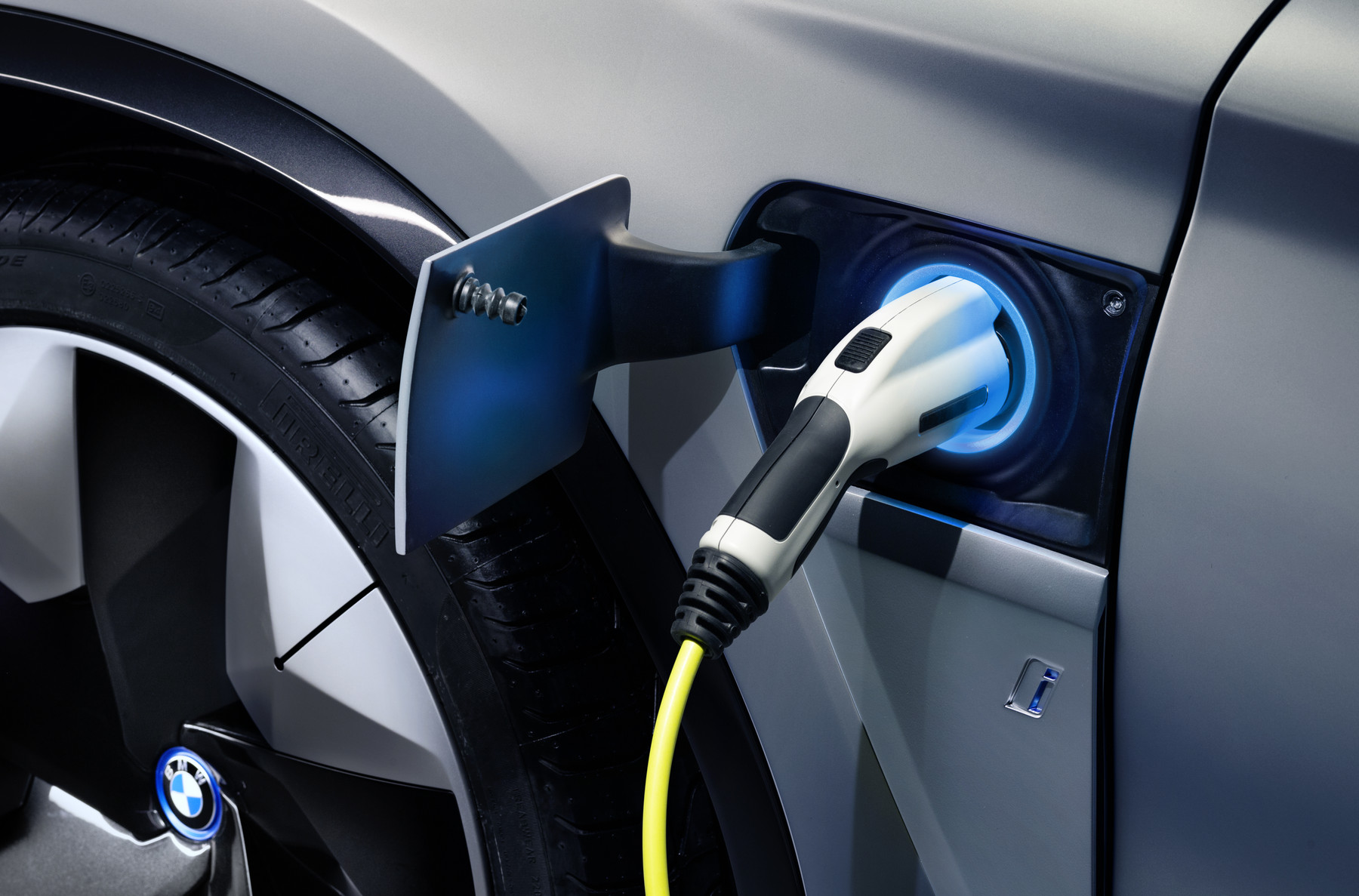
The Indian government has decided to cut VAT on electric vehicles from 12% to 5% and charging stations from 18% to 12%. In addition, the purchase of electric buses by the municipalities is exempt from VAT.
The changes will come into force on 1 August 2019. The VAT on petrol and diesel remains at 28 percent. With the tax cut, the Indian government wants to reduce the price difference between the two types of power in order to make electric cars more affordable.
However, an exemption from the registration fee for electric vehicles, which was discussed in June, was not decided. Reports are still in the room to increase the registration fee for gasoline and diesel.
However, the Federal Bureau of Indirect Taxes (abbreviated to GST) has made the condition that the vehicles have at least 12 seats eligible for the tax exemption for electric buses. The Indian government wants to promote not only renewable energy, but also clean traffic.

Polestar announces a new update to Polestar 2 electric car, which with CO2 reductions, enhanced traceability, and unique design details, allows for new visual expressions and improved efficiency. "We have reviewed the materials and… Continue reading
If you ask a random stranger on the street what they identify with Volvo Cars, the majority will say safety. Volvo is delighted to be renowned for this association, as safety is the ultimate core of its business. "Security is not a marketing… Continue reading

Audi's activesphere concept is a unique crossover vehicle that fuses the luxury of an Audi Sportback with the utility of an SUV and the robust off-road capabilities of a traditional Audi. It shares the Audi PPE architecture with the… Continue reading
Tesla is known for its innovative approach to car design, especially when it comes to the user interface. The company's Model S and Model X vehicles feature a large 17-inch touchscreen that controls almost everything in the car, from… Continue reading