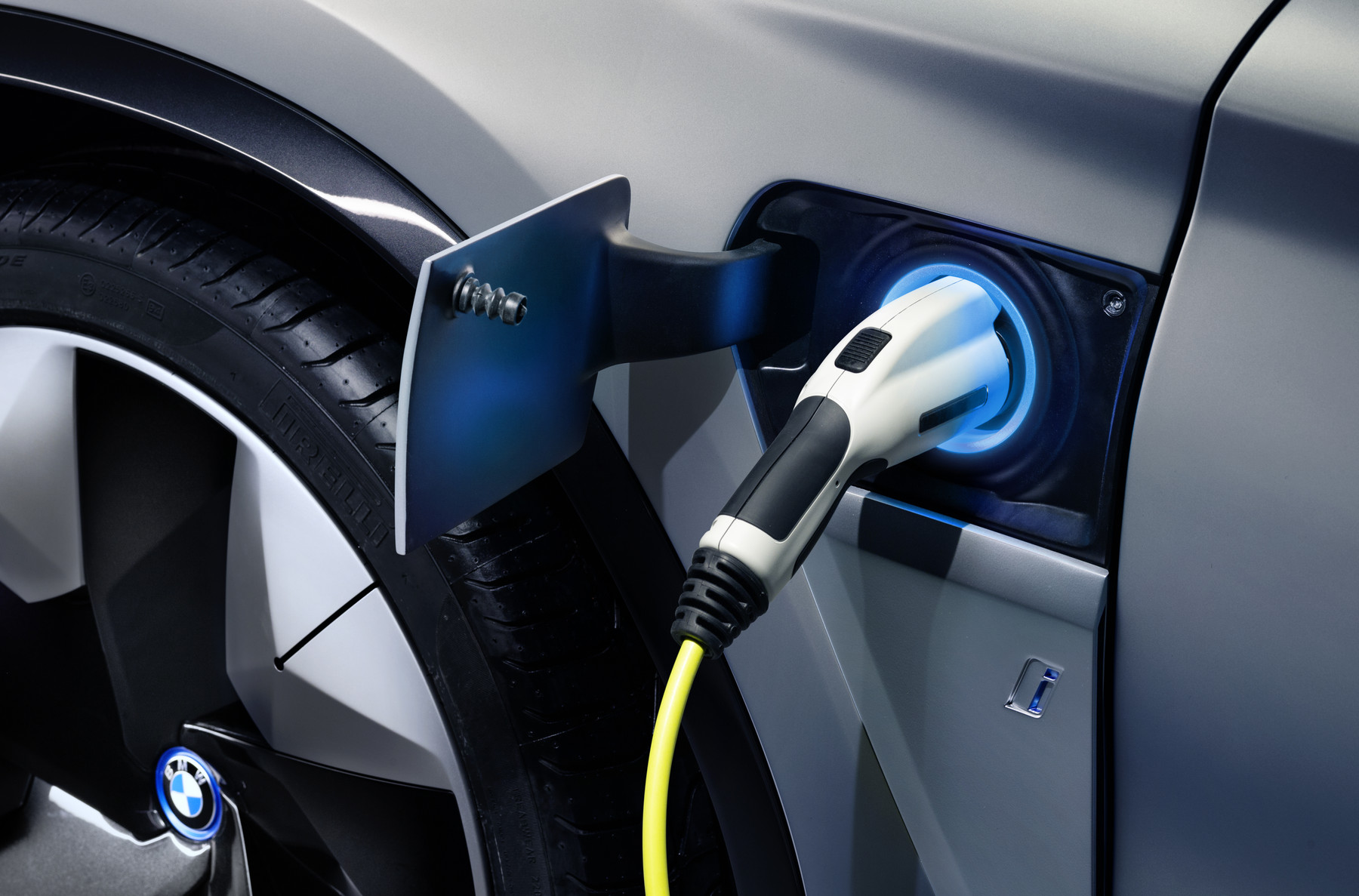
The Indian government has decided to cut VAT on electric vehicles from 12% to 5% and charging stations from 18% to 12%. In addition, the purchase of electric buses by the municipalities is exempt from VAT.
The changes will come into force on 1 August 2019. The VAT on petrol and diesel remains at 28 percent. With the tax cut, the Indian government wants to reduce the price difference between the two types of power in order to make electric cars more affordable.
However, an exemption from the registration fee for electric vehicles, which was discussed in June, was not decided. Reports are still in the room to increase the registration fee for gasoline and diesel.
However, the Federal Bureau of Indirect Taxes (abbreviated to GST) has made the condition that the vehicles have at least 12 seats eligible for the tax exemption for electric buses. The Indian government wants to promote not only renewable energy, but also clean traffic.
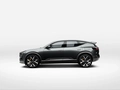
The 800 Volt Polestar 3 turns Polestar's flagship electric SUV into a much sharper long-distance tool. The 2026 update adds up to 350 kW DC fast charging, a 10-80% charge time as low as 22 minutes, CATL… Continue reading

Lexus unveils a first image and a video of the final version of the UX, its new compact crossover. Inspired by the UX concept presented in 2016 at the Paris Motor Show, the Lexus UX marks the arrival of the Japanese brand in the compact crossover… Continue reading

Volkswagen Commercial Vehicles has started its transition towards electric mobility. The German manufacturer has very ambitious plans for the coming years. The first one is already here. This is the new Volkswagen e-Crafter, the all… Continue reading
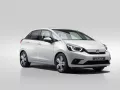
By 2020 Honda foresees the electrification of all its main models. The new Honda Jazz e:HEV marks an important step in this direction. After being unveiled at the 2019 Tokyo Motor Show, it is ready to make its way onto the market. The next… Continue reading