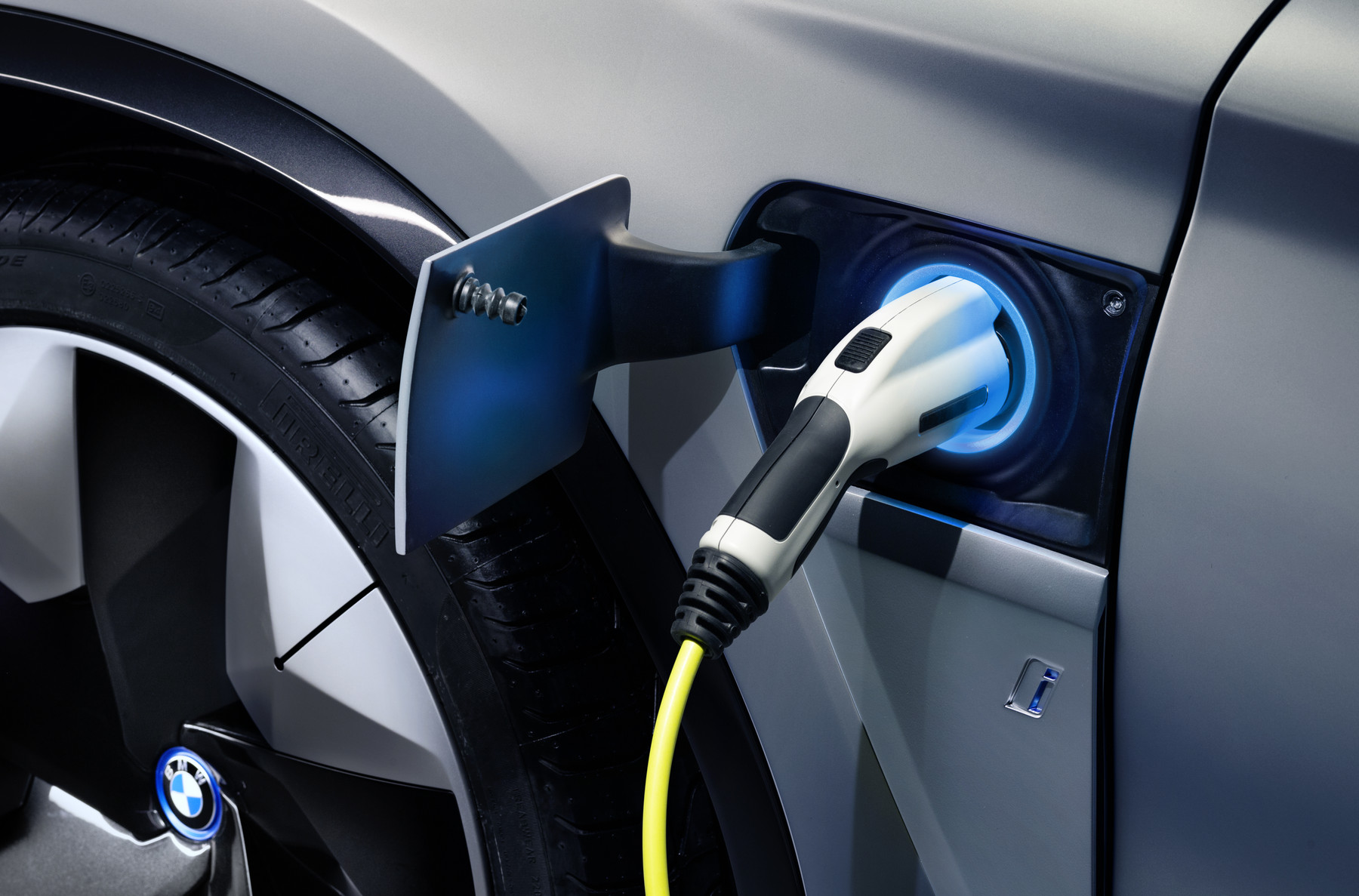
The Indian government has decided to cut VAT on electric vehicles from 12% to 5% and charging stations from 18% to 12%. In addition, the purchase of electric buses by the municipalities is exempt from VAT.
The changes will come into force on 1 August 2019. The VAT on petrol and diesel remains at 28 percent. With the tax cut, the Indian government wants to reduce the price difference between the two types of power in order to make electric cars more affordable.
However, an exemption from the registration fee for electric vehicles, which was discussed in June, was not decided. Reports are still in the room to increase the registration fee for gasoline and diesel.
However, the Federal Bureau of Indirect Taxes (abbreviated to GST) has made the condition that the vehicles have at least 12 seats eligible for the tax exemption for electric buses. The Indian government wants to promote not only renewable energy, but also clean traffic.

The electric vehicle sector just witnessed a shift with the global debut of the Volvo EX60. This vehicle marks the commercial premiere of the SPA3 platform and effectively addresses the most significant hurdle for electric… Continue reading
Electric and hybrid cars are destined to undermine petrol cars within a few years. This is stated by the Cambridge Econometrics, whose study "Fuelling Europe's Future" was commissioned by the European Climate Foundation. According to British… Continue reading
Marketed since March 2013, the Renault Zoe can boast of being number one electric model sales in France and number two in Europe right behind the Nissan Leaf. Continue reading

Until a few months ago, Rivian was unknown to the general public. Headquartered in Michigan, the Michigan-based company was first established in 2009 but was not acknowledged until last November's Los Angeles Motor Show, when it introduced the… Continue reading