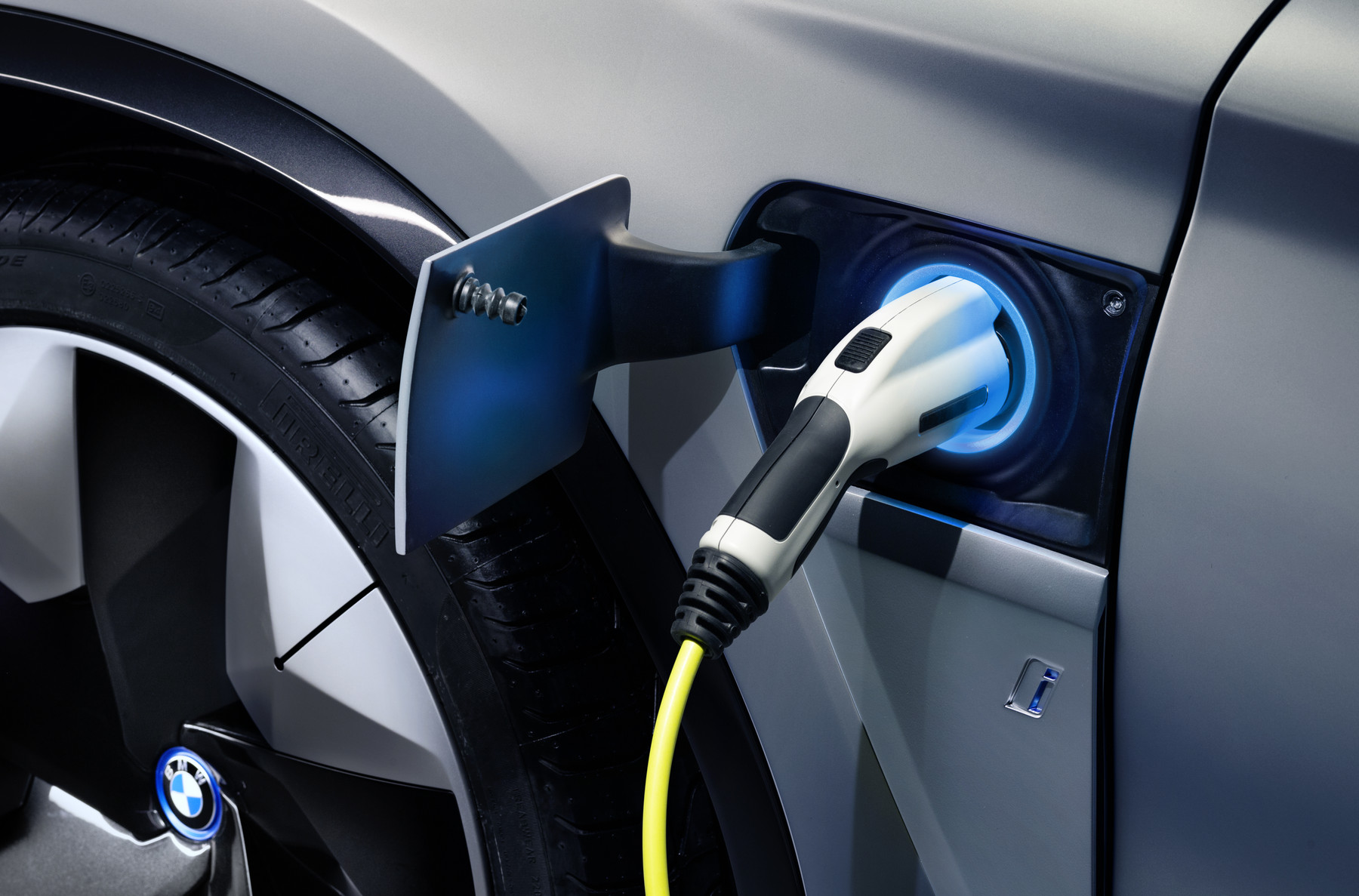
The Indian government has decided to cut VAT on electric vehicles from 12% to 5% and charging stations from 18% to 12%. In addition, the purchase of electric buses by the municipalities is exempt from VAT.
The changes will come into force on 1 August 2019. The VAT on petrol and diesel remains at 28 percent. With the tax cut, the Indian government wants to reduce the price difference between the two types of power in order to make electric cars more affordable.
However, an exemption from the registration fee for electric vehicles, which was discussed in June, was not decided. Reports are still in the room to increase the registration fee for gasoline and diesel.
However, the Federal Bureau of Indirect Taxes (abbreviated to GST) has made the condition that the vehicles have at least 12 seats eligible for the tax exemption for electric buses. The Indian government wants to promote not only renewable energy, but also clean traffic.
General Motors has presented at the 2018 Beijing Motor Show a new concept of electric vehicle with futuristic technology: the new Buick Enspire Concept. The Buick Enspire crossover is equipped with an eMotion… Continue reading

Honda has surprised at the Tokyo Motorcycle Show with the presentation of its first electric motorcycle prototype for motocross. This is the Honda CR Electric, a motorcycle designed for motocross that maintains the renowned name of CR, the… Continue reading

Skai Flying Car is the mobility solution from BMW and Alaka'i Technologies that differs from the rest of flying cars that we have seen to date by one feature: it is powered by hydrogen fuel cells . It is an aircraft equipped with six… Continue reading

Citroën has confirmed the arrival on the market of an electric variant of the Citroën C4 in 2020, which will accompany the traditional combustion variants of the French group. In the last Paris Motor Show, Linda Jackson, CEO of Citroën,… Continue reading