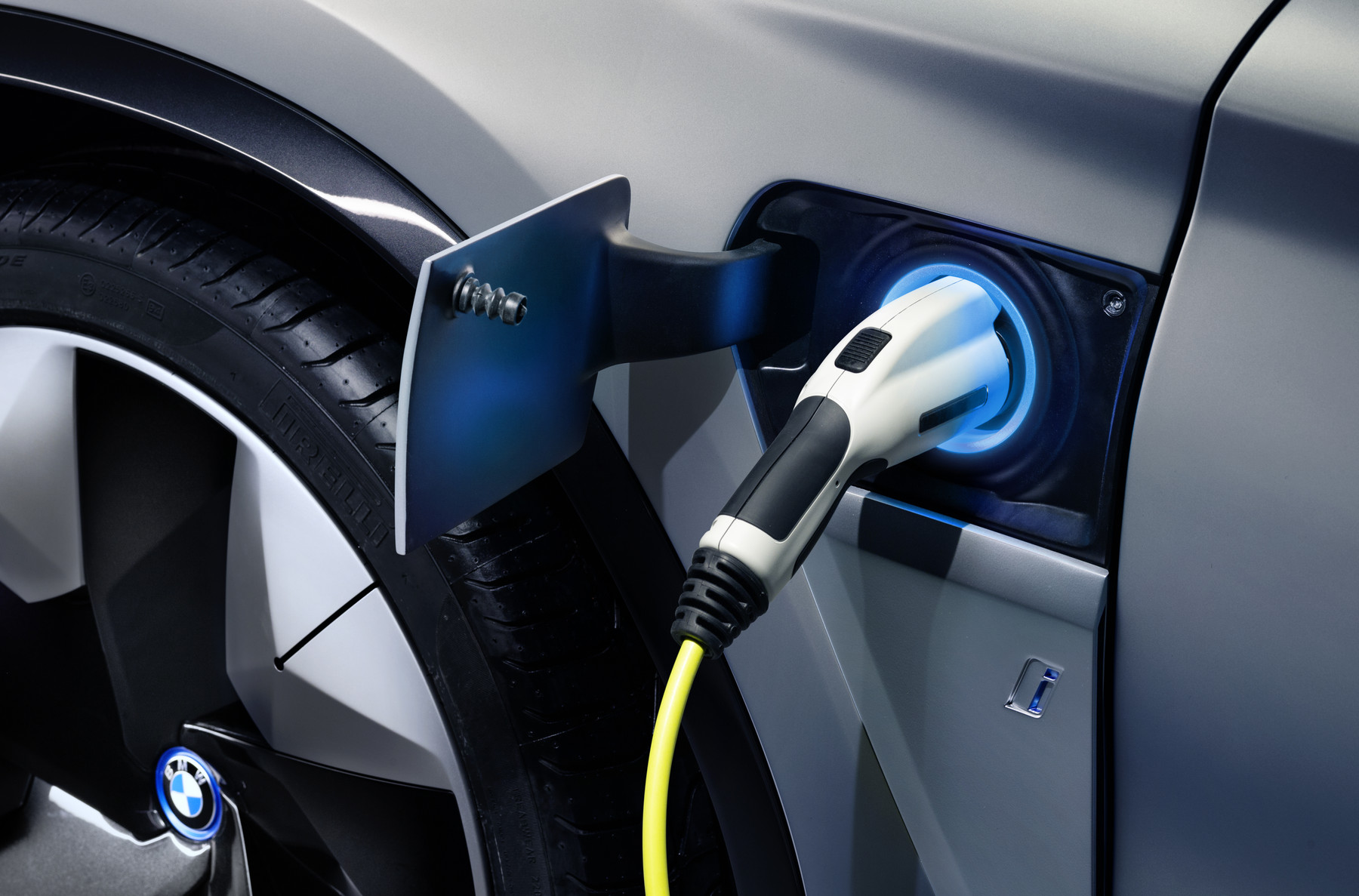
The Indian government has decided to cut VAT on electric vehicles from 12% to 5% and charging stations from 18% to 12%. In addition, the purchase of electric buses by the municipalities is exempt from VAT.
The changes will come into force on 1 August 2019. The VAT on petrol and diesel remains at 28 percent. With the tax cut, the Indian government wants to reduce the price difference between the two types of power in order to make electric cars more affordable.
However, an exemption from the registration fee for electric vehicles, which was discussed in June, was not decided. Reports are still in the room to increase the registration fee for gasoline and diesel.
However, the Federal Bureau of Indirect Taxes (abbreviated to GST) has made the condition that the vehicles have at least 12 seats eligible for the tax exemption for electric buses. The Indian government wants to promote not only renewable energy, but also clean traffic.

The new BMW cars' digitization delivers a complete user experience marked by novelty and emotionalization. My Modes allow the user to customize the interior ambiance to fit their mood and the driving experience they choose. With the BMW iX Flow… Continue reading
Customers who buy the 2023 IONIQ 5 will get an even better range than before, thanks to the new battery pack of 77.4 kWh. With rear-wheel drive and 19-inch rims, the car will have an electric range… Continue reading

It has been 25 years since the Renault Kangoo was introduced, and Renault has created a new car segment for family cars. A car with a lot of space, sliding doors, and a boxy style immediately became popular,… Continue reading
BYD, the world's largest manufacturer of electric vehicles, is planning to open a European factory. Recent reports have indicated that the Chinese are considering making a bid to purchase the Ford facility located in Saarlouis, Germany.… Continue reading