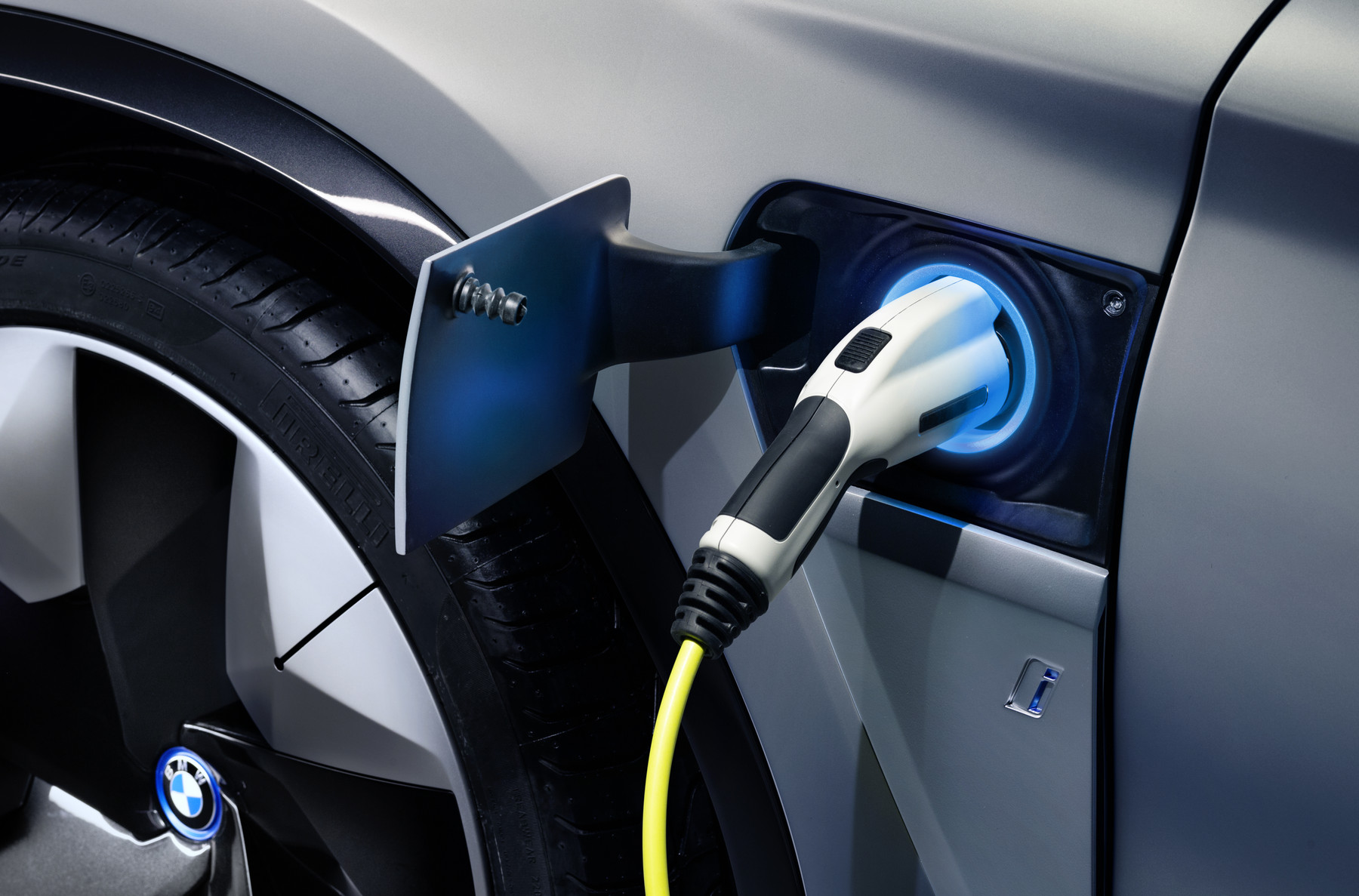
The Indian government has decided to cut VAT on electric vehicles from 12% to 5% and charging stations from 18% to 12%. In addition, the purchase of electric buses by the municipalities is exempt from VAT.
The changes will come into force on 1 August 2019. The VAT on petrol and diesel remains at 28 percent. With the tax cut, the Indian government wants to reduce the price difference between the two types of power in order to make electric cars more affordable.
However, an exemption from the registration fee for electric vehicles, which was discussed in June, was not decided. Reports are still in the room to increase the registration fee for gasoline and diesel.
However, the Federal Bureau of Indirect Taxes (abbreviated to GST) has made the condition that the vehicles have at least 12 seats eligible for the tax exemption for electric buses. The Indian government wants to promote not only renewable energy, but also clean traffic.
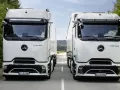
Mercedes-Benz Trucks has unveiled its latest innovation in the field of electric mobility: the eActros 600, a battery-electric long-haul truck that can travel up to 500 kilometers (310 miles) on a single charge. The… Continue reading

Polestar, the electric car brand owned by Volvo and Geely, has launched its latest model, the Polestar 4, in Europe and Australia… Continue reading
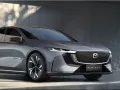
Mazda, the Hiroshima-based automaker renowned for its driver-centric vehicles and sophisticated design language, has unveiled the 2025 Mazda EZ-6. This electric sedan, currently exclusive to… Continue reading

Vauxhall, a renowned British automaker, has taken the wraps off a revolutionary concept car that caters to the growing demand for electric vehicles (EVs) with a unique twist – the Vauxhall MOKKA COFFE-E. This innovative… Continue reading