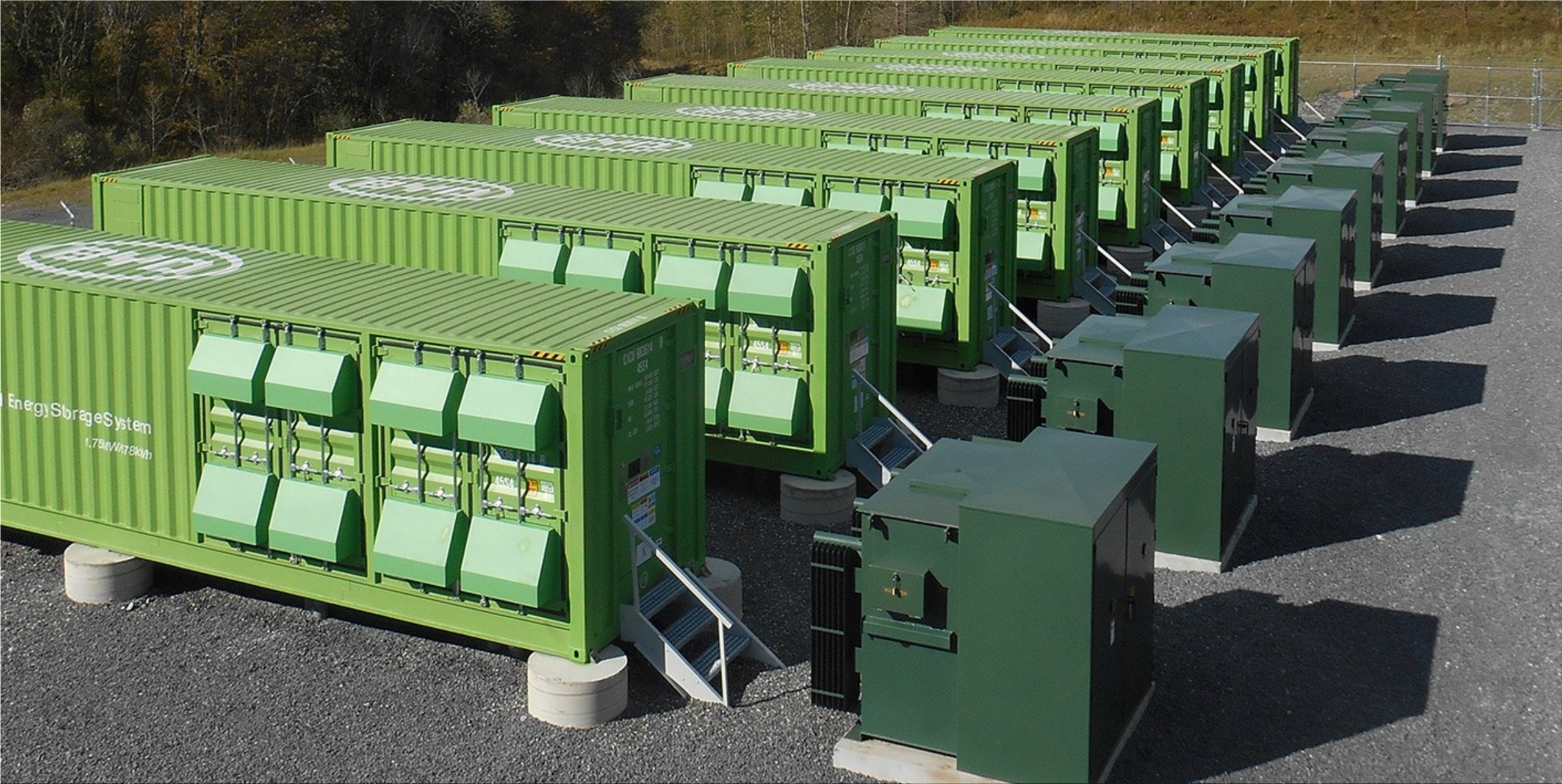
The major problem of switching to renewable energy sources is the lack of available technologies for converting electricity derived from solar and wind energy into chemical fuel for long-term storage and in the opposite direction.
There are already certain solutions in this area, but for the time being, they are too expensive and work only in one direction of transformation. However, now scientists have proposed a model of a fuel cell that turns energy into fuel and vice versa, and if the principle of its operation is worthwhile, the development of renewable energy sources will receive a new powerful stimulus.
Researchers have created a new type of fuel cell - a proton conducting fuel cell (PCFC), which converts electricity into hydrogen fuel and back with a single set of catalysts. It consists of two electrodes, separated by a membrane that transmits protons.
However, for the time being, both new devices are small laboratory samples. In order for the technology to become widespread, researchers need to increase the scale of devices without reducing their performance. If engineers can achieve this, the cost of storing renewable energy can drop dramatically, which will help networks and consumers to end their dependence on fossil fuels.
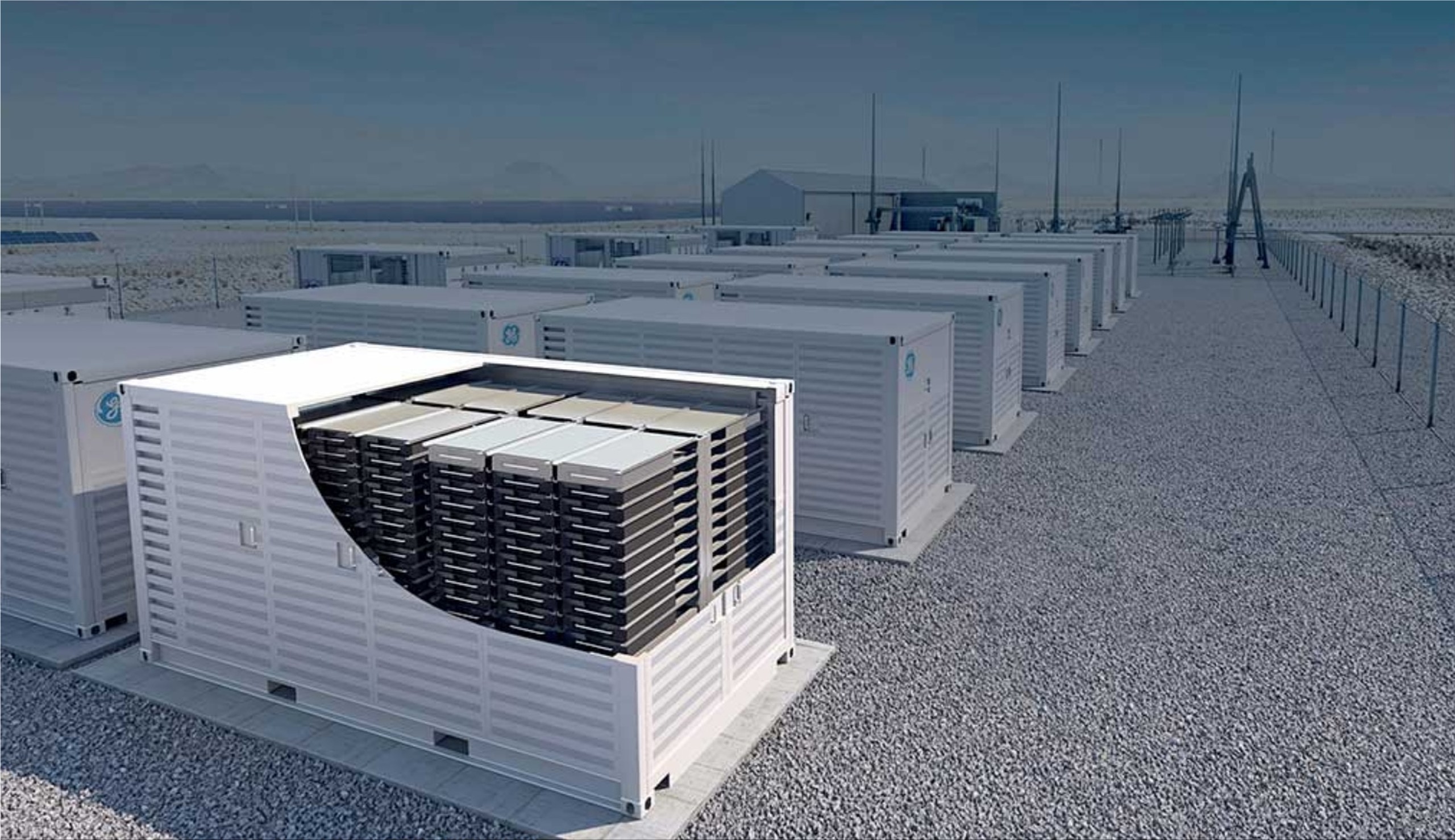
The market for such technologies grew in parallel with the development of renewable energy: in 2007, with the help of the sun and wind in the USA, only 0.8% of the total electricity was mined, and in 2017 - already 8%. But supply and demand do not always correspond to each other: for example, in California, solar panels generate much more electricity on clear days than the power system needs in the daytime, but they do not produce it after sunset, when all consumers at home actively consume electricity. [via sciencemag]

How Much Does The 2027 BMW i7 Cost? The refreshed 2027 BMW i7 starts at about $154,228 in Sweden, with the stronger BMW i7 60 xDrive converting to about $186,697 and the… Continue reading
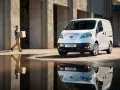
New battery, greater autonomy, zero emissions: these are the main features of the new Nissan e-NV200. The new 40 kWh battery provides an autonomy that can go up to 280 km on the NEDC cycle and a little less in the city, making it the ideal… Continue reading
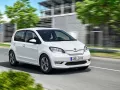
Skoda presented its first electric model in history, Skoda CITIGO-e iV, on Thursday at the IIHF world ice hockey championship in Bratislava. The start of mass production of the new electric car model, which is positioned… Continue reading
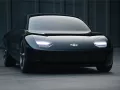
Hyundai made an online presentation of its Prophecy electric concept earlier this month, and the other day announced that the car carries proven technologies that will go into production in the very near future. One of the most unique… Continue reading