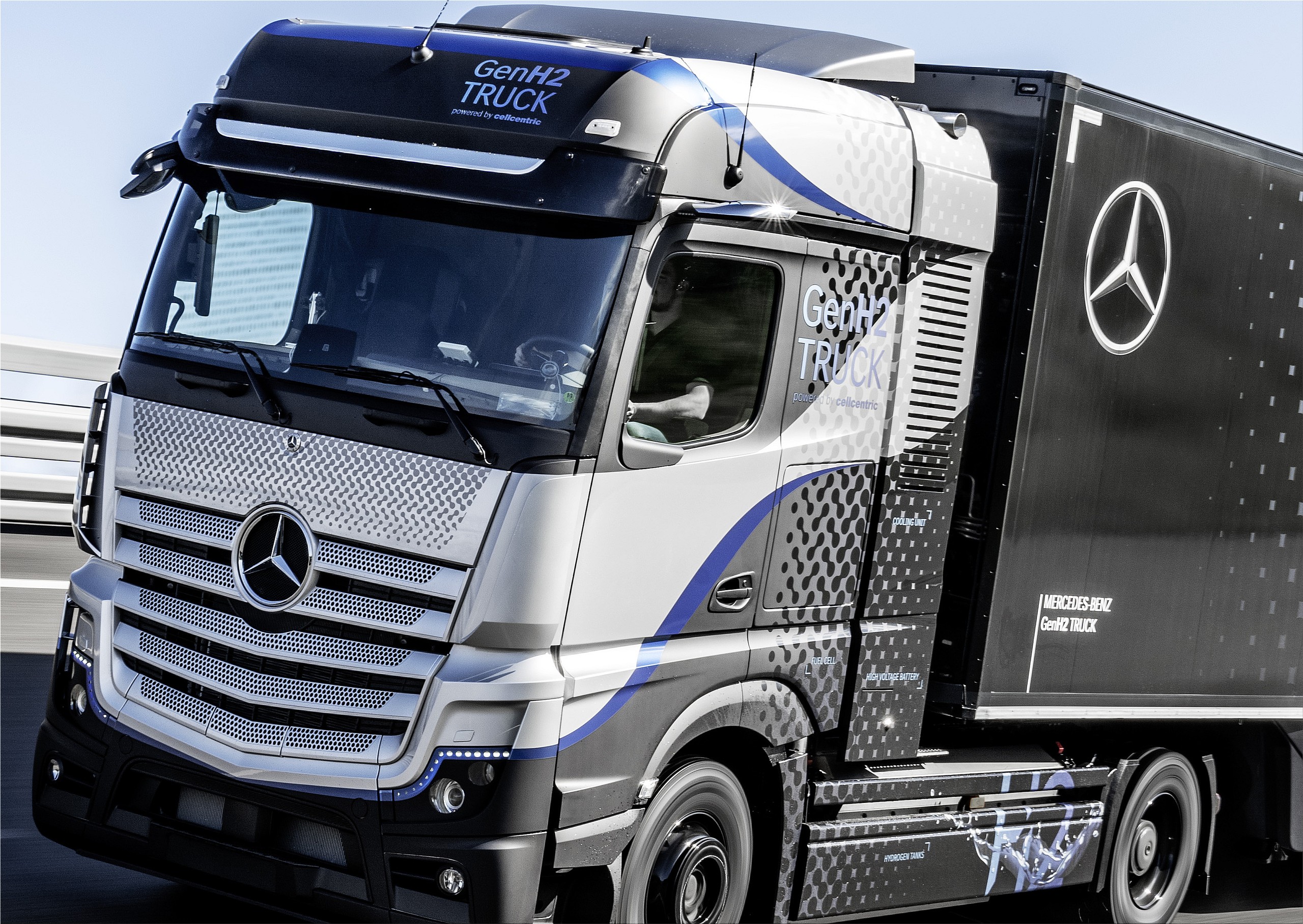
Recently, Mercedes-Benz has made it clear that it sees hydrogen and fuel cells as the basis for making future heavy long-distance transport CO2-neutral.
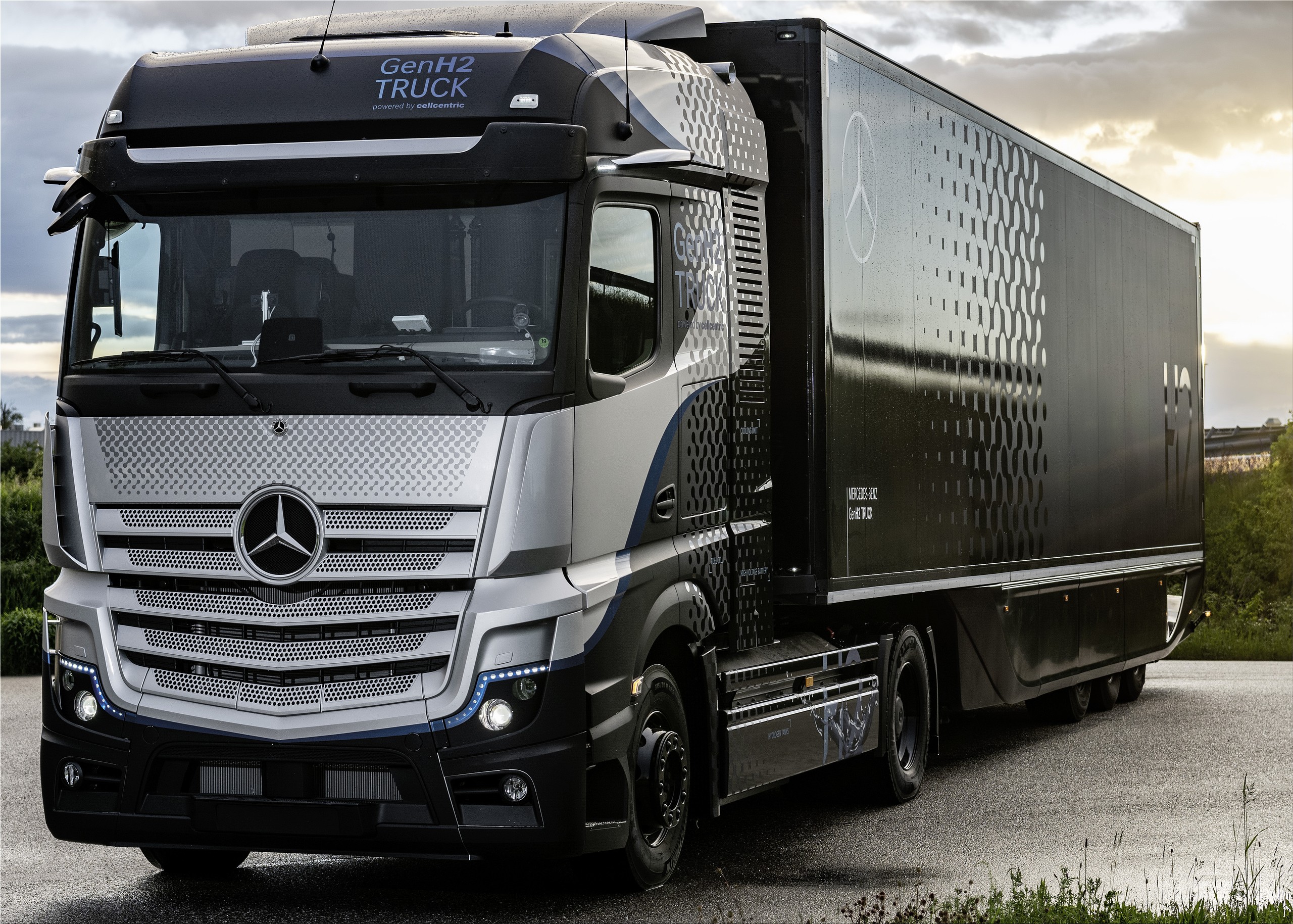
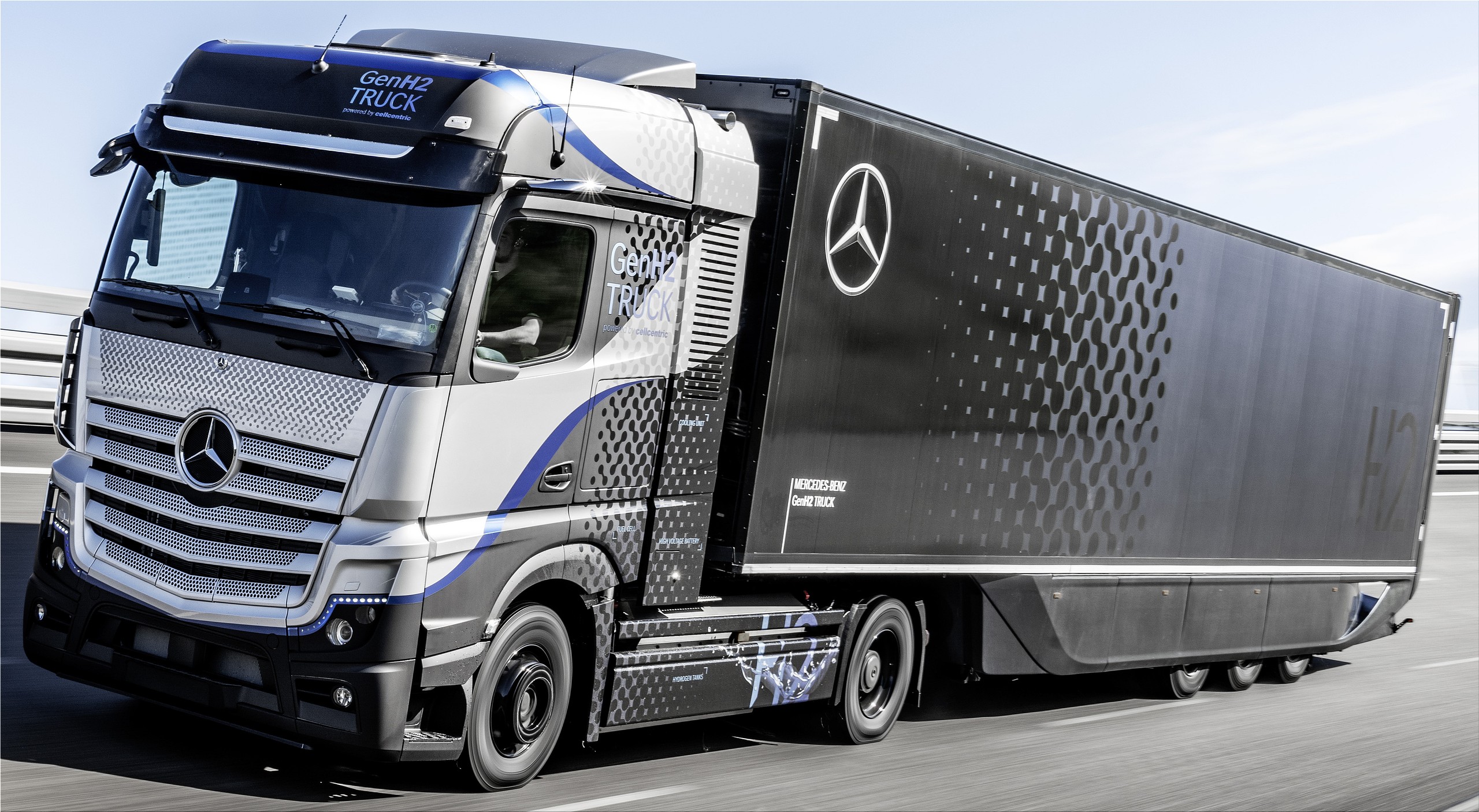
The Mercedes-Benz GenH2, which has been rolling on the company's test tracks since the end of April, is a further development of the concept truck that was shown last year.
The goal is a truck with a total weight of 40 tonnes and a range of at least 100 km on a hydrogen tank (80 kg). Mercedes-Benz plans to use liquid hydrogen as it provides lighter tanks and takes up less space but requires extremely low temperatures. Technical solutions for this will be presented later this year, therefore the car is still powered by hydrogen in gaseous form.
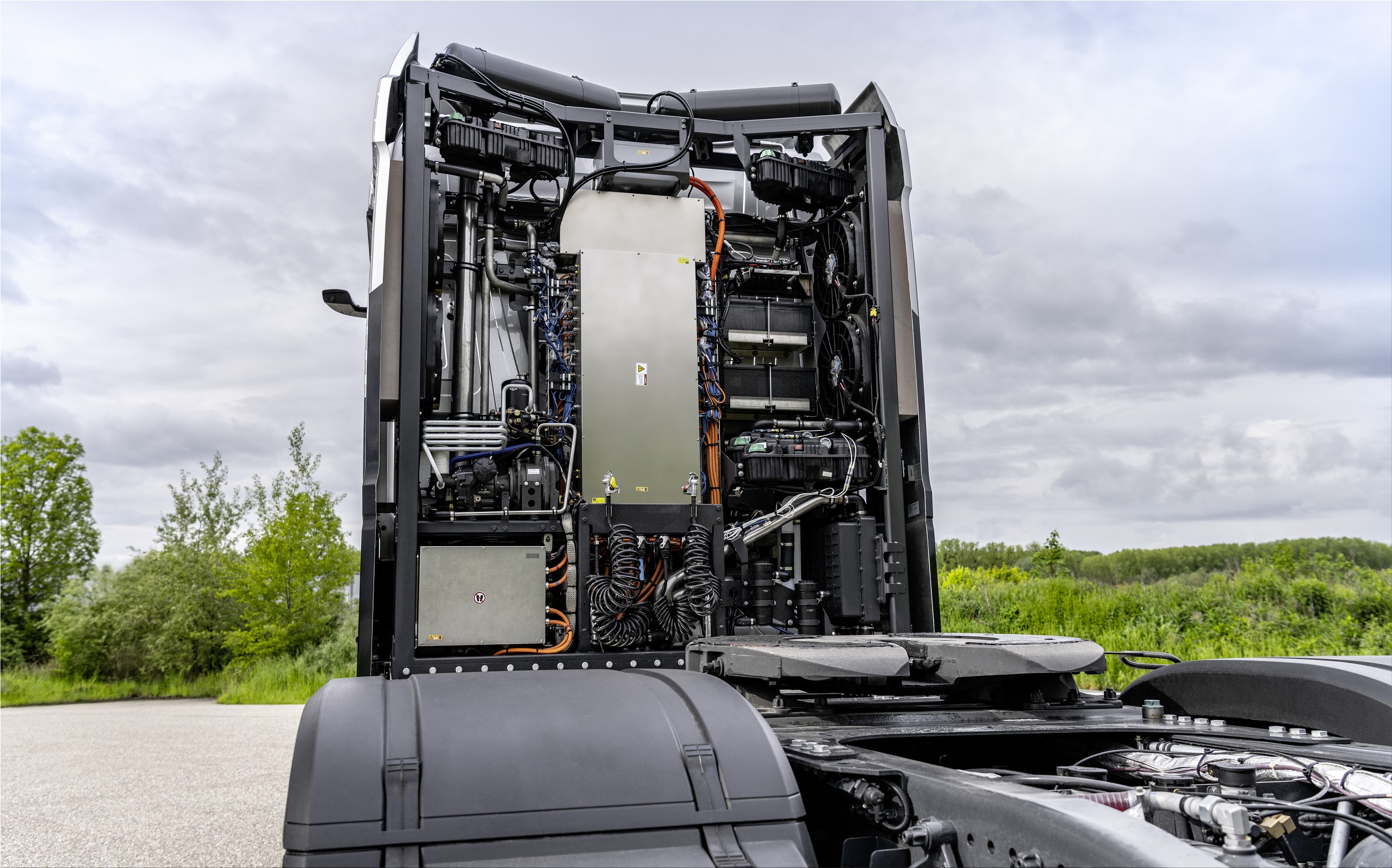
The car also gets a battery that is continuously charged by the fuel cell and which can provide 500 extra horsepower if needed.
Even though the Mercedes-Benz GenH2 is related to the Actros truck, all technology used is completely new. This means, for example, that fluctuations will appear in new ways and on new parts of the car. This implies that it must support as many tests as if it were a new hydrogen fuel cell truck model.

The finished truck must be designed to handle 120,000 miles of driving over 10 years and a total of 25,000 operating hours. Tests on public roads will begin later this year and then take customer tests according to plan 2023. The goal is for the truck to be on the market by 2027.
Fuel cells use hydrogen (in gaseous or liquid form) which when it reacts with oxygen in the air creates electricity which then drives an electric motor. The only exhaust gas from the hydrogen fuel cell trucks is water vapour.


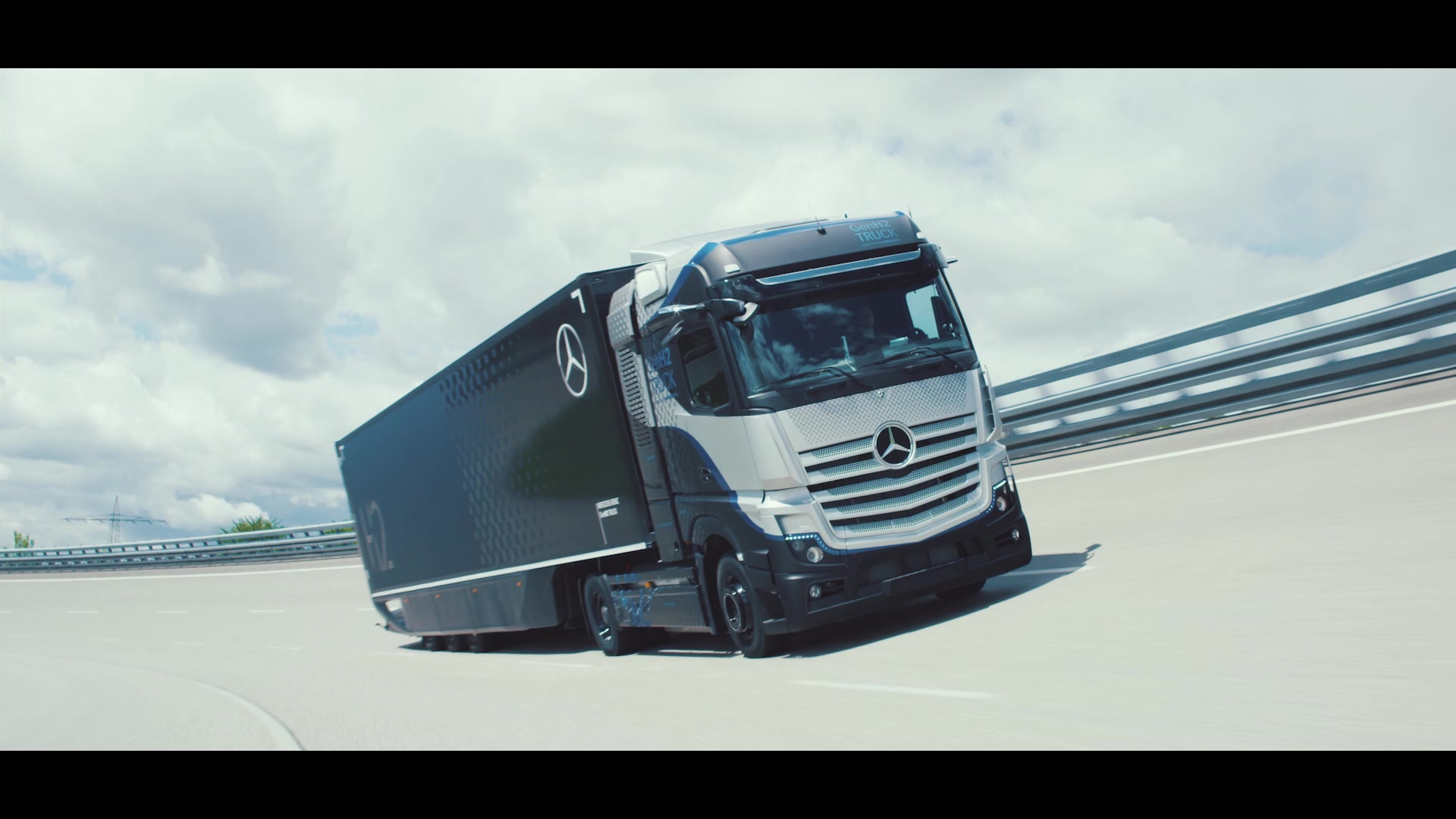
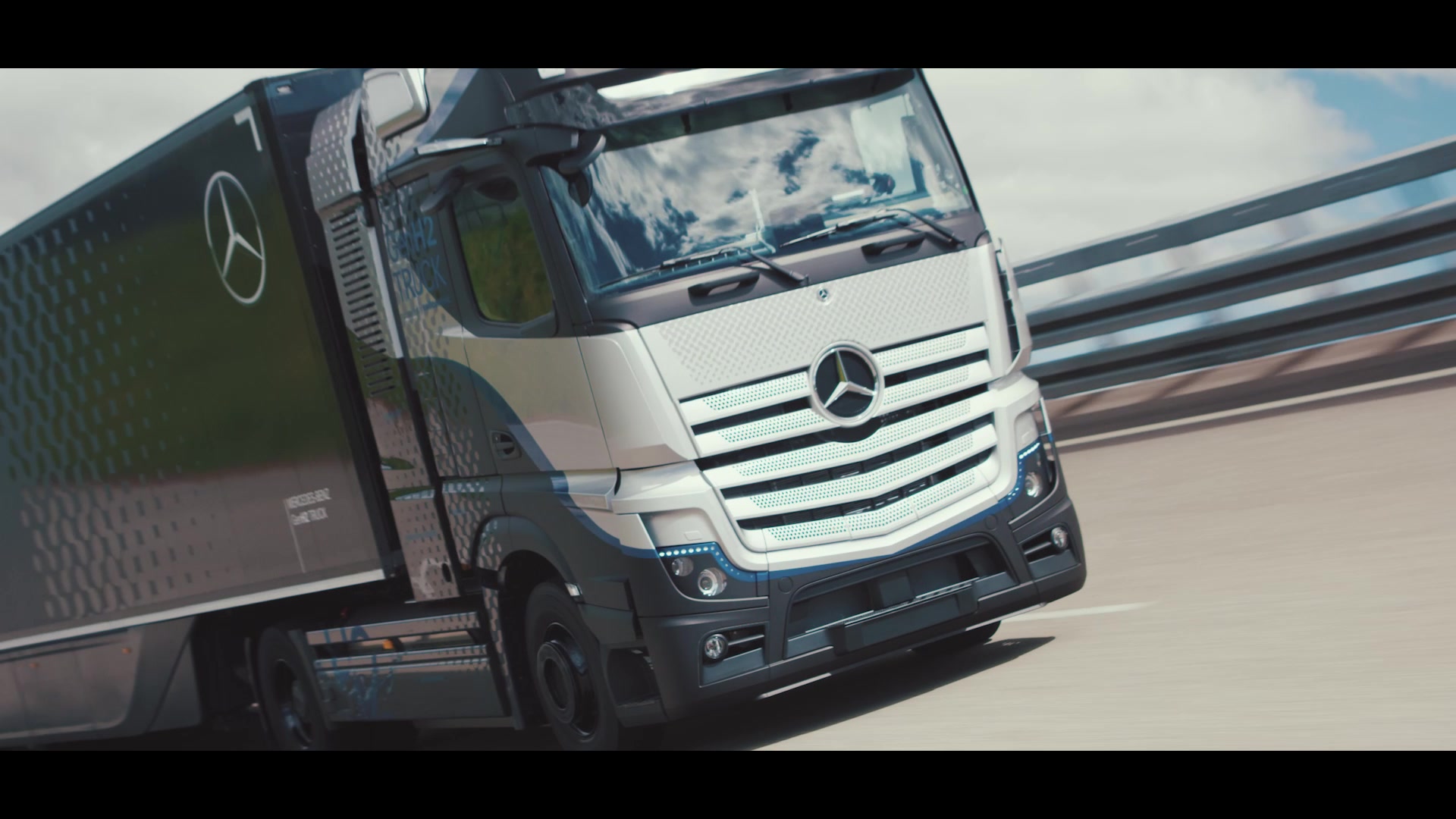


Hydrogen can be produced by water which is broken down into hydrogen and oxygen utilizing electricity (electrolysis). Therefore, such hydrogen production can be said to be a way of storing electricity. If the electrolysis takes place with renewable electricity, so-called green hydrogen gas can be produced. Intensive work is currently underway in the EU to create a roadmap for the production and distribution of green hydrogen. Something that is seen as one of the major driving forces in the EU's green transition.

Daimler Truck is building a new future for freight. At the center of that push is the Mercedes-Benz GenH2 Truck, a hydrogen-powered fuel cell truck targeting 1,000 kilometers (620 miles) of range… Continue reading
Volvo Trucks introduced its first fully electric truck for commercial use. The truck is called FL Electric and is intended for use by urban services, in particular in the field of waste disposal, local delivery of goods and… Continue reading

Yamaha has been producing electric bicycles since 1993 and has already sold more than two million of them, and also produced more than four million electric bikes. The newest addition, Wabash Adventure Gravel does not look different from the… Continue reading

Tesla intends to update its model range in the coming period with an improvement for Model S, according to sources inside the company quoted by CNBC. Thus, the Tesla Model S will borrow many elements from Model 3, including the minimalist… Continue reading