The spread of COVID-19 is helping many European countries set new records in solar energy production.
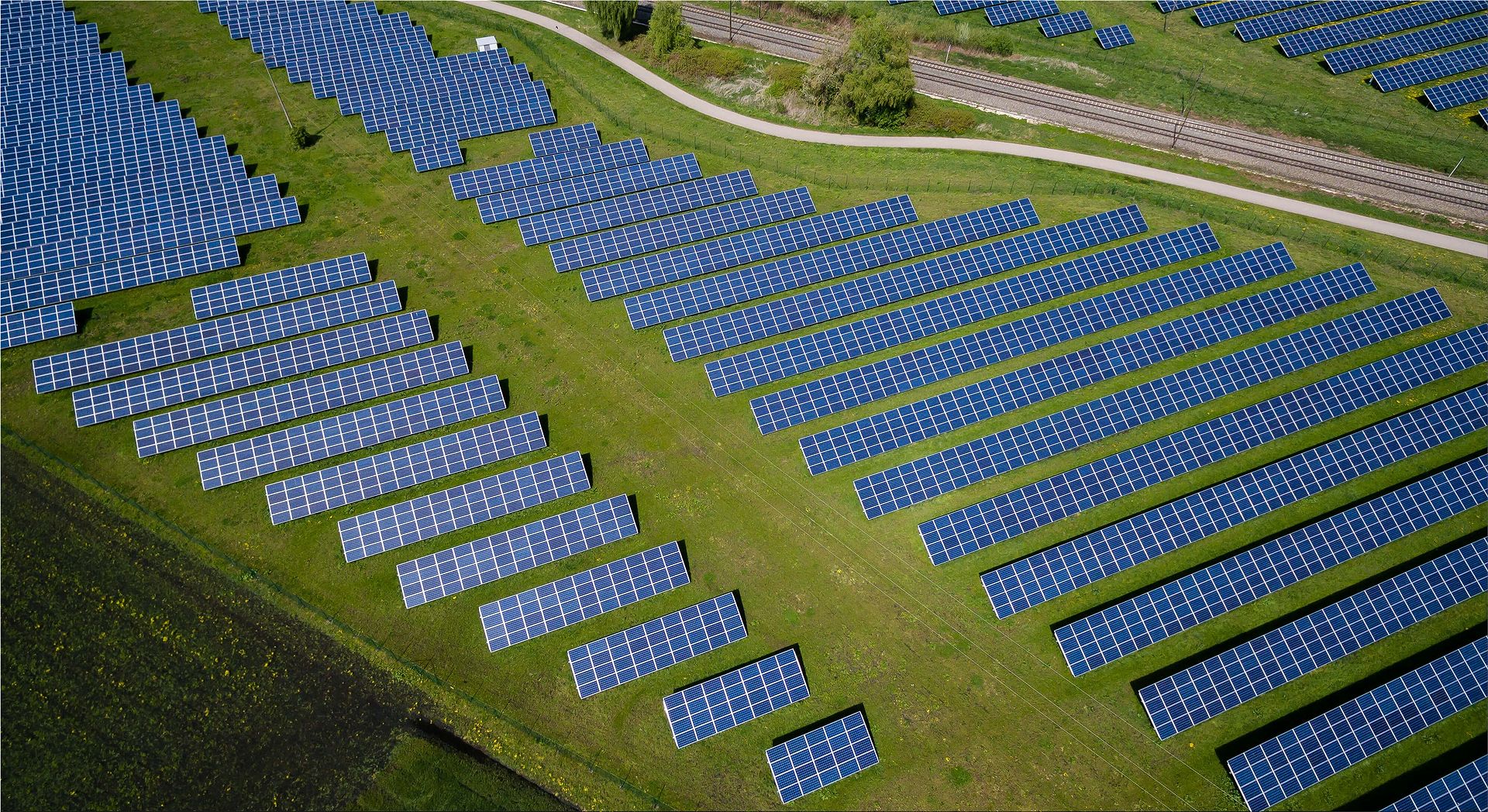
All UK solar panels peaked at 9.68 gigawatts on Monday, according to information from the University of Sheffield and the National Energy System. According to the Solar Trade Association (STA), this figure was enough to fill a third of the energy costs of British users at one time. The previous record of 9.55 gigawatts was recorded in May last year.
According to Bloomberg, on the same day, Germany set a solar power record with an indicator of 32.23 gigawatts. Spain, meanwhile, peaked at 6.34 gigawatts on March 29, according to national network operator Red Eléctrica de España. This is 7.4 per cent higher than the previous record set in February. In general, in recent years, cases of negative electricity prices have become increasingly common, which forces states to pay people for consumption.

The situation is explained as follows. First of all, currently in Europe is very clear weather with a completely cloudless sky. Moreover, arrays of air flows with high pressure over Scandinavia will maintain these conditions for about a week.
The reduction in air pollution in most countries seems to have also brought tangible results. The outbreak of coronavirus has forced many European citizens to work remotely and avoid unnecessary travel. These unprecedented measures have drastically reduced traffic on the roads and, as a result, the quantity of greenhouse gases produced daily by transport. Thus, solar panels were able to absorb more light.
In addition, spring provides near-ideal temperatures for solar panels. Opposite to popular belief, solar panels work much better in cooler weather.
The slow but steady increase in the number of solar panel installations - both in the residential and commercial sectors - undoubtedly also helped. According to a report from Solar Power Europe, last year the capacity of photovoltaic plants doubled in Europe. Spain was the market leader with the new 4.7 gigawatts, then came Germany with 4 gigabytes and the Netherlands with 2.5 gigawatts.
Image gallery:
Nevertheless, Europe is far from a complete rejection of fossil fuels. The moment will come when the quarantine will end and people will start to leave their homes and drive diesel cars again. But, the achievements established over the past couple of months show that with the concerted efforts of citizens and politicians, this is entirely possible.
- Add new comment
- 251 views