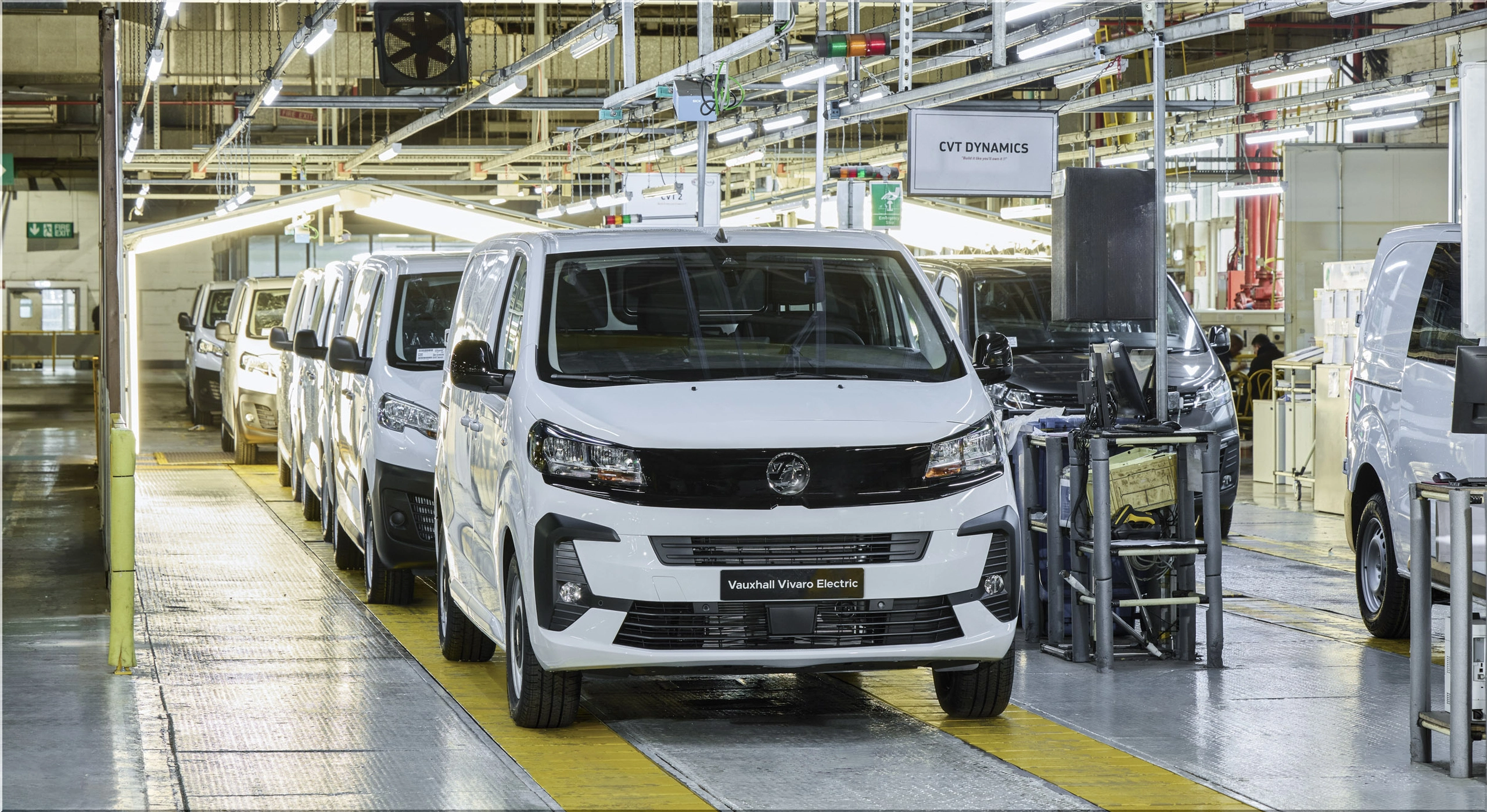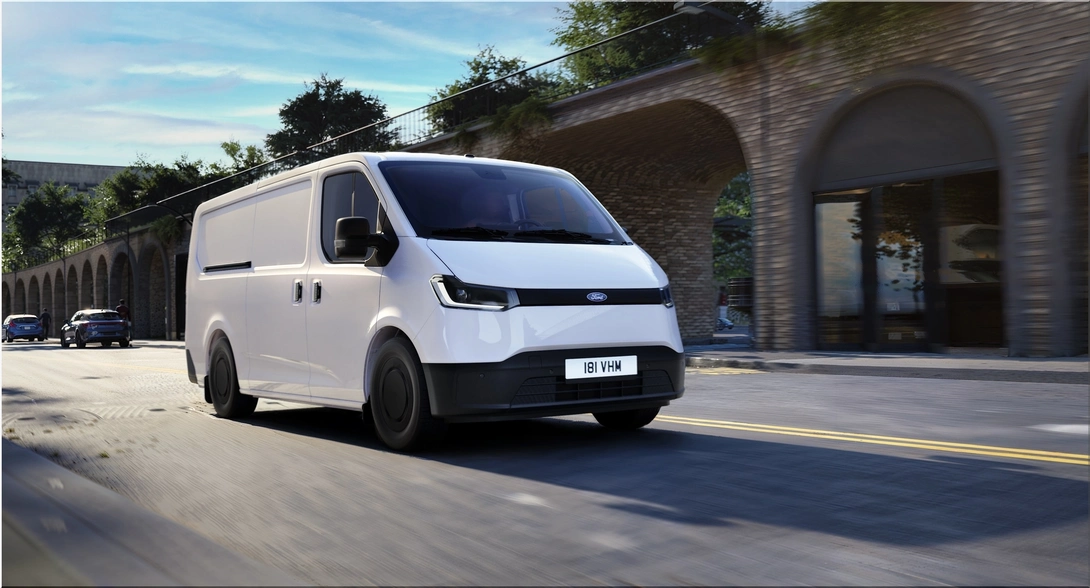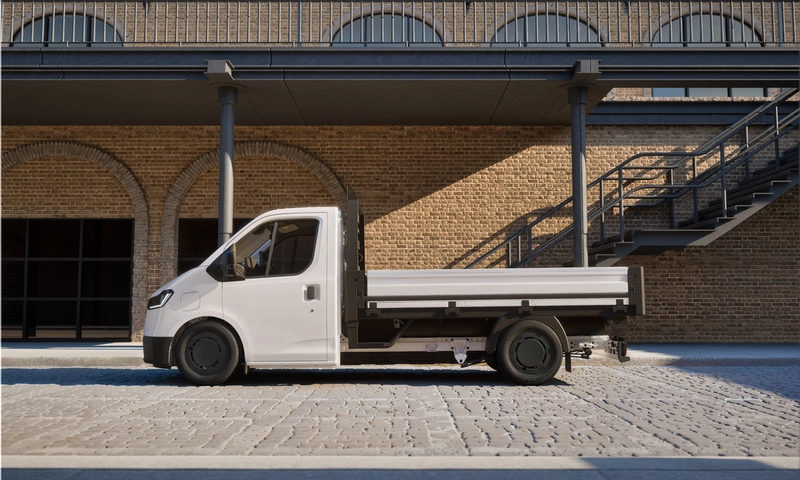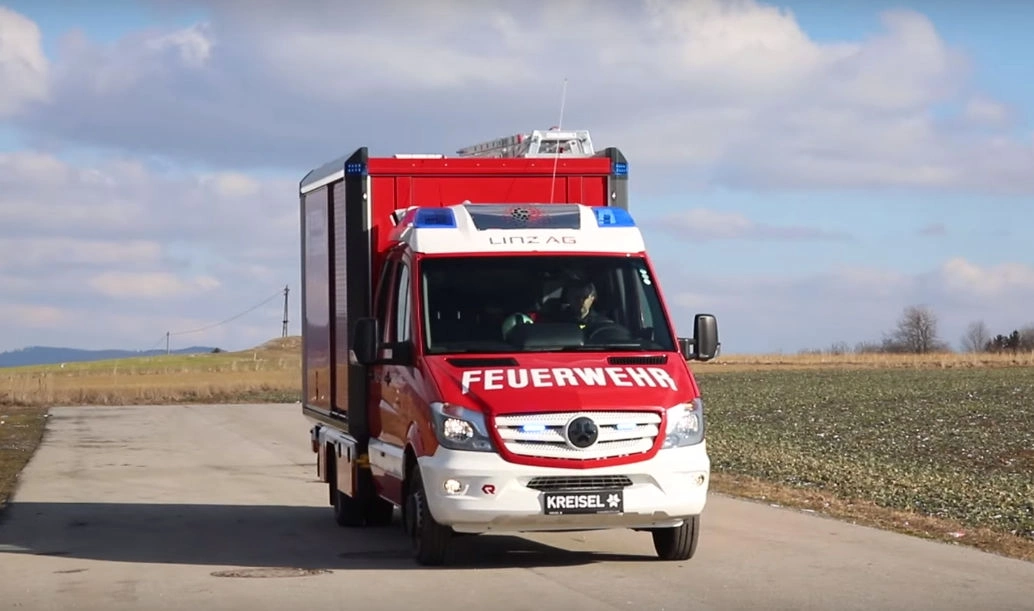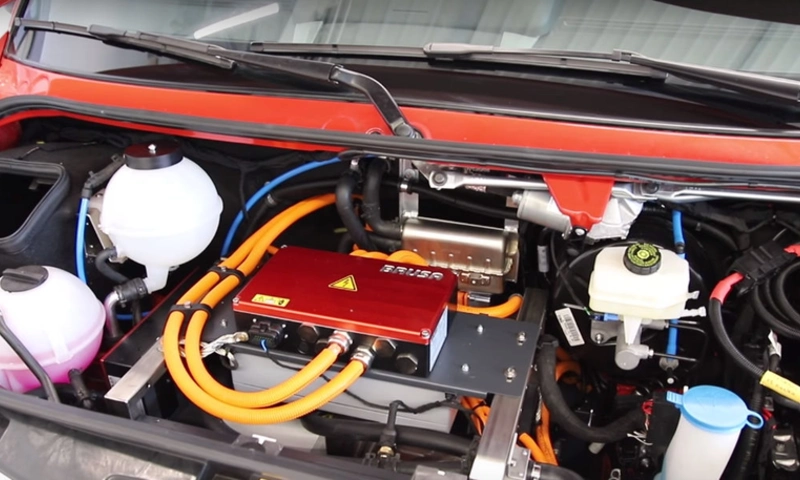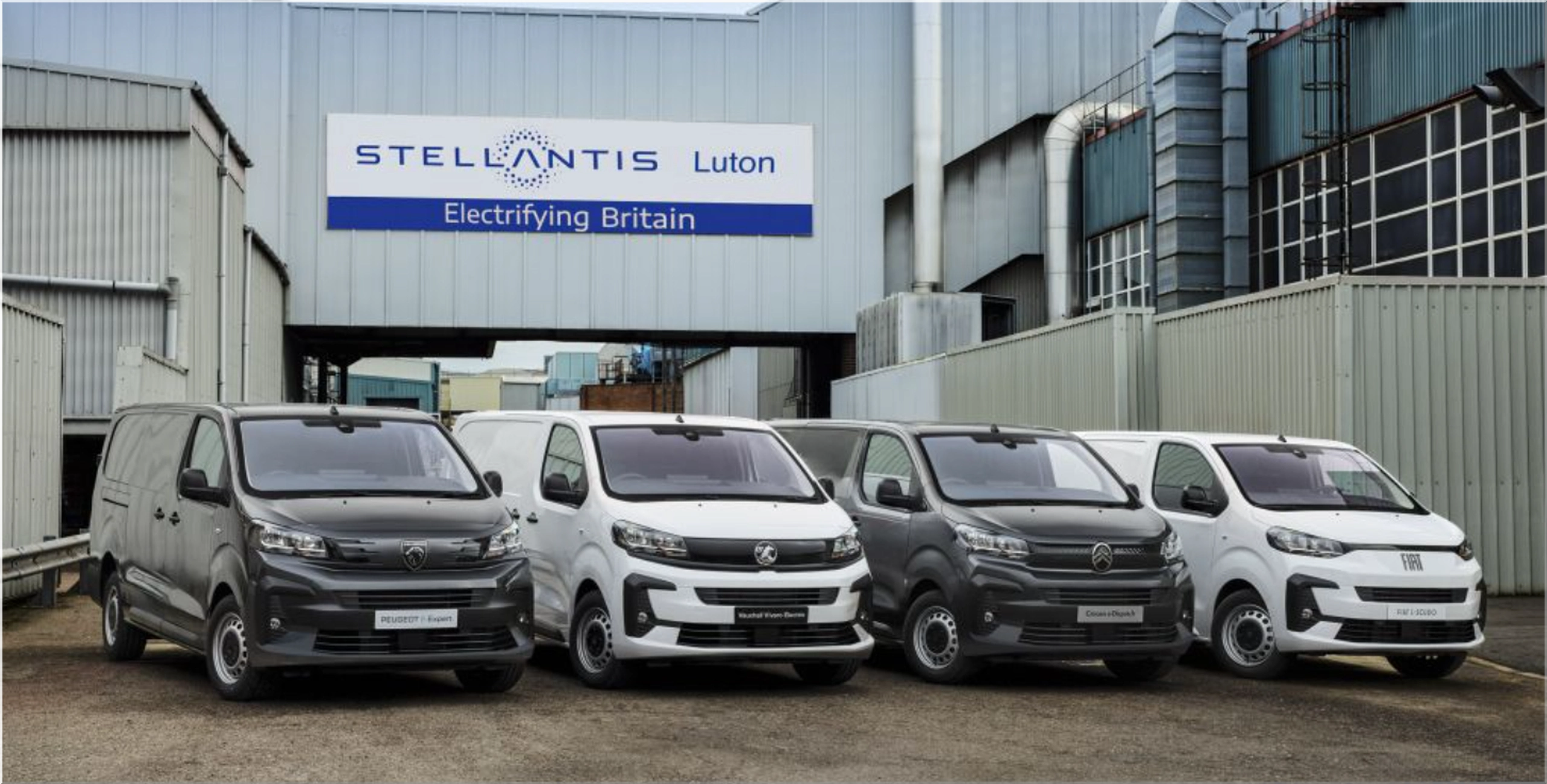
Stellantis, the world’s fourth-largest automaker, has announced that it will start producing electric vans at its Luton plant in the UK from 2025. The move is part of the company’s strategy to expand its presence in the UK market and to meet the growing demand for zero-emission vehicles.
Stellantis, which was formed by the merger of Fiat Chrysler and PSA Group earlier this year, owns several brands, including Peugeot, Citroen, Fiat, Opel, Vauxhall, Jeep, and Ram. The company has a strong position in the European light commercial vehicle (LCV) segment, with a market share of over 34% in 2020.
Electric vans are a lucrative opportunity
The LCV market is expected to grow significantly in the coming years, as more businesses and consumers switch to electric vehicles for environmental and economic reasons. According to a report by BloombergNEF, electric vans will account for 11% of the global LCV sales by 2025, and 40% by 2030.
Electric vans offer several advantages over conventional diesel or petrol vehicles, such as lower operating costs, reduced emissions, and access to low-emission zones. Electric vans are also suitable for urban delivery and last-mile services, which are booming due to the rise of e-commerce and online shopping.
Stellantis is not the only automaker that sees the potential of electric vans. Other competitors, such as Ford, Volkswagen, Renault, Nissan, and Mercedes-Benz, have also launched or announced plans to launch electric versions of their popular van models. However, Stellantis claims that it has a competitive edge in terms of technology, design, and customer service.
Stellantis has a diversified portfolio of electric vans
Stellantis offers a range of electric vans under its different brands, catering to various customer needs and preferences. Some of the electric vans that Stellantis currently sells or plans to sell in the UK are:
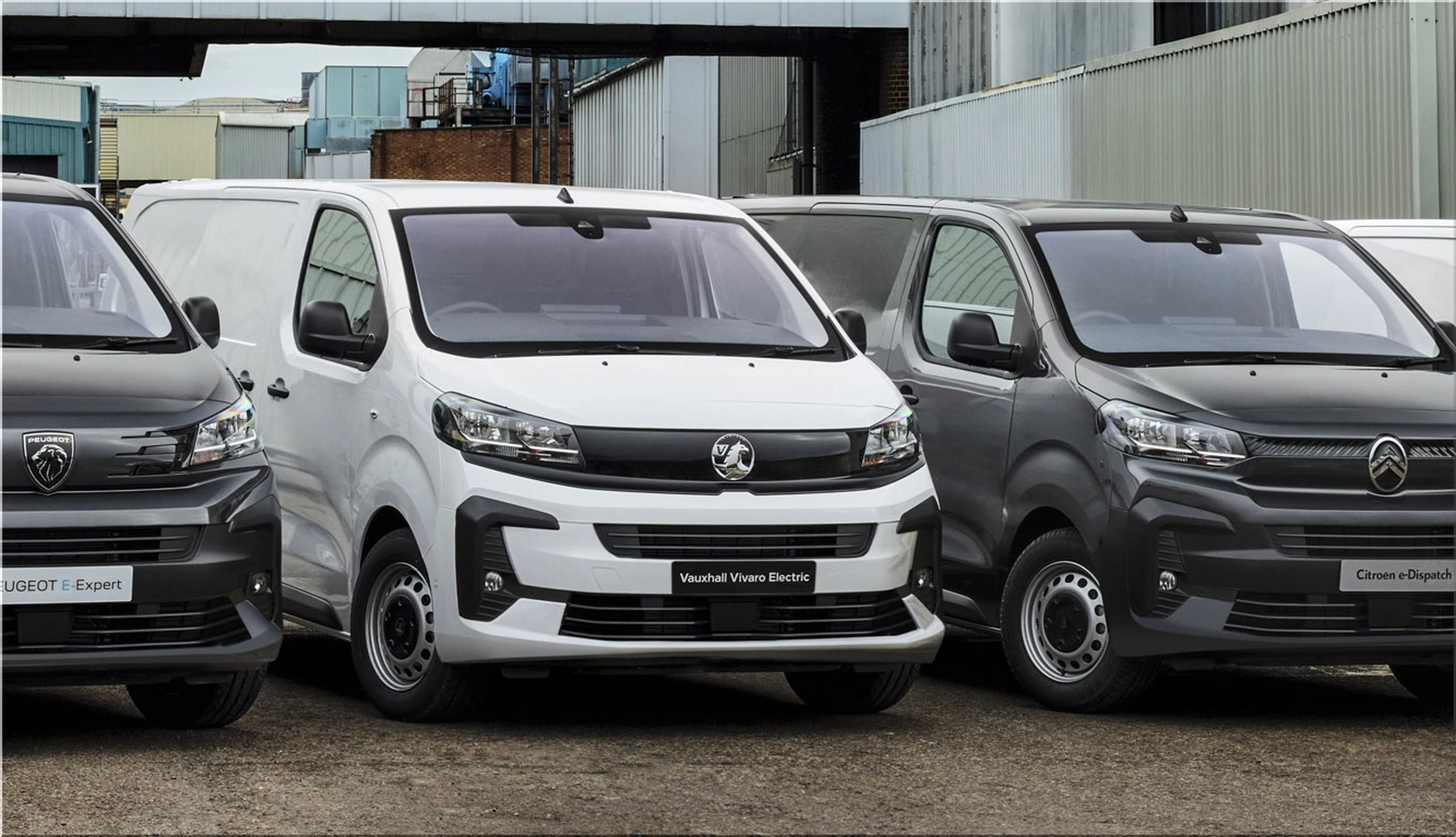
- Peugeot e-Expert: This is a medium-sized electric van that can carry up to 1,275 kg of payload and has a range of up to 211 miles on a single charge. It is available in three lengths and two battery options. The Peugeot e-Expert also has a fast-charging capability that can recharge 80% of the battery in 30 minutes.
- Citroen e-Dispatch: This is a similar electric van to the Peugeot e-Expert, as both are based on the same platform. It has the same features and specifications as the e-Expert, but with a different design and branding. It also has a five-year warranty and an eight-year battery warranty.
- Vauxhall Vivaro-e: This is another electric van that shares the same platform as the Peugeot e-Expert and the Citroen e-Dispatch. It has the same features and specifications as the other two, but with a different design and branding. It also has a unique feature called FlexCargo, which allows the load space to be extended by folding the front passenger seat.
- Fiat E-Ducato: This is a large electric van that can carry up to 1,950 kg of payload and has a range of up to 192 miles on a single charge. The Fiat E-Ducato is available in four lengths and three heights, and has a modular battery system that can be customized according to the customer’s needs. It also has a smart connectivity system that provides real-time information on the vehicle’s performance and status.
- Opel Movano-e: This is an upcoming electric van that will be launched in 2021. The Opel Movano-e is based on the same platform as the Renault Master Z.E., which is already available in the UK. It will have a range of up to 139 miles on a single charge and a payload capacity of up to 1,620 kg. It will also have a regenerative braking system that can recover energy and extend the range.