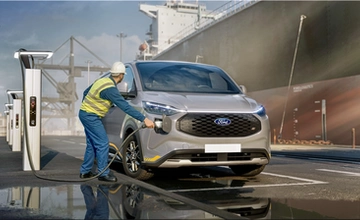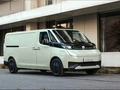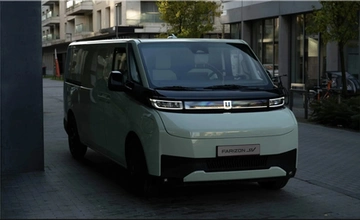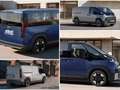
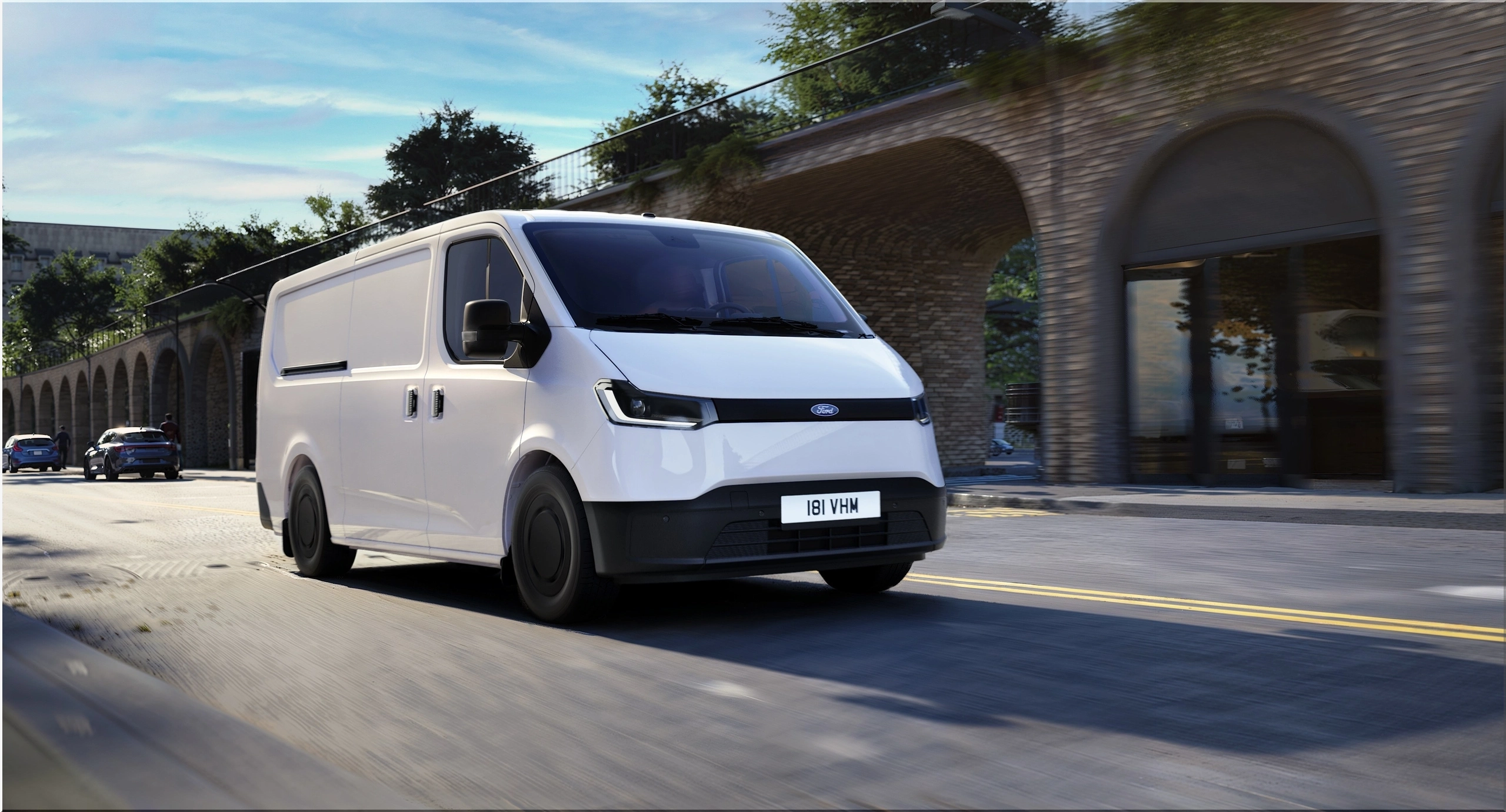
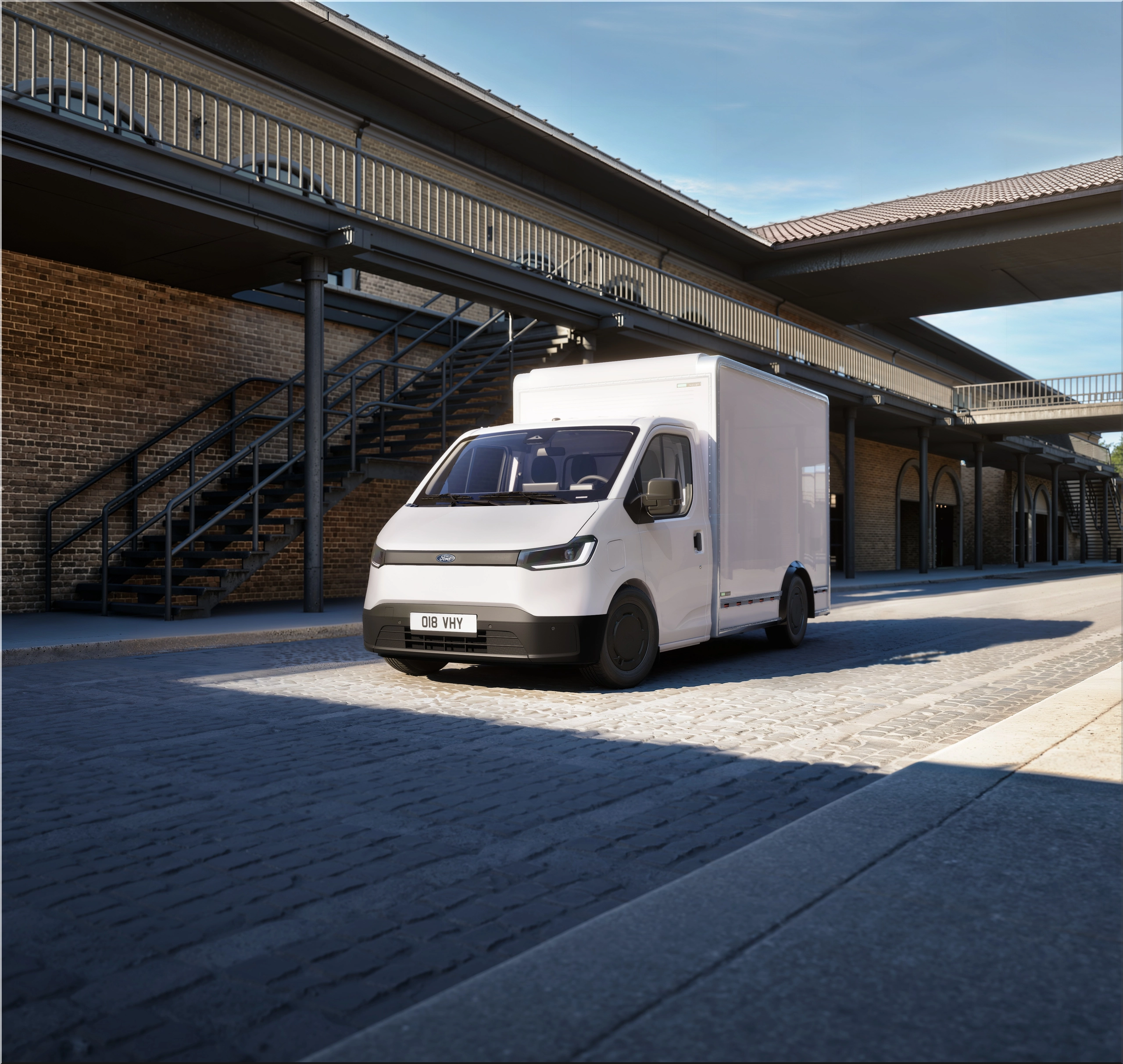
Ford has added a new piece to its commercial EV lineup, and the brief feels brutally clear. The new Ford Transit City electric van targets dense urban delivery routes, zero-emission zones, and operators who care more about uptime and cost per mile than fancy trim names.
Image
Looking at the data, Ford built the Transit City electric around a simple business case. A 56 kWh LFP battery, a 110 kW front-mounted electric motor, targeted WLTP range up to 254 km, and charging speeds that can recover a useful amount of energy during a lunch stop all point to one goal: keep the van moving, keep the spec simple, and keep ownership costs under control.
Why Ford Built the Transit City This Way
Ford says connected fleet data shows roughly 90 percent of vans in this class travel less than 110 km per day. That matters. It explains why Ford did not chase a giant battery pack or long-haul positioning. Instead, it chose an LFP battery chemistry that better suits repeated fast charging, daily commercial use, and cost-sensitive fleet purchasing.
From an expert perspective, that is the right engineering call for a city van. LFP chemistry usually trades some energy density for lower material cost, strong cycle life, and better tolerance for regular charging abuse. Consequently, the Ford Transit City electric van should make more sense for courier fleets, service businesses, and municipal operators than a larger, pricier EV with range they will rarely use.
Ford Transit City Electric Specs That Matter
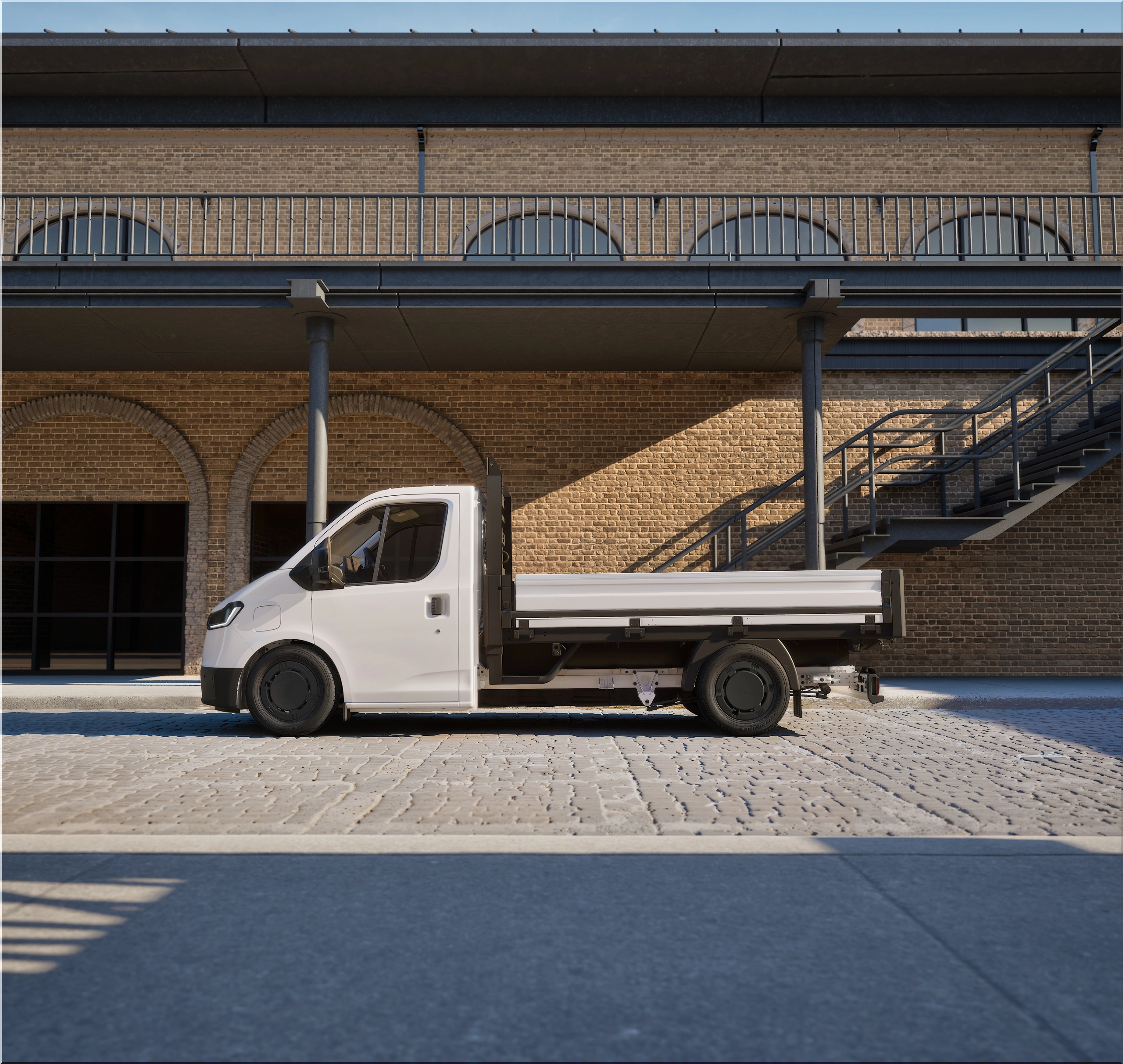
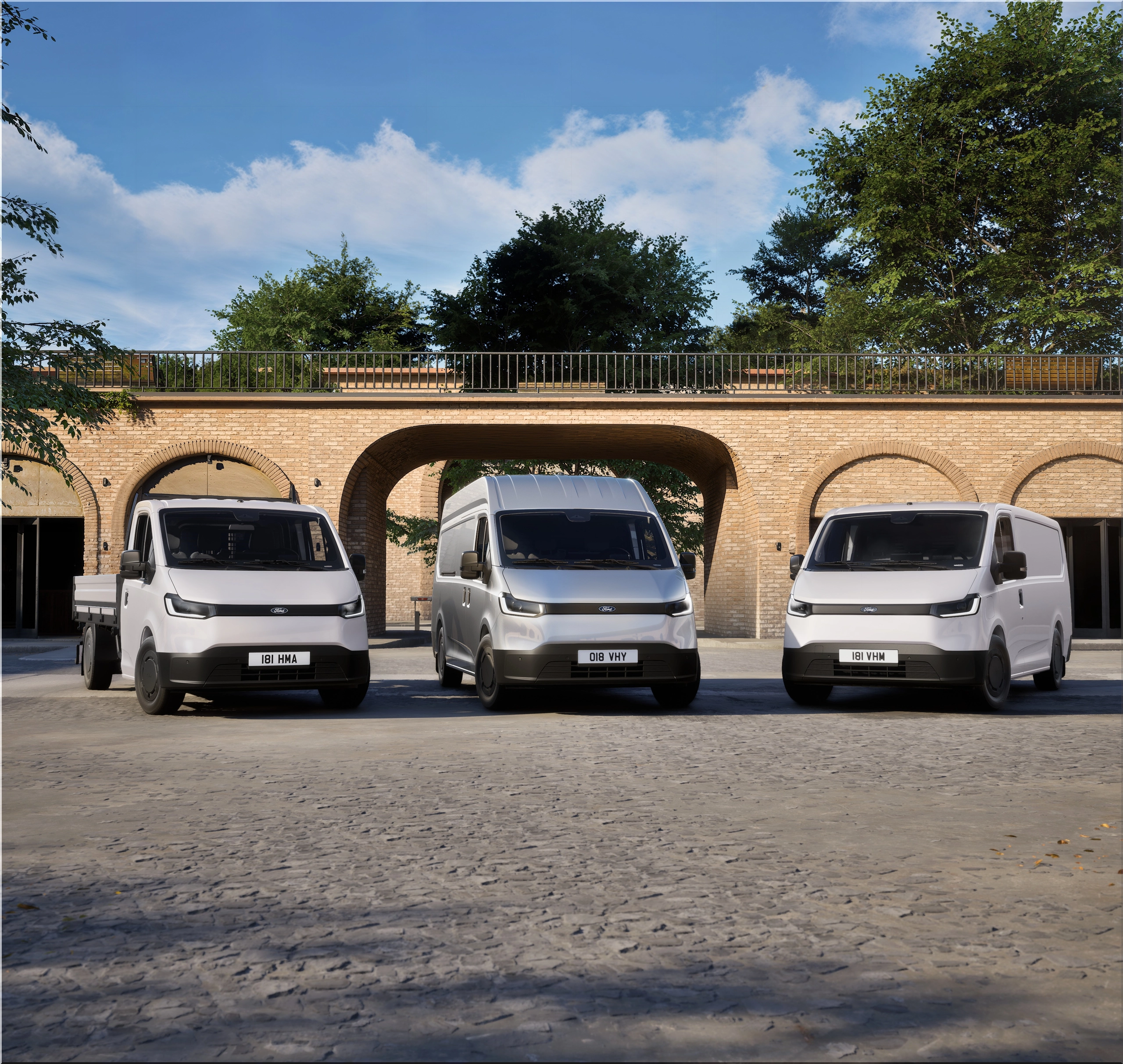
The headline numbers tell a clean story, but the packaging tells the bigger one. Ford offers three body styles and keeps the feature set tightly controlled, which reduces ordering complexity and cuts the odds of fleet buyers building expensive one-off specs.
Core powertrain and charging data
| Spec | Ford Transit City Electric |
|---|---|
| Battery | 56 kWh LFP |
| Motor output | 110 kW |
| Drive layout | Front-wheel drive |
| Target range | Up to 254 km WLTP |
| AC charging | 11 kW |
| DC peak charging | 87 kW |
| DC average charging | 67 kW |
| 10-80% DC charging time | About 33 minutes |
| 10-minute DC top-up | About 50 km of range |
| Service interval | 2 years or 40,000 km |
In addition, Ford says servicing costs should come in about 40 percent lower than an equivalent diesel van. That claim will grab attention because maintenance savings often decide EV fleet math faster than range figures do.
Video gallery
Video title
Ford Transit City electric van
Cargo Space, Payload, and Body Styles
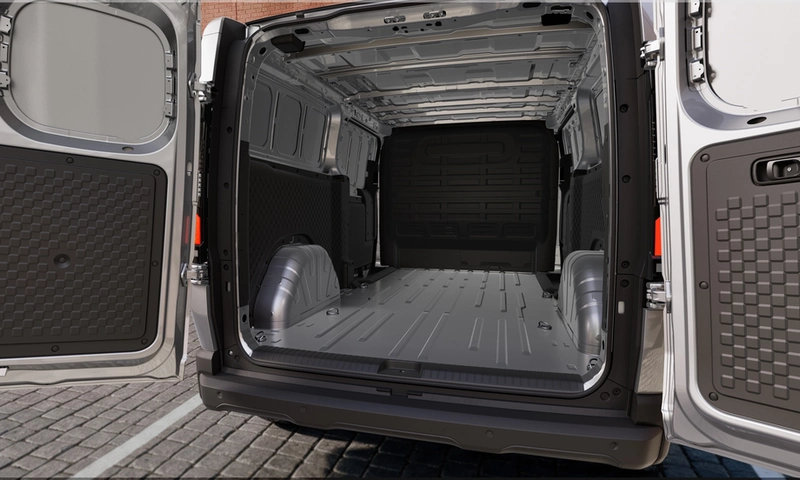
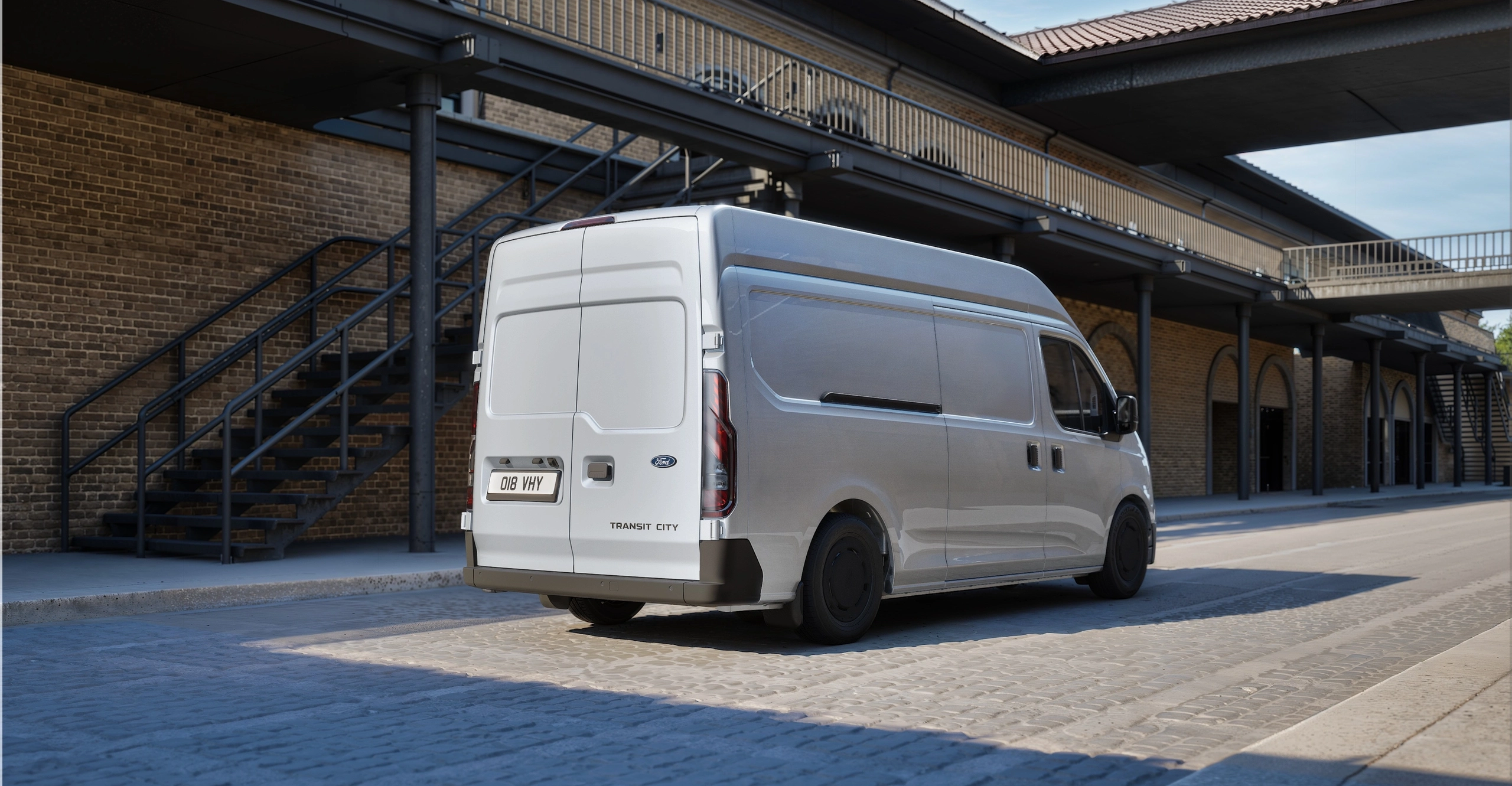
Cargo capability sits at the center of this launch. Ford clearly knew that an urban electric van still has to work like a van first and an EV second.
Body variants and work-focused dimensions
| Variant | Cargo volume | Payload | Load length | Key use case |
|---|---|---|---|---|
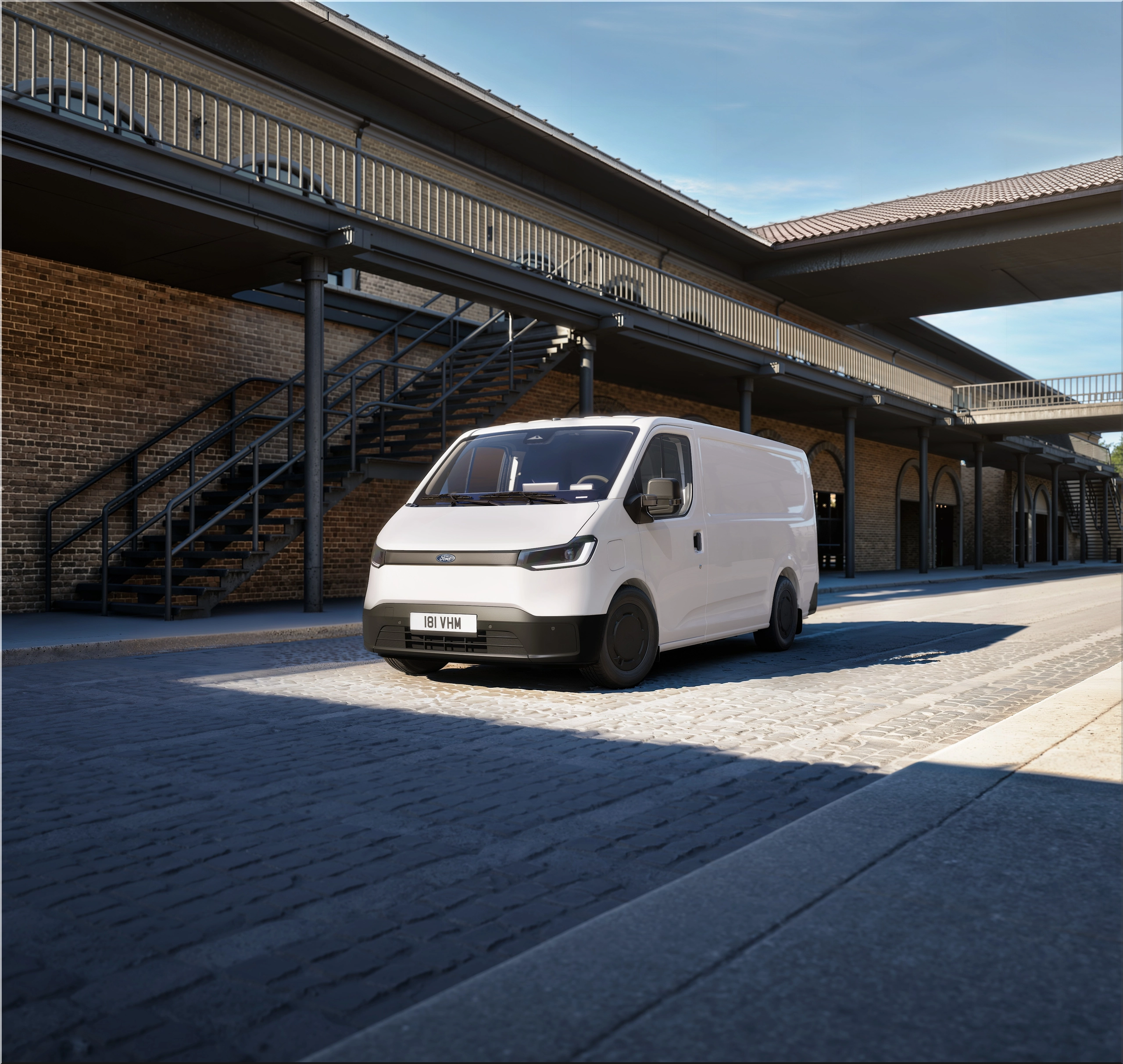
| L1H1 panel van | Up to 6.4 m3 | 1,045 kg | Up to 2,770 mm | Tight-city multi-drop work |
| L2H2 panel van | Up to 8.5 m3 | 1,235 kg | Up to 3,070 mm | Higher-volume urban delivery |
| Chassis cab | Conversion dependent | Up to 1,600 kg | N/A | Refrigerated box, tipper, utility builds |
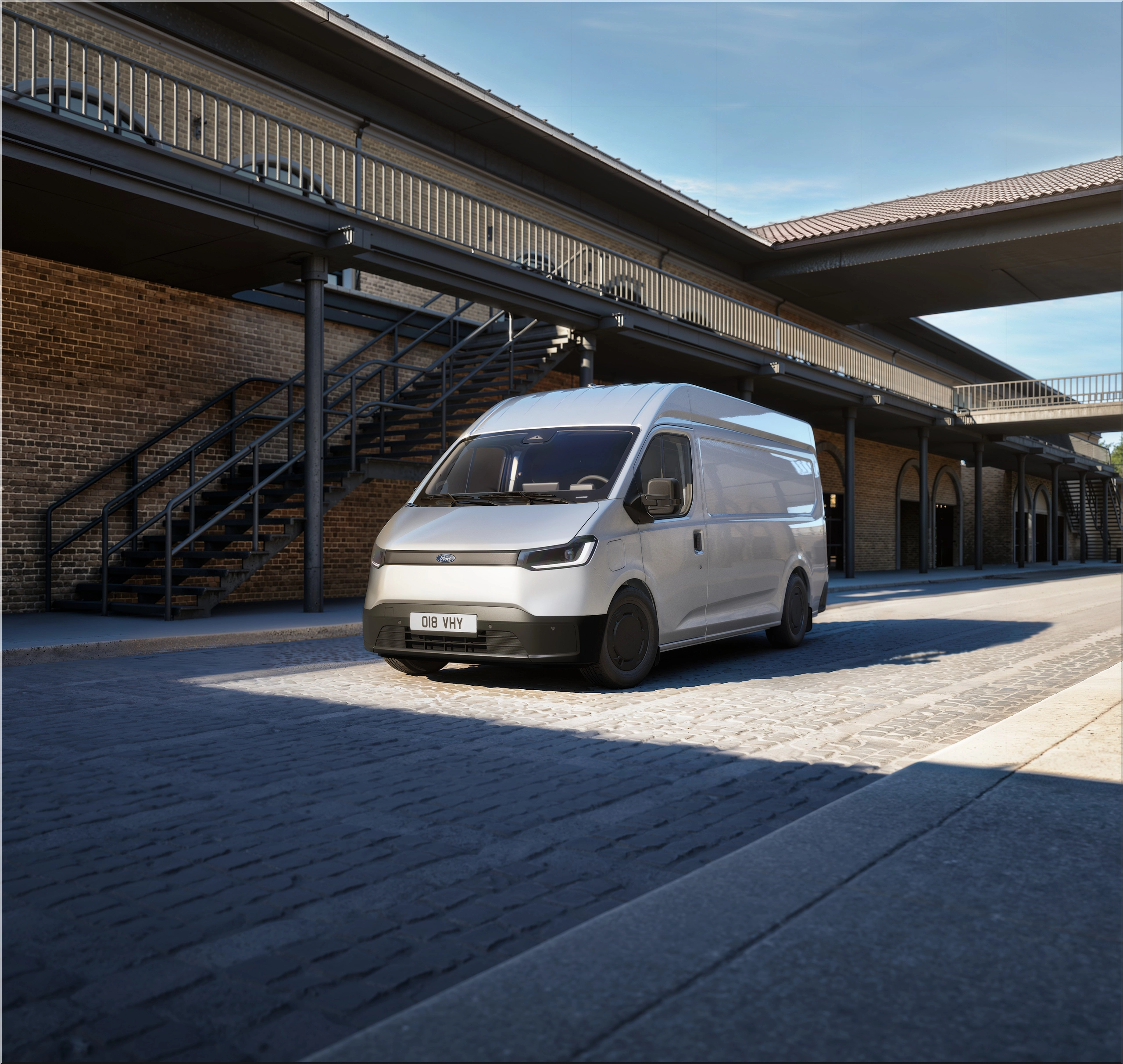
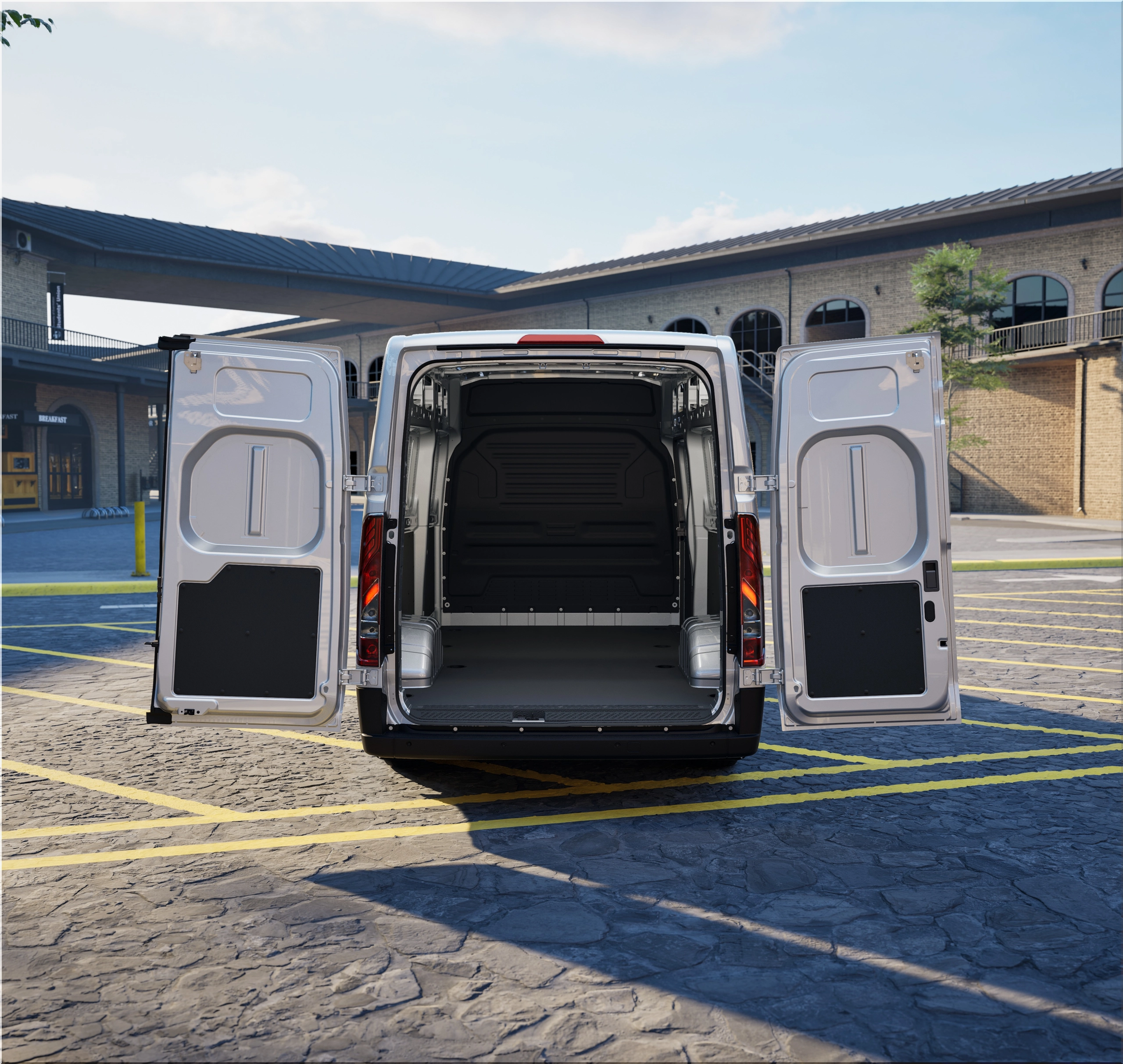
Specifically, the L1H1 can carry three Euro pallets, which gives it real credibility for parcel and contractor duty. The L2H2 stretches the formula with over 3,000 mm of floor length and enough room to cut depot visits on a busy route.
That is the commercial sweet spot. Fleets do not make money by admiring their vans in the parking lot. They make money by packing more stops into the same shift.
Image
Standard Equipment That Cuts Driver Fatigue
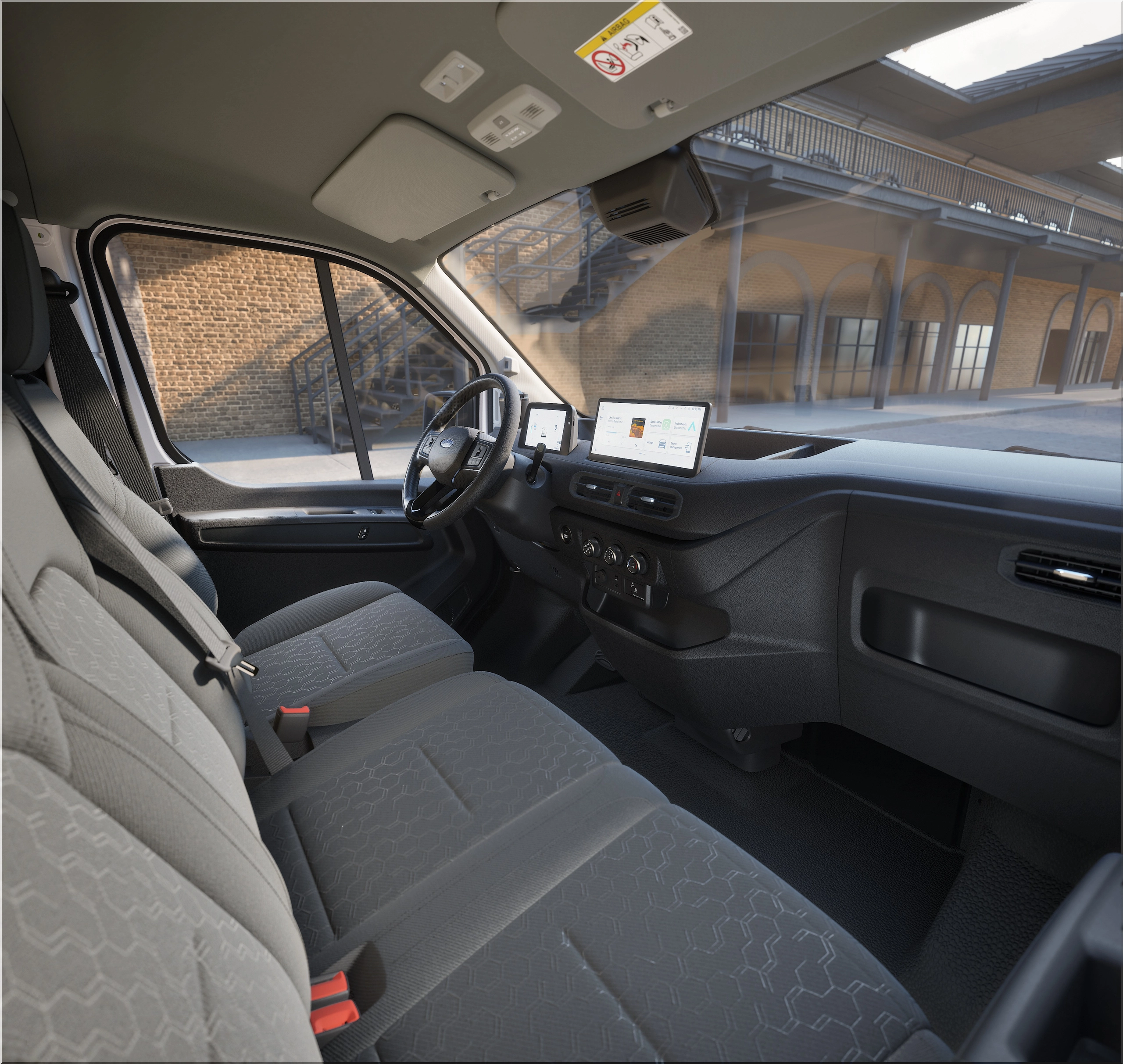
Ford did not chase luxury, but it did choose equipment that helps drivers survive repeated stop-start duty. That distinction matters.
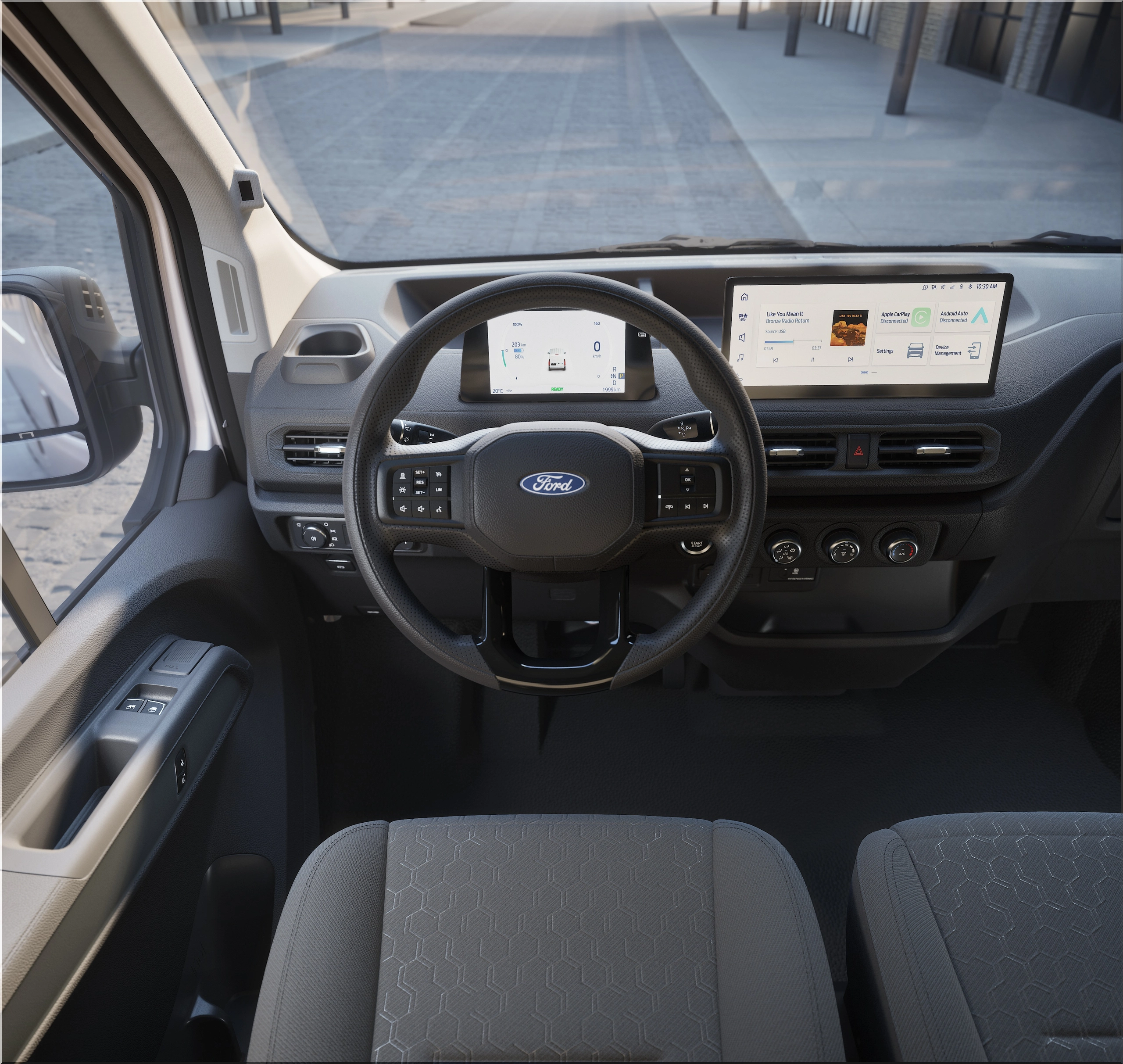
Standard features include:
- Heated driver's seat
- Keyless start
- 12.3-inch touchscreen
- Apple CarPlay and Android Auto
- Rear-view camera
- Front and rear parking sensors
- Adaptive cruise control
- Lane-centering and lane-departure support
- Automatic emergency braking
By comparison, the heated seat sounds minor until you think about delivery use. Ford says some drivers may get in and out of the cab up to 200 times per day. Heating the seat instead of repeatedly reheating the entire cabin saves energy and reduces driver discomfort during cold-weather urban routes. That is practical engineering, not brochure filler.
Video gallery
Video title
2026 Ford Transit City
Where the Transit City Wins and Where It Gives Something Back
The new Ford electric van does not try to dominate every metric. It picks a lane and stays in it.
Transit City's likely wins
- Payload strength for the class, with up to 1,235 kg in the L2H2 and 1,600 kg for the chassis cab.
- Simple range-to-cost logic with an LFP pack sized for city duty.
- Fast enough DC charging for mid-shift recovery.
- Single-spec simplicity that trims procurement headaches.
- Useful standard tech without bloated options lists.
Trade-offs
- The 254 km range aims at urban work, not regional haul duty.
- The van focuses on efficiency and fleet discipline, so buyers looking for premium cabin flair may want something else.
- Some competitors offer more range, but often with more cost, more complexity, or less payload.
Ford Transit City vs Key Electric Van Rivals
Ford drops the Transit City into a crowded European commercial EV fight. The strongest comparison points come from medium and compact electric vans already serving city fleets.
| Model | Range | Battery | Payload | Cargo volume | Best at |
|---|---|---|---|---|---|
| Ford Transit City | Up to 254 km | 56 kWh | Up to 1,235 kg | Up to 8.5 m3 | Payload, simple fleet value |
| Opel Vivaro Electric | Up to 352 km | Two battery options | Up to 1,250 kg | Up to 6.6 m3 | Longer urban-regional routes |
| Peugeot E-Expert | Segment varies | Electric lineup | Up to 1,210 kg | Up to 6.6 m3 | Balanced medium-van duty |
| VW ID. Buzz Cargo | Larger battery setup | 77 kWh net | Up to 650 kg | 3.9 m3 | Brand appeal, lighter-duty urban use |
| Renault Kangoo E-Tech | Up to 186 miles | Smaller-format van setup | Lower payload class | Smaller cargo class | Compact-city service work |
Looking at the data, the Transit City does not beat every rival on driving range. It does punch hard on payload, load volume, and fleet-focused simplicity. That combination will appeal to operators who run predictable routes and want a van that earns back its purchase price through daily productivity, not headline bragging rights.
Video gallery
Video title
2026 Ford Transit City
Pricing Outlook and Fleet ROI
Ford has not fully pinned down broad-market pricing in every market yet, but several early reports place the van as a lower-cost step below the E-Transit Custom. UK estimates have ranged from about $38,500 for aggressive early-positioning chatter to about $47,800 for more conservative retail forecasts, while another industry estimate suggested roughly $54,100 equivalent if Ford places it between smaller and larger electric Transit models.
That spread sounds wide, but the product logic stays the same. Ford wants the Transit City electric van to sit in the value zone, not the premium zone.
Pro-Tip
If you run repeatable routes under 110 km per day, charge overnight, and value payload over long-range bragging rights, this van likely makes stronger financial sense than a larger EV with a bigger battery and a bigger monthly payment.
Image gallery:
What Now?
If you manage a courier fleet, a municipal service team, or a contractor business, the next move looks straightforward:
- Map your average daily route mileage.
- Check how often your vans actually exceed 110 km.
- Compare diesel maintenance spend against Ford's two-year/40,000 km service plan.
- Price overnight AC charging against current fuel costs.
- Decide whether payload and cargo cube drive your business harder than extra range.
The Ford Transit City electric looks like a van built by people who studied route sheets instead of marketing decks. That makes it one of the more interesting commercial EV launches of 2026.
- Add new comment
- 229 views